
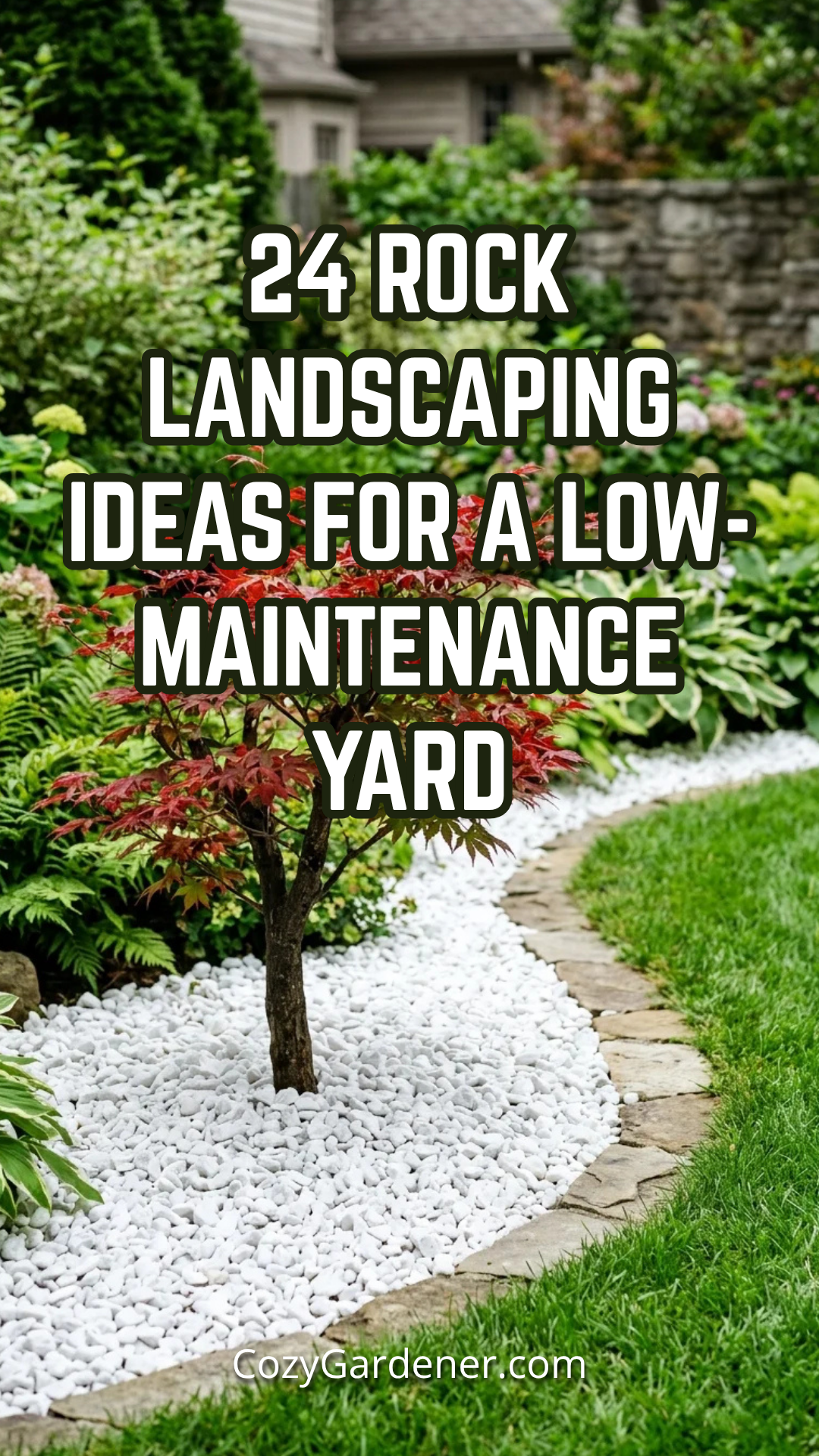
Maintaining a lush, green lawn is a labor of love that many homeowners are beginning to trade for something more practical, sustainable, and equally beautiful: rock landscaping. Often referred to as “hardscaping” or “xeriscaping,” using stone in your yard eliminates the need for constant mowing, heavy watering, and expensive fertilizers.
Rocks provide a permanent structure to your outdoor space, offering texture and color that lasts through all four seasons. Whether you are looking to create a zen-like retreat or a rugged, naturalistic garden, these 24 rock landscaping ideas will help you transform your yard into a low-maintenance masterpiece.
1. River Rock
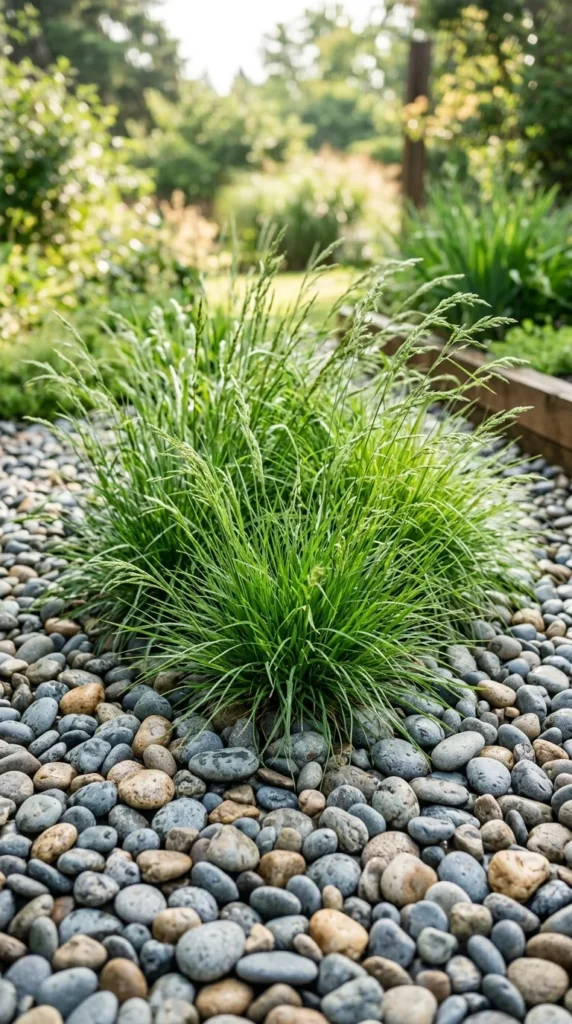
River rocks are perhaps the most versatile choice for any yard. These smooth, water-worn stones come in various sizes and colors, from deep grays to warm tans. They are perfect for filling large garden beds or creating “islands” around trees. Unlike wood mulch, river rocks don’t decompose, meaning you won’t have to refill them every spring. They provide excellent drainage and create a clean, polished look that complements almost any architectural style.
2. Pea Gravel
Pea gravel is affordable, easy to install, and feels relatively soft underfoot. Its small, rounded shape makes it an ideal choice for high-traffic areas like walkways, patios, or even play areas. Because the stones are so small, they “lock” together better than larger rocks, providing a more stable surface for patio furniture. To keep it looking its best, simply rake it occasionally to level the surface.
3. Flagstone Paths
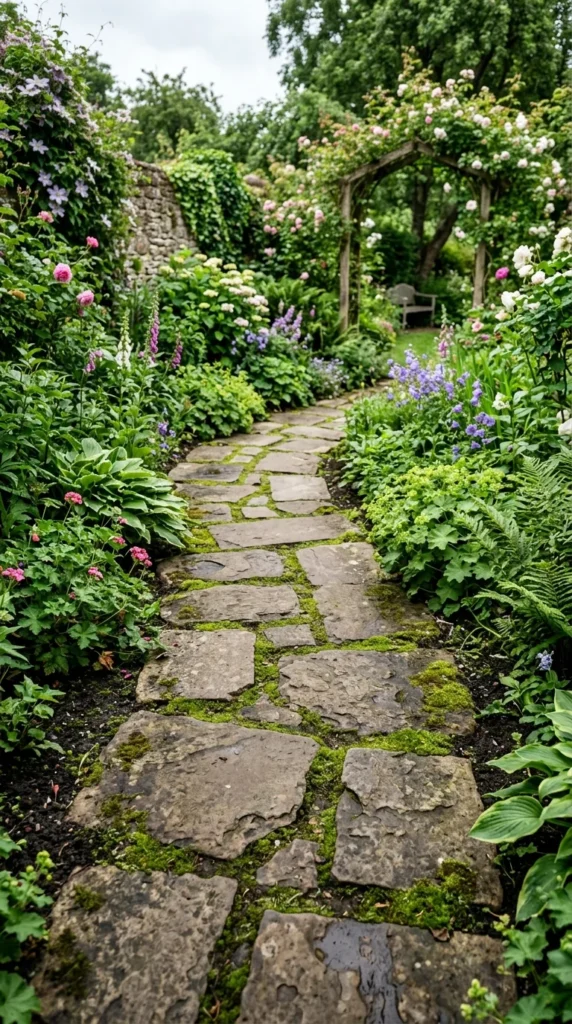
Flagstones are large, flat slabs of natural stone—usually sandstone, slate, or limestone. They are the gold standard for creating natural-looking walkways. By burying them slightly into the ground or setting them in a bed of gravel, you create a sturdy path that guides visitors through your garden. You can plant low-growing ground covers like thyme or moss between the stones to soften the look and add a splash of fragrance.
4. Dry Creek Beds
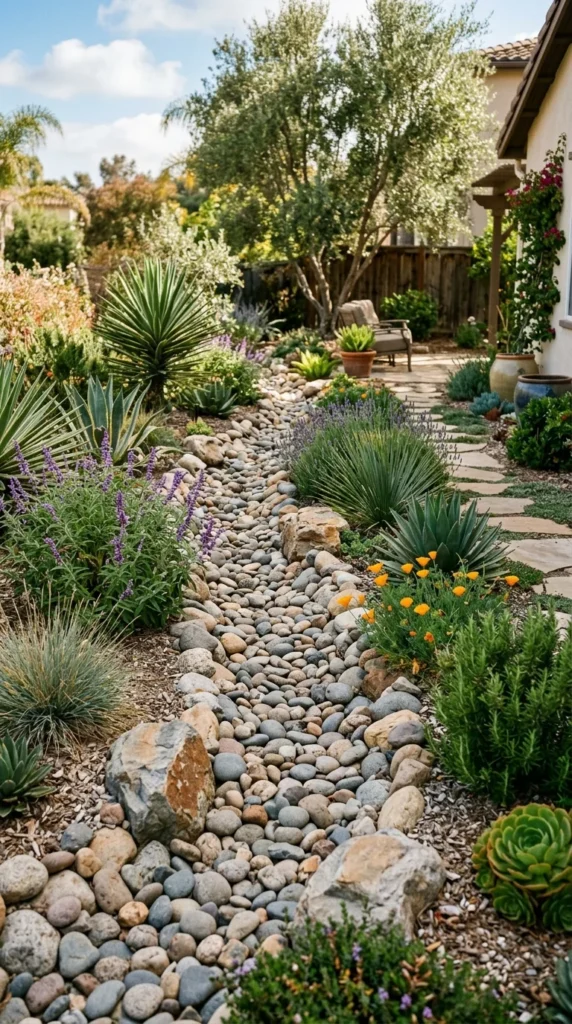
A dry creek bed is both a functional and aesthetic addition to a yard. Functionally, it helps manage drainage by directing rainwater away from your home’s foundation. Aesthetically, it mimics the look of a natural stream. Use a mix of small pebbles for the “bed” and larger boulders along the “banks” to create depth and realism. This is a fantastic way to break up a large expanse of yard without needing a single drop of water.
5. Rock Gardens
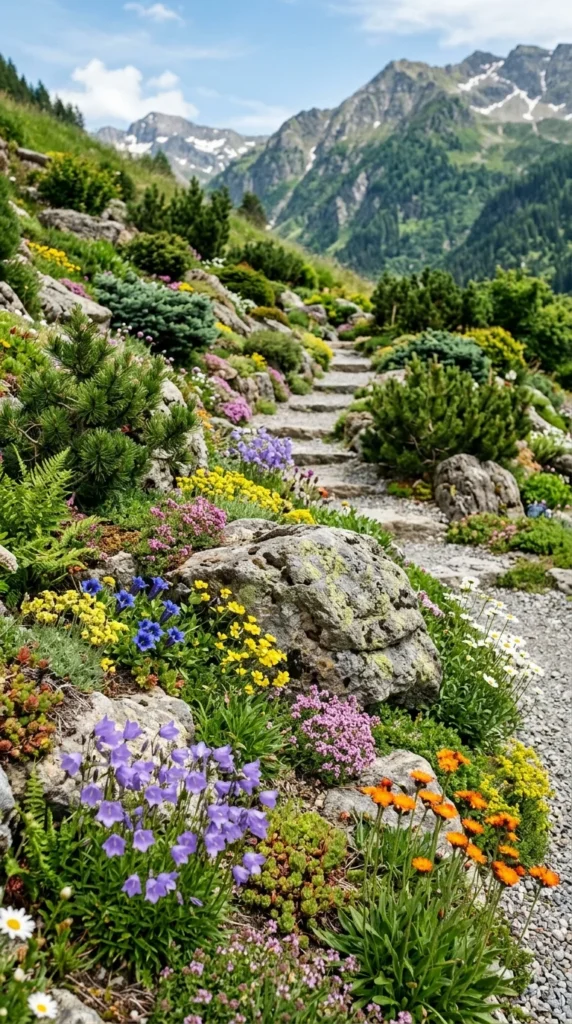
If you have a hilly or uneven yard, a rock garden is the perfect solution. By nesting large stones into the hillside and planting hardy, drought-tolerant plants in the crevices, you create a miniature mountain landscape. Rock gardens thrive on neglect; once the plants are established, they require very little intervention. Choose plants like hens-and-chicks, sedum, or creeping phlox for a burst of color against the grey stones.
6. Boulder Accents
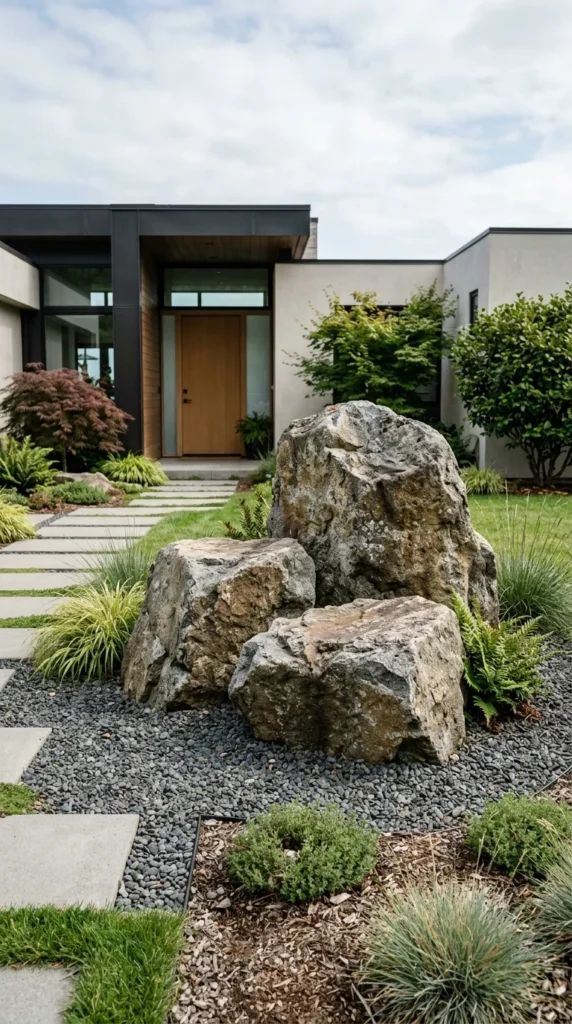
Sometimes, less is more. Placing a few massive boulders in strategic locations can serve as a natural sculpture. Boulders add vertical interest to a flat yard and create a sense of permanence. For the most natural look, bury the bottom third of the boulder in the ground. This makes it appear as though the stone has been there for centuries rather than just being “dropped” on top of the soil.
7. Slate Chips
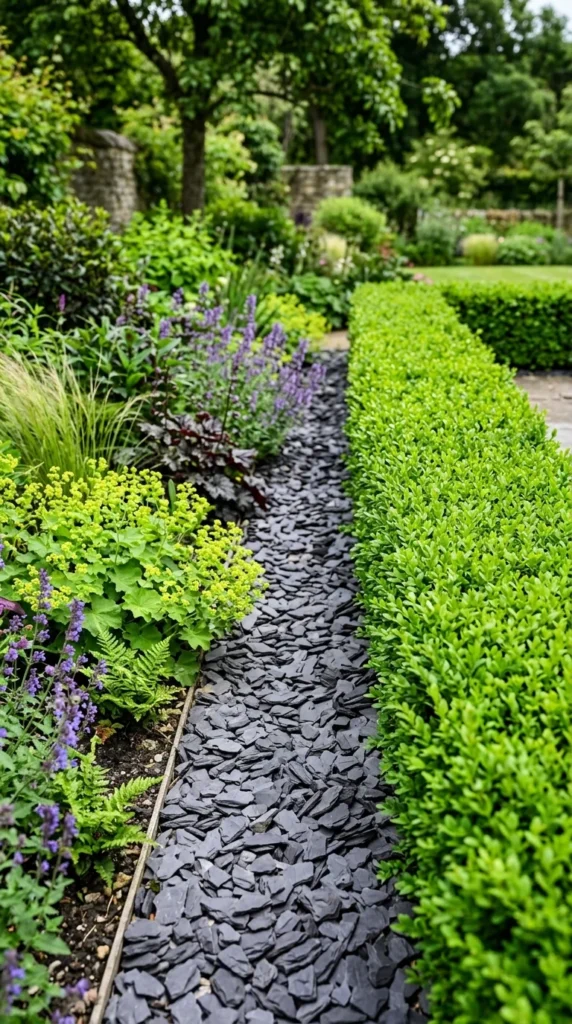
Slate chips offer a unique, contemporary aesthetic. They are typically flat and have a slightly reflective quality that looks stunning when wet. Because they are flat, they stay in place better than rounded stones on slight inclines. Dark grey or purple slate chips provide a high-contrast backdrop for bright green foliage, making your plants “pop” visually.
8. Lava Rock
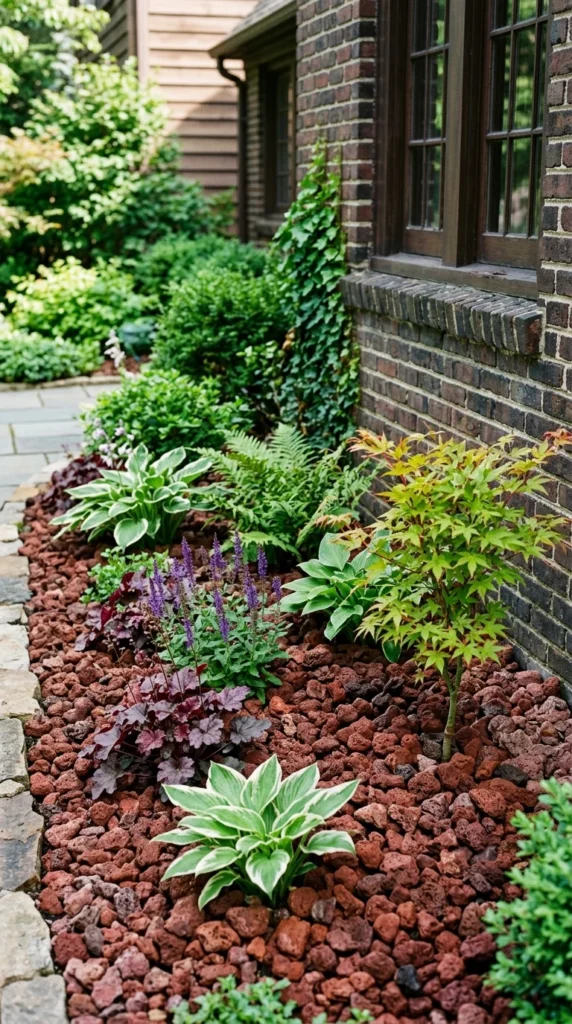
Lava rock is incredibly lightweight and porous. Its deep red or charcoal black color provides a dramatic look. Because it is so light, it is easy to transport and spread, which is a major plus for DIY projects. It’s also excellent for moisture retention in the soil beneath it, while the jagged surface discourages pests like slugs from crossing into your garden beds.
9. Gabion Walls
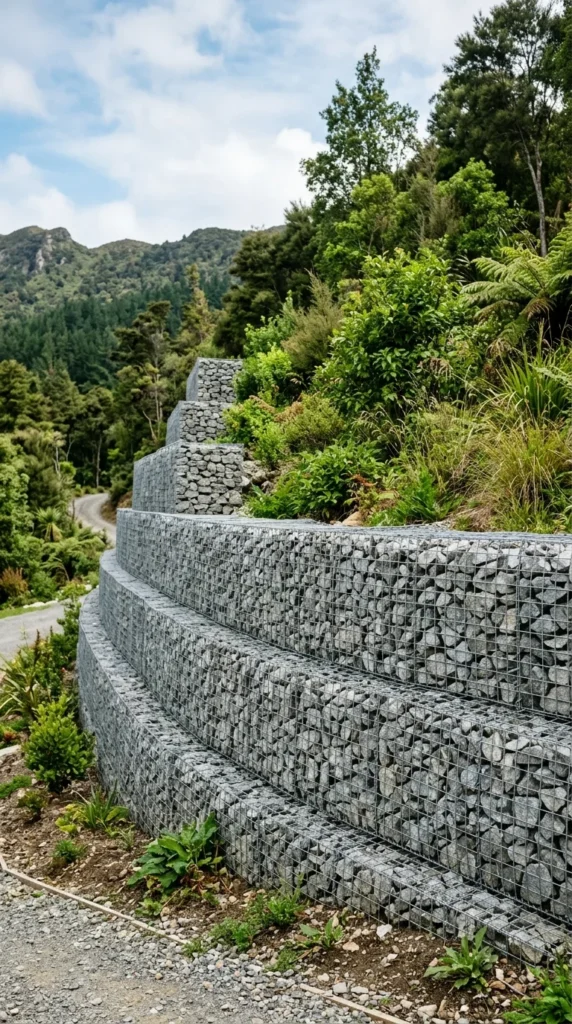
Gabion walls are wire baskets filled with stones. They are an industrial-chic way to create retaining walls, property dividers, or even outdoor benches. They are incredibly durable and require zero mortar or maintenance. Because air and water can flow through them freely, they don’t suffer from the drainage issues that often plague solid concrete or brick walls.
10. Stone Retaining Walls
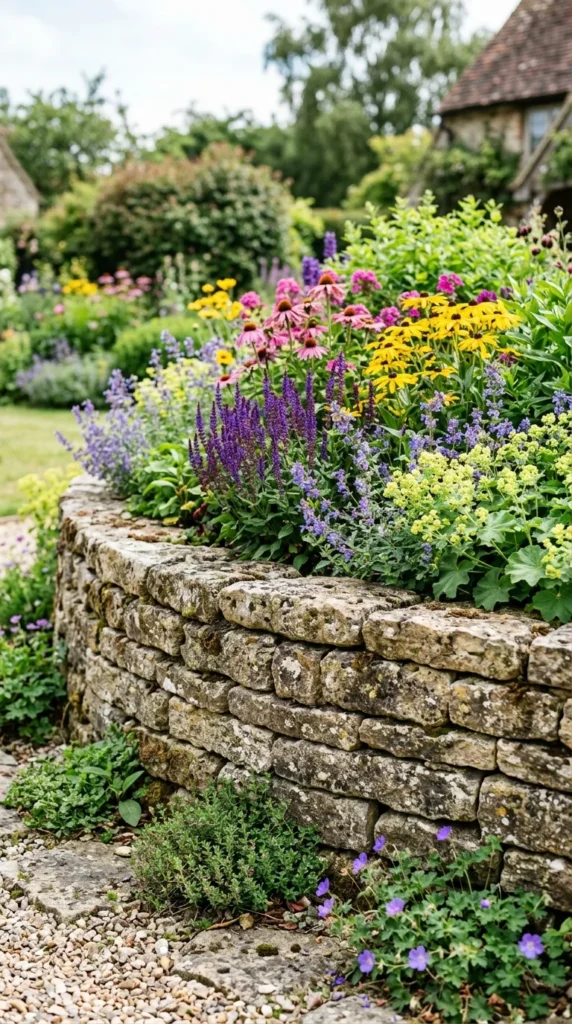
Retaining walls built from natural stone add a classic, timeless feel to a landscape. They are perfect for creating leveled terraces on a sloped lot. Using “dry stack” methods—where stones are fitted together without mortar—allows for natural drainage and a more organic appearance. Over time, these walls can host small ferns or moss, adding to their rustic charm.
11. Zen Gardens
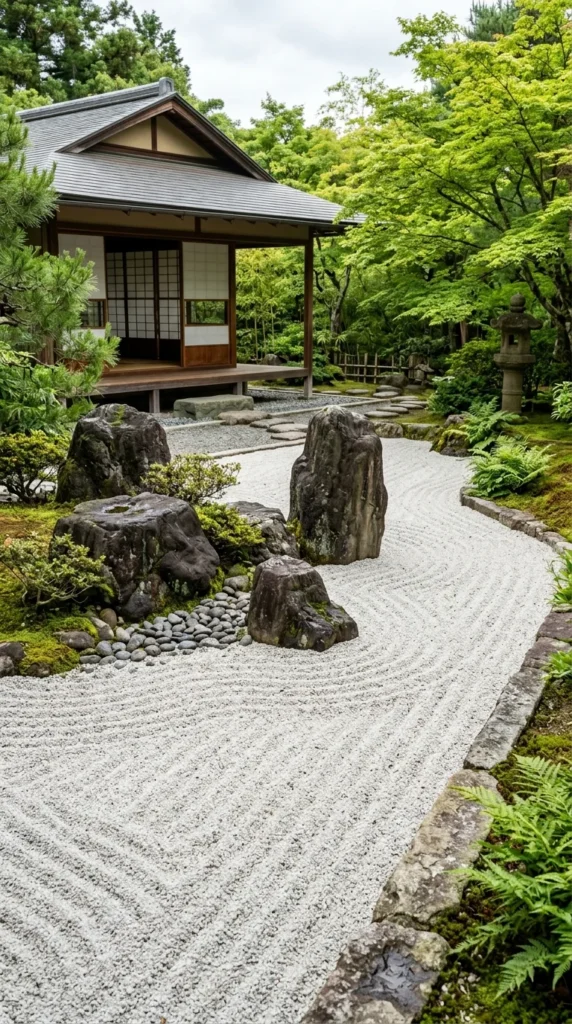
Inspired by Japanese tradition, a Zen garden uses fine gravel or sand to represent water and larger rocks to represent islands or mountains. The act of raking the gravel into swirling patterns is meant to be meditative. This is the ultimate low-maintenance yard; there are often no plants involved at all, meaning no watering, no pruning, and no weeding.
12. Decorative Mulch Replacement
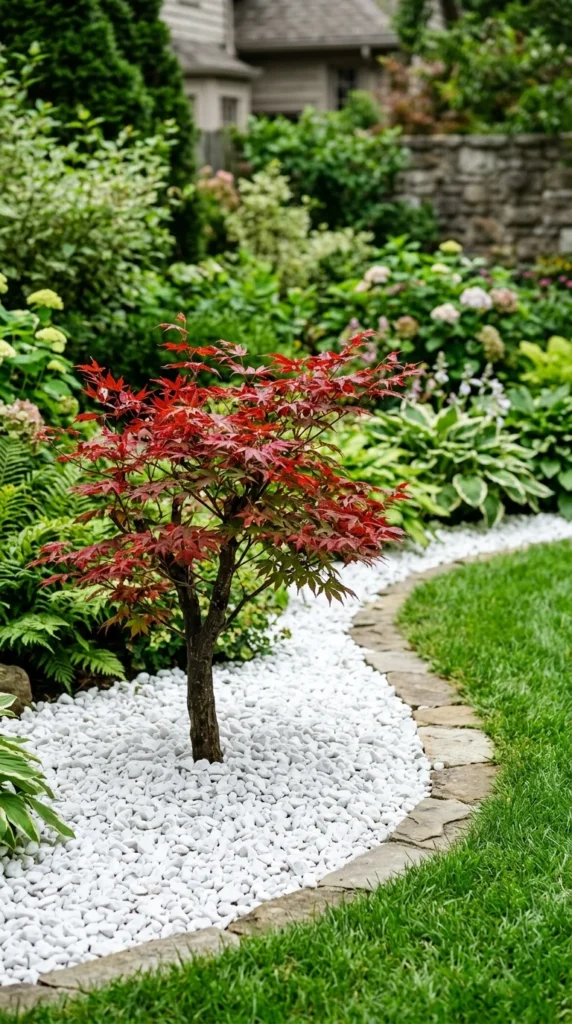
Traditional wood mulch fades, washes away, and rots over time. Replacing it with small decorative stones or marble chips provides a permanent solution. Stone mulch doesn’t attract termites or carpenter ants, and it keeps the soil temperature more consistent. For a clean, modern look, use pure white marble chips to brighten up shaded areas of the yard.
13. Rock Borders
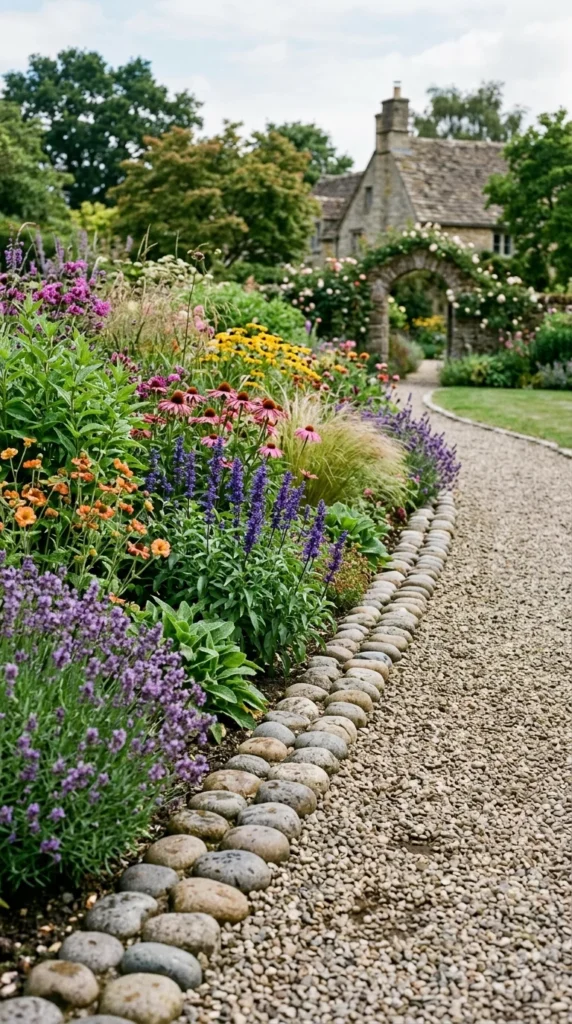
Borders are essential for keeping different elements of your landscaping separate. Instead of plastic or metal edging, use a line of uniform stones. This creates a soft, natural transition between a walkway and a garden bed. It also prevents gravel from migrating into your planting areas during heavy rain.
14. Stepping Stones
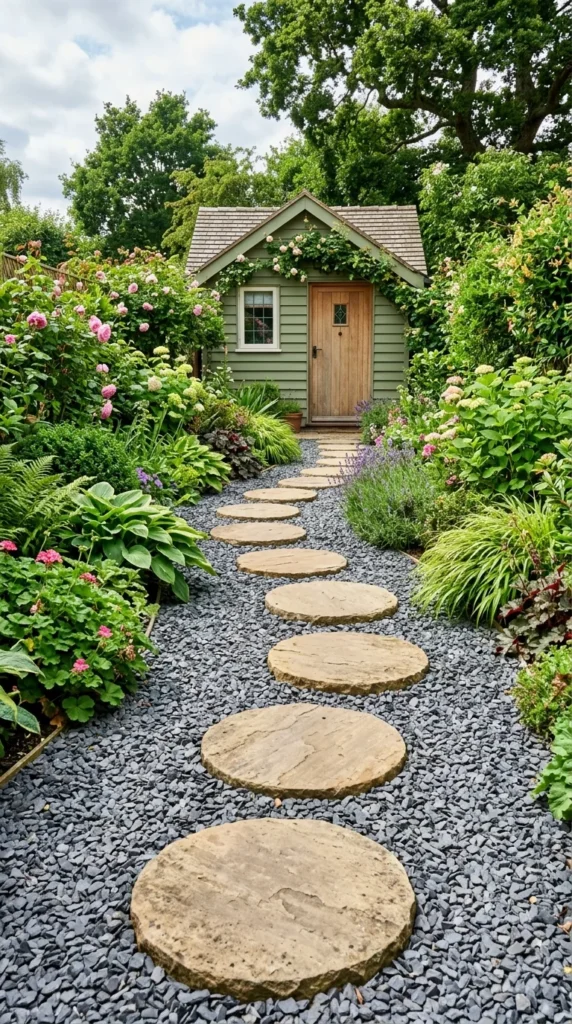
Stepping stones are a charming way to create a “path of least resistance.” Whether placed in a lawn or a gravel bed, they provide a firm place to walk while protecting the ground underneath. You can use irregular natural slabs for a rustic look or perfectly cut geometric stones for a more formal, modern aesthetic.
15. Waterfall Features
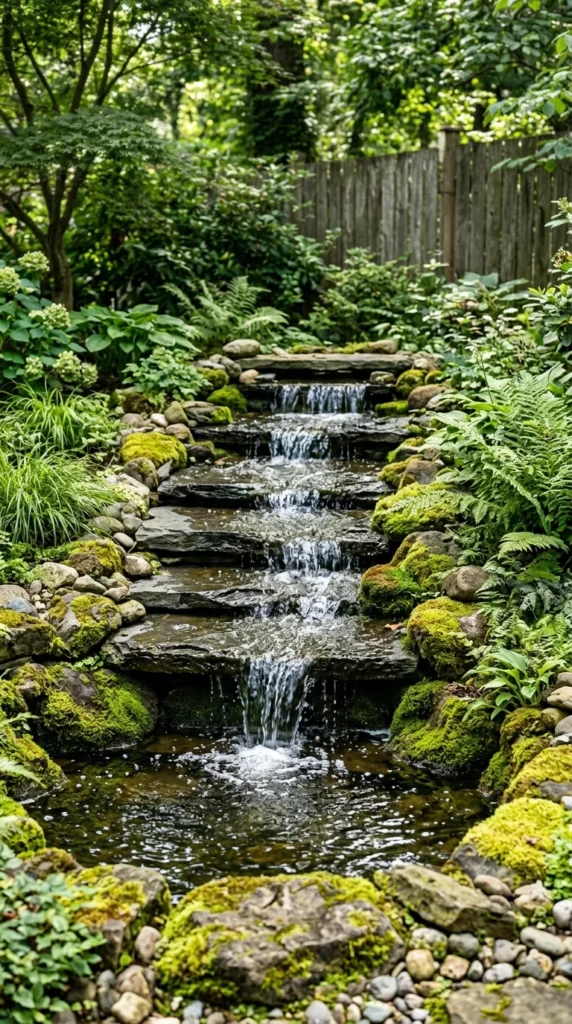
While a full pond can be high-maintenance, a “pondless” waterfall is surprisingly easy to care for. By using rocks to create a series of cascades, the water disappears into a hidden underground reservoir filled with gravel. This gives you the soothing sound of running water and the visual beauty of wet stones without the algae or mosquito issues of standing water.
16. Fire Pit Areas
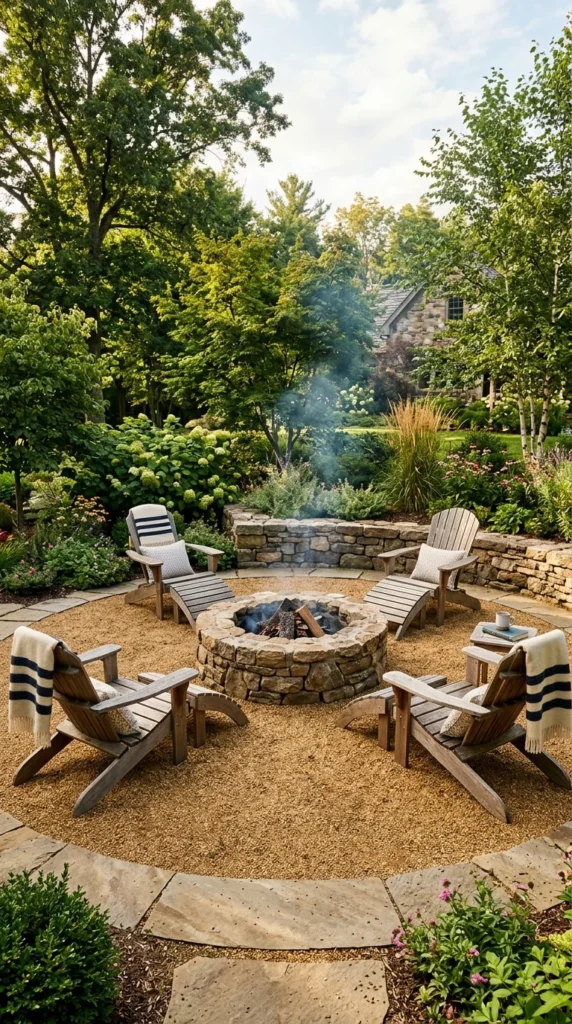
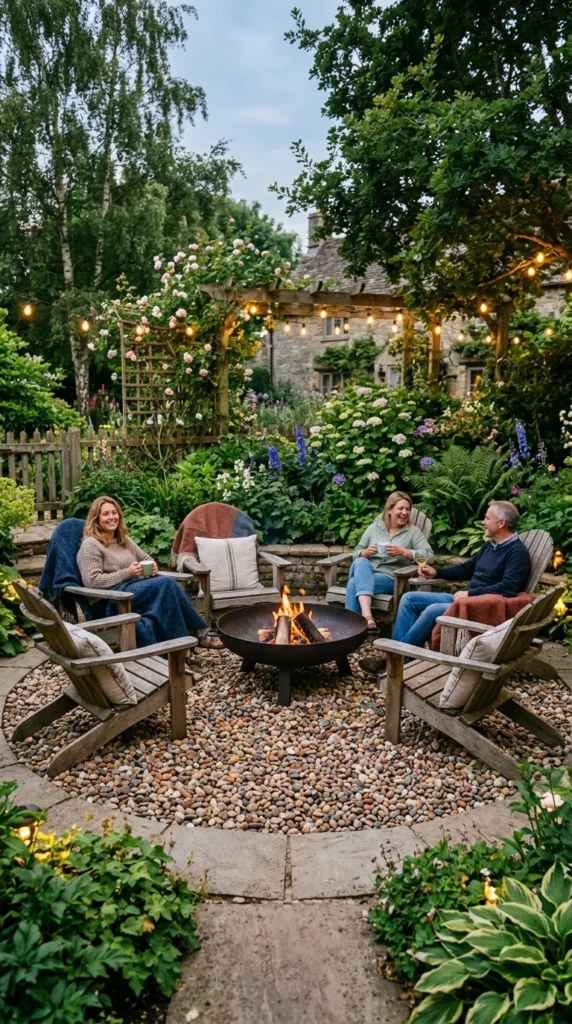
Rocks and fire are a natural pair. Creating a dedicated fire pit area using gravel or crushed stone is much safer than building one on a wooden deck or grass. The stones act as a heat-resistant floor that won’t catch sparks. Plus, a stone fire pit area looks like a permanent destination in your yard, perfect for evening gatherings.
17. Crushed Granite
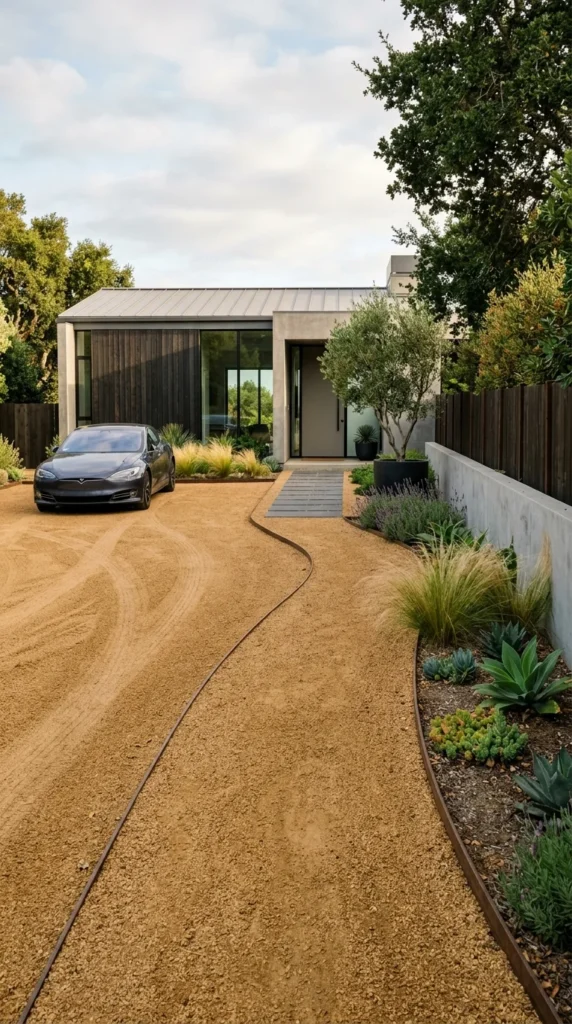
Crushed granite (also known as decomposed granite) has a very fine texture that packs down firmly. It is often used in high-end desert landscaping. It provides a “crunchy” sound when walked upon and comes in beautiful earthy tones like gold, rose, and grey. It’s an excellent choice for stabilizing paths while maintaining a soft, natural look.
18. Desert Xeriscaping
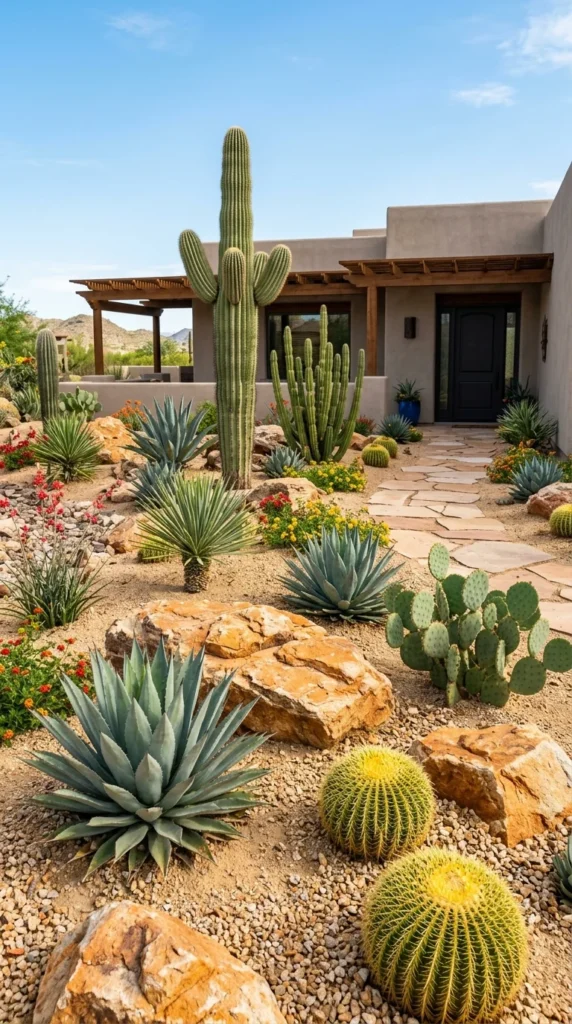
In arid climates, xeriscaping is the way to go. By combining different sizes of gravel, sand, and large accent rocks, you can create a landscape that requires zero irrigation. This style emphasizes the sculptural beauty of desert plants like Agave and Yucca, using rocks as the canvas they sit upon.
19. Stone Steps
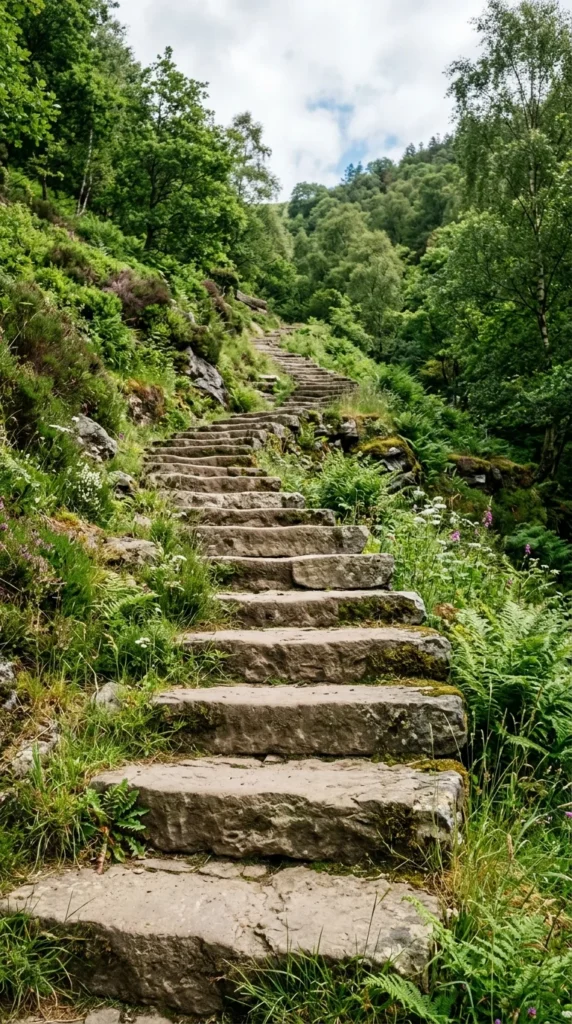
If your yard has a steep incline, skip the wooden stairs that rot over time. Large, heavy stone slabs can be “tucked” into the earth to create permanent steps. These are incredibly durable and won’t shift underfoot if installed correctly. Over time, they become a permanent part of the geography of your home.
20. Terraced Beds
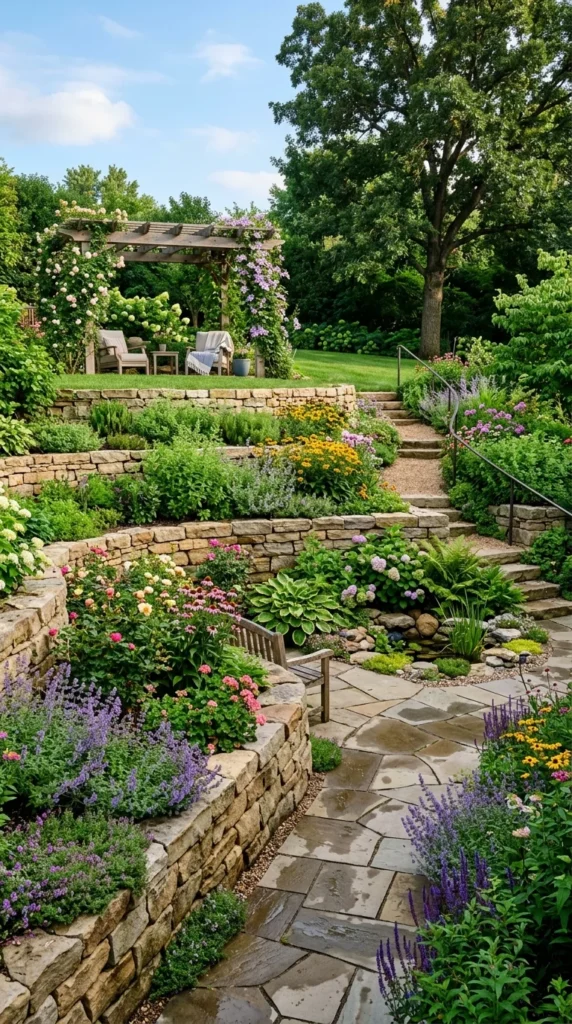
Terracing allows you to turn a steep, unusable slope into a series of flat, functional garden beds. By using rock walls to hold the soil in place, you prevent erosion and create “shelves” for planting. This is a great way to add architectural depth to a backyard while making gardening much easier on your back.
21. Pebble Mosaics
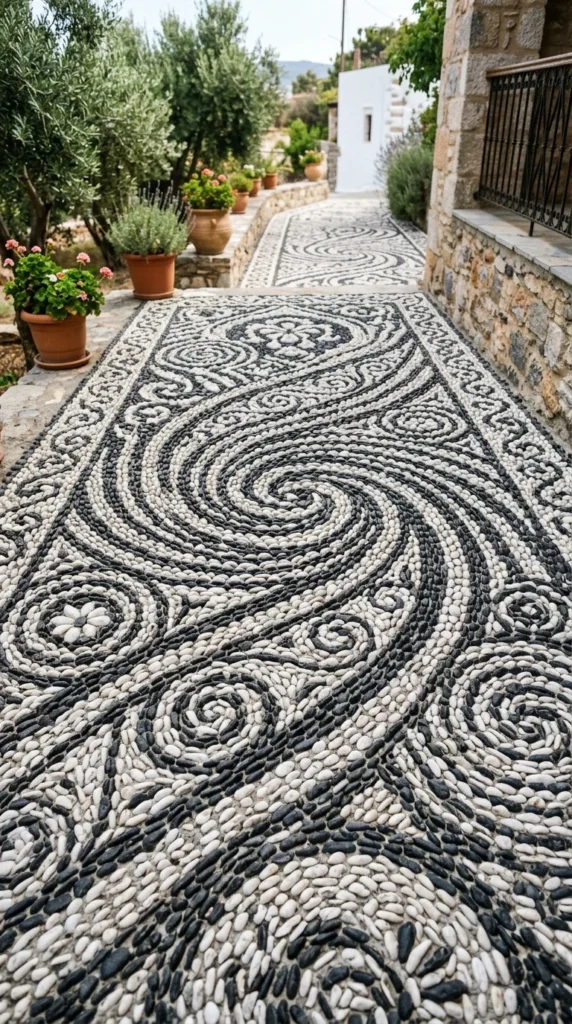
For the artistic homeowner, pebble mosaics are a stunning way to add detail to a yard. By setting small, polished pebbles into a mortar base, you can create intricate patterns, swirls, or even images on the ground. These are perfect for small entryways or as a focal point in the center of a patio.
22. Under-Deck Rocks
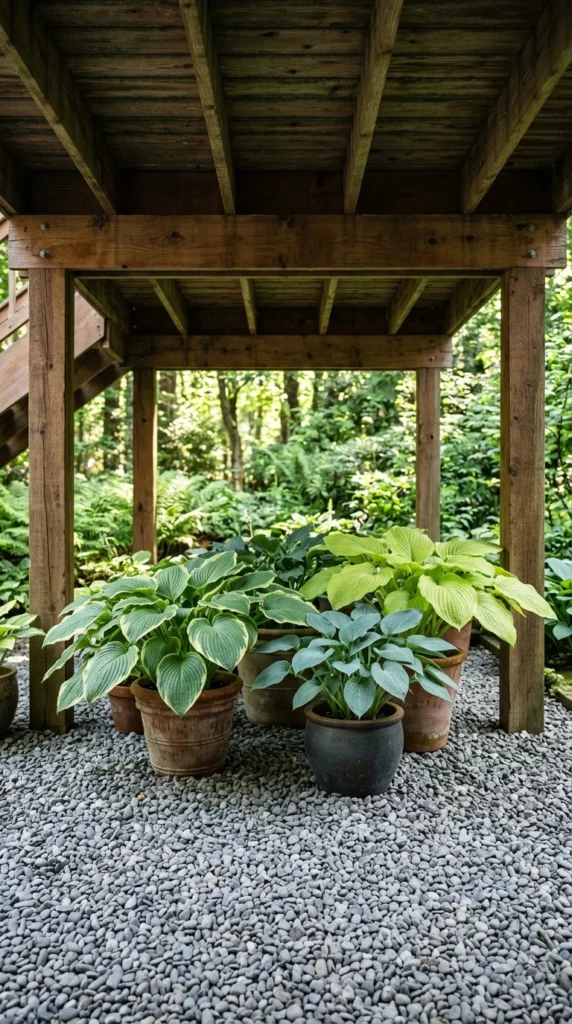
The area under a deck is often a “no-man’s-land” where grass refuses to grow due to the shade. Instead of leaving it as bare dirt (which turns to mud), fill it with a thick layer of rock. This keeps the area looking clean, prevents weeds, and provides a dry storage space for outdoor equipment.
23. Foundation Planting Surround
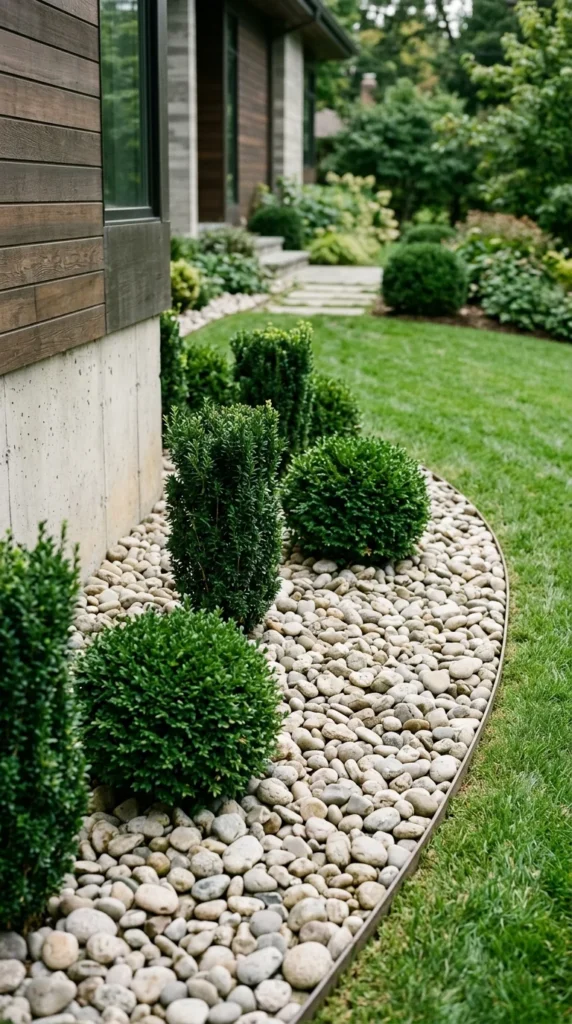
Mulch against a house foundation can sometimes lead to moisture problems or pest infestations. Replacing that mulch with a 2-foot border of stone allows for better drainage and keeps the base of your home dry. It creates a crisp “frame” for your house and requires almost no maintenance.
24. Minimalist Stone Accents
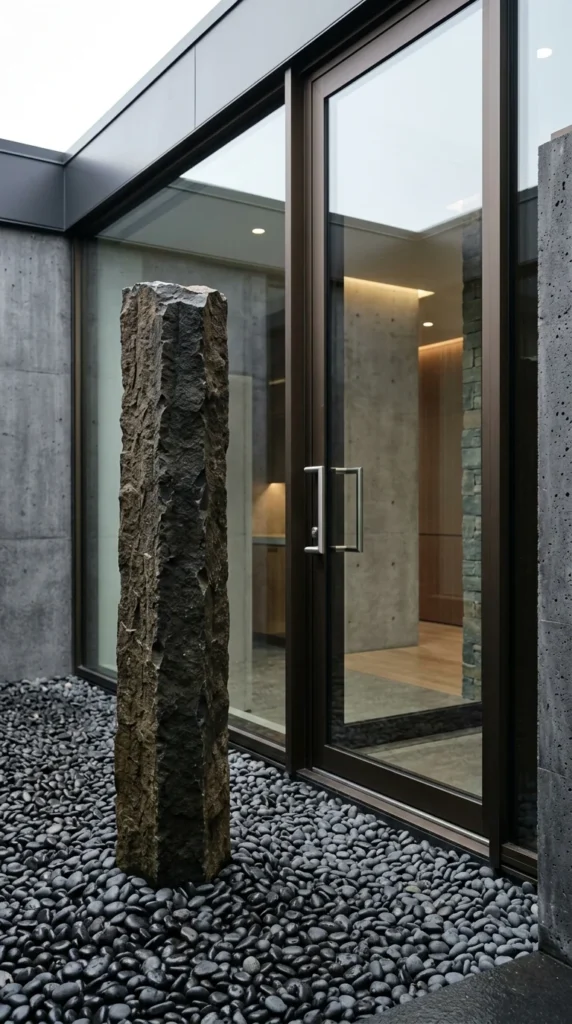
In modern landscaping, a single, tall stone pillar or a unique “feature stone” can act as a piece of art. Basalt columns, with their hexagonal shapes and dark colors, are popular for this. They add a vertical element that draws the eye upward, proving that you don’t need a lot of stones to make a big impact.
Maintenance Tips for Your Rock Landscape
While rock landscaping is significantly lower maintenance than grass, it isn’t “no maintenance.” To keep your yard looking pristine, follow these simple tips:
- Use Weed Fabric: Always lay a high-quality, heavy-duty landscape fabric under your rocks. This prevents weeds from pushing up through the stones while still allowing water to reach the soil.
- Blow, Don’t Rake: Use a leaf blower to remove fallen leaves and debris from your rock beds. Raking can disturb the placement of the stones and potentially tear the underlying fabric.
- Power Wash Occasionally: Over the years, dust and dirt can settle on rocks, making them look dull. A quick spray with a garden hose or a gentle power wash will bring back their natural color and luster.
- Top Off as Needed: While rocks don’t decompose, they can settle or sink into the ground over several years. Every 3-5 years, you might want to add a thin “top-off” layer to keep the coverage thick and even.
By incorporating these rock landscaping ideas, you’re not just saving time and water—you’re investing in a timeless, durable landscape that will increase your home’s curb appeal for decades to come.