
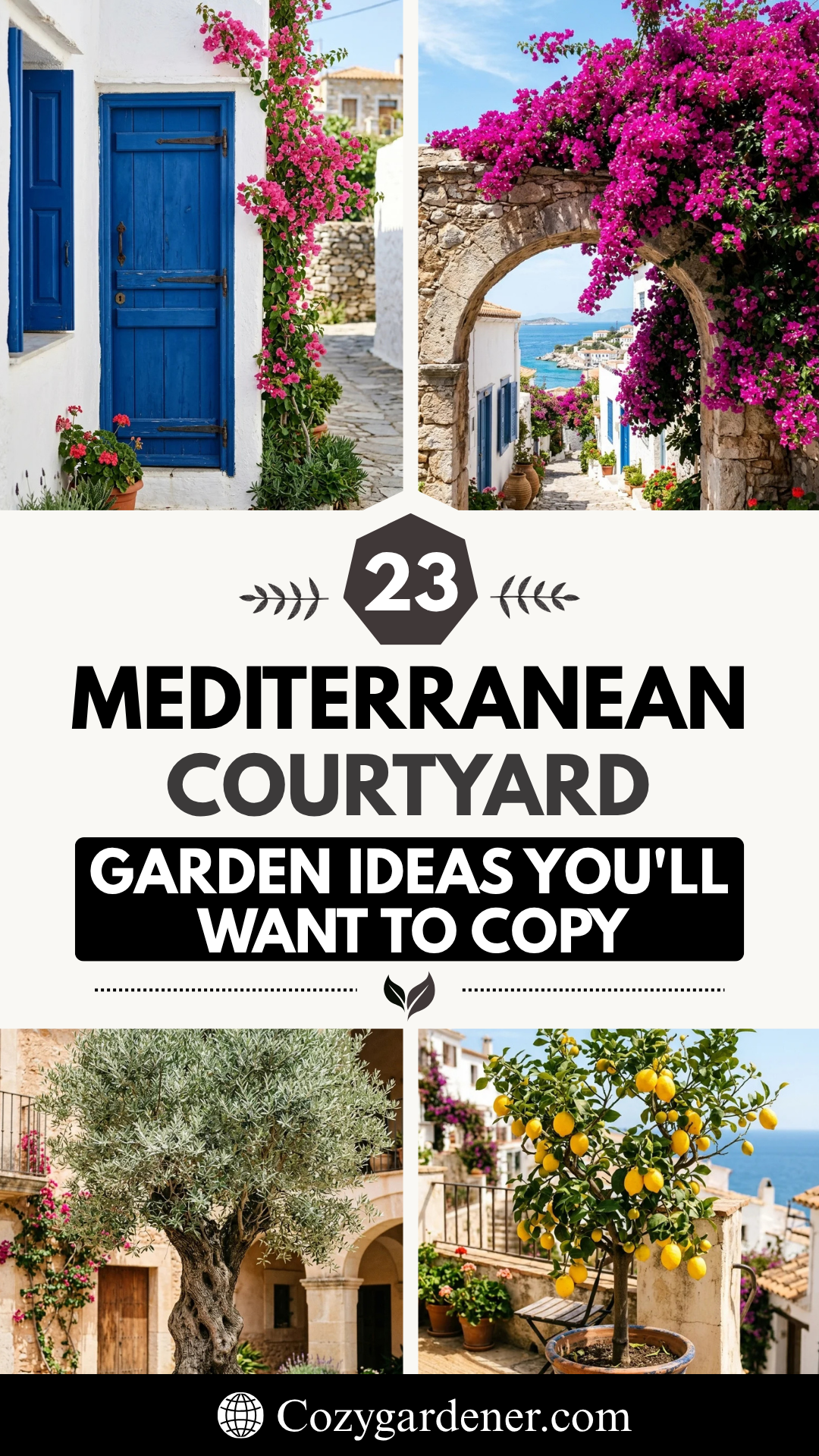
The Mediterranean courtyard is more than just an outdoor space; it is a philosophy of living. It’s where the boundaries between the indoors and the outdoors blur, creating a sanctuary defined by the scent of rosemary, the sound of trickling water, and the warmth of sun-baked stone. Whether you have a sprawling estate or a small urban enclave, bringing the soul of the Mediterranean to your home is about texture, light, and timeless materials.
From the vibrant bougainvillea of the Greek Isles to the cool, shaded riads of Morocco and the rustic olive groves of Tuscany, these 23 ideas will help you transform your courtyard into a breathtaking retreat.
1. Terracotta Pots
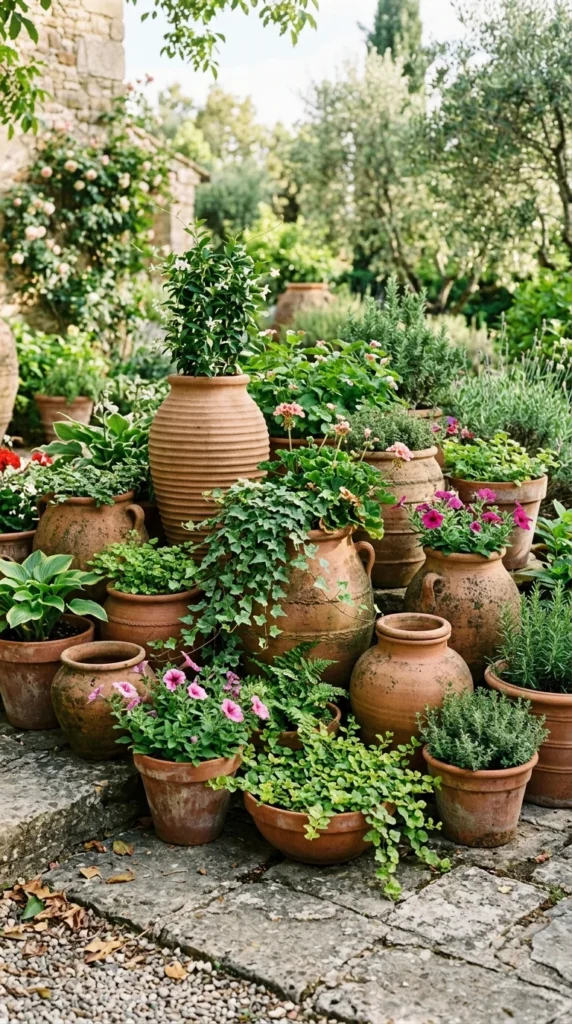
Terracotta is the heartbeat of Mediterranean design. These earth-toned clay vessels provide a rustic, organic feel that only gets better with age as they develop a natural patina or a thin layer of moss. Group them in odd numbers to create a focal point. Use them for everything from towering architectural plants to small, fragrant herbs. The porous nature of the clay is also excellent for plant health in warmer climates, allowing the roots to breathe.
2. Olive Trees
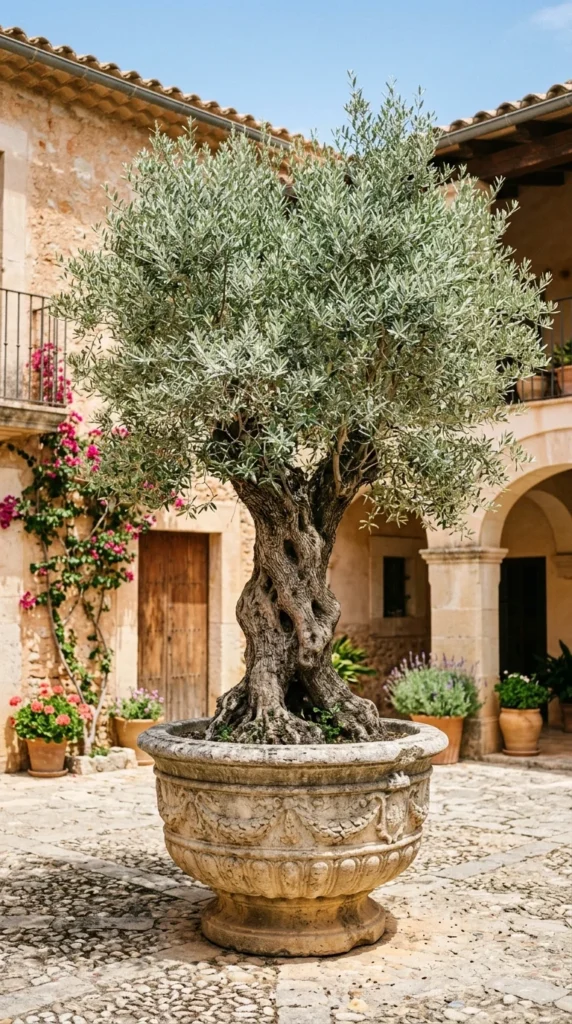
Nothing says “Mediterranean” quite like the silvery shimmer of an olive tree. Even if you don’t live in a coastal climate, many dwarf varieties can thrive in large pots. Their twisted trunks and delicate, sage-colored foliage add an instant sense of history and permanence to a garden. They are drought-tolerant and serve as a stunning sculptural element that remains beautiful year-round.
3. Blue Accents
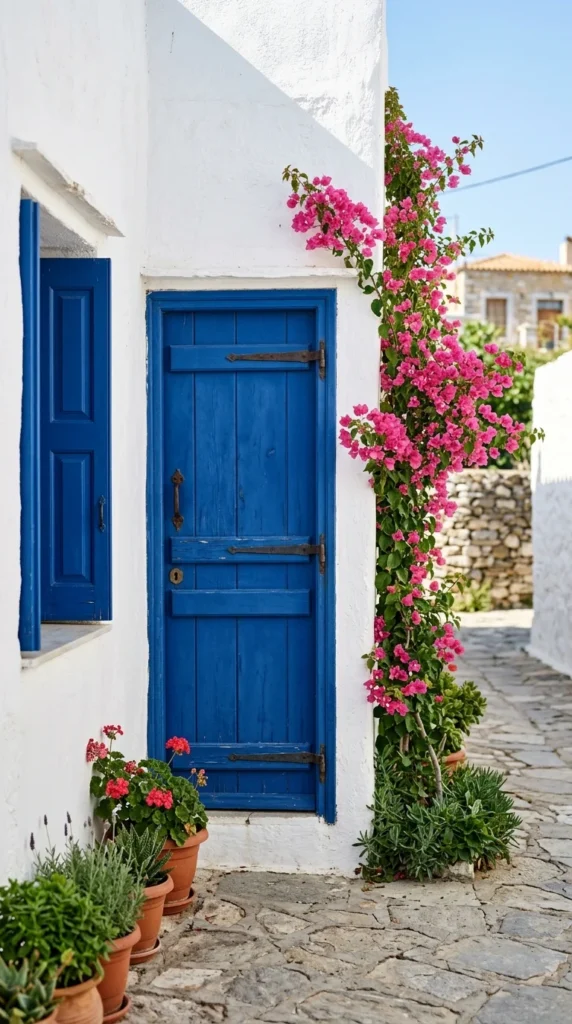
Inspired by the deep hues of the Aegean Sea, bold blue accents provide a striking contrast to white walls and terracotta floors. Whether it’s a painted gate, a set of vibrant shutters, or cerulean-tiled steps, this color pop injects energy into the space. Blue has a cooling psychological effect, making the courtyard feel like a refreshing oasis even during the height of summer.
4. Gravel Flooring
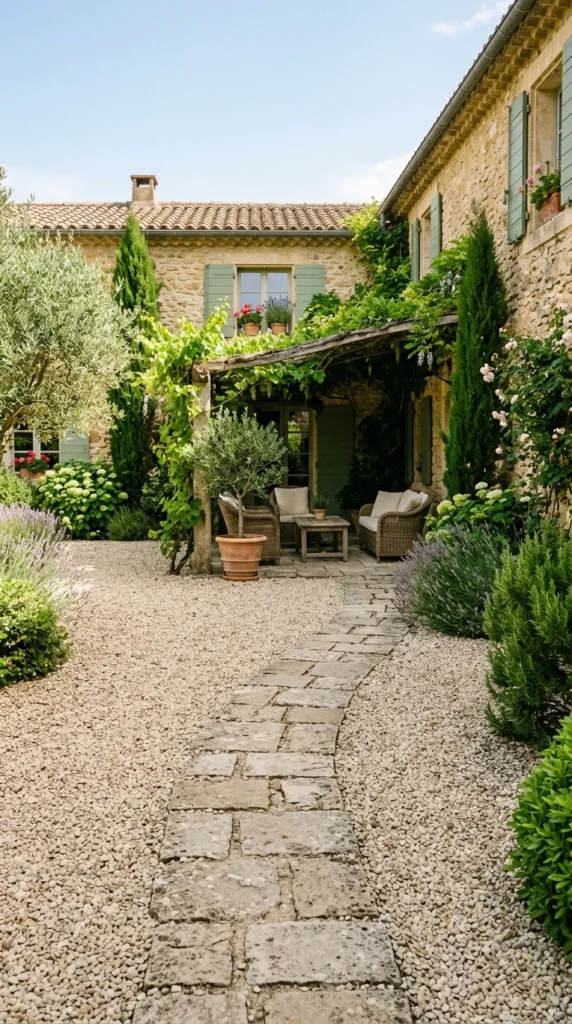
In many Mediterranean regions, grass is a luxury that requires too much water. Instead, pea gravel or crushed limestone is used to create a low-maintenance, permeable surface. Gravel provides a wonderful sensory experience—the crunch underfoot is synonymous with relaxed outdoor living. It also allows rain to soak directly into the ground, preventing runoff and keeping the roots of nearby trees hydrated.
5. Climbing Bougainvillea
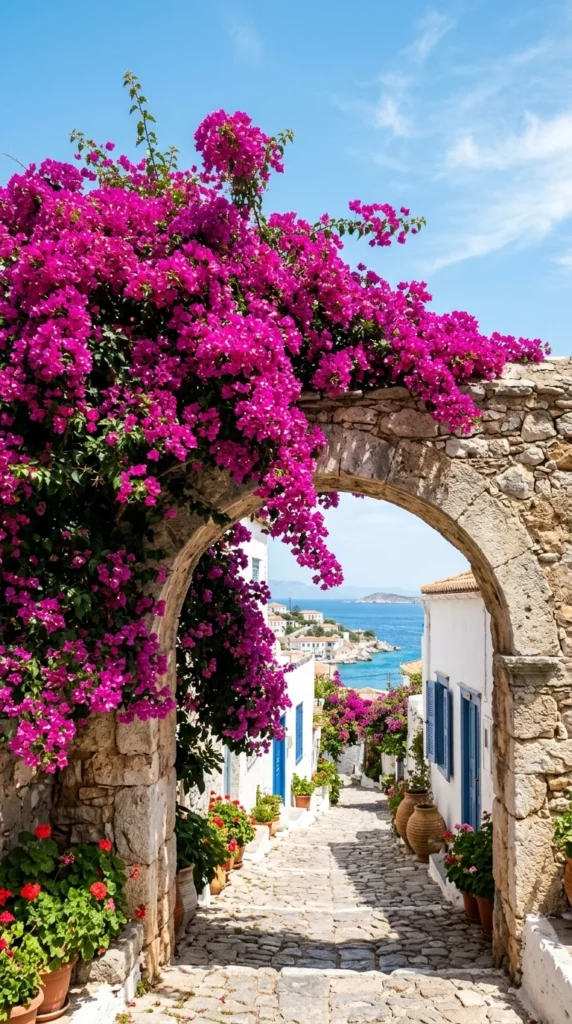
For a vertical splash of color, nothing beats bougainvillea. This vigorous climber thrives in the sun and produces papery bracts in shades of pink, purple, red, and orange. Train it over a doorway, along a wall, or across a pergola to create a living tapestry. It requires minimal water once established and provides a lush, wild look that softens the hard lines of masonry.
6. Tiered Fountains
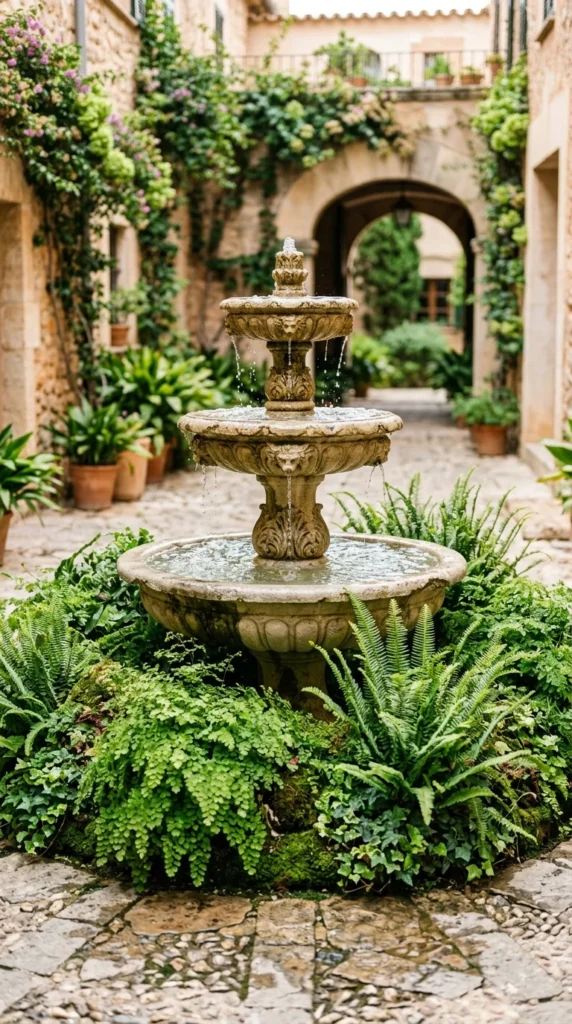
The sound of water is essential for creating a cooling atmosphere. A tiered stone fountain acts as a natural air conditioner, lowering the ambient temperature through evaporation while masking city noise with the rhythmic sound of splashing water. In a Mediterranean courtyard, the fountain is often the central axis around which the rest of the garden is organized.
7. Mosaic Tiles
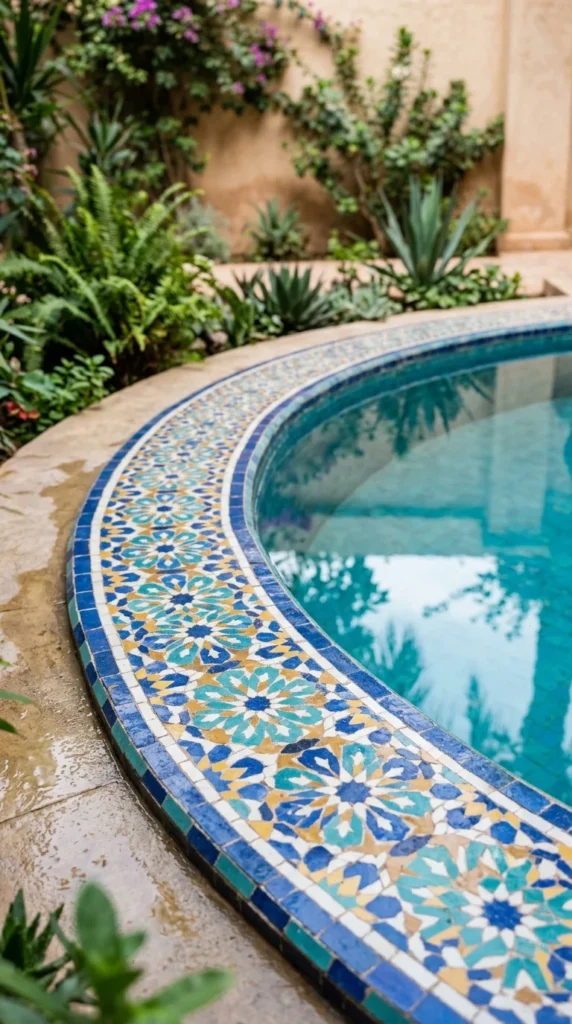
Incorporate the artistry of the Moors and Romans with decorative tiling. Mosaic tiles can be used to floor a small area, line a water feature, or create a decorative backsplash for an outdoor kitchen. Geometric patterns and hand-painted “azulejos” add a layer of sophistication and cultural richness that elevates the garden from a simple backyard to a work of art.
8. Wrought Iron
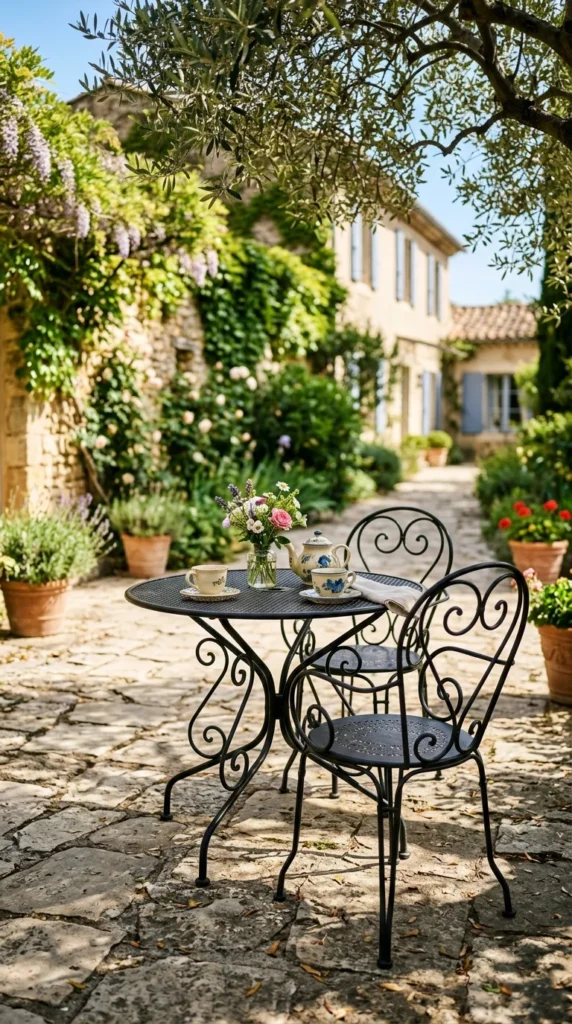
Wrought iron furniture and architectural details provide a sense of elegance and transparency. Unlike bulky wooden furniture, iron pieces feel light and airy, allowing the beauty of the plants and stonework to show through. Look for pieces with classic scrollwork or minimalist lines to add a touch of “Old World” charm to your seating areas.
9. Citrus Trees
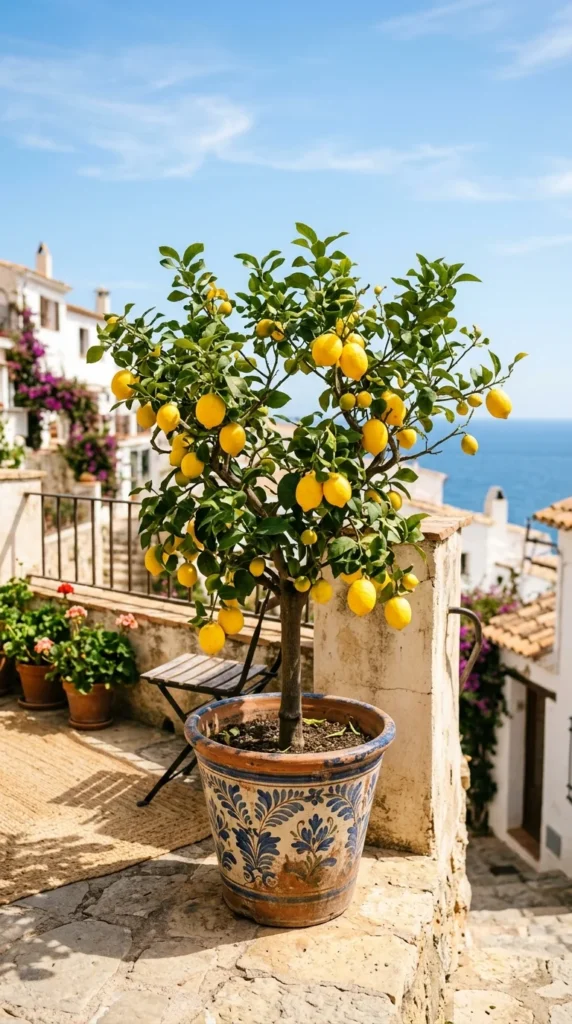
The sight and scent of ripening lemons, oranges, or limes are quintessential to the Mediterranean experience. Citrus trees thrive in the sheltered microclimate of a courtyard. Their glossy green leaves and fragrant white blossoms provide sensory delight throughout the seasons. Plus, there is nothing quite like picking a fresh lemon from your own garden to garnish a summer drink.
10. Stone Walls
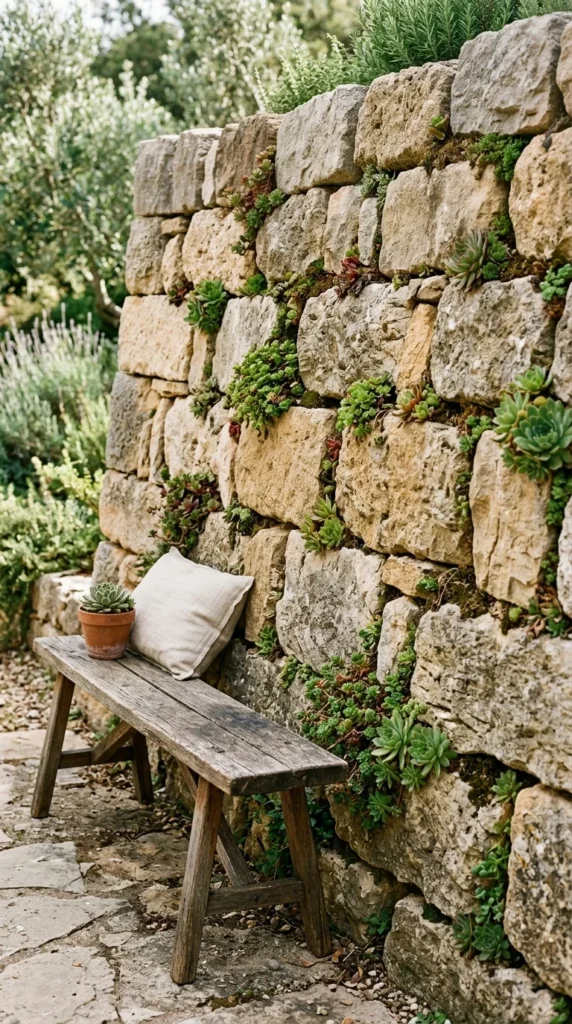
Natural stone provides the structural backbone of the Mediterranean garden. Whether it’s a dry-stack wall or mortared limestone, stone retains the day’s heat and releases it slowly in the evening. It provides a rugged, timeless texture that anchors the space. Using local stone ensures the garden feels integrated into its natural environment.
11. Outdoor Pergolas
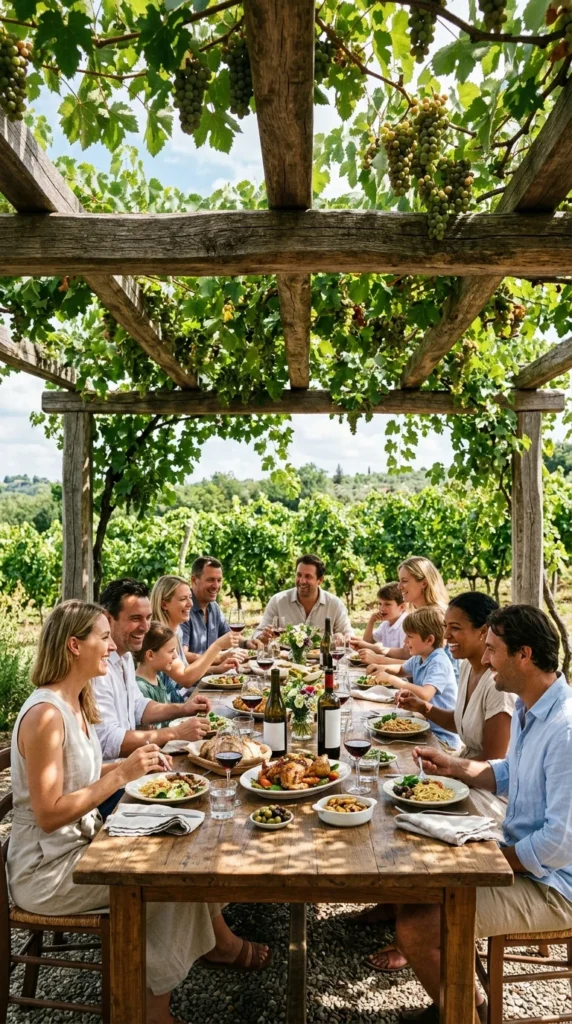
A pergola is a functional necessity in a sun-drenched courtyard. By providing dappled shade, it creates a comfortable “outdoor room” for dining and lounging. When covered with deciduous vines like grapes or wisteria, it offers thick shade in the summer and allows the warmth of the sun to filter through in the winter after the leaves have fallen.
12. Lavender Borders
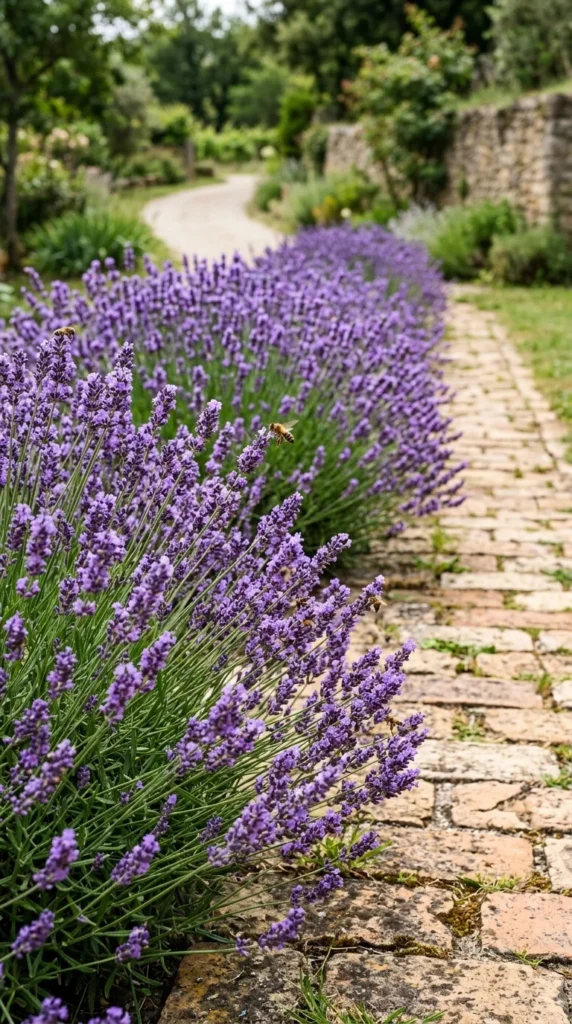
Lavender is beloved for its fragrance, its drought tolerance, and its ability to attract pollinators. Planting lavender along walkways ensures that every time you brush past, a wave of calming scent is released. Its soft, mounded shape and grey-green foliage provide a wonderful contrast to the sharp lines of stone and tile.
13. Shaded Nooks
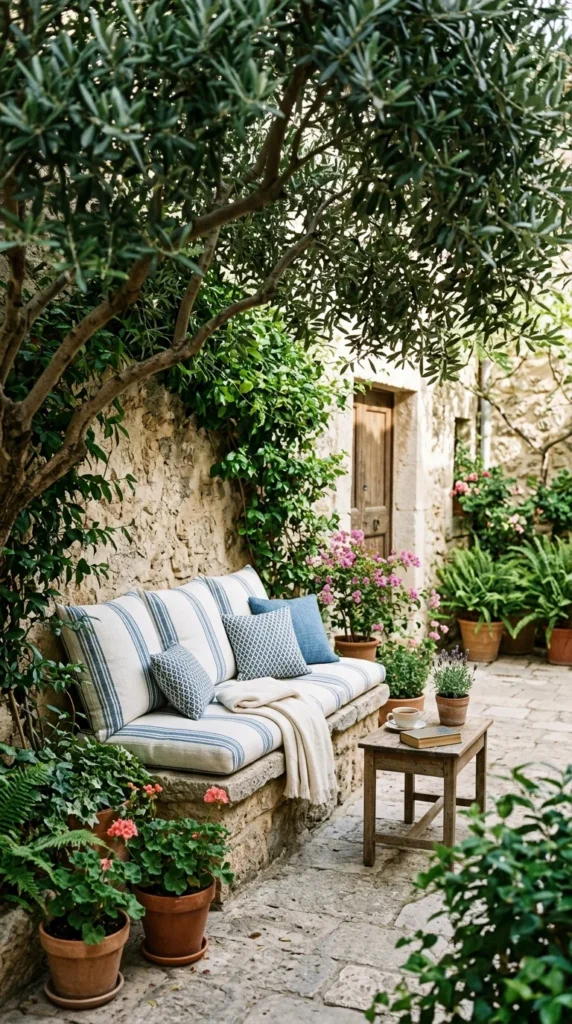
Mediterranean life is lived at a slower pace. Creating a dedicated “nook” for reading or napping is essential. Use deep shadows, comfortable cushions, and perhaps a small side table to create a private retreat away from the main social areas. This is the perfect spot for a “siesta” during the hottest part of the day.
14. Succulent Walls
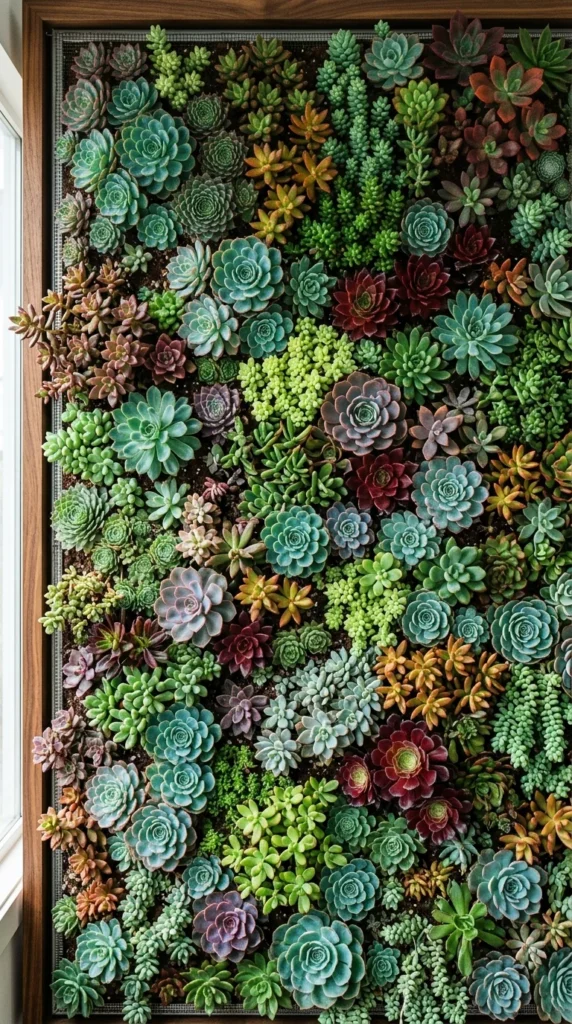
For a modern twist on Mediterranean style, use succulents to create a vertical garden. These water-wise plants come in an incredible array of shapes and colors. A succulent wall saves floor space in smaller courtyards while providing a lush, living tapestry that requires very little maintenance.
15. Whitewashed Walls
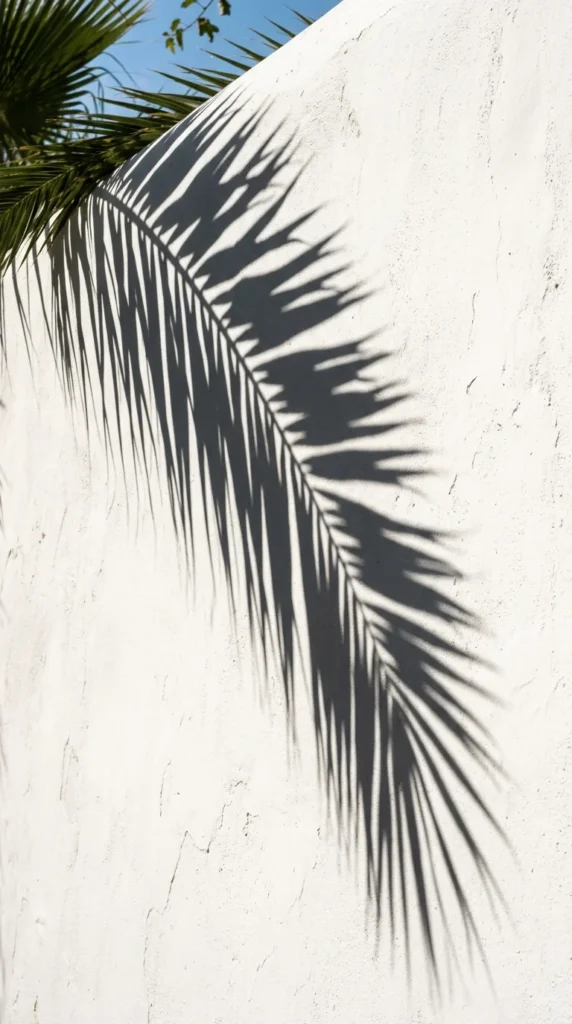
Whitewashing is a traditional technique used across the Mediterranean to reflect heat and keep buildings cool. In a garden, these bright walls serve as the perfect canvas, making the colors of the plants and the blue of the sky pop. The way light and shadow play across a white wall throughout the day creates a dynamic, ever-changing atmosphere.
16. Herb Gardens
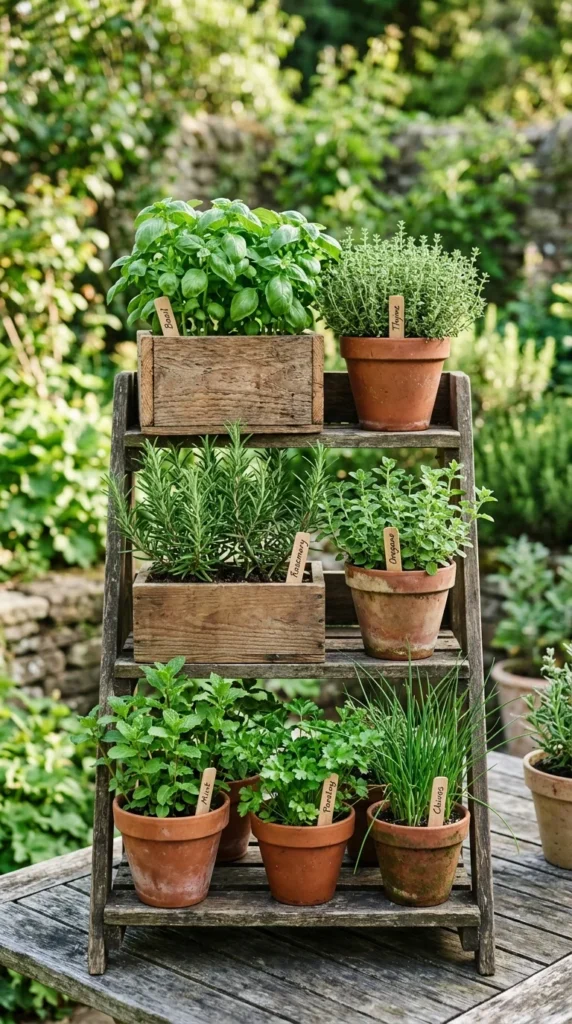
A Mediterranean garden should be as functional as it is beautiful. A dedicated herb garden ensures that the kitchen is always stocked with fresh flavors. Rosemary and thyme are particularly well-suited to courtyards as they love the heat and well-draining soil. Their woody stems and aromatic leaves add both texture and scent to the air.
17. Cypress Spires
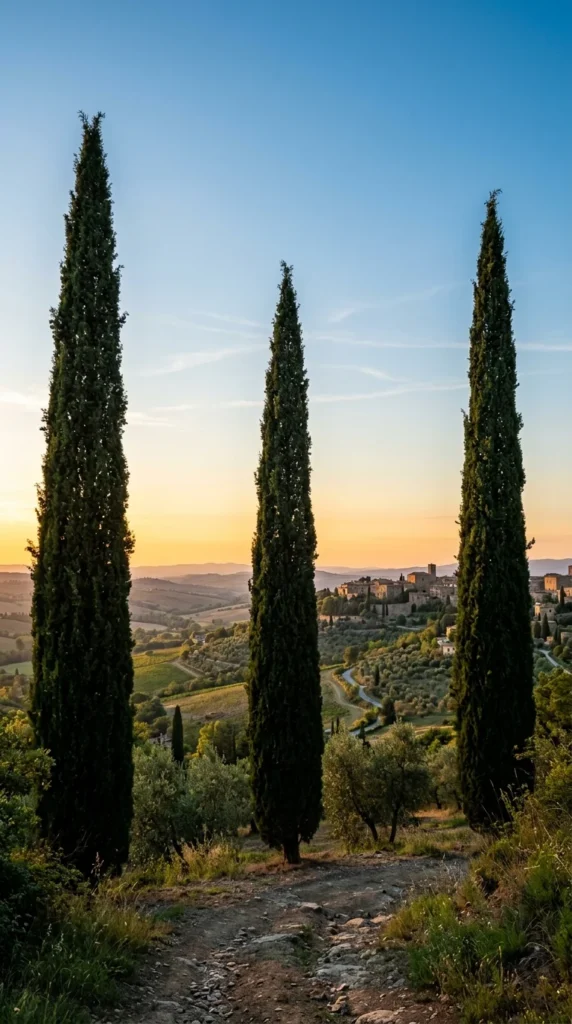
The Italian Cypress is the exclamation point of the Mediterranean landscape. These tall, narrow evergreens add height and drama without taking up much horizontal space. Use them to frame a doorway, hide an unsightly view, or create a sense of rhythm and formal elegance along a wall.
18. Bistro Sets
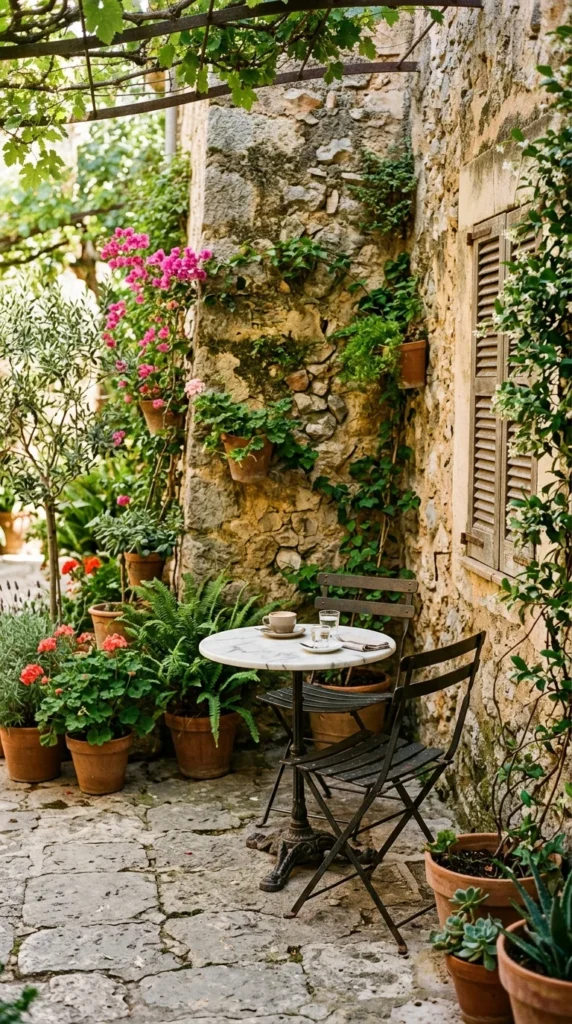
Even the smallest courtyard has room for a bistro set. This simple addition transforms a corner into a spot for morning coffee or an evening glass of wine. Choosing a folding set allows for flexibility, making it easy to clear the space for larger gatherings when needed.
19. Climbing Jasmine
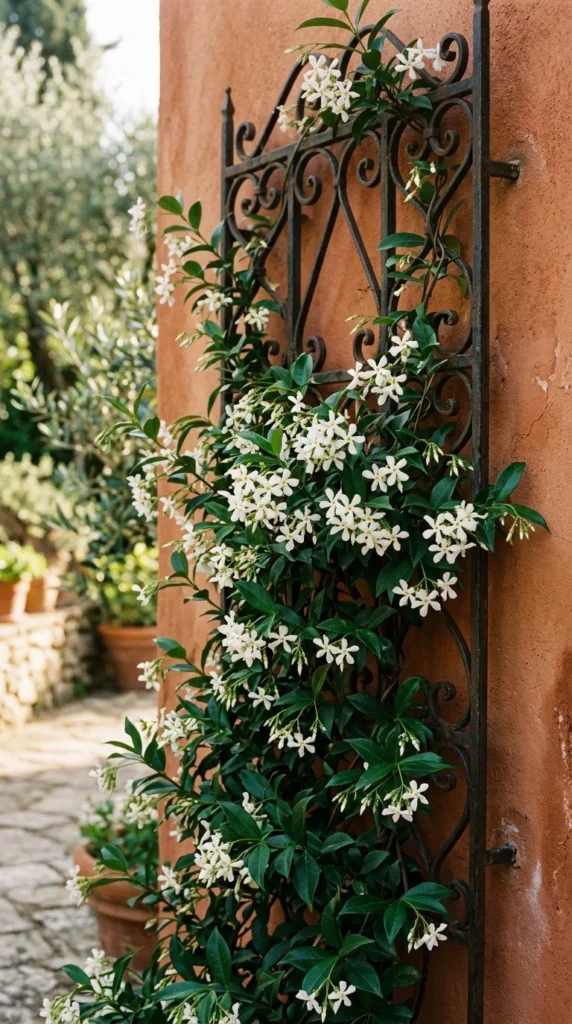
While bougainvillea provides the color, jasmine provides the scent. The intoxicating fragrance of star jasmine is most potent in the evening, making it the perfect plant for a courtyard used for nighttime entertaining. It is a neat climber that can be easily trained to cover fences or walls, providing a dense screen of green and white.
20. Built-in Benches
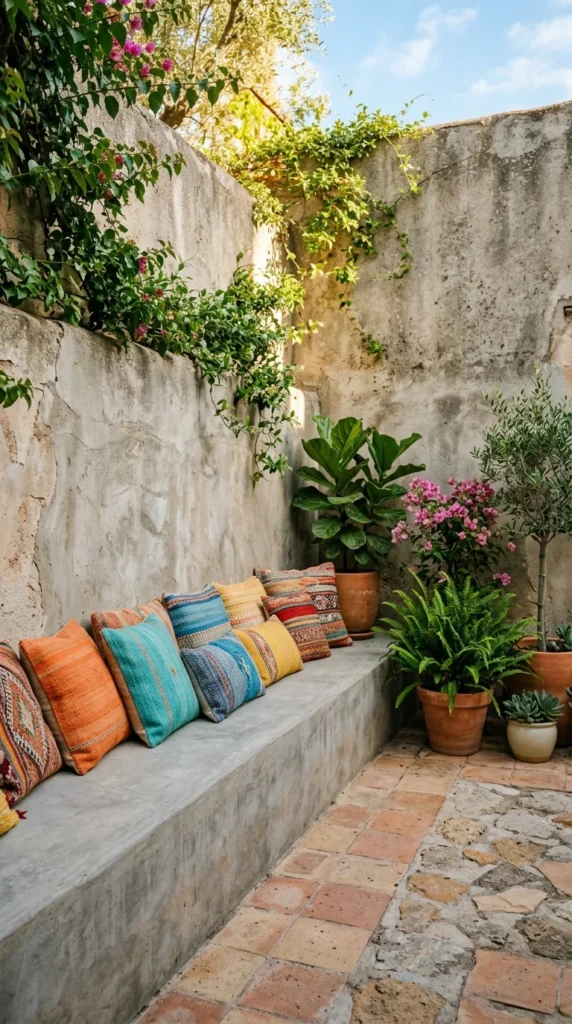
Built-in seating, often referred to as “banquettes,” maximizes space and reinforces the architectural feel of the courtyard. Often constructed from the same material as the walls (like stone or concrete), these benches feel like a permanent part of the landscape. They offer a clean, minimalist look and provide plenty of room for guests.
21. Moroccan Lanterns
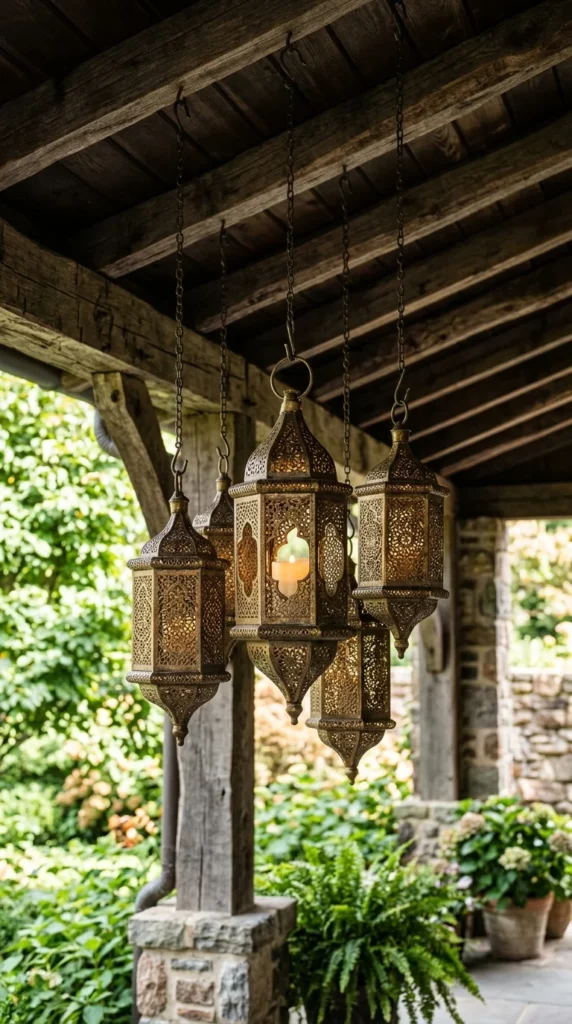
Lighting is key to transitioning the garden from day to night. Moroccan-style lanterns with pierced metalwork create enchanting patterns of light and shadow on the walls. Whether hanging from a pergola or placed on the floor, these lanterns add a touch of exotic mystery and a warm, inviting glow.
22. Arched Gateways
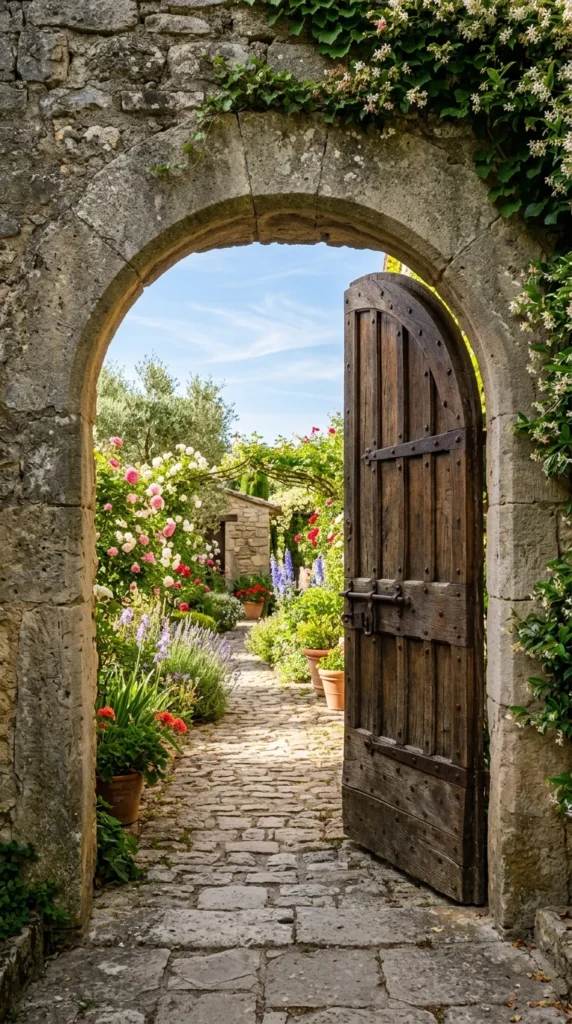
The arch is a classic architectural motif of the Mediterranean. An arched gateway or even a faux-arch recessed into a wall adds a sense of depth and mystery. It creates a “portal” effect, making the transition from the outside world into your private sanctuary feel intentional and special.
23. Travertine Pavers
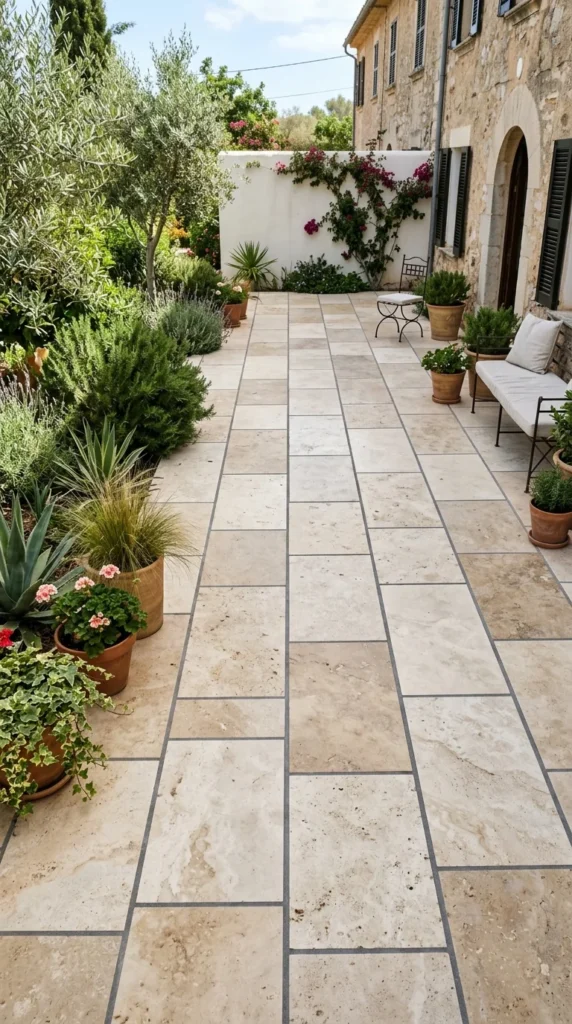
Travertine is a natural stone that stays relatively cool underfoot, even in direct sunlight. Its soft, sandy tones and natural pitting give it a luxurious yet earthy feel. Using large-format pavers can make a small courtyard feel more spacious and high-end, providing a smooth, durable surface for furniture and foot traffic.