Concrete is no longer just a utilitarian material for sidewalks and basements. In the world of modern landscape design, it has evolved into a premier choice for homeowners seeking a blend of durability, versatility, and high-end aesthetics. Whether you are aiming for an industrial minimalist look or a warm, organic retreat, concrete provides a blank canvas that can be textured, colored, and shaped to fit any vision.
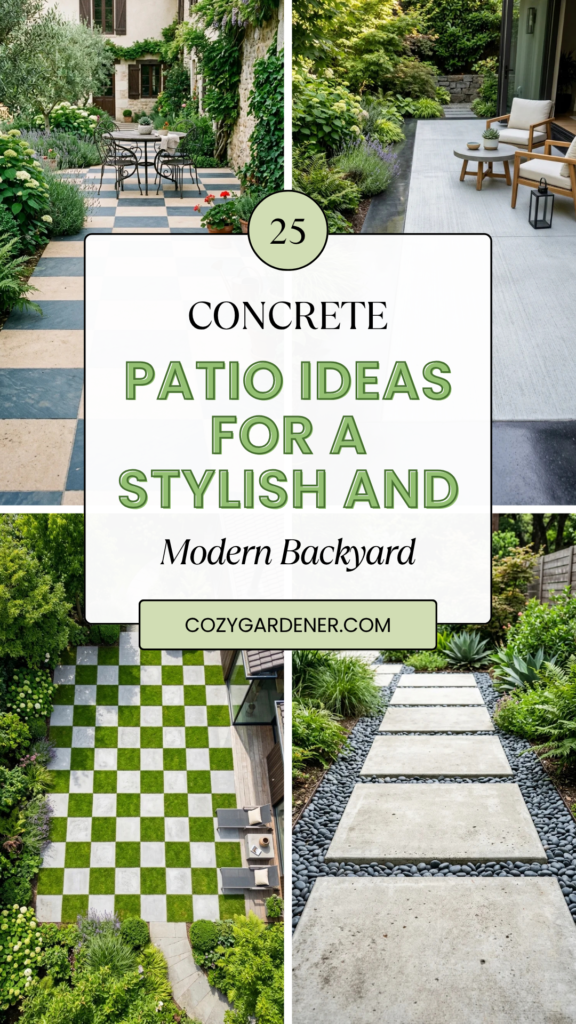
Here are 25 innovative concrete patio ideas to transform your backyard into a stylish sanctuary.
1. Stamped Patterns
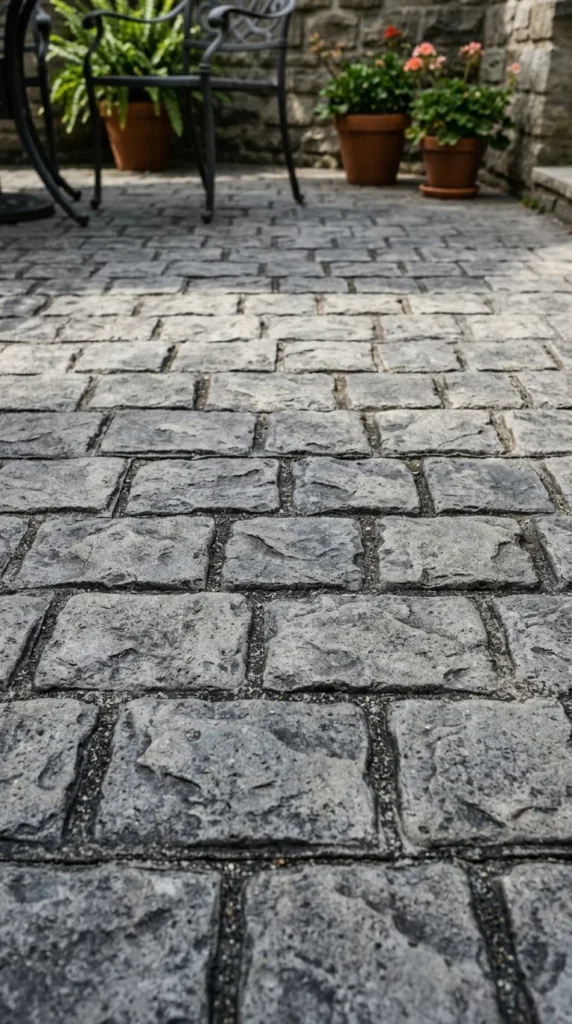
Stamped concrete is the ultimate chameleon. By using large rubber mats pressed into wet concrete, builders can mimic the look of expensive materials like slate, flagstone, or even brick. This gives you the high-end appearance of natural stone with the structural integrity and lower maintenance costs of a solid concrete slab. It’s perfect for adding character to a flat landscape.
2. Polished Finish
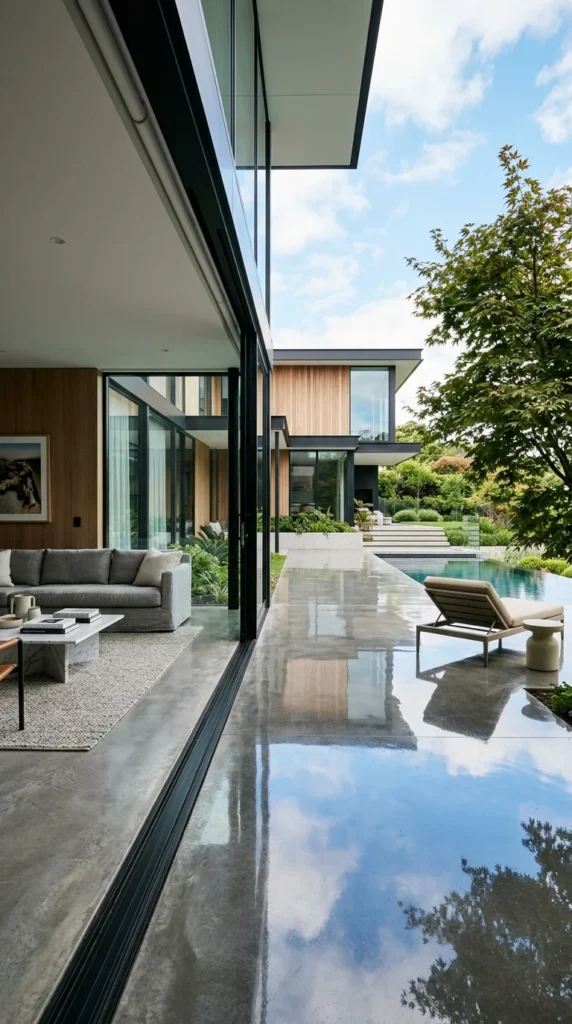
If you want a truly contemporary feel, a polished finish is the way to go. This process involves grinding the concrete surface with progressively finer diamond abrasives until it achieves a high-gloss sheen. Not only does it look incredibly sophisticated, but it’s also very easy to clean and feels wonderful underfoot.
3. Exposed Aggregate
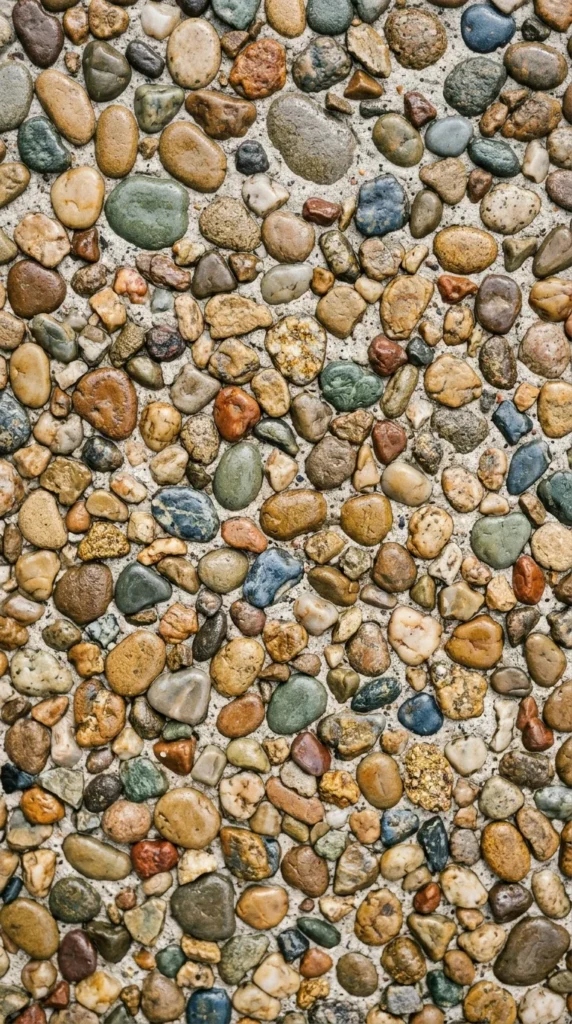
Exposed aggregate is achieved by removing the top layer of concrete “cream” to reveal the decorative stones mixed inside. This creates a highly slip-resistant surface with a rich, organic texture. It’s an excellent choice for pool decks or areas that get wet frequently, providing both safety and a rugged, natural beauty.
4. Geometric Slabs
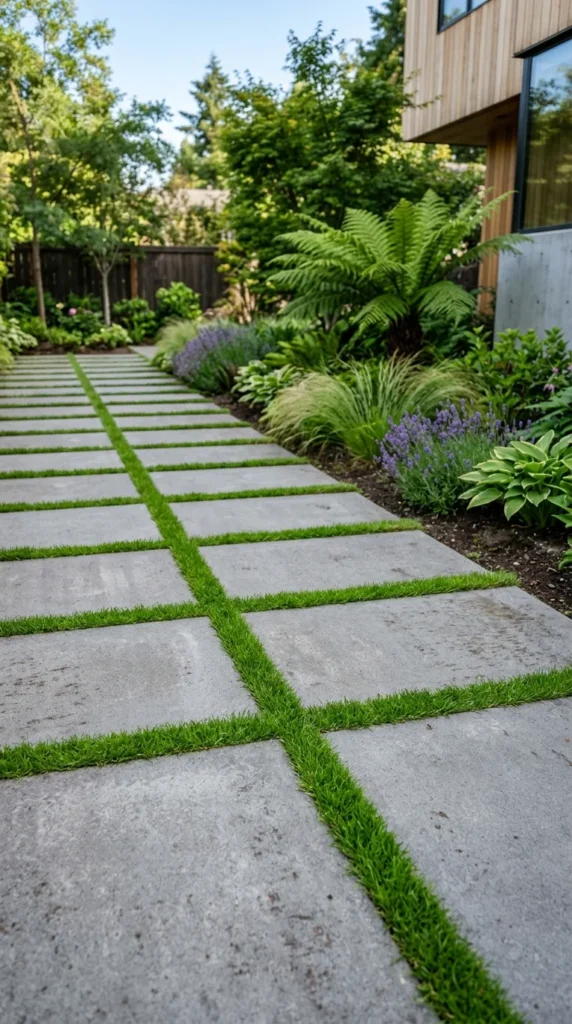
Modern design thrives on geometry. Instead of a single continuous pour, consider large-scale geometric slabs. Whether they are squares or long rectangles, these “paver-style” pours create a sense of rhythm and order. Leaving space between the slabs for ground cover or decorative stone adds an architectural element to the backyard.
5. Colored Concrete
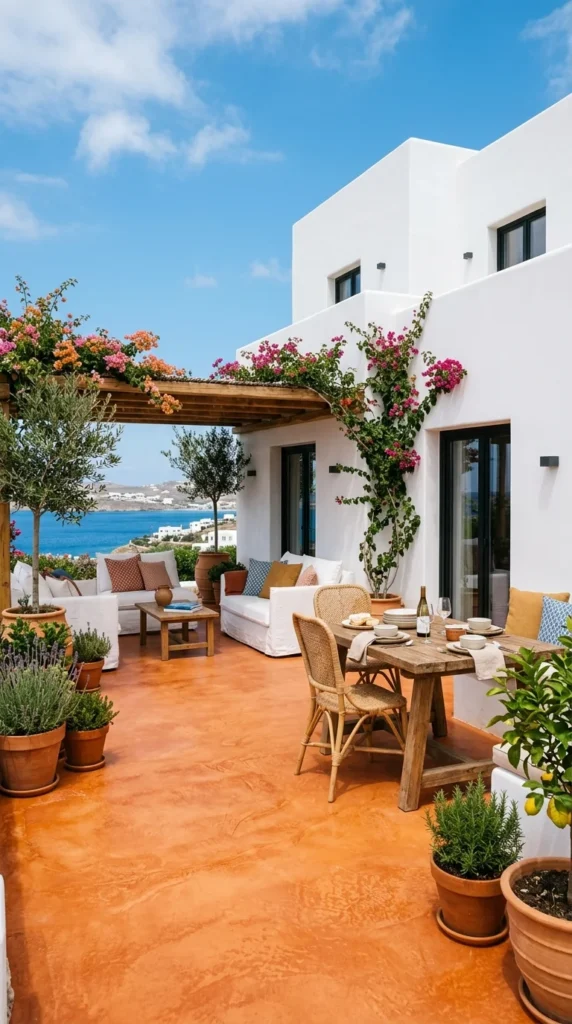
Don’t feel limited to the standard “sidewalk grey.” Integral pigments can be added during the mixing process to create a consistent color throughout the entire slab. From deep charcoal and earthy tans to bold terracotta or even subtle blues, colored concrete allows you to coordinate your patio perfectly with your home’s exterior palette.
6. Grass Grid
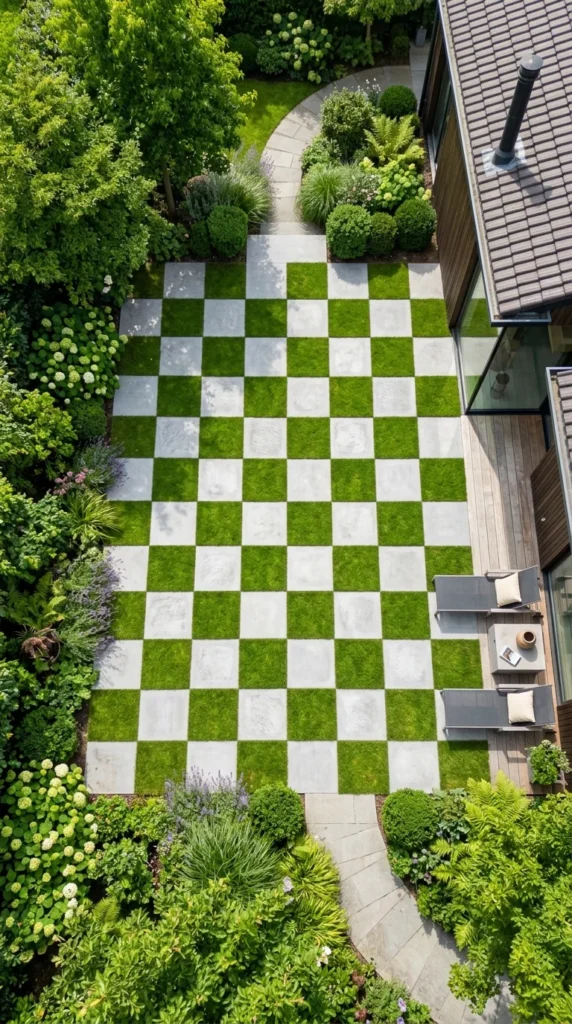
The “steppable” grid is a favorite for modern minimalists. By alternating concrete squares with patches of grass or moss, you break up the “heat island” effect of a large solid surface and introduce a soft, natural element. This design blurs the line between hardscape and landscape, making the patio feel like part of the garden.
7. Fire Pit
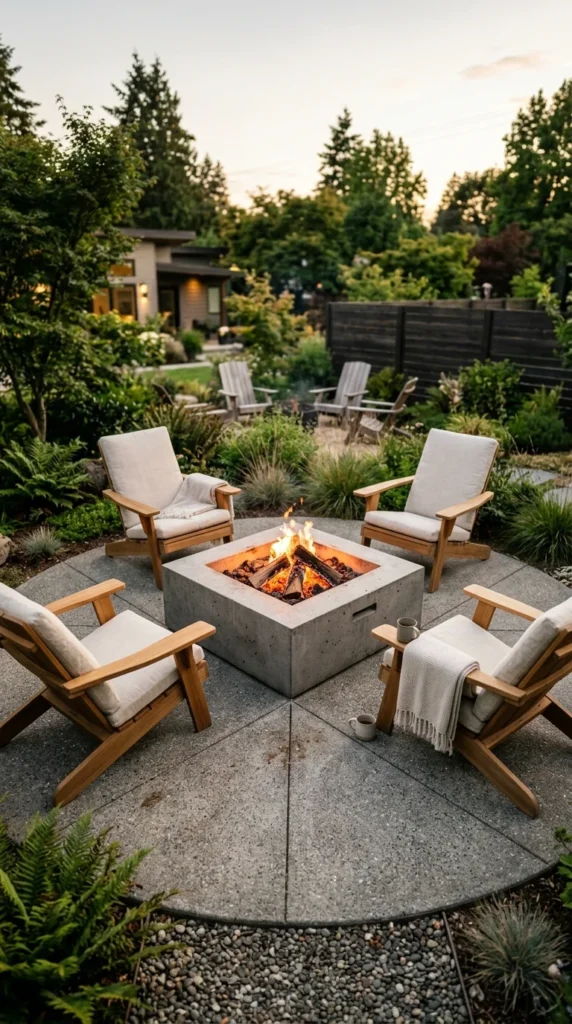
Concrete is naturally fire-resistant, making it the ideal material for a built-in fire feature. You can design a sunken fire pit or a raised concrete bowl that matches the texture of your patio. This creates a natural gathering point for evening entertainment and adds a cozy, functional focal point to the yard.
8. Floating Steps
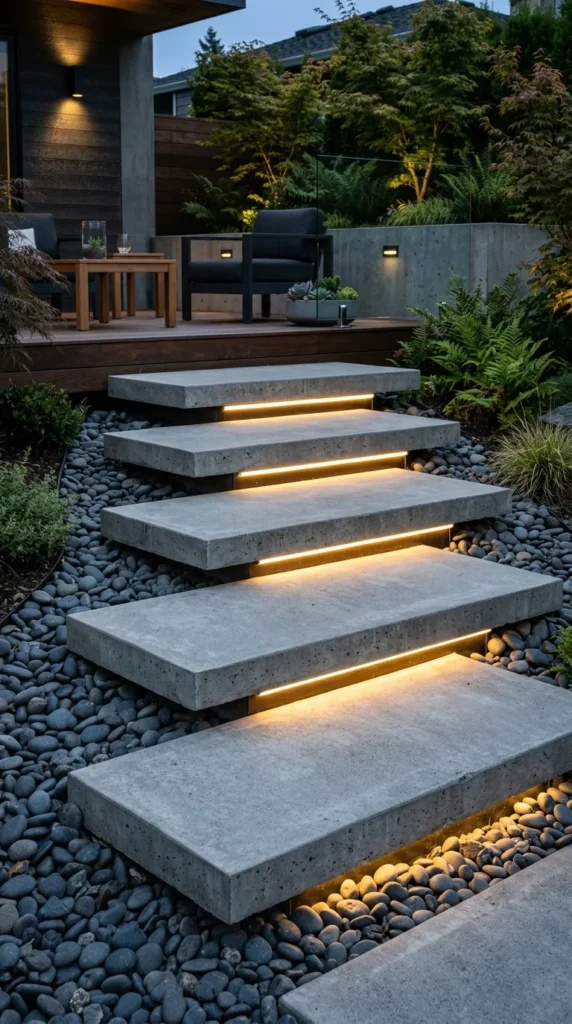
Floating concrete steps create a dramatic entrance to a raised patio. By overhanging the steps and tucking the supports inward, you create the illusion that the heavy concrete is weightless. Adding LED strip lighting beneath the lip of each step enhances this “floating” effect at night and improves safety.
9. Board-Formed Concrete
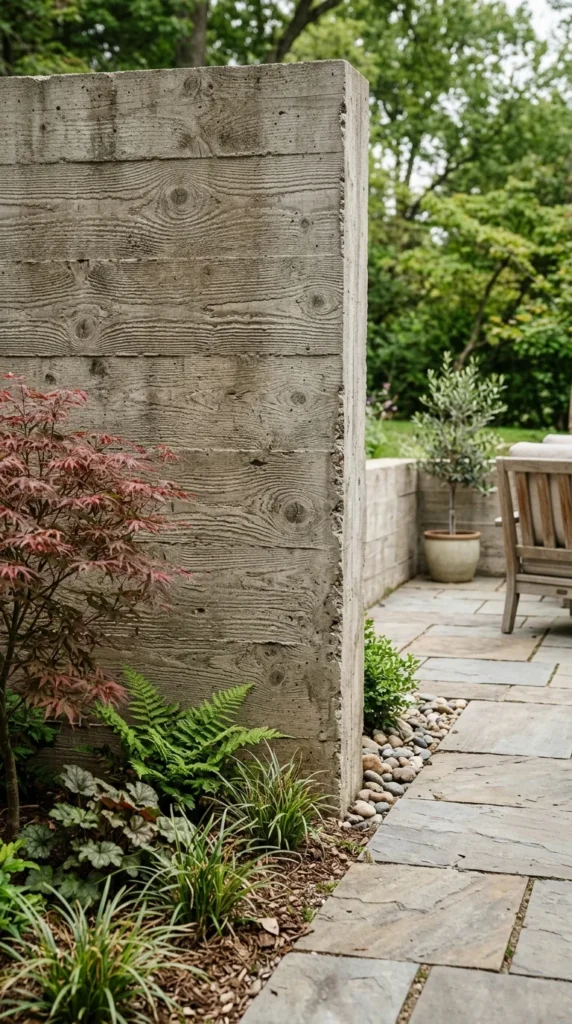
Board-formed concrete is a technique where the concrete is poured into forms made of wood planks. Once the forms are removed, the concrete retains the beautiful, rustic texture of the wood grain. This is a stunning way to add visual interest to patio walls, planters, or privacy screens, blending industrial strength with organic texture.
10. Circular Patios
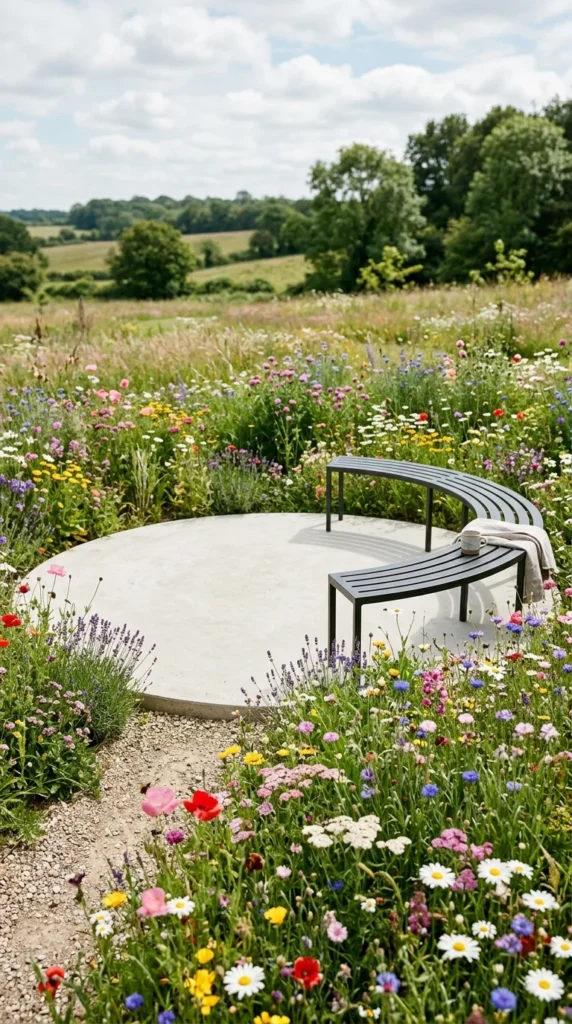
While most patios are rectangular, a circular concrete patio can soften the harsh lines of a backyard. It works exceptionally well as a secondary “destination” patio—perhaps a quiet spot for morning coffee or a secluded reading nook tucked away in a corner of the property.
11. Wood-Look Stamps
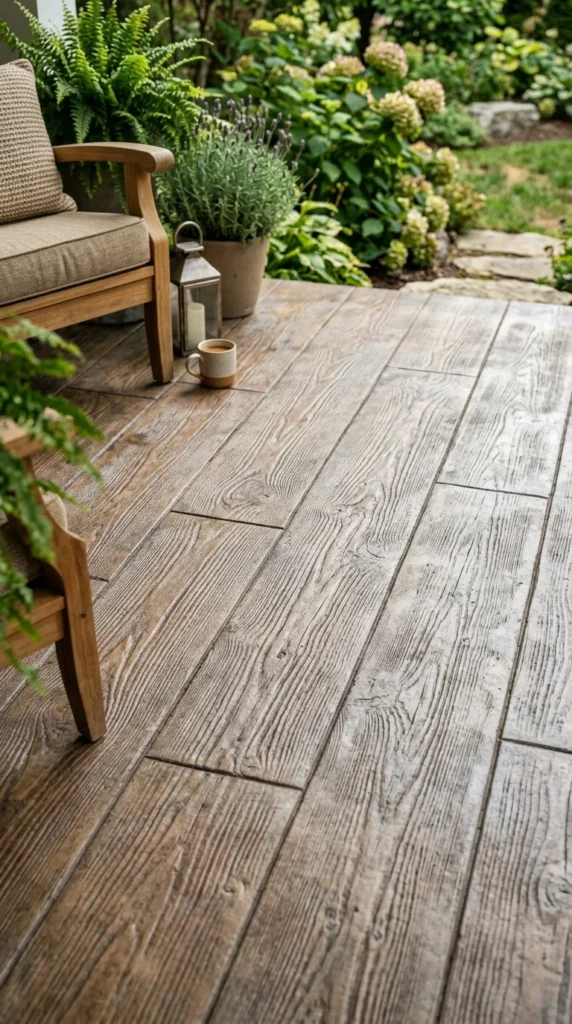
Love the look of a wooden deck but hate the maintenance? Wood-look stamped concrete provides the warmth and texture of timber without the rotting, warping, or need for annual staining. It’s an ideal solution for those who want a “cabin-in-the-woods” aesthetic with the longevity of stone.
12. Multilevel Terraces
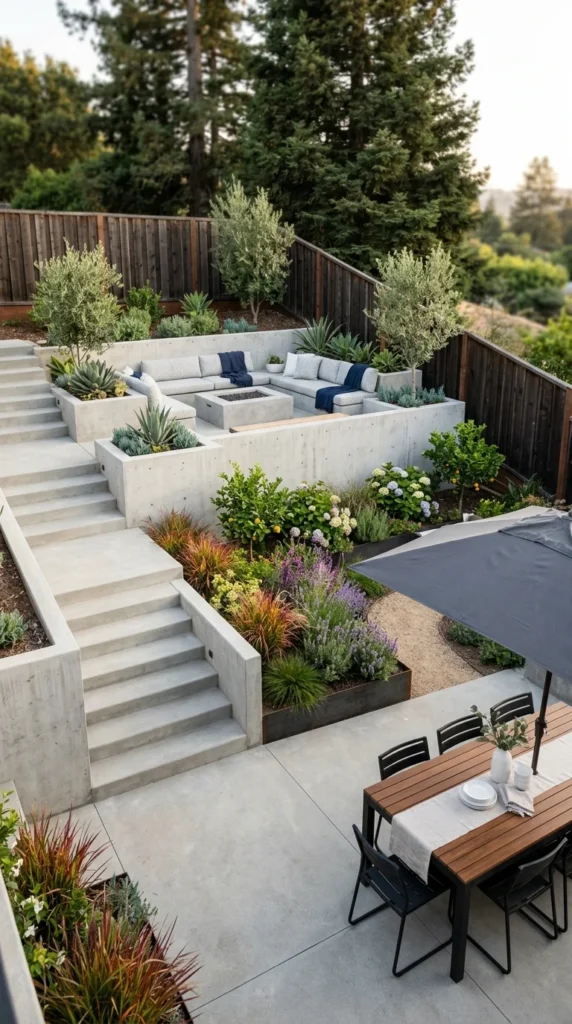
If your yard has a slope, don’t fight it—use it. Multilevel concrete terraces allow you to define different “rooms” in your outdoor space. Use the top level for dining, the middle for a lounge area, and the bottom for a fire pit or garden. This adds depth and architectural interest to the backyard.
13. Integral Seating
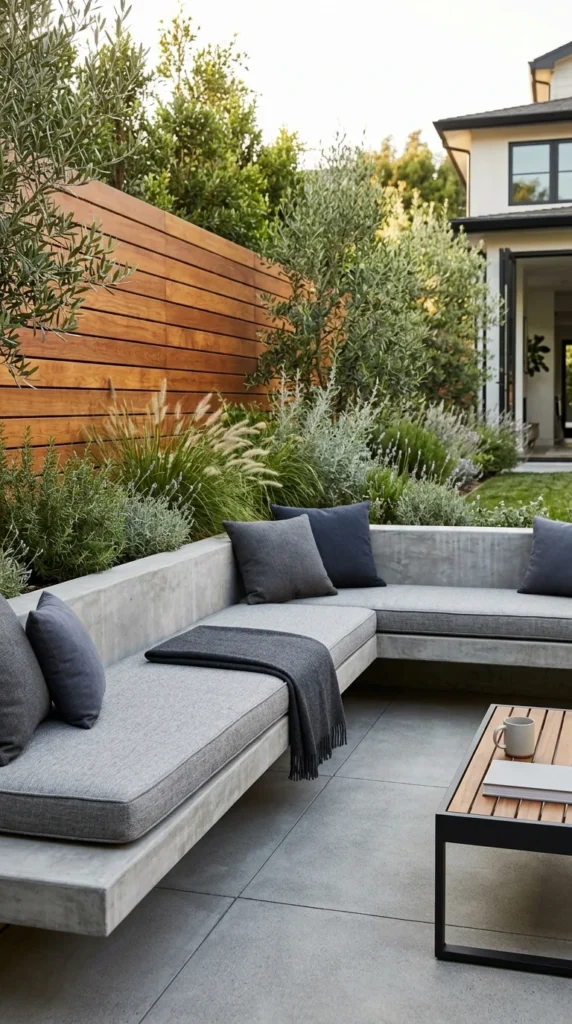
Maximize your space by building seating directly into the patio design. Low concrete walls can double as benches, providing permanent seating for large gatherings. When paired with colorful outdoor cushions and pillows, these built-in elements feel integrated and intentional rather than cluttered with extra furniture.
14. Glow-In-The-Dark
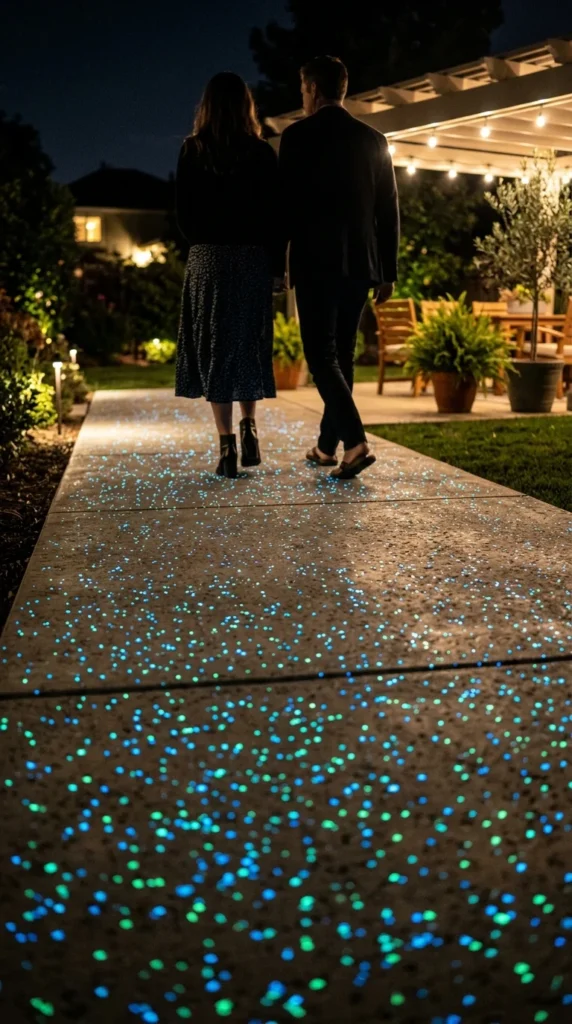
For a truly magical backyard, consider adding photoluminescent aggregates to your concrete mix. These small stones absorb sunlight during the day and emit a soft, ethereal glow at night. It’s a sustainable, electricity-free way to illuminate your patio path and wow your guests.
15. Bordered Designs
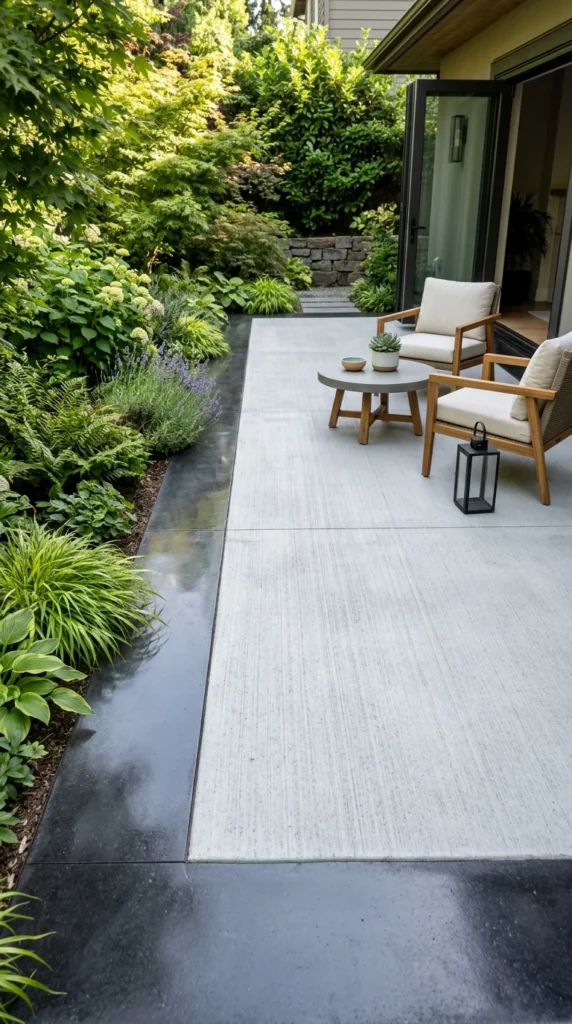
A simple way to elevate a standard concrete slab is to add a contrasting border. You can mix finishes—such as a rough broom-finished center with a smooth, polished border—or use different colors. This “picture frame” effect gives the patio a finished, professional look.
16. Modern Minimalist
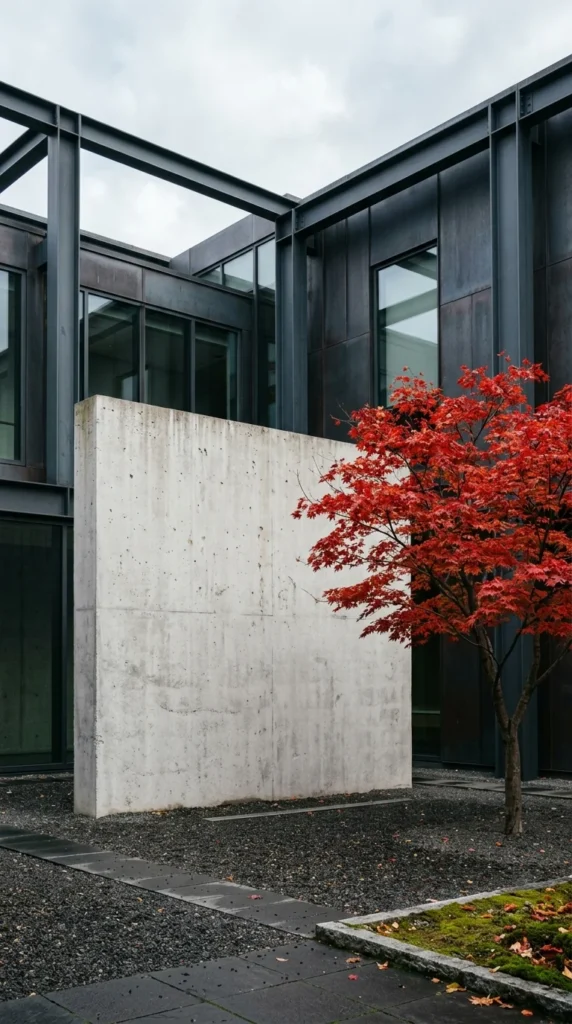
Sometimes, less is more. A massive, seamless slab of light grey concrete with clean edges and zero ornamentation can be the height of sophistication. This style works best when paired with high-quality minimalist furniture and a restrained plant palette.
17. Etched Graphics
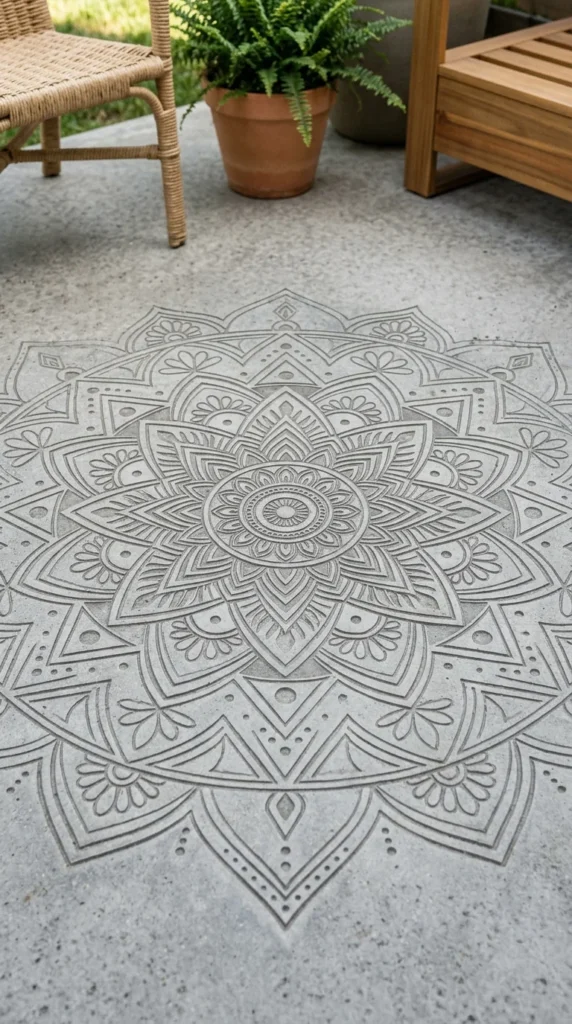
Concrete etching allows you to “draw” designs onto your patio using stencils and acidic solutions. Whether it’s a custom family crest, a large-scale geometric pattern, or a faux-rug design, etching adds a layer of personalization that makes your backyard unique.
18. Checkerboard Pattern
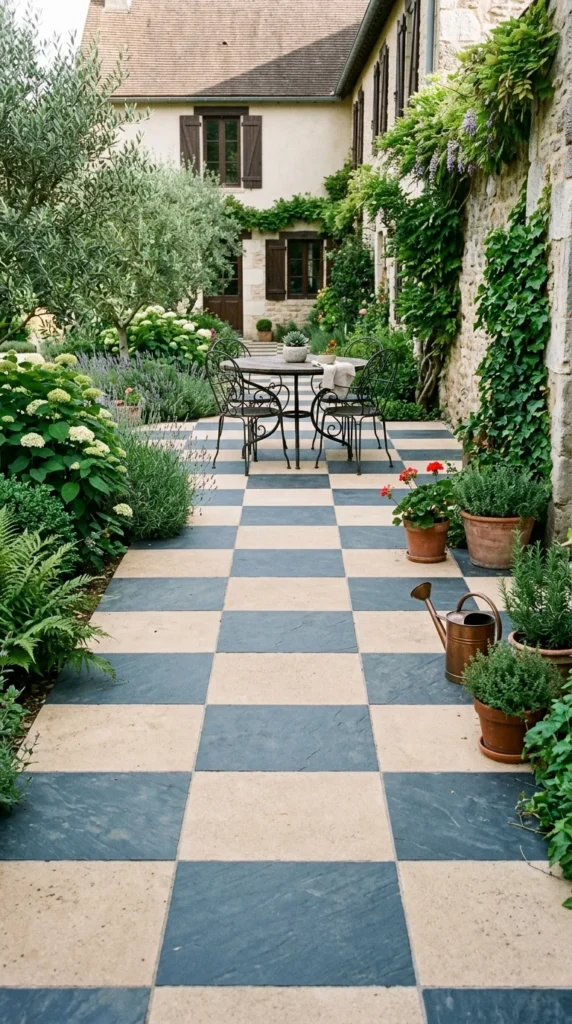
The checkerboard pattern is a classic for a reason. By using two different colors of concrete or alternating between polished and sandblasted finishes, you can create a high-contrast floor that serves as a statement piece for the entire backyard.
19. Gravel Integration
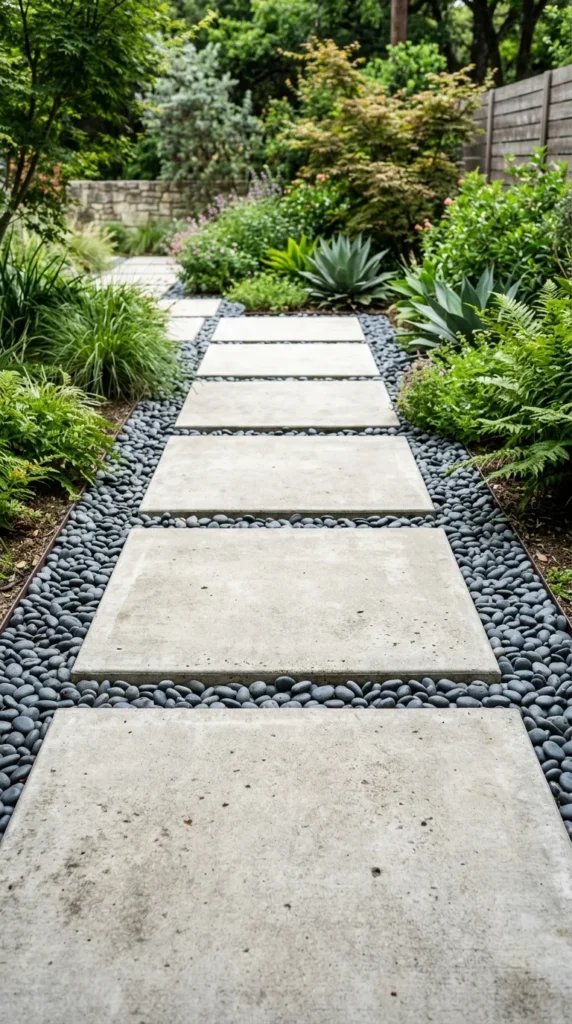
For a modern Zen vibe, integrate gravel or decorative river rock between concrete slabs. This design is not only visually striking but also serves as a drainage system, allowing rainwater to seep into the ground between the hard surfaces, reducing runoff and puddles.
20. Water Feature Base
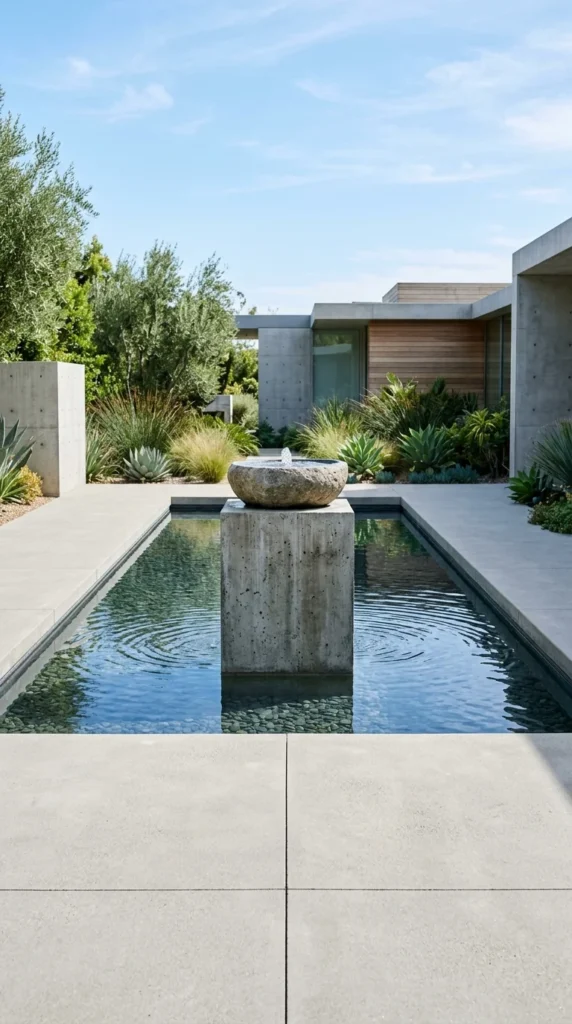
Concrete is the perfect companion for water. You can design your patio to wrap around a modern reflecting pool or incorporate a concrete rill (a narrow water channel) that runs through the center of the living space. The sound of water against the solid surface creates a serene atmosphere.
21. Outdoor Kitchen Island
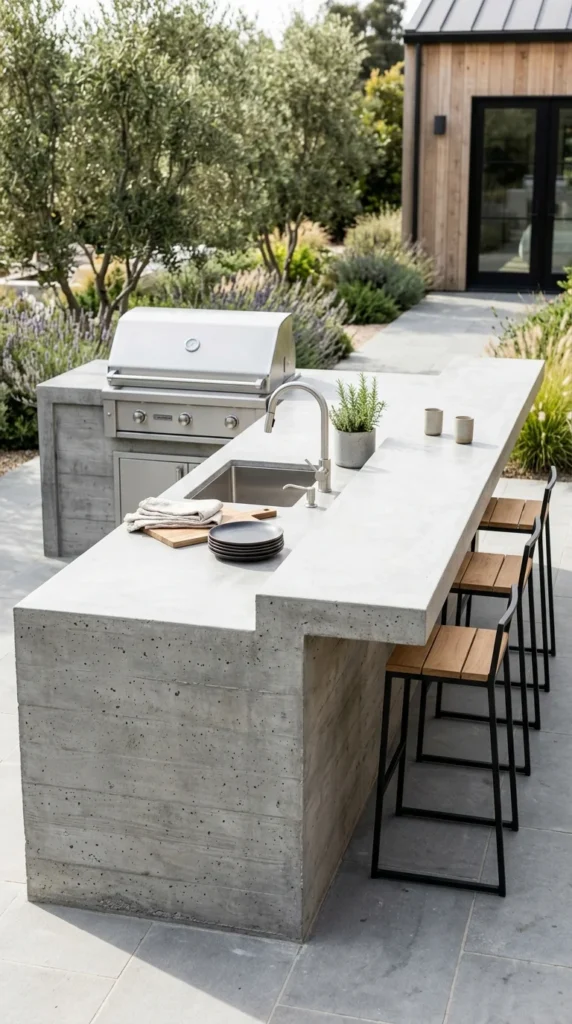
Concrete is an excellent material for outdoor countertops and kitchen islands. It’s heat-resistant, weather-proof, and can be custom-molded to include holes for grills, sinks, and storage. A concrete island acts as a sturdy, functional anchor for your outdoor dining area.
22. Stained Finishes
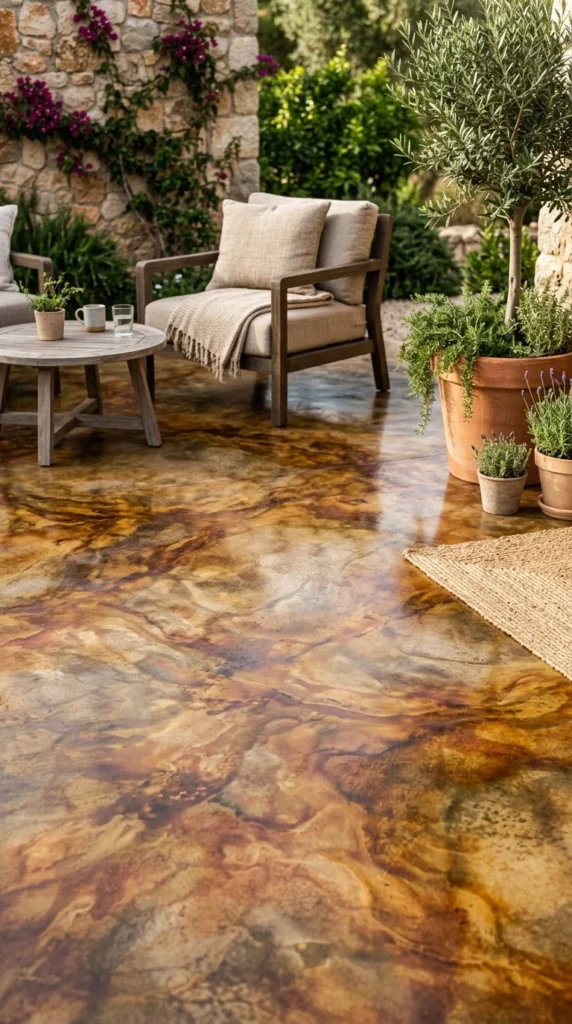
Unlike paint, which sits on top of the concrete, stains penetrate the surface to create deep, translucent tones. Acid stains react chemically with the concrete to produce beautiful, variegated marbling effects. This is perfect for those who want a patio with a “distressed” or “antique” look.
23. Cantilevered Edges
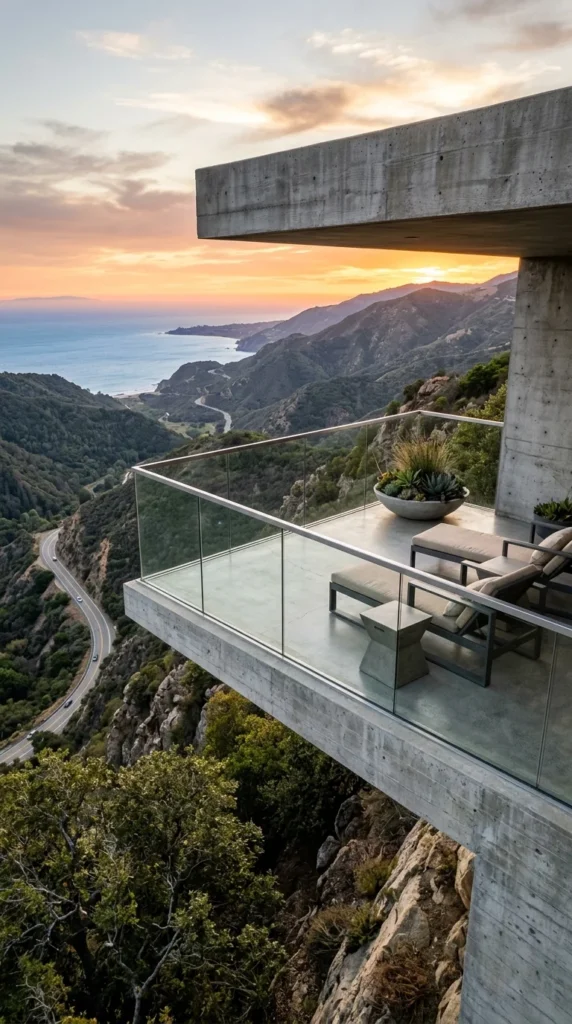
If your property has a view, a cantilevered concrete patio can maximize it. By extending the slab beyond the support walls, you create a “floating” deck effect that feels daring and modern. It provides a perfect, unobstructed platform for taking in the scenery.
24. Troweled Texture
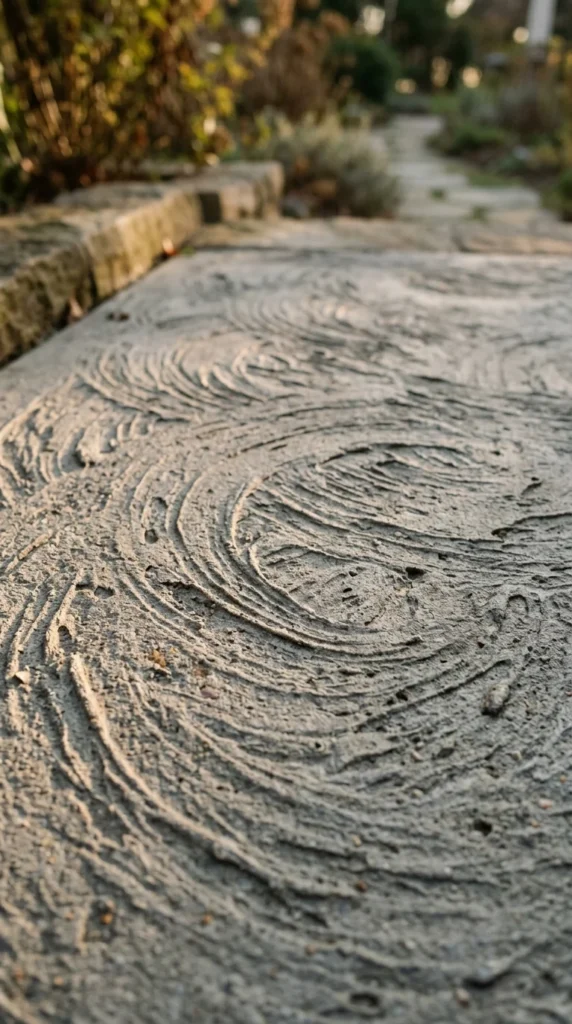
A hand-troweled finish provides a more artisanal, organic feel than a machine-finished slab. The subtle swirls and ridges catch the light differently throughout the day, giving the patio a dynamic, living quality that feels more like handcrafted stone than industrial material.
25. Lighting Integration
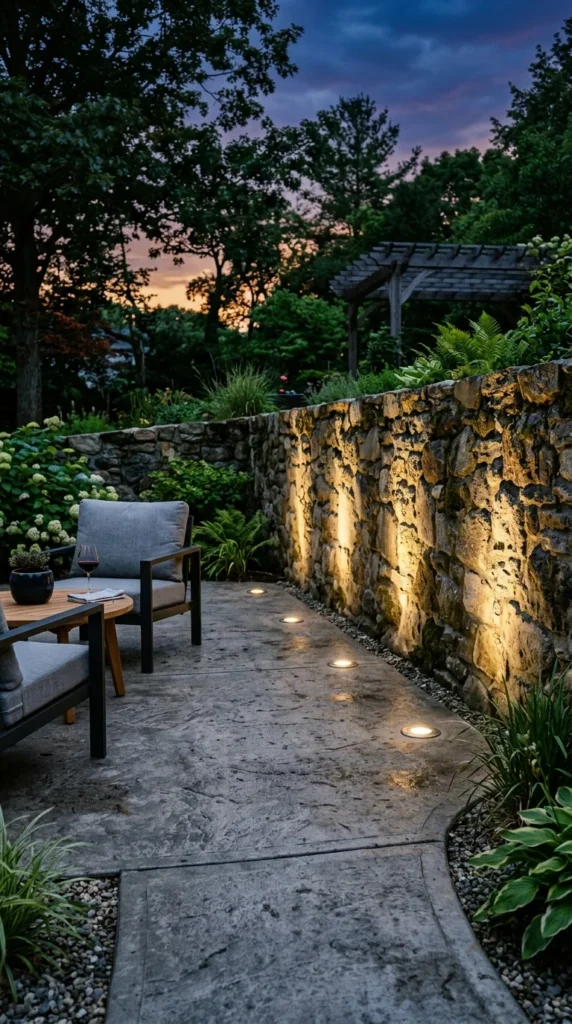
Plan your lighting before you pour. You can embed low-voltage LED housing directly into the concrete. This allows for seamless path lighting, uplighting for trees, or perimeter lights that define the space without the need for bulky, above-ground fixtures.
Tips for a Perfect Concrete Patio
- Seal Your Investment: No matter which design you choose, always apply a high-quality sealer. This protects the concrete from UV rays, oil spills, and water penetration, ensuring the colors stay vibrant for years.
- Expansion Joints are Crucial: Concrete will naturally crack as it expands and contracts. Ensure your contractor places expansion joints strategically—these can even be integrated into the design to look like intentional patterns.
- Curing is Key: Don’t rush the process. Properly curing concrete by keeping it moist or using a curing compound ensures it reaches its maximum strength and durability.
- Think About Drainage: Ensure the patio is sloped slightly (usually 1/8 to 1/4 inch per foot) away from your home’s foundation to prevent water pooling.
A concrete patio is more than just a place to put a grill; it’s an extension of your home’s architecture. By choosing the right finish, shape, and integration, you can create a modern outdoor space that is as stylish as it is enduring.