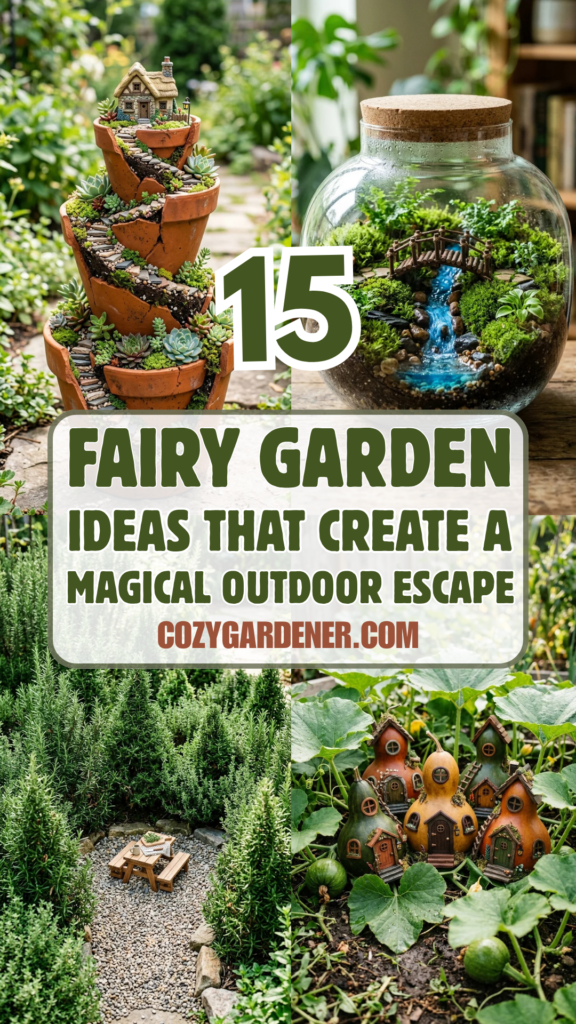
Stepping into a garden should feel like entering another world. For those who believe in a bit of magic, a fairy garden is the ultimate way to blend horticulture with imagination. These miniature landscapes offer a whimsical retreat from the stresses of daily life, allowing you to play architect to a tiny, enchanted civilization. Whether you have a sprawling backyard or a small apartment balcony, these 15 fairy garden ideas will help you cultivate a space where the mythical feels manifest.
1. Tree Stumps
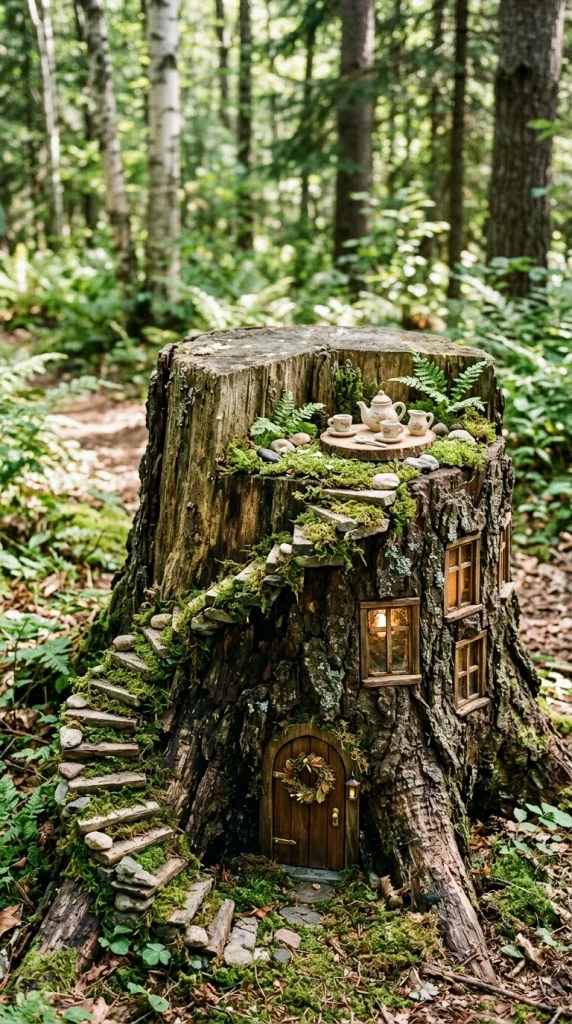
Don’t remove that old tree stump; transform it into a high-rise apartment for the Fae. Natural wood provides the perfect organic texture for a fairy dwelling. By carving out small hollows or simply attaching miniature doors and windows to the exterior, you create the illusion of a hidden world living inside the timber. Surround the base with ferns and hostas to ground the structure in the landscape. The decaying wood also provides a nutrient-rich environment for real moss to grow, adding to the ancient, “always been there” aesthetic.
2. Broken Pots
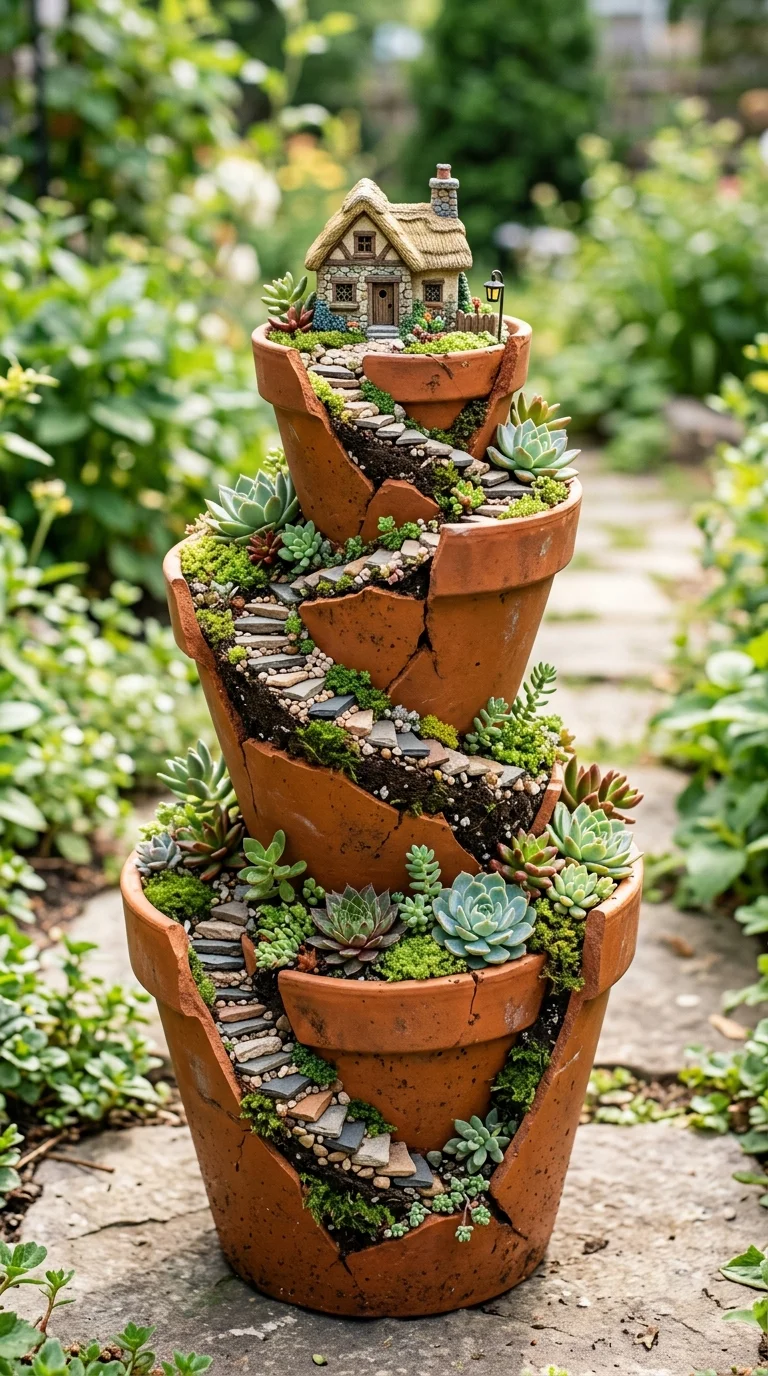
Accidents happen, but in the world of fairy gardening, a broken terracotta pot is a stroke of luck. By stacking the shards of a large broken pot within its remaining base, you can create a tiered mountain landscape. This verticality allows you to plant different “climates” on each level—perhaps a lush meadow of creeping thyme at the bottom and a rocky alpine peak of sedum at the top. The jagged edges of the pottery mimic natural cliff faces, providing the perfect backdrop for tiny mountain-dwelling sprites.
3. Solar Fireflies
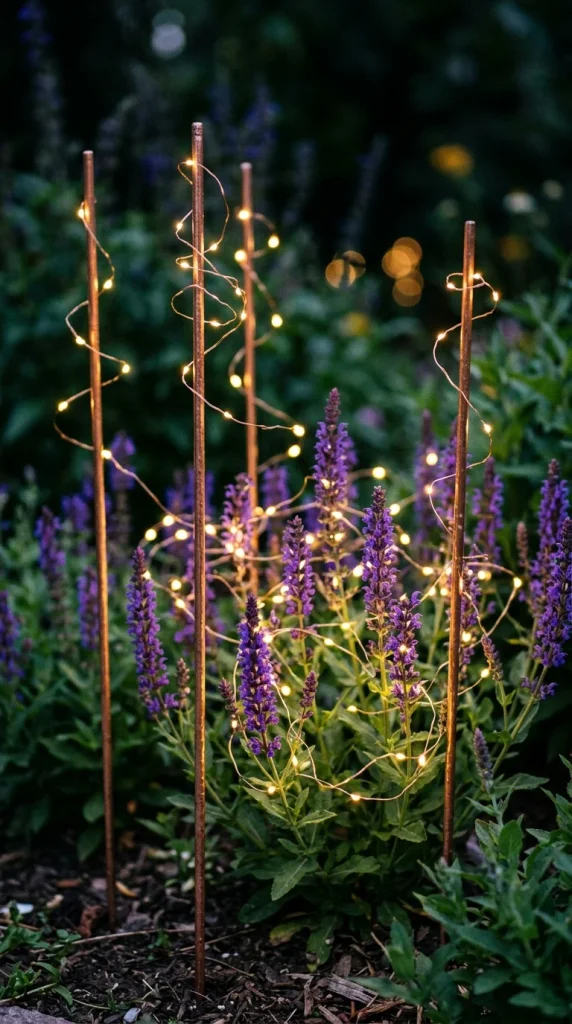
Lighting is the key to making your garden feel alive after the sun sets. Incorporating micro-LED solar lights—often called “fairy lights”—gives the impression of trapped starlight or hovering insects. String them through the “canopy” of your miniature trees (like rosemary or boxwood) or bury them slightly beneath translucent pebbles to create a glowing pathway. The soft, amber flicker of these lights adds a layer of depth and mystery that transforms your garden into a nocturnal wonderland.
4. Teacup Sanctuaries
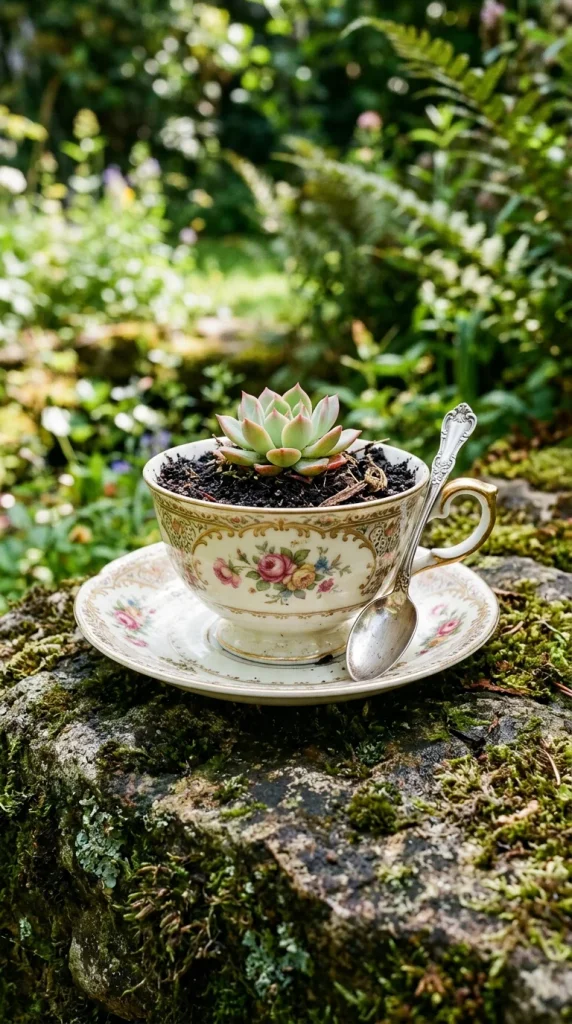
For those with limited space, a teacup fairy garden is a masterpiece of miniaturization. Use a vintage floral cup to create a “garden in a cup.” This is the perfect scale for the smallest of accessories: a tiny wire chair, a single thimble-sized flower, and a dusting of glitter. Teacup gardens make excellent centerpieces for outdoor dining tables or can be nestled into the nooks of a larger stone wall, offering a delightful surprise for anyone who looks closely.
5. Birdbath Islands
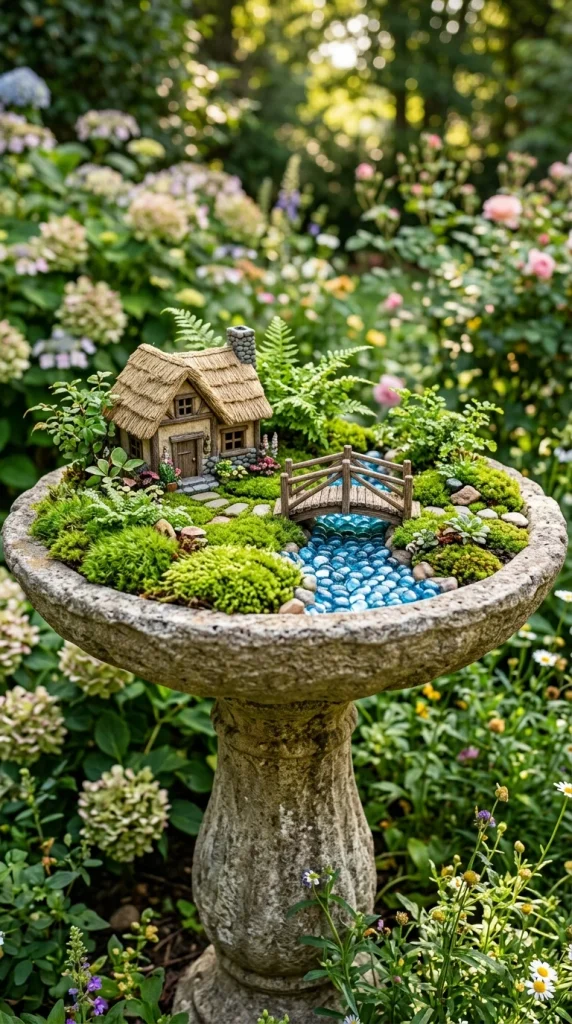
Elevate your enchanted world by using a stone birdbath as your canvas. This provides a clear boundary for your garden and keeps it safe from ground-dwelling critters. Since birdbaths are shallow, they are ideal for plants with small root systems, such as mosses and certain succulents. Create a “water feature” using blue sea glass or resin to mimic a pond in the center of the island, and place a tiny wooden bridge over it to connect the different sections of your aerial kingdom.
6. Succulent Deserts
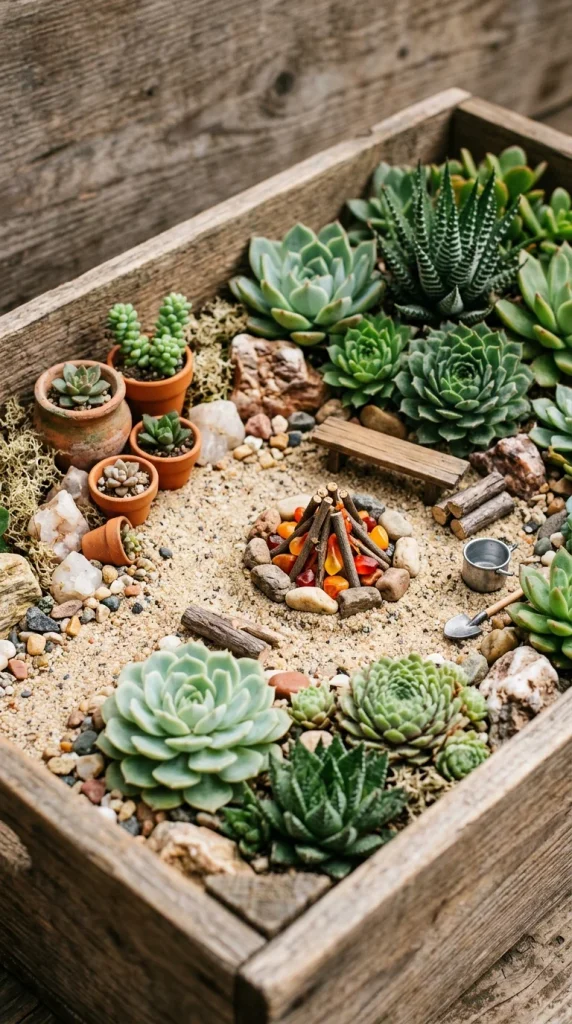
Fairy gardens don’t always have to be lush and green. A “desert sprite” theme using succulents and cacti offers a low-maintenance, modern twist. Use white sand or fine gravel as the base to represent a magical wasteland. The structural, alien shapes of succulents like Echeveria or Haworthia look like exotic flora from a faraway realm. Place a miniature stone “henge” or a tiny sun-bleached skull (a craft store find) to complete the arid, mysterious vibe.
7. Pebble Paths
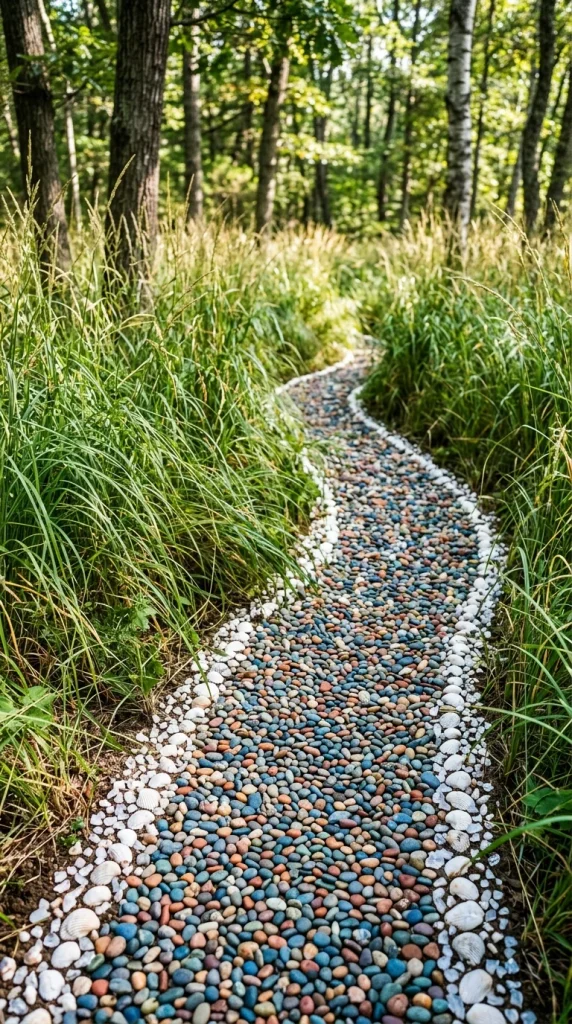
The journey is just as important as the destination. Creating detailed pathways gives your fairy garden a sense of scale and purpose. Use a variety of materials to define different “roads”—flat slate for a formal walkway, colorful aquarium gravel for a whimsical lane, or even small buttons for a haberdasher’s garden. Adding a “no-walk” zone made of crushed glass or sand can mimic a rushing river or a calm lake, providing a visual break in the greenery.
8. Gourd Houses
Nature provides some of the best building materials. Dried gourds can be carved and painted to create organic, hobbit-hole-style dwellings. Because they are biodegradable, they fit perfectly into a sustainable garden. You can paint them with vibrant colors or keep them natural for a more “wild” look. These houses are especially charming when placed in a vegetable garden, making it look as though the garden spirits are helping your tomatoes grow.
9. Trunk Doors
Sometimes, the best fairy garden is the one that is almost invisible. Attaching a “fairy door” to the base of a large, living tree in your yard creates an instant focal point with minimal effort. Clear away a small patch of grass in front of the door and replace it with a tiny welcome mat and a pair of miniature boots. This minimalist approach relies on the grandeur of the tree to do the heavy lifting, suggesting a massive underground mansion hidden beneath the roots.
10. Suitcase Meadows
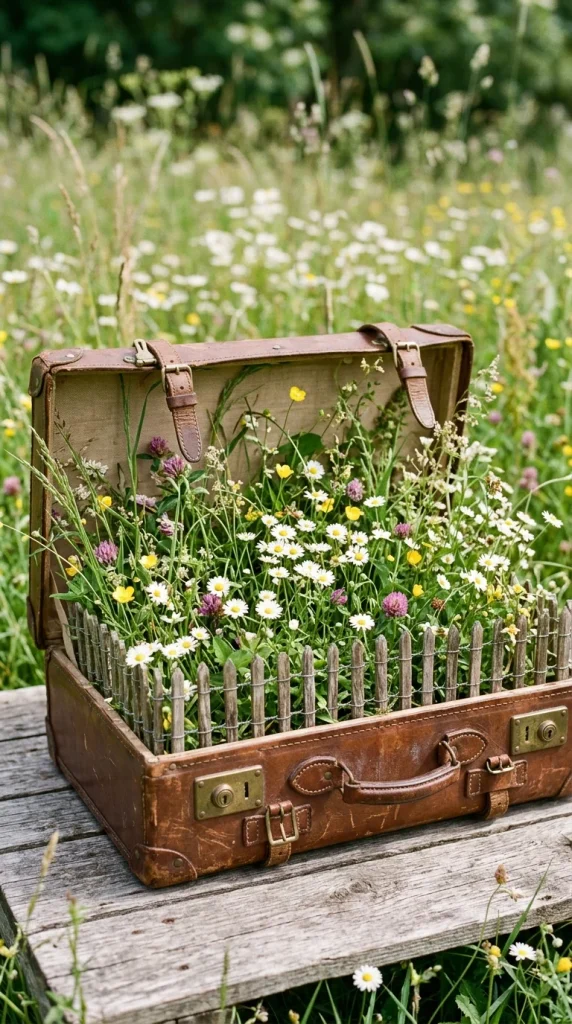
Transform a vintage suitcase into a portable enchanted meadow. This “garden on the go” is perfect for renters or those who want to move their garden into the shade during hot summer days. Line the suitcase with plastic to protect the wood, add drainage holes, and fill it with soil. A suitcase garden looks best with “wild” plantings like clover, creeping jenny, and tiny wildflowers, giving it the appearance of a piece of luggage that was left in the forest and reclaimed by nature.
11. Herb Forests
Combine utility with whimsy by creating an edible fairy garden. Herbs like rosemary, lavender, and thyme can be pruned to look like miniature shrubs and trees. Rosemary, in particular, looks like a tiny pine forest. This setup is not only beautiful but functional, as you can harvest the “forest” for your cooking. Place a tiny picnic table or a miniature herb drying rack within the greenery to lean into the “homestead” theme.
12. Driftwood Heights

For a coastal or “weathered” aesthetic, use driftwood as the foundation of your garden. The twisted, salt-worn branches provide natural nooks for small plants and accessories. You can create a “cliffside village” by securing tiny houses to the higher points of the wood using waterproof adhesive. Surround the driftwood with sea glass and white sand to evoke the feeling of a hidden cove where sea-fairies reside.
13. Glass Terrariums
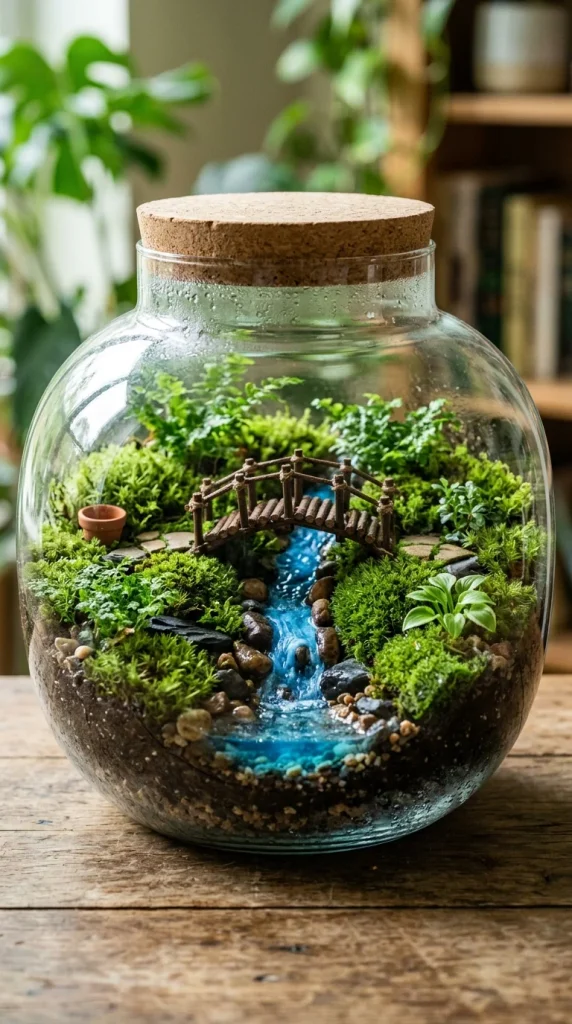
If you want to keep your magical escape indoors or on a protected porch, a glass terrarium is the way to go. The glass walls act as a frame for your tiny world, and the humidity trapped inside is perfect for ferns and mosses. Inside a terrarium, you can experiment with more delicate accessories that might not survive the outdoor elements, like paper banners or fine-wire furniture. The reflection of the glass also adds a layer of “otherworldliness” to the scene.
14. Bonsai Groves

Fairy gardens and the art of Bonsai are a match made in heaven. The aged, miniature appearance of a Bonsai tree provides an instant “ancient forest” vibe. You can create a serene, Zen-inspired fairy garden by adding a miniature stone lantern, a small raked sand area, and a tiny monk figurine or a graceful spirit. This approach focuses on balance and tranquility, making it a perfect meditative spot in your outdoor space.
15. Wagon Wheels
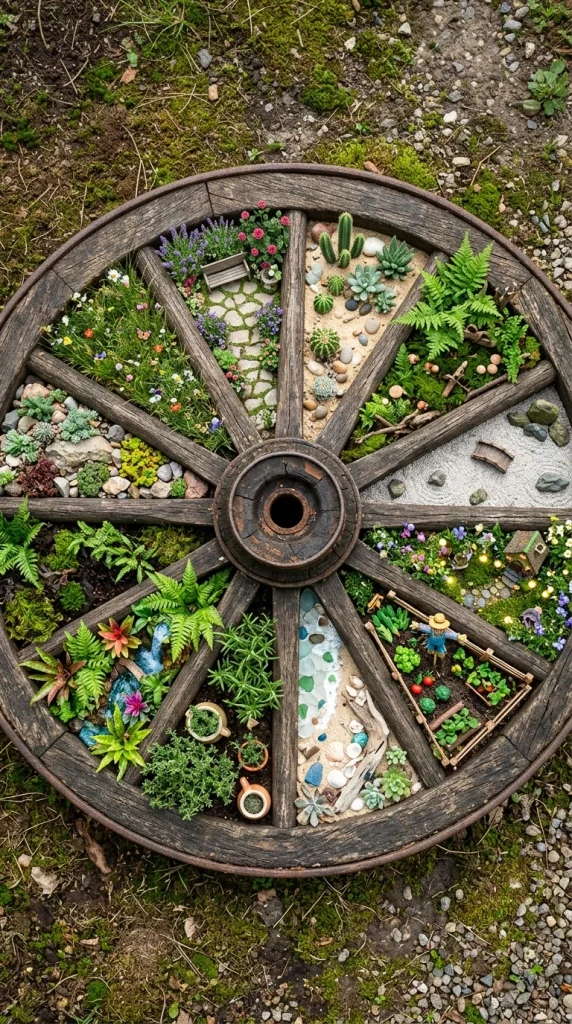
An old wagon wheel provides a ready-made layout for a multi-zone fairy village. Each spoke acts as a boundary, allowing you to create different “neighborhoods.” One section could be a dense forest, another a rocky quarry, a third a floral meadow, and a fourth a bustling town square. This structure is great for children, as it gives them multiple areas to play and interact with, and it serves as a stunning, rustic piece of garden art for any backyard.