
Creating a stunning outdoor sanctuary doesn’t have to mean spending every weekend with a shovel in hand and sweat on your brow. The modern homeowner is increasingly turning toward low-maintenance landscaping—a philosophy that blends aesthetic appeal with ecological responsibility and personal freedom. By choosing the right materials, plants, and layouts, you can design a space that looks professionally manicured year-round with only a fraction of the effort.
1. Native Plants
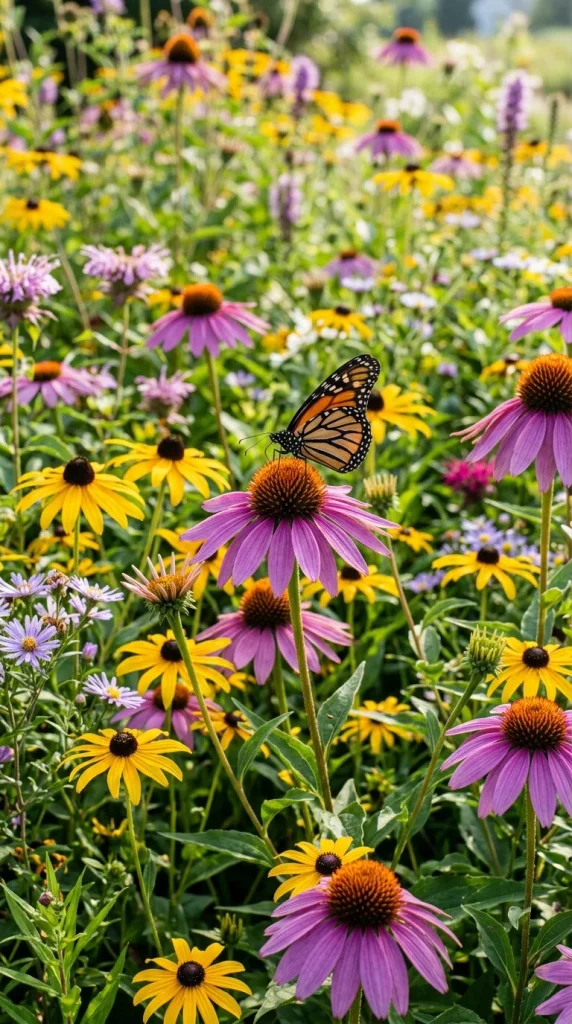
The secret to a thriving, hands-off garden is working with nature rather than against it. Native plants are species that have naturally occurred in your region for thousands of years. Because they are adapted to the local climate, soil, and rainfall patterns, they require significantly less supplemental watering, fertilizers, and pesticides. Once established, native plants create a self-sustaining ecosystem that supports local pollinators like bees and butterflies, ensuring your garden feels alive and vibrant.
2. Perennial Beds
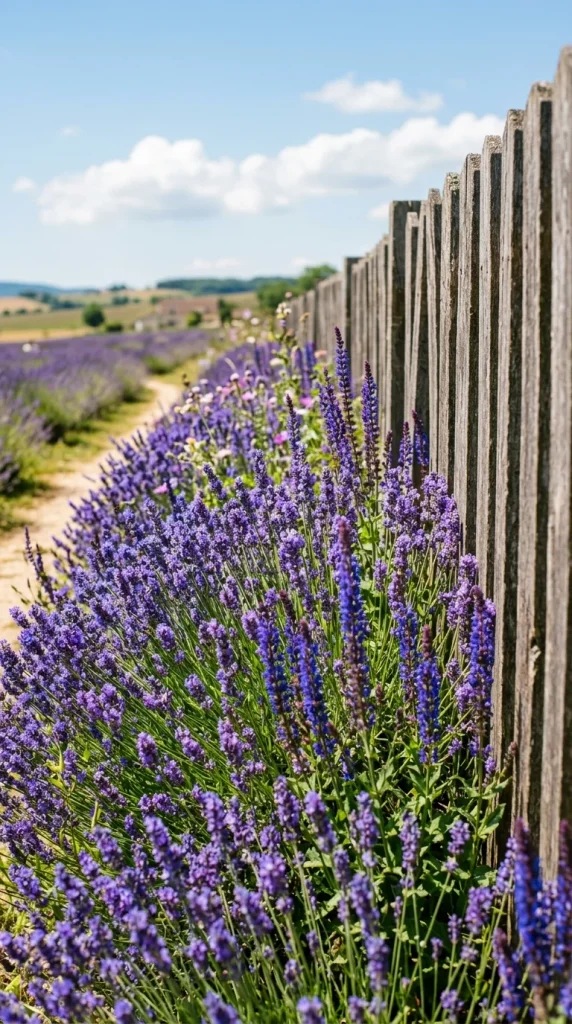
Unlike annuals, which must be replanted every spring, perennials are the gift that keeps on giving. These hardy plants go dormant in the winter and return bigger and stronger each year. By selecting a variety of perennials with staggered bloom times, you can ensure your garden has color from early spring through late autumn. Popular choices like lavender, hostas, and peonies offer high visual impact with very little maintenance beyond an occasional trim.
3. Hardscaping Design
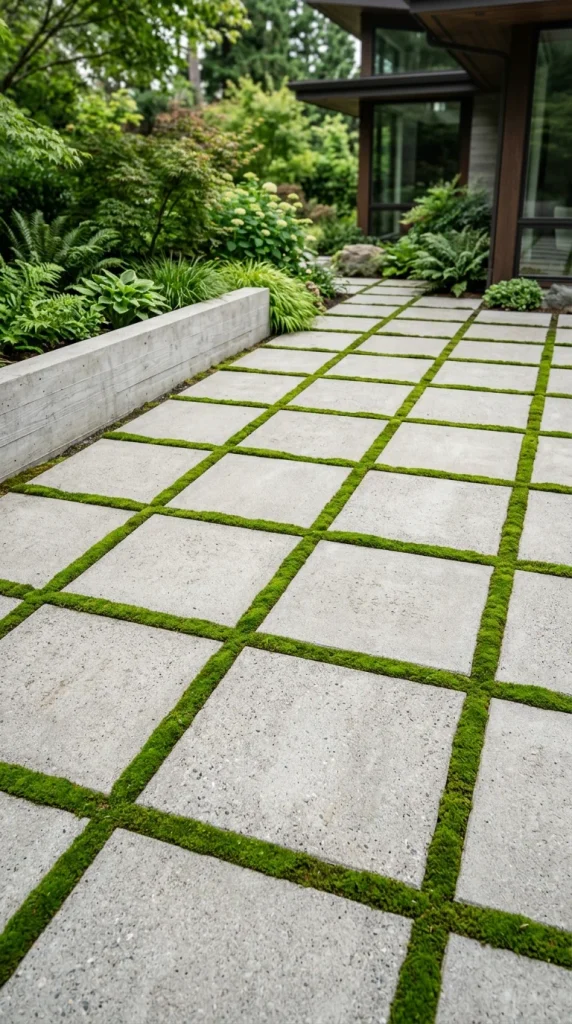
One of the most effective ways to reduce yard work is to reduce the amount of grass you have to mow. Hardscaping—the use of non-living elements like stone, brick, or concrete—creates functional living “rooms” outdoors. A well-designed patio or a series of stone paths provides a clean, structural look that never needs watering or weeding. It defines the space and provides a solid foundation for outdoor furniture and entertainment.
4. Artificial Turf
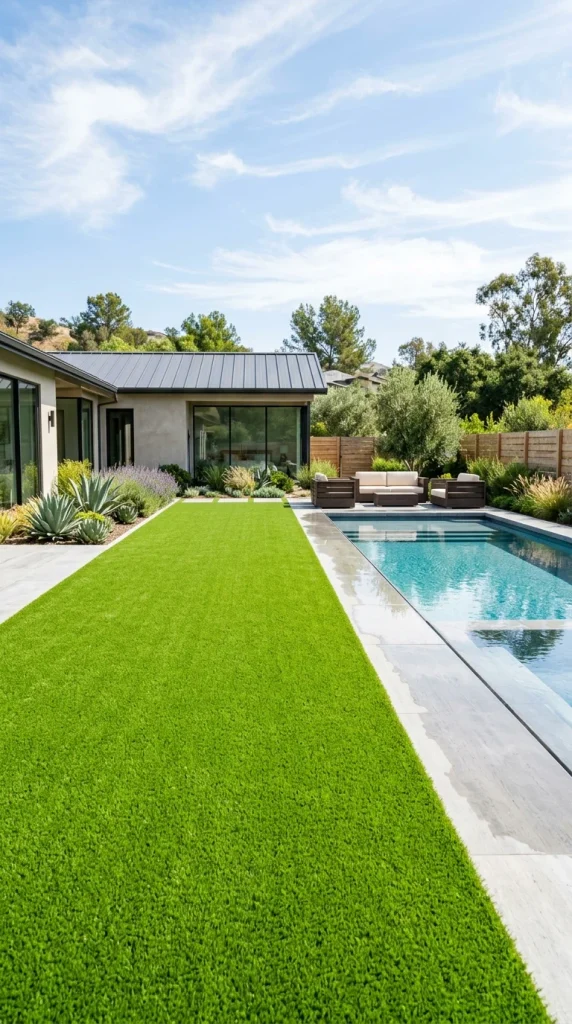
For those who love the look of a lush green lawn but hate the constant upkeep, modern artificial turf is a game-changer. Today’s high-quality synthetic grasses look and feel remarkably realistic. They eliminate the need for mowing, fertilizing, aerating, and watering. It’s an ideal solution for small urban yards, pet runs, or areas where natural grass struggles to grow due to shade or poor soil quality.
5. Mulch Layers

Mulch is the unsung hero of the low-maintenance garden. A thick layer of organic mulch (like wood chips or bark) or inorganic mulch (like river stone) serves multiple purposes. It suppresses weed growth by blocking sunlight from reaching weed seeds, retains moisture in the soil so you don’t have to water as often, and regulates soil temperature. Visually, a fresh layer of dark mulch provides a clean, finished look that makes any planting bed pop.
6. Succulent Gardens
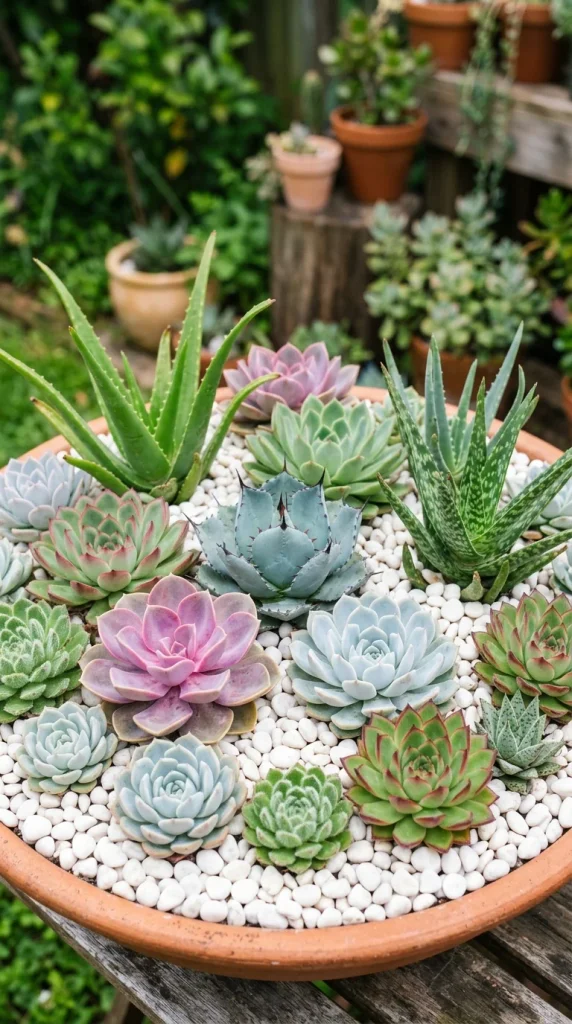
Succulents are the ultimate “set it and forget it” plants. These drought-tolerant beauties store water in their fleshy leaves, allowing them to survive long periods of neglect. They come in an incredible array of shapes, colors, and textures, from the architectural spikes of agave to the rose-like clusters of echeveria. In warmer climates, they can live in the ground year-round; in cooler zones, they make excellent potted accents that can be brought indoors.
7. Drip Irrigation
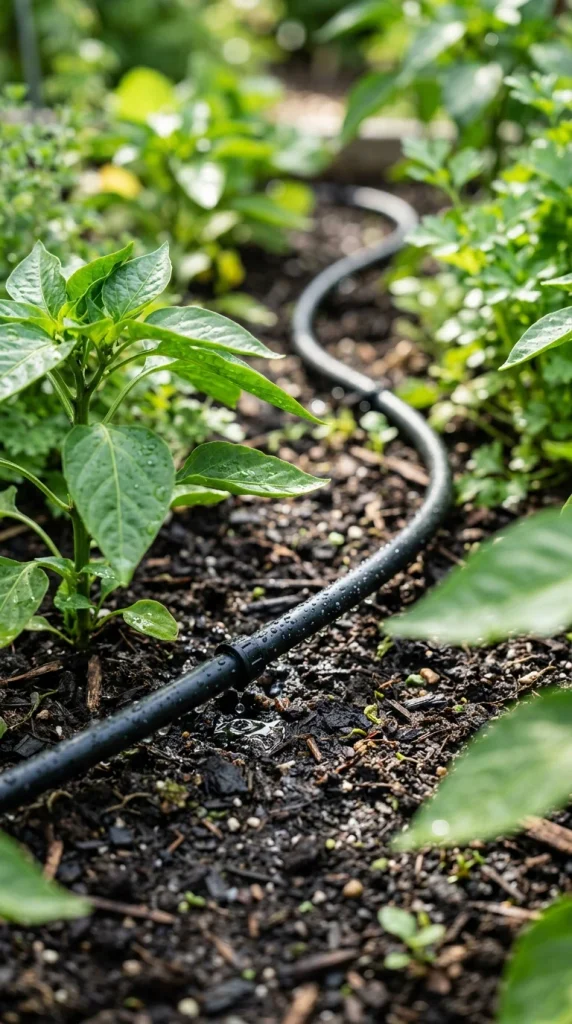
Standing in the yard with a hose is a time-consuming chore. A drip irrigation system automates the process while being far more efficient than traditional sprinklers. By delivering water directly to the roots of the plants, it minimizes evaporation and prevents the foliage from getting wet, which reduces the risk of fungal diseases. Most systems can be set on a simple timer, ensuring your garden stays hydrated even when you’re on vacation.
8. Rock Gardens
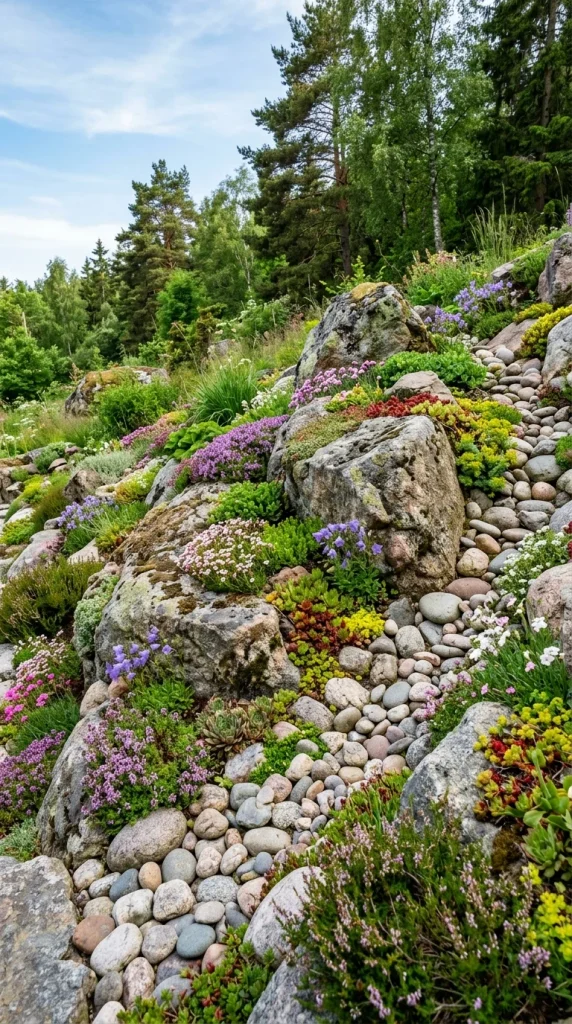
If you have a sloped area or a patch of ground where nothing seems to grow, a rock garden is a brilliant solution. By using various sizes of rocks and boulders, you can create a rugged, naturalistic landscape that requires zero mowing. Tuck in a few drought-resistant plants or mosses between the stones to add life and texture. Rock gardens are durable, permanent, and add a sense of Zen-like tranquility to the yard.
9. Gravel Paths
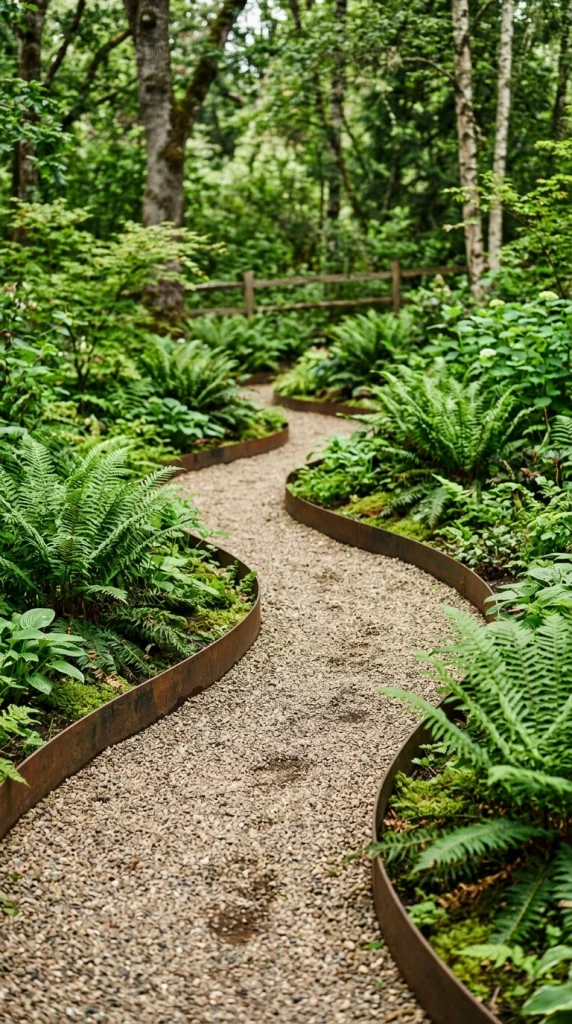
Gravel is an affordable and stylish alternative to paved walkways. It provides excellent drainage, preventing puddles from forming after a rainstorm. The crunch of gravel underfoot adds an auditory dimension to your garden experience. To keep it low-maintenance, always lay down a high-quality landscape fabric beneath the gravel to prevent weeds from poking through.
10. Ground Covers
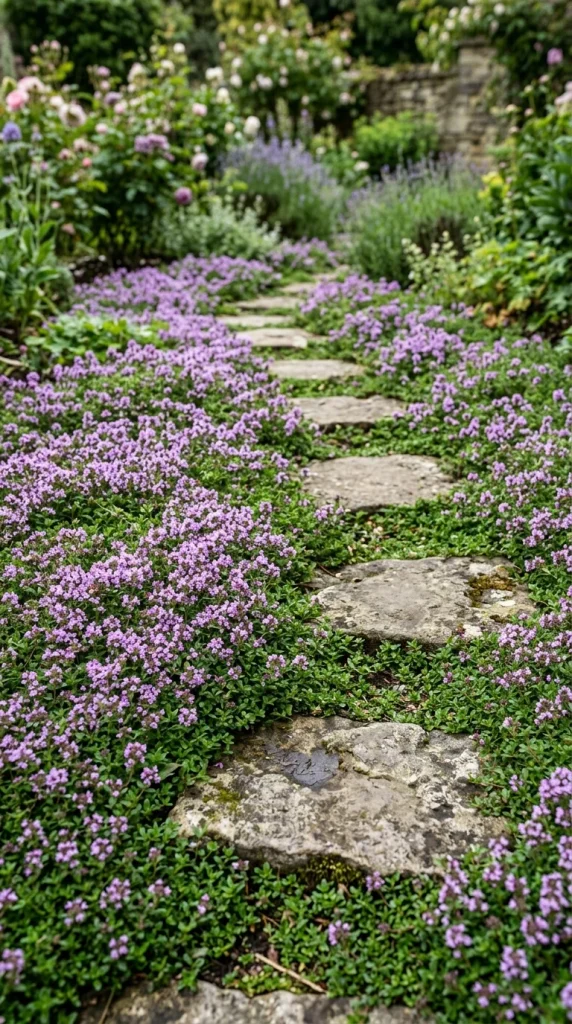
Think of ground covers as “living mulch.” These low-growing plants spread across the soil, creating a dense mat that crowds out weeds and protects the ground. Species like creeping thyme, pachysandra, or clover are excellent alternatives to traditional grass. Many ground covers are “stepable,” meaning they can handle light foot traffic, and some even release a pleasant fragrance when walked upon.
11. Potted Greenery
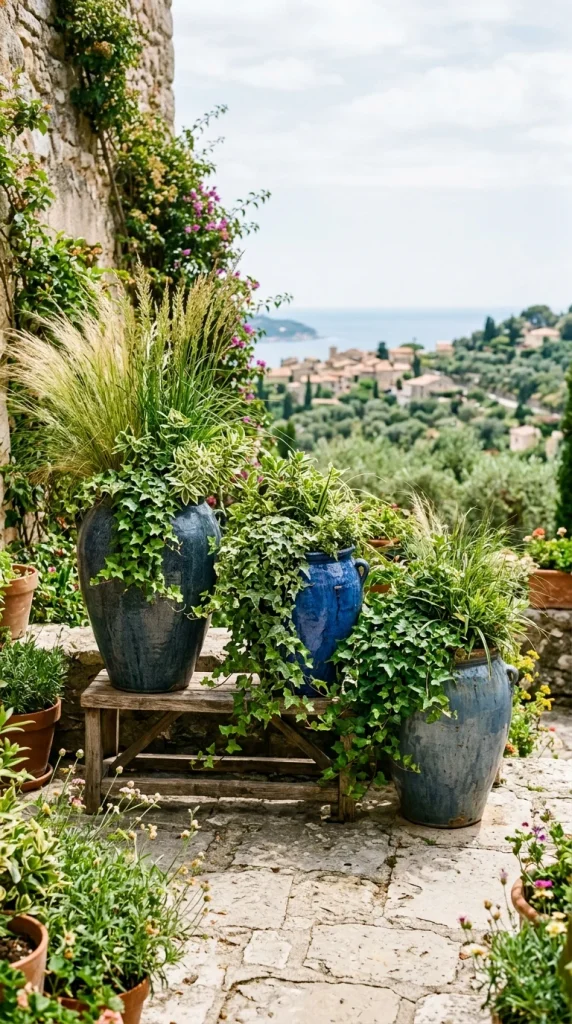
Gardening in containers is one of the easiest ways to control your environment. You can use high-quality potting soil, control the drainage, and move the plants around to catch the best sunlight. Large, statement pots add height and architectural interest to a patio or porch. Because the plants are contained, you don’t have to worry about them spreading aggressively or competing with weeds in the ground.
12. Evergreen Shrubs
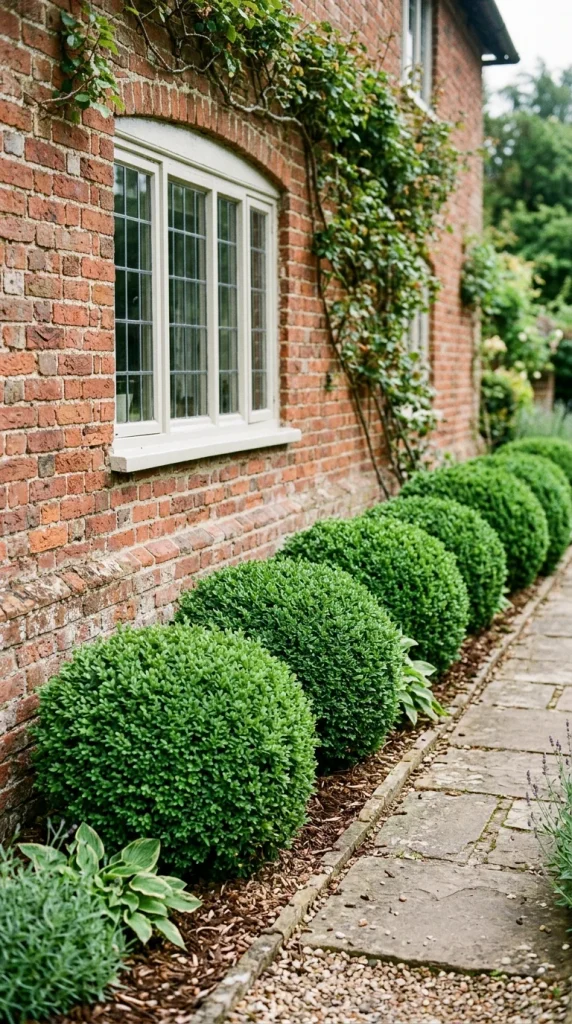
While flowers come and go, evergreens provide structure and color 365 days a year. From the classic boxwood to the elegant juniper, evergreens serve as the “bones” of a landscape. They require very little pruning if you choose varieties that naturally grow to the size you need. They are also excellent for creating privacy hedges that stay green even in the depths of winter.
13. Xeriscaping Principles
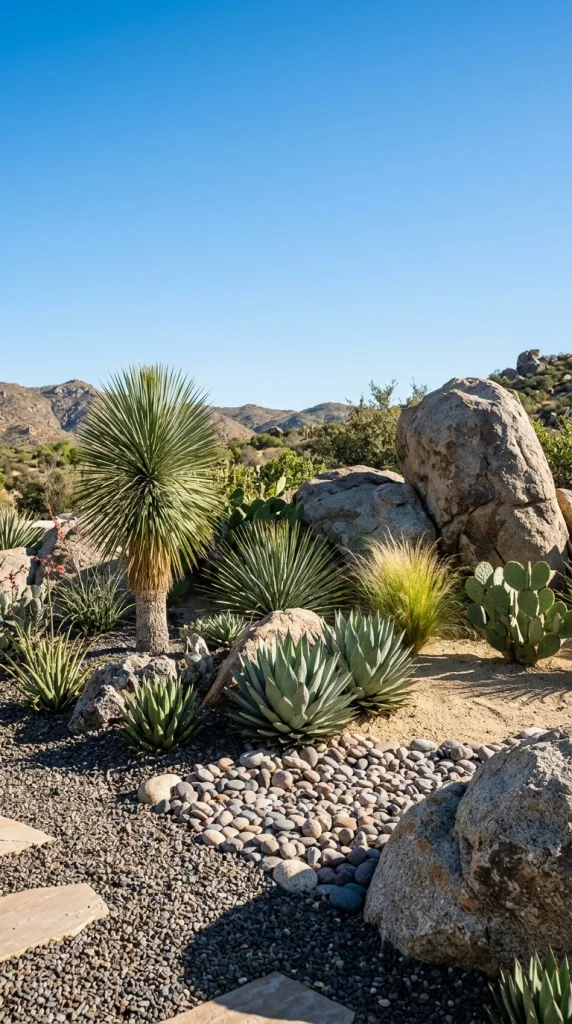
Xeriscaping is a landscaping method developed for arid climates, but its principles are useful everywhere. It focuses on water conservation through the use of drought-tolerant plants, efficient irrigation, and the reduction of lawn areas. A xeriscaped yard isn’t just a pile of rocks; it can be a lush, beautiful space filled with Mediterranean herbs, ornamental grasses, and colorful succulents that thrive on neglect.
14. Automatic Lighting
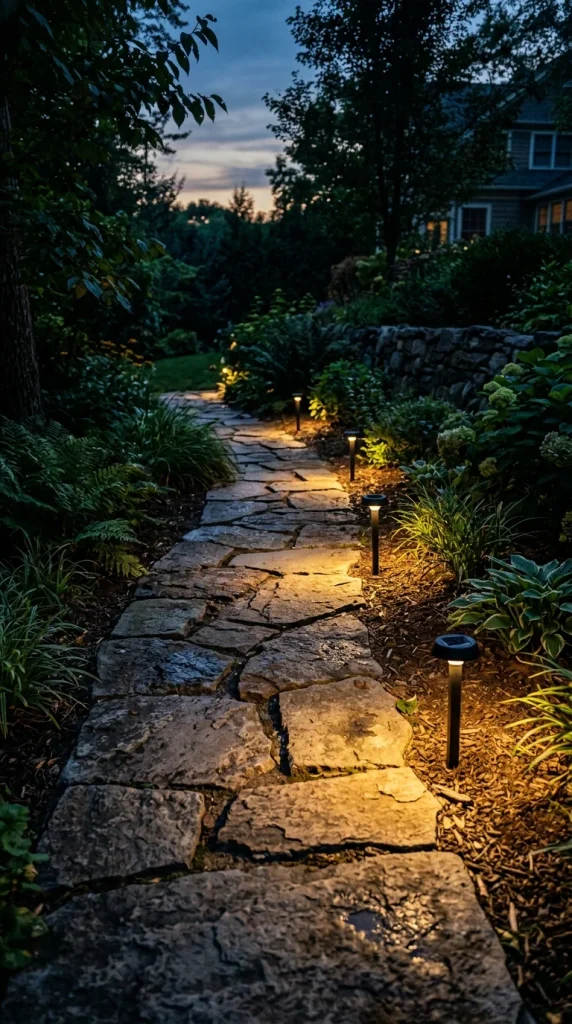
To truly enjoy your outdoor space without extra work, install automatic lighting. Solar-powered LED lights are incredibly easy to install since they require no wiring. They charge during the day and turn on automatically at dusk, highlighting paths and architectural features. This not only increases safety but also extends the hours you can enjoy your beautiful landscape into the evening.
15. Raised Beds
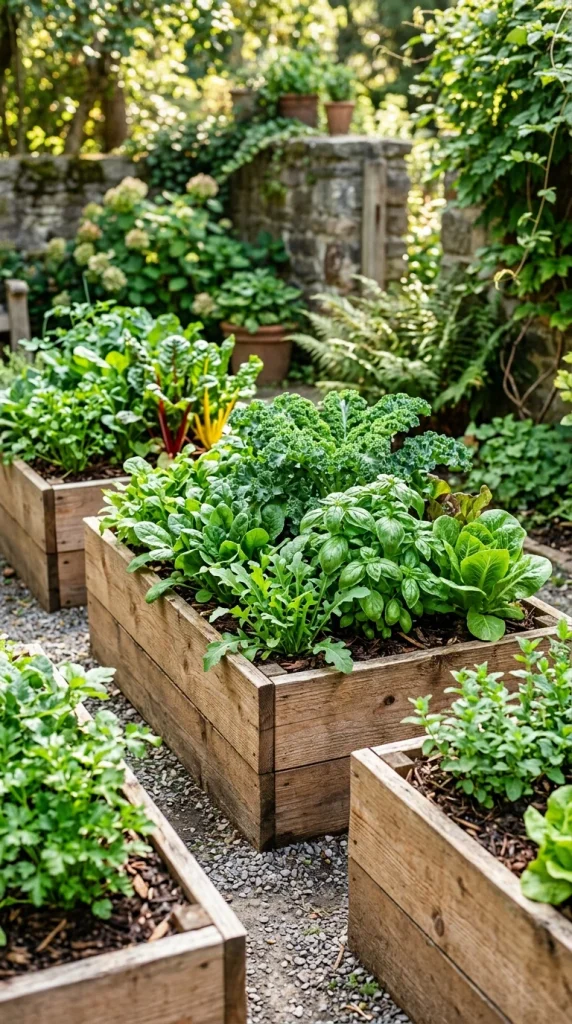
Raised garden beds are a lifesaver for the back and the knees. By lifting the planting area off the ground, you create a defined space that is easier to weed and harvest. Raised beds also allow you to control the soil quality perfectly, which is ideal if your yard has heavy clay or rocky earth. They stay warmer in the spring, allowing for a longer growing season, and provide a neat, organized look.
16. Grass Alternatives
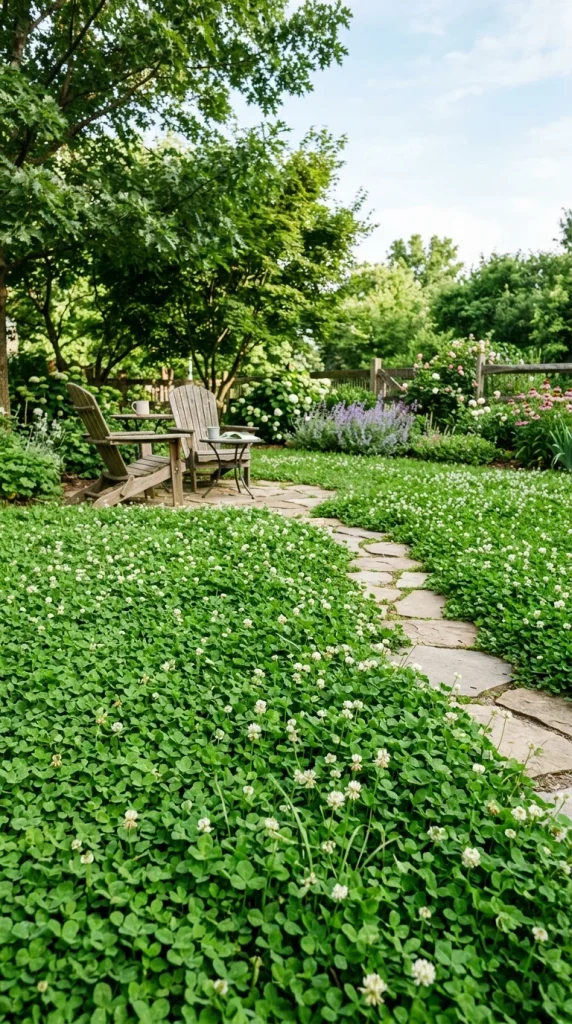
If you aren’t ready for a full hardscape but want to ditch the high-maintenance turf, consider grass alternatives like clover or micro-clover. Clover is naturally drought-resistant, stays green even in the heat of summer, and actually pulls nitrogen from the air to fertilize the soil. It requires much less mowing than traditional grass and is resistant to common lawn pests and diseases.
17. Ornamental Grasses
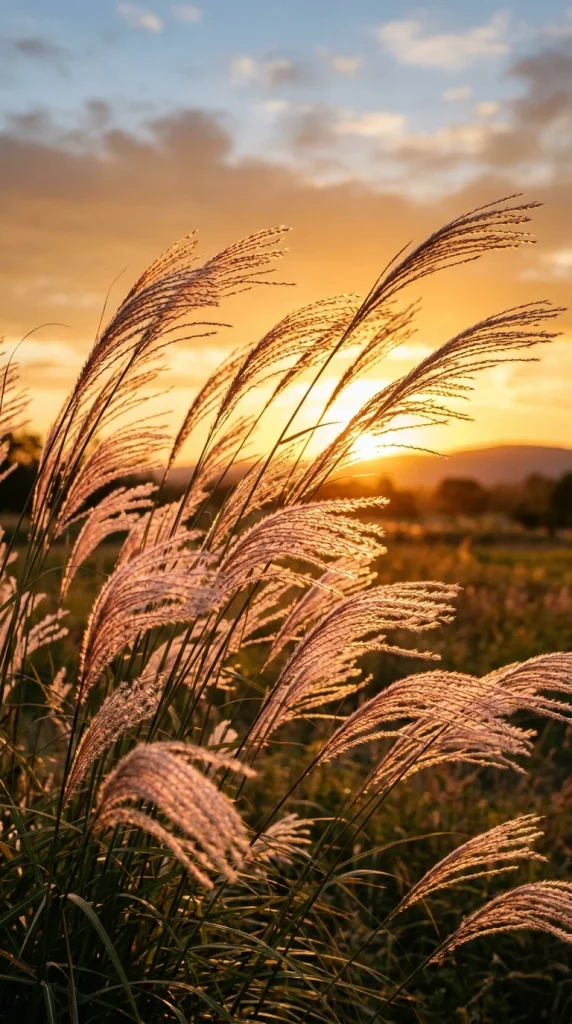
Ornamental grasses add movement, sound, and texture to a garden. They are incredibly hardy and generally pest-free. Varieties like Maiden Grass or Blue Fescue look beautiful from spring through winter. They only require a single cut-back once a year in late winter or early spring. Their swaying plumes provide a soft contrast to the hard lines of a house or fence.
18. Edible Landscaping
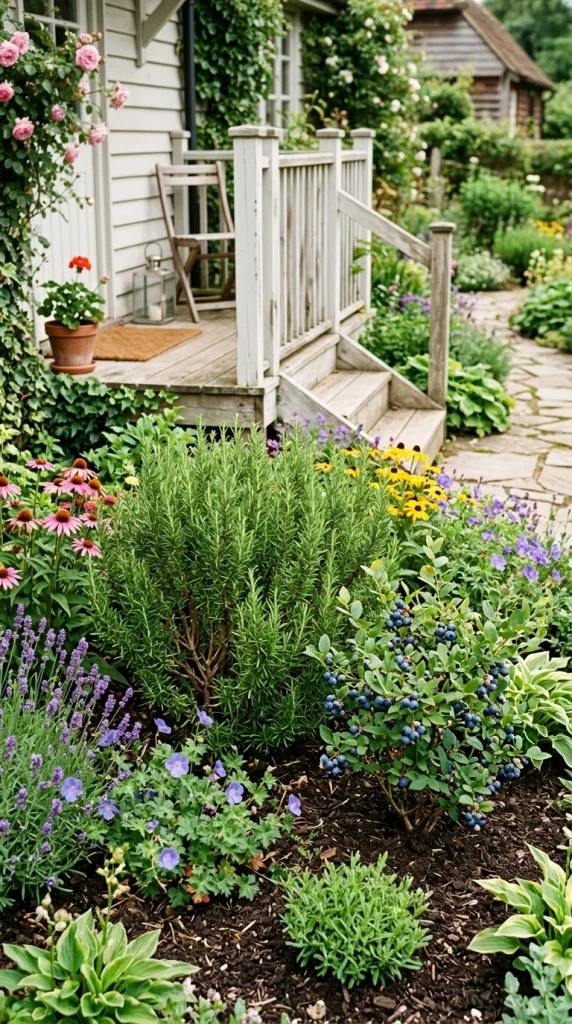
Why grow plants that are just pretty when you can grow plants that are pretty and delicious? Edible landscaping integrates fruits, vegetables, and herbs into the ornamental garden. Blueberry bushes have beautiful fall foliage, and kale can be as visually striking as any decorative leaf plant. By planting perennials like rosemary, sage, and fruit trees, you get a harvest with minimal recurring effort.
19. Vertical Gardens
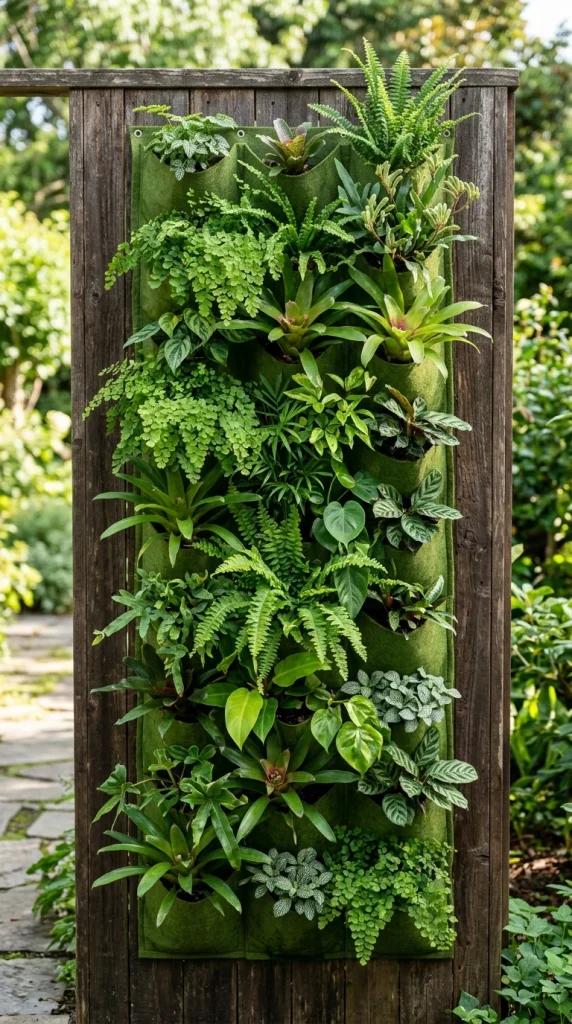
When you run out of horizontal space—or want to hide an ugly fence—go vertical. Vertical gardens and living walls use specialized pockets or trellises to grow plants upward. This keeps plants away from ground-dwelling pests and makes maintenance a breeze because everything is at eye level. It’s a sophisticated way to add a lot of greenery to a small footprint.
20. Composite Decking
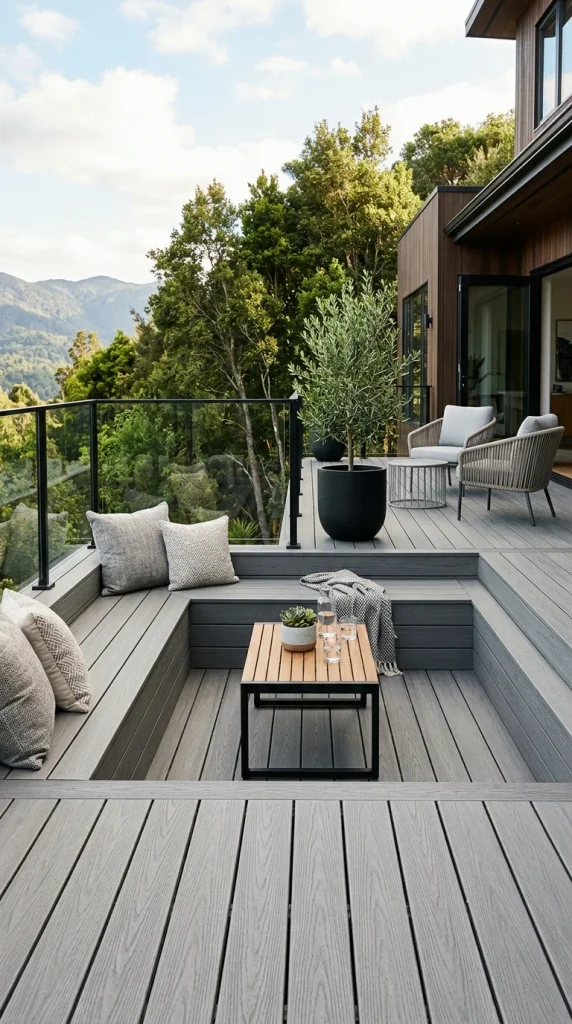
Traditional wood decks require regular sanding, staining, and sealing to prevent rot. Composite decking, made from a blend of wood fibers and recycled plastic, offers the look of wood without the chores. It is resistant to fading, staining, and mold. A quick wash with a hose or a power washer once a season is usually all it takes to keep a composite deck looking brand new for decades.
21. Rain Gardens
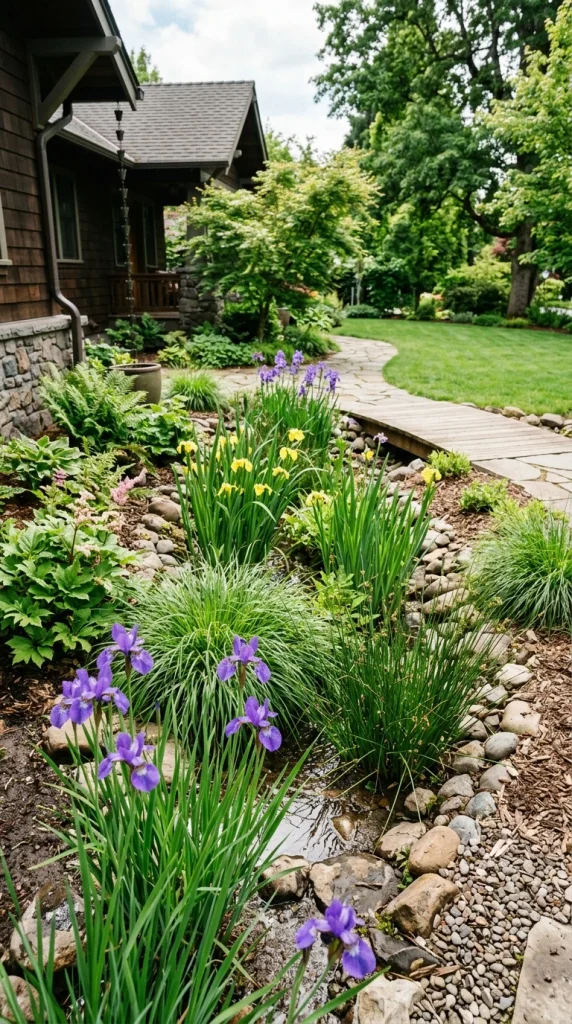
A rain garden is a functional landscape feature designed to soak up rainwater runoff from roofs, driveways, and patios. By planting water-loving native species in a slight depression, you create a beautiful feature that manages stormwater naturally. This prevents erosion and helps filter pollutants before they reach local waterways, all while creating a low-maintenance habitat for birds and frogs.
22. Privacy Screens
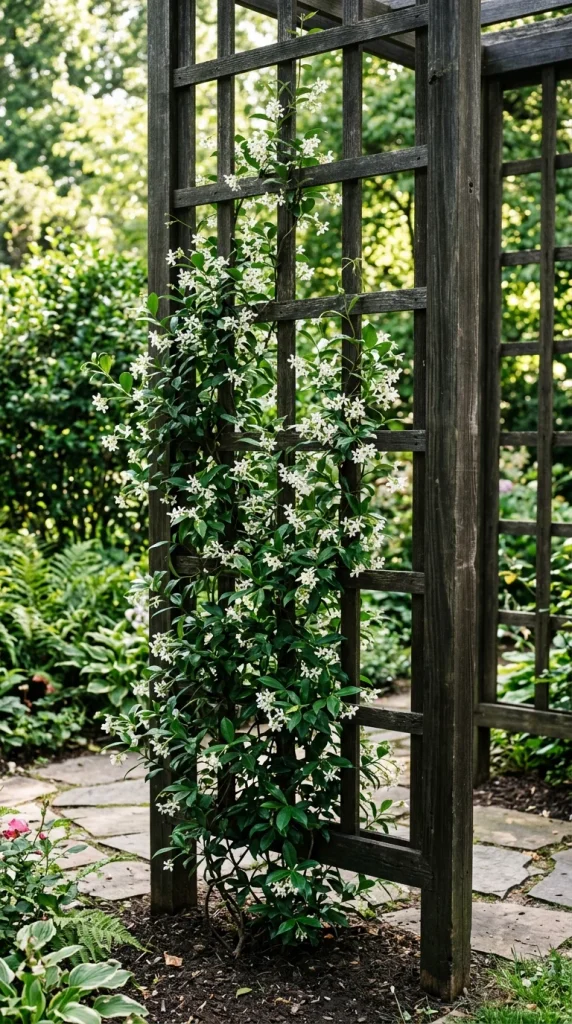
Instead of a high-maintenance hedge that needs constant clipping, use a combination of hardscape and climbing plants for privacy. A wooden or metal screen provides immediate seclusion. When paired with a slow-growing climber like jasmine or clematis, you get a lush, green wall that requires only occasional pruning to keep it in check.
23. Fire Pit Zones
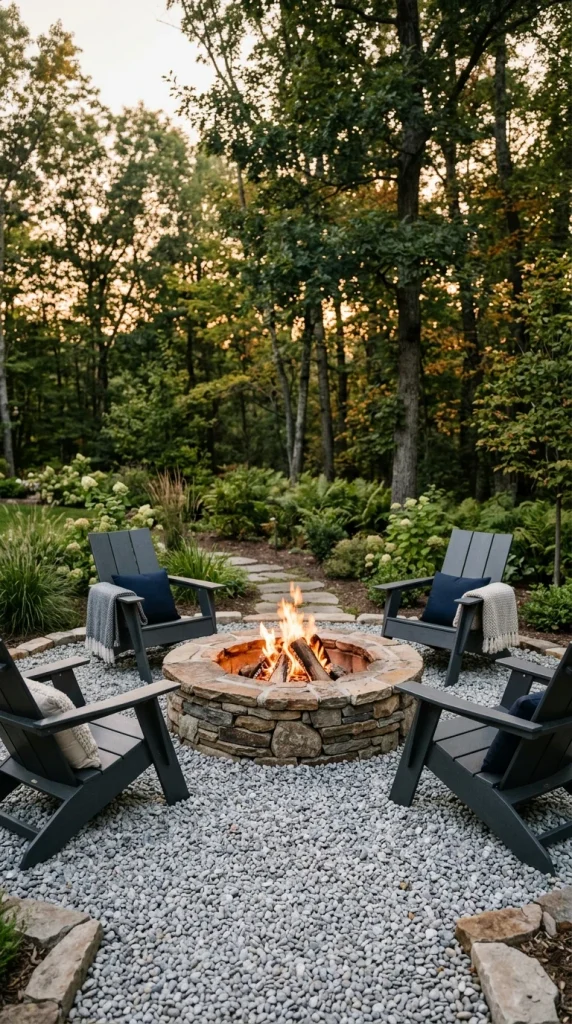
A fire pit is the ultimate low-maintenance focal point. Unlike a swimming pool or a delicate flower garden, a fire pit area—especially one built on a base of gravel or pavers—requires almost no upkeep. It creates an instant gathering spot for friends and family, adding value and functionality to your yard with very little effort.
24. Minimalist Lawn
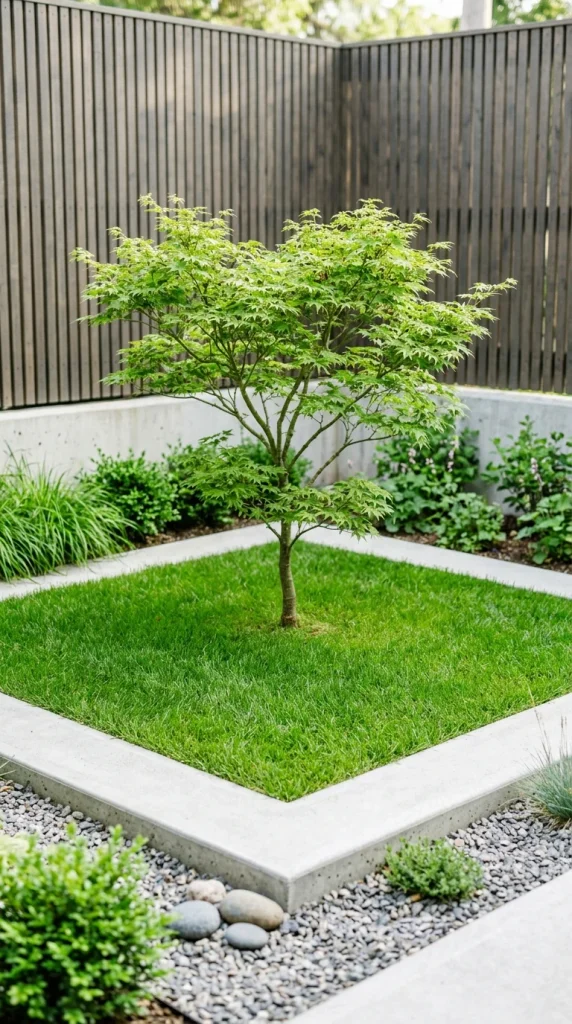
If you still want a bit of grass for the kids or pets to play on, go for a “minimalist lawn.” Instead of a sprawling, irregular carpet of grass, create a small, geometric “rug” of turf surrounded by wide hardscape borders. This makes mowing a five-minute job and ensures that the edges stay crisp and clean without the need for constant string trimming. It provides the “green” look without the “green” workload.