
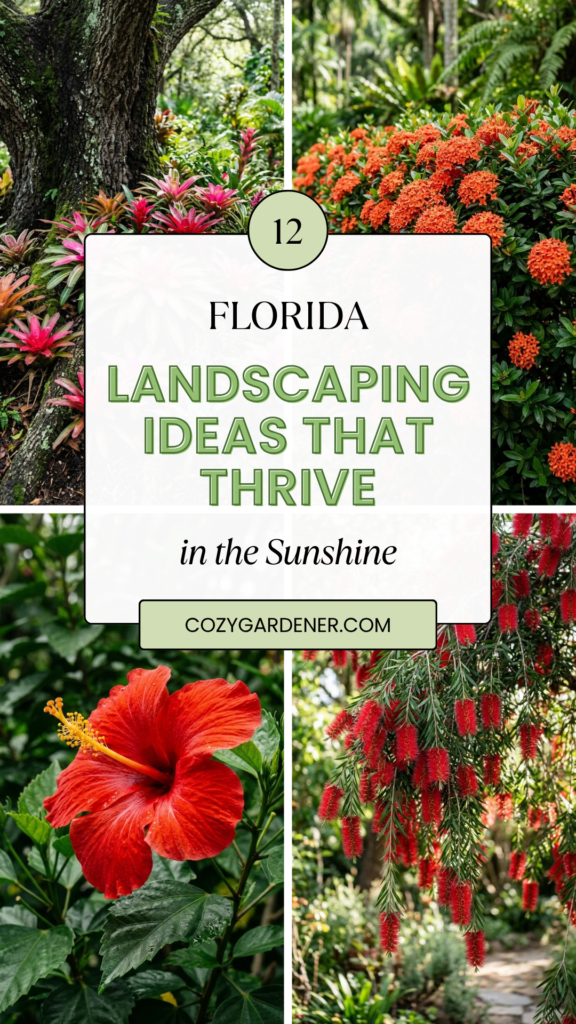
Florida’s unique climate—characterized by intense sunshine, high humidity, and sandy soil—presents a distinctive set of challenges and opportunities for homeowners. To create a landscape that doesn’t just survive but thrives, you need plants that embrace the heat and stand up to the occasional tropical downpour. From the salt-sprayed coasts to the humid inland reaches, the Sunshine State demands a palette of flora that is as resilient as it is beautiful. This guide explores sixteen landscaping ideas designed to transform your outdoor space into a tropical paradise.
1. Sabal Palm
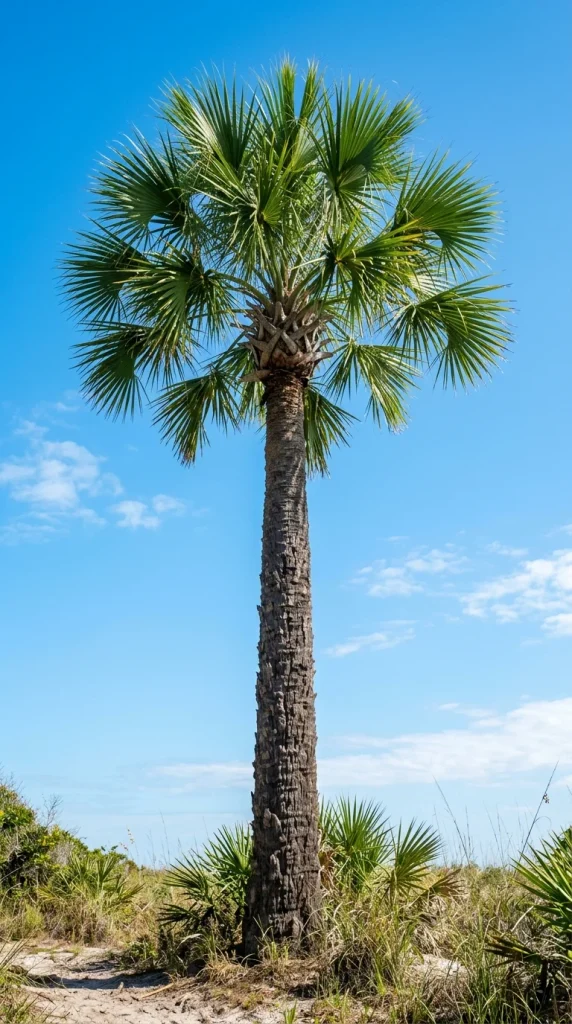
The Sabal Palm, or Cabbage Palm, is the official state tree of Florida for a reason. These iconic giants are incredibly hardy, boasting a high tolerance for salt, drought, and even moderate freezes. They serve as excellent focal points in a front yard or as vertical accents around a pool. Because they are native, they require very little maintenance once established and provide essential nesting sites for local wildlife.
2. Bougainvillea
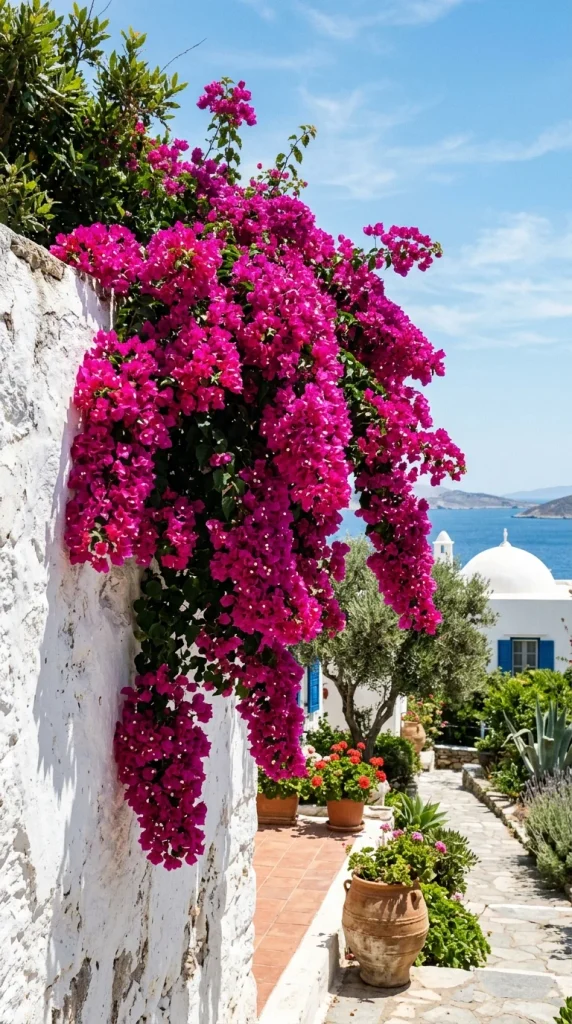
If you want a splash of intense color, few plants can compete with the Bougainvillea. This thorny woody vine is famous for its “flowers”—which are actually colorful bracts—that come in shades of pink, purple, red, and orange. They love the heat and actually bloom better when they are slightly stressed for water. Train them over an arbor, a trellis, or allow them to spill over a retaining wall for a dramatic, Mediterranean-style effect.
3. Crotons
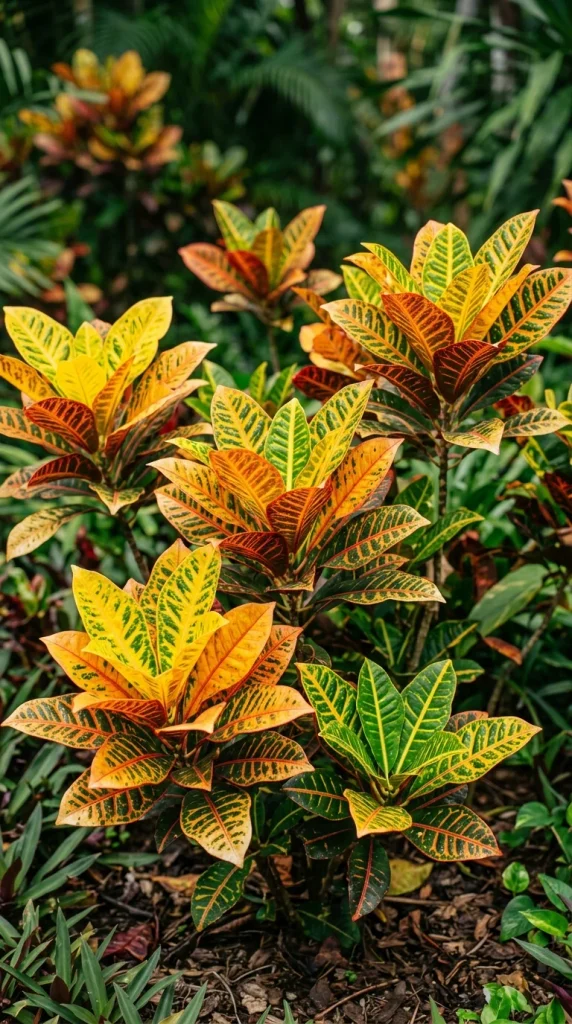
Crotons are the ultimate foliage plants for Florida gardens. Their thick, leathery leaves feature kaleidoscopic patterns of yellow, orange, red, and green. They thrive in the bright Florida sun, which helps intensify their colors. Use them to create a low-maintenance hedge or as a vibrant backdrop for smaller flowering plants. They provide year-round color without the need for constant deadheading or pruning.
4. Bromeliads
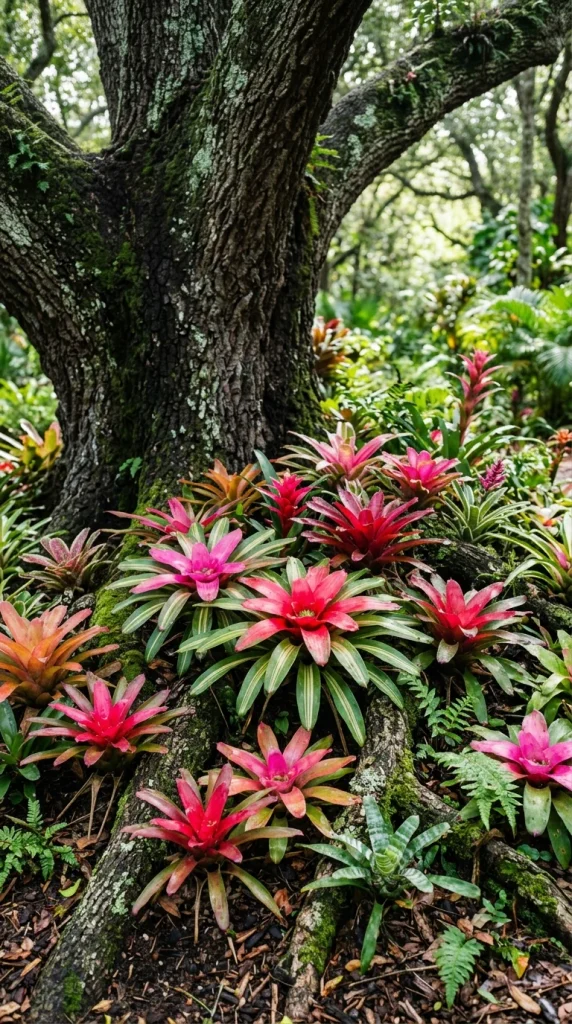
Bromeliads offer an exotic, architectural look that is quintessential to Florida landscaping. Many varieties are epiphytic, meaning they can grow on trees, but most landscape types do perfectly well in well-drained soil. They are famous for their “tanks”—the center of the plant that holds water. With hundreds of varieties available, you can find Bromeliads that thrive in full sun or deep shade, making them versatile fillers for any corner of the garden.
5. Firebush
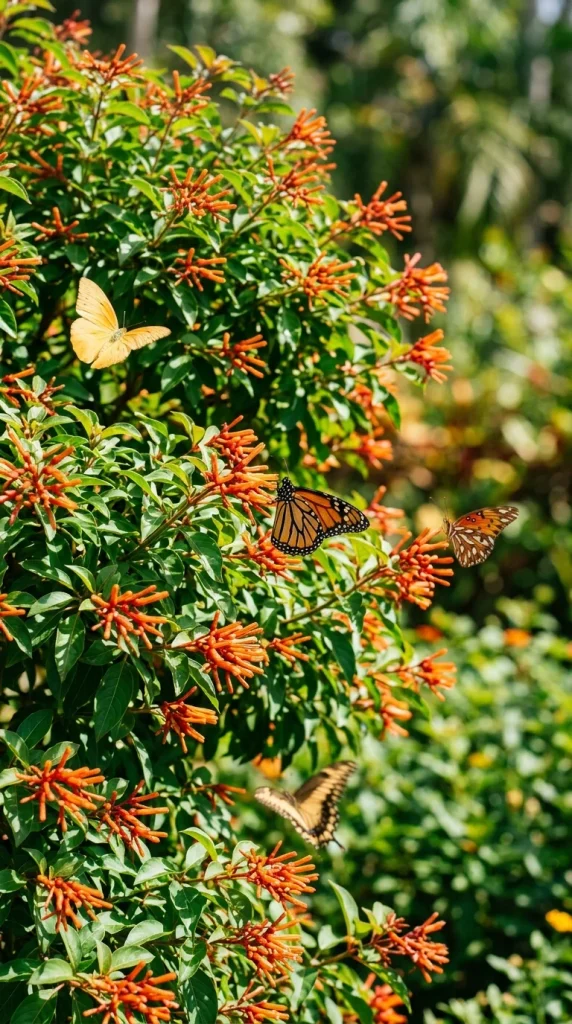
For those looking to attract hummingbirds and butterflies, the Firebush (Hamelia patens) is a must-have. This Florida native is a powerhouse of nectar production. It produces clusters of tubular orange-red flowers throughout the year. It can be maintained as a small shrub or allowed to grow into a large privacy screen. It is remarkably drought-tolerant once established and thrives in the heat of mid-summer when other plants might wilt.
6. Sea Grapes
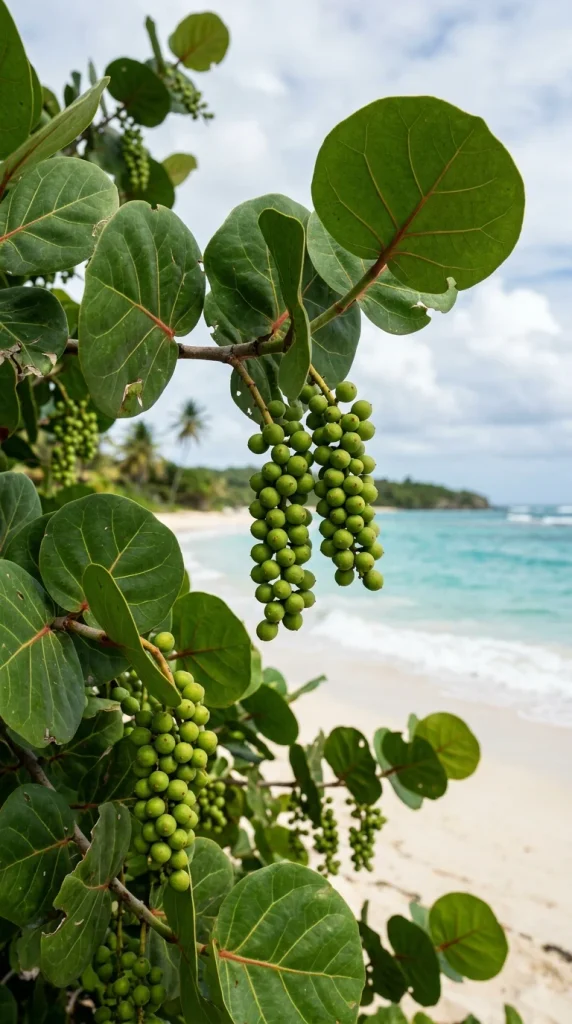
Commonly found along Florida’s coastlines, Sea Grapes are highly salt-tolerant and provide a wonderful “Old Florida” aesthetic. Their large, circular leaves are sturdy and provide excellent privacy. While they can grow into sprawling trees, many homeowners prune them into manageable hedges. In the late summer, they produce clusters of fruit that transition from green to purple, which can be used to make jellies.
7. Hibiscus
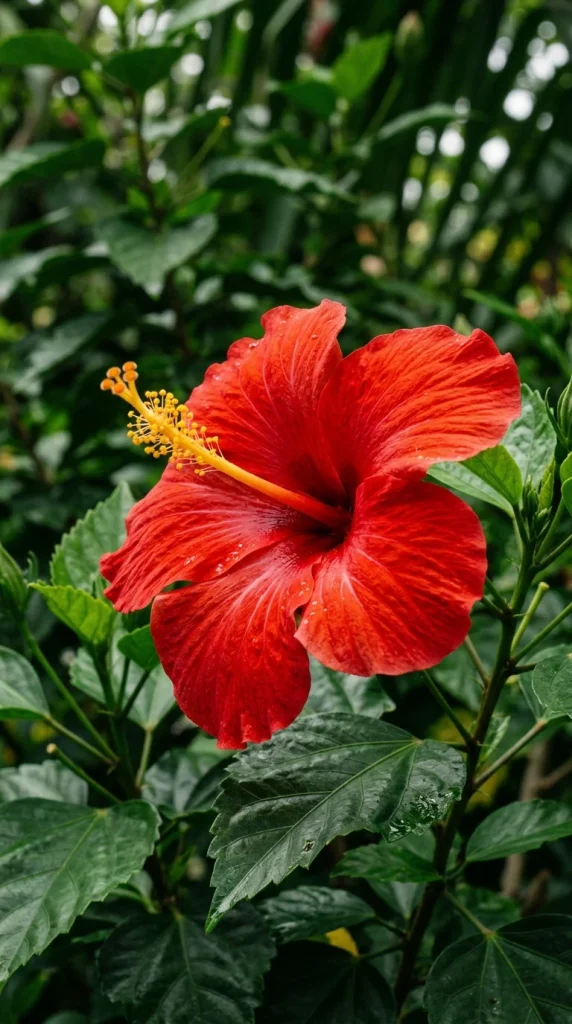
No tropical garden is complete without the Hibiscus. These plants produce some of the most stunning, oversized blooms in the botanical world. While there are many varieties, the tropical Hibiscus is a Florida favorite. They require consistent watering and plenty of sunshine to produce their daily displays of flowers. Use them as accent plants or in large containers to add a sophisticated tropical flair to your patio or deck.
8. Lantana
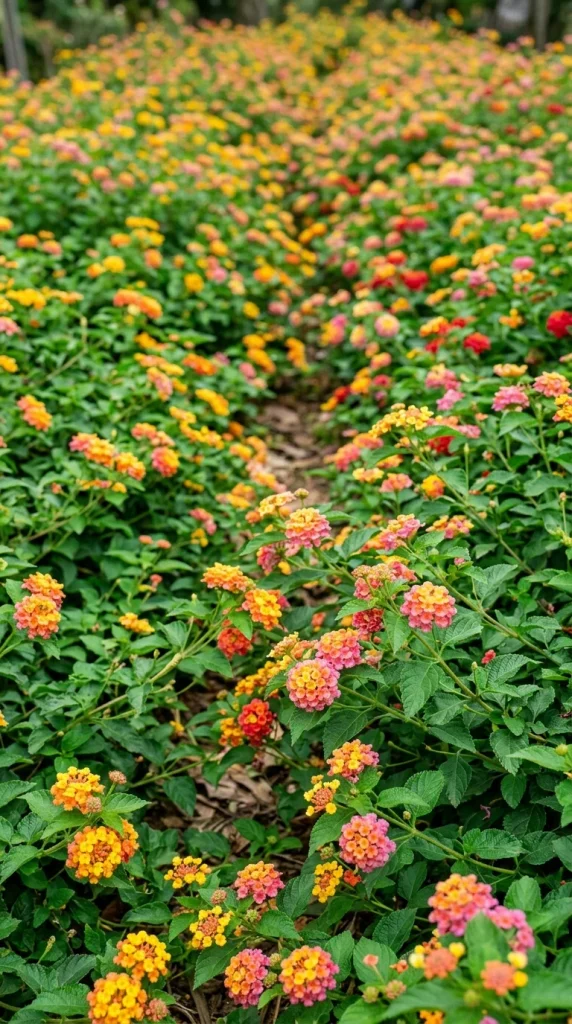
Lantana is the workhorse of the Florida sun garden. This resilient ground cover or small shrub is famous for its clusters of tiny, multi-colored flowers. It is exceptionally drought-tolerant and loves the heat. Lantana is perfect for filling in gaps in your landscape or for planting on slopes where erosion control is needed. It also acts as a magnet for various species of butterflies, keeping your garden lively and moving.
9. Ixora
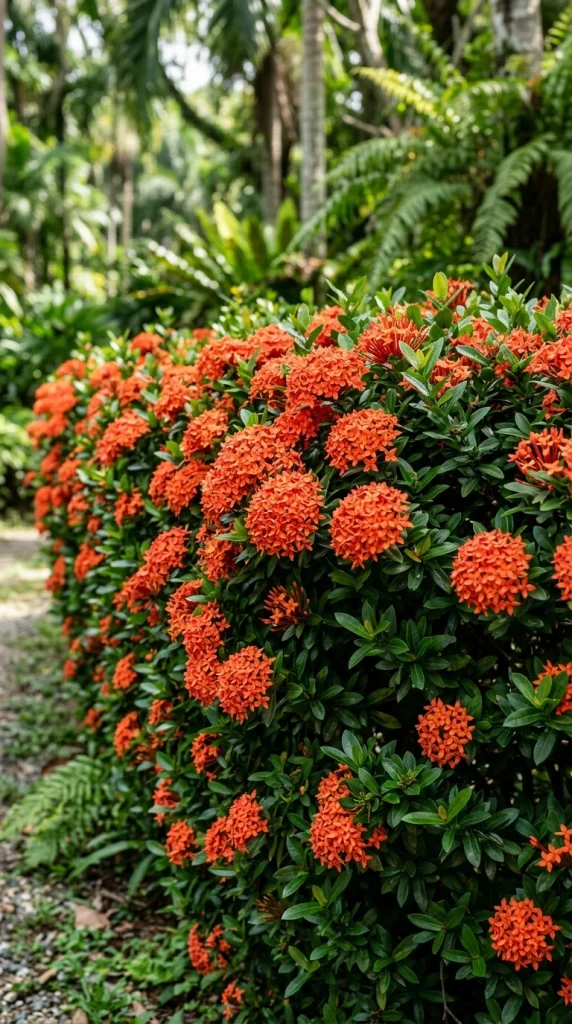
Often called the “Flame of the Woods,” Ixora is one of the most popular hedging plants in South and Central Florida. It features glossy green leaves and produces large, pom-pom-like clusters of flowers in red, orange, yellow, or pink. Ixoras prefer slightly acidic soil and thrive in full sun to partial shade. They are easily sheared into formal shapes, making them ideal for framing walkways or creating low-growing borders.
10. Bird of Paradise
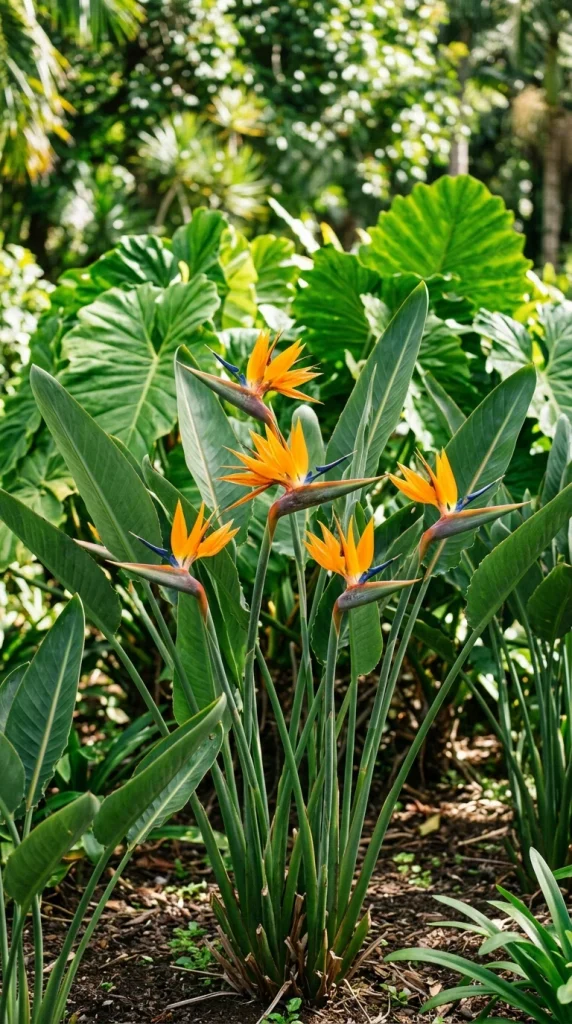
The Bird of Paradise is an iconic landscape plant known for its spectacular flowers that resemble the head of a tropical bird. There are two main types used in Florida: the orange Strelitzia reginae (which stays smaller) and the giant white Strelitzia nicolai (which can grow to the size of a small tree). They add a dramatic, architectural element to the garden and are relatively low-maintenance once they are established in a sunny spot.
11. Coontie
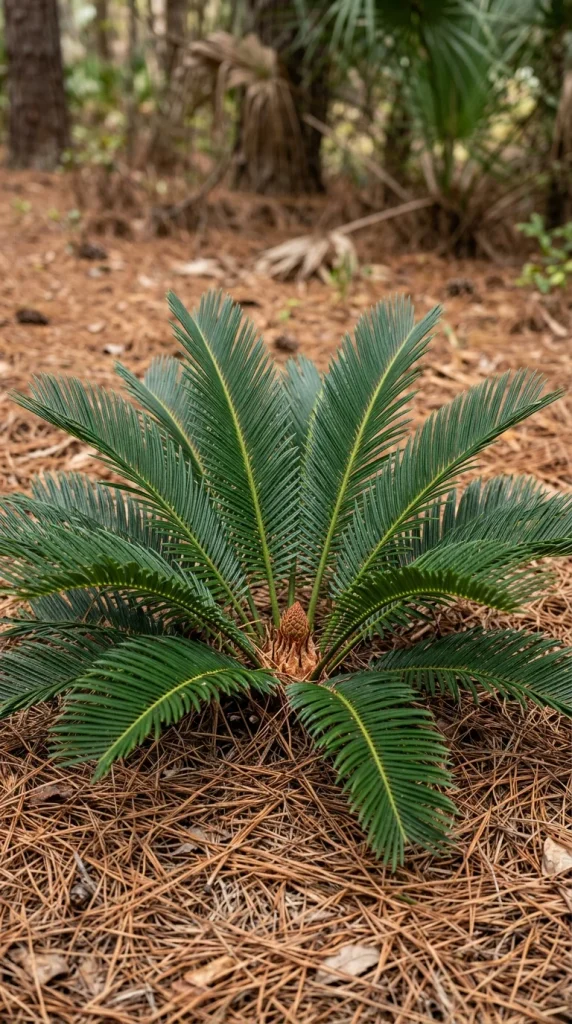
The Coontie is a unique Florida native that looks like a small palm but is actually a cycad. It is a slow grower that provides a wonderful texture to the landscape with its feathery, plastic-like fronds. It is incredibly tough, handling drought, salt, and cold with ease. The Coontie is also the only host plant for the rare Atala butterfly, making it an essential addition for anyone interested in conservation gardening.
12. Bottlebrush
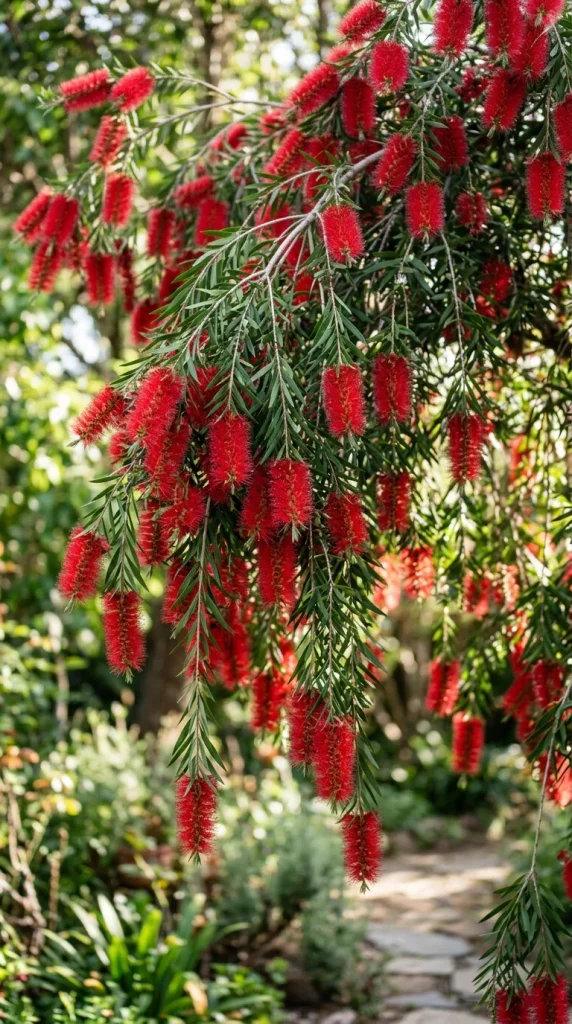
The Bottlebrush tree is named for its distinctive cylindrical red flowers that look exactly like the tool used to clean bottles. These trees (or large shrubs, depending on the variety) are highly attractive to bees and butterflies. They prefer full sun and can handle the damp soils often found in Florida after a heavy rain. Their weeping habit adds a soft, graceful silhouette to the landscape, making them excellent specimen trees for smaller yards.
13. Saw Palmetto
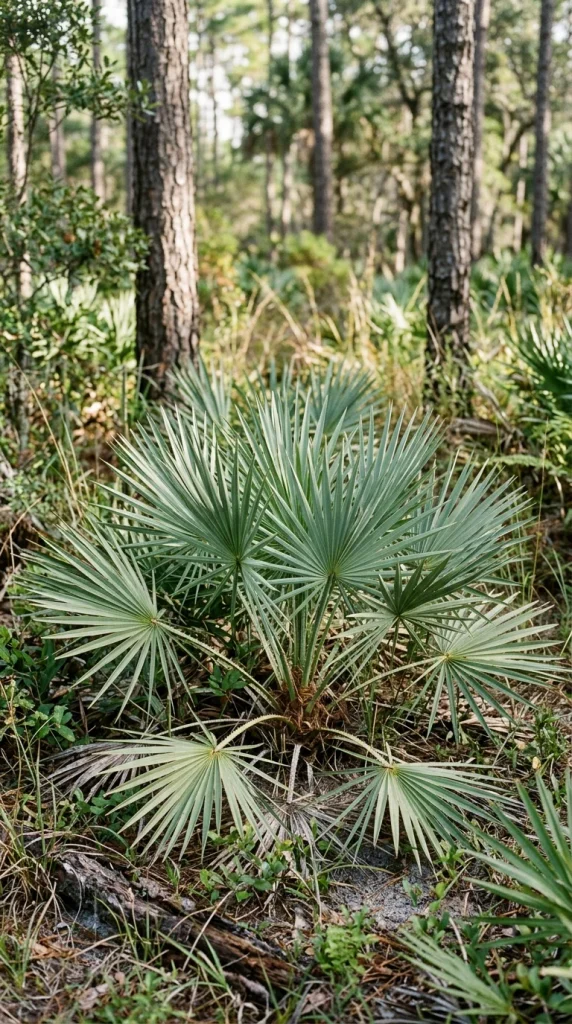
For a rugged, natural look, the Saw Palmetto is an excellent choice. Available in both green and a striking silver-blue variety, this native palm grows horizontally along the ground, creating a dense thicket of fan-shaped fronds. It is virtually indestructible once established and provides a fantastic texture when planted underneath taller trees like Oaks or Pines. It is the perfect choice for a “Florida-friendly” or “Xeriscape” garden.
14. Plumeria
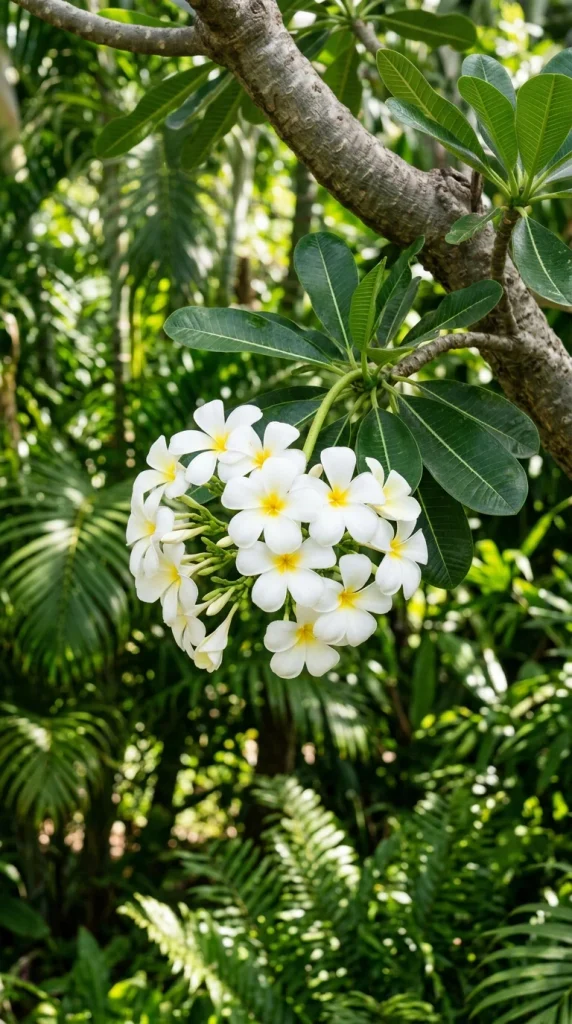
Also known as Frangipani, Plumeria is the plant responsible for the iconic flowers used in Hawaiian leis. These plants thrive in Florida’s heat and humidity. They are deciduous, meaning they lose their leaves in the winter, but in the summer, they produce some of the most fragrant flowers in the world. They require very little water once established and are best planted near a window or patio where their sweet scent can be enjoyed.
15. Pentas
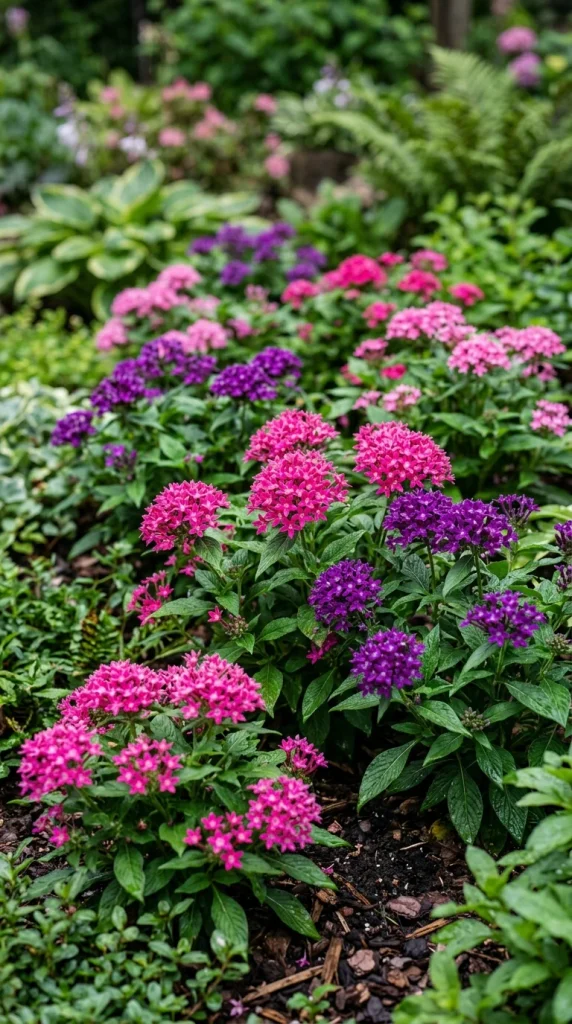
Pentas are one of the best nectar plants for a Florida garden. These hardy perennials produce clusters of star-shaped flowers all summer long. They are available in red, pink, white, and lavender. Pentas are relatively low-growing, making them perfect for the front of a garden bed or for use in mixed containers. They are remarkably heat-tolerant and will continue to bloom even in the sweltering humidity of August.
16. Bamboo
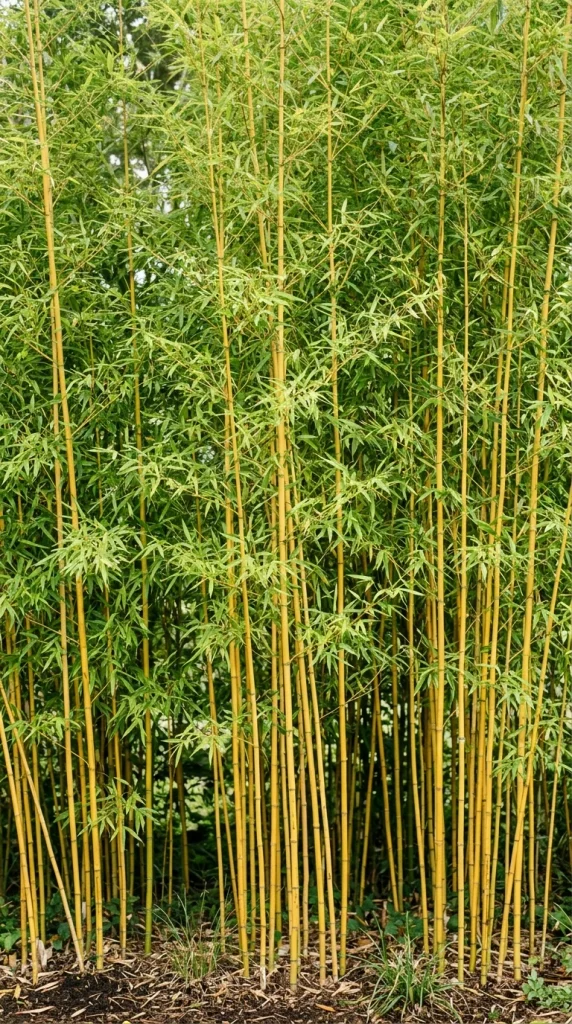
For homeowners looking for a fast-growing privacy screen, clumping bamboo is an elegant solution. Unlike the “running” varieties that can become invasive, clumping bamboo (such as the ‘Graceful’ or ‘Golden’ varieties) stays in a tight group. It grows tall and provides a dense wall of foliage that rustles beautifully in the breeze. It adds an instant Zen-like quality to any landscape and thrives in the warm, wet climate of Florida.
Tips for Success in the Florida Sun
To ensure your Florida landscape remains vibrant and healthy, keep these professional tips in mind:
- Understand Your Zone: Florida spans several USDA hardiness zones (8-11). Ensure the plants you choose are appropriate for your specific region, as North Florida experiences frosts that South Florida does not.
- Mulch Heavily: Use 2-3 inches of organic mulch (like pine bark or eucalyptus) to retain moisture in the sandy soil and keep root systems cool during the peak of summer.
- Water Wisely: Establish new plants with regular watering, but once established, many Florida-friendly plants prefer deep, infrequent watering to encourage strong root systems.
- Group by Needs: Practice “hydro-zoning” by grouping plants with similar water and light requirements together. This makes maintenance easier and prevents over-watering.
- Embrace Native Plants: Native species are already adapted to Florida’s pests, soil, and weather patterns, making them the most sustainable choice for any backyard project.