
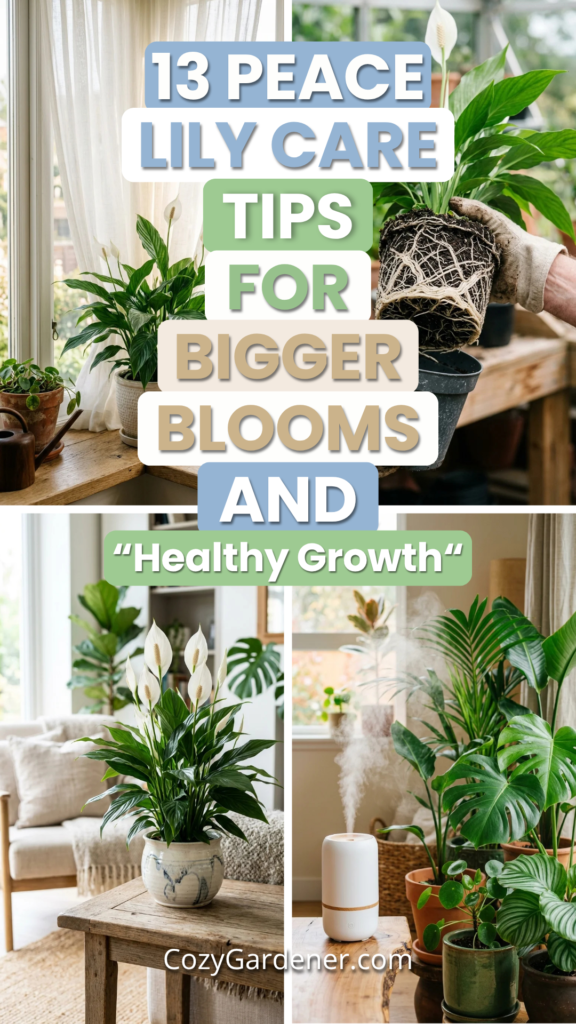
The Peace Lily (Spathiphyllum) is a cornerstone of the indoor gardening world. Known for its elegant white spathes and deep green, glossy foliage, it is often the first plant a beginner brings home. However, while they are resilient, getting them to produce those iconic “blooms” consistently and keeping their leaves from browning at the edges requires a bit of finesse. If you want a Peace Lily that looks like it belongs in a botanical garden rather than a clearance rack, follow these thirteen essential care tips.
1. Indirect Light
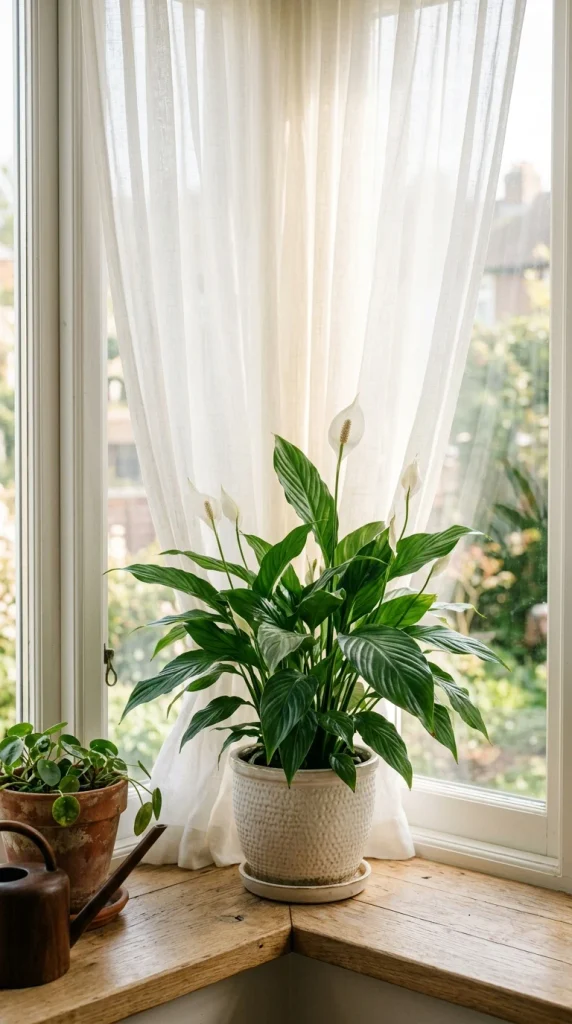
Peace Lilies are native to the forest floors of tropical America, where they grow under the canopy of massive trees. This means they are biologically programmed for “dappled” or indirect light. If you place your plant in direct, harsh sunlight, the leaves will quickly develop scorched brown patches. Conversely, if the light is too dim, the plant may survive, but it will almost certainly refuse to bloom. The sweet spot is a bright room where the sun doesn’t touch the leaves directly. North or east-facing windows are usually ideal locations.
2. Strategic Watering
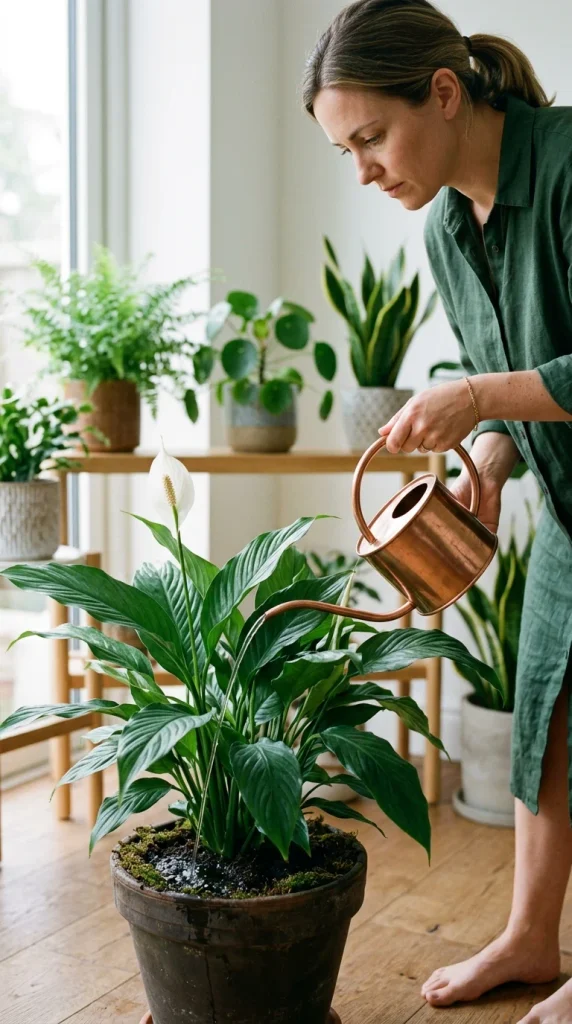
The Peace Lily is famously dramatic. When it is thirsty, it doesn’t just look a little dry; it collapses entirely, with its stems drooping over the sides of the pot. While it’s helpful to have a plant that “talks” to you, waiting for it to wilt completely every time stresses the root system. Aim to keep the soil consistently moist but never soggy. A good rule of thumb is to wait until the top inch of soil feels dry to the touch before giving it a thorough soak.
3. Drainage Efficiency
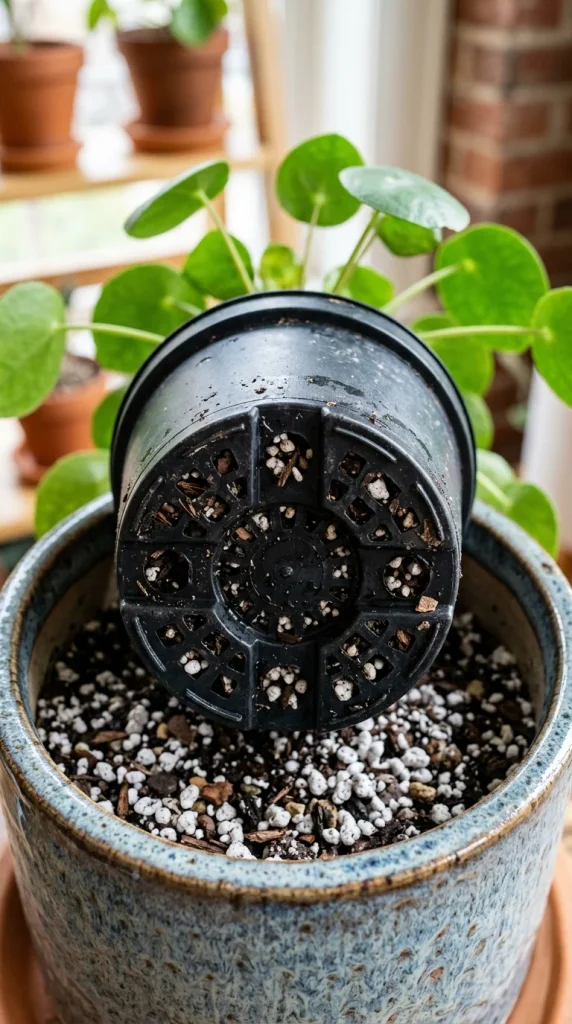
Root rot is the number one killer of Peace Lilies. Because these plants like moisture, many owners make the mistake of letting them sit in a saucer of standing water. To ensure healthy growth, always use a pot with adequate drainage holes. If you have a beautiful decorative “cachepot” without holes, keep the plant in its plastic nursery liner inside the decorative pot. After watering, wait 15 minutes, then empty any excess water that has collected at the bottom.
4. Humidity Boosts
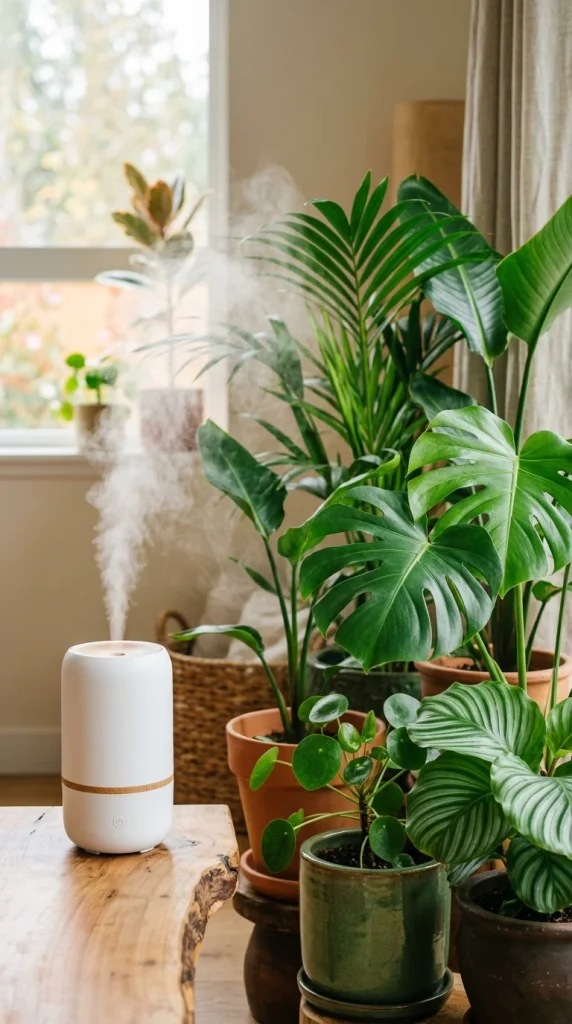
Coming from the tropics, Peace Lilies thrive in humidity levels above 50%. Most modern homes have very dry air, especially during winter when the heater is running. Dry air leads to the dreaded “brown tips” on the leaves. To combat this, you can group your plants together to create a micro-climate, place the pot on a tray filled with pebbles and water (ensure the pot isn’t touching the water), or use a dedicated humidifier. Misting the leaves with a spray bottle also helps temporarily, though a humidifier is more effective for long-term health.
5. Temperature Stability
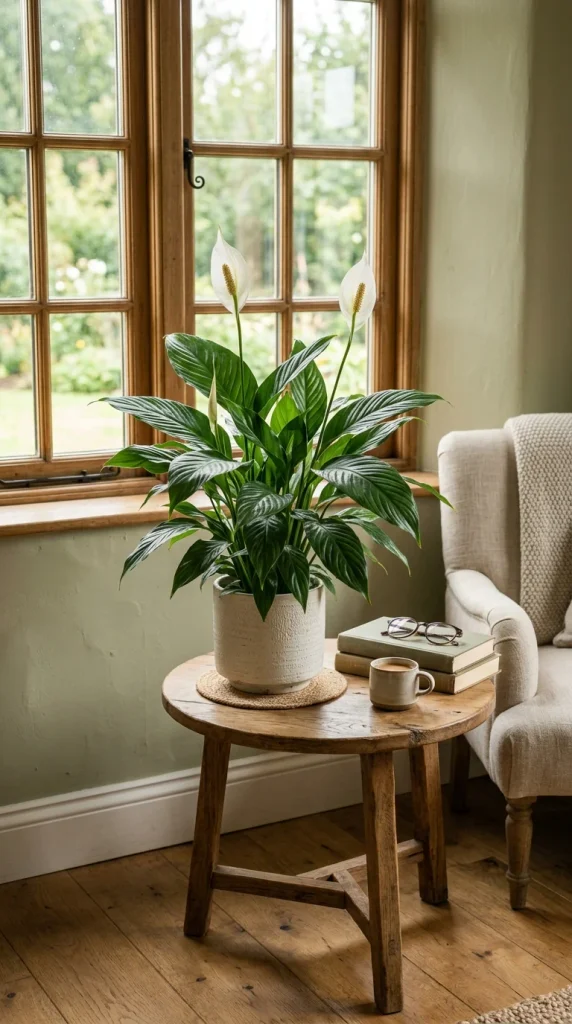
Peace Lilies are sensitive to sudden temperature shifts. They prefer a range between 65°F and 85°F (18°C–29°C). Keep your plant away from cold drafts near doors or windows during the winter, and ensure it isn’t sitting directly in the path of an air conditioning vent or a radiator. Sudden cold snaps can cause the leaves to turn black, while excessive heat can lead to rapid wilting and dehydration.
6. Balanced Fertilization

To encourage those big, bold white blooms, your Peace Lily needs nutrients. However, they are sensitive to chemical salts. Use a balanced, water-soluble fertilizer (like a 20-20-20 NPK ratio) but dilute it to half the recommended strength. Feed your plant once a month during the growing season (spring and summer). Avoid fertilizing in the winter when the plant’s growth naturally slows down, as this can lead to nutrient burn.
7. Regular Pruning
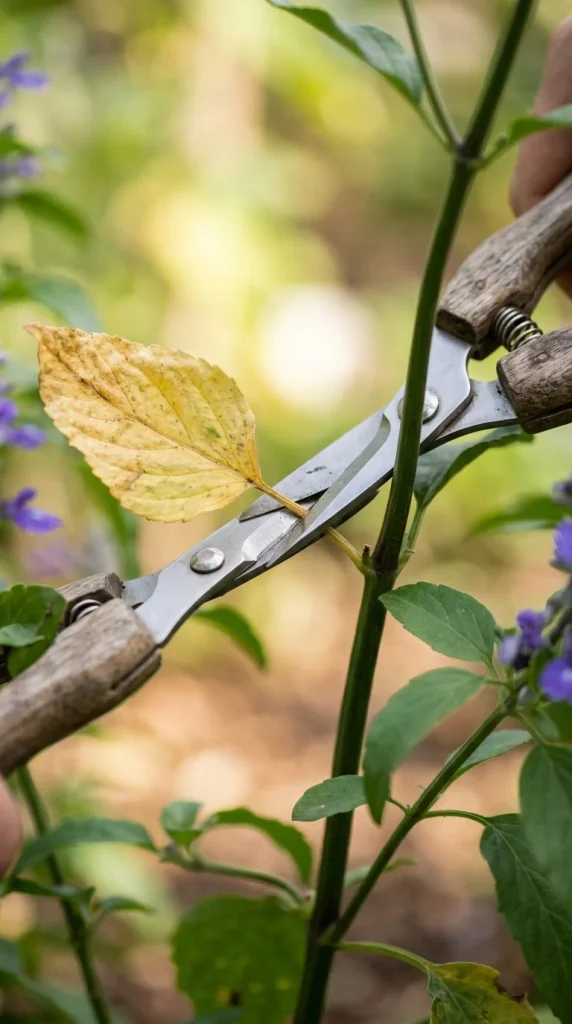
Pruning is essential for maintaining the plant’s energy. As Peace Lilies grow, older leaves will naturally turn yellow or brown. Additionally, the white flowers will eventually turn green and then brown as they die off. Use sterilized scissors or pruning shears to cut these spent blooms and dead leaves off at the base of the stem. This prevents the plant from wasting energy on dying tissue and redirects it toward producing new foliage and fresh flowers.
8. Soil Quality
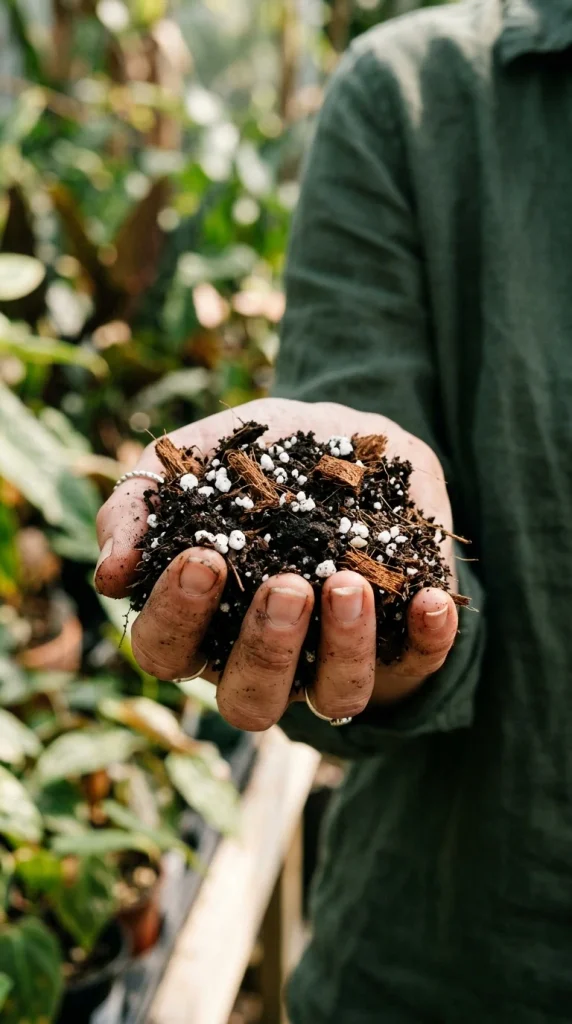
The best soil for a Peace Lily is one that retains moisture but still allows the roots to breathe. A standard potting mix is usually too heavy and can become compacted. Create a custom mix by combining two parts high-quality potting soil with one part peat moss or coco coir and one part perlite. This creates an airy, well-draining environment that mimics the leaf-littered floor of a rainforest.
9. Repotting Timing
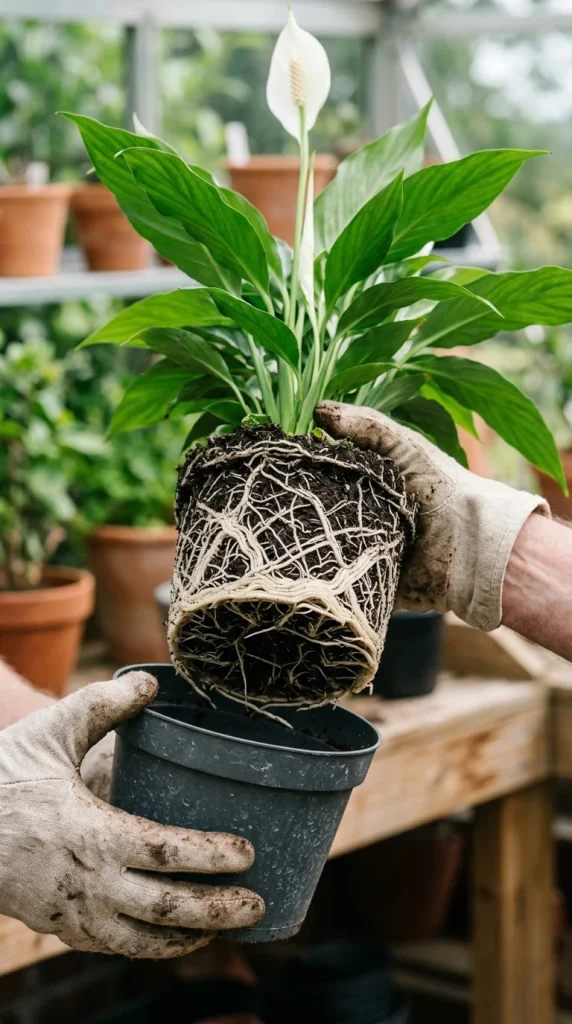
Peace Lilies actually enjoy being slightly “root-bound,” meaning they like their roots to be a bit snug in the pot. This stress often encourages them to bloom. However, if you see roots growing out of the drainage holes or if the plant requires water every single day, it’s time for a bigger home. When repotting, only go up one size (about 2 inches wider in diameter). Moving a plant to a massive pot can lead to “over-potting,” where the excess soil stays wet for too long and rots the roots.
10. Dusting Leaves
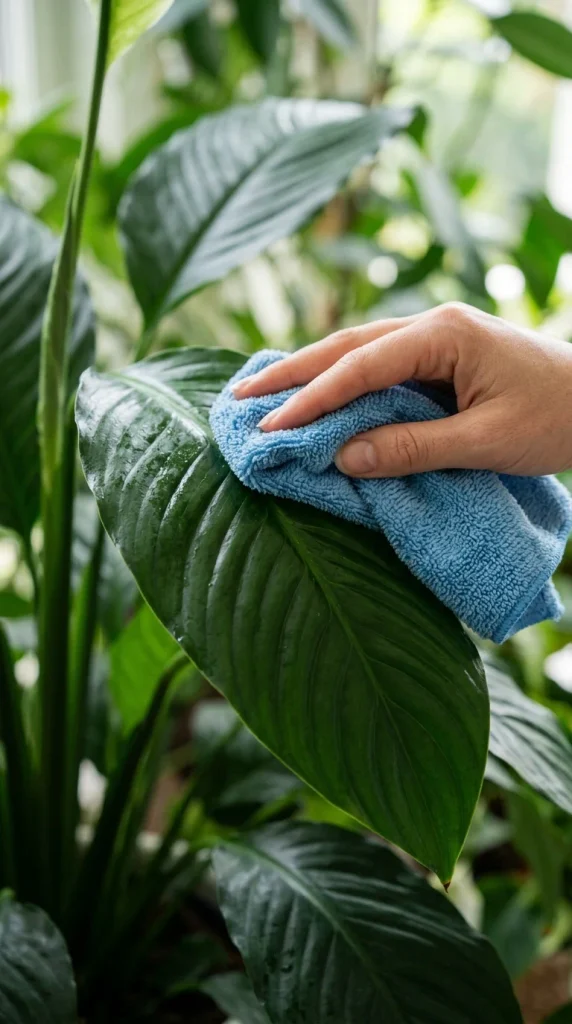
Because Peace Lily leaves are wide and glossy, they are magnets for household dust. A layer of dust doesn’t just look bad; it physically blocks the plant’s “pores” (stomata), making it harder for the plant to photosynthesize and breathe. Once every few weeks, use a damp cloth to gently wipe down both the tops and bottoms of the leaves. This keeps the plant healthy and gives it that showroom-quality shine.
11. Pest Management
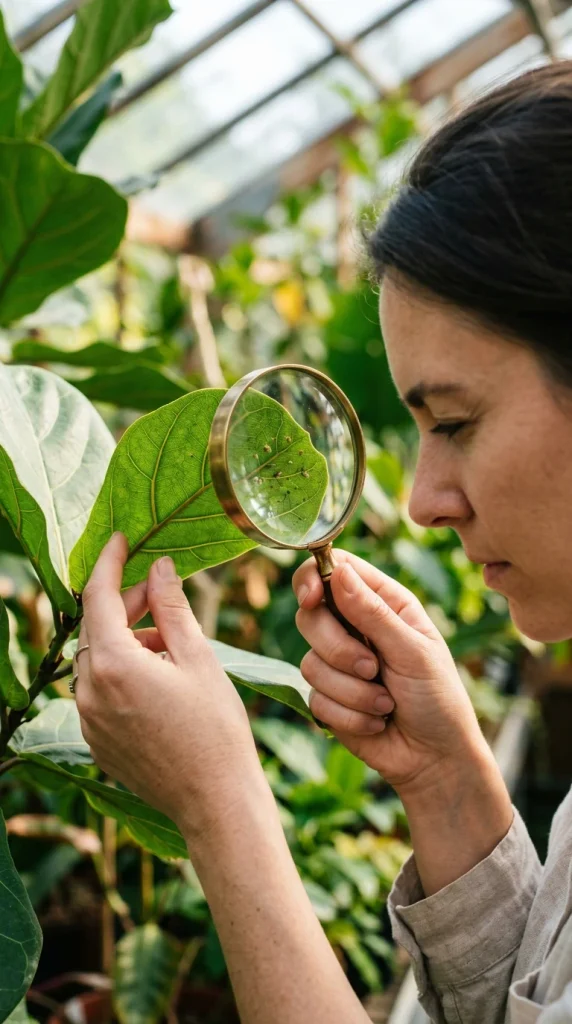
While relatively pest-resistant, Peace Lilies can occasionally fall victim to mealybugs, spider mites, or fungus gnats. If you see tiny white cottony spots (mealybugs) or fine webbing (spider mites), treat the plant immediately. Use a solution of neem oil or insecticidal soap, and be sure to spray the undersides of the leaves where pests love to hide. If you see tiny flies buzzing around the soil, you likely have fungus gnats, which is usually a sign that you are overwatering.
12. Bloom Induction
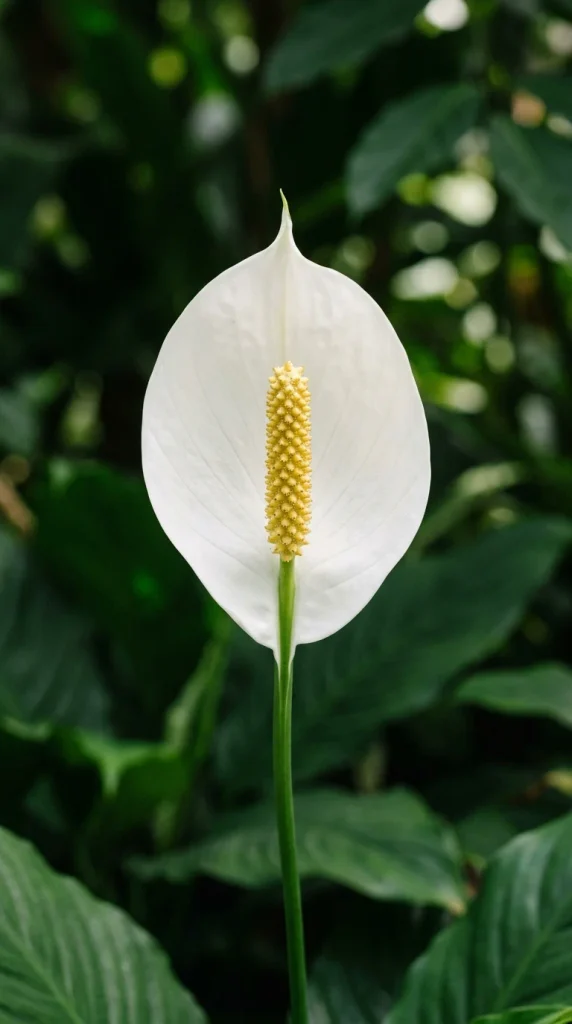
If your Peace Lily is healthy but won’t bloom, it might need a “nudge.” In the wild, blooming is triggered by seasonal changes. You can mimic this by moving the plant to a slightly brighter location for a few weeks and ensuring it is receiving its monthly half-strength fertilizer. Some gardeners find that a slightly cooler period (around 60°F) for a few weeks in the late winter can also trigger a massive flush of flowers once the temperatures rise in the spring.
13. Water Quality

Peace Lilies are notoriously sensitive to the chemicals found in tap water, specifically chlorine and fluoride. If your tap water is heavily treated, you might notice the tips of the leaves turning brown even if your humidity is high. To fix this, use filtered water or rainwater. Alternatively, you can fill a watering can with tap water and let it sit out uncovered for 24 hours; this allows the chlorine to evaporate before you use it on your plant.