

The Zamioculcas zamiifolia, affectionately known as the ZZ plant, has earned its reputation as the “king of indestructible houseplants.” Native to the drought-prone regions of East Africa, this botanical marvel has evolved to survive in conditions that would make most other plants wither. With its waxy, emerald-green leaflets and structural elegance, it is the perfect companion for both seasoned green thumbs and self-proclaimed “black thumbs.” However, even the most resilient plants thrive best when their specific needs are met. Here is your comprehensive guide to keeping your ZZ plant flourishing for years to come.
1. Indirect Light
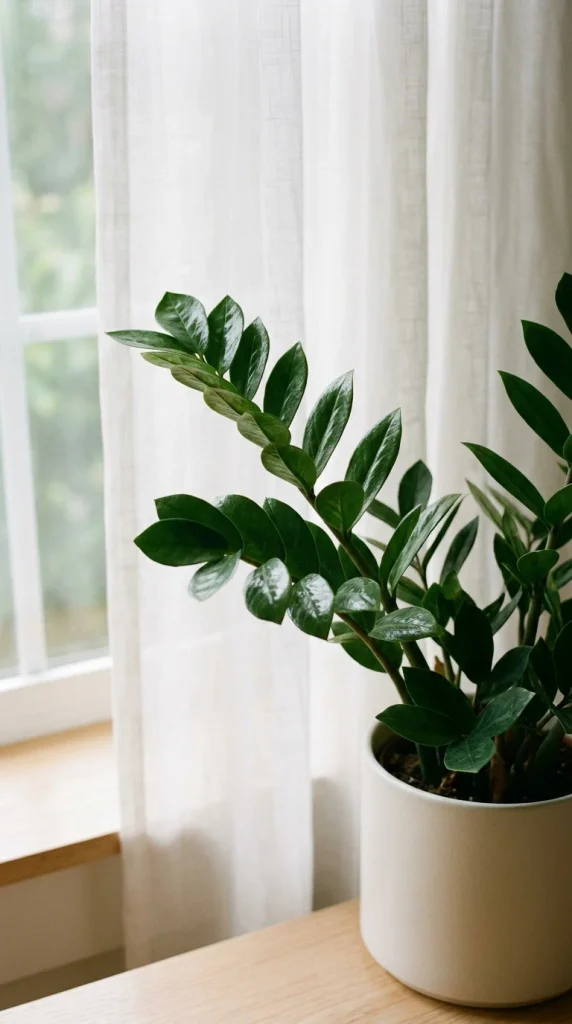
While ZZ plants are famous for surviving in low-light environments like windowless offices or dim hallways, they truly thrive in bright, indirect light. Direct sunlight can be too harsh, acting like a magnifying glass that scorches those beautiful waxy leaves, leading to unsightly brown patches. To get the best growth, place your plant near a north or east-facing window where it can soak up the ambient glow without getting “sunburned.”
2. Drainage Holes
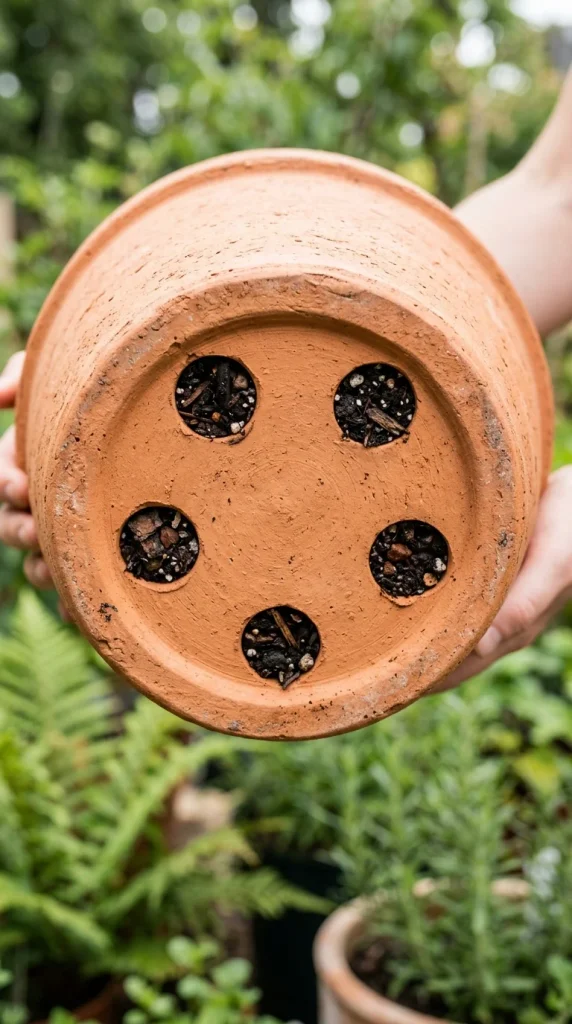
If there is one thing a ZZ plant cannot tolerate, it is “wet feet.” These plants grow from thick, potato-like structures called rhizomes, which store water. If excess water sits at the bottom of the pot without an escape route, these rhizomes will quickly rot. Always ensure your pot has functional drainage holes. If you find a decorative pot without holes, use it as a “cachepot”—keep the plant in a plastic nursery liner inside the decorative one and remove it when watering.
3. Succulent Soil
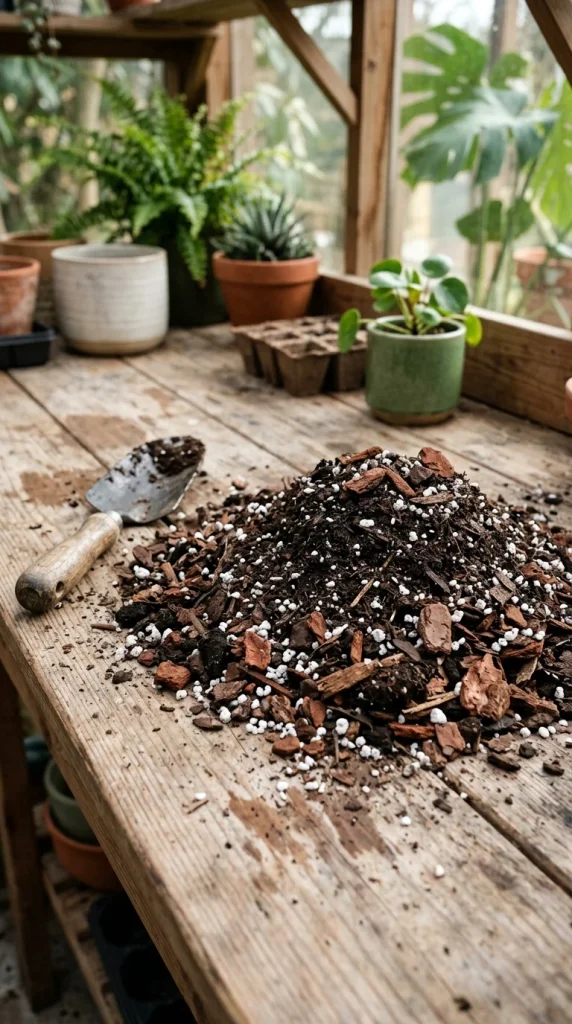
Because ZZ plants are semi-succulent in nature, they require a soil medium that doesn’t hold onto moisture for too long. A standard potting mix is often too heavy and dense. Instead, opt for a high-quality cactus or succulent mix, or create your own by adding perlite or sand to regular indoor potting soil. This ensures that air can reach the roots and that water flows through the medium quickly.
4. Infrequent Watering
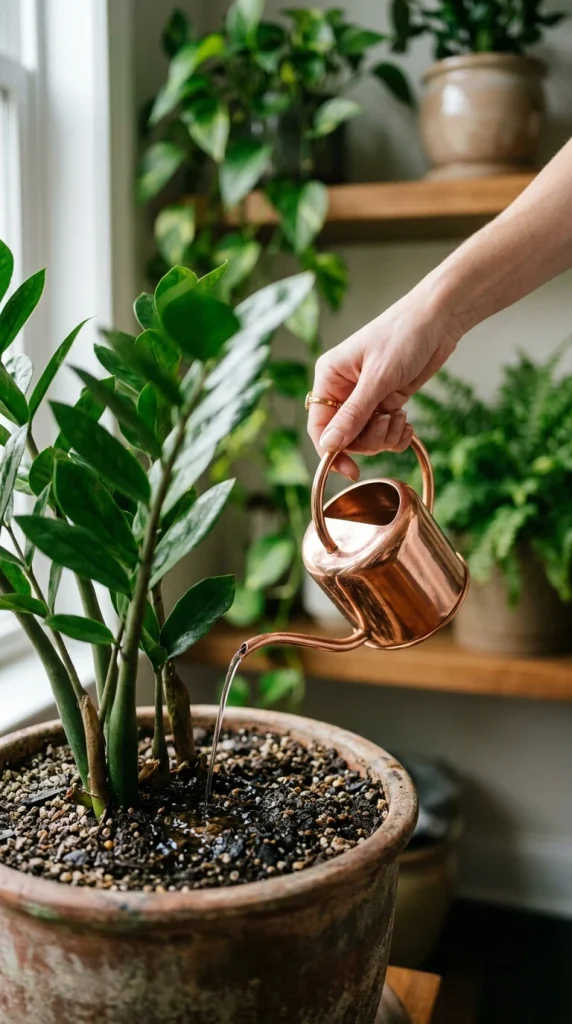
Overwatering is the fastest way to kill a ZZ plant. Thanks to those water-storing rhizomes, this plant is incredibly drought-tolerant. During the growing season (spring and summer), you might only need to water every 2 to 3 weeks. In the winter, when the plant’s metabolism slows down, you can often go 4 to 6 weeks between waterings. Always err on the side of underwatering; the plant will forgive a missed drink much more easily than a flood.
5. Dry Soil
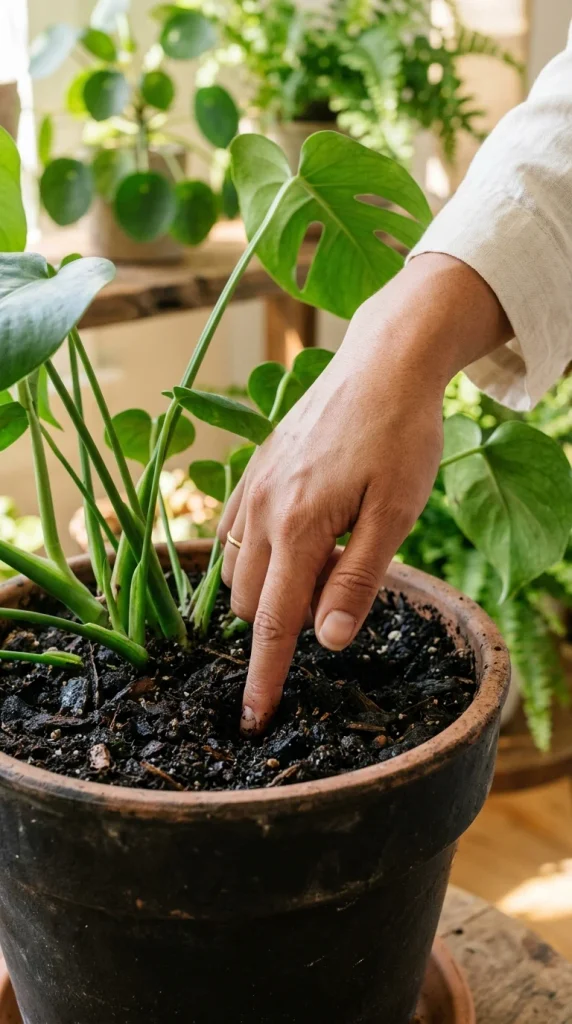
Before you even reach for the watering can, perform the “finger test.” Stick your finger at least two inches into the soil. If it feels even slightly damp, walk away. The top several inches of soil should be completely dry before you add more water. If you want to be more precise, a moisture meter is a fantastic tool for ZZ owners—wait until the needle hits the “dry” zone before hydrating your plant.
6. Ideal Temperature
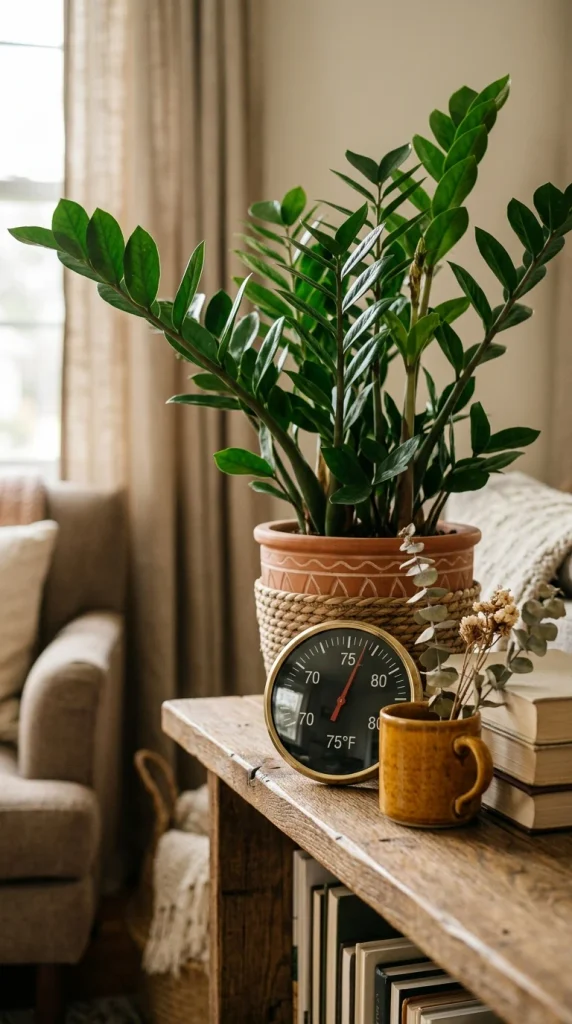
ZZ plants are tropical by nature and prefer temperatures that humans find comfortable. They thrive in a range between 65°F and 85°F (18°C–29°C). They are not frost-hardy, so keep them away from drafty windows during the winter or the direct blast of an air conditioning vent in the summer. Sudden temperature fluctuations can stress the plant and cause the leaves to drop.
7. Moderate Humidity
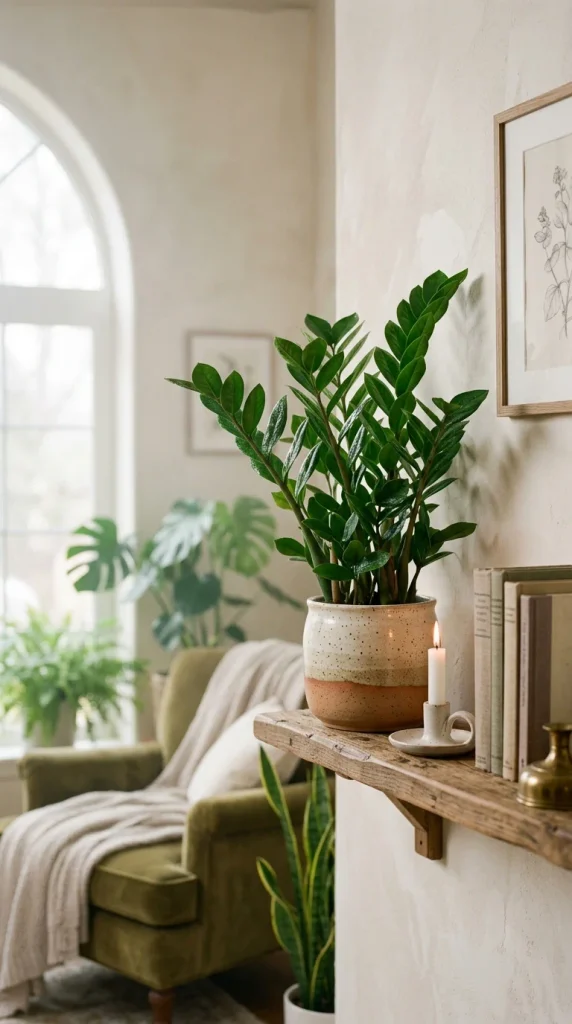
Unlike many of its tropical cousins (like the finicky Calathea), the ZZ plant is perfectly content with standard household humidity levels. It doesn’t require constant misting or a humidifier. However, if your home is exceptionally dry during the winter months due to central heating, the plant won’t complain if you occasionally group it with other plants to create a microclimate of slightly higher humidity.
8. Balanced Fertilizer
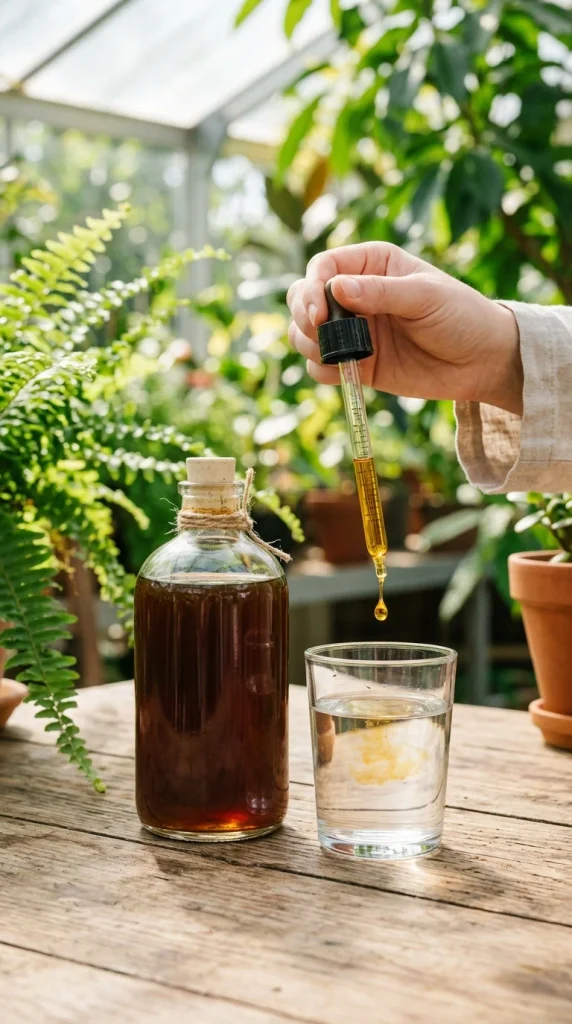
Because they are slow growers, ZZ plants don’t require heavy feeding. During the active growing months of spring and summer, you can give them a boost with a balanced, water-soluble indoor plant fertilizer. Dilute the fertilizer to half-strength to avoid “salt burn” on the roots. Feed the plant once a month during this period, and stop fertilizing entirely during the autumn and winter months.
9. Leaf Cleaning
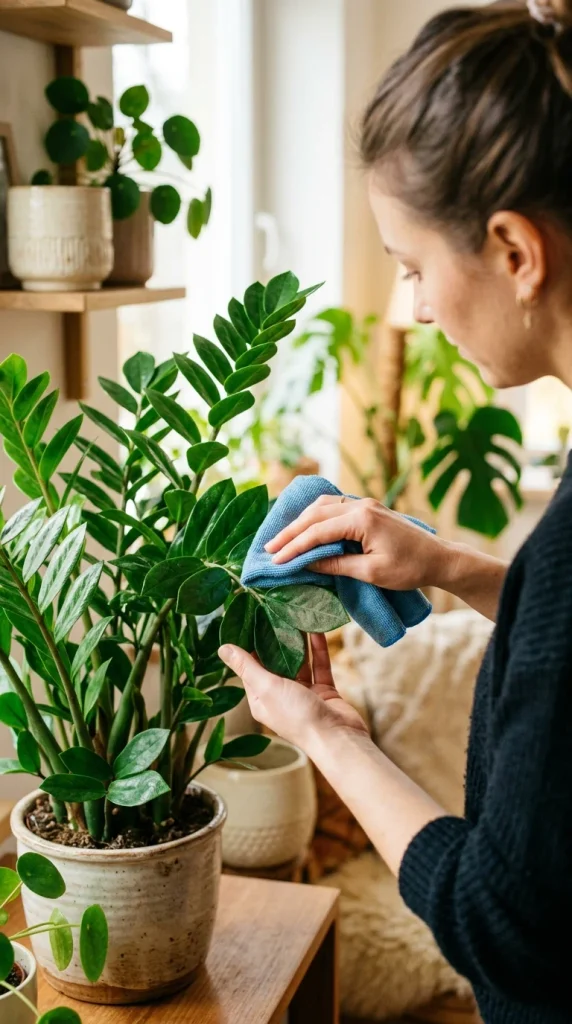
The ZZ plant’s leaves are naturally glossy, which is part of its aesthetic charm. However, those wide leaves are also dust magnets. A thick layer of dust doesn’t just look bad; it actually blocks the plant’s ability to photosynthesize effectively. Every few weeks, take a soft, damp cloth and gently wipe down each leaflet. This keeps the plant healthy and maintains that famous high-shine finish without the need for commercial leaf-shine products.
10. Gentle Pruning
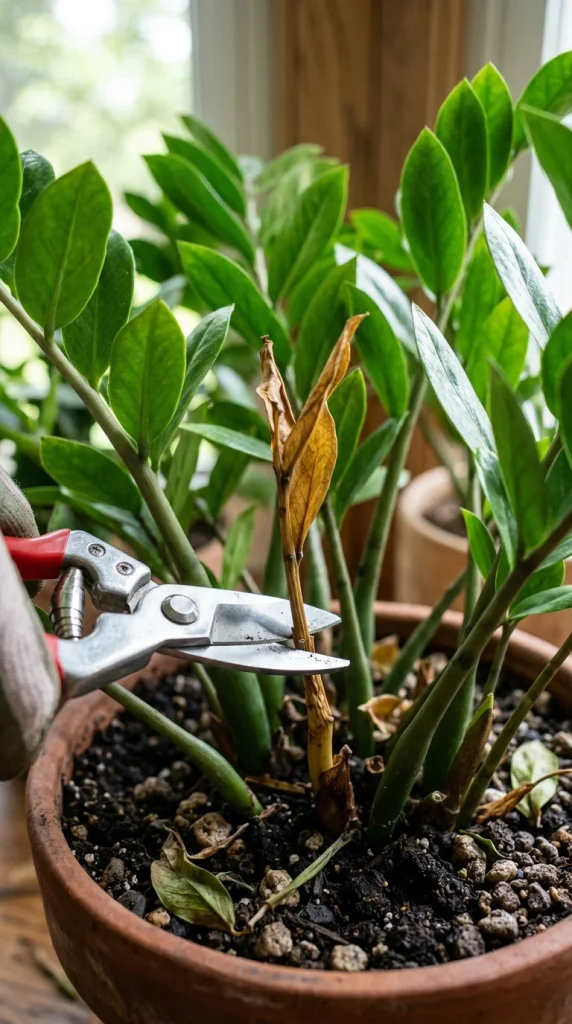
You don’t need to prune a ZZ plant for shape, as it grows in a naturally attractive, upright spray. However, you should remove any yellowing or dying leaves to keep the plant’s energy focused on new growth. If a stem becomes too long or “leggy” due to reaching for light, you can prune the entire stem back to the soil line. Always use sterilized shears to prevent the spread of bacteria.
11. Repotting Timing
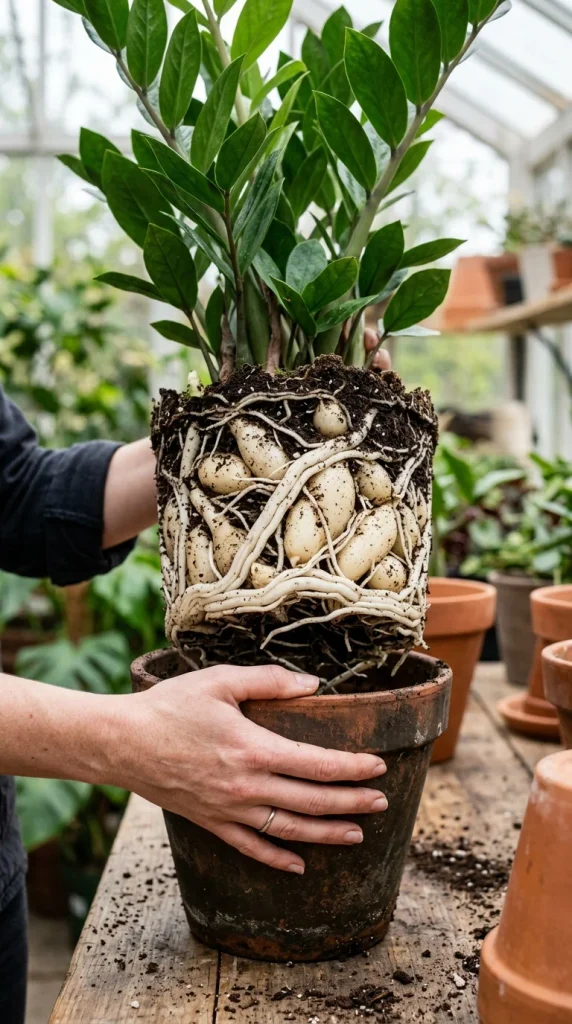
ZZ plants actually enjoy being a bit root-bound, so you won’t need to repot them very often. Generally, every two to three years is sufficient. Signs that it’s time to move up a size include roots growing out of the drainage holes or the plastic nursery pot becoming deformed by the pressure of the expanding rhizomes. When repotting, only go up one pot size (about 1–2 inches wider) to avoid having too much excess soil that holds onto moisture.
12. Division Propagation
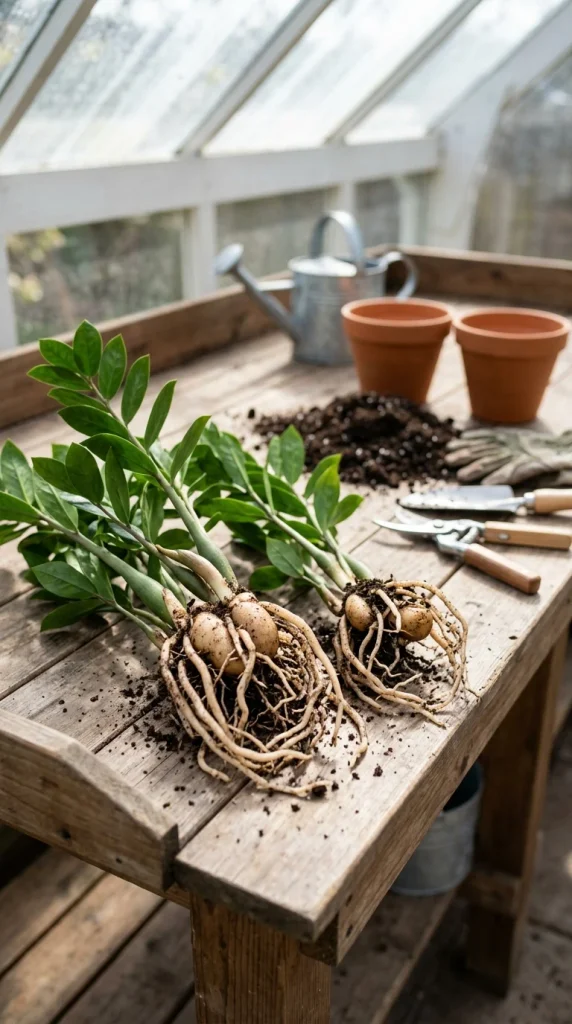
The easiest way to get “free” ZZ plants is through division. During repotting, you can gently pull the rhizomes apart into two or more sections, ensuring each section has roots and at least one or two stems. While you can also propagate from leaf cuttings, it is an incredibly slow process that can take up to a year to produce a new plant. Division gives you a full-sized plant almost instantly.
13. Pests Awareness

The ZZ plant is remarkably pest-resistant, but it isn’t completely immune. Keep an eye out for mealybugs (which look like tiny bits of white cotton) or scale (small brown bumps on the stems). If you spot any intruders, treat the plant immediately with insecticidal soap or neem oil. Regularly cleaning the leaves, as mentioned in Tip 9, is your best defense against pest infestations.
14. Toxicity Precaution
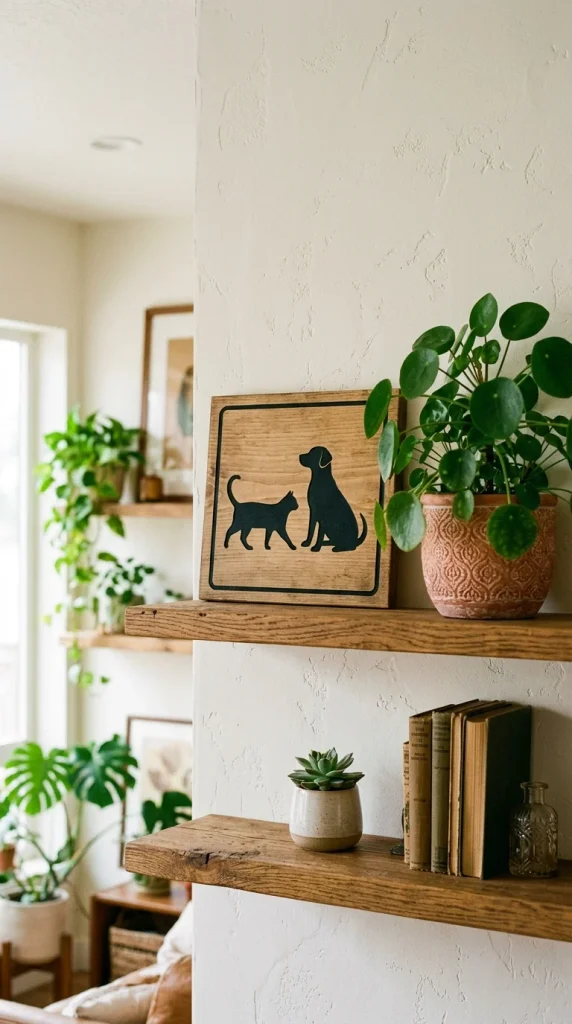
It is important to note that all parts of the ZZ plant are toxic if ingested by pets or humans. The plant contains calcium oxalate crystals, which can cause irritation of the mouth and digestive tract. If you have curious cats, dogs, or toddlers, keep the plant on a high shelf or in a room they cannot access. Additionally, some people with sensitive skin may experience a mild rash from the sap, so wearing gloves when pruning is a good precaution.
15. Slow Growth
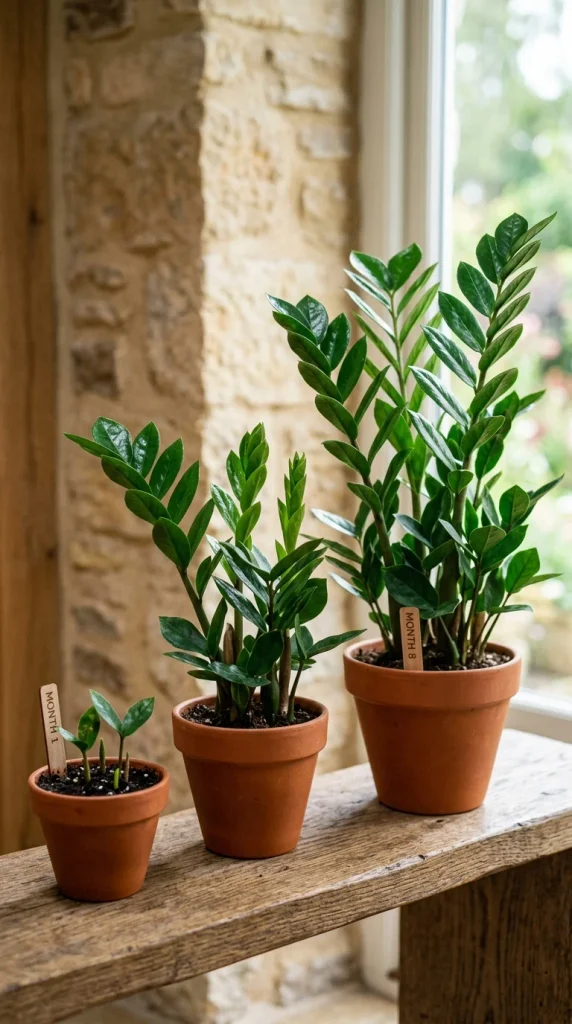
Don’t be discouraged if your ZZ plant doesn’t seem to be doing much. These plants are notorious for their slow growth rate. You might see several new “spears” shoot up all at once in the spring, followed by months of total inactivity. This is normal behavior. As long as the leaves remain firm and green, your plant is doing just fine. Patience is a key virtue for any ZZ plant owner.
16. Pot Material
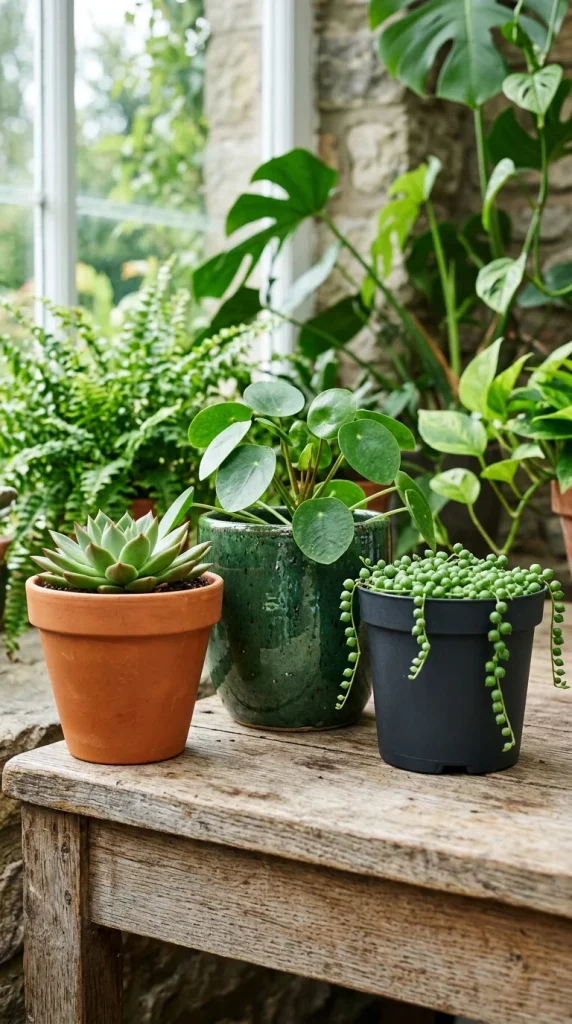
The material of your pot can significantly impact how often you need to water. Terra cotta is porous and allows the soil to dry out faster, which is excellent for those who tend to overwater. Plastic or glazed ceramic pots hold moisture much longer. Choose a material that complements your watering habits. If you use a non-porous pot, be extra diligent about ensuring the soil has dried out before adding more water.