
Hydrangeas are the undisputed royalty of the summer garden. With their voluminous flower heads and lush green foliage, they have the power to transform any landscape into a cottage-core dreamscape. However, many gardeners struggle with “bloom envy”—wondering why their neighbor’s bushes are overflowing with color while theirs remain stubbornly green. Growing those massive, dinner-plate-sized blooms requires a blend of science, timing, and a little bit of patience. Whether you are growing classic mopheads, elegant lacecaps, or hardy panicles, these 18 expert tips will help you achieve the biggest, most beautiful blooms your garden has ever seen.
1. Location choice
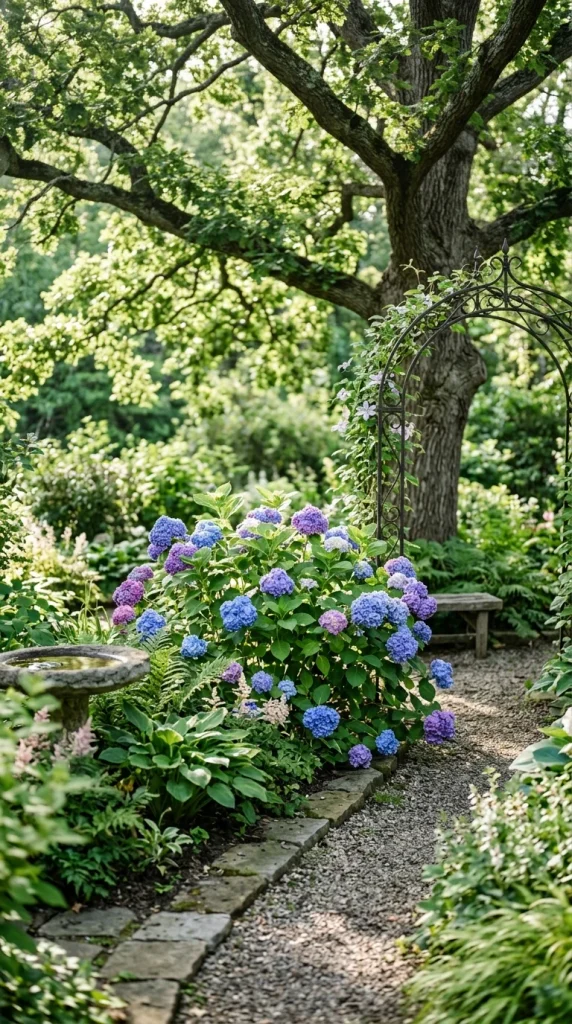
The most critical factor in hydrangea success is “location, location, location.” Most hydrangeas crave the “Goldilocks” of light: morning sun to fuel bloom production and afternoon shade to protect them from the wilting heat of the day. If you plant a hydrangea in full, scorching afternoon sun, the leaves will likely scorch, and the flowers will fade prematurely. Conversely, too much deep shade will result in spindly growth and very few flowers. Aim for a spot that receives about 4 to 6 hours of morning light.
2. pH adjustment
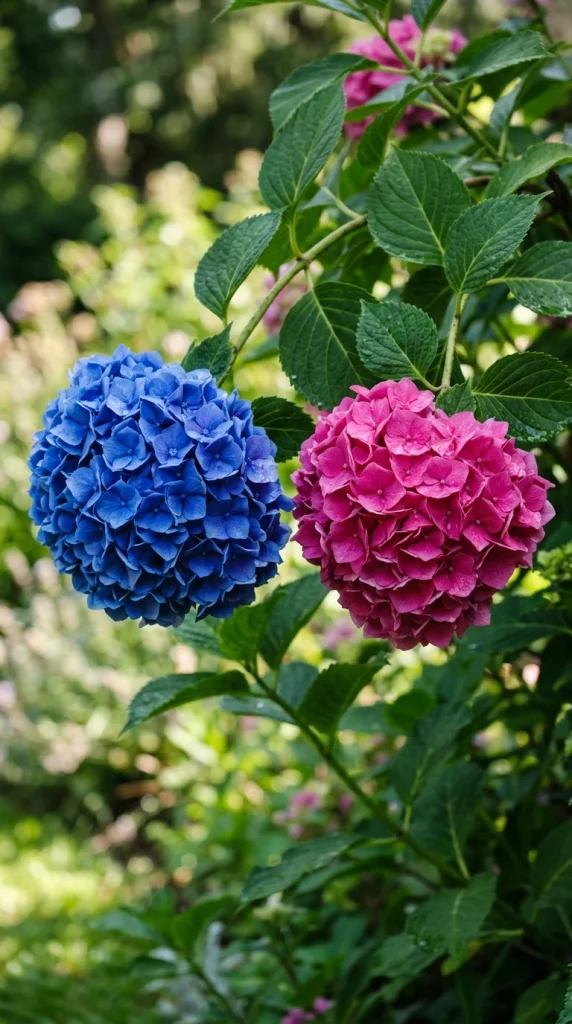
For Bigleaf (Macrophylla) and Mountain (Serrata) hydrangeas, the soil pH acts as a color dial. If you want those iconic blue blooms, you need acidic soil (pH 5.2 to 5.5). To turn them pink, you need alkaline soil (pH 6.0 to 6.2). You can lower your pH by adding aluminum sulfate or organic matter like pine needles. To raise it for pinker blooms, add garden lime. Always test your soil before adding amendments to ensure you aren’t over-correcting.
3. Deep hydration
The word “hydrangea” comes from the Greek roots “hydor” (water) and “angos” (vessel), essentially meaning “water vessel.” These plants are thirsty. However, the key to big blooms is consistent, deep watering rather than frequent light sprinkles. Deep watering encourages the roots to grow further down into the cool soil. Aim for at least one inch of water per week, and more during extreme heat. Water at the base of the plant to keep the foliage dry, which prevents disease.
4. Pruning technique
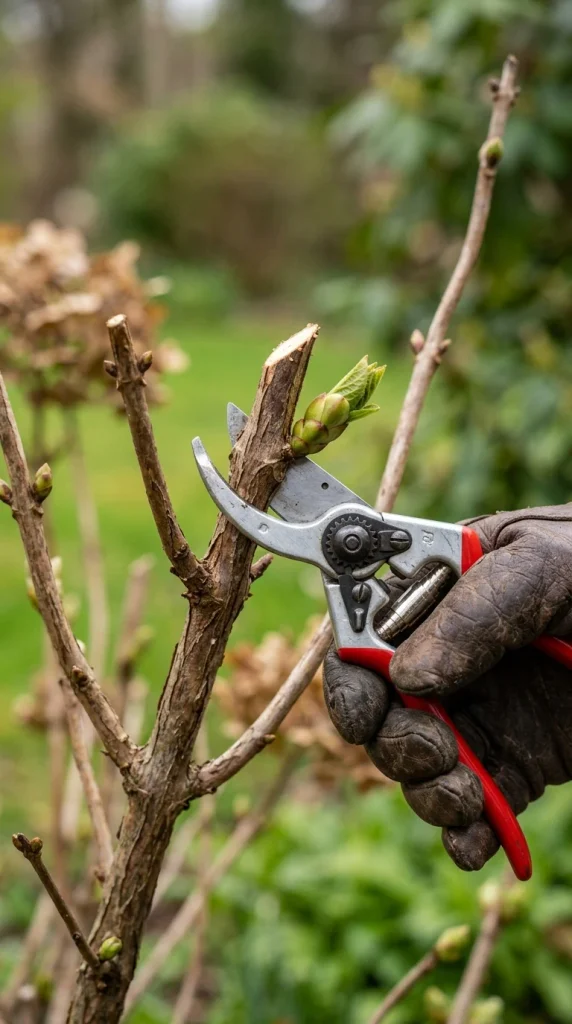
Pruning at the wrong time is the number one reason hydrangeas fail to bloom. You must know if your variety blooms on “old wood” (stems from last year) or “new wood” (stems grown this season). Mopheads and Lacecaps usually bloom on old wood, meaning if you prune them in the winter, you are cutting off all of next year’s flowers. Panicle and Smooth hydrangeas bloom on new wood and can be pruned in late winter or early spring to encourage vigorous new growth and massive flower heads.
5. Balanced feeding
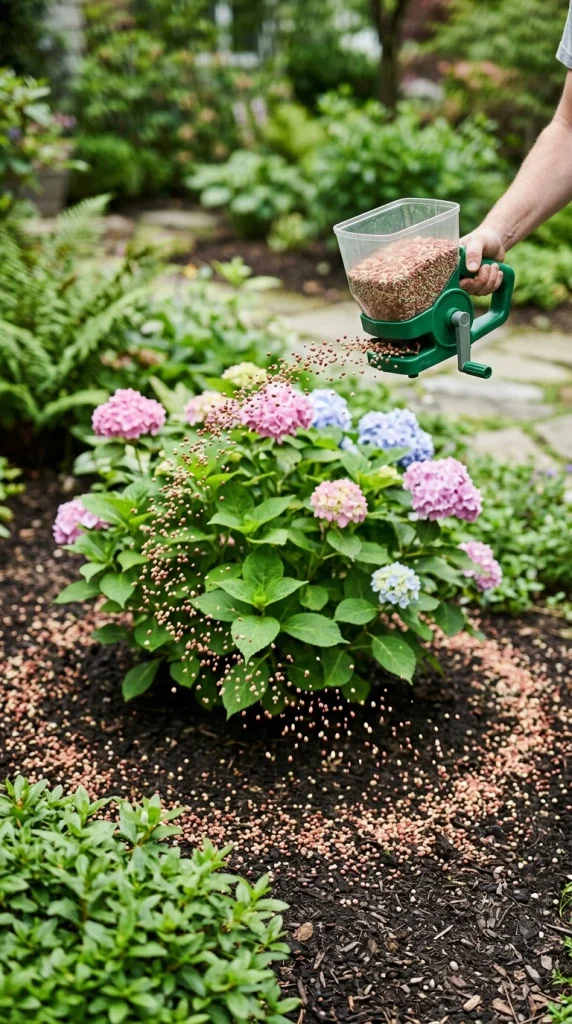
To produce giant blooms, hydrangeas need energy. A balanced, slow-release fertilizer (like a 10-10-10 NPK) applied in early spring and again in mid-summer provides a steady stream of nutrients. Avoid high-nitrogen fertilizers late in the season; nitrogen promotes leafy green growth at the expense of flowers. If you want to enhance flower size specifically, look for a “bloom booster” formula with a higher middle number (phosphorus).
6. Pine bark
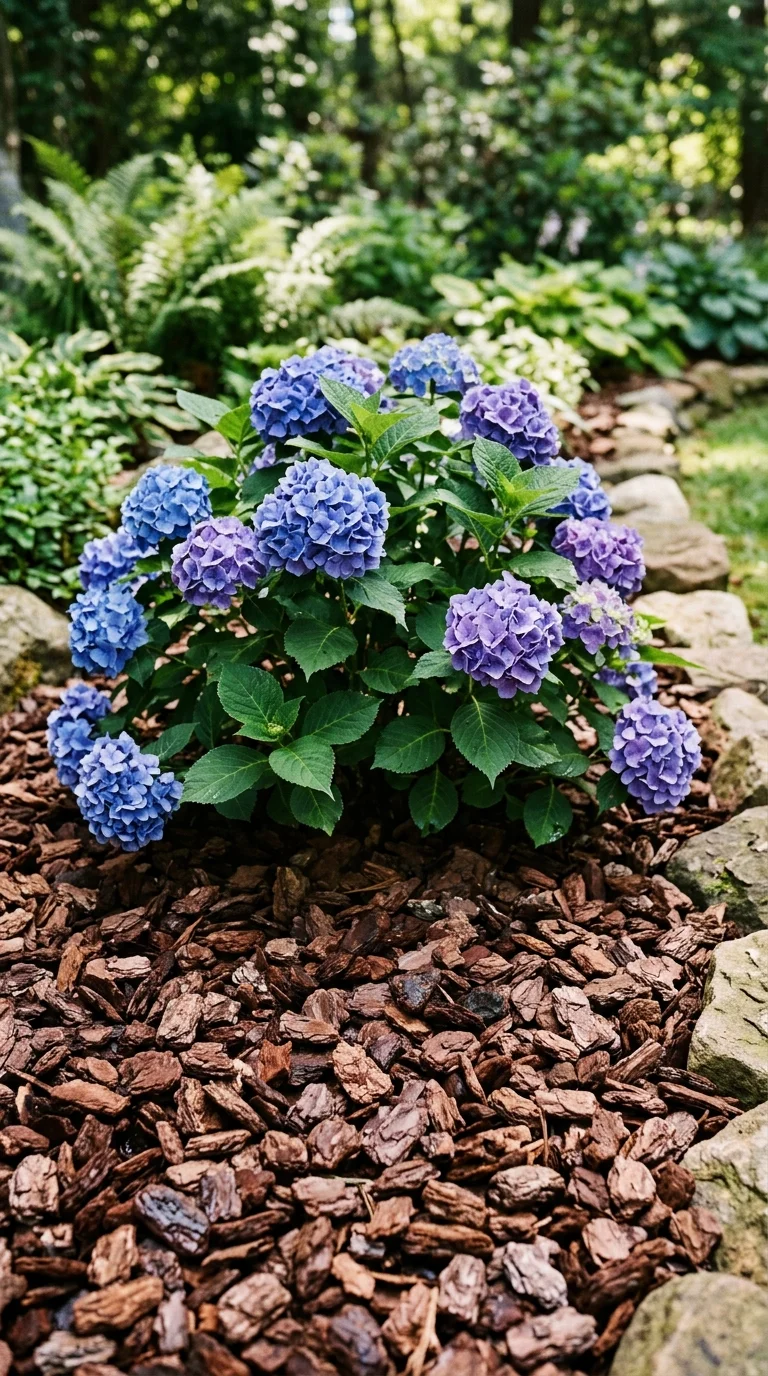
Mulch is a hydrangea’s best friend. A thick layer of organic mulch, such as pine bark or shredded leaves, serves three purposes: it keeps the root zone cool, retains vital moisture, and suppresses weeds that compete for nutrients. As the mulch breaks down, it also improves soil structure and adds organic matter. Apply a fresh layer every spring, making sure to keep the mulch a few inches away from the actual wooden stems to prevent rot.
7. Morning light
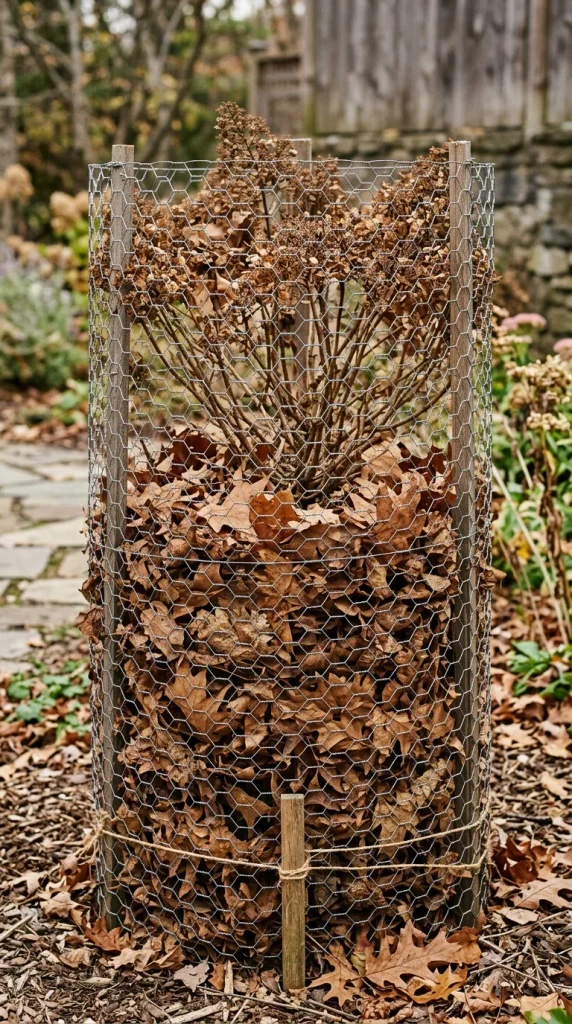
While we mentioned location, the specific quality of morning light deserves its own focus. The morning sun is “cool” sun. It provides the energy needed for photosynthesis without the intense UV stress of the 2 PM sun. If your hydrangeas are struggling to bloom, check if they are getting enough of this early light. If they are in a spot that only gets sun from 3 PM to 6 PM, they are likely stressed and will prioritize survival over flowering.
8. Winter insulation
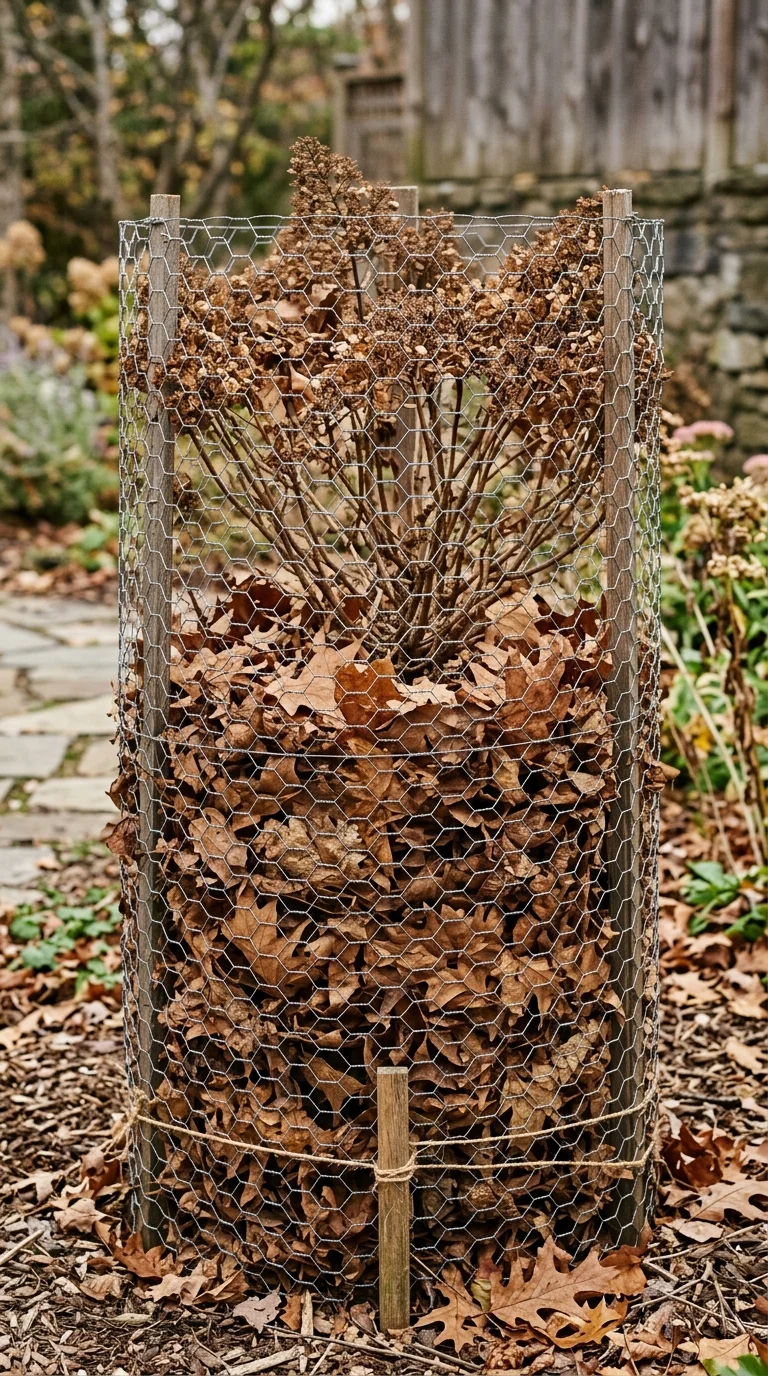
In colder climates, “bud blast” is a common problem. This happens when a warm spell in late winter causes the flower buds to swell, only for a sudden frost to kill them off. To ensure big blooms, protect your “old wood” hydrangeas by wrapping them in burlap or creating a leaf-filled cage in late autumn. This insulation keeps the temperature around the buds stable and protects them from biting winter winds.
9. Proper spacing
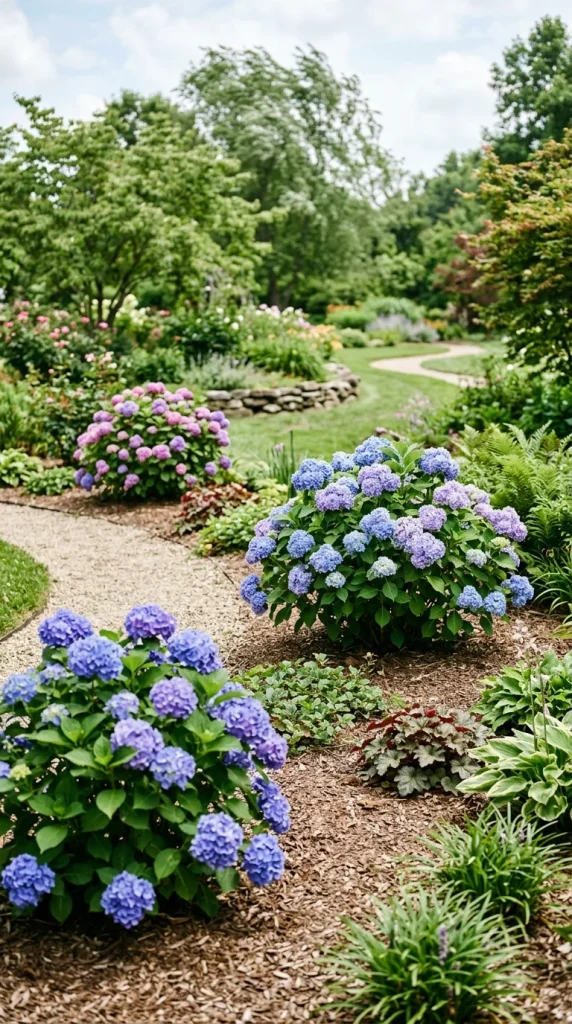
It is tempting to plant hydrangeas close together for an instant “hedge” look, but overcrowding is a recipe for small blooms and disease. Hydrangeas need excellent air circulation to thrive. Without it, they become susceptible to powdery mildew and fungal leaf spots, which sap the plant’s energy. Check the mature width on the plant tag and space them accordingly—usually 3 to 6 feet apart depending on the variety.
10. Compost enrichment
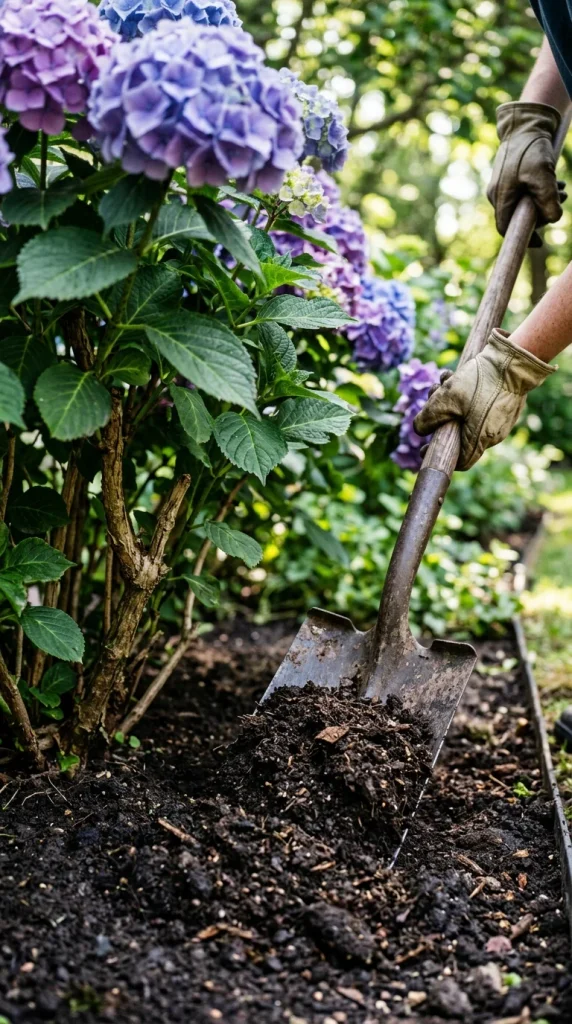
Hydrangeas love “rich” soil. Before planting, and every spring thereafter, top-dress the soil with two inches of high-quality compost. Compost introduces beneficial microbes and fungi that help the plant’s roots absorb water and minerals more efficiently. Healthy roots equal massive blooms. If your soil is heavy clay or very sandy, compost is the ultimate amendment to fix drainage and nutrient retention issues.
11. Spent blooms
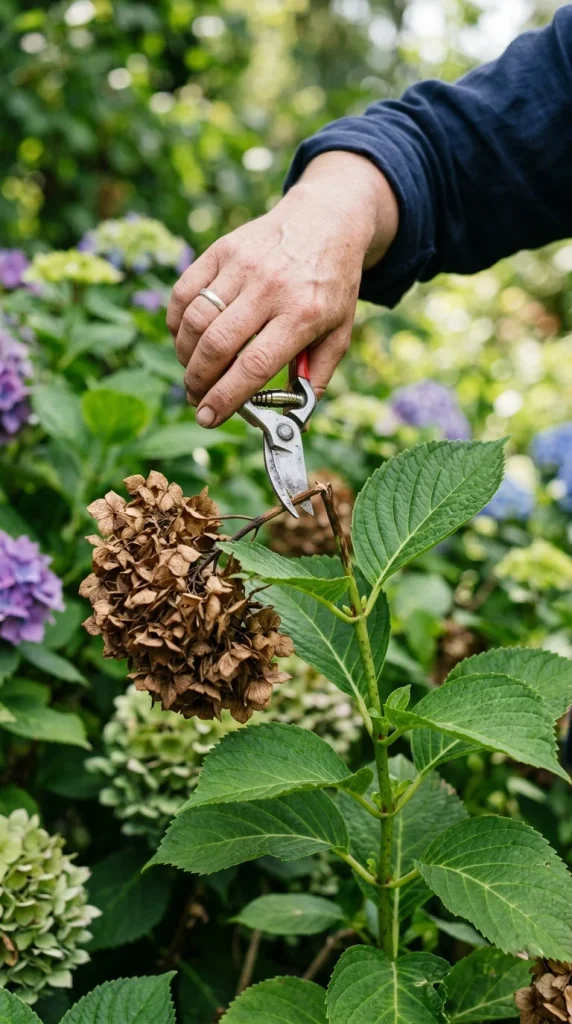
Deadheading is the practice of removing faded flowers. For many modern “reblooming” varieties (like the Endless Summer series), deadheading is essential. By removing the old, dying flowers, you signal to the plant that it shouldn’t spend energy producing seeds. Instead, the plant redirects that energy into producing a second flush of blooms later in the season. Even for non-rebloomers, deadheading keeps the plant looking tidy and focuses energy on root and bud development for next year.
12. Zone compatibility
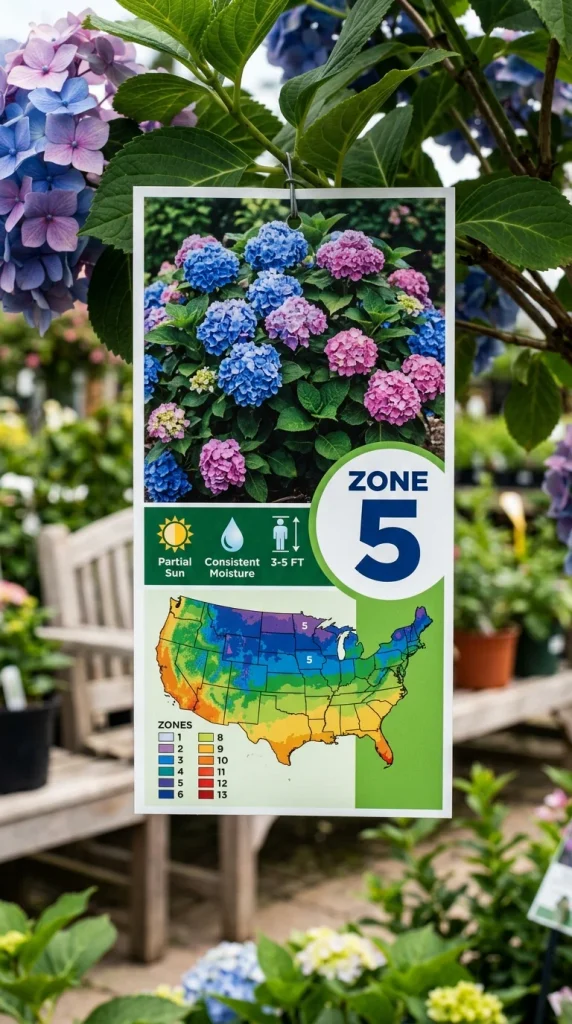
Not all hydrangeas are created equal. A hydrangea that thrives in the humid South (Zone 8 or 9) might die back to the ground every year in the North (Zone 4 or 5), resulting in zero flowers. Before buying, verify your USDA Hardiness Zone. If you live in a cold climate, Panicle hydrangeas (H. paniculata) are your best bet for consistent, massive blooms because they are incredibly cold-hardy and bloom on new wood.
13. Blue infusion
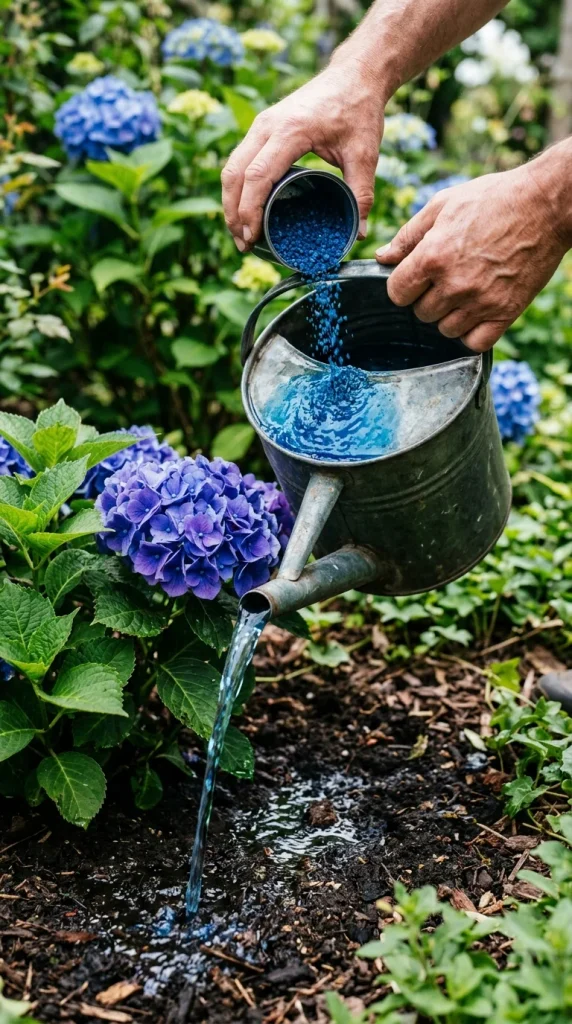
If you have Macrophylla hydrangeas and want that electric blue color, you need to ensure there is aluminum available in the soil. Even if the soil is acidic, the plant can’t turn blue without aluminum. You can buy “Hydrangea Blue” soil acidifiers which contain aluminum sulfate. Apply these in early spring as the plant is waking up. Be careful not to over-apply, as too much aluminum can be toxic to the plant.
14. Pink enhancement
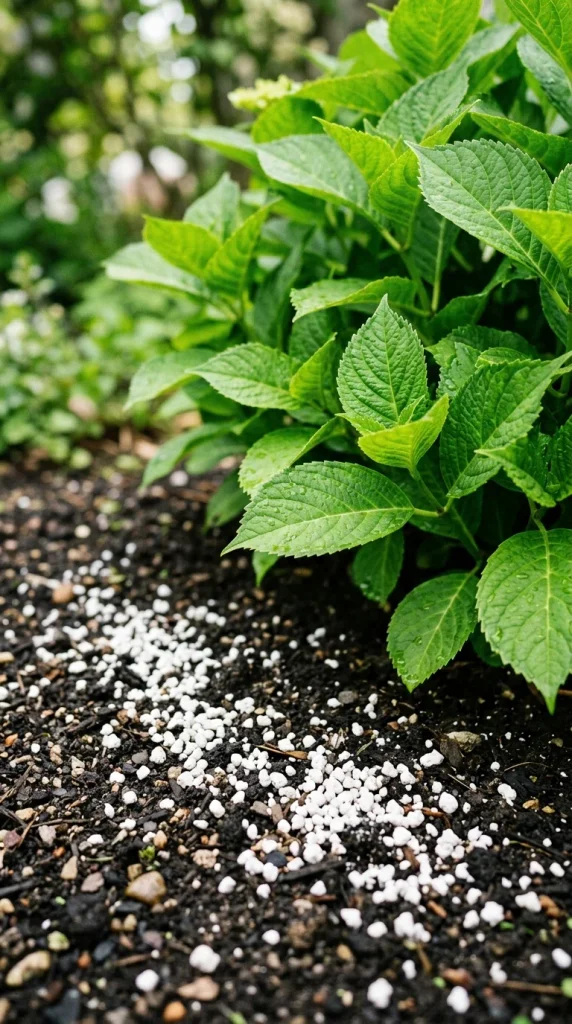
To achieve vivid pink or red tones, you need to “lock out” the aluminum in the soil. This is done by raising the pH to a more alkaline level. Adding dolomitic lime to the soil once or twice a year will gradually shift the color. Additionally, using a fertilizer with a high phosphorus content can help block aluminum uptake, further pushing the blooms toward the pink end of the spectrum.
15. Drainage quality
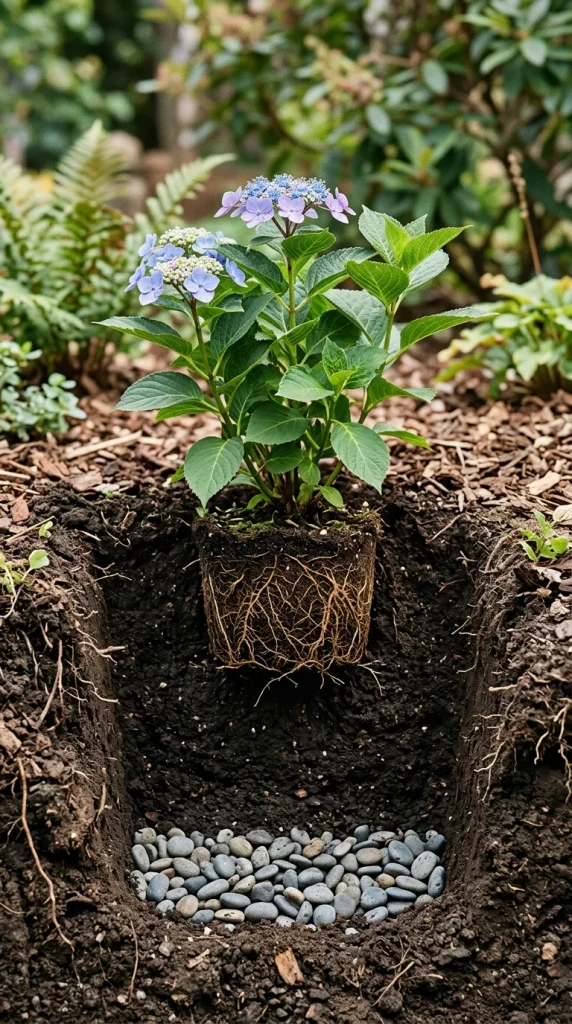
Hydrangeas hate “wet feet.” If they sit in standing water, the roots will rot, and the plant will wilt—even if the soil is soaked. To get big blooms, the soil must be well-draining. If you have heavy clay, plant your hydrangeas in a slightly raised mound to allow excess water to run off, or heavily amend the planting hole with coarse organic matter to improve the flow of water and oxygen to the roots.
16. Iron chelate
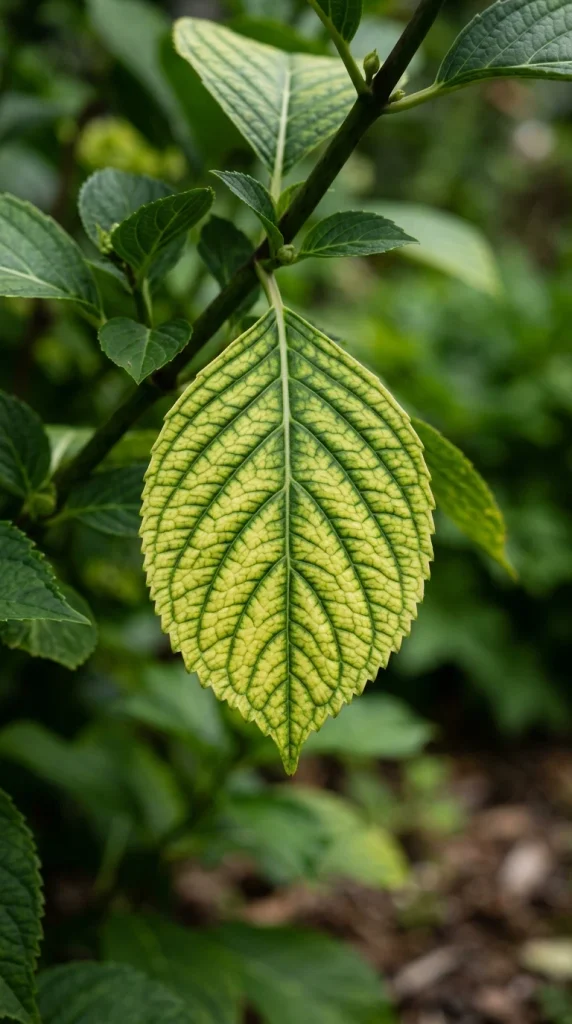
Sometimes, hydrangeas look yellow even if you are watering and fertilizing correctly. This is often “iron chlorosis,” which happens when the soil pH is too high for the plant to absorb iron. While this is common when trying to grow blue hydrangeas in alkaline soil, it can happen to any variety. Applying a chelated iron supplement as a foliar spray or soil drench will quickly green up the leaves, providing the chlorophyll needed to support large flower production.
17. Potting secrets
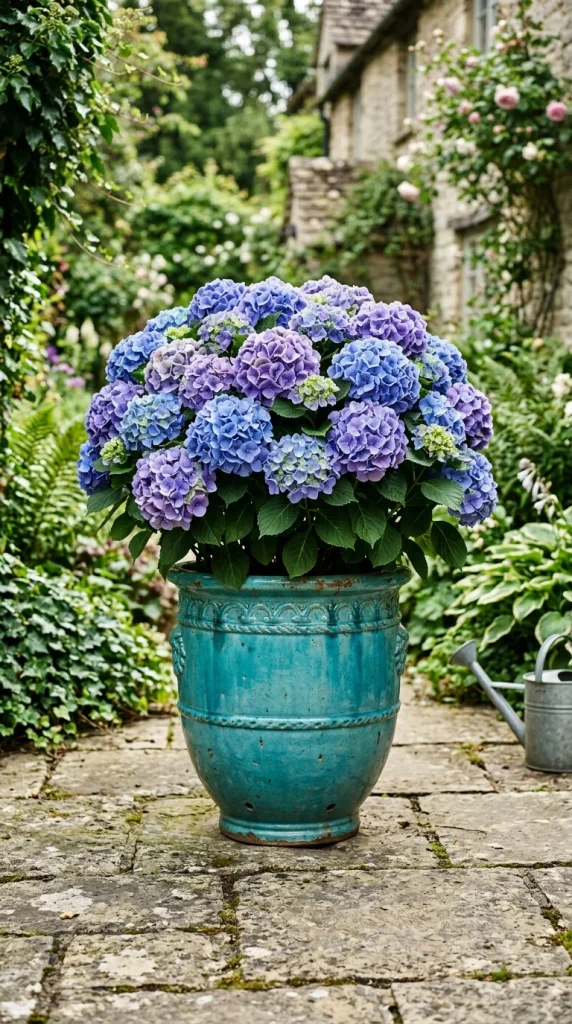
You can grow spectacular hydrangeas in containers, but they need room to breathe. Choose a pot that is at least 16-20 inches in diameter. Because pots dry out much faster than the ground, you may need to water container hydrangeas daily in the summer. Use a high-quality potting mix with added perlite for drainage and moisture-retaining crystals to help bridge the gap between waterings.
18. Insect management
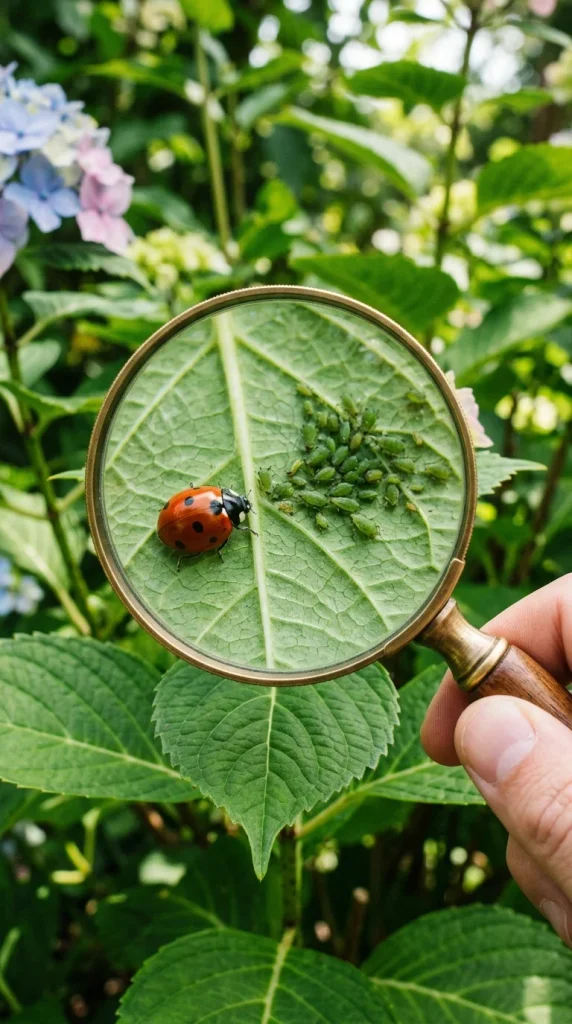
Pests like aphids, spider mites, and Japanese beetles can stress a hydrangea, causing it to drop its buds or produce stunted flowers. Keep a close eye on the undersides of leaves. For most pests, a sharp blast of water from the hose or an application of organic neem oil is enough to keep populations in check. A healthy, unstressed plant is far more likely to produce the massive, show-stopping blooms you desire.