Creating a Zen garden is an exercise in mindfulness, balance, and harmony with nature. In Japanese landscaping, water—or sui—is one of the most vital elements. It represents the flow of life, provides a sense of calm through its sound, and offers a mirror to the sky. Whether you have a sprawling estate or a small urban courtyard, incorporating a pond can transform your outdoor space into a sanctuary for reflection. Here are 27 inspired ideas to bring the timeless beauty of a Japanese pond to your backyard.
1. Koi Pond
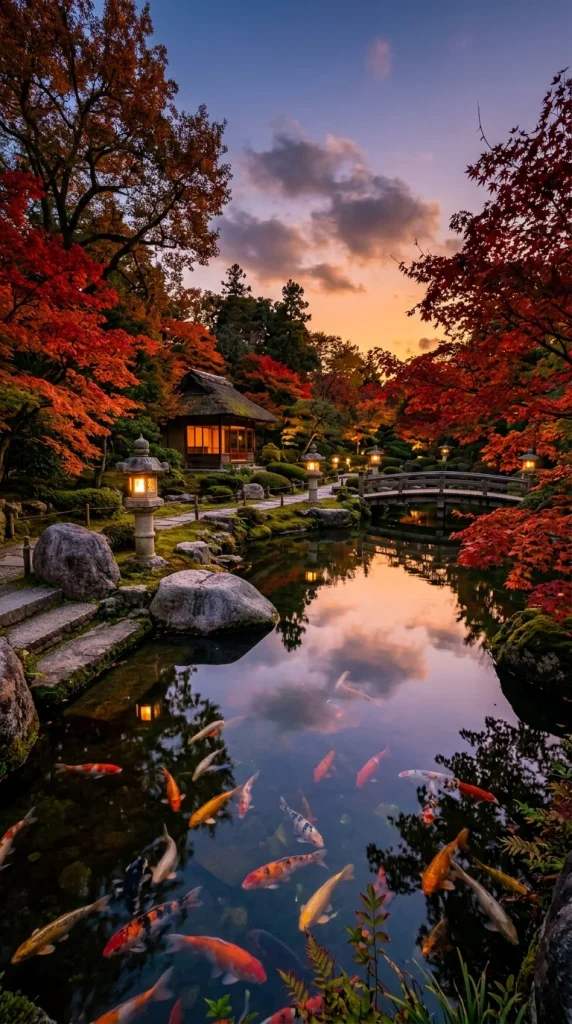
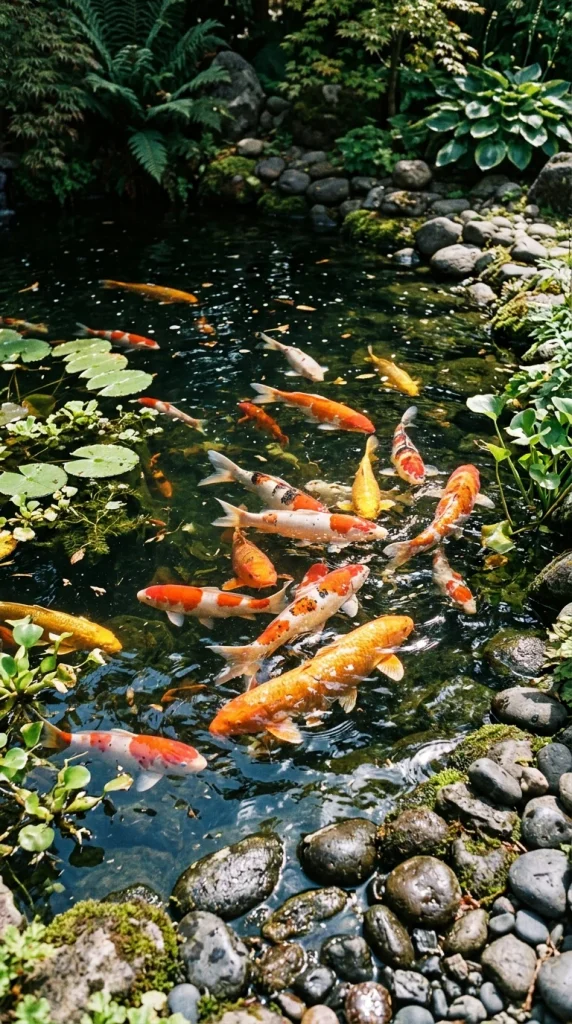
The quintessential Japanese water feature, a Koi pond is a living piece of art. These ponds are typically deeper than average garden ponds to accommodate the growth of Nishikigoi (brocaded carp). To achieve the Zen look, focus on high-quality filtration to keep the water gin-clear, allowing the rhythmic movement of the fish to become a form of meditation.
2. Tsukubai Fountain
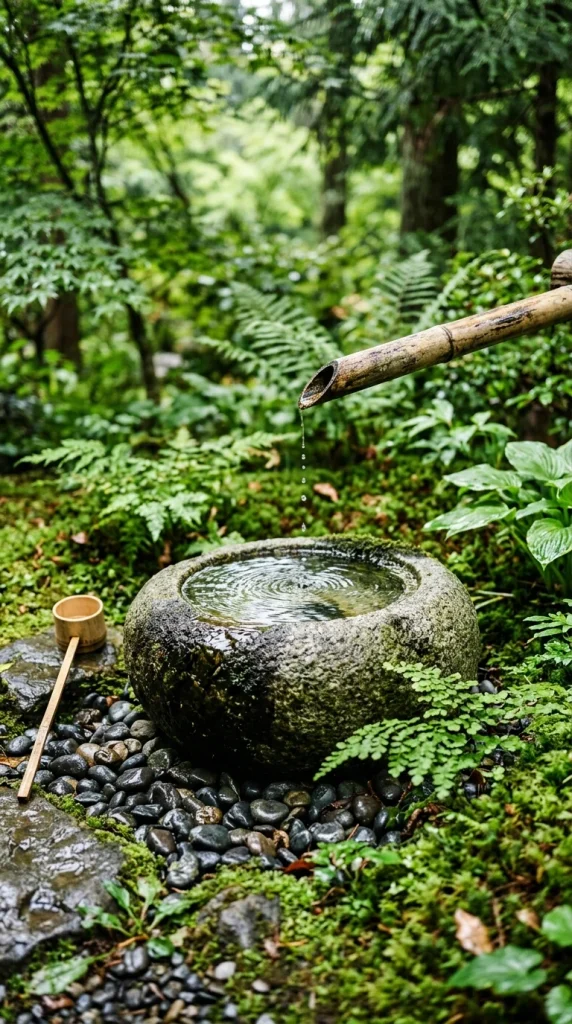
Traditionally found at the entrance of Japanese tea gardens, a Tsukubai is a ritual washbasin. It encourages guests to bow in humility while rinsing their hands. For a backyard, it serves as a minimalist focal point. The slow, rhythmic “drip-drip” of water against the stone creates a hypnotic soundscape that drowns out city noise.
3. Shishi-odoshi
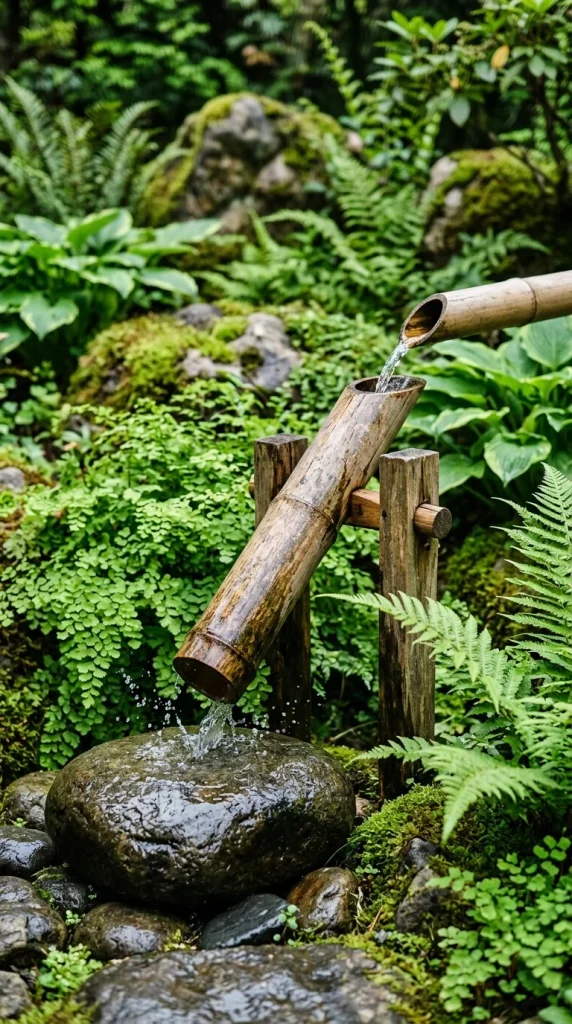
Also known as a “deer scarer,” the Shishi-odoshi adds an auditory rhythm to your garden. The bamboo tube pivots on a pin; when full, it tips and strikes a rock, creating a sharp, wooden sound. This feature was originally intended to startle animals away from crops, but in a modern Zen garden, it marks the passage of time and provides a sharp contrast to the surrounding silence.
4. Stone Bridge
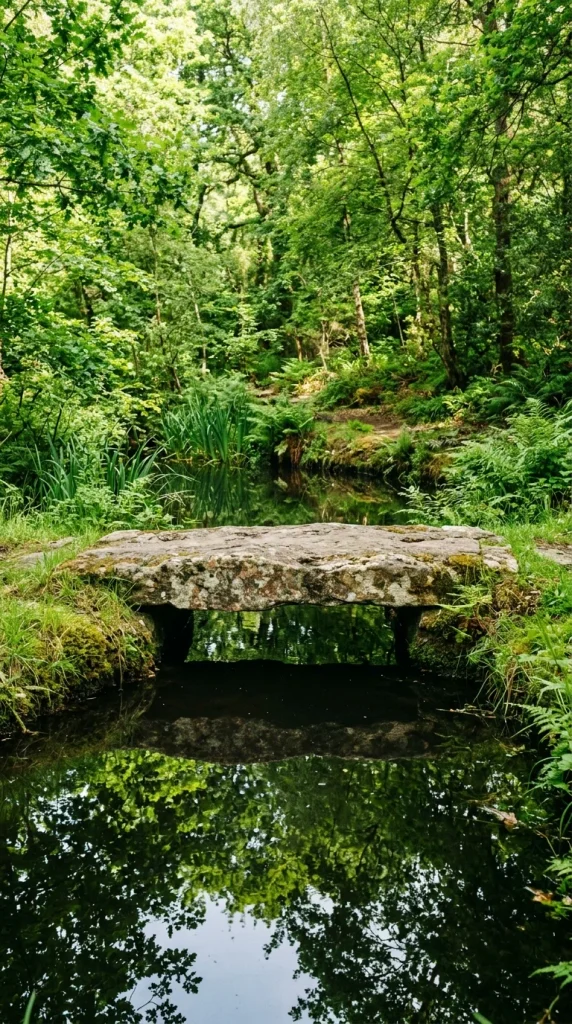
A bridge in a Japanese garden represents the journey between the mortal world and the spiritual realm. For a Zen pond, choose a simple, unadorned stone slab. Avoid ornate railings; the goal is to make the bridge look as if it were placed there by nature itself centuries ago.
5. Mossy Banks
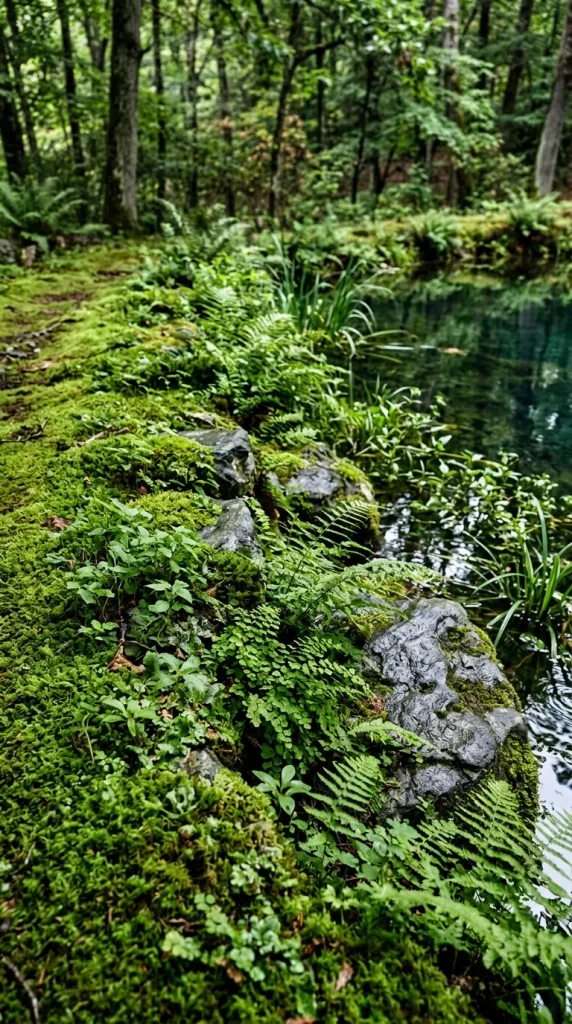
Moss is the ultimate symbol of age and tranquility in Japanese culture. Instead of manicured grass, allow moss to creep over the edges of your pond and onto the surrounding rocks. This softens the transition between land and water, making the pond feel like an ancient, hidden spring discovered in a deep forest.
6. Lantern Accents
Stone lanterns, or tōrō, were originally used to light paths to temples. In your backyard, a lantern placed near the water’s edge provides a vertical element that balances the horizontal plane of the pond. The reflection of the lantern’s light in the water at night creates a double image that is profoundly peaceful.
7. Stepping Stones
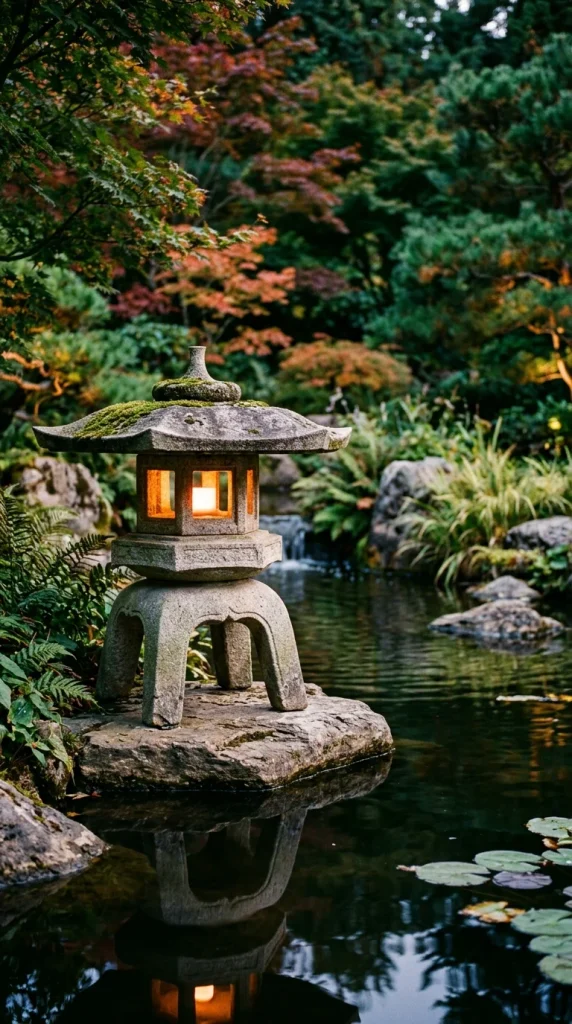
Iso-watari are stepping stones that allow you to “walk on water.” This encourages a slow, mindful pace as you cross the pond. By forcing the walker to pay attention to their feet, the stones pull them into the present moment—the very essence of Zen practice.
8. Bamboo Surround
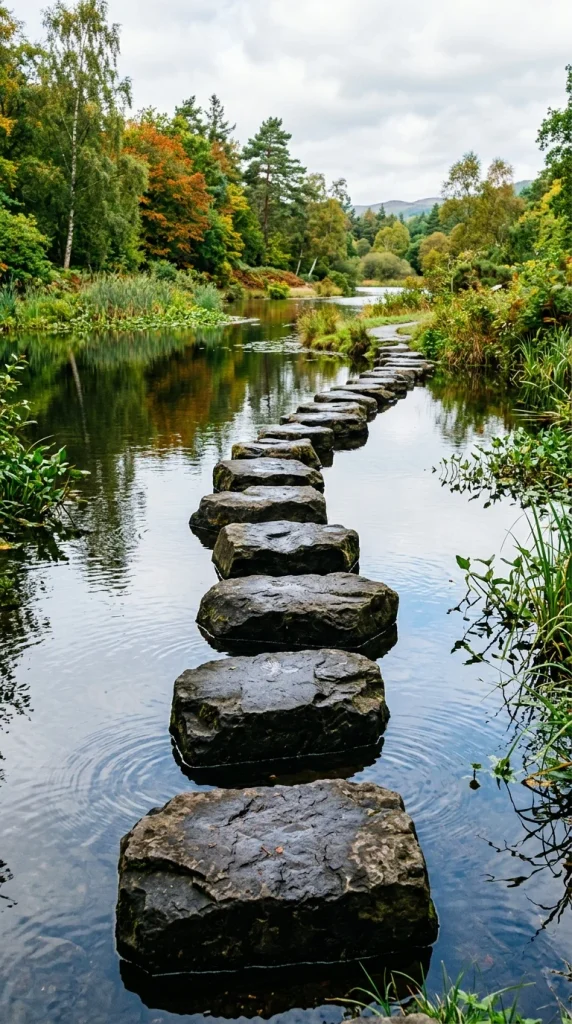
Bamboo provides a sense of enclosure and privacy. Planting a “wall” of bamboo behind your pond creates a backdrop of rustling leaves and vertical lines. It acts as a natural screen, blocking out the modern world and framing your water feature within a private green sanctuary.
9. Waterfall Tiers
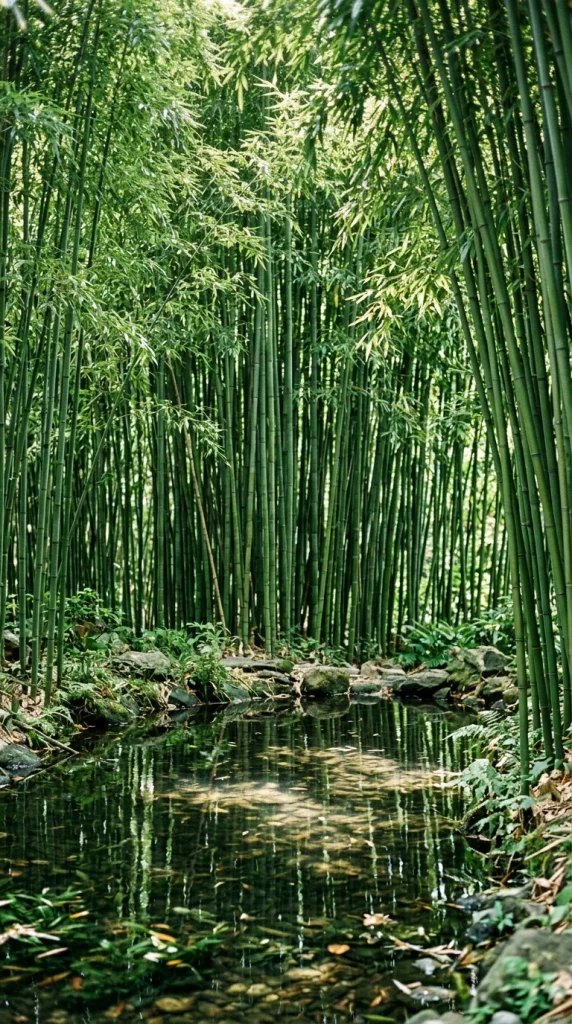
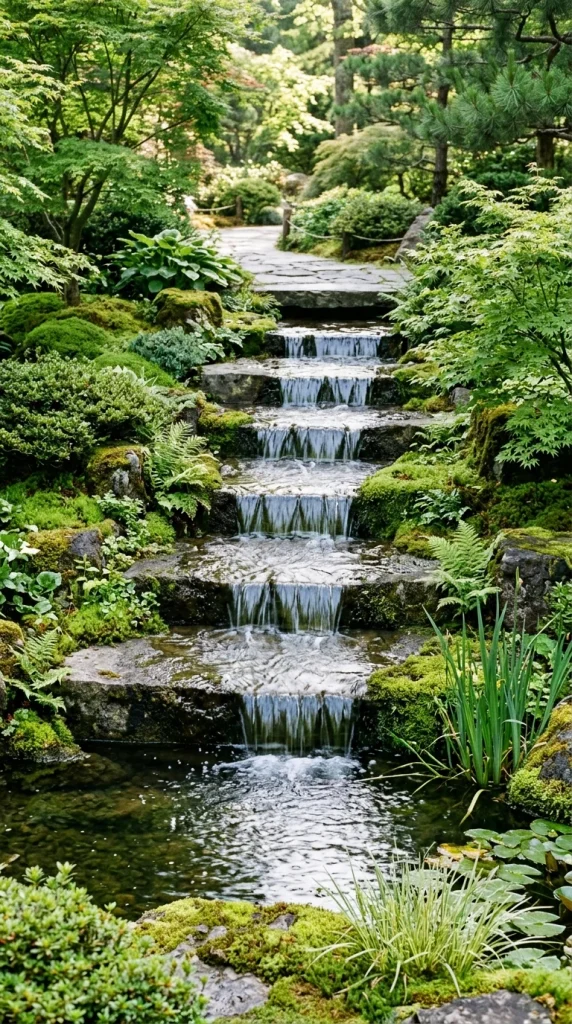
In Japanese gardening, waterfalls are often designed to mimic famous natural falls. Use “staircase” rocks to create a tiered effect. The sound of cascading water is not just aesthetic; it aerates the pond, keeping the ecosystem healthy while providing a constant, soothing white noise.
10. Minimalist Square
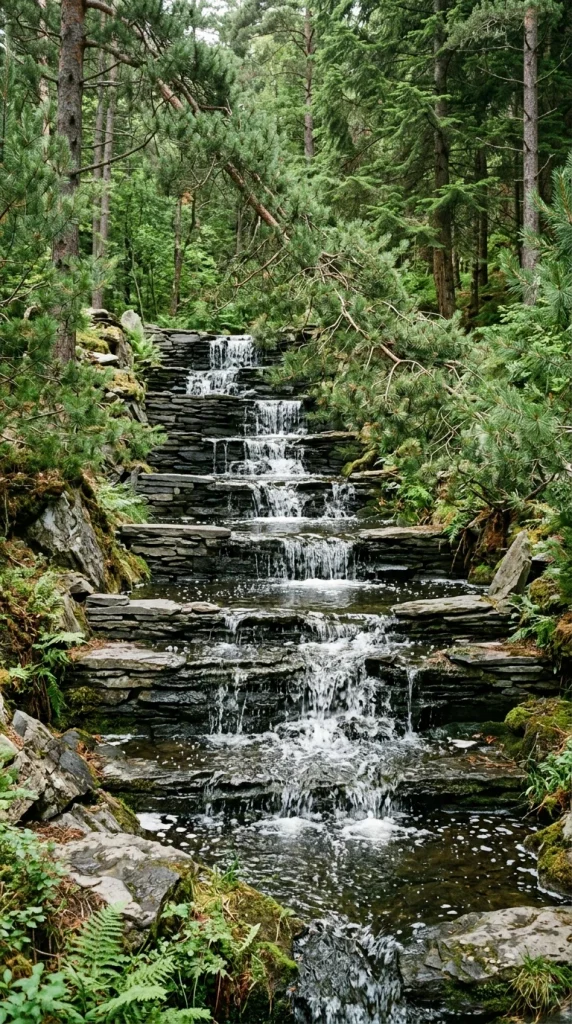
Zen can also be interpreted through modern minimalism. A perfectly geometric square or rectangular pond with clean lines represents order and human harmony with nature. Using a dark bottom creates a “mirror pond” effect, where the reflection of the sky is the primary decorative element.
11. Lily Pads
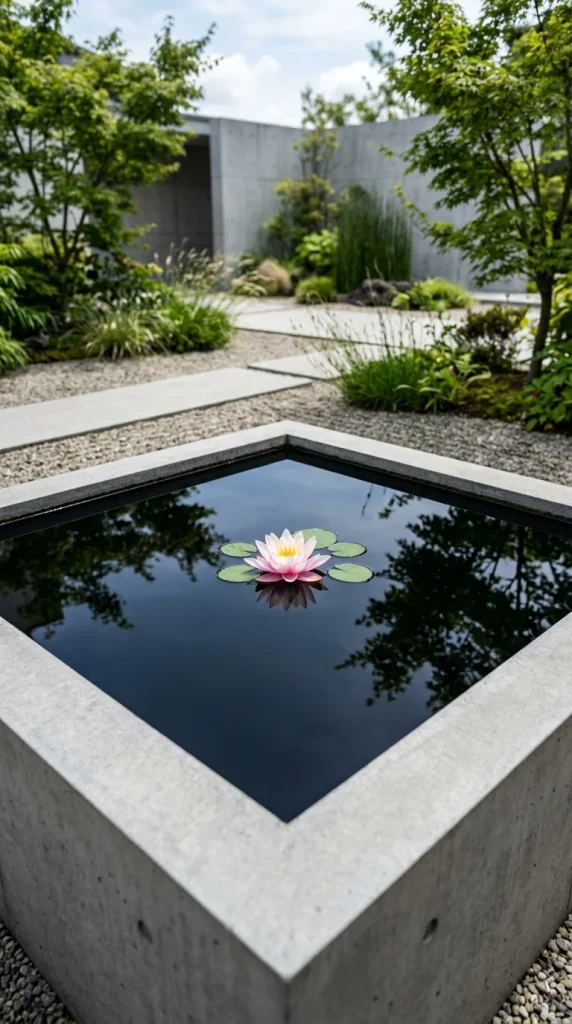
The lotus and the water lily are symbols of purity and enlightenment, as they rise from the mud to bloom beautifully on the surface. Introducing these plants adds a layer of horizontal texture to the water’s surface and provides essential shade for pond life, keeping the water temperature stable.
12. Hidden Grottos
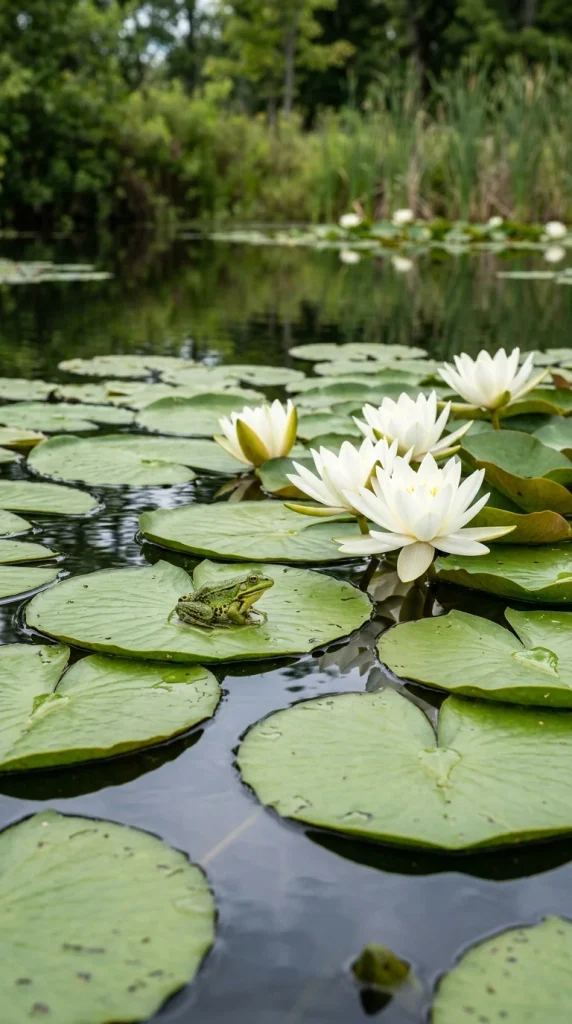
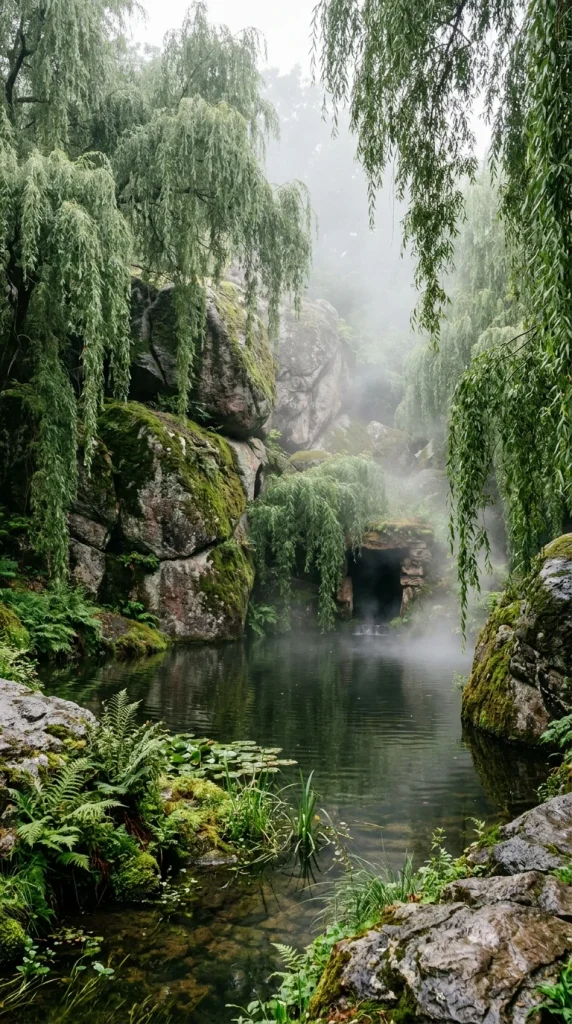
Creating a sense of mystery is a key principle of Japanese design (mieurakure, or “hide and reveal”). By partially obscuring parts of the pond with large rocks or weeping foliage, you invite the viewer to explore and discover hidden corners, making a small backyard feel much larger and more complex.
13. Zen Sand Island
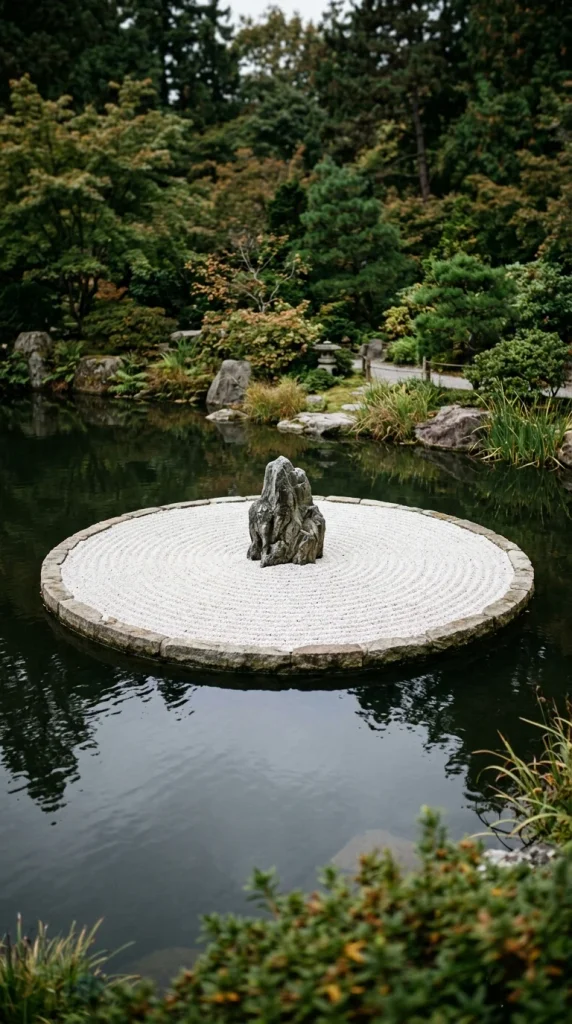
Combining the “dry garden” (Karesansui) with a “wet garden” involves placing a small raked sand island within your pond. This creates a fascinating contrast between the literal water of the pond and the symbolic water of the raked gravel, representing the duality of nature.
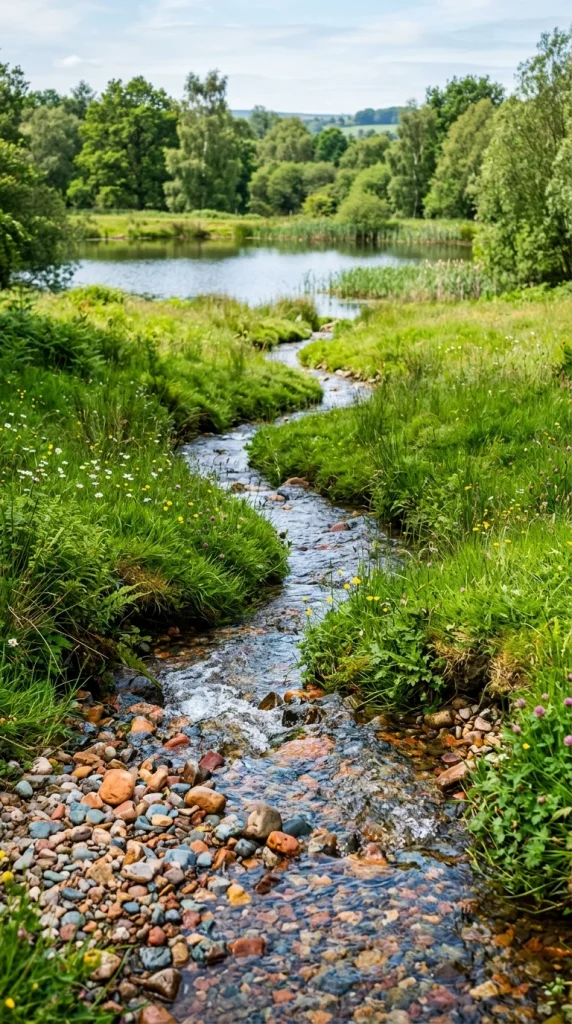
14. Winding Stream
Instead of a static pond, consider a Yarimizu—a winding stream that feeds into a larger basin. The movement of water over pebbles creates a delicate “babbling” sound that is incredibly relaxing. The curves of the stream should be organic and irregular to mimic a mountain brook.
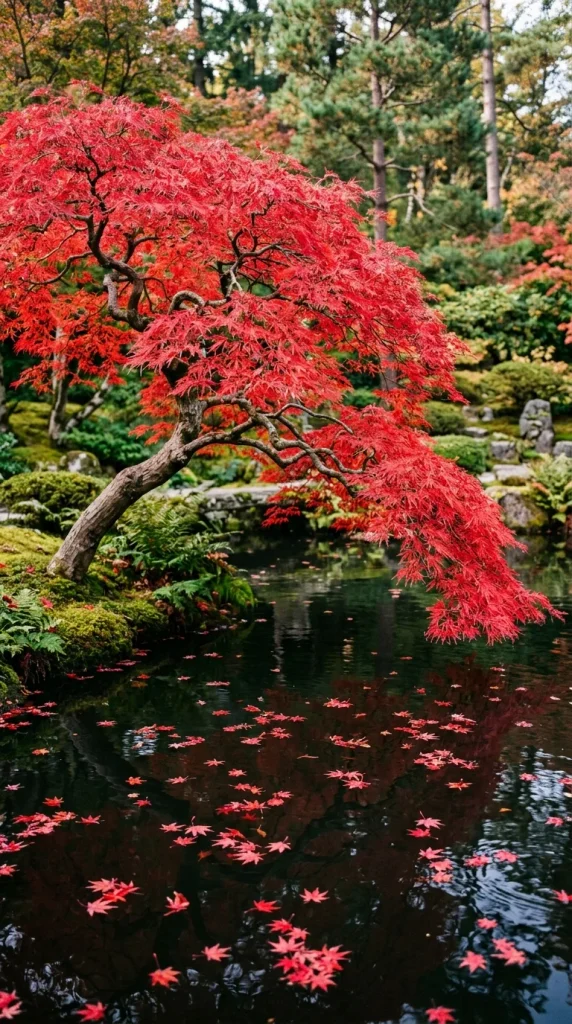
15. Overhanging Maples
The Acer palmatum (Japanese Maple) is the iconic tree of the Zen garden. Planting one so its branches drape over the water creates a stunning seasonal display. In spring, the leaves are vibrant green or red; in autumn, they turn into a fiery canopy that drops “stars” of foliage into the water.
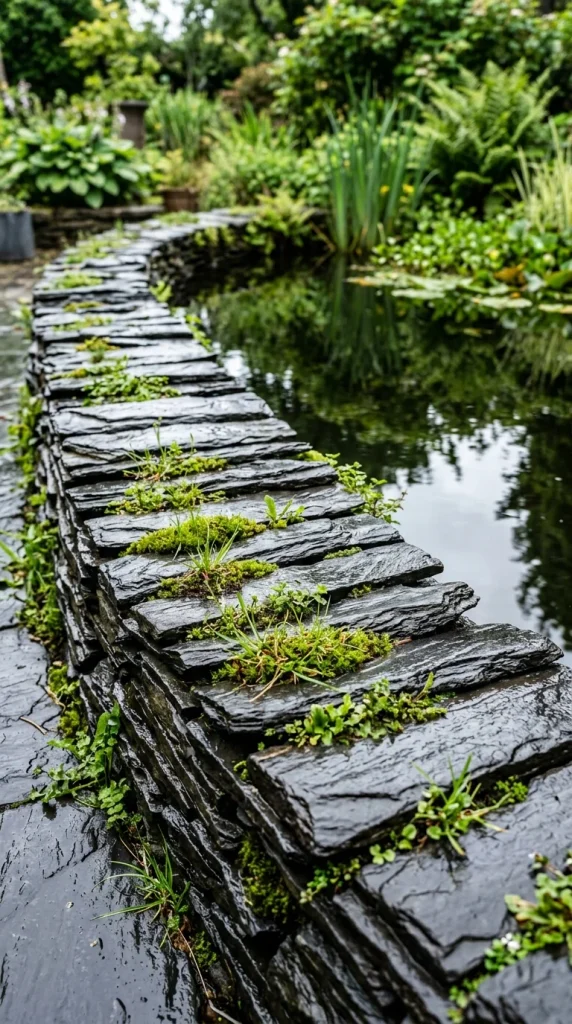
16. Slate Edging
Using stacked slate or shale provides a sophisticated, geological look. The flat layers mimic the sedimentary rock found in Japanese riverbeds. It provides a clean yet natural edge that prevents soil runoff while offering a platform for birds to land and drink.
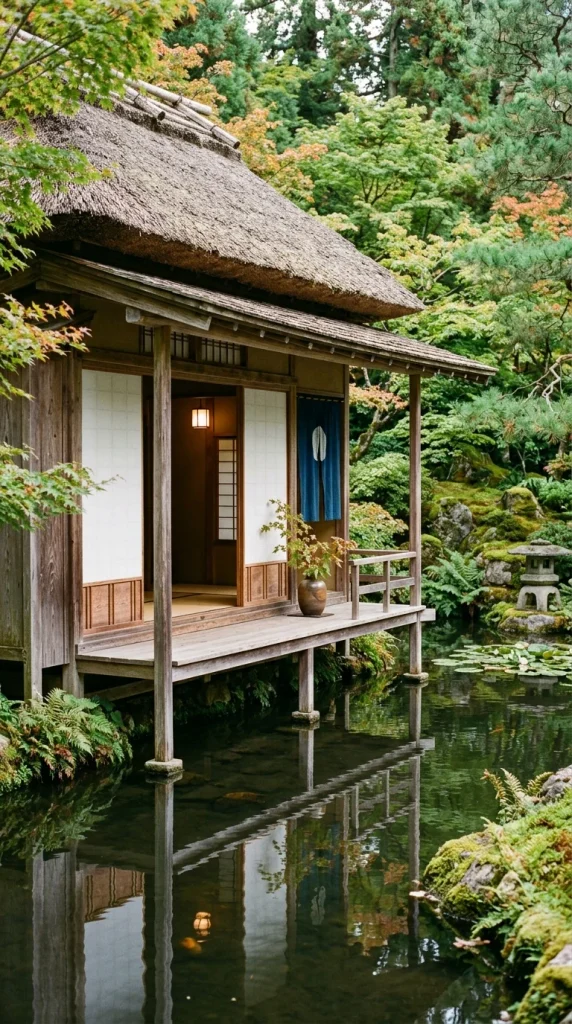
17. Tea House View
If space allows, a small wooden structure or “tea house” overlooking the pond provides a dedicated space for meditation or enjoying a cup of tea. Being able to sit in a sheltered spot and watch the ripples on the water is the ultimate way to experience a backyard Zen garden.
18. Submerged Lighting
While traditional Zen gardens rely on natural light and stone lanterns, subtle modern technology can enhance the evening experience. Submerged LED lights can highlight the movement of fish and the texture of underwater rocks, turning the pond into a glowing, ethereal landscape after the sun goes down.
19. Floating Deck
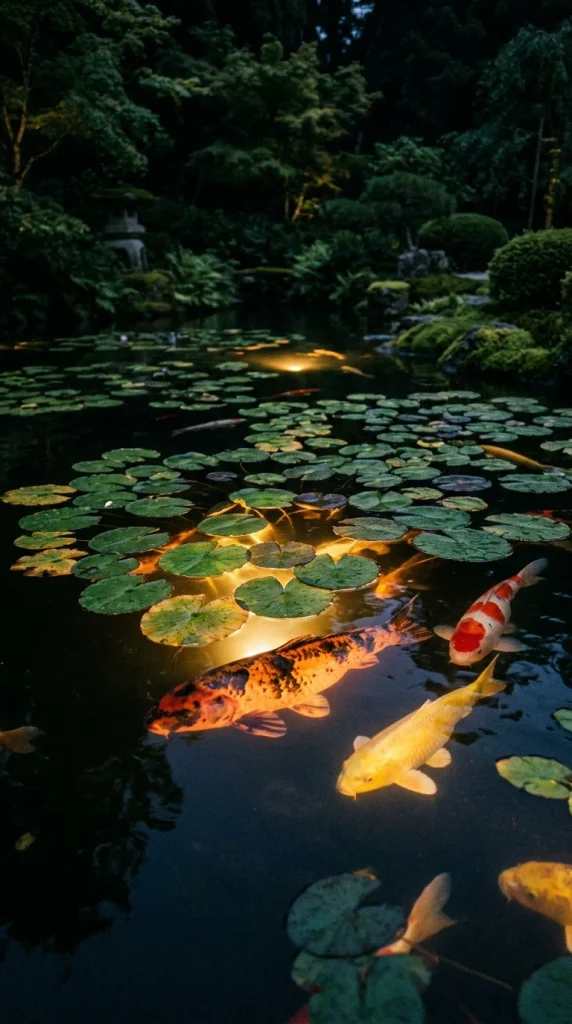
An “engawa” style floating deck allows you to sit with your feet dangling just above the water. This physical proximity to the pond enhances the sensory connection to the water, making the observer feel like an integrated part of the garden rather than just a spectator.
20. Natural Rockery
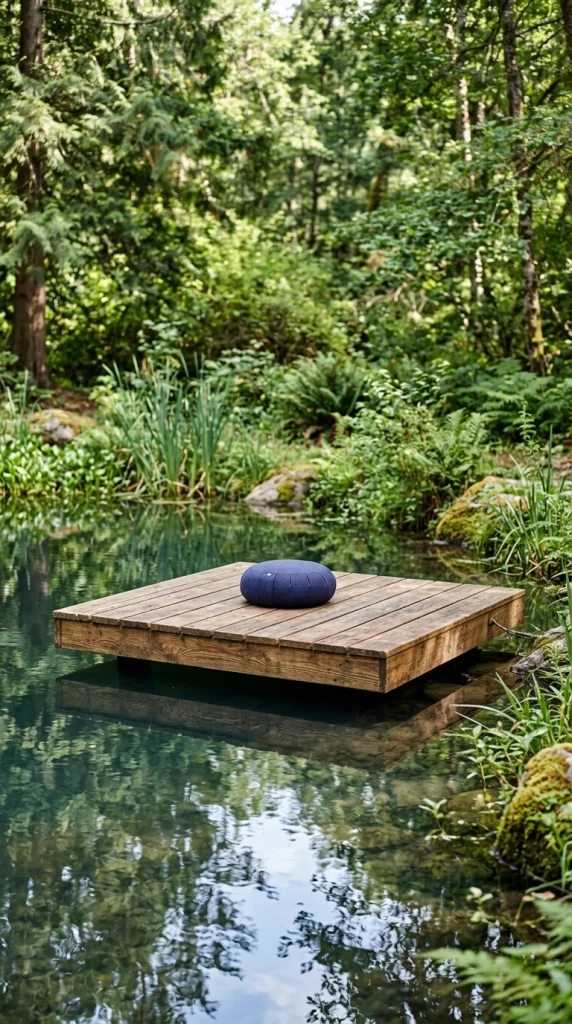
In Japanese garden philosophy, rocks are the “bones” of the garden. A well-designed rockery involves selecting stones that look like they have been there for millennia. Group them in odd numbers (triads are common) to create a natural, asymmetrical balance that leads the eye toward the water.
21. Circular Basin
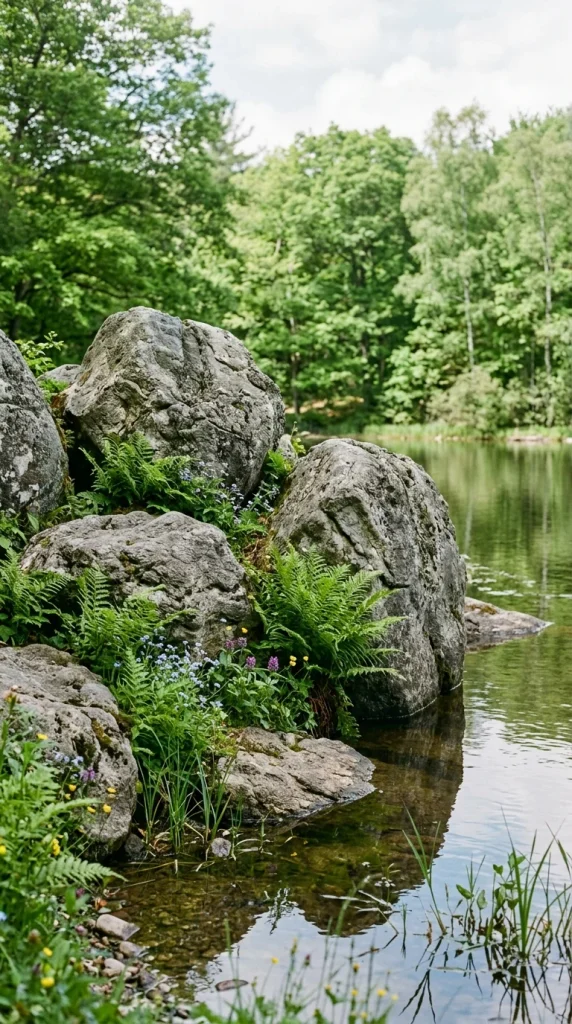
A circular basin represents the moon and the cycle of life. This is a perfect solution for very small backyards. Even a single, large stone bowl overflowing with water can provide the same Zen benefits as a full-scale pond, focusing the mind on a single, perfect point of movement.
22. Fern Border
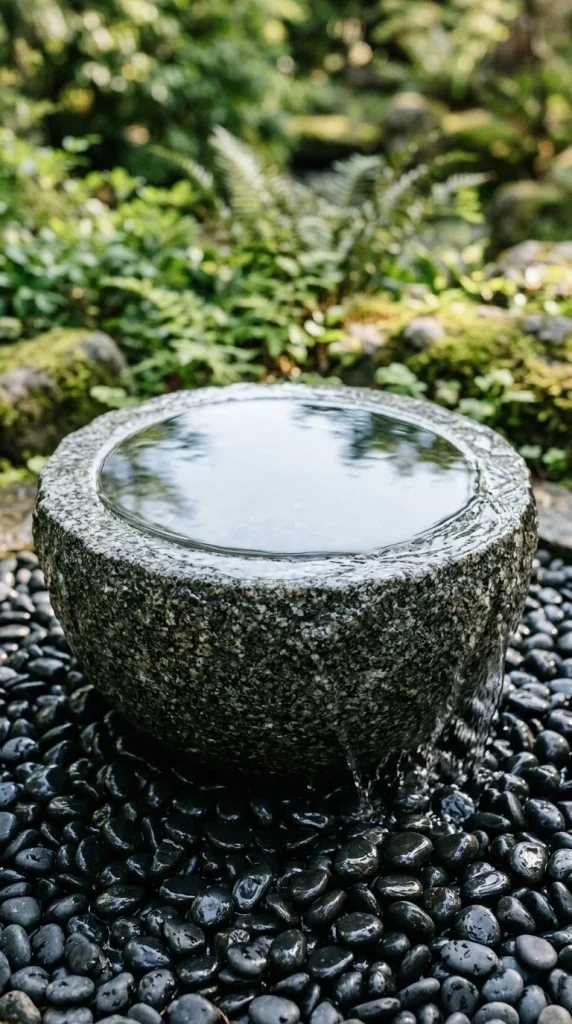
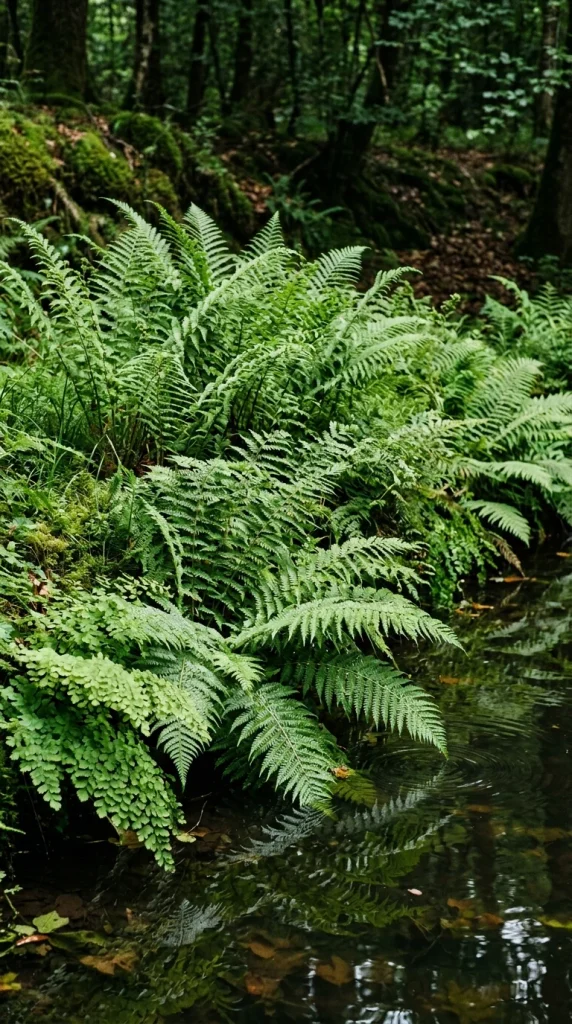
Ferns thrive in the humid microclimate created by a pond. Their ancient, prehistoric appearance fits the “timeless” aesthetic of Zen design. Planting a variety of ferns around the water’s edge creates a lush, prehistoric feel that suggests a deep forest spring.
23. Dry Riverbed (Karesansui)
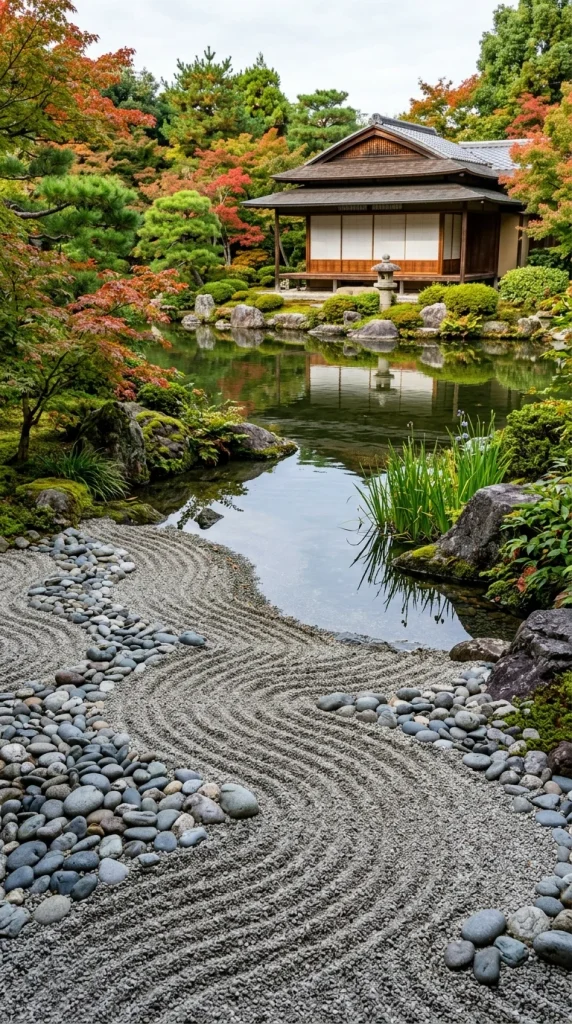
A unique idea is to have a “half-and-half” garden where a physical pond transitions into a dry riverbed made of raked gravel. This design highlights the transition between the physical and the symbolic, a core concept in Japanese Zen Buddhism.
24. Bonsai Display
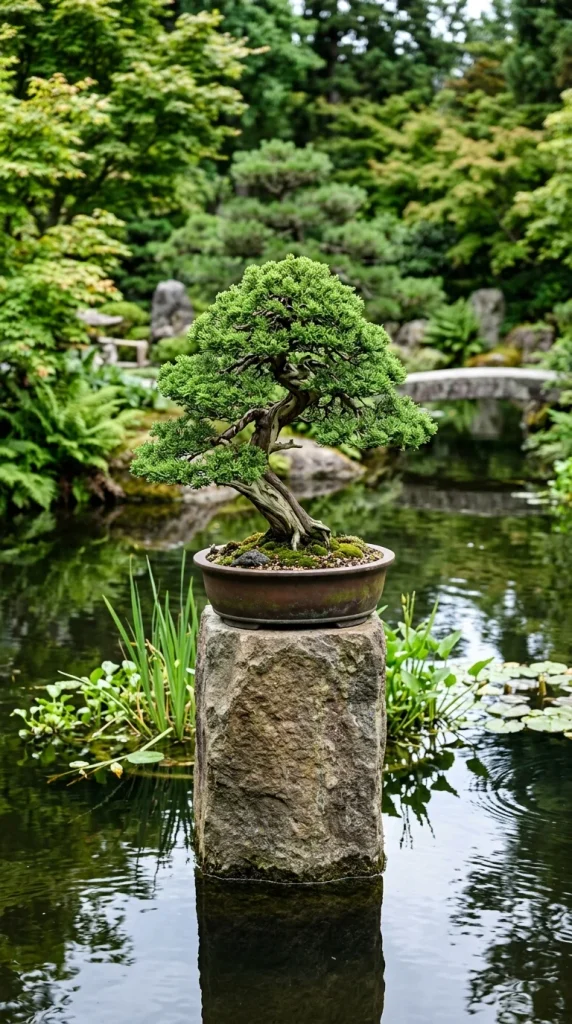
Placing a prized bonsai on a stone “island” or pedestal within the pond protects it from pests and creates a dramatic focal point. The scale of the miniature tree against the water makes the pond look like a vast lake, playing with the viewer’s sense of perspective.
25. Wooden Boardwalk
A “Yatsuhashi” or zigzag bridge is designed to make the walker slow down and change their view with every turn. Legend says it also prevents evil spirits from following you, as they can only travel in straight lines. Practically, it offers multiple vantage points to admire your pond and plants.
26. Cascading Steps
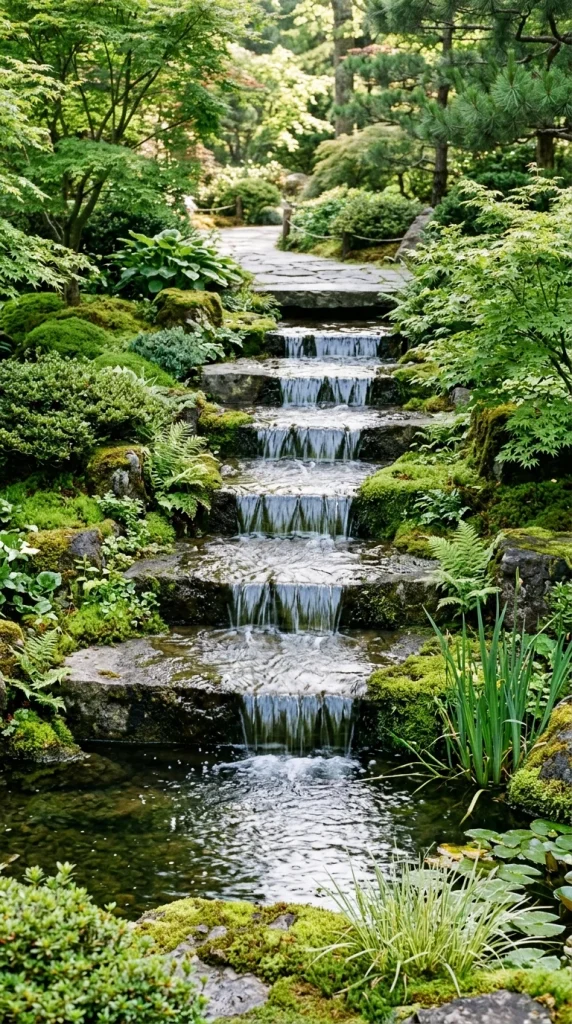
Unlike a rugged waterfall, cascading steps create a more architectural and orderly water feature. This is ideal for sloped backyards. The sight of thin sheets of water falling over stone steps creates a rhythmic, musical sound that is both structured and natural.
27. Reflection Pool
The reflection pool is the ultimate minimalist Zen pond. It is usually quite shallow and designed to be perfectly still. By keeping the water surface undisturbed, the pond becomes a literal mirror, bringing the beauty of the sky, the trees, and the architecture down to earth, inviting the viewer into a state of deep contemplation.