Cinder blocks, often dismissed as the utilitarian “ugly ducklings” of the construction world, are undergoing a massive design renaissance. Once reserved for foundation walls and industrial backlots, these versatile concrete units are now being embraced by landscape architects and DIY enthusiasts alike for their durability, affordability, and surprisingly modern aesthetic. With a bit of creativity, a stack of standard blocks can be transformed into a high-end architectural feature that rivals expensive custom masonry.
Whether you are looking to create a private sanctuary, a tiered garden, or a sleek industrial boundary, the humble cinder block offers endless structural possibilities. Here are 16 cinder block fence ideas that prove functional can be incredibly fashionable.
1. Modern Stucco
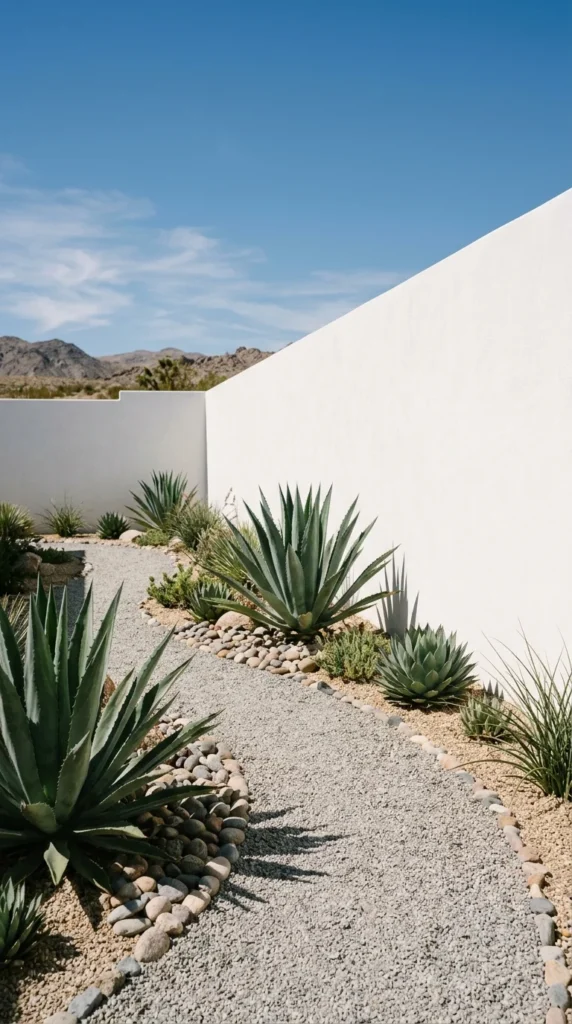
One of the most effective ways to elevate a cinder block fence is to hide the blocks entirely under a layer of smooth stucco. This creates a monolithic, high-end look reminiscent of Mediterranean or contemporary Southwestern architecture. By applying a fine-texture finish and a coat of premium exterior paint—ranging from crisp gallery white to deep slate gray—you create a seamless backdrop that makes your garden greenery pop.
2. Vertical Planters
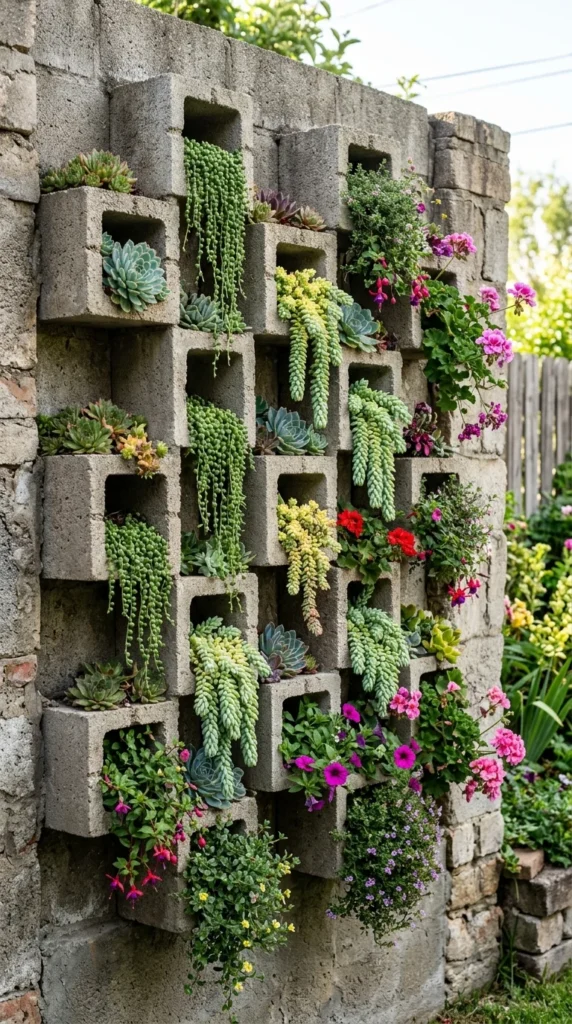
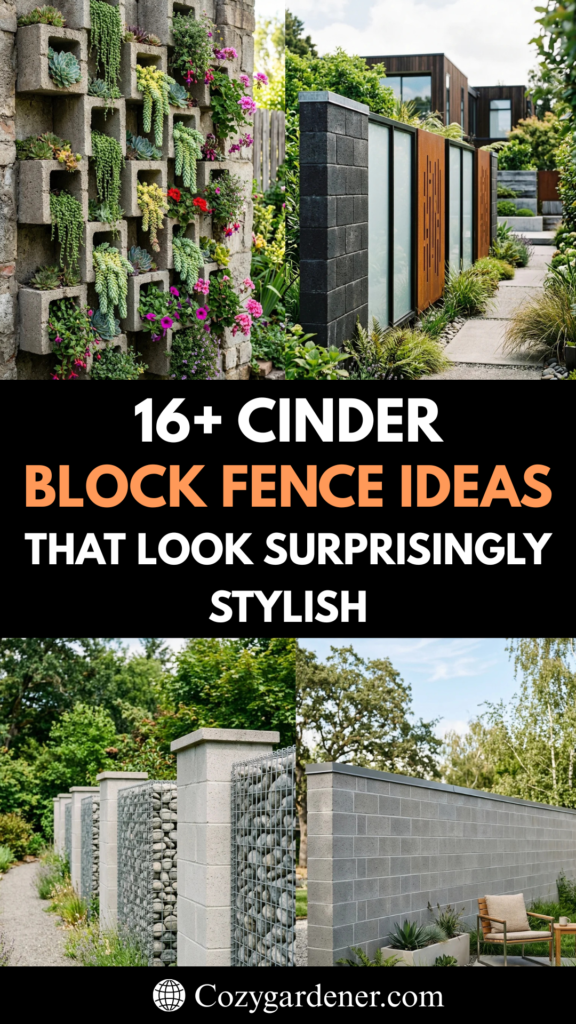
Cinder blocks are naturally designed with hollow “cores.” By turning a few blocks sideways so the holes face outward, you create built-in pockets for a living wall. This technique breaks up the monotony of a solid wall and introduces organic texture. It’s an ideal solution for small urban backyards where ground space for gardening is limited, allowing you to grow herbs, succulents, or trailing vines directly within your boundary wall.
3. Wood Inlays
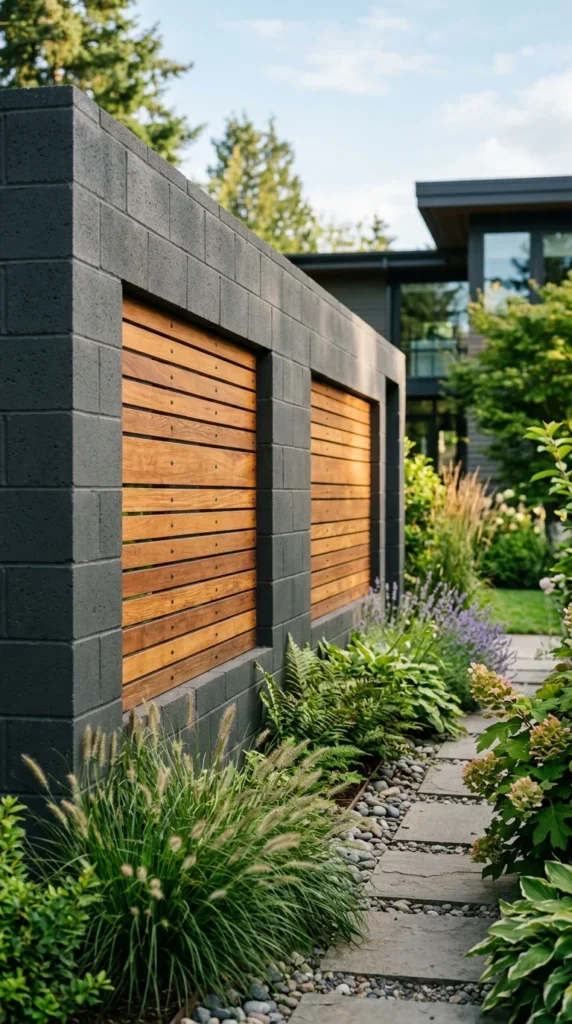
The juxtaposition of cold, industrial concrete and warm, organic wood is a staple of modern design. By leaving gaps in your cinder block construction and filling them with horizontal cedar or redwood slats, you create a fence that feels architectural and intentional. The wood provides a “softness” to the structure, while the blocks offer a sturdy, permanent frame that resists the elements better than a purely wooden fence.
4. Breeze Blocks
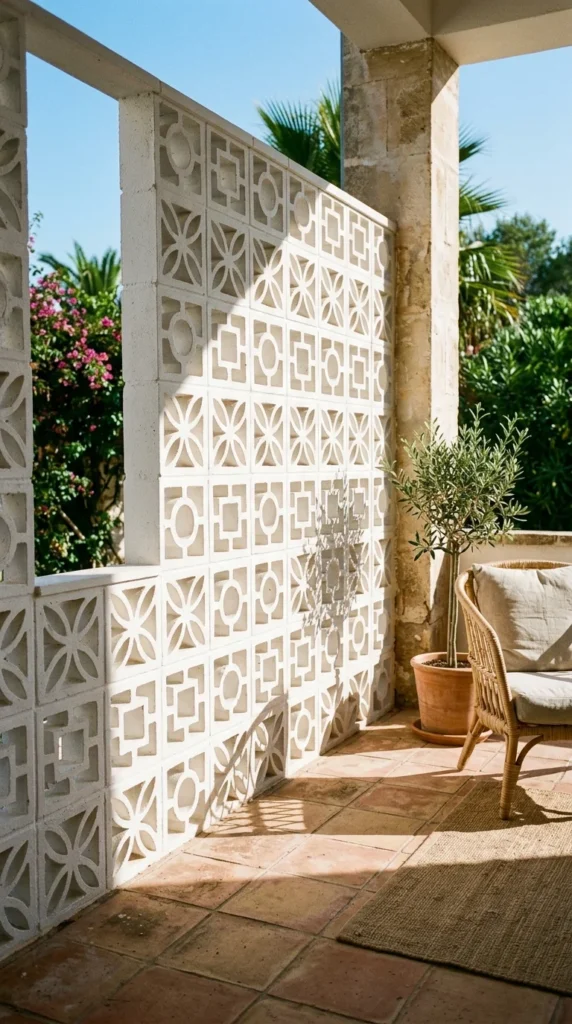
For those who love a Mid-Century Modern aesthetic, decorative “breeze blocks” are the ultimate choice. These are specialized cinder blocks with geometric patterns that allow for airflow and dappled light. Using them as a top decorative layer or as inset panels within a standard block wall adds a vintage, airy feel to your yard while maintaining a clear sense of boundary and security.
5. Tiered Retaining
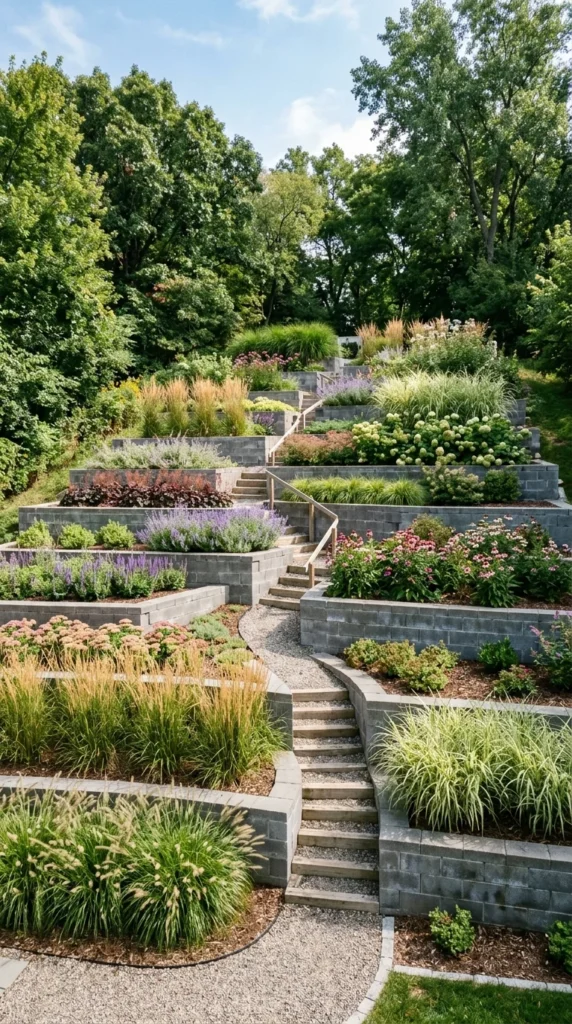
If your property sits on a slope, cinder blocks are the perfect material for a tiered fence and retaining wall combo. By stepping the blocks down the incline, you create distinct levels that can be used for planting or seating. To keep it stylish, use textured blocks or cap the edges with flat flagstones to give the structure a finished, professional look that anchors the landscape.
6. Floating Benches
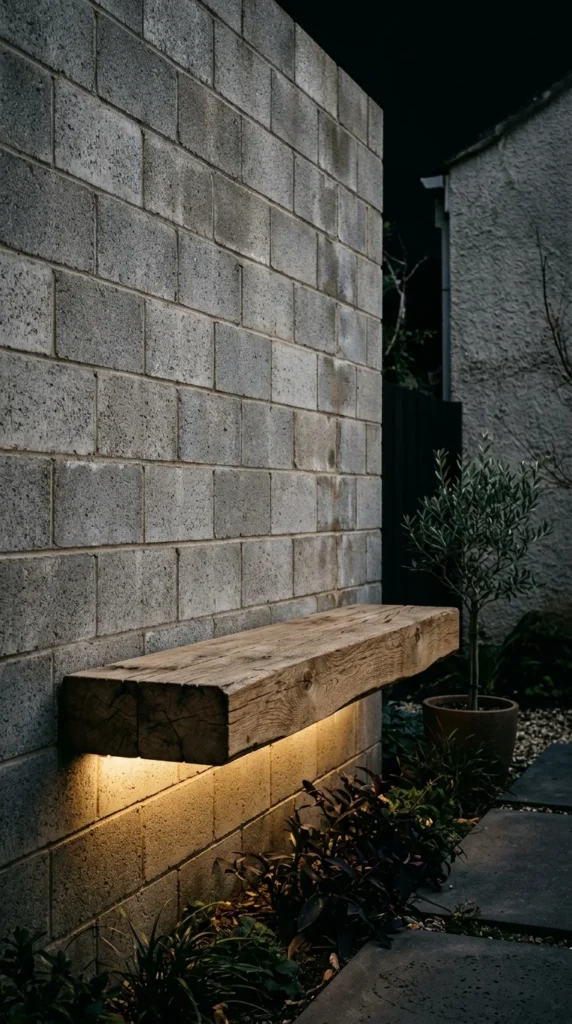
Why settle for just a fence when you can have furniture? Cinder blocks provide the structural integrity needed to support “floating” benches. By anchoring heavy wooden beams or stone slabs into the blockwork, you can create a seamless seating area that wraps around your yard. This is particularly effective in patio areas or near fire pits, where the fence doubles as a social hub.
7. Stone Veneer
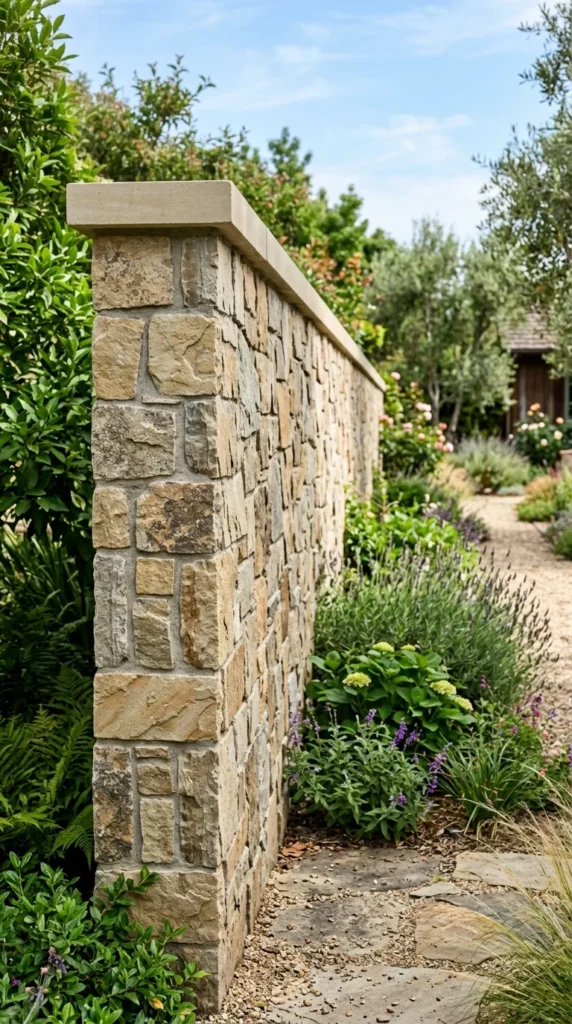
If you love the look of expensive dry-stack stone but don’t have the budget for a professional stonemason, cinder blocks are your secret weapon. Use standard blocks for the structural core and then apply a thin stone veneer to the exterior. This gives you the prestigious look of a solid stone wall with the speed and cost-efficiency of concrete block construction.
8. Integrated Lighting
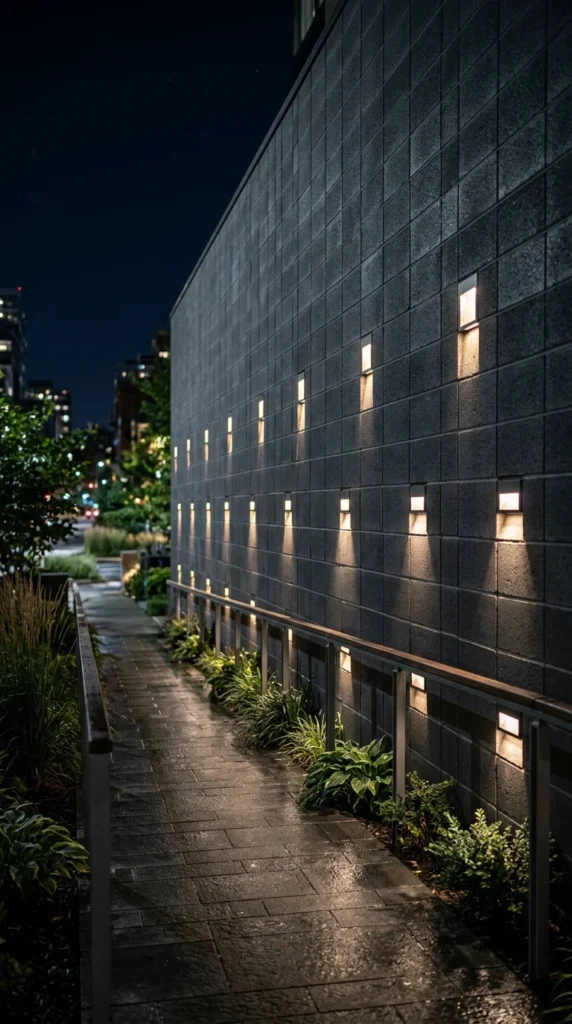
Lighting can turn a simple wall into a dramatic landscape feature. Because cinder blocks are hollow, they provide the perfect conduit for running electrical wires. By installing recessed LED “step lights” or uplights directly into the blocks, you create a fence that glows beautifully at night. This not only adds safety and security but also highlights the texture of the wall after the sun goes down.
9. Color Blocking
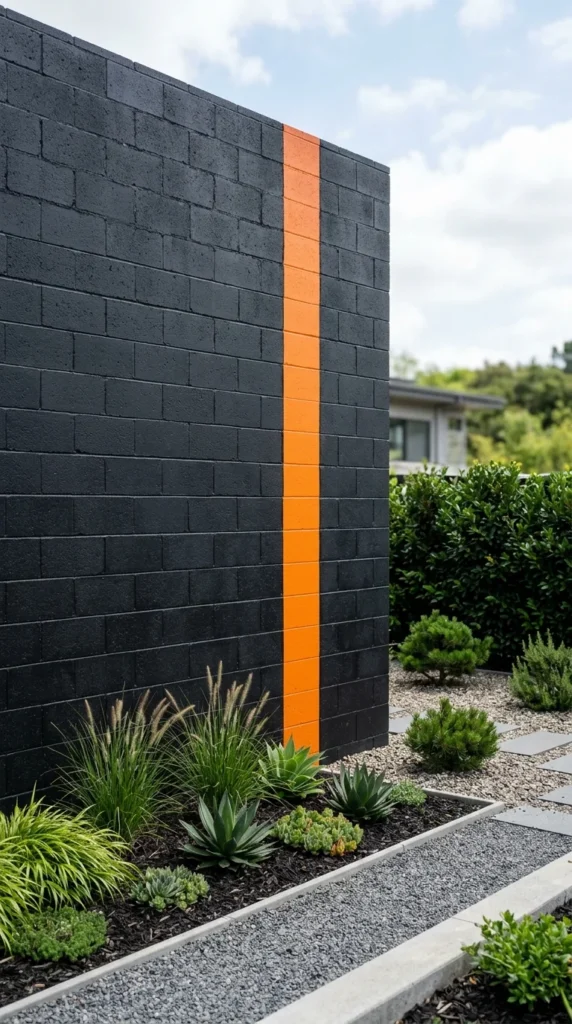
Sometimes, all a cinder block fence needs is a bold color palette. Matte black, deep navy, or forest green can make the grid pattern of the blocks look chic and intentional rather than unfinished. For a more artistic approach, you can use “color blocking”—painting different sections of the wall in contrasting hues—to create a large-scale geometric mural that serves as a focal point for the entire outdoor space.
10. Slotted Sections
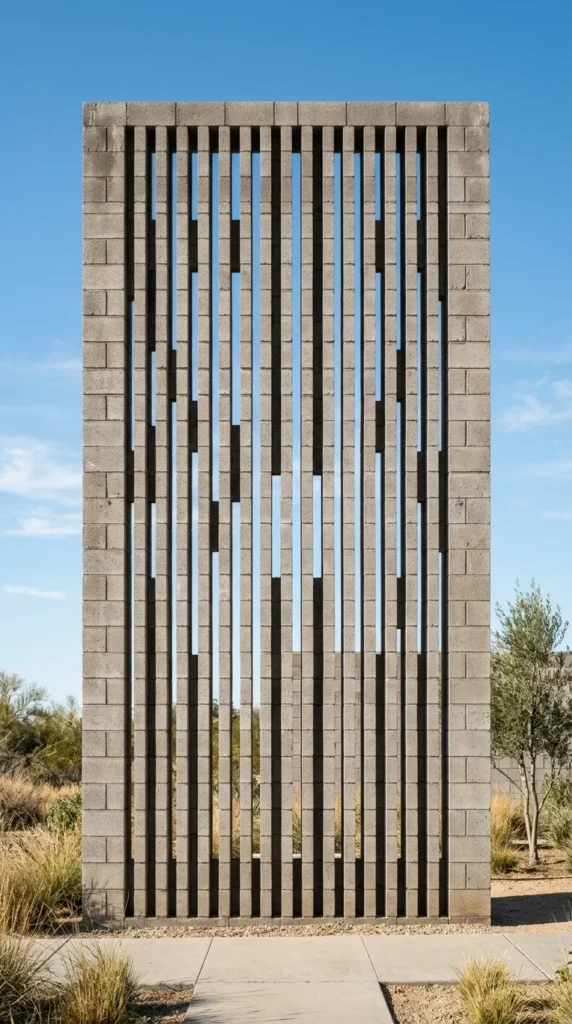
To avoid a “prison wall” feel, consider incorporating vertical or horizontal slots into your design. By omitting certain blocks or spacing them out slightly, you create a rhythmic pattern that allows for ventilation and glimpses of the landscape beyond. This architectural detail makes the fence feel lighter and more integrated into the surrounding environment while still providing a clear physical barrier.
11. Gabion Fusion
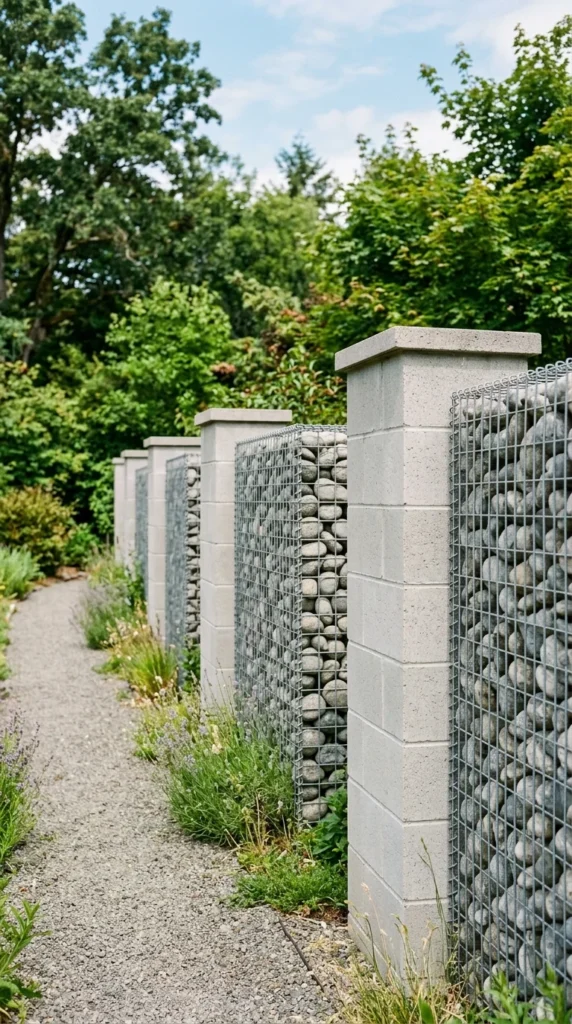
Gabion baskets (wire cages filled with rocks) are a popular landscape trend that pairs beautifully with cinder blocks. By alternating sections of solid blockwork with stone-filled wire cages, you create a fence with incredible visual interest and varying textures. The heavy, solid nature of the blocks complements the raw, organic look of the loose stones, resulting in a wall that looks like a piece of modern art.
12. Industrial Raw
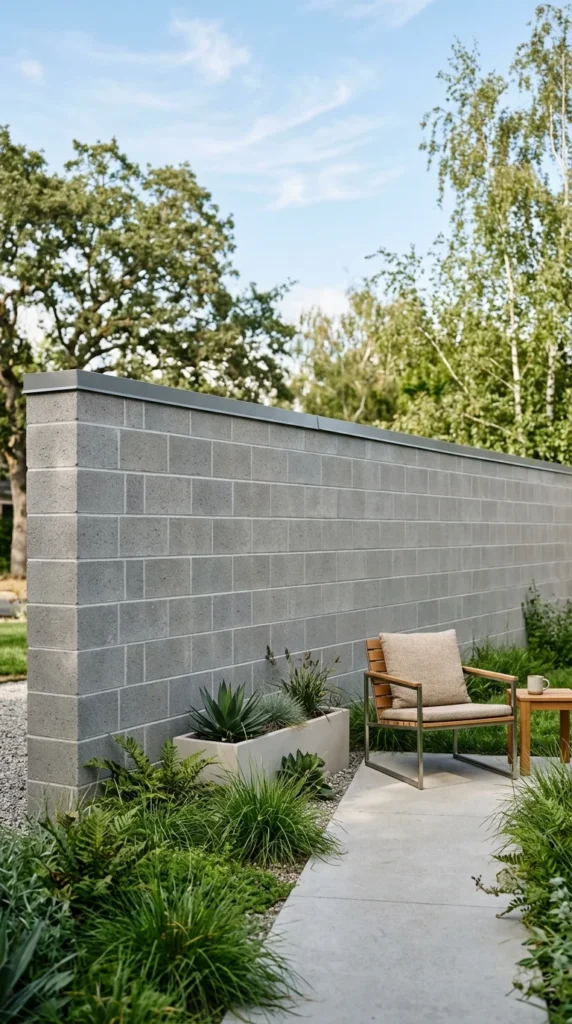
In the right setting—particularly in modern or industrial-style homes—the raw look of concrete is exactly what’s needed. The key to making “raw” cinder blocks look stylish is precision. Using high-quality blocks with clean edges and ensuring the mortar lines are perfectly uniform creates a “brutalist” aesthetic that is currently very trendy in high-end architecture. Finish the look with a sleek metal or concrete cap to protect the wall and add a touch of polish.
13. Ivy Trellis
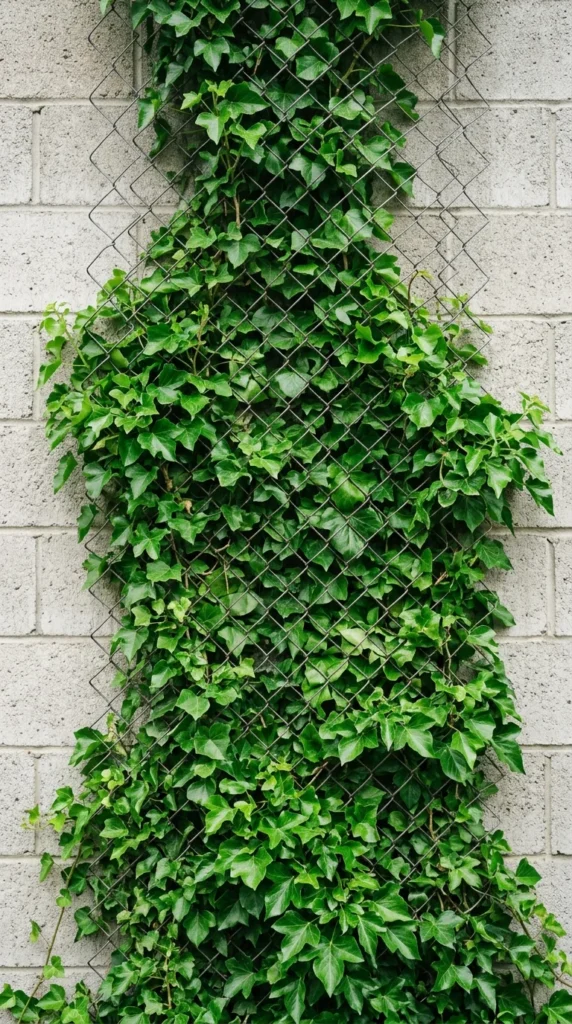
If you prefer a softer, more natural look, use your cinder block fence as a canvas for climbing plants. By attaching a wire grid or wooden trellis to the face of the blocks, you can encourage ivy, jasmine, or climbing roses to cover the surface. Over time, the blocks disappear behind a wall of greenery, providing the ultimate privacy screen with the sound-dampening benefits of a solid concrete core.
14. Capped Ledges
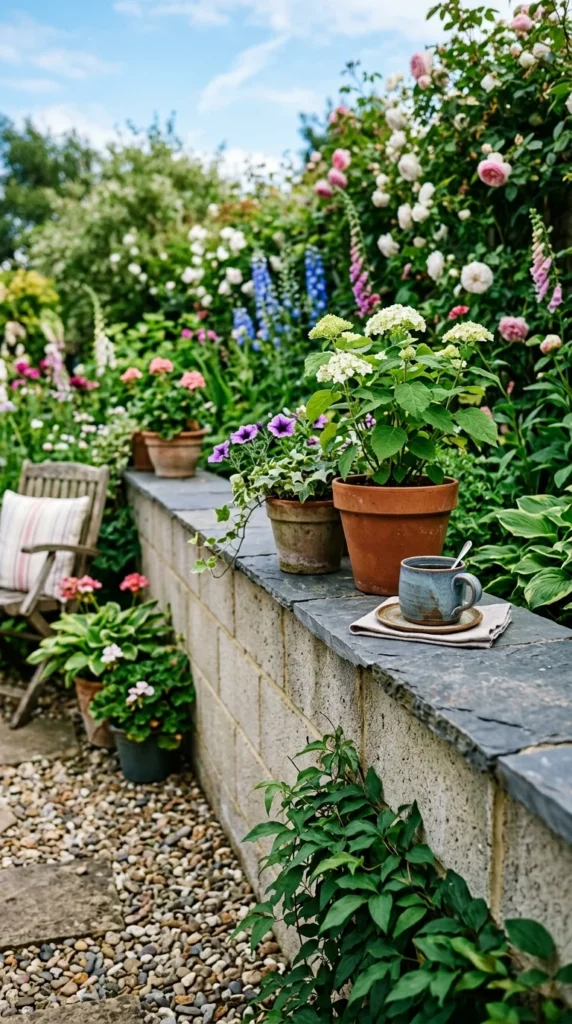
A simple way to make a block wall look “finished” is to add a substantial cap. Using oversized pavers, slate slabs, or custom-poured concrete “coping” that overhangs the edge of the wall creates a shadow line that adds depth. These wide ledges are also functional, serving as a place to set drinks during a party or a spot to display a collection of potted plants.
15. Mixed Materials
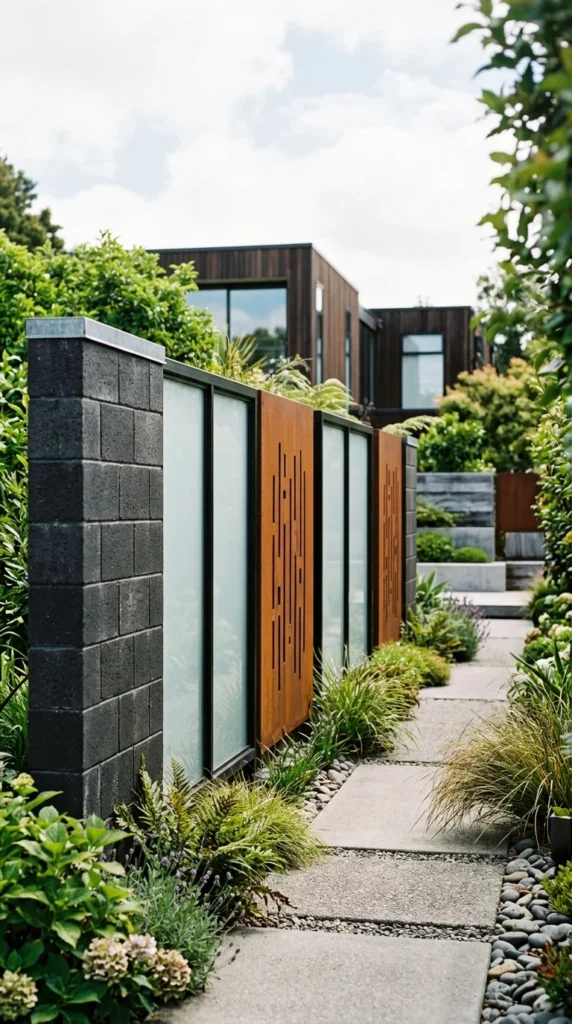
For a truly custom look, don’t limit yourself to just one material. Mix cinder blocks with frosted glass panels for privacy without losing light, or add sections of rusted Corten steel for a touch of industrial warmth. Combining these materials creates a sophisticated, multi-textured boundary that feels like a deliberate architectural choice rather than a budget-friendly compromise.
16. Waterfall Feature
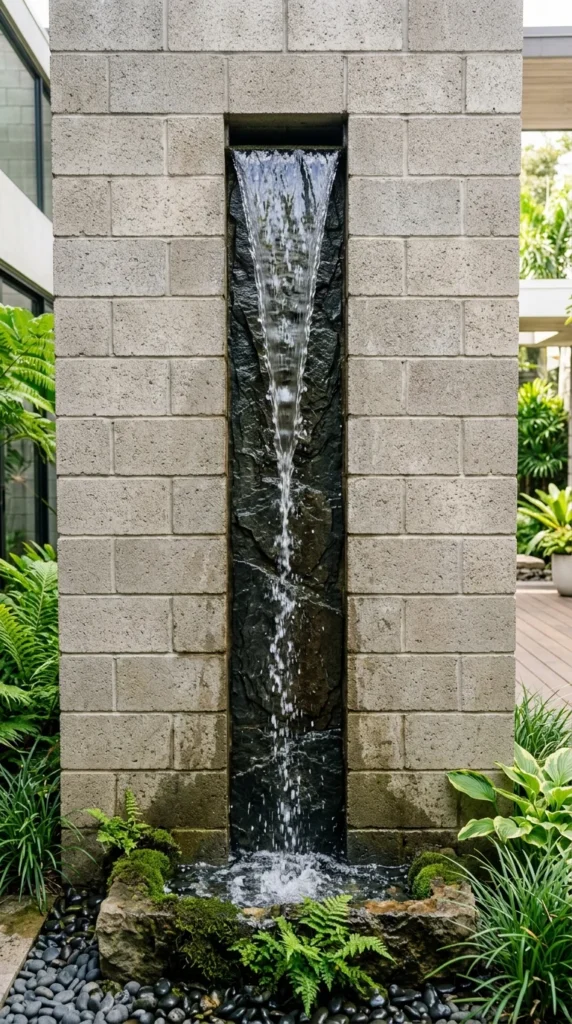
Because cinder blocks are so structurally sound, they can easily support the weight and plumbing requirements of a water feature. By building a spillway into the top of the fence and running a pump through the hollow cores, you can create a sleek, modern waterfall. The sound of running water adds a layer of tranquility to the yard and masks neighborhood noise, turning your stylish cinder block fence into a functional fountain.