
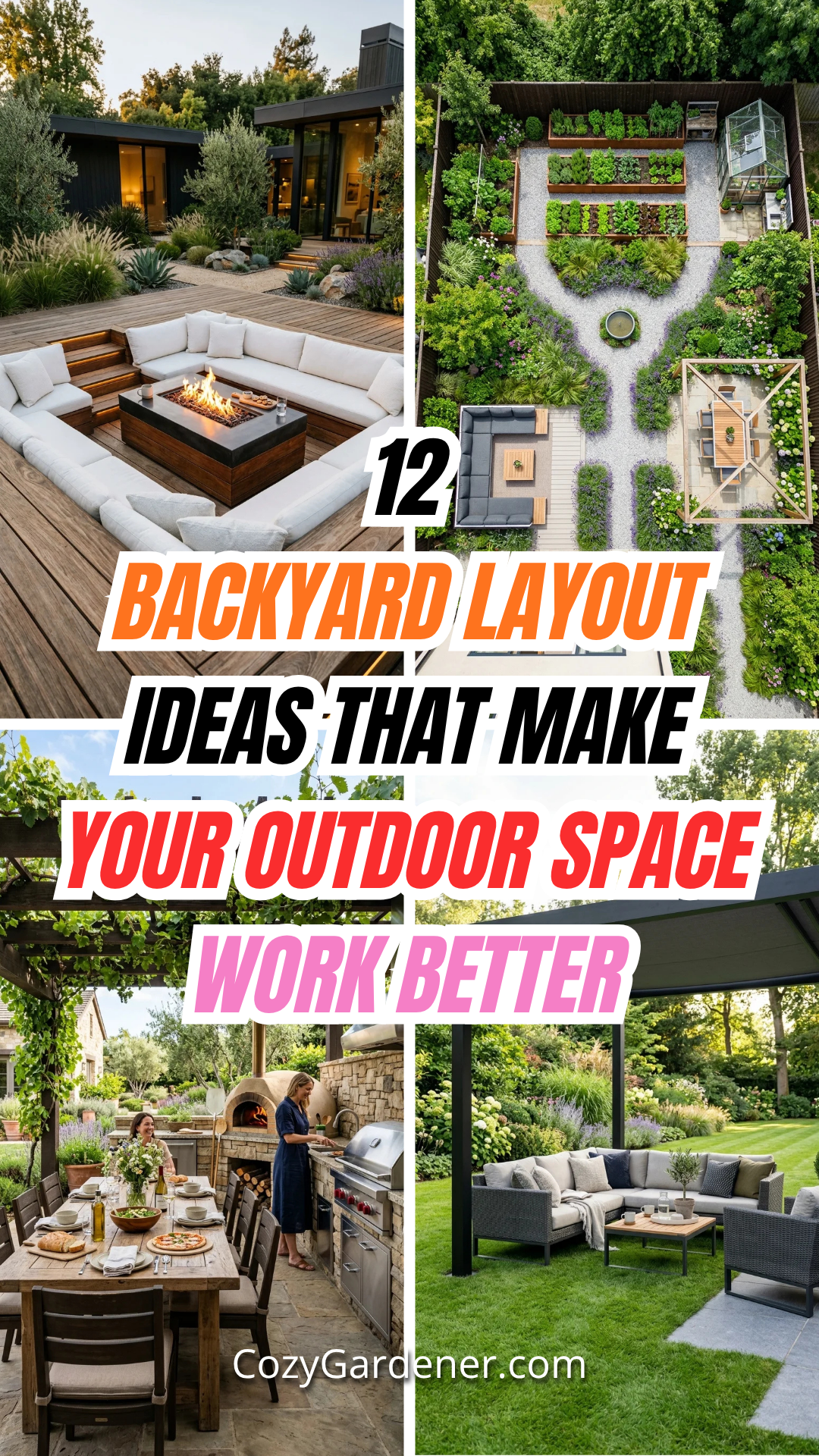
Your backyard is more than just a patch of grass behind your house; it is an extension of your home and a sanctuary for your lifestyle. However, many homeowners struggle with a “flat” or uninspired space that feels disjointed or underutilized. The secret to a backyard that truly works is intentional layout planning. By treating your outdoor space like an interior floor plan, you can maximize every square foot for relaxation, entertainment, and utility.
Whether you are dealing with a sprawling estate or a compact urban lot, these 12 backyard layout ideas will help you organize your space, improve flow, and create a cohesive environment that beckons you to step outside.
1. Zone Planning
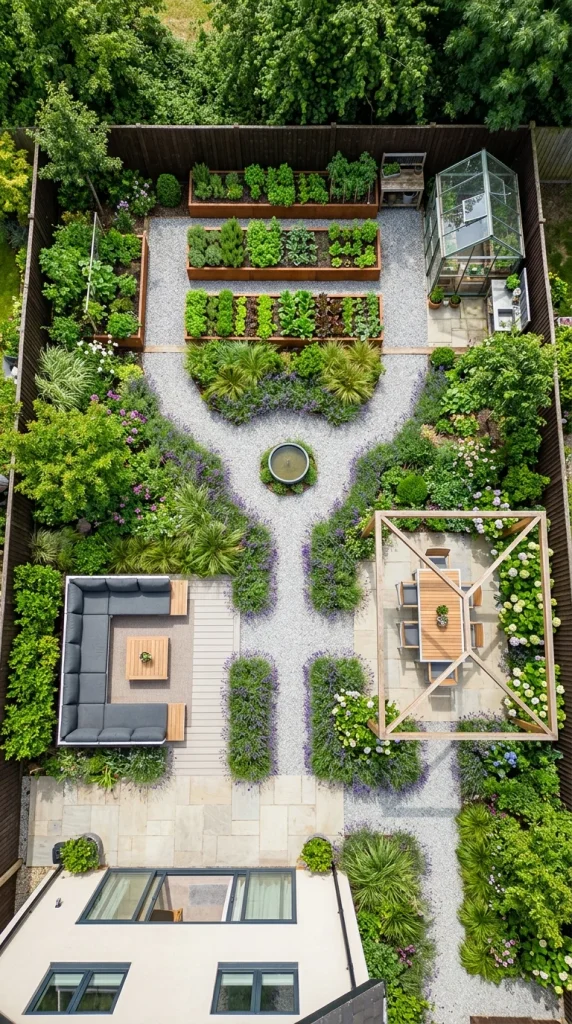
Just as a house has a kitchen, a living room, and a bedroom, a high-functioning backyard should have clearly defined “rooms.” Zone planning involves identifying how you want to use the space and allocating specific areas for those activities. For example, place the dining area near the back door for easy access to the indoor kitchen, and tuck a reading nook into a quiet, far corner. Use transitions like changes in flooring material (moving from wood deck to stone patio) or low-growing hedges to signal the shift from one zone to another without closing off the sightlines.
2. Sunken Lounges
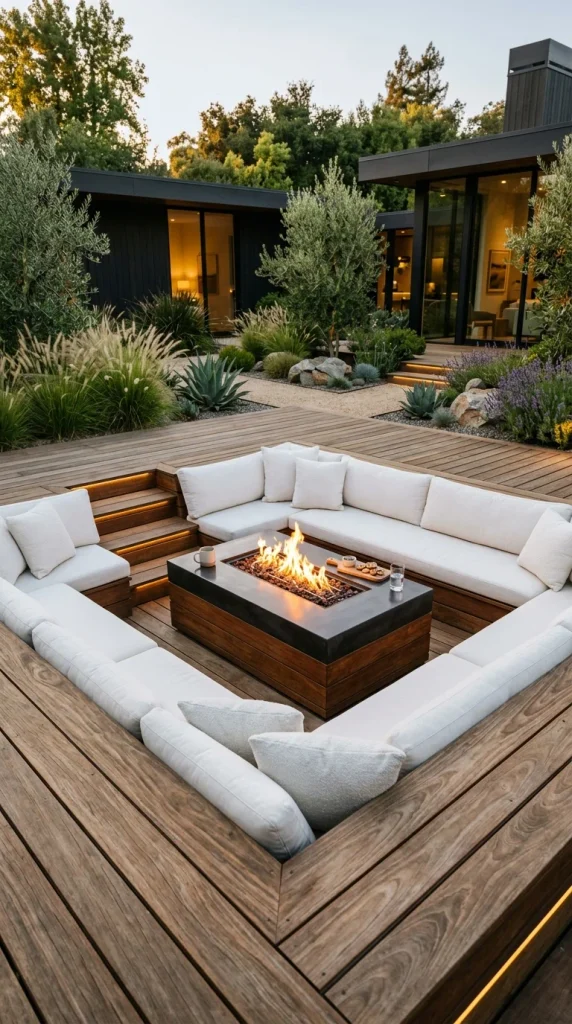
Creating levels is a powerful way to add visual interest and a sense of intimacy to a layout. A sunken lounge or conversation pit breaks up the flatness of a yard and creates a cozy, protected feeling. By lowering the seating area below the main grade or deck level, you also preserve the view of the rest of the garden for those standing elsewhere. This design choice is particularly effective for modern homes, offering a sleek, architectural look that provides a natural gathering spot for guests.
3. Layered Hardscapes
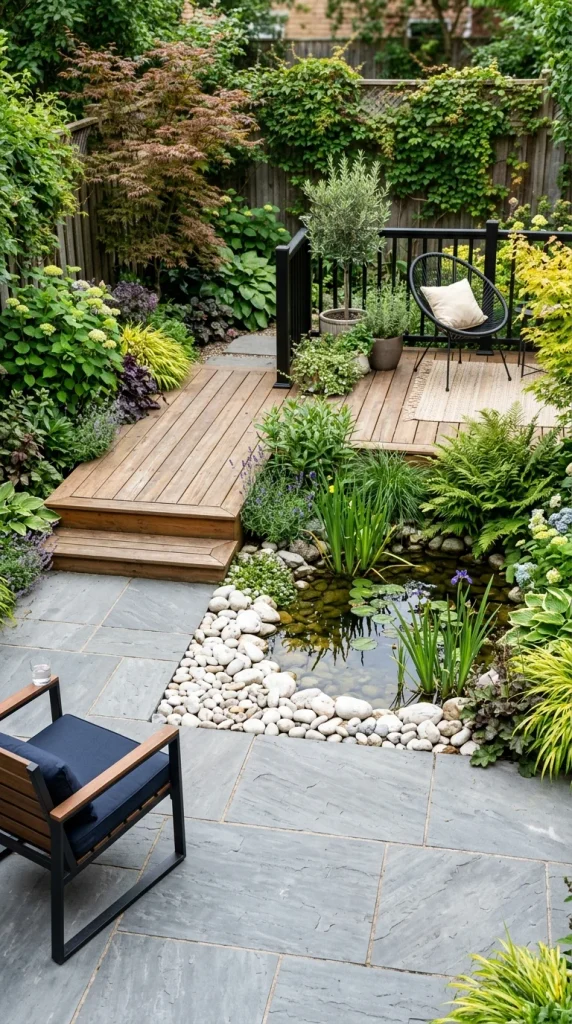
Relying on a single material for your entire backyard can feel monotonous. Layered hardscapes use a mix of textures—such as pavers, timber, gravel, and concrete—to create a rich, tactile experience. You might use large-format slate tiles for the main dining area and transition to a warm cedar deck for the lounging space, with pea gravel paths connecting them. This approach not only looks sophisticated but also helps visually separate different functional areas without the need for walls.
4. Culinary Hubs
For those who love to entertain, the backyard should revolve around food. Rather than a solitary grill tucked in a corner, design a dedicated culinary hub. This layout positions the cooking station as a focal point, often featuring a built-in grill, prep counters, and perhaps a wood-fired pizza oven. Proximity is key here: ensure the outdoor kitchen is close enough to the indoor kitchen for supply runs, but positioned so that the cook remains part of the social circle.
5. Vertical Gardens
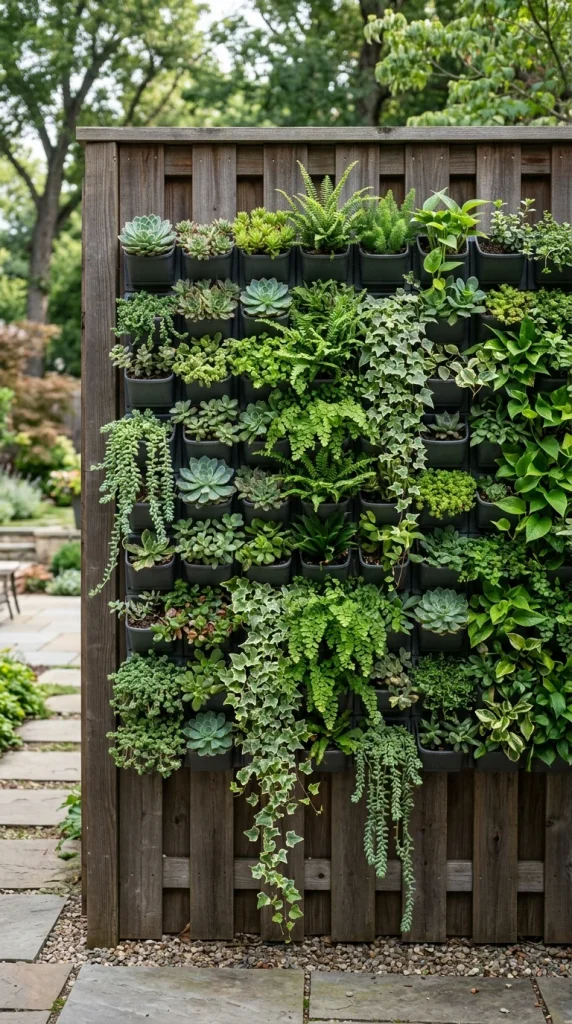
If your backyard footprint is small, the only way to go is up. Vertical gardening is a layout lifesaver for urban spaces. By utilizing fences, walls, or even freestanding trellises, you can introduce greenery without sacrificing floor space. This can serve multiple purposes: it adds lushness, provides a source of fresh herbs, and acts as a living privacy screen. A wall of cascading ferns or climbing jasmine can turn a stark boundary fence into a beautiful, breathing backdrop.
6. Meandering Paths
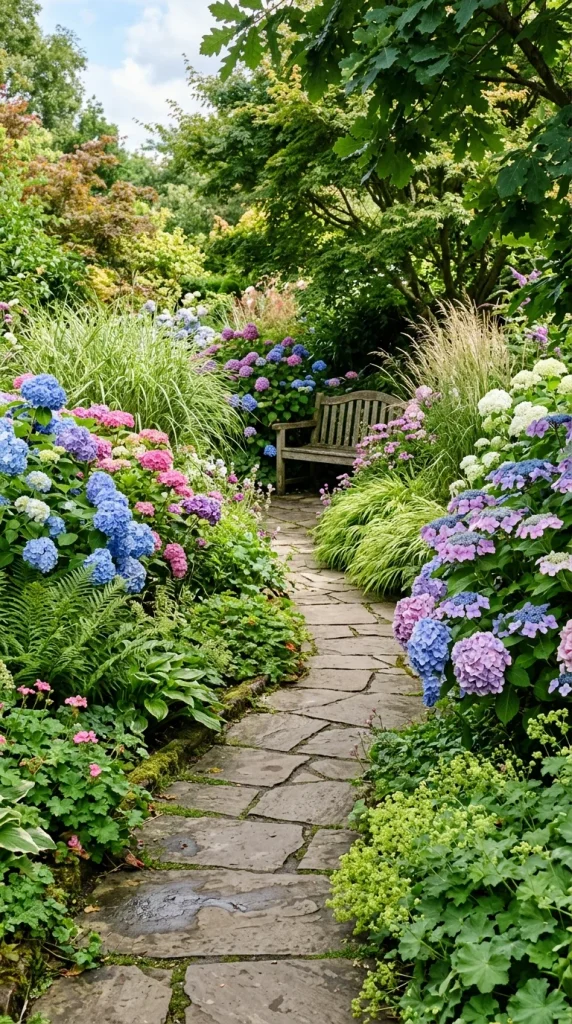
A backyard feels much larger when you can’t see the whole thing at once. Instead of a straight line from the door to the back fence, design meandering paths that curve around garden beds or features. This creates a sense of “discovery.” Using natural materials like flagstone, stepping stones, or crushed shell encourages a slower pace, making the walk through your yard an experience in itself. Paths also protect your lawn and plants by directing foot traffic away from sensitive areas.
7. Shady Retreats
A backyard that is perpetually baked in the sun will rarely be used. Integrating shade into your layout is essential for comfort. Pergolas, gazebos, and high-quality cantilever umbrellas provide necessary relief from the heat and also serve as architectural anchors for the yard. Consider the sun’s path throughout the day when placing these structures. A pergola draped in climbing roses or wisteria not only provides shade but also adds a vertical element that softens the landscape.
8. Fire Focal-Points
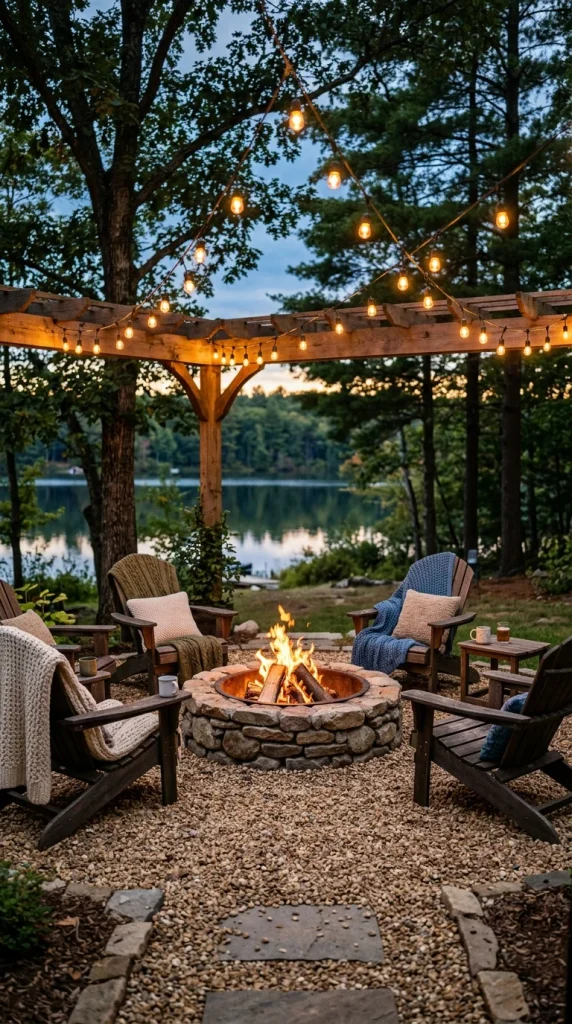
Fire elements naturally draw people together. By making a fire pit or outdoor fireplace the centerpiece of a specific zone, you create a destination within your yard. Circular layouts work best for fire pits, as they encourage eye contact and conversation among a group. If you prefer a more formal look, a linear outdoor fireplace can serve as a dramatic “end wall” for an outdoor living room, providing warmth and light well into the autumn months.
9. Native Planting
A functional layout isn’t just about the human elements; it’s about the ecosystem. Incorporating native plants into your garden beds makes for a lower-maintenance and more resilient backyard. Native species are adapted to your local climate and soil, requiring less water and fewer pesticides. Structurally, you can use tall native grasses to create “soft walls” between zones, providing privacy and movement as they sway in the breeze, while supporting local pollinators like bees and butterflies.
10. Water Accents
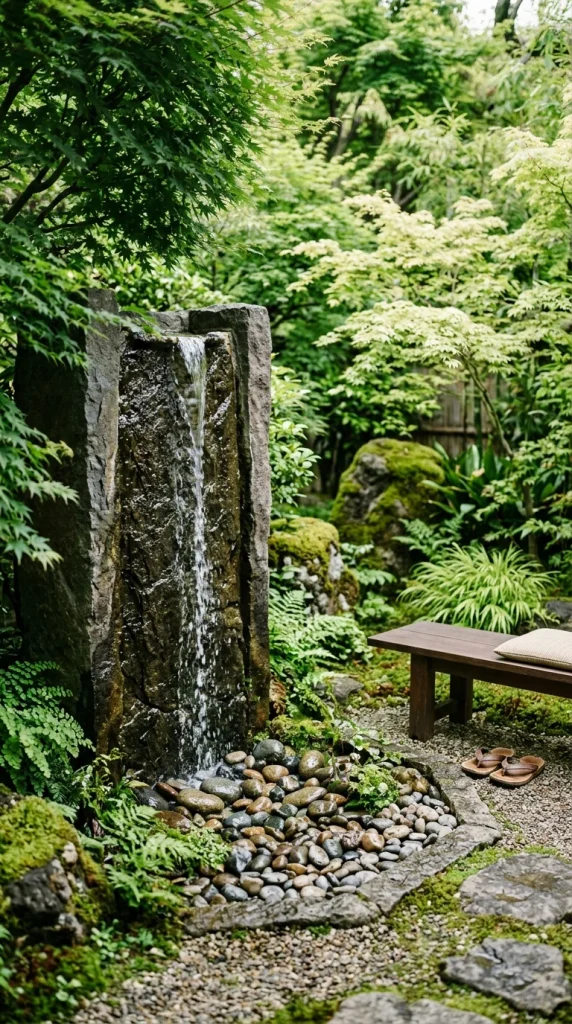
The sound of running water is one of the most effective ways to mask neighborhood noise and create a sense of tranquility. You don’t need a massive pool to achieve this; a simple stone water wall, a bubbling urn, or a small pond can transform the atmosphere. Place water features near seating areas or bedroom windows where the sound can be most appreciated. In a layout, a water feature can act as a “visual anchor,” drawing the eye to a specific corner and making it feel like a destination.
11. Play Zones
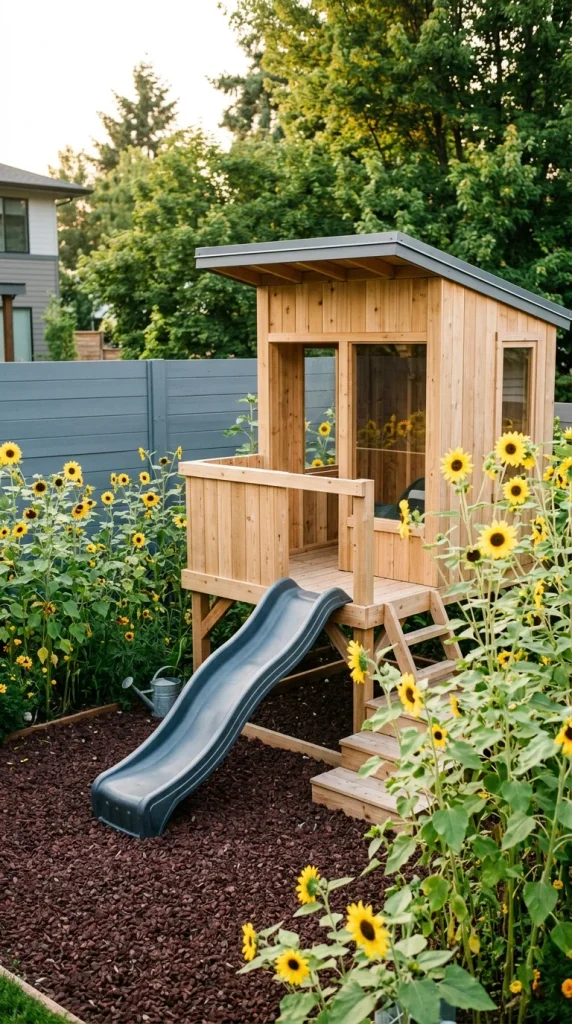
If you have children, the backyard needs to balance their need for play with your desire for a beautiful space. Instead of letting plastic toys take over the entire lawn, design a specific play zone. Use “soft-fall” materials like wood chips or rubber mulch to delineate the area. By tucking the play equipment behind a low hedge or a series of large planters, you can keep the equipment accessible for the kids while maintaining the aesthetic integrity of the rest of the yard.
12. Privacy Borders
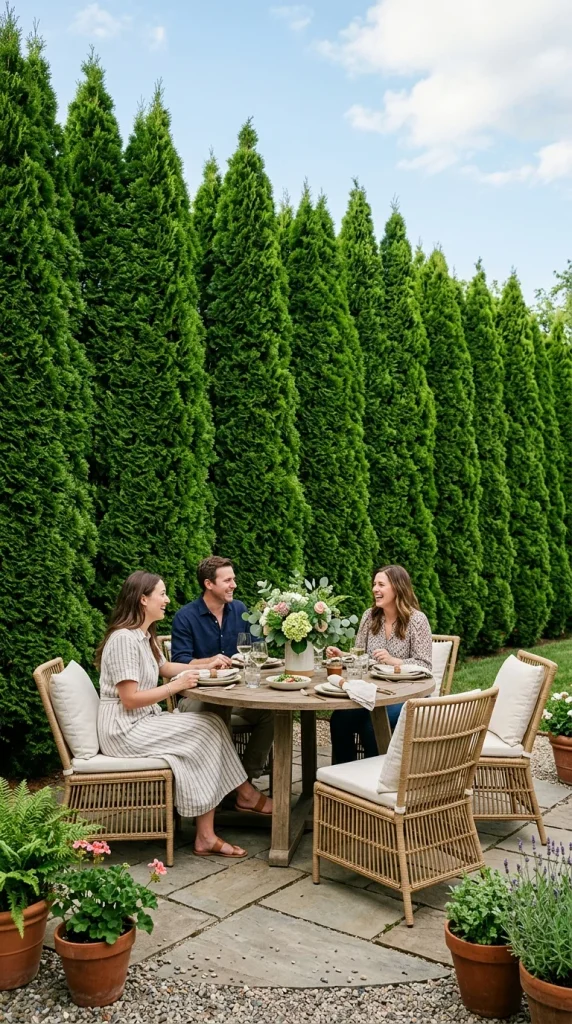
Privacy is often the number one concern for homeowners, and the layout should address this from the start. Rather than a standard wooden fence, consider “living walls” or tiered screening. A mix of evergreen trees, such as arborvitae or bamboo (in contained planters), provides year-round privacy and a lush green backdrop. Strategic placement of these borders can block the view from a neighbor’s second-story window or shield your dining area from a busy street, making your outdoor space feel like a truly private retreat.