
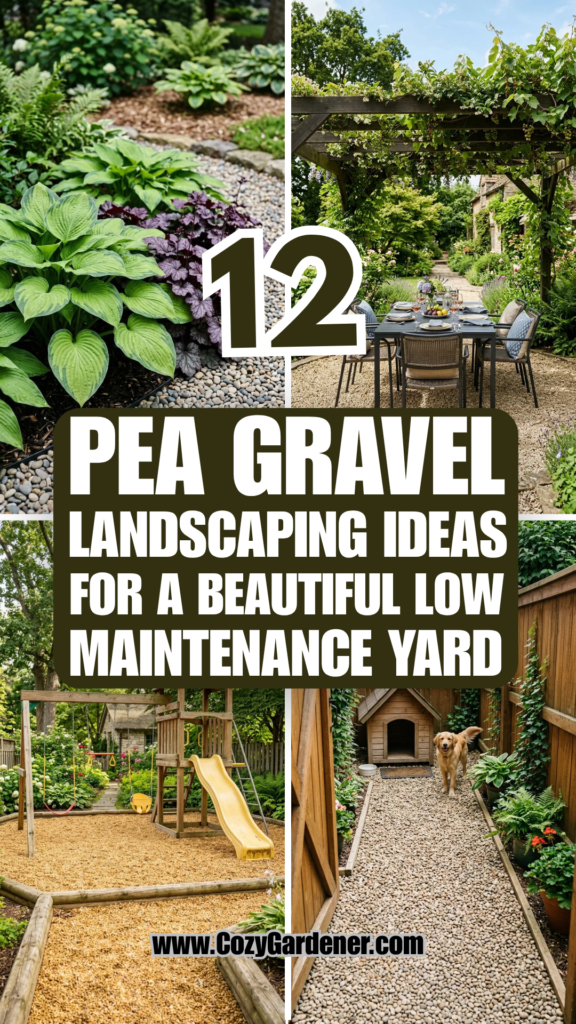
Pea gravel is the unsung hero of modern landscaping. These small, smooth, river-washed stones—typically about the size of a pea—offer a unique blend of aesthetic versatility, excellent drainage, and budget-friendly installation. Whether you are looking to replace a dying lawn, create a cozy nook for evening relaxation, or solve a drainage problem, pea gravel provides a textured, natural look that complements almost any architectural style.
Unlike mulch, which decomposes and needs yearly replacement, or concrete, which can crack and requires professional installation, pea gravel is a “set it and almost forget it” solution. It crunches satisfyingly underfoot, suppresses weeds when paired with a quality landscape fabric, and allows water to seep directly into the ground, preventing runoff. If you’re ready to transform your outdoor space into a low-maintenance sanctuary, here are 12 inspiring ways to use pea gravel.
1. Garden Pathways
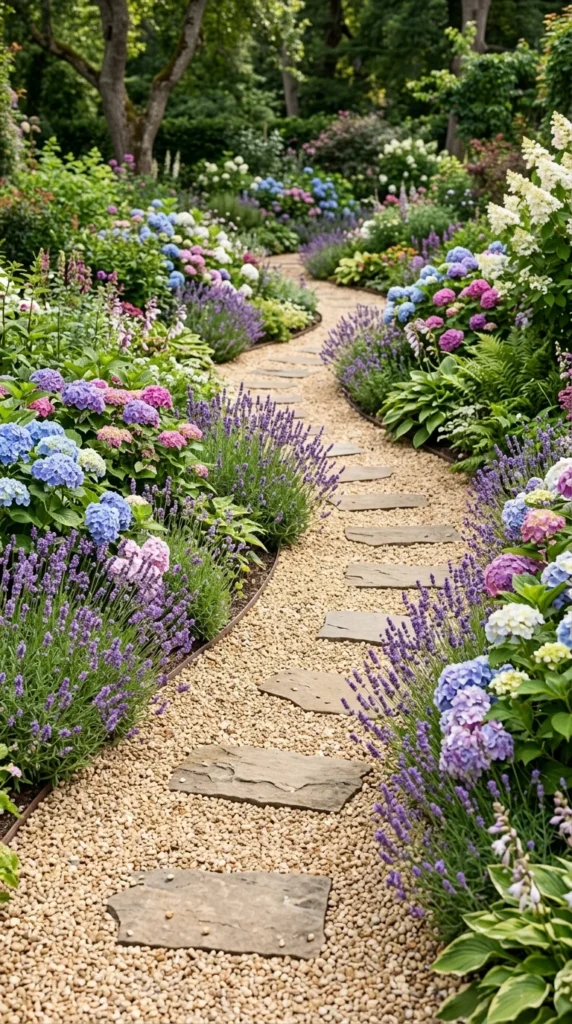
One of the most popular uses for pea gravel is the creation of organic, flowing walkways. Because the stones are small and loose, they can easily follow the natural curves of your garden beds, creating a soft transition between different zones of your yard. To keep the gravel contained, use benders board, bricks, or metal edging. For added stability and a touch of “secret garden” charm, embed large flagstones or wooden “cookies” into the gravel to act as stepping stones.
2. Dining Patios
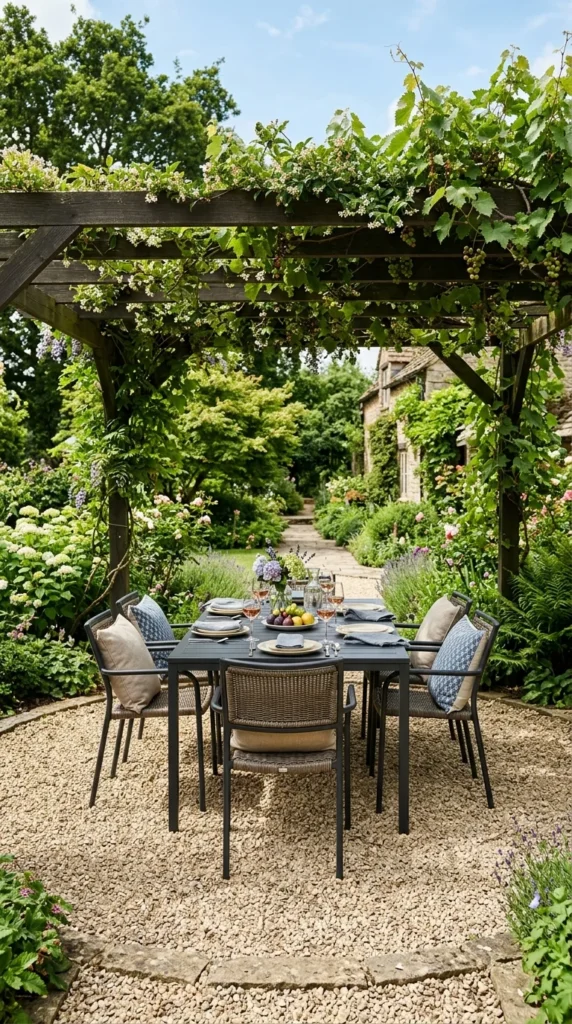
Forget the high cost of pouring concrete or laying heavy pavers. A pea gravel patio is a DIY-friendly project that can be completed in a single weekend. It provides a level surface for outdoor furniture while offering a relaxed, Mediterranean vibe. Because the gravel is permeable, you won’t have to worry about puddles forming after a rainstorm. Simply level the ground, lay down a heavy-duty weed barrier, and spread three to four inches of gravel for a stable, comfortable lounging area.
3. Fire Pits
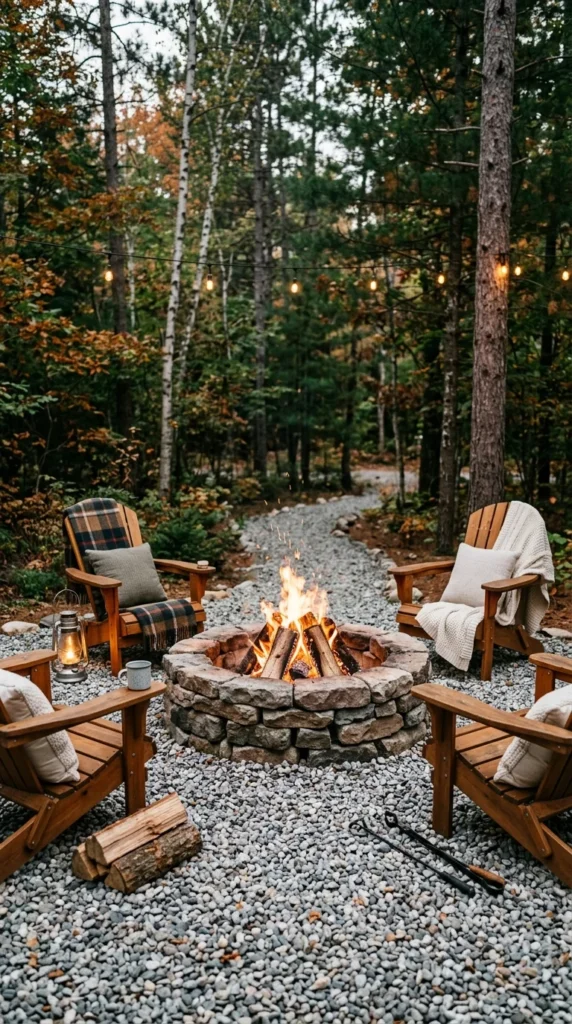
Safety and style go hand-in-hand when you use pea gravel around a fire pit. Since the stones are non-combustible, they provide an excellent safety buffer against stray sparks or embers. The crunchy texture of the gravel also helps define the “fire zone,” creating a dedicated destination in your yard for roasting marshmallows and sharing stories. The neutral tones of the gravel make the orange glow of the fire pop beautifully against the night sky.
4. Flower Borders
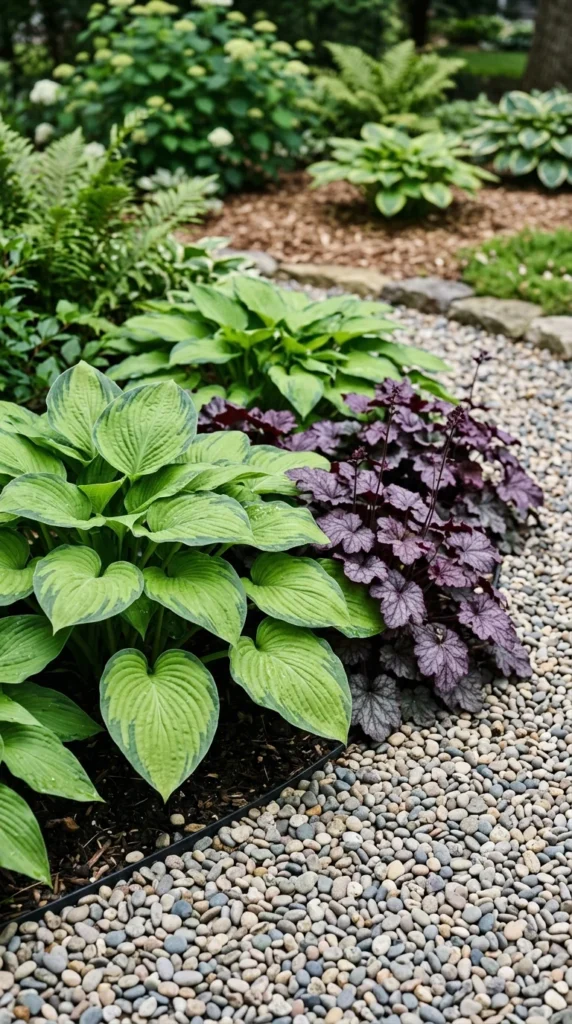
Using pea gravel as a top-dressing in your flower beds is a sophisticated alternative to traditional wood mulch. While wood mulch fades and blows away, pea gravel stays put and retains its color indefinitely. It provides a sharp contrast against the green foliage of your plants and helps regulate soil temperature. It is particularly effective for plants that prefer well-drained soil, as it prevents water from pooling around the crown of the plant.
5. Xeriscaped Yards
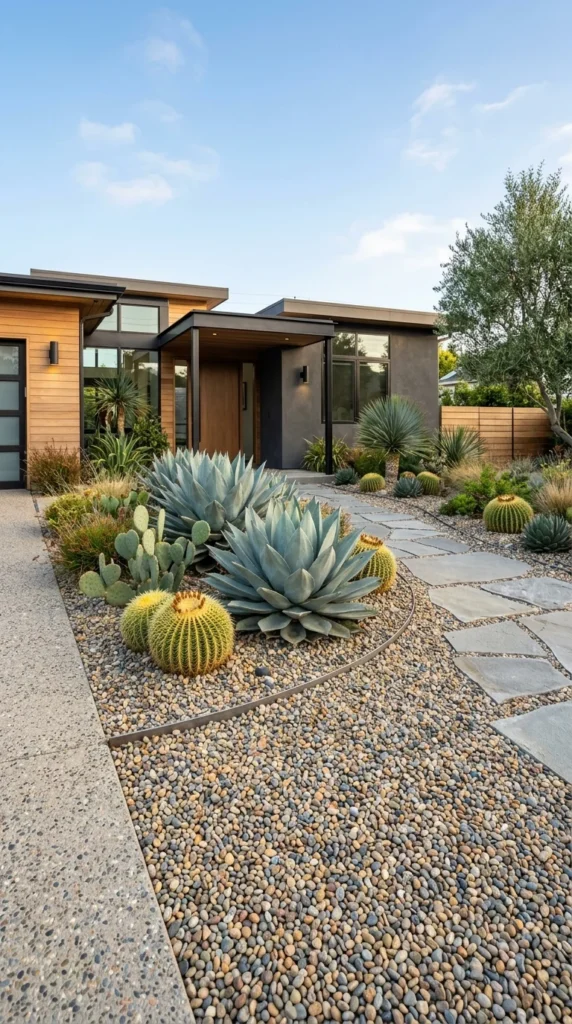
In regions prone to drought or for homeowners looking to eliminate mowing entirely, xeriscaping with pea gravel is a game-changer. By replacing water-thirsty grass with gravel and drought-resistant plants like succulents, lavender, or ornamental grasses, you can drastically reduce your water bill and maintenance time. Use different colors of gravel to create visual interest and “islands” of plants to prevent the yard from looking too sterile.
6. Zen Gardens
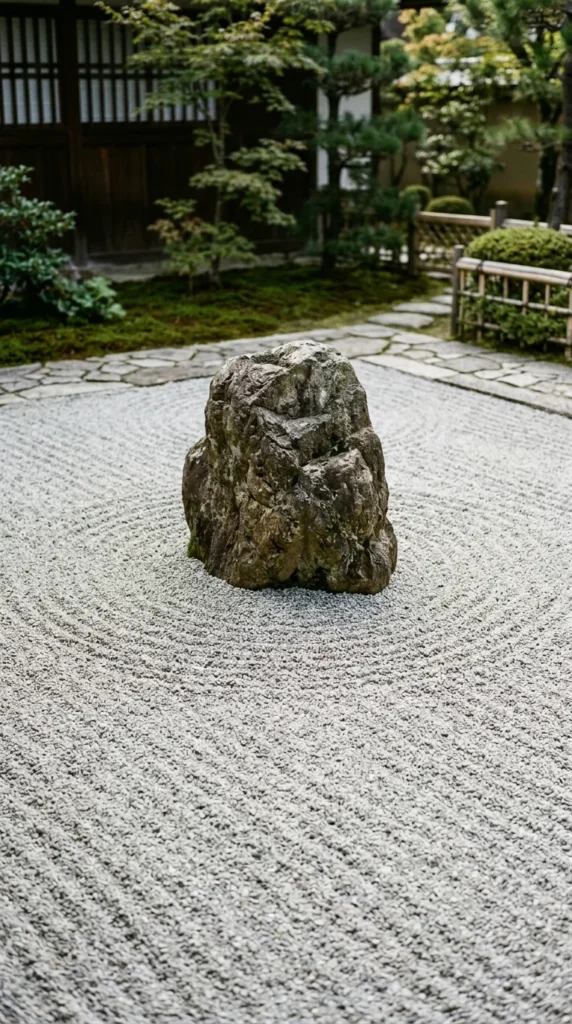
Pea gravel is a fantastic medium for creating a meditative Zen garden. Inspired by Japanese tradition, these spaces use gravel to represent water. You can use a wide-toothed rake to create “waves” or concentric circles in the gravel, providing a calming, repetitive task that clears the mind. Incorporate a few large “feature stones” or a single Japanese maple to complete the serene, minimalist aesthetic.
7. Under-Deck Areas
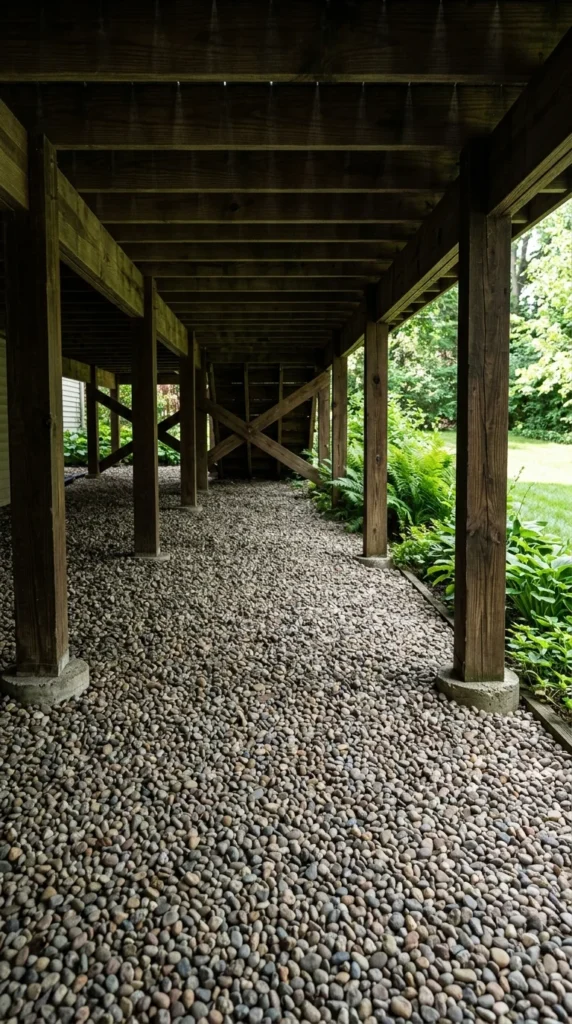
The space underneath a raised deck is often a “dead zone” where grass refuses to grow, leading to mud and weed issues. Pea gravel is the perfect solution for these awkward areas. It covers the bare dirt, improves drainage away from your home’s foundation, and creates a clean, finished look. If the space is tall enough, you can even use it as a dry storage area for outdoor gear or lawn equipment.
8. Driveway Accents
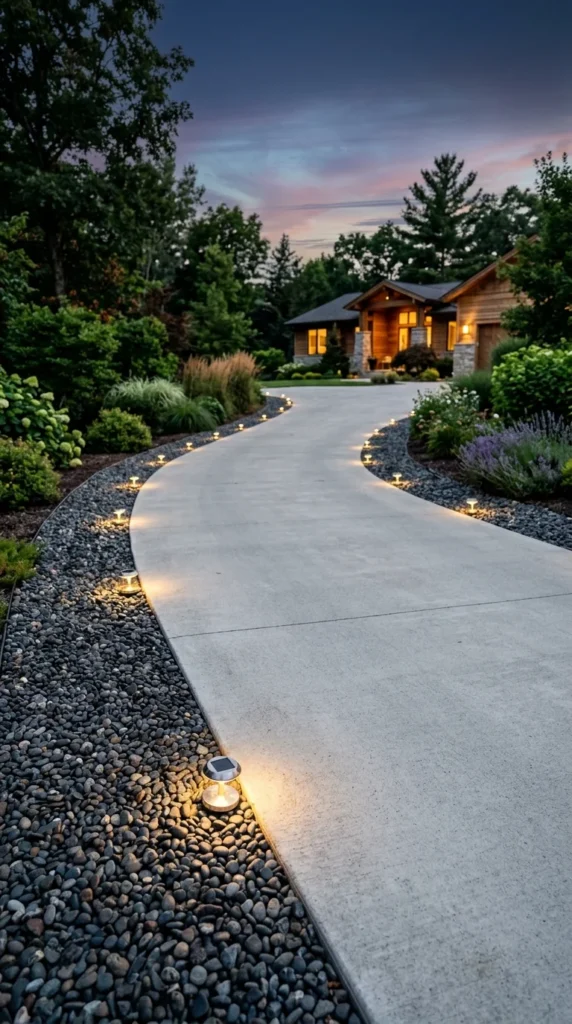
While a full pea gravel driveway can be high-maintenance due to “rutting,” using it as an accent is a brilliant design move. You can use gravel to create wide borders along a concrete or asphalt driveway, softening the hard lines and adding a touch of texture. It also serves a functional purpose by acting as a soakaway for rainwater that runs off the non-porous driveway surface.
9. Play Areas
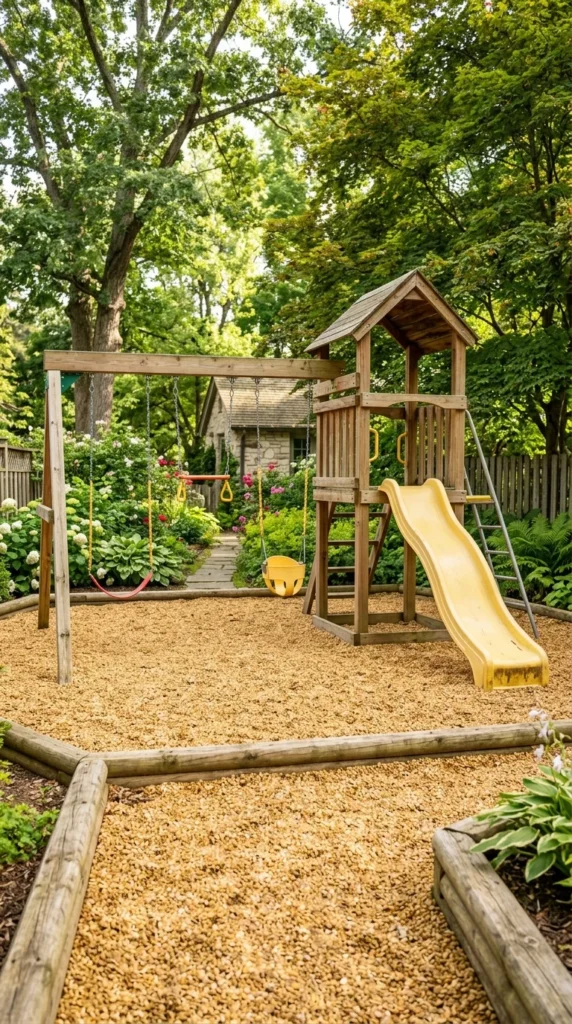
For families with children, pea gravel is often preferred over wood chips for play areas. It doesn’t rot, it doesn’t attract insects, and it doesn’t harbor mold. While it is firm enough to support play equipment, it provides a slightly yielding surface for inevitable tumbles. It’s also a hit with kids who love to play with toy trucks and shovels in the “giant sandbox” of smooth stones. Note: Ensure you use a deep enough layer (at least 6-12 inches) for maximum safety.
10. Dog Runs
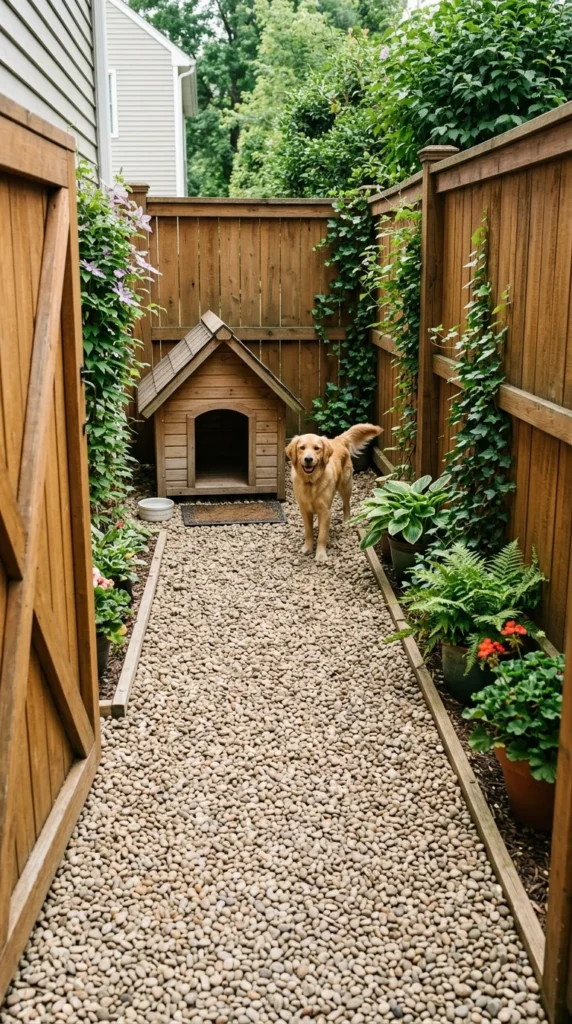
Pea gravel is a pet-friendly landscaping choice. Unlike grass, it won’t turn yellow or die from pet waste, and unlike mulch, it doesn’t get stuck in fur or paws. It’s easy to clean—you can simply hose it down to refresh the area. Because the stones are smooth and rounded, they are gentle on a dog’s paws, making it an ideal surface for a dedicated kennel or dog run.
11. Raised Beds
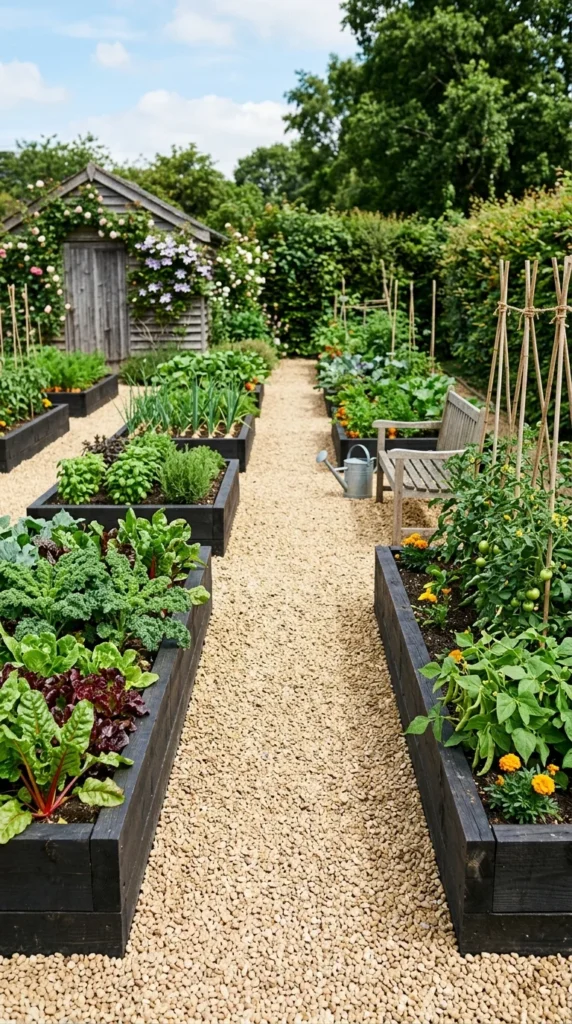
Gardening in raised beds can sometimes lead to muddy paths between the boxes, especially during the spring planting season. Filling the spaces between your beds with pea gravel keeps your feet dry and clean. It also creates a barrier that makes it harder for crawling pests like slugs and snails to reach your vegetables. The light-reflecting properties of the gravel can even help provide a little extra light to the lower leaves of your plants.
12. Water Features
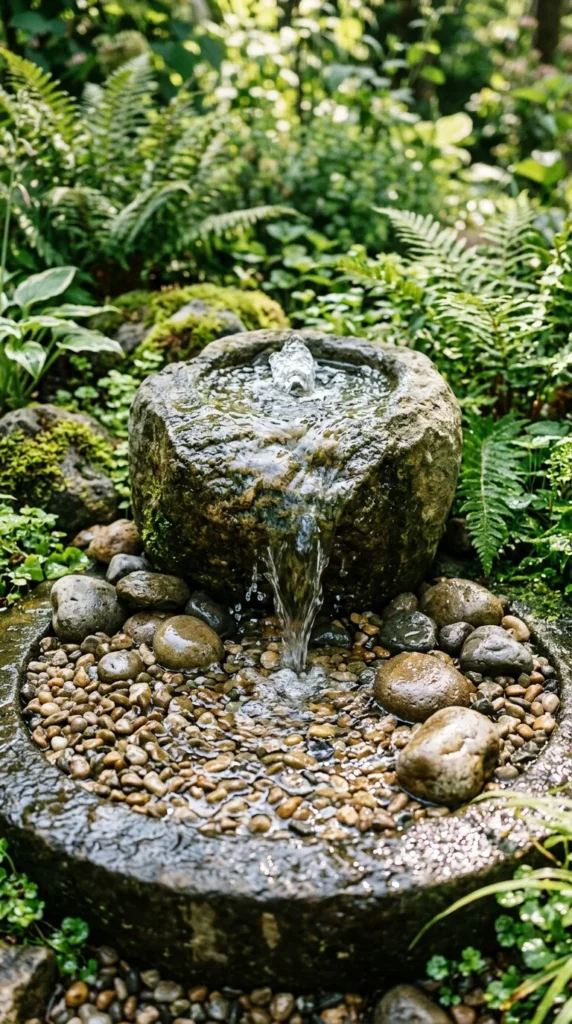
Pea gravel and water are a natural pair. You can use pea gravel to hide the mechanical components of a fountain or to line the bottom of a shallow pond. The water makes the colors of the stones pop, revealing deep blues, reds, and tans that are less apparent when dry. It’s also excellent for creating a “dry creek bed” that handles heavy runoff during storms while looking like a beautiful, natural landscape feature during the dry season.
Maintenance Tips for Longevity
To keep your pea gravel looking pristine for years to come, follow these simple maintenance steps:
- Use Landscape Fabric: Never skip the heavy-duty landscape fabric. It prevents the gravel from sinking into the soil and stops weeds from taking root.
- Install Edging: Without a firm border, pea gravel will migrate into your lawn or flower beds. Use steel, plastic, or stone edging to keep it contained.
- Periodic Raking: A quick rake every few months will level out any thin spots and keep the surface looking fresh.
- Leaf Management: Use a leaf blower on a low setting to remove debris. Avoid raking leaves out of gravel, as you’ll likely pull up the stones with the leaves.
- Top-Offs: Over time, gravel can settle or be carried away on shoes. Plan to add a few fresh bags every two to three years to maintain the desired depth.