
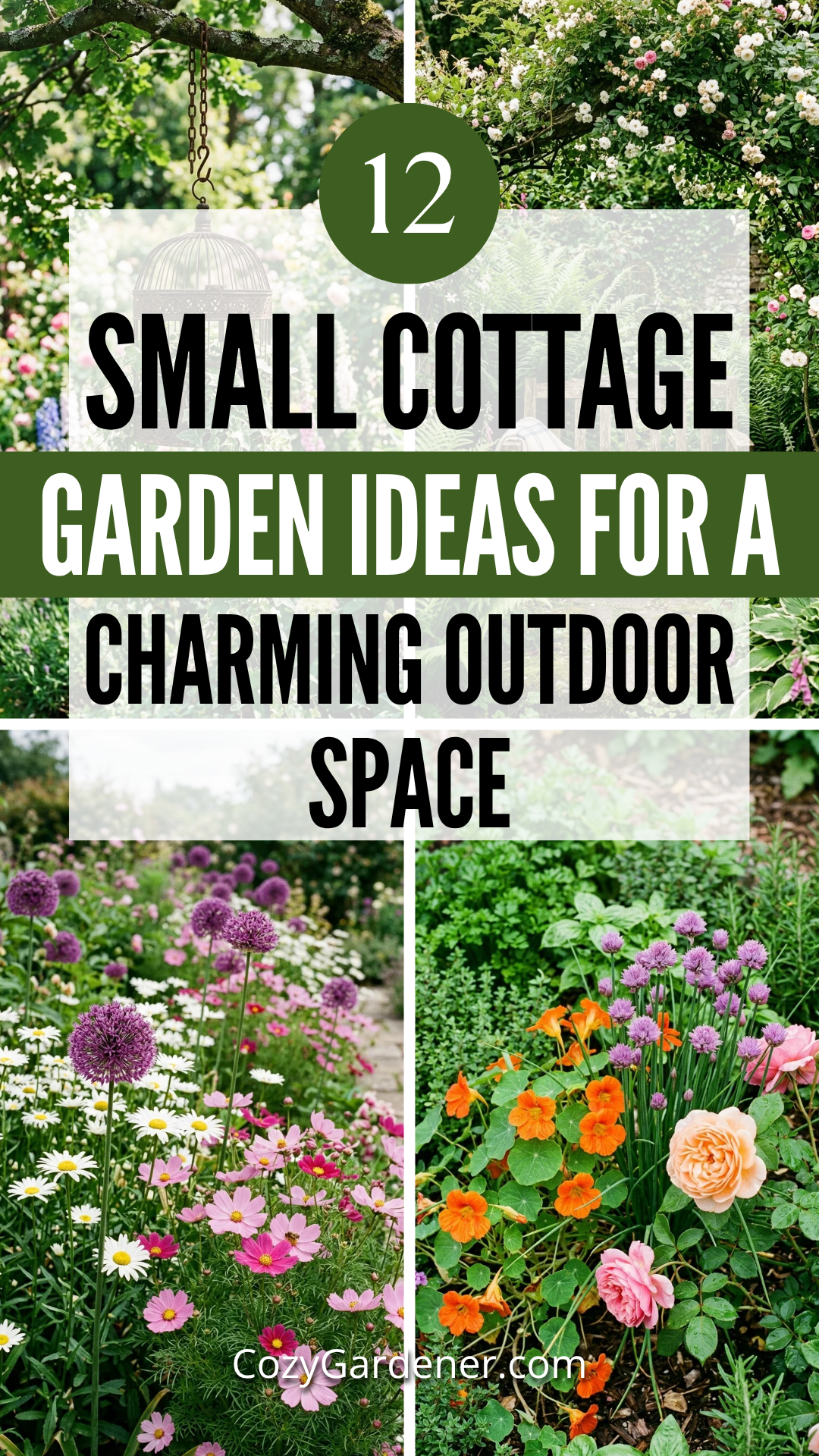
The cottage garden is the personification of “organized chaos” in the best possible way. Originating from the humble plots of English laborers, these gardens were designed to be functional, filled with a mix of herbs, fruits, and flowers. Today, the cottage garden style has evolved into a romantic, whimsical aesthetic that prioritizes abundance over perfection.
If you have a small outdoor space, you might think a sprawling, meadow-like garden is out of reach. However, the cottage garden style is actually perfectly suited for small yards. Because it relies on dense planting and vertical interest, you can pack a massive amount of charm into a tiny footprint. Here are 12 ideas to help you transform your small space into a storybook sanctuary.
1. Picket Fences
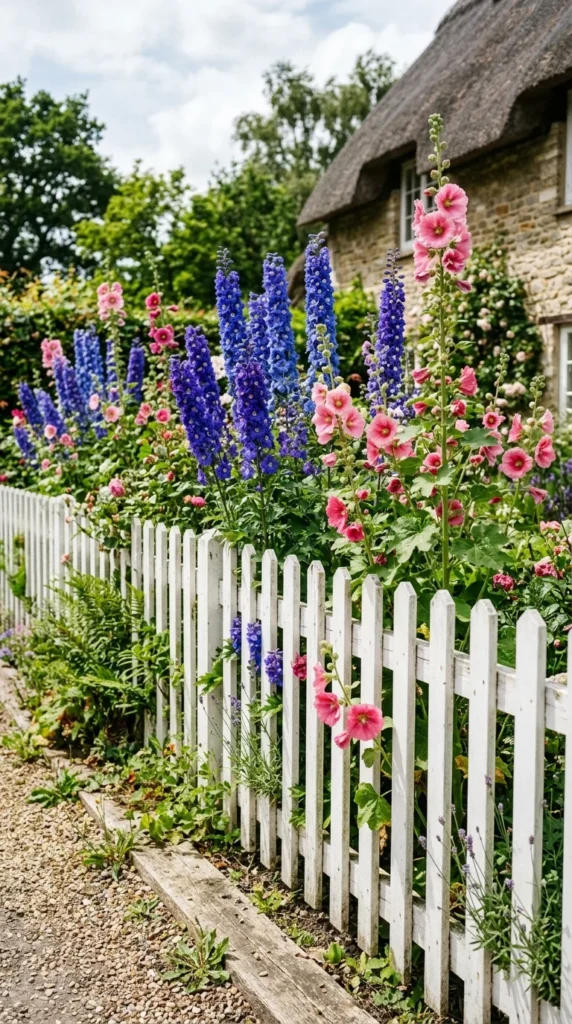
The white picket fence is the quintessential hallmark of a cottage garden. In a small space, a fence serves a dual purpose: it provides a clear boundary that makes the space feel like a private “outdoor room,” and it offers structural support for leaning plants.
Unlike modern privacy fences, picket fences are low and have gaps, allowing light to pass through and preventing a small yard from feeling claustrophobic. You can train climbing roses or sweet peas to weave through the slats, blurring the lines between the hardscaping and the flora. If white feels too stark, consider a natural wood finish or a soft sage green to blend in with the foliage.
2. Rose Arbors
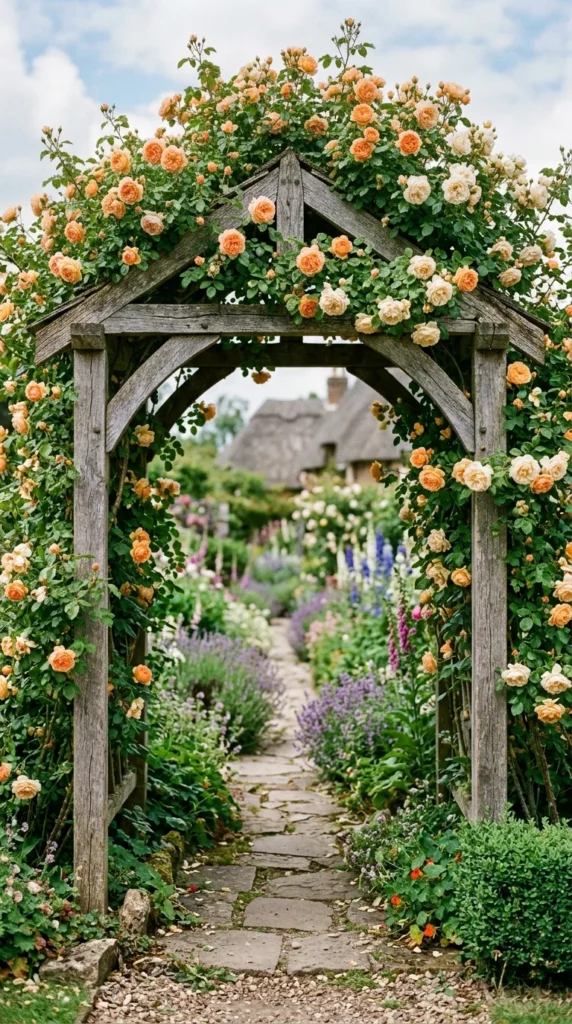
When horizontal space is limited, look up. An arbor creates an immediate sense of height and drama. Placing an arbor at the entrance of your garden or over a small pathway creates a “portal” effect, making the transition into your garden feel like entering another world.
For a true cottage feel, choose fragrant climbing roses like ‘Gertrude Jekyll’ or ‘Cecile Brunner.’ The scent of the blooms as you walk underneath adds a sensory layer that makes a small garden feel much larger and more immersive. You can also mix in clematis to extend the blooming season well into late summer.
3. Gravel Paths
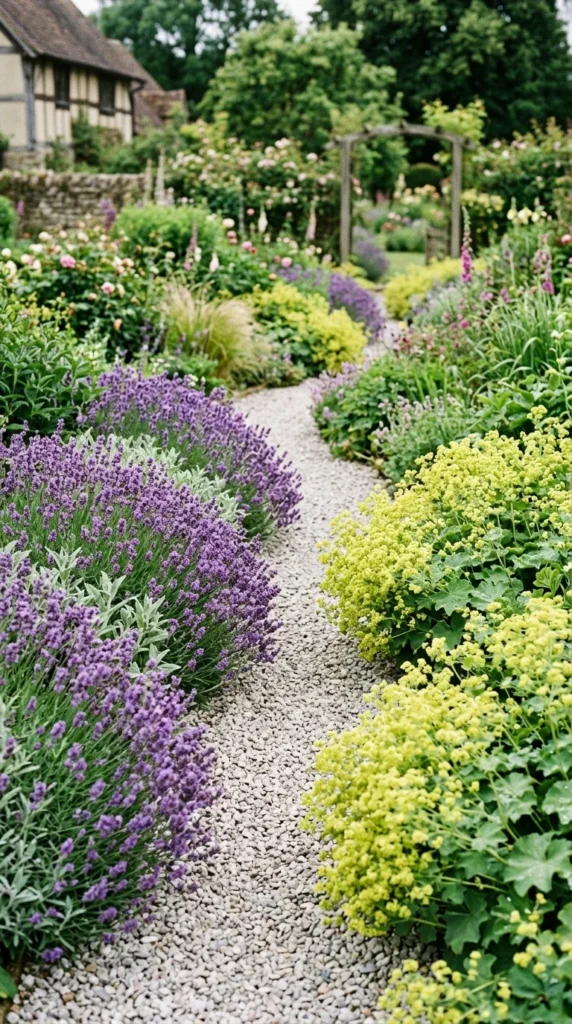
Straight lines are the enemy of the cottage garden. To make a small space feel more expansive and intriguing, incorporate meandering paths. Gravel is an ideal material for this; it’s affordable, easy to install, and provides a satisfying crunch underfoot.
A winding path forces the eye to move around the garden rather than looking straight to the back fence, which creates an illusion of depth. Allow your plants to “spill” over the edges of the path. Let the thyme, creeping phlox, or moss grow into the gravel to soften the edges and make the garden look like it has been there for decades.
4. Dense Planting
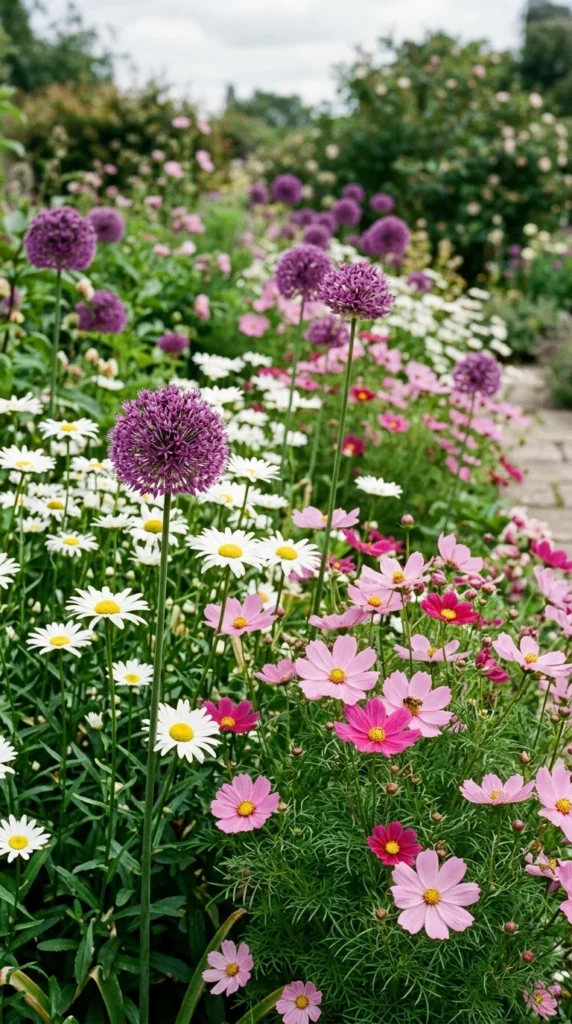
One of the golden rules of cottage gardening is to leave no soil showing. This “maximalist” approach to planting is perfect for small spaces because it creates a lush, tapestry-like effect. By planting closely, you also naturally suppress weeds, as the sunlight can’t reach the ground to jumpstart weed growth.
Layer your plants by height: put taller specimens like foxgloves and delphiniums in the back, mid-sized flowers like lupines and zinnias in the middle, and low-growing groundcovers like sweet alyssum at the front. This vertical layering adds volume and prevents the garden from looking flat or sparse.
5. Vintage Decor
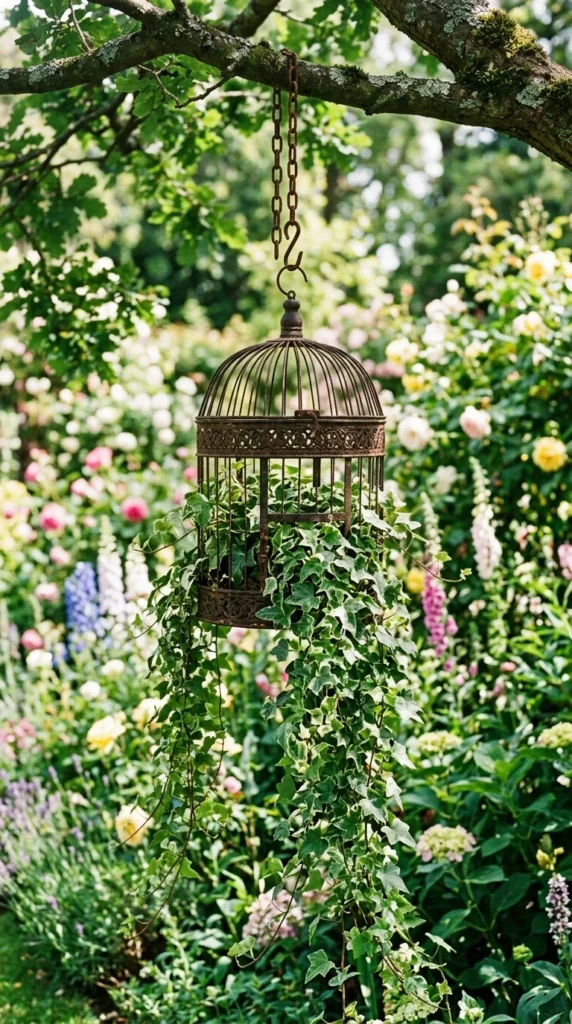
Cottage gardens are the perfect place to showcase found objects and vintage treasures. A weathered birdbath, a rusted watering can, or an old wooden wheelbarrow can act as a charming focal point. These items add “soul” to the garden and provide a sense of history.
In a small garden, be careful not to clutter the space with too many large items. Instead, choose one or two “hero” pieces. An old iron bistro chair tucked into a corner or a terracotta pot collection on a tiered wooden ladder adds character without overwhelming the plants.
6. Edible Flowers
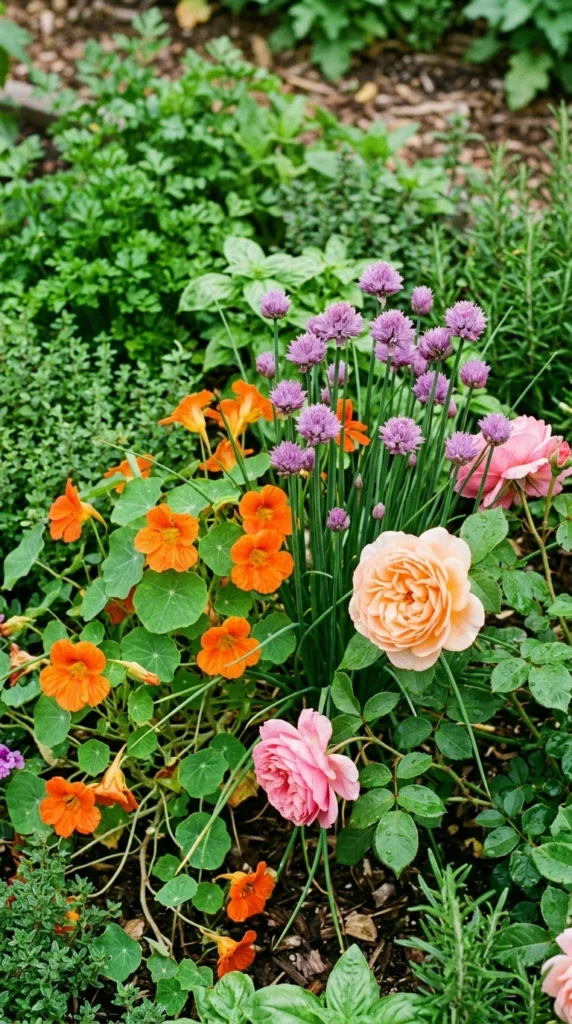
Traditionally, cottage gardens were “potagers”—a mix of ornamental and edible plants. In a small space, you can maximize your yield by choosing plants that are both beautiful and functional.
Nasturtiums, pansies, and borage offer vibrant colors and can be tossed into salads. Herbs like rosemary, sage, and lavender provide structure, fragrance, and culinary uses. Mixing kale or Swiss chard (with its bright red stems) into your flower beds adds interesting textures and colors that you won’t find in a standard floral arrangement.
7. Cozy Seating
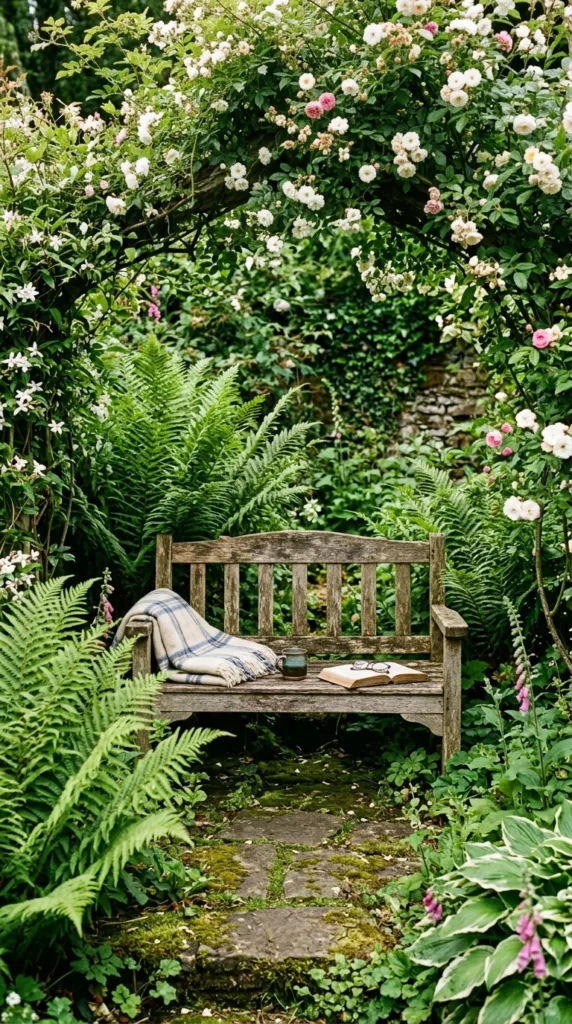
Every cottage garden needs a place to sit and enjoy the fruits of your labor. In a small yard, look for “nooks” rather than large patio areas. A simple wooden bench or a pair of wrought-iron chairs can turn a corner into a destination.
Position your seating where you can enjoy the best view or the strongest scent. Surrounding your seating area with fragrant plants like honeysuckle, jasmine, or stocks creates a private, sensory-rich retreat. Use soft textiles, like outdoor cushions in floral or gingham prints, to enhance the “cottagecore” vibe.
8. Wildlife Habitats
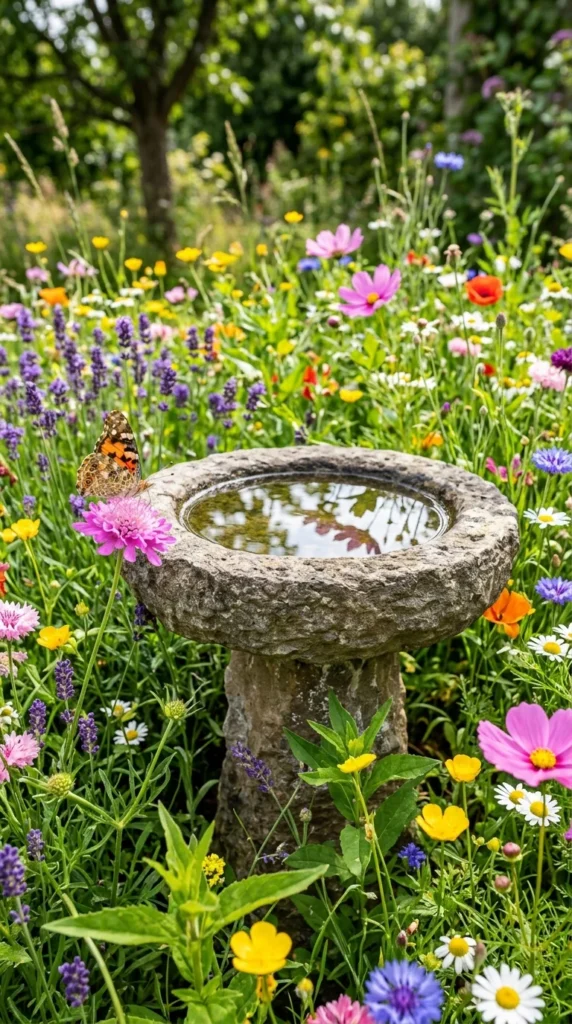
A charming garden is a living garden. Attracting birds, bees, and butterflies adds movement and sound to your outdoor space. Include a small stone birdbath or a “bee hotel” made of natural reeds and wood.
Choose pollinator-friendly plants like Echinacea (coneflower), Buddleja (butterfly bush), and Monarda (bee balm). Not only do these plants provide essential food for local wildlife, but they also fit perfectly into the informal, wildflower aesthetic of a cottage garden. Watching a hummingbird or a bumblebee move through your flowers adds a magical quality that no statue can replicate.
9. Vertical Interest
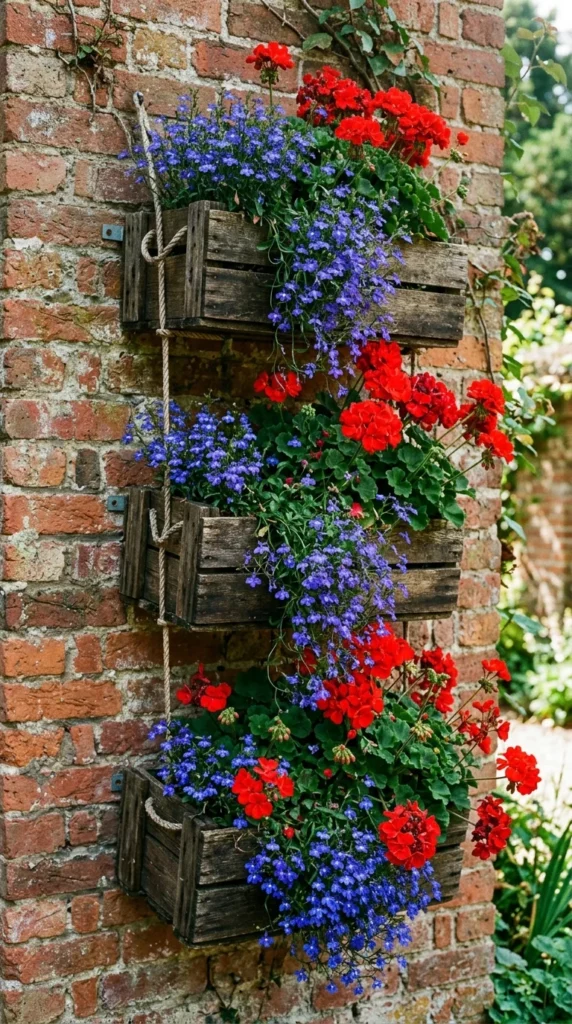
When you run out of ground space, use your walls and fences. Vertical gardening is essential for small cottage gardens. Use wall-mounted planters, hanging baskets, or even repurposed wooden crates to add layers of greenery at eye level.
Climbing plants are your best friends here. Ivy, wisteria, or climbing hydrangeas can soften harsh walls and fences, making the boundaries of your garden feel lush and green. This “wrapping” of the garden in greenery makes even the smallest courtyard feel like a hidden woodland glade.
10. Stone Accents
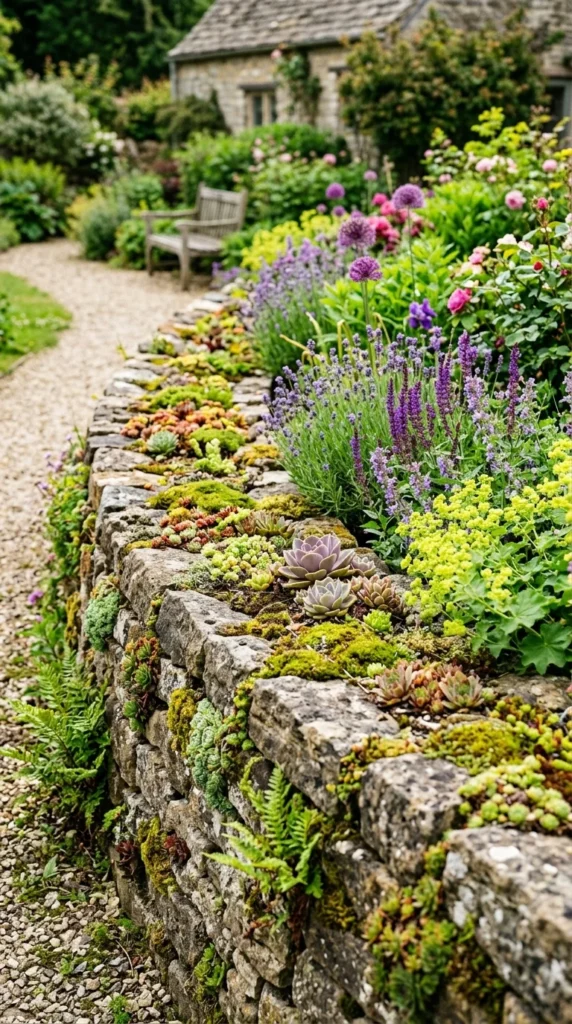
Natural materials like stone provide a beautiful contrast to the soft textures of flowers. A low stone wall can serve as a raised bed, providing better drainage for your plants while also offering a place to sit.
You can also use flat flagstones to create a small “landing” for a seating area or use stepping stones to navigate through your dense planting beds. The key is to use stones that look local and aged; avoid perfectly uniform, modern pavers. The more irregular and weathered the stone, the more “cottage” it will feel.
11. Window Boxes
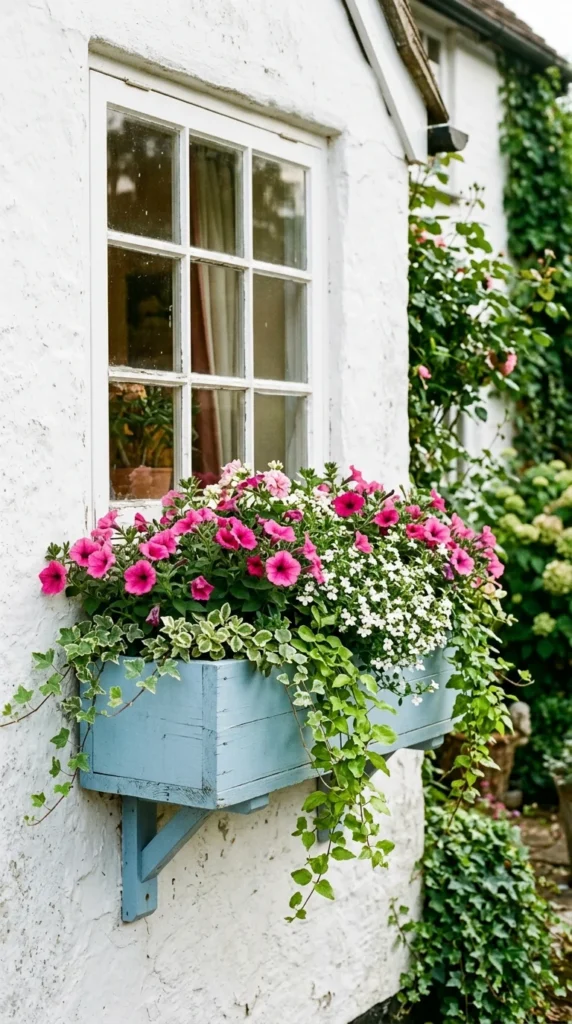
Window boxes are a fantastic way to extend your garden right up to your home’s architecture. They bridge the gap between the house and the yard, making the entire property feel like one cohesive garden.
For a cottage look, choose a “thriller, filler, and spiller” combination. Use a tall plant in the center (like a snapdragon), fill the space around it with mounding flowers (like geraniums), and finish with plants that spill over the edge (like lobelia or creeping Jenny). This creates a lush, overflowing look that mimics the abundance of the garden beds below.
12. Water Features
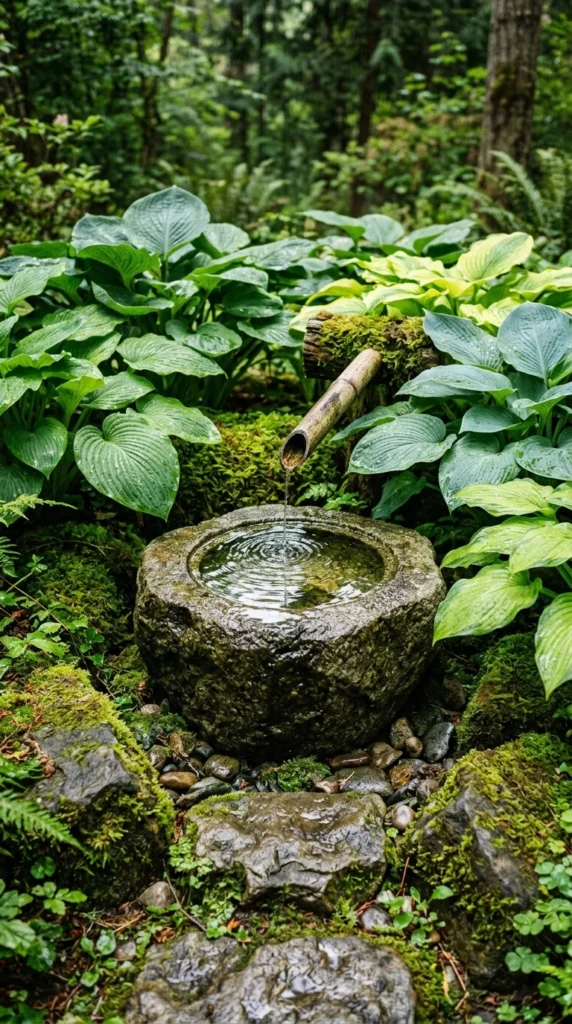
You don’t need a massive pond to enjoy the sound of water. A simple “plug-and-play” fountain or a stone basin with a solar-powered bubbler can add a sense of serenity to your small garden.
Water reflects light, which can help brighten up a shady corner, and the sound of a gentle trickle masks neighborhood noise, making your garden feel more secluded. Surround your water feature with moisture-loving plants like ferns, hostas, or Japanese forest grass to create a cool, lush oasis that feels worlds away from the hustle and bustle of daily life.