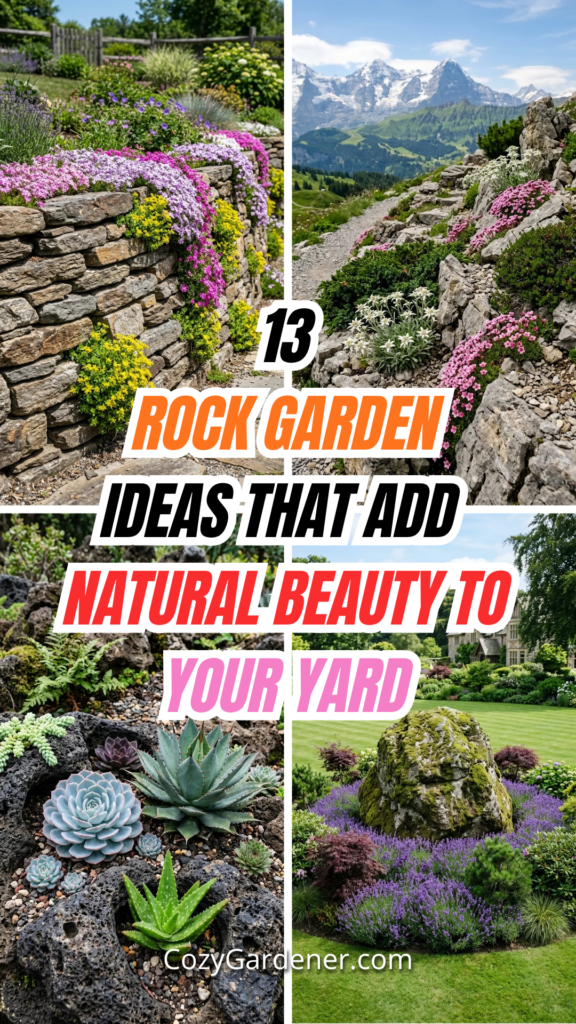
Rock gardens are more than just a collection of stones; they are a sophisticated way to bring structure, texture, and a sense of permanent serenity to your outdoor space. Whether you are dealing with a steep slope where grass refuses to grow or you simply want a low-maintenance landscape that looks beautiful year-round, rock gardens offer a versatile solution. By blending inorganic elements like granite, slate, and river rock with hardy perennials and succulents, you can create a miniature ecosystem that feels both rugged and refined.
In this guide, we explore thirteen creative rock garden ideas that will transform your yard into a natural masterpiece.
1. Alpine Rockery
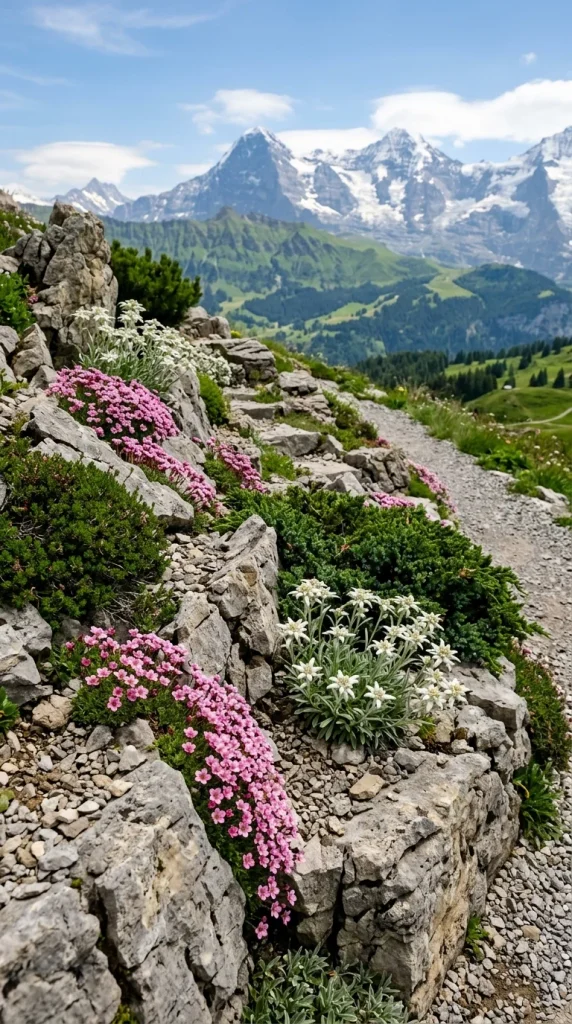
The alpine rockery is the classic interpretation of a rock garden, designed to mimic the high-altitude environments of mountain ranges. To achieve this look, use rugged, weathered stones like limestone or sandstone and partially bury them to make them look like natural outcroppings. The key is to plant “alpines”—small, hardy plants that thrive in well-drained, rocky soil. These include species like Aubrieta, Saxifrage, and Gentians. This style is perfect for sunny spots and provides a stunning display of color in the spring when these tiny plants erupt into bloom.
2. Dry Stream
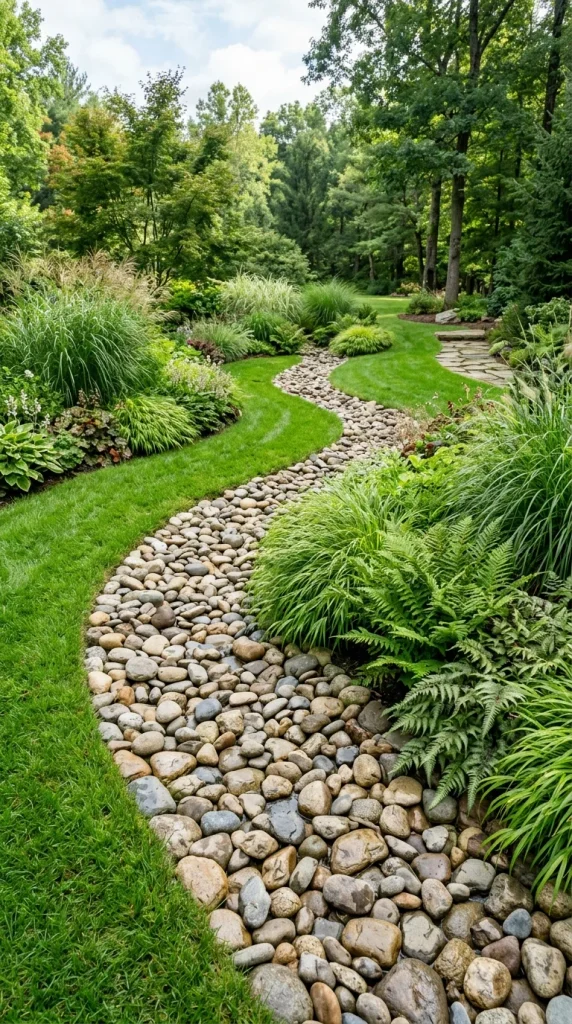
A dry stream bed is a functional and aesthetic marvel. It serves as a brilliant drainage solution for yards prone to runoff while adding a sense of movement to the landscape. To create a realistic look, use a variety of stone sizes, from large “anchor” boulders to medium cobbles and fine pea gravel. Arrange them in a winding, “S” shaped path to mimic a natural watercourse. Surround the edges with moisture-loving plants like hostas or Japanese Forest Grass to complete the illusion of a hidden forest brook.
3. Zen Retreat
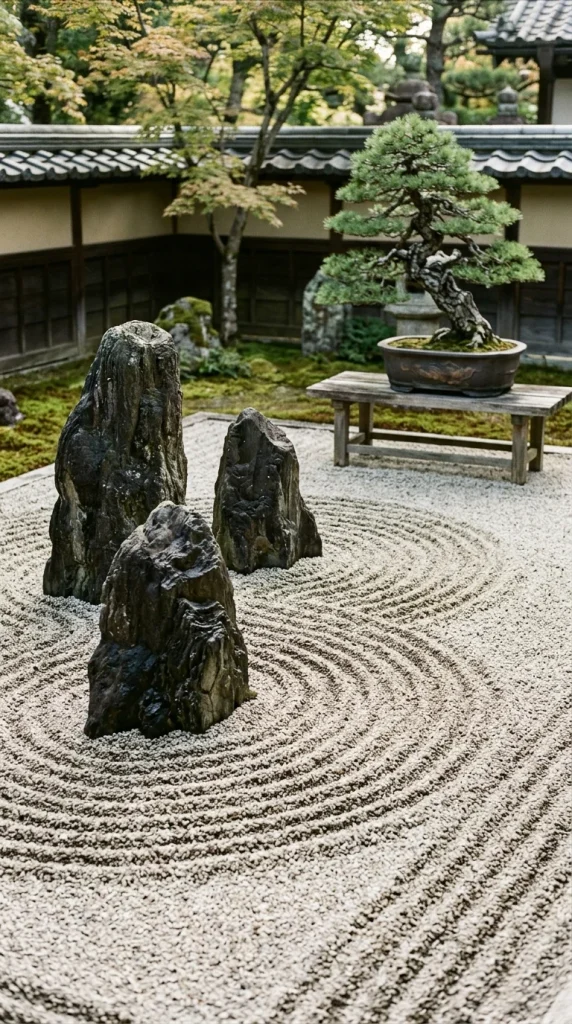
For those seeking tranquility, a Zen rock garden (Karesansui) is the ultimate choice. This style focuses on minimalism and symbolism, where raked gravel represents water and carefully placed boulders represent islands or mountains. The beauty of a Zen garden lies in its simplicity and the meditative process of maintaining the gravel patterns. It’s an excellent option for small enclosed courtyards or areas where you want to create a dedicated space for reflection and quiet thought.
4. Retaining Walls

If your yard has significant elevation changes, a rock retaining wall is both a necessity and a design opportunity. Instead of using industrial concrete blocks, opt for natural dry-stack stone. By leaving small gaps between the stones, you create “pockets” where drought-tolerant plants can thrive. Over time, plants like Hens and Chicks or Sedum will colonize the wall, softening the hard edges of the stone and creating a “living wall” effect that blends seamlessly into the environment.
5. Succulent Pockets
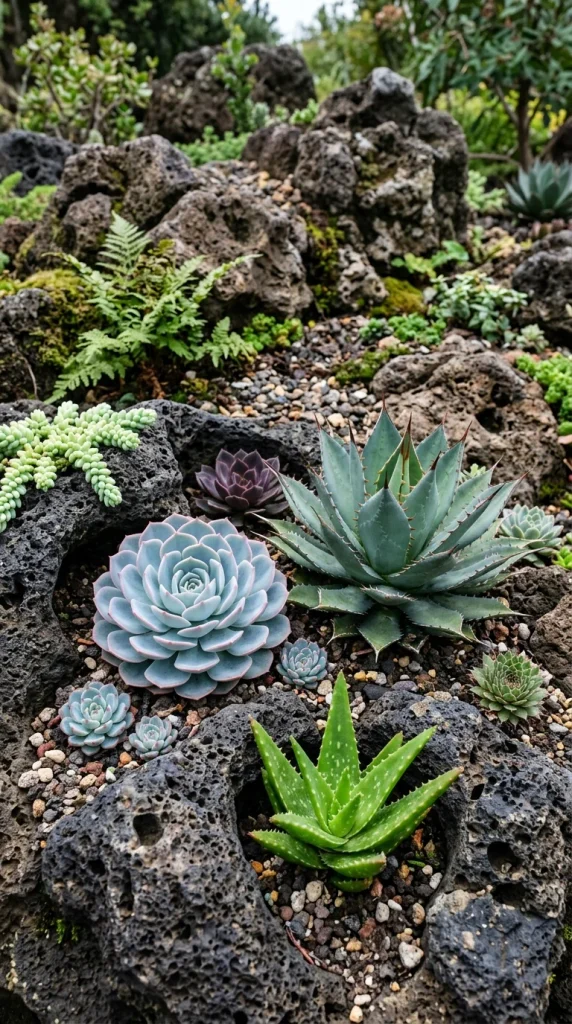
Succulents and rocks are a match made in gardening heaven. Both require excellent drainage and can withstand intense heat. You can create a high-impact, low-water garden by grouping succulents of different colors and textures within a field of crushed decorative stone or lava rock. Use large, porous rocks with natural depressions to act as organic planters. This “pocket” gardening approach allows you to showcase individual plant specimens as if they were jewels set in stone.
6. Pond Surround
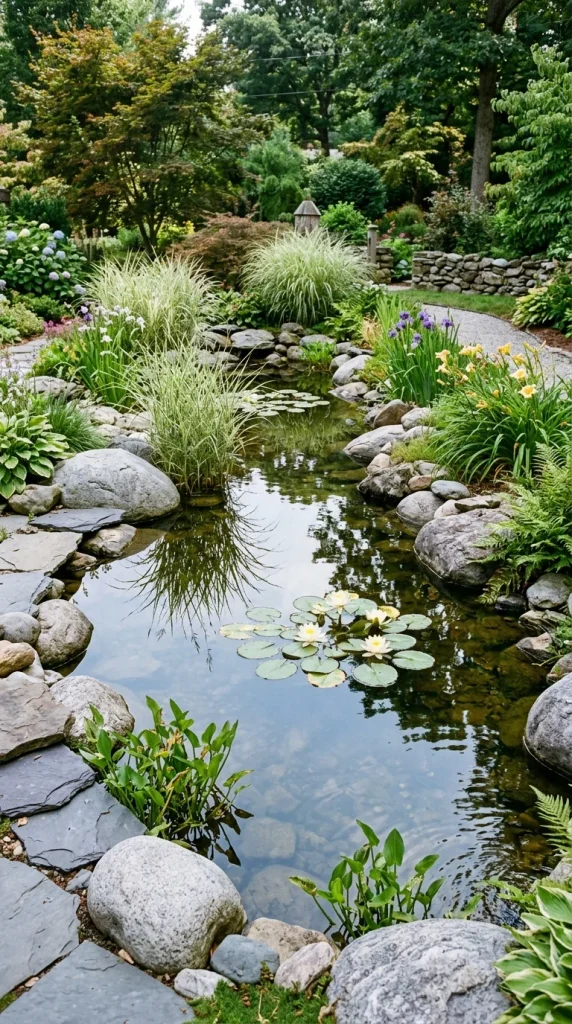
Integrating a rock garden with a water feature creates a dynamic focal point. Rocks are essential for hiding pond liners and creating naturalistic edges. Use large, flat slabs of slate or flagstone to create “jumping-off” points near the water’s edge, and smaller pebbles to transition into the surrounding landscape. The contrast between the hard, unyielding stone and the fluid, reflective surface of the water adds a professional, high-end feel to any backyard.
7. Rock Spirals
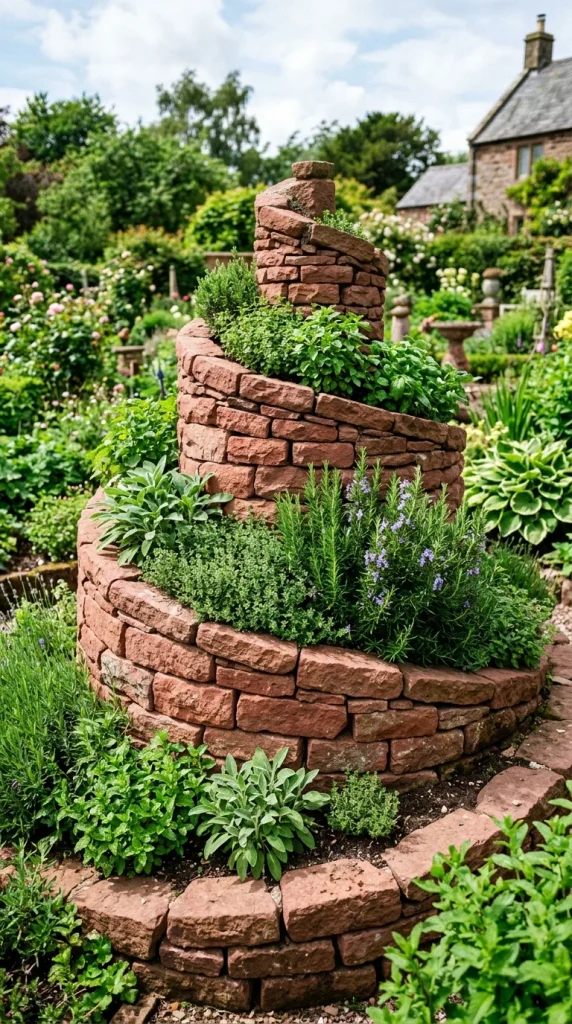
A rock spiral is an artistic and space-saving way to grow herbs or small flowers. By stacking stones in a rising spiral shape, you create different microclimates: the top is dry and sunny, while the bottom stays cooler and more moist. This allows you to plant a variety of species in a very small footprint. Beyond its utility, the geometric spiral adds a whimsical, sculptural element to the yard that draws the eye and starts conversations.
8. Desert Oasis
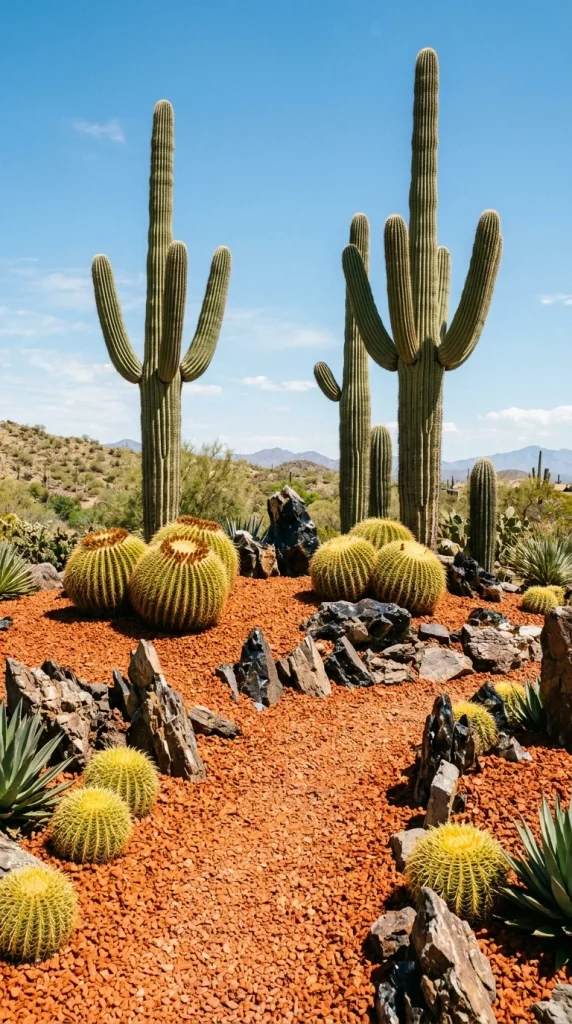
If you live in an arid climate or simply want to embrace a xeric (water-wise) lifestyle, a desert-themed rock garden is the way to go. Use warm-toned gravels, such as decomposed granite or red volcanic rock, to set the stage. Incorporate dramatic “architectural” plants like Yucca, Agave, and various cacti. The key here is spacing; allow the beauty of the individual stones and the earth to be as much a part of the design as the plants themselves.
9. Stepping Stones
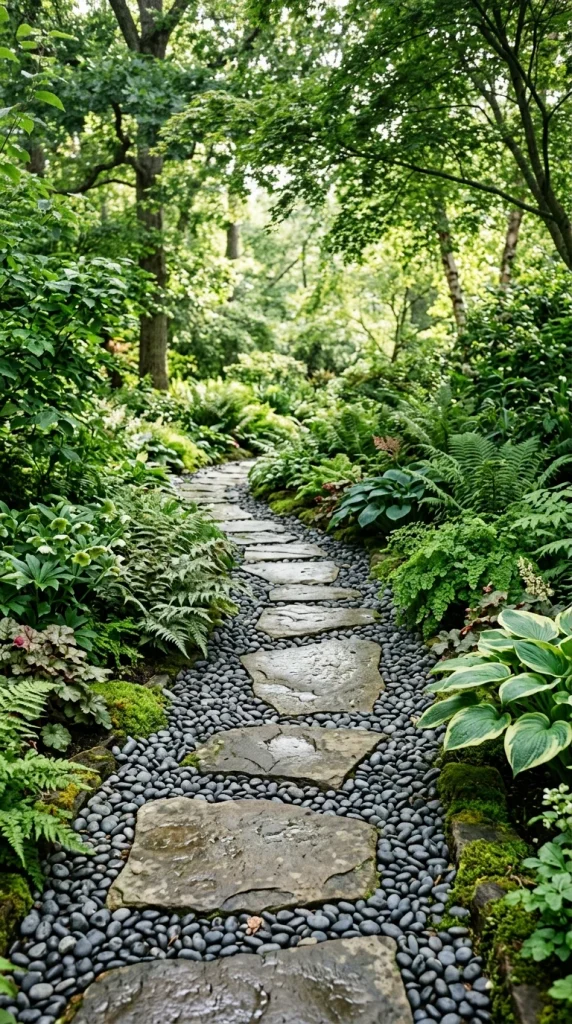
Paths are the veins of a garden, and using natural stone makes them feel permanent and grounded. Instead of a solid poured path, use large, irregular flagstones set into a bed of contrasting smaller pebbles or “steppable” groundcovers like Irish Moss. This allows water to permeate the ground rather than running off, and the irregular shapes of the stones provide a more organic, woodland feel than straight-edged pavers.
10. Boulder Focal Point

Sometimes, all a yard needs is one massive statement piece. A “specimen boulder”—a single, unusually shaped or colored large rock—can act as a natural sculpture. To make it look like it belongs, “plant” the boulder by burying the bottom third of it in the ground. Surround the base with low shrubs or ornamental grasses to anchor it visually. This creates an instant sense of age and permanence in even the newest landscapes.
11. Mossy Crevices

In shady, damp areas of the yard where flowers struggle, lean into the aesthetic of a moss garden. Use porous stones like tufa or weathered granite that hold moisture well. Encourage moss growth by “painting” the rocks with a mixture of moss spores and buttermilk (a classic gardener’s trick). This creates an ancient, fairy-tale atmosphere that feels cool and refreshing during the heat of summer.
12. Modern Minimalism

Rock gardens aren’t just for rustic or naturalistic homes; they fit perfectly with modern architecture too. Use monochromatic stone palettes, such as pure white marble chips or deep charcoal slate. Arrange the rocks in clean, geometric lines or use them to mulch around structural plants like Boxwood or Allium. The high contrast and clean lines of a modern rock garden provide a sophisticated, gallery-like feel to the exterior of a contemporary home.
13. Wildflower Scree
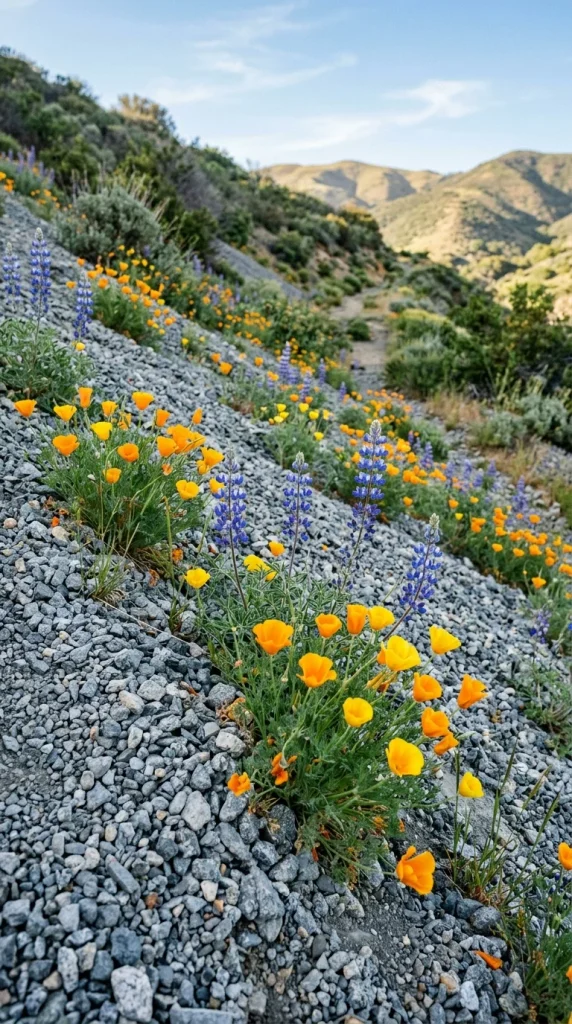
A “scree” garden mimics the loose rock slopes found at the base of cliffs. It is an excellent way to grow native wildflowers that require perfect drainage and lean soil. By using a thick layer of crushed stone as mulch, you suppress weeds while providing a stable environment for self-seeding flowers. This style of rock garden is incredibly low-maintenance and provides a vital habitat for pollinators like bees and butterflies, adding life and movement to your stone landscape.