
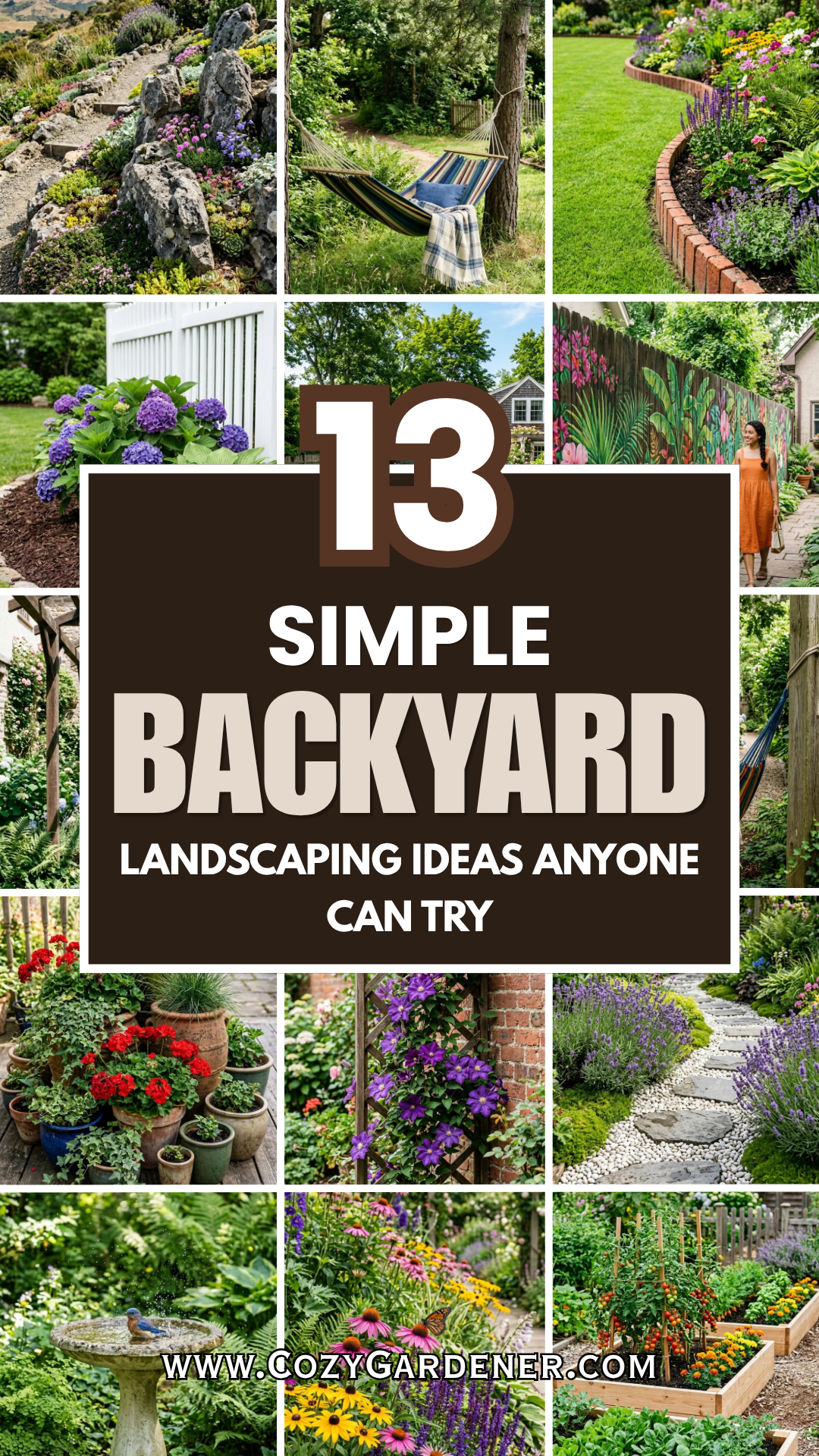
Transforming your backyard doesn’t require a degree in landscape architecture or a massive bank account. Often, the most significant impact comes from small, intentional changes that enhance the natural beauty of your outdoor space. Whether you have a sprawling estate or a compact urban lot, your backyard is an extension of your home—a place for relaxation, entertainment, and a connection with nature.
The key to successful DIY landscaping is focusing on projects that offer high visual impact for low effort. By prioritizing texture, structure, and focal points, you can create a professional-looking sanctuary that reflects your personal style. From defining your garden borders to introducing the soothing sound of water, these thirteen ideas are designed for accessibility and style.
1. Mulch
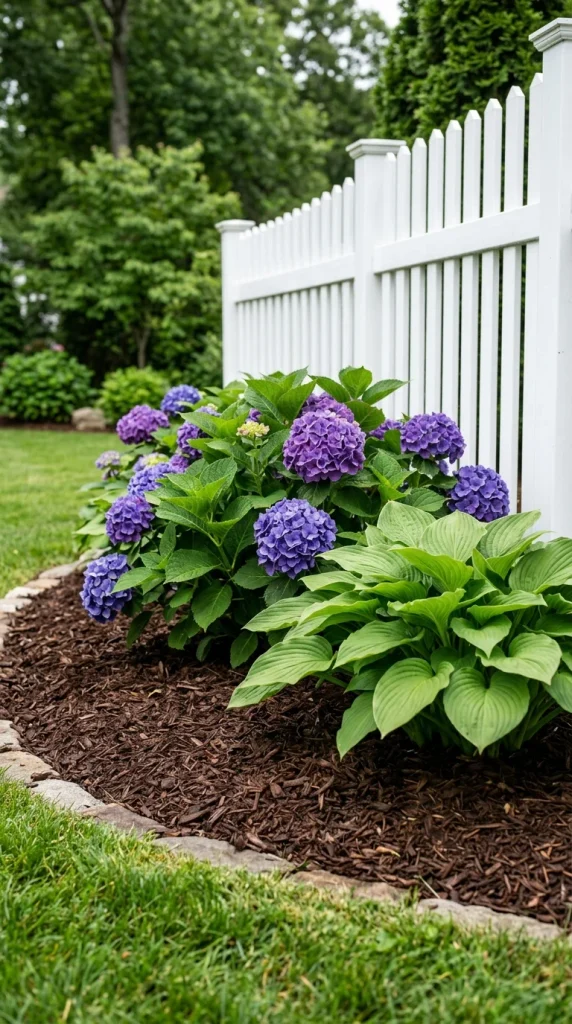
One of the fastest and most cost-effective ways to make a backyard look “finished” is by applying a fresh layer of mulch. Mulch serves several purposes: it suppresses weeds, retains moisture in the soil, and provides a clean, uniform backdrop for your plants.
When choosing mulch, consider the aesthetic of your home. Dark brown or black mulch creates a high-contrast look that makes the green foliage of your plants pop. If you prefer a more natural, woodland feel, pine bark or cedar chips offer a rustic texture and a pleasant scent. Beyond the visual appeal, mulching protects the root systems of your plants from temperature fluctuations, making it a functional win for any gardener.
2. Pathways
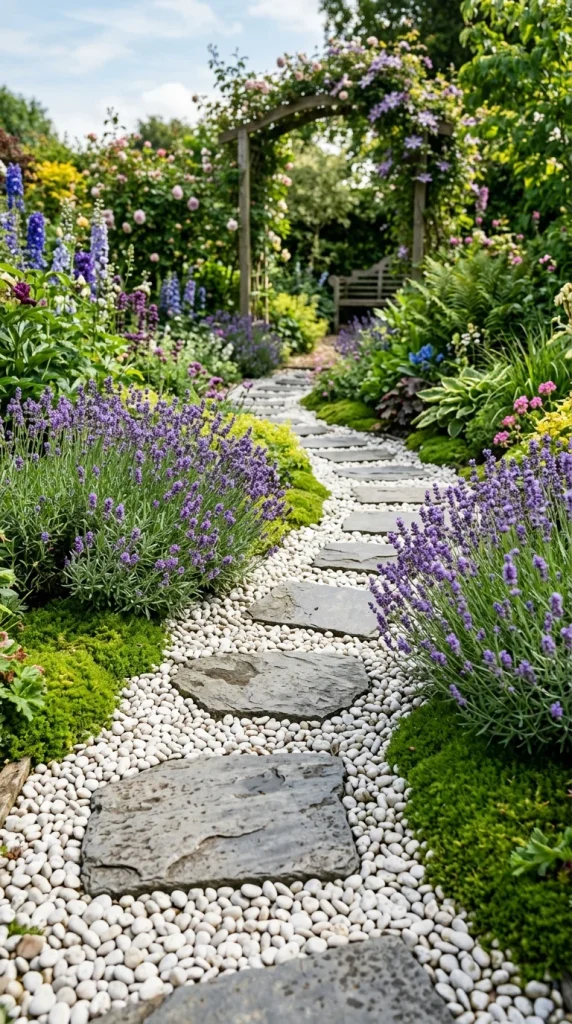
A backyard without a clear path can feel disorganized. Installing a DIY walkway creates a sense of flow and purpose, guiding guests from the patio to a hidden seating area or a vegetable garden. You don’t need to pour concrete to achieve a beautiful result.
Stepping stones, flagstones, or even simple wooden slats laid over a bed of pea gravel are excellent options. The beauty of a gravel-and-stone path is its permeability—it allows rainwater to soak into the ground rather than running off. To ensure a professional look, dig a shallow trench for your path, line it with landscape fabric to prevent weeds, and fill it with your chosen materials.
3. Containers
Container gardening is the ultimate landscaping “hack” for people with limited space or poor soil quality. Pots allow you to introduce color and height exactly where you need it. They are also portable, meaning you can swap them out as the seasons change or move them to catch the best sunlight.
To create a professional-looking container, follow the “Thriller, Filler, Spiller” rule. Choose one tall, dramatic plant (the thriller), several mounded plants to fill the space (the fillers), and a trailing plant to cascade over the edges (the spiller). Mixing different pot materials—like rustic wood, sleek metal, and traditional ceramic—can add a curated, eclectic vibe to your patio or deck.
4. Lighting
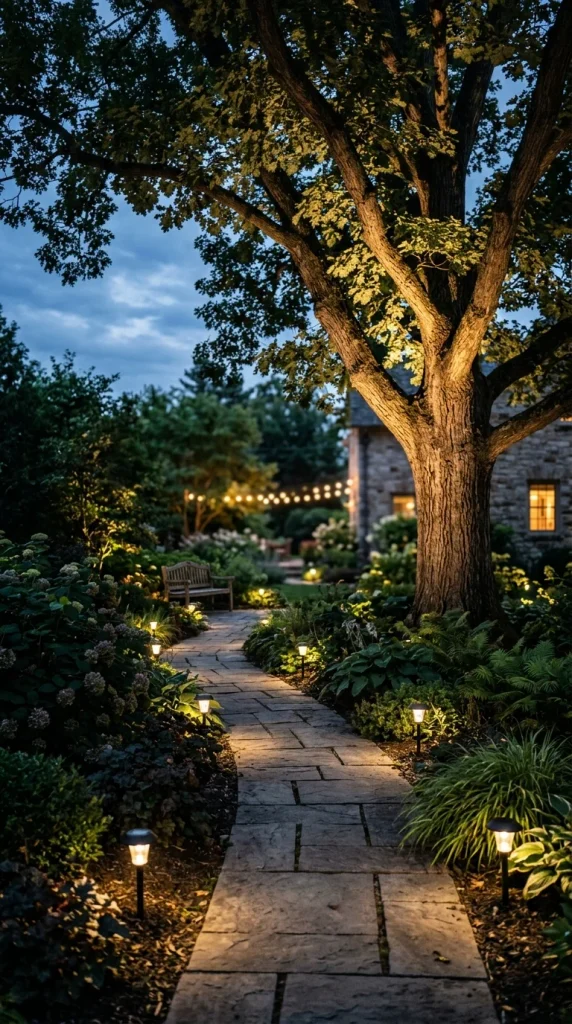
Landscape lighting completely changes the atmosphere of a backyard once the sun goes down. It’s not just about safety; it’s about drama. Solar-powered lights are the easiest entry point for DIYers because they require no wiring or electricity.
Use stake lights to line your walkways, and place small spotlights at the base of your most impressive trees or architectural features to create “uplighting.” This technique casts long shadows and highlights the texture of bark and leaves. For a softer glow, tuck small puck lights into flower beds to illuminate your blooms from within, creating an ethereal, magical evening environment.
5. Trellises
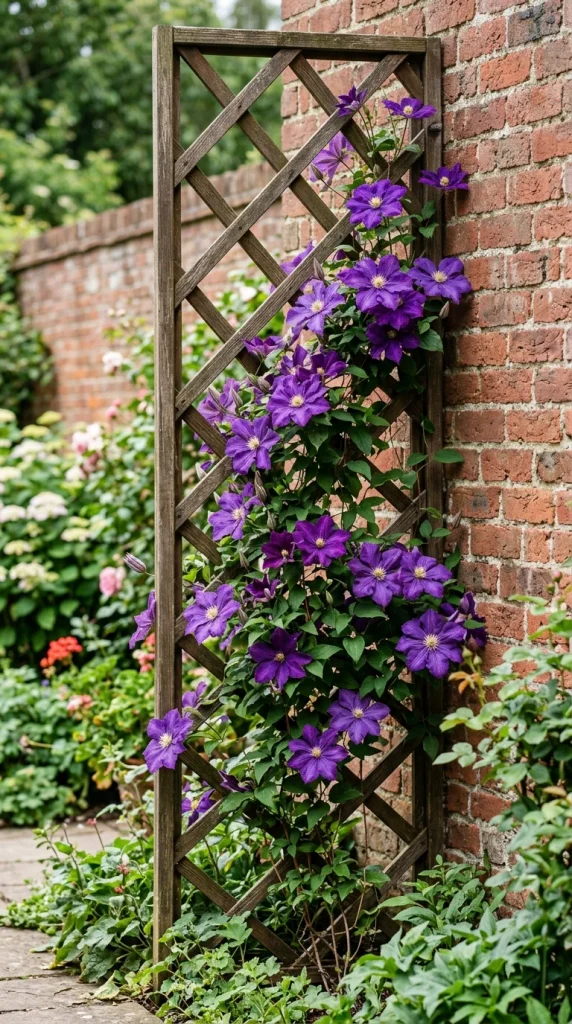
When you run out of horizontal space in your yard, look up. Vertical gardening using trellises adds a layer of depth and privacy to your landscape. A trellis can hide an unsightly fence, create a living “wall” for a seating area, or simply provide a home for climbing plants.
Fast-growing climbers like jasmine, honeysuckle, or clematis are perfect for this project. They not only provide visual beauty but also fill the air with incredible fragrance. If you’re feeling handy, you can build a simple trellis using copper pipes or reclaimed wood, adding a custom architectural element to your garden.
6. Fire Pits
Nothing creates a focal point quite like a fire pit. It serves as a natural gathering spot for friends and family, extending the usability of your backyard into the cooler months. You can purchase a pre-made metal fire bowl for an instant solution, or build a permanent one using retaining wall blocks or heat-resistant stones.
When installing a fire pit, safety is paramount. Ensure it is placed on a non-combustible surface like gravel, pavers, or dirt, and keep it a safe distance from overhanging branches and wooden structures. Surround the area with comfortable seating and some outdoor rugs to create a true “outdoor living room.”
7. Perennials
If you want a beautiful garden that requires less work year after year, perennials are your best friend. Unlike annuals, which need to be replanted every spring, perennials come back season after season. They are the backbone of any sustainable landscape.
When selecting perennials, look for varieties that are native to your region. Native plants are more resistant to local pests and require less water once established. Group plants with similar water and light needs together to make maintenance easier. Over time, many perennials can be divided, giving you free plants to expand your garden or share with neighbors.
8. Raised Beds
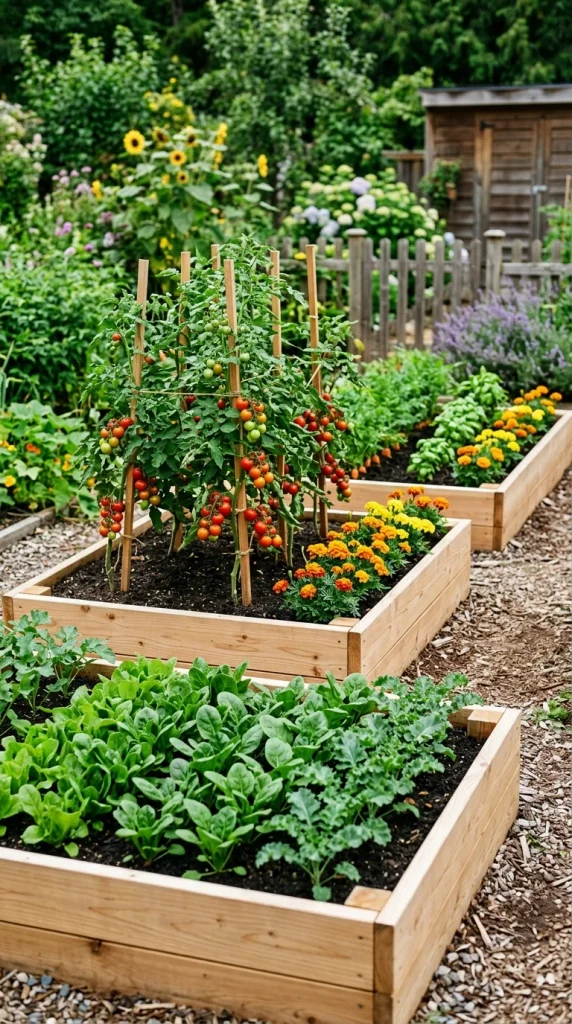
Raised beds are a game-changer for backyard organization. They provide a tidy, structured look and solve the problem of rocky or compacted soil. Because the soil in raised beds warms up faster in the spring, you can often start your growing season earlier.
You can build raised beds out of cedar, redwood, or even galvanized metal troughs for a modern industrial look. They are perfect for growing vegetables, herbs, or cutting flowers. To keep them looking sharp, edge the area around the beds with gravel or mulch to create a clean transition between the garden and the lawn.
9. Bird Baths
Adding a water feature doesn’t have to involve complex pumps or expensive plumbing. A simple bird bath introduces the element of water into your landscape, providing a vital resource for local wildlife and a peaceful visual for you.
Place your bird bath in a spot where you can view it from a window or a patio chair. To keep it attractive to birds and prevent mosquitoes, change the water every few days and give the basin a quick scrub. For an extra touch of luxury, add a small solar-powered fountain insert to create the gentle sound of trickling water, which can help mask neighborhood noise.
10. Hammocks
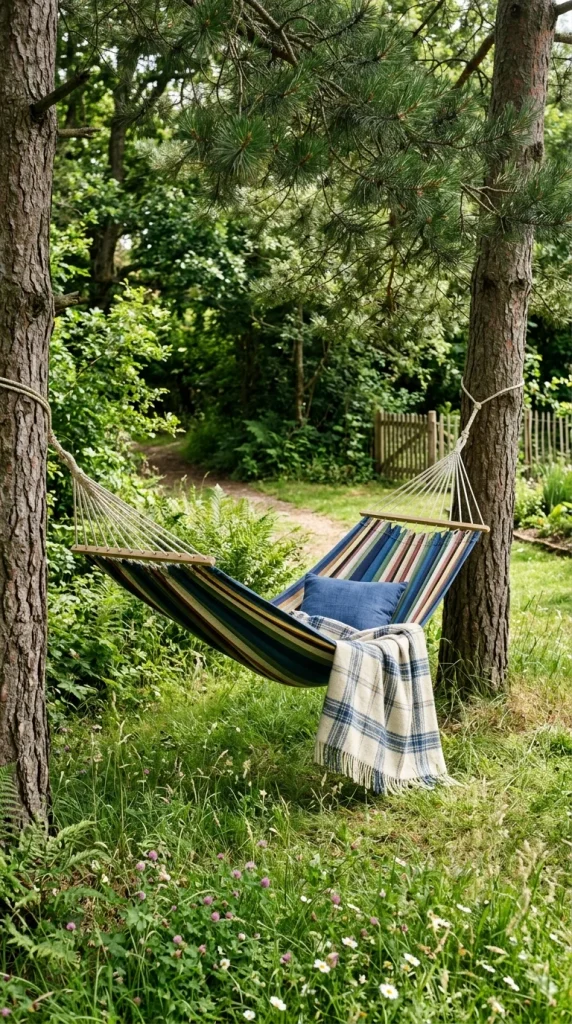
Landscaping isn’t just about what you look at; it’s about how you experience the space. Creating a dedicated relaxation zone with a hammock is a simple way to invite more leisure time into your life.
If you have two sturdy trees spaced about 10 to 15 feet apart, you’re in luck. If not, you can use a freestanding hammock stand or install heavy-duty 4×4 posts anchored in concrete. Surround your hammock nook with tall grasses or fragrant shrubs like lavender to create a sense of enclosure and privacy. It becomes a secret retreat for reading, napping, or simply listening to the wind in the trees.
11. Edging
The difference between a “shaggy” yard and a “manicured” one often comes down to the edges. Defining the borders between your lawn and your garden beds gives the entire yard an instant facelift.
There are many easy ways to edge. You can use a spade to cut a “Victorian edge” (a clean trench), or install physical barriers like bricks, flat stones, or flexible metal edging. Physical edging prevents grass from creeping into your flowers and keeps mulch from washing onto the lawn during heavy rain. It’s a small detail that provides a high-end, professional finish to your DIY efforts.
12. Rockeries
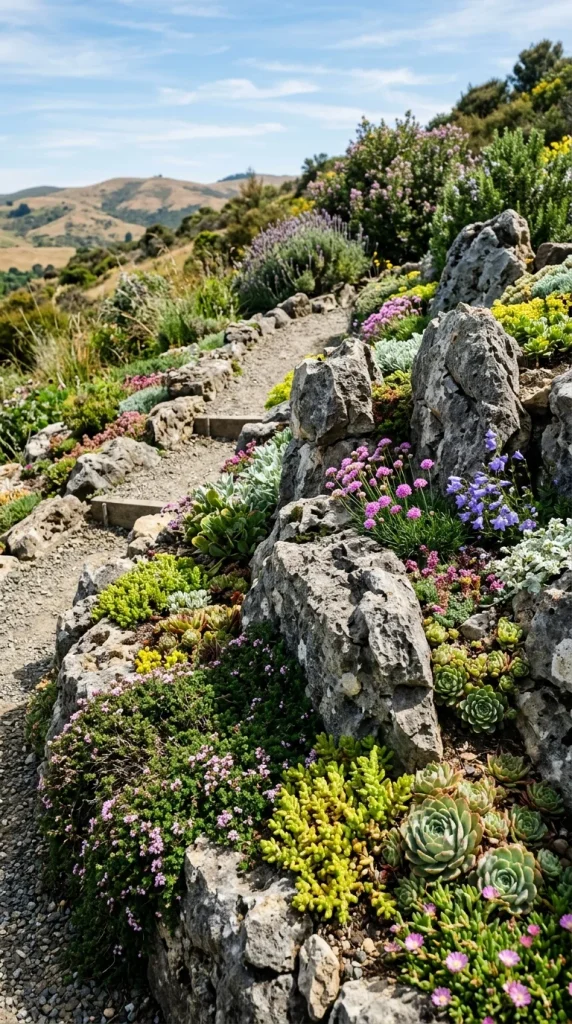
If you have a corner of the yard where grass refuses to grow or a slope that is difficult to mow, a rock garden (or rockery) is the perfect solution. Rockeries embrace a natural, rugged aesthetic and are incredibly low-maintenance once established.
Start with a few large “anchor” rocks and bury them slightly so they look like they’ve been there for years. Fill the gaps with smaller stones and drought-tolerant plants like sedum, hens and chicks, or ornamental grasses. The contrast between the hard, cold stones and the soft, organic plants creates a visually compelling texture that looks great year-round, even in the depths of winter.
13. String Lights
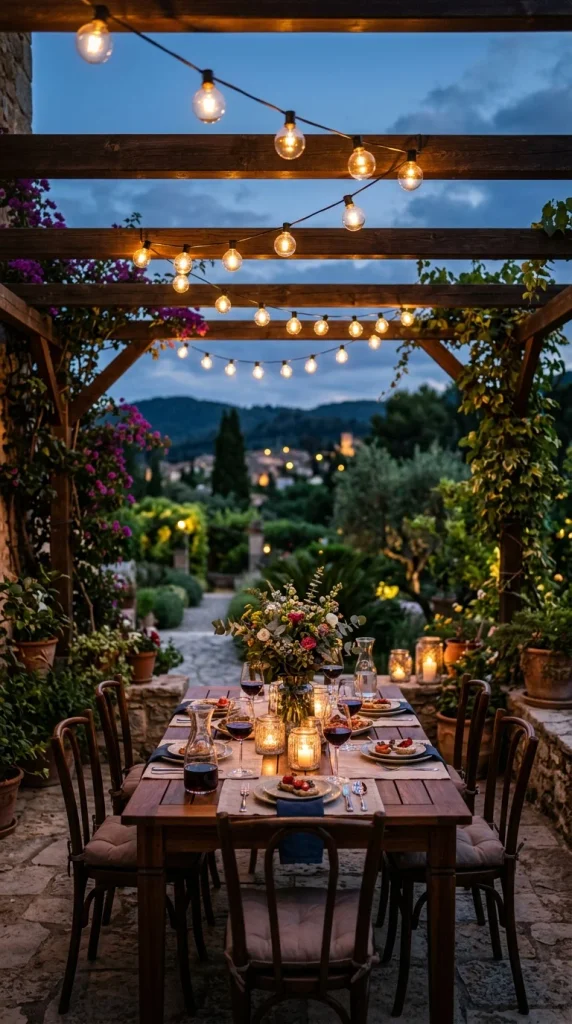
Nothing transforms a backyard into an “outdoor room” faster than overhead string lights. Also known as cafe or bistro lights, these provide a warm, festive glow that makes any evening feel like a special occasion.
To hang them effectively, you can attach them to the eaves of your house, a fence, or sturdy wooden poles anchored in planters. For the best look, use a “zig-zag” or “X” pattern across your main seating area. Choose LED bulbs for longevity and energy efficiency. The soft, overhead illumination creates a cozy canopy that encourages long conversations and outdoor dining well into the night.