
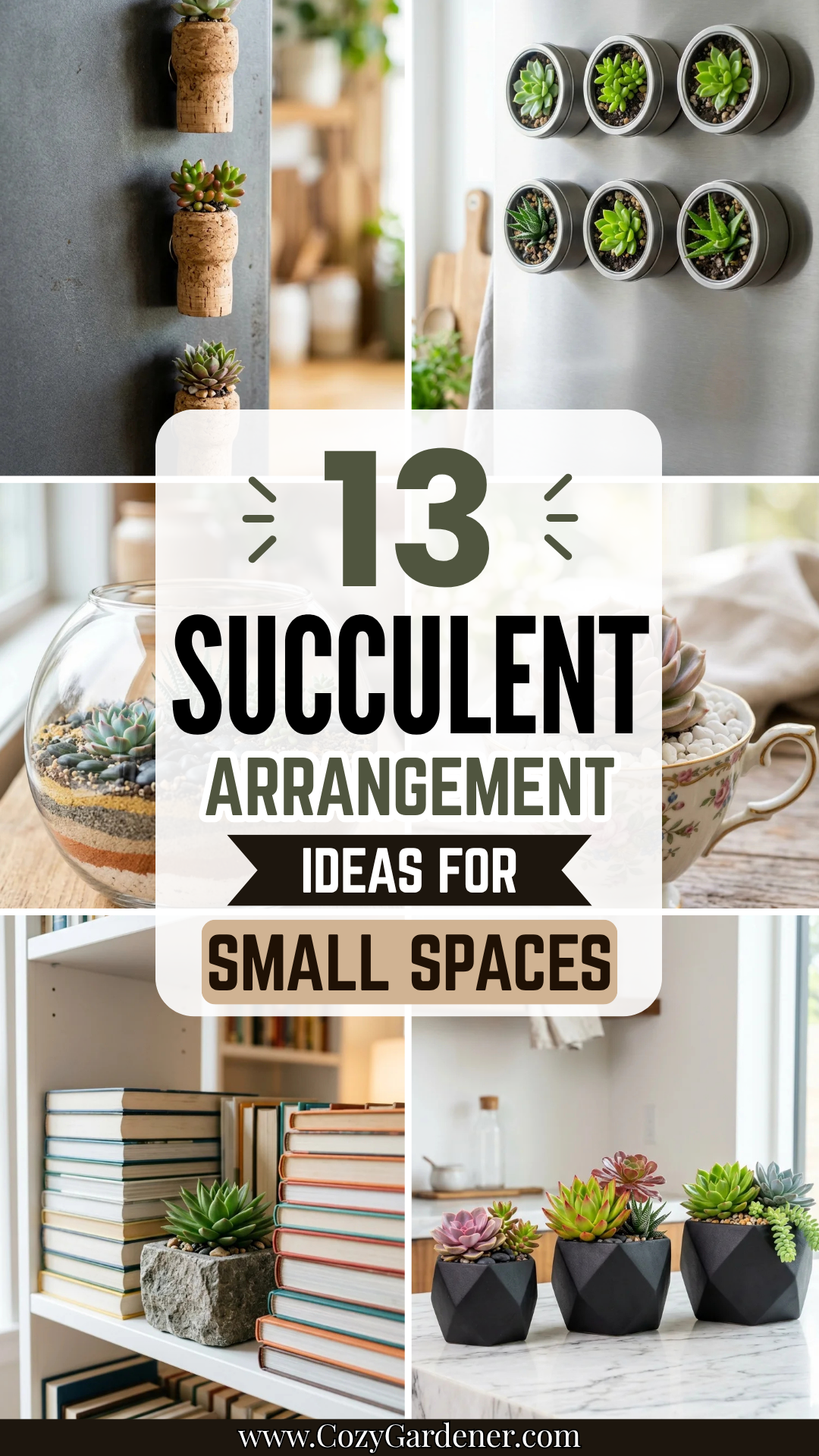
Succulents are the undisputed champions of the small-space gardening world. Their architectural shapes, stunning color palettes, and resilient nature make them the perfect roommates for anyone living in a cozy apartment, a tiny home, or simply looking to brighten up a cramped office desk. Because they grow slowly and have relatively shallow root systems, these “living jewels” can thrive in containers that would stifle other plants.
When space is at a premium, you have to think vertically, creatively, and miniature. Whether you are a seasoned “plant parent” or a beginner with a brown thumb, these thirteen succulent arrangement ideas will transform your small spaces into lush, green sanctuaries without overwhelming your floor plan.
1. Teacup Gardens
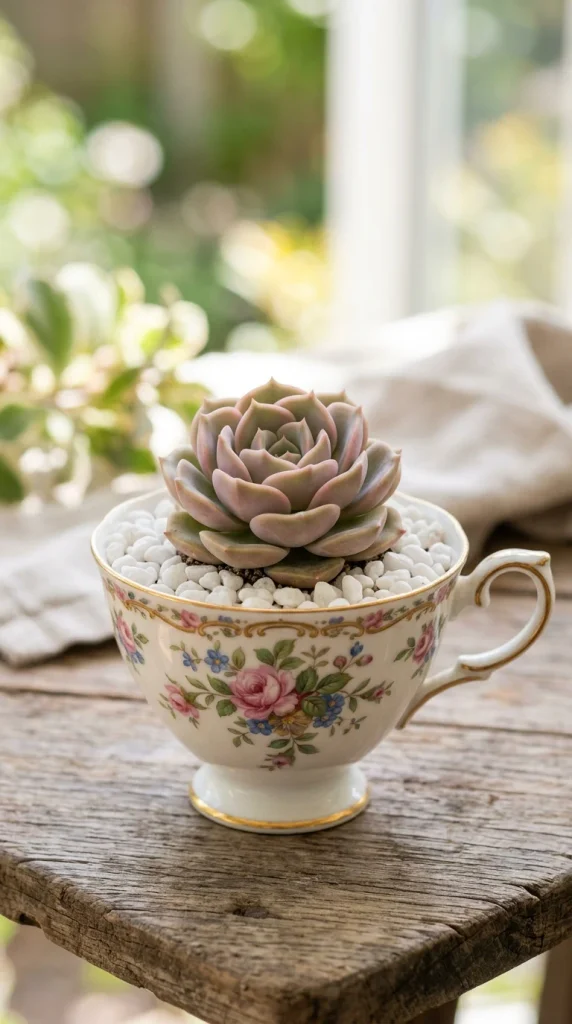
One of the most charming ways to display succulents is by repurposing old kitchenware. Vintage teacups, with their intricate patterns and delicate handles, provide a whimsical home for smaller species like Echeveria or Sedum. These arrangements are perfect for a bedside table or a narrow windowsill where a standard pot might look too bulky.
To make this work, focus on drainage. Since most teacups don’t have holes, use a layer of charcoal or small rocks at the bottom before adding your succulent-specific soil. This prevents water from sitting around the roots. These tiny gardens also make incredible handmade gifts that take up almost no room.
2. Glass Terrariums
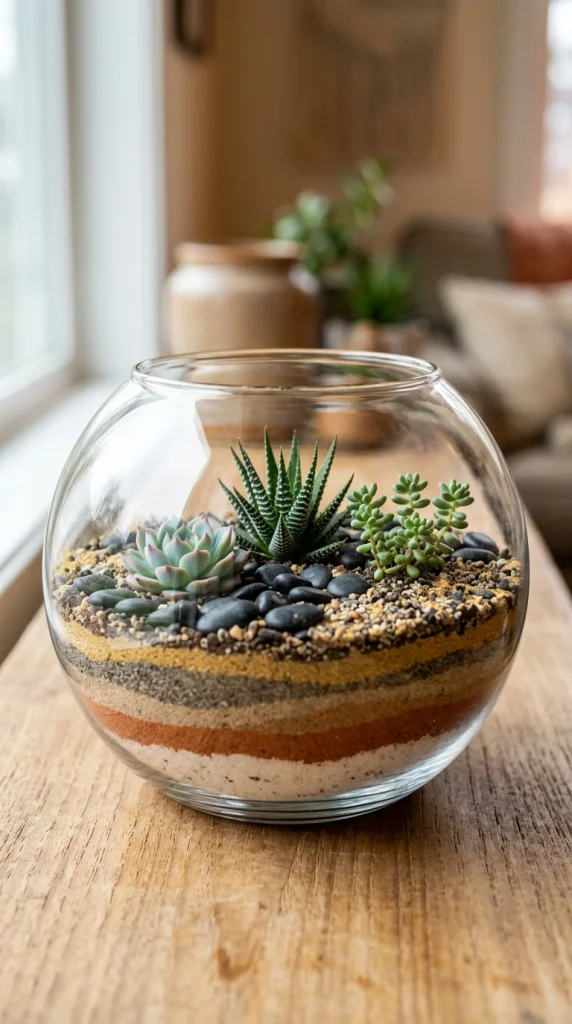
Glass terrariums are essentially living art pieces. For small spaces, a teardrop or spherical glass vessel allows you to see the plant from all angles, creating a sense of depth and openness. The transparency of the glass keeps the room feeling airy rather than cluttered.
When building a succulent terrarium, remember that succulents prefer dry air. Choose “open” terrariums rather than closed jars to ensure proper airflow. You can play with different colors of sand and gravel to create a “stratified” look that mimics natural geological layers, making even a tiny 4-inch globe look like a vast, ancient landscape.
3. Vertical Frames
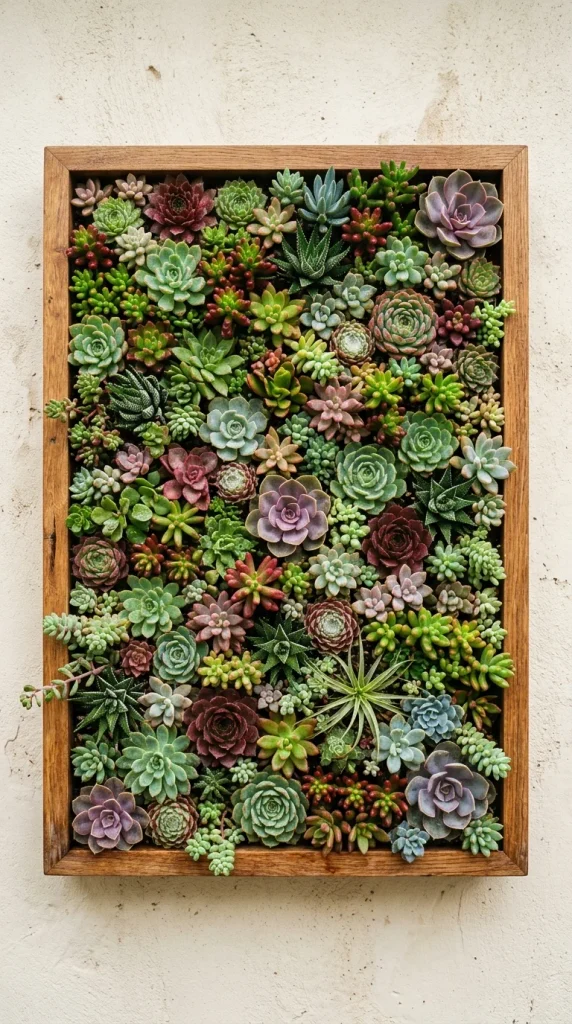
If you have zero horizontal surface area left, look to your walls. A succulent “living frame” is a brilliant way to incorporate greenery without using any shelf or floor space. These are created using a shallow shadow box with a wire mesh to hold the soil and plants in place.
Choose a variety of “rosette” style succulents to create a lush, carpeted effect. As the plants grow, they fill in the gaps, creating a 3D painting that changes over time. This is the ultimate space-saving hack for small corridors or kitchens.
4. Magnetic Tins
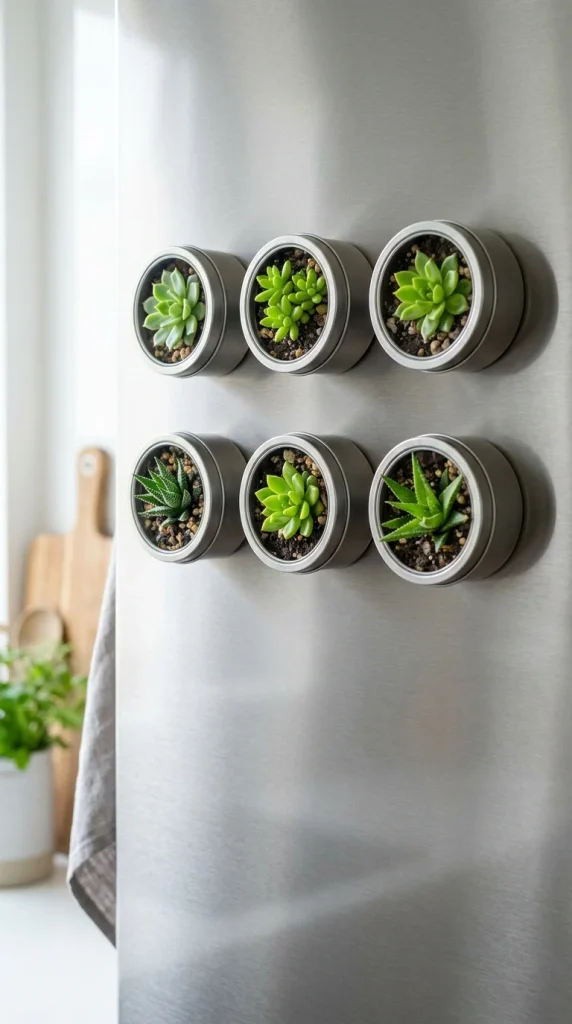
The kitchen is often the hardest place to fit plants, but the refrigerator provides a massive, untapped vertical canvas. Magnetic succulent tins are a clever way to add life to your cooking space. You can use magnetic spice tins or even upcycled mint containers.
Because these containers are quite small, choose “pup” succulents or slow-growing varieties like Haworthia. Ensure the magnets are strong enough to support the weight of the soil and the plant, and move them to a sunny spot for a few hours if your fridge is in a dark corner.
5. Driftwood Logs
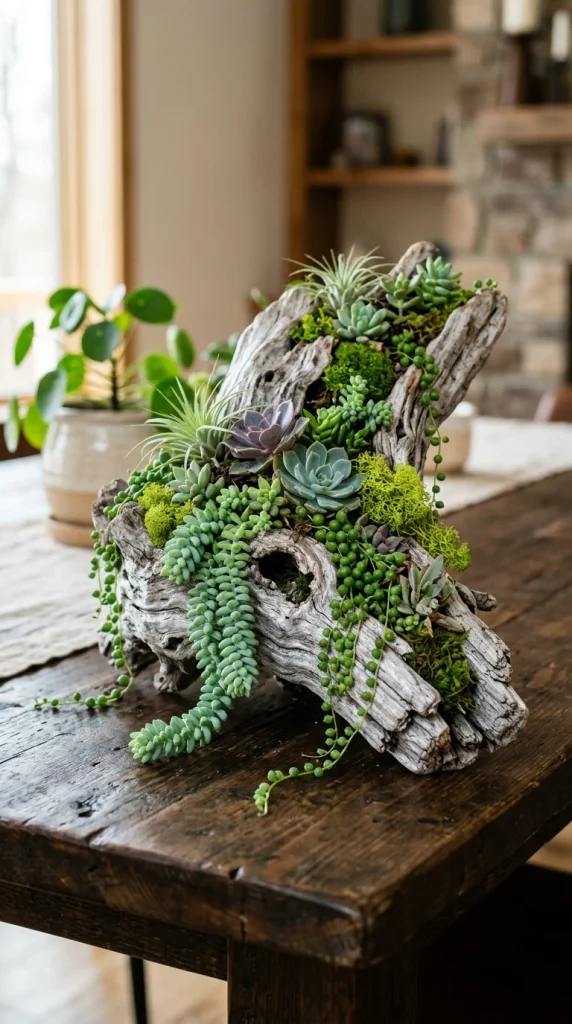
For those who love a rustic or coastal aesthetic, driftwood serves as a stunning natural planter. The organic curves and weathered texture of the wood complement the architectural lines of succulents perfectly. You can find pieces of driftwood with natural “pockets” or carve out small indentations yourself.
This arrangement works beautifully on a narrow mantle or as a centerpiece for a small dining table. Since driftwood is porous, it helps regulate moisture, but you should still be careful not to overwater. Nestling some preserved moss around the base of the plants helps hold the soil in place while adding a pop of vibrant green.
6. Hanging Globes
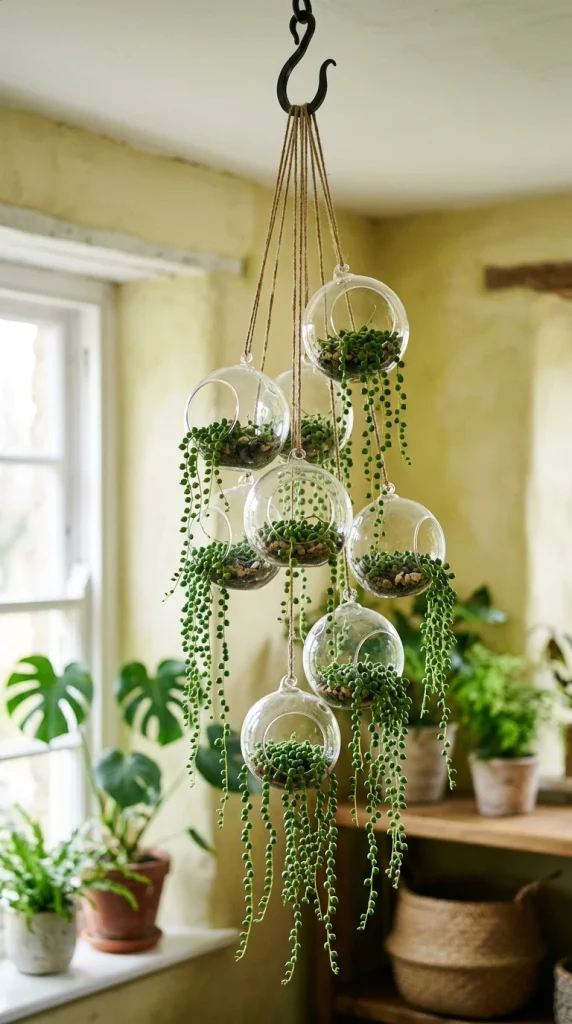
When shelf space is non-existent, go for the ceiling. Hanging glass globes create a “floating garden” effect that is both modern and magical. They are particularly effective when hung in clusters of three at varying heights.
Trailing succulents, such as “String of Pearls” or “String of Bananas,” are ideal for this setup. As they grow, they will spill out of the opening and drape elegantly toward the floor. Because they are elevated, they catch the light beautifully and stay out of reach of curious pets or toddlers.
7. Bookshelf Nooks
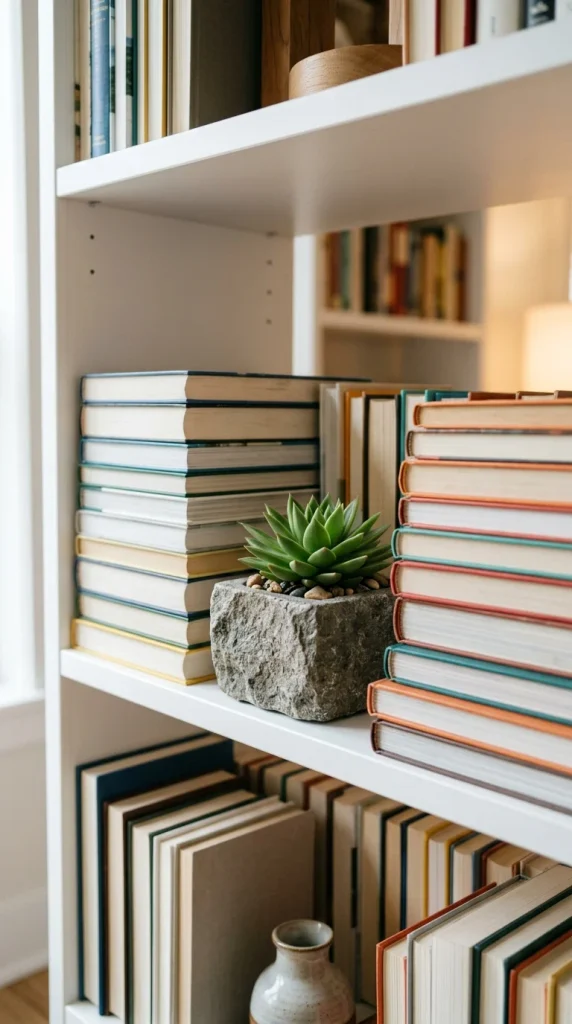
Bookshelves aren’t just for novels; they are prime real estate for greenery. Tucking a small succulent arrangement into the “nooks” of your library adds a layer of texture and life to your decor. Using low-profile, rectangular planters allows you to slide them right next to your favorite hardcovers.
To keep your plants healthy on a bookshelf, make sure they are placed on the shelves that receive the most indirect sunlight. Haworthia and Gasteria are excellent choices for bookshelves because they are more tolerant of lower light conditions than most other succulents.
8. Wine Corks
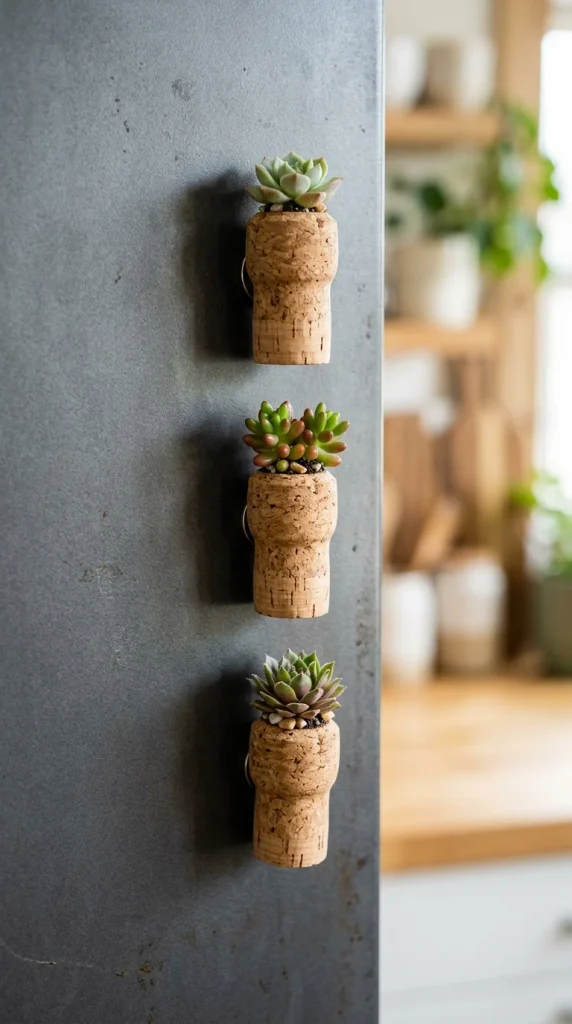
Perhaps the smallest “arrangement” possible, wine cork planters are the height of upcycling. By hollowing out the center of a cork, you create a tiny vessel for a succulent cutting. These are so lightweight that they can be turned into magnets or even hung from strings as ornaments.
While these aren’t permanent homes—eventually the plant will outgrow the cork—they are perfect for propagation. Once the cutting grows too large, you can move it to a larger pot and start a new cutting in the cork. It’s a cycle of greenery that takes up less than a square inch of space.
9. Geometric Planters
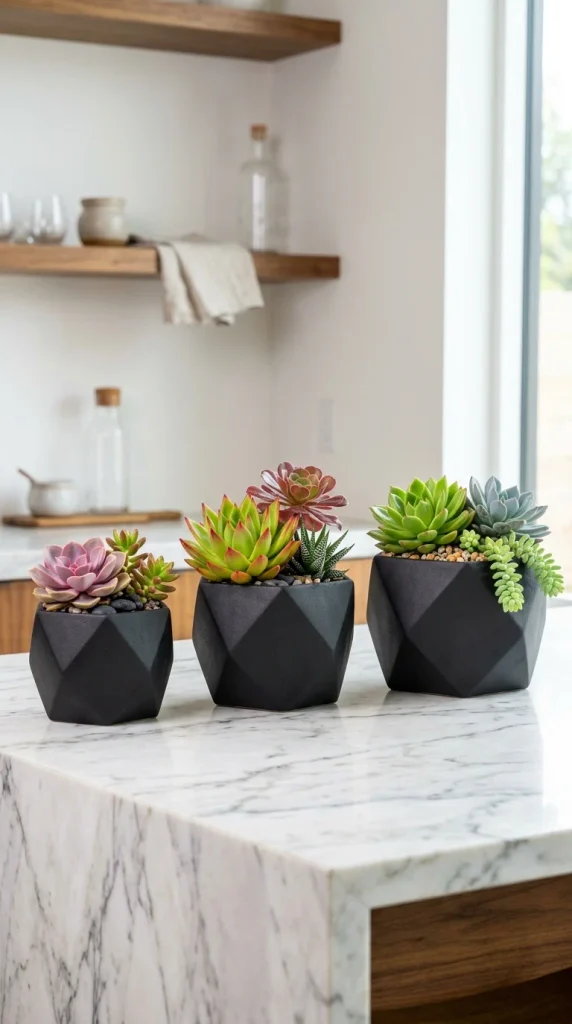
Geometric planters are perfect for small spaces because their sharp angles and clean lines make them look organized and intentional, even in a cluttered environment. These planters often come in “nesting” sets, allowing you to group them closely together to create a high-impact display in a very small footprint.
Concrete, ceramic, or metal geometric pots add a modern, architectural feel to a room. Grouping three different sizes together on a coffee table or a desk creates a professional, curated look that feels like a deliberate design choice rather than just a random plant placement.
10. Birdcage Displays
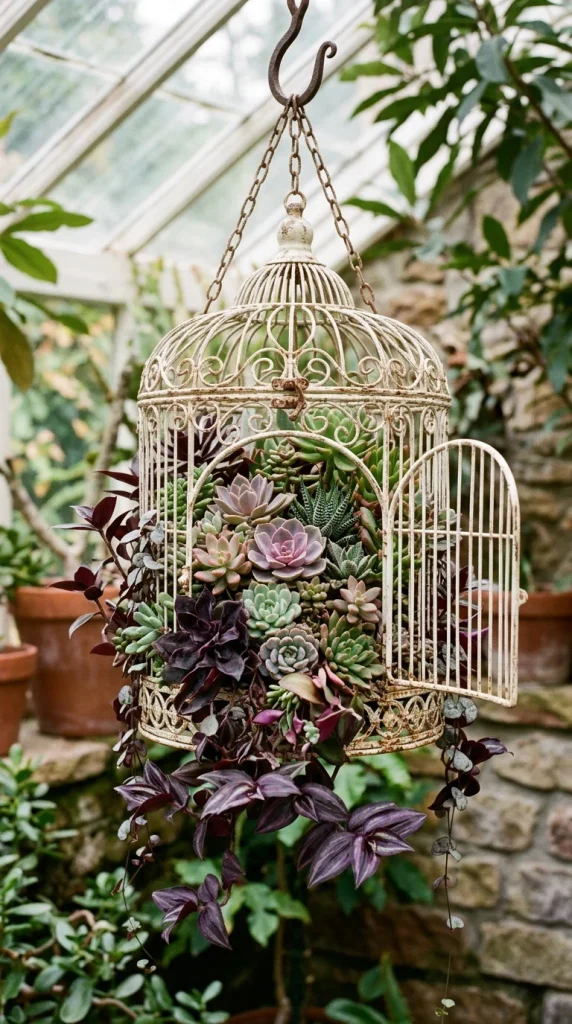
An old birdcage can be transformed into a Victorian-style succulent sanctuary. This is an excellent way to protect your plants while showcasing them. You can line the bottom with coco-fiber or moss and plant a variety of succulents that will eventually poke through the wire bars.
Birdcages are great for small balconies or hanging in a sunny corner. The wire structure provides plenty of airflow, which succulents love, and the verticality of the cage allows you to display many plants in a small circular area.
11. Tiered Trays
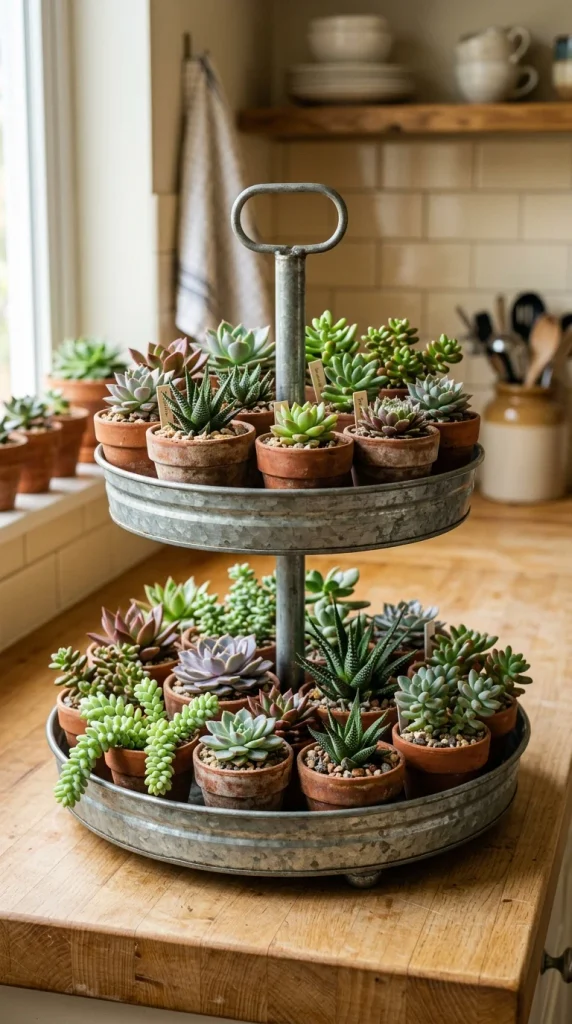
Tiered trays are the ultimate organization tool for small-space gardeners. By stacking your plants vertically on two or three levels, you triple your growing area without increasing the footprint on your counter or table. This “apartment complex” for succulents allows you to showcase a diverse collection in one compact spot.
Use the top tier for sun-loving varieties like Graptopetalum and the lower, slightly more shaded tiers for varieties like Aloe or Jade. Mixing and matching pot styles on the trays adds a cozy, eclectic vibe to the arrangement.
12. Shell Pots
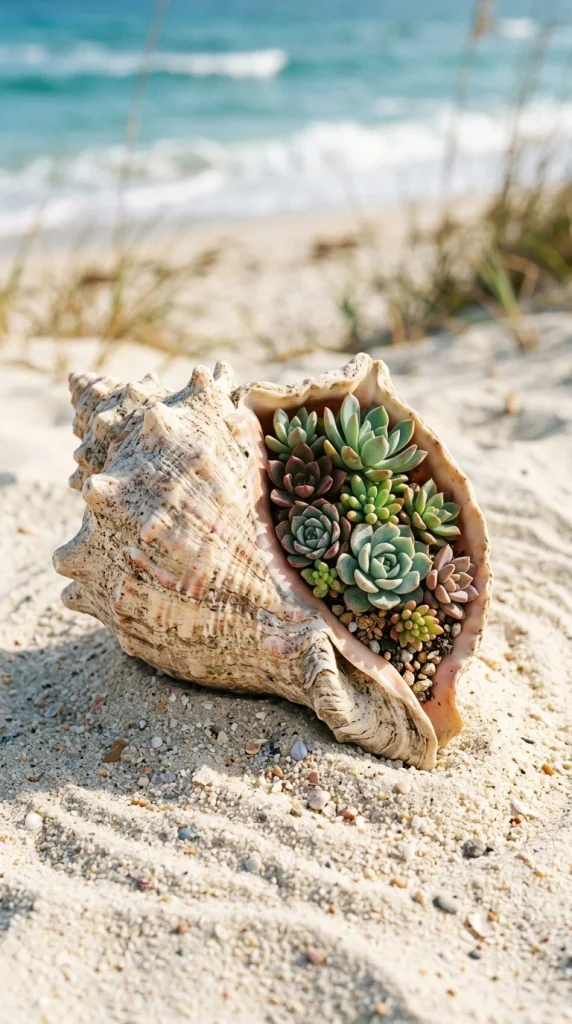
If you live in a small space near the coast—or just wish you did—using large sea shells as planters is a beautiful, space-efficient idea. Scallop shells, conch shells, and even large sea urchin tests make for unique, organic containers that take up very little room.
The natural curves of the shells provide built-in drainage paths and interesting angles for the plants to grow. These look particularly striking in bathrooms or on small floating shelves, bringing a touch of the ocean indoors.
13. Lantern Habitats
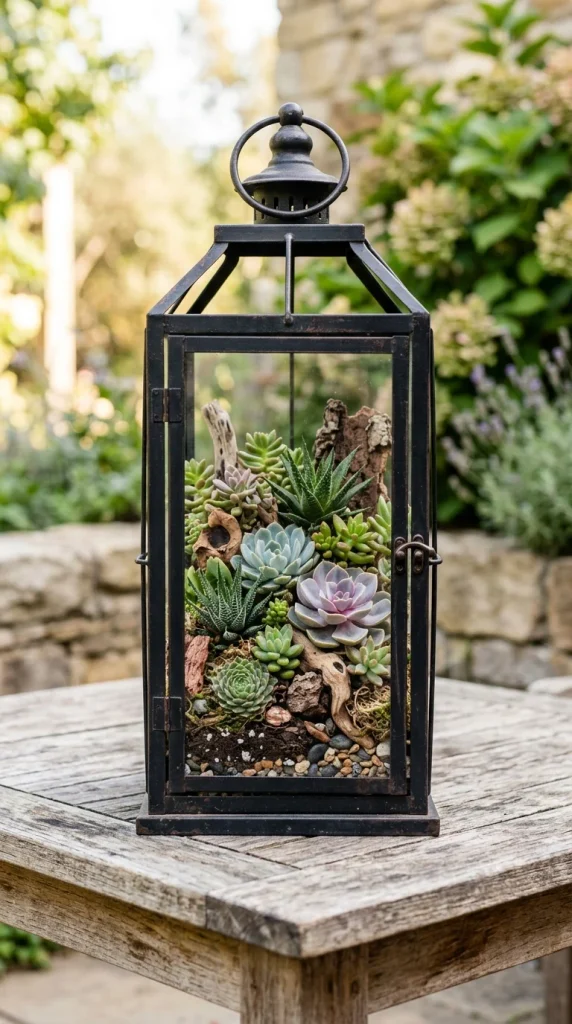
Lanterns aren’t just for candles anymore. By replacing the candle with a succulent arrangement, you create a protected, stylish “mini-greenhouse.” The glass panels protect the plants from dust and drafts while the top vents allow for the necessary air circulation.
Lanterns are portable, meaning you can easily move your arrangement from the dining table to the windowsill to follow the sun. They add a touch of “enchanted garden” mystery to any small space, especially when paired with a few fairy lights for evening ambiance.
Essential Tips for Small Space Succulent Care
To keep your small-space arrangements looking amazing, keep these three golden rules in mind:
- Light is Everything: Most succulents need at least 4-6 hours of bright light. If your small space is dark, consider an attractive LED grow light designed for desks.
- Don’t Overwater: In small containers, it is very easy to accidentally drown your plants. Always wait until the soil is completely dry before watering again.
- The Right Soil: Always use a well-draining cactus or succulent mix. Regular potting soil holds too much moisture and will cause root rot in tight spaces.