Every gardener knows the struggle of the “dead zone.” It is that awkward, 90-degree intersection of fences or walls where grass refuses to grow, weeds seem to thrive, and the lawnmower simply cannot reach. However, in the world of landscape design, these corners are not obstacles—they are opportunities. A corner is a natural frame, a focal point waiting to be born. By treating these peripheral spaces as the stars of your yard rather than an afterthought, you can expand your living space and create a sense of intimacy that a wide-open lawn simply cannot provide.
Whether you have a sprawling estate or a compact urban courtyard, maximizing your corners is the secret to a garden that feels professionally designed. Here are 14 innovative corner garden ideas to help you reclaim every inch of your outdoor sanctuary.
1. Tiered Planters
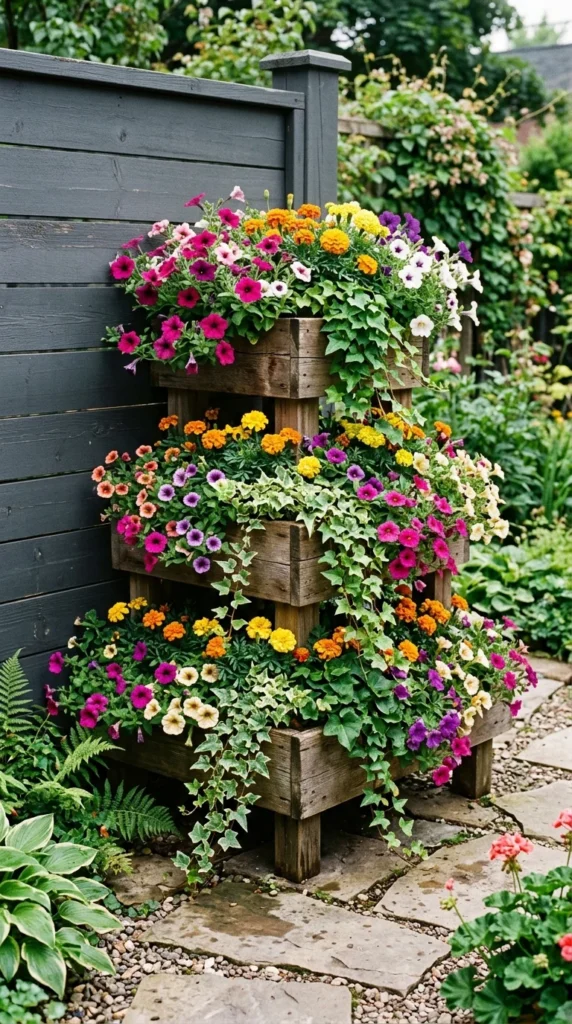
When horizontal space is limited, the only way to go is up. Tiered planters are the ultimate solution for awkward corners because they utilize vertical real estate while providing depth and dimension. You can opt for a “staircase” design where three or four levels of wooden boxes ascend into the corner. This creates a cascading “waterfall” effect of foliage.
Layering plants this way allows you to mix different species that might otherwise compete for sunlight. Place sun-loving succulents or bright annuals on the top tier, and shade-tolerant ferns or hostas on the bottom. It turns a flat, boring fence junction into a living, breathing architectural feature.
2. Bistro Nook
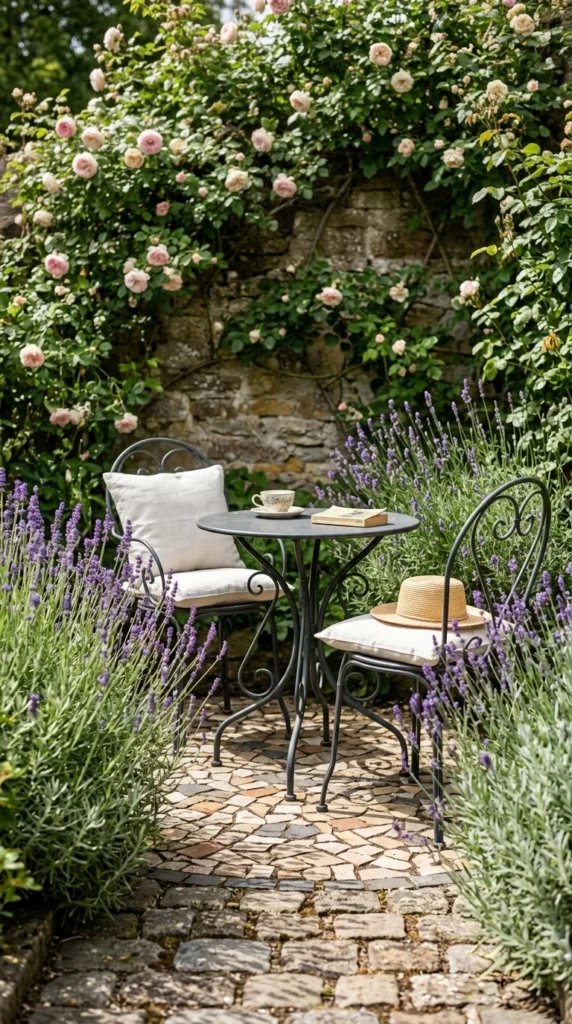
There is something inherently romantic about a tucked-away seating area. A corner provides two “walls” of natural privacy, making it the perfect spot for a morning coffee or an evening glass of wine. To make this work, focus on the flooring. Using a different material for the corner—such as pea gravel, flagstone, or circular pavers—demarcates the area as a separate “room” in the garden. Add a small bistro set and surround it with fragrant plants like jasmine or lavender to create a sensory experience that feels worlds away from the rest of the house.
3. Water Feature
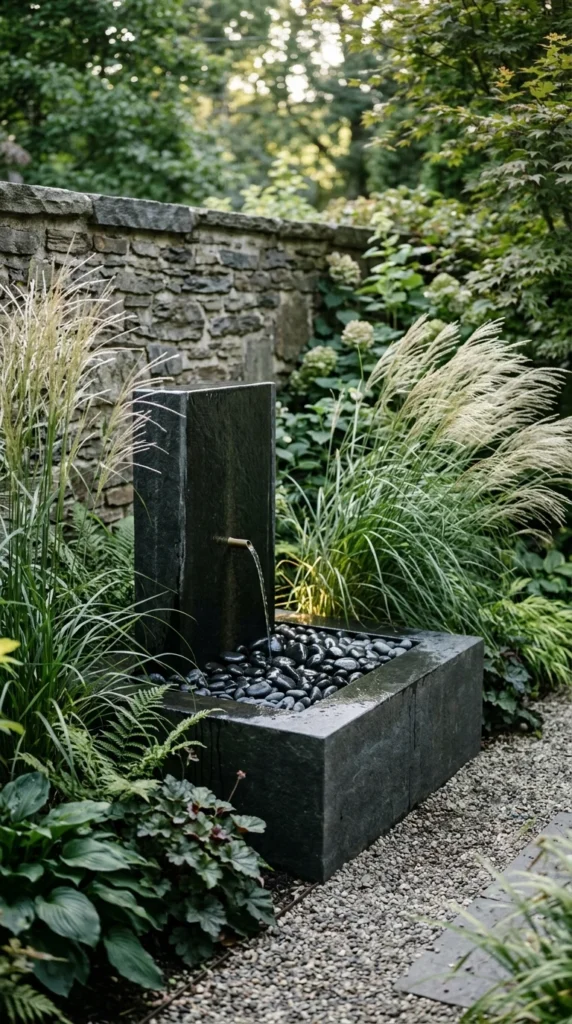
The sound of trickling water is the quickest way to turn a backyard into a spa-like retreat. Corners are the ideal location for water features because the intersecting walls help to reflect and amplify the sound. A tall, bubbling basalt column or a classic tiered stone fountain draws the eye deep into the garden, making the space feel larger. Since water features often require a pump and power source, the corner is also a strategic place to hide ugly wires and pipes behind tall shrubs or decorative screens.
4. Vertical Trellis
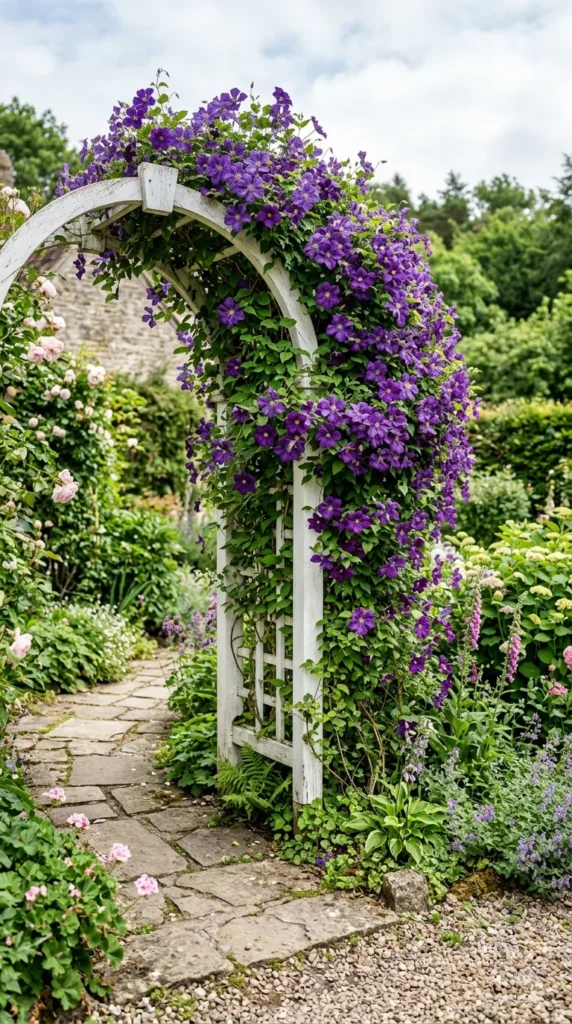
If you want to soften the harsh lines of a fence or brick wall, a vertical trellis is your best friend. In a corner, you can install two trellises at right angles to create a “living wall” effect. Climbing plants like honeysuckle, wisteria, or climbing roses will quickly fill the space, providing a lush, green backdrop that masks the boundaries of your property. This technique “blurs” the edges of your yard, creating an illusion of endless greenery.
5. Fire Pit
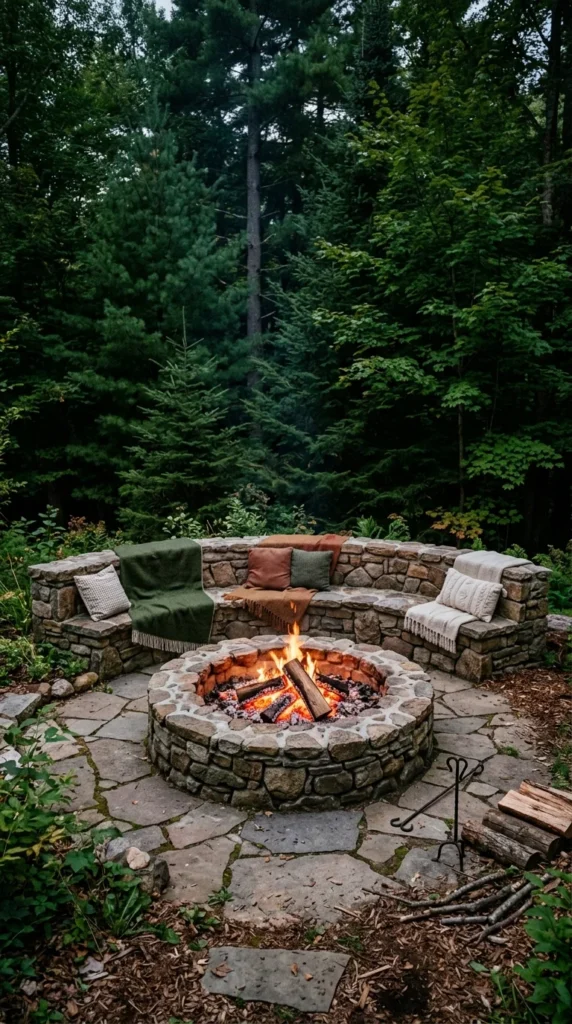
Fire pits are traditionally placed in the center of a patio, but moving one to a corner creates a much more intimate, campfire-like atmosphere. By installing a built-in stone bench that follows the curve of the corner, you maximize seating capacity without cluttering the yard with extra chairs. It creates a natural gathering hub that feels cozy and protected from the wind, making it the perfect spot for roasting marshmallows long after the sun goes down.
6. Sculptural Art
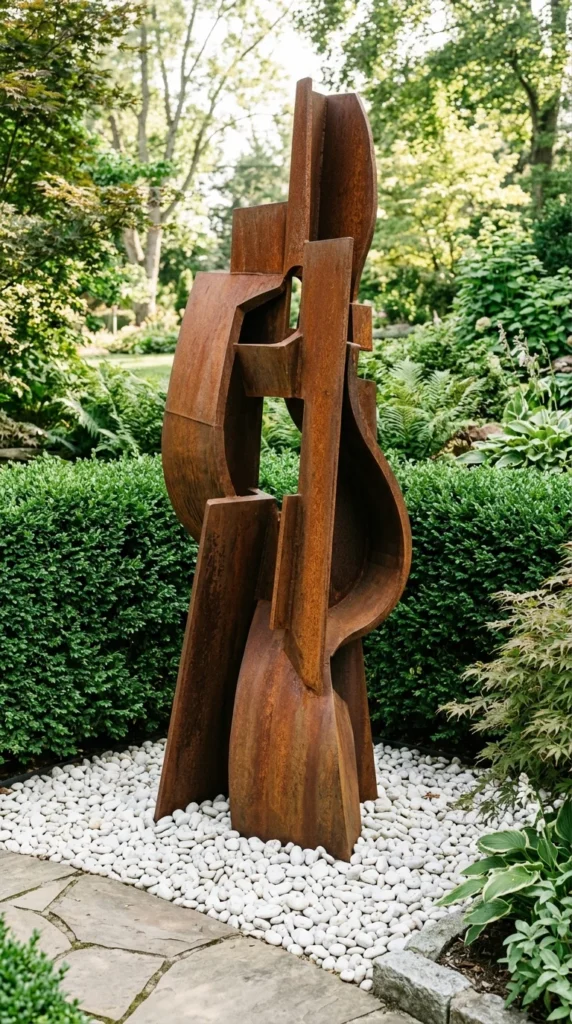
Sometimes a corner doesn’t need more plants; it needs a statement. Placing a piece of weather-resistant art—like a bronze statue, an oversized ceramic urn, or a modern metal sculpture—gives the eye a place to land. Use professional outdoor lighting to spotlight the piece at night. This turns a forgotten shadow into a high-end gallery space. Using a minimalist base of white gravel or dark mulch around the art helps it stand out against the surrounding greenery.
7. Raised Beds
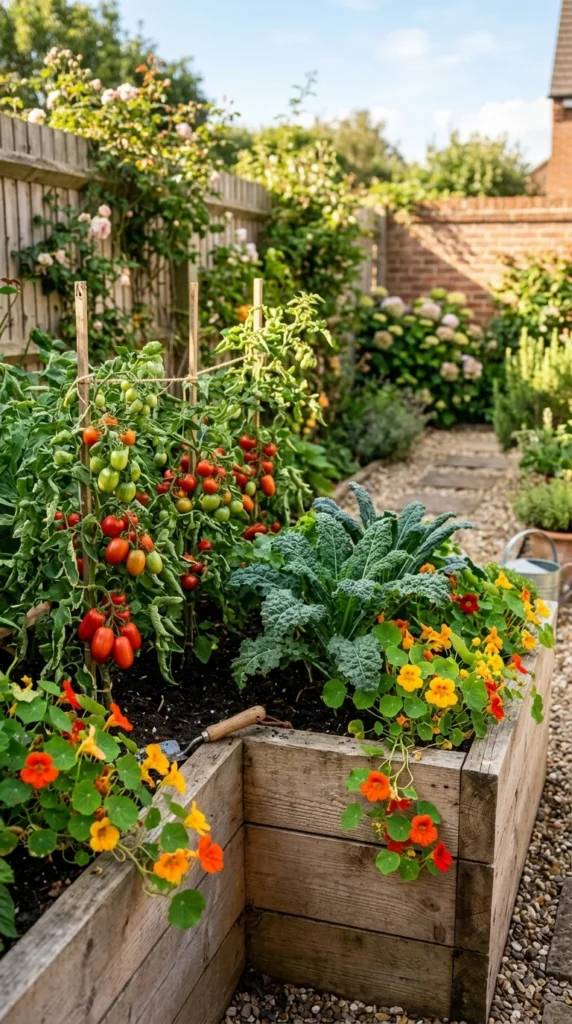
For the practical gardener, a corner is the perfect spot for an L-shaped raised vegetable bed. This configuration allows you to reach every plant without ever having to step into the soil, which prevents compaction and keeps your shoes clean. Raised beds also allow you to control the soil quality perfectly, which is ideal if your corner has poor drainage or rocky ground. Planting a mix of vegetables and edible flowers like marigolds makes the corner both functional and beautiful.
8. Wildlife Sanctuary
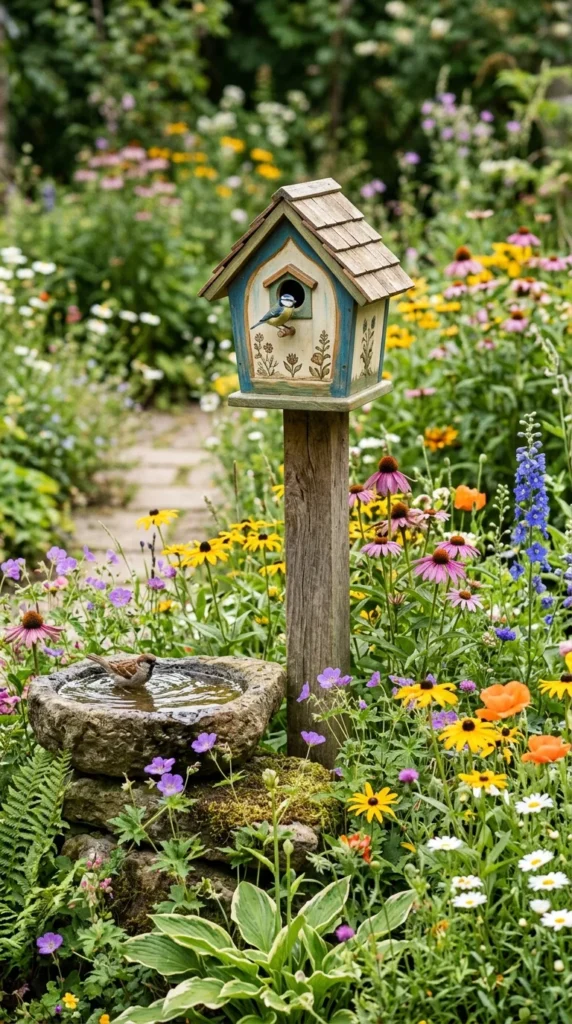
If you have a corner that is a bit too shady or damp for traditional gardening, turn it over to nature. By planting native wildflowers, installing a birdbath, and hanging a few nesting boxes, you can create a sanctuary for local birds and pollinators. A “wild” corner adds a layer of movement and song to your garden. Because it is tucked away, the birds will feel safer from the noise of the house, and you can enjoy watching the ecosystem flourish from a distance.
9. Built-in Bench
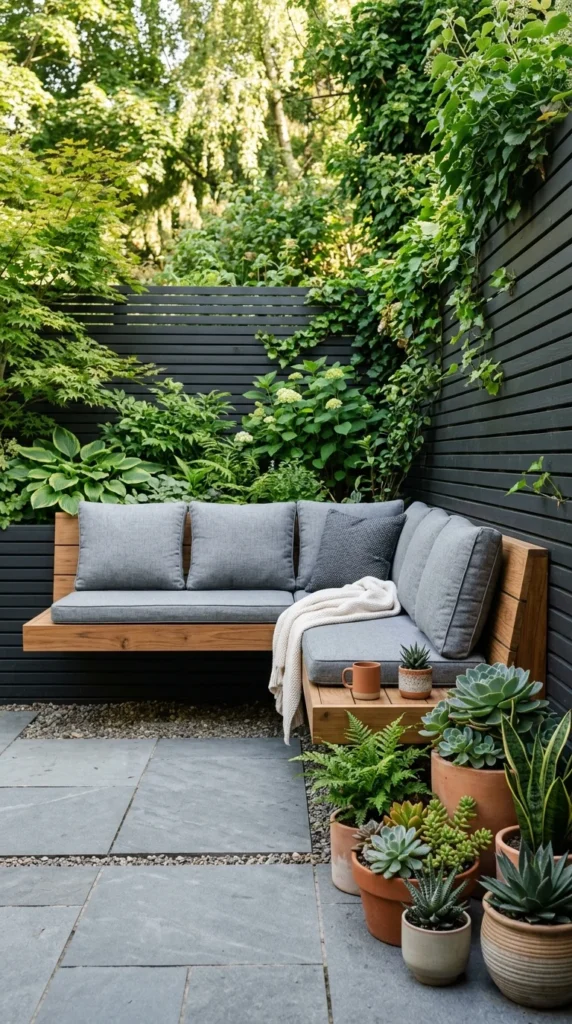
Maximize your square footage by integrating seating directly into your landscaping. A built-in “floating” bench that hugs the corner is sleek, modern, and space-efficient. Unlike bulky patio furniture, a built-in bench leaves the ground clear, making the area feel open and airy. You can even design the bench with a hinged top to provide hidden storage for garden tools, cushions, or kids’ toys, making every inch work double duty.
10. Zen Garden
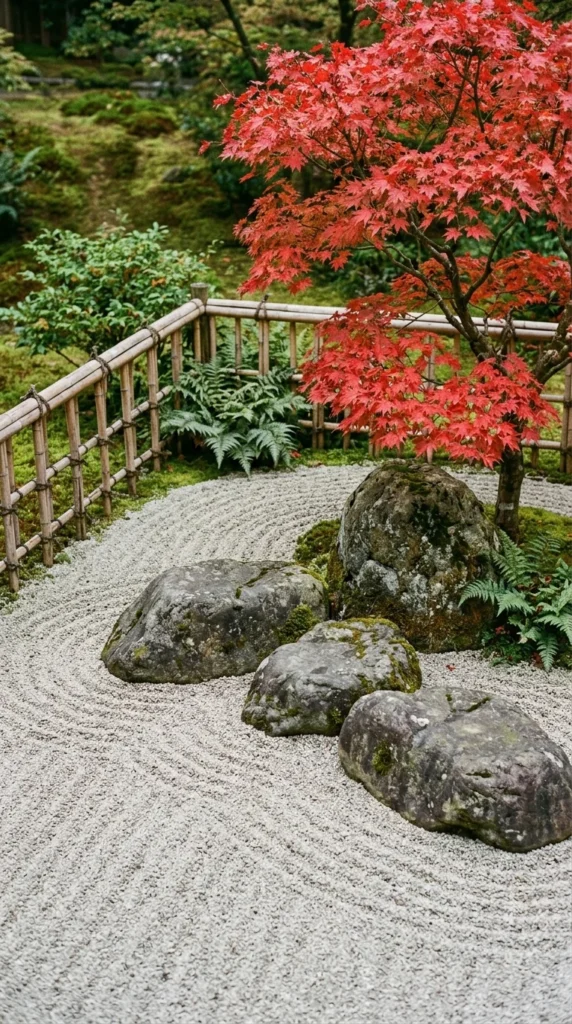
If you want a low-maintenance corner that radiates peace, look toward Japanese Zen design. A combination of raked gravel, mossy rocks, and a single striking specimen tree (like a Japanese Maple) creates a meditative focal point. The clean lines and minimalist palette of a Zen garden work exceptionally well in tight corners because they reduce visual clutter. It’s a “dry” landscape that looks beautiful in all four seasons, even when traditional flowers have faded.
11. Herb Spiral
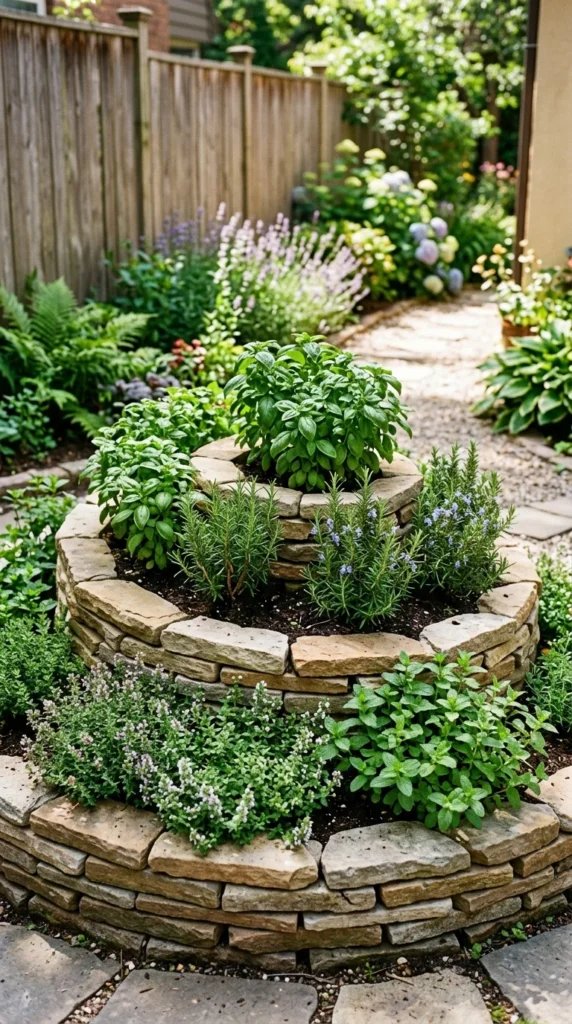
An herb spiral is a permaculture classic that fits perfectly into a corner. By building a mound of soil supported by a stone or brick spiral, you create multiple microclimates in a very small footprint. The top of the spiral is dry and sunny (perfect for rosemary and thyme), while the bottom is cooler and more moist (ideal for mint and parsley). It is a stunning geometric feature that provides a bounty of fresh flavors for your kitchen just steps away from the back door.
12. Ambient Lighting
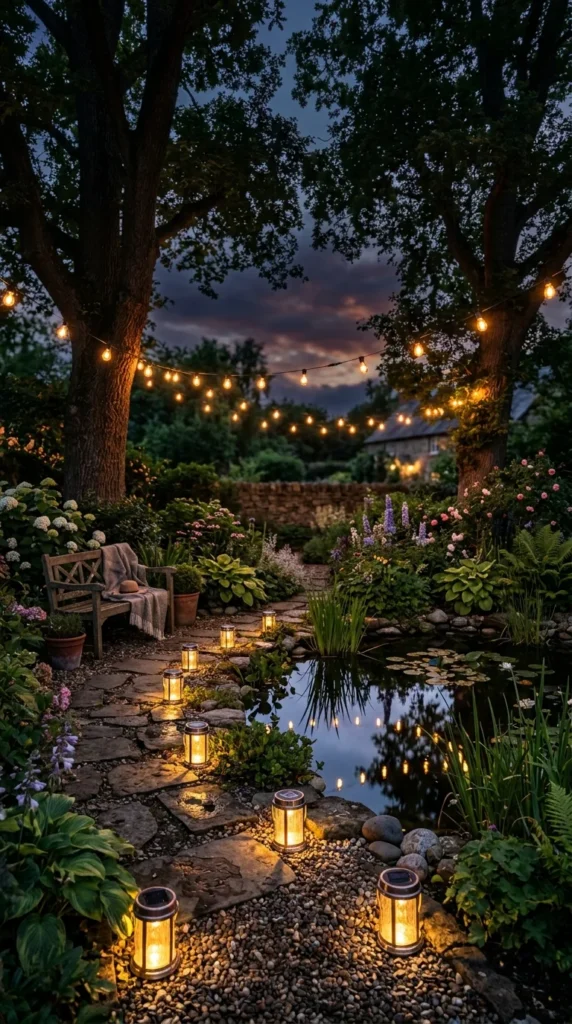
Never let your garden die when the sun goes down. A corner is the perfect place to experiment with “layering” light. Use strings of Edison bulbs draped from the corner of the house to a fence post to create a “ceiling” of light. Combine this with upward-facing spotlights at the base of trees and low-level path lights. By illuminating the furthest corners of your yard, you visually push back the boundaries, making your entire property feel much larger and more magical at night.
13. Potting Shed
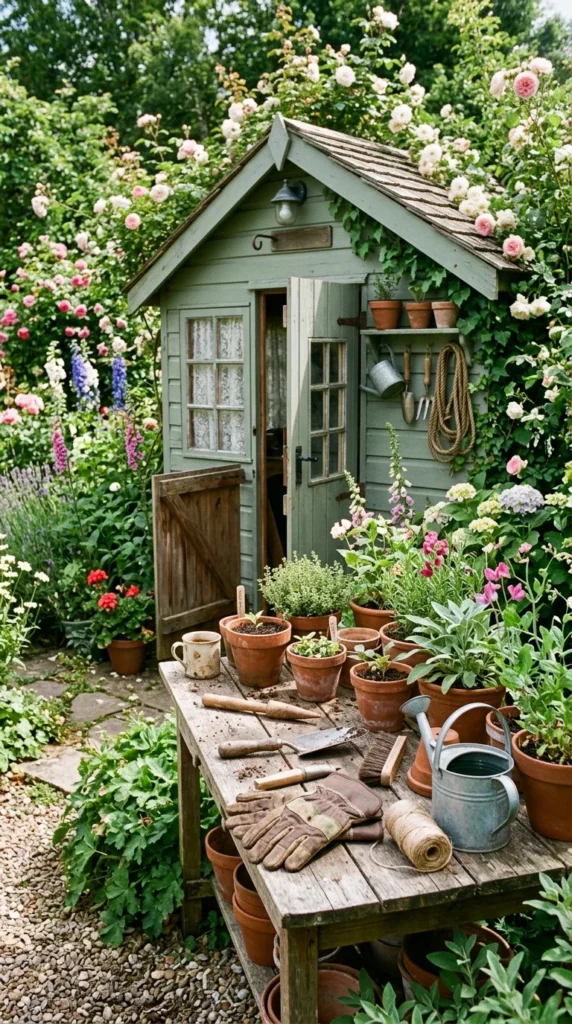
If you have a corner that is out of the direct line of sight from your main windows, use it for a mini potting station. It doesn’t need to be a full-sized building; a simple “lean-to” structure or a repurposed vintage hutch can serve as a place to store soil, pots, and hand tools. Having a dedicated space for the “messy” parts of gardening keeps the rest of your yard tidy. Decorate the exterior with hanging baskets or a chalkboard to make it a charming feature rather than just a utility zone.
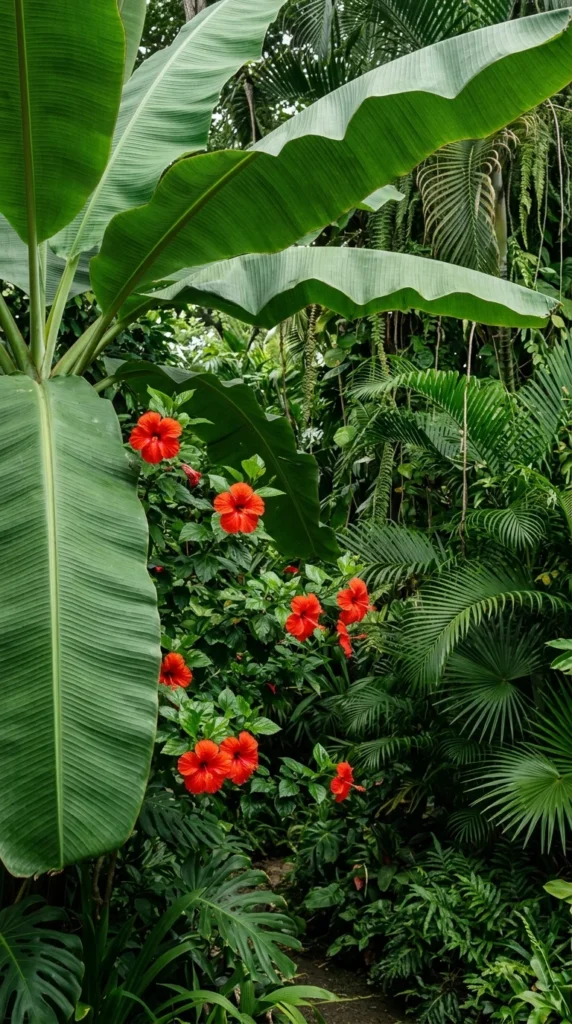
14. Tropical Oasis
For those in warmer climates (or those willing to move pots indoors for winter), a tropical corner is the ultimate transformation. Use “big-leaf” plants like Canna lilies, Elephant Ears, and Palms to create a sense of lushness. The goal here is density; you want to pack the plants in so tightly that the corner disappears entirely behind a wall of green. This creates a “secret jungle” feel that makes a standard suburban backyard feel like an exotic getaway. Adding a hammock nearby completes the vacation-at-home vibe.