

The Panda Plant, scientifically known as Kalanchoe tomentosa, is one of the most charming and tactile succulents you can add to your indoor garden. Often called “Pussy Ears” or “Chocolate Soldier,” this Madagascar native is beloved for its soft, felt-like leaves and rugged resilience. While it is a relatively low-maintenance plant, achieving that perfect, bushy, and silver-sheened look requires a bit of specific knowledge. Whether you are a seasoned succulent enthusiast or a beginner looking for a hardy companion, these 14 essential care tips will ensure your Panda Plant thrives for years to come.
1. Lighting
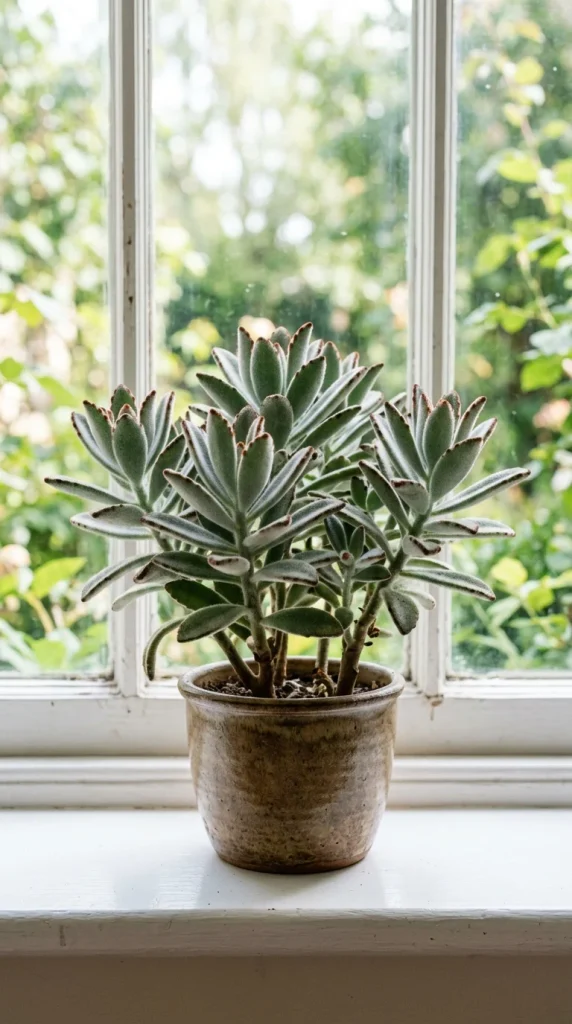
The Panda Plant thrives in bright, indirect light. In its natural habitat, it enjoys plenty of sun, but in a home setting, direct afternoon sun through glass can sometimes scorch those beautiful velvety leaves. A spot near an east or west-facing window is usually ideal. If you notice your plant becoming “leggy”—stretching out with large gaps between the leaves—it is a clear sign that it isn’t receiving enough light. In such cases, gradually move it to a brighter location or supplement with a dedicated LED grow light to maintain its compact, rosette-like shape.
2. Watering
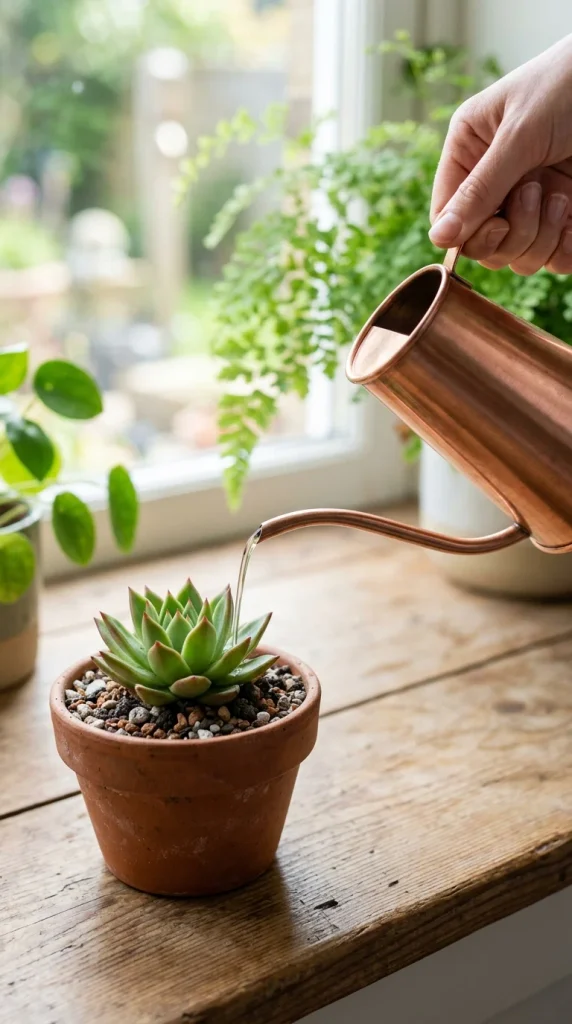
The most common mistake with Kalanchoe tomentosa is overwatering. As a succulent, it stores water in its thick, fleshy leaves, making it highly drought-tolerant. Use the “soak and dry” method: water the soil thoroughly until water drains out of the bottom, then wait until the soil is completely dry before watering again. During the winter months, the plant’s growth slows down, and you should reduce watering significantly. Always avoid getting water on the leaves themselves, as the fine hairs can trap moisture and lead to rot or fungal issues.
3. Soil

Standard potting soil is too dense and retains too much moisture for a Panda Plant. To keep the roots healthy and prevent rot, use a high-quality cactus or succulent potting mix. These mixes are specifically designed to be porous. If you want to make your own, blend two parts regular potting soil with one part perlite and one part coarse sand or poultry grit. This ensures that even if you are a bit heavy-handed with the watering can, the excess moisture will move away from the roots quickly.
4. Temperature
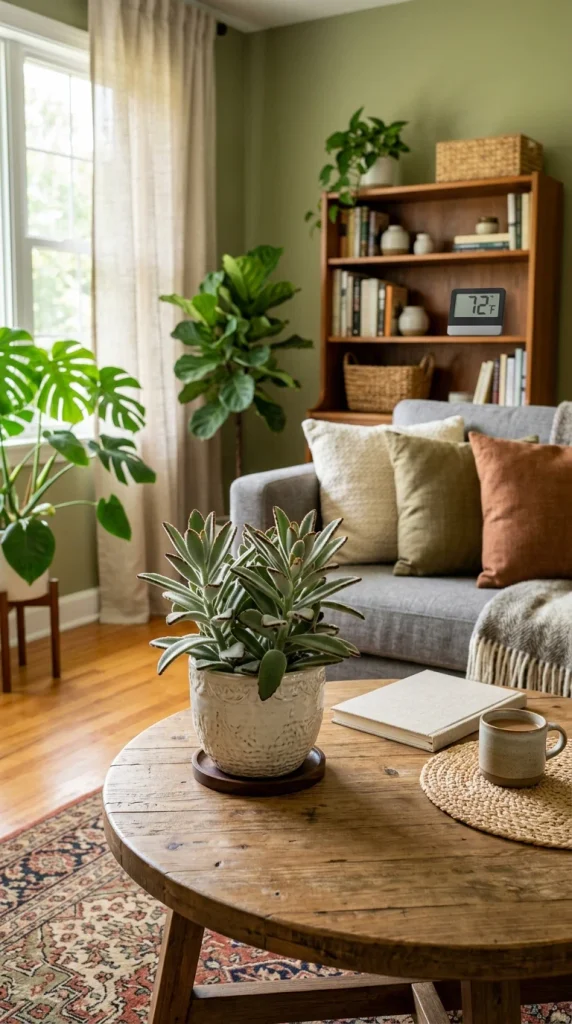
Panda Plants prefer a warm environment, typically between 60°F and 75°F (15°C to 24°C). They are not cold-hardy and will suffer if temperatures drop below 50°F (10°C). If you keep your plant outdoors during the summer, be sure to bring it inside well before the first frost. Indoors, keep them away from cold drafts, such as those from air conditioning vents or poorly insulated windows in the winter, as sudden temperature fluctuations can cause leaf drop.
5. Humidity
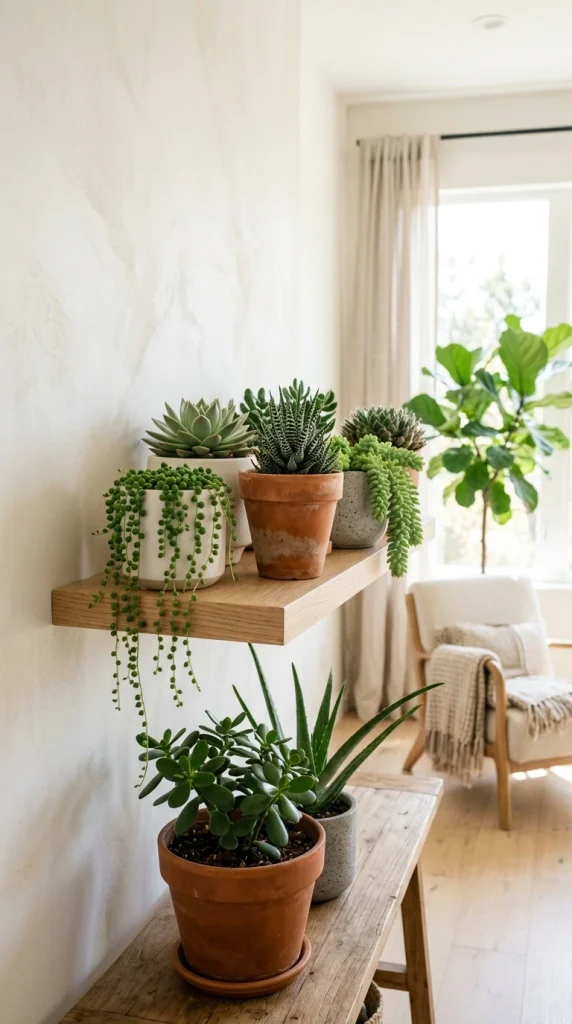
Unlike many tropical houseplants, the Panda Plant does not require high humidity. In fact, it prefers the dry air typically found in most homes. High humidity can actually be detrimental, as it increases the risk of the velvet-like leaves trapping moisture and developing mold. You don’t need to mist this plant; simply providing good air circulation is enough to keep it happy and healthy in a standard domestic environment.
6. Drainage
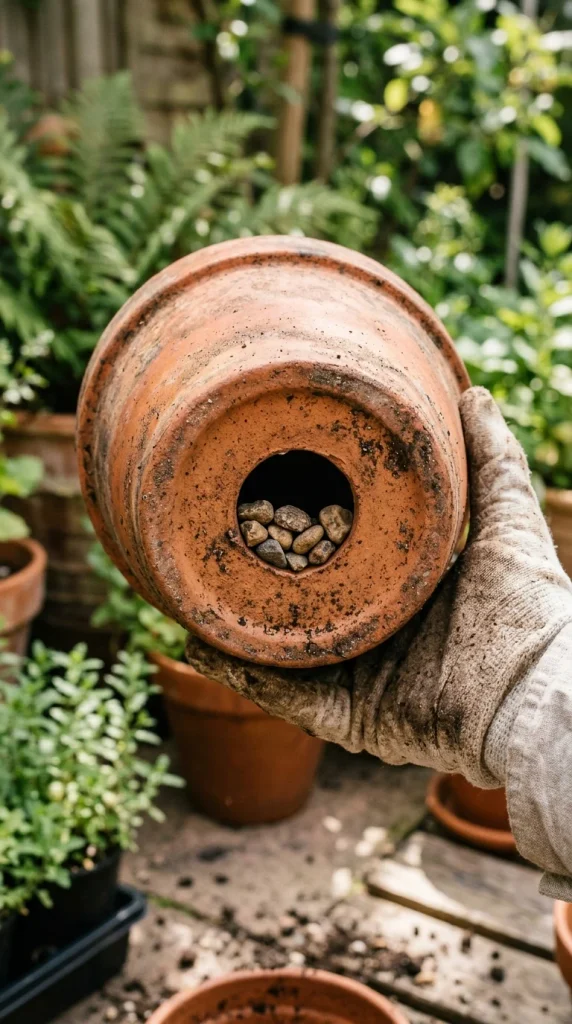
Never plant a Panda Plant in a container without a drainage hole. Because they are so susceptible to root rot, any standing water at the bottom of the pot is a death sentence. Terracotta pots are an excellent choice for Kalanchoe tomentosa because the clay is porous and helps wick away excess moisture from the soil, allowing the roots to breathe. If you have a decorative “cachepot” without holes, keep the plant in a plastic nursery liner inside it and remove it to water.
7. Fertilizing
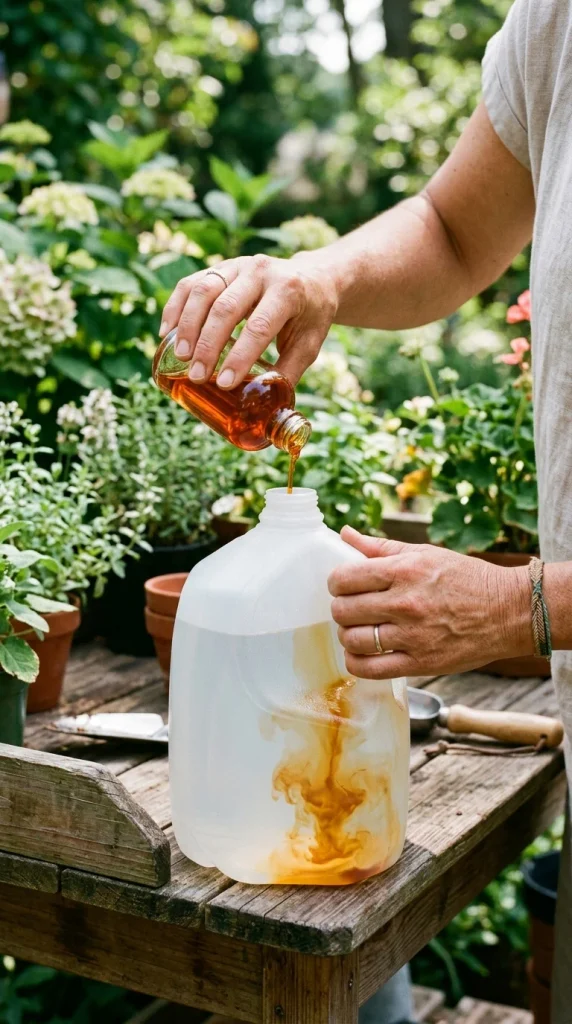
Panda Plants are not heavy feeders. During their active growing season in the spring and summer, you can feed them once a month with a balanced, water-soluble fertilizer diluted to half-strength. Look for a fertilizer specifically formulated for succulents. Avoid fertilizing in the fall and winter when the plant enters its dormant phase. Over-fertilizing can lead to weak, spindly growth and a buildup of salts in the soil that can damage the roots.
8. Pruning
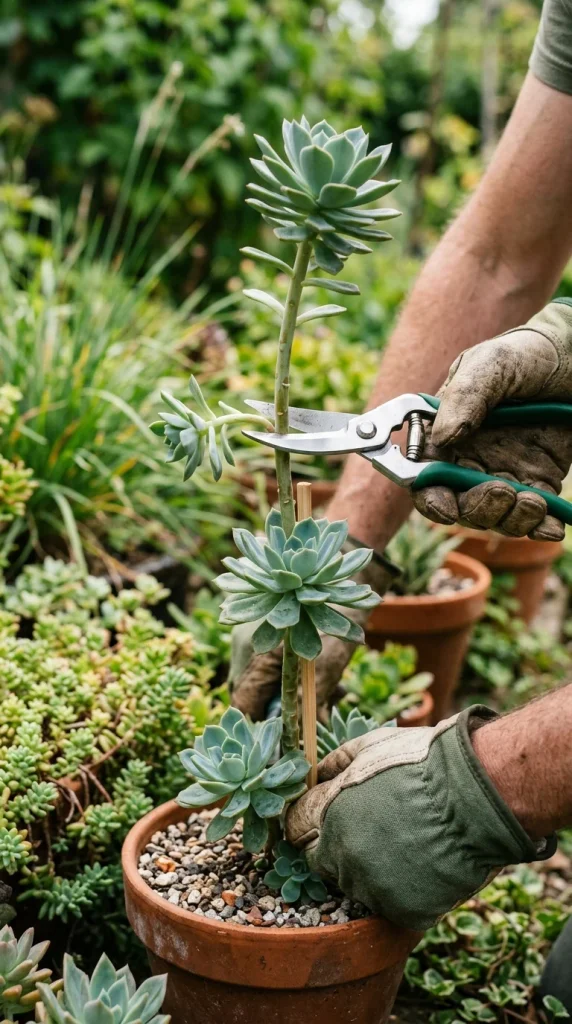
To maintain a beautiful, bushy appearance, you may need to prune your Panda Plant. If the plant becomes too tall or “top-heavy,” you can snip off the top of the main stem. This encourages the plant to branch out from the sides, creating a fuller look. Always use sterilized shears to prevent the spread of disease. Don’t throw away the cuttings! The tops you prune off can be easily used to grow entirely new plants.
9. Propagation

One of the most rewarding aspects of Panda Plant care is how easy they are to propagate. You can grow new plants from either stem cuttings or individual leaves. Simply pull a healthy leaf from the stem (making sure it’s a clean break), let it “callous” or dry out for a few days, and then place it on top of some succulent soil. Within a few weeks, tiny roots and a miniature plantlet will begin to form at the base. Stem cuttings work even faster; just strip the bottom leaves, callous the stem, and tuck it into the soil.
10. Pests
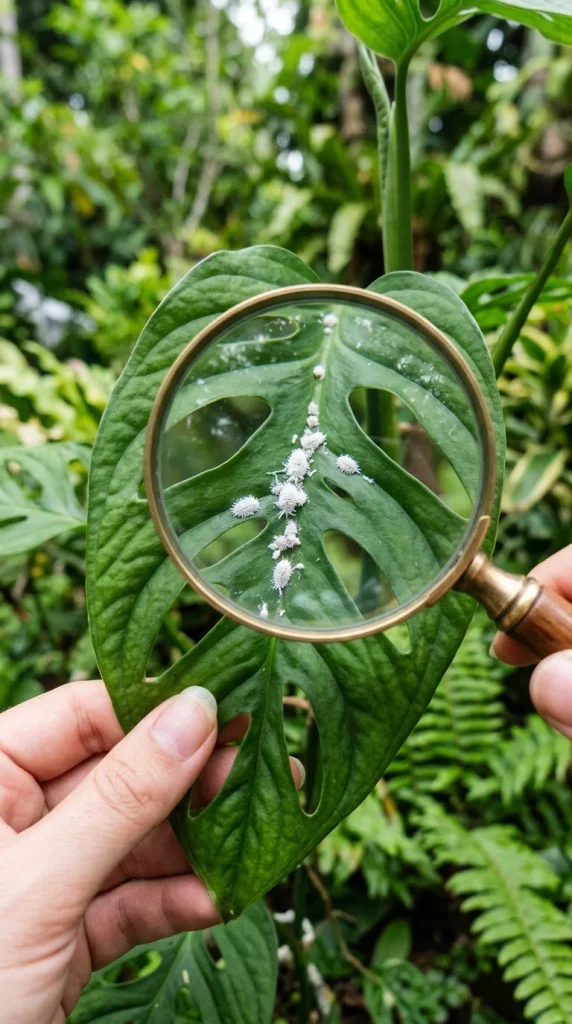
The Panda Plant is generally pest-resistant, but it can occasionally fall victim to mealybugs or aphids. Mealybugs look like tiny bits of white cotton hiding in the crevices where the leaves meet the stem. If you spot them, act quickly. Use a cotton swab dipped in rubbing alcohol to dab the insects directly. Avoid spraying the entire plant with soaps or oils, as the fuzzy texture of the leaves can react poorly to many liquid treatments.
11. Repotting
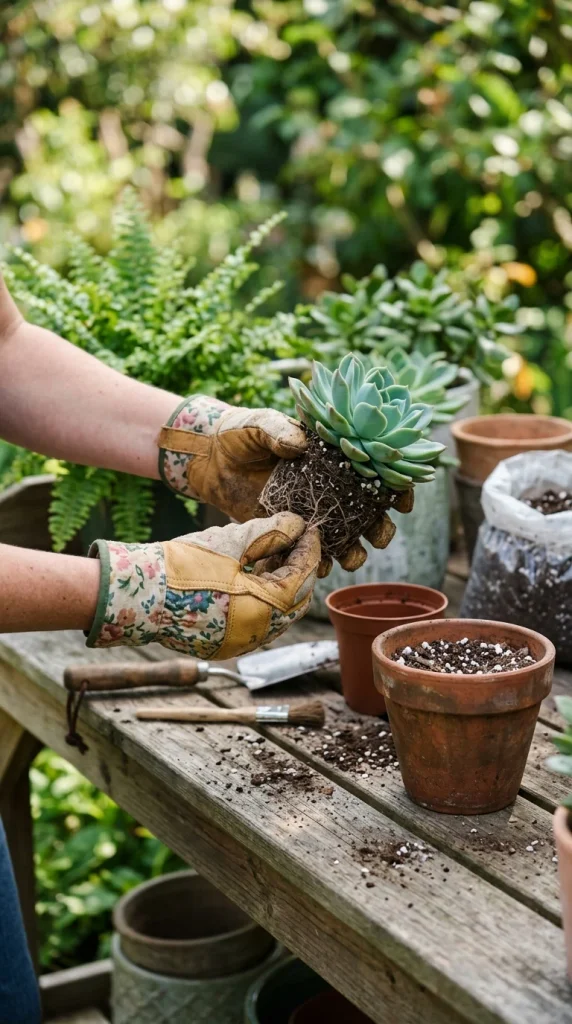
You won’t need to repot your Panda Plant very often, as they have a relatively small root system and grow slowly. Generally, repotting every two years is sufficient. The best time to do this is in the spring at the start of the growing season. Choose a pot that is only one size larger than the current one. When repotting, be very gentle with the leaves, as they can snap off easily if handled roughly. This is also a great time to refresh the soil and check for any signs of unhealthy roots.
12. Dormancy
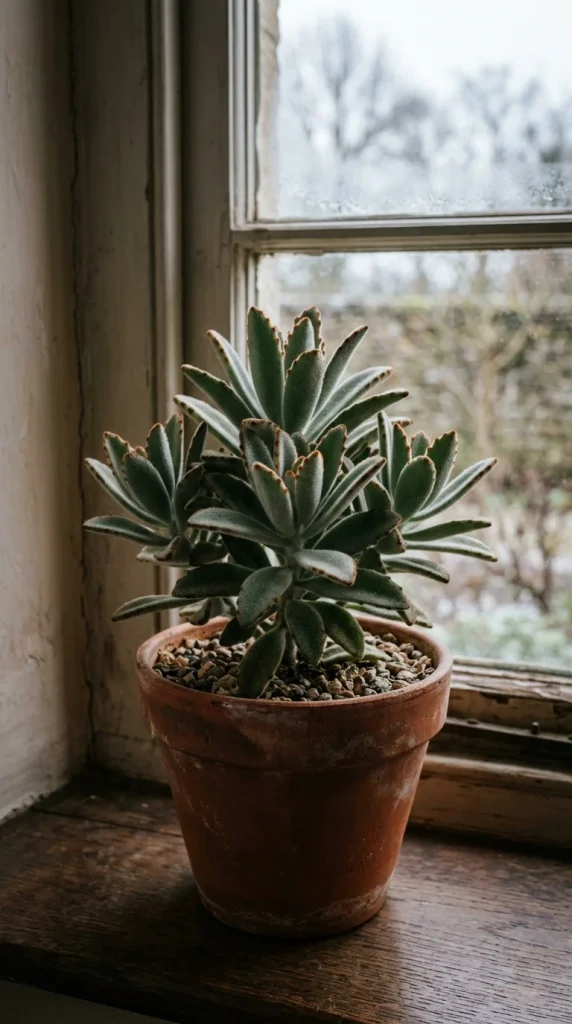
Understanding the plant’s natural rhythm is key to long-term success. During the winter, the Panda Plant enters a period of dormancy. Its growth will stop, and its water requirements will drop significantly. Many owners worry when they don’t see new leaves in January, but this is perfectly normal. During this time, keep the plant in a slightly cooler spot and only water it enough to prevent the leaves from shriveling completely.
13. Cleaning
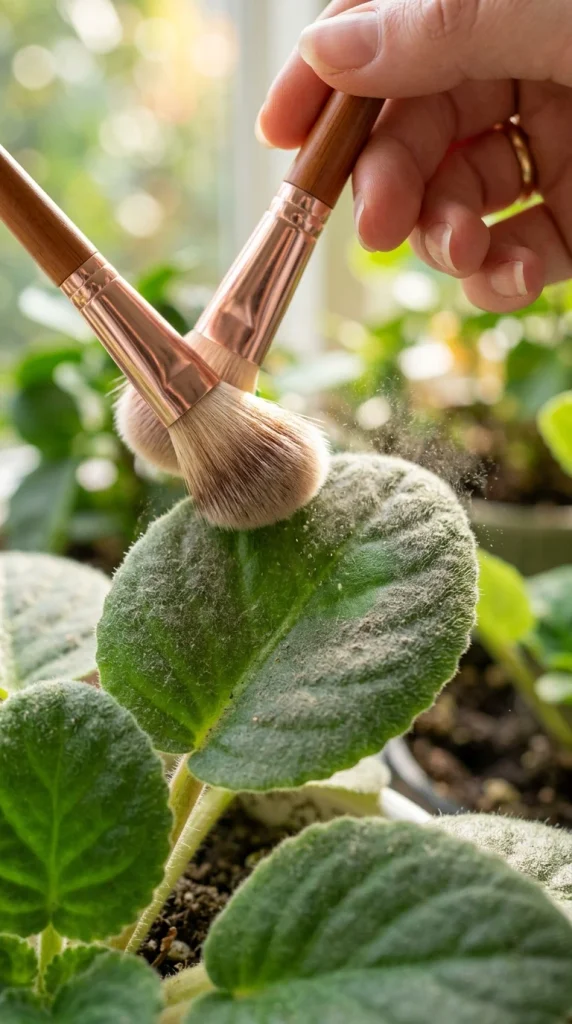
Because of the fine, hair-like structures (trichomes) on the leaves, Panda Plants are magnets for dust. Dust buildup can block sunlight and hinder the plant’s ability to photosynthesize. Since you shouldn’t get the leaves wet, the best way to clean them is with a soft-bristled brush, like a clean paintbrush or a makeup brush. Gently “sweep” the leaves to remove dust and debris. This keeps the plant looking silvery and bright without risking fungal growth from water.
14. Toxicity
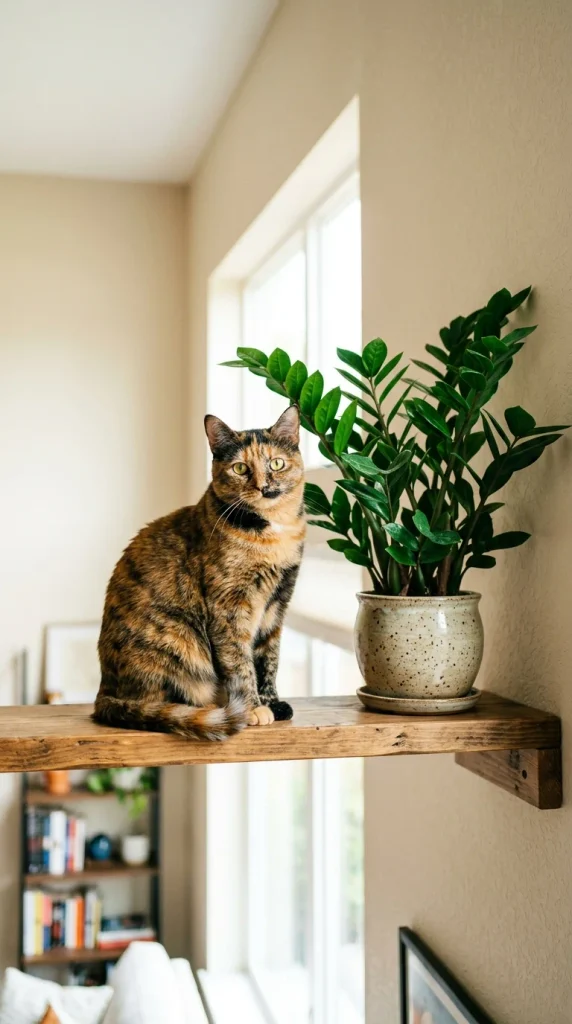
It is important to note that the Panda Plant, like most members of the Kalanchoe family, is toxic to cats and dogs if ingested. It contains cardiac glycosides which can cause drooling, vomiting, or more serious heart issues in pets. If you have curious furry friends, ensure your Panda Plant is placed on a high shelf or in a room where pets don’t have access. Always wash your hands after handling the plant if you have sensitive skin, as the sap can occasionally cause minor irritation.