The front yard is the handshake of your home. It is the first thing guests see and the primary factor in your property’s curb appeal. A well-designed garden does more than just look pretty; it reflects your personality, increases property value, and creates a welcoming atmosphere before you even step through the front door. Whether you have a sprawling estate or a compact urban patch, these 15 design ideas will help you reimagine your exterior space.
1. Modern Minimalism
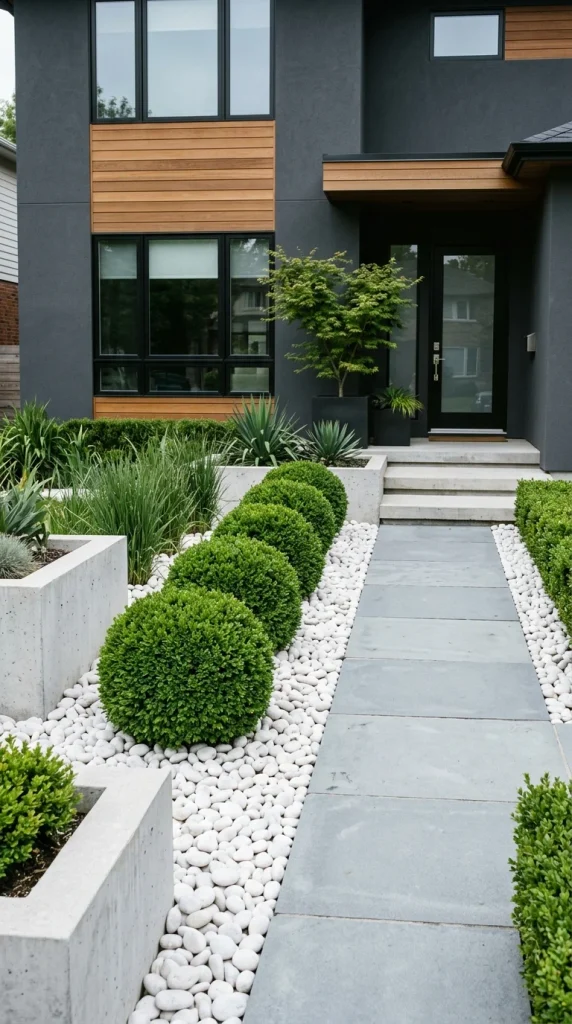
Modern minimalist design focuses on the “less is more” philosophy. This style is characterized by clean lines, geometric shapes, and a restricted color palette. Instead of a riot of different flowers, choose two or three species and plant them in structured rows or grids. Hardscaping plays a vital role here; use large-format concrete pavers or dark slate to create a sense of order. Architectural plants like Agave, Horsetail, or Boxwood provide year-round structure without the need for constant deadheading.
2. Cottage Charm
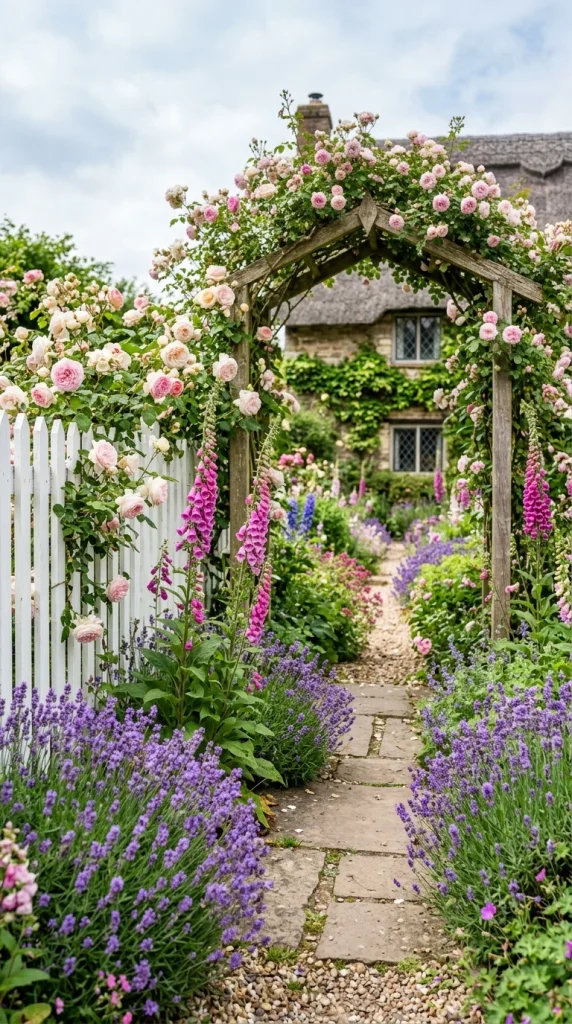
If you prefer a softer, more romantic look, the cottage garden is the perfect choice. This design embraces “organized chaos,” featuring a dense mix of flowering perennials, annuals, and herbs. The key to a successful cottage front yard is layering. Place taller plants like Delphiniums and Hollyhocks in the back, with medium-sized blooms like Peonies in the middle, and low-growing Thyme or Alyssum spilling over the edges of your walkway. A winding gravel path adds to the whimsical, old-world feel.
3. Xeriscape Oasis
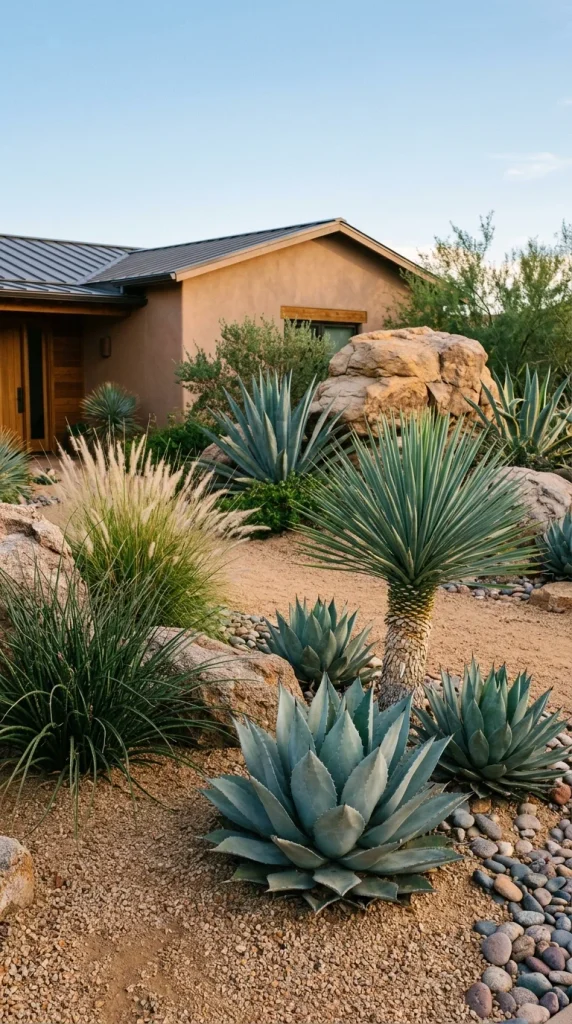
For those living in arid climates or looking to conserve water, xeriscaping is a stylish and sustainable solution. This doesn’t mean just “rocks and cacti.” A well-planned xeriscape uses native, drought-tolerant plants that thrive with minimal irrigation. Incorporate various textures by using different sizes of gravel and decorative boulders. Plants like Russian Sage, Coneflowers, and succulents provide pops of color and architectural interest while keeping your water bill low.
4. Mediterranean Courtyard
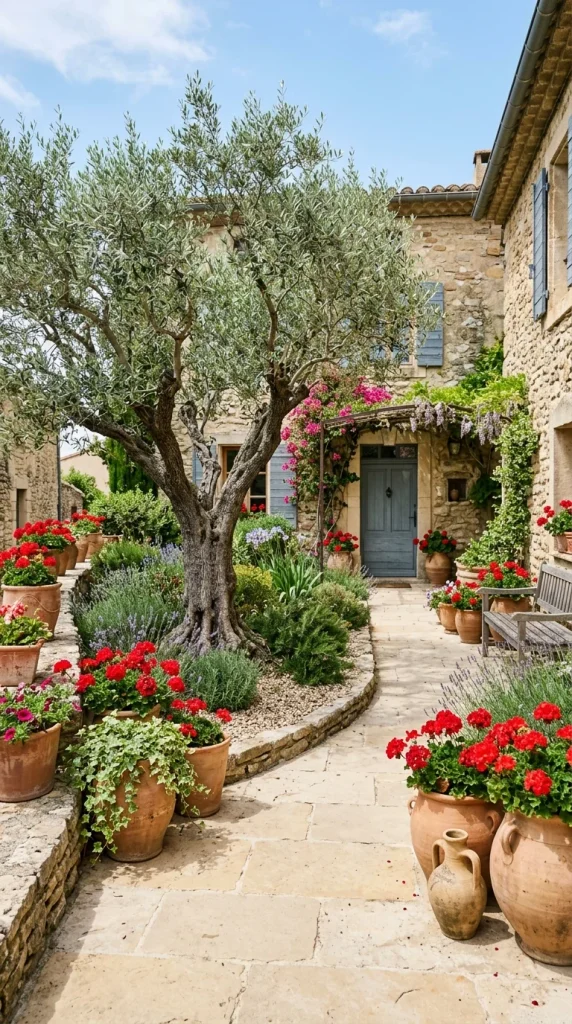
Transform your home into a Tuscan getaway with a Mediterranean-style garden. This design often utilizes warm earth tones, stone elements, and aromatic plants. Consider replacing a traditional grass lawn with a gravel courtyard or a stone terrace. Center the design around a feature element, such as an olive tree or a tiered stone fountain. Fragrant plants like Lavender, Rosemary, and Jasmine not only look beautiful but also provide a sensory experience every time you walk to your front door.
5. Japanese Zen
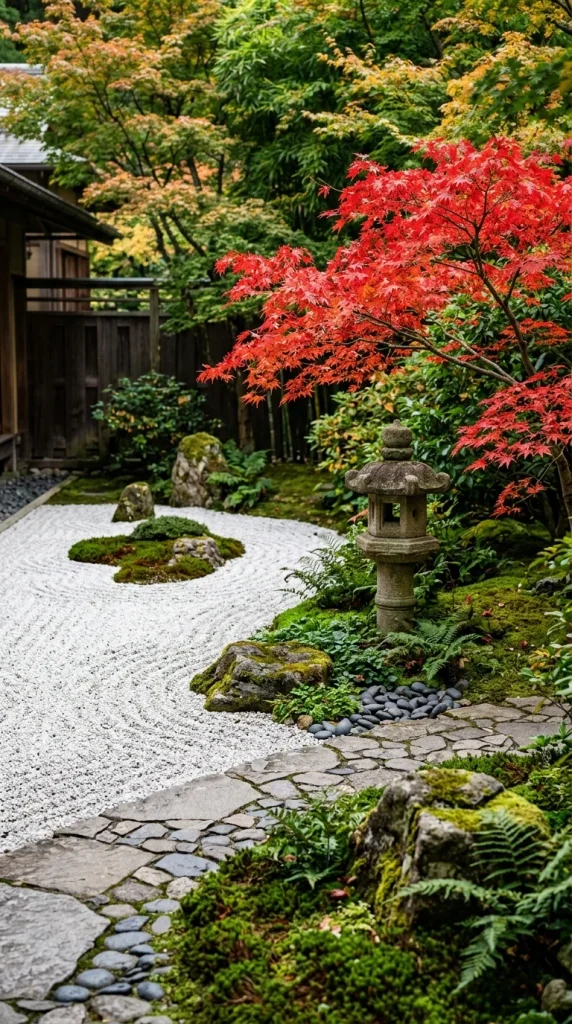
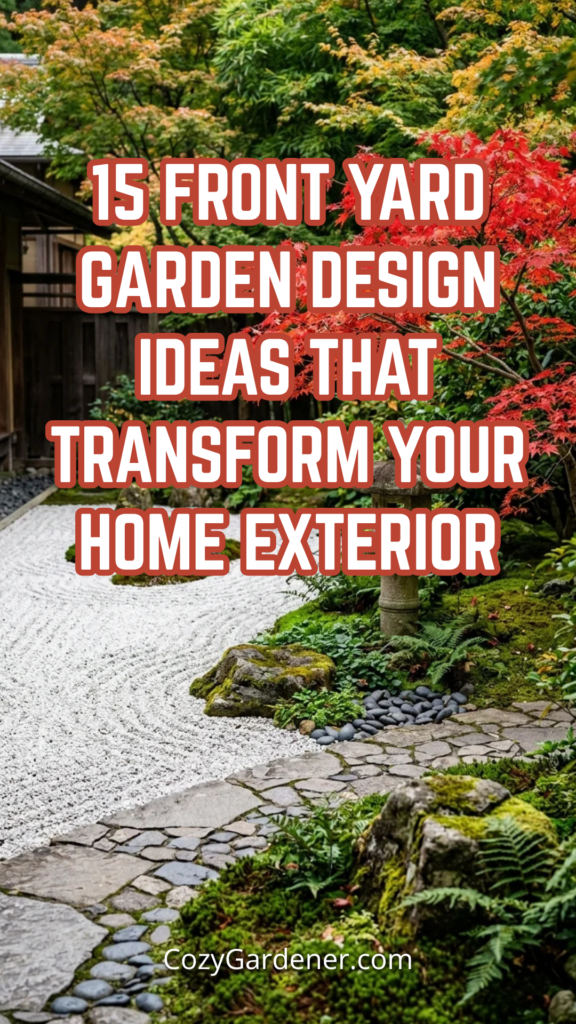
A Zen garden brings a sense of tranquility and balance to your home’s exterior. This style relies heavily on symbolism and natural materials. Use raked sand or fine gravel to represent water, and strategically place large rocks to symbolize mountains. A Japanese Maple provides a stunning focal point with its delicate foliage and vibrant seasonal colors. Incorporate bamboo fencing or a simple stone basin (tsukubai) to complete the meditative atmosphere.
6. Tropical Lush
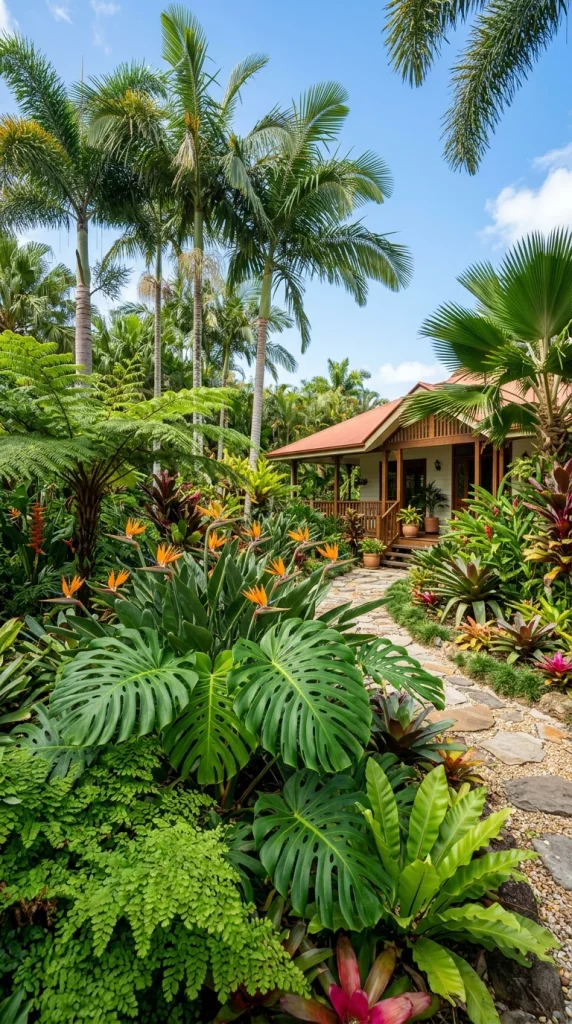
Even if you don’t live in the tropics, you can replicate the lush, exotic feel of a rainforest. The secret is to use plants with oversized, dramatic foliage. Combine various shades of green with bold, saturated colors like orange, pink, and red. Use Cannas, Hibiscus, and various fern species to create a dense, multi-layered canopy. If you live in a cooler climate, many of these plants can be grown in large containers and moved indoors during the winter.
7. Woodland Retreat
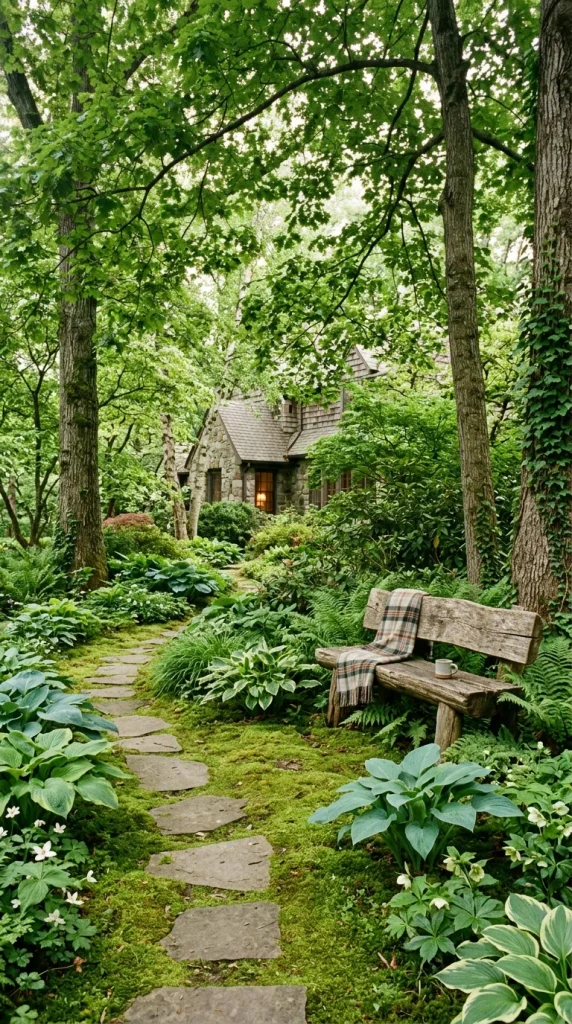
If your front yard is heavily shaded by large trees, embrace it with a woodland garden design. Instead of struggling to grow grass in the shade, plant a variety of shade-loving perennials like Hostas, Ferns, and Bleeding Hearts. Use natural mulch or leaf mold for pathways to maintain a forest-like feel. Incorporate “found” objects like decorative logs or weathered stone benches to enhance the rustic, organic aesthetic of the space.
8. Structured Tiers
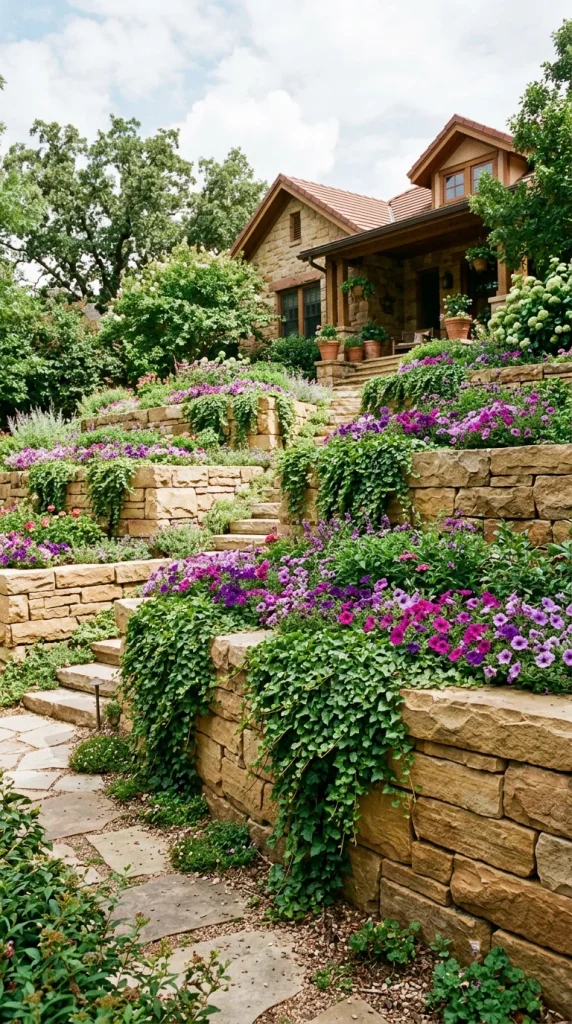
Sloped front yards can be a landscaping challenge, but they also offer a unique opportunity for terracing. By building retaining walls, you create flat “rooms” for planting, which prevents erosion and adds significant visual depth. Use materials that complement your home’s architecture, such as stacked stone, timber, or concrete blocks. You can dedicate different tiers to different themes—perhaps one for seasonal flowers, one for evergreen shrubs, and another for decorative grasses.
9. Edible Frontage
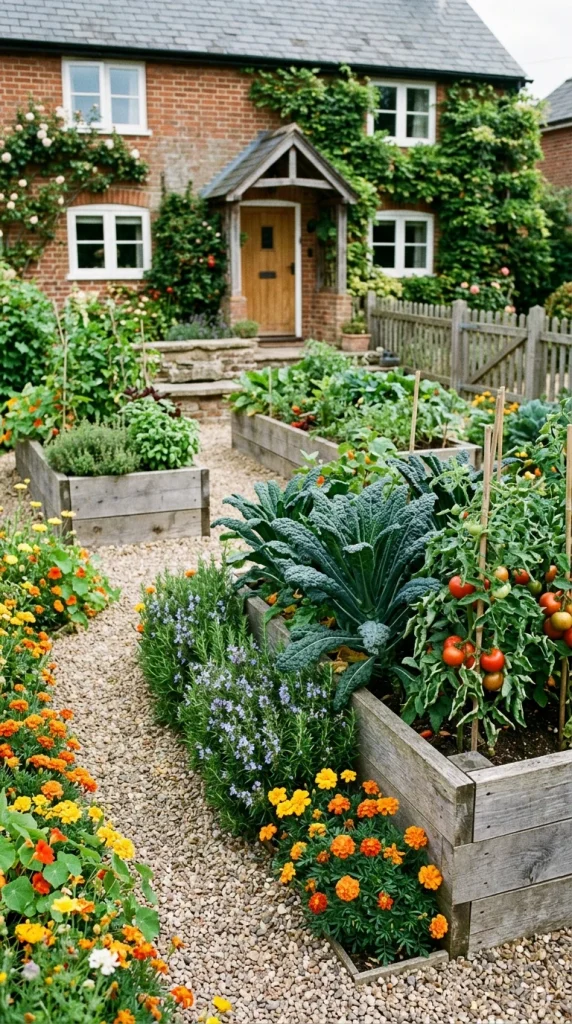
Who says vegetable gardens belong in the backyard? Edible landscaping is a growing trend that combines aesthetics with productivity. Mix ornamental kales, bright chard, and colorful peppers with your flowering perennials. Raised beds made of high-quality wood or metal can look very sophisticated in a front yard setting. Fruit-bearing trees like apples or cherries provide beautiful spring blossoms and a delicious harvest in the autumn.
10. Paver Pathways
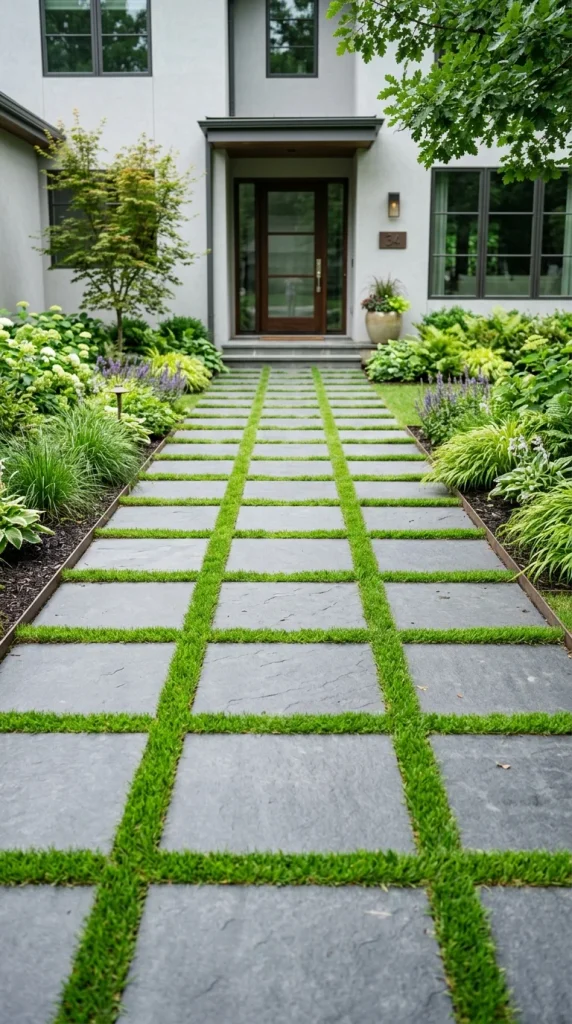
Hardscaping is the backbone of any garden, and a striking pathway can completely redefine your home’s entrance. Move away from standard poured concrete and experiment with geometric paver designs. Large, oversized pavers with “soft” joints—filled with moss, thyme, or decorative pebbles—create a modern, high-end look. A wide, clear path not only looks better but also makes your home feel more accessible and grand.
11. Wildflower Meadow
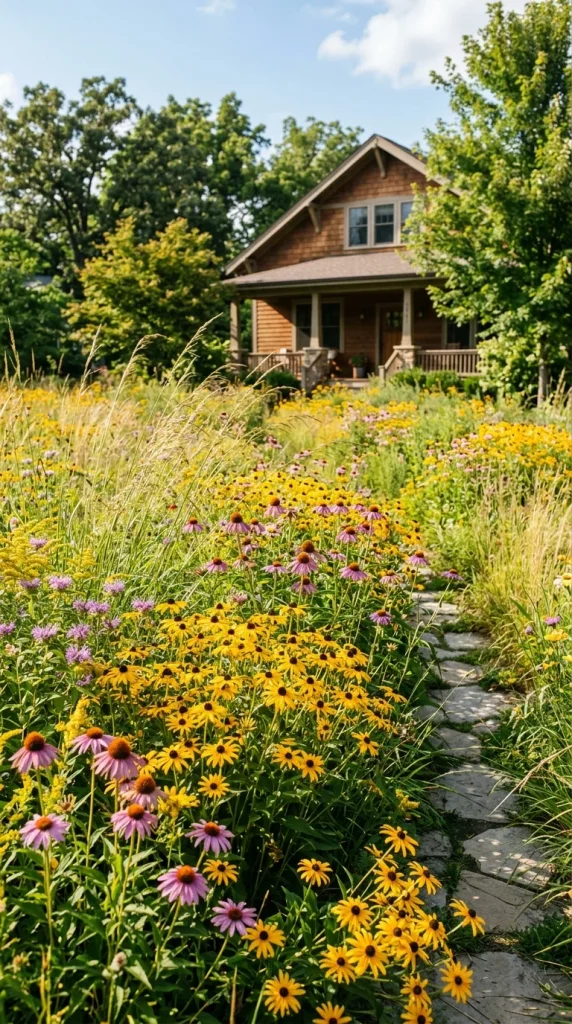
For a low-maintenance and eco-friendly alternative to the traditional lawn, consider a wildflower meadow. This design supports local pollinators like bees and butterflies while providing a constantly changing display of color. It requires far less mowing and fertilization than grass. The key is to choose a seed mix native to your region and to include a mix of annuals for immediate color and perennials for long-term growth.
12. Desert Chic
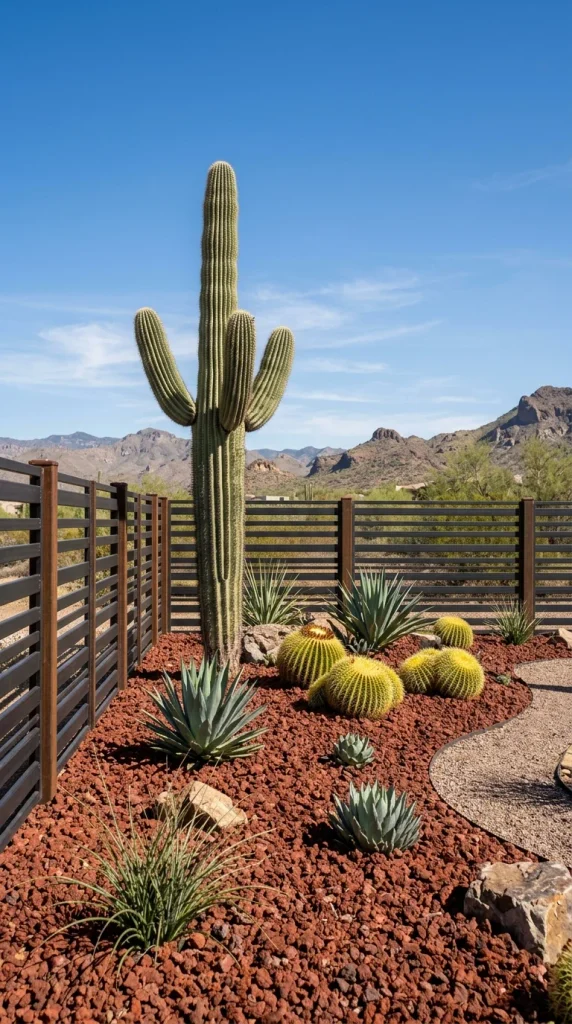
Desert chic is all about celebrating the unique forms and textures of cacti and succulents. This look works best with a clean, high-contrast color palette—think bright green plants against red or white volcanic rock. Use lighting to highlight the dramatic silhouettes of tall cacti at night. This design is incredibly low-maintenance and provides a bold, sculptural look that stays consistent throughout the year.
13. Floating Steps
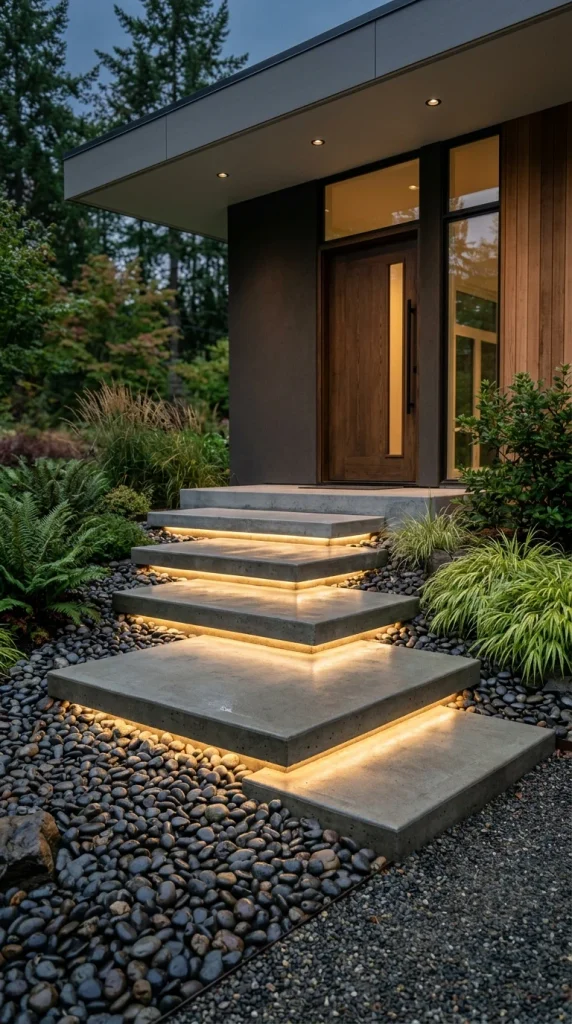
If your home sits slightly above street level, “floating” steps are a fantastic way to create a contemporary entrance. These are typically wide, thick slabs of concrete or stone that are cantilevered or set on hidden supports. When paired with under-tread LED lighting, they create a dramatic, high-tech effect at night. Surround the steps with low-growing groundcover or uniform gravel to keep the focus on the architectural stairs.
14. Seasonal Rotations
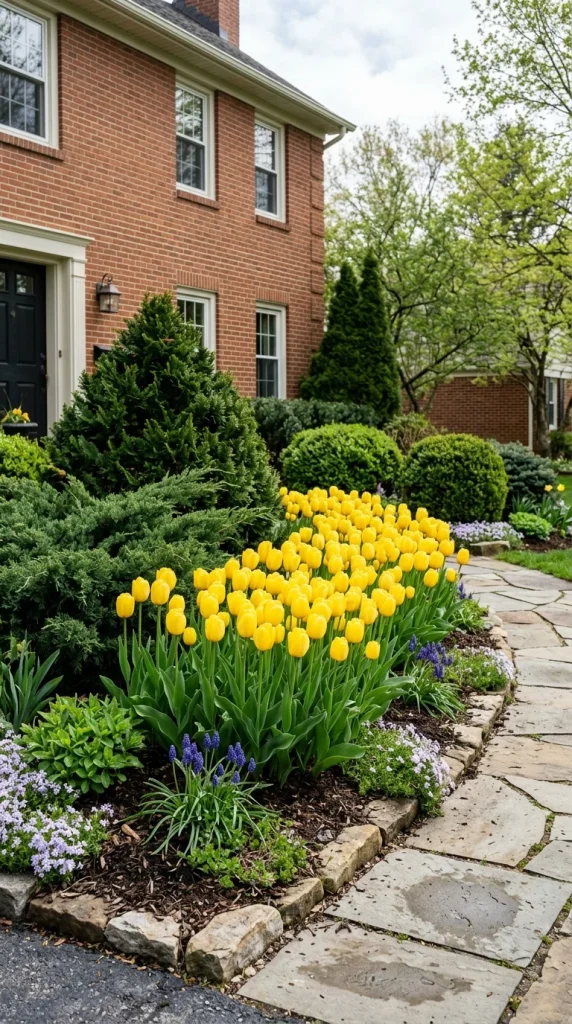
A truly great front yard looks good 365 days a year. To achieve this, use a “70/30 rule”: 70% of your plants should be evergreens or have interesting winter structures (like ornamental grasses or red-twig dogwood), while the remaining 30% are reserved for seasonal “wow” factors. This allows you to swap out pansies in the spring, petunias in the summer, and mums in the fall without ever having a “bare” looking garden.
15. Vertical Gardening
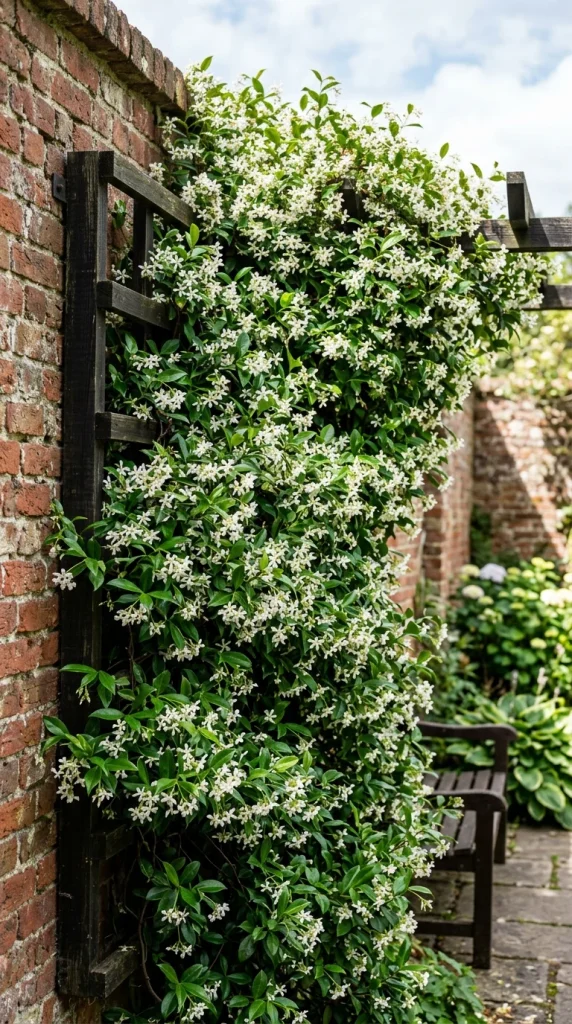
When ground space is limited, look up. Vertical gardening allows you to introduce greenery and texture without taking up a large footprint. Use trellises, arbors, or “living walls” to grow climbing roses, clematis, or ivy. This is particularly effective for covering unsightly walls or providing privacy from neighbors. A vine-covered entryway creates a lush, “secret garden” feel that is immediately enchanting to anyone approaching the home.