
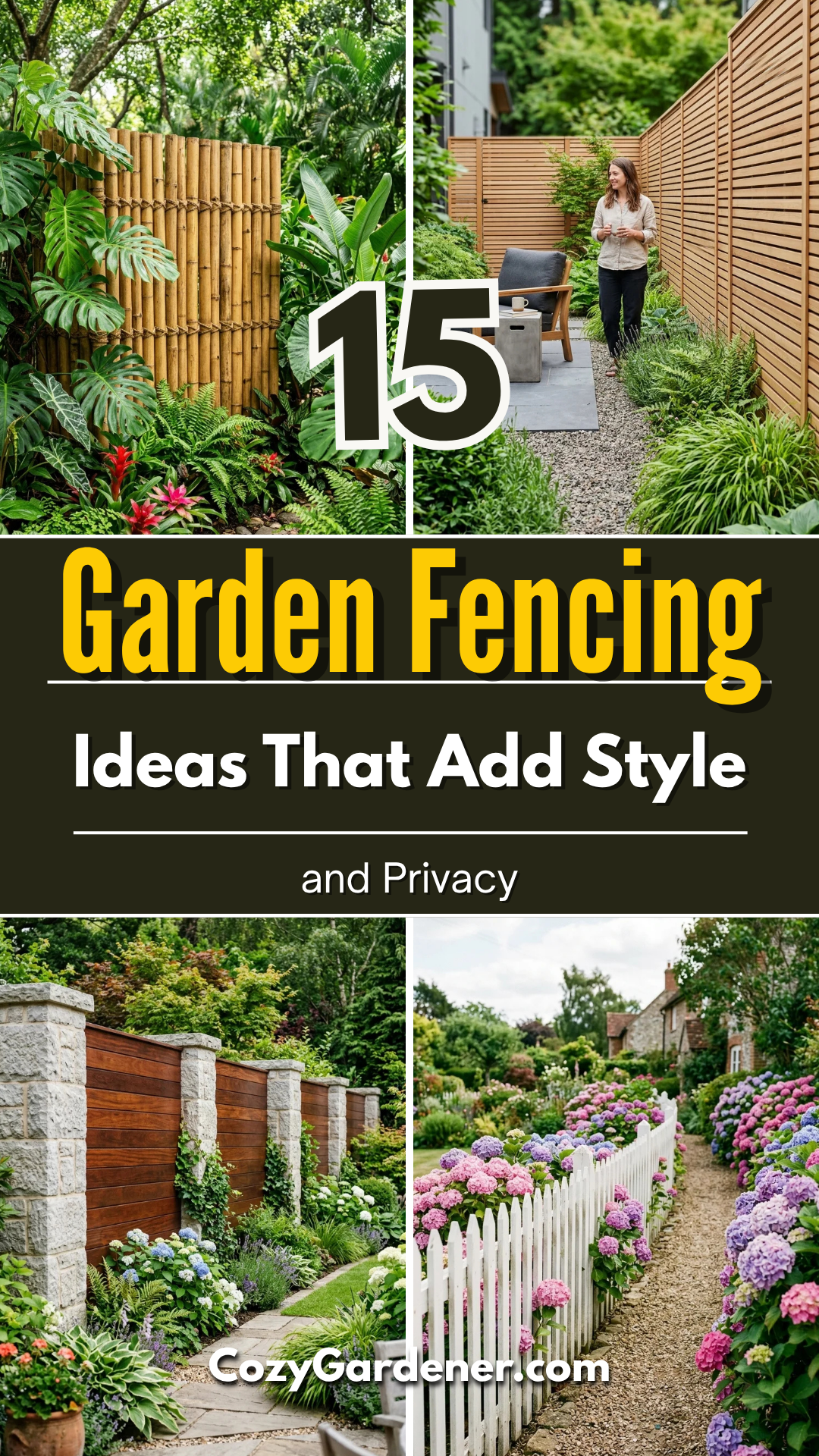
A garden fence is far more than just a boundary marker; it is the frame that defines your outdoor sanctuary. Whether you are looking to keep prying eyes out, secure your pets, or simply add a touch of architectural flair to your landscape, the right fencing can transform a basic yard into a sophisticated retreat. In the modern era of landscape design, we are no longer limited to simple chain-link or basic picket styles. Today’s options range from rustic natural materials to sleek, industrial metals and living, breathing green walls.
1. Horizontal Slats
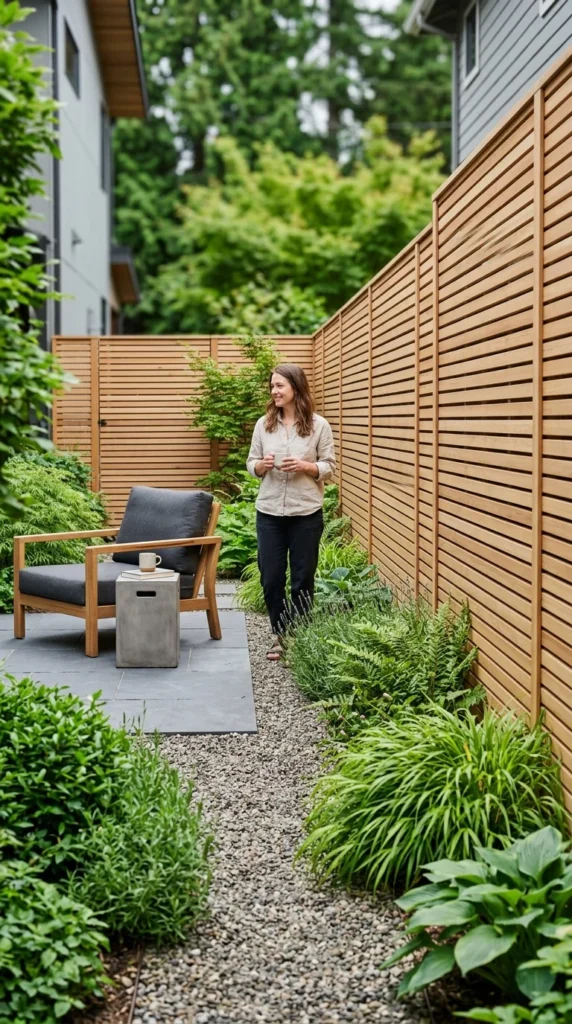
Horizontal slat fencing has become a hallmark of contemporary home design. By running the boards horizontally rather than vertically, you create a visual illusion that makes your garden feel wider and more spacious. This style often uses high-quality hardwoods like cedar or ipe, which offer rich natural tones. The small gaps between the slats allow for airflow and a hint of light, preventing the fence from feeling like a heavy, solid wall while still providing excellent privacy for your outdoor gatherings.
2. Living Walls
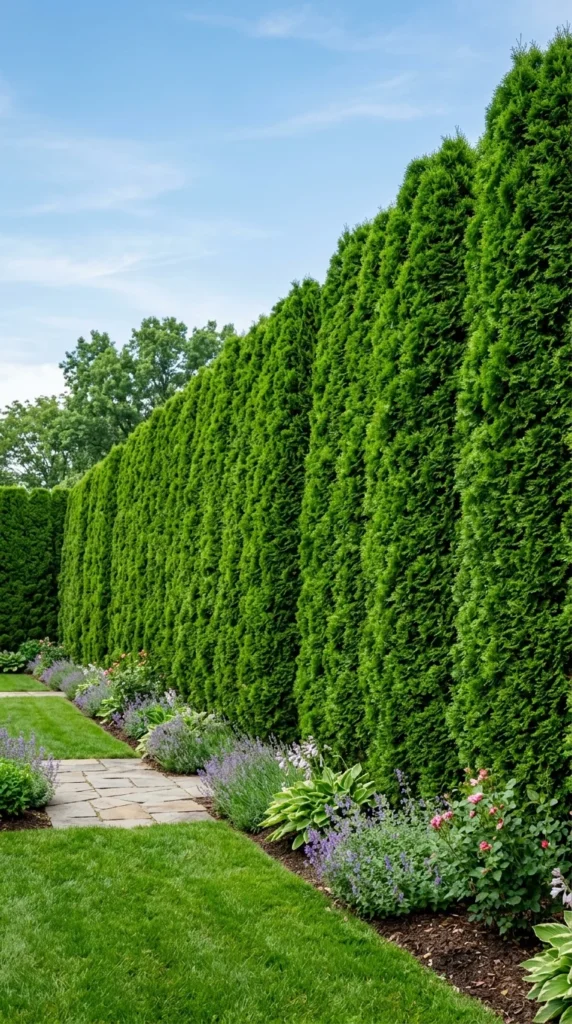
For those who want to maximize greenery, a living wall or a “soft fence” is the ultimate choice. This involves using tall, dense shrubs like Boxwood, Arborvitae, or Privet to create a natural barrier. Not only does this provide total privacy, but it also acts as a sound buffer against street noise and provides a habitat for local birds. A living fence evolves with the seasons, offering a lush, organic backdrop that traditional materials simply cannot replicate.
3. Bamboo Screens
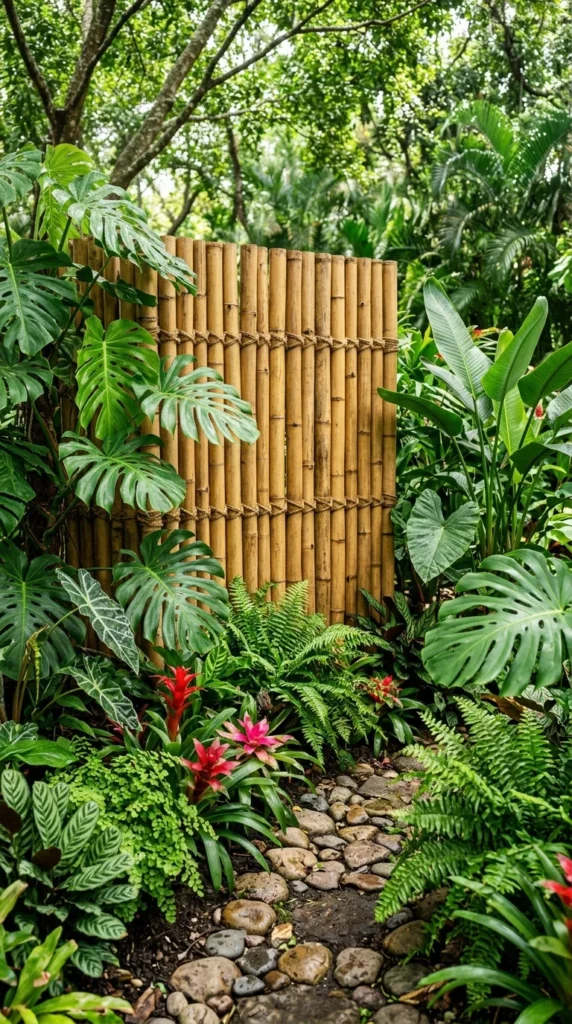
Bamboo is one of the most sustainable and fast-growing materials on the planet, making it an eco-friendly choice for the conscious gardener. Bamboo fencing comes in rolls or pre-fabricated panels and adds an instant “Zen” or tropical aesthetic to any space. Its natural texture and varied golden-tan hues pair beautifully with stone pathways and water features. It is particularly effective for covering up old, unsightly chain-link fences without the need for a full demolition.
4. Gabion Walls
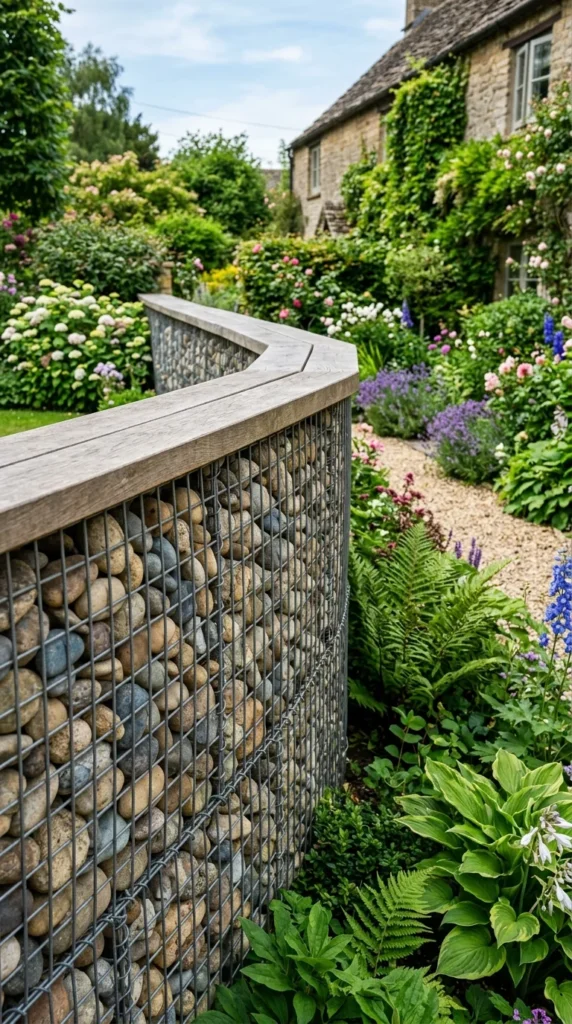
Gabion walls are a brilliant fusion of industrial utility and natural beauty. These are essentially wire cages filled with rocks, stones, or even recycled glass. They are incredibly durable, require zero maintenance, and provide a formidable barrier that is impossible to see through. To soften the look, many homeowners integrate wooden seating or allow climbing plants like ivy to crawl across the wire mesh, creating a rugged yet refined garden feature.
5. Wattle Fencing
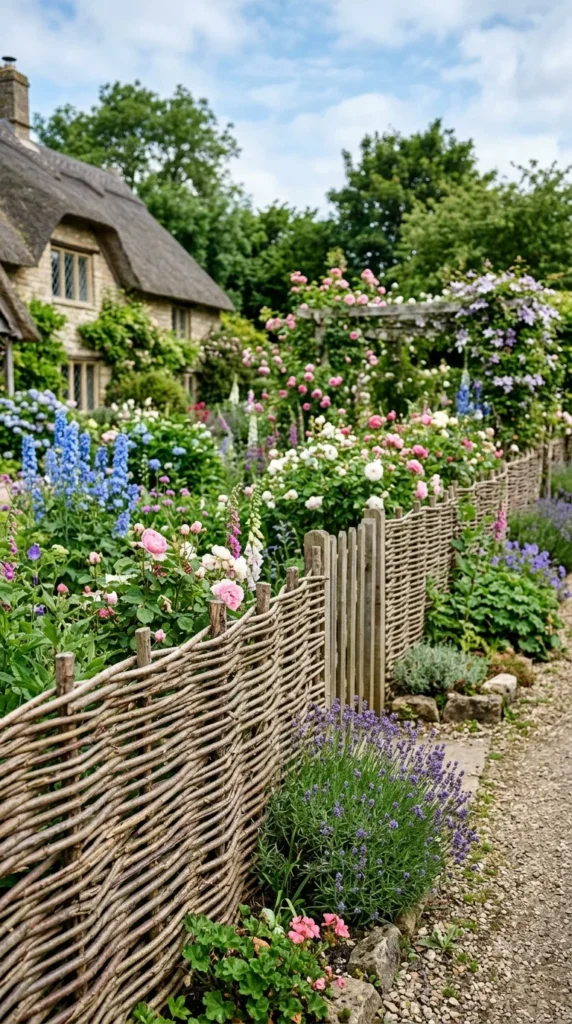
If you are aiming for a cottage-core or traditional rustic aesthetic, wattle fencing is a timeless option. This ancient technique involves weaving thin branches—usually willow or hazel—between upright stakes. The result is a highly textured, breathable fence that looks like it grew right out of the earth. It is perfect for windbreaks and adds a handmade, artisanal quality to the garden that factory-made panels lack.
6. Modern Composite
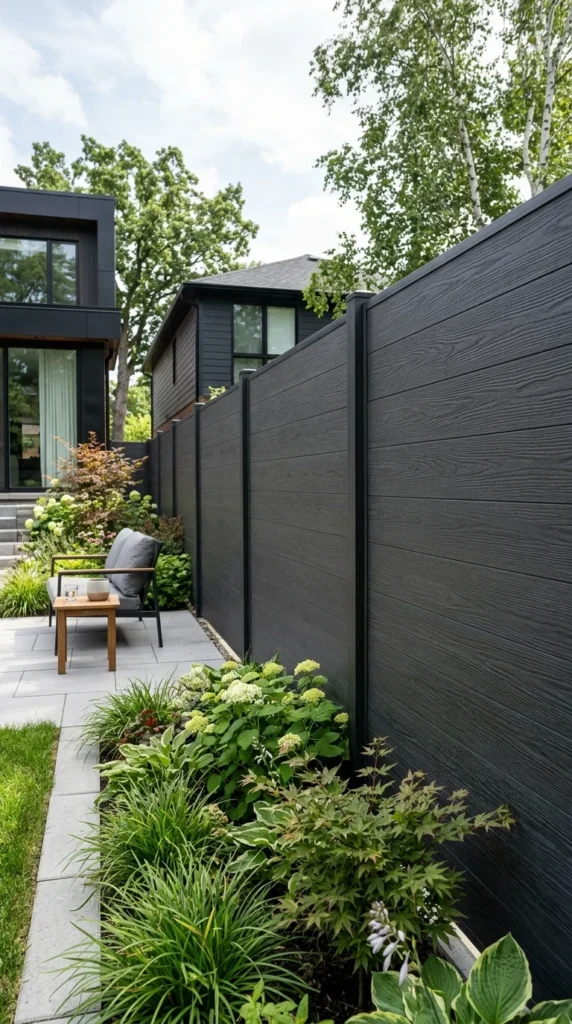
Composite fencing is the go-to solution for homeowners who want the look of wood without the upkeep. Made from a blend of wood fibers and recycled plastic, composite panels are resistant to rot, warping, and insect damage. They come in a variety of sleek, modern colors like slate grey, espresso, and sand. Because the color is baked into the material, you will never have to spend a weekend staining or painting your fence again.
7. Decorative Metal
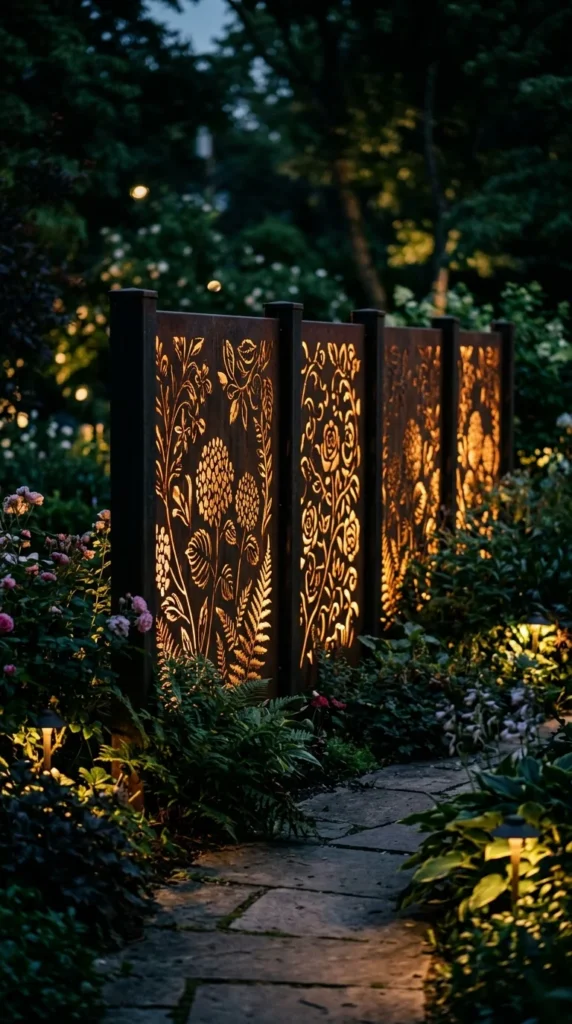
Metal fencing has evolved far beyond the classic wrought iron bars. Laser-cut steel or aluminum panels allow for intricate, artistic designs—ranging from geometric patterns to floral motifs. These panels act as pieces of outdoor art. When placed strategically, they can create stunning shadows across your lawn as the sun moves. Many designers use weathered “Corten” steel, which develops a beautiful rust-like patina over time, adding warmth and character.
8. Picket Fencing
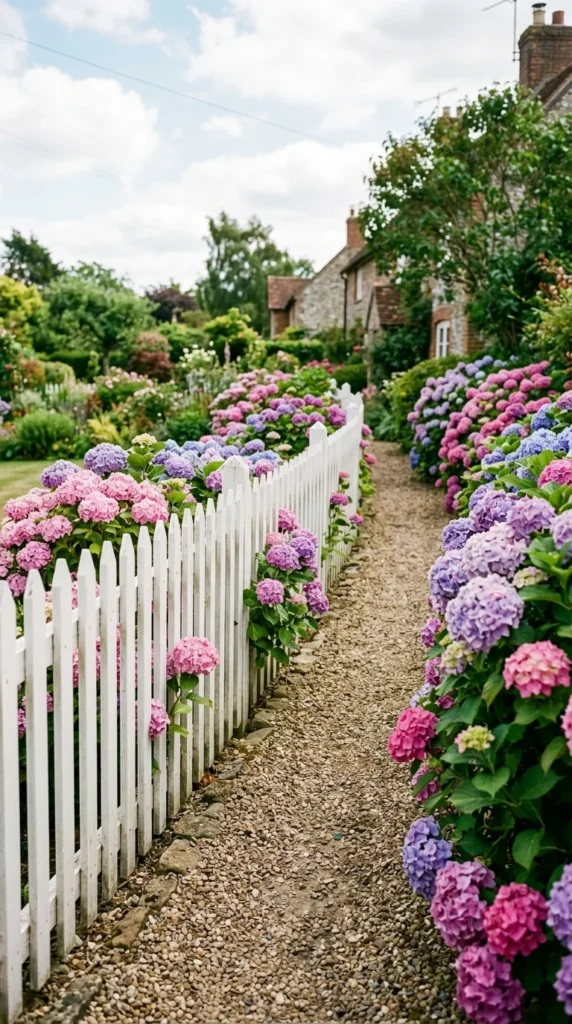
Nothing says “classic charm” quite like a white picket fence. While it may not offer total visual privacy, it is unrivaled for curb appeal and defining front garden boundaries. To modernize this look, consider a taller picket style with narrower gaps, or paint it in a bold color like navy blue or charcoal grey instead of the traditional white. It remains the perfect partner for traditional flower borders and rose gardens.
9. Lattice Panels
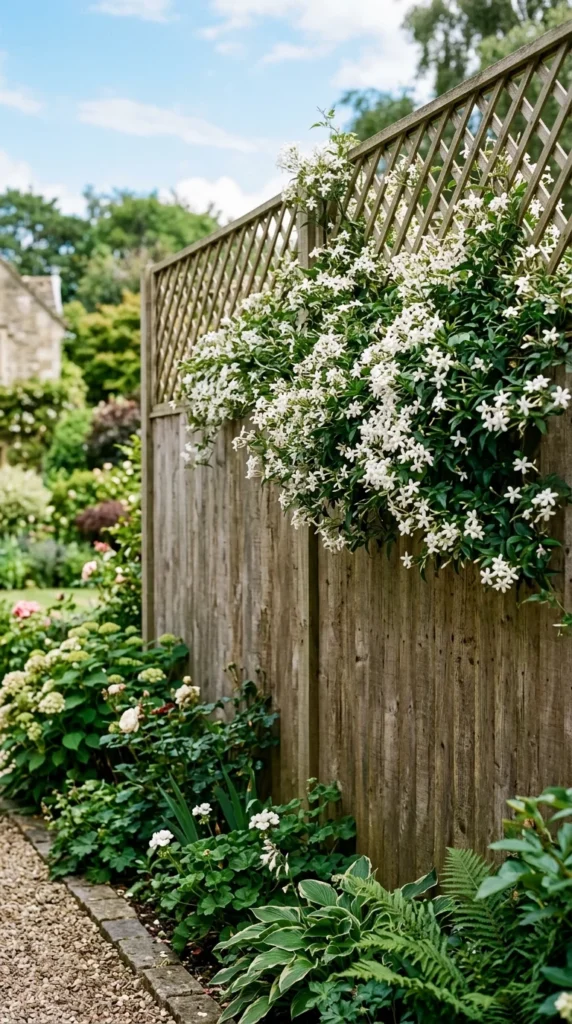
Lattice fencing is a versatile option that balances privacy with light. The diamond or square grid pattern provides a structural framework for climbing plants like clematis, wisteria, or jasmine. This “climbing” fence eventually becomes a vertical garden, providing a fragrant and colorful wall of flowers. You can use full-height lattice panels for a semi-transparent look or add lattice “toppers” to a solid wooden fence to add height without making the yard feel boxed in.
10. Stone & Wood
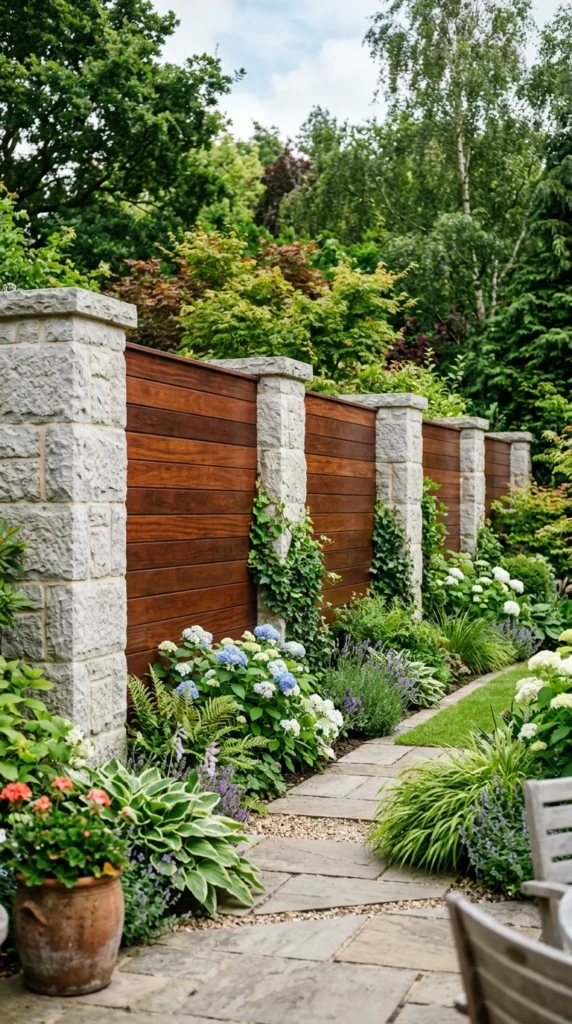
For a look of permanence and luxury, combining stone and wood is a winning strategy. Using stone or brick pillars to anchor sections of high-quality timber creates a high-contrast, architectural look. This hybrid approach is incredibly sturdy and works well for slanted or uneven terrain. The cold, hard texture of the stone perfectly complements the warm, organic feel of the wood, resulting in a fence that looks like a custom-built part of the home’s architecture.
11. Reclaimed Pallets
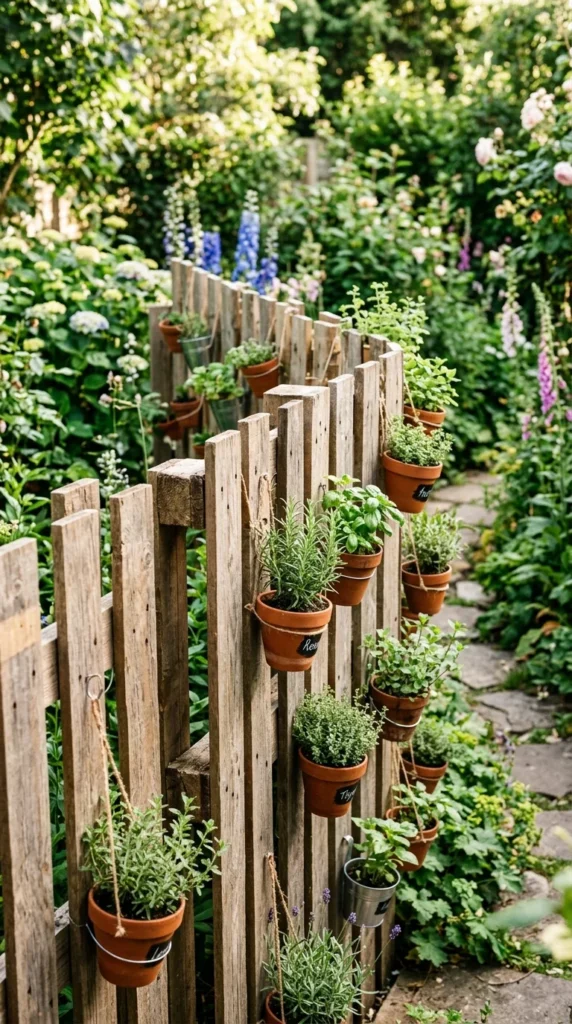
Sustainability meets creativity with reclaimed pallet fencing. This is an excellent low-cost option for DIY enthusiasts. By disassembling and treating old shipping pallets, you can create a rustic, multi-tonal fence that has a story to tell. You can arrange the boards in a staggered “hit-and-miss” pattern or sand them down for a more polished, “shabby-chic” appearance. It’s a great way to recycle materials while adding a unique, personal touch to your plot.
12. Frosted Glass
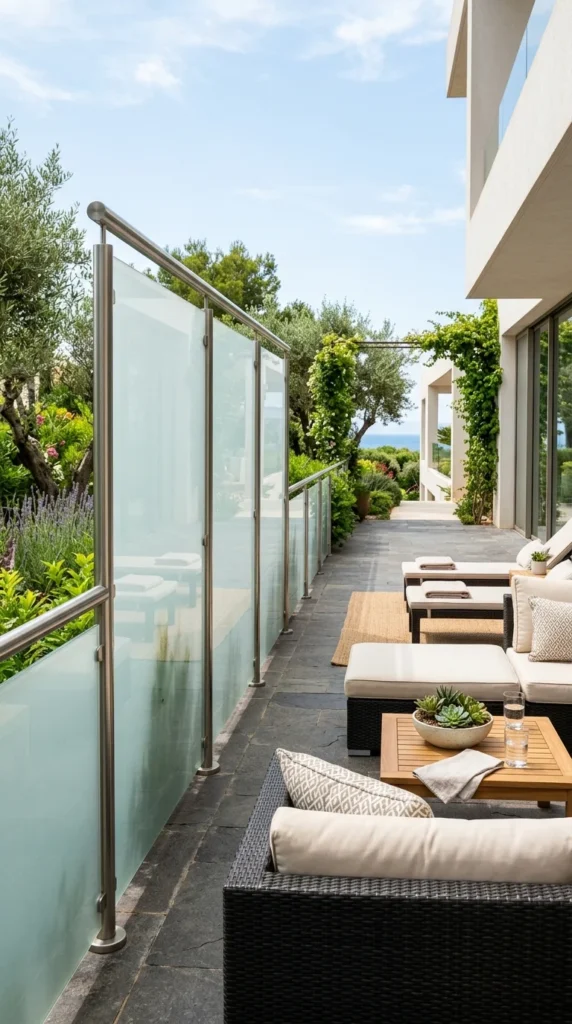
If you live in an area with a beautiful view but still need protection from the wind or neighbors, frosted glass is a high-end solution. These panels provide total obscurity for privacy while still allowing light to flood your garden. It is a particularly popular choice for modern rooftop gardens or pool areas, where it provides a sleek, clean, and waterproof barrier that doesn’t feel heavy or dated.
13. Vinyl Privacy
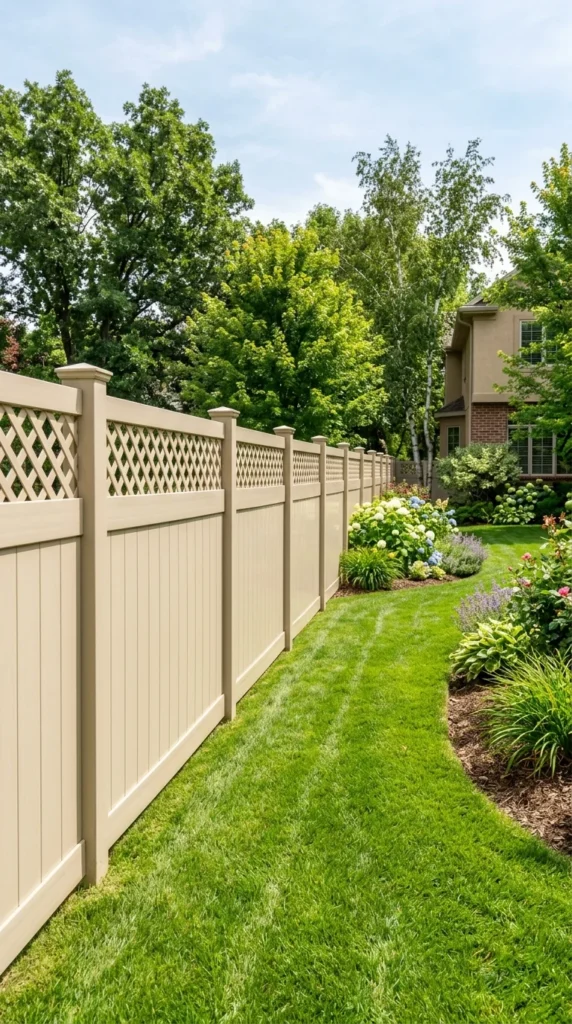
Vinyl (PVC) fencing is one of the most practical choices for busy homeowners. It is completely opaque, offering 100% privacy, and it is incredibly easy to clean—usually just requiring a quick spray with a garden hose. Unlike wood, it won’t splinter or decay. Modern vinyl options come in a range of textures that mimic real wood grain, providing the aesthetic of a traditional fence with the durability of modern polymers.
14. Vertical Gardens
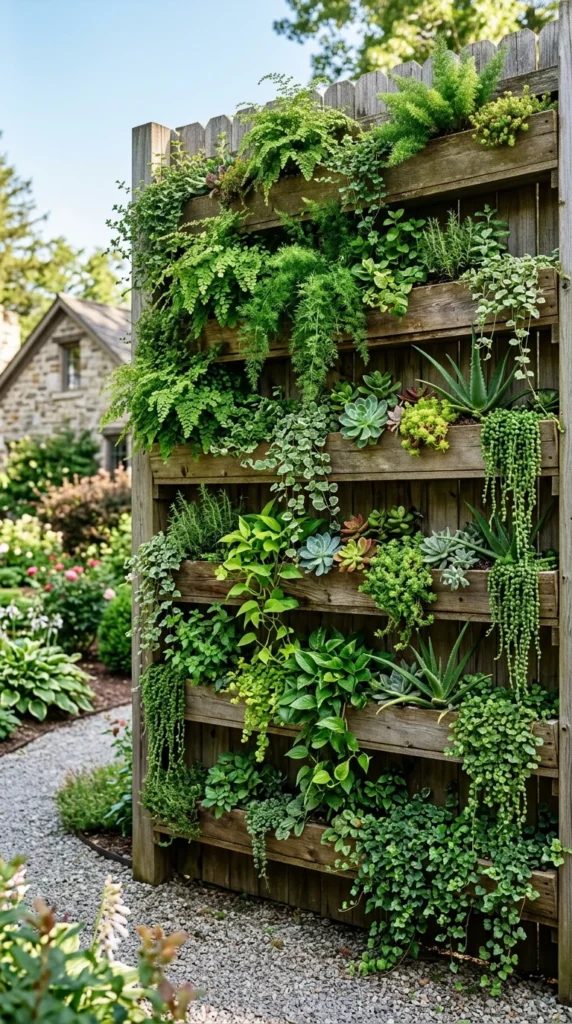
Why settle for a plain fence when you can have a vertical garden? This idea involves building a fence structure specifically designed to hold planters or felt pockets. This allows you to grow herbs, small vegetables, or ornamental flowers directly on your boundary. It is an excellent space-saving solution for small urban gardens, effectively turning your privacy barrier into a productive and breathtaking focal point.
15. Black Timber
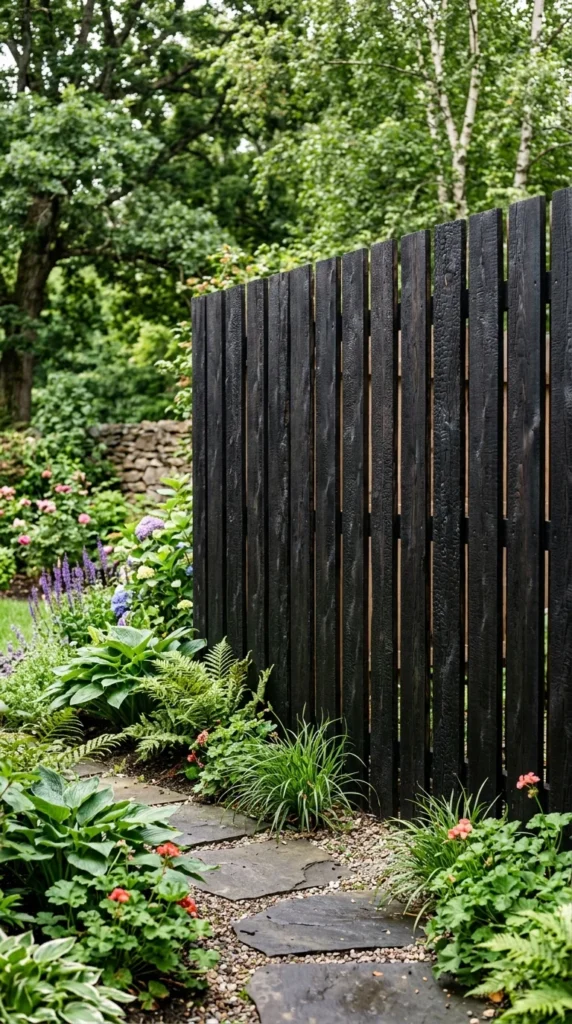
For a bold, sophisticated statement, look no further than black timber. Whether achieved through black wood stain or the traditional Japanese “Shou Sugi Ban” (charring) method, dark fencing provides a dramatic backdrop that makes the green of your plants “pop” with incredible intensity. Black fences recede into the shadows, making the perimeter of your garden less noticeable while adding a high-fashion, designer edge to the overall landscape.