
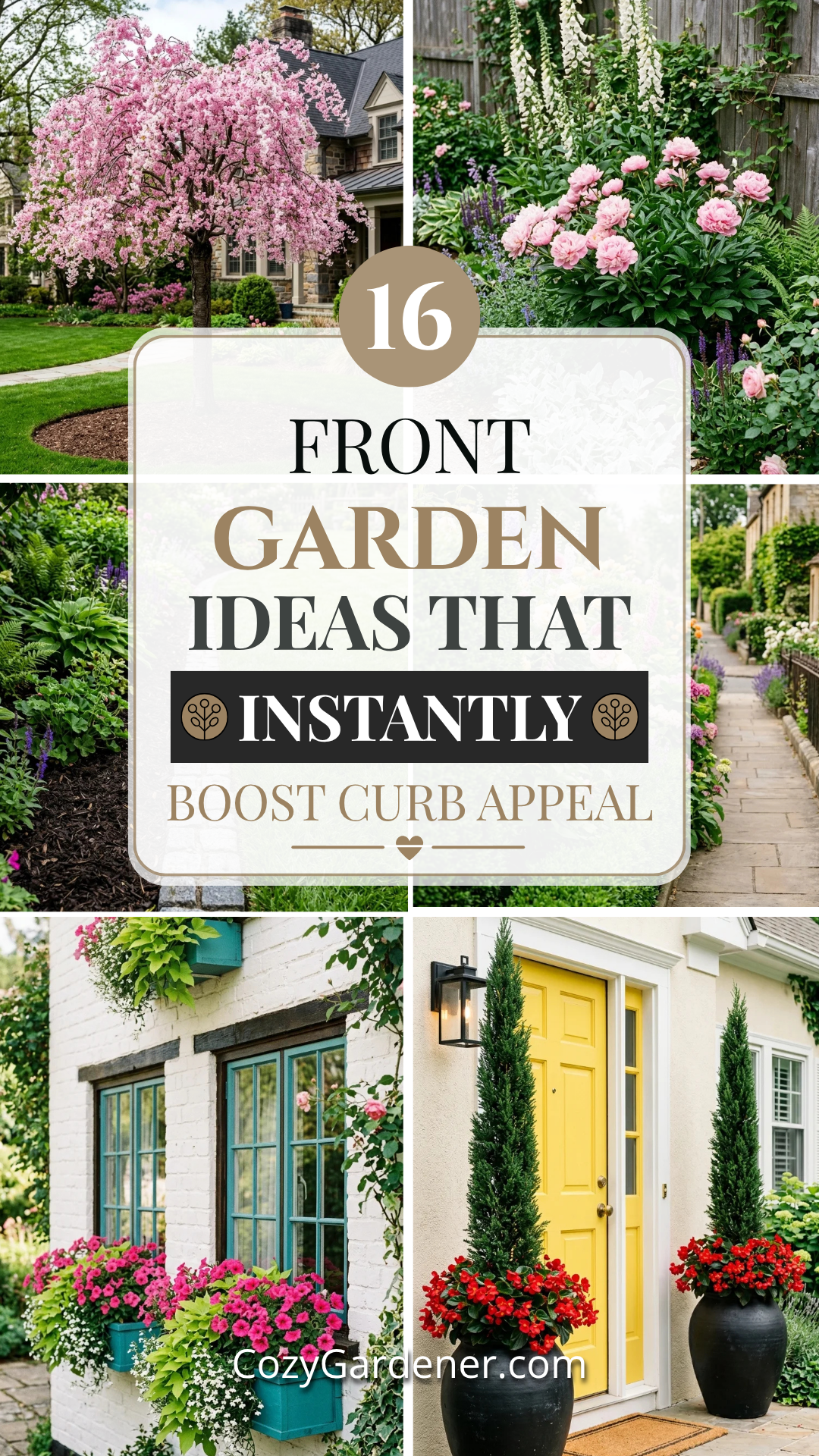
First impressions are everything. When it comes to your home, the front garden is the handshake that greets guests and passersby. A well-designed front landscape does more than just look pretty; it increases property value, provides a sense of sanctuary, and reflects your personal style. Whether you have a sprawling lawn or a tiny urban patch, these sixteen ideas will help you transform your exterior into a neighborhood showstopper.
1. Layered Borders
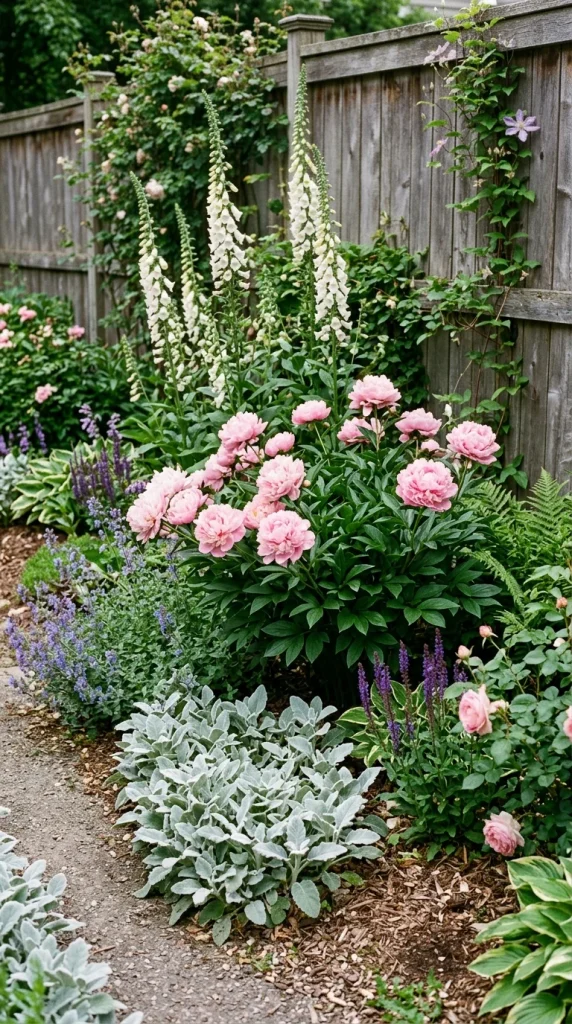
One of the most effective ways to create depth and visual interest is through layering. Instead of a single row of plants, design your beds with three distinct tiers: the background, the midground, and the foreground. Use tall shrubs or ornamental grasses in the back to provide a green “wall.” In the middle, place your showy flowering perennials. Finally, use low-growing groundcovers or annuals to soften the transition to the lawn or walkway.
2. Window Boxes
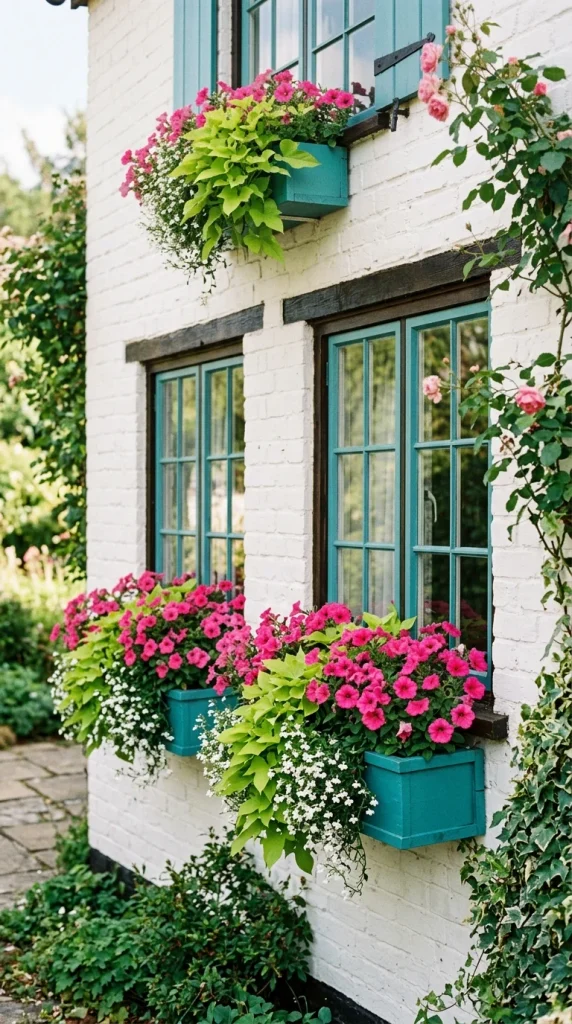
If ground space is limited, look upward. Window boxes bridge the gap between your architecture and your garden. They add a splash of color at eye level and can be updated seasonally. For a professional look, follow the “thriller, filler, spiller” rule: one tall striking plant (thriller), several mounded flowering plants (filler), and trailing vines that hang over the edge (spiller).
3. Statement Trees
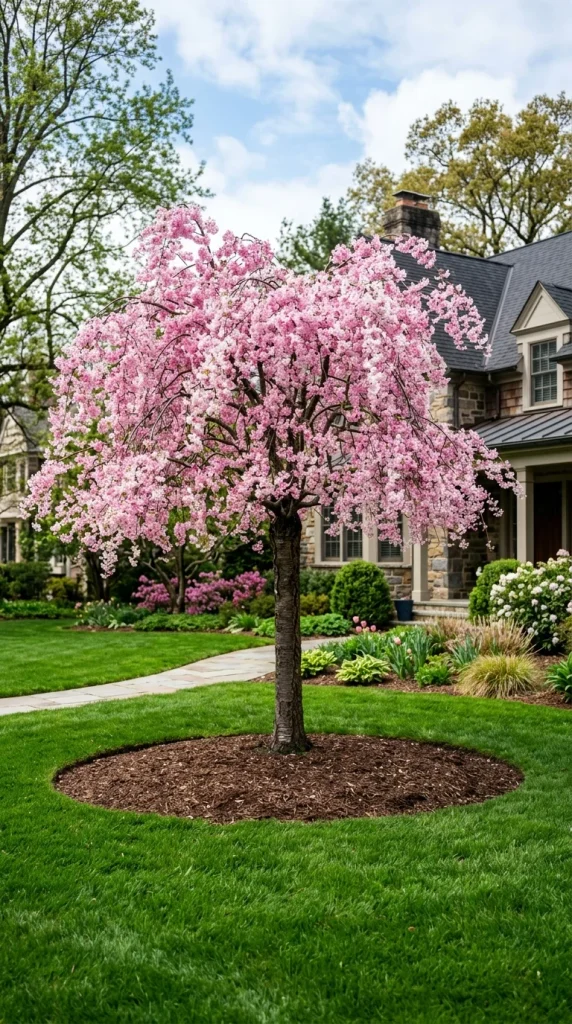
A single, well-placed specimen tree acts as an anchor for the entire landscape. Choose a tree that offers multi-seasonal interest, such as a Japanese Maple with its fiery autumn leaves or a Dogwood with its delicate spring blossoms. A statement tree provides structure, shade, and a vertical element that breaks up the flat planes of a house façade.
4. Modern Hardscaping
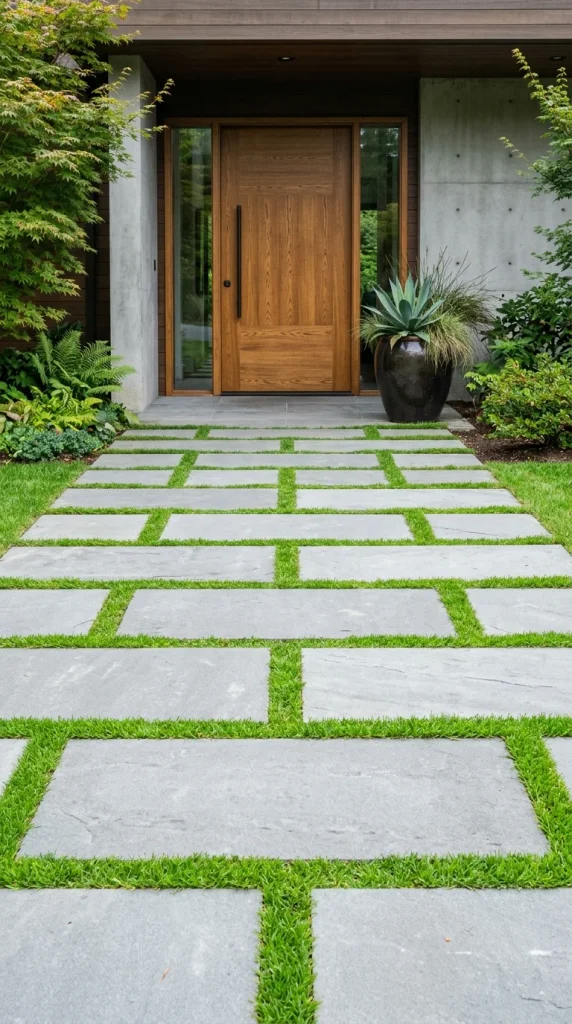
Curb appeal isn’t just about plants; it’s about the “bones” of the garden. Modern hardscaping uses clean lines and high-quality materials like slate, concrete, or polished stone to create a sophisticated look. Replacing a cracked asphalt driveway with pavers or adding a sleek, geometric path can instantly modernize an older home and make the garden feel more intentional.
5. Native Plants
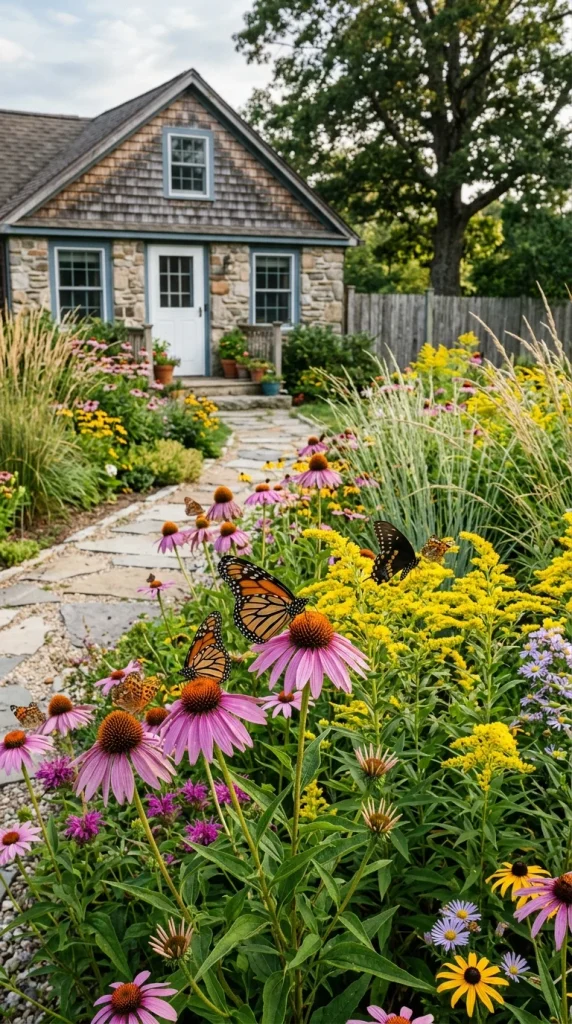
Sustainability is the new standard in luxury landscaping. Native plants are adapted to your local climate and soil, meaning they require less water, fewer fertilizers, and minimal pesticides. Beyond their hardiness, they provide essential habitats for local pollinators. A native garden looks effortlessly beautiful and connects your home to the local ecosystem.
6. Vertical Trellises
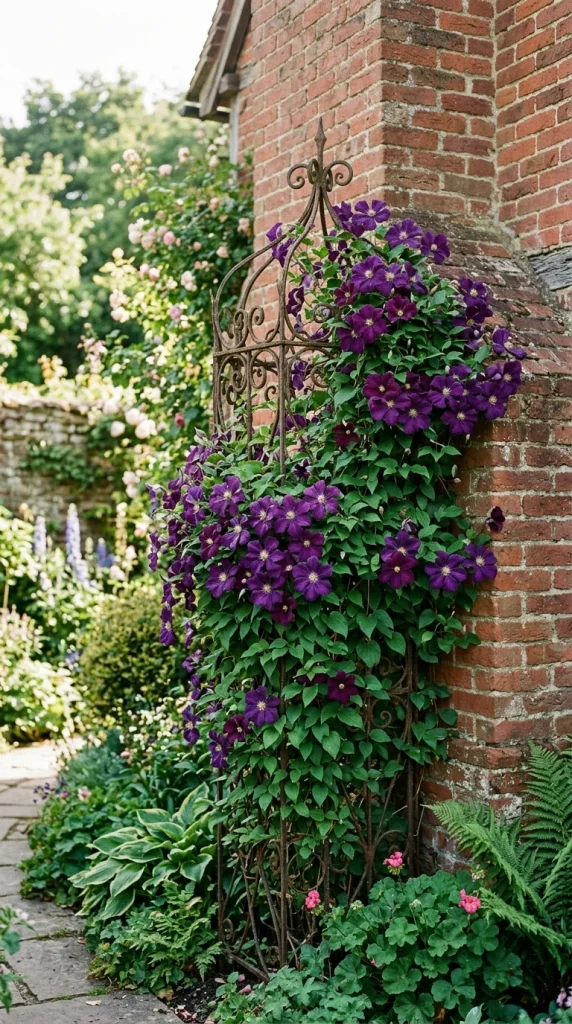
Vertical gardening is a secret weapon for small front yards. By training climbing roses, jasmine, or ivy to grow up a trellis or arbor, you add height and romance without sacrificing square footage. This is particularly effective for softening “blind” walls of a house that lack windows or architectural detail.
7. Lighting Design
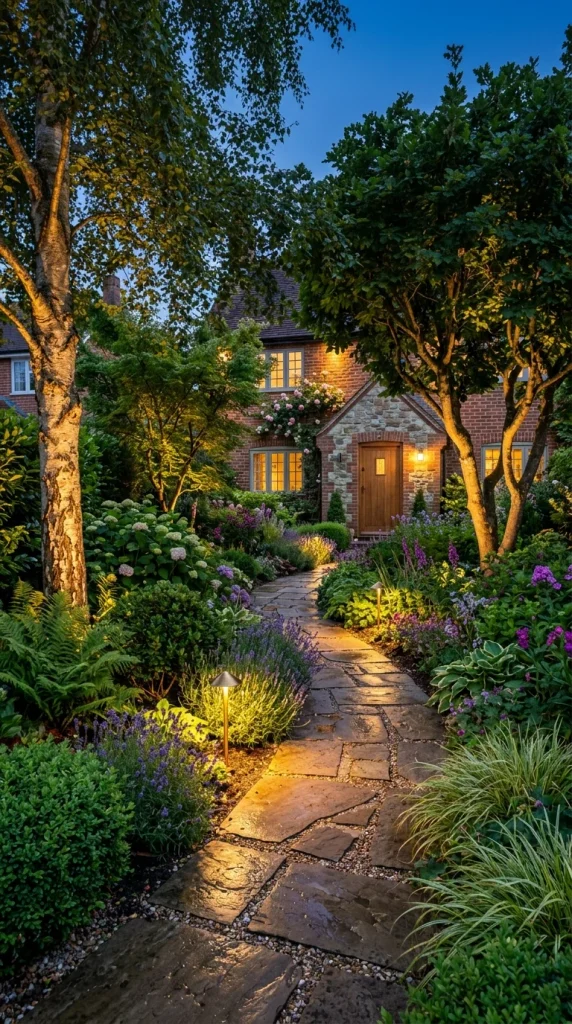
A front garden shouldn’t disappear when the sun goes down. Professional landscape lighting highlights your home’s best features and increases safety. Focus on “uplighting” trees to create dramatic shadows and “path lighting” to guide guests to the front door. Use warm-toned LEDs for a cozy, inviting atmosphere rather than harsh white lights.
8. Xeriscaping
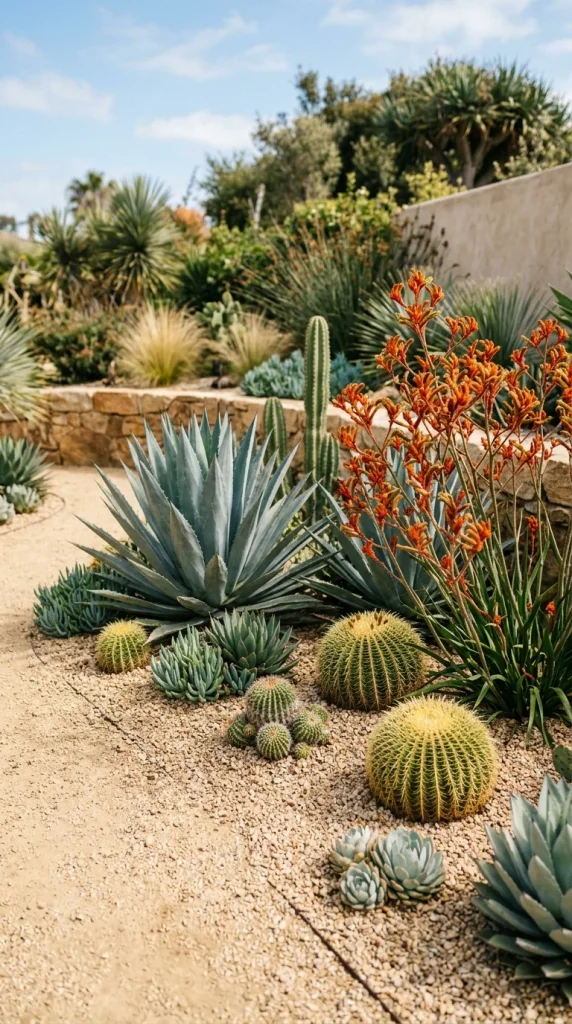
In many regions, a lush green lawn is no longer practical. Xeriscaping—landscaping designed specifically for water conservation—can be incredibly stylish. By using gravel, boulders, and drought-resistant succulents, you create a high-texture, low-maintenance landscape that looks architectural and stays vibrant even in the heat of summer.
9. Potted Entryways
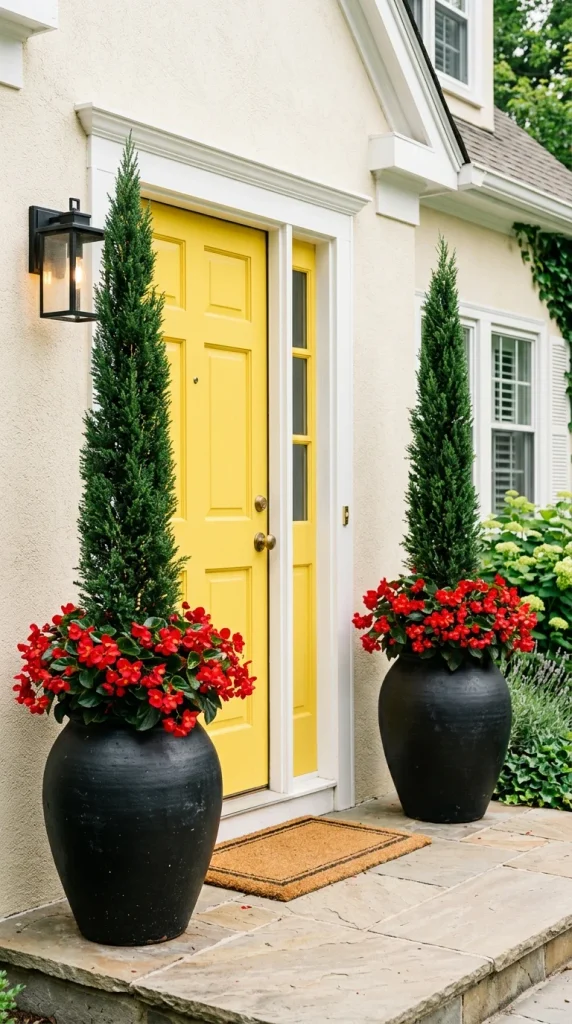
The area immediately around your front door is the most important focal point of your curb appeal. Flanking the entrance with oversized, high-quality containers creates a sense of ceremony. Containers allow you to experiment with plants that might not thrive in your garden soil and make it easy to swap out decorations for holidays or seasonal changes.
10. Wildflower Meadows
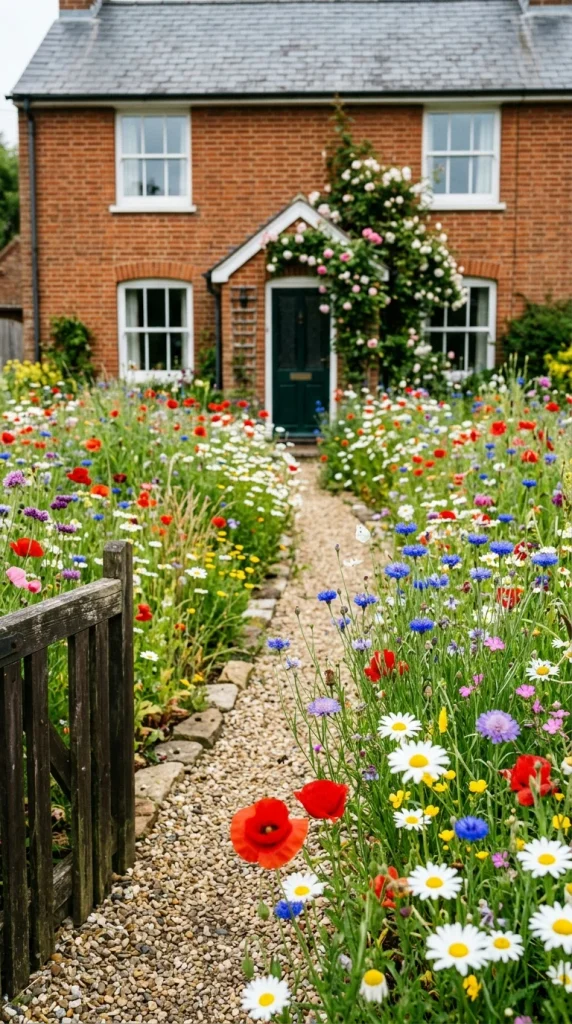
For a more relaxed, “cottagecore” aesthetic, consider replacing a traditional lawn with a wildflower meadow. This look is becoming increasingly popular as homeowners move away from the high maintenance of mowed grass. A meadow provides a tapestry of color that changes throughout the season and creates a soft, whimsical frame for your home.
11. Defined Edging
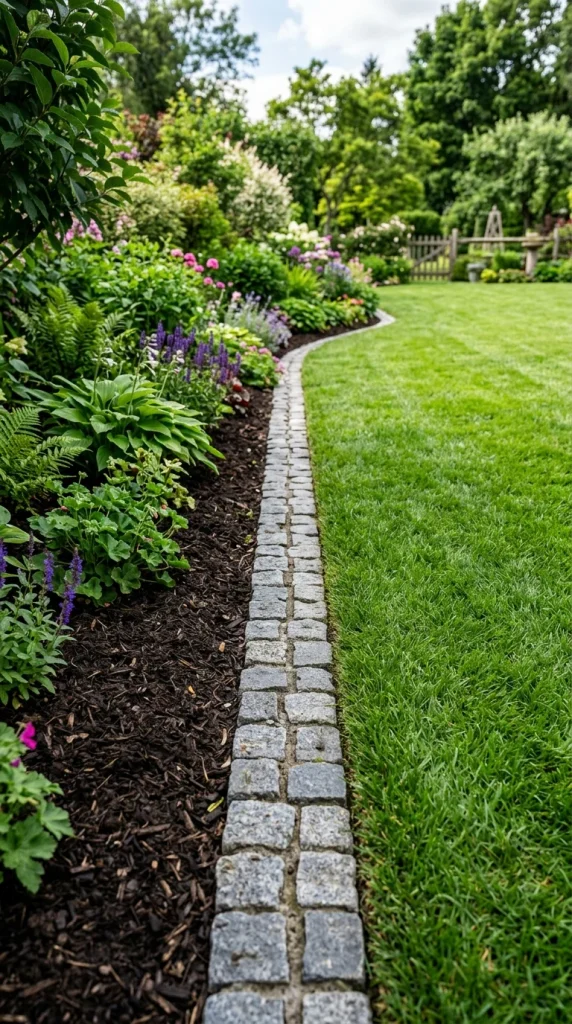
The difference between a “nice” garden and a “spectacular” garden often lies in the details. Clean, defined edges between your lawn and your garden beds provide an instant boost of tidiness. Whether you use brick, stone, metal edging, or a simple “Victorian trench” (a hand-cut groove), this boundary makes the entire landscape look well-maintained and deliberate.
12. Water Features
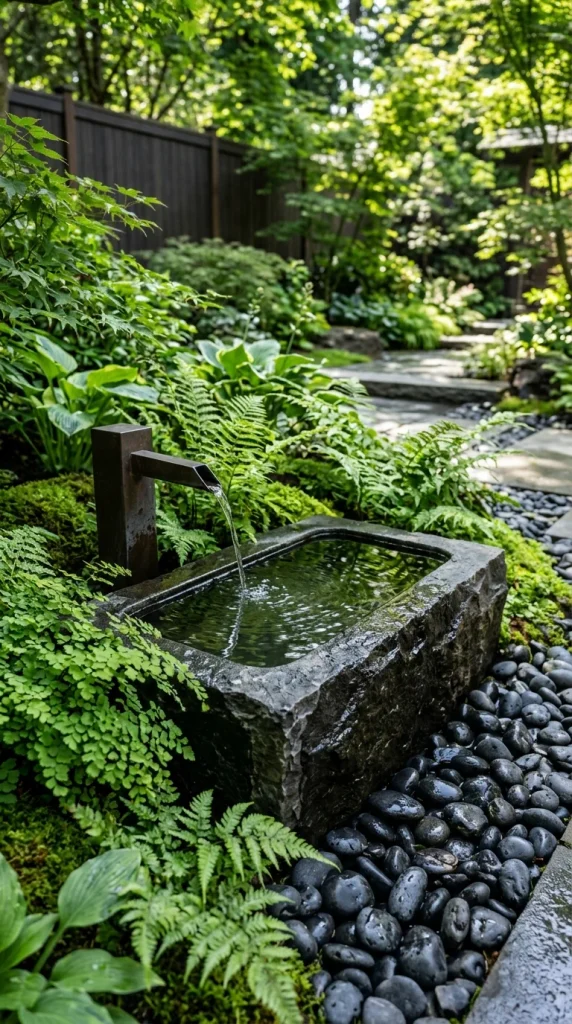
The sound of trickling water adds a layer of sensory appeal that plants alone cannot provide. A small fountain or a stone bubbler in the front garden masks neighborhood noise and creates a tranquil environment. In a front yard, keep water features scaled appropriately—a small, elegant basin is often more effective than a large, complex pond.
13. Rock Gardens
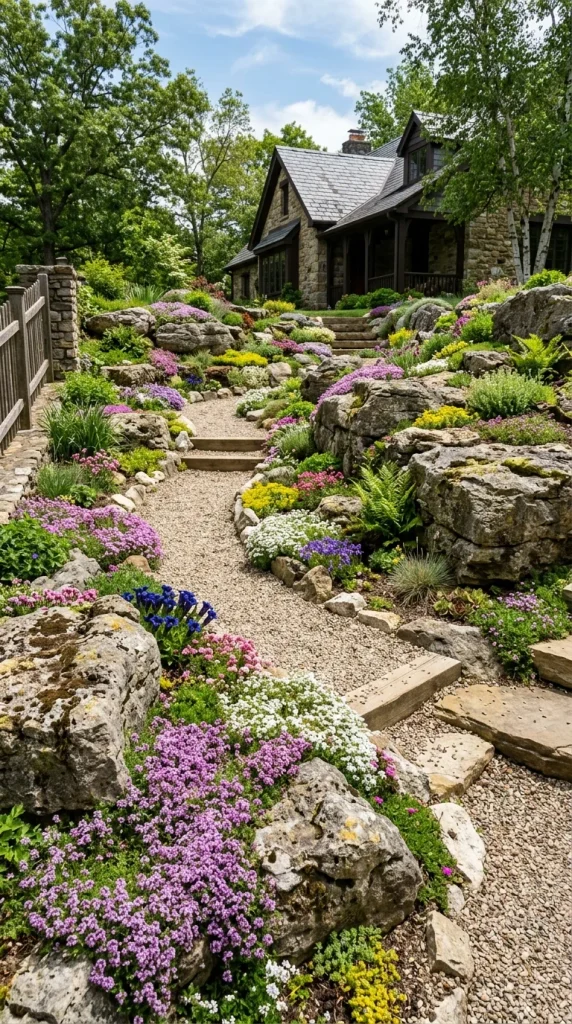
Rock gardens are perfect for front yards with slopes or difficult soil. By mimicking a natural mountain or desert environment, you can use stones of various sizes to create structure. Nestle “rock stars” like sedum, thrift, and creeping phlox between the stones. This style is virtually permanent and requires very little weeding or watering once established.
14. Seasonal Color
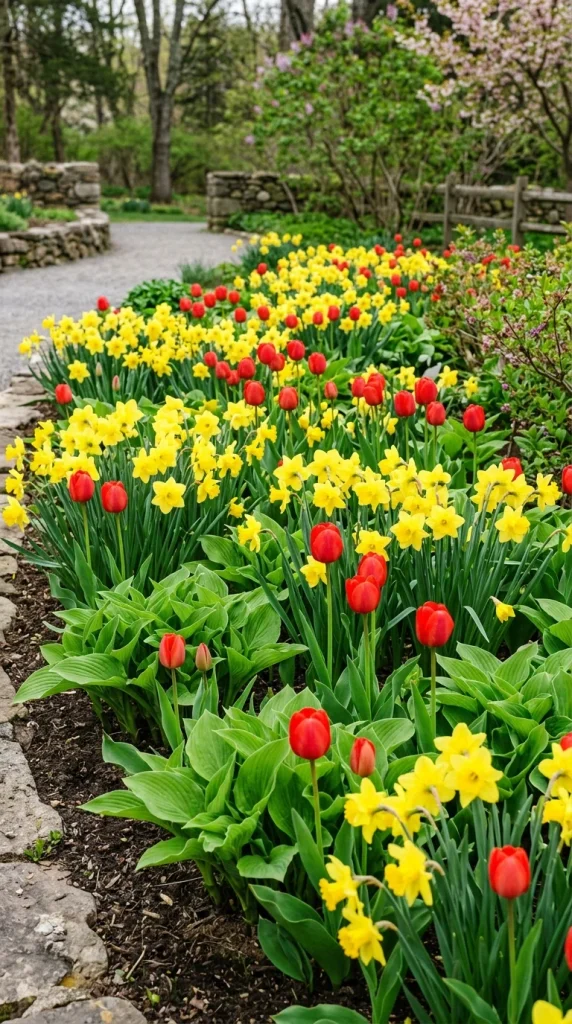
To maintain curb appeal throughout the year, you must plan for succession. While evergreens provide the winter structure, you need “pops” of color for each season. Plan for bulbs in the spring, perennials in the summer, ornamental kales and mums in the autumn, and berried shrubs like Holly for the winter months. A garden that changes with the calendar keeps your home’s exterior looking fresh.
15. Symmetrical Layouts
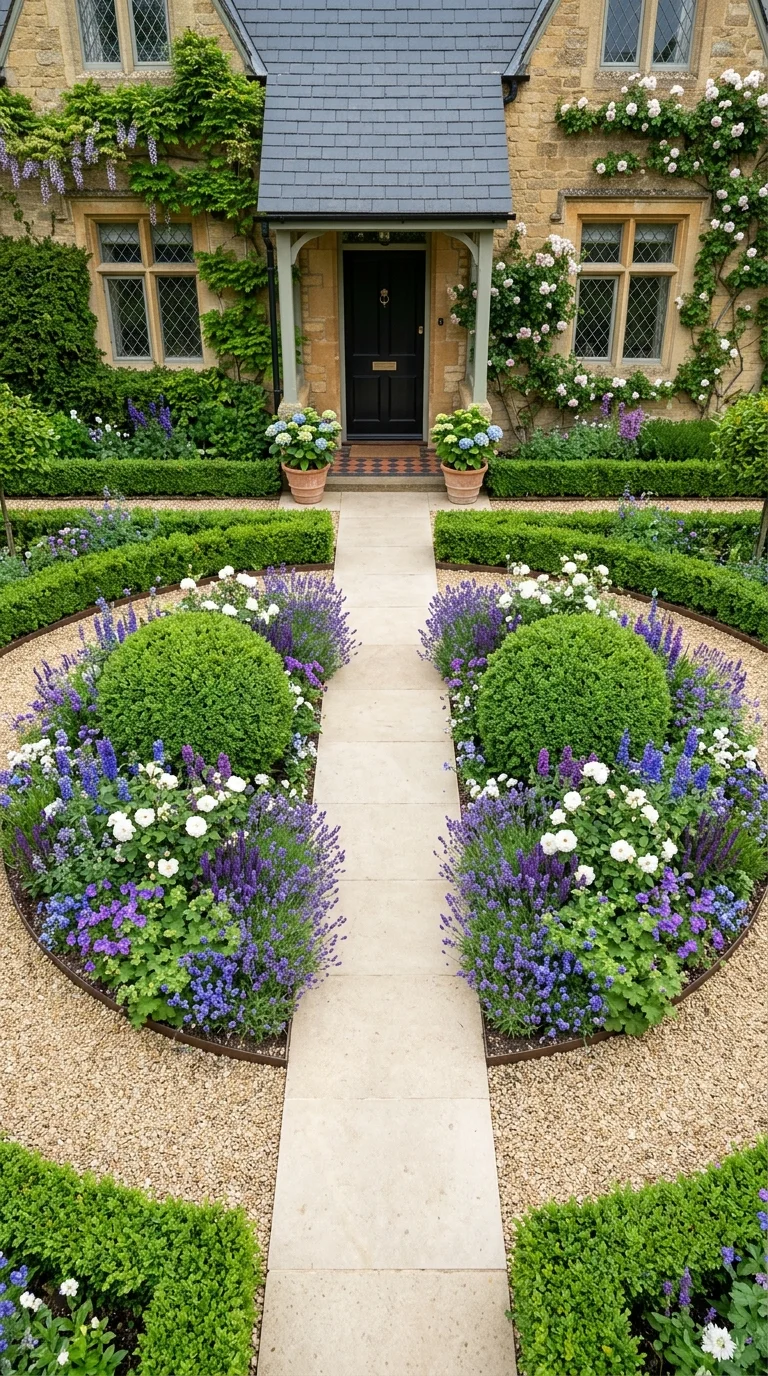
Symmetry is a classic design principle that signals order and formality. If your home has a traditional or colonial architectural style, a symmetrical garden layout will complement it perfectly. Mirroring the plantings on either side of the front walkway creates a balanced, harmonious look that is naturally pleasing to the eye and gives the home a stately presence.
16. Privacy Hedges
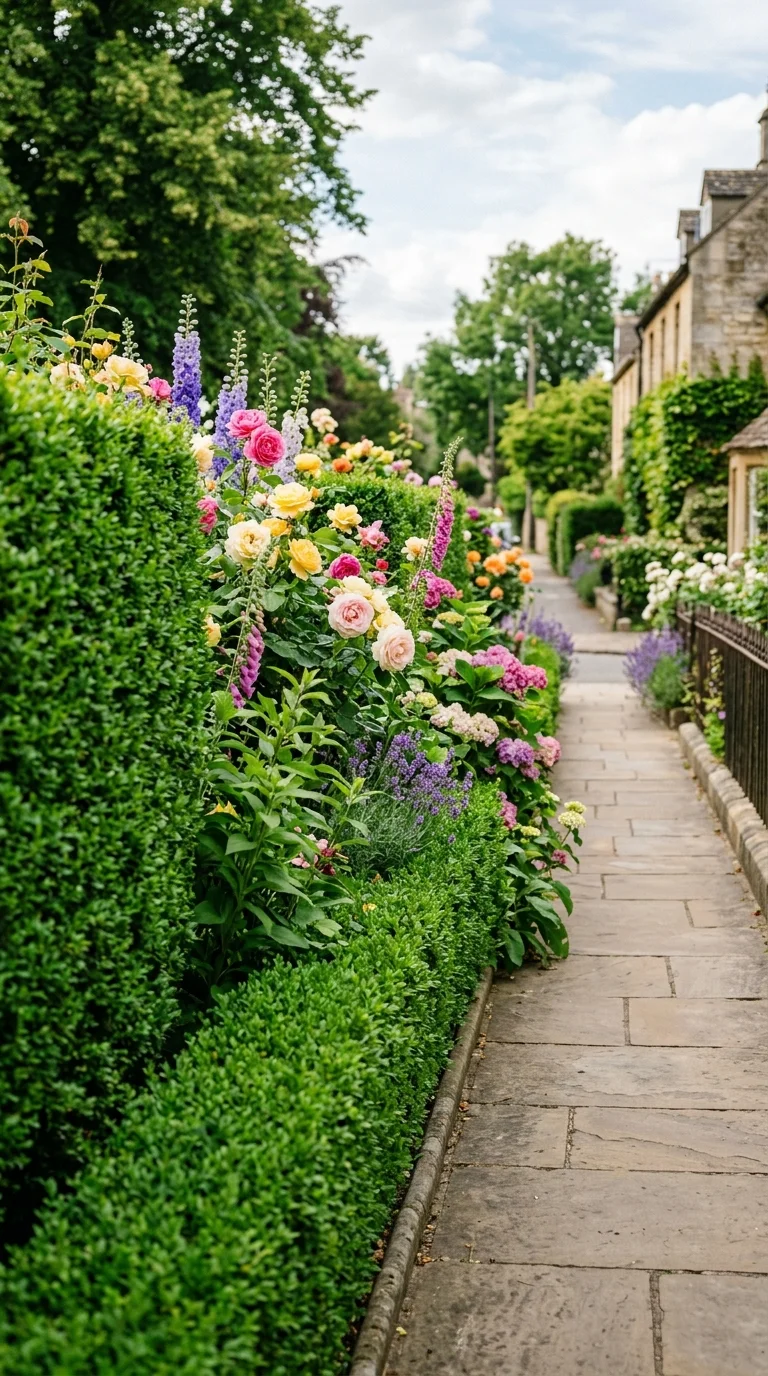
Sometimes, the best way to boost curb appeal is to create a sense of mystery and intimacy. A well-trimmed hedge can act as a “living fence,” providing privacy from the street without the harshness of a wooden or chain-link barrier. Use evergreens like Yew, Privet, or Laurel to ensure that your front garden remains a private sanctuary all year round.