
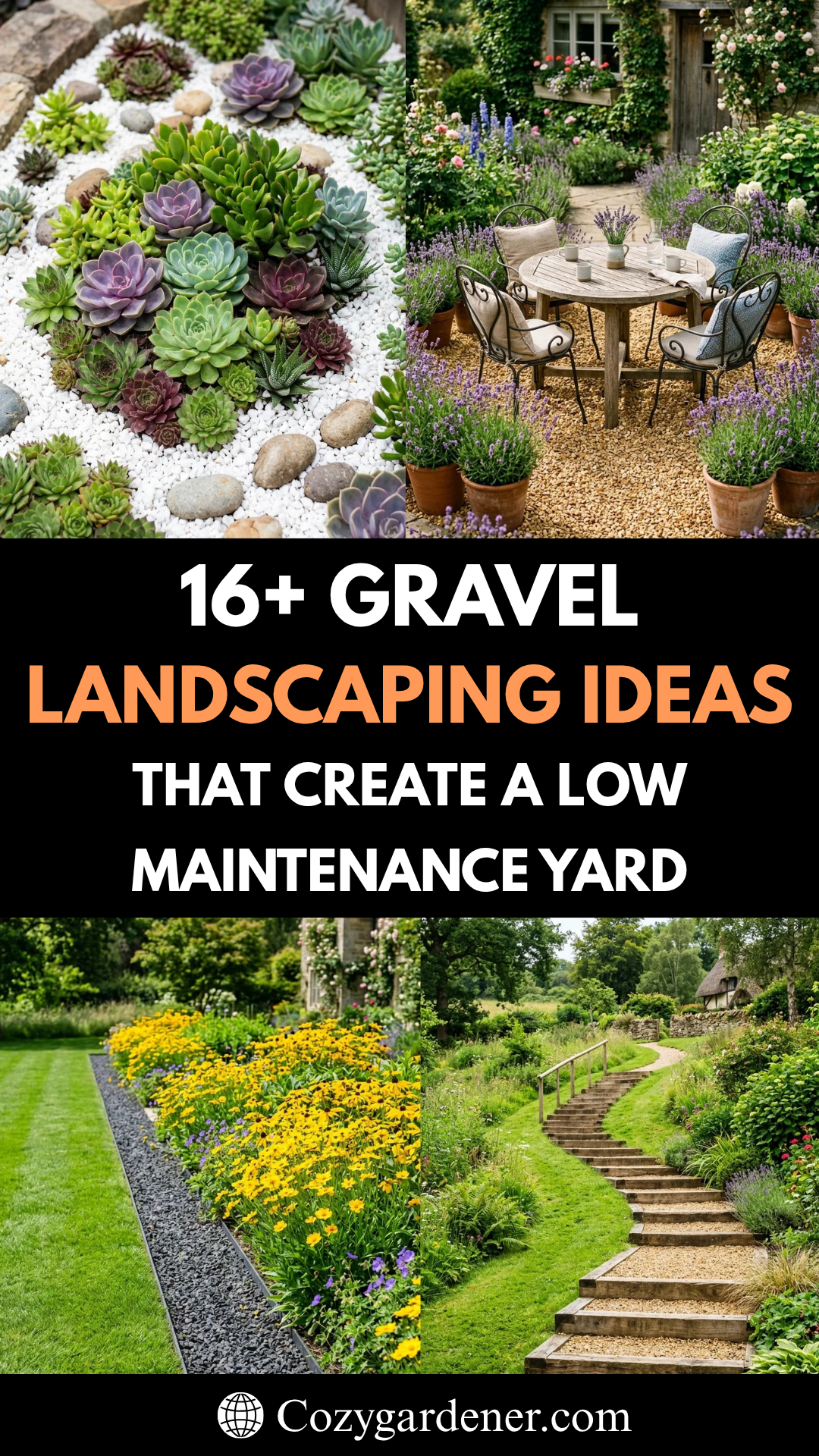
Maintaining a lush, green lawn is a labor of love that often involves endless mowing, fertilizing, and heavy watering. For homeowners looking to reclaim their weekends without sacrificing curb appeal, gravel is the ultimate landscaping hero. Versatile, permeable, and available in a staggering array of colors and textures, gravel can transform a high-maintenance nightmare into a serene, drought-resistant sanctuary. Whether you are aiming for a sleek modern aesthetic or a rustic Mediterranean vibe, these 16 gravel landscaping ideas will help you create a yard that looks professionally designed with a fraction of the effort.
1. Modern Pathways
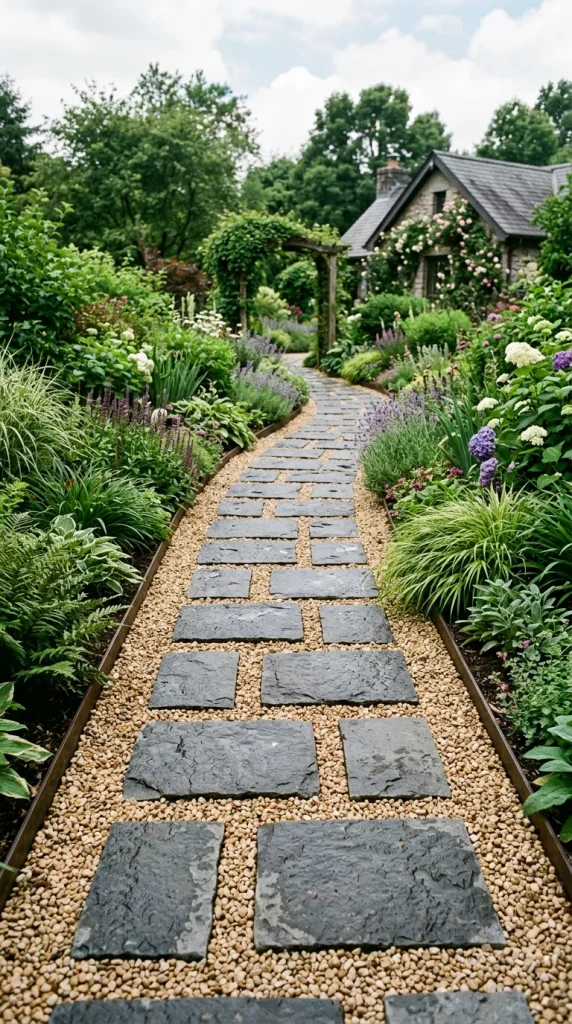
One of the most popular uses for gravel is the creation of “floating” pathways. By combining large, flat flagstones or concrete pavers with a surrounding bed of fine gravel, you create a high-contrast look that defines the flow of your yard. This setup is incredibly low-maintenance because the gravel provides excellent drainage, preventing puddles from forming after a rainstorm. To keep it tidy, use a heavy-duty landscape fabric beneath the gravel to suppress weeds, and choose a gravel color that complements your home’s exterior.
2. Succulent Gardens
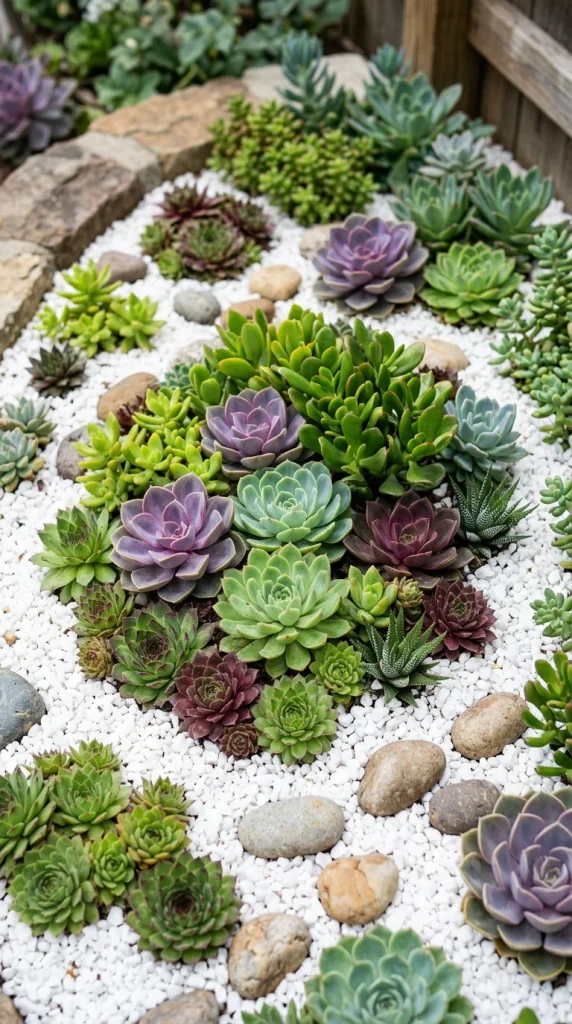
Succulents and gravel are a match made in landscaping heaven. Because succulents require fast-draining soil to prevent root rot, a top layer of gravel acts as a functional mulch that keeps the “neck” of the plant dry while reflecting heat. Use white or light-colored gravel to make the vibrant greens, reds, and purples of Echeveria and Agave pop. This setup requires almost no water once established and stays looking pristine year-round.
3. Zen Gardens
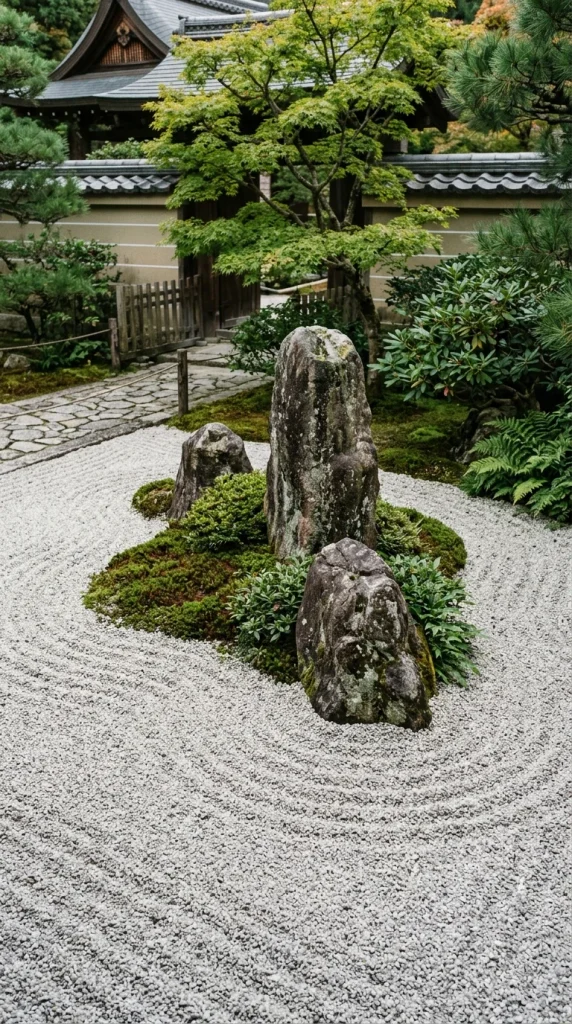
Inspired by traditional Japanese dry gardens (Karesansui), this approach focuses on minimalism and mindfulness. Using fine gravel or decomposed granite, you can create “water” patterns using a rake. The large stones represent islands or mountains. This is an excellent solution for shady corners where grass refuses to grow. Maintenance involves an occasional rake to refresh the patterns and removing any fallen leaves.
4. Seating Areas
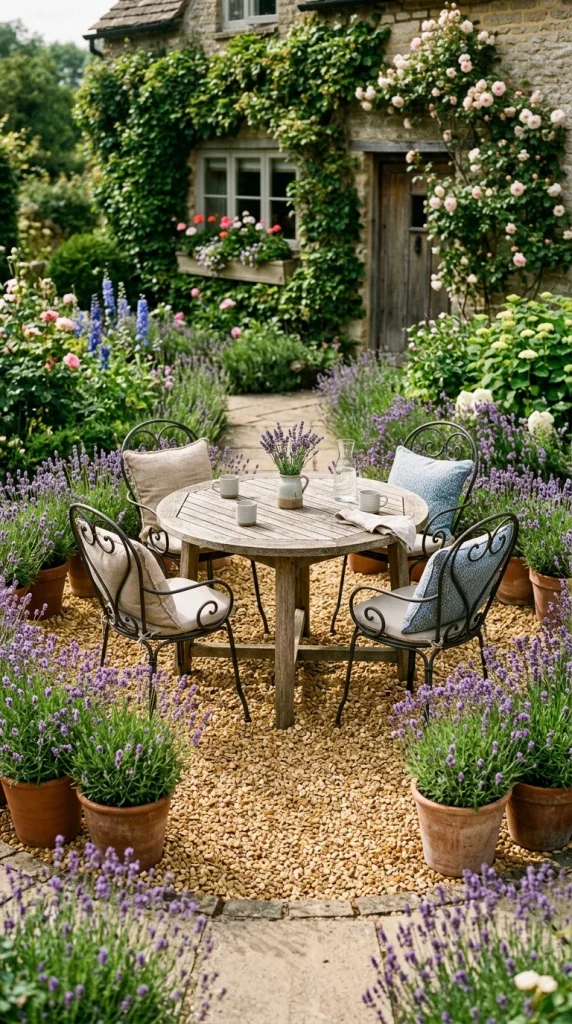
Why pour an expensive concrete slab when you can create a charming, permeable patio with gravel? Pea gravel is soft underfoot and provides a crunching sound that adds to the sensory experience of a garden. A gravel seating area is much easier to install than pavers or decks. Simply level the ground, lay down weed barrier, and spread three to four inches of gravel. It’s the perfect spot for a bistro set or a group of Adirondack chairs.
5. Edging & Borders
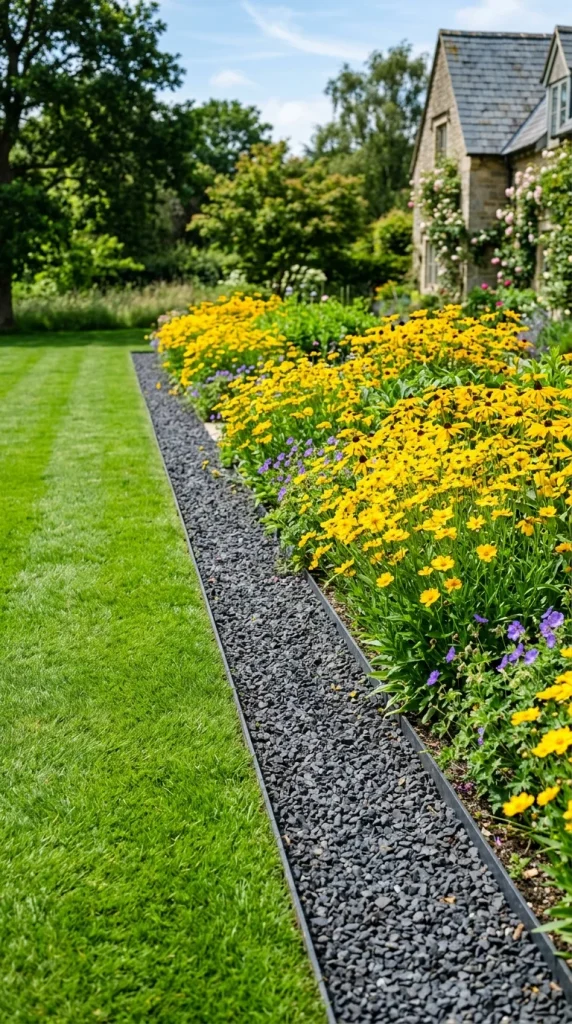
Gravel serves as a fantastic “buffer zone” between different elements of your yard. Using a strip of gravel along the edge of your house or fence prevents mud splash-back during rain and makes trimming the lawn easier. A dark gravel border creates a sharp, professional frame for your flower beds, highlighting the colors of your plants while keeping weeds at bay.
6. Fire Pit Zones
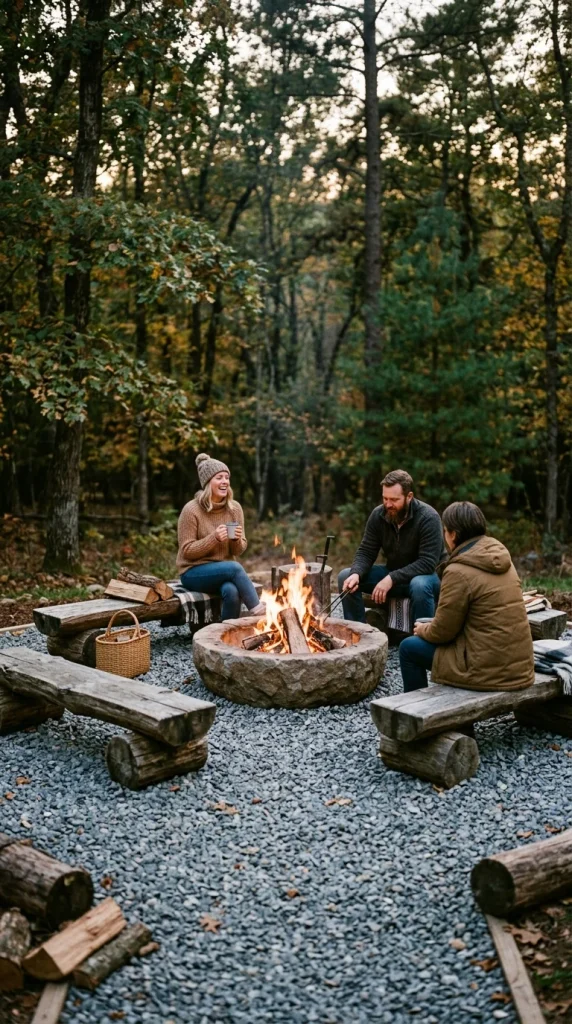
Safety is paramount when it comes to fire pits, and gravel is a naturally fire-resistant material. Creating a dedicated fire pit zone with gravel ensures that stray sparks won’t ignite dry grass. It also provides a stable, level surface for chairs. Choose “crushed” stone rather than “rounded” pea gravel for this area, as the jagged edges of crushed stone lock together, providing a firmer surface that won’t shift as much when you move your furniture.
7. Dry Creek Beds
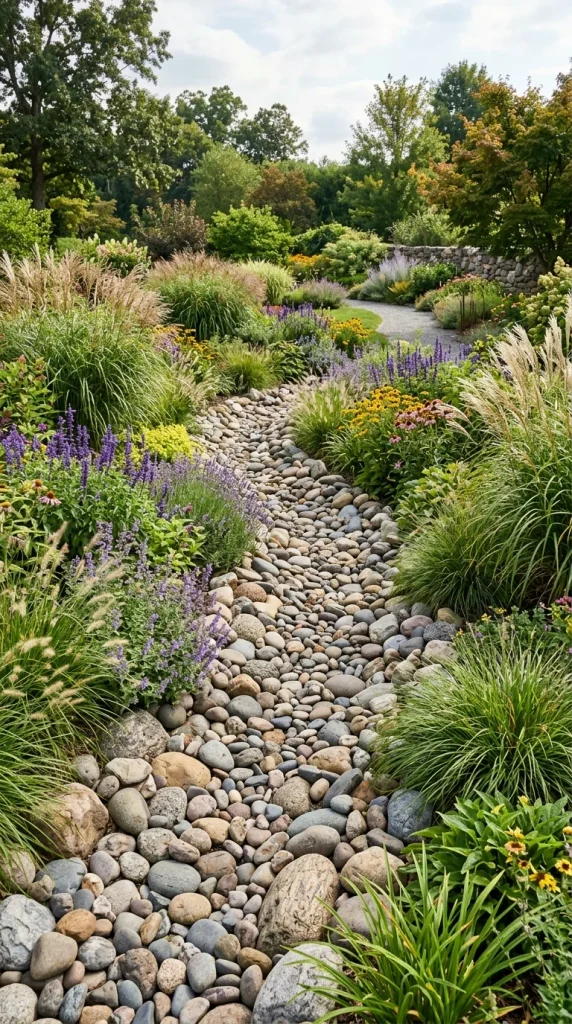
If your yard has a natural slope or drainage issues, a dry creek bed is both a functional and beautiful solution. By lining a shallow trench with landscape fabric and filling it with a mix of gravel and larger river rocks, you create a path for runoff to follow. This prevents erosion and adds a naturalistic, “woodland” feel to the landscape. It looks like a dried-up stream and only becomes more beautiful when it actually rains.
8. Driveway Alternatives
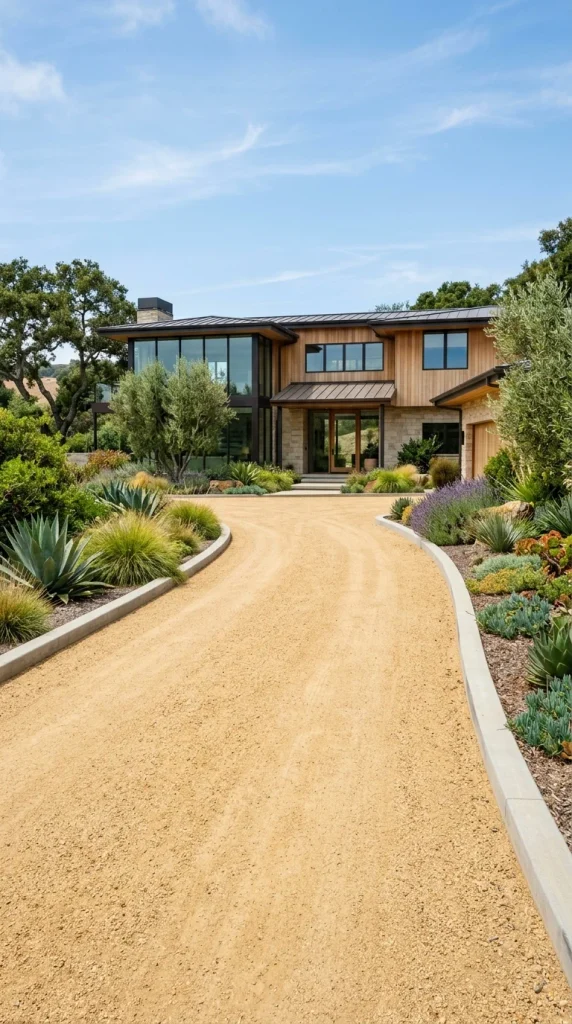
Gravel driveways are common in rural settings, but they are making a comeback in urban design due to their permeability. Unlike asphalt or concrete, gravel allows rainwater to soak into the ground, reducing runoff into storm drains. For a high-traffic area like a driveway, use “stabilized” gravel or a honeycomb grid system to prevent the stones from shifting and creating ruts.
9. Rock Mulch
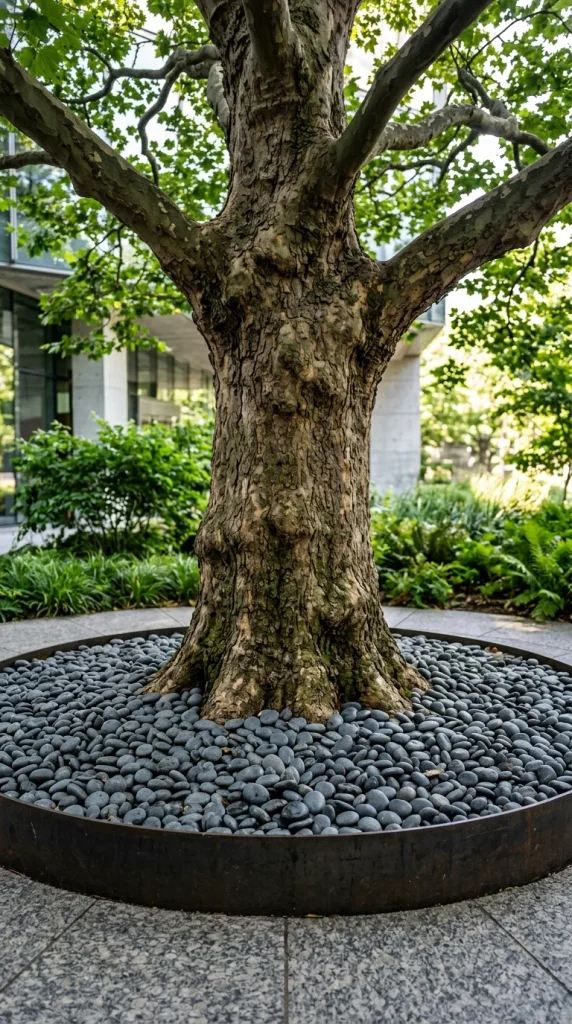
While wood mulch breaks down and needs to be replaced annually, rock mulch lasts a lifetime. Using gravel around the base of trees and shrubs helps retain soil moisture and regulate temperature. It’s particularly effective in modern or desert-themed landscapes. Just be sure to use it around plants that don’t mind a bit of extra heat, as stones can reflect sun onto the foliage.
10. Steps & Slopes
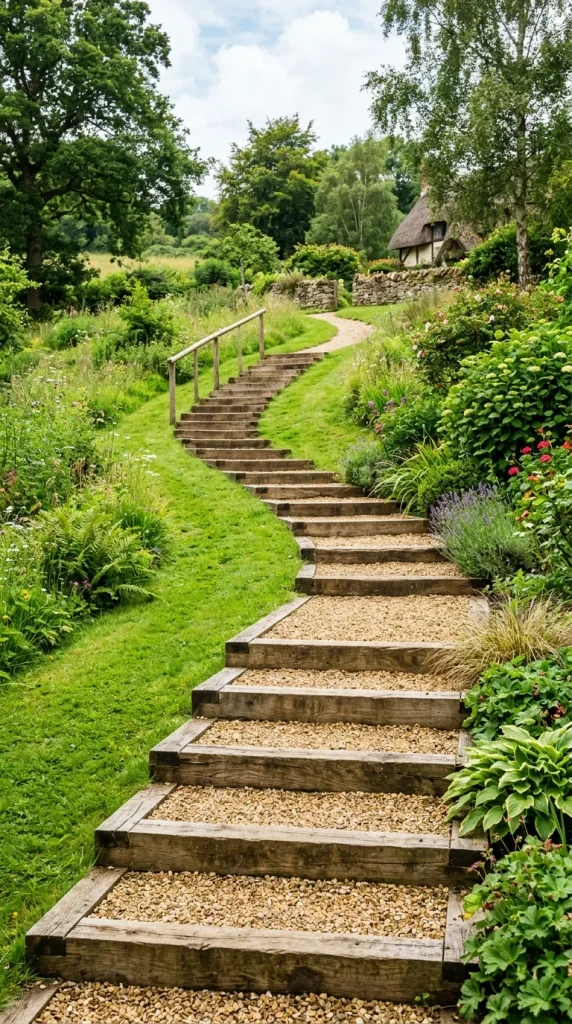
Building stairs on a slope can be a daunting task, but a timber-and-gravel approach is DIY-friendly. The wooden “risers” hold the gravel in place, creating a series of flat, stable landings. This design allows water to permeate through the steps, preventing the slippery conditions often found on solid stone or wood stairs during wet weather.
11. Under-Deck Areas
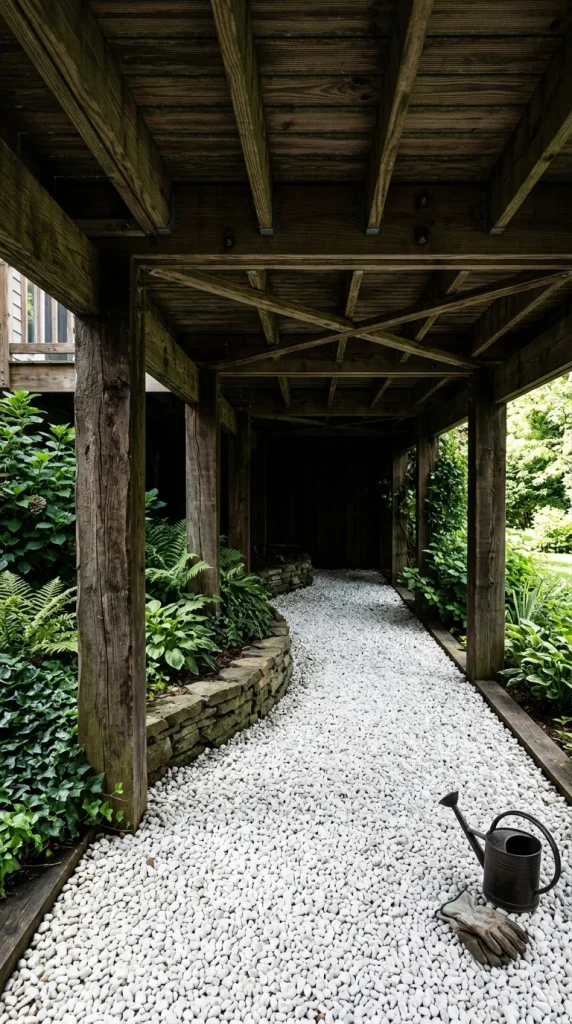
The area beneath a deck is often a “dead zone” where grass won’t grow due to lack of sunlight, resulting in an unsightly mud pit. Filling this space with a thick layer of light-colored gravel instantly brightens the area and keeps it clean. It also prevents pests from nesting in the dirt and makes the space under the deck usable for storage.
12. Herb Spirals
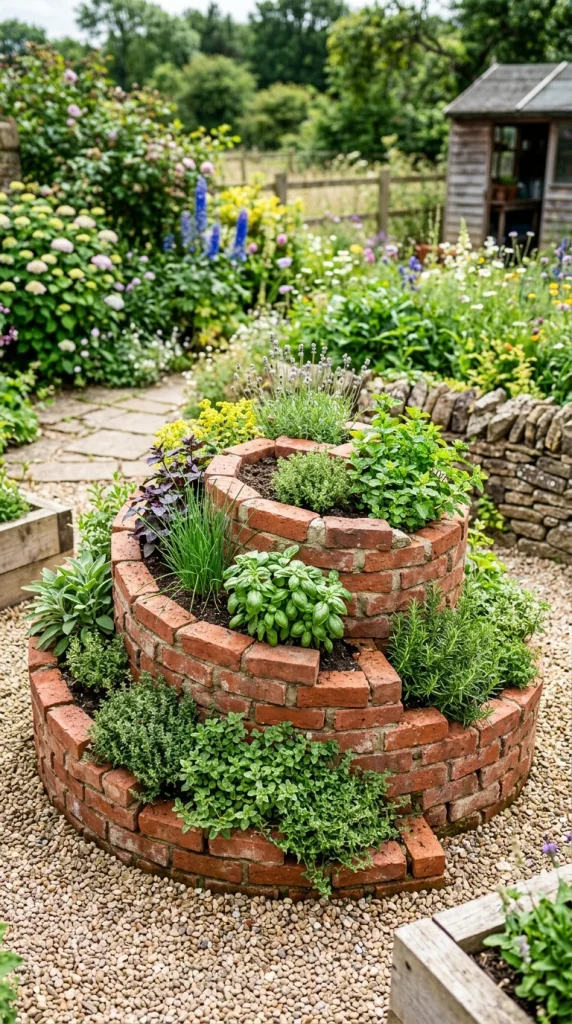
Herb spirals are a permaculture favorite, and gravel plays a key role in their success. Since Mediterranean herbs like rosemary, thyme, and oregano prefer “lean” soil and excellent drainage, incorporating gravel into the base and as a top-dressing helps them thrive. The gravel also absorbs heat during the day and releases it at night, extending the growing season for your herbs.
13. Courtyard Design
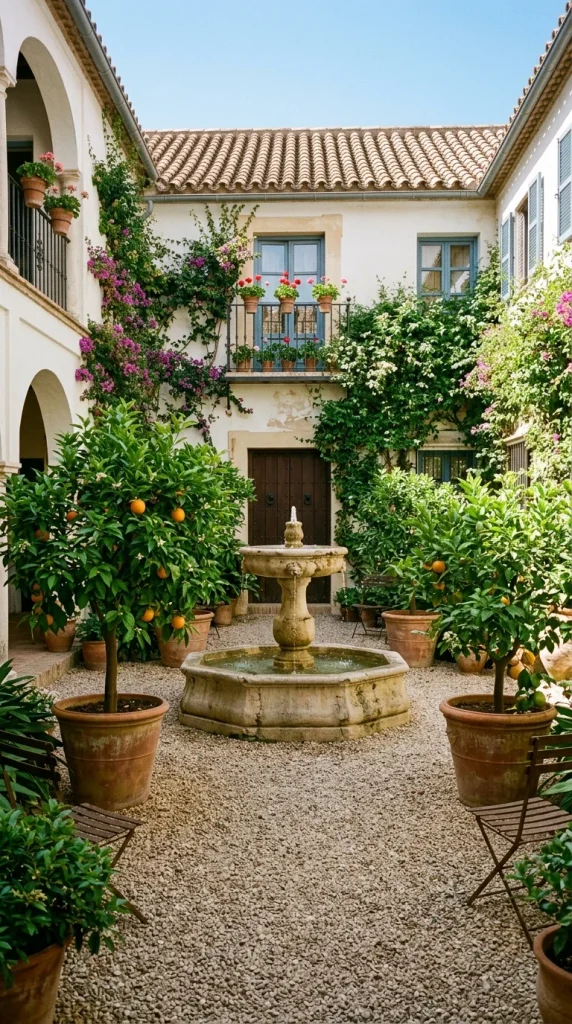
Embrace a European aesthetic by replacing a small backyard lawn with a full gravel courtyard. This creates a sense of “outdoor room” and is incredibly easy to maintain. By using large potted plants instead of inground beds, you can change your garden layout whenever you like. The gravel provides a neutral, elegant backdrop that makes architectural features and furniture stand out.
14. Monochrome Minimalist
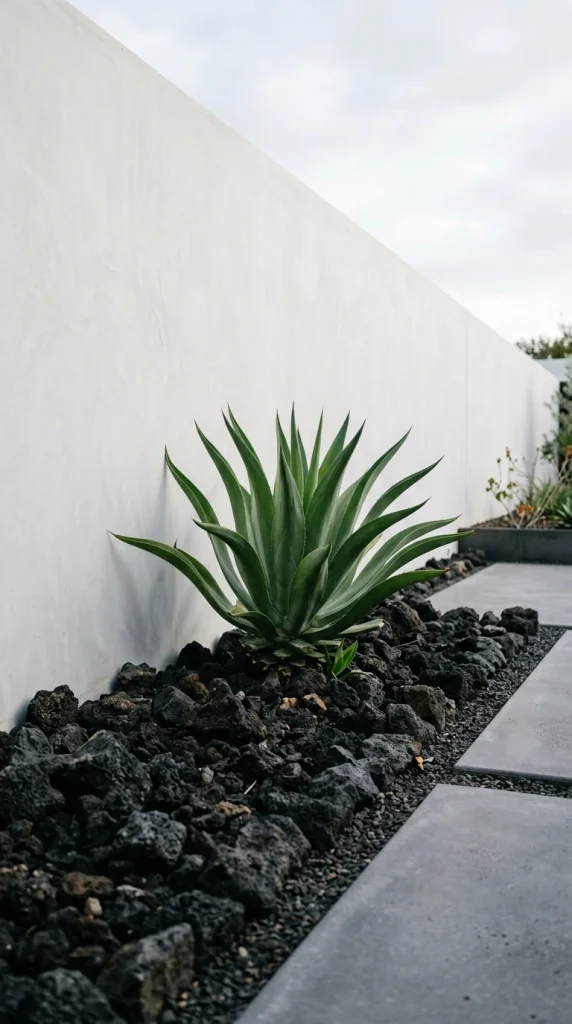
For those who love modern architecture, a monochrome gravel palette can be incredibly striking. Using purely black basalt or purely white marble chips creates a high-contrast, high-impact look. This style focuses on form and texture rather than a riot of color, making the yard feel sophisticated and organized with almost zero maintenance required.
15. Wildlife Ponds
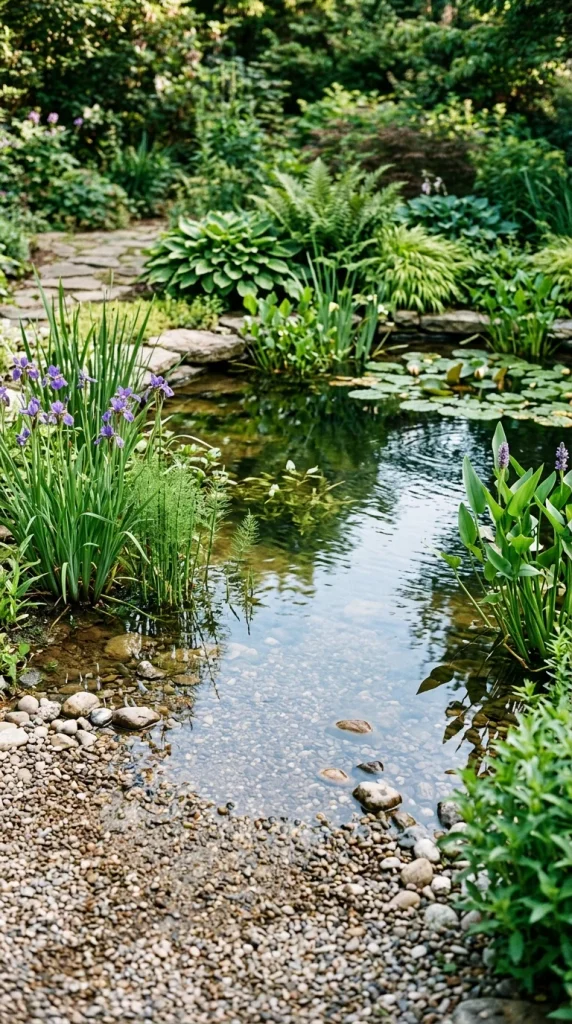
If you want to attract birds and beneficial insects, a wildlife pond is a great addition. Using gravel to create a shallow, sloping “beach” at one end of the pond allows birds to bathe and small animals to drink safely. The gravel also acts as a natural biological filter, helping to keep the water clear by providing a surface for beneficial bacteria to grow.
16. Paver Inlays
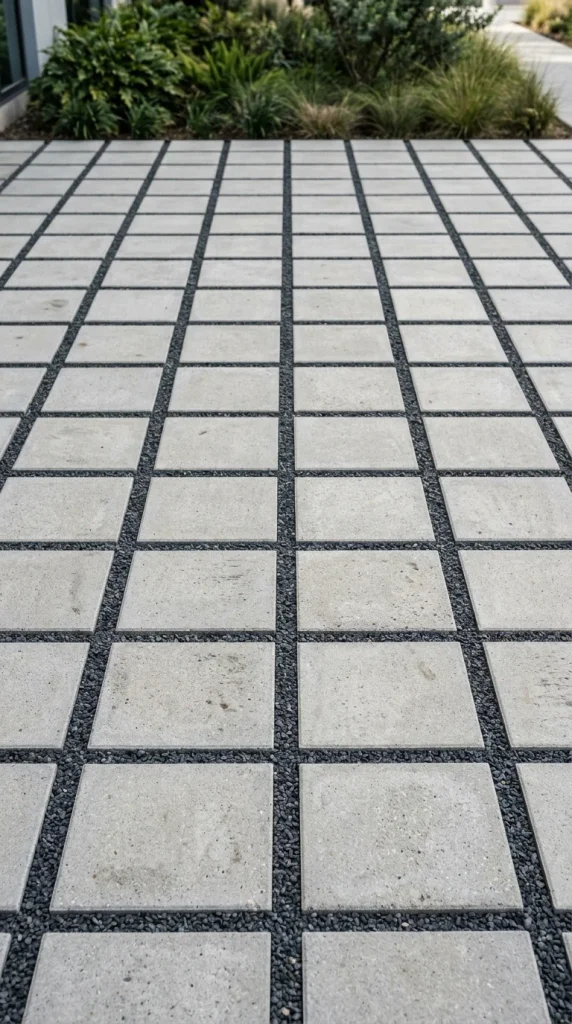
Instead of butting pavers right up against each other, leave a gap of two to three inches and fill it with gravel. This geometric look is very popular in contemporary landscaping. It breaks up the monotony of large paved surfaces and allows for more drainage. It’s an excellent way to turn a standard walkway into a design feature that requires nothing more than the occasional sweep.