
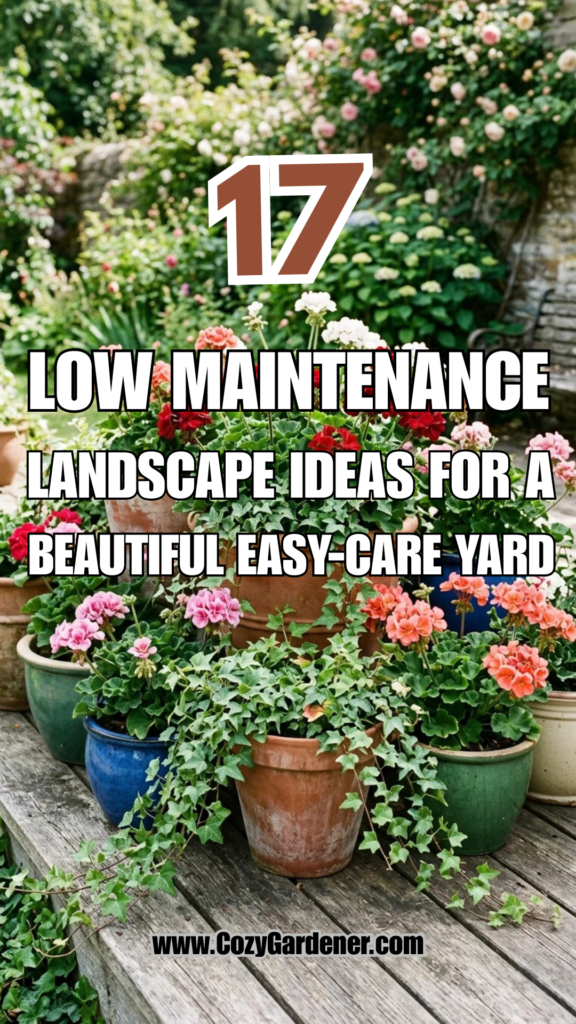
Maintaining a stunning yard doesn’t have to be a full-time job. Many homeowners find themselves trapped in a cycle of endless mowing, weeding, and watering, leaving little time to actually enjoy their outdoor space. Low-maintenance landscaping is the art of creating a high-impact visual environment that requires minimal physical labor. By choosing the right materials, plants, and layouts, you can create a sustainable sanctuary that thrives on its own.
1. Mulch Beds
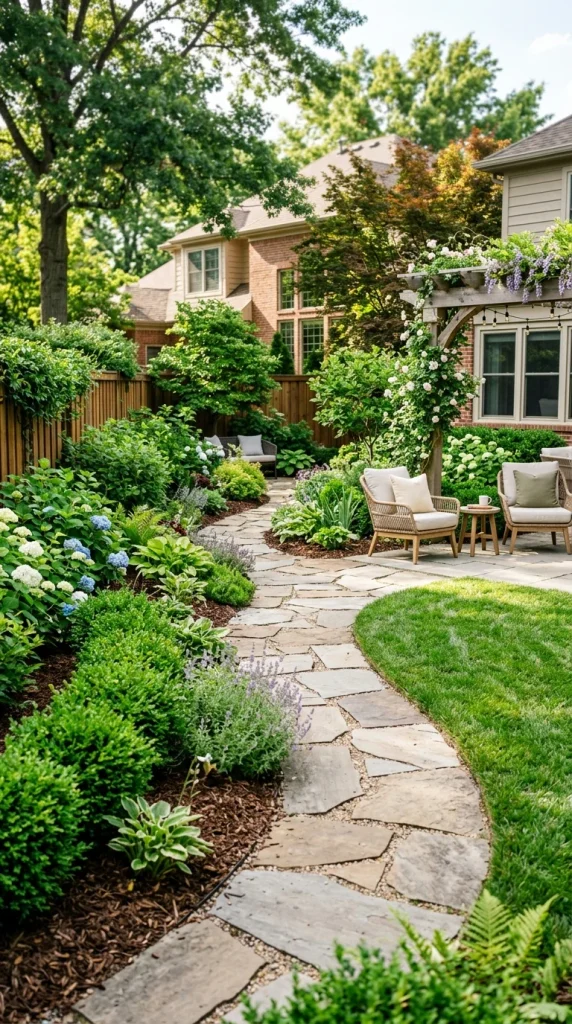
Mulch is the secret weapon of any low-maintenance gardener. By applying a thick layer of wood chips, bark, or pine needles to your garden beds, you effectively suppress weed growth and retain soil moisture. This means less time spent pulling invaders and less frequent watering during the hot summer months. As mulch breaks down, it also improves soil quality, providing nutrients to your plants without the need for constant fertilizing.
2. Perennial Plants
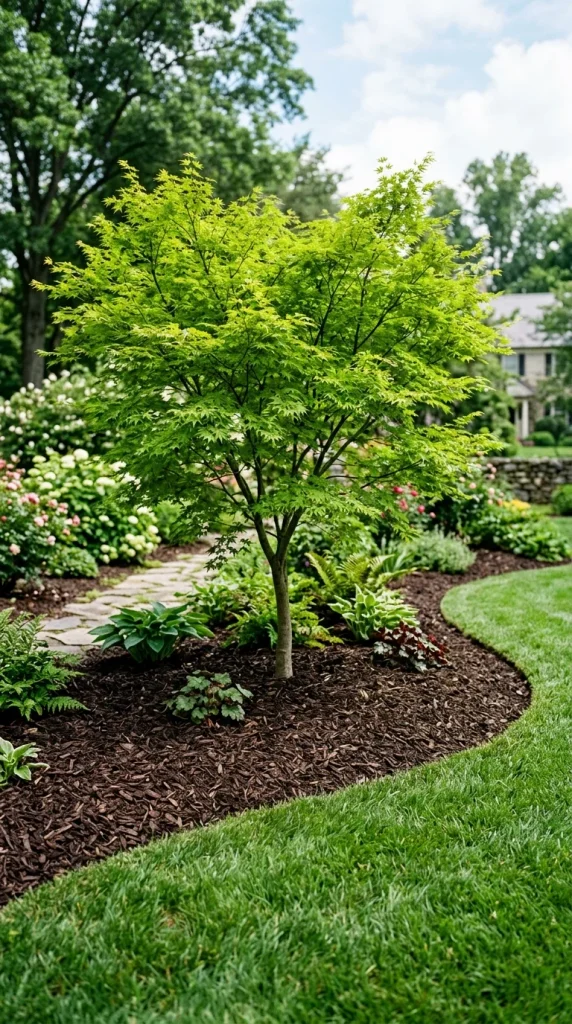
Unlike annuals, which must be replanted every single year, perennials are the gift that keeps on giving. Once established, these hardy plants return season after season. Choosing a variety of perennials with staggered bloom times ensures your yard stays colorful from spring through autumn with very little intervention. Once their root systems are deep, they are often more drought-resistant than their annual counterparts.
3. Native Species
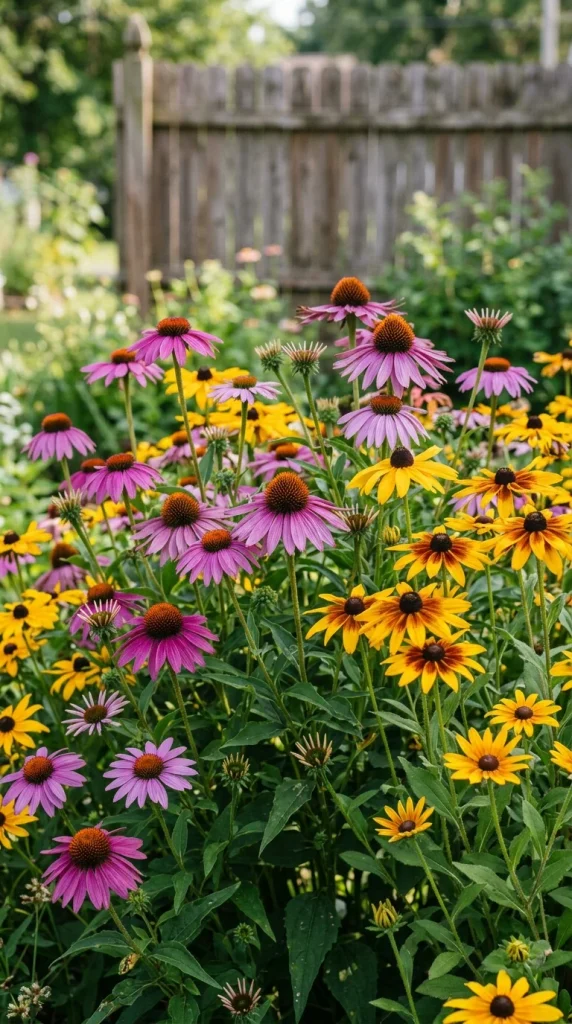
Native plants are evolutionarily adapted to your specific climate, soil, and rainfall patterns. This makes them incredibly resilient. Because they are “at home,” they require significantly less water, fertilizer, and pest control than exotic species. Using native plants also supports local biodiversity, providing essential habitats for local birds and beneficial insects.
4. Rock Gardens
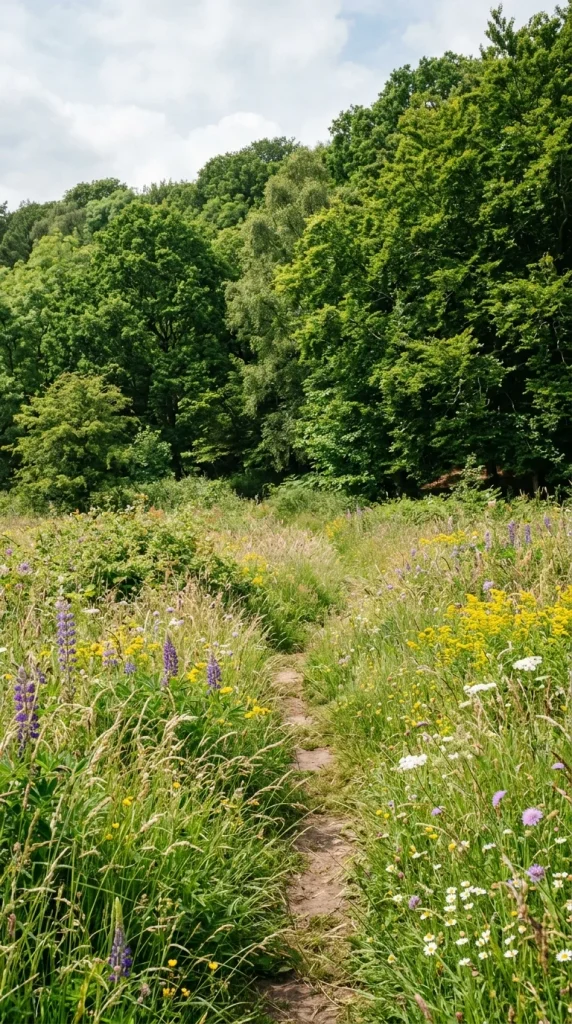
If you want to eliminate mowing and watering entirely in certain areas, a rock garden is an excellent choice. By using a combination of large boulders, river rocks, and gravel, you can create a structural, textured look that remains beautiful year-round. Rock gardens are particularly effective on slopes where soil erosion might otherwise be a problem.
5. Groundcovers
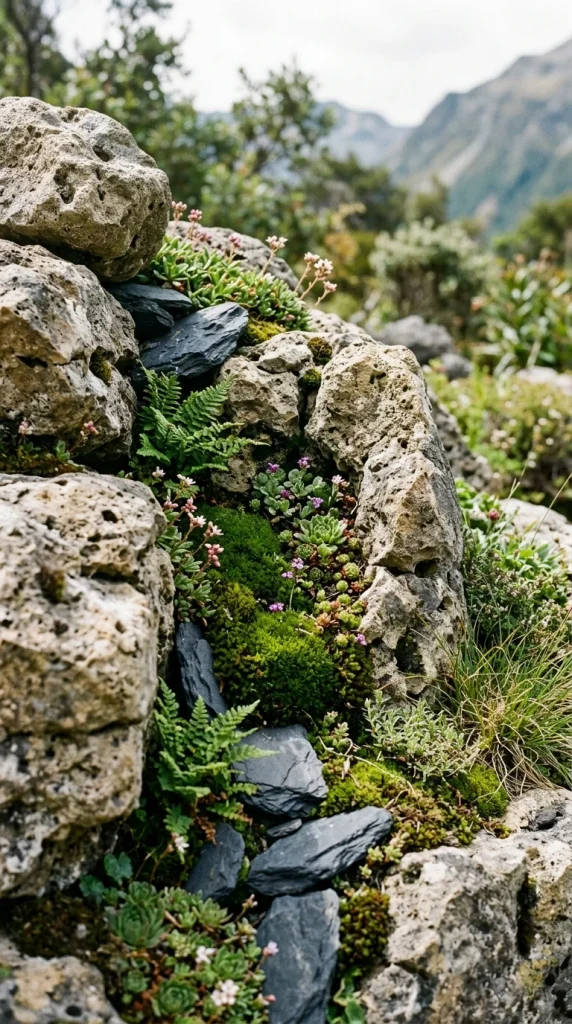
Groundcovers are “living mulch.” These low-growing plants spread horizontally to cover the soil, choking out weeds and creating a soft, green carpet. Varieties like Creeping Thyme, Pachysandra, or Sedum are excellent alternatives to grass in areas with low foot traffic. They rarely need mowing and often produce delightful small flowers.
6. Artificial Grass
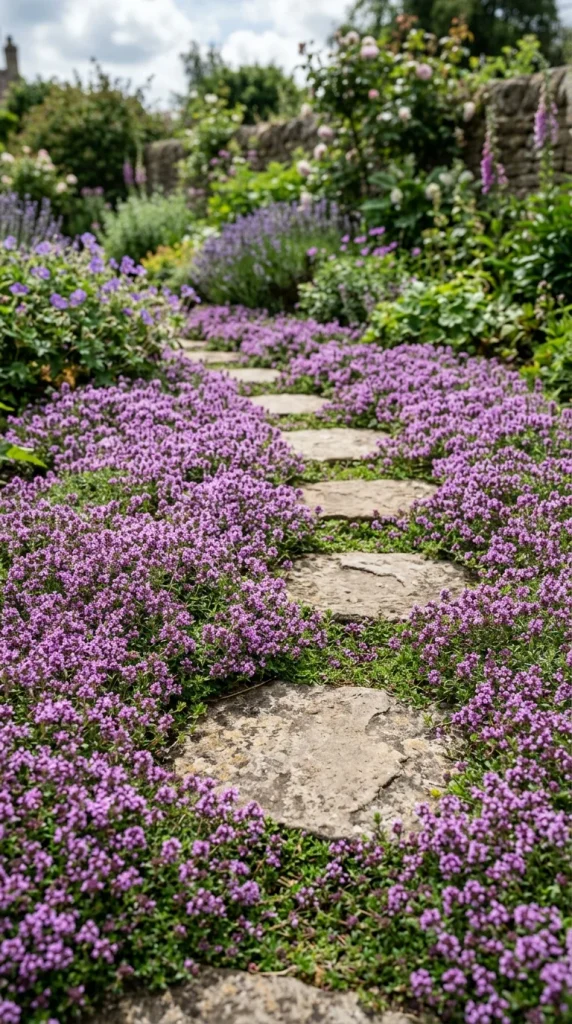
For those who love the look of a perfectly manicured lawn but hate the maintenance, modern artificial turf is a game-changer. Today’s high-quality synthetic grass looks incredibly realistic and requires zero mowing, watering, or fertilizing. It’s an ideal solution for small urban yards, pet runs, or areas where natural grass struggles to grow.
7. Paving Stones
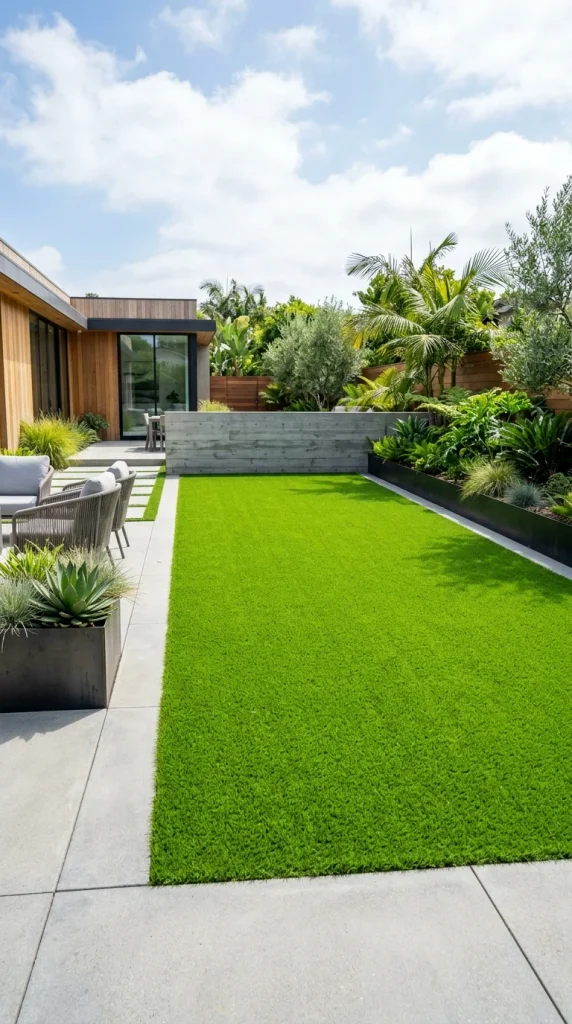
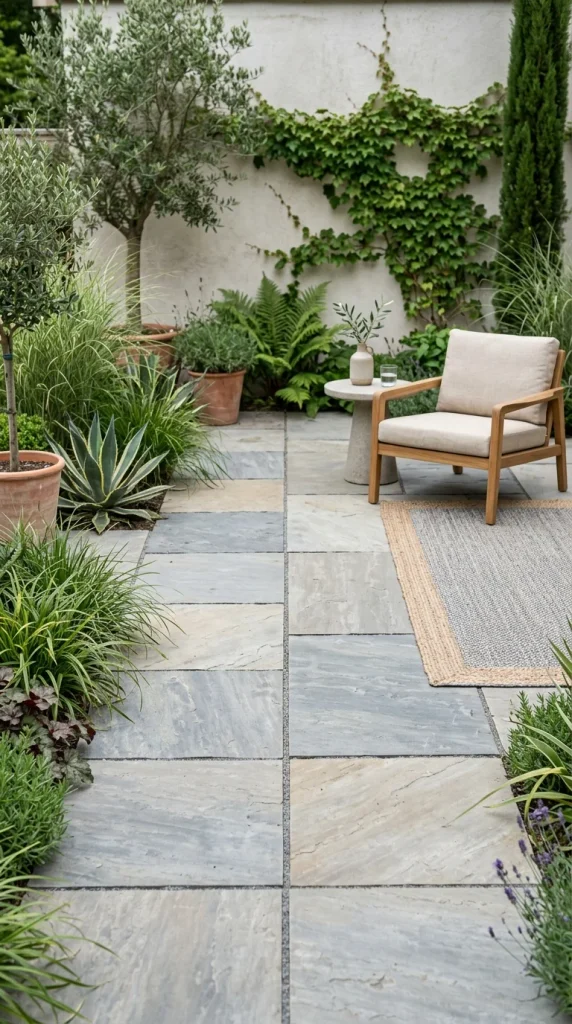
Hardscaping is the ultimate low-maintenance strategy. By replacing sections of your lawn with pavers, bricks, or flagstones, you create functional outdoor living rooms that require nothing more than an occasional sweep. Patios and walkways provide structure to the yard and reduce the total square footage of “living” landscape that needs care.
8. Automated Irrigation
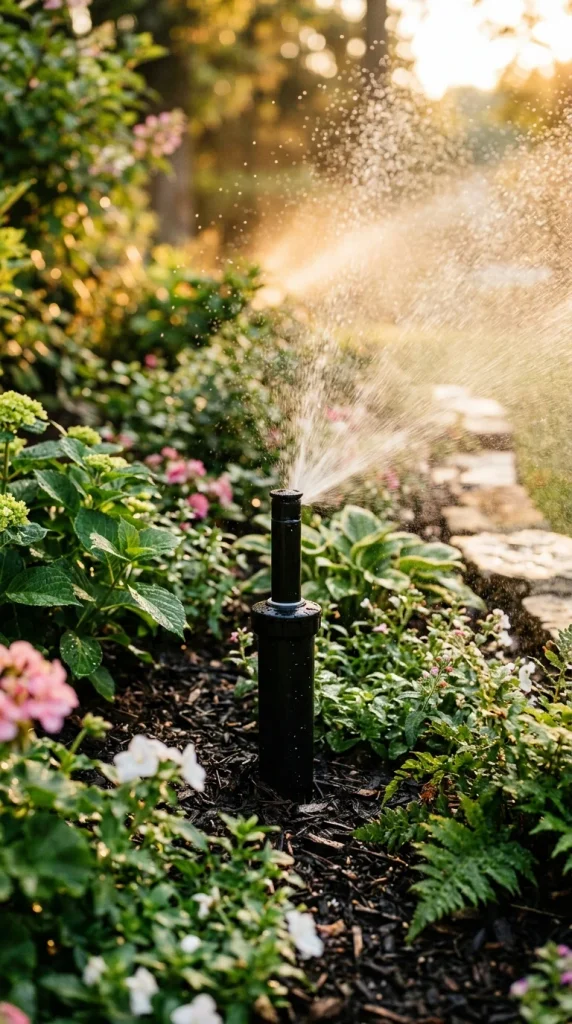
Taking the guesswork out of watering is essential for an easy-care yard. An automated sprinkler or drip system ensures your plants get exactly the amount of water they need at the optimal time of day. Smart controllers can even adjust schedules based on local weather forecasts, preventing water waste and keeping your plants healthy while you travel or relax.
9. Evergreens
Evergreens provide structure and color 365 days a year. Because they don’t drop their leaves all at once in the fall, you won’t spend your weekends raking. From towering pines to dwarf boxwoods, evergreens offer a permanent “green” architecture that looks just as good in the dead of winter as it does in the height of summer.
10. Ornamental Grasses

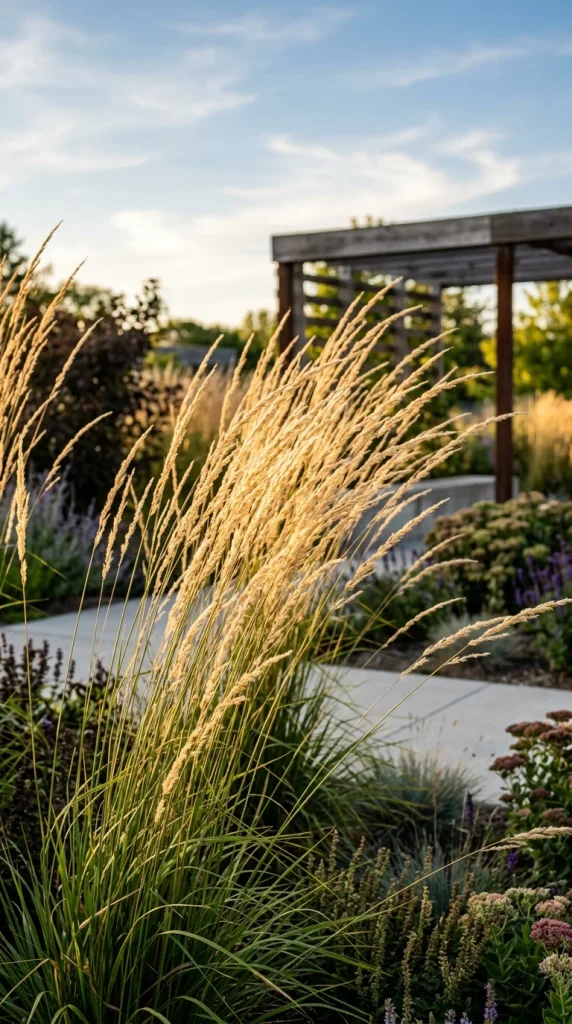
Ornamental grasses add movement and texture to a landscape with almost zero effort. They are generally pest-resistant and drought-tolerant. Most varieties only require a single “haircut” once a year in late winter or early spring to clear the way for new growth. Throughout the rest of the year, they stand tall and elegant.
11. Container Gardening
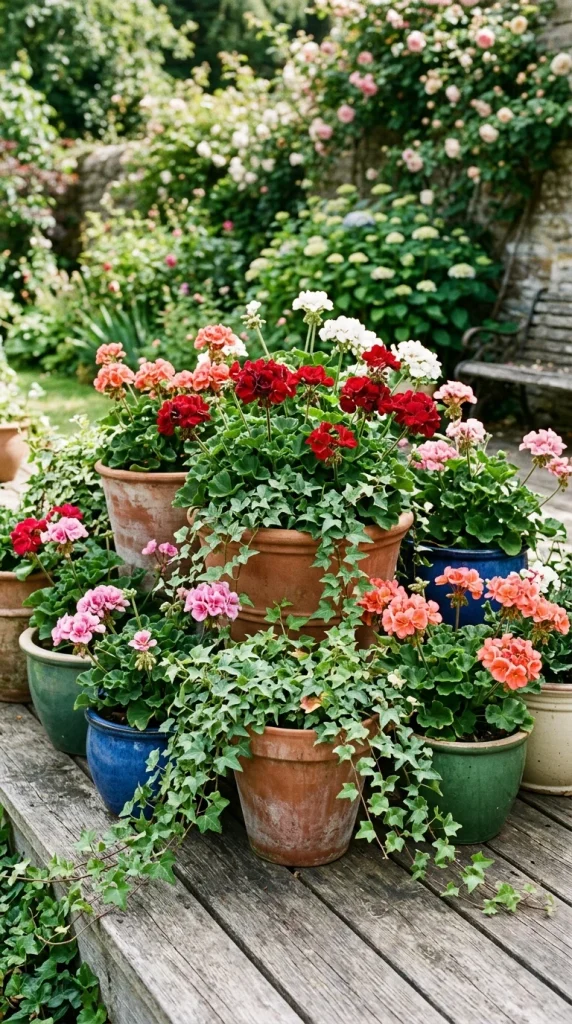
Gardening in pots allows you to control the soil environment perfectly. It eliminates the back-breaking work of tilling large beds and makes weeding a breeze. Containers also give you the flexibility to move plants around to follow the sun or to change the look of your patio instantly.
12. Xeriscaping
Xeriscaping is a landscaping method developed for arid climates, but its principles of water conservation are useful everywhere. It focuses on using slow-growing, drought-tolerant plants and efficient irrigation. A well-designed xeriscape looks intentional and stylish while requiring a fraction of the water used by a traditional lawn.
13. Rain Gardens
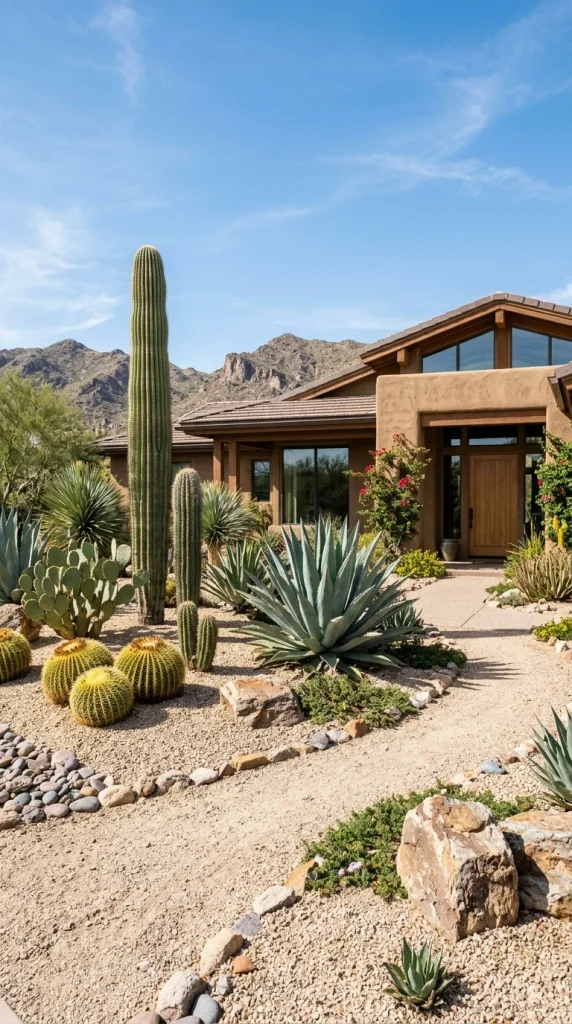
A rain garden is a functional landscape feature designed to soak up rainwater runoff from roofs and driveways. By planting water-loving species in a natural depression, you solve drainage issues and filter pollutants before they reach the water table. Once established, these gardens are self-sustaining and thrive on natural rainfall.
14. Succulents
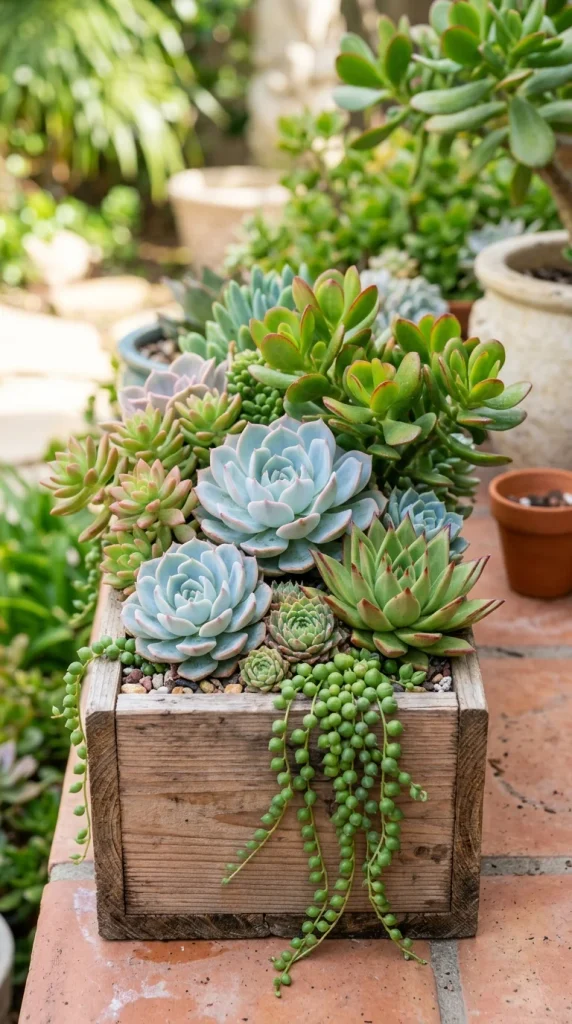
Succulents are the champions of low-water gardening. Their fleshy leaves store water, allowing them to survive long periods of neglect. They come in an incredible array of shapes and colors, making them perfect for rockeries, containers, or as striking focal points in a garden bed.
15. Clover Lawns
If you still want a green space to walk on but hate the chemicals and water required by grass, consider clover. Clover stays green even in the heat of summer, fixes nitrogen into the soil (acting as its own fertilizer), and requires far less mowing than traditional turf. It’s also soft underfoot and eco-friendly.
16. Raised Beds
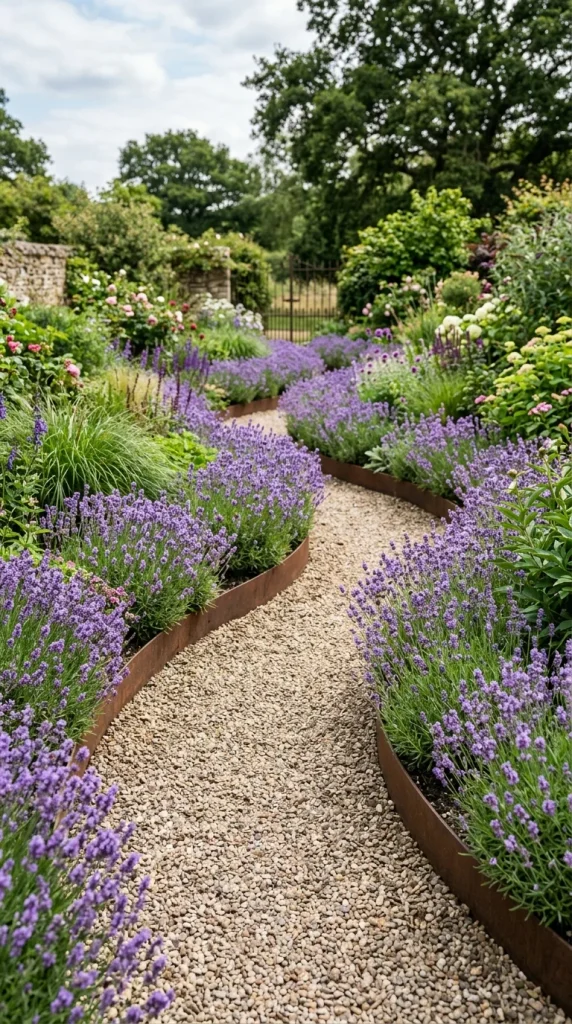
Raised beds offer several maintenance advantages: they provide better drainage, prevent soil compaction, and serve as a physical barrier against some pests. Most importantly, they save your back and knees by bringing the garden up to a more comfortable working height, and the defined borders help keep weeds from encroaching.
17. Drip Irrigation

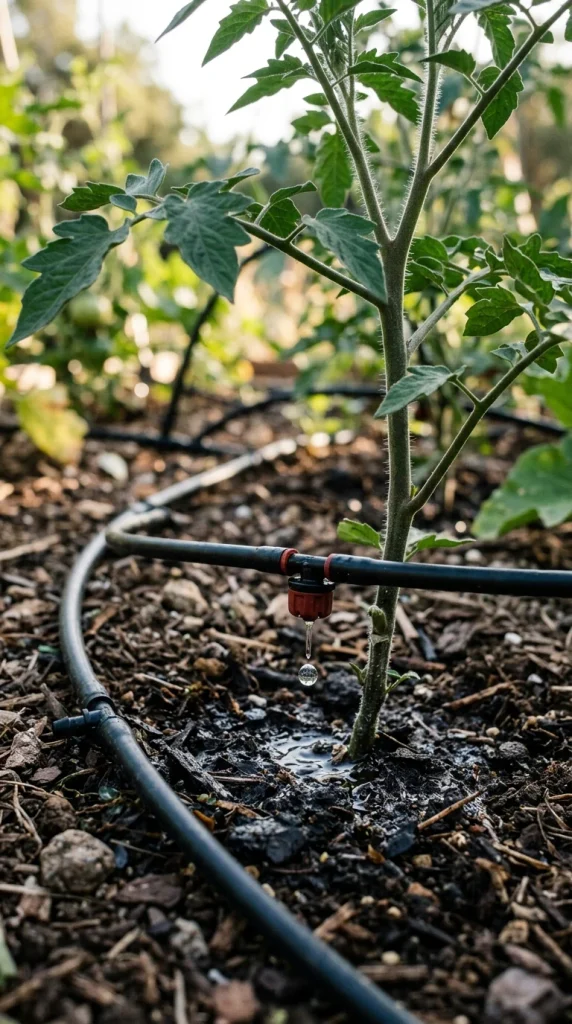
Unlike overhead sprinklers that lose water to evaporation and wind, drip irrigation delivers water directly to the roots of your plants. This targeted approach keeps the foliage dry (reducing disease) and prevents water from reaching the spaces between plants where weeds might sprout.