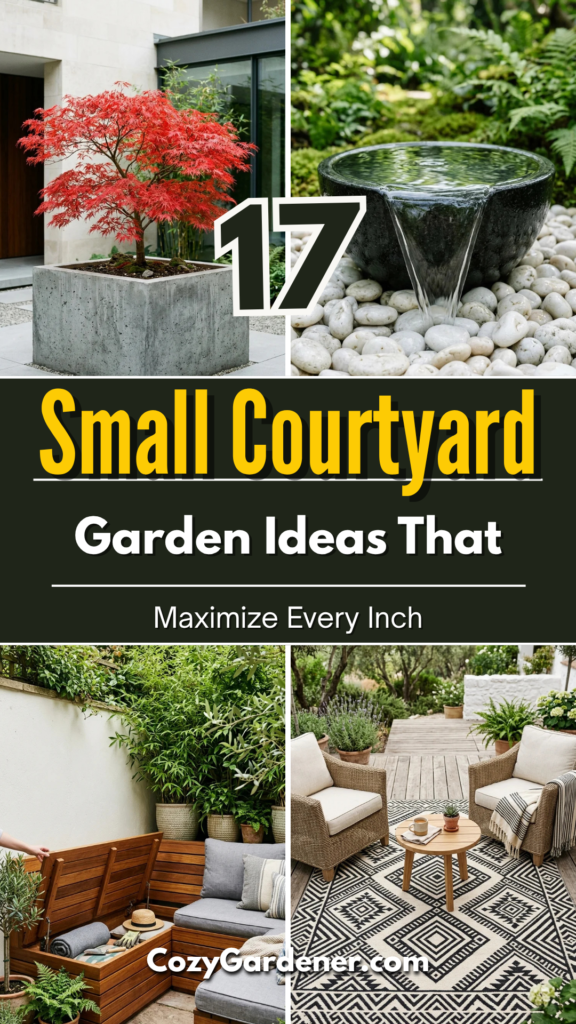
A small courtyard is not a limitation; it is a design opportunity. Unlike sprawling estates, a courtyard offers a sense of intimacy and enclosure that allows every choice—from the texture of a leaf to the glow of a lantern—to take center stage. When space is at a premium, the goal is to blur the boundaries between indoors and out, creating an “outdoor room” that feels intentional, layered, and infinitely larger than its physical square footage.
Whether you are dealing with a tiny concrete patch or a narrow alleyway between buildings, these seventeen strategies will help you transform your modest courtyard into a breathtaking sanctuary.
1. Vertical Gardens
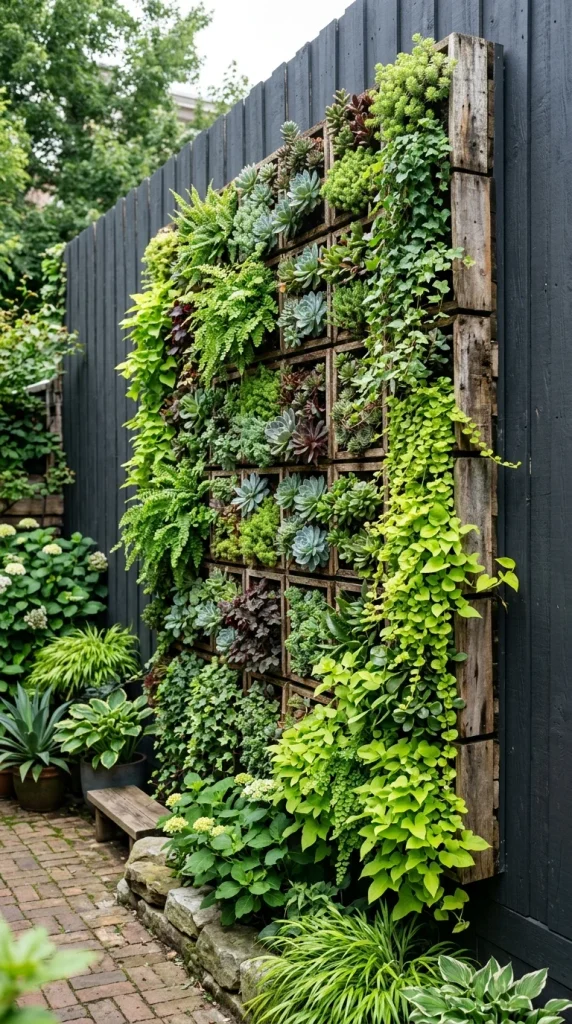
When you run out of floor space, the only way to go is up. Vertical gardening is the ultimate space-saving hack for small courtyards. By utilizing wall-mounted planters, pocket systems, or modular shelving, you can surround yourself with greenery without sacrificing a single square inch of walking space. This approach also softens hard boundaries, making the courtyard feel like a hidden jungle rather than a boxed-in patio. Consider a mix of textures—trailing ivy for movement, ferns for volume, and succulents for structure.
2. Layered Lighting
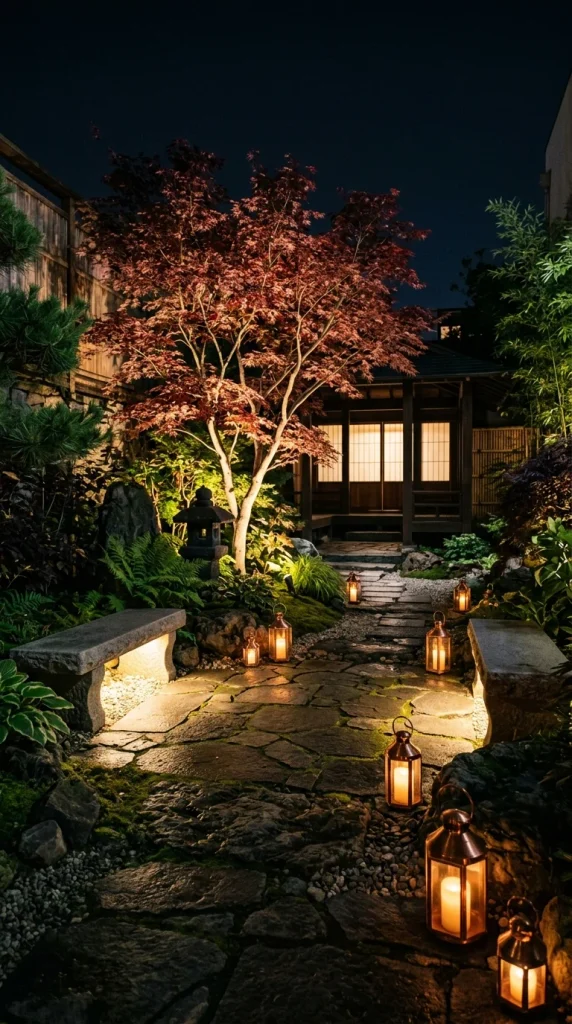
Lighting is the fastest way to add depth to a small space. By layering different types of light, you draw the eye to different corners, making the space feel more expansive after dark. Use “uplighting” at the base of trees or large pots to create dramatic shadows, “task lighting” near seating areas for functionality, and “ambient lighting” like string lights or lanterns to provide a soft, welcoming glow. Avoiding a single, bright overhead light prevents the space from feeling flat and clinical.
3. Reflective Mirrors
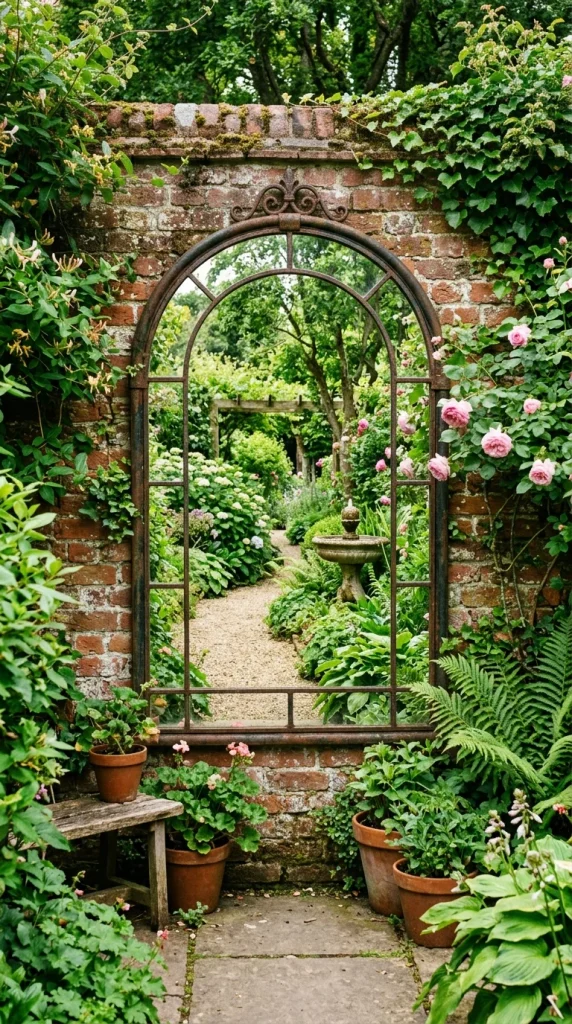
One of the oldest tricks in interior design works wonders outdoors. A large, weather-proof mirror placed strategically on a courtyard wall can visually double the size of your garden. By reflecting light and greenery, it creates a “window” effect that tricks the brain into seeing more depth. For the best results, frame the mirror with climbing plants like jasmine or clematis to hide the edges, making the reflection look like a secret passage to another part of the garden.
4. Multifunctional Furniture
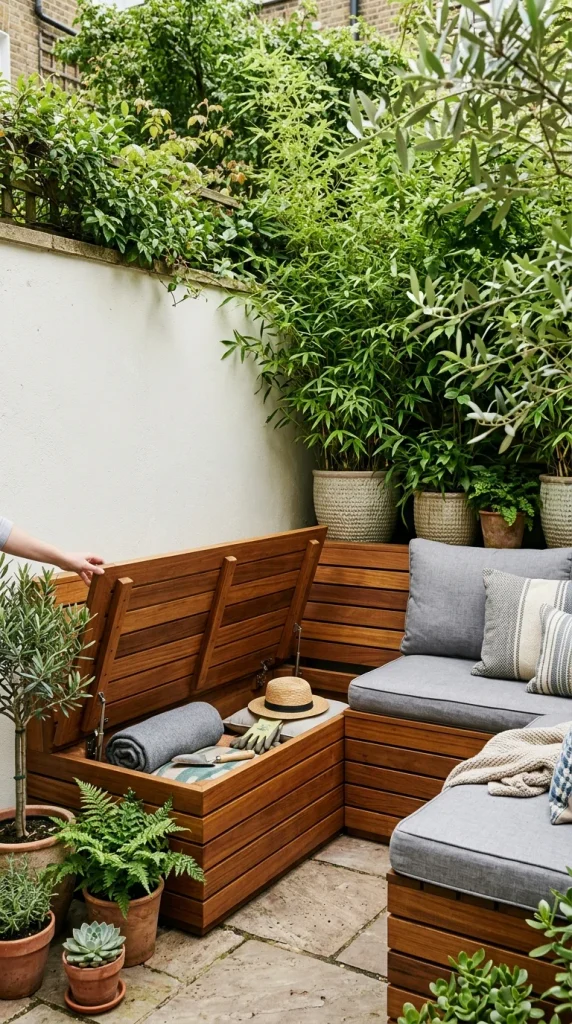
In a small courtyard, every piece of furniture must earn its keep. Opt for built-in benches that offer seating while doubling as storage for gardening tools or outdoor cushions. Look for folding bistro sets that can be tucked away when you need clear floor space, or coffee tables that can serve as footrests. By reducing the number of individual items on the floor, you create a cleaner, more organized aesthetic that feels less cluttered and more spacious.
5. Water Features
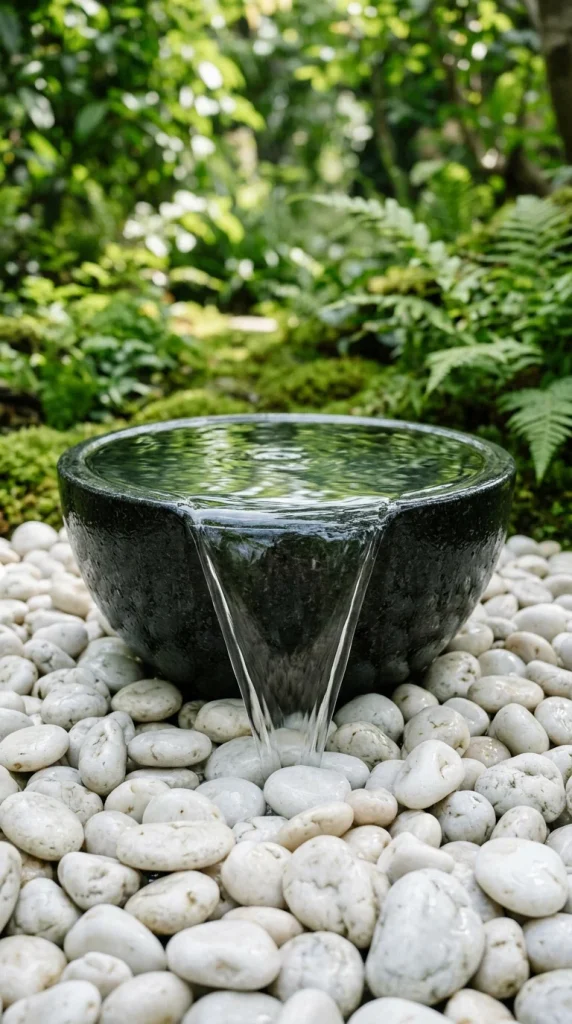
The sound of trickling water does more than just relax the mind; it masks urban noise, turning a small city courtyard into a private retreat. You don’t need a large pond to reap the benefits. A wall-mounted fountain or a simple plug-and-play stone basin takes up minimal room but provides a powerful focal point. The movement of water also catches the light, adding a dynamic element that makes a static space feel alive.
6. Sunken Seating
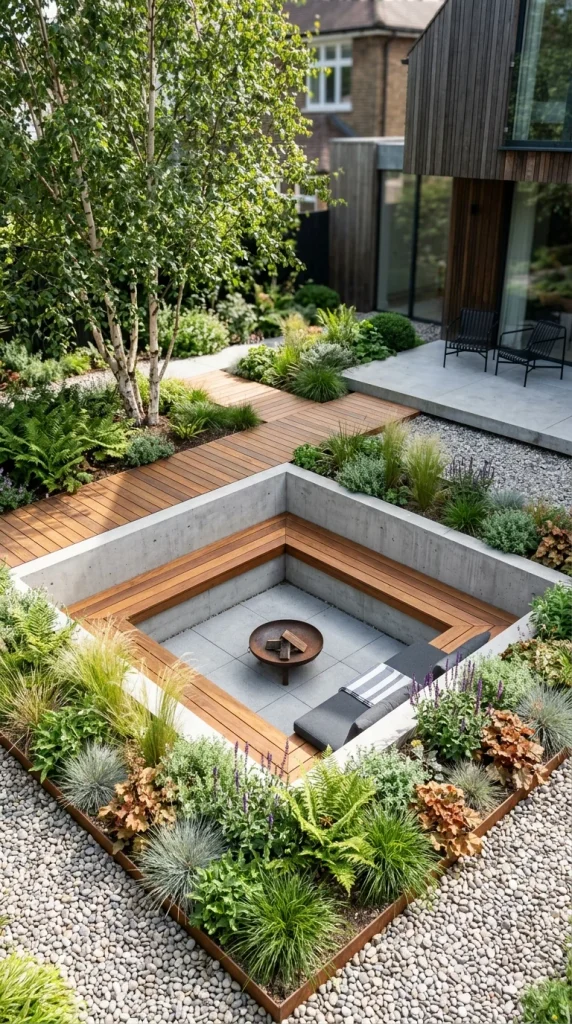
Changing the elevation of your courtyard, even by just a few inches, creates distinct “zones.” A sunken seating area makes the space feel more cozy and architectural. By lowering the floor level for your lounge area, you keep the sightlines open, allowing the eye to travel across the top of the furniture to the plants behind it. This technique makes a small footprint feel sophisticated and multi-dimensional.
7. Container Gardening
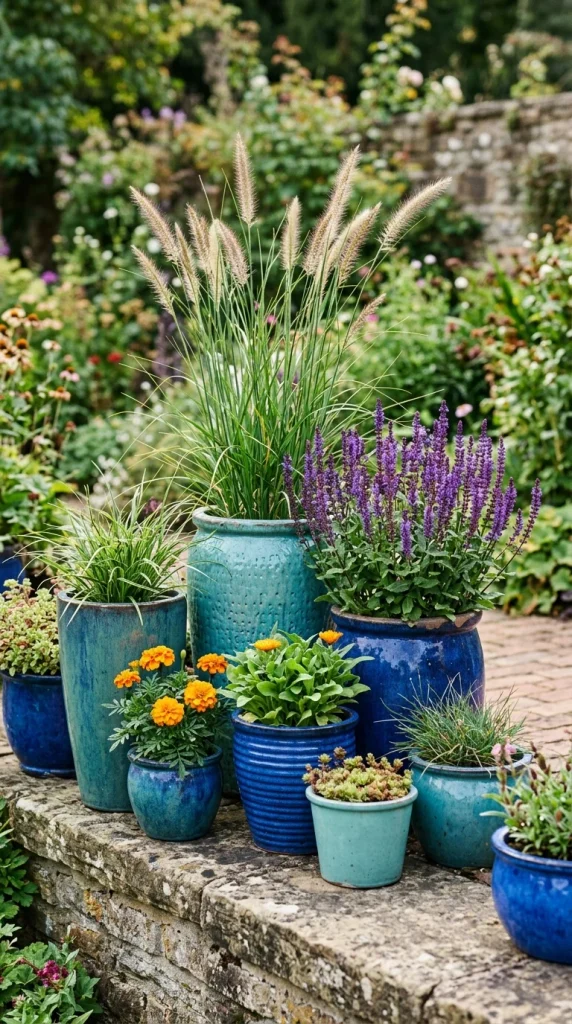
Flexibility is key in a small garden. Container gardening allows you to rearrange your landscape based on the season or the occasion. Use pots of varying heights to create a “bleacher effect,” placing taller plants in the back and shorter ones in the front. This adds vertical interest and ensures every plant gets its moment in the sun. Additionally, using a cohesive color palette for your pots can tie a small space together visually.
8. Climbing Vines
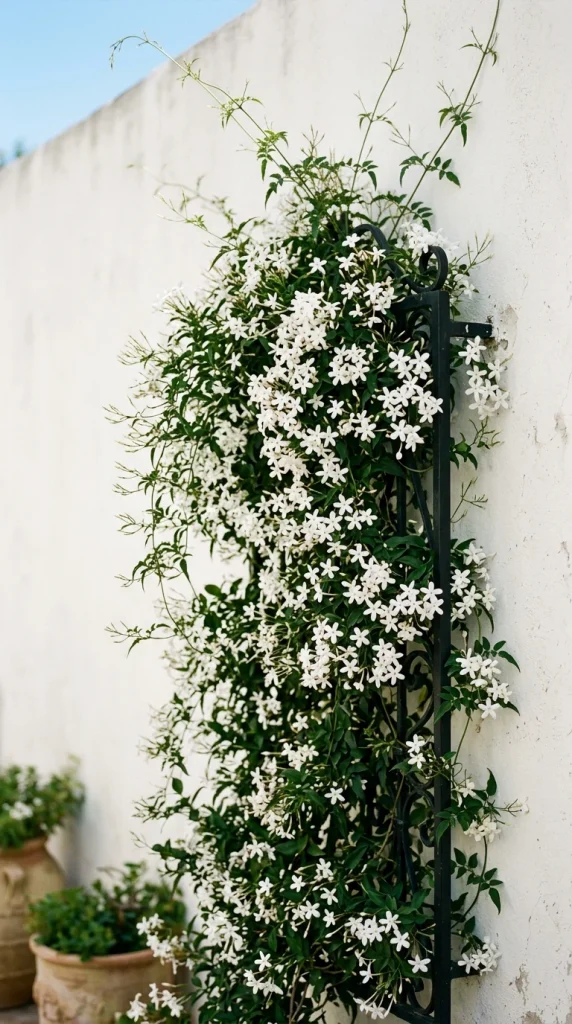
Climbing plants are the “wallpaper” of the garden world. They provide maximum green coverage with a very small “footprint” in the ground. Plants like Star Jasmine, Honeysuckle, or Climbing Roses can be trained up walls, fences, or pergolas to create a ceiling of green. Not only do they provide privacy from neighbors, but they also introduce fragrance, which adds another sensory layer to the courtyard experience.
9. Zoned Paving
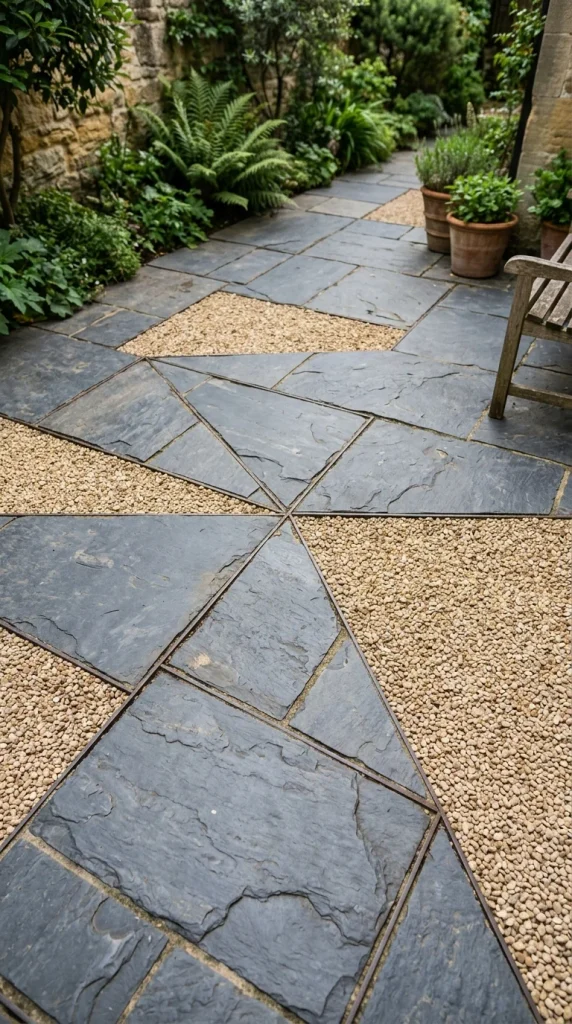
Using different materials for the ground can define different areas within a small space. For example, use large-format pavers for the dining area and fine gravel for the transition zones. This “zoning” creates the illusion of multiple rooms within one small courtyard. Mixing textures like smooth stone, rough wood decking, and soft moss can also make the ground plane much more interesting to look at.
10. Herb Spirals
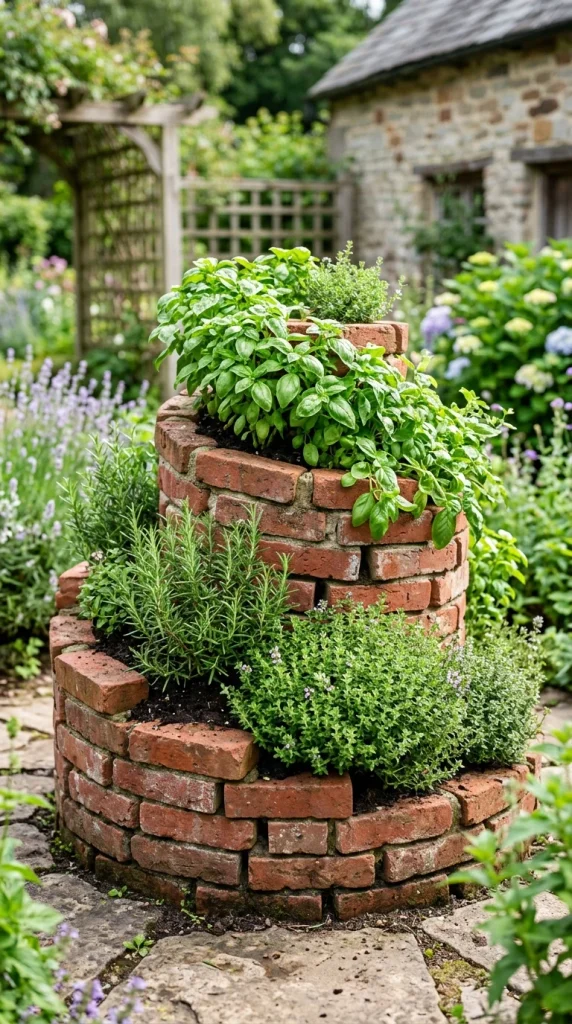
If you want to grow food but lack a traditional garden bed, a herb spiral is an architectural and productive solution. By building upward in a spiral, you create different microclimates (drier at the top, moister at the bottom) within a tiny diameter. It serves as a beautiful centerpiece and puts fresh ingredients just steps away from your kitchen.
11. Folding Benches
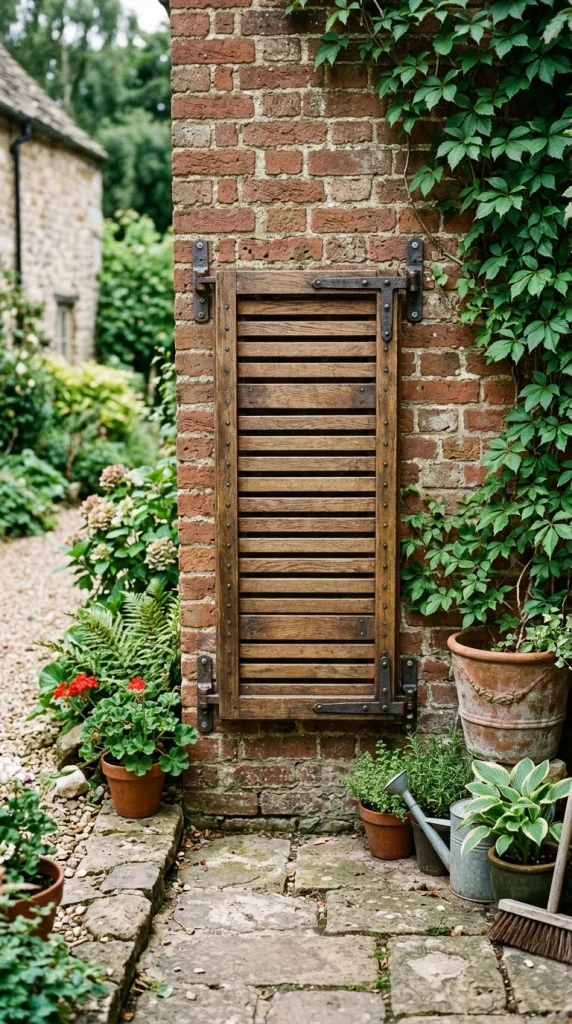
When the courtyard is particularly narrow, permanent furniture can become an obstacle. Wall-mounted folding benches can be pulled down when needed for a morning coffee and flipped back up to clear the “aisle” for moving about or gardening. This is an excellent solution for side yards or narrow balconies where every inch of floor space is vital for circulation.
12. Dwarf Trees
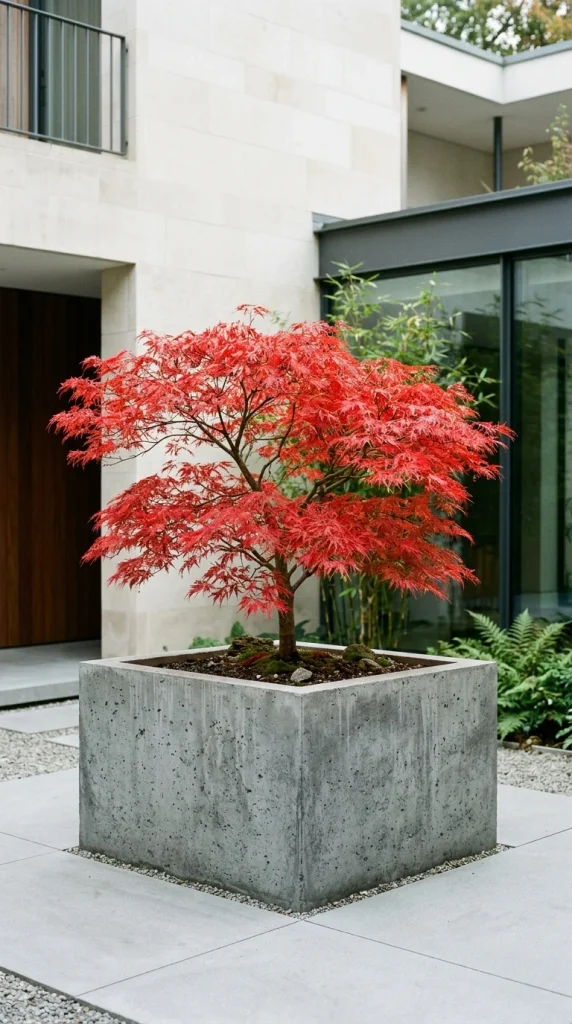
You don’t have to give up on trees just because your garden is small. Dwarf varieties of popular trees, such as Japanese Maples, citrus trees, or olive trees, provide the structural “bones” of a garden without outgrowing their welcome. They provide height, shade, and a sense of permanence. Planting them in large pots can also help control their growth and allow you to move them to the sunniest spots as the seasons change.
13. Monochromatic Palettes
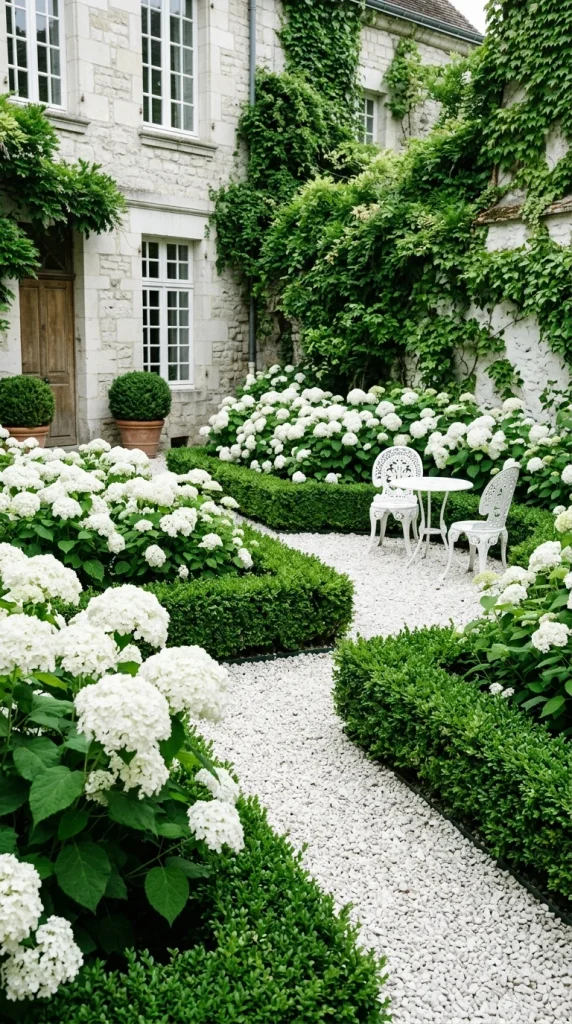
In a small space, a riot of different colors can sometimes feel chaotic and cluttered. A monochromatic or limited color palette—such as all whites and greens, or various shades of purple—creates a sense of harmony and calm. White flowers, in particular, tend to “pop” in the shade and glow during the evening, making the space feel brighter and more open.
14. Outdoor Rugs
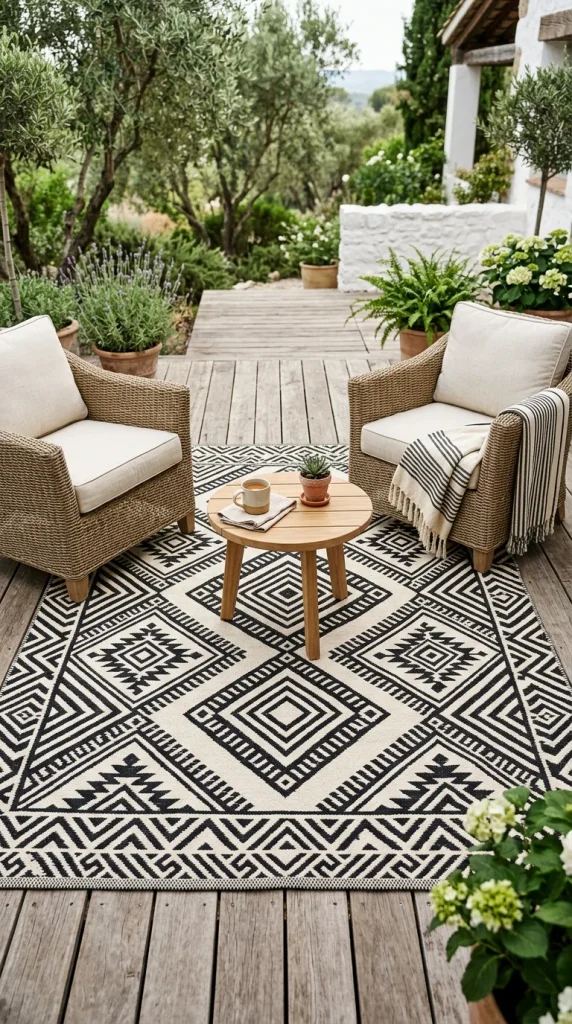
An outdoor rug acts as an anchor for your furniture, defining the “living room” area of your courtyard. It adds warmth, texture, and a splash of pattern that makes the space feel like a true extension of the home’s interior. Choose a rug with a bold pattern to draw the eye downward and create a sense of scale, or a natural jute texture to keep the vibe organic and earthy.
15. Living Walls
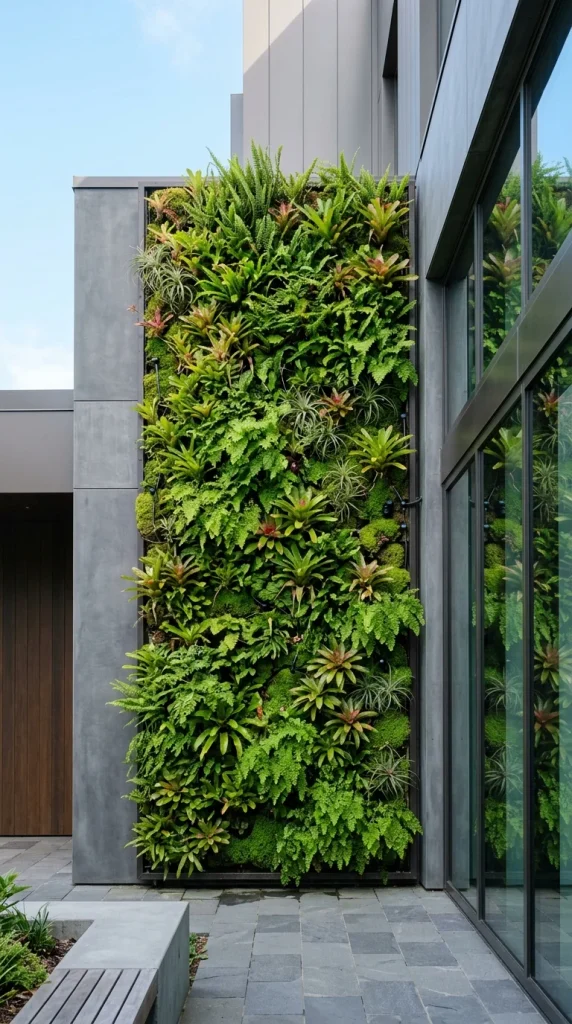
Unlike a simple trellis, a true “living wall” uses a hydroponic or felt-pocket system to create a vertical carpet of plants. This is the ultimate luxury for a small courtyard, providing a massive amount of oxygen and cooling benefits while taking up almost zero floor space. It acts as natural insulation and a sound barrier, making your courtyard feel like a quiet, temperature-controlled sanctuary.
16. Corner Shelving
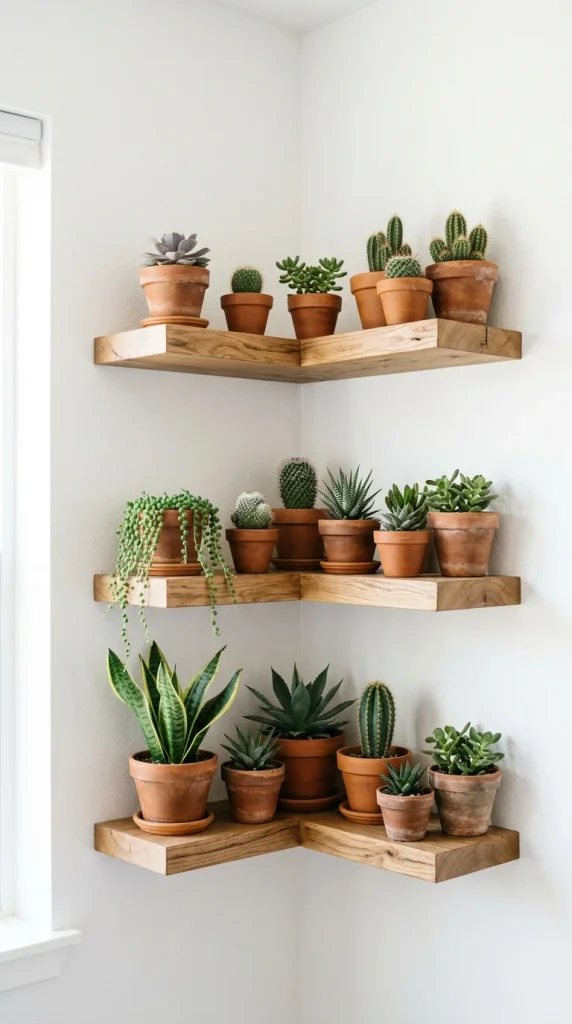
Corners are often wasted space in a garden. By installing floating shelves or a corner étagère, you can display a collection of smaller plants, sculptures, or candles. This draws the eye into the corners, visually pushing the walls out and making the footprint seem larger. It’s also an excellent way to keep delicate or small plants at eye level where they can be better appreciated.
17. String Lights
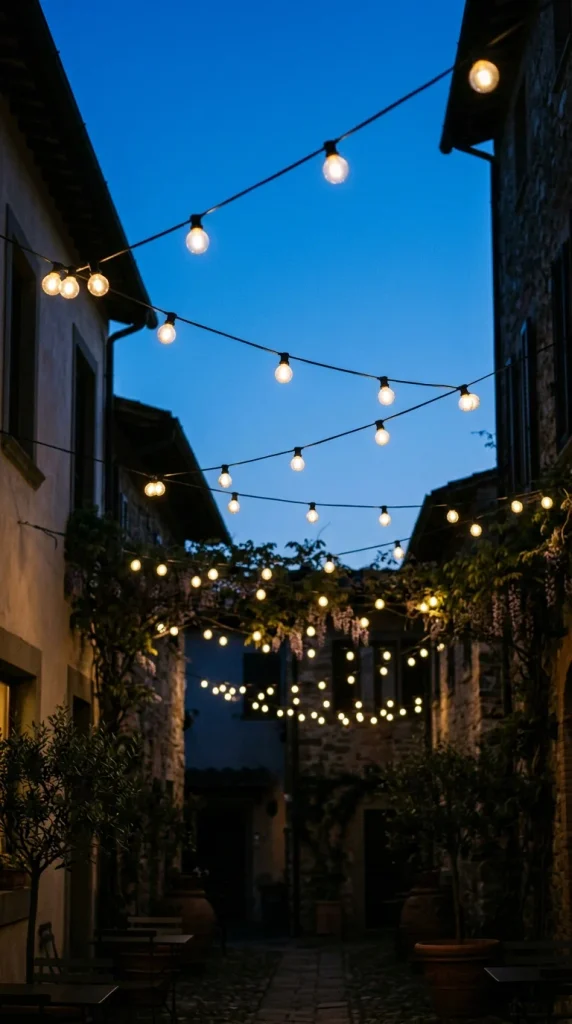
Often called “cafe lights,” these simple additions provide an “overhead” feel that defines the vertical limit of the space. By hanging them in a crisscross pattern above the courtyard, you create a virtual ceiling that makes the area feel like an enclosed, cozy room. The soft, repetitive points of light draw the gaze upward, emphasizing the height of the space rather than the narrowness of the floor.