The Zebra Plant, scientifically known as Aphelandra squarrosa, is the undisputed supermodel of the indoor plant world. With its glossy, dark green leaves dramatically striped with stark white veins, it commands attention in any room. However, this Brazilian native is famously finicky, often earned its reputation as a “diva” among houseplant enthusiasts. If you want to keep those stunning leaves from drooping or browning, you need a precise care regimen. Here are 18 essential tips to ensure your Zebra Plant doesn’t just survive, but thrives.
1. Indirect Light
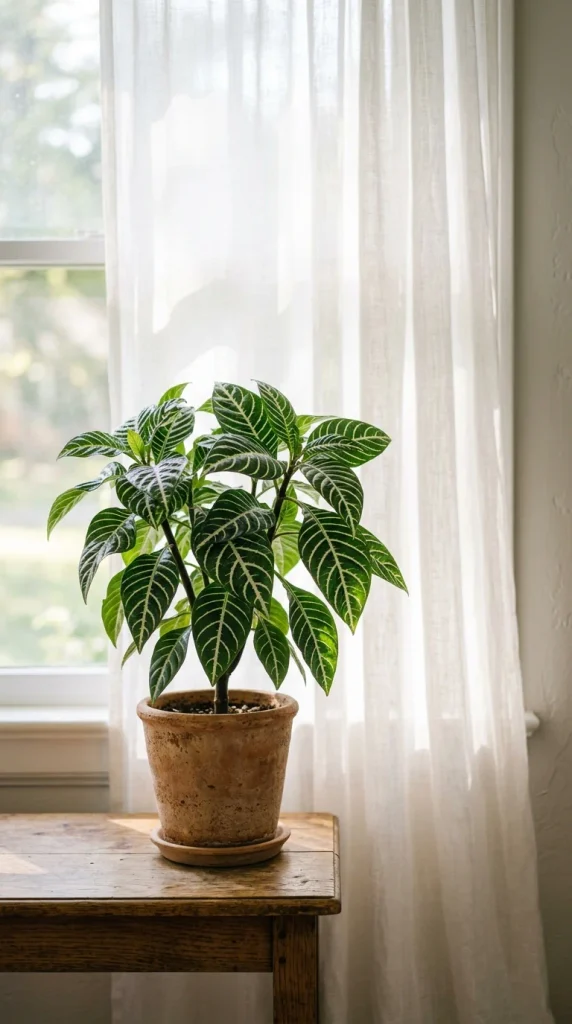
The Zebra Plant craves light, but it is highly sensitive to direct scorching. In its natural habitat, it grows under the canopy of the rainforest, receiving filtered, bright light. To replicate this, place your plant near a south or west-facing window but protected by a sheer curtain. If the light is too dim, the plant will become leggy and lose its compact shape; if it’s too intense, the white veins will turn brown and crispy.
2. High Humidity
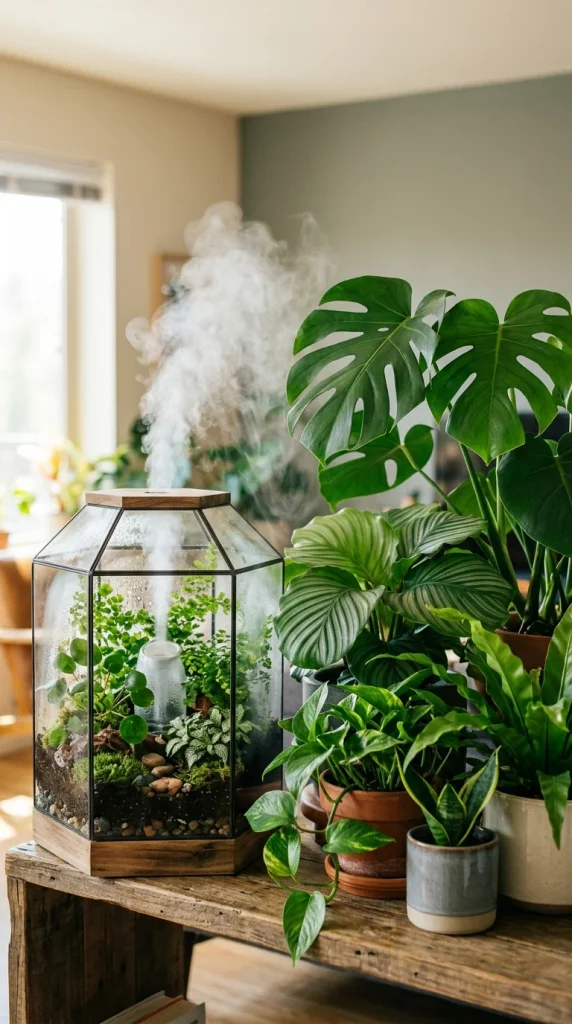
Coming from the tropics of Brazil, the Zebra Plant thrives in humidity levels of 60% to 70%. Standard indoor air is often too dry, especially during winter. You can boost humidity by placing the pot on a tray filled with pebbles and water (ensuring the pot sits on the stones, not in the water) or by using a dedicated room humidifier. Grouping it with other plants also creates a humid microclimate through transpiration.
3. Consistent Moisture
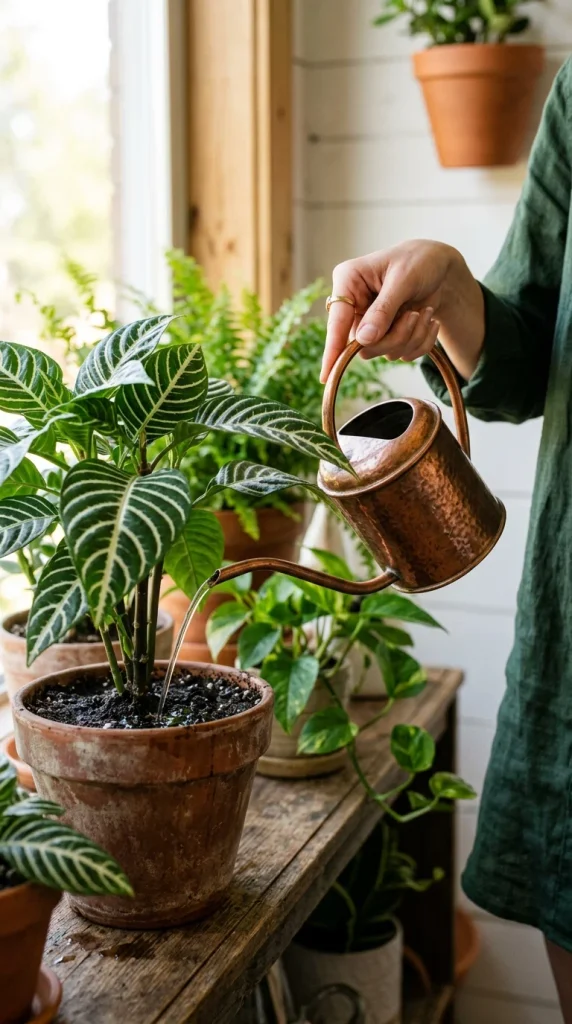
Unlike succulents, the Zebra Plant does not like to dry out. The goal is to keep the soil “pleasantly moist”—like a wrung-out sponge. When the top half-inch of soil feels dry to the touch, it’s time to water. However, be careful not to overwater, as “wet feet” will quickly lead to root rot. If the plant gets too dry, it will dramatically wilt, signaling its distress immediately.
4. Well-Draining Soil
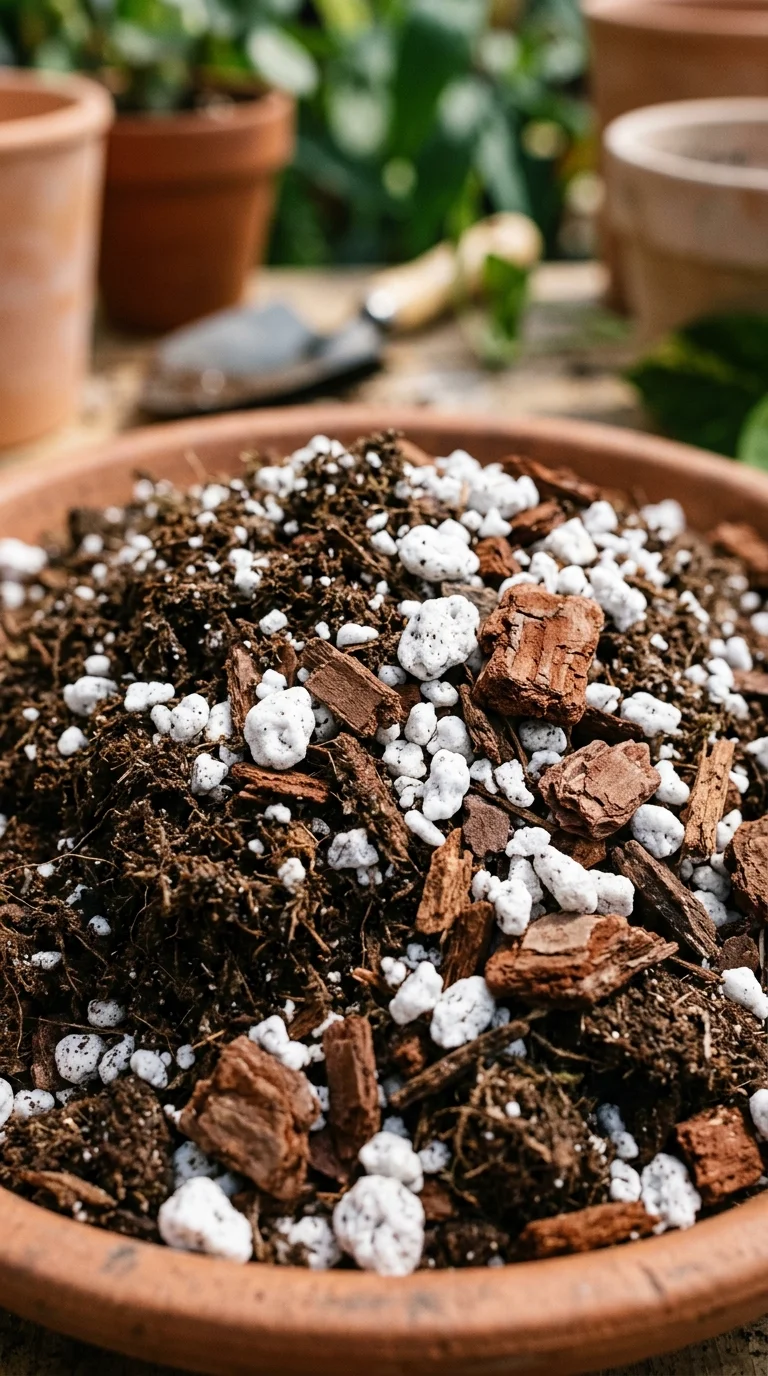
The right foundation is critical. Zebra Plants need a soil mix that retains some moisture but allows excess water to escape rapidly. A mixture of one part potting soil, one part peat moss or coco coir, and one part perlite or coarse sand is ideal. This ensures the roots have access to oxygen while remaining hydrated.
5. Warm Temperatures
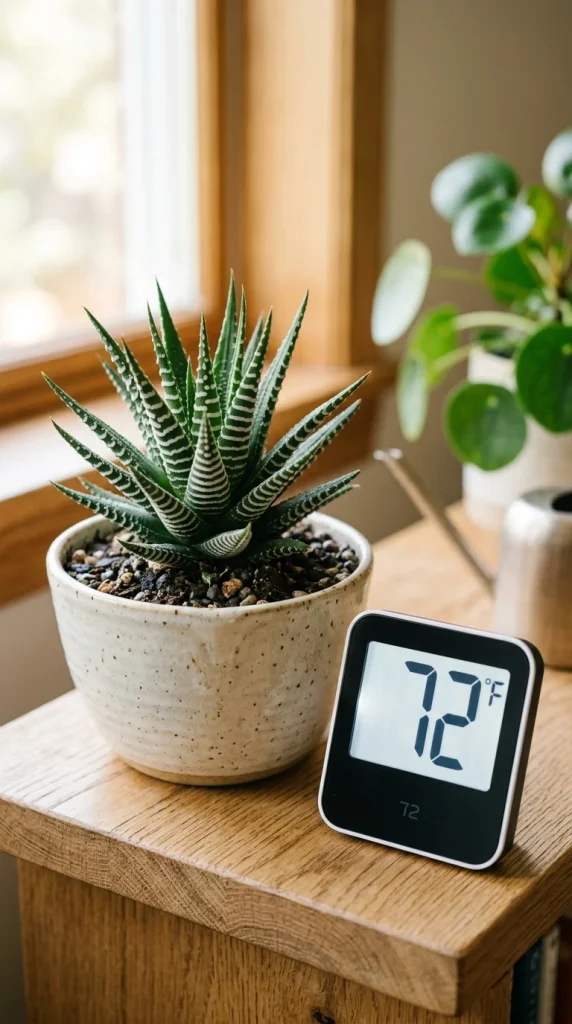
Keep your Zebra Plant in a room where temperatures remain consistently between 65°F and 75°F (18°C to 24°C). These plants are extremely sensitive to cold drafts and sudden temperature fluctuations. Keep them away from air conditioning vents, drafty windows in winter, or heating radiators, as these can cause the leaves to drop overnight.
6. Monthly Fertilizing
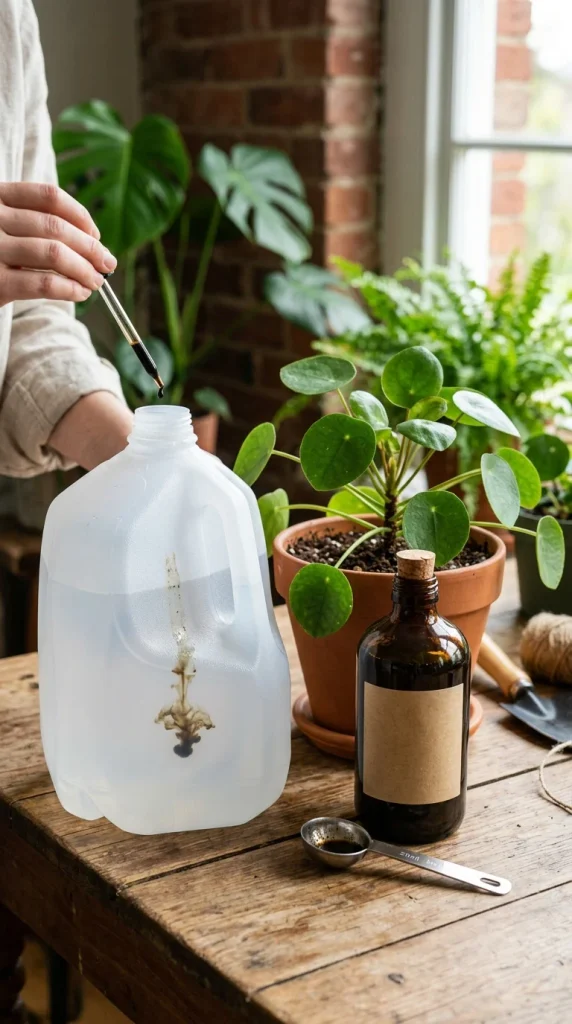
During the active growing season (spring and summer), the Zebra Plant is a heavy feeder. Use a balanced, water-soluble fertilizer (10-10-10) diluted to half-strength every two weeks. This provides the nutrients necessary for the plant to produce those massive, glossy leaves and its signature yellow flower bracts. Reduce feeding to once every two months in the winter.
7. Pruning Techniques
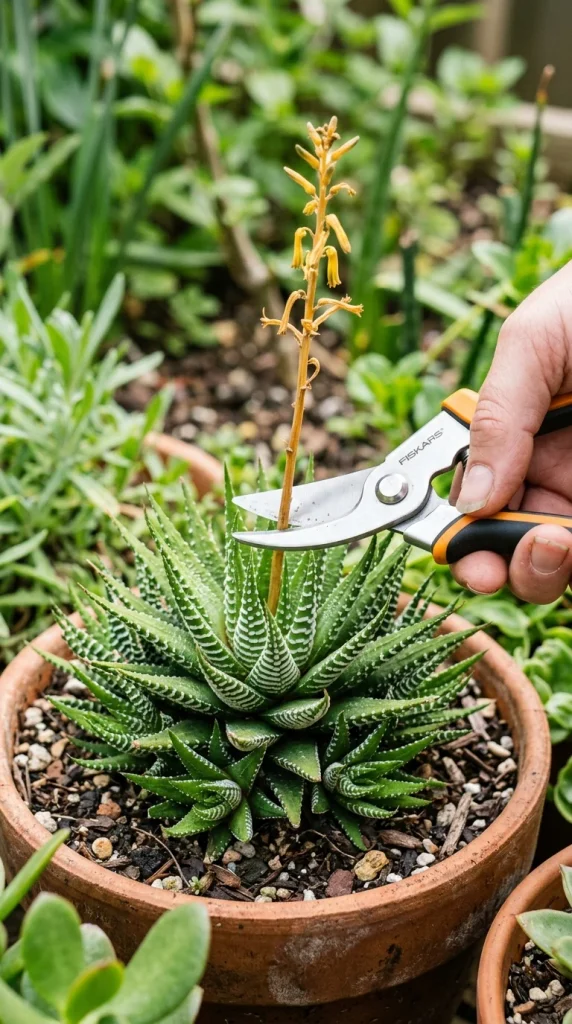
To maintain a bushy, attractive shape, pruning is necessary. Once the yellow flower bract begins to die and turn brown, cut it off at the base. This redirects the plant’s energy back into leaf production. If your plant becomes too tall or “leggy,” you can pinch back the stems in early spring to encourage more lateral growth.
8. Repotting Schedule
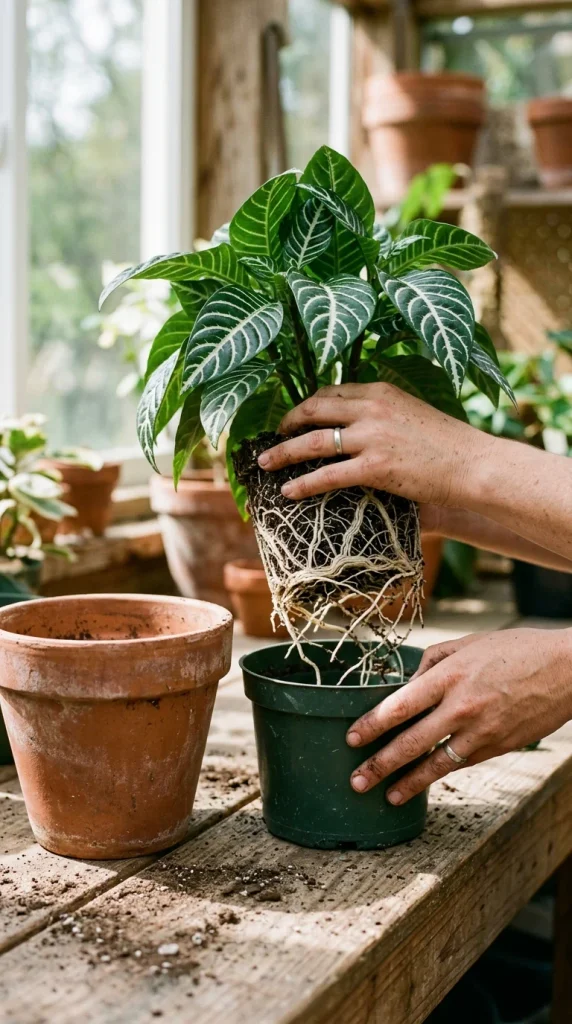
Zebra Plants don’t mind being slightly root-bound, but they typically need repotting every 1–2 years. Spring is the best time for this. Choose a pot only one size larger than the current one (about 1–2 inches wider in diameter). Using a pot that is too large can lead to excess soil moisture, which increases the risk of root rot.
9. Pest Management
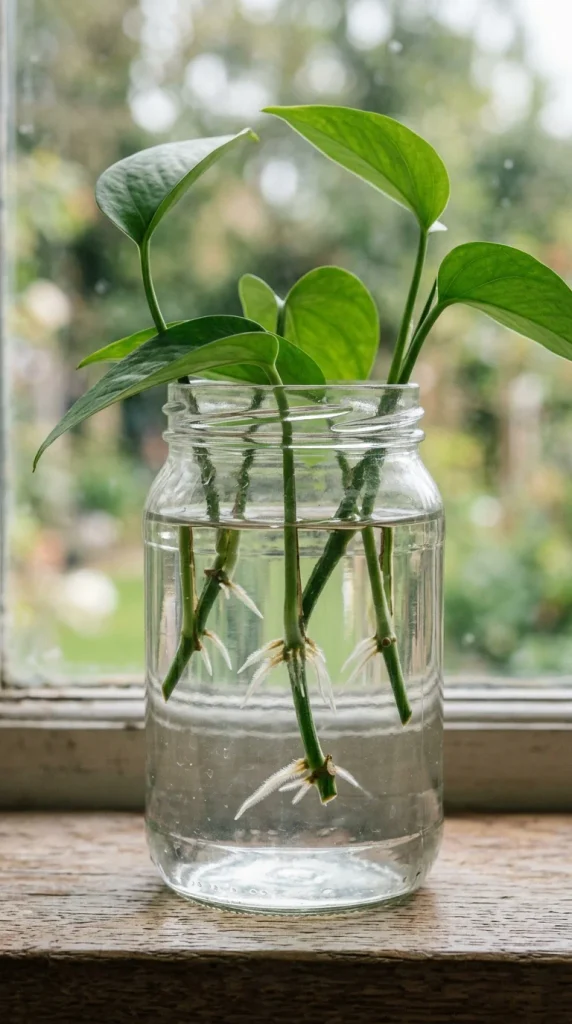
Keep an eye out for common indoor pests like aphids, mealybugs, and spider mites. These insects love the high-humidity environment that Zebra Plants prefer. If you spot white cottony clusters or tiny webs, treat the plant immediately with insecticidal soap or neem oil. Regularly wiping the leaves also helps keep pests at bay.
10. Propagation Methods
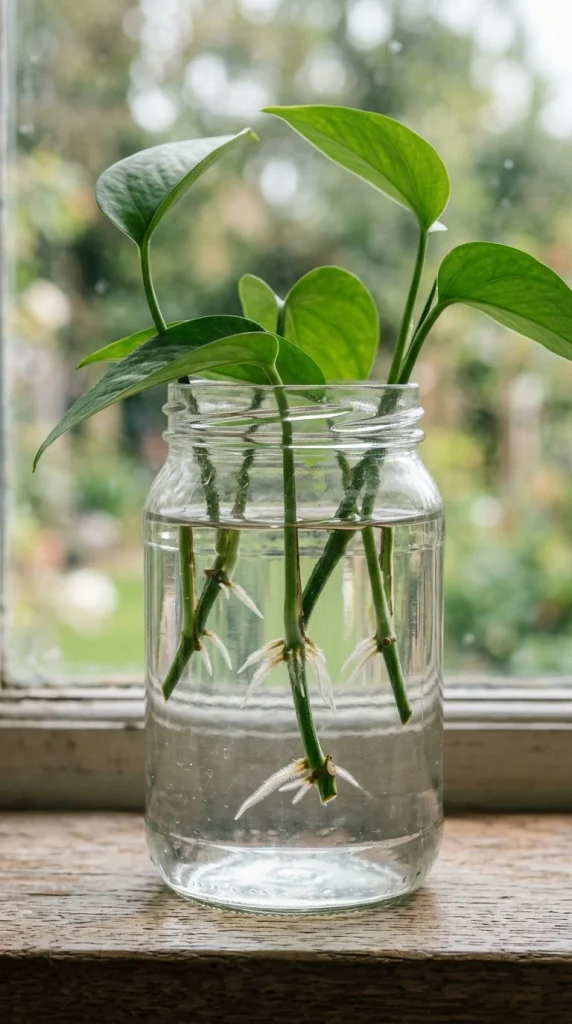
Want more Zebra Plants? You can propagate them via stem cuttings in the spring. Cut a 4-to-6-inch section of a healthy stem, dip the end in rooting hormone, and place it in a moist potting mix or a jar of water. Keep the cutting in a warm, humid spot (you can cover it with a plastic bag to create a mini-greenhouse) until roots develop, which usually takes 4 to 6 weeks.
11. Cleaning Leaves
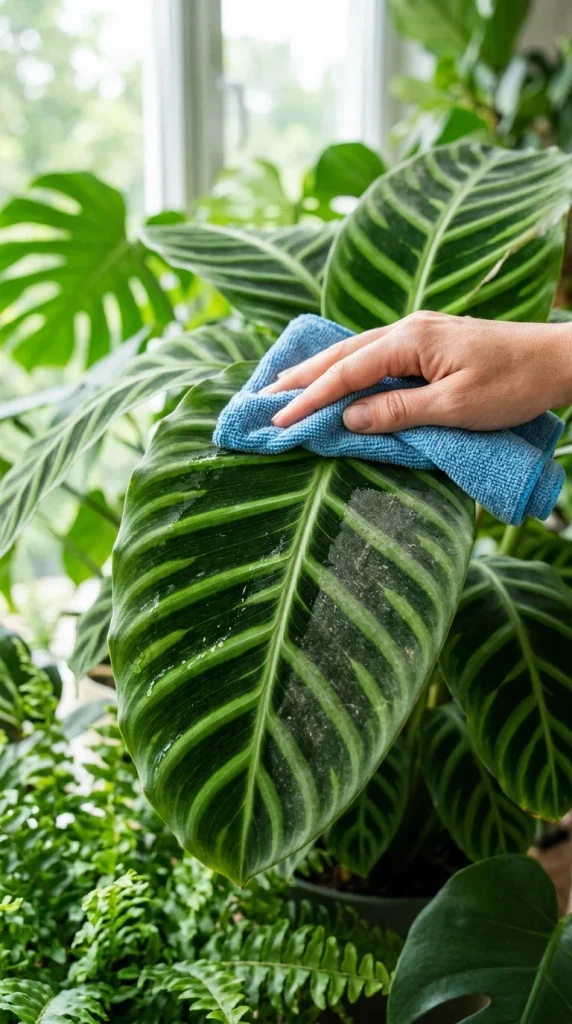
Dust can accumulate on the large leaves of the Zebra Plant, blocking sunlight and clogging the plant’s “pores” (stomata). Every few weeks, gently wipe the leaves with a soft, damp cloth. Avoid using commercial leaf shine products, as these can clog the stomata and damage the plant’s health. A little bit of lukewarm water is all you need.
12. Proper Potting
Never plant a Zebra Plant in a decorative pot without drainage holes. If you have a beautiful “cachepot” (a pot without holes), keep the plant in a plastic nursery pot with holes and set that inside the decorative one. Always empty the excess water from the bottom tray after watering so the roots never sit in stagnant water.
13. Dormancy Care
In the winter, the Zebra Plant enters a period of semi-dormancy. Its growth will slow significantly. During this time, you should reduce the frequency of watering, allowing the soil to dry out slightly more than usual. Stop fertilizing until you see new growth in the spring. Maintain the humidity, however, as indoor heaters can be very drying.
14. Water Quality
These plants can be sensitive to the chemicals found in tap water, such as chlorine, fluoride, and various minerals. If you notice the tips of the leaves turning brown despite proper watering, try switching to filtered water, rainwater, or distilled water. Alternatively, let your tap water sit out for 24 hours before use to allow some of the chemicals to dissipate.
15. Air Circulation
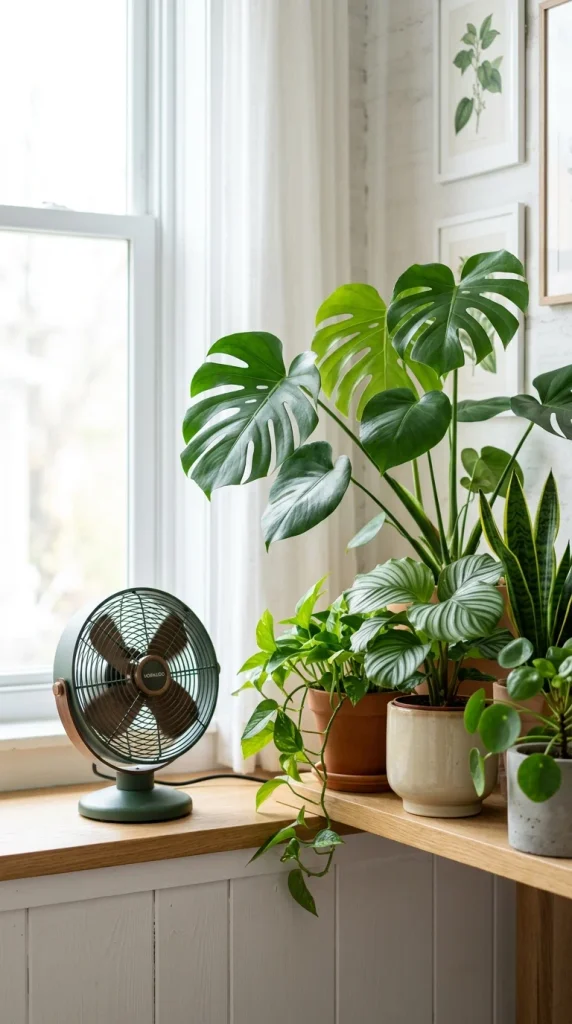
While Zebra Plants hate cold drafts, they do appreciate good air circulation. Stagnant, humid air can lead to fungal issues like powdery mildew or leaf spot. Ensure there is enough space between your plants and that the room has some natural air movement. A small fan in the room (not pointed directly at the plant) can help maintain a healthy environment.
16. Flowering Support
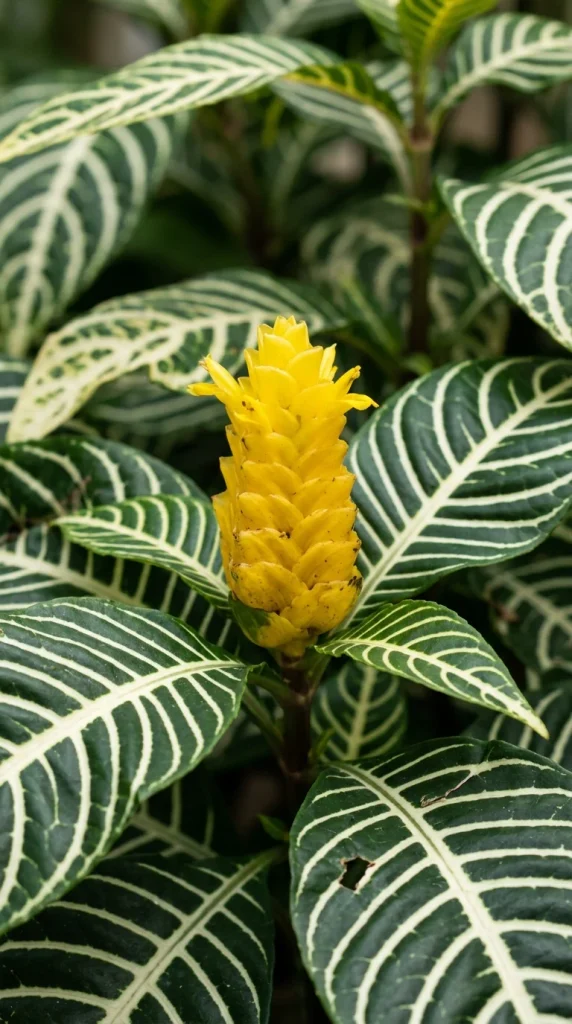
The yellow flower bract is the crowning glory of the Aphelandra squarrosa. To encourage flowering, ensure the plant receives plenty of bright indirect light during the spring and summer. Flowering typically lasts for about six weeks. Once the yellow bract fades, remember to prune it to keep the plant’s energy focused on its foliage.
17. Toxicity Awareness
The Zebra Plant is generally considered non-toxic to cats, dogs, and horses, according to the ASPCA. This makes it a fantastic choice for pet owners who want a safe, tropical look. However, the sap can occasionally cause mild skin irritation for some people, so it’s wise to wear gloves while pruning if you have sensitive skin.
18. Troubleshooting Leaves
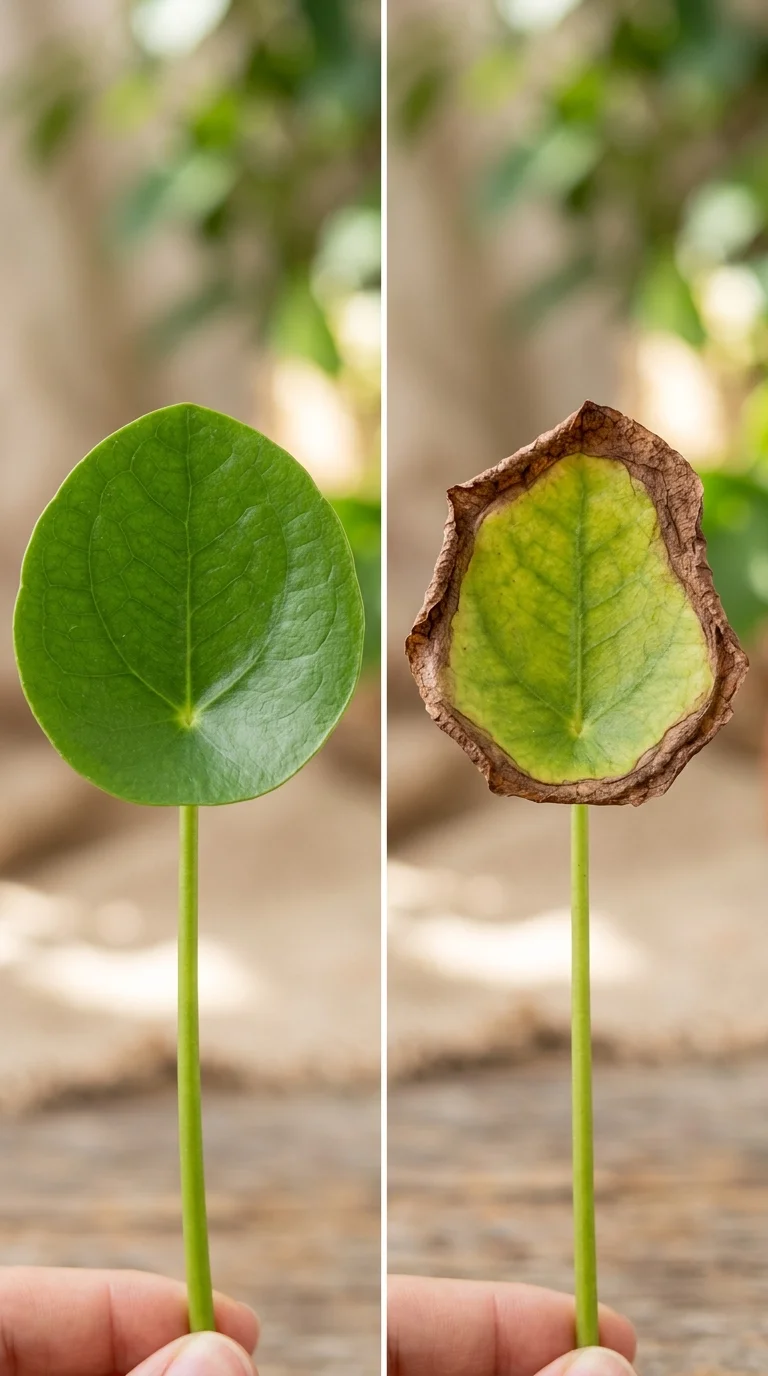
Learning to “read” your Zebra Plant’s leaves is the best way to master its care.
- Drooping leaves: Usually means the plant is too dry or is experiencing a cold draft.
- Browning tips: Usually indicates low humidity or high mineral content in the water.
- Yellowing leaves: Often a sign of overwatering or poor drainage.
- Leaf drop: Typically caused by a sudden shock, such as a drastic change in temperature or light.