

A steep hillside is often viewed as a landscaping nightmare—a site prone to erosion, difficult to mow, and seemingly impossible to enjoy. However, for the visionary homeowner, a slope is a golden opportunity to create a dynamic, multi-dimensional landscape that a flat lot simply cannot replicate. By utilizing vertical space, you can introduce dramatic water features, private “outdoor rooms,” and layered plantings that provide a sense of depth and grandeur.
The key to mastering a steep yard lies in balancing structural integrity with aesthetic appeal. Whether you are dealing with a slight incline or a sheer cliffside, these 25 ideas will help you stabilize your soil, manage drainage, and turn your “unusable” land into the highlight of your property.
1. Retaining Walls
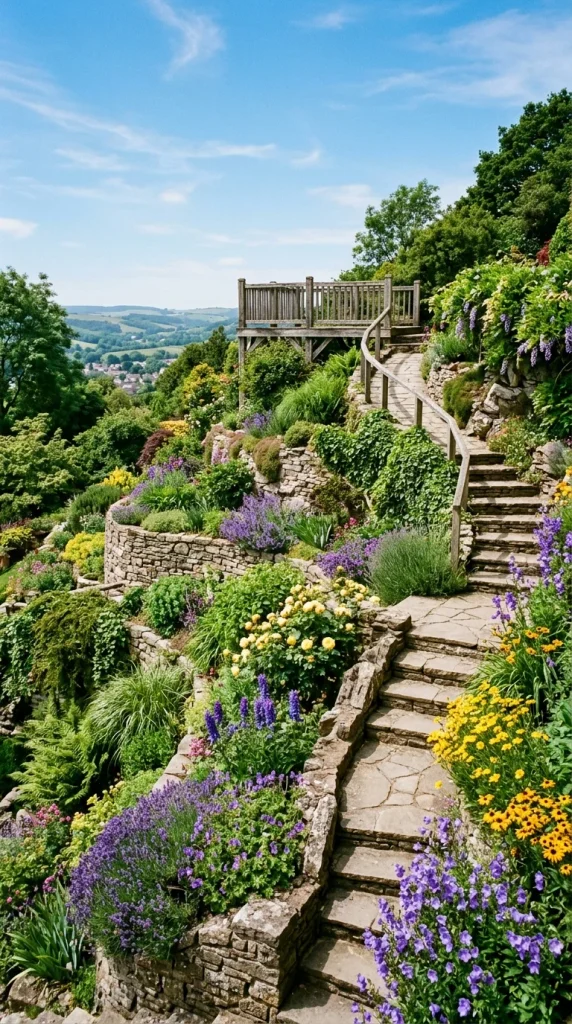
Retaining walls are the backbone of hillside landscaping. They serve a vital functional purpose by holding back soil and preventing erosion, but they also offer a chance to define your home’s architectural style. You can use natural fieldstone for a rustic look, sleek poured concrete for a modern aesthetic, or interlocking pavers for a clean, organized finish. By breaking one massive slope into several smaller, manageable levels, you create flat areas for planting or leisure.
2. Terraced Gardens
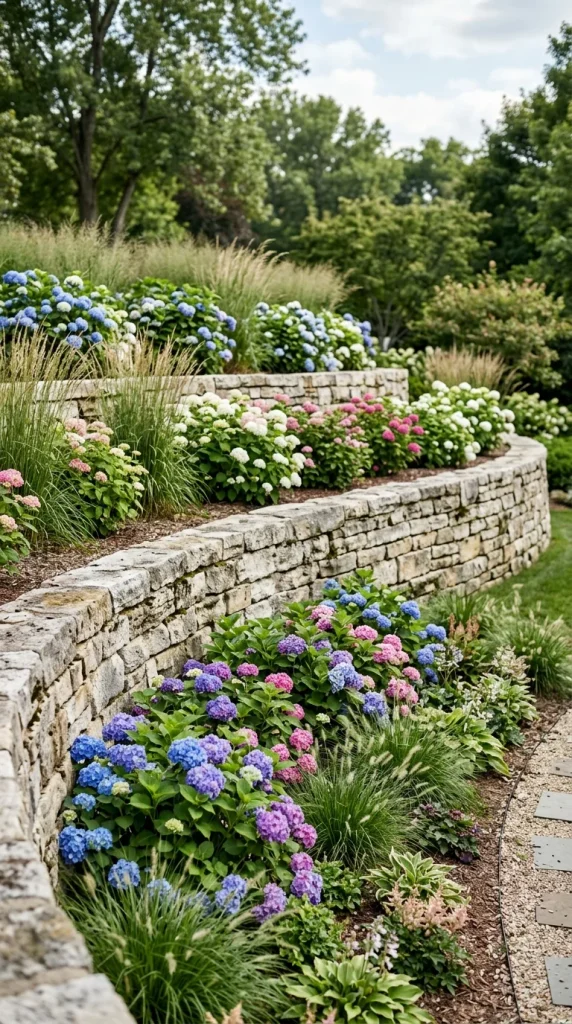
Terracing is the process of creating a “staircase” of flat land on a slope. This is perhaps the most effective way to make a steep yard usable. Each level can have its own personality—one might be dedicated to a cutting garden for fresh flowers, while another serves as a lush backdrop of evergreen shrubs. Terracing also significantly slows down water runoff, allowing moisture to soak into the soil rather than washing it away.
3. Natural Boulders
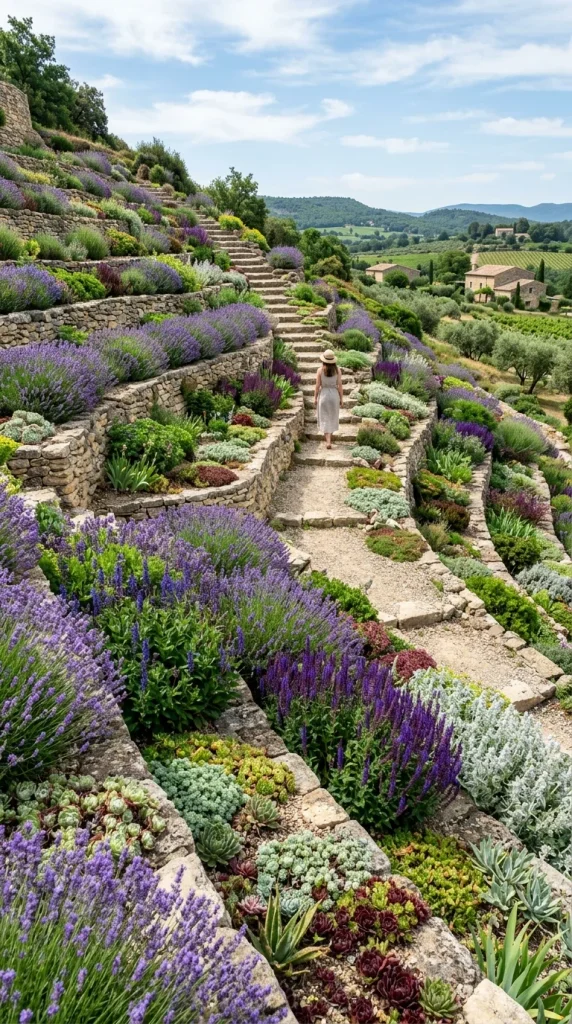
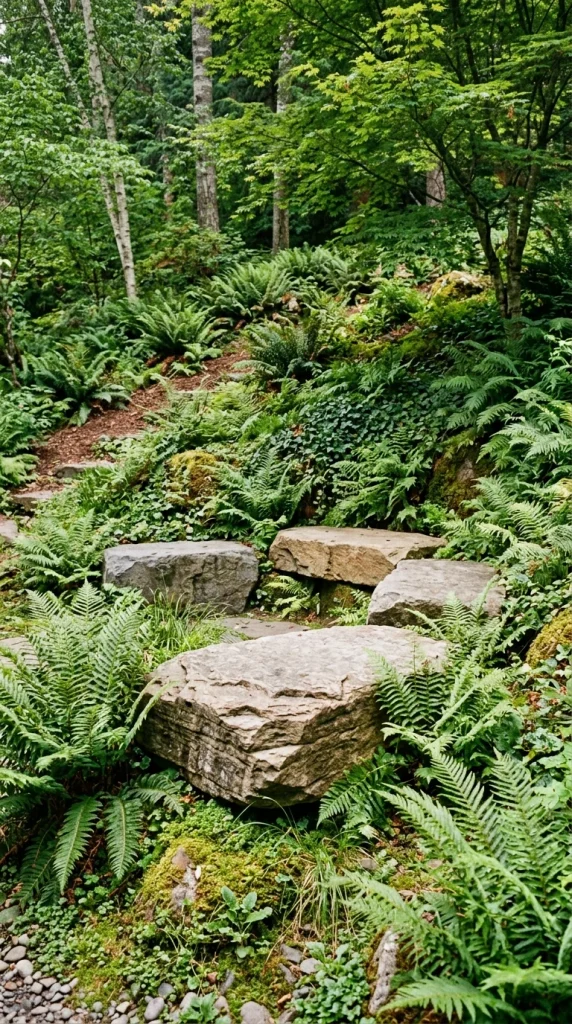
If you want a look that mimics nature, skip the uniform bricks and opt for massive natural boulders. When “planted” deep into the hillside (at least one-third of the boulder should be underground), they act as natural anchors for the soil. They provide a rugged, mountainous aesthetic and create micro-climates where shade-loving plants can thrive in the crevices.
4. Timber Steps
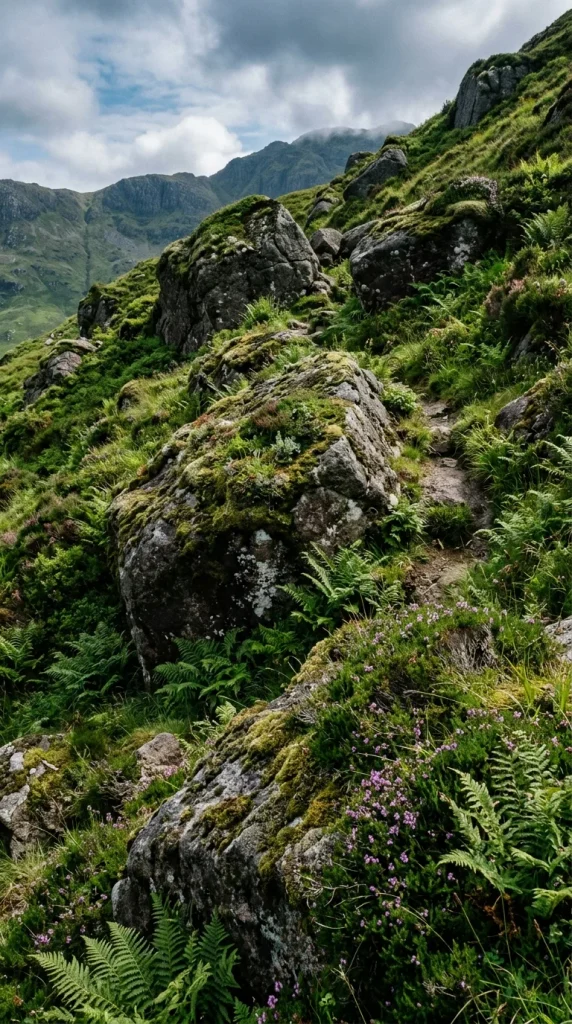
Access is the biggest challenge of a steep yard. Timber steps provide a cost-effective and visually warm way to navigate your terrain. Using 6×6 pressure-treated beams or railroad ties, you can create wide, shallow steps that make the climb feel effortless. Filling the treads with gravel or mulch ensures good drainage and a slip-resistant surface.
5. Ground Covers
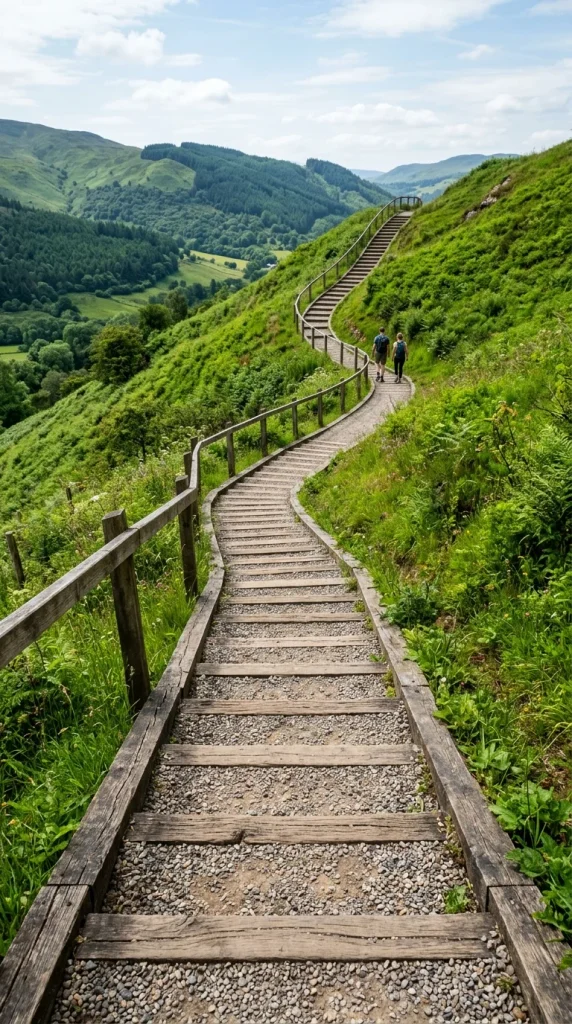
Mowing a steep lawn is dangerous and exhausting. Many homeowners choose to ditch the grass entirely in favor of hardy ground covers. Plants like creeping phlox, pachysandra, or vinca minor create a living carpet that binds the soil with their root systems. These plants require almost no maintenance once established and provide a uniform, lush look that stays green year-round.
6. Cascading Waterfalls
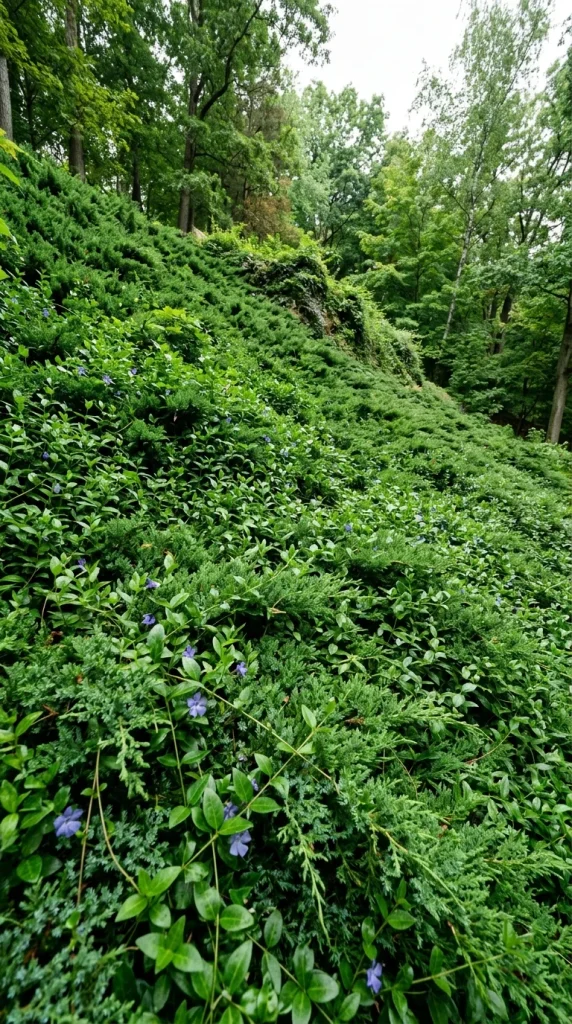
Gravity is your best friend when it comes to water features. A steep hillside is the perfect setting for a naturalistic stream or a series of cascading waterfalls. The vertical drop allows for a dramatic soundscape and a stunning visual focal point. By recirculating the water from a pond at the bottom back to the top, you create a self-sustaining ecosystem that attracts birds and butterflies.
7. Winding Pathways
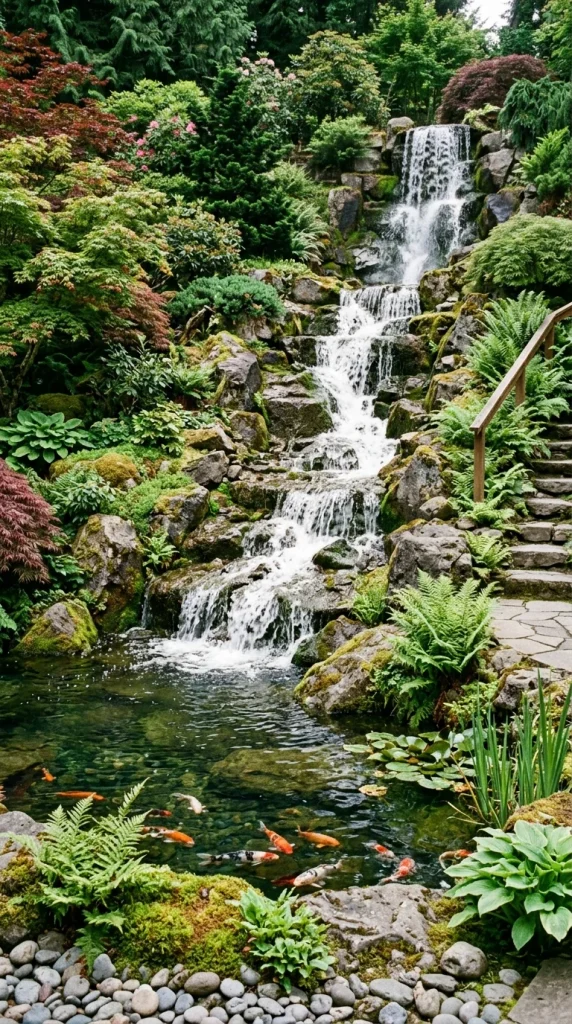
A straight staircase can feel daunting and industrial. A winding pathway, or “switchback,” follows the natural contours of the land, making the ascent much easier on the legs. These paths invite exploration and slow the viewer down, allowing them to appreciate the different planting zones you’ve created along the way.
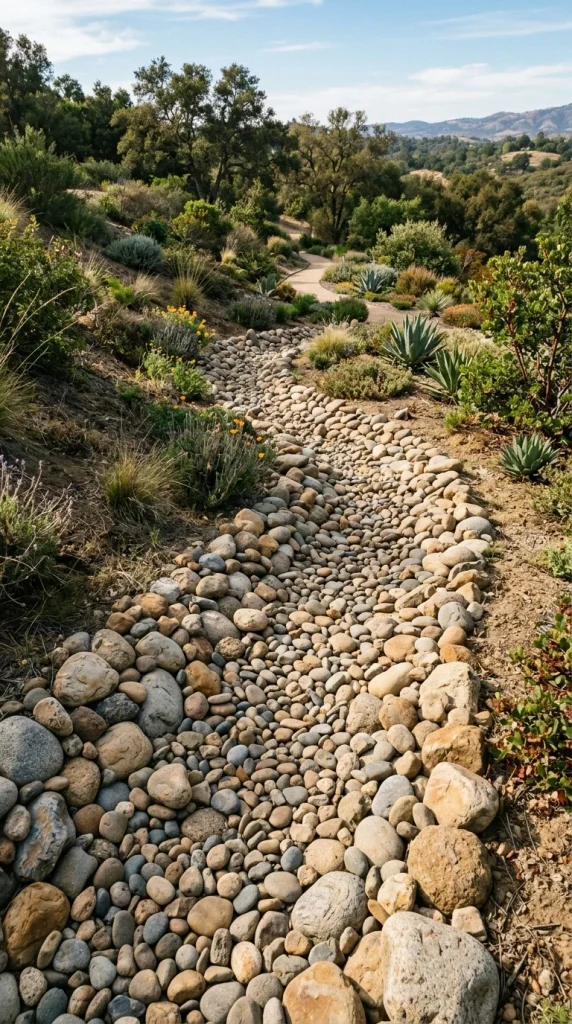
8. Dry Creek Beds
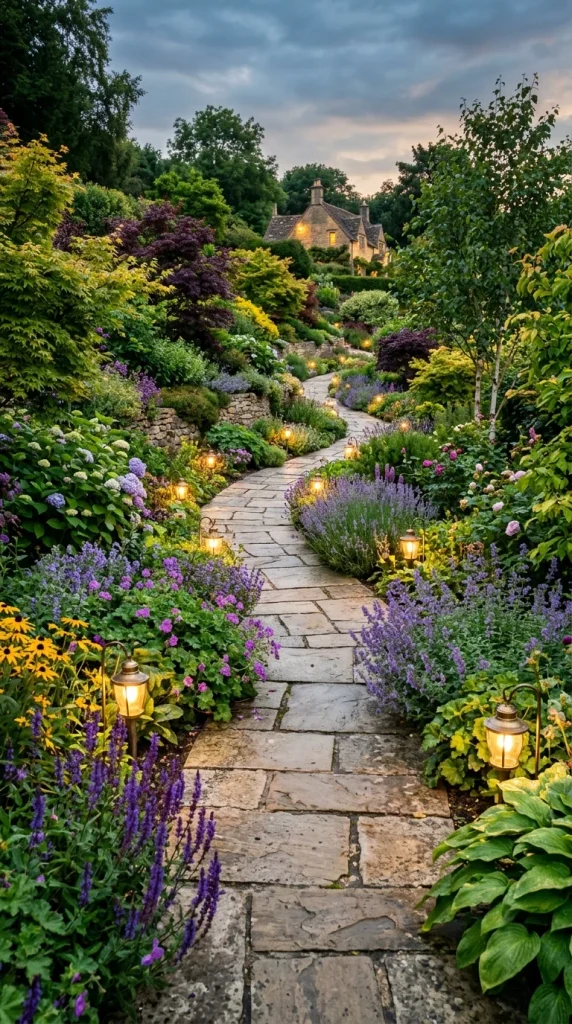
Drainage is a critical concern on any slope. A dry creek bed is a functional drainage solution disguised as a beautiful landscape feature. By lining a natural runoff path with river rocks and boulders, you can direct rainwater away from your home’s foundation and prevent gully erosion. During heavy rain, it becomes a beautiful temporary stream; during dry spells, it adds texture and visual interest.
9. Viewing Decks
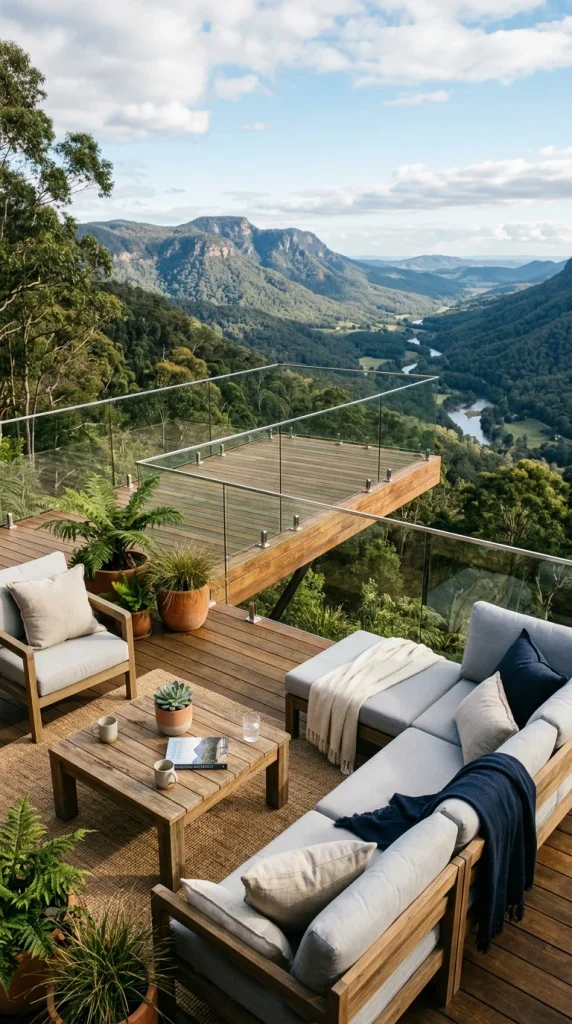
Sometimes the best way to deal with a slope is to build over it. A cantilevered deck or a platform built on stilts allows you to create a perfectly level entertaining space without the need for massive excavation. This is often the best way to take advantage of the views that typically come with a hillside property.
10. Gabion Baskets
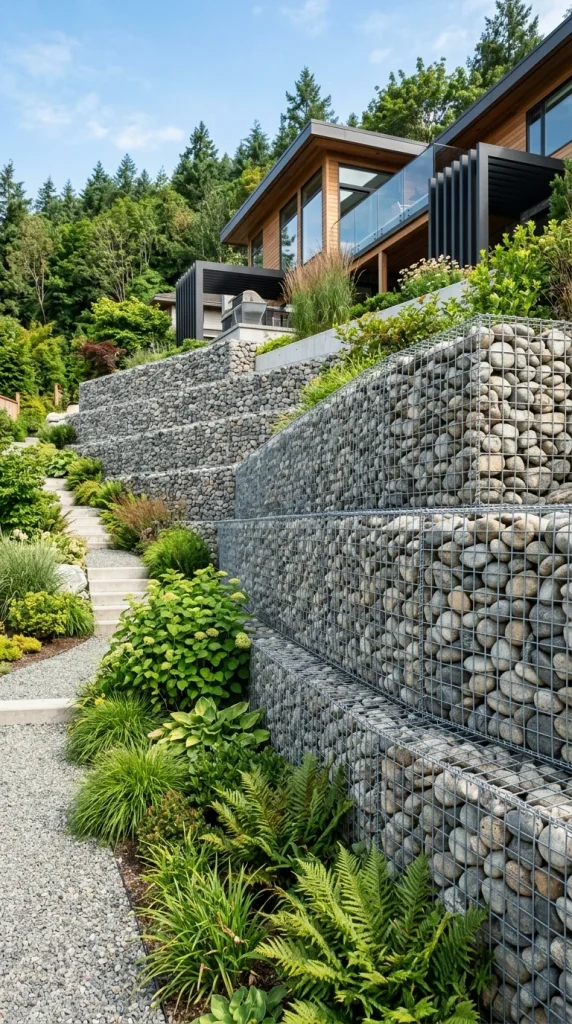
For a modern or industrial look, gabion baskets are an excellent choice. These are wire mesh cages filled with rocks, glass, or even recycled concrete. They are incredibly durable, allow for excellent drainage (as water flows freely through the gaps), and provide a unique geometric texture that contrasts beautifully with soft foliage.
11. Wildflower Meadows
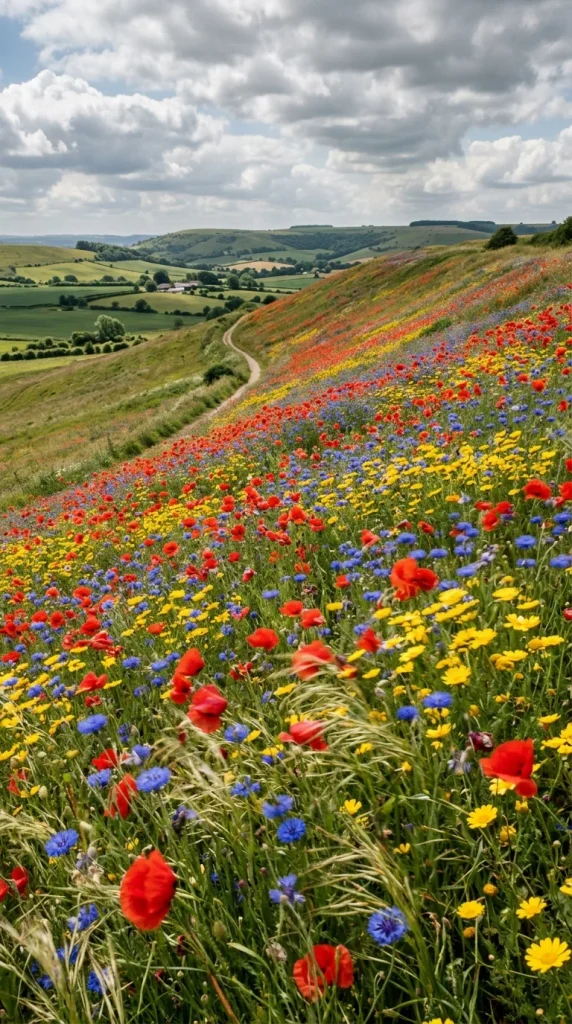
If you have a large, steep area that is difficult to access, consider turning it into a wildflower meadow. By sowing a mix of native seeds, you create a low-maintenance habitat for pollinators. A meadow doesn’t need to be mowed, fertilized, or watered once established, and it changes colors with every passing season.
12. Stone Boulders
Using stones isn’t just about retaining soil; it’s about creating “bones” for your garden. Strategically placed large boulders can break up the visual monotony of a long slope. They can also serve as natural benches or pedestals for garden art. When choosing stones, look for local varieties to ensure they blend seamlessly with the surrounding environment.
13. Strategic Lighting
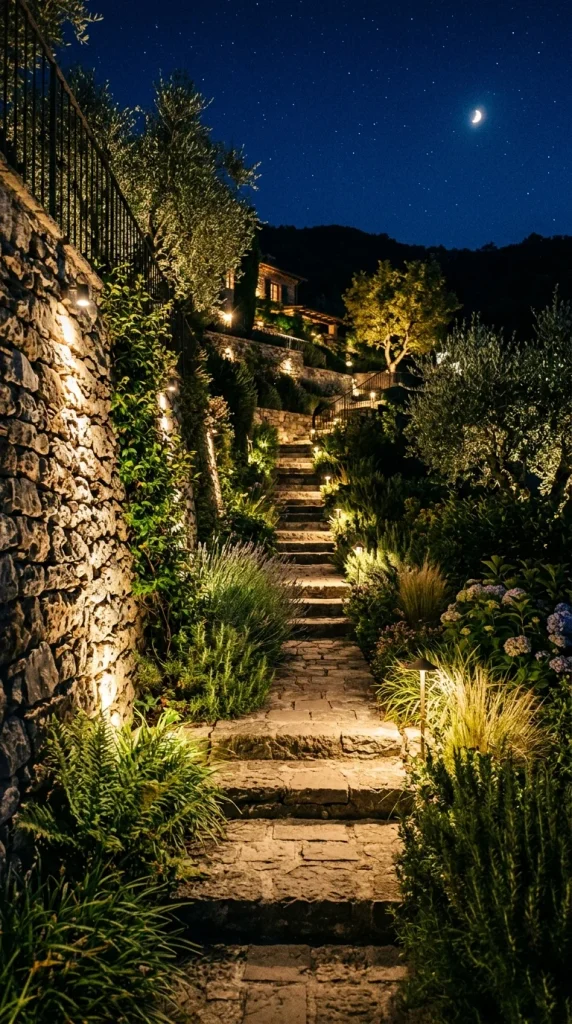
A hillside can be a tripping hazard at night, but with the right lighting, it becomes a magical landscape. Use “uplighting” on specimen trees or rock faces to create drama and depth. Path lights installed along stairs ensure safety, while “moonlighting” from high in the trees can cast soft, dappled shadows across the entire slope.
14. Raised Beds
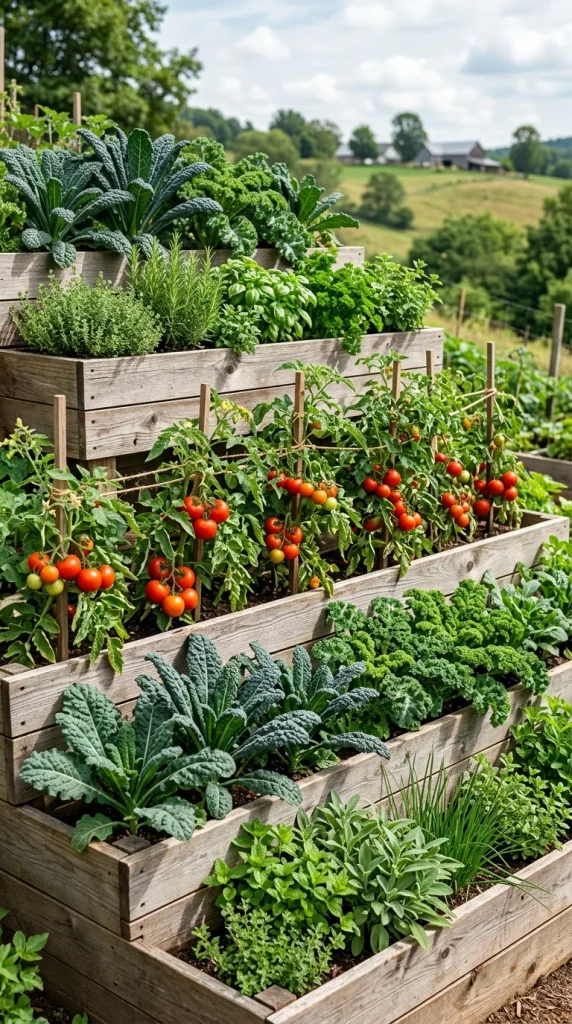
If the soil on your hillside is poor or rocky, raised beds are the answer. By building bottomless boxes into the side of the hill, you can fill them with high-quality garden soil. This is an excellent way to grow vegetables or delicate perennials on a site that would otherwise be inhospitable to gardening.
15. Ornamental Grasses
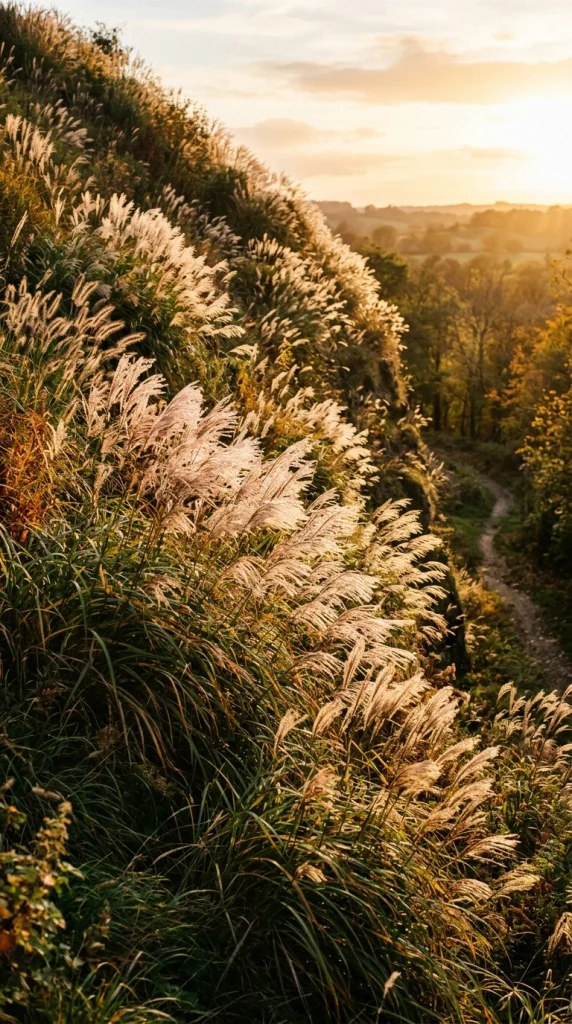
Ornamental grasses are ideal for slopes because of their deep, fibrous root systems that excel at holding soil in place. They offer a sense of movement as they sway in the breeze and provide visual interest throughout the winter when other plants have gone dormant. Species like Little Bluestem or Fountain Grass are particularly effective for hillside stabilization.
16. Fire Pit
Carving out a small, level “niche” in the middle of a slope for a fire pit creates an intimate destination. Being “sunken” into the hill provides natural wind protection and a cozy, private atmosphere. It turns a transit zone (the hill) into a destination where guests will want to linger.
17. Vegetable Terraces
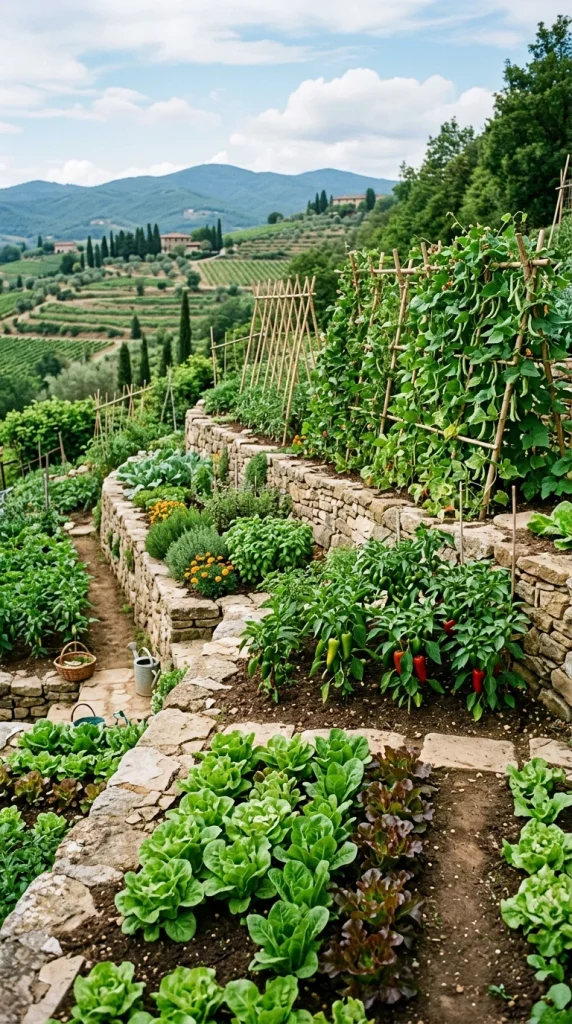
Turn your steep yard into a productive “edible landscape.” Terracing for vegetables allows for better sun exposure, as the “stair-step” design prevents plants from shading one another. It also makes harvesting much easier on your back, as the higher tiers bring the plants closer to waist height.
18. Living Walls
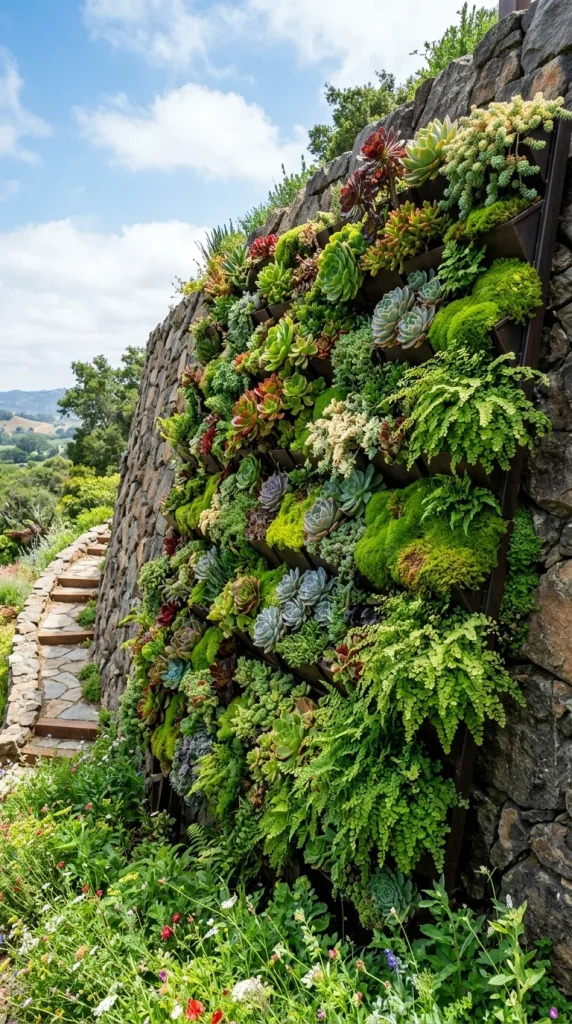
If you have a sheer vertical drop or a tall, boring retaining wall, turn it into a living wall. Using specialized pockets or modular systems, you can plant directly into the vertical surface. This softens the look of hardscaping and maximizes your planting area in small, steep yards.
19. Children’s Slide
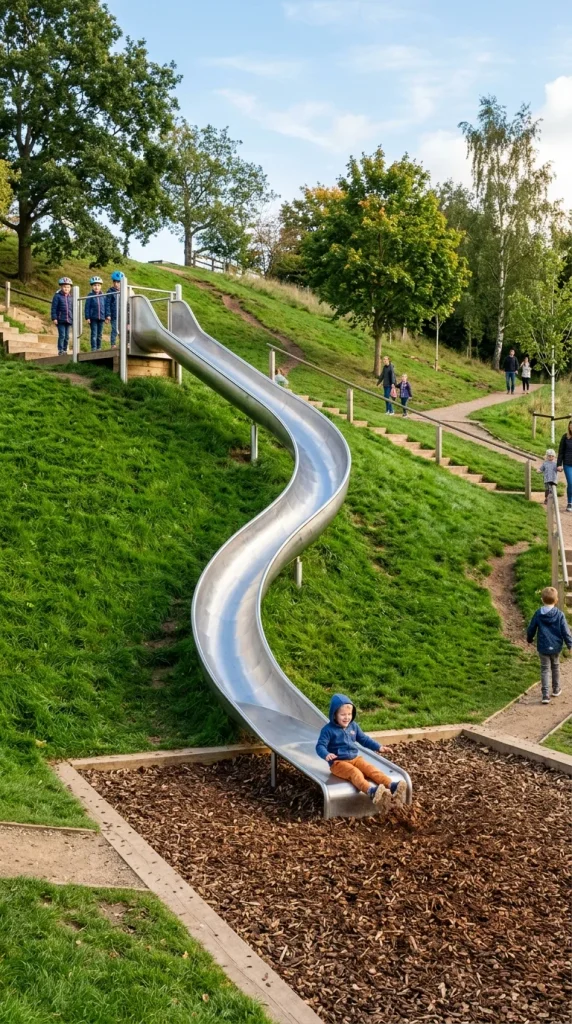
Embrace the incline by installing a “hillside slide.” Rather than a bulky freestanding play structure, a slide built into the natural contour of the land is safer and looks much more integrated into the landscape. You can flank the slide with soft grasses or rubber mulch for a play area that kids will love.