
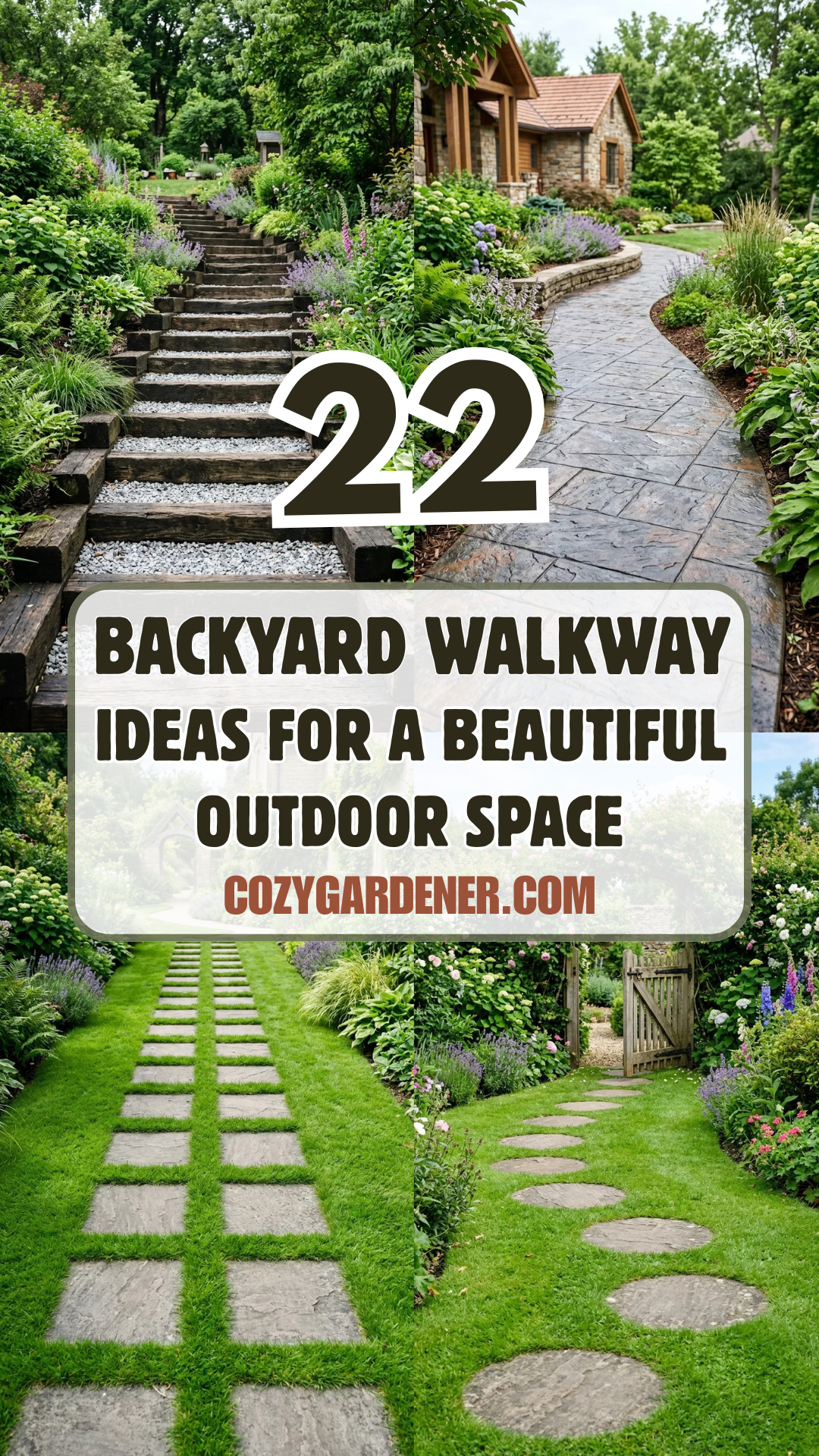
Your backyard is more than just a patch of grass; it is an extension of your home, a sanctuary for relaxation, and a stage for summer gatherings. One of the most effective ways to transform a chaotic outdoor space into a structured, inviting landscape is through the strategic placement of walkways. A well-designed path does more than just keep your shoes clean; it guides the eye, creates flow, and adds a layer of professional polish to your garden.
Whether you are looking for a rustic woodland trail or a sleek, modern entrance to your patio, these 22 backyard walkway ideas will inspire you to step up your landscaping game.
1. Flagstone
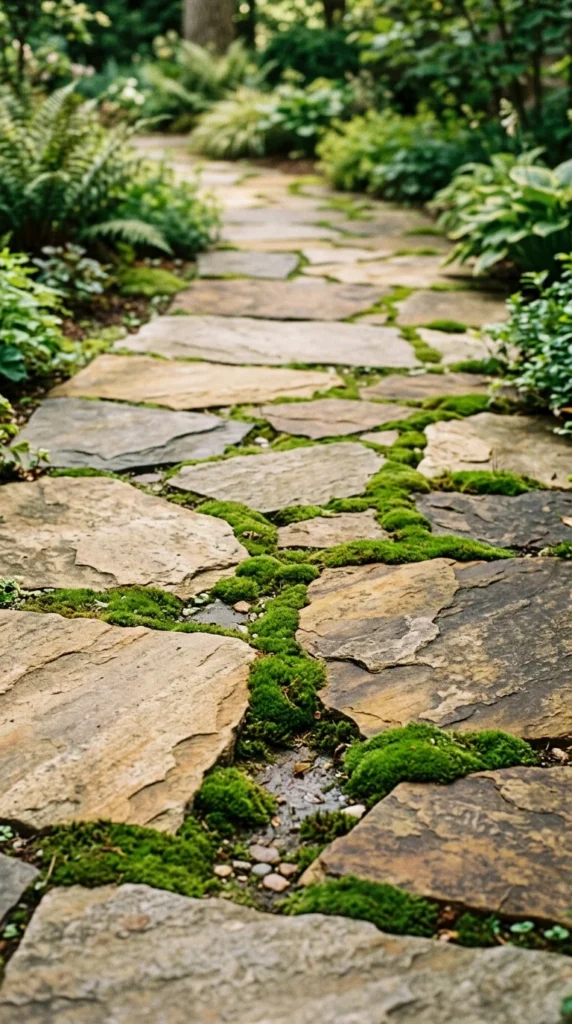
Flagstone is the gold standard for natural-looking walkways. Because the stones come in irregular shapes and varied earthy tones—ranging from sandy buff to deep slate—each path is entirely unique. This material is incredibly durable and heavy, ensuring it stays in place for decades. To achieve a “secret garden” aesthetic, leave wider gaps between the stones and plant low-growing ground cover like creeping thyme or Irish moss.
2. Red Brick
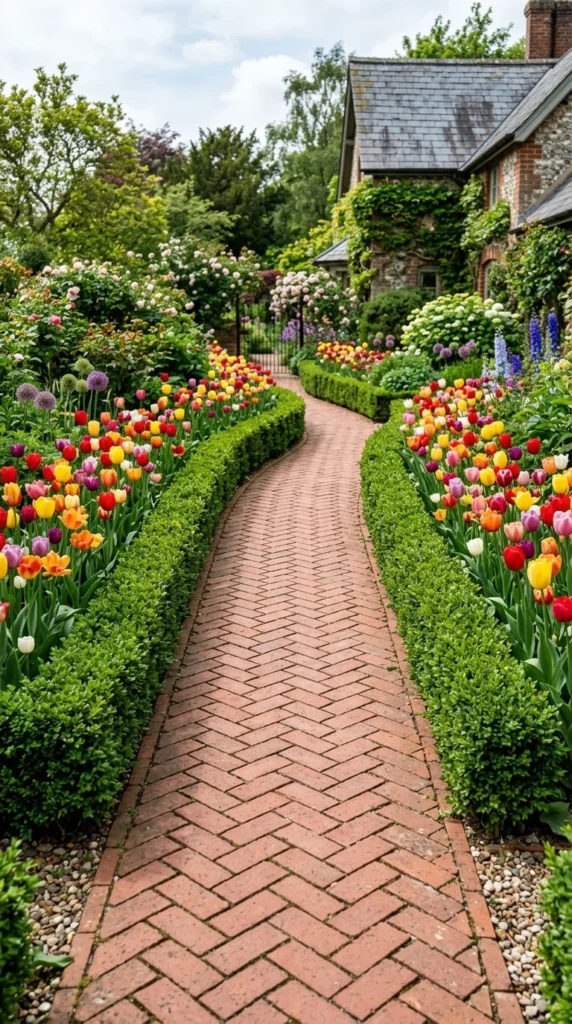
For homeowners who love a timeless, traditional look, red brick is the ultimate choice. It offers a sense of history and permanence. Bricks can be laid in several patterns, including the popular herringbone, basketweave, or a simple running bond. The warm tones of the clay provide a beautiful contrast against green lawns and vibrant floral borders.
3. Pea Gravel
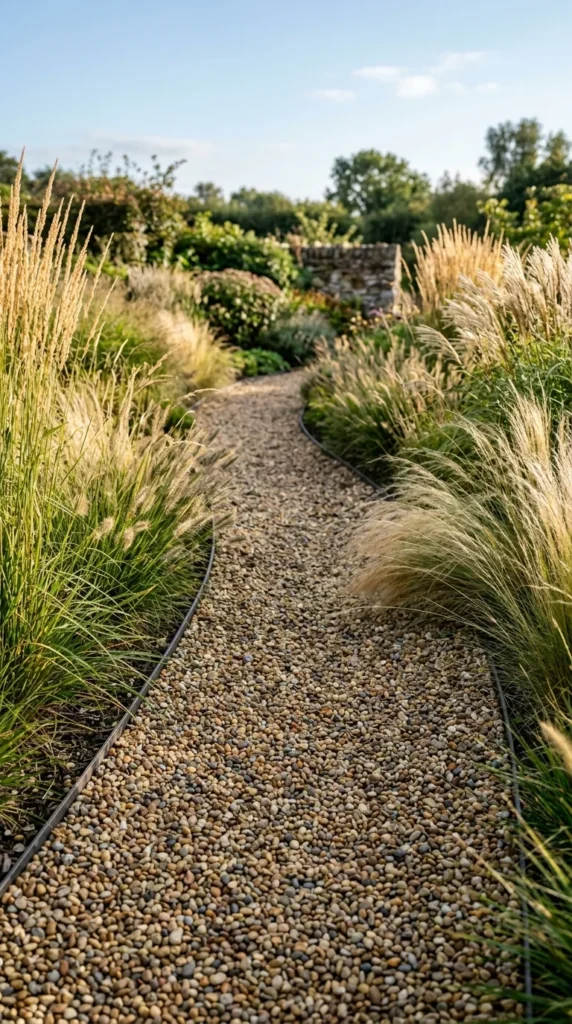
Pea gravel is one of the most affordable and DIY-friendly options. It provides a satisfying crunch underfoot and excellent drainage. Because the stones are small and loose, it is essential to use a sturdy edging material like steel, plastic, or timber to keep the gravel from migrating into your lawn. It’s perfect for a casual, Mediterranean-style garden.
4. Concrete Pavers
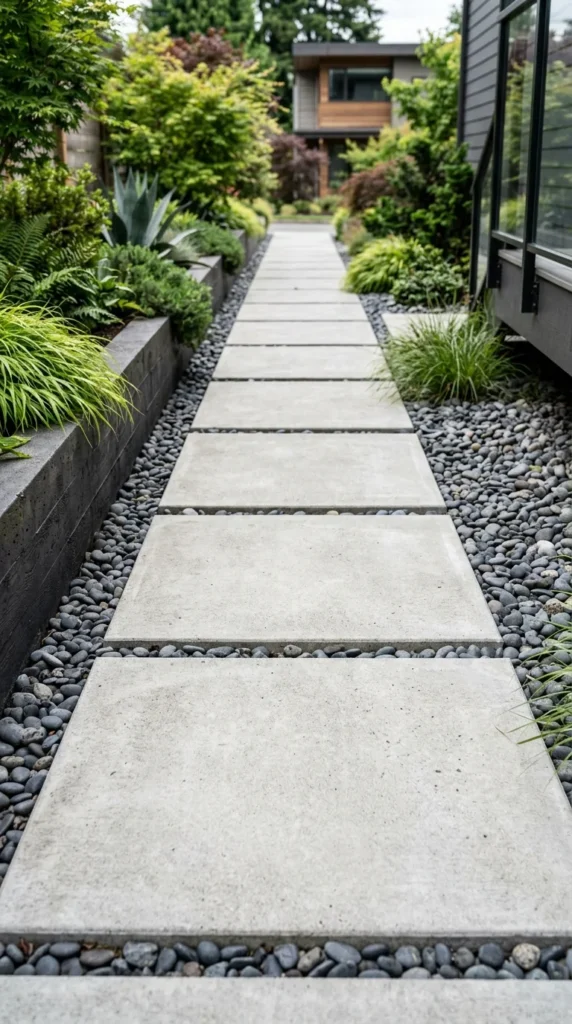
If your home features modern architecture, concrete pavers are the way to go. They offer clean lines, geometric precision, and a minimalist aesthetic. You can choose oversized squares or rectangles and space them out evenly. Filling the gaps with dark basalt or white quartz pebbles creates a high-contrast, high-end look that is popular in contemporary landscape design.
5. Wood Planks
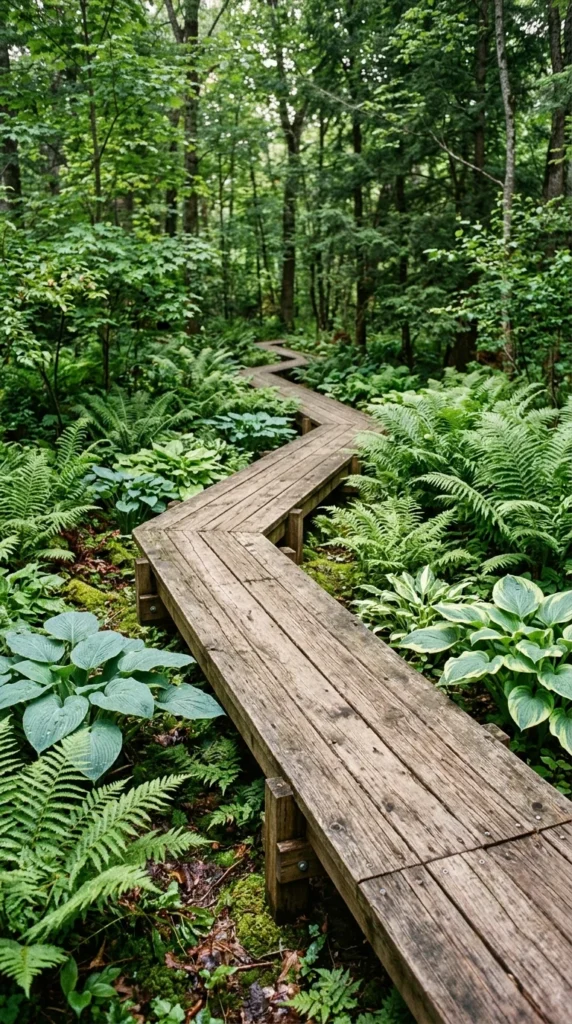
A wooden walkway, often called a boardwalk, is ideal for uneven terrain or damp areas where stone might sink. Using pressure-treated lumber, cedar, or tropical hardwoods like Ipe provides a warm, organic feel. This style works exceptionally well in beach-themed backyards or woodland settings where you want to feel elevated above the forest floor.
6. River Rocks
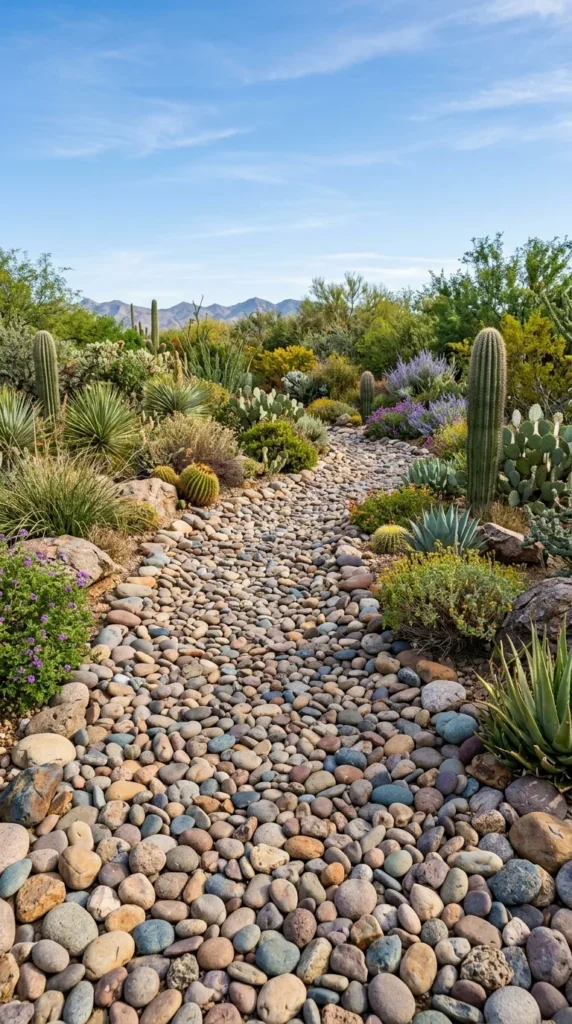
River rocks bring a sense of Zen and serenity to any outdoor space. While they can be a bit tricky to walk on if the stones are too large, they are excellent for secondary paths or decorative margins. Using a mix of sizes and colors mimics the look of a natural stream bed, making them a favorite for Japanese-inspired gardens.
7. Stepping Stones
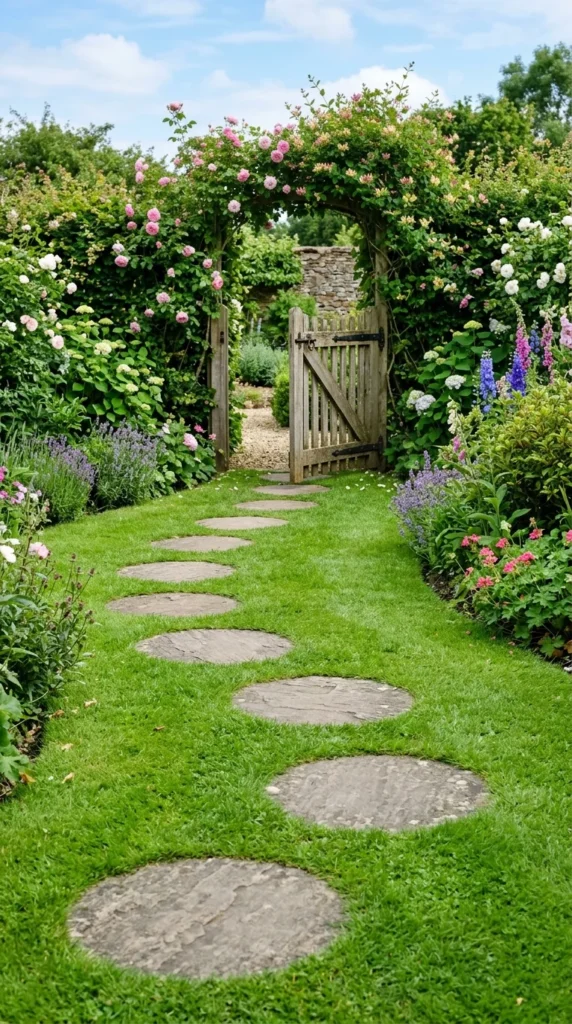
Sometimes, less is more. A stepping stone path allows you to traverse your lawn without the heavy commitment of a fully paved walkway. This “floating” effect keeps the backyard feeling open and airy. It’s an excellent solution for low-traffic areas where you simply need a clear route from the back door to the compost bin or shed.
8. Decomposed Granite
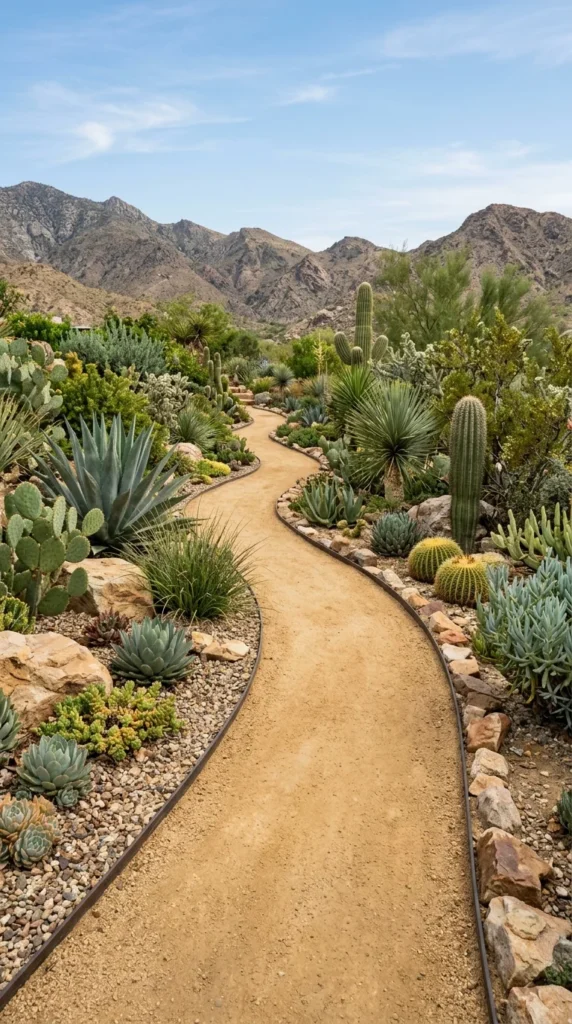
Decomposed granite (DG) is a versatile material that compacts into a firm, stable surface while still looking soft and natural. It is widely used in Southwestern and Mediterranean landscapes. DG is permeable, meaning water soaks through it rather than running off, making it an eco-friendly choice for regions prone to heavy rain or drought.
9. Cobblestone
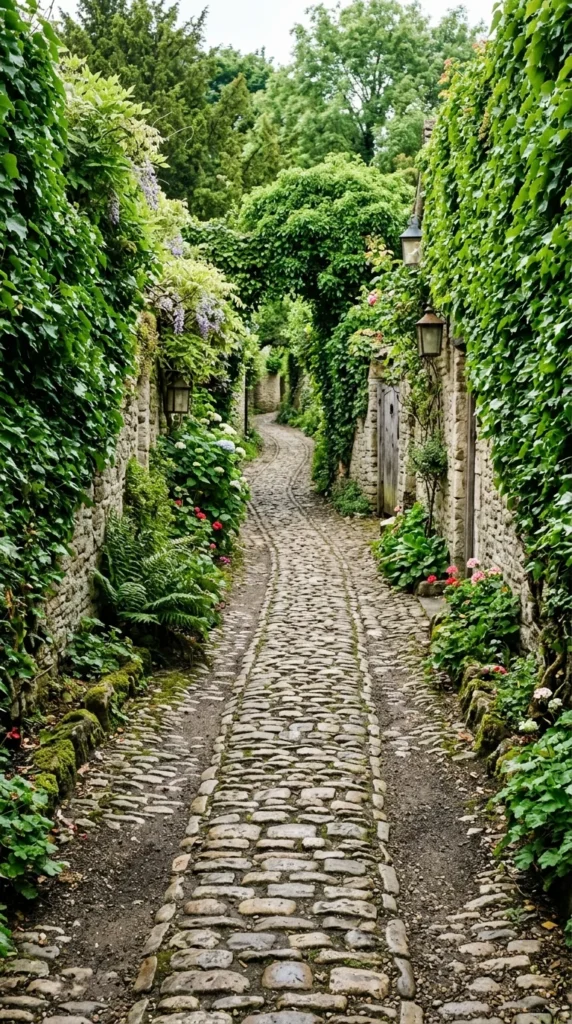
To capture the charm of a European village, look no further than cobblestone. These small, rounded stones are incredibly tough and handle heavy foot traffic with ease. While the surface can be slightly uneven, the historical aesthetic and “old-world” texture they provide are unmatched by modern materials.
10. Mulch and Logs
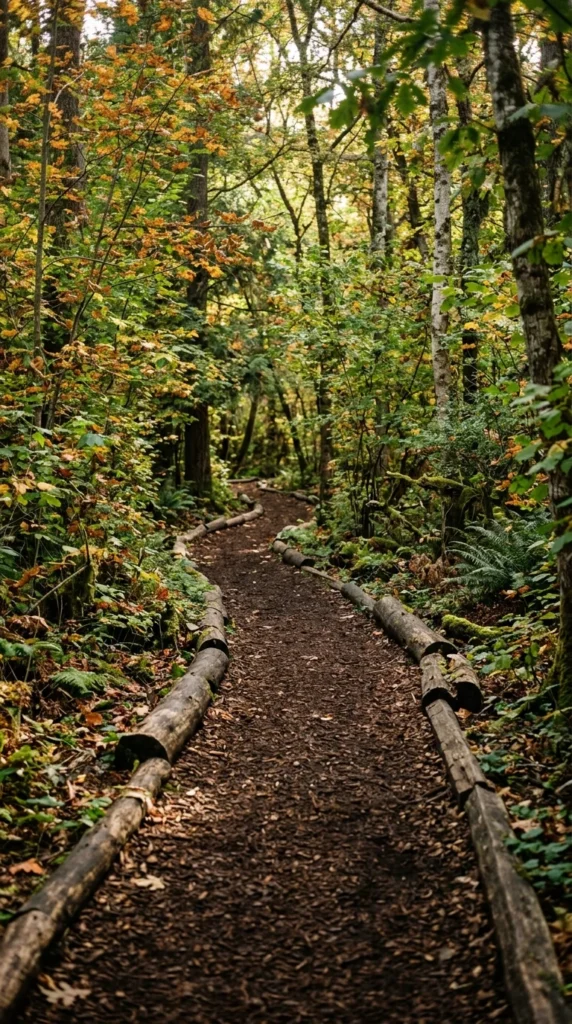
For a budget-friendly and rustic approach, particularly in a large wooded lot, mulch is a fantastic option. It feels soft underfoot and blends seamlessly into the environment. Using sliced log “cookies” or fallen branches as edging adds to the organic, whimsical feel of the path.
11. Slate Tiles
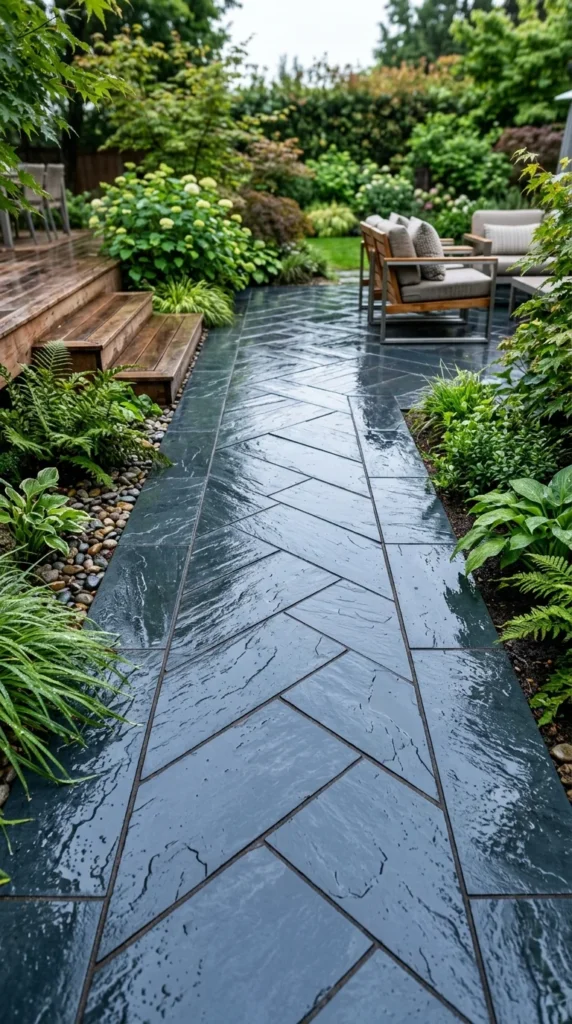
Slate offers a sophisticated, high-end finish. Its natural “cleft” texture provides built-in slip resistance, while its deep charcoal and blue hues look stunning when wet. Slate is best used on a prepared concrete base to ensure the thin tiles don’t crack under pressure.
12. Grass Joints
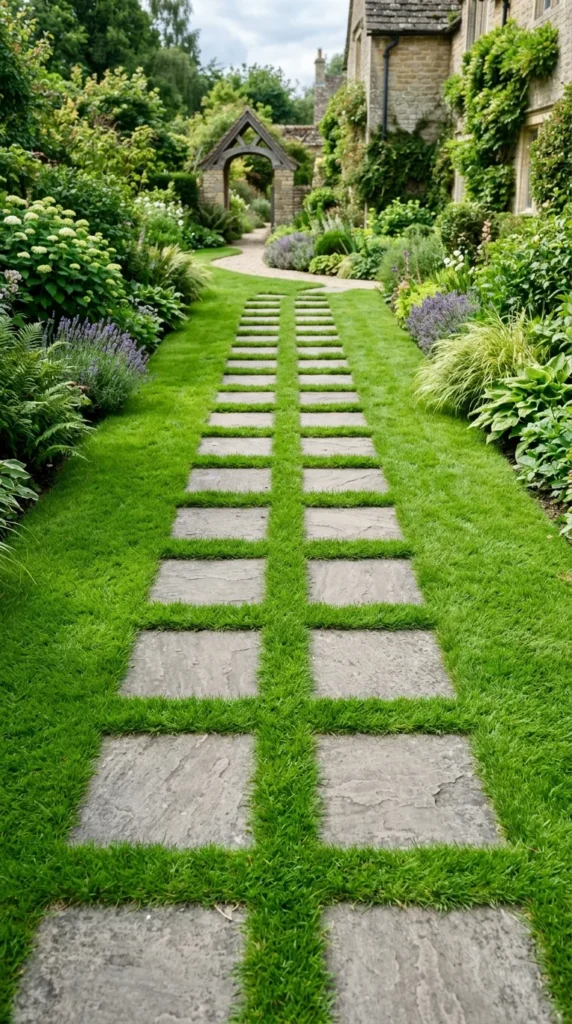
This “checkerboard” or “grid” style is a favorite among landscape architects. By allowing grass to grow in the joints between large pavers, you soften the hardscape and maintain a high ratio of green space. It’s a brilliant way to make a functional walkway feel like part of the living lawn.
13. Reclaimed Bricks
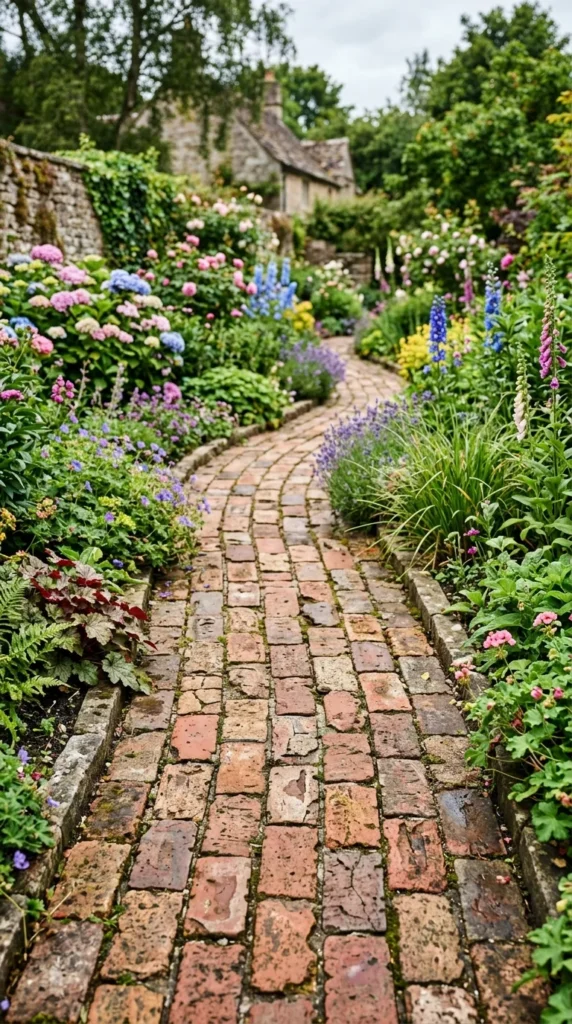
Using reclaimed or “common” bricks adds instant character and a sense of history to a new home. These bricks often have slight variations in color and texture, giving the walkway a “lived-in” feel. It is also a sustainable choice, as it repurposes materials from old buildings or chimneys.
14. Crushed Shells
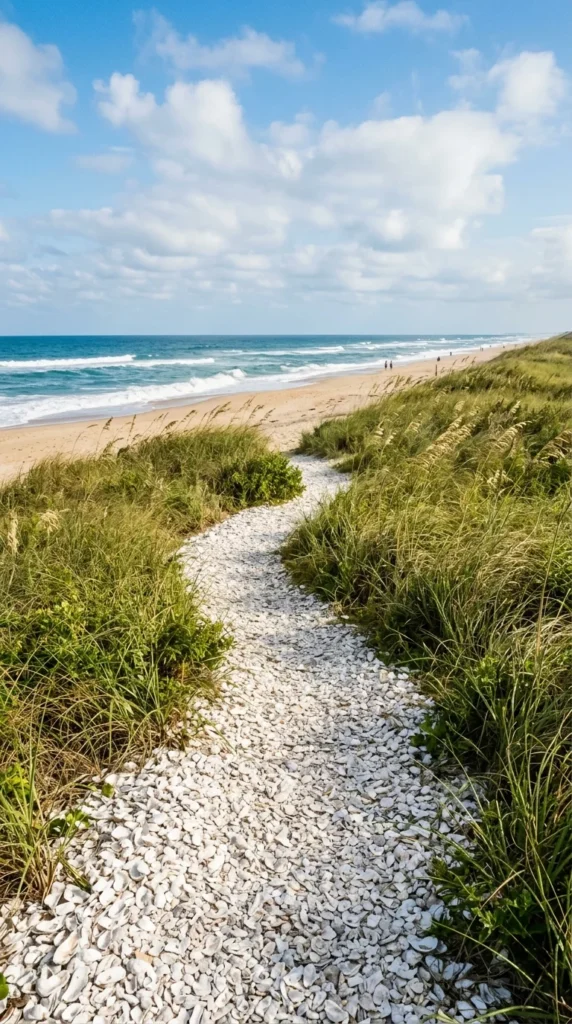
If you live near the coast (or just wish you did), crushed shells are a unique and beautiful alternative to gravel. As they are walked upon, they break down into smaller pieces, creating a firm, white surface that reflects the sun beautifully. They also provide a distinct coastal “crunch” and help deter certain garden pests.
15. Stamped Concrete
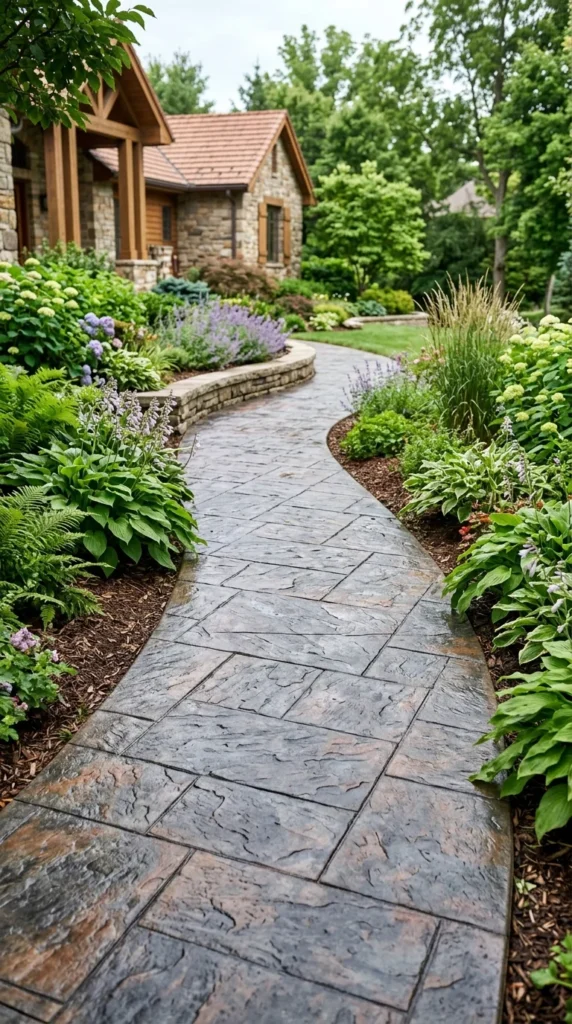
Stamped concrete gives you the look of premium stone or brick at a fraction of the cost. Because it is a solid poured slab, you won’t have to worry about weeds growing through cracks. Professional installers can use mats to “stamp” textures into the wet concrete and apply stains to mimic natural stone gradients.
16. Mosaic Pebbles
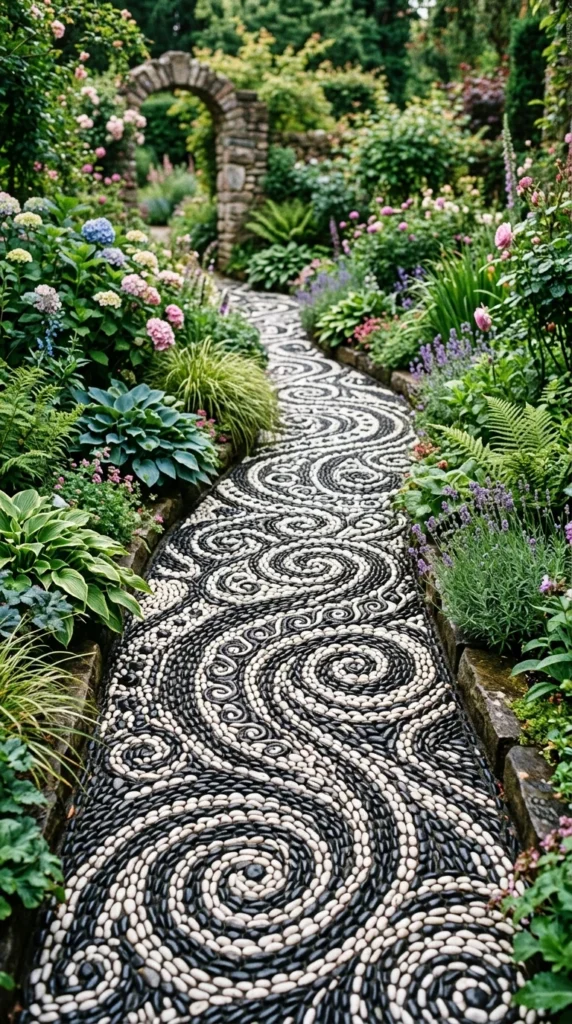
For the homeowner who views their garden as a canvas, a pebble mosaic walkway is a true work of art. By hand-setting small stones into a mortar bed, you can create intricate spirals, floral patterns, or geometric shapes. It is a labor-intensive project, but the result is a breathtaking focal point.
17. Railroad Ties
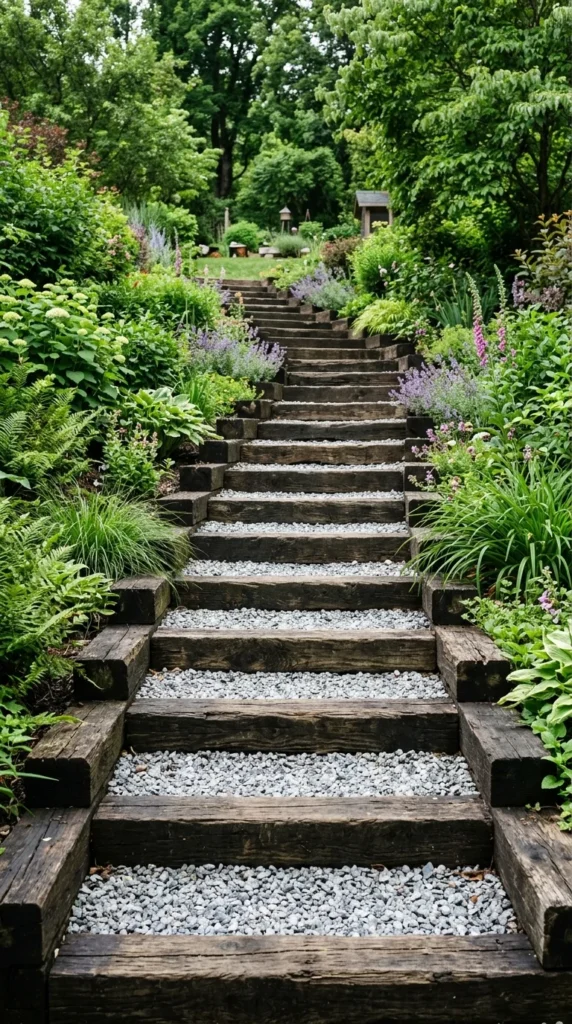
When dealing with a sloped backyard, railroad ties or large timber beams are perfect for creating “stair-step” walkways. Their chunky, industrial look pairs well with rustic or farmhouse-style homes. They are incredibly durable and provide a stable structural foundation for terraced landscapes.
18. Bamboo Slats
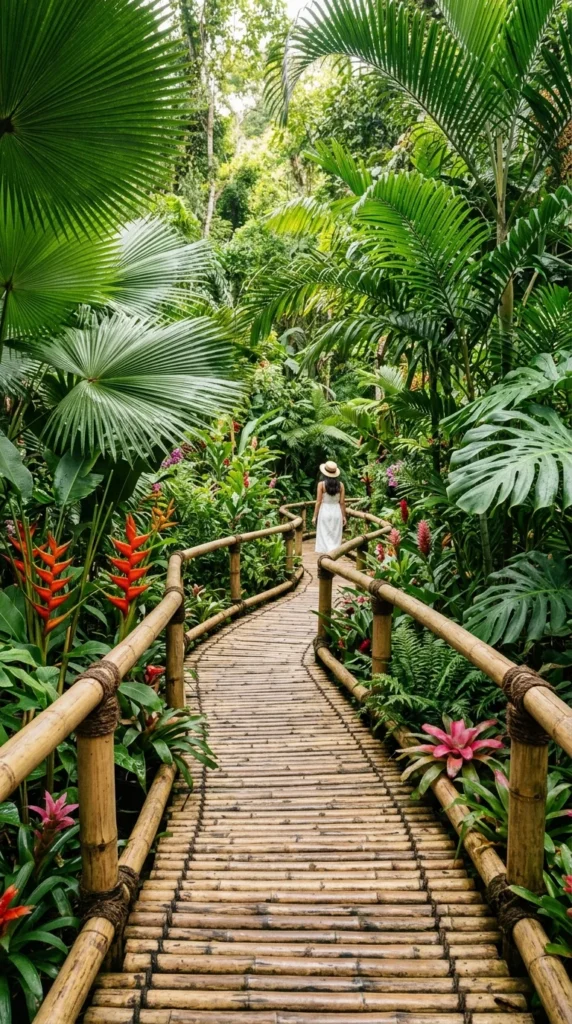
If you are aiming for a Zen or tropical oasis, bamboo is a fantastic material choice. While usually sold in rolls or panels, bamboo can be used to create a “floating” walkway over sand or dirt. It provides a unique texture and a light, airy aesthetic that complements water features and koi ponds.
19. Circular Pavers
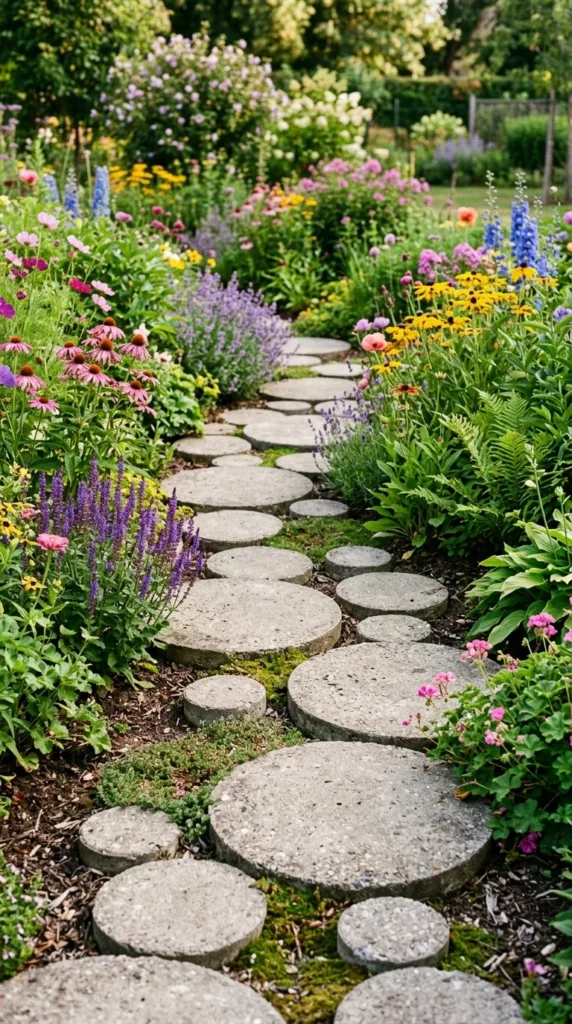
Break away from the traditional square and rectangular shapes by using circular pavers. This creates a whimsical, playful vibe. You can overlap different sizes to create a “bubble” effect or space them out to lead the eye toward a specific destination, like a bench or a statue.
20. Travertine
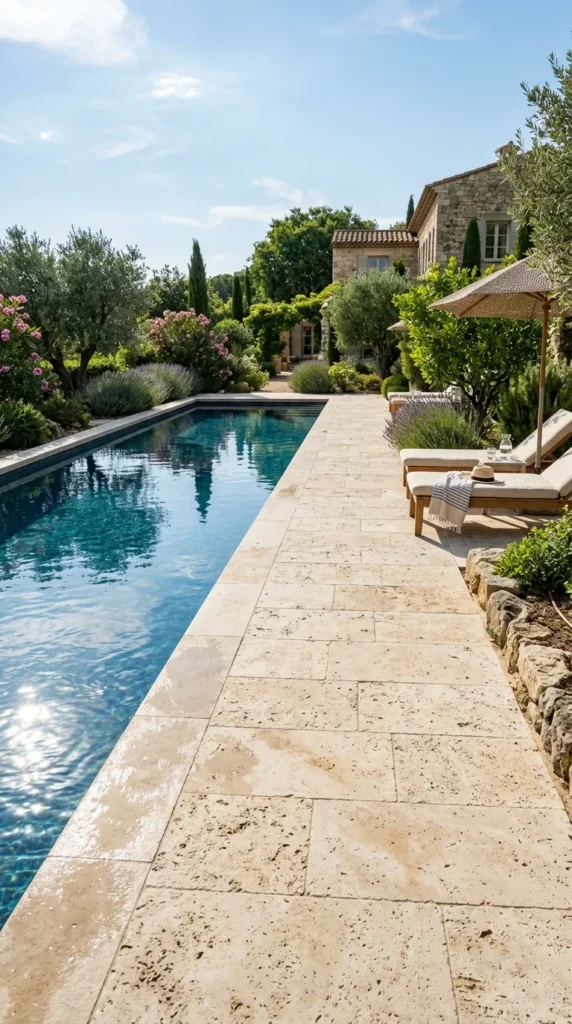
Travertine is a luxury natural stone often used around pools because it stays cool to the touch even in direct sunlight. It has a porous, non-slip surface and comes in beautiful shades of ivory, gold, and walnut. It’s the perfect choice for a sophisticated, resort-style backyard.
21. Glass Cullet
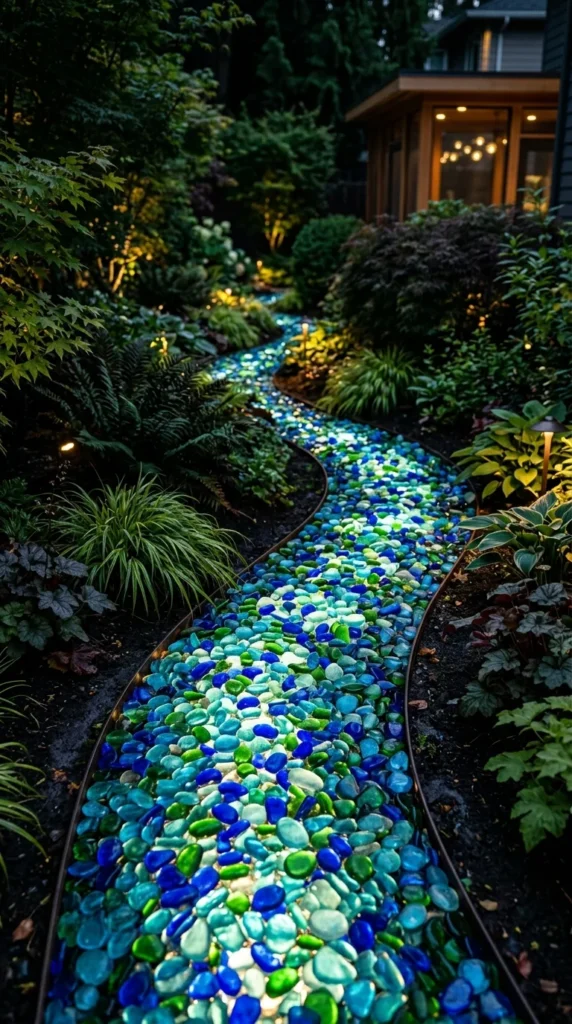
For a truly modern and eco-friendly twist, consider using tumbled recycled glass. The edges are smoothed so it is safe to walk on, and the way the glass catches the light—especially at night with path lighting—is magical. It’s available in a rainbow of colors, allowing for high-level customization.
22. Granite Setts
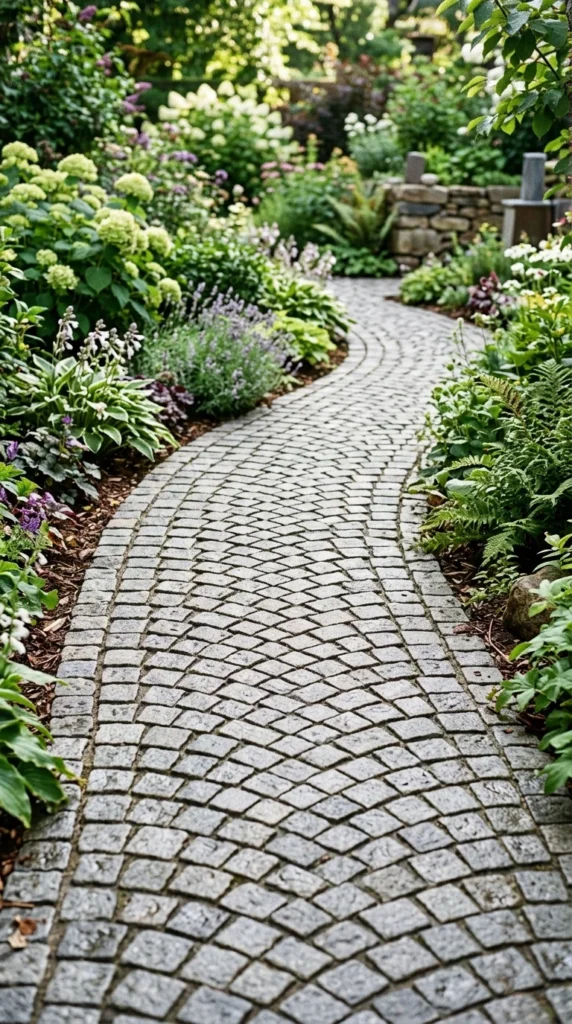
Granite setts (often called Belgian blocks) are incredibly tough and provide a very high-texture finish. Often seen in historical city streets, they are perfect for heavy-use walkways or driveways that transition into the backyard. Their uniform size allows for beautiful curved patterns like fans or arcs.
Designing for Success: Quick Tips
- Consider the Flow: Straight paths feel formal and direct, while curved paths feel casual and encourage exploration.
- Lighting is Key: Always incorporate low-voltage LED path lights or solar stakes to ensure safety at night and to highlight the texture of your chosen material.
- Drainage Matters: Ensure your walkway is slightly sloped or built with permeable materials to prevent puddling during rainstorms.
- Width: A standard walkway should be at least 3 feet wide to allow one person to walk comfortably, or 4 to 5 feet wide if you want two people to walk side-by-side.
By choosing the right material and pattern, your backyard walkway can become more than just a transition—it can become the highlight of your entire outdoor living space.