
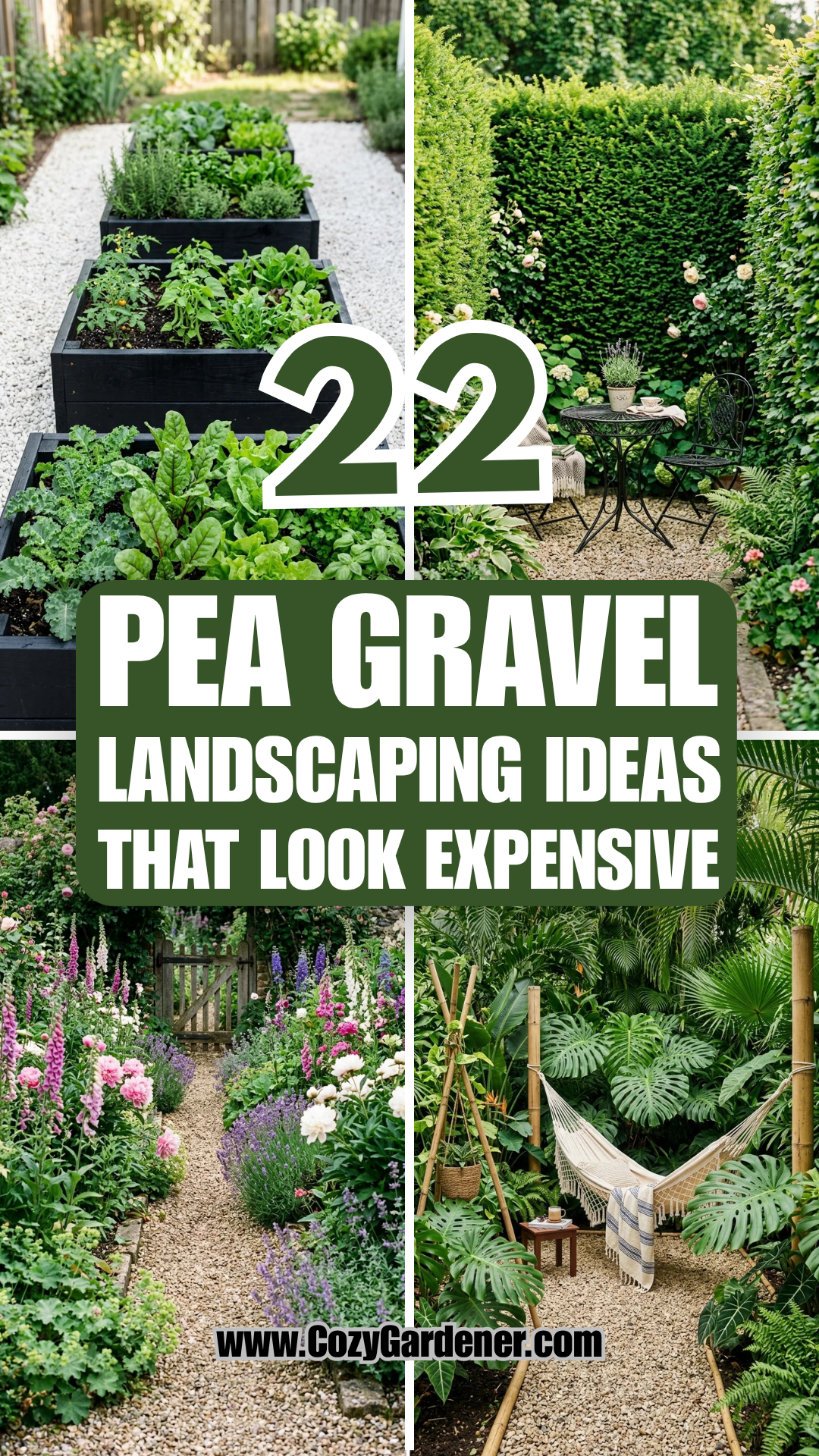
Pea gravel is the secret weapon of high-end landscape designers. Often associated with the romantic estates of the French countryside or the crisp, clean lines of modern English manors, these small, smooth stones offer a texture and sound that mulch or concrete simply cannot replicate. While pea gravel is relatively affordable, the way it is installed can elevate a property from “DIY project” to “architectural masterpiece.”
If you want to transform your outdoor space into a sanctuary that looks like it belongs on the cover of a design magazine, these 23 ideas will show you how to use pea gravel to create a sophisticated, expensive aesthetic.
1. Geometric Patterns
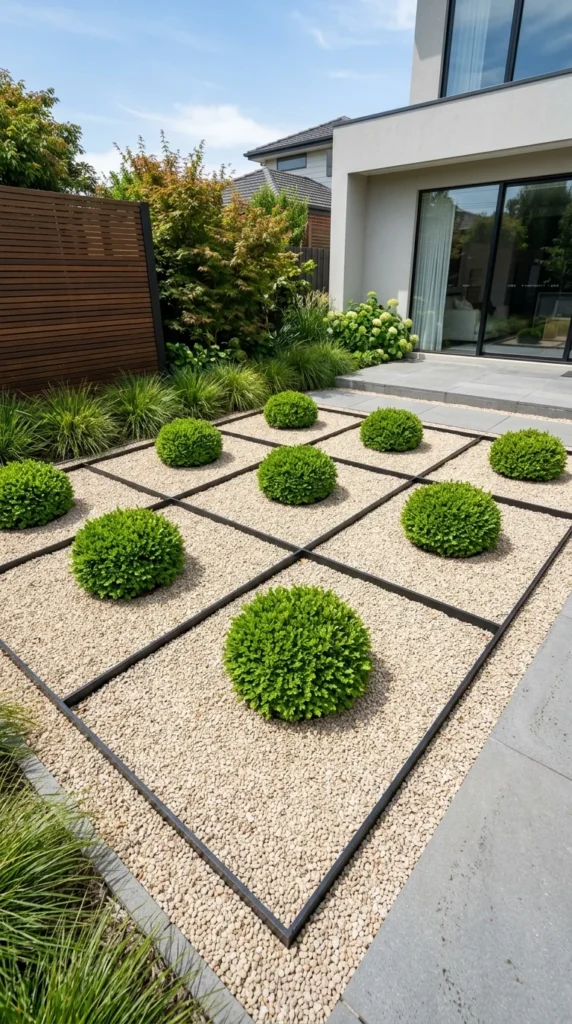
To achieve a high-end, contemporary look, move away from organic, messy shapes and lean into geometry. Using metal or stone dividers to create sharp squares, rectangles, or even diamonds within your pea gravel area creates a sense of intentionality. This “grid” style is a hallmark of modern architecture and immediately signals to the eye that the landscape was professionally designed.
2. Stone Borders
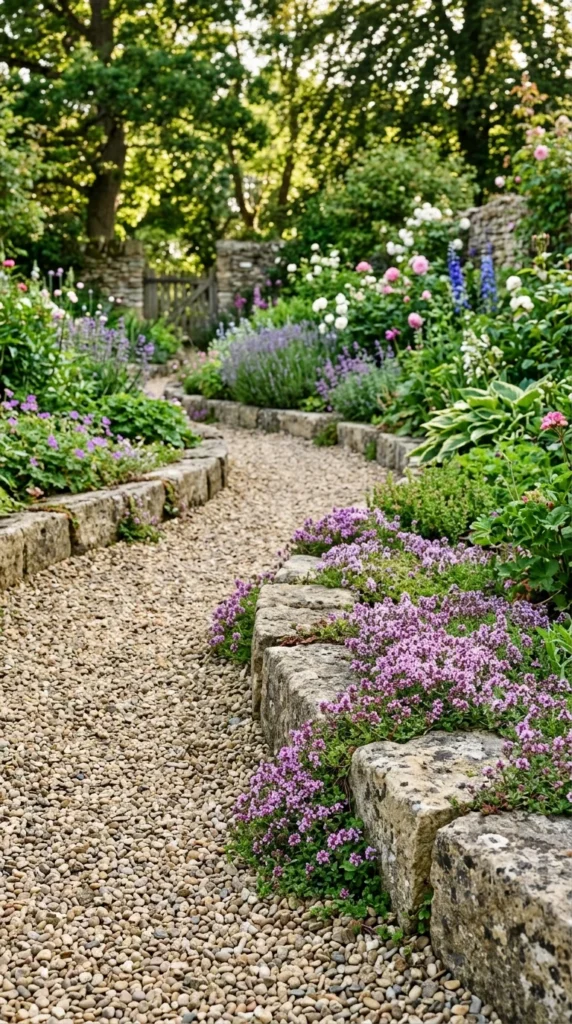
Nothing makes pea gravel look more “finished” than a heavy, permanent border. Instead of plastic edging, use Belgian blocks, cobblestones, or thick limestone slabs. The contrast between the small, loose texture of the gravel and the solid, massive nature of the stone borders provides a visual weight that screams luxury. It also serves the practical purpose of keeping the gravel exactly where it belongs.
3. Modern Minimalism
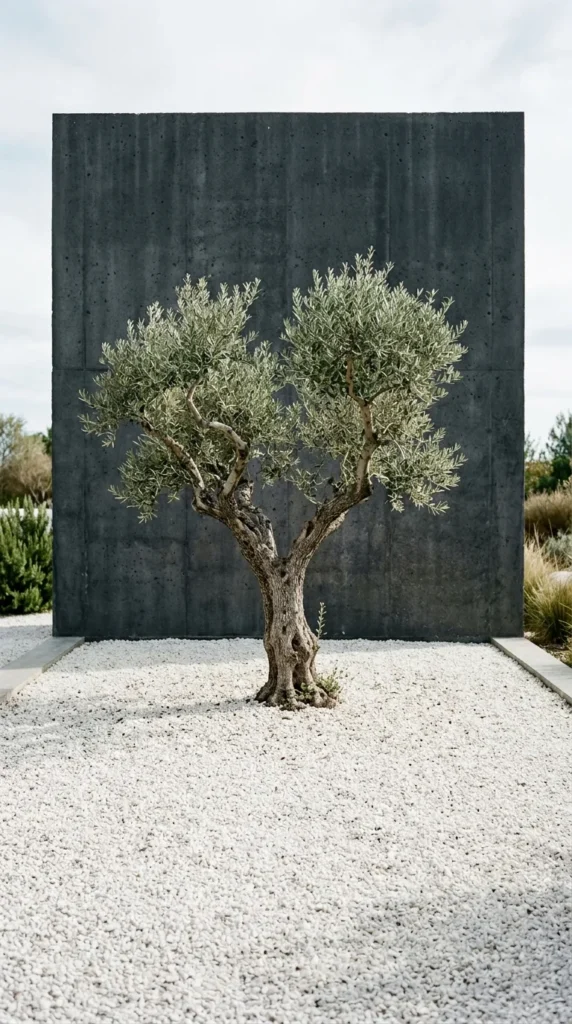
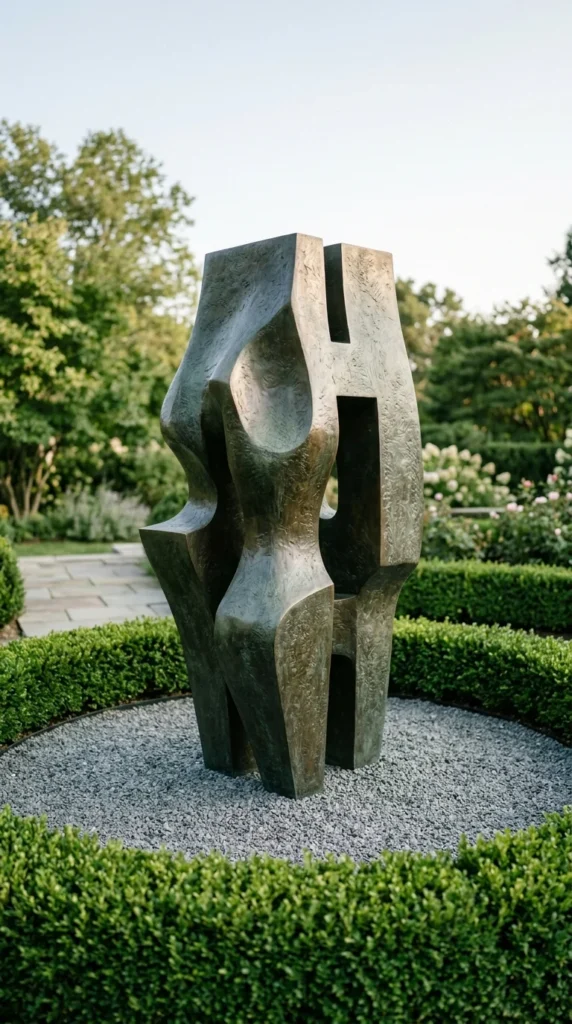
In luxury design, less is often more. A minimalist pea gravel garden focuses on a limited color palette—usually whites, greys, and greens. By using a vast expanse of uniform light-grey pea gravel and punctuating it with only one or two “hero” plants or a single piece of sculpture, you create a gallery-like atmosphere in your own backyard.
4. Mediterranean Courtyard
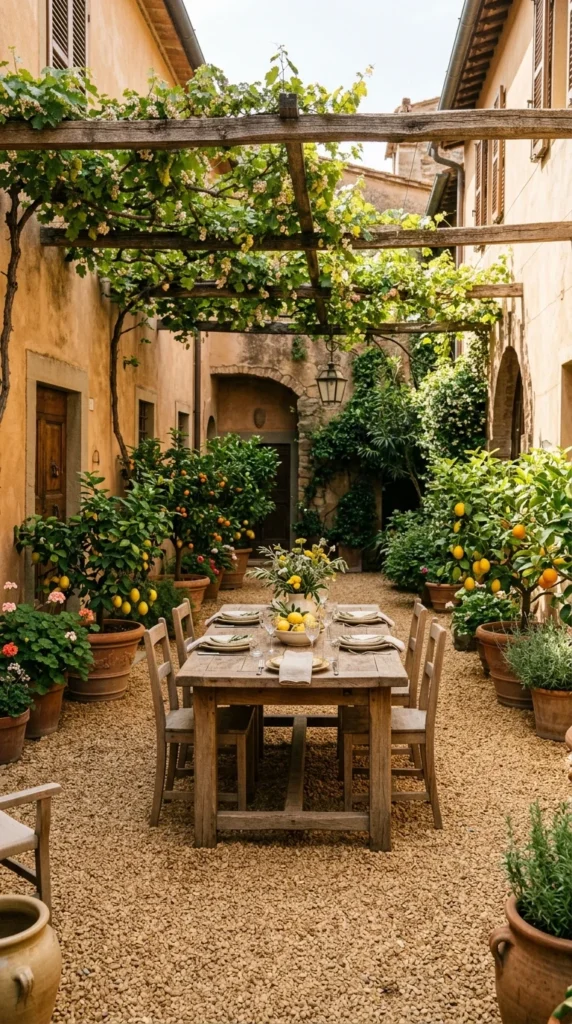
Pea gravel is a staple of Mediterranean design because of its heat-reflective properties and drainage. To get this look, choose gravel in warm shades of ochre, tan, and cream. Surround the area with stucco walls, climbing bougainvillea, and oversized terracotta urns. The crunch of the gravel underfoot as you walk to a sun-drenched dining table evokes the feeling of a private villa in Tuscany.
5. Fire Pit Zone
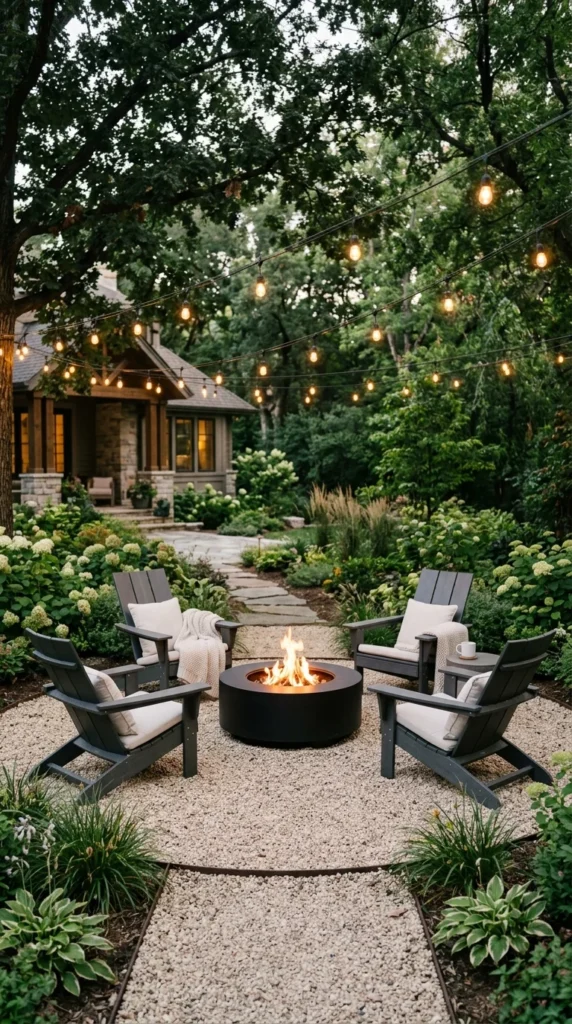
Creating a dedicated destination in your yard is a key strategy for an expensive-looking landscape. A circular pea gravel “island” built specifically for a fire pit defines the space as a room for entertaining. Use a consistent color of gravel that complements your home’s exterior and ensure the area is large enough to allow for comfortable movement around the seating.
6. Tiered Terraces
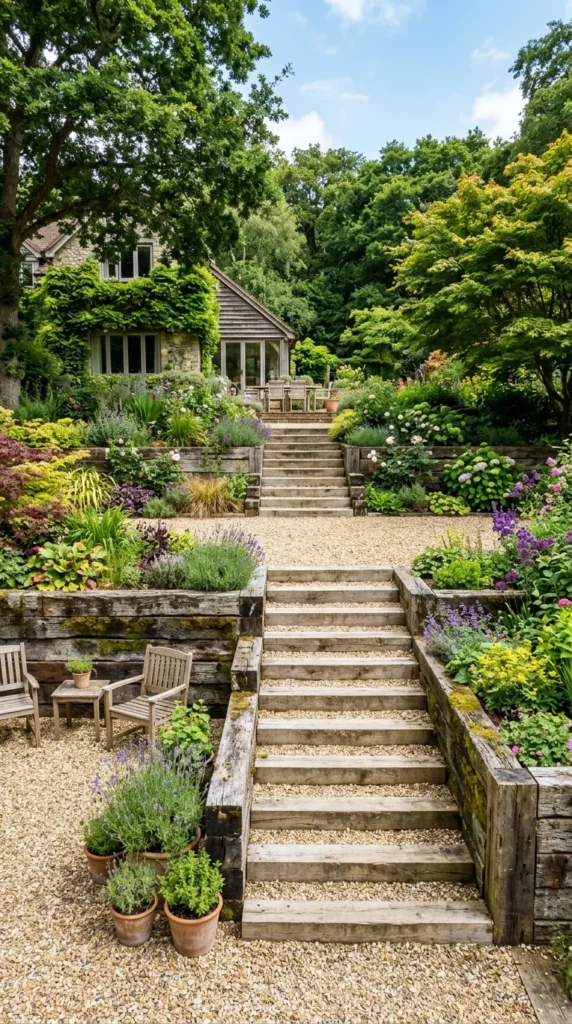
If your yard has an elevation change, don’t fight it—terrace it. Using pea gravel on multiple levels connected by wide, shallow steps creates a sense of grandeur. Each “level” can serve a different purpose: a lounge area on the bottom, a dining area in the middle, and a garden path at the top. This architectural layering is a classic technique used in grand estate gardens.
7. Zen Garden
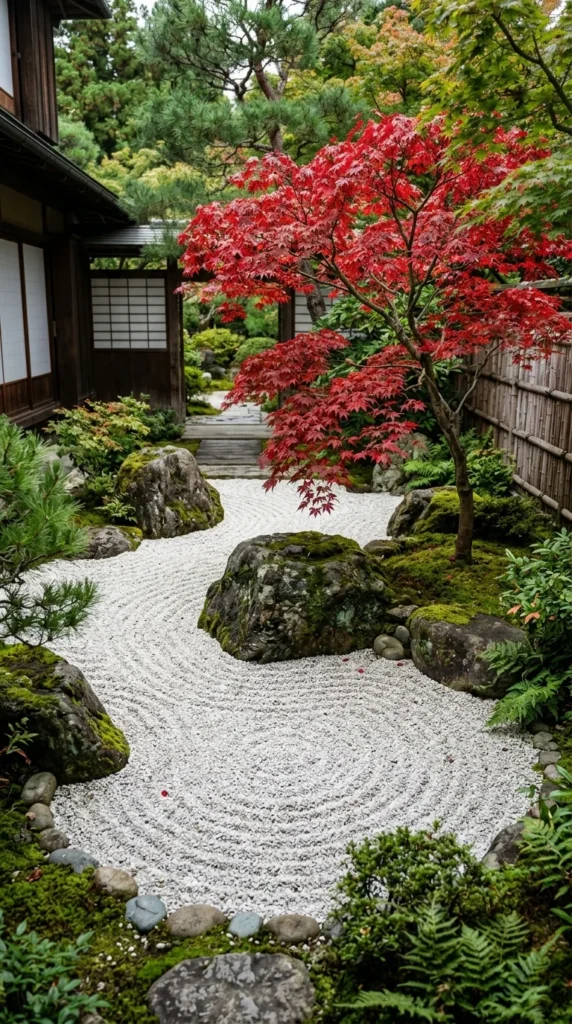
Pea gravel can be used to mimic the appearance of water, a central theme in Japanese Zen gardens. By choosing a very fine grade of light-colored gravel, you can use a landscape rake to create ripples and patterns. This adds a meditative, artistic quality to the yard that feels incredibly sophisticated and serene.
8. English Cottage Path
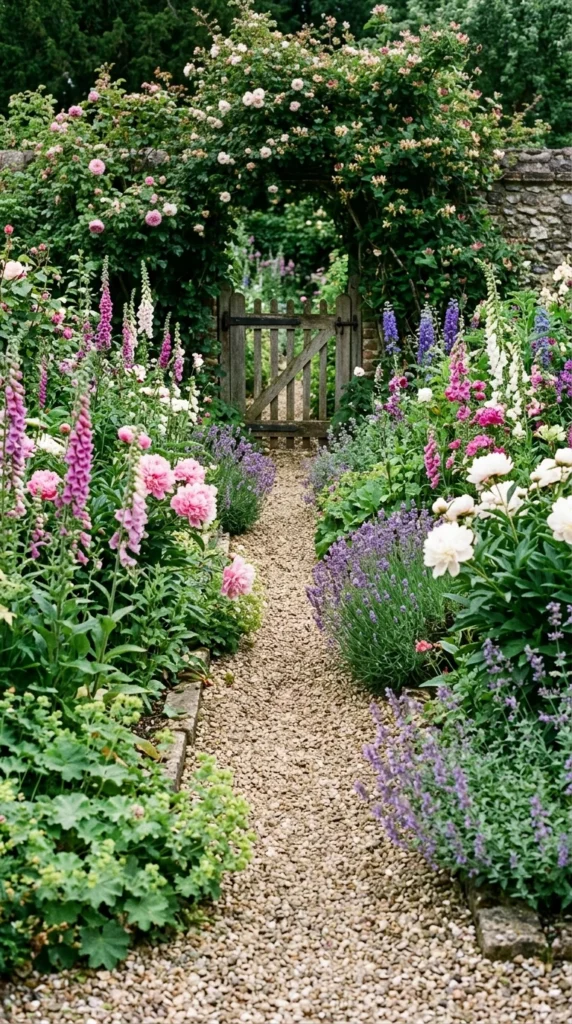
There is something quintessentially “old money” about a pea gravel path that winds through a dense, flowering garden. The key here is the “overspill”—allowing the plants to slightly blur the edges of the gravel path. This creates a soft, romantic look that feels established and timeless.
9. Steel Edging
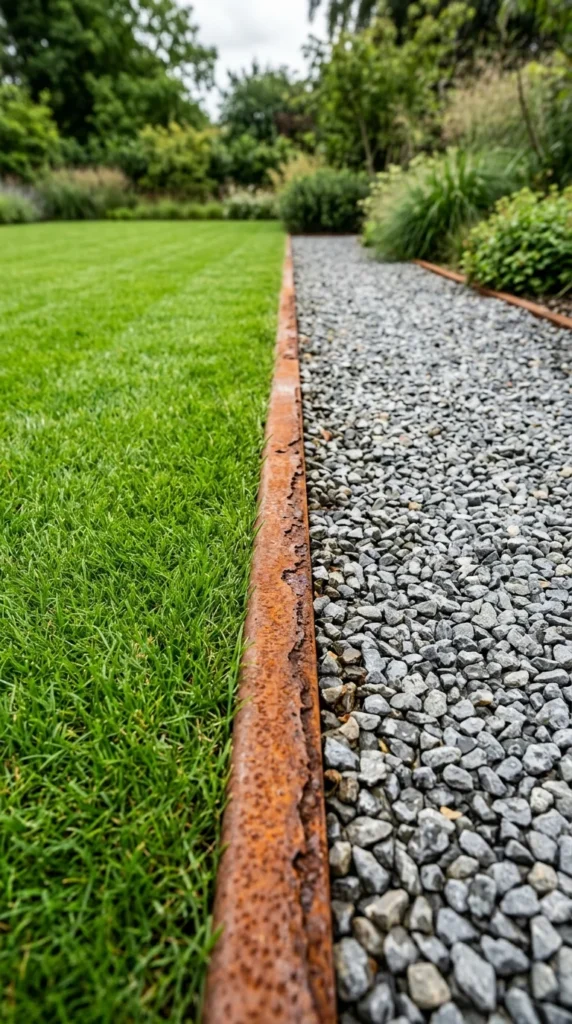
For a crisp, industrial-chic look, use Corten steel or blackened steel edging. The thin profile of the steel creates a razor-sharp line between the gravel and the grass or garden beds. As the steel patinas over time, the rich orange or deep brown tones provide a stunning contrast to the neutral colors of the gravel.
10. Bistro Corner
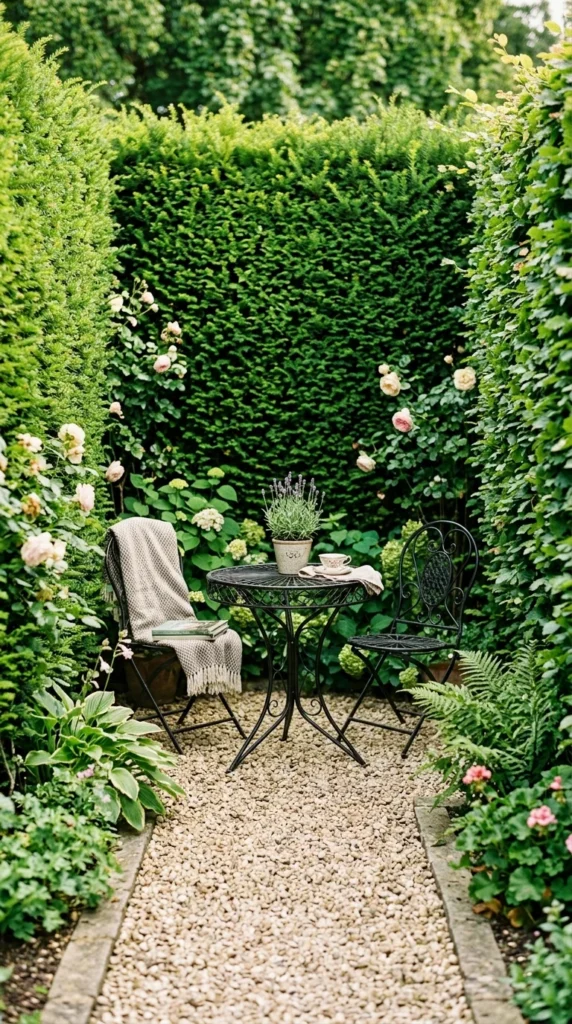
You don’t need a massive yard to make pea gravel look expensive. A small, tucked-away “bistro corner” can feel like a hidden gem. By using pea gravel as the flooring for a tiny seating area, you create a European café vibe. This is a perfect way to utilize an awkward corner of the yard and turn it into a high-value feature.
11. Natural Pavers
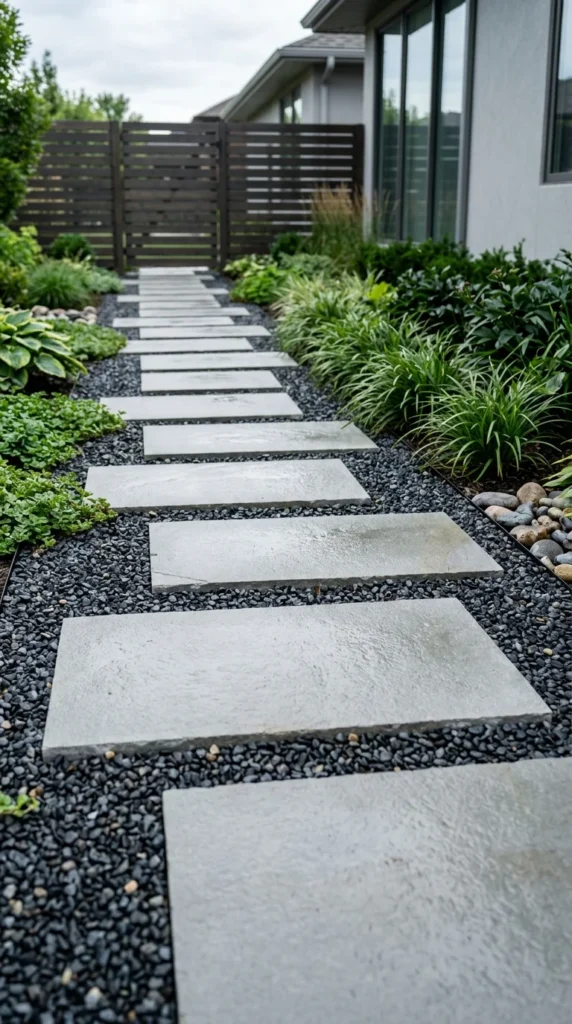
One of the most popular ways to elevate pea gravel is to use it as a “filler” between large pavers. Whether you use bluestone, slate, or concrete slabs, placing them several inches apart and filling the gaps with pea gravel creates a high-contrast, textured walkway that looks much more expensive than a solid poured surface.
12. Water Feature Surround
Pea gravel and water are natural partners. Using gravel around the base of a fountain or the perimeter of a pond helps blend the hardscape with the natural elements. The sound of water hitting the stones and the way the gravel darkens when wet adds a sensory layer to the garden that feels very high-end.
13. Succulent Beds
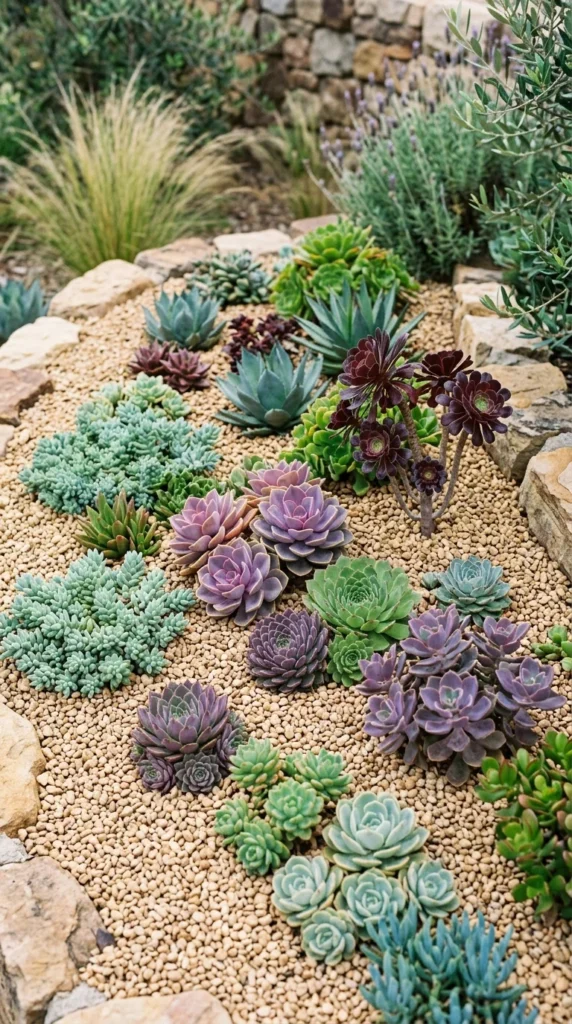
For those in drier climates, pea gravel serves as a beautiful and functional mulch for succulent gardens. The clean, dry surface of the gravel provides a neutral backdrop that makes the architectural shapes of agaves, echeverias, and aloes “pop.” This “Xeriscape” style is highly sought after for its low maintenance and modern aesthetic.
14. Driveway Borders
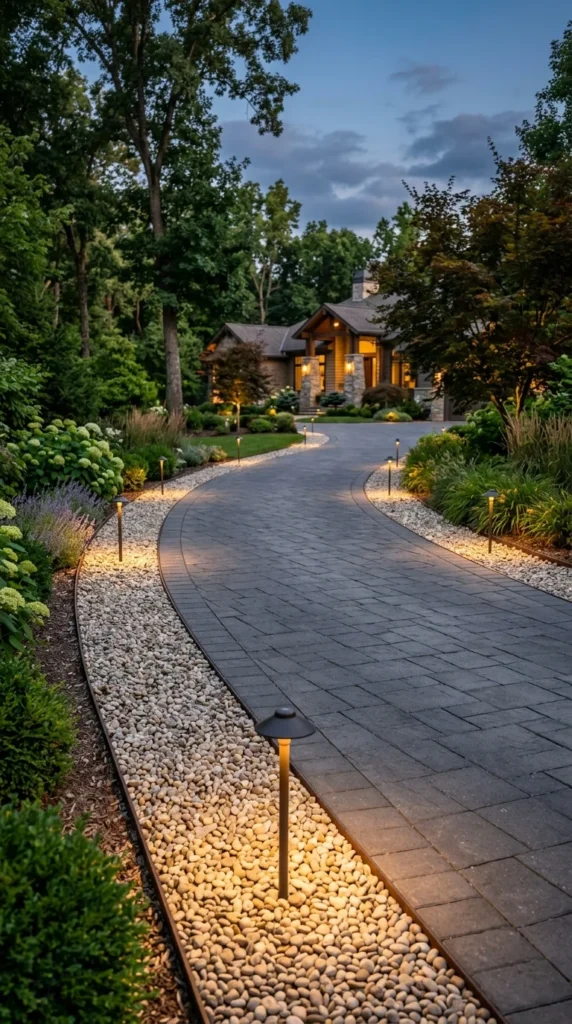
If you aren’t ready to commit to a full gravel driveway, use it as a decorative border. A strip of pea gravel between your driveway and your lawn or house provides a transition zone that looks intentional and polished. It also aids in drainage, preventing runoff from damaging your landscape.
15. Raised Planters
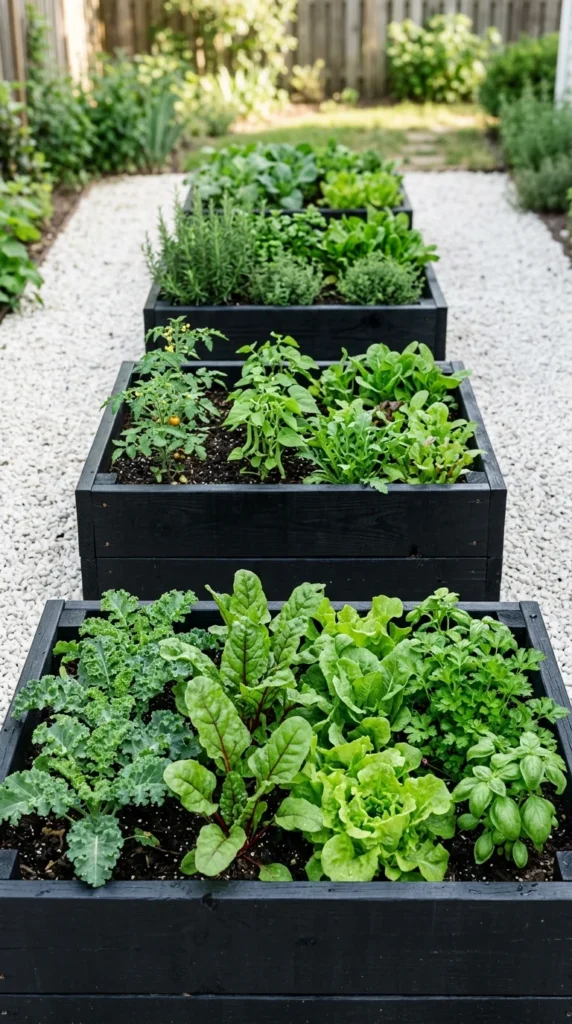
To make a vegetable garden look like a professional potager, place your raised beds on a foundation of pea gravel. This keeps the area mud-free, creates a clean workspace, and gives the garden a structured, “estate” feel. The contrast between the dark wood of the planters and the light gravel is visually striking.
16. Playground Chic
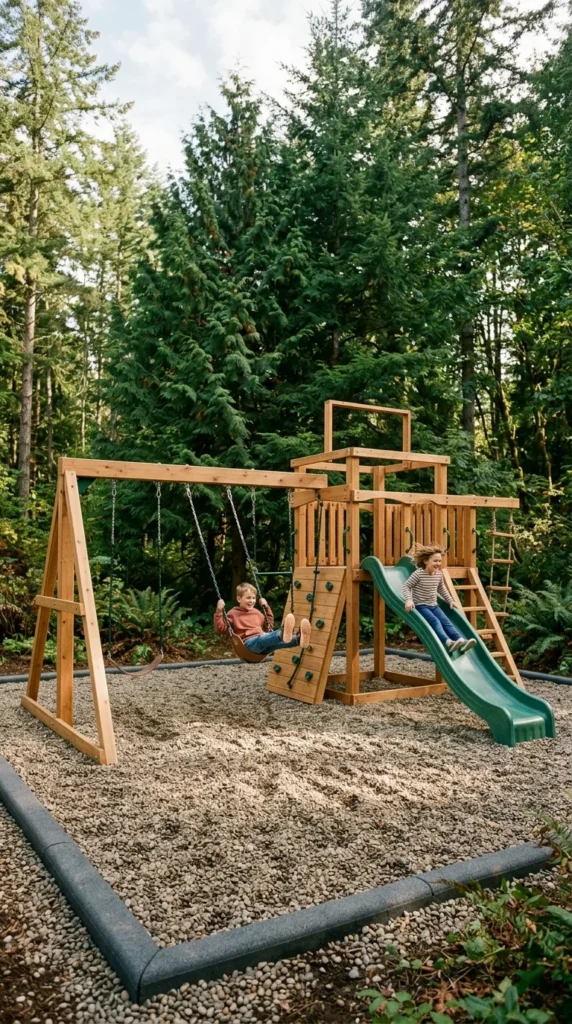
Who says play areas have to be an eyesore? Replacing wood chips or rubber mulch with pea gravel (specifically the smaller, rounded variety) creates a much more sophisticated look. It feels cleaner and more integrated into the overall landscape design while still providing a safe surface for children.
17. Poolside Texture
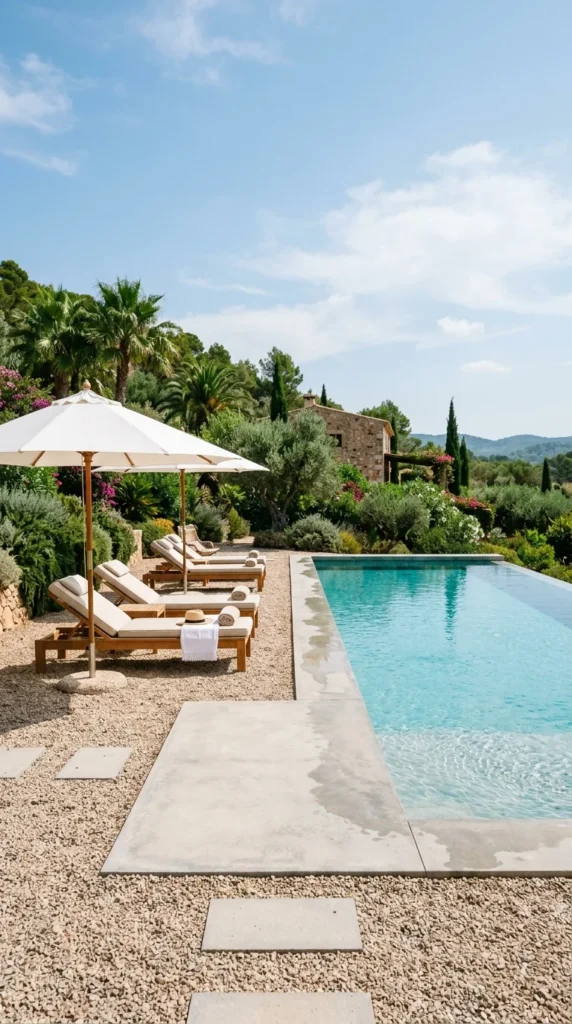
Using pea gravel near a pool adds a natural, beachy texture that concrete or tile can’t provide. It’s excellent for drainage and stays relatively cool underfoot. When paired with high-end lounge furniture and umbrellas, it creates a resort-style atmosphere that feels like a private getaway.
18. Dark Contrasts
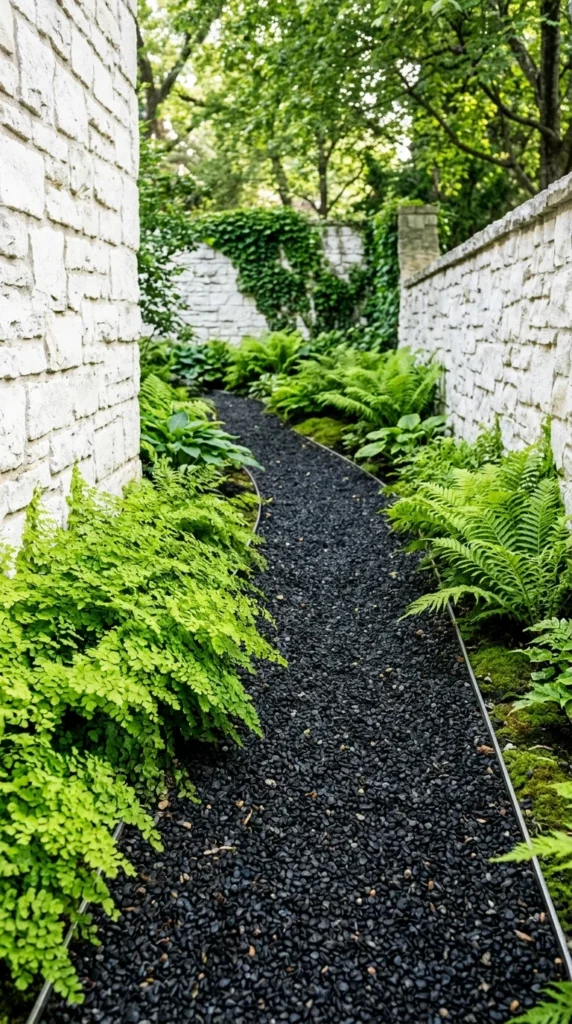
While light-colored gravel is traditional, using dark basalt or charcoal pea gravel can make a bold, expensive statement. Dark gravel absorbs light and creates a moody, sophisticated backdrop for plants with bright foliage or white flowers. It’s a favorite in contemporary landscape design for its “edgy” feel.
19. Tropical Oasis
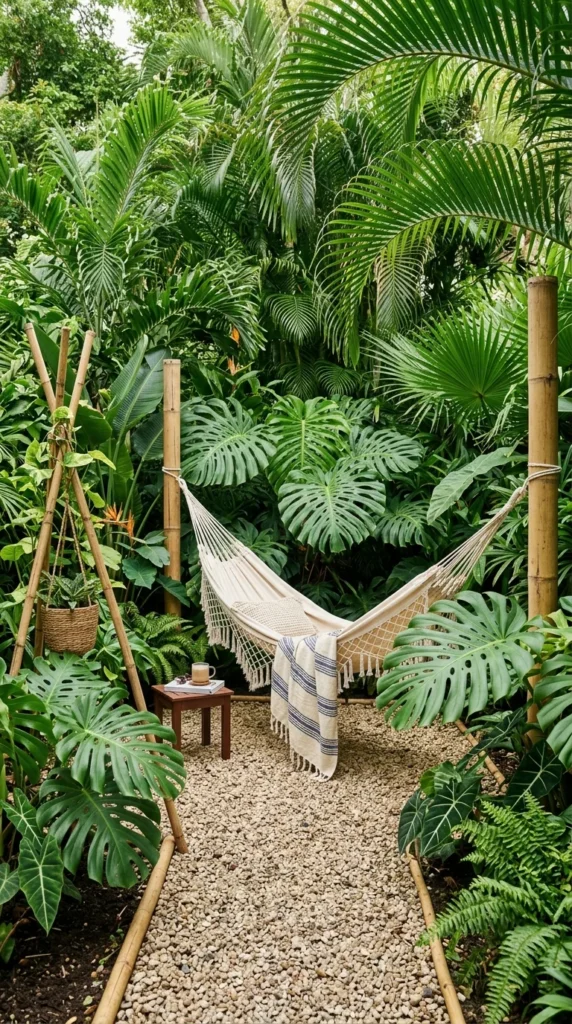
Pea gravel isn’t just for European styles; it works beautifully in tropical settings too. The gravel provides a clean floor that prevents the “jungle” look from becoming too messy. It contrasts beautifully with the deep greens and oversized leaves of tropical flora, creating a tidy but lush sanctuary.
20. Woodland Trail
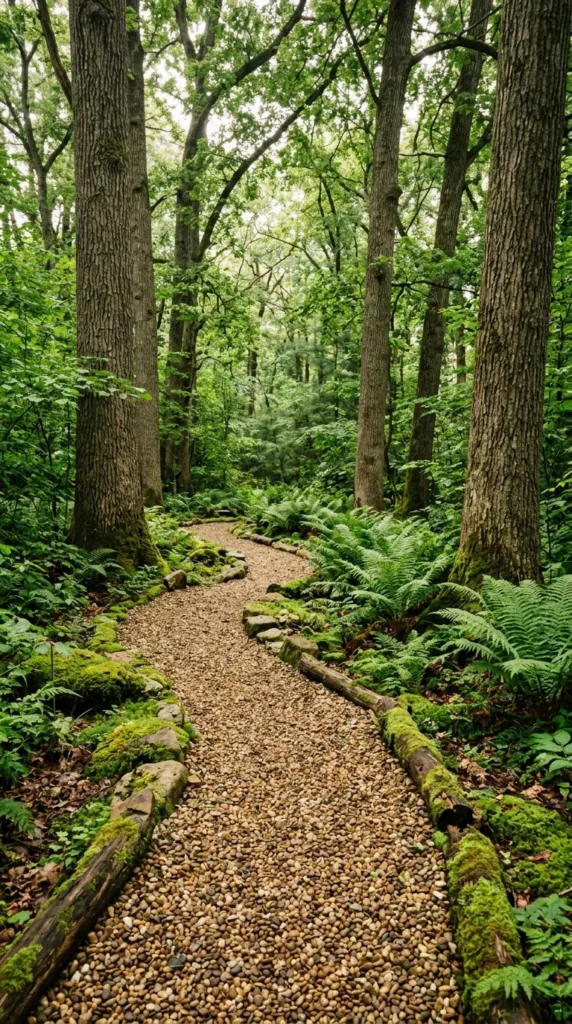
In a more natural, wooded setting, pea gravel can be used to create a trail that feels more permanent than dirt but more natural than pavement. By choosing “earth tone” gravel mixes (browns, tans, and rusts), the path blends seamlessly into the environment while providing a clear, mud-free route through the trees.
21. Checkerboard Decking
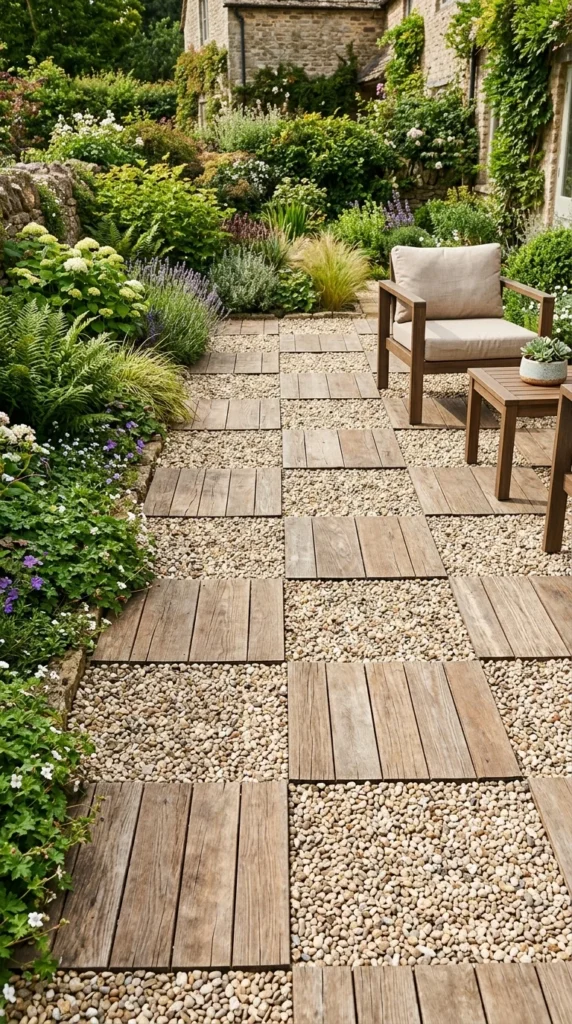
For the ultimate architectural statement, combine pea gravel with wood decking. Creating a checkerboard or “inset” pattern where the gravel sits flush with the wood creates a stunning visual rhythm. This is a high-concept design often seen in luxury hotels and rooftop gardens.
22. Illuminated Walkways
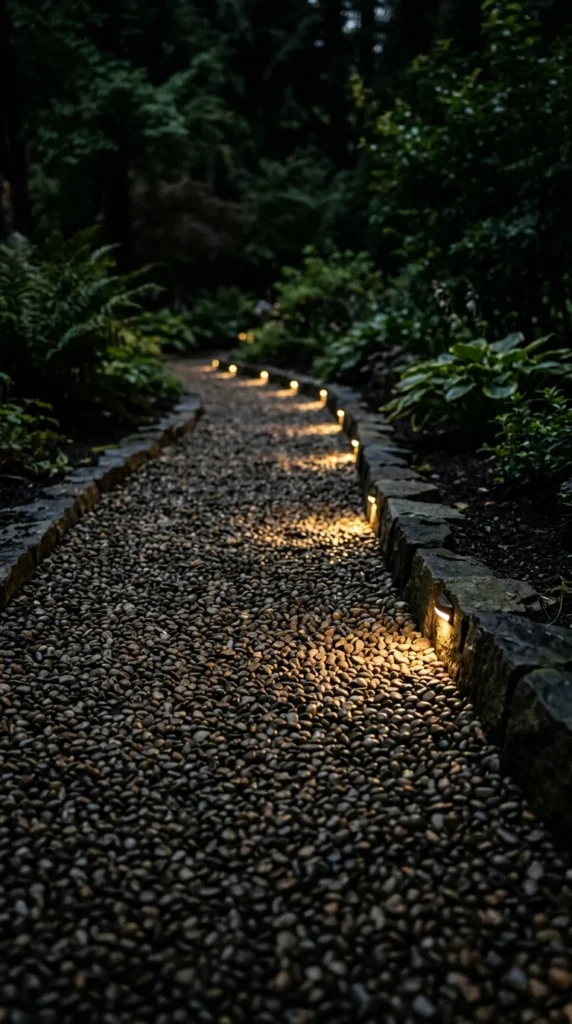
Light is the ultimate “expensive” upgrade. Because pea gravel has thousands of tiny surfaces, it catches and reflects light beautifully. Installing low-voltage “well lights” or path lights that graze the surface of the gravel at night creates a shimmering effect that looks magical and high-end.