
The traditional manicured lawn is a staple of suburban life, but it comes at a high cost. Between the endless weekend mowing, the soaring water bills, and the chemical fertilizers required to keep it pristine, many homeowners are looking for a better way. Lawn alternatives—ranging from flowering groundcovers to drought-tolerant hardscapes—offer a solution that is not only environmentally friendly but also visually stunning and significantly easier to maintain.
By replacing thirsty turf grass with these alternatives, you can foster local biodiversity, reduce your carbon footprint, and reclaim your leisure time. Here are 24 creative and practical ideas to transform your yard into a low-maintenance sanctuary.
1. Microclover
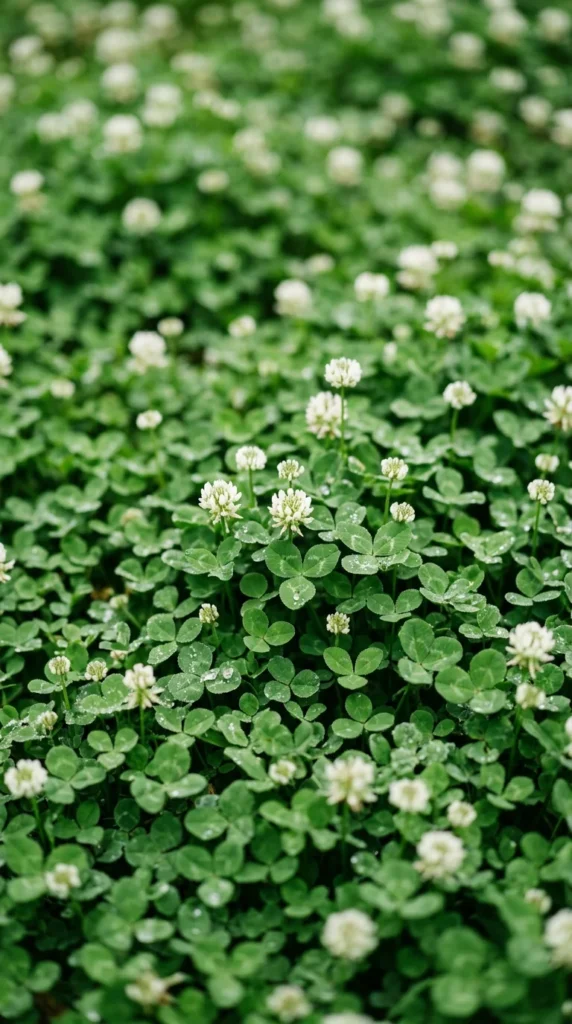
Microclover is a smaller, more refined version of the common white clover. It is a nitrogen-fixing plant, which means it pulls nitrogen from the air and puts it back into the soil, acting as a natural fertilizer. Unlike traditional grass, microclover stays green even in the heat of summer and requires significantly less water. It is also resistant to pet urine stains, making it an excellent choice for dog owners.
2. Wildflower Meadow
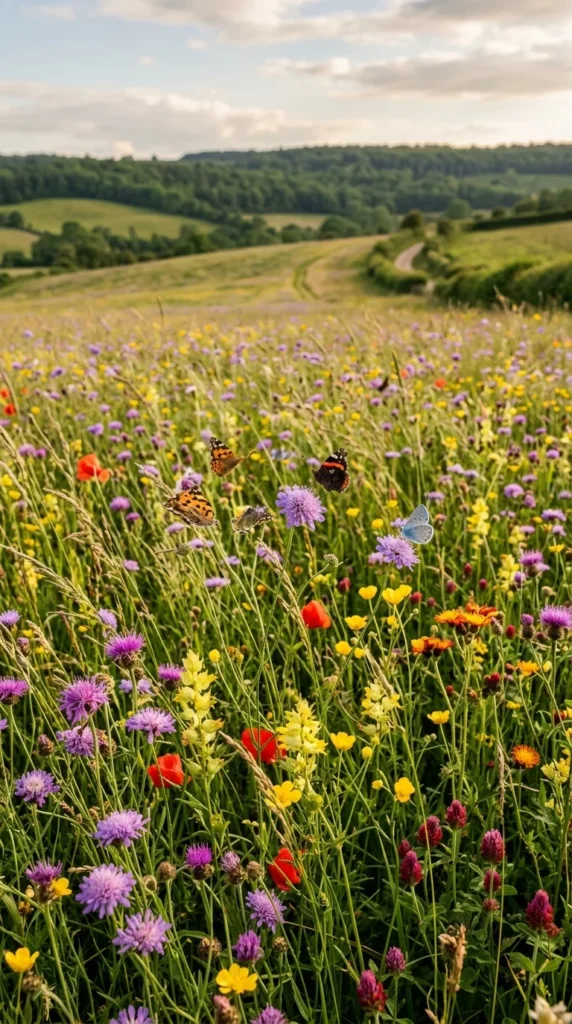
If you have a large area and want to support local pollinators, a wildflower meadow is the perfect choice. This alternative requires almost no mowing—usually just once a year in late fall to distribute seeds. Wildflowers are naturally adapted to their local climate, meaning they can thrive on rainfall alone once established. They provide a changing palette of colors throughout the seasons and create a sanctuary for bees, butterflies, and birds.
3. Creeping Thyme
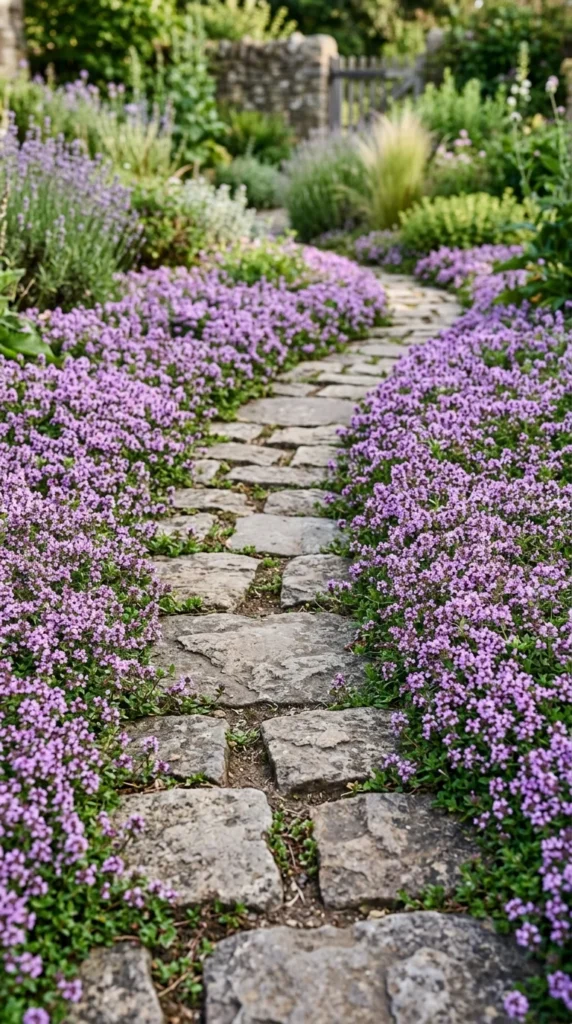
Creeping thyme is one of the most popular lawn replacements because it is hardy, walkable, and incredibly fragrant. When you step on it, it releases a pleasant herbal scent. It grows only a few inches tall, eliminating the need for mowing. It thrives in full sun and well-drained soil, producing a sea of tiny pink or purple flowers in the early summer that attracts beneficial insects.
4. Moss Garden
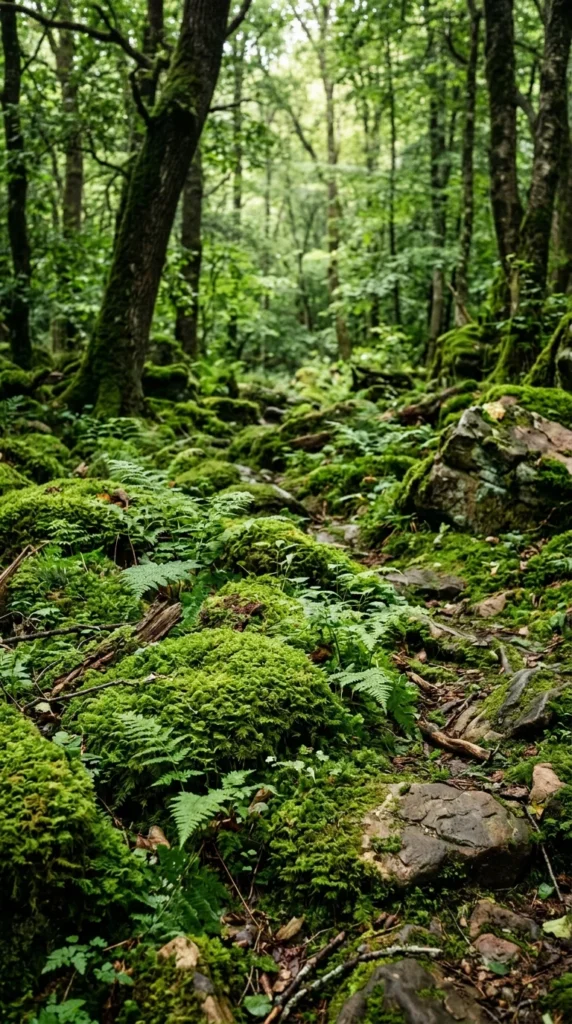
For those with damp, shaded yards where grass refuses to grow, moss is a magical alternative. It creates a soft, cushiony carpet that looks like something out of a fairy tale. Moss doesn’t have roots in the traditional sense; it absorbs water and nutrients through its leaves, requiring no fertilizer or mowing. Simply keep it clear of fallen leaves and ensure it stays moist during dry spells.
5. Pea Gravel
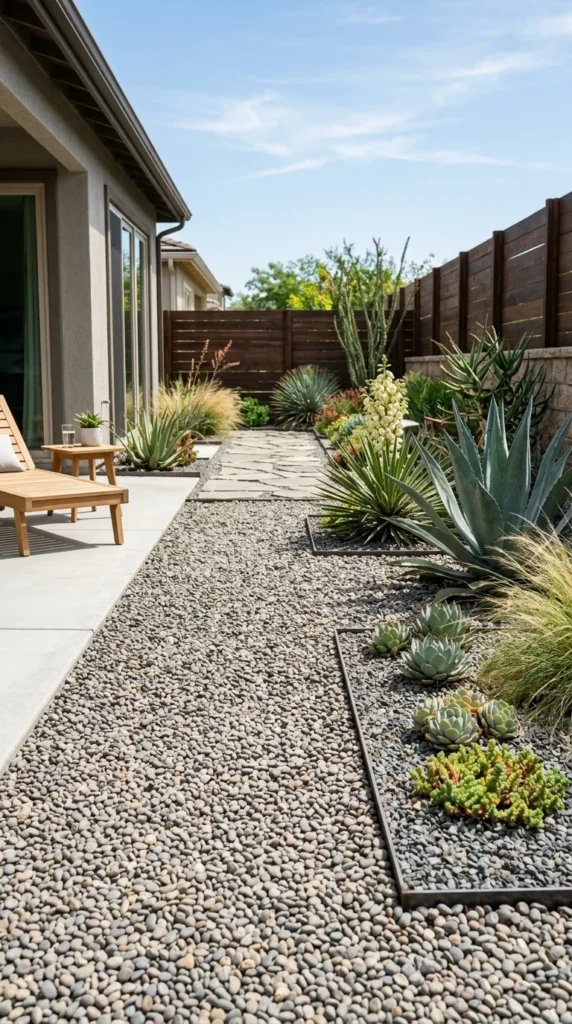
Pea gravel provides a clean, contemporary look that requires zero water and zero mowing. It is an excellent choice for high-traffic areas or spots where nothing else will grow. To prevent weeds, install a high-quality landscape fabric underneath. You can soften the look by adding “islands” of drought-tolerant plants or large boulders to create visual interest.
6. Artificial Turf

Modern artificial turf has come a long way from the plastic-looking “AstroTurf” of the past. High-end options now feature varying blade heights and colors to mimic real grass perfectly. While the initial investment is higher, it pays for itself through the elimination of water bills, fertilizers, and lawn care services. It is particularly useful in desert climates or for small urban patches where maintenance is difficult.
7. Kurapia
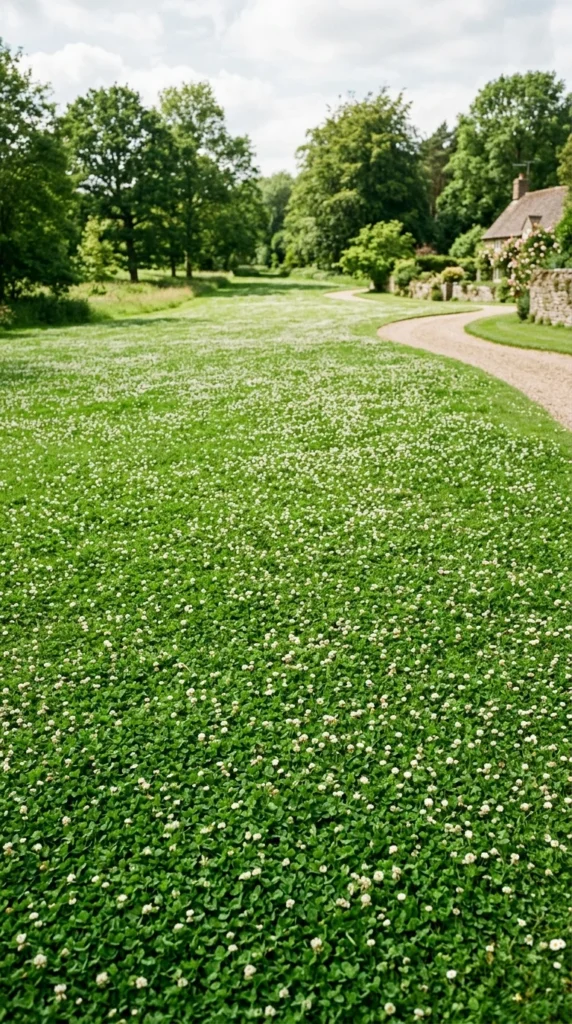
Kurapia is a revolutionary groundcover developed in Japan. It is highly drought-tolerant and establishes a deep root system very quickly. Once it fills in, it forms a thick mat that suppresses weeds effectively. It produces small, pretty white flowers but can be mown if you prefer a more traditional “flat” lawn look. It is exceptionally resilient to foot traffic compared to other groundcovers.
8. Sedum Carpet

Sedums, also known as stonecrop, are succulents that store water in their leaves, making them incredibly drought-resistant. A “sedum carpet” involves planting various low-growing varieties that knit together over time. They offer incredible textural variety and change colors with the seasons or temperature shifts. This is an ideal choice for rocky soil or sloping areas where mowing is dangerous.
9. Ornamental Grasses
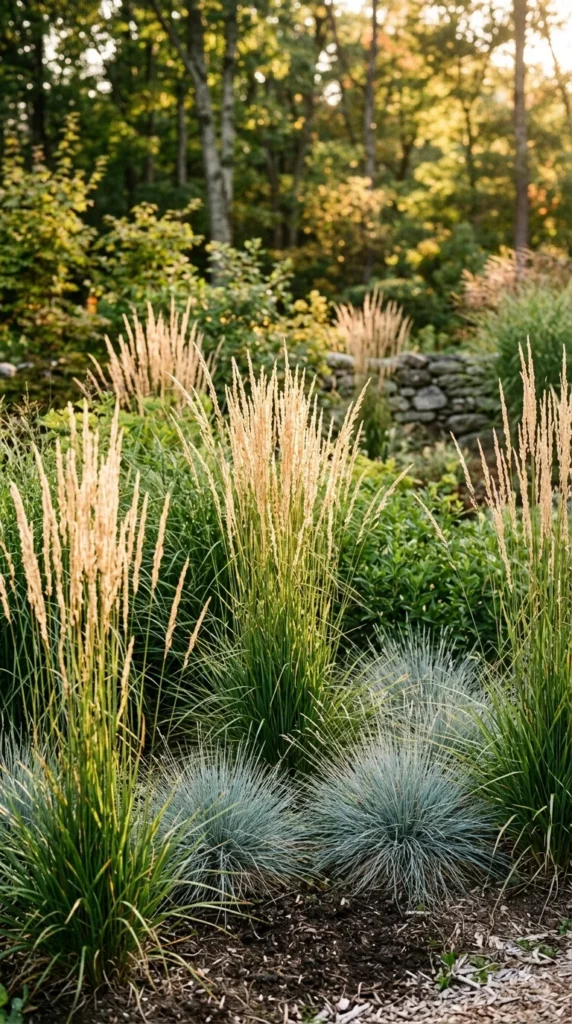
Instead of a flat plane of green, consider using ornamental grasses of varying heights to create movement and privacy. Varieties like Blue Fescue or Sedge stay low and clump-forming, while taller varieties like Switchgrass add architectural interest. These plants require very little water and only need to be cut back once a year in early spring.
10. Edible Landscape
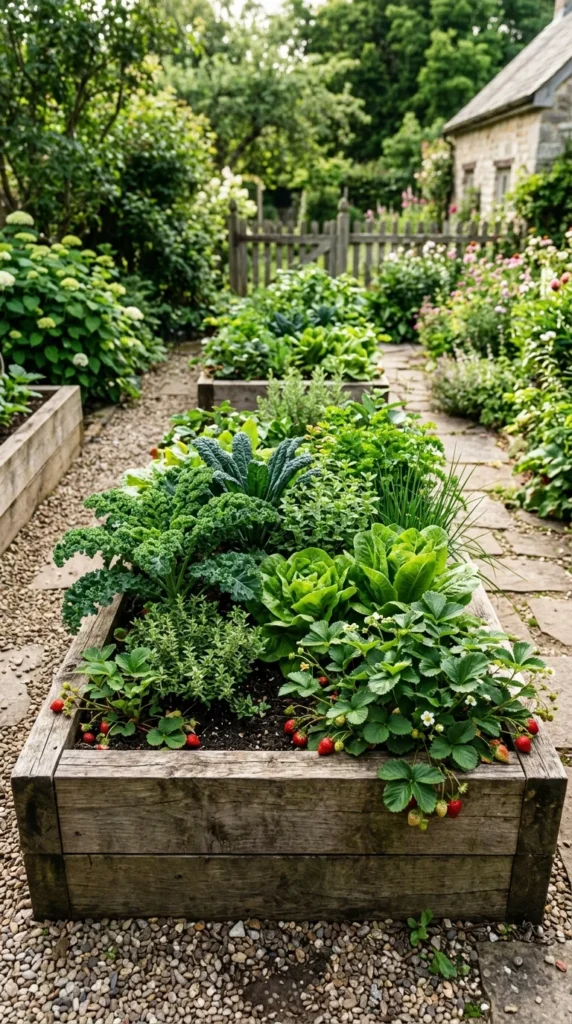
Why grow a lawn when you can grow dinner? Converting your yard into an edible landscape maximizes the utility of your land. You can replace turf with raised beds, fruit trees, and berry bushes. Use “creeping” herbs like rosemary or oregano as borders to fill in the gaps. While this requires some maintenance, the reward is fresh, organic produce and a significant reduction in your grocery bill.
11. Buffalo Grass
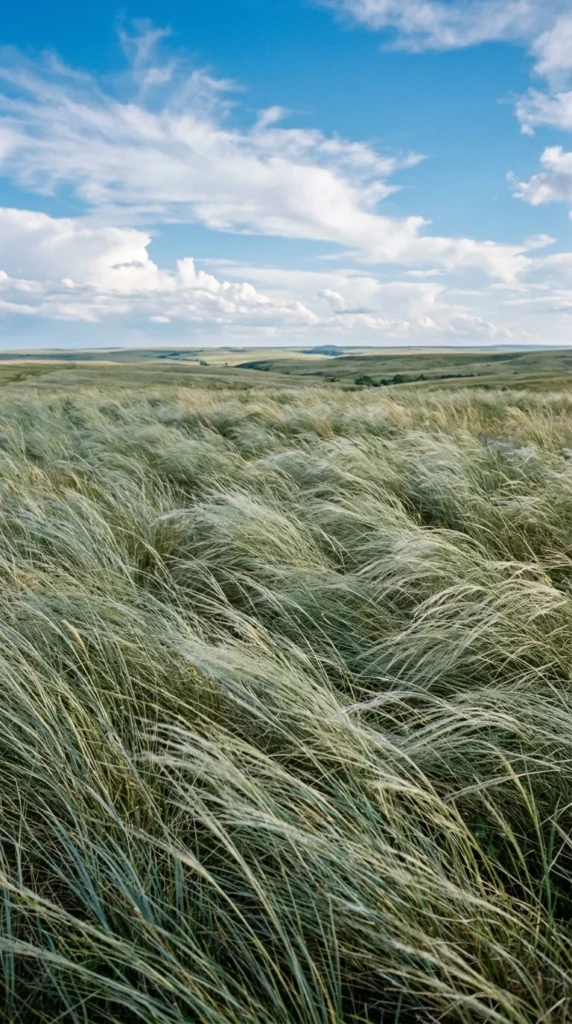
Buffalo grass is one of the few true grasses that works as a low-maintenance alternative. It is native to the North American Great Plains, meaning it is extremely hardy and requires a fraction of the water that Kentucky Bluegrass needs. It grows slowly and reaches a maximum height of about 4 to 6 inches, so you can choose to mow it only a few times a year or leave it long for a soft, meadow-like appearance.
12. Dwarf Mondo Grass
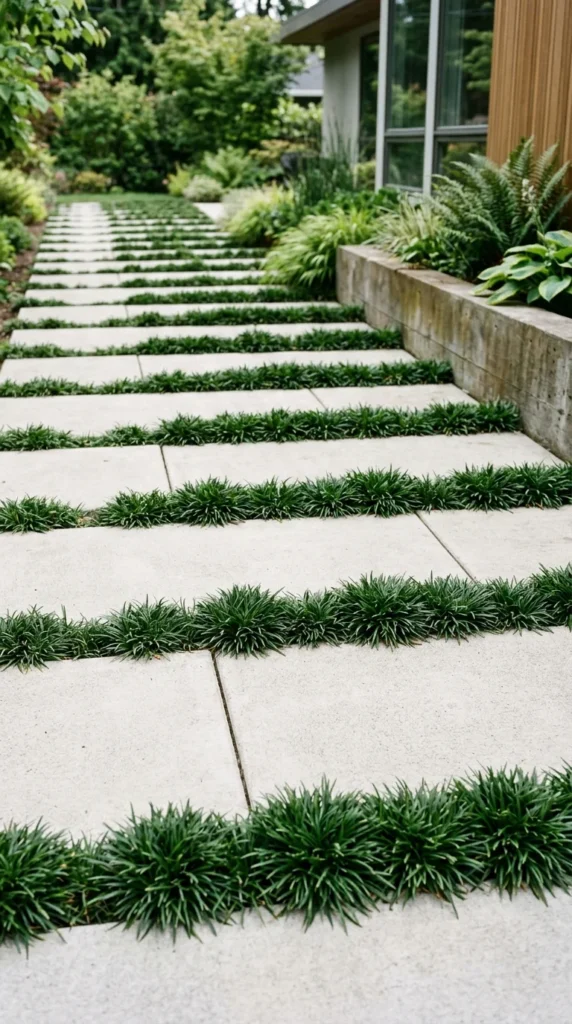
Dwarf Mondo grass is not a true grass but a member of the lily family. It features dark green, strap-like leaves that grow in dense clumps. It is slow-growing and never needs mowing. Because it handles shade well and maintains its deep color year-round, it is often used in modern landscapes to create a “zen” feel or to fill the gaps between stepping stones.
13. Wood Mulch
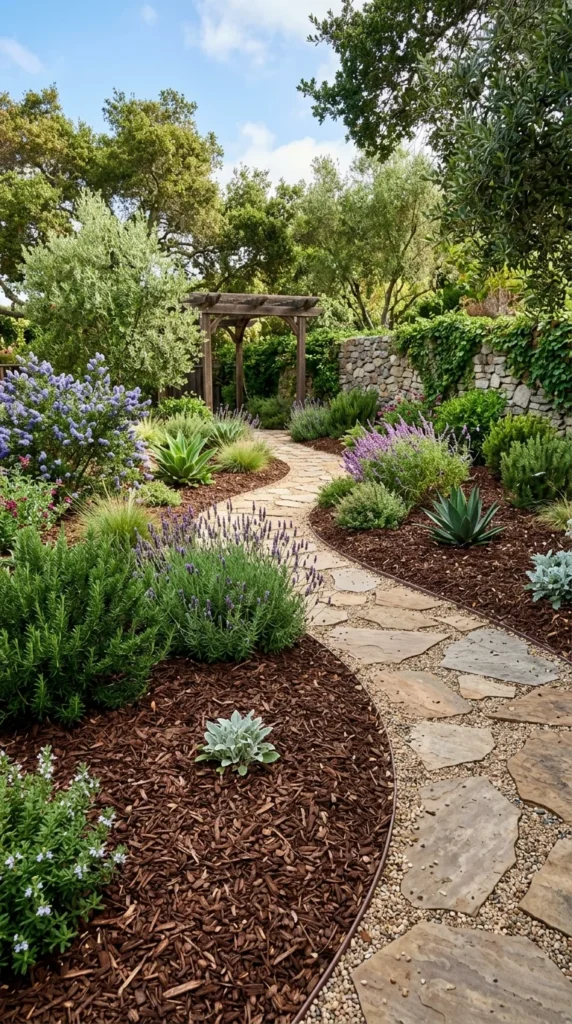
Bark or wood mulch is one of the most cost-effective ways to replace a lawn. It suppresses weeds, retains soil moisture, and adds organic matter to the ground as it breaks down. By using mulch in large sections of your yard, you can create “islands” of planting beds, making the overall landscape look intentional and tidy without the need for constant watering.
14. Roman Chamomile
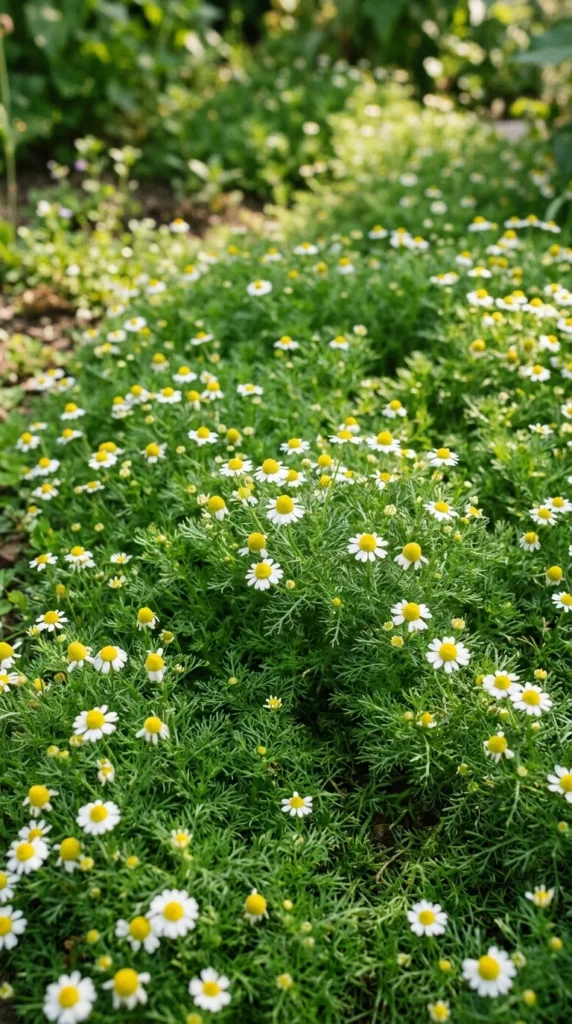
Roman Chamomile creates a soft, lawn-like surface that emits a sweet, apple-like fragrance when walked upon. It is a perennial groundcover that stays relatively low to the ground. While it isn’t suited for heavy foot traffic like a football game, it is perfect for a secondary sitting area or a front yard display. The dried flowers can even be harvested for tea.
15. Silver Ponyfoot
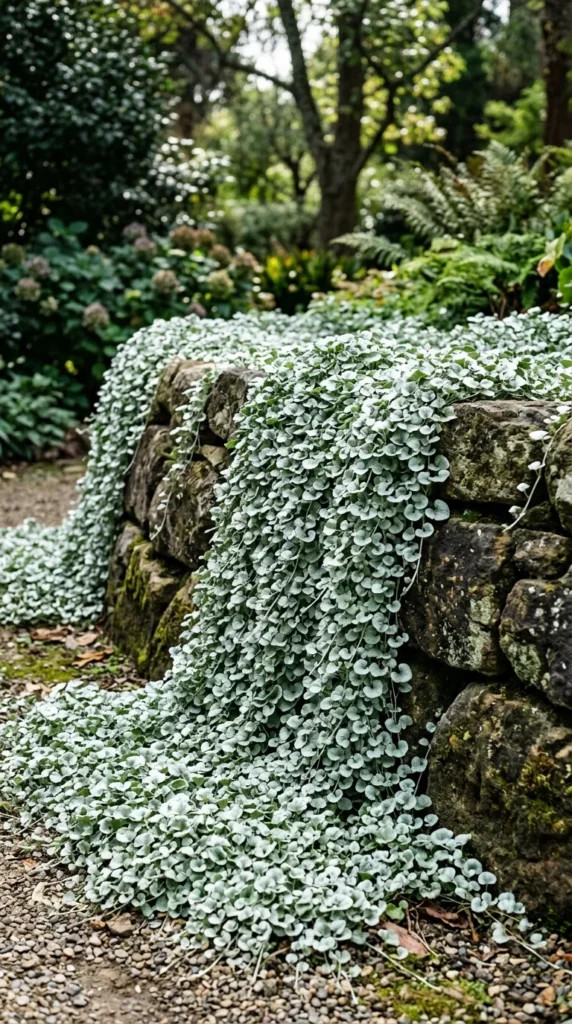
Silver Ponyfoot (Dichondra argentea) is a stunning, heat-tolerant groundcover that looks like a literal carpet of silver. It thrives in hot, sunny locations and requires very little water once established. Its trailing habit makes it excellent for slopes or for softening the edges of hardscaped areas. It provides a striking color contrast against green plants and dark mulch.
16. Corsican Mint

If you have a moist, partially shaded area, Corsican Mint is an incredible choice. It is the smallest of the mints, growing only about half an inch tall. It forms a tight, moss-like mat that releases a powerful crème-de-menthe scent when crushed. It is delicate, so it works best in low-traffic areas or tucked between pavers where it won’t be stepped on constantly.
17. Beach Strawberry
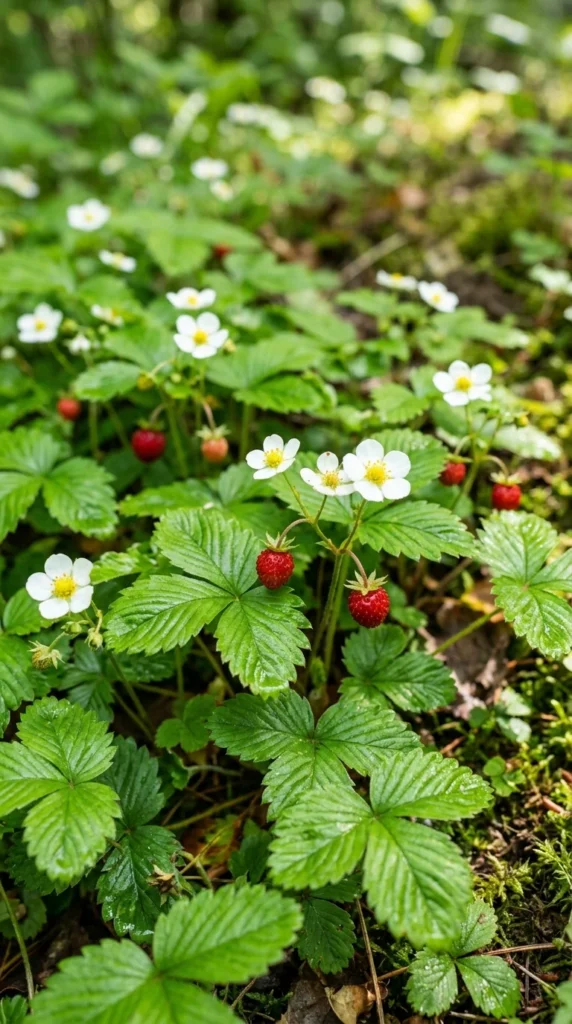
Beach Strawberry (Fragaria chiloensis) is a hardy, evergreen groundcover native to coastal areas. It is tough, can handle moderate foot traffic, and produces charming white flowers followed by tiny, edible (though often tart) strawberries. It spreads via runners, quickly filling in bare spots and creating a lush, dark green carpet that stays attractive all year.
18. Blue Star Creeper
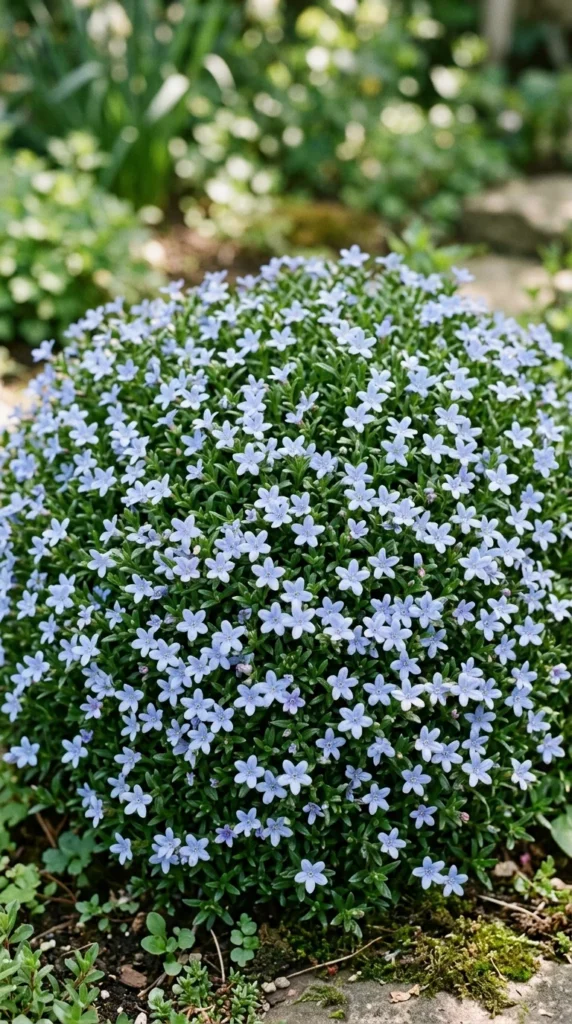
Blue Star Creeper is a powerhouse groundcover that can handle heavy foot traffic. It stays very low to the ground and is covered in tiny, pale blue flowers for most of the spring and summer. It is versatile enough to grow in full sun or part shade. It is often used to replace grass in small courtyards or as a filler between large flagstones.
19. Dichondra Repens
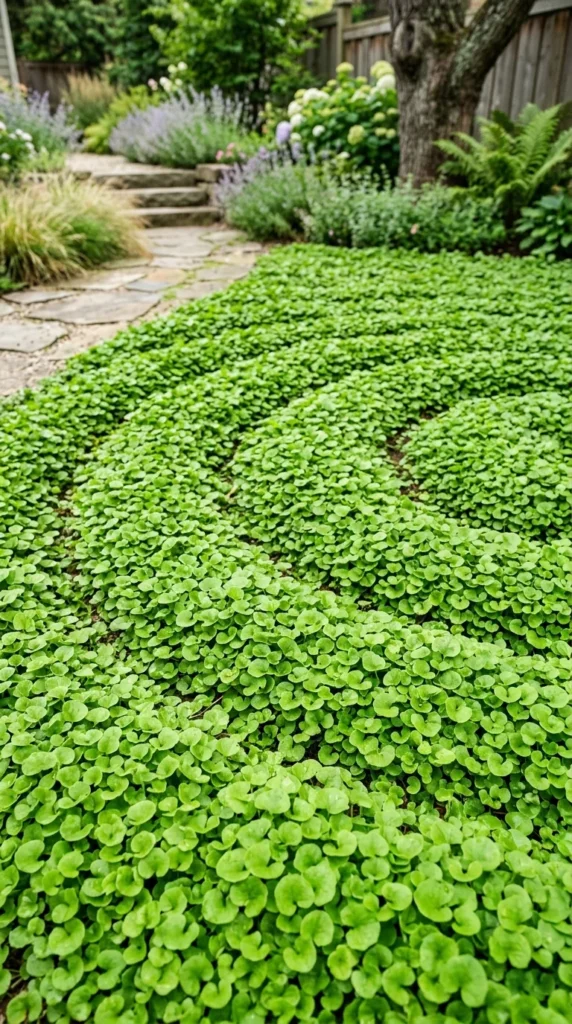
Commonly known as Kidney Weed, Dichondra repens is a popular lawn alternative in warmer climates. It creates a lush, green, “bubbly” texture that looks very soft. While it can be mown to keep it extra flat, it generally stays low on its own. It is more shade-tolerant than many grass species, making it a good “fix-it” plant for under trees.
20. Irish Moss
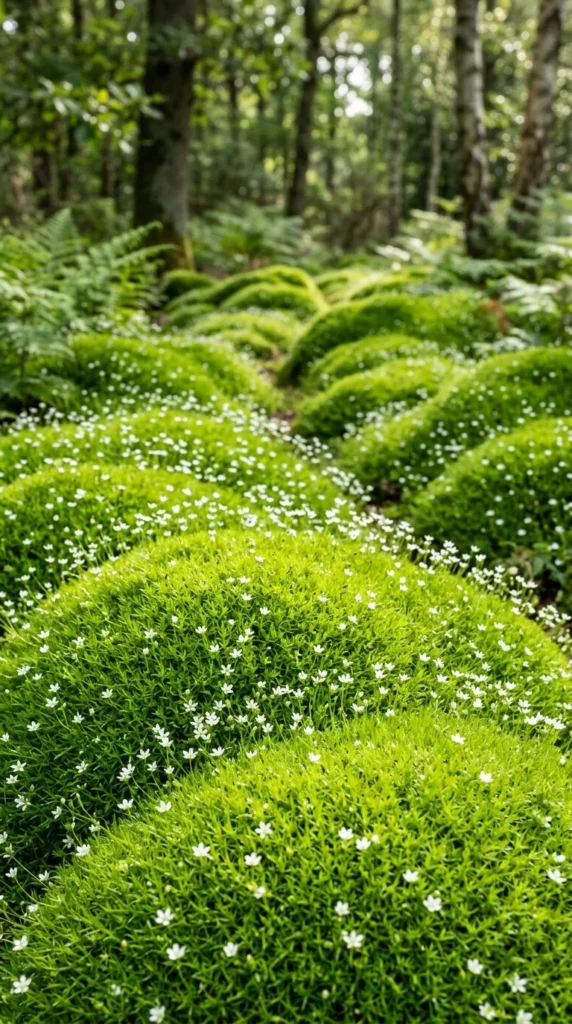
Despite its name, Irish Moss is not a true moss but a vascular plant (Sagina subulata). It creates dense, emerald-green mounds that look like rolling hills in miniature. It loves moist soil and sun to part-shade. Because of its unique texture, it is a favorite for Japanese-inspired gardens or for creating a “soft” look around garden features.
21. Creeping Mazus
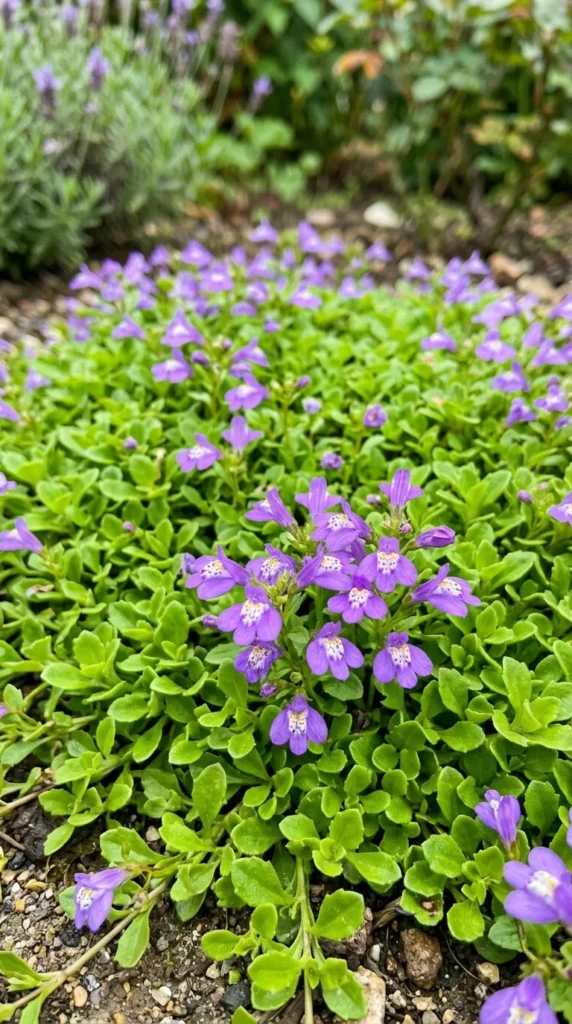
Creeping Mazus is a rugged groundcover that remains attractive even when not in bloom. In the spring, it is blanketed in tiny orchid-like purple flowers. It spreads quickly but is not invasive, making it an excellent choice for filling in large areas rapidly. It is remarkably tolerant of foot traffic and can even handle occasional mowing if desired.
22. Self-Heal
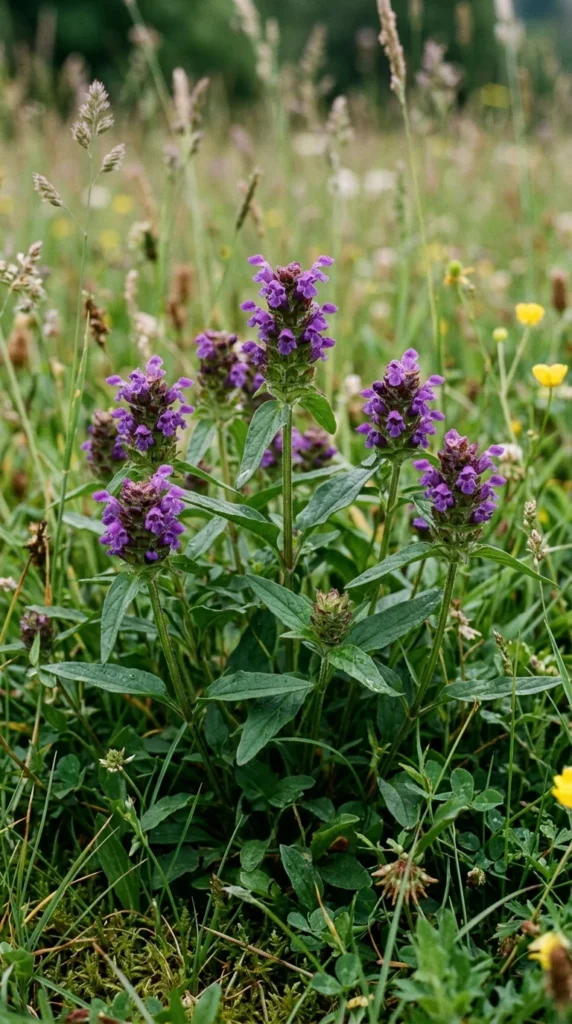
Self-Heal (Prunella vulgaris) is a member of the mint family that is often found growing wild in lawns. Instead of fighting it, many homeowners are now embracing it. It is edible, medicinal, and highly attractive to bees. It tolerates poor soil and varying light conditions, providing a tough, flowering lawn that requires no chemicals and very little water.
23. No-Mow Fescue
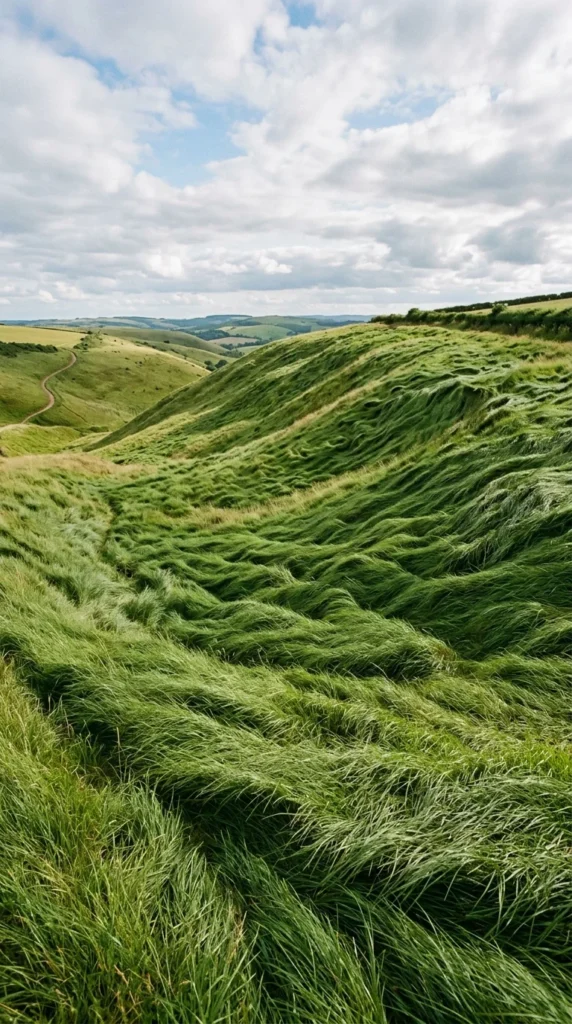
“No-Mow” mixes are typically composed of several species of fine fescues. These grasses grow very slowly and have a “clumping” habit. When left unmowed, they grow about 6–12 inches long and then flop over, creating a beautiful, wavy meadow look. This is a perfect middle ground for those who still want the look of a green lawn but want to eliminate the weekly chore of mowing.
24. Flagstone Patio

Sometimes the best alternative to a lawn is no plants at all. Expanding your living space with a flagstone patio reduces the “green” area you need to care for while increasing your home’s functionality. By leaving wide gaps between the stones and filling them with permeable gravel or low-growing herbs, you ensure that rainwater still soaks into the ground, preventing runoff while creating a beautiful space for entertaining.