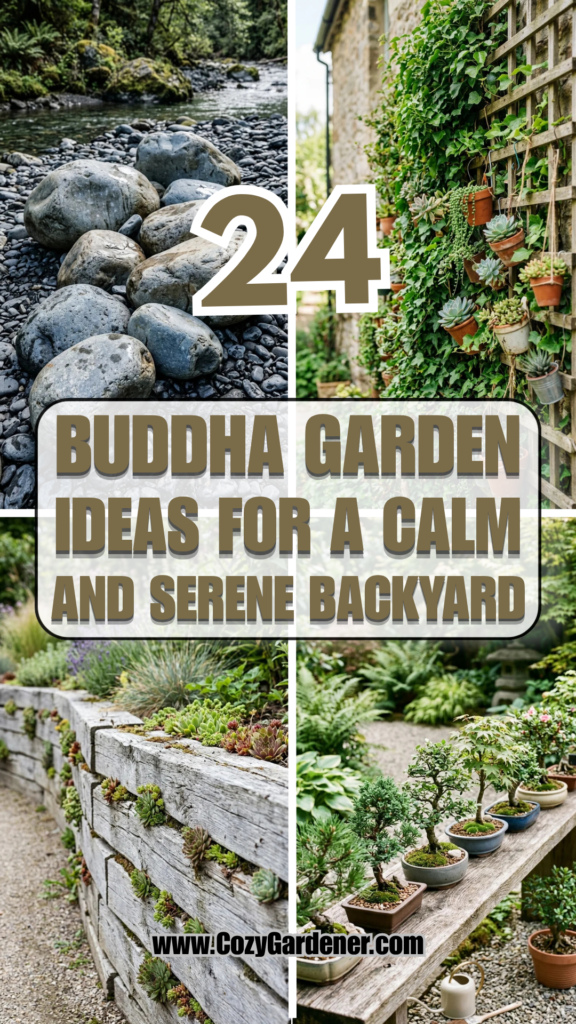
Creating a Buddha garden is more than just a landscaping project; it is an exercise in mindfulness and the creation of a physical sanctuary for the soul. In the hustle and bustle of modern life, having a dedicated space that encourages stillness, reflection, and a connection to nature can be a profound source of mental well-being. A Buddha garden typically draws inspiration from Zen Buddhism and Japanese gardening traditions, emphasizing balance, simplicity, and the harmony of natural elements like stone, water, and wood.
Whether you have a sprawling estate or a tiny balcony, these 24 ideas will help you transform your outdoor area into a serene retreat that resonates with peace and tranquility.
1. Central Statue
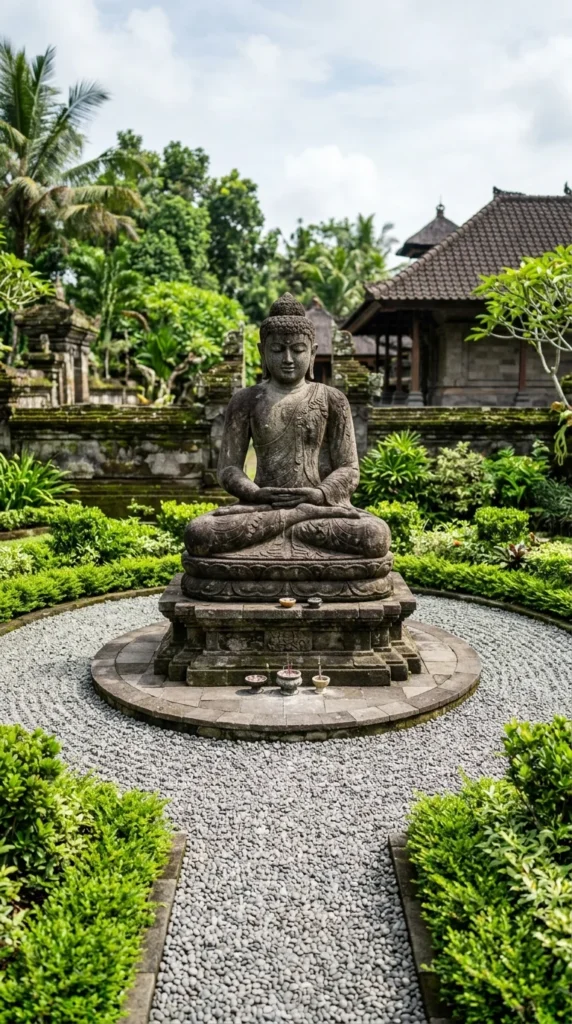
The focal point of any Buddha garden is, unsurprisingly, the statue itself. Placing a large, weather-worn stone or bronze Buddha in the center of your garden creates a sense of gravity and purpose. Choose a “Mudras” (hand gesture) that resonates with you—the Dhyana Mudra represents deep meditation, while the Abhaya Mudra symbolizes protection and peace. Ensure the statue is elevated slightly on a plinth or flat stone to show respect and to make it a clear visual anchor for the space.
2. Zen Sand
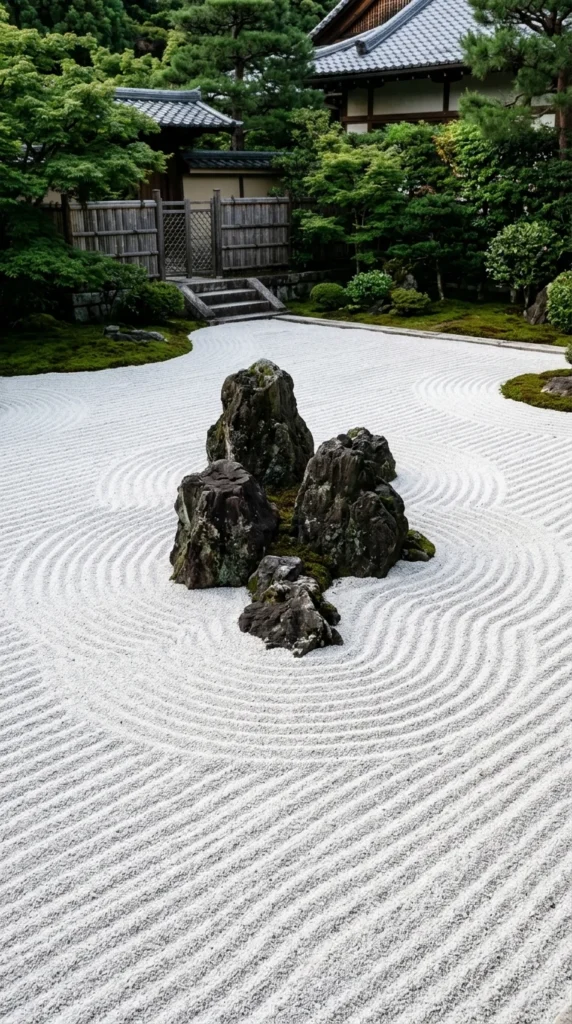
Known as “Karesansui,” the dry landscape garden uses fine white sand or light gray gravel to represent water. Raking the sand into circular or flowing patterns is a meditative practice in itself. This element adds a clean, minimalist aesthetic to your backyard, providing a neutral canvas that allows the mind to rest. It is perfect for areas where water features might be difficult to maintain.
3. Water Fountain
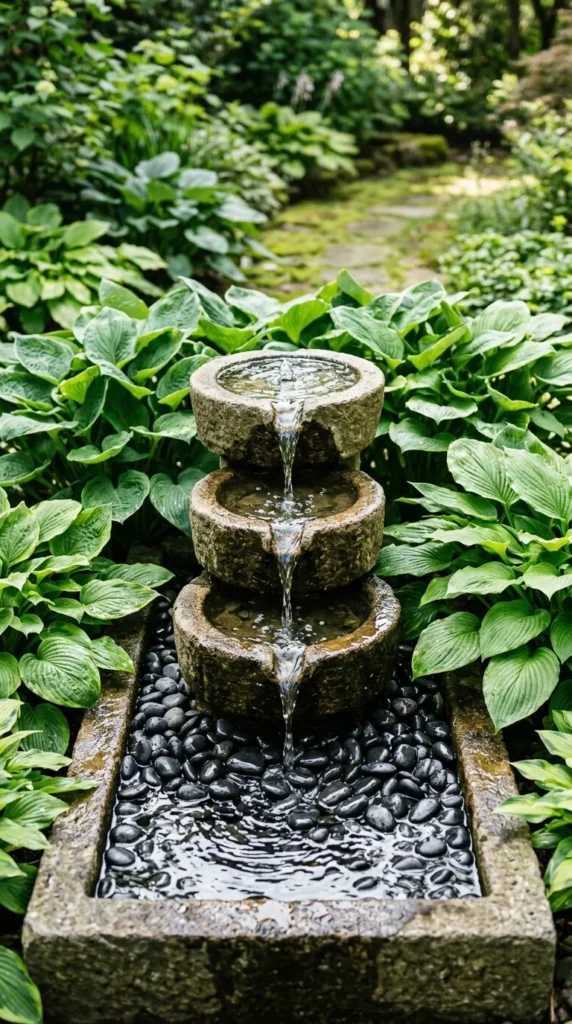
The sound of trickling water is scientifically proven to lower stress levels and mask unwanted neighborhood noise. A simple bamboo “shishi-odoshi” (deer scarer) or a tiered stone fountain near your seating area creates a rhythmic, soothing auditory backdrop. The presence of water also introduces the element of “flow,” which is essential in balancing the “stillness” of stone statues.
4. Bamboo Fencing
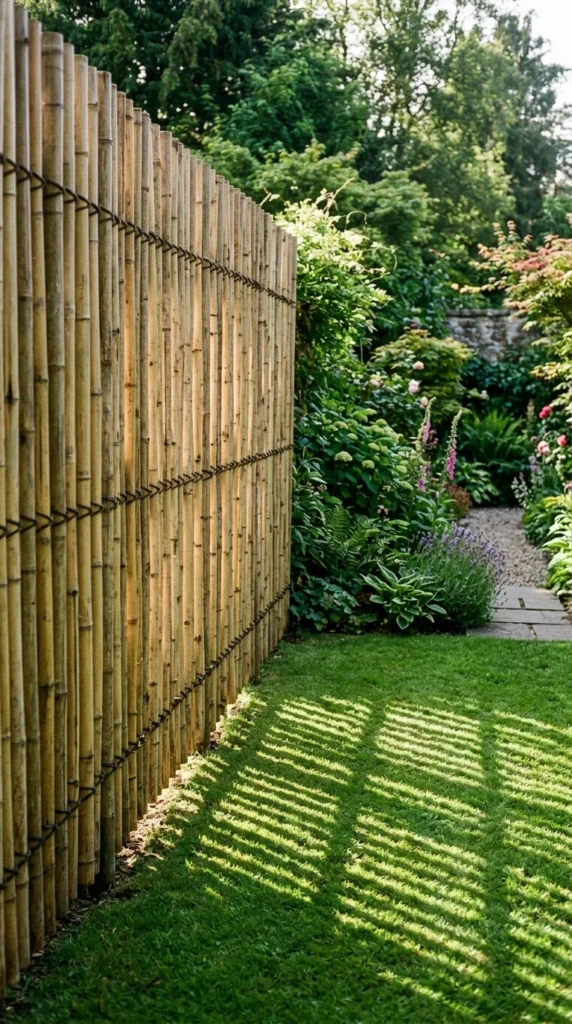
Privacy is paramount for a serene backyard. Bamboo fencing is an eco-friendly and aesthetically pleasing way to wall off the outside world. The vertical lines of the bamboo create a sense of height and structure, while the organic texture blends seamlessly with the plants. It transforms your garden into an “outdoor room” where you can feel completely secluded.
5. Stone Pathways
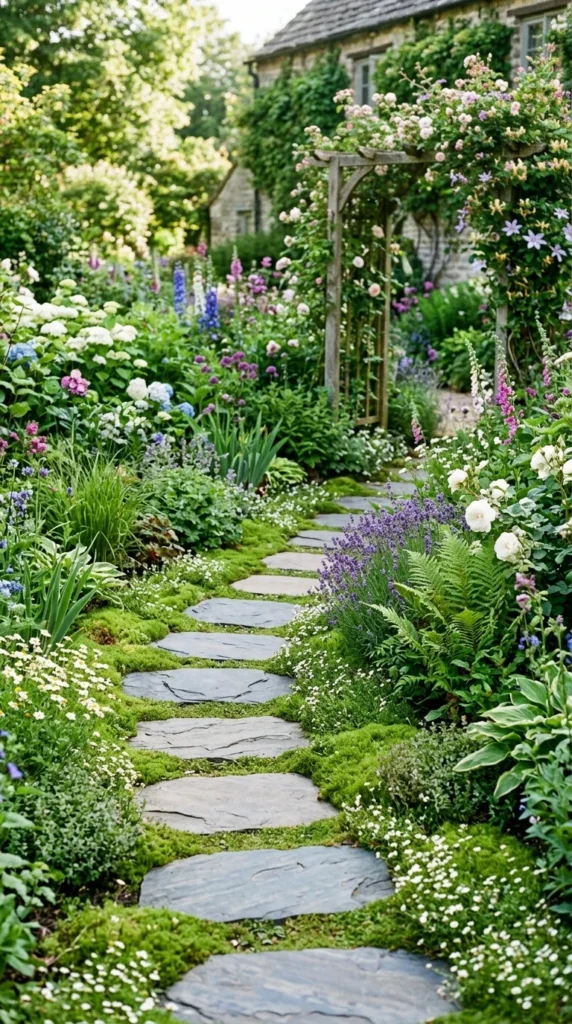
A winding path encourages “Kinhin,” or walking meditation. Instead of a straight concrete walkway, use irregular stepping stones or “tobi-ishi.” The uneven spacing and curved design force you to slow down and pay attention to each step, grounding you in the present moment. Surround the stones with creeping thyme or moss to soften the edges.
6. Stone Lanterns
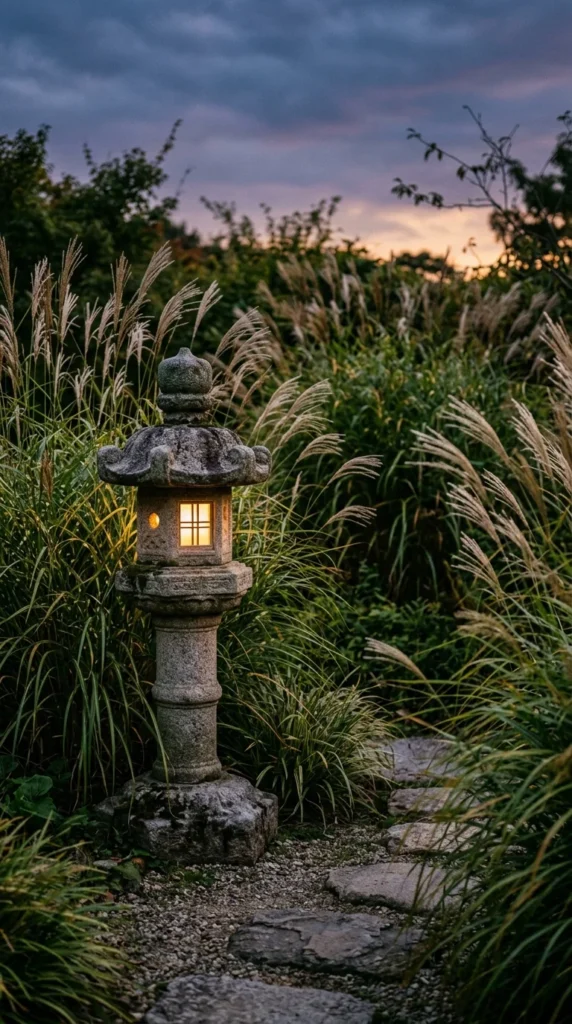
Traditional stone lanterns, or “Toro,” add an architectural element that feels ancient and grounded. These lanterns were originally used to line the paths of Buddhist temples. In a backyard setting, they provide a gentle, non-intrusive light source at night, guiding the way and highlighting specific areas of the garden without shattering the peaceful atmosphere with bright electric bulbs.
7. Moss Garden
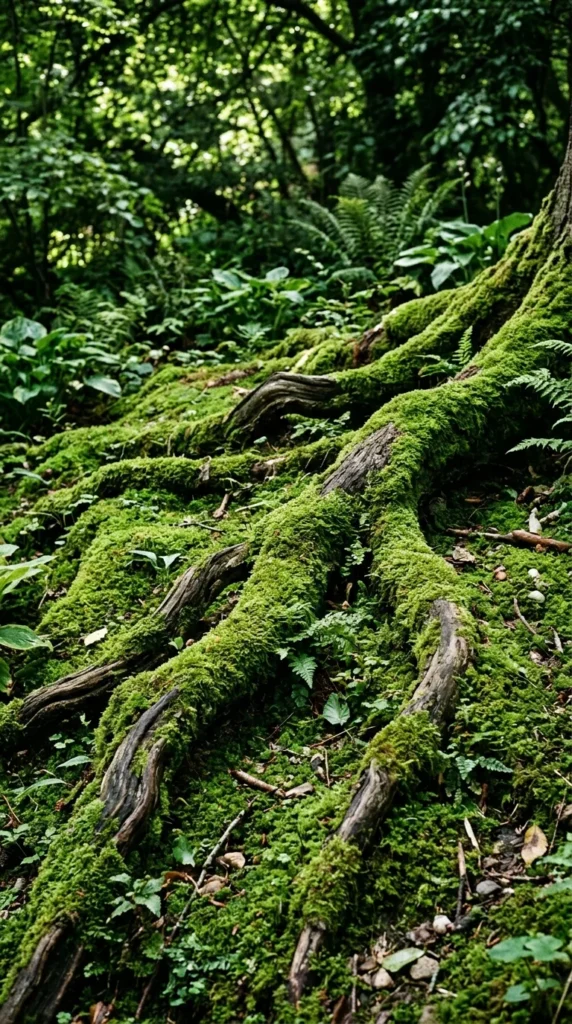
Moss evokes a sense of age, permanence, and silence. It thrives in shaded areas where grass might struggle, making it perfect for a “secret” corner of your Buddha garden. A moss-covered floor feels soft underfoot and absorbs sound, contributing to the overall hush of the space. It requires consistent moisture but offers a lush, prehistoric beauty that feels worlds away from a manicured lawn.
8. Pagoda Accents
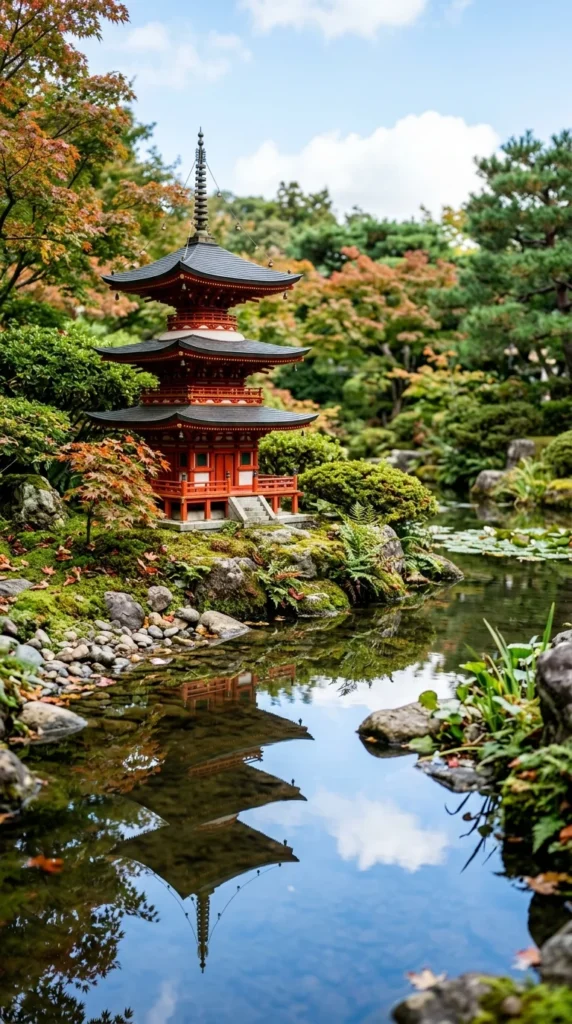
Adding a miniature pagoda or a “Stupa” inspired structure introduces a classic Asian architectural silhouette. These structures symbolize the five elements: earth, water, fire, wind, and space. Whether it’s a small ceramic piece on a table or a larger wooden structure, it reinforces the spiritual theme of the garden and provides a sense of vertical scale.
9. Seating Nook
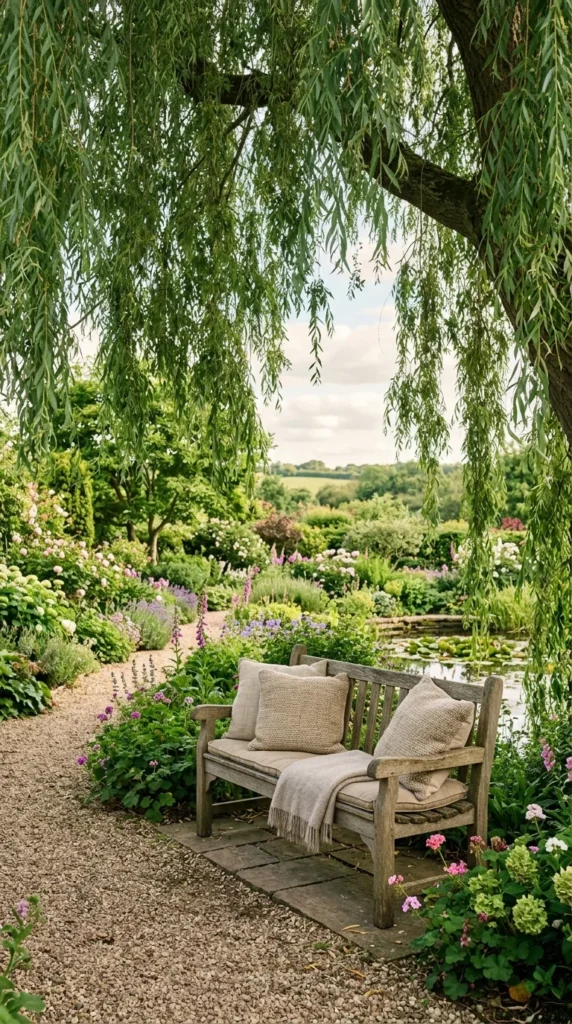
A Buddha garden should be a place where you can actually spend time. A simple, minimalist wooden bench or a flat “Zabuton” cushion on a raised deck provides a place for contemplation. Avoid overly modern or plastic furniture; stick to natural materials like teak, cedar, or stone to maintain the organic flow of the environment.
10. Lotus Ponds
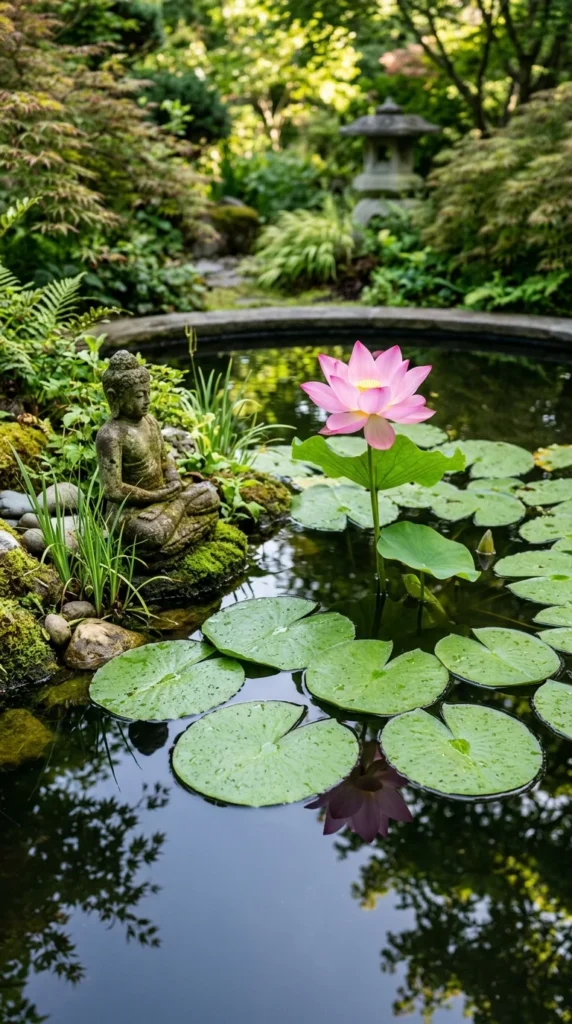
The lotus flower is a powerful symbol in Buddhism, representing purity and enlightenment rising from the mud. If you have the space, a small lily pond is a beautiful addition. Even if you don’t have room for a full pond, a “container water garden” in a large glazed pot can house dwarf lotus species and a couple of goldfish, bringing life and symbolism to your patio.
11. Gravel Beds
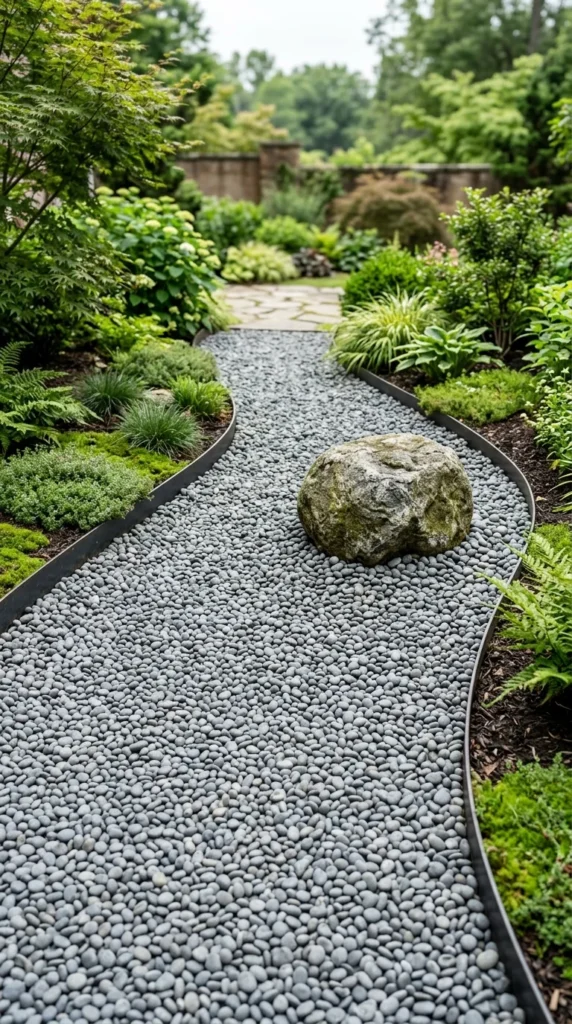
Gravel is a staple of Zen gardening because of its versatility and low maintenance. Using different colors of gravel—such as charcoal gray next to tan—can create visual zones within the garden without the need for physical barriers. Gravel also provides a satisfying crunch underfoot, adding a sensory layer to your garden walk.
12. Fern Grove
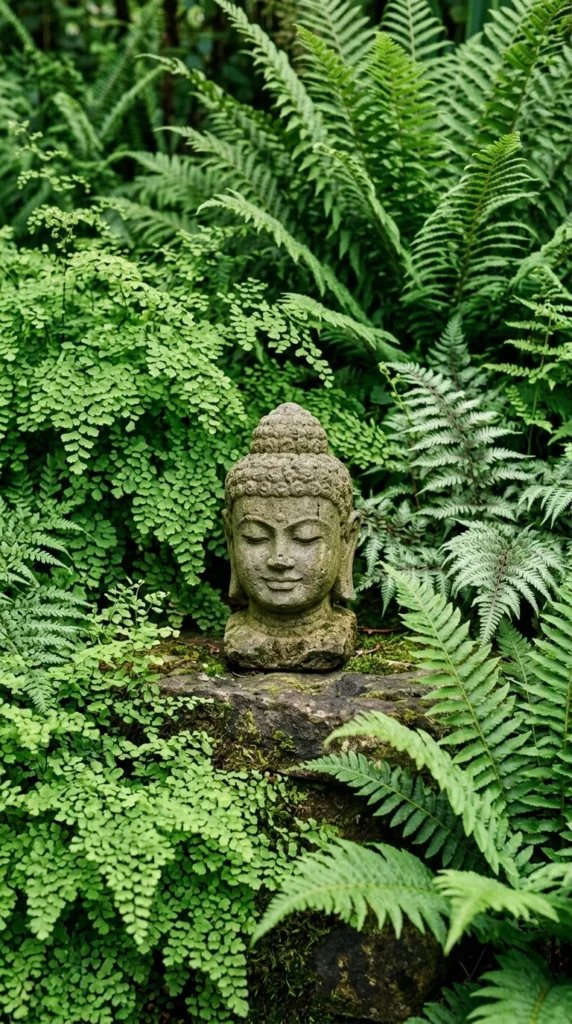
Ferns are ancient plants that thrive in the damp, shaded spots often found in serene gardens. Their delicate, feathery fronds add a layer of texture and soft movement. Planting a variety of ferns, such as Ostrich ferns or Japanese Painted ferns, creates a “forest floor” feel that makes the garden feel more established and wild.
13. Vertical Gardens
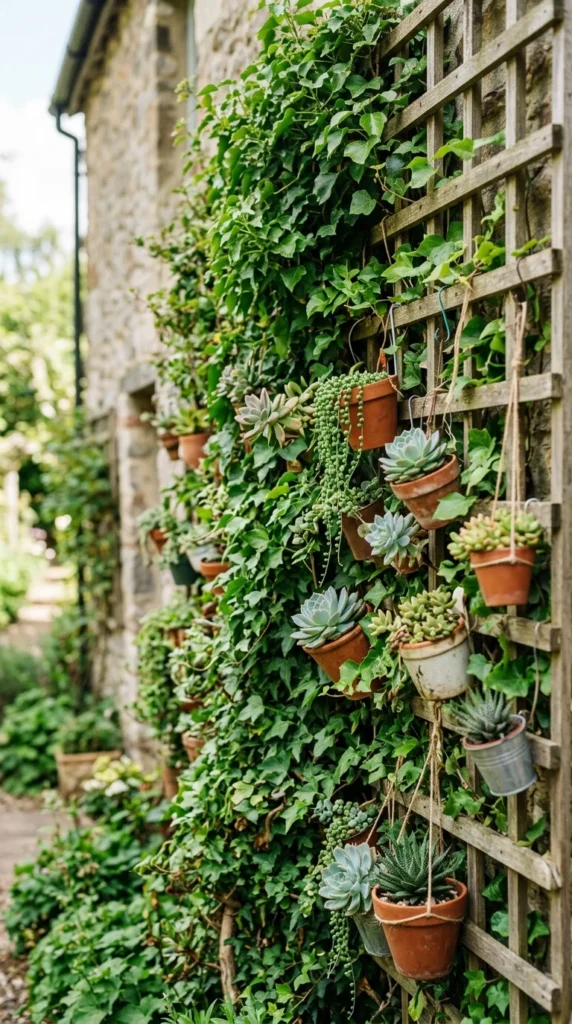
If you are working with a small urban backyard or a balcony, think vertically. Use wooden slats or bamboo frames to hang small planters or climbing vines like Jasmine. A vertical garden can act as a living backdrop for a Buddha statue, providing a lush green “aura” even in tight quarters.
14. Prayer Flags

Tibetan prayer flags bring color, movement, and a sense of “wind energy” to the garden. Traditionally, it is believed that the wind carries the prayers and mantras printed on the flags out into the world. Hanging them across a path or between trees adds a soulful, bohemian touch to your serene space.
15. Reclaimed Wood
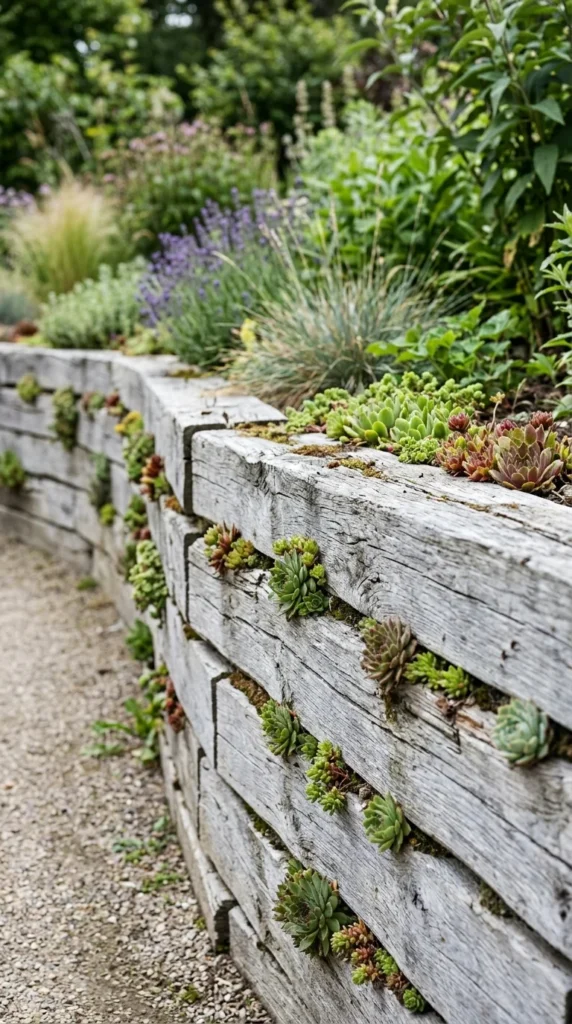
Using reclaimed or “driftwood” elements adds the Japanese concept of “Wabi-sabi”—finding beauty in imperfection and the passage of time. A gnarled piece of wood placed near a statue or used as a natural bench provides a rustic, grounded feel that reminds us of the cycles of nature.
16. Wind Chimes
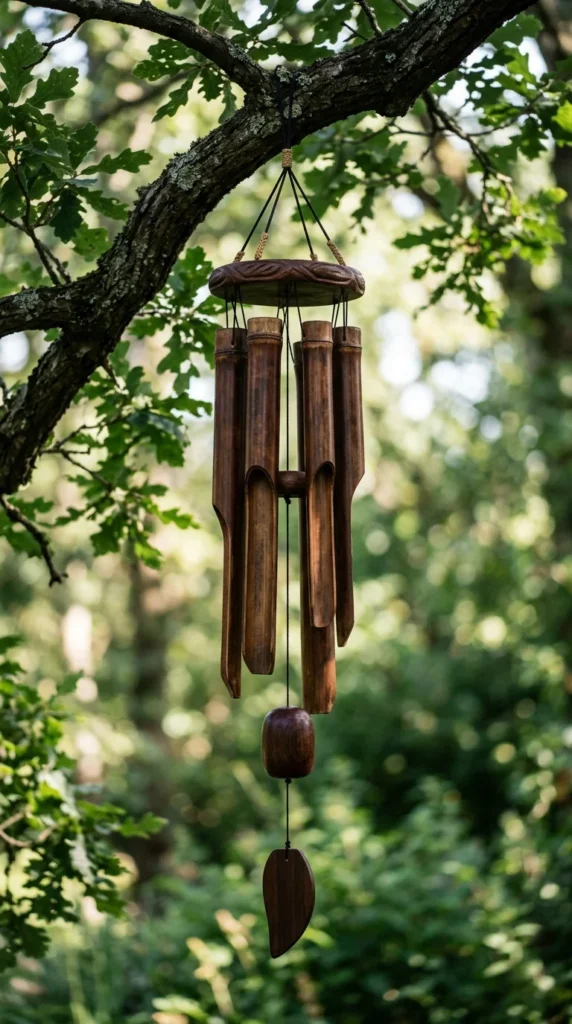
Sound is a crucial component of a calming environment. Opt for deep-toned bamboo or heavy metal wind chimes rather than high-pitched, tinny ones. A deep, resonant chime mimics the sound of a temple bell, calling you back to the present moment whenever a breeze passes through.
17. Terraced Levels
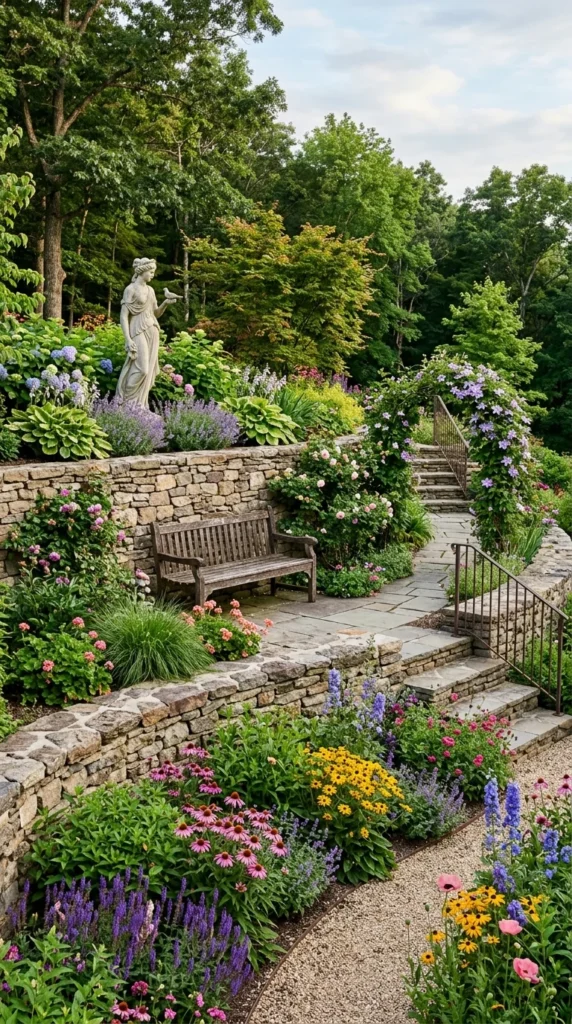
If your backyard is sloped, use terracing to create distinct “rooms.” This adds a sense of journey and discovery. You might have a water feature on the lowest level, a Zen sand pit in the middle, and the main Buddha statue at the highest point, symbolizing the ascent toward enlightenment.
18. Bonsai Collection
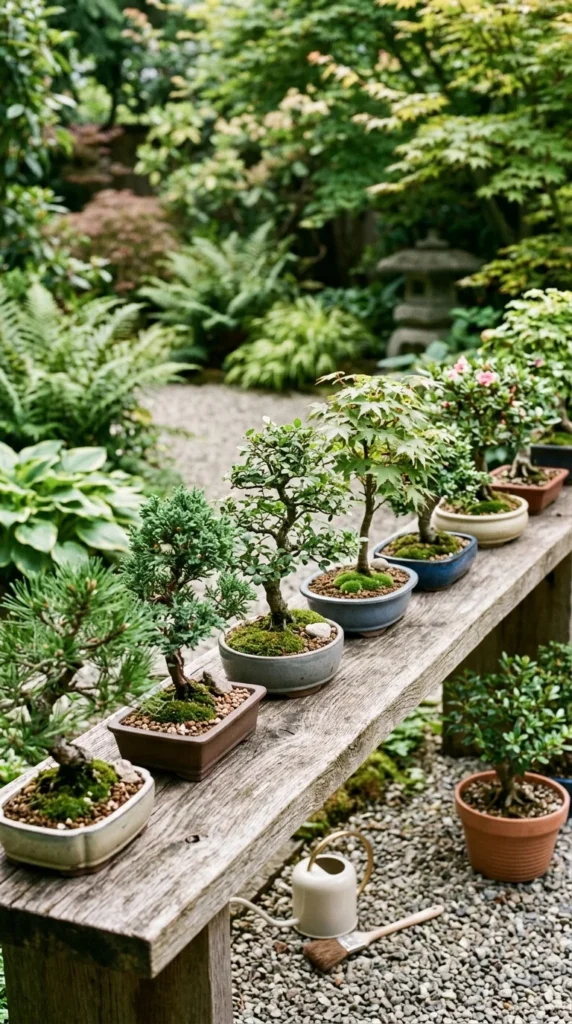
The art of Bonsai is a practice of patience and precision. Displaying a few well-cared-for Bonsai trees on a stone plinth or a wooden table adds an element of refined artistry. These “trees in pots” represent nature in its most concentrated form and serve as a reminder of the beauty of discipline and care.
19. Night Lighting
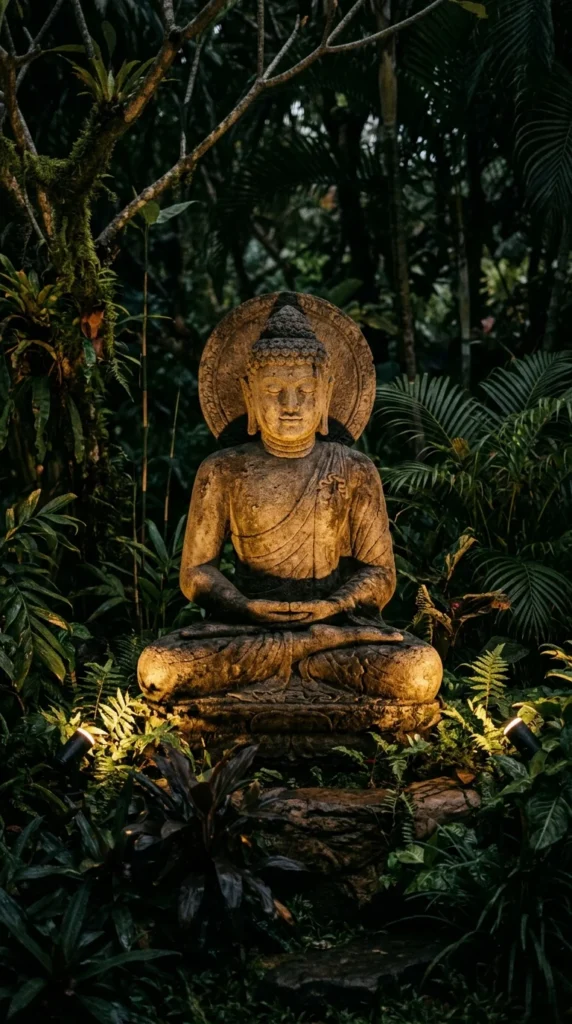
A Buddha garden shouldn’t disappear when the sun goes down. Use “uplighting” to cast a soft glow on your statues and trees. Avoid harsh overhead lights; instead, use solar-powered stakes or hidden LEDs to create a mystical, ethereal atmosphere that makes the garden perfect for late-night meditation.
20. Pebbles & Rocks
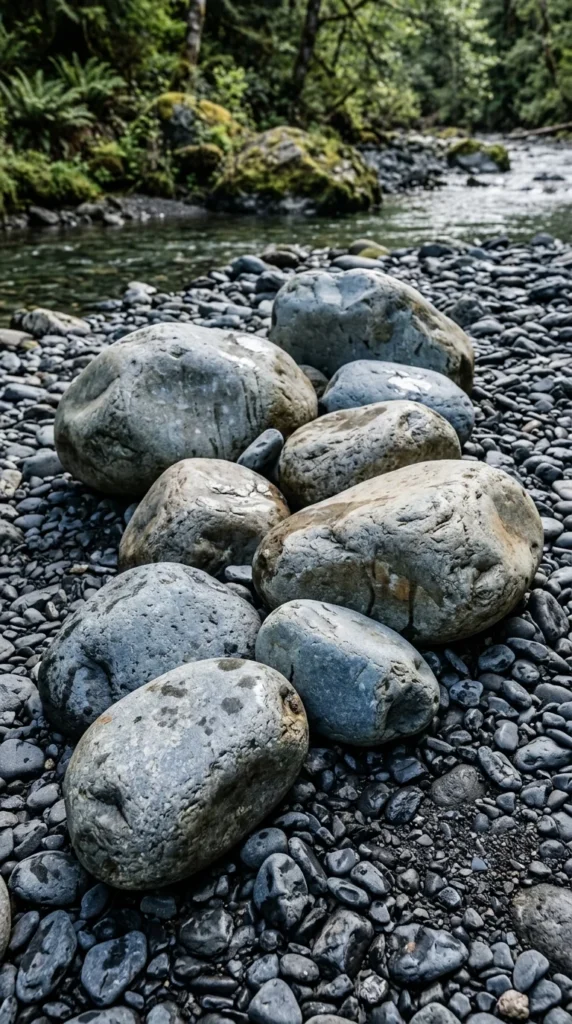
In Zen philosophy, large rocks represent mountains or islands of stability. Arrange rocks in odd numbers (three or five) to create a natural, asymmetrical balance. Use smooth river pebbles to fill in gaps; the contrast between the large, rugged boulders and the small, smooth pebbles provides a pleasing visual variety.
21. Native Plants

True serenity comes from being in harmony with your local environment. Incorporate native plants that thrive in your climate without excessive water or chemicals. Not only is this more sustainable, but it also invites local birds and butterflies, bringing a natural, living energy to your sanctuary.
22. Arched Bridges
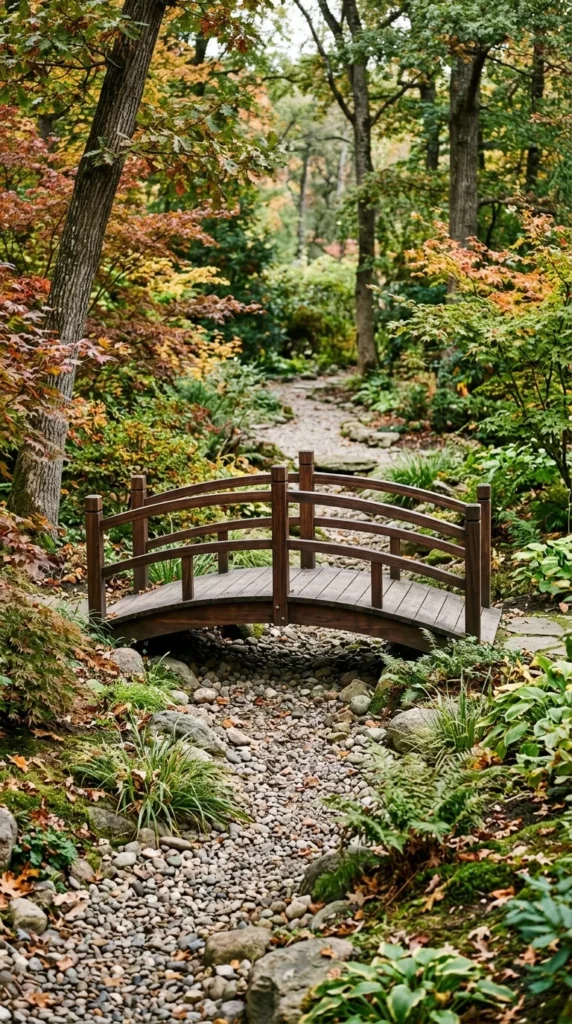
A bridge represents the transition from the mundane world to the spiritual world. Even if you don’t have a real stream, a small wooden arched bridge over a “dry river” of gravel adds a beautiful architectural curve to the garden and provides a symbolic point of entry into your sacred space.
23. Fire Pit
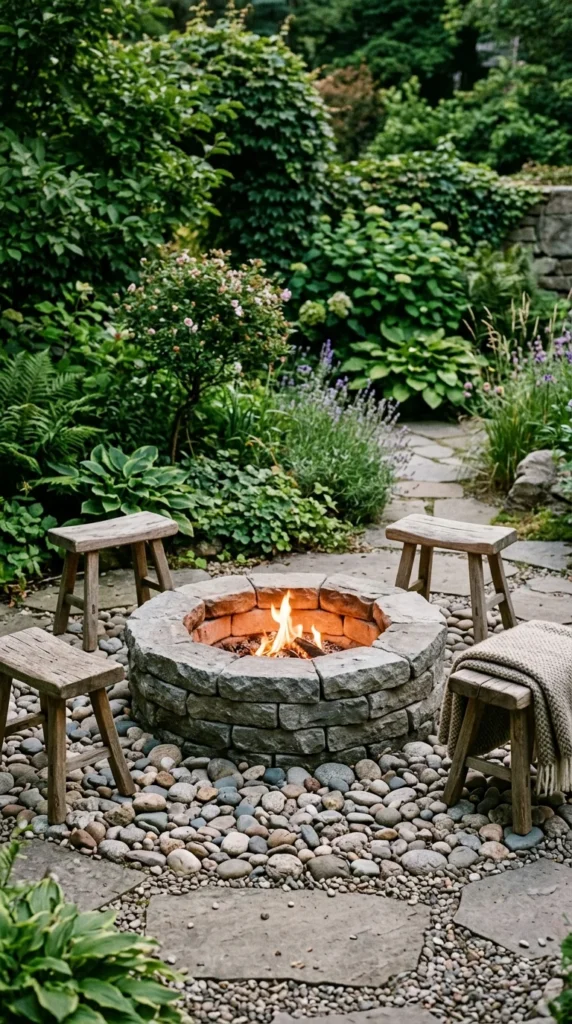
While water is common, the element of fire adds warmth and a primal sense of gathering. A simple, low-profile fire pit can serve as a secondary focal point for evening reflection. The flickering flames provide a different kind of visual meditation, helping to clear the mind of the day’s stresses.
24. Hidden Alcoves
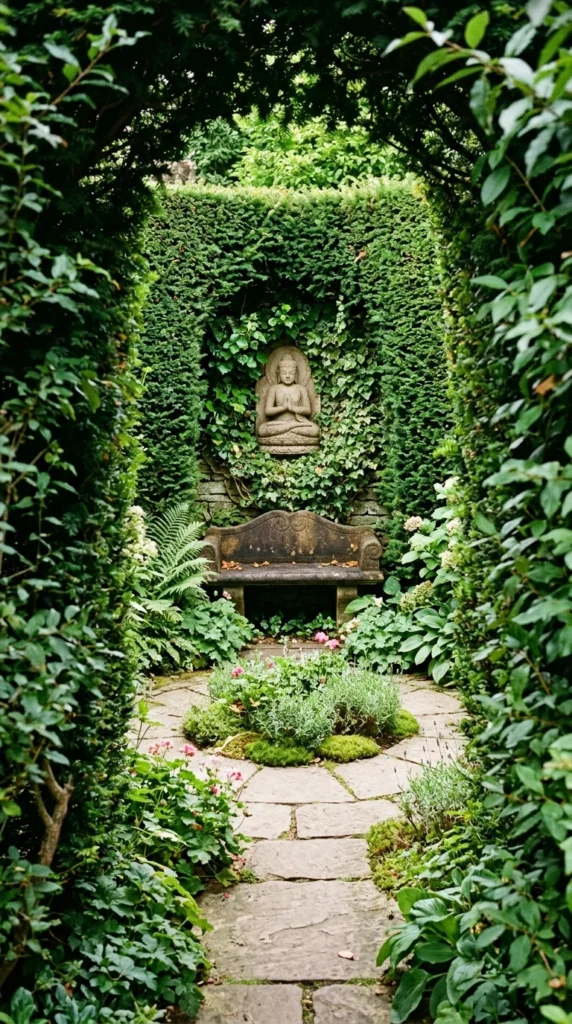
Create a sense of “Mie-gakure” (reveal and hide). By using tall plants or screens to hide parts of the garden, you encourage exploration. A small, hidden alcove at the end of a path feels like a private discovery, offering the ultimate sense of security and peace for deep introspection.