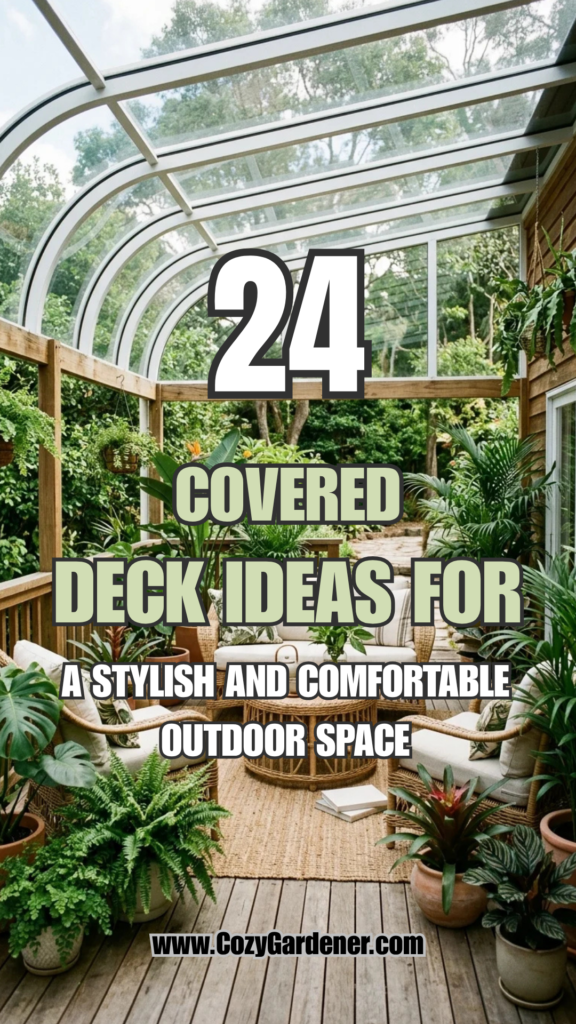
Transforming an open-air deck into a covered sanctuary is one of the most effective ways to increase your home’s living square footage and enjoy the outdoors regardless of the weather. Whether you are shielding yourself from the blistering summer sun or looking for a dry spot to watch a spring rainstorm, a well-designed deck cover adds value, style, and immense comfort. From high-tech louvered systems to rustic pergolas draped in greenery, the possibilities are as varied as the architectural styles they complement.
In this guide, we explore 24 inspiring covered deck ideas to help you create an outdoor retreat that feels like a natural extension of your indoor living space.
1. Rustic Pergola
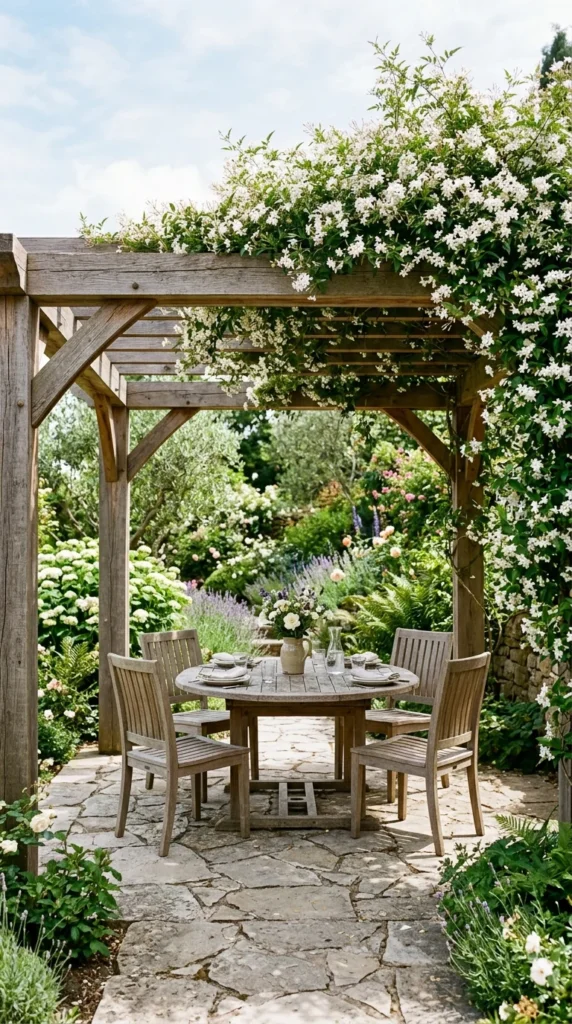
The classic pergola is a favorite for those who want a blend of sunlight and shade. Using natural cedar or redwood, a rustic pergola provides an architectural framework that defines the space without completely blocking the sky. It is the perfect structure for training climbing plants like wisteria or grapevines, which eventually create a living, breathing green canopy.
2. Louvered Roof
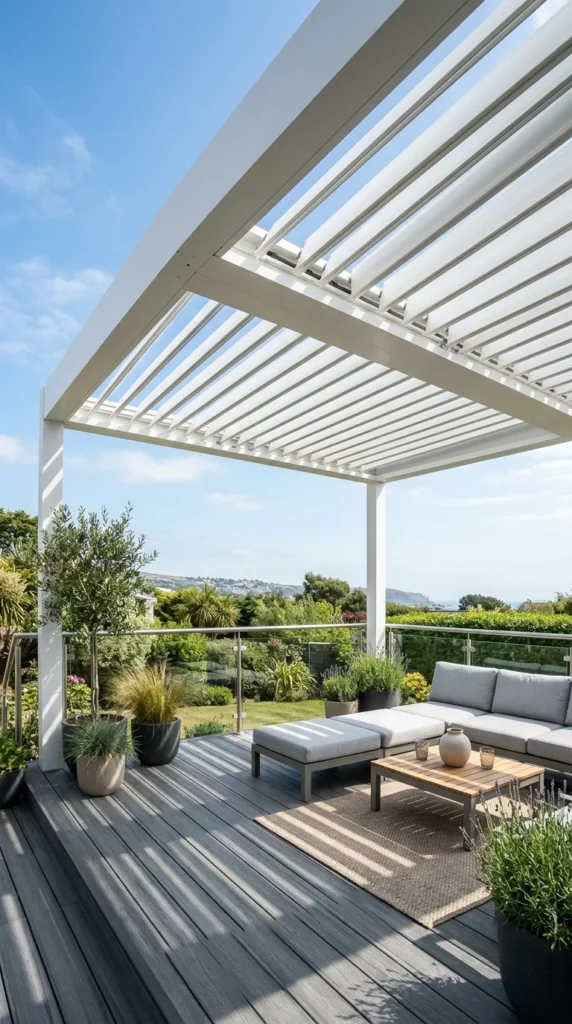
For the ultimate in flexibility, a louvered roof system allows you to control the environment with the touch of a button. These motorized slats can be opened fully for sun, angled for partial shade, or closed completely to create a watertight seal during rain. It’s a modern solution for homeowners who want the best of both worlds.
3. Retractable Awning
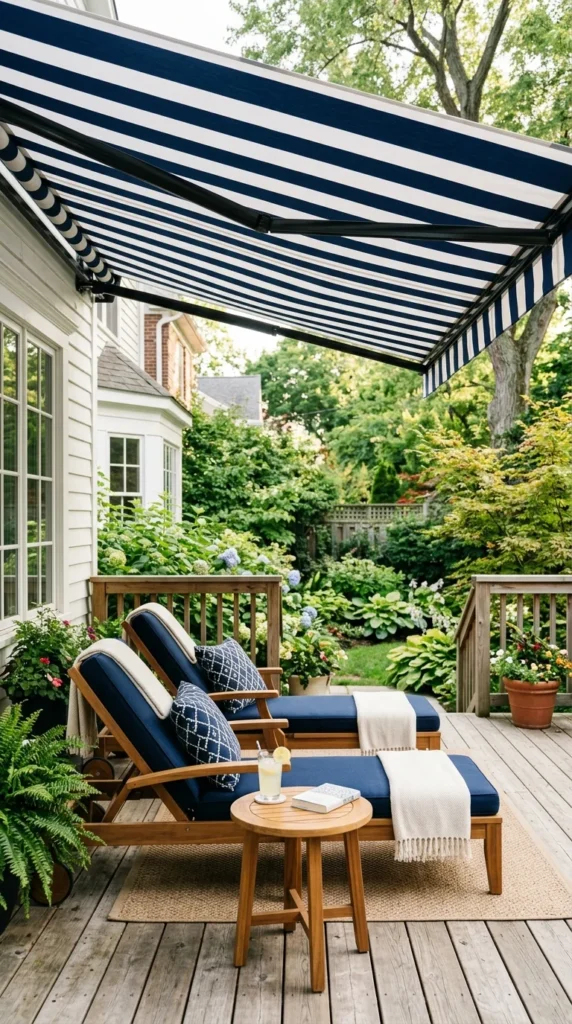
If you don’t want a permanent structure obstructing your view of the sky, a retractable awning is a fantastic choice. Available in hundreds of fabric patterns, these can be mounted to the side of your house and extended only when needed. High-end models even come with wind sensors that automatically retract the awning during heavy gusts to prevent damage.
4. Screened-In Porch
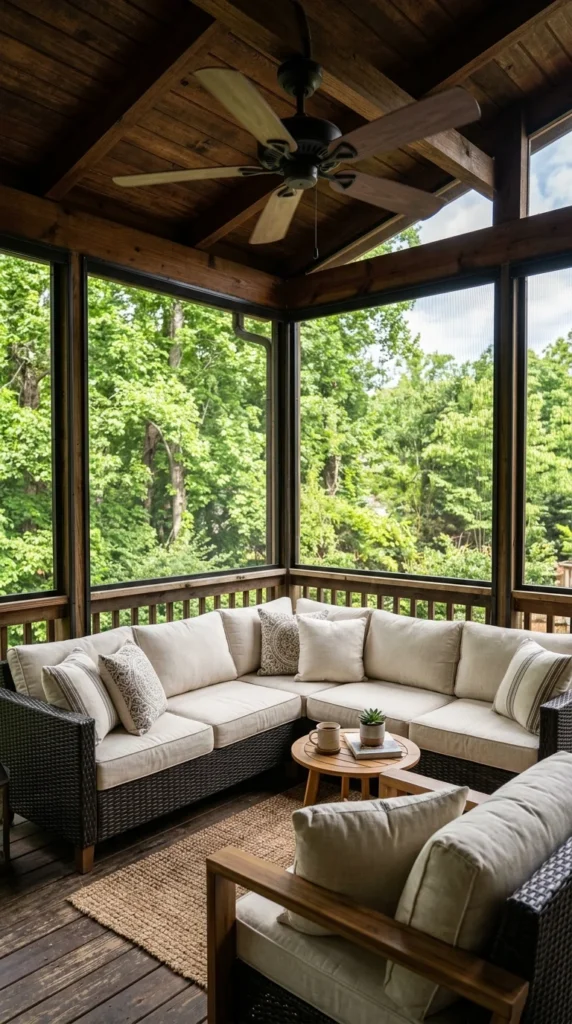
In areas where mosquitoes and “no-see-ums” are a persistent problem, a screened-in deck is a lifesaver. By enclosing your deck with high-visibility mesh, you maintain the breeze and the views while keeping the pests at bay. This setup effectively turns your deck into a true “outdoor room” where you can relax late into the evening.
5. Glass Enclosure
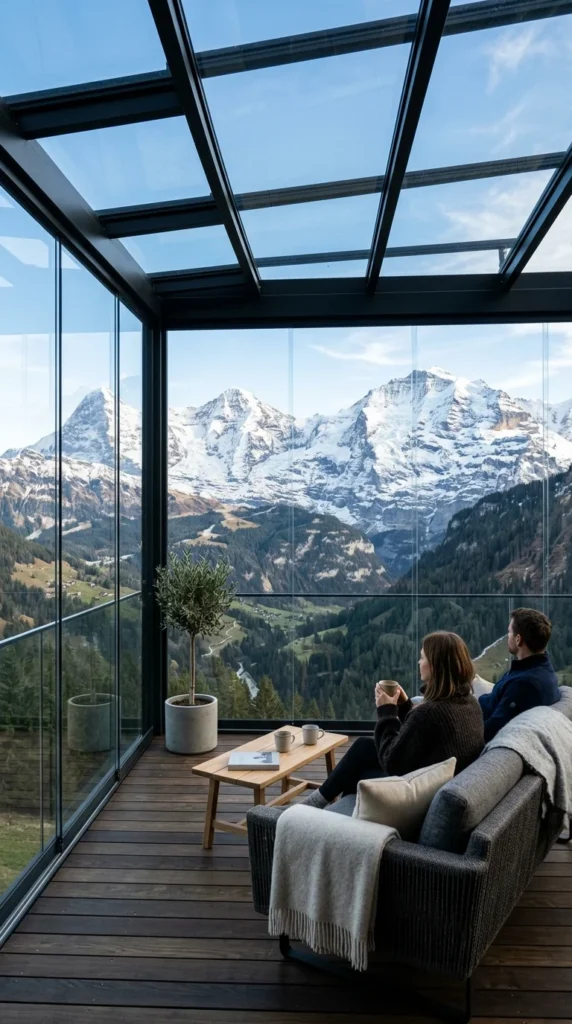
For those with a stunning view they don’t want to lose, a glass enclosure offers a “solarium” feel. It provides total protection from wind and rain while allowing 360-degree views of the surrounding landscape. In cooler climates, the glass helps trap solar heat, making the deck usable even in late autumn or early spring.
6. Fabric Sails
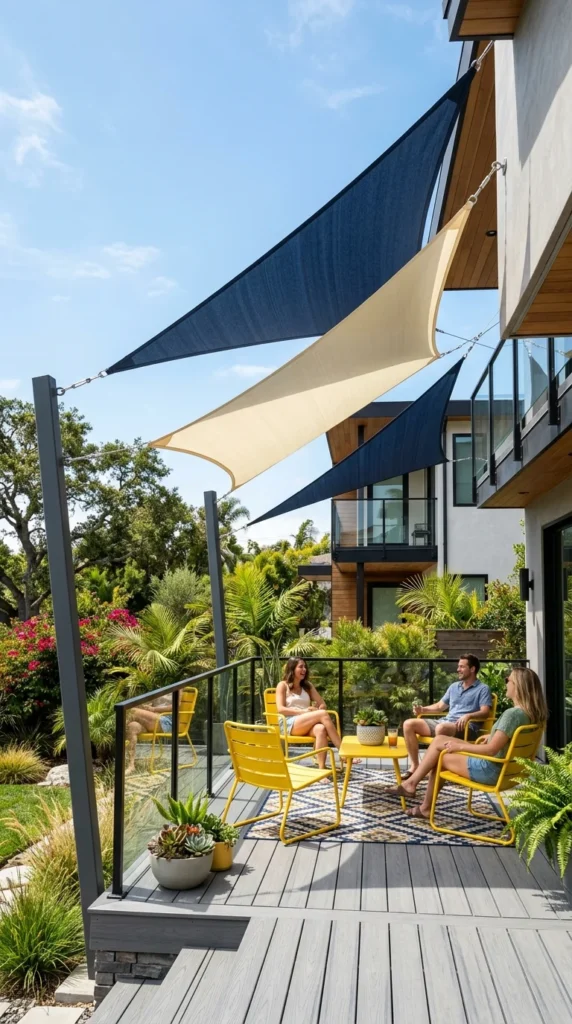
Shade sails are a contemporary, artistic way to provide cover. These tensioned fabric triangles or rectangles can be arranged in overlapping patterns to create a dynamic look. They are particularly effective for modern homes and provide a breezy, nautical vibe that is perfect for summer lounging.
7. Wood Slats
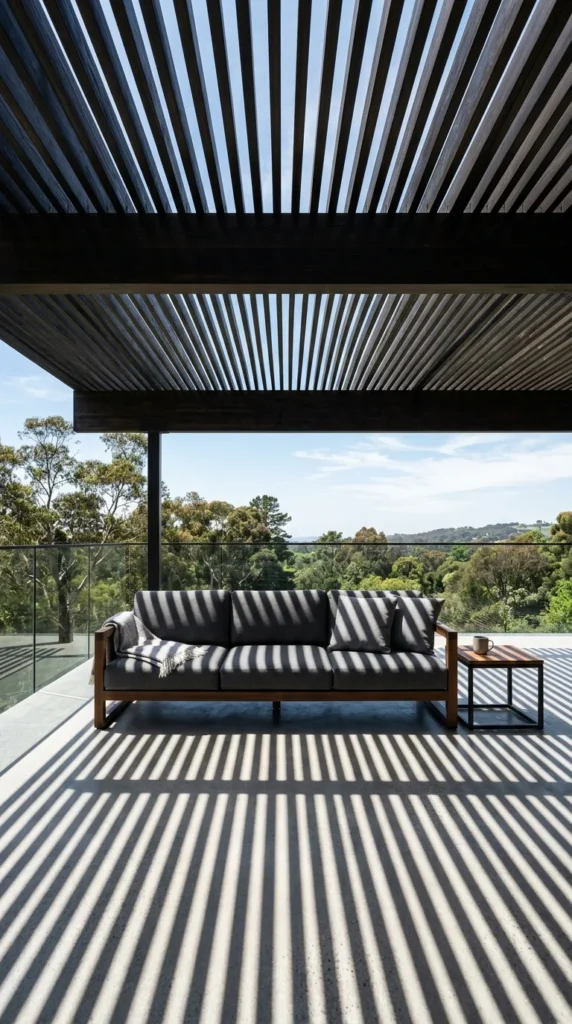
Using narrow wood slats with small gaps between them creates a sophisticated, architectural look. This design provides significant shade while still allowing for excellent airflow. It is a popular choice for mid-century modern and contemporary homes where clean lines and geometric shadows are desired.
8. Outdoor Curtains
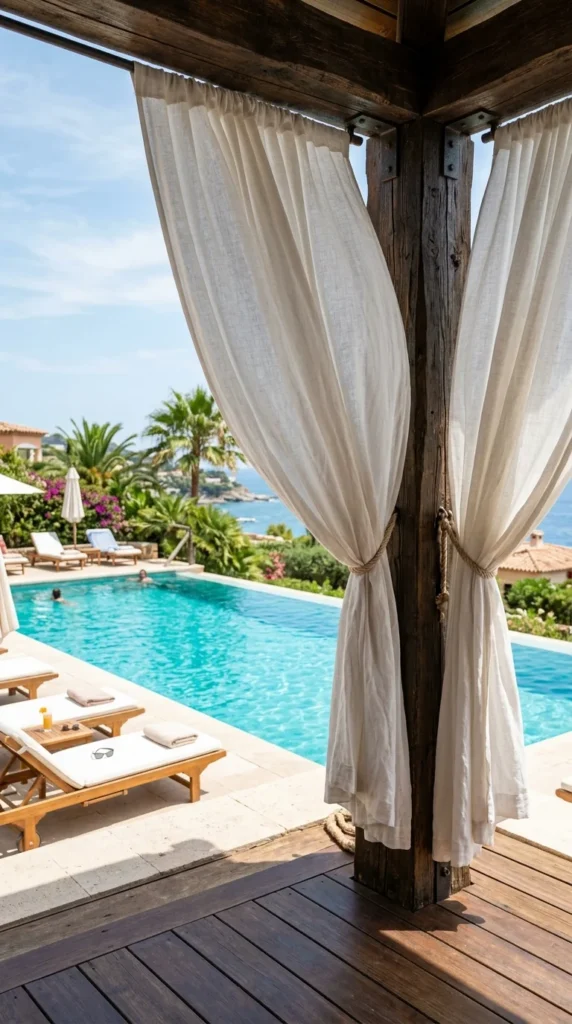
Adding curtains to a covered deck introduces a sense of soft elegance and privacy. Beyond the aesthetic appeal, they are functional—allowing you to block the low-hanging evening sun or create a private nook for reading. Opt for weather-resistant fabrics like Sunbrella to ensure they withstand the elements without fading or molding.
9. Green Canopy
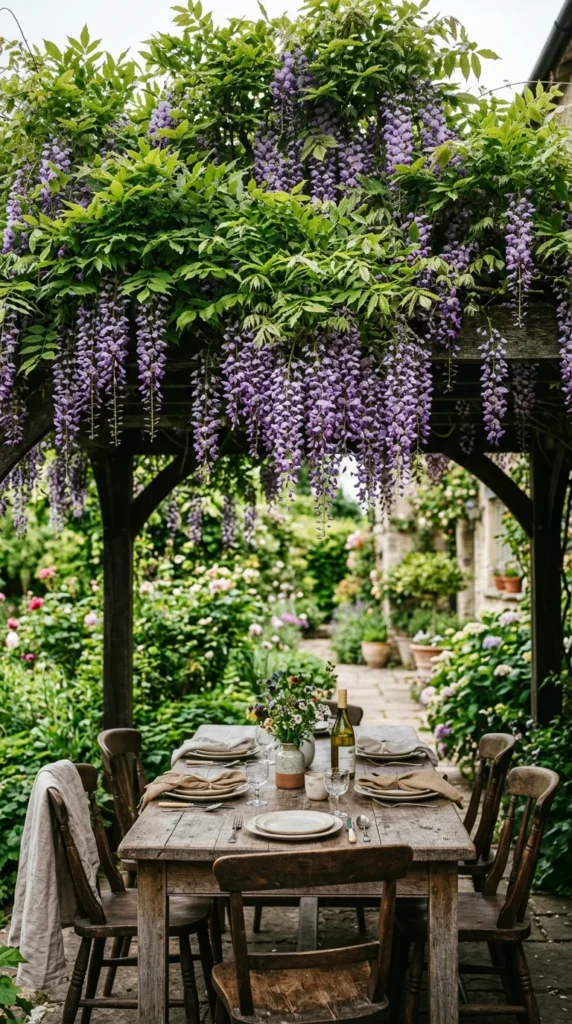
Nature is the best architect. By encouraging fast-growing vines to take over a simple frame, you create a “living roof.” This provides natural cooling through transpiration and a fragrance that synthetic materials simply cannot match. It’s the ideal choice for a romantic, cottage-style garden.
10. Metal Overhang
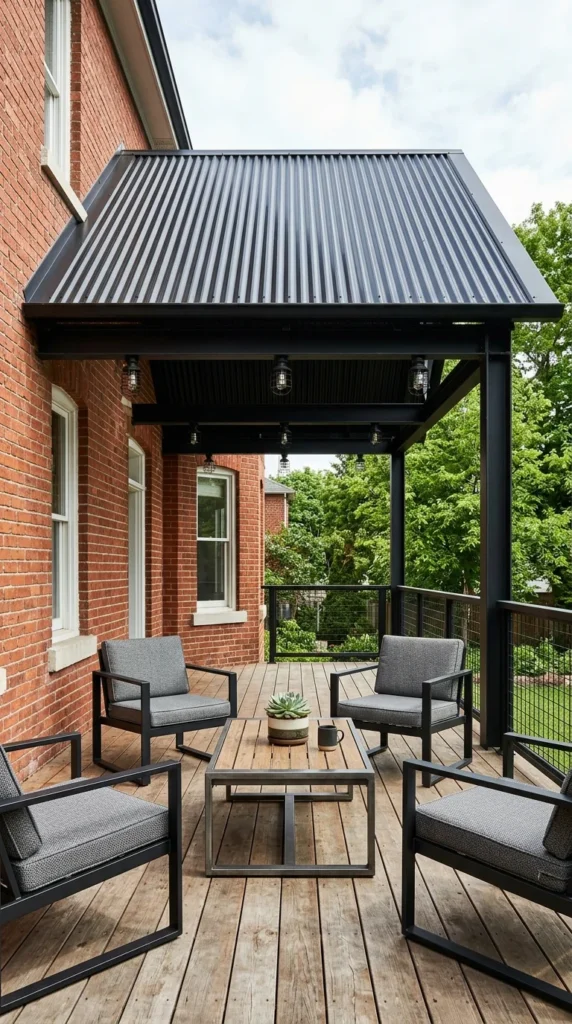
For a more industrial or modern farmhouse look, a metal overhang is incredibly durable and low-maintenance. Corrugated metal or standing-seam panels provide a rhythmic texture and the wonderful sound of rain hitting the roof. It’s a sturdy option that handles heavy snow loads well in northern climates.
11. Gable Roof
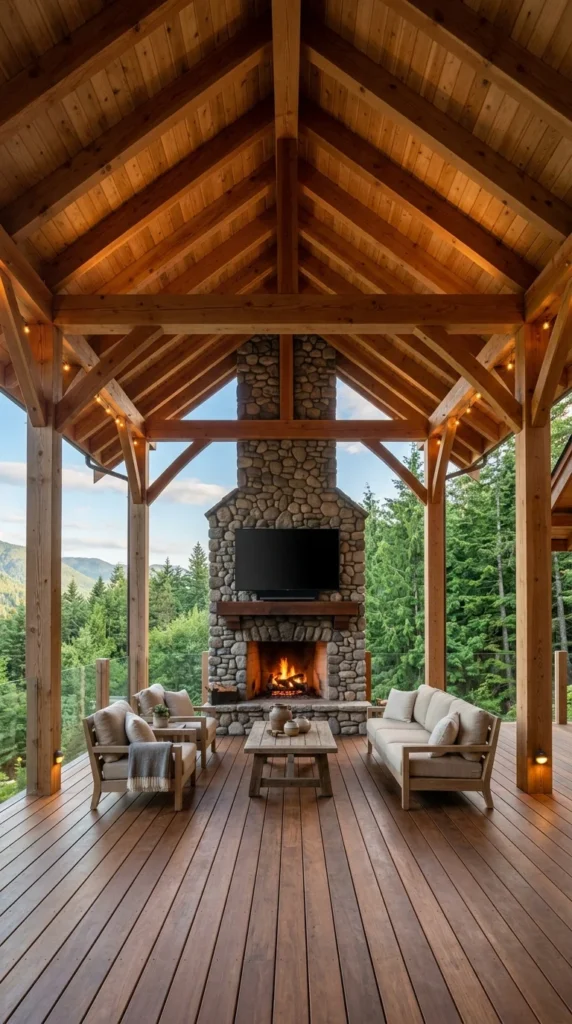
A gable roof features two sloping sides that meet at a ridge, creating a high, airy ceiling. This style is excellent for keeping a deck feeling open and spacious. It also allows for the installation of large overhead fans and even chandeliers, making the outdoor space feel as grand as an indoor Great Room.
12. Lean-To Structure
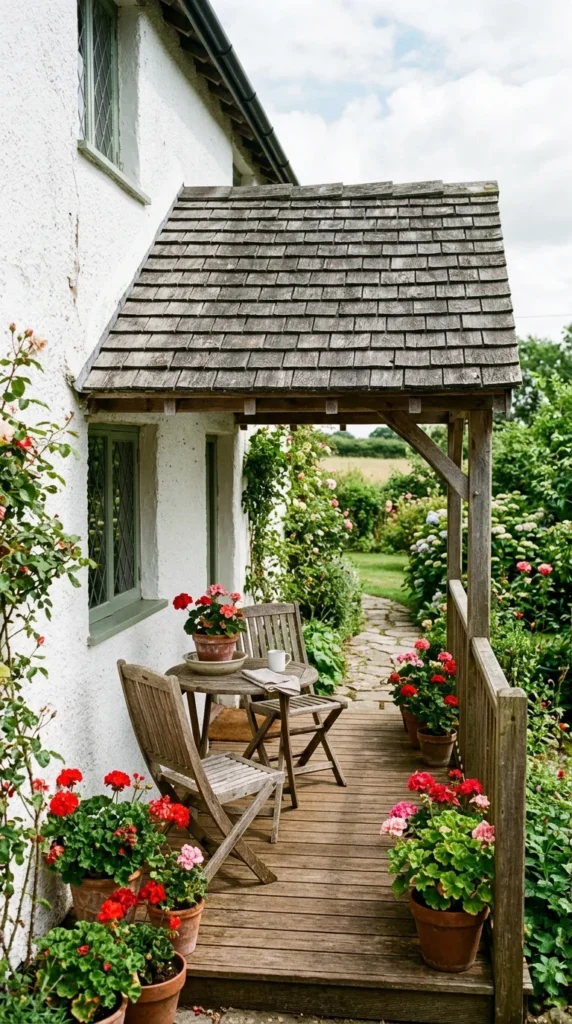
The lean-to is a simple, cost-effective way to cover a deck. By sloping the roof away from the house, it effectively sheds water and integrates seamlessly with the existing roofline. It’s an understated choice that works well for smaller decks or side porches.
13. Pavilion Style
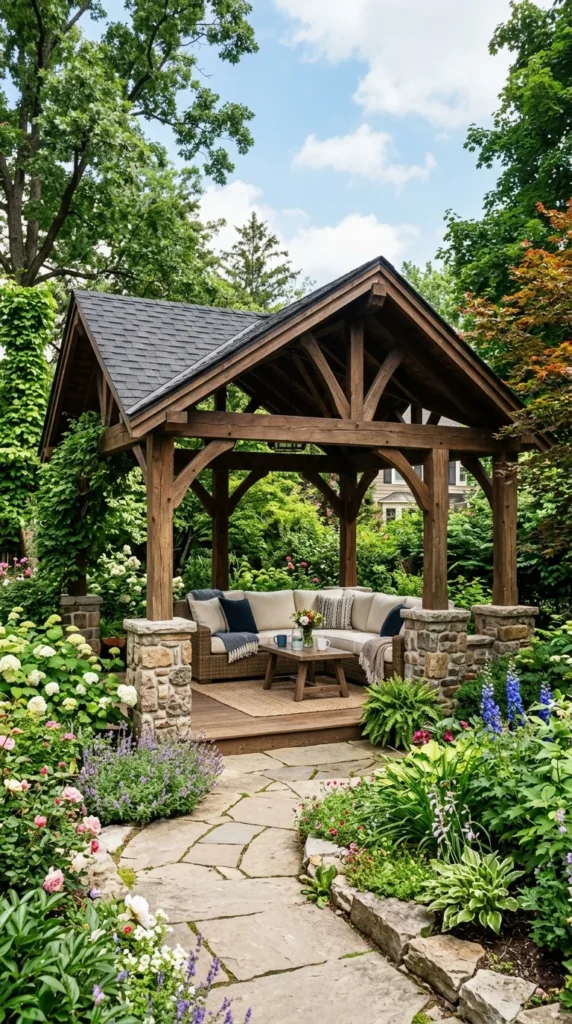
If your deck is located away from the house, a pavilion-style cover is the way to go. This is a fully roofed, permanent structure that stands independently. It creates a destination in your backyard, perfect for an outdoor kitchen or a dedicated conversation pit centered around a fire table.
14. Solarium Finish
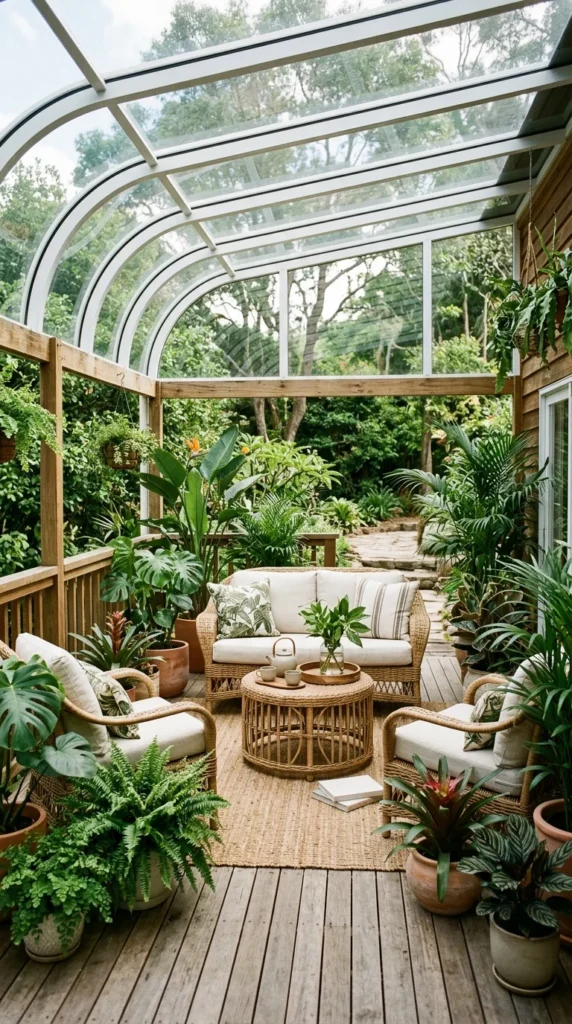
A solarium or conservatory-style cover uses transparent or translucent materials to maximize light. This is perfect for gardeners who want to keep sensitive plants on the deck or for those who live in overcast climates and want to capture every bit of available vitamin D.
15. Thatch Roofing
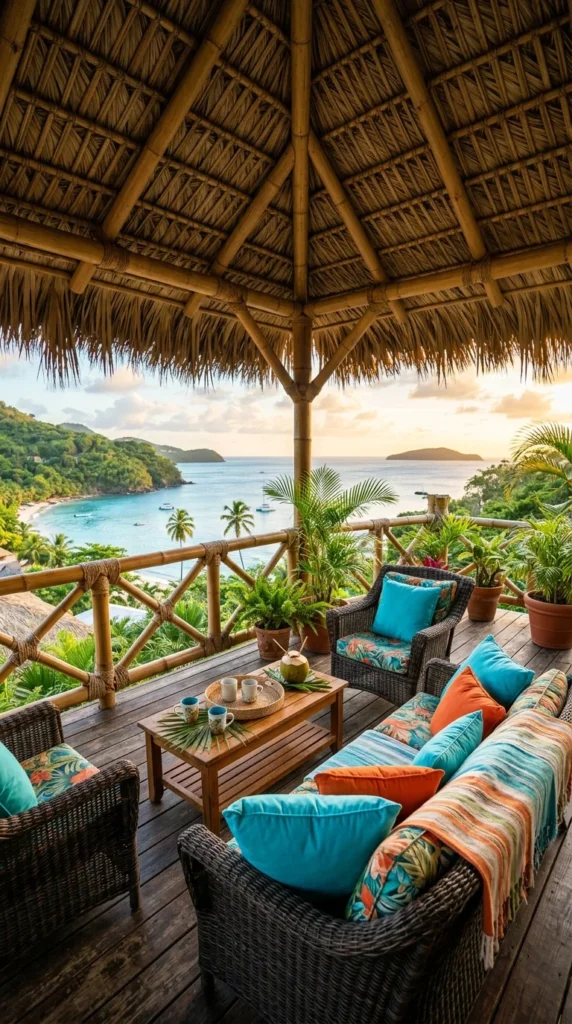
For a “staycation” vibe, nothing beats a thatched roof. Often associated with tiki bars or tropical resorts, a thatched cover provides excellent insulation against heat. While it requires more maintenance than metal or wood, the aesthetic impact is undeniable for a poolside deck.
16. Industrial Steel
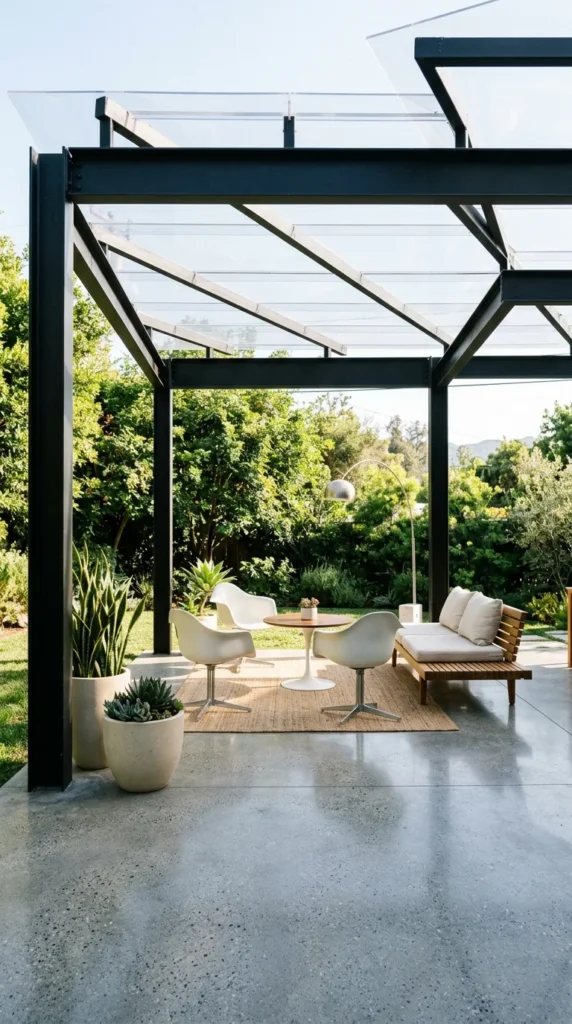
Steel frames offer a thin profile and incredible strength, allowing for larger spans without the need for numerous support columns. This creates a clean, unobstructed view. Combined with glass or acrylic panels, an industrial steel cover looks sharp, modern, and high-end.
17. Translucent Panels
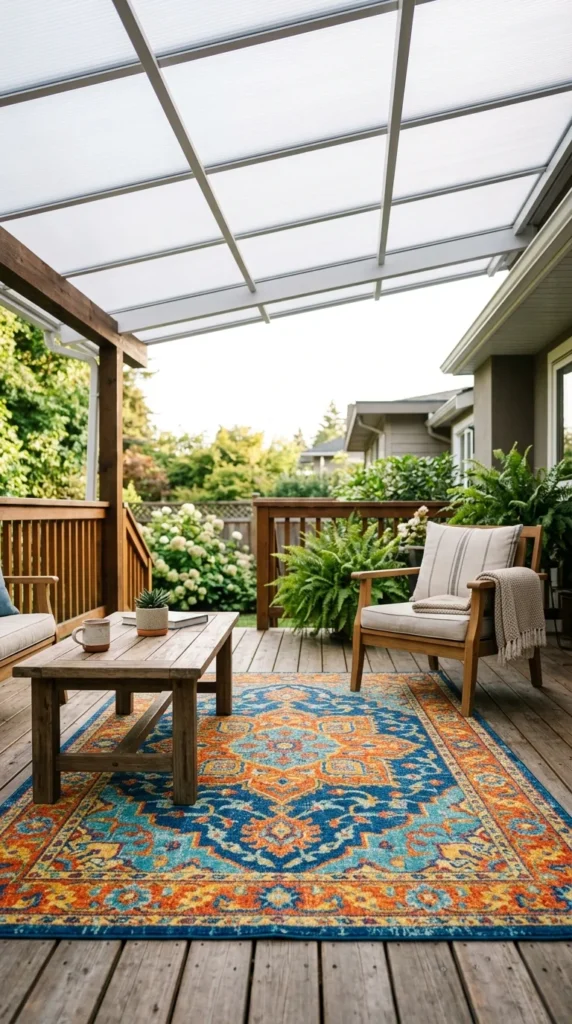
Translucent polycarbonate panels are a brilliant middle ground between a solid roof and glass. They block harmful UV rays and protect against rain while still letting light filter through. The result is a bright, airy space that doesn’t feel dark or cave-like, even on cloudy days.
18. Integrated Fireplace
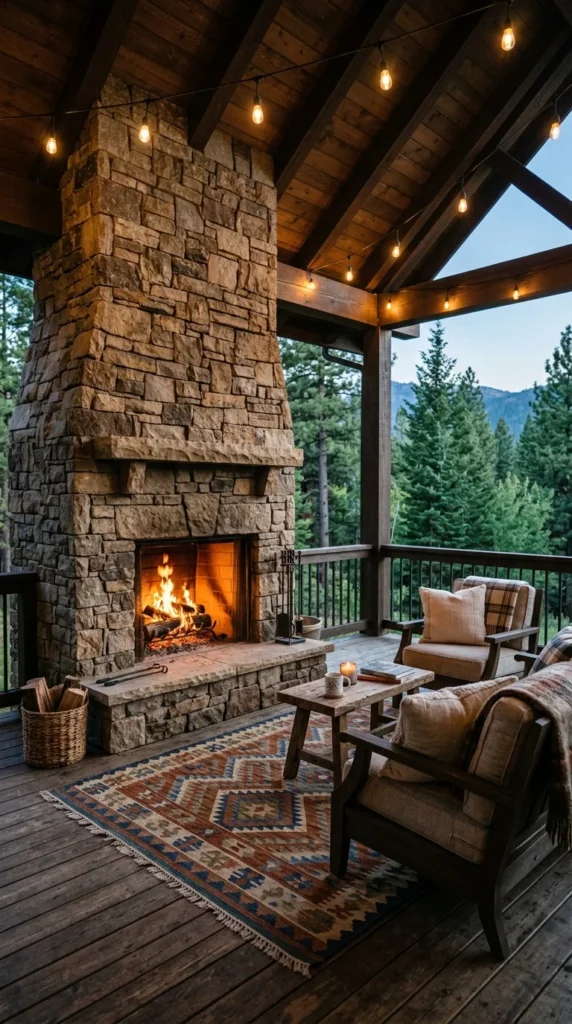
To truly extend the season of your covered deck, integrate a fireplace into the design. A stone or brick hearth provides a focal point and essential warmth during chilly autumn evenings. It anchors the space, making the covered deck feel like a permanent, foundational part of the home.
19. Fan Installation
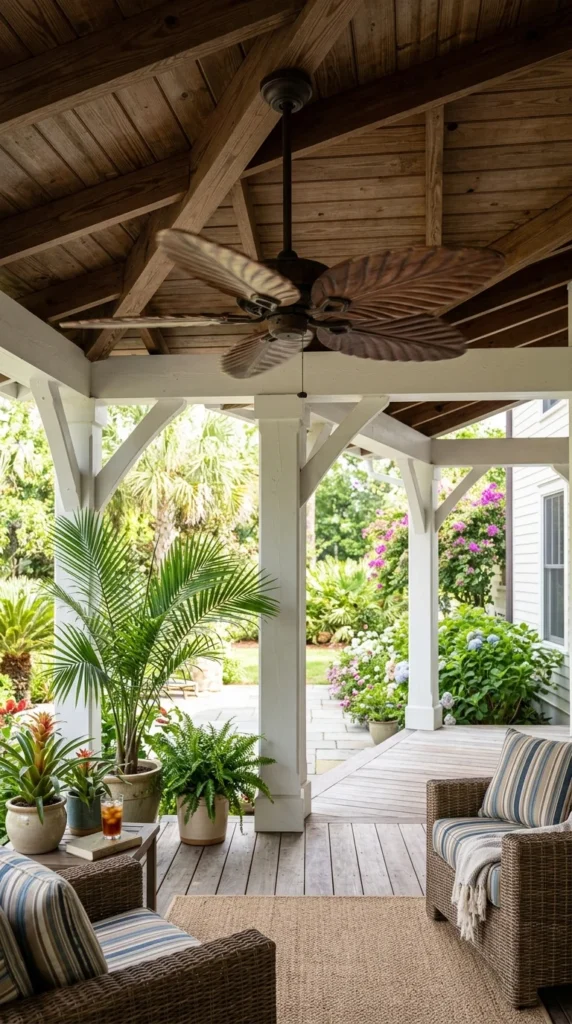
Air movement is critical for comfort in the heat. By choosing a roof style that allows for ceiling fan installation, you can create a gentle breeze on stagnant summer days. Many outdoor fans also come with integrated lighting, solving two problems with one fixture.
20. Built-In Seating
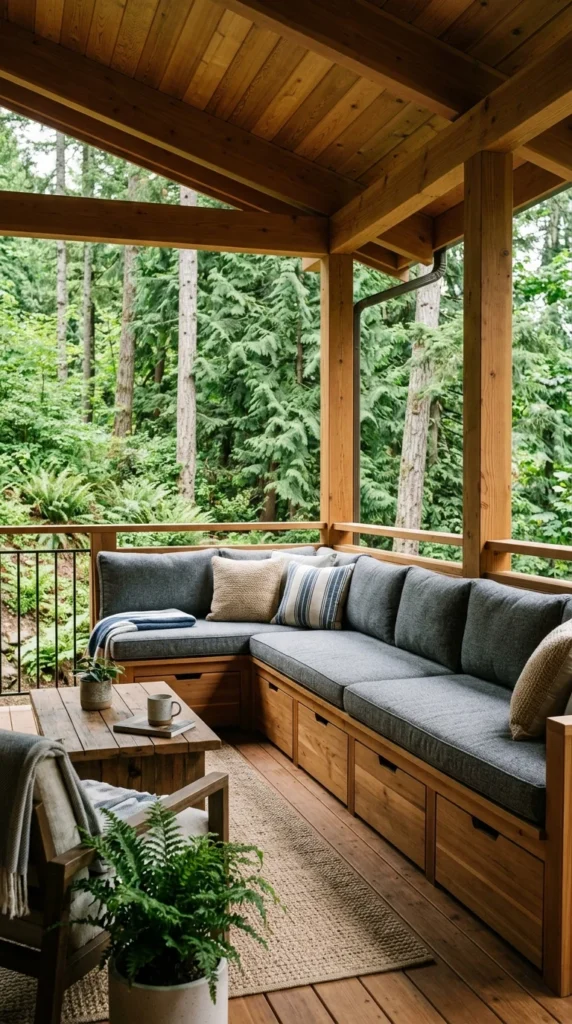
When you have a permanent cover, you can invest in built-in features that stay protected from the rain. Built-in benches around the perimeter maximize seating capacity without cluttering the deck with extra chairs. Adding cushions makes it a cozy spot for large gatherings.
21. Outdoor Kitchen
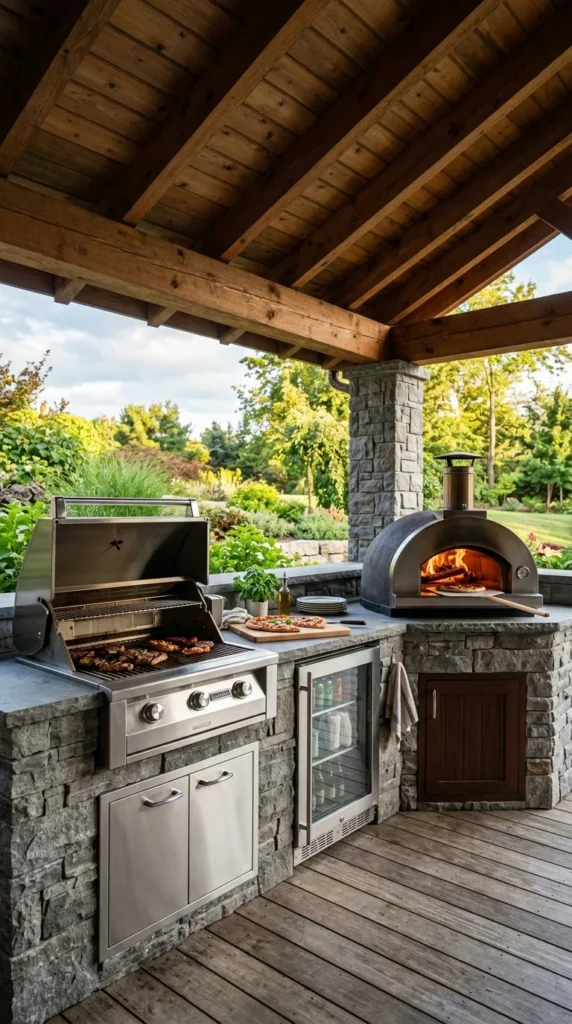
A covered deck is the perfect location for an outdoor kitchen. The roof protects your expensive appliances from the elements and allows the “chef” to keep cooking even if a summer shower passes through. Adding a bar-height counter encourages guests to hang out while dinner is being prepared.
22. Hanging Swings
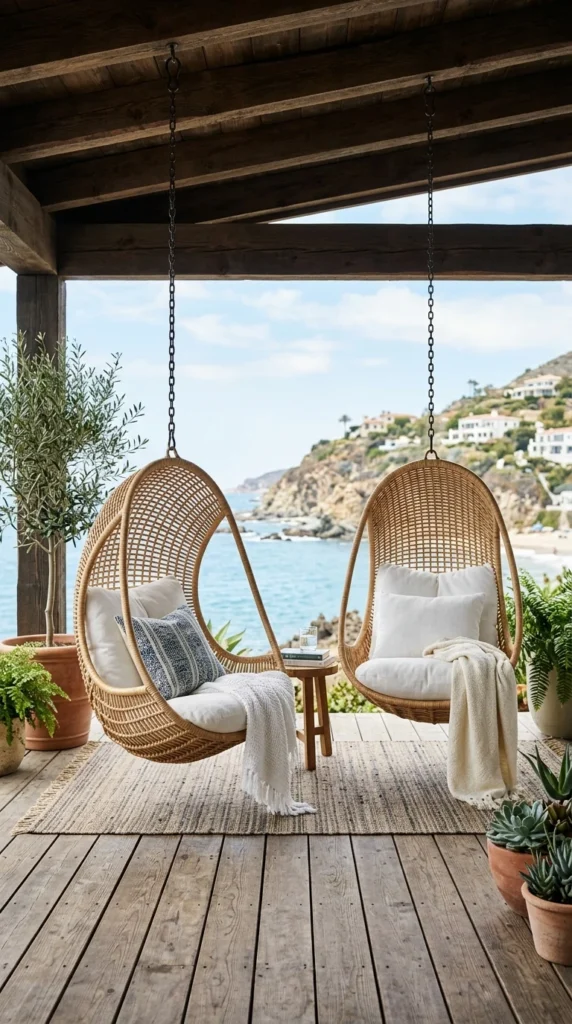
Take advantage of the structural beams of a covered deck by installing hanging furniture. Whether it’s a classic porch swing or modern egg chairs, the gentle swaying motion adds a layer of relaxation that ground-based furniture can’t provide. It turns the deck into a playful and serene retreat.
23. String Lights
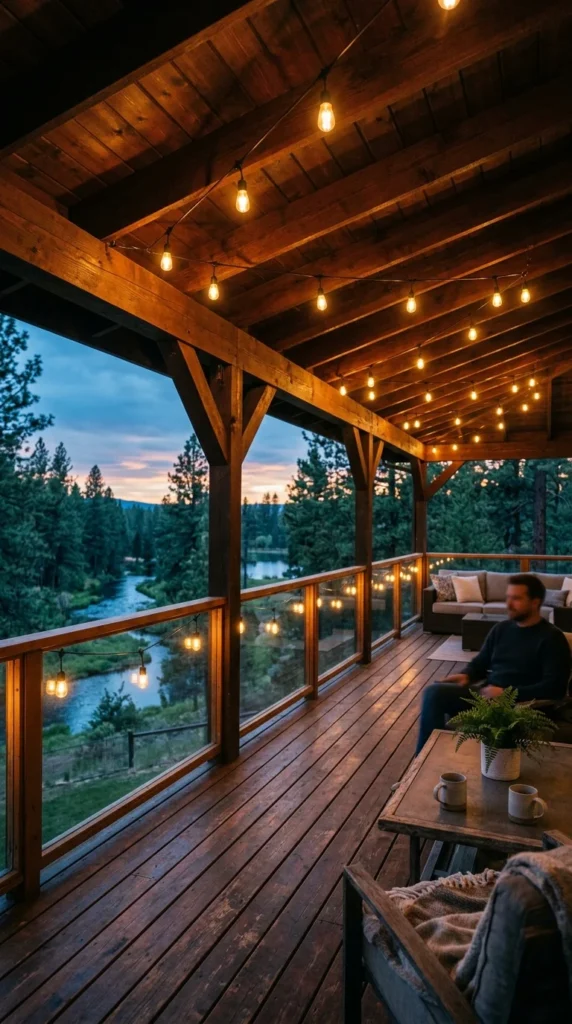
Lighting is the “secret sauce” of a comfortable deck. String lights, or “bistro lights,” draped across the underside of a deck cover create an instant atmosphere of celebration and warmth. They provide a soft, ambient glow that is far more inviting than harsh floodlights.
24. Minimalist Overhang
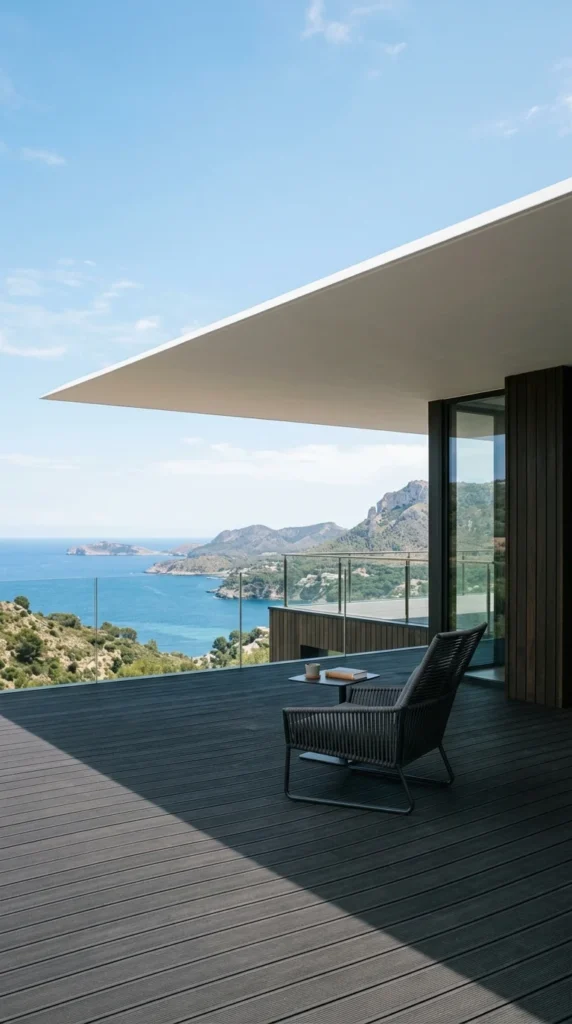
For the ultimate modern home, a minimalist cantilevered overhang provides shade without any visible support posts on the outer edge. This creates a floating effect that is architecturally stunning and keeps the deck floor completely open for movement. It’s a bold choice that emphasizes clean lines and open space.