
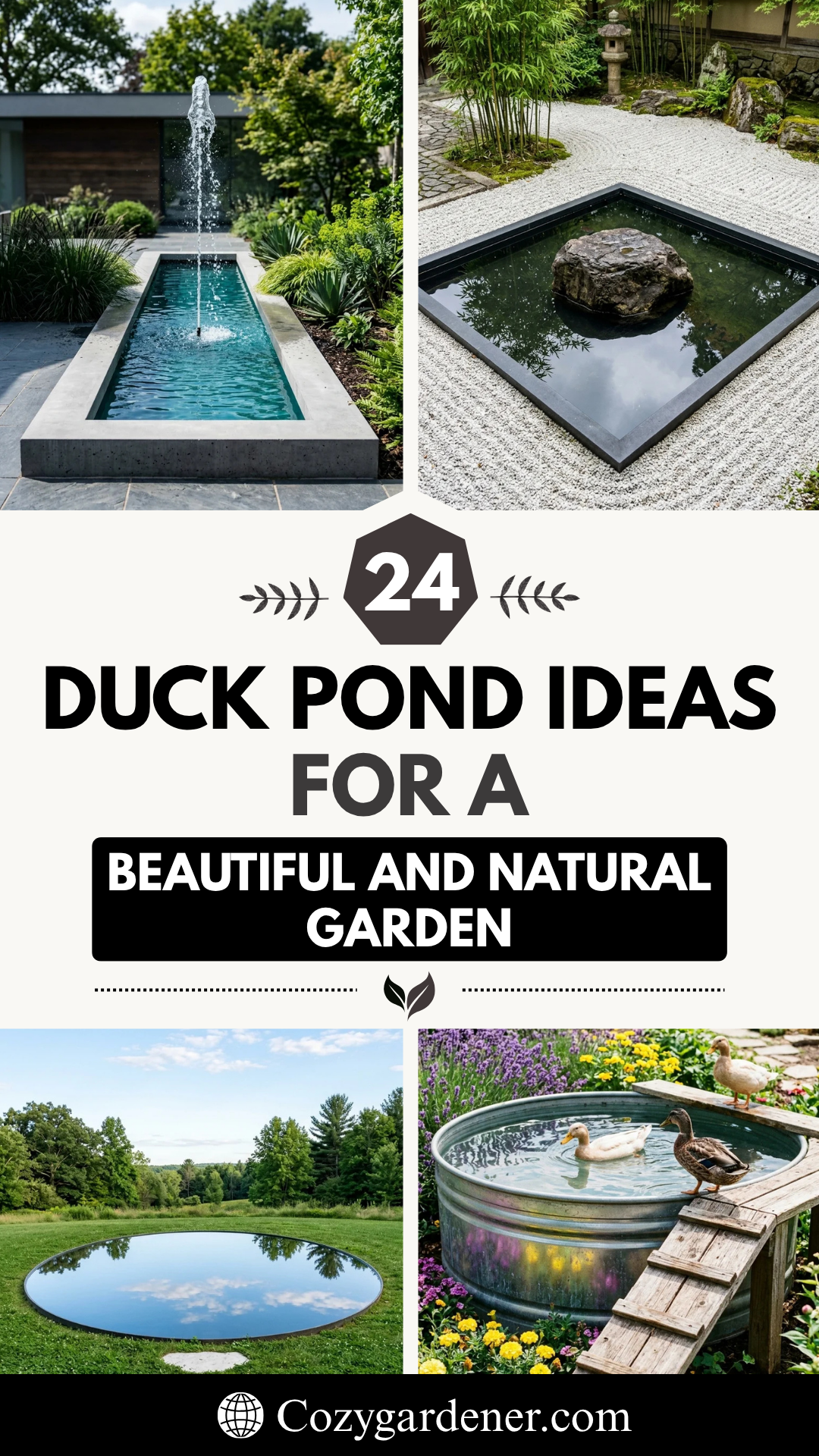
Transforming your backyard into a sanctuary for feathered friends requires more than just a hole in the ground filled with water. A truly beautiful duck pond balances aesthetics with ecological function, providing a clean habitat for your ducks while enhancing the visual appeal of your landscape. Whether you have a sprawling estate or a modest suburban patch, these 24 ideas will inspire you to create a liquid masterpiece.
1. Natural Shoreline
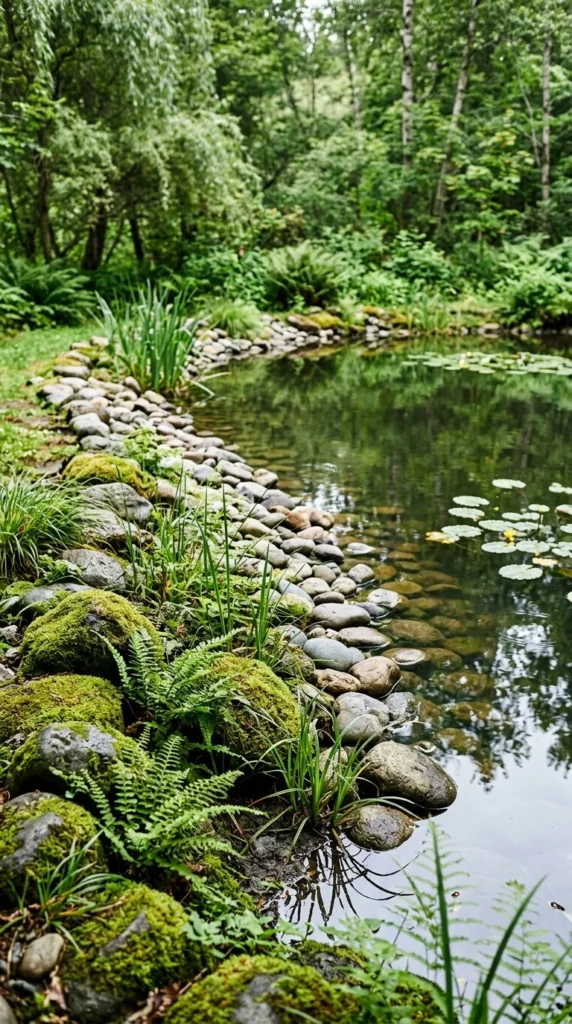
A natural shoreline is the gold standard for a “wild” look. By using varying sizes of river rock and native grasses like sedges or rushes, you create a soft transition that prevents erosion. Ducks love these edges because they can easily walk in and out of the water without slipping on steep plastic liners.
2. Tiered Waterfall
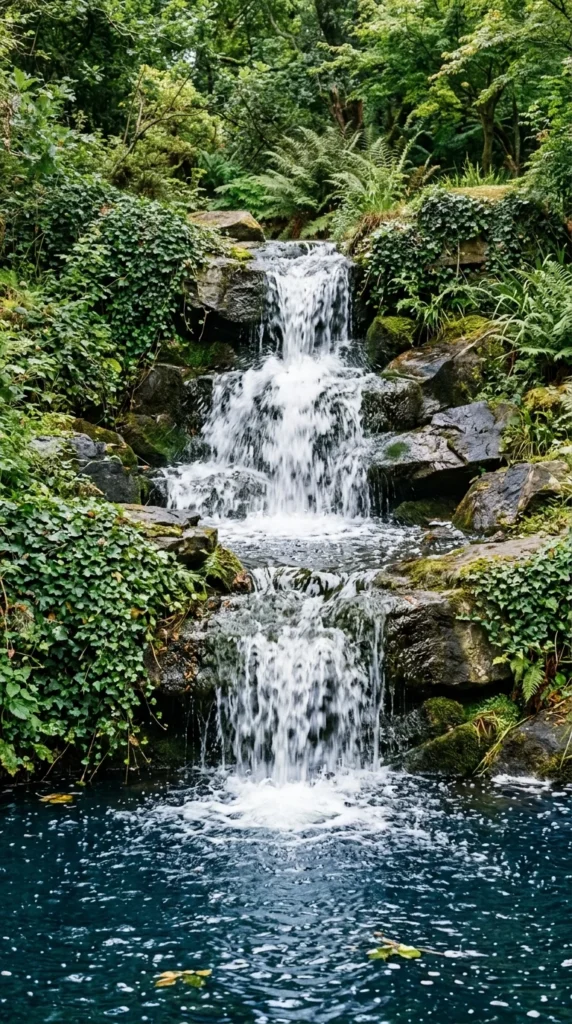
Waterfalls aren’t just for human enjoyment; they serve a vital purpose in a duck pond. Ducks are notorious for making water murky, but a tiered waterfall helps oxygenate the pond and keeps the water moving, which prevents stagnation and discourages mosquito breeding.
3. Stock Tank
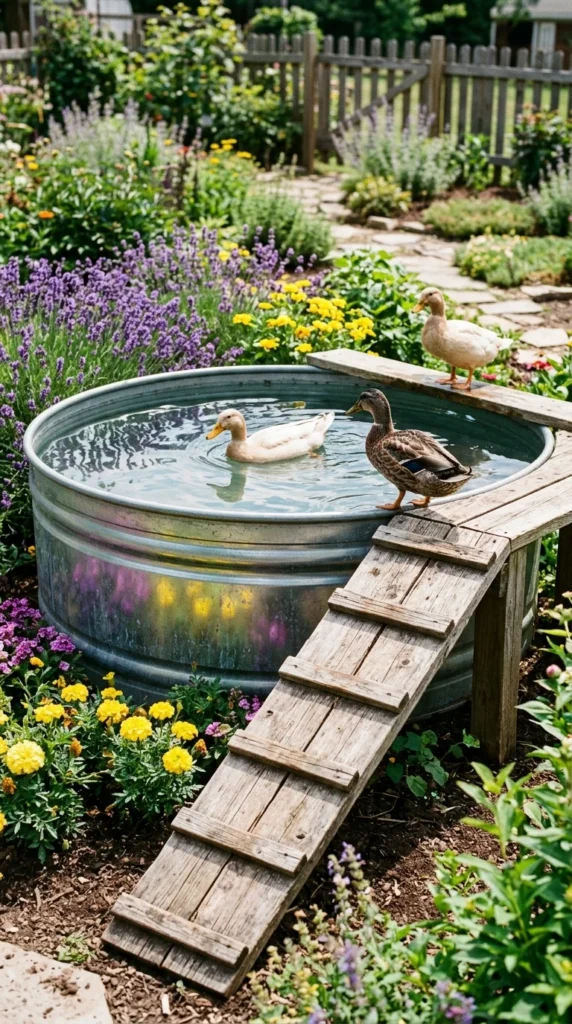
For a rustic or farmhouse aesthetic, a stock tank is an excellent choice. These are durable and easy to clean. By partially burying the tank and surrounding it with flowering perennials, you can make an industrial object look like an intentional piece of garden art.
4. Sunken Basin
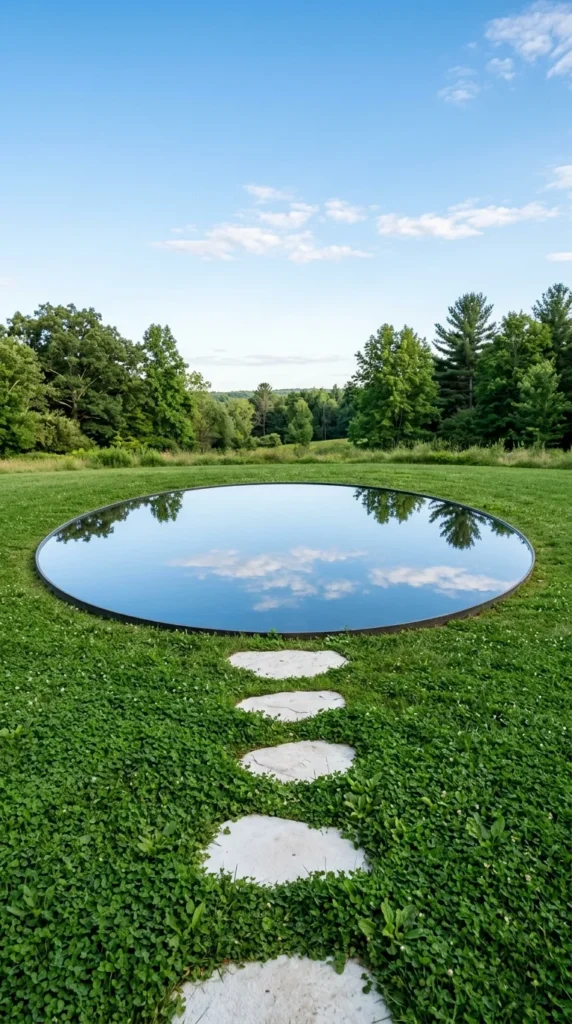
A sunken basin offers a sleek, modern look. It sits flush with the ground, making it an unobtrusive part of the landscape. This design works exceptionally well in smaller gardens where you want the pond to feel integrated rather than like a protruding feature.
5. Wetland Filter
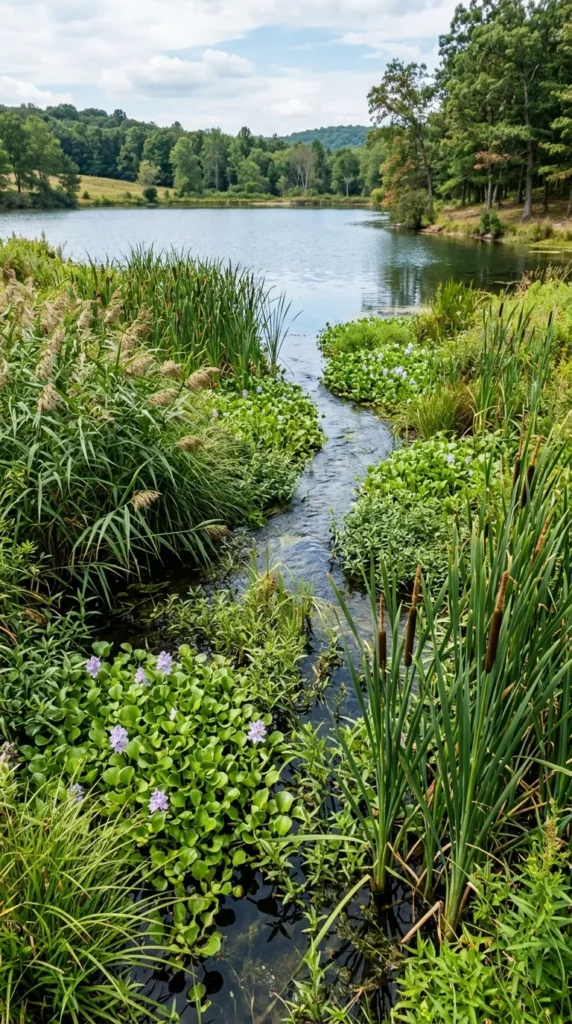
Ducks produce a lot of waste. A wetland filter—or “bog filter”—uses the power of plants to clean the water. By pumping pond water through a shallow area filled with gravel and heavy-feeding aquatic plants, the nutrients are absorbed, leaving the main pond much clearer.
6. Floating Island
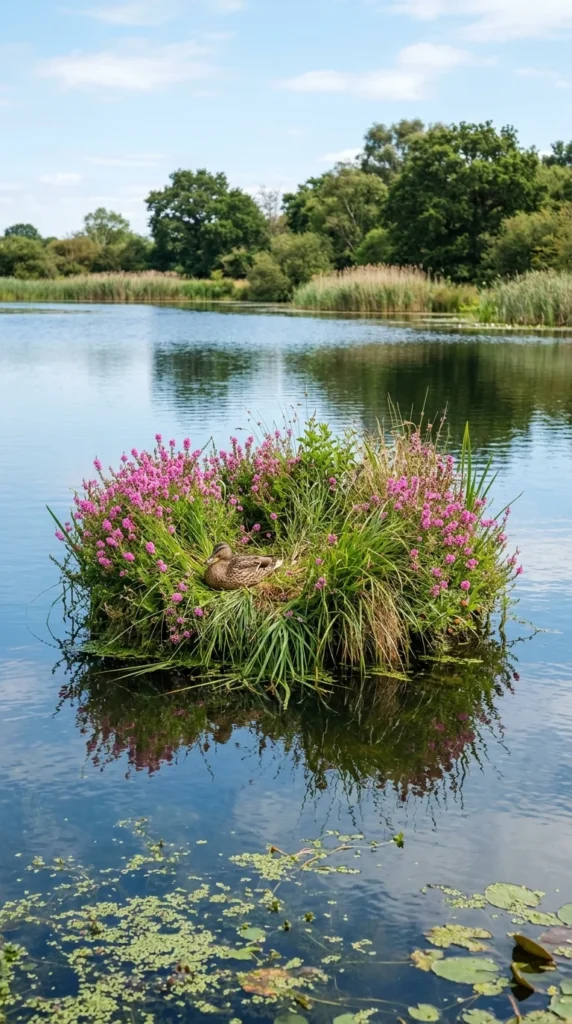
Floating islands are both decorative and functional. They provide a safe haven for ducks to rest away from land-based predators like foxes. Additionally, the roots of the plants on the island hang down into the water, sucking up excess nitrates.
7. Pebble Beach
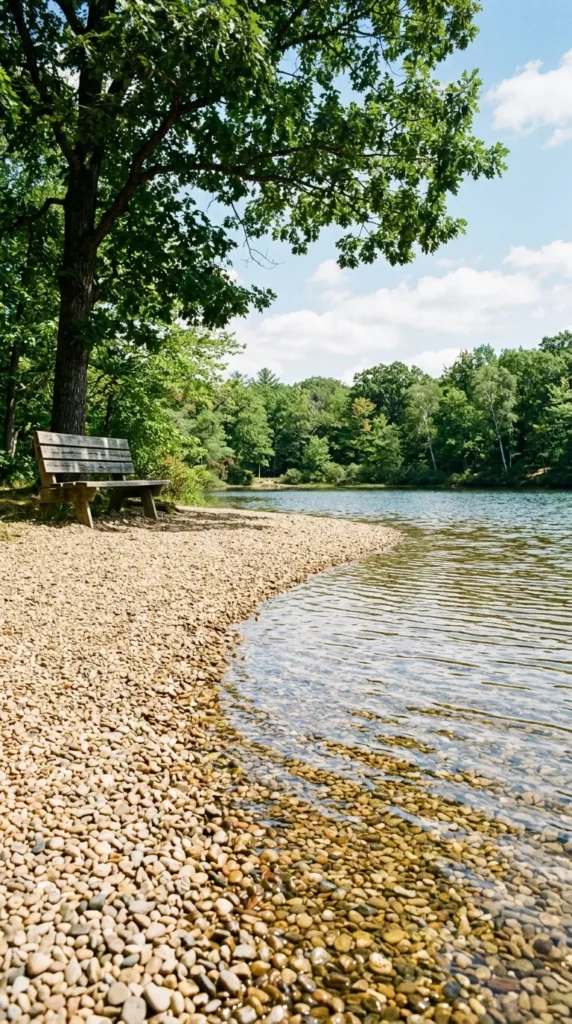
Instead of mud, create a dedicated pebble beach. This provides a clean area for ducks to preen themselves after a swim. It also prevents the “mud pit” look that often plagues duck enclosures, keeping the surrounding garden tidy.
8. Bridge Crossing
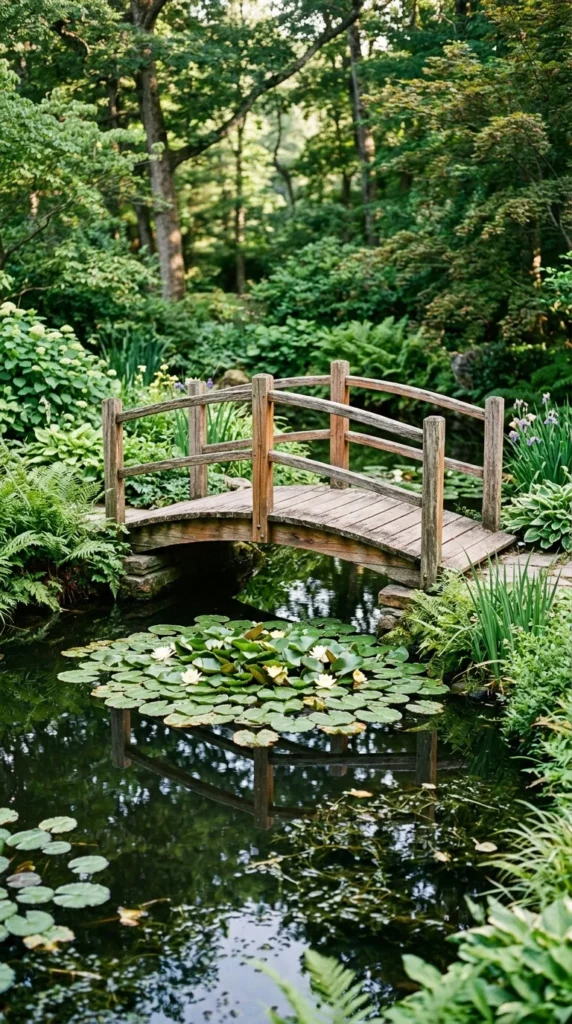
Adding a bridge creates a focal point and a sense of whimsy. It allows you to cross over the water to maintain the garden without getting your boots wet. Ducks also enjoy the shade provided by the bridge during hot summer afternoons.
9. Cottage Style
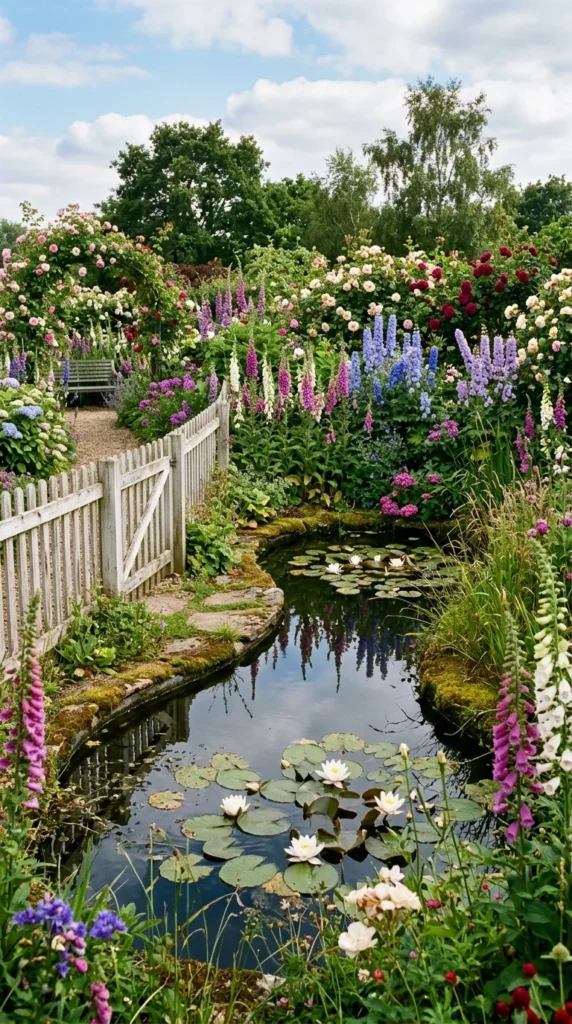
The cottage-style pond is all about abundance and “controlled chaos.” Surround your pond with a dense mix of flowering perennials and annuals. This look masks the pond’s mechanical components and creates a romantic, fairytale atmosphere.
10. Modern Concrete
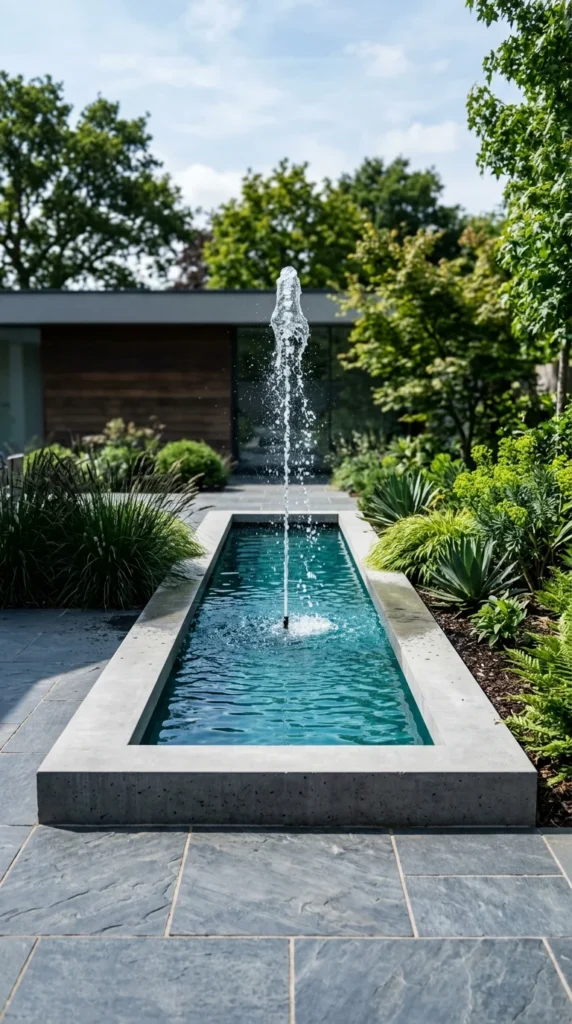
If your home has a contemporary design, a concrete pond provides a striking architectural element. The sharp lines contrast beautifully with the organic movement of the ducks, turning the pond into a piece of living sculpture.
11. Wildlife Oasis
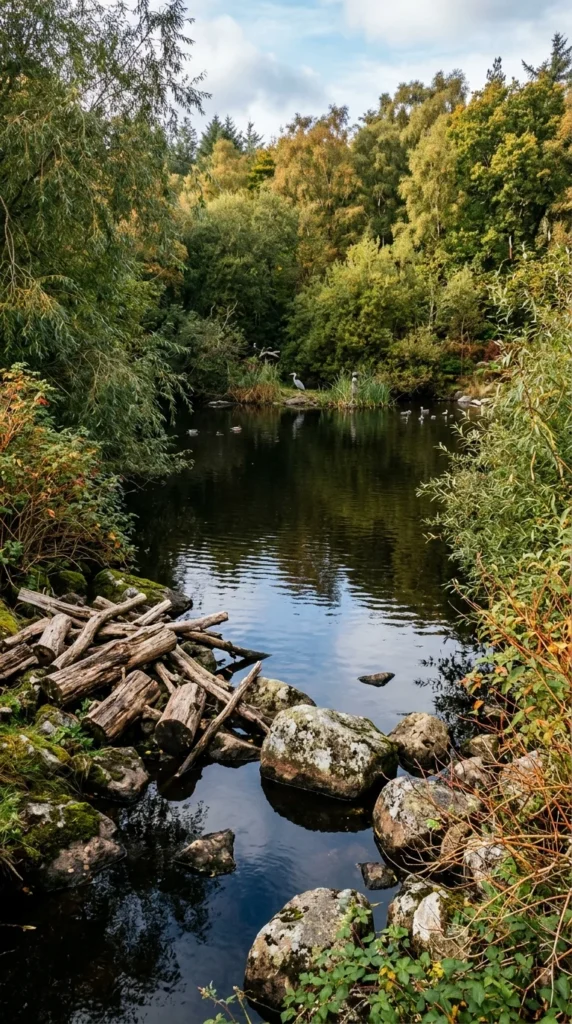
This design focuses on biodiversity. By including log piles and varying depths, you attract dragonflies, frogs, and birds alongside your ducks. It’s a self-sustaining ecosystem that looks like a hidden slice of the wilderness.
12. Bog Garden
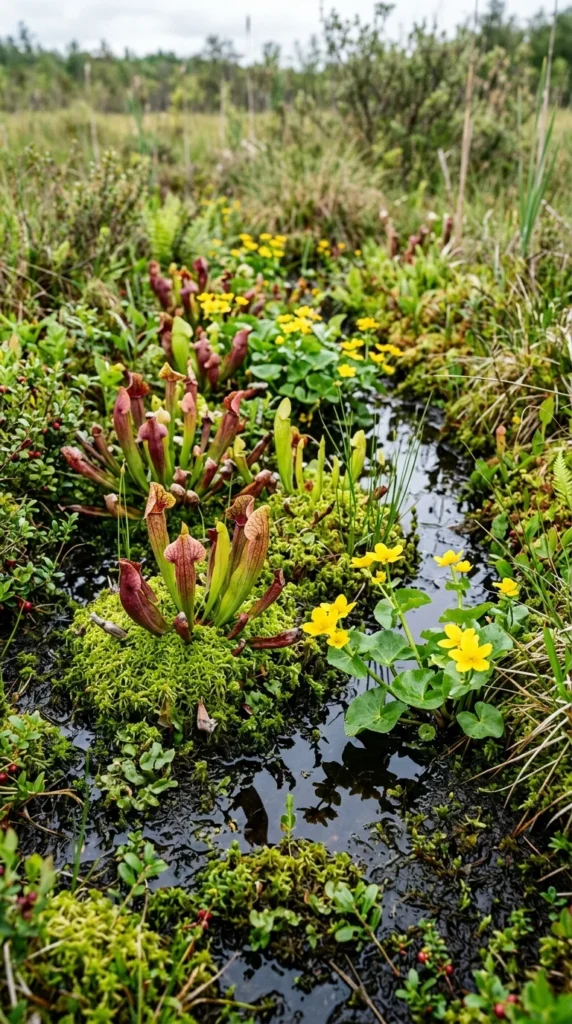
A bog garden is essentially a pond without the deep open water. It’s perfect for smaller ducks or as an extension of a larger pond. The saturated soil allows you to grow exotic, moisture-loving plants that wouldn’t survive elsewhere in the garden.
13. Tropical Lagoon
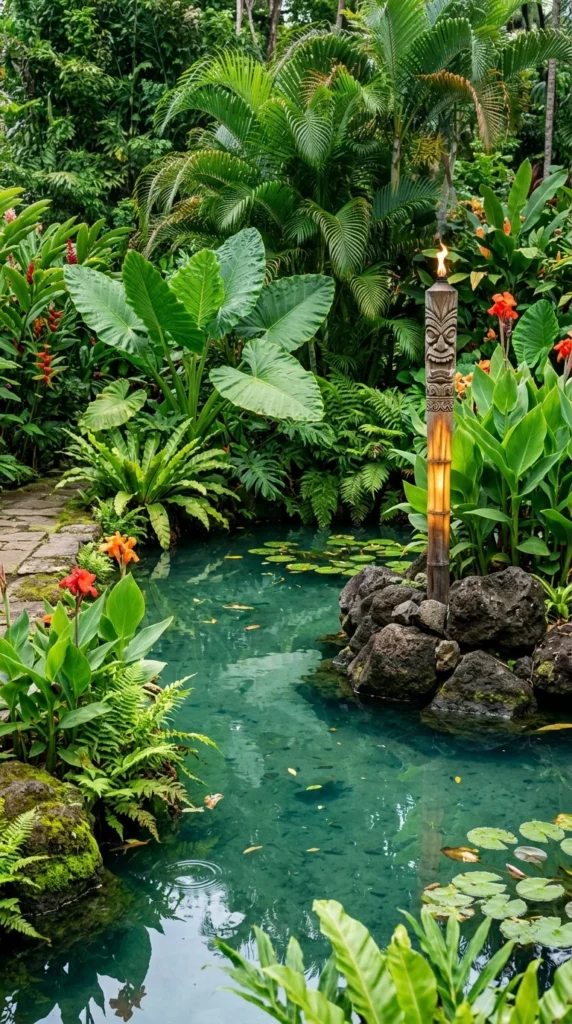
Even in temperate climates, you can create a tropical vibe using hardy plants with large foliage. This style makes the duck pond feel like a hidden resort, providing a lush, high-contrast look against the bright feathers of the birds.
14. Reclaimed Bathtub
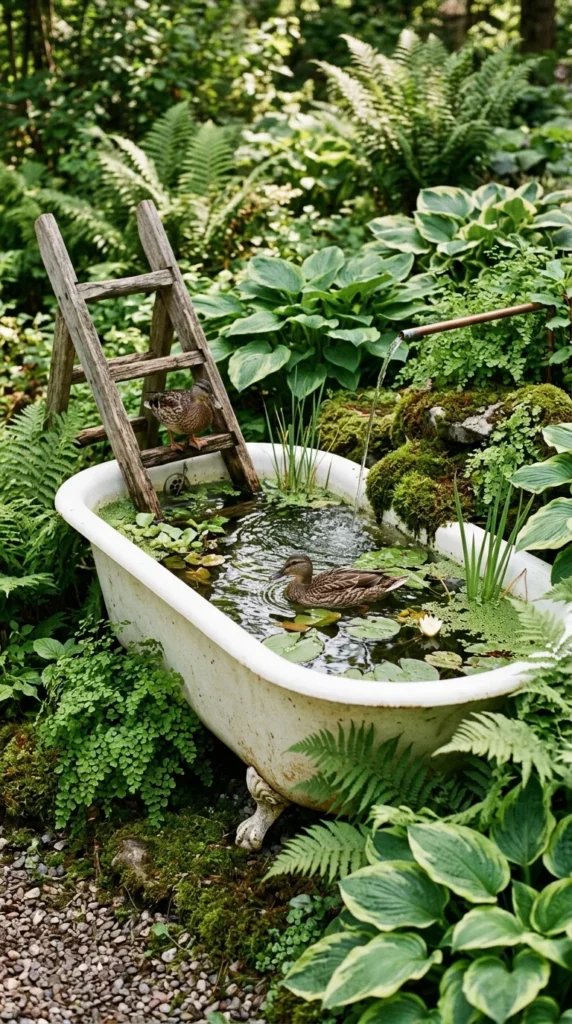
Upcycling an old bathtub is a clever way to add vintage charm. It’s a great DIY project for a small backyard. Because bathtubs are designed to hold water, they make excellent, leak-proof basins that are incredibly easy to drain and scrub.
15. Stream Connection
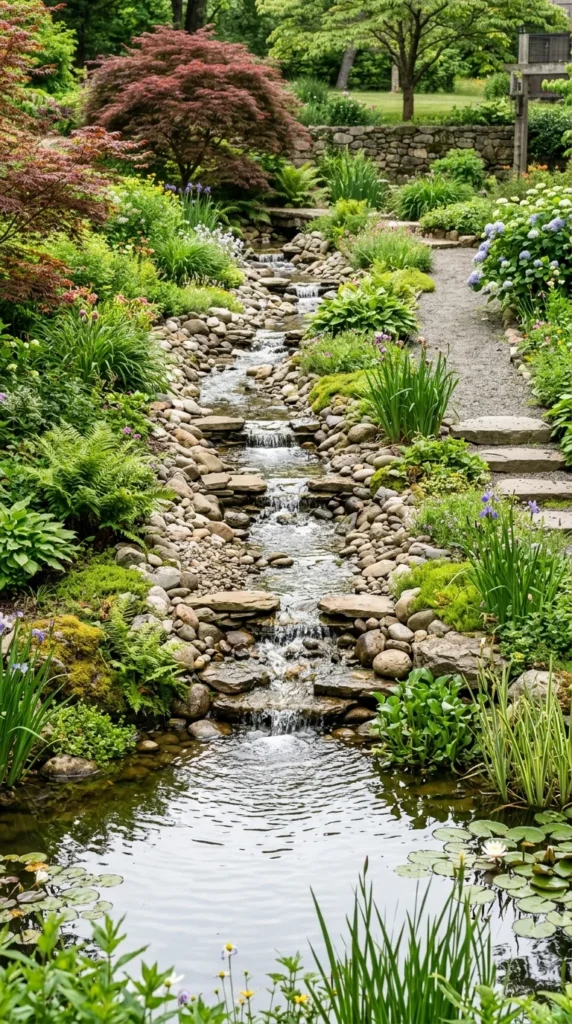
Connecting two water bodies with a stream adds movement and sound to your garden. Ducks love to play in moving water, and the stream acts as a natural aerobic filter as the water travels over the rocks and gravel.
16. Koi Hybrid
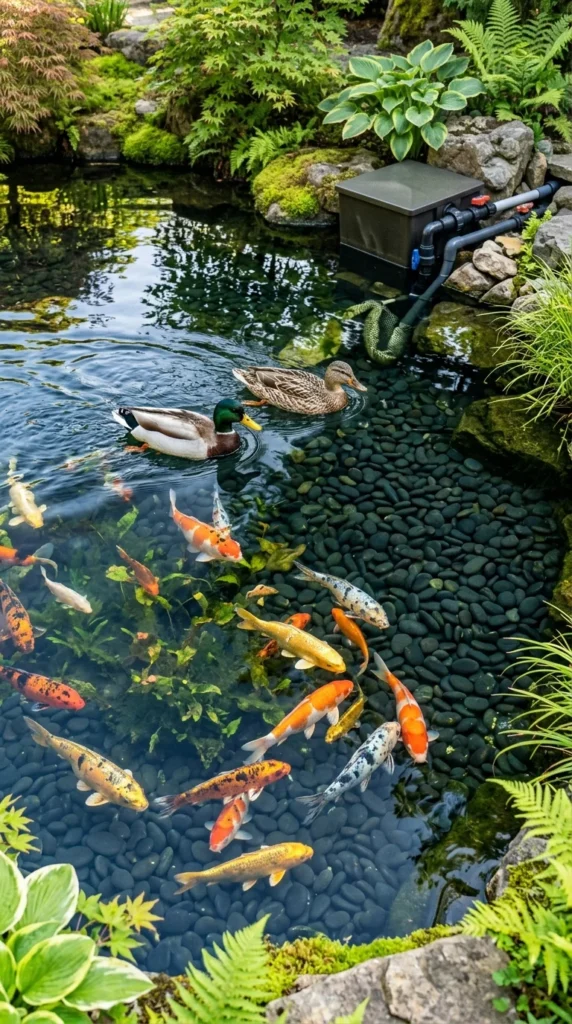
While challenging due to the cleaning requirements, a hybrid pond allows you to enjoy both ducks and fish. This setup requires an oversized filtration system to handle the high waste load, but the result is a vibrant, multi-layered aquatic display.
17. Rock Grotto
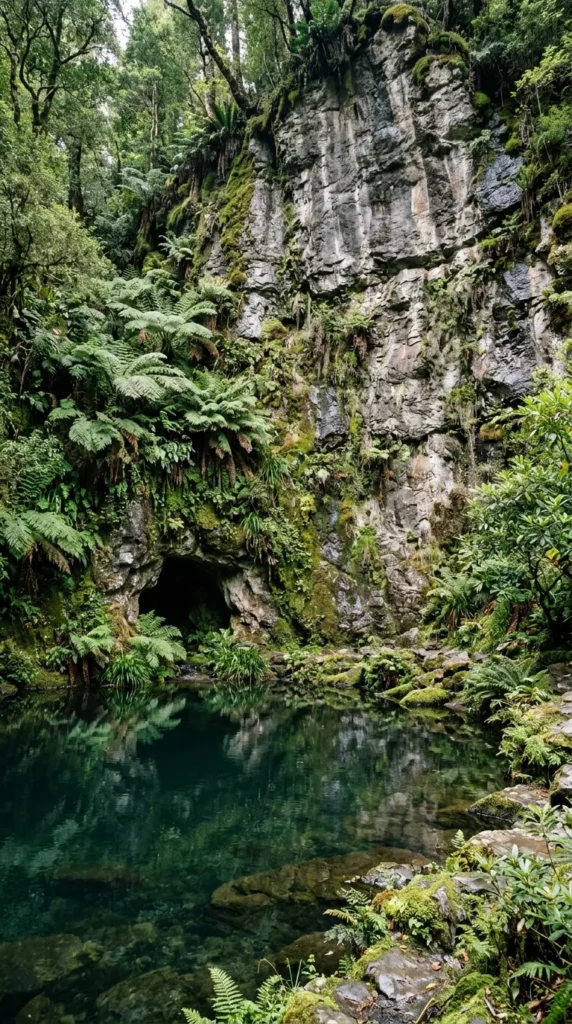
A rock grotto adds drama and verticality. You can build this using large boulders or faux-rock panels. It provides excellent shelter for the ducks and creates a cool microclimate during the summer months.
18. Edible Landscape
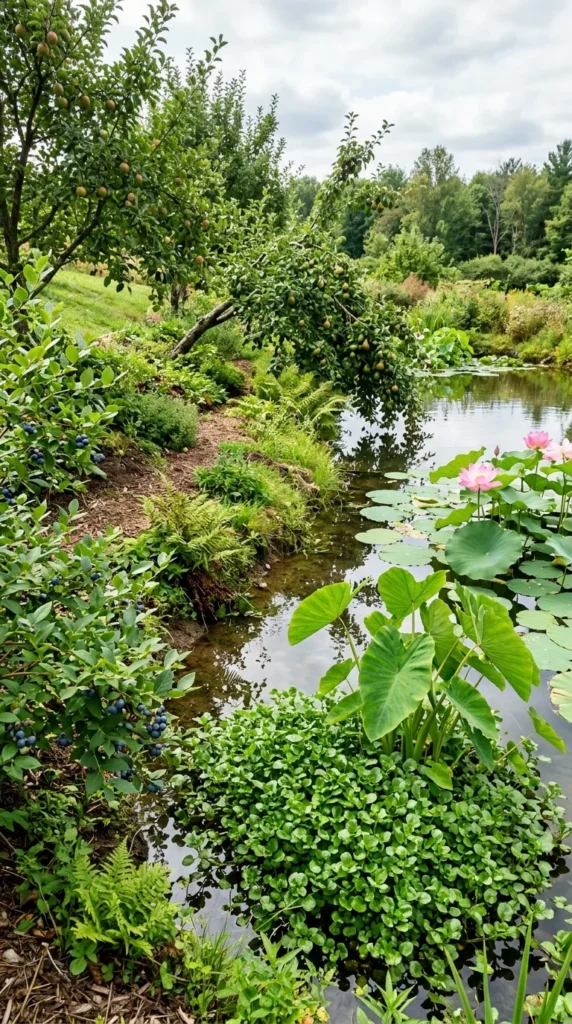
Make your pond work for you by planting edible species around it. Ducks will enjoy snacking on some of the greens, and you can harvest watercress or lotus root for your own kitchen. It’s a beautiful example of permaculture in action.
19. Gazebo Retreat
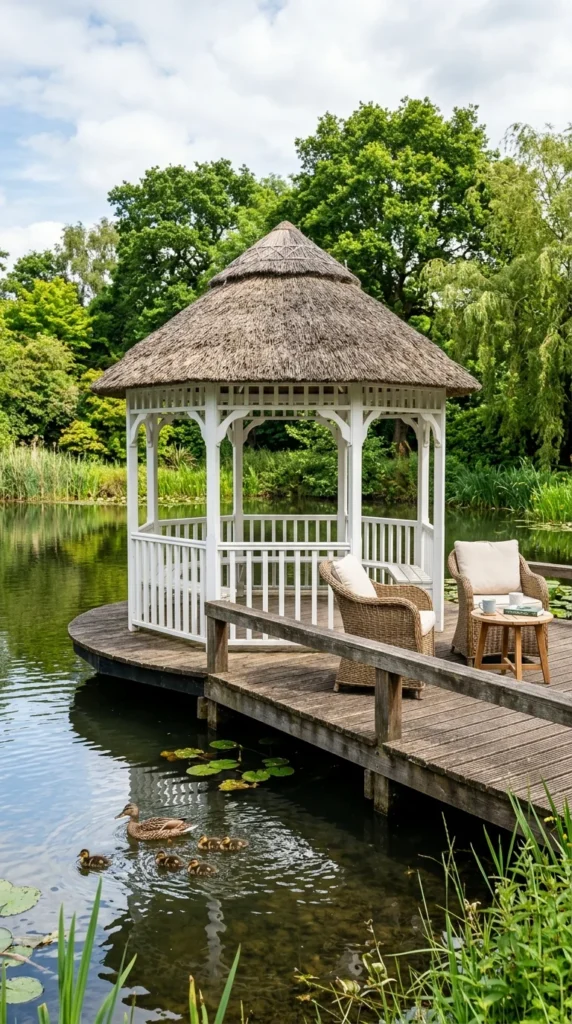
A gazebo provides the perfect observation deck. By extending the structure slightly over the water, you create a shaded area for the ducks to hide and a comfortable, dry spot for you to enjoy their antics regardless of the weather.
20. Solar Powered
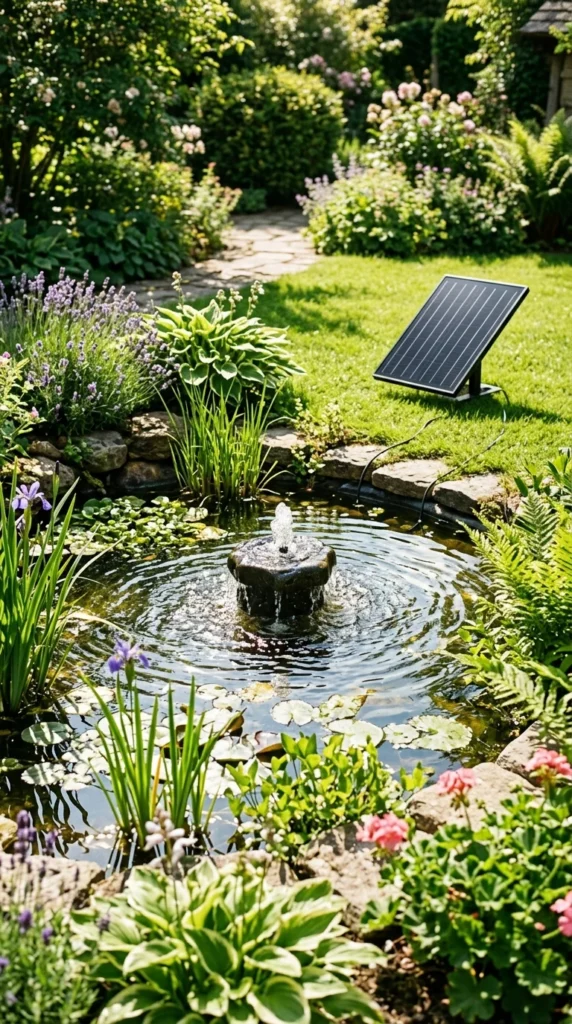
For gardens without easy access to electricity, solar-powered pumps and fountains are a lifesaver. They keep the water moving during the day, which is essential for duck health, all while keeping your energy bills at zero.
21. Container Pond
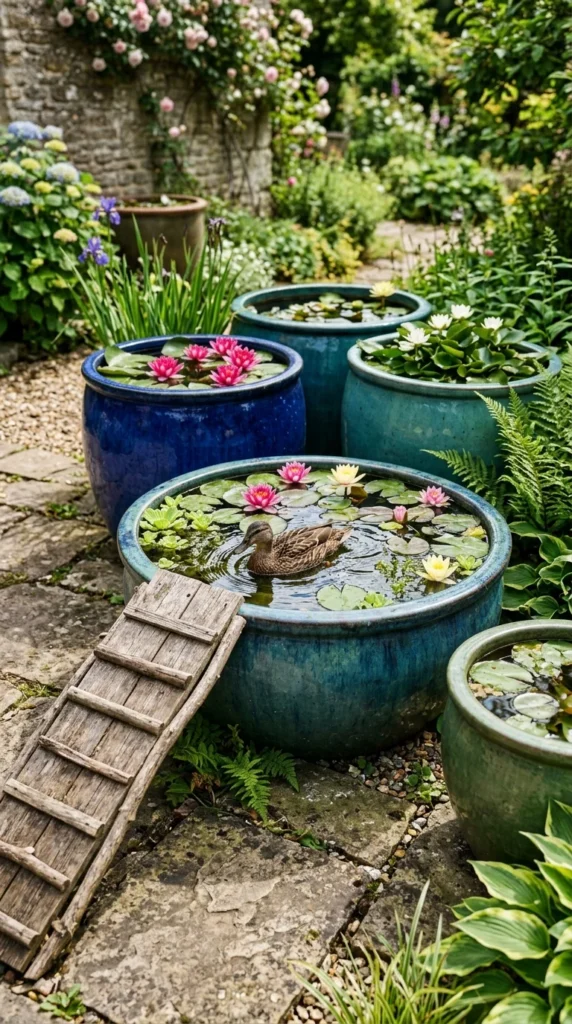
You don’t need to dig a hole to have a pond. Large, glazed ceramic pots can serve as “mini-ponds” for smaller duck breeds or as decorative accents in a courtyard. They are easy to move and can be styled with various aquatic plants.
22. Zero Entry
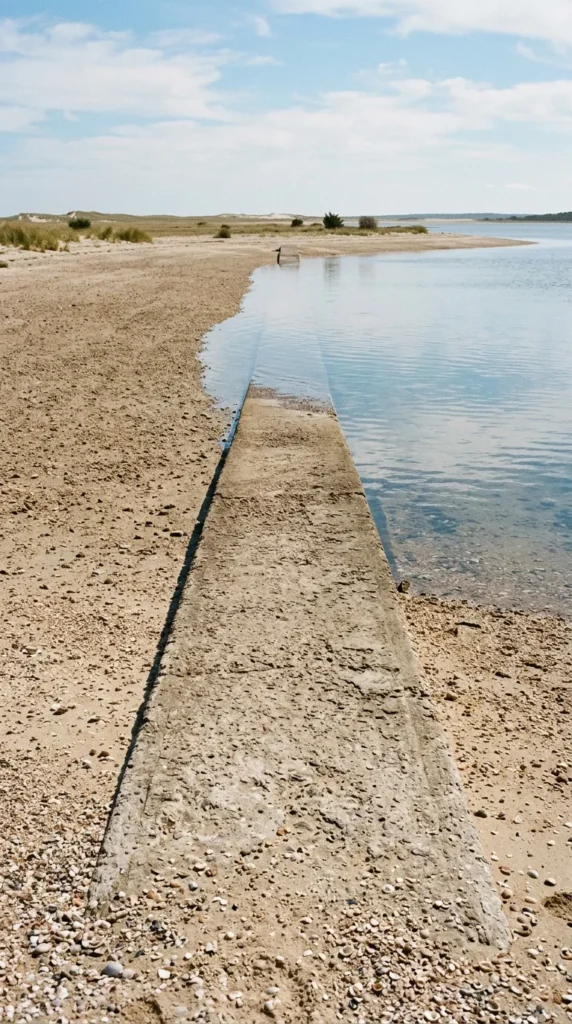
A “zero-entry” design mimics a natural beach. It is particularly good for older ducks or ducklings that might struggle with steep ledges. It also makes the pond look much larger as the water line stretches out over the shallow ramp.
23. Forest Seclusion
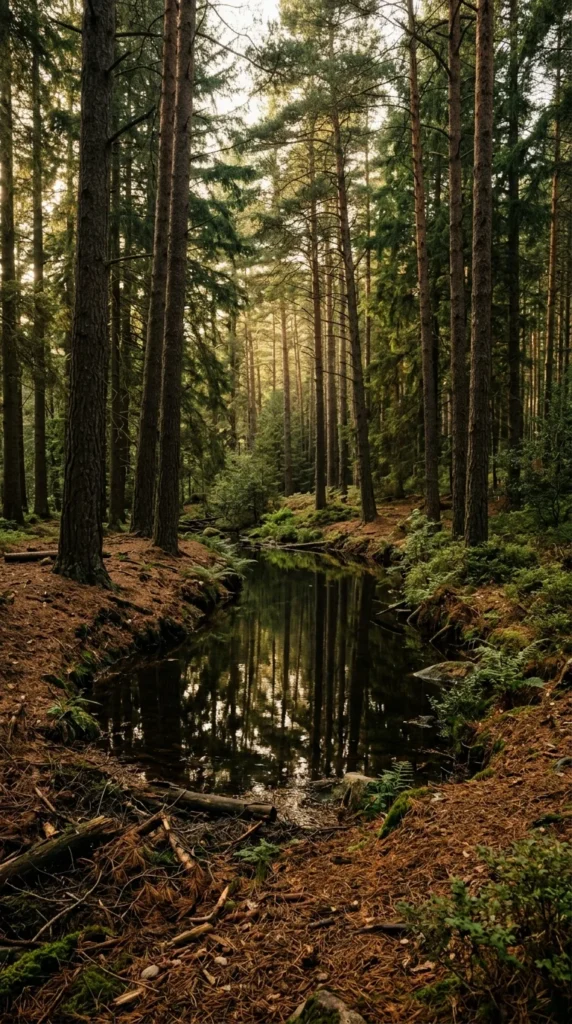
If you have a wooded lot, embrace the shade. A forest pond uses the natural canopy to keep water temperatures low. Surround the edges with shade-tolerant plants like hostas and bleeding hearts for a serene, secluded feel.
24. Minimalist Reflection
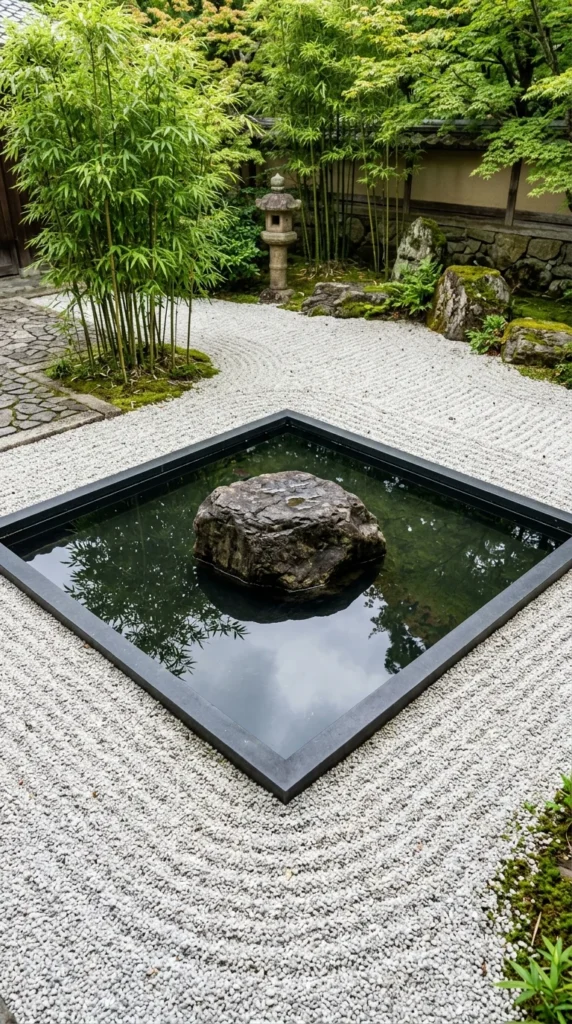
For the ultimate “natural” peace, a minimalist reflection pond focuses on the sky and the water. The dark liner makes the pond look bottomless and enhances the reflections of the ducks and the surrounding trees, creating a meditative space in your backyard.