
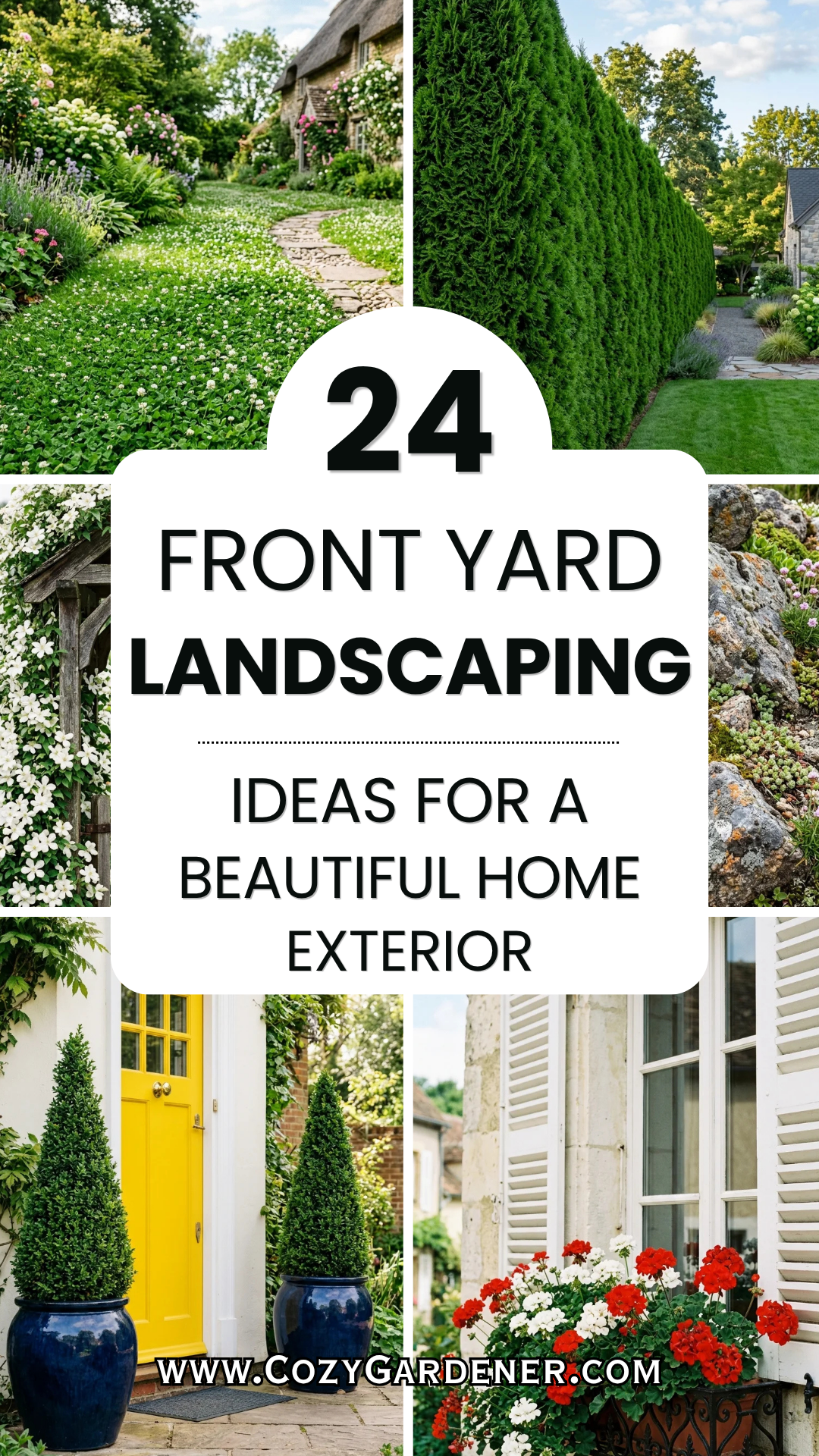
Your front yard is the handshake of your home. It’s the first thing guests see and the primary factor in your property’s curb appeal. Whether you have a sprawling estate or a compact urban plot, thoughtful landscaping can transform a mundane exterior into a breathtaking sanctuary. From structural hardscaping to the delicate dance of perennial blooms, here are 24 transformative ideas to elevate your home’s exterior.
1. Layered Beds
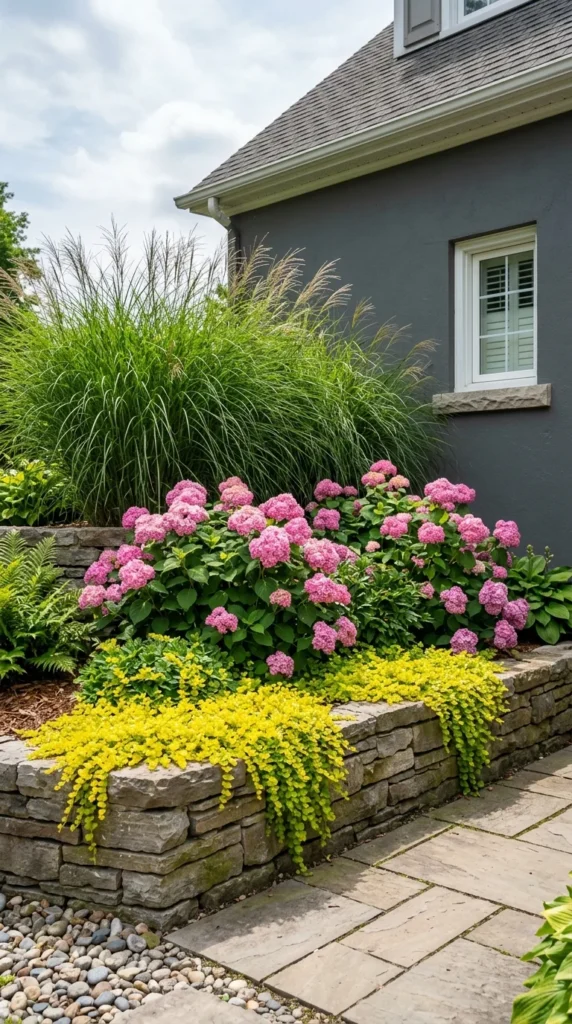
Layering is the secret to a professional-looking garden. By arranging plants according to their height—tallest in the back, shortest in the front—you create a sense of depth and abundance. Use evergreen shrubs as a backdrop to provide structure year-round, then fill the middle ground with seasonal flowers and the foreground with cascading groundcovers. This staggered approach ensures that every plant is visible and contributes to a lush, full-bodied look.
2. Stone Pathways
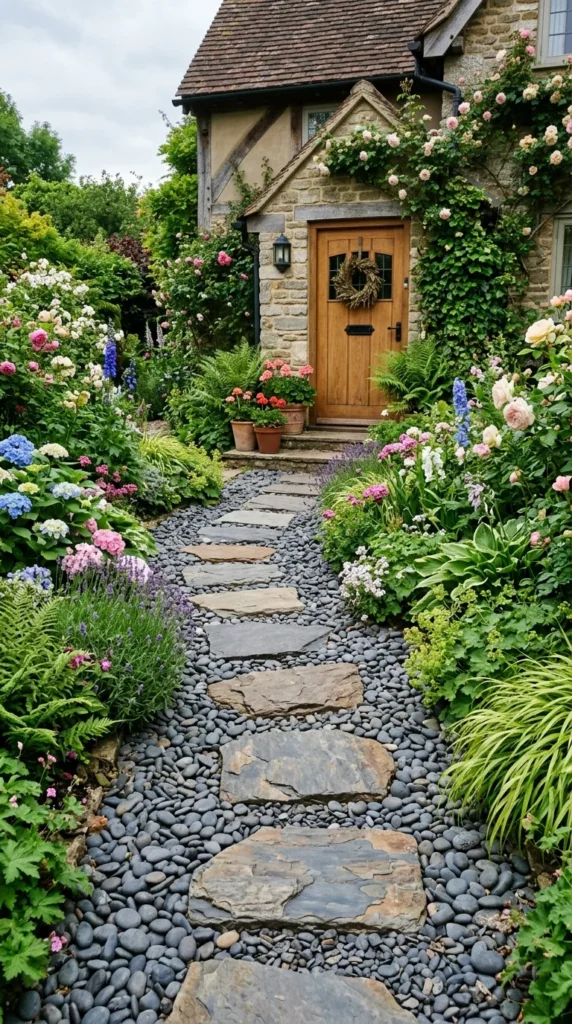
A well-defined path does more than lead people to your door; it guides the eye and adds a sense of journey to your yard. Natural stone, such as flagstone or slate, offers an organic feel that blends seamlessly with the environment. If your home is more traditional, consider brick or uniform pavers. A winding path creates a sense of mystery and slows down the viewer, allowing them to appreciate the surrounding plants.
3. Window Boxes
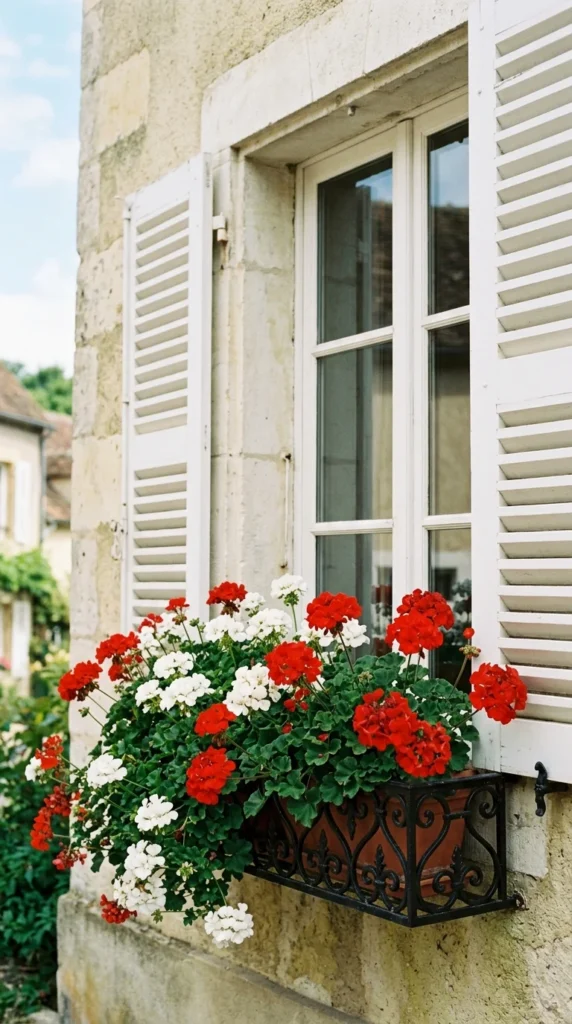
Window boxes are the jewelry of the home. They bridge the gap between the architecture and the garden, bringing life and color to the house itself. The key to a great window box is the “thriller, filler, spiller” method: use a tall focal plant (thriller), mounding flowers to fill the space (filler), and trailing vines to drape over the edge (spiller). They are easy to change with the seasons, allowing for ever-changing curb appeal.
4. Retaining Walls
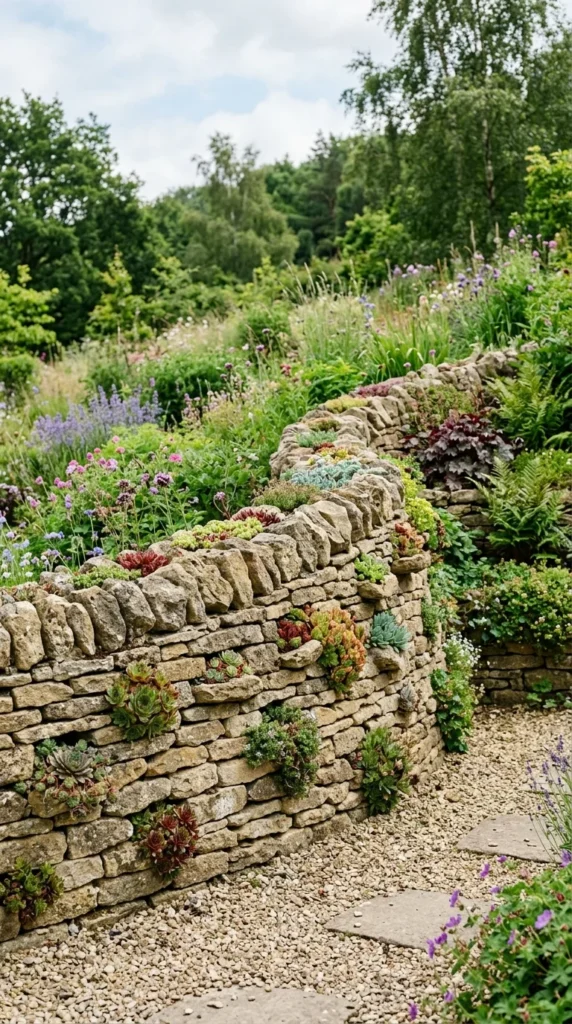
If your front yard has a slope, a retaining wall can be both a functional necessity and a stunning design feature. Instead of a steep, difficult-to-mow hill, create levels. Use natural fieldstone or textured concrete blocks to build tiers. This not only prevents erosion but also creates “shelves” for planting, turning a challenging landscape into a vertical garden masterpiece.
5. Perennial Borders
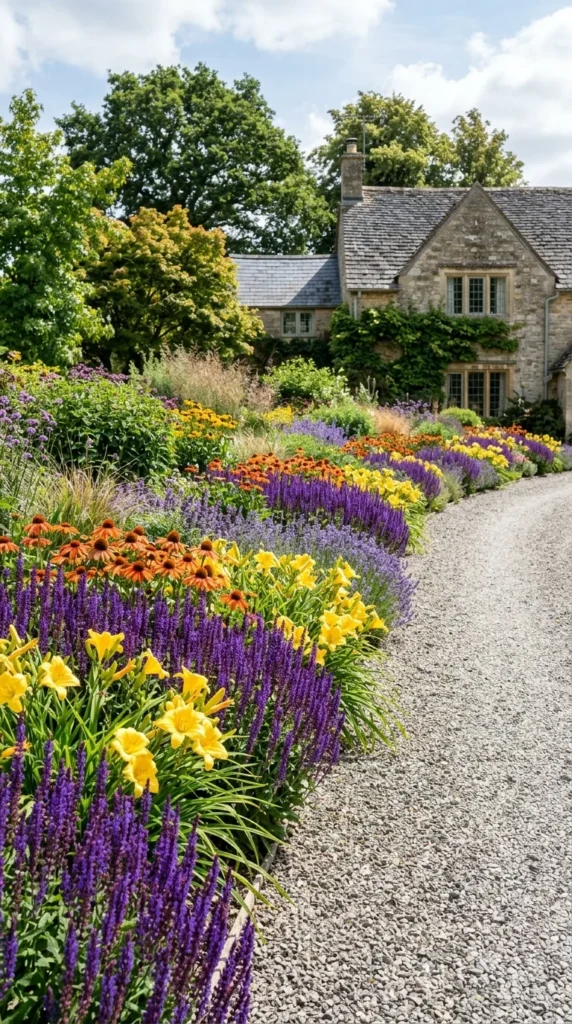
Perennials are the gift that keeps on giving. Unlike annuals that need replacing every year, perennials return with more vigor each season. Focus on a mix of bloom times so your front yard looks vibrant from spring through autumn. Incorporate different textures, such as the feathery foliage of ferns against the broad leaves of hostas, to maintain visual interest even when the flowers aren’t in bloom.
6. Modern Xeriscaping
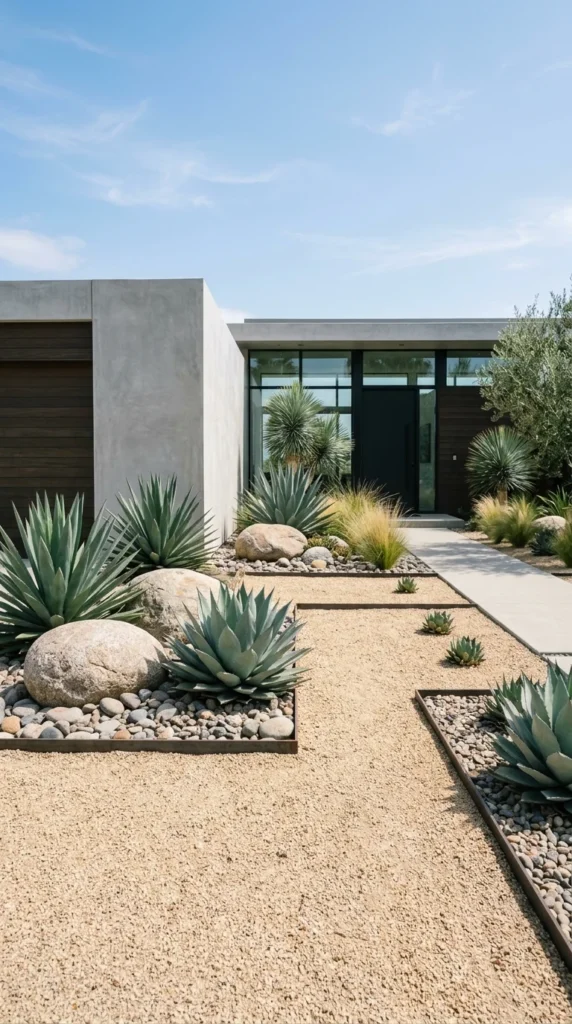
Xeriscaping is no longer just for the desert; it’s a smart choice for any homeowner looking to save water and reduce maintenance. By using drought-tolerant plants and decorative gravel or mulch instead of grass, you create a sophisticated, high-contrast look. Focus on sculptural plants like yuccas, ornamental grasses, or lavender to provide structure without the need for constant watering.
7. Ornamental Trees
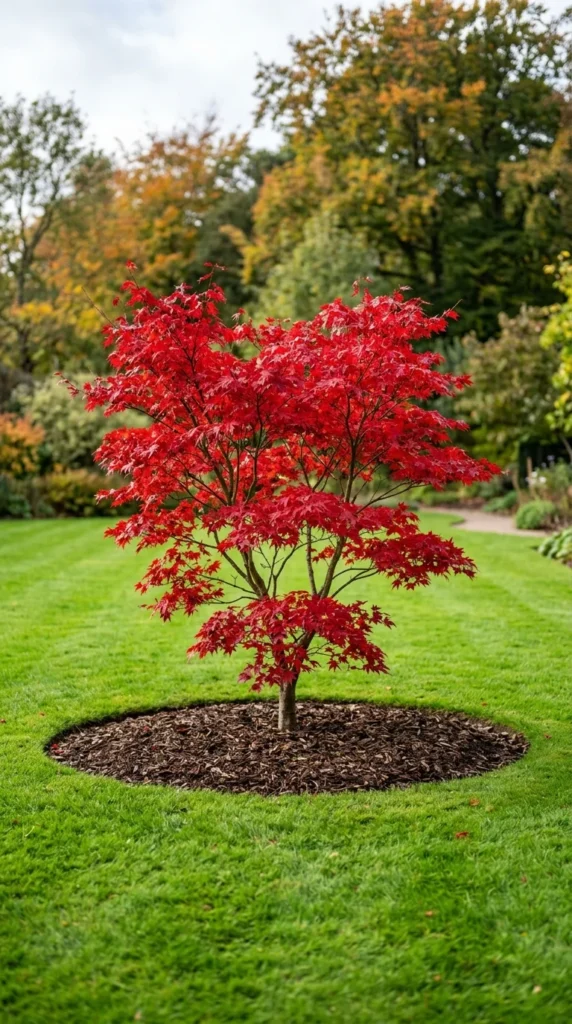
A single, well-placed specimen tree can serve as the anchor for your entire front yard design. Consider trees with unique bark, striking fall color, or beautiful blossoms. A Japanese Maple, a Flowering Dogwood, or a Magnolia can provide a stunning focal point that adds verticality and character to your home’s silhouette.
8. Lighting Accents
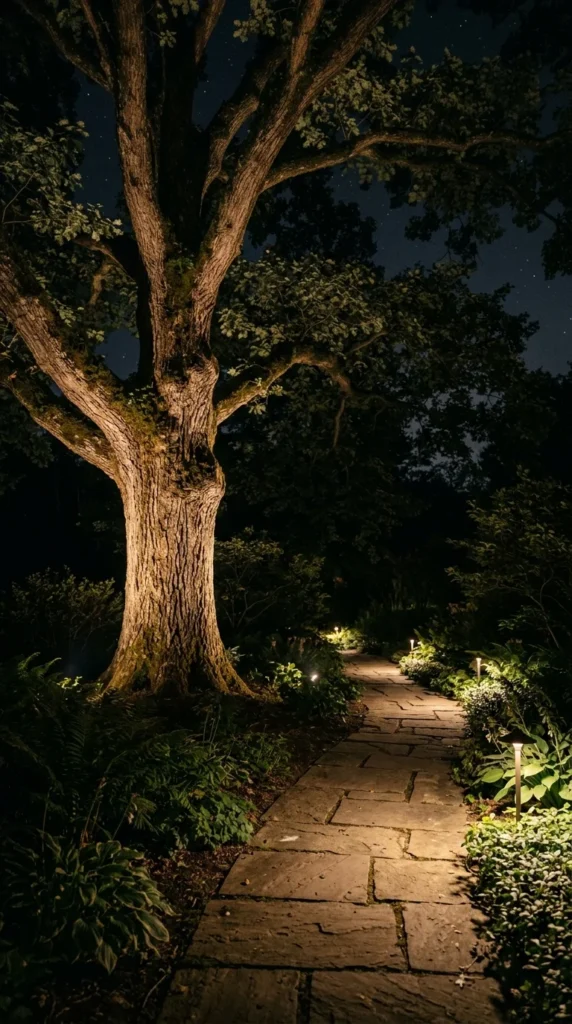
Landscaping shouldn’t disappear when the sun goes down. Professional outdoor lighting adds safety, security, and a magical ambiance. Use “uplighting” to emphasize the texture of your home’s siding or the canopy of a tree, and “path lighting” to guide guests safely. Low-voltage LED systems are energy-efficient and can be easily hidden within the foliage.
9. Cottage Garden
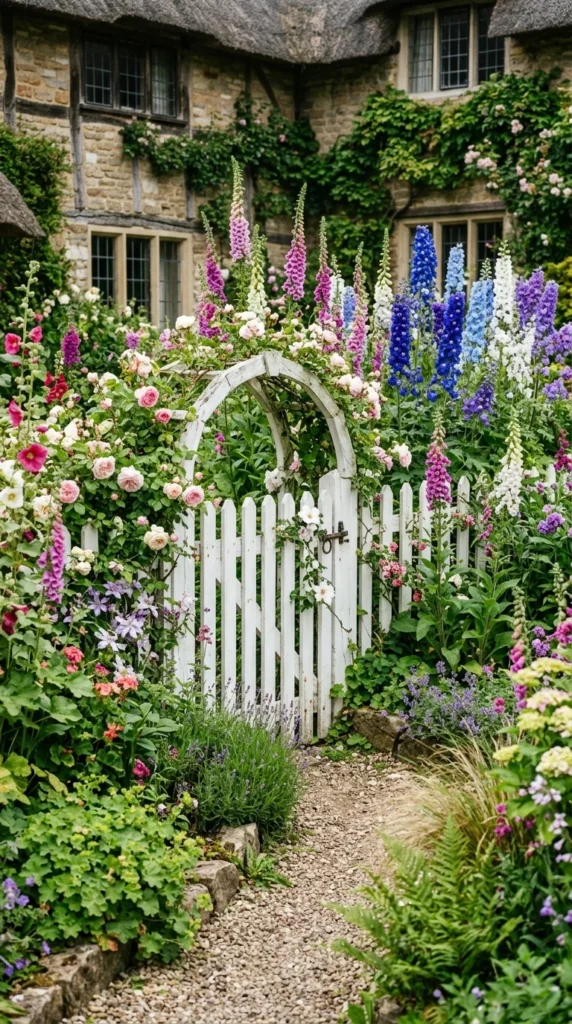
For a look that is charming and intentionally “undone,” the cottage garden is the perfect choice. This style embraces a dense mix of flowering plants, herbs, and even vegetables. The goal is to minimize bare soil and maximize color and fragrance. It’s a romantic, nostalgic look that works beautifully with traditional or farmhouse-style homes.
10. Potted Entryway
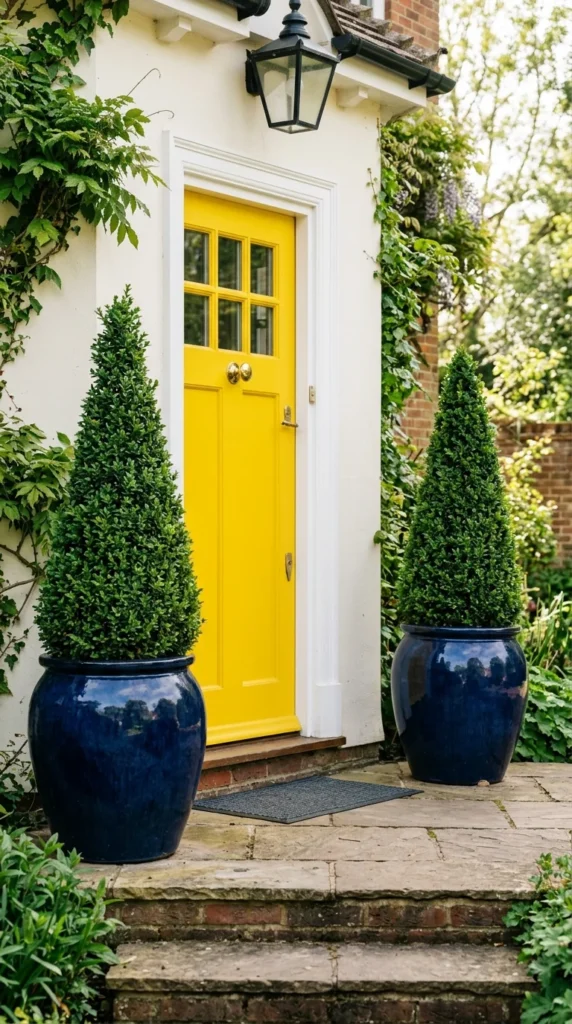
Your front porch or stoop is the final destination. Flanking the door with large, attractive containers creates an instant sense of luxury. Pots allow you to experiment with plants that might not thrive in your garden soil and make it easy to swap out displays for the holidays. Choose pots that contrast with your house color to make the entrance “pop.”
11. Privacy Hedges
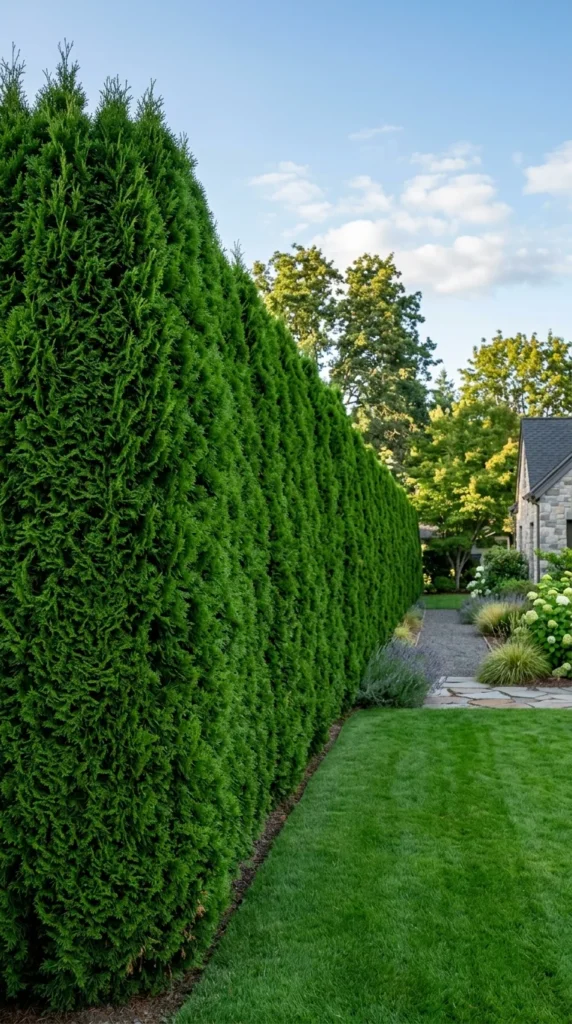
If your front yard feels a bit too exposed, a living fence is a softer, more beautiful alternative to wood or chain link. Evergreens like boxwood, privet, or arborvitae can be sheared into formal shapes or left natural for a casual look. They provide a year-round green screen that blocks noise, wind, and prying eyes while providing a habitat for birds.
12. Rock Gardens
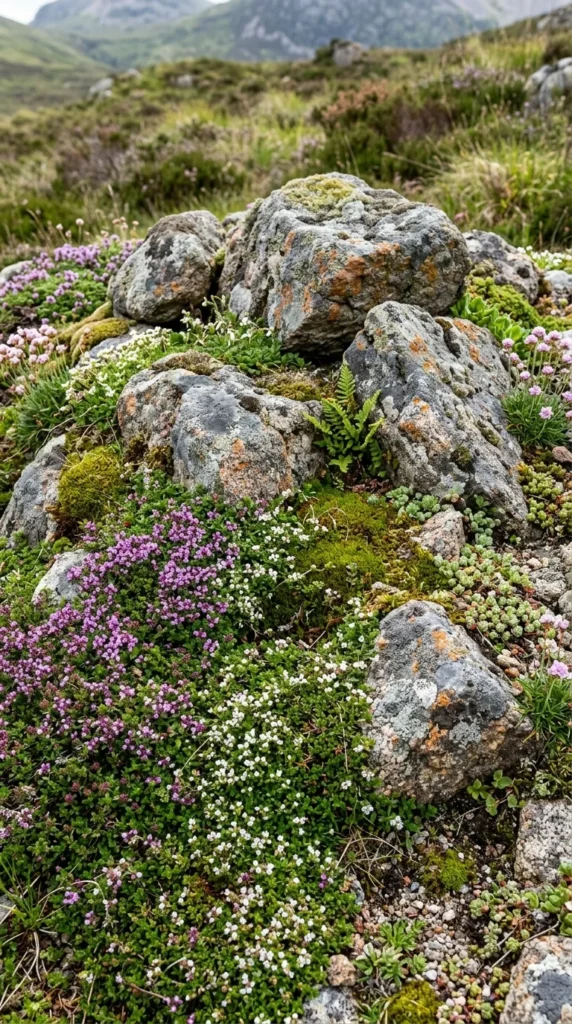
Rock gardens bring a rugged, naturalistic beauty to the front yard. They are particularly effective in areas where grass struggles to grow. By combining large “character” boulders with smaller river stones and low-maintenance succulents or alpine plants, you create a landscape that looks like a miniature mountain scene. It’s a high-impact, low-effort solution.
13. Water Features
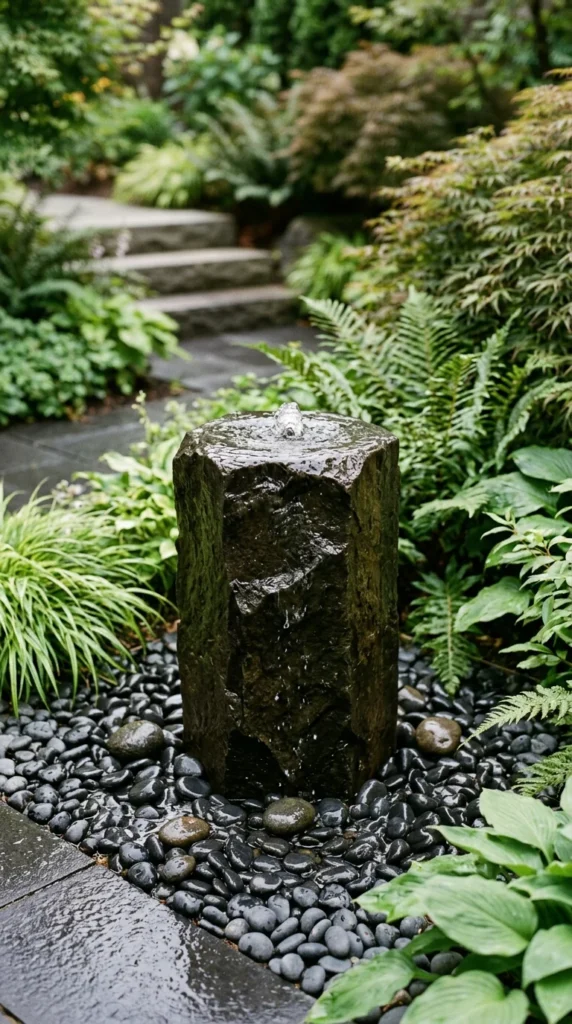
The sound of trickling water is instantly relaxing and can help mask the noise of a busy street. A small pond, a bubbling urn, or a wall fountain can serve as a sophisticated centerpiece. Modern fountains are often “pondless,” meaning the water disappears into a hidden underground reservoir, making them safe for families and very easy to maintain.
14. Grass Alternatives
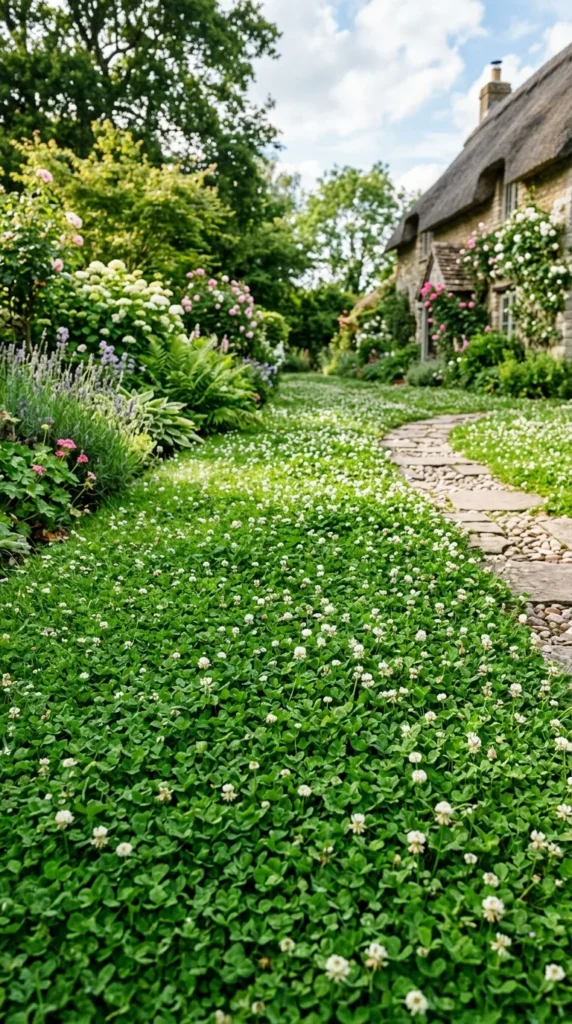
Many homeowners are moving away from the high-maintenance “golf green” lawn. Alternatives like clover, creeping thyme, or moss stay green with less water and no mowing. These “tapestry lawns” are eco-friendly, support pollinators, and provide a soft, unique texture underfoot that sets your home apart from the neighbors.
15. Arbors & Trellises
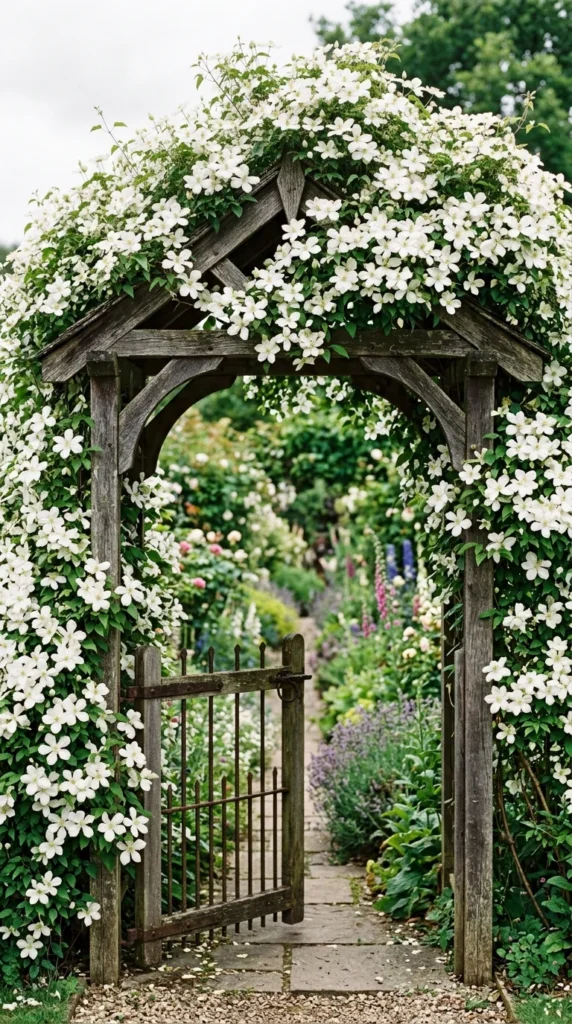
Vertical interest is often overlooked in front yard design. An arbor over a walkway or a trellis mounted to the side of the garage provides a structure for climbing plants like wisteria, jasmine, or climbing roses. This adds height to your landscaping and creates a “portal” effect that makes the entrance to your property feel special.
16. Paver Driveways
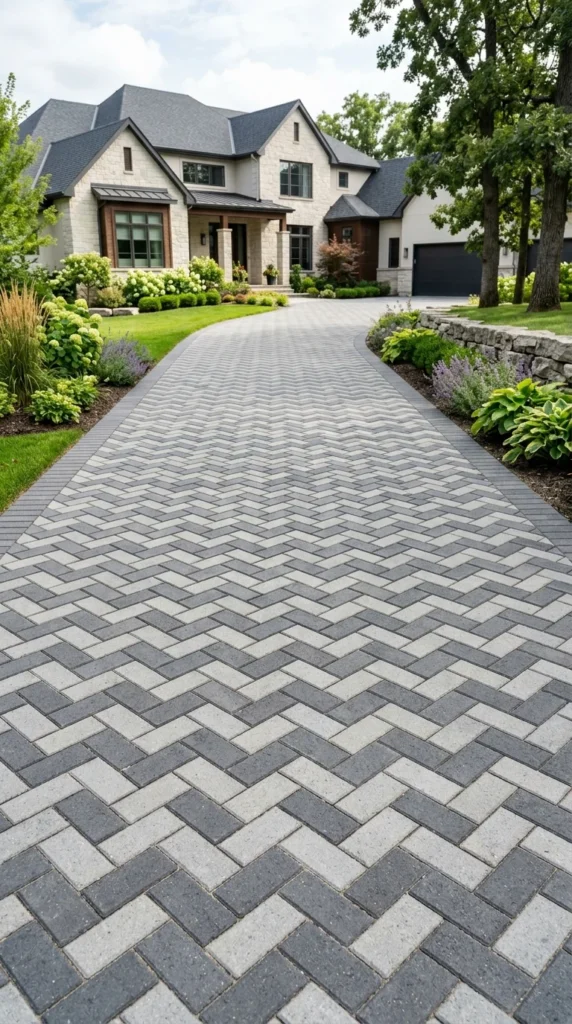
The driveway often takes up a significant portion of the front yard, so why settle for boring asphalt? Using interlocking pavers or “grass pavers” (which allow grass to grow through the gaps) turns a functional necessity into a design asset. A paved driveway adds immediate value and coordinates with your home’s architectural style.
17. Edging Accents
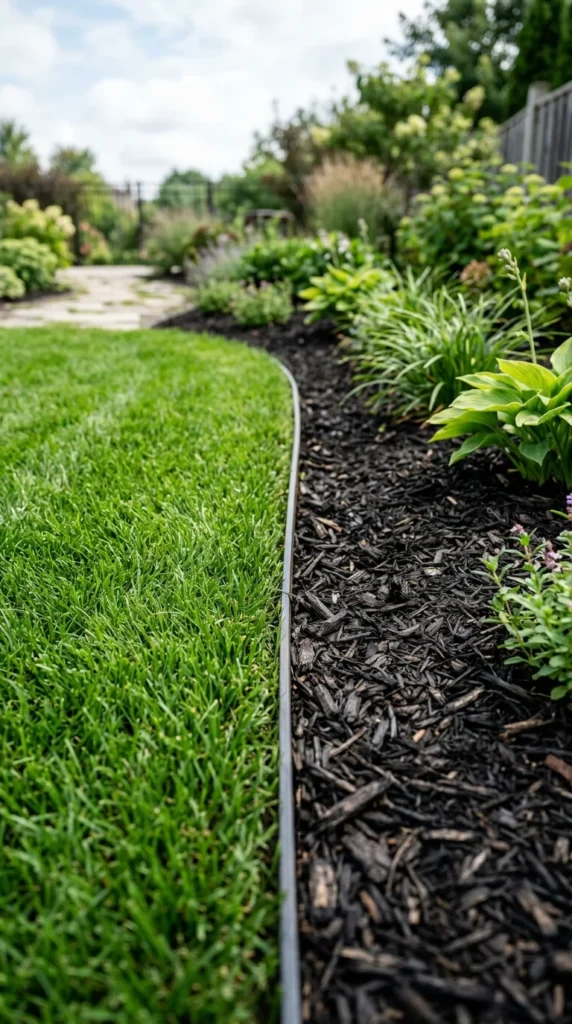
Professional landscaping is all about the details, and clean edges are the most important detail. Whether you use metal, brick, or a simple “Victorian” hand-dug trench, a clear line between the lawn and the garden beds makes the entire yard look intentional and well-maintained. It prevents grass from encroaching on your flowers and makes mowing much easier.
18. Ground Covers
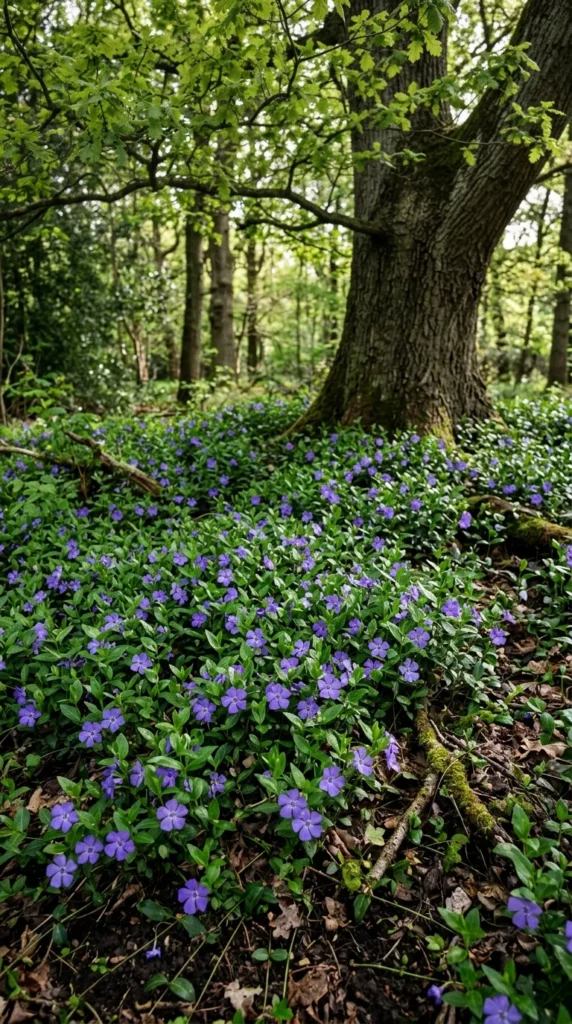
In shady spots where grass refuses to grow, ground covers are your best friend. Plants like pachysandra, ivy, or wild ginger create a lush green carpet that suppresses weeds and requires almost no maintenance. They are perfect for filling in the gaps between shrubs or covering large areas under trees.
19. Porch Swing
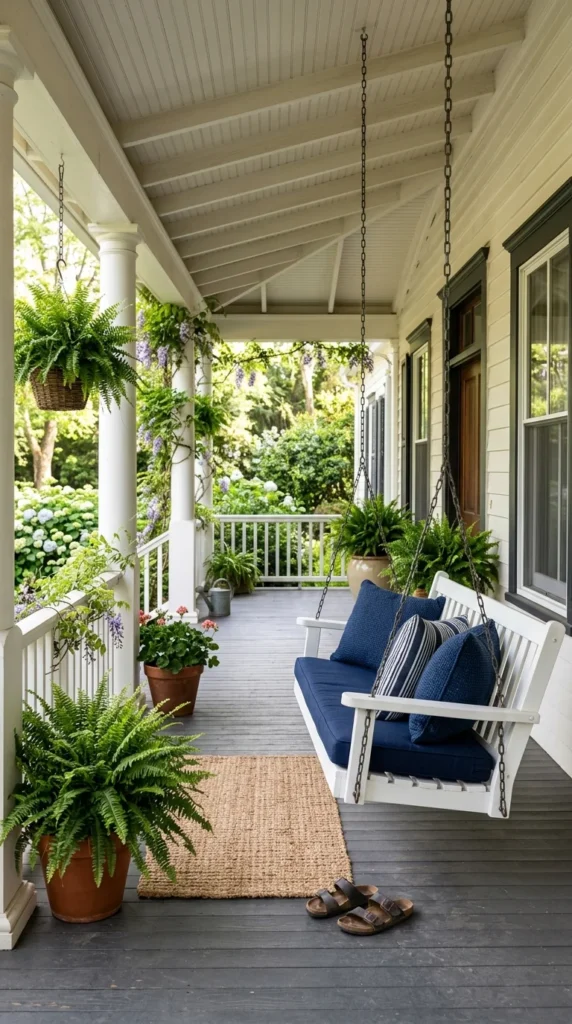
Landscaping isn’t just for looking at—it’s for living in. Adding a porch swing or a pair of Adirondack chairs invites you to spend time in your front yard. This creates a welcoming atmosphere and fosters a sense of community with your neighbors. Surround the seating area with fragrant plants like lavender or lilac to enhance the experience.
20. Symmetrical Design
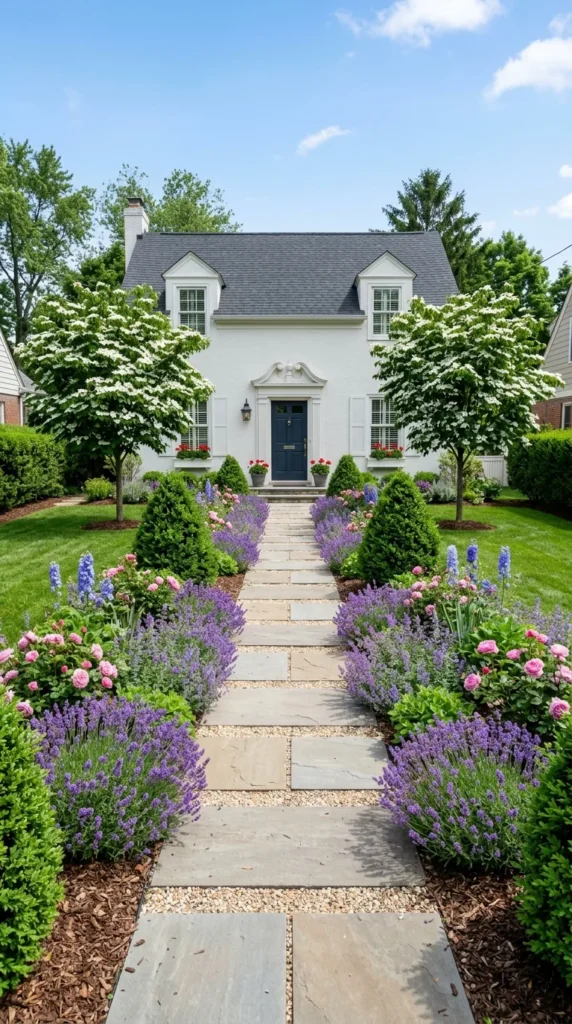
For homeowners with a traditional or colonial-style house, symmetry is the key to elegance. Mirroring the plantings on both sides of the front door or walkway creates a sense of balance and order. It is a timeless approach that feels formal, stately, and very “curated.”
21. Native Planting
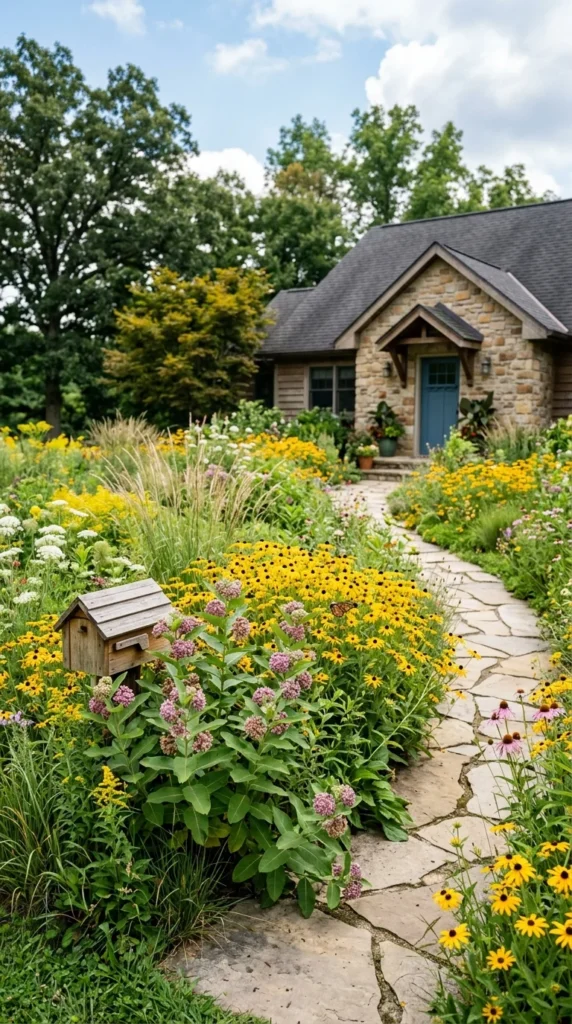
Planting species that are native to your specific region is the most sustainable way to landscape. Native plants are adapted to your climate and soil, meaning they require less water and no fertilizer. Furthermore, they provide essential food and shelter for local birds, butterflies, and bees, turning your front yard into a mini-ecosystem.
22. Raised Planters
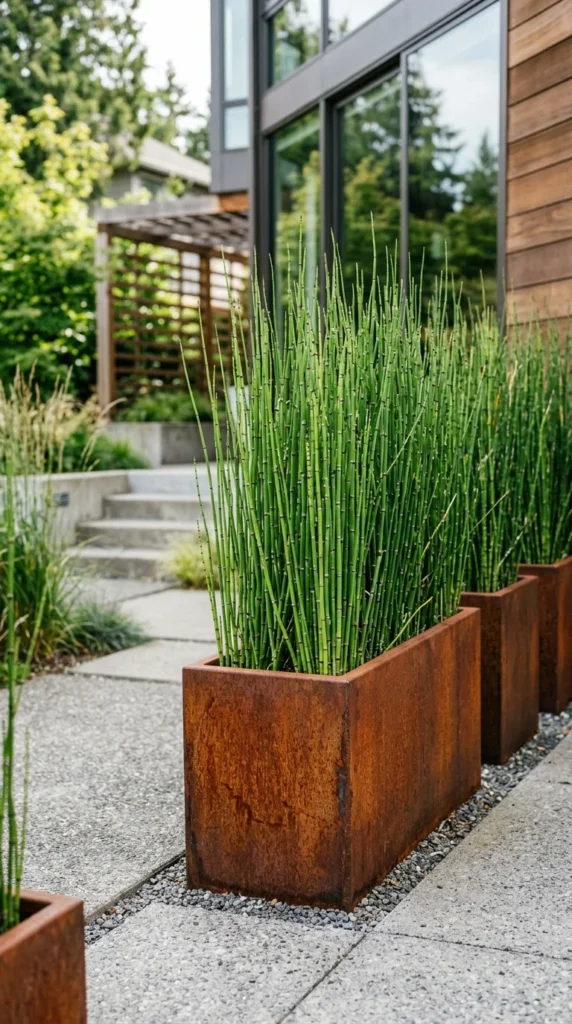
Raised planters allow you to add structure and height to a flat yard. They are also excellent for improving drainage if your soil is heavy clay. Use materials that match your home’s aesthetic—sleek steel for a modern look, or warm cedar for a more rustic feel. They can be used to frame a patio or define the edge of a property.
23. Bird Baths
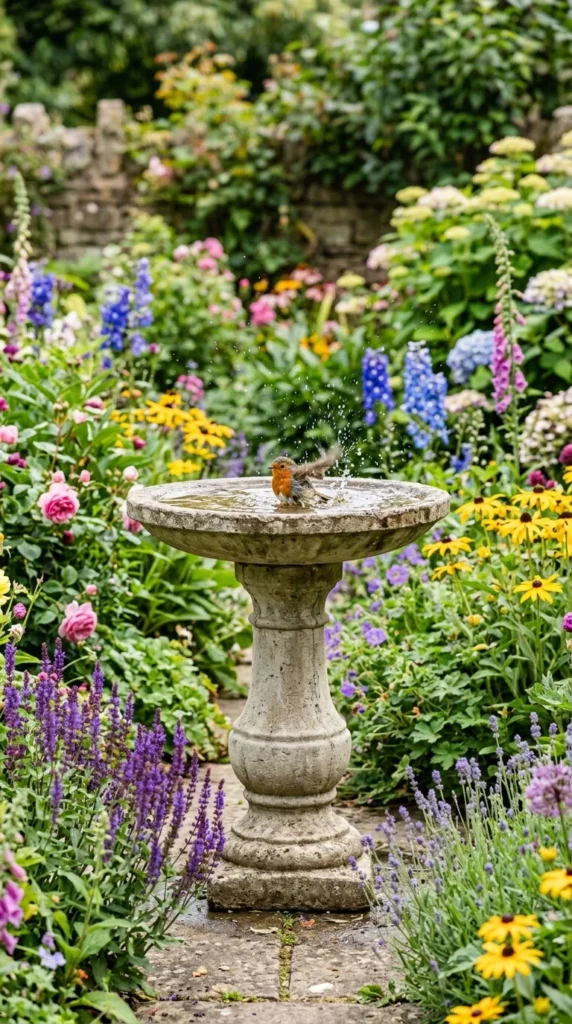
Adding a bird bath is a simple way to bring movement and life to your front yard. It acts as a sculptural element while attracting colorful songbirds. Place it in a visible spot from your front window so you can enjoy the wildlife from inside your home. It’s a small addition that makes a big impact on the yard’s personality.
24. Decorative Mulch
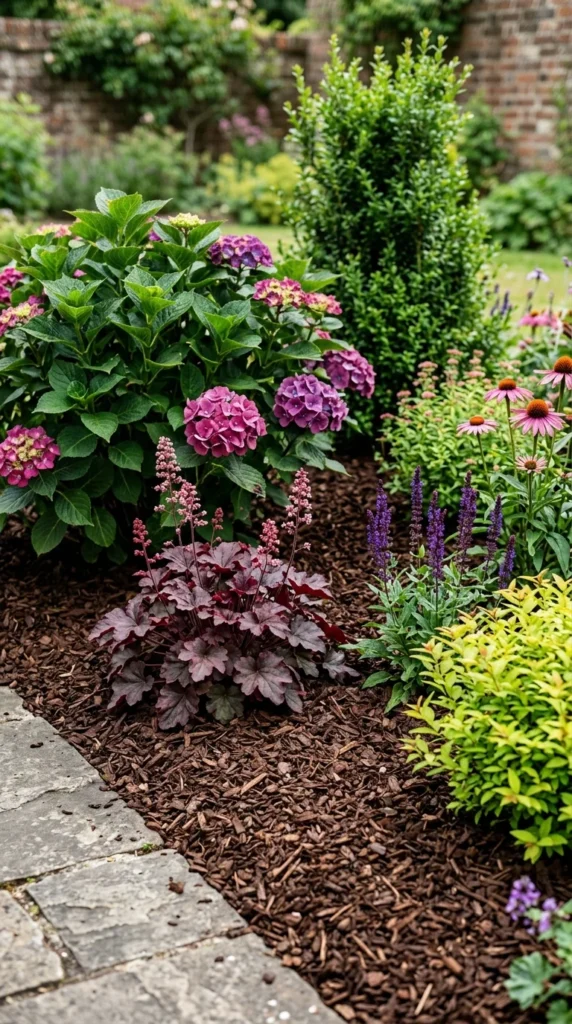
Never underestimate the power of fresh mulch. It’s the “final coat of paint” for your landscaping. Beyond its aesthetic appeal—providing a uniform, dark background that makes plant colors pop—it also suppresses weeds, retains moisture, and regulates soil temperature. Opt for organic mulches like cedar or pine bark that improve the soil as they decompose.