
Japanese garden design is more than just an aesthetic choice; it is a philosophy rooted in the harmony between nature, humanity, and the spiritual world. These gardens are designed to be spaces of contemplation, tranquility, and profound beauty, often utilizing “Ma” (the concept of negative space) to create a sense of balance. Whether you have a sprawling backyard or a tiny urban courtyard, incorporating elements of Japanese design can transform your outdoor space into a sanctuary from the modern world.
1. Tsukubai
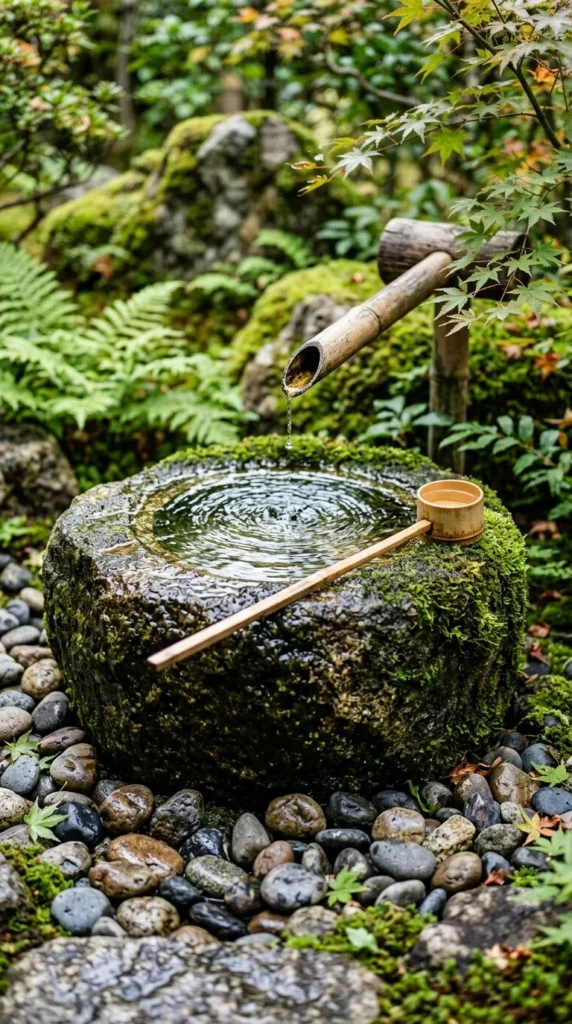
The Tsukubai, or ritual washbasin, is a cornerstone of the Japanese tea garden. Traditionally used by guests to purify themselves before a tea ceremony, it serves as a stunning focal point in any backyard. The sound of dripping water creates a rhythmic, soothing atmosphere, while the weathered stone adds a sense of “Wabi-sabi”—the beauty of imperfection and age.
2. Ishidoro
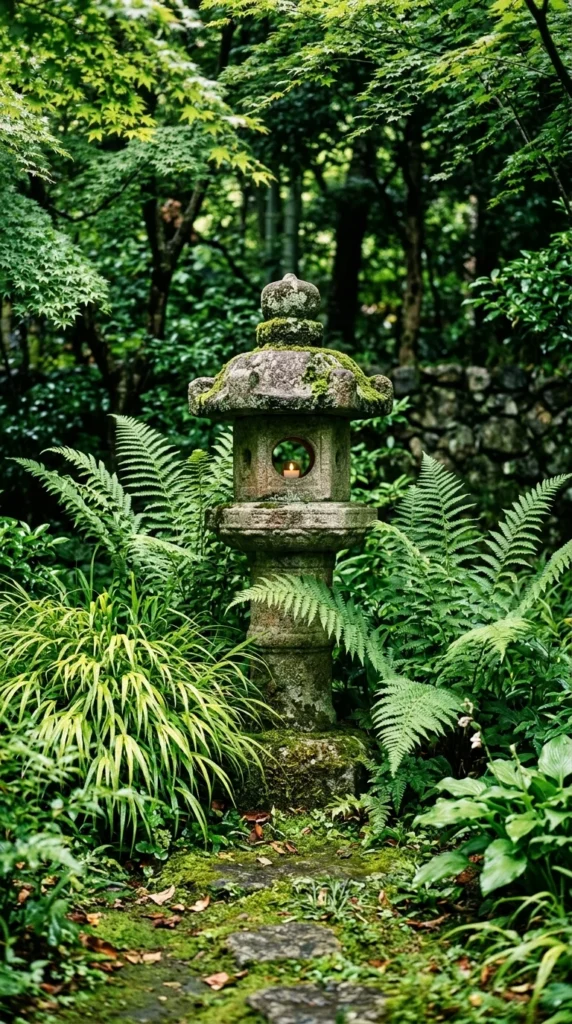
Stone lanterns, or Ishidoro, were originally used to light the paths to temples. In a residential garden, they act as sculptural elements that provide vertical interest. Placing an Ishidoro near a water feature or along a winding path adds a sense of history and provides a soft, atmospheric glow if outfitted with a small light source.
3. Karesansui
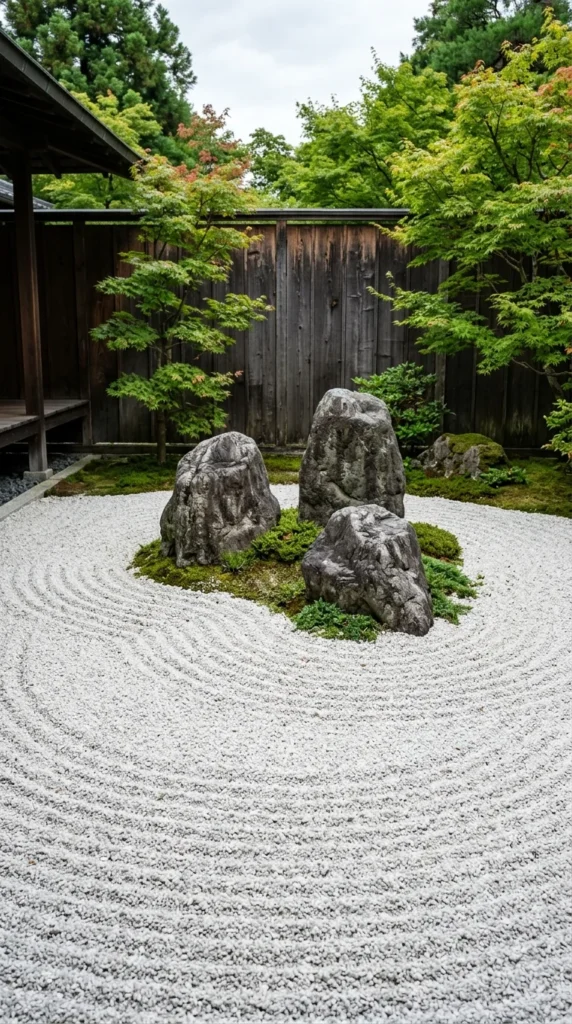
Often referred to as a “Zen Garden,” the Karesansui uses sand or gravel to represent water and large rocks to represent mountains or islands. Raking the gravel into ripples and waves is considered a meditative practice. This design is perfect for areas where water is scarce or for homeowners who want a low-maintenance, high-impact landscape.
4. Sode-gaki
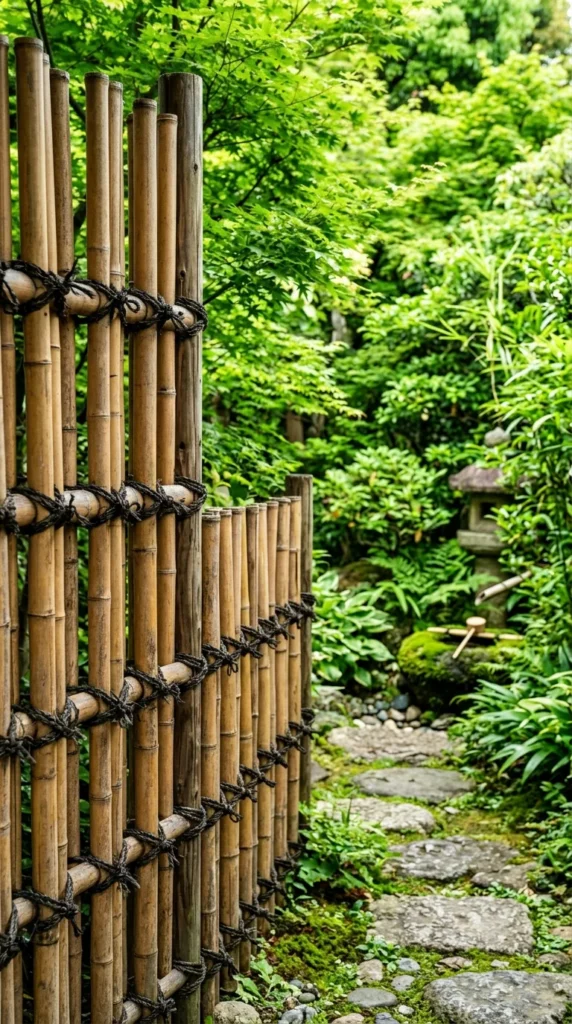
Bamboo fencing, or Sode-gaki, provides both privacy and texture. Unlike heavy wooden or metal fences, bamboo feels light and organic. These fences are often used to partition different “rooms” within the garden or to hide unsightly utilities, blending seamlessly with the surrounding flora.
5. Tobi-ishi
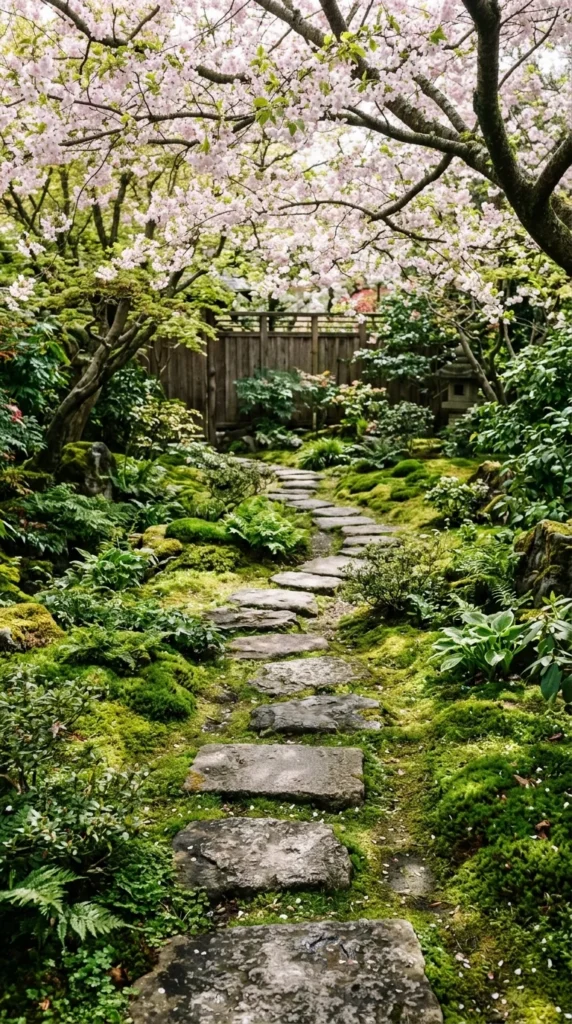
Tobi-ishi, or “flying stones,” are used to control the pace at which a visitor moves through the garden. By varying the distance and size of the stones, the designer encourages the walker to look down and focus on the present moment, or to look up and appreciate a specific view. These stones prevent soil compaction and protect delicate groundcovers like moss.
6. Koi Ponds
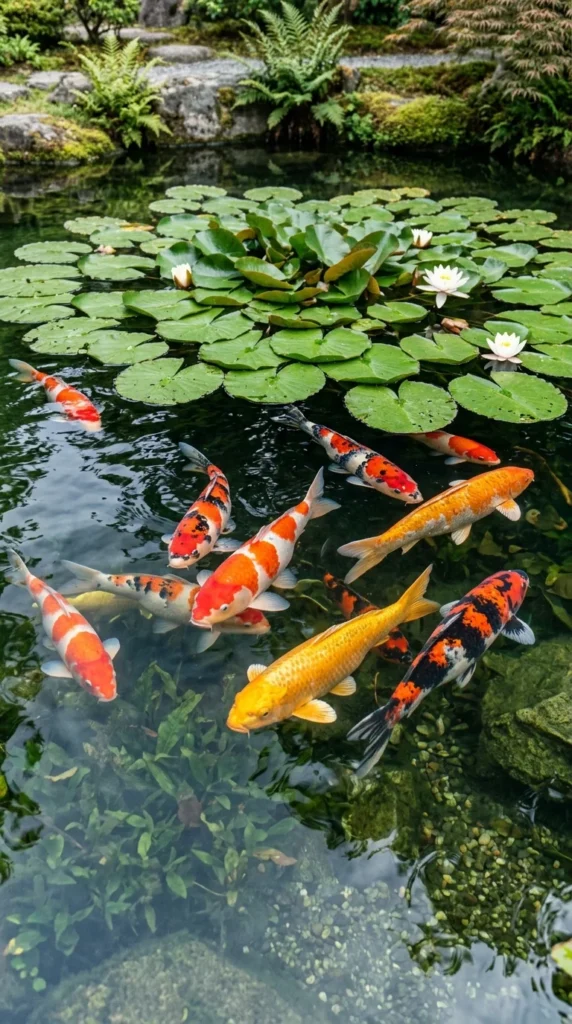
A Japanese garden is rarely complete without the presence of water. Koi ponds bring life, color, and movement to the landscape. The slow, rhythmic swimming of the fish is incredibly hypnotic and calming. To keep the water clear and the fish healthy, incorporate a filtration system hidden behind natural rock formations.
7. Shishi-odoshi
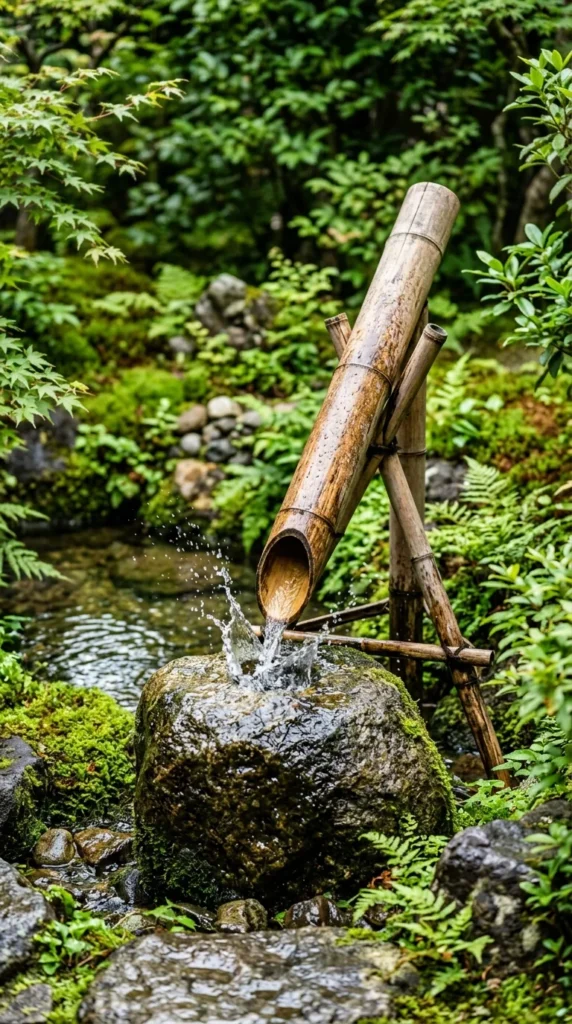
The Shishi-odoshi, or “deer scarer,” was originally designed to startle animals away from crops. Today, it is used for its unique percussive sound. The combination of flowing water and the occasional wooden strike creates a “soundscape” that helps mask neighborhood noise and adds a playful element to the garden.
8. Momiji
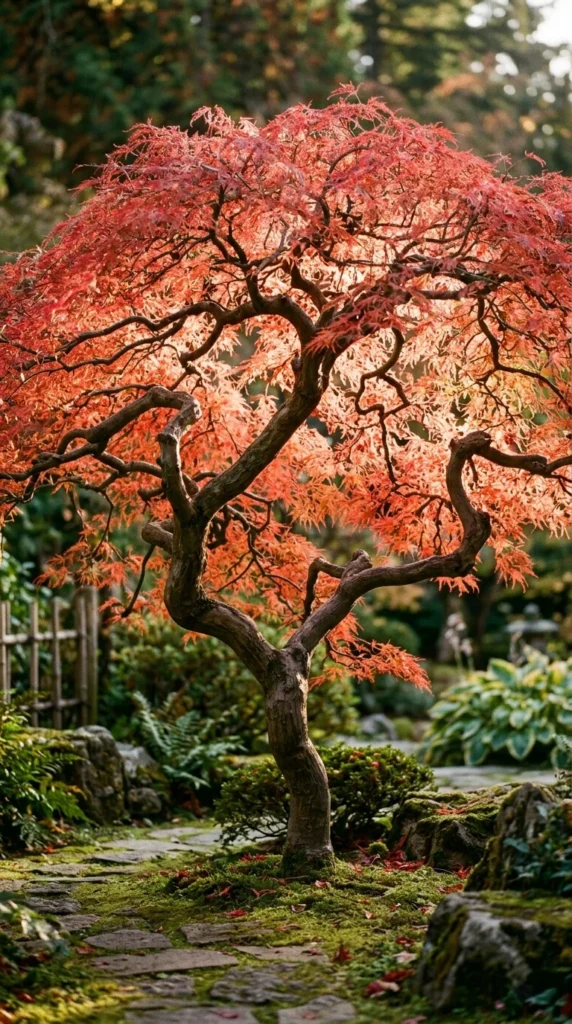
Japanese Maples (Momiji) are prized for their elegant structure and spectacular seasonal color. From bright lime greens in the spring to fiery reds and purples in the autumn, these trees offer a changing canvas. Their slow growth habit makes them ideal for smaller backyards or even large containers.
9. Moss Carpets
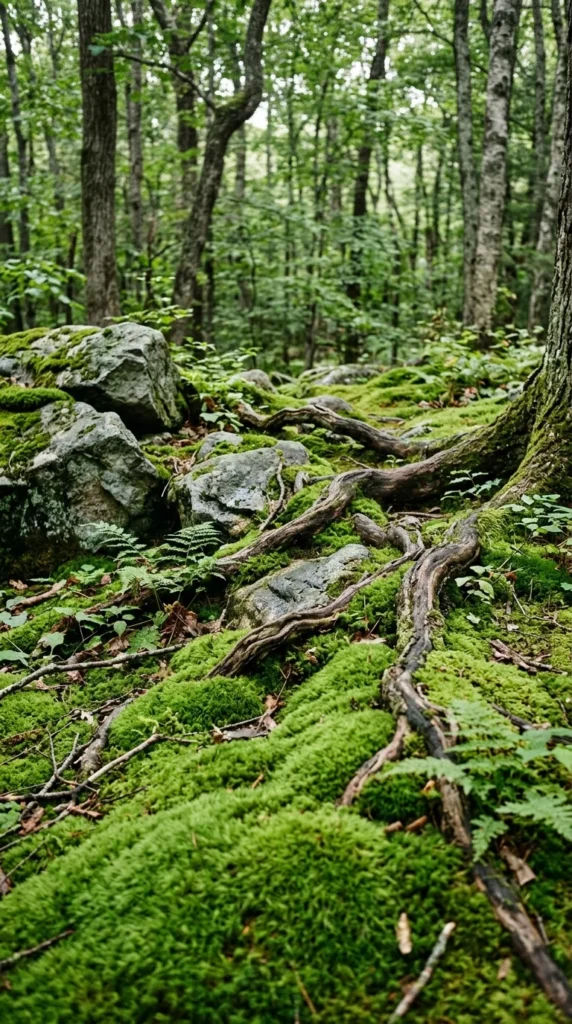
In Japanese gardening, moss is cherished as a symbol of age and tranquility. It thrives in shaded, moist areas where grass might struggle. Replacing a traditional lawn with a moss carpet creates a soft, dreamlike floor that requires no mowing and stays green year-round.
10. Yatsuhashi
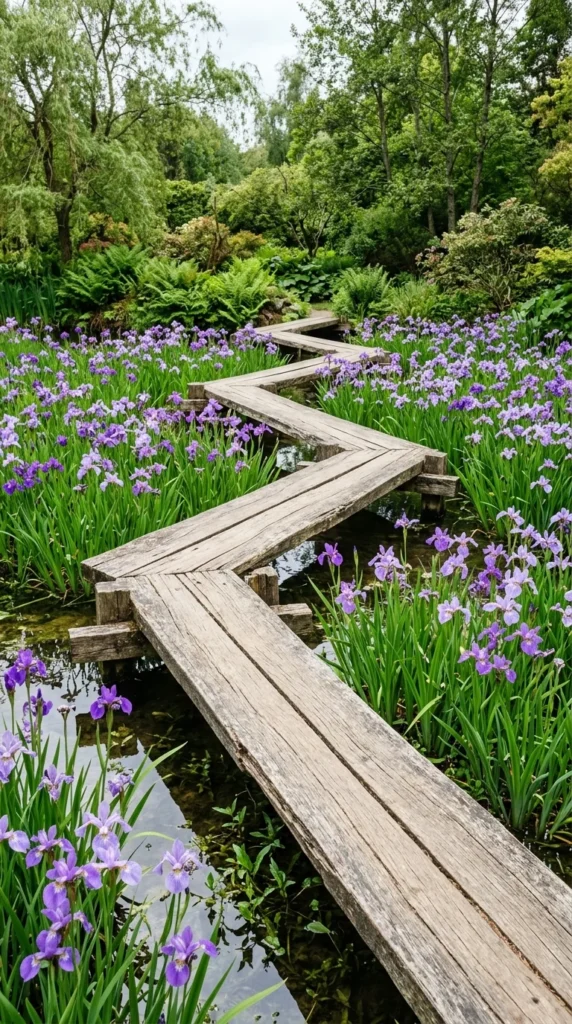
The zig-zag bridge, or Yatsuhashi, is a classic architectural element. The legend suggests that evil spirits can only move in straight lines, so a zig-zag bridge protects the traveler. Practically, it forces the visitor to change their perspective multiple times as they cross, revealing different angles of the garden.
11. Stone Pagodas
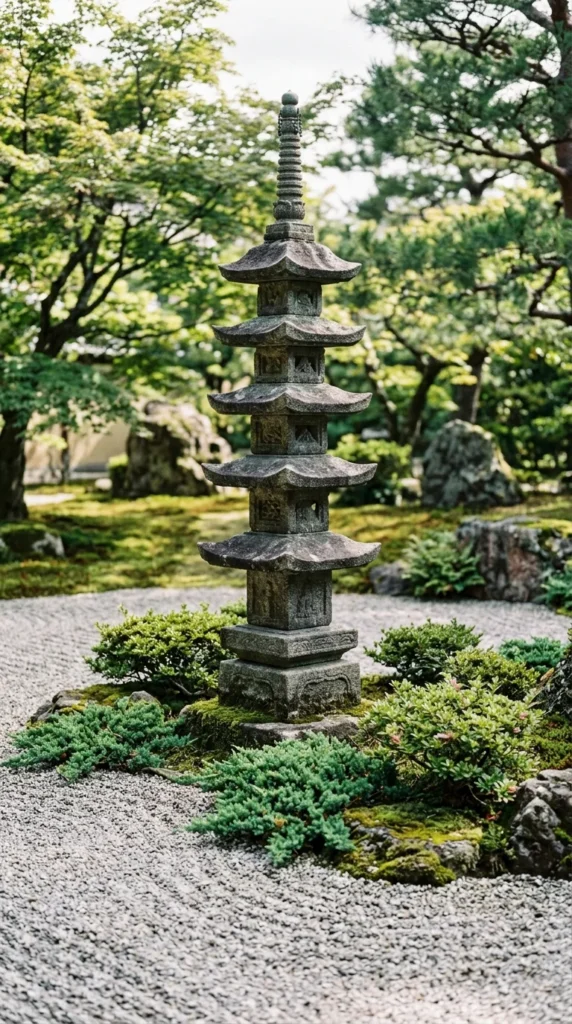
Pagodas add a sense of height and spiritual significance. In Japanese design, these are often miniature versions of the large towers found at Buddhist temples. They serve as excellent focal points at the end of a path or tucked into a cluster of evergreens to create a sense of discovery.
12. Chashitsu
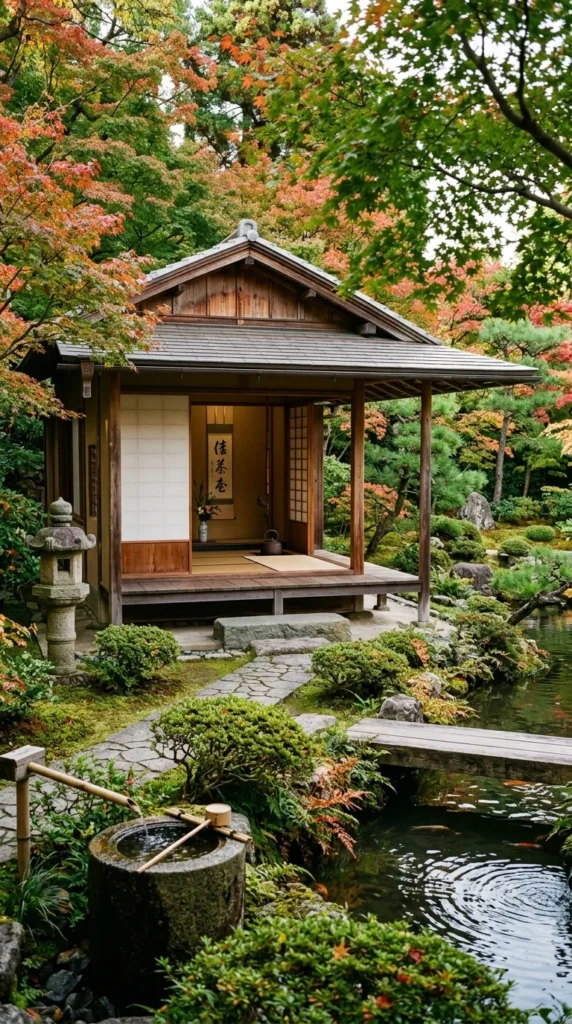
A tea house (Chashitsu) provides a dedicated space for meditation, reading, or enjoying a cup of tea. Even a simple wooden pavilion or a “tea nook” can serve this purpose. The architecture should be humble and integrated into the landscape, using natural materials like cedar, bamboo, and thatch.
13. Suseki
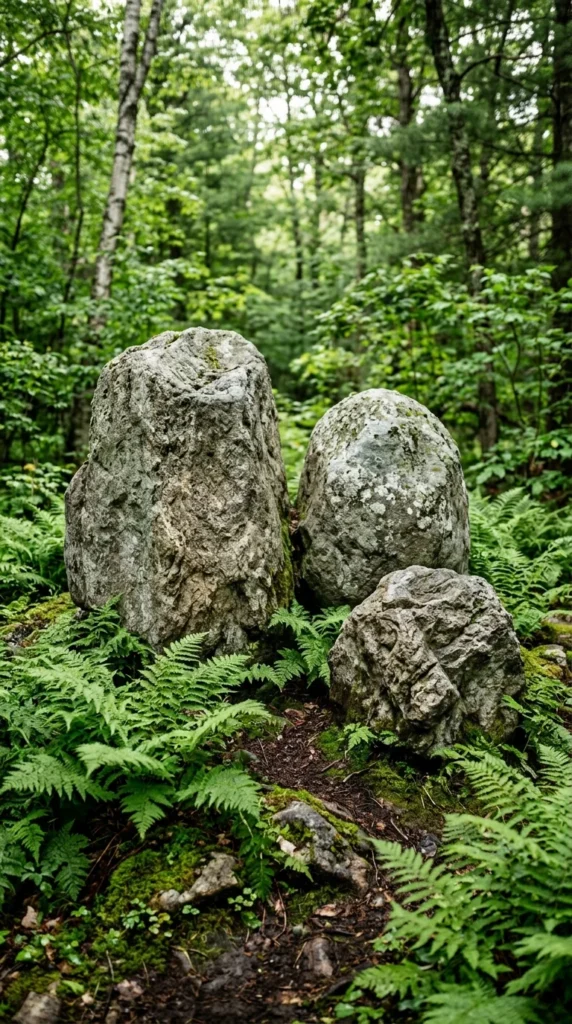
Rocks are the “bones” of a Japanese garden. Suseki refers to the art of selecting and placing stones that resemble natural landscapes like mountains or islands. When placing rocks, they should look as though they have been there for centuries, often buried slightly in the ground to appear as if they are part of a larger, hidden subterranean structure.
14. Niwaki
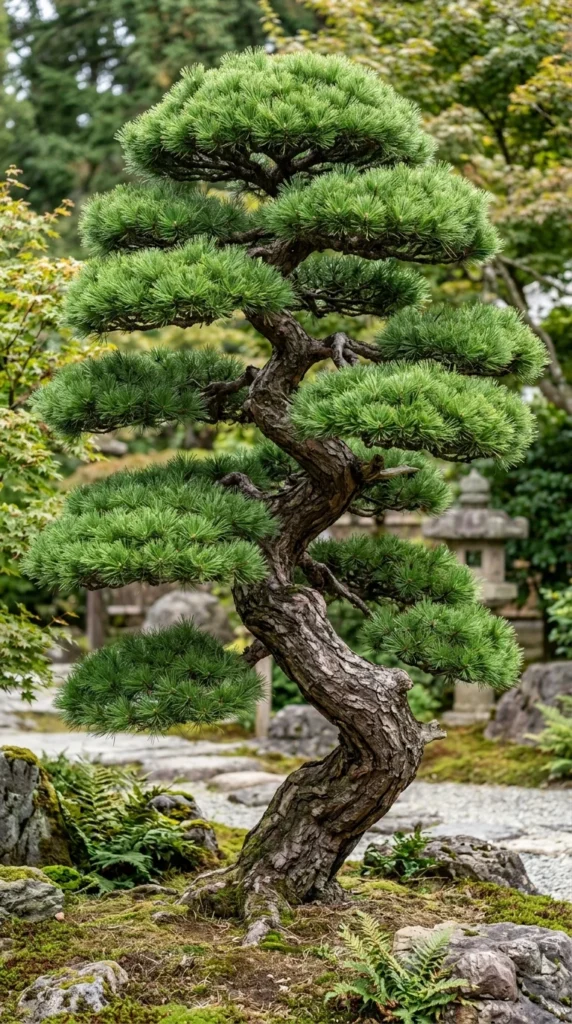
Niwaki is the practice of “cloud pruning” trees to make them look older and more windswept than they actually are. This technique emphasizes the tree’s character and creates a sense of “Big Nature” in a small space. Pines, junipers, and boxwoods are the most common candidates for this sculptural treatment.
15. Torii Gates
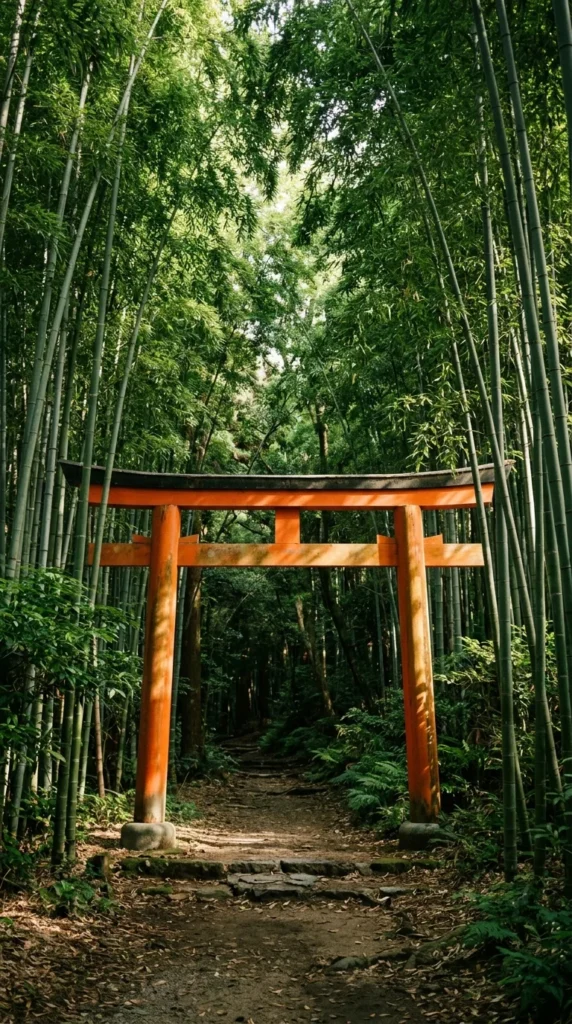
A Torii gate traditionally marks the transition from the mundane to the sacred. In a home garden, it can serve as a dramatic entrance or a transition point between different areas of the yard. The bold color—usually a vibrant vermillion—provides a striking contrast to the deep greens of the foliage.
16. Bamboo Groves
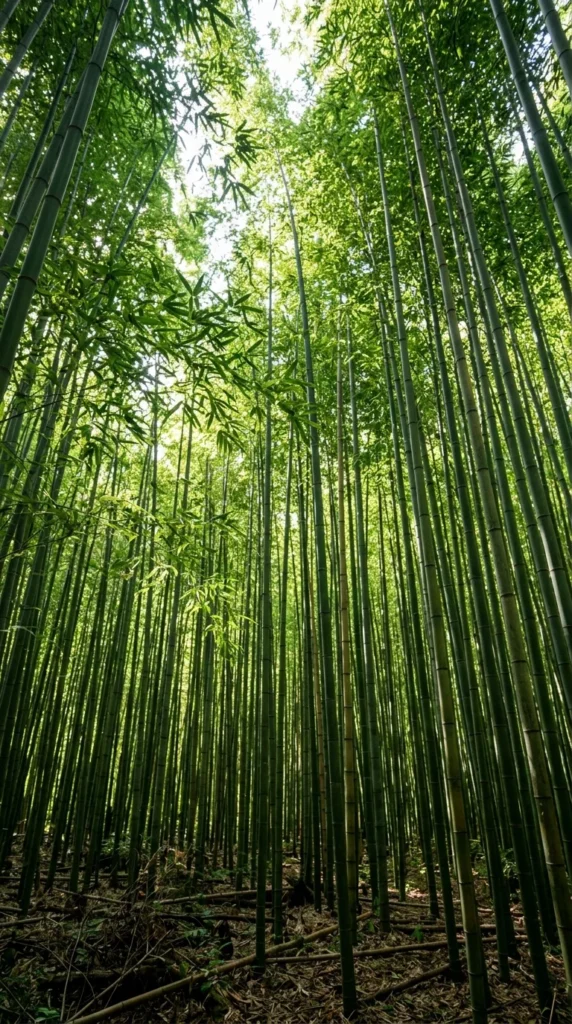
Bamboo is a fast-growing resource that provides instant height and privacy. The rustling sound of bamboo leaves in the wind is one of the most iconic sounds of a Japanese garden. To prevent it from spreading uncontrollably, use “clumping” varieties or install a deep root barrier.
17. Azaleas
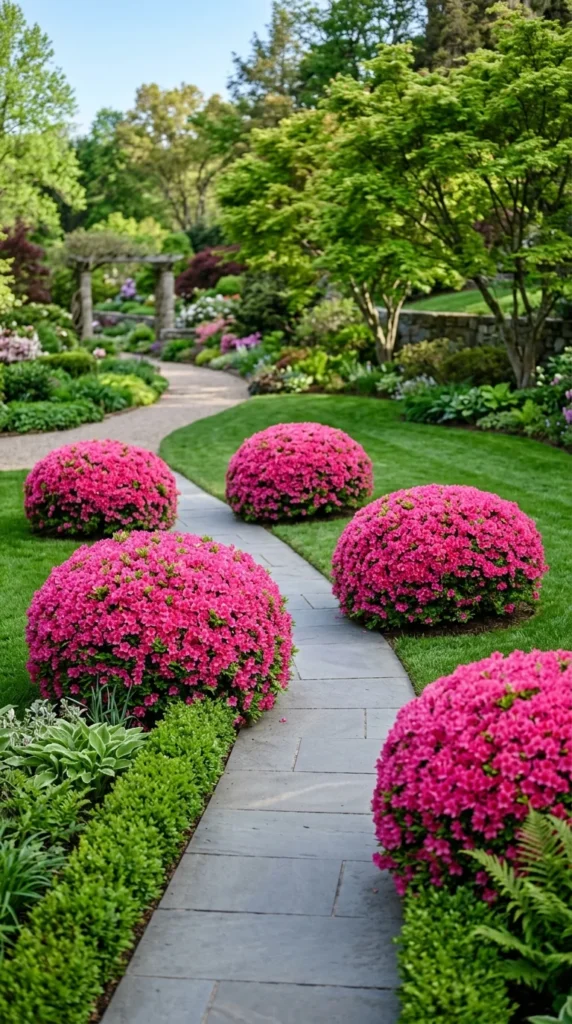
Azaleas are frequently used in Japanese gardens for “Karimi,” the practice of shearing shrubs into rounded, rock-like shapes. When in bloom, they provide a massive splash of color; when the flowers fade, their tight green forms continue to provide structure and rhythm to the landscape.
18. Miegakure
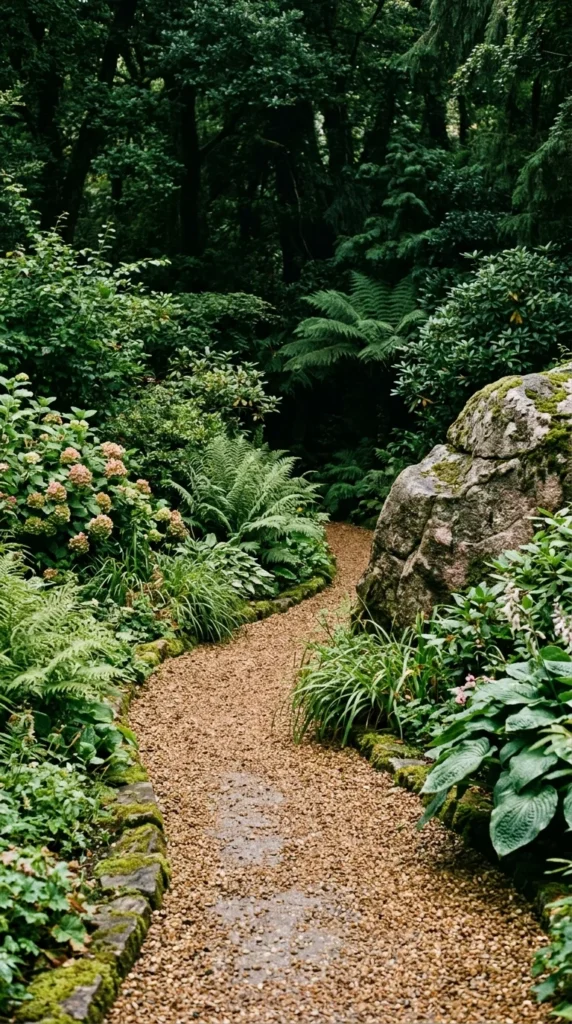
Miegakure, or “hide and reveal,” is a design principle where the entire garden is never visible at once. By using winding paths, fences, or strategically placed plants, you create a sense of mystery. As you walk, new vistas and features are slowly revealed, making the garden feel much larger than it actually is.
19. Shakkei
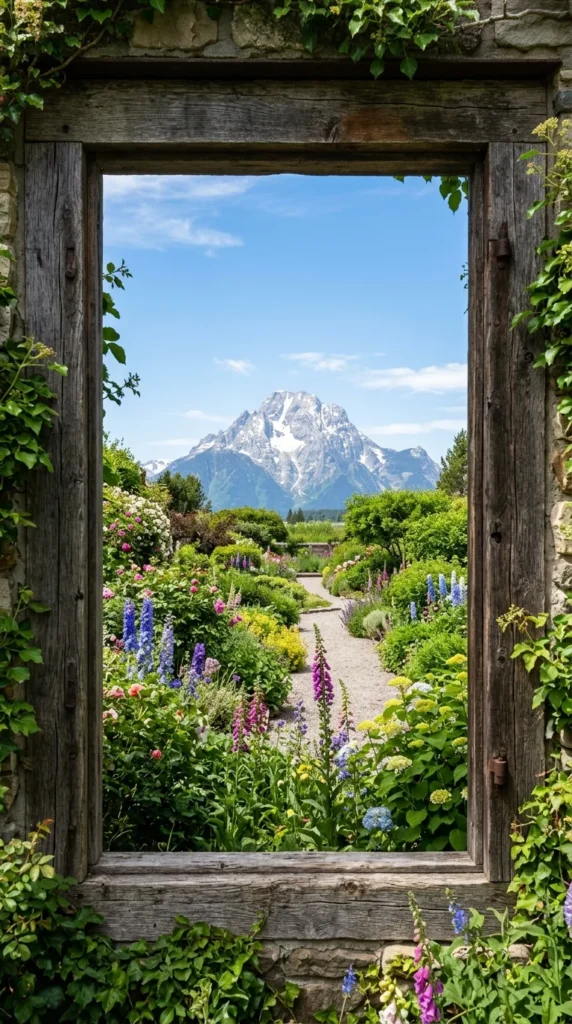
Shakkei, or “borrowed scenery,” involves incorporating distant elements—like a mountain, a beautiful tree in a neighbor’s yard, or even the sky—into your own garden’s composition. By framing these distant views, you break the boundaries of your property and connect your sanctuary to the wider world.
20. Waterfalls
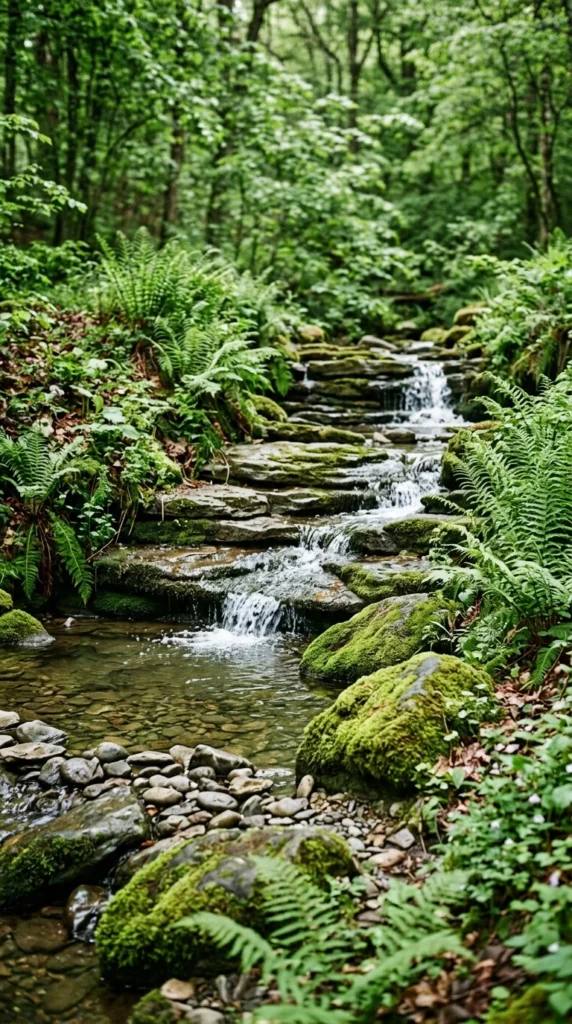
Waterfalls add vertical movement and the refreshing sound of splashing water. In a Japanese garden, the “drop” of the water is carefully considered to produce a specific sound. The rocks should be placed to look natural, with plants growing out of the crevices to soften the edges.
21. Moon Gates
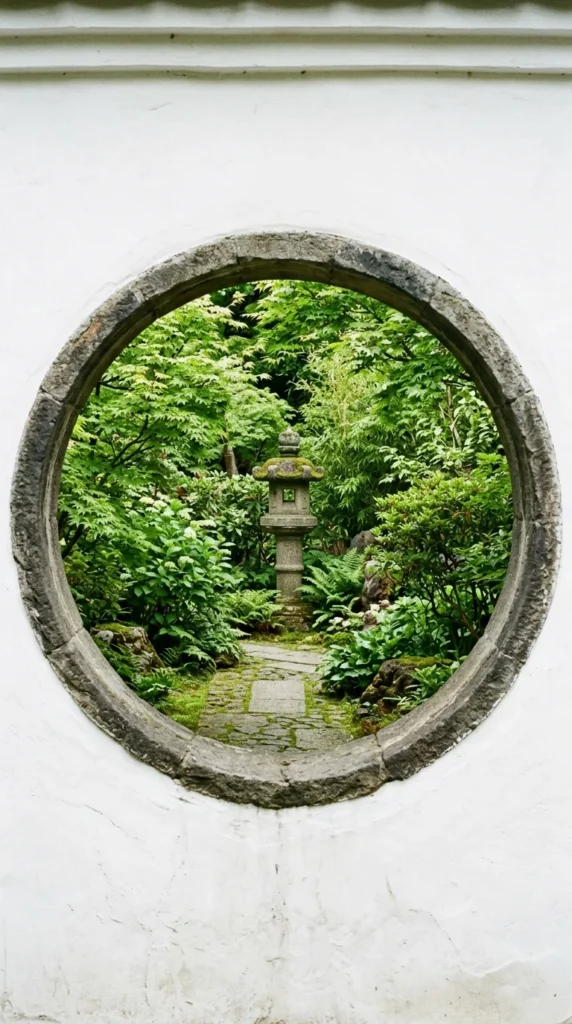
A Moon Gate is a circular opening in a garden wall that acts as a pedestrian passageway. Borrowed from Chinese tradition but often found in Japanese stroll gardens, the circle represents birth and renewal. It serves as a beautiful architectural frame for the scenery on the other side.
22. Raked Sand Patterns
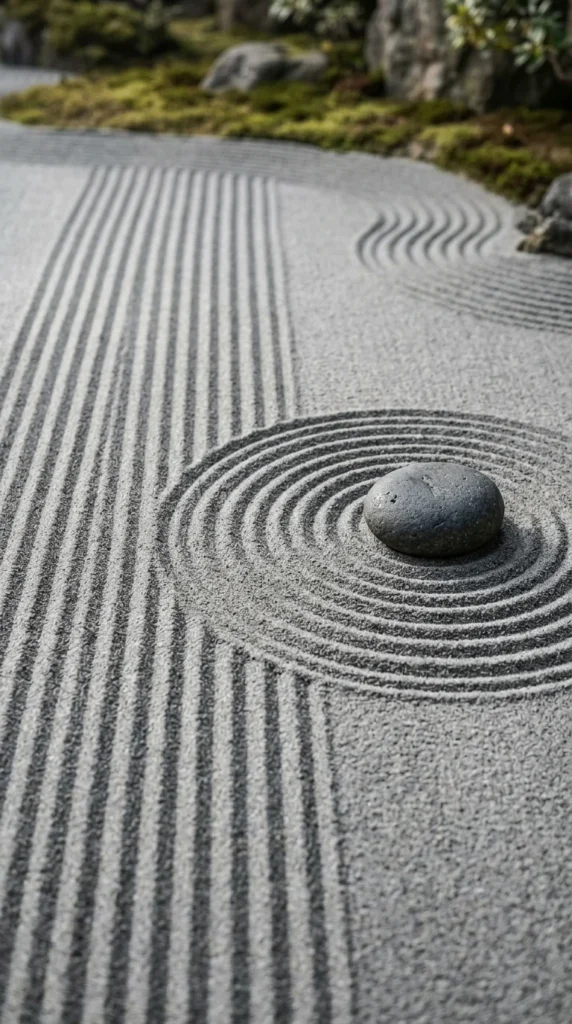
The patterns raked into a Zen garden’s sand or gravel are not just decorative; they are a form of active meditation. Straight lines represent calm water, while circular ripples represent a stone thrown into a pond. Maintaining these patterns is a way to stay connected to the garden’s maintenance and your own inner peace.
23. Stone Benches
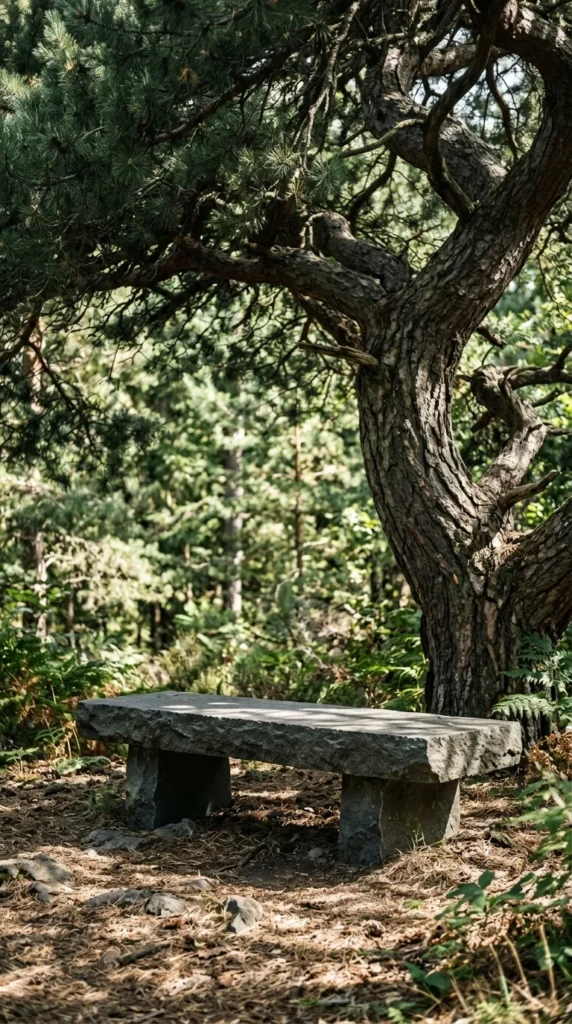
In a garden designed for contemplation, seating is essential. However, the seating should not distract from the natural beauty. A simple stone bench or a weathered wooden seat tucked into a quiet corner provides a place to sit, breathe, and observe the play of light and shadow without breaking the organic aesthetic.
24. Ferns and Hostas
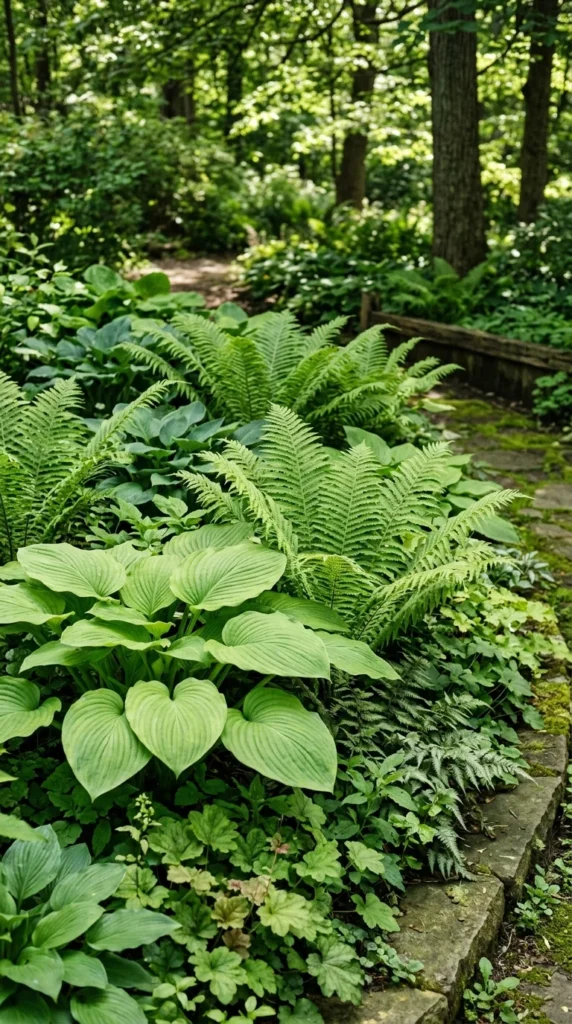
For the shaded areas of a Japanese garden, ferns and hostas are the go-to plants. They provide a variety of textures—from the broad, waxy leaves of hostas to the airy fronds of ferns. These plants thrive in the damp, cool microclimates often found near water features and stone basins, completing the lush, primordial feel of the space.