
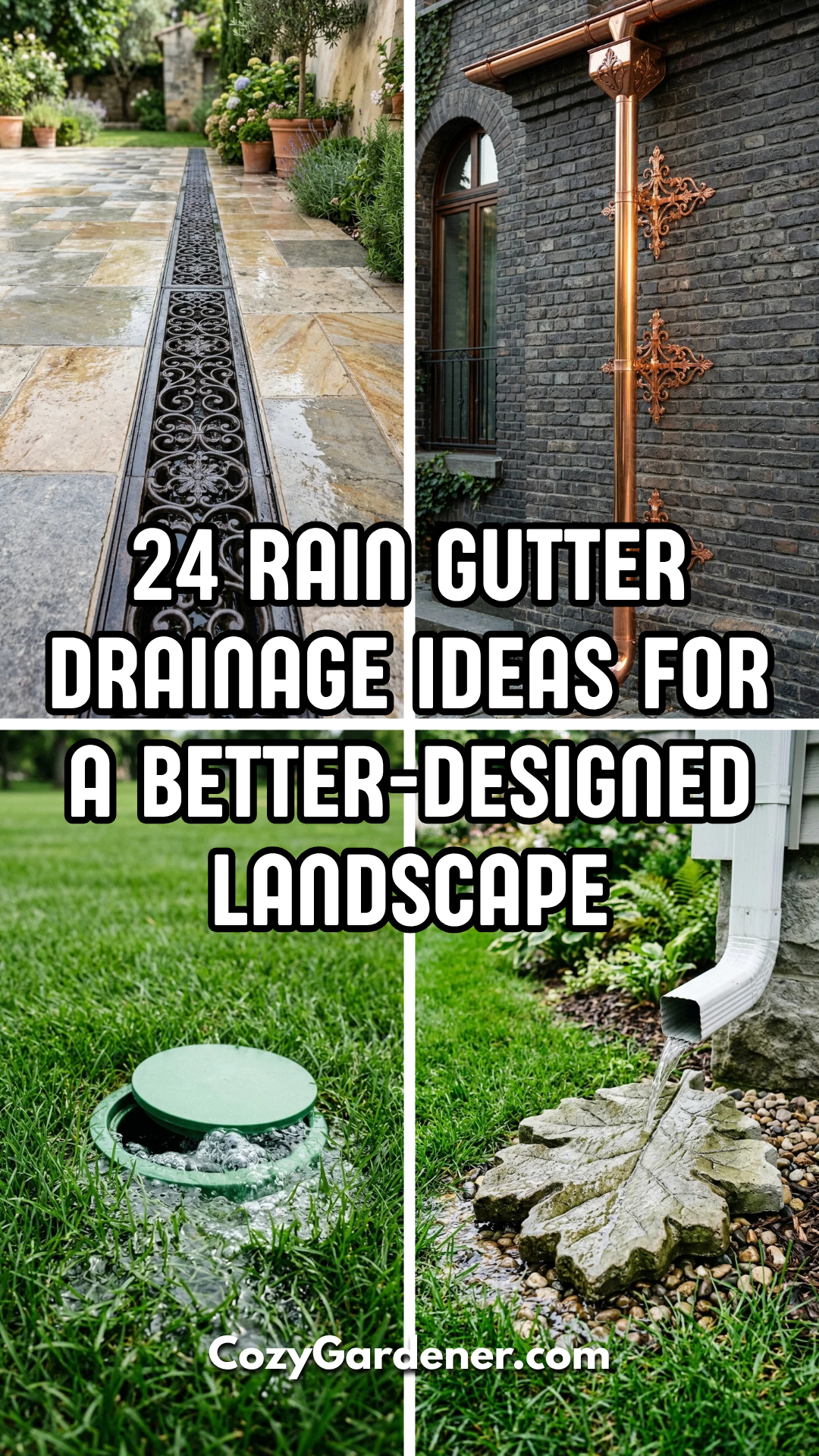
Rain gutters are often viewed as a purely functional necessity—a way to keep water away from your foundation and prevent basement flooding. However, if left as simple aluminum tubes sticking out into your yard, they can become an eyesore that disrupts your home’s curb appeal. The secret to a truly well-designed landscape lies in turning these drainage points into intentional design features. By integrating clever drainage solutions, you can protect your home while enhancing the beauty of your outdoor space.
Here are 24 rain gutter drainage ideas to transform your landscape into a functional work of art.
1. Rain Chains
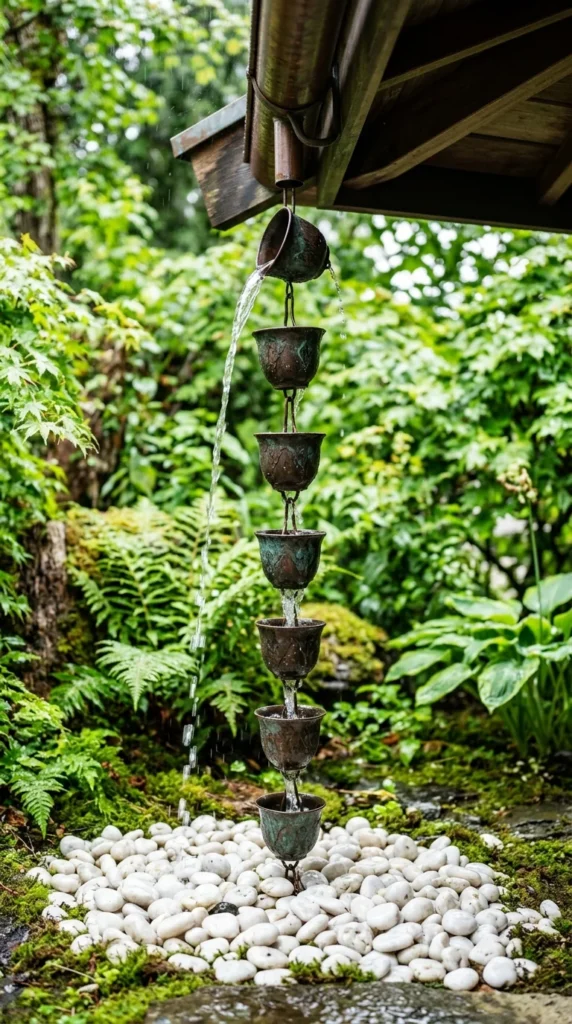
Rain chains originated in Japan and offer a melodic, visual alternative to traditional closed downspouts. Instead of hiding the water, these chains celebrate it. As rain flows down the cups or links, it creates a soothing sound similar to a waterfall. They are available in various materials like copper, brass, and stainless steel, allowing them to patina over time and add a vintage charm to your home’s exterior.
2. Rain Barrels
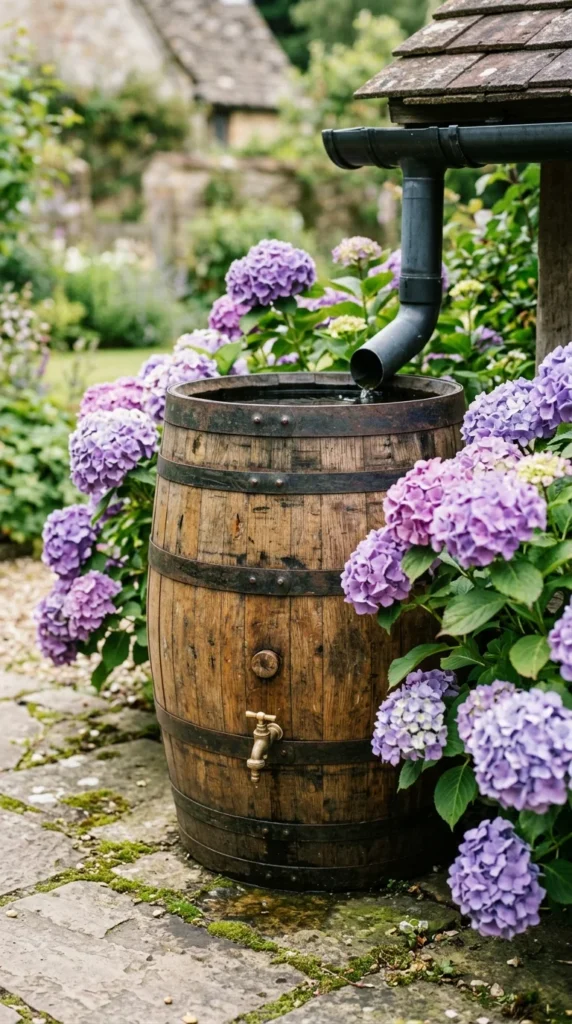
Rain barrels are the pinnacle of eco-friendly drainage. By capturing runoff from your roof, you create a reservoir of soft, chlorine-free water that is perfect for gardening. Modern rain barrels come in many styles, from faux-stone urns to sleek, minimalist tanks, ensuring they blend seamlessly with your siding or garden walls.
3. Dry Creek Beds
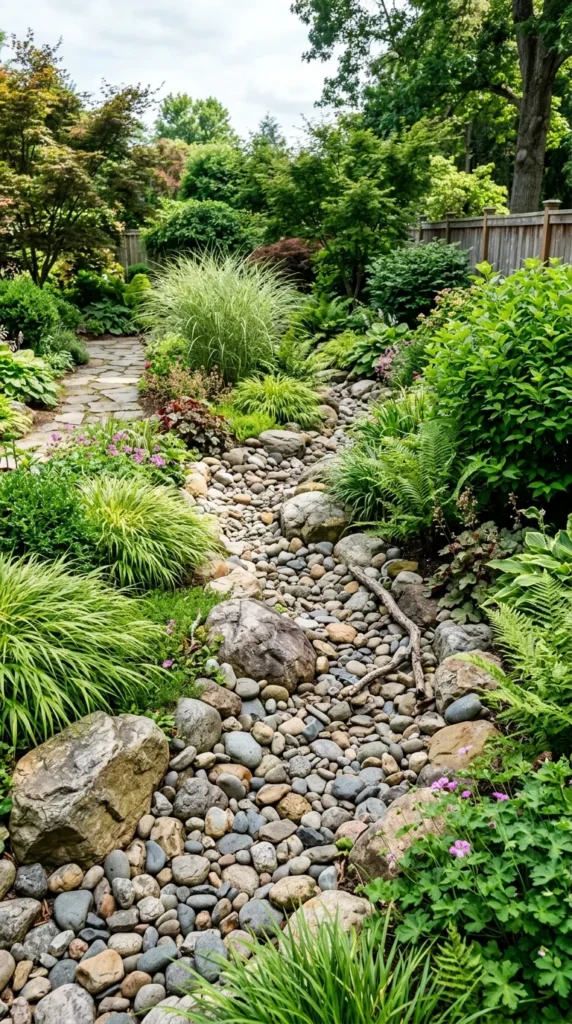
A dry creek bed is a landscape feature designed to manage heavy runoff during storms while looking like a natural part of the terrain when it’s dry. By lining a shallow trench with river rocks, boulders, and gravel, you create a path for water to flow away from your house. This prevents soil erosion and adds a rugged, organic texture to your yard.
4. French Drains
If you have a low-lying area where water tends to pool, a French drain is the gold standard. It consists of a perforated pipe buried in a gravel-filled trench. Gravity pulls the water into the gravel and then into the pipe, which carries it to a safer discharge point. Because the entire system is underground, it remains completely invisible, leaving your lawn pristine.
5. Underground Piping
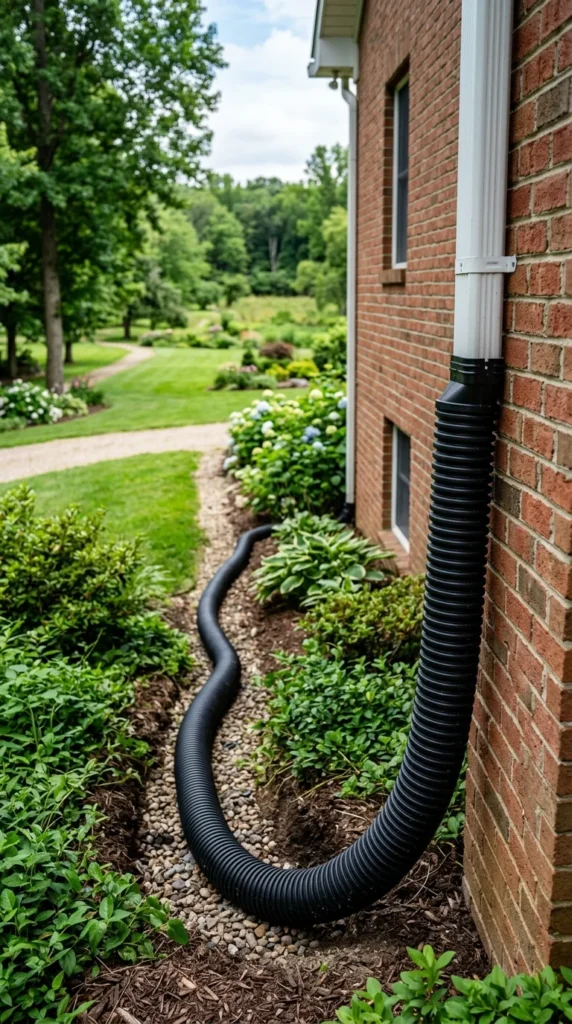
For a clean, minimalist look, extending your downspouts into underground solid PVC or corrugated piping is highly effective. This moves water far away from the foundation—often to the street or a dedicated drainage zone—without having long, clunky pipes running across your walkways or flower beds.
6. Rain Gardens
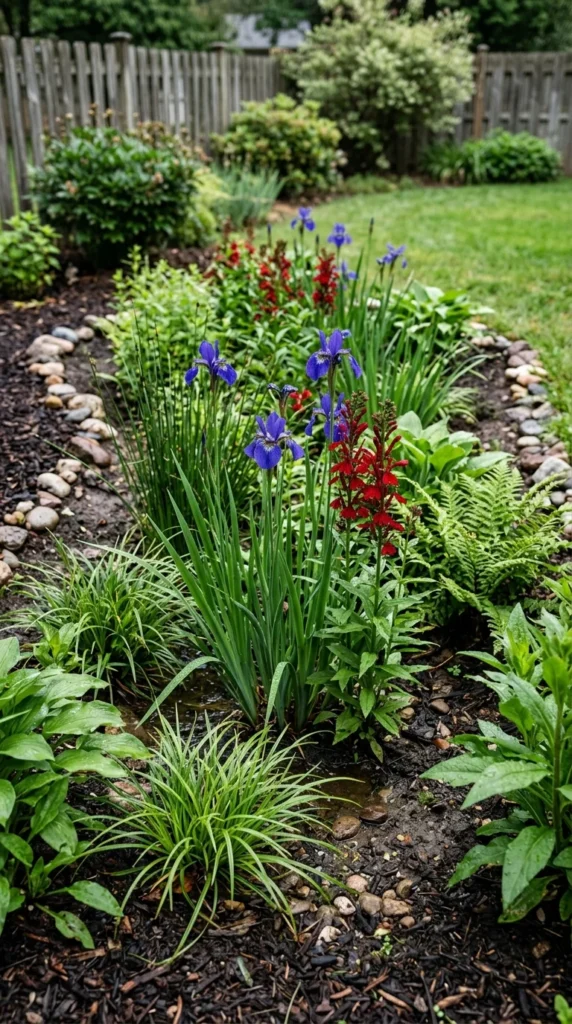
A rain garden is a shallow, planted depression that allows rainwater to soak into the ground rather than running off into storm drains. By selecting native plants with deep root systems, you create a mini-ecosystem that filters pollutants from the water and provides a habitat for butterflies and birds. It’s a beautiful way to turn a “drainage problem” into a “garden feature.”
7. Catch Basins
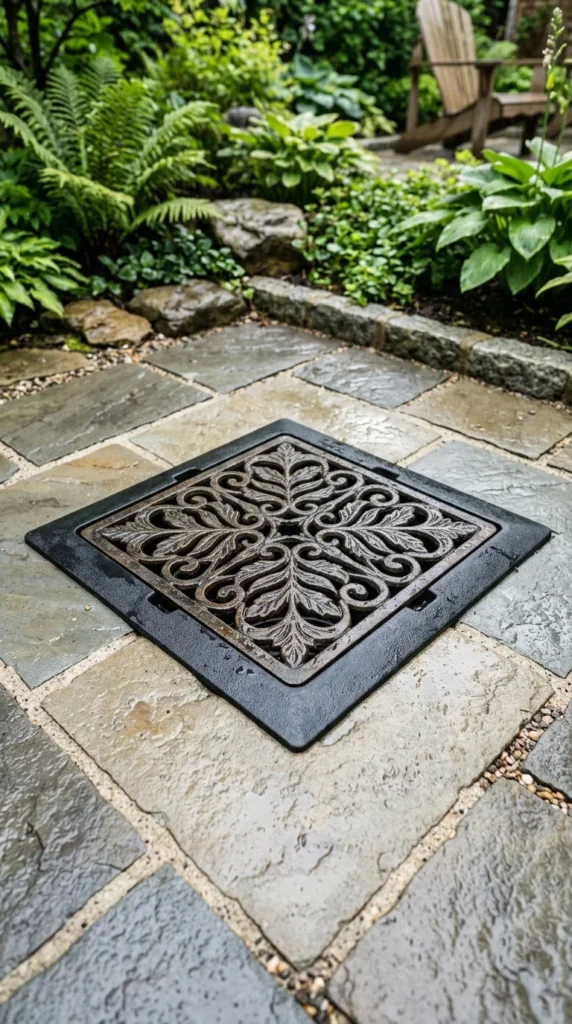
Catch basins are essentially underground “buckets” with a grate on top. They are installed at the low points of your landscape or directly under downspouts to collect water and debris. The heavy sediment settles at the bottom while the water is diverted into an outlet pipe. Using a decorative cast-iron grate can turn this utility item into a high-end architectural detail.
8. Splash Blocks
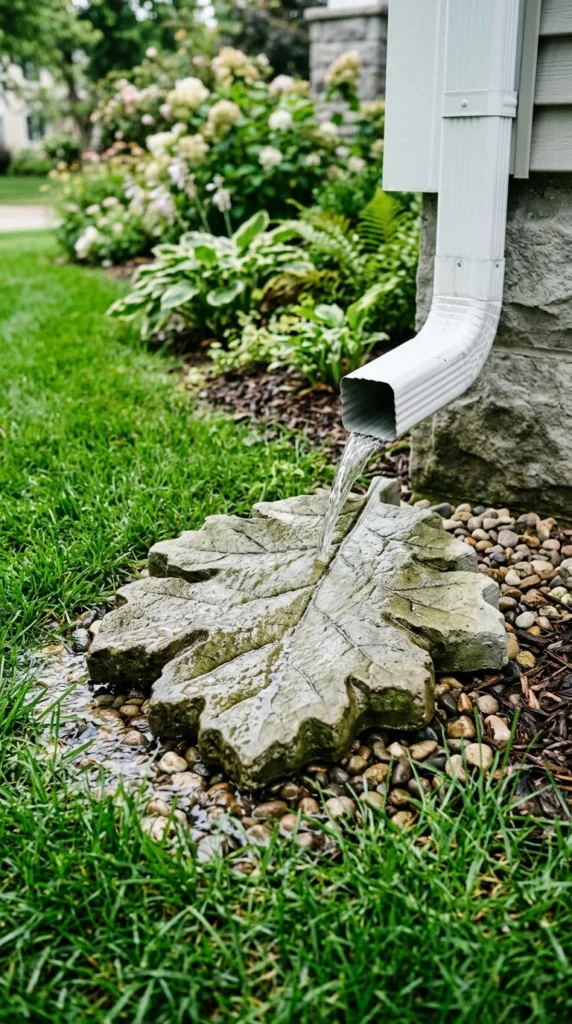
While basic plastic splash blocks are common, upgrading to decorative stone, concrete, or even cast-iron versions can elevate your home’s aesthetic. These blocks sit at the base of the downspout to break the force of the falling water, preventing it from digging a hole in your soil or splashing mud against your siding.
9. Retractable Downspouts
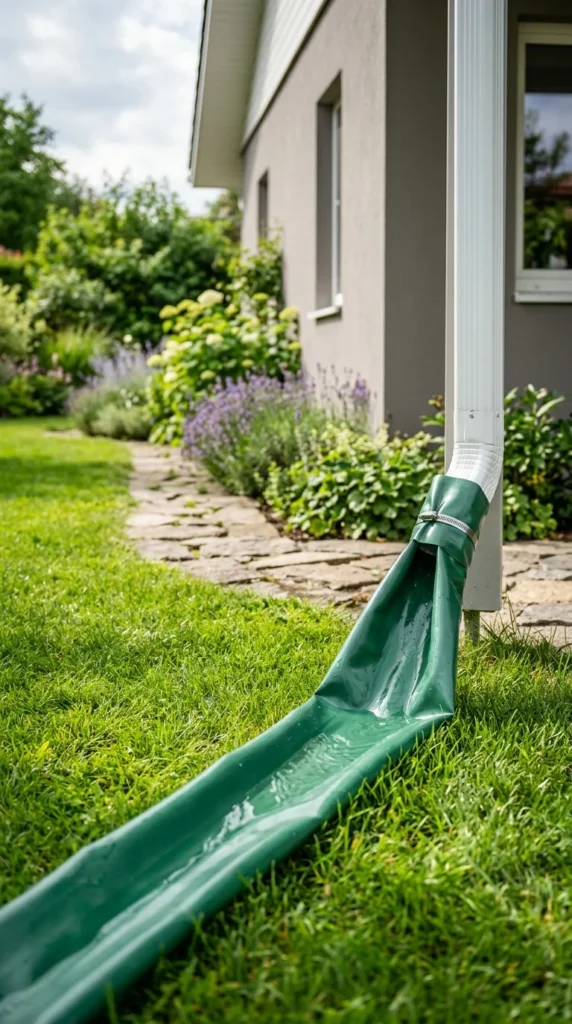
If you only need a downspout extension during heavy storms, retractable sleeves are a clever invention. These flexible tubes unroll when they fill with water and roll back up when the rain stops. They are particularly useful for areas where a permanent pipe would interfere with lawn mowing or foot traffic.
10. Vegetated Swales
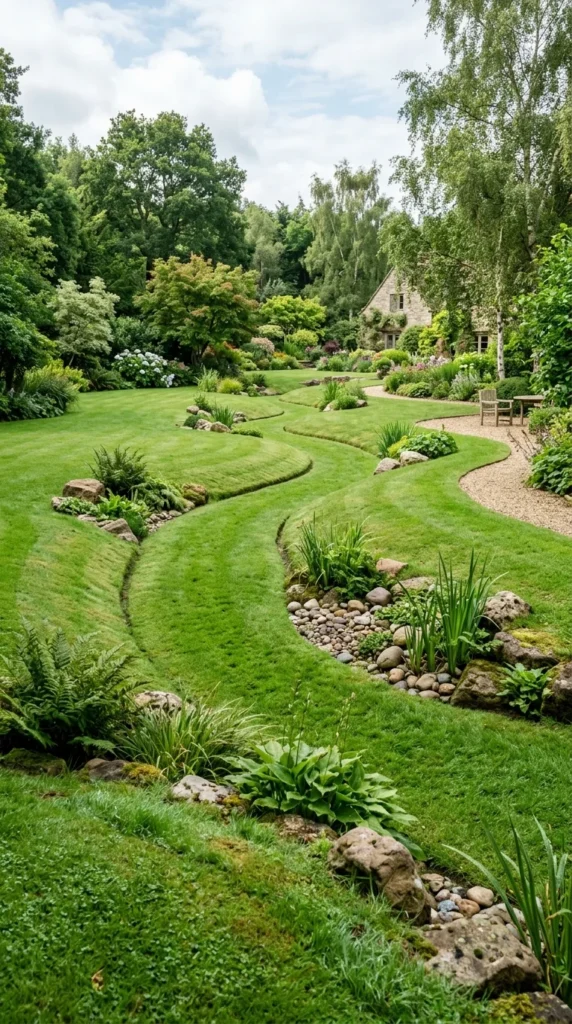
A swale is a wide, shallow ditch with gently sloping sides. Unlike a dry creek bed, which uses rocks, a vegetated swale uses dense grass or groundcover to slow down and filter water. This is an excellent solution for large properties where you need to move significant amounts of water across a field without causing erosion.
11. Permeable Pavers
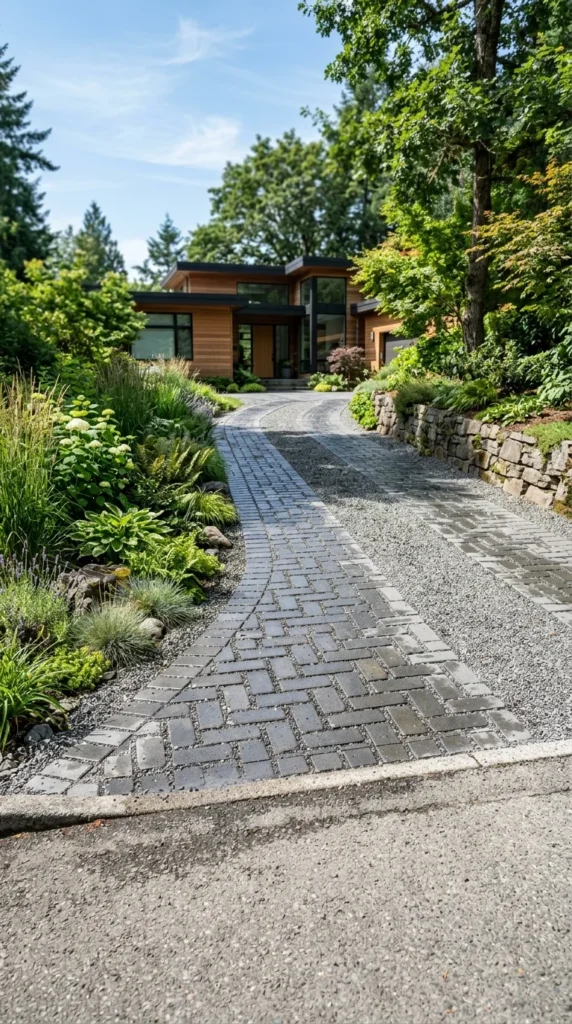
Traditional concrete or asphalt driveways cause massive amounts of runoff. Permeable pavers, however, allow water to seep through the joints and into the sub-base below. Integrating these into the areas where your gutters discharge can eliminate the need for surface pipes and keep your hardscaping looking sharp.
12. Rock Pits
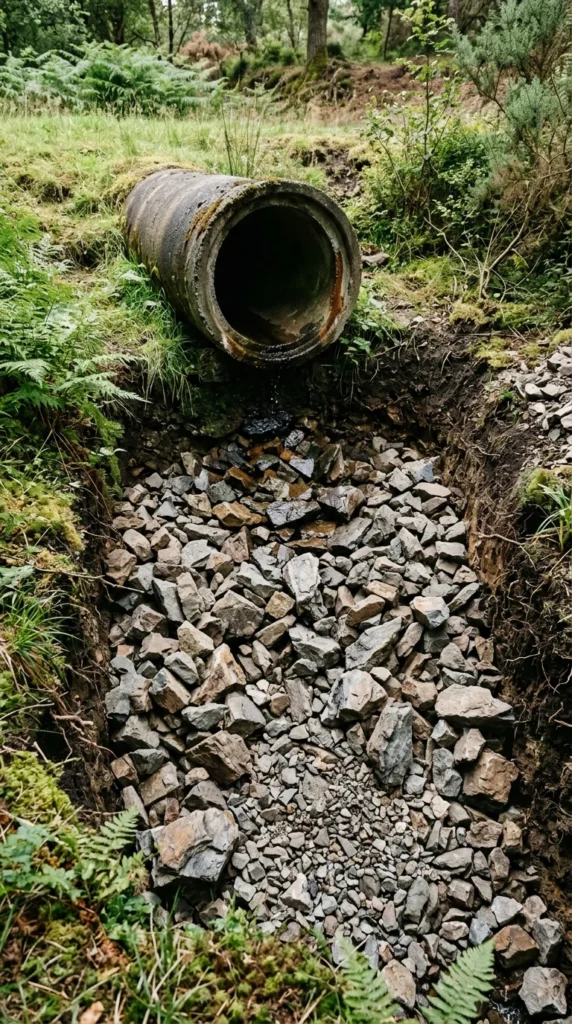
Also known as soakaways, rock pits are deep holes filled with large rocks and covered with landscape fabric and soil. They act as a temporary holding tank for rainwater. This is ideal for properties with limited space for long pipes, as it allows water to dissipate vertically into the ground.
13. Water Cascades
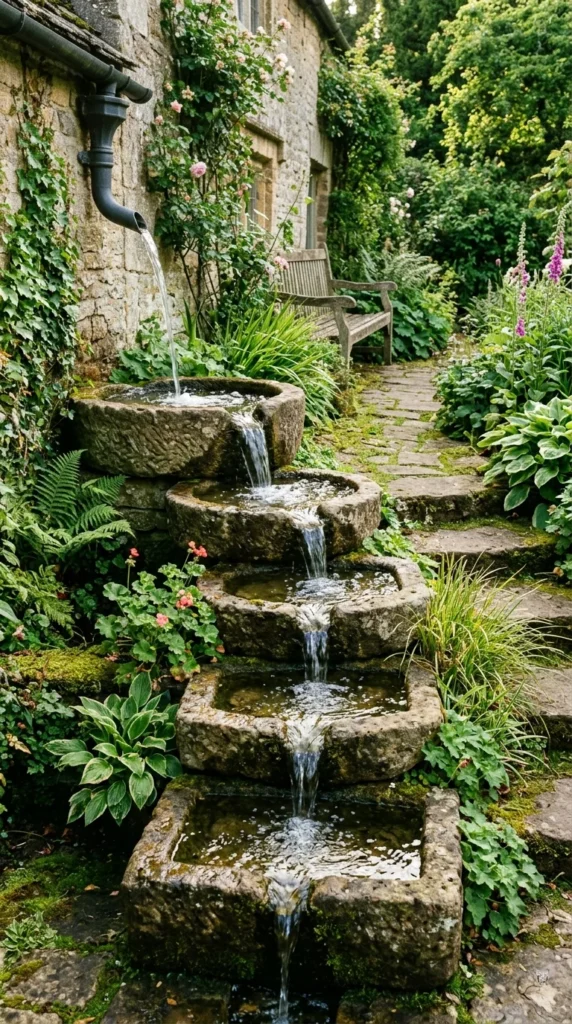
For the homeowner who wants a high-end look, a water cascade turns gutter drainage into a fountain-like feature. You can build a series of stone steps or tiered bowls that the water travels through before reaching a rain garden or underground drain. It adds movement and sound to the landscape.
14. Planted Ditches
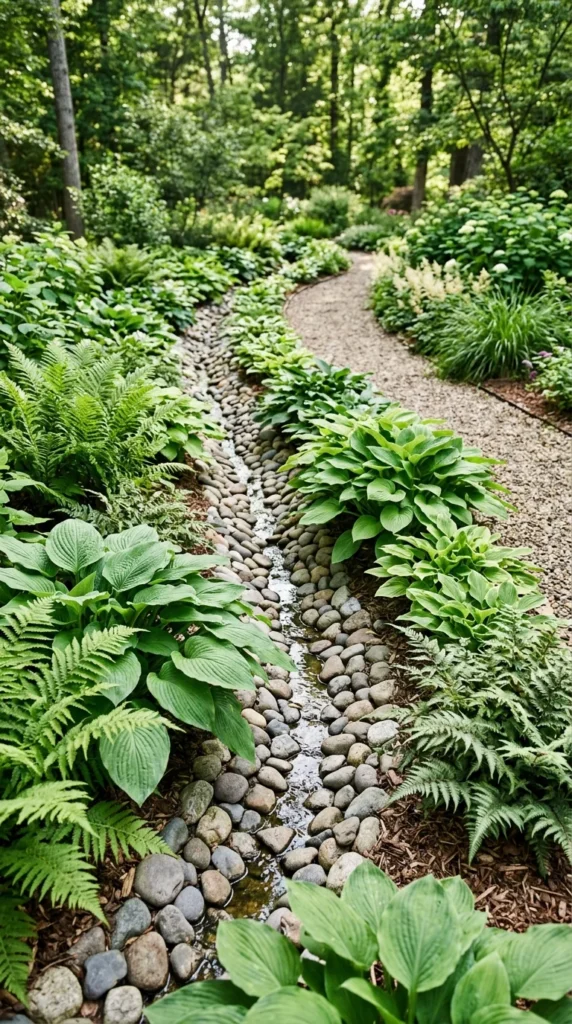
Similar to a swale but more structured, a planted ditch uses a combination of stone lining and moisture-loving greenery. This creates a clear boundary in your landscape while providing a dedicated lane for excess water during the rainy season.
15. Pop-up Emitters
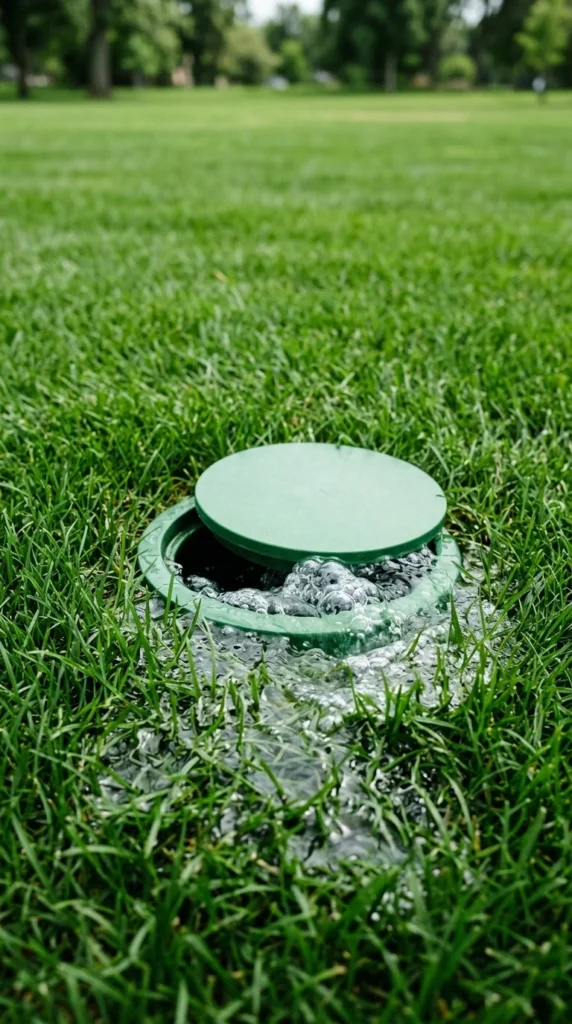
Pop-up emitters are the perfect “hidden” exit for your underground pipes. The emitter stays closed and flush with the grass until the pressure of the water pushes the cap up. Once the water is discharged, the cap snaps back down, allowing you to mow right over it without any obstruction.
16. Landscape Contouring
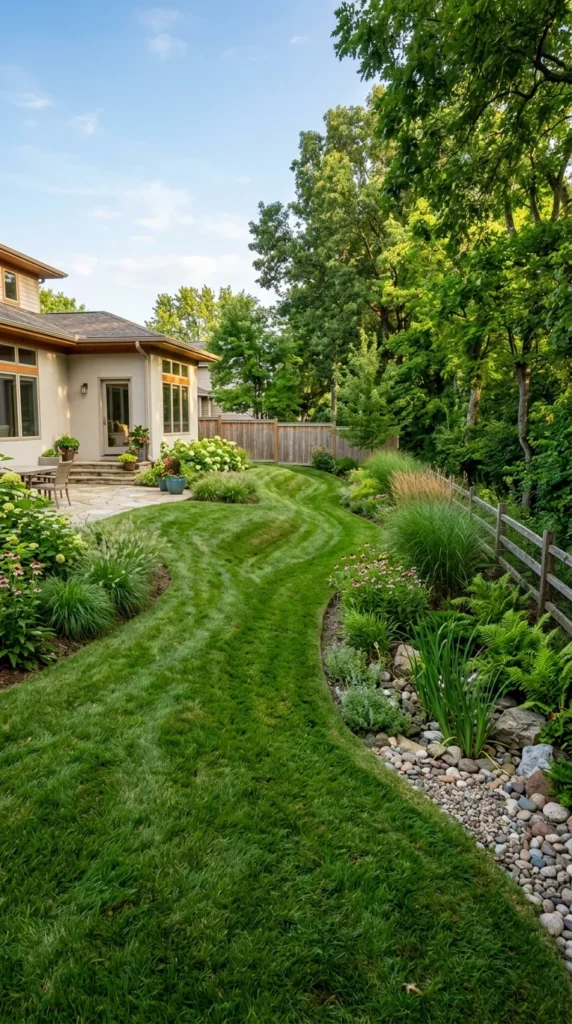
Sometimes the best drainage idea is to change the shape of the land itself. By creating “berms” (small mounds) and valleys, you can guide water around your patio and toward your trees or garden beds. This naturalistic approach avoids the need for heavy hardware and relies on the laws of gravity.
17. Copper Downspouts
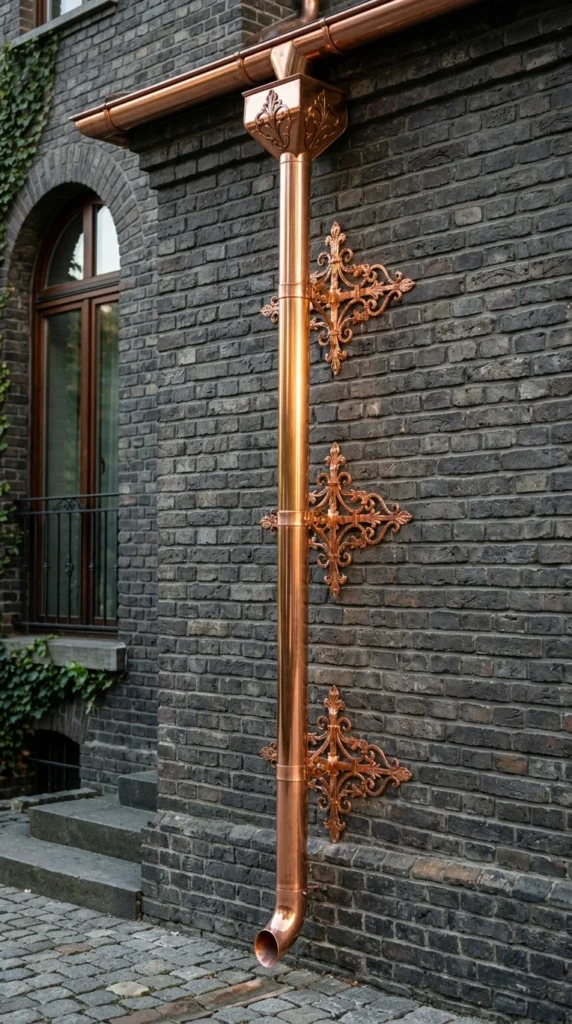
If you can’t hide your downspouts, make them a focal point. Copper downspouts are stunning architectural elements that transition from a bright penny color to a deep bronze and eventually a classic verdigris green. They signal luxury and attention to detail, elevating the entire facade of the home.
18. Stepping Stone Drains
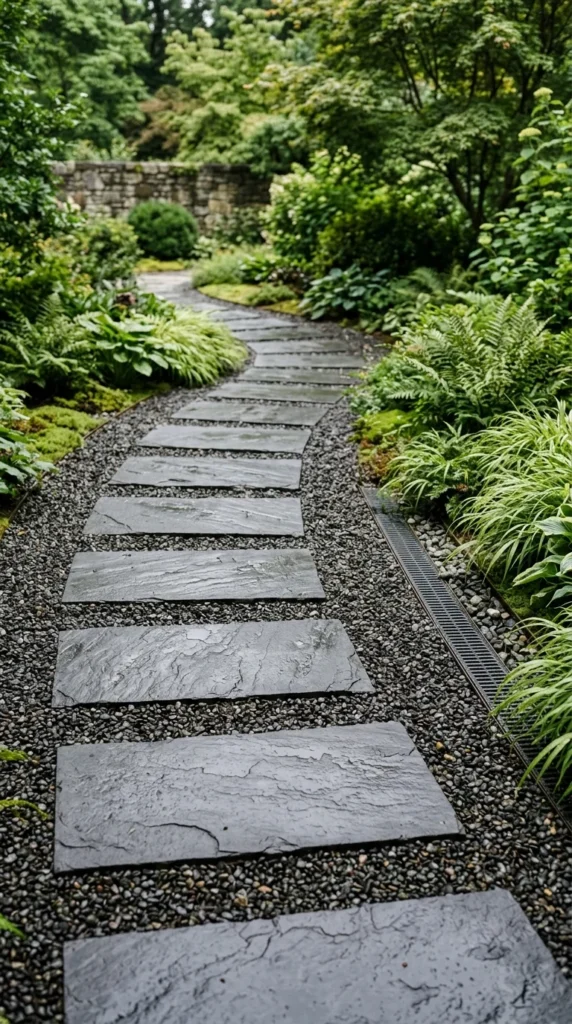
You can hide a drainage channel directly under a walkway. By using a bed of gravel and placing large stepping stones on top, you create a functional path for people that also serves as a high-capacity drain for water. The water simply falls between the stones and disappears into the gravel.
19. Vertical Garden Irrigation
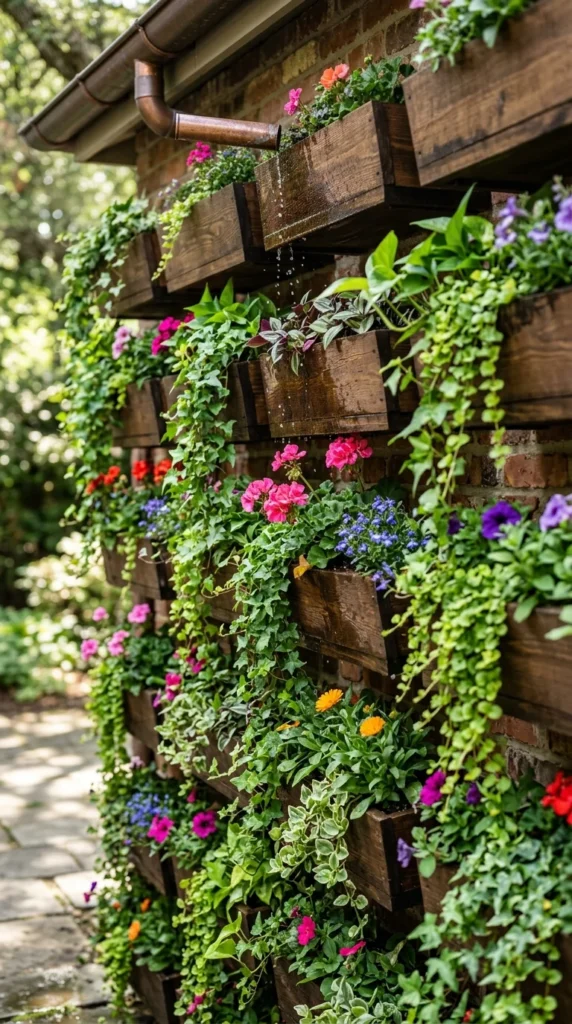
Why waste water when you can use it? By diverting a small portion of your gutter flow into a vertical garden or a series of stacked planters, you can automate your watering. The water trickles down from the top planter to the bottom, ensuring your greenery stays hydrated during every rain.
20. Sump Pump Integration
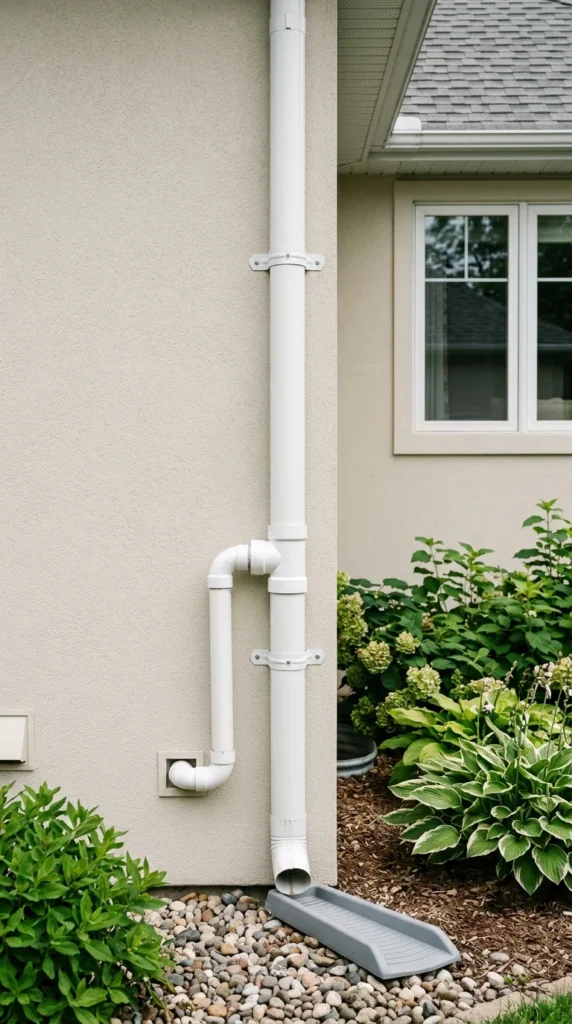
If your home has a sump pump, don’t let it discharge water right next to your foundation. Tying your sump pump line into your gutter drainage system ensures that all “waste” water is moved to the same remote discharge point, keeping your basement and your yard equally dry.
21. Decorative Grates
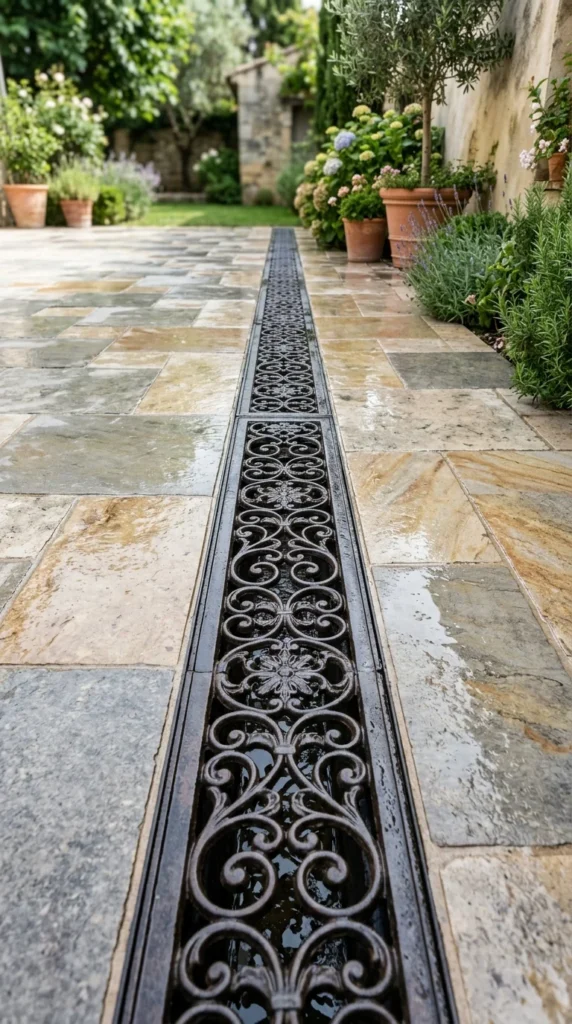
Channel drains are often used across patios or driveways. Instead of a plain plastic or industrial metal grate, opt for decorative cast iron. These grates come in various patterns—from geometric to botanical—adding a touch of sophistication to your hardscaping while collecting surface water efficiently.
22. Gravel Paths
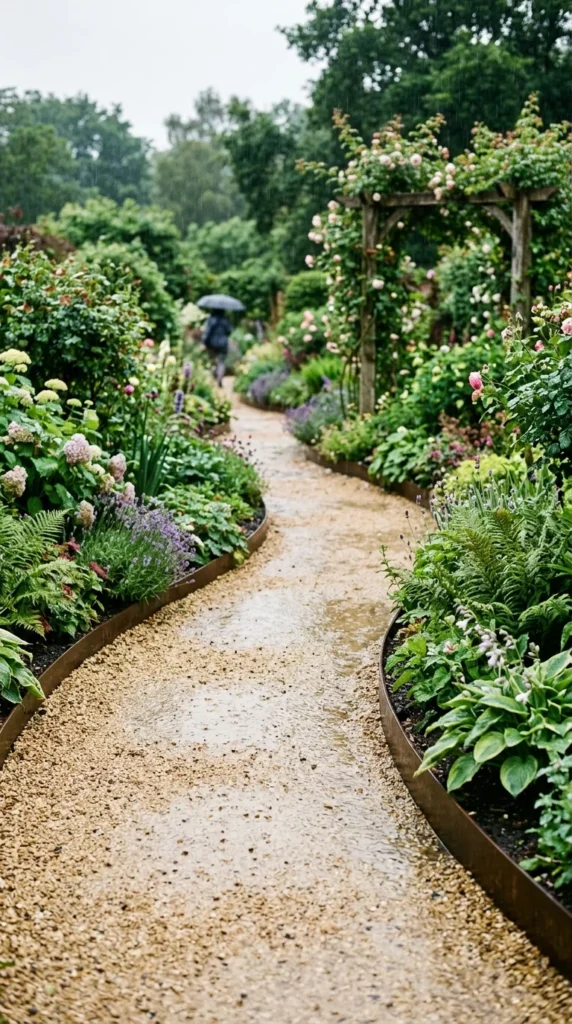
Replacing solid concrete paths with gravel paths is a simple way to increase the permeability of your landscape. If you direct your gutters toward these paths, the gravel acts as a natural “sponge,” allowing the water to spread out and soak into the ground over a large surface area rather than concentrating it in one spot.
23. Cisterns
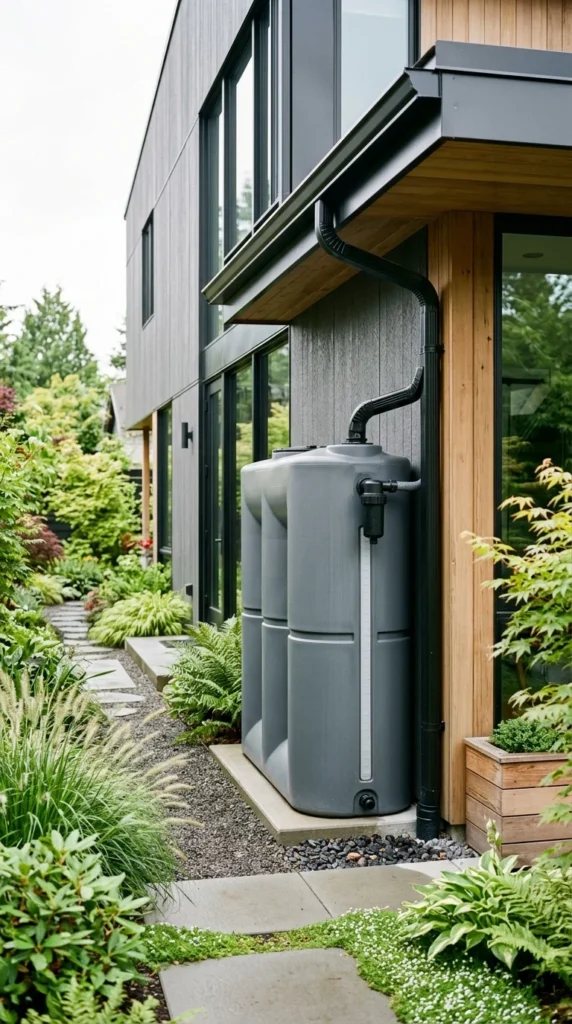
Cisterns are the “big brother” to rain barrels. These large-capacity tanks can be buried underground or placed above ground with a sleek, modern finish. They are perfect for homeowners who want to harvest enough water to irrigate an entire lawn or large garden throughout the dry summer months.
24. Decorative Pots and Planters
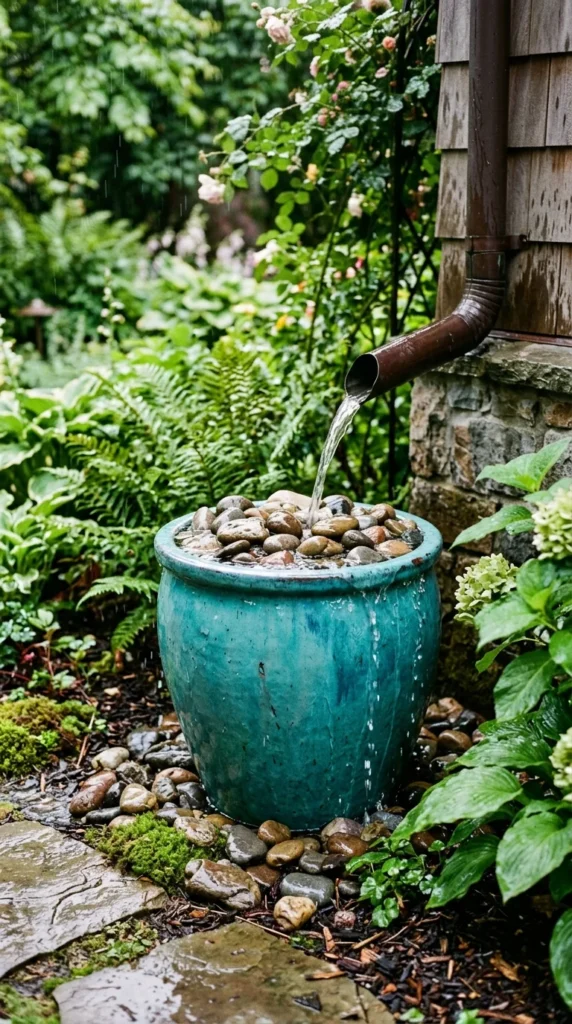
A simple yet effective idea is to place a large, decorative glazed pot at the end of a downspout. Fill the pot with rocks so it doesn’t become a mosquito breeding ground. As the pot fills with rain, the water overflows evenly over the rim, creating a beautiful “infinity pool” effect that disperses water gently into the surrounding soil.