
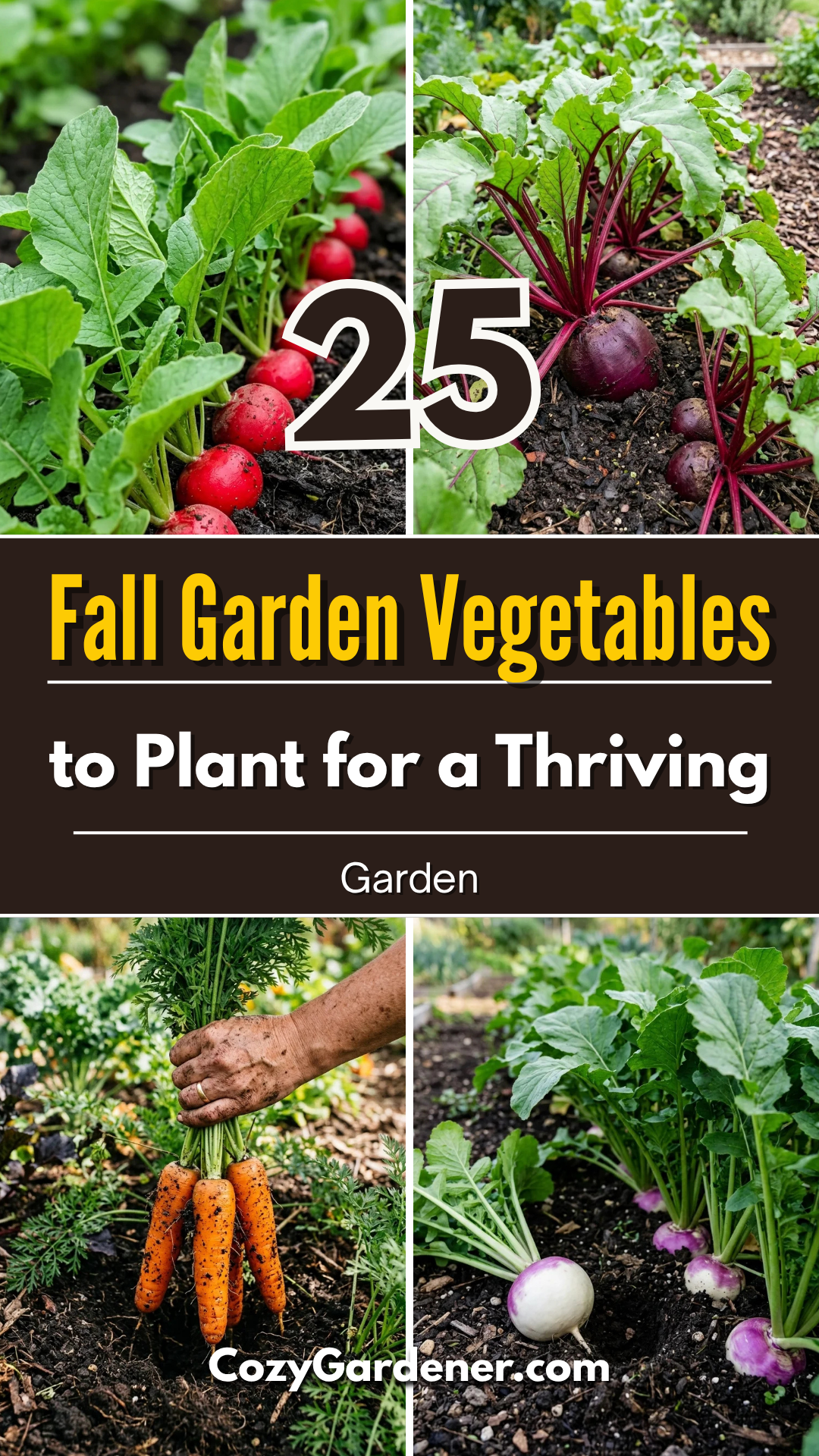
While many gardeners hang up their trowels once the summer heat fades, the experienced grower knows that autumn is the secret season for some of the most delicious, tender, and vibrant harvests of the year. Fall gardening offers unique advantages: the soil is already warm from summer, the air is cooling down (which many leafy greens prefer), and there are significantly fewer pests and weeds to contend with. Perhaps best of all, many cool-weather vegetables actually improve in flavor after a light frost, as the plant converts starches into sugars to protect itself from the cold.
If you want to extend your growing season and keep your table stocked with fresh produce well into the winter, here are 25 fall garden vegetables to plant right now.
1. Kale
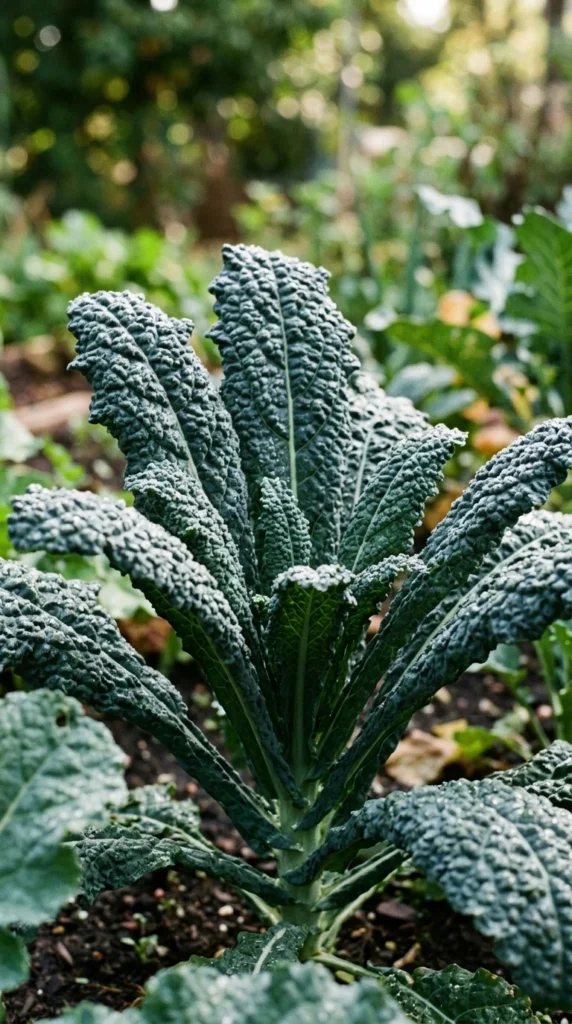
Kale is the undisputed king of the fall garden. This hardy biennial thrives in cool temperatures and can survive temperatures as low as 10°F. In fact, a touch of frost makes the leaves noticeably sweeter. Whether you prefer the curly-leafed varieties or the sleek “dinosaur” kale (Lacinato), planting this in late summer ensures a harvest that can last through the first snows.
2. Spinach
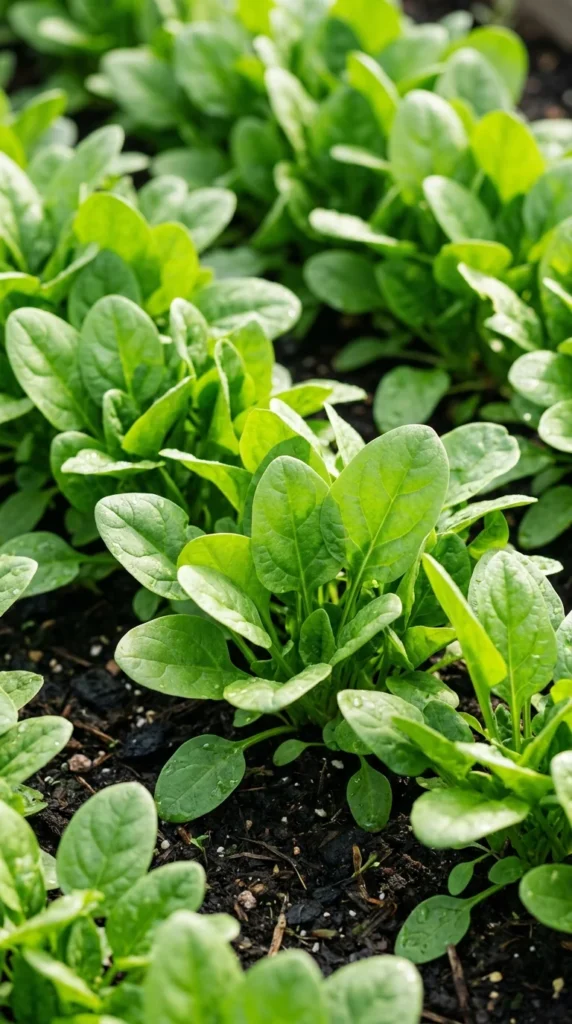
Spinach is a fast-growing crop that loves the shorter days and cooler nights of autumn. Unlike summer spinach, which tends to “bolt” or go to seed in the heat, fall-planted spinach remains tender and productive. You can harvest the baby leaves for salads or let them mature for hearty sautés.
3. Carrots
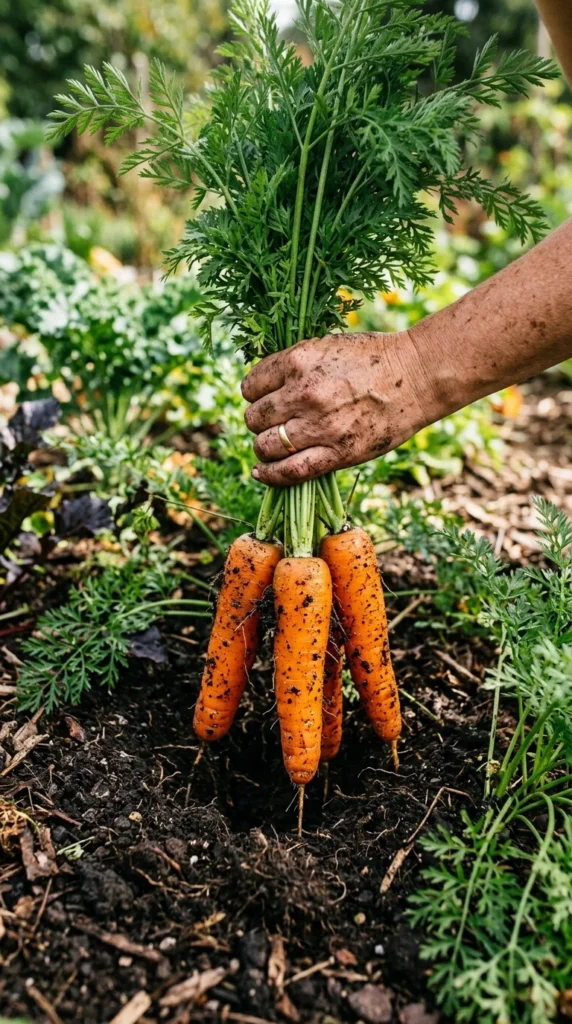
Carrots are a fall staple because they store exceptionally well in the ground. When planted in late summer, they mature just as the air turns crisp. The cooling soil temperatures signal the carrot to store more sugar, resulting in a crunchier, sweeter root than anything you’ll find in a grocery store.
4. Radishes
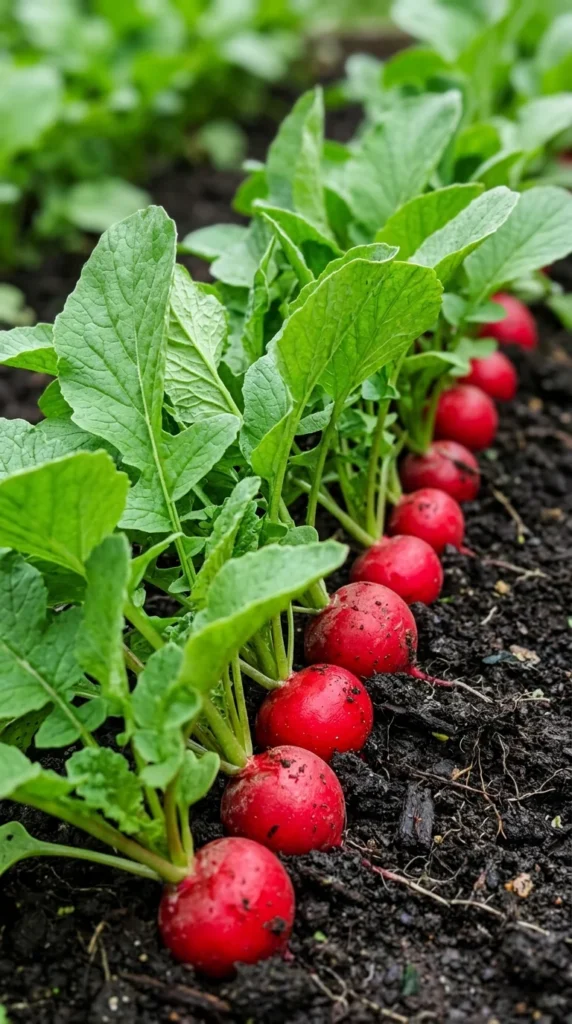
If you’re looking for instant gratification, radishes are your best friend. Some varieties, like the Cherry Belle, go from seed to table in as little as 25 days. For fall, you can also try “winter radishes” like Daikon or Watermelon radishes, which grow larger and can be stored for months.
5. Lettuce
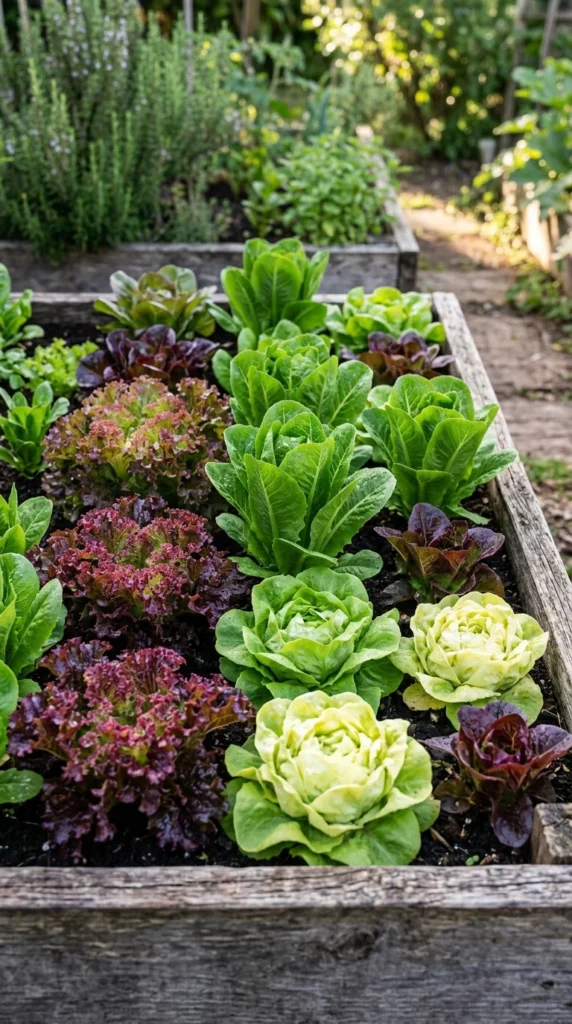
Most lettuce varieties struggle in the summer heat, becoming bitter and tough. Fall provides the perfect environment for “cut-and-come-again” salad mixes. By planting a succession of seeds every two weeks, you can have fresh salads until the hard freezes arrive.
6. Broccoli
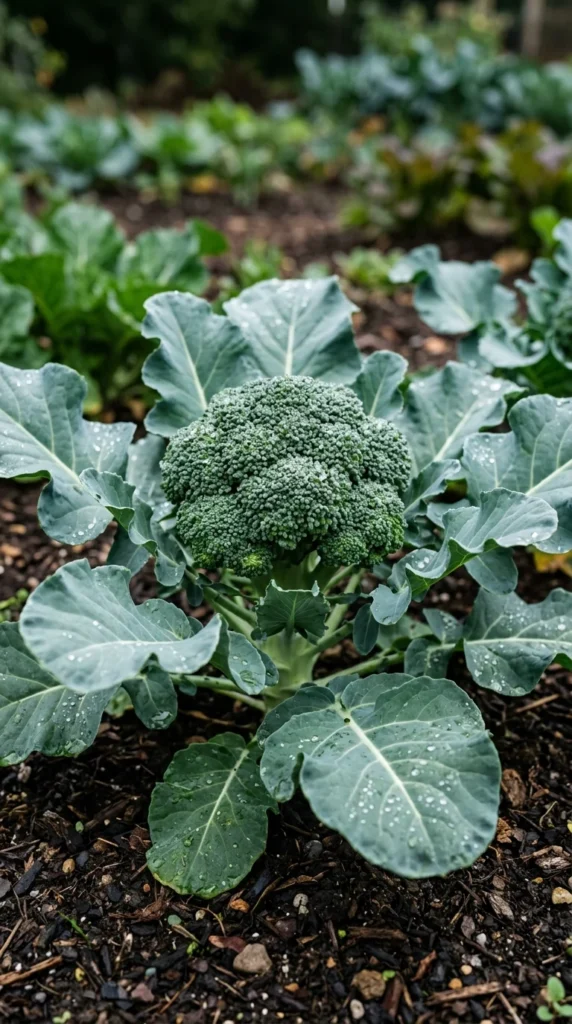
Broccoli is a cool-weather connoisseur. While it can be tricky to grow in the spring when a sudden heatwave triggers flowering, the declining temperatures of fall keep the heads tight and the flavor mild. Don’t stop at the main head; many varieties produce “side shoots” for weeks after the initial harvest.
7. Brussels Sprouts
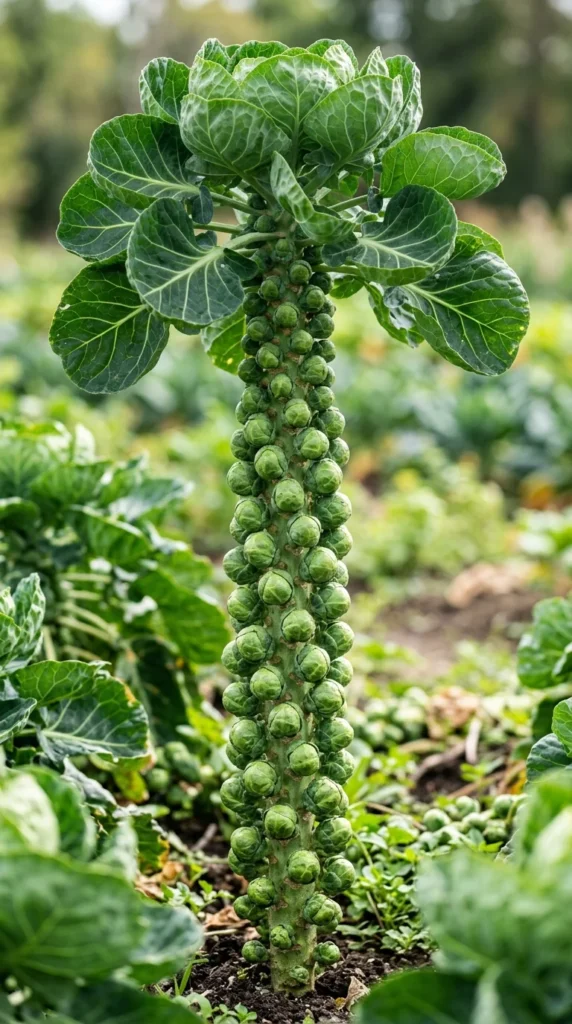
Brussels sprouts require a long growing season, but they are the ultimate frost-hardy vegetable. They are famous for tasting best after they’ve been “kissed by frost.” The cold weather mellows their flavor, making them sweet and nutty rather than bitter.
8. Cabbage
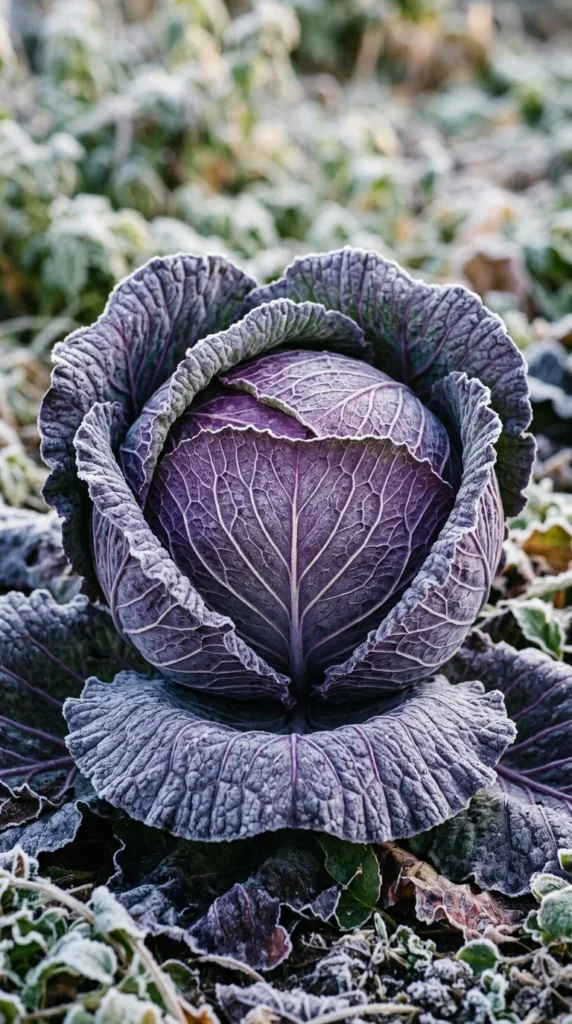
Cabbages are incredibly resilient. Late-season varieties are bred specifically to withstand cold temperatures. Whether you choose green, red, or the crinkly-leaved Savoy, fall-harvested cabbage is perfect for homemade sauerkraut, slaws, or hearty winter soups.
9. Garlic
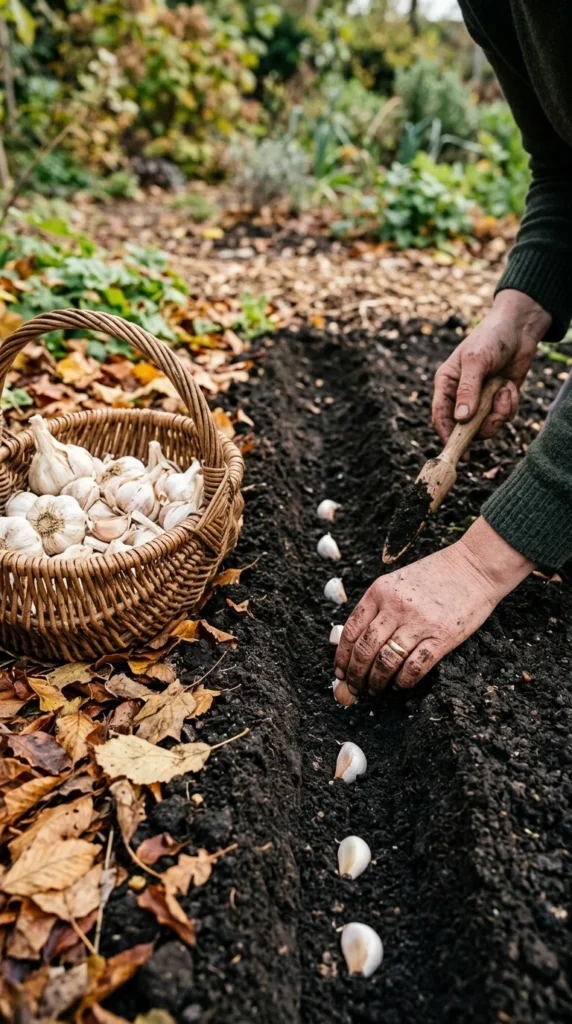
While you won’t harvest garlic until the following summer, fall is the time to plant it. Planting in October or November allows the cloves to establish a strong root system before the ground freezes. This “vernalization” period is essential for the bulb to split into individual cloves.
10. Beets
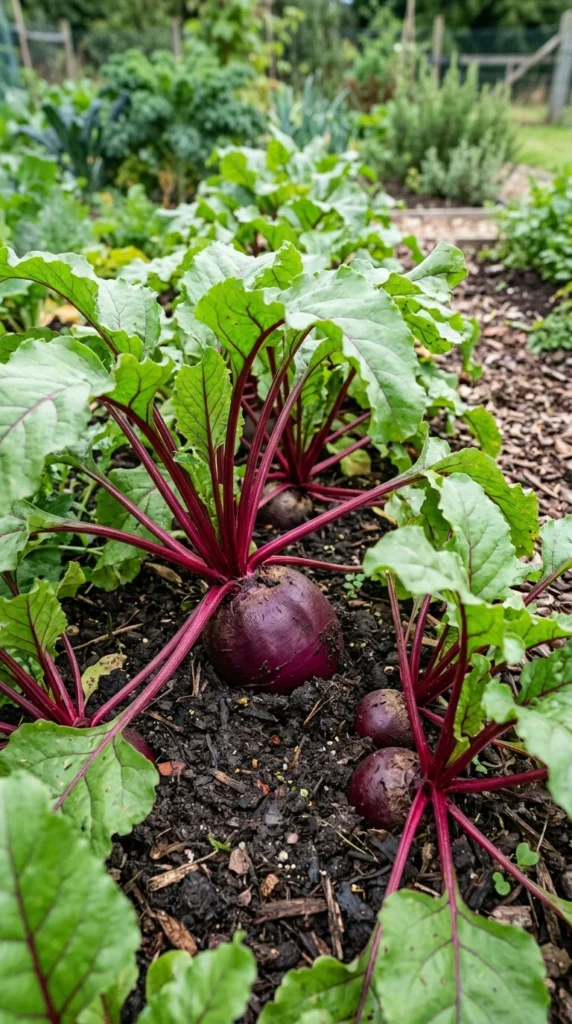
Beets are dual-purpose stars of the fall garden. You can harvest the young, tender leaves for “beet greens” and later pull the earthy, sweet roots. Like carrots, beets become sweeter as the soil temperature drops, making them a fall favorite for roasting.
11. Swiss Chard
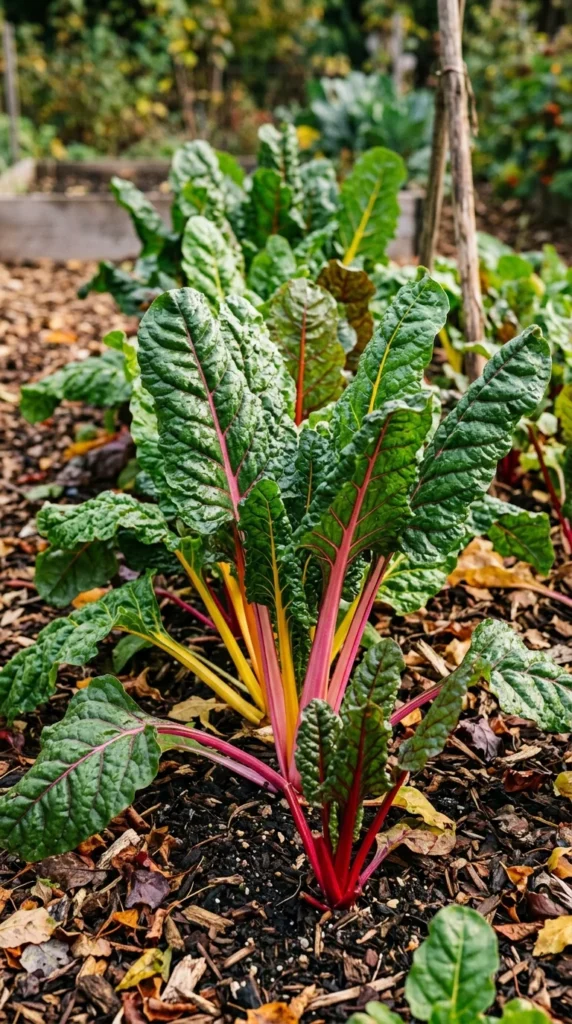
Swiss Chard is remarkably hardy and can survive even after the first few frosts. It is also one of the most ornamental vegetables you can grow, with its “Rainbow” varieties adding pops of neon color to the garden as the rest of the landscape turns brown.
12. Peas
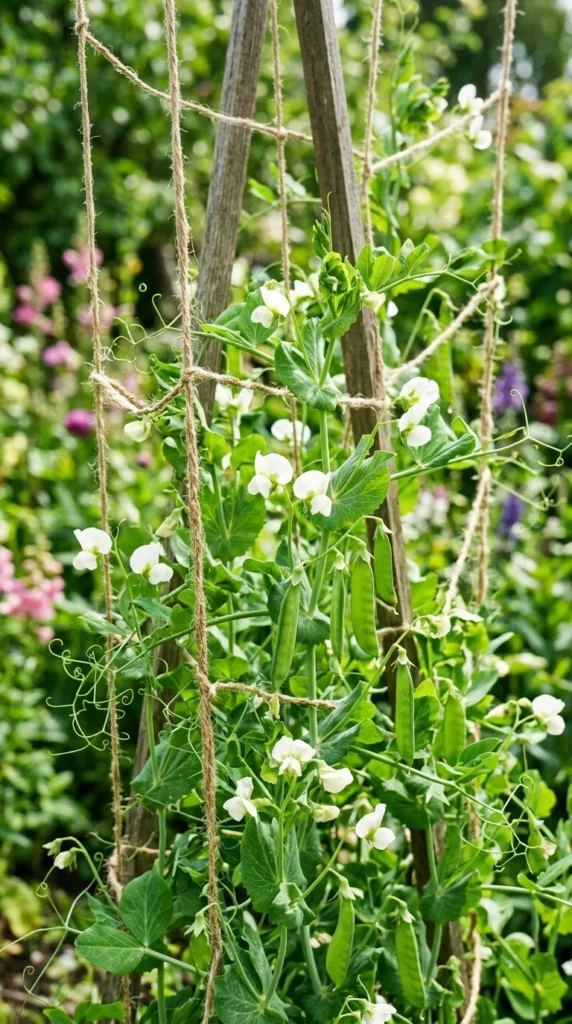
While often thought of as a spring crop, “snow peas” and “snap peas” thrive in the cool, moist conditions of autumn. They need to be planted early enough to mature before the first hard freeze, but they will appreciate the relief from summer’s scorching sun.
13. Cauliflower
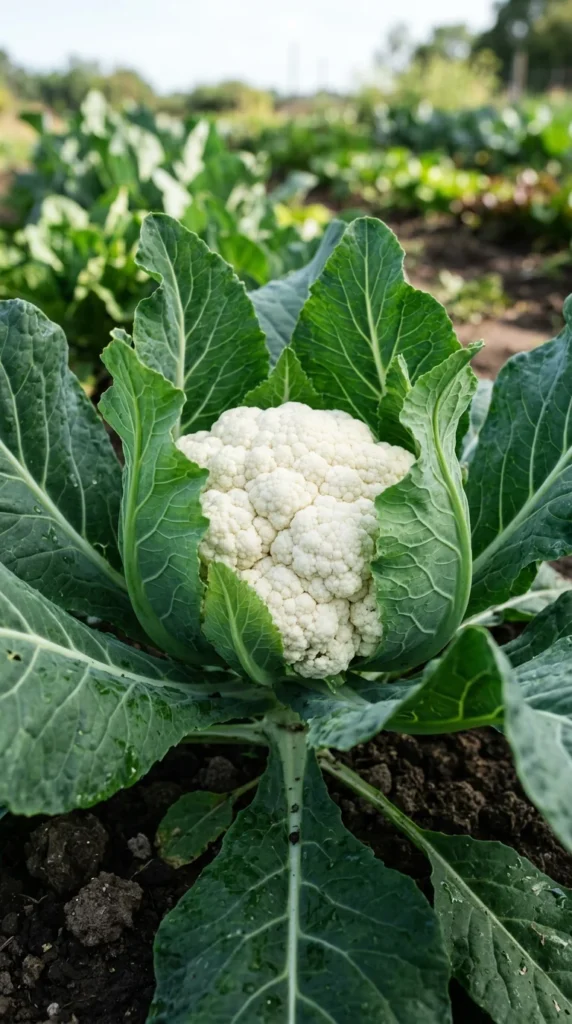
Cauliflower is slightly more sensitive to temperature swings than broccoli, but it flourishes in the steady, cooling trend of autumn. For a fun twist, try planting orange or purple varieties, which contain more antioxidants and hold their color when cooked.
14. Kohlrabi
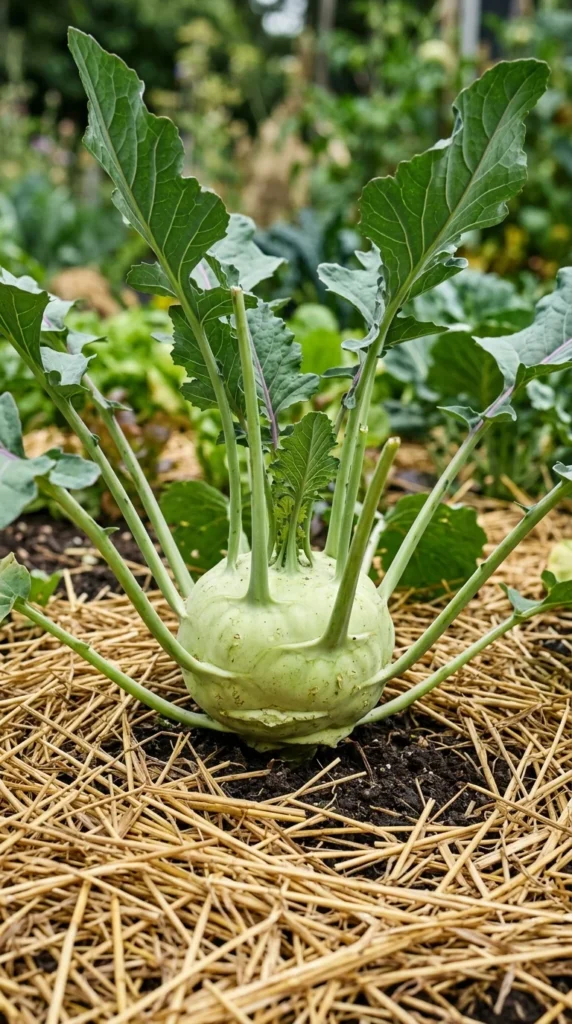
Kohlrabi is the “alien” of the garden, but it’s delicious and easy to grow. It tastes like a cross between a water chestnut and a broccoli stem. It grows very quickly, making it an excellent choice for a late-summer planting that can be harvested in late fall.
15. Arugula
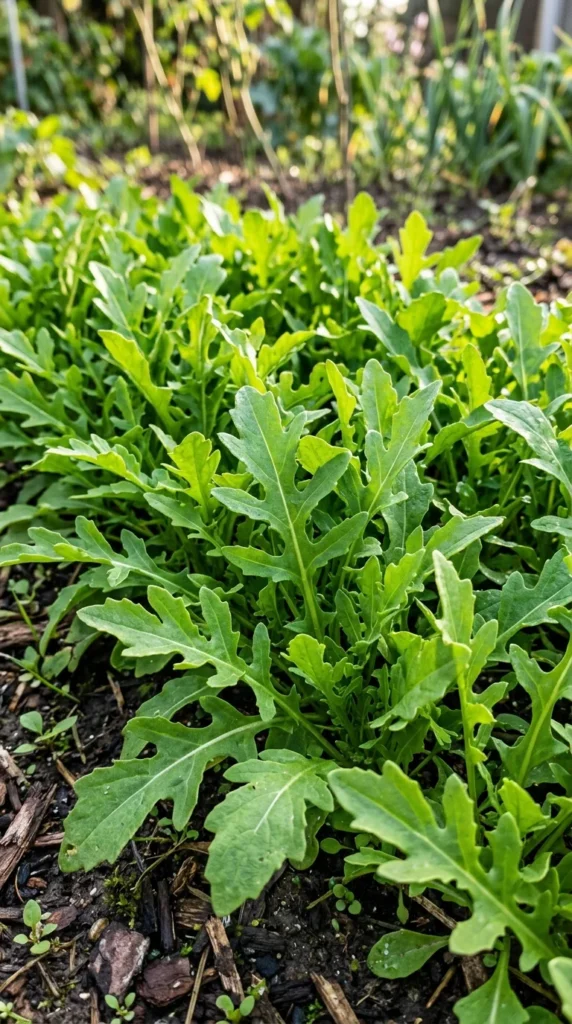
Arugula is a “cool season” specialist. In the summer, it quickly becomes too spicy and goes to seed. In the fall, the flavor is perfectly balanced—peppery and nutty without being overwhelming. It can often survive several frosts with minimal protection.
16. Bok Choy
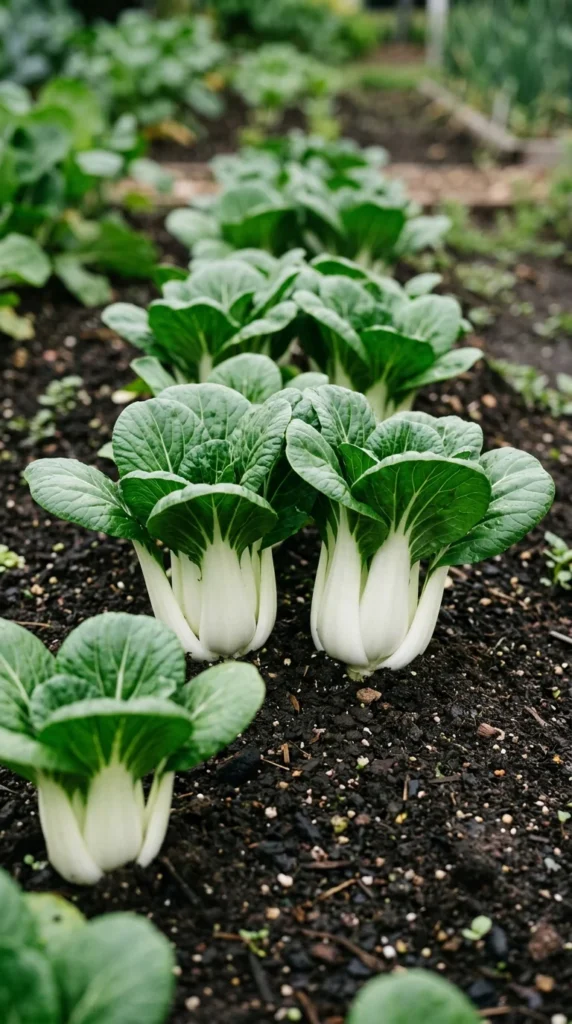
This Asian green is a fantastic addition to the fall garden. It grows rapidly and loves the shorter days. Whether you grow “baby” bok choy for quick stir-frys or the larger varieties, it is a crunchy, hydrating vegetable that thrives when the temperatures dip.
17. Collard Greens
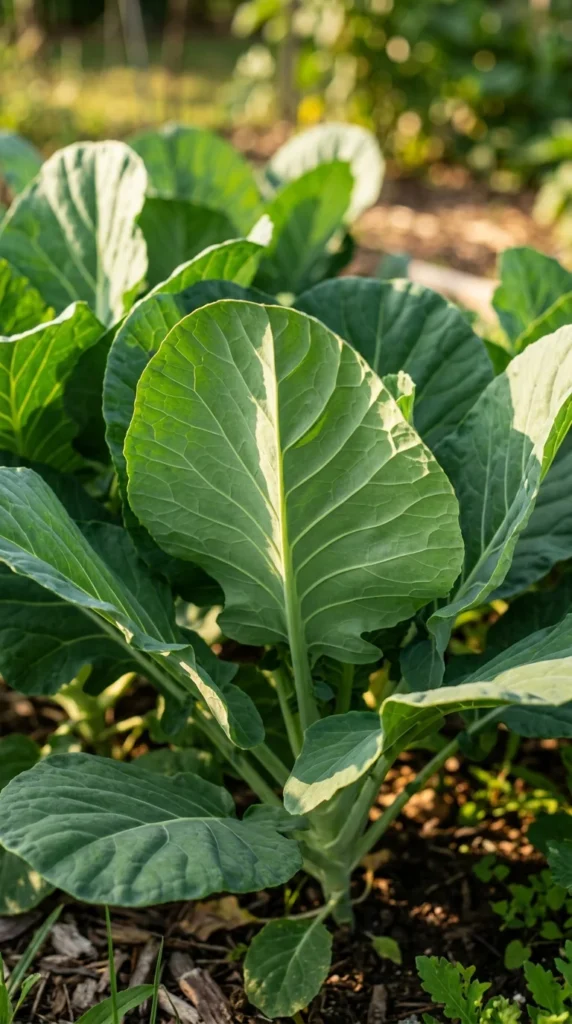
A staple of Southern cuisine, collard greens are exceptionally cold-hardy. Similar to kale, their flavor improves significantly after a frost. They are tough enough to survive even in zones where other greens might give up for the winter.
18. Turnips
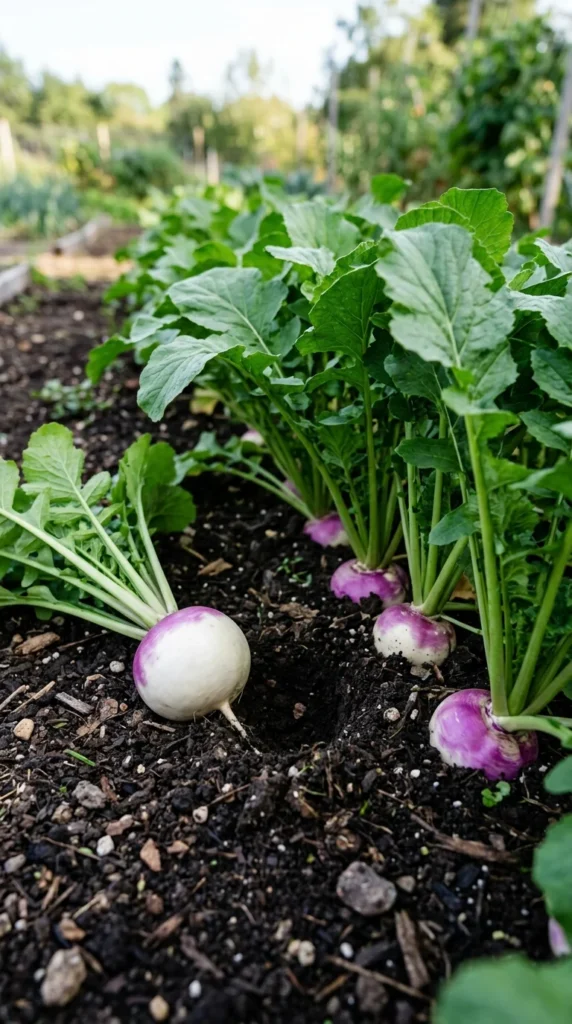
Turnips are another “two-for-one” crop. The greens are spicy and nutritious, while the roots are mild and creamy. Fall turnips are usually much tenderer than those grown in the spring, as they mature in cooler soil.
19. Parsnips
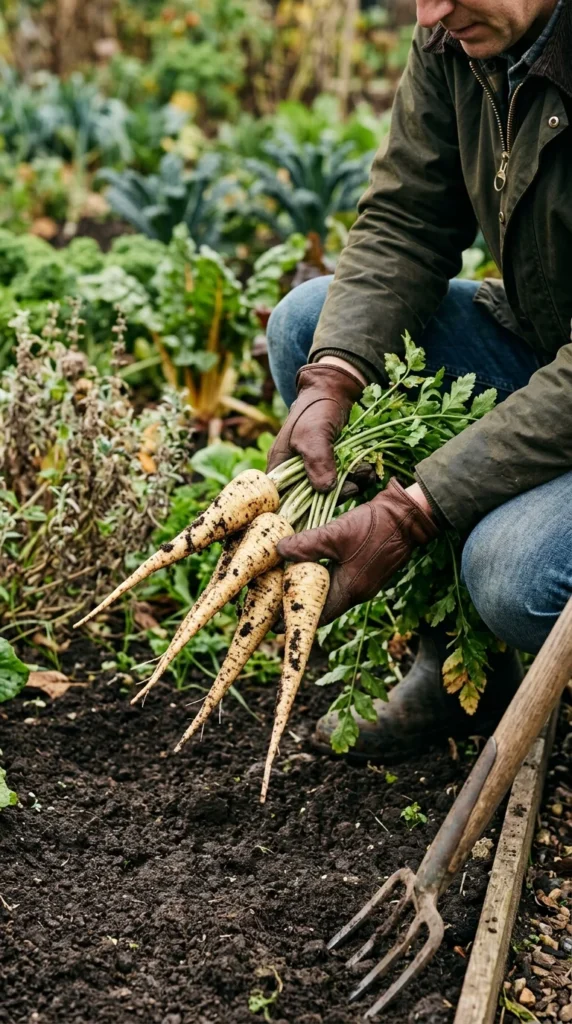
Parsnips are the marathon runners of the garden. They take a long time to grow, but they are nearly indestructible in the cold. Many gardeners leave them in the ground all winter long, covered in mulch, and harvest them in early spring when they are incredibly sweet.
20. Mustard Greens
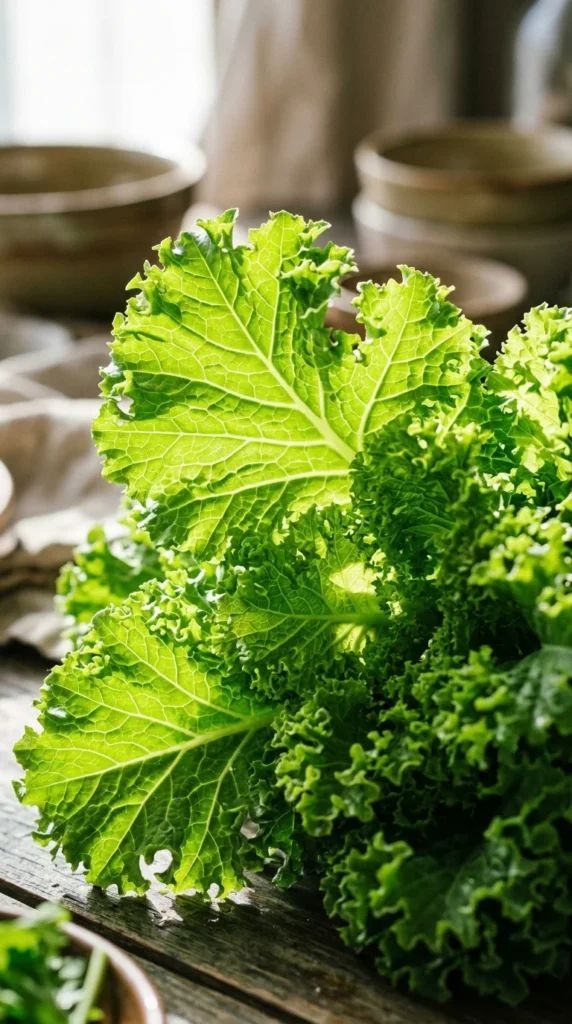
If you want a bit of “zing” in your fall salads, mustard greens are the answer. They are vigorous growers and can tolerate quite a bit of frost. The cold weather helps to mellow their spicy “mustard” bite.
21. Rutabaga
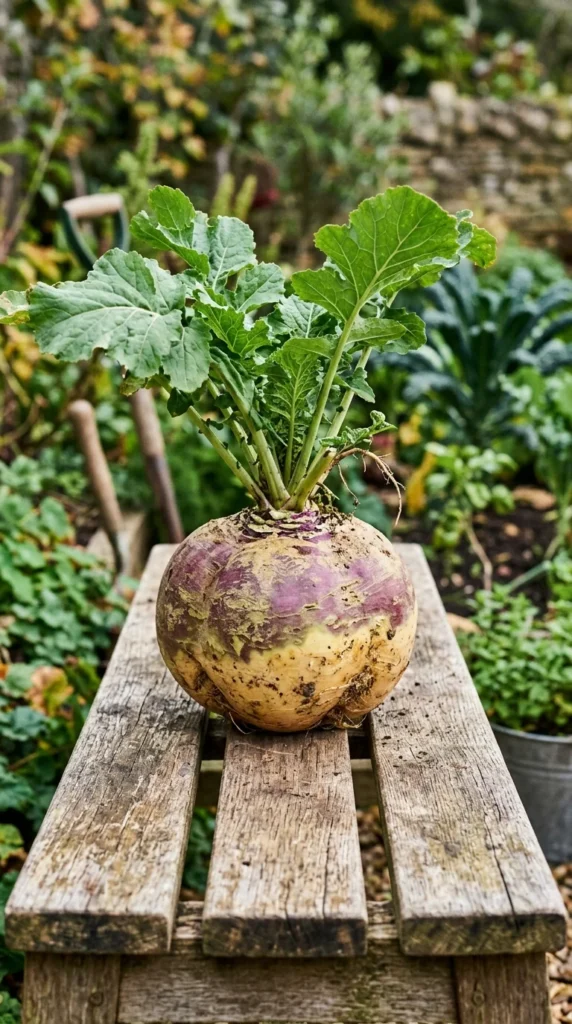
Often confused with turnips, rutabagas are larger, sweeter, and more cold-tolerant. They are the perfect fall root vegetable for mashing or adding to stews. They require a bit more time to mature than turnips, so get them in the ground by mid-August.
22. Green Onions
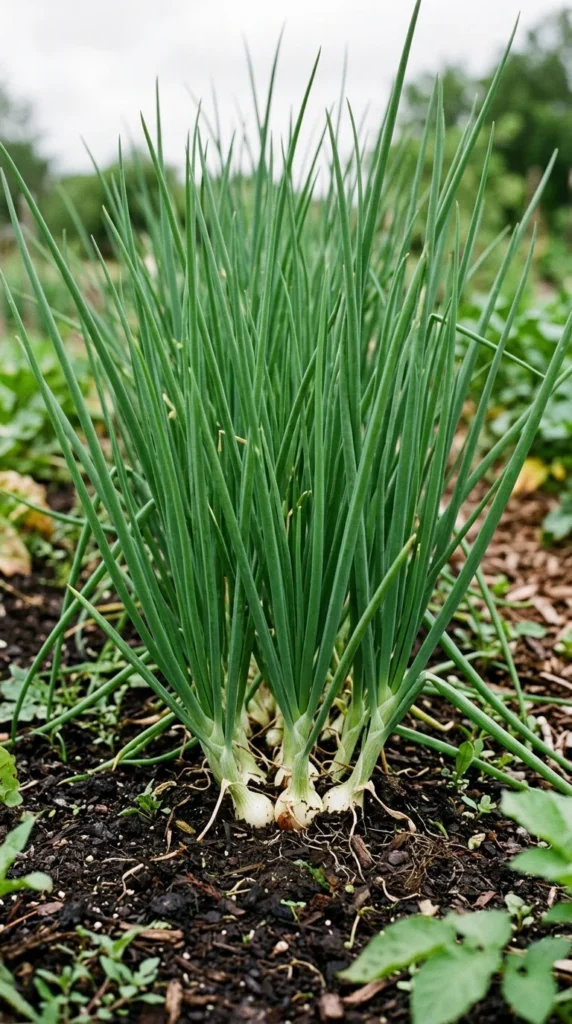
Green onions (or scallions) are very hardy and can be planted in the fall for a late-season harvest. In many climates, if you mulch them heavily, they will overwinter and be the first things to pop up in your garden come spring.
23. Broad Beans (Fava Beans)
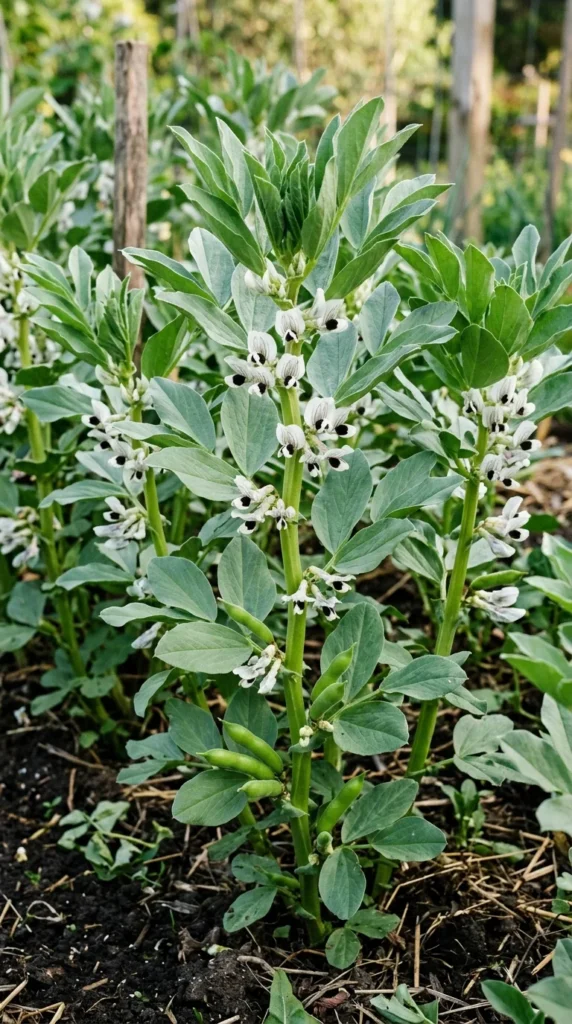
In milder climates, fava beans are a fantastic fall-planted crop. They are incredibly cold-hardy and actually help improve the soil by “fixing” nitrogen. They will grow slowly through the winter and provide a massive harvest in early spring.
24. Mizuna
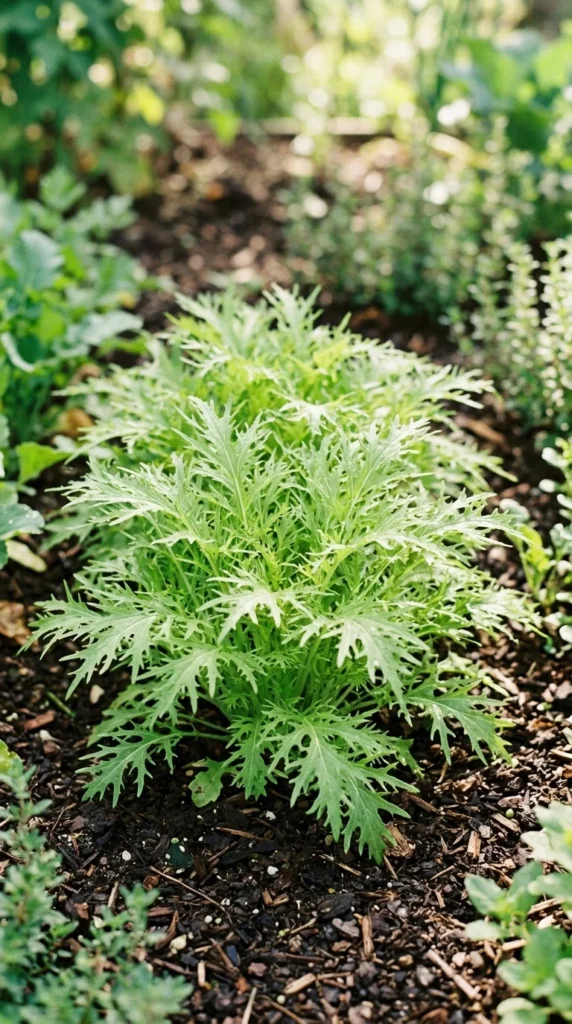
Mizuna is a Japanese mustard green that is both beautiful and delicious. It has a mild, peppery flavor and a wonderful “frilly” texture that adds volume to fall salads. It is very resistant to bolting and can handle a light frost with ease.
25. Endive and Escarole
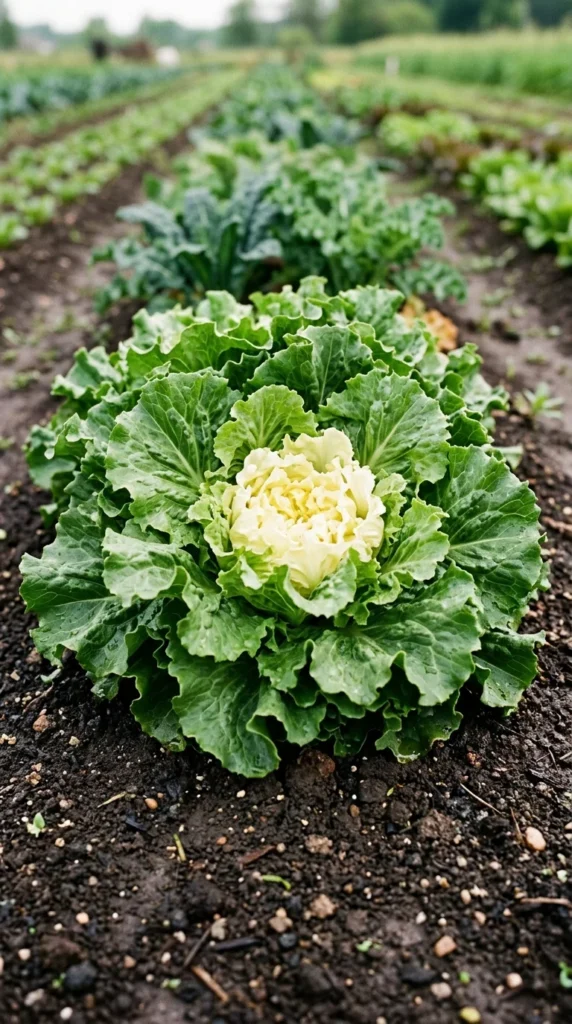
These slightly bitter greens are classic fall vegetables in European gardens. They are quite hardy and can be “blanched” (covering the center of the plant to keep it out of the sun) to make the inner leaves extra tender and mild for sophisticated autumn salads.
Tips for a Successful Fall Harvest
To ensure your fall garden thrives, keep these three expert tips in mind:
- Watch the Calendar: Calculate your planting date by looking at the “days to maturity” on your seed packet and counting backward from your average first frost date. Add an extra 10-14 days to account for the slower growth that occurs as days get shorter.
- Mulch Heavily: As the ground begins to cool, a thick layer of straw or shredded leaves acts like a blanket, keeping the soil temperature stable and protecting the roots of your vegetables from “heaving” during freeze-thaw cycles.
- Have Frost Blankets Ready: While many of these vegetables are frost-hardy, a sudden extreme drop in temperature can still cause damage. Keep some row covers or old bedsheets handy to toss over your plants during particularly cold nights to extend your harvest even further.
By planting these 25 vegetables, you can transform your garden into a productive, edible landscape that defies the changing seasons. Happy planting!