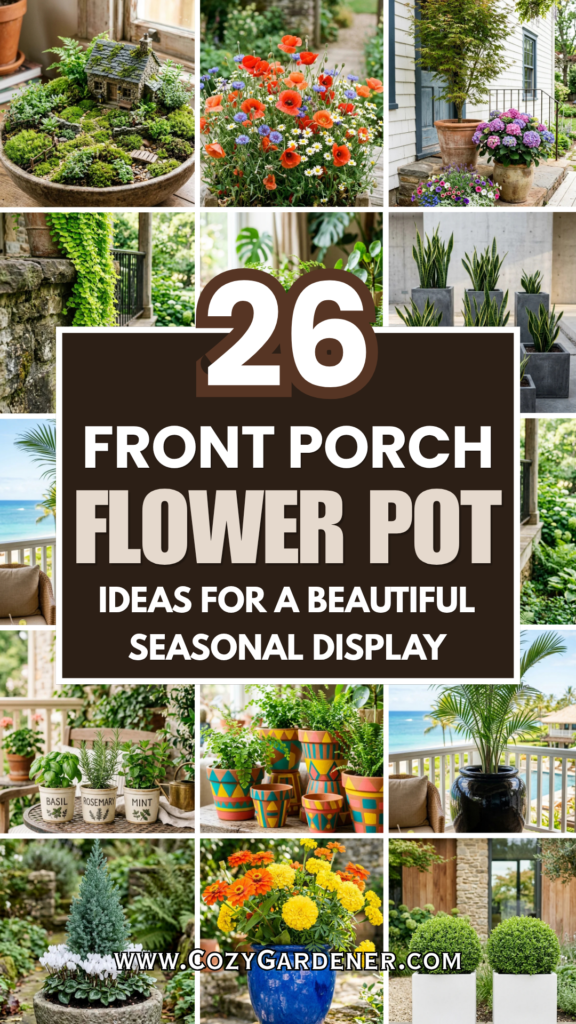
Your front porch is the handshake of your home. It’s the first thing guests see and the last thing you encounter before stepping into your sanctuary. Enhancing this space with flower pots isn’t just about gardening; it’s about creating an atmosphere that reflects the changing seasons and your personal style. From the rustic charm of galvanized metal to the sleek sophistication of modern concrete, the right container gardening strategy can transform a plain entryway into a breathtaking botanical display.
1. Terracotta Clusters
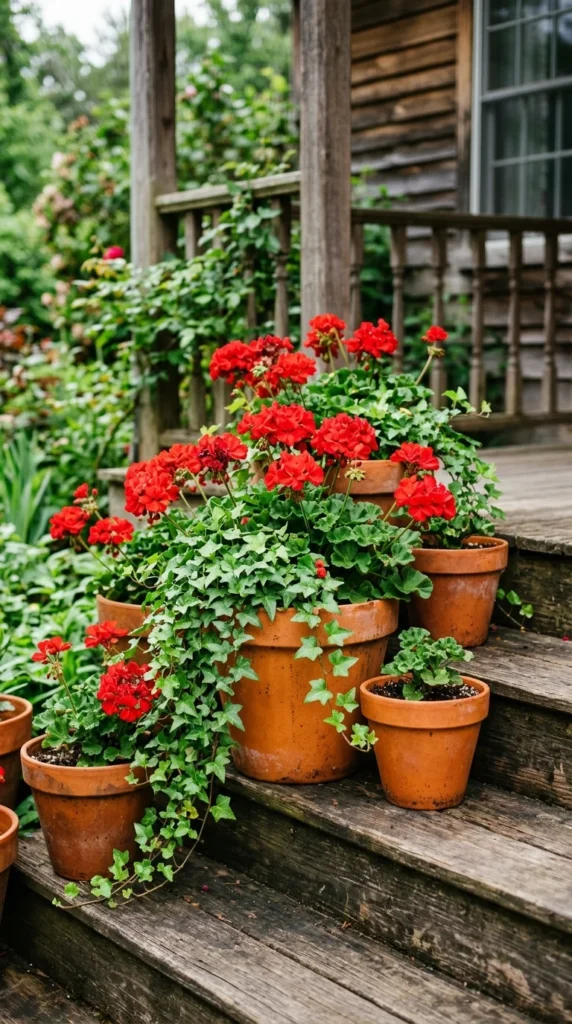
There is a timeless beauty in the earthy tones of terracotta. To create an engaging display, group pots of varying heights and diameters together. This creates a “collection” feel rather than a scattered look. Terracotta is breathable, making it excellent for plants like geraniums or lavender that prefer well-drained soil. Over time, these pots develop a beautiful patina that adds character to your porch.
2. Tall Planters
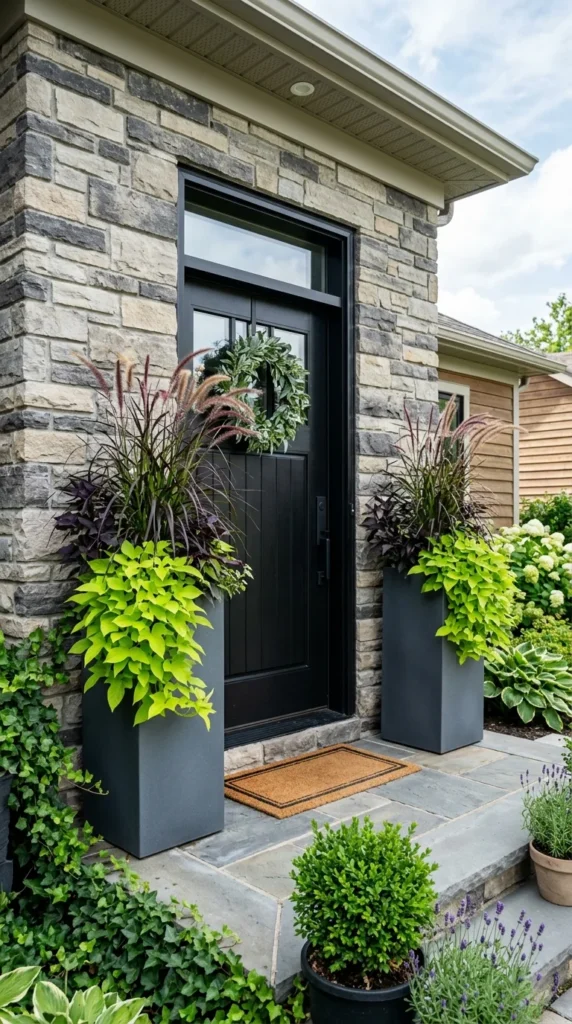
Tall planters are the secret weapon of small porches. By drawing the eye upward, they create a sense of grandeur and scale without taking up much floor space. Use them to flank your front door for a formal, symmetrical look. They are perfect for “thriller” plants—tall, architectural species that command attention.
3. Rustic Barrels
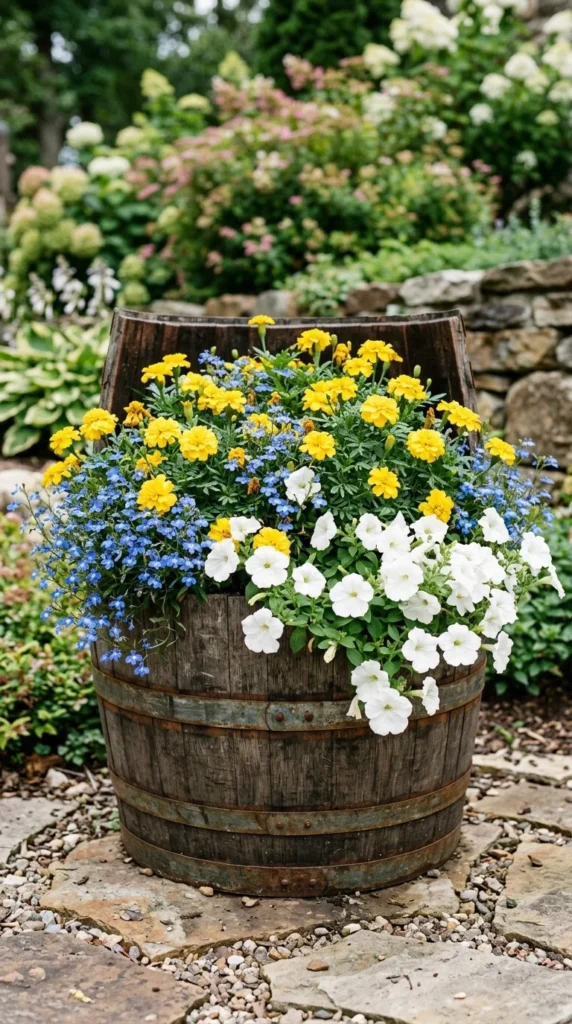
For a farmhouse or cottage aesthetic, nothing beats the rustic appeal of a whiskey barrel. These large-volume containers allow for a massive root system, meaning you can pack them with a diverse “thriller, filler, and spiller” combination. They look particularly stunning against natural wood siding or stone steps.
4. Monochromatic Blooms
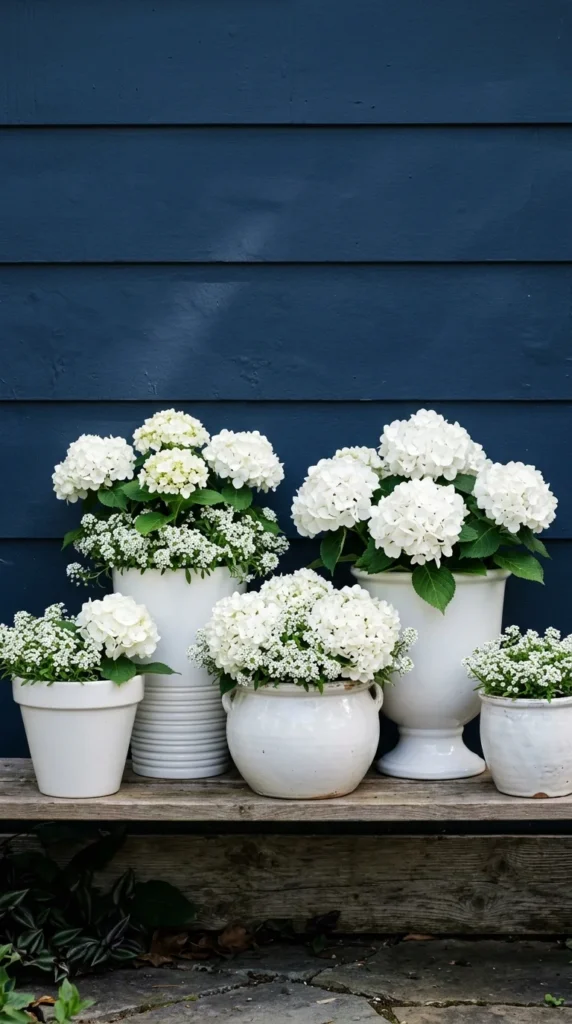
If you prefer a sophisticated and calming look, go monochromatic. Choose pots in one color (like all white or all black) and fill them with flowers of the same hue. This creates a high-end, designer feel that is visually soothing. White flowers are especially effective because they “glow” during the twilight hours.
5. Hanging Baskets
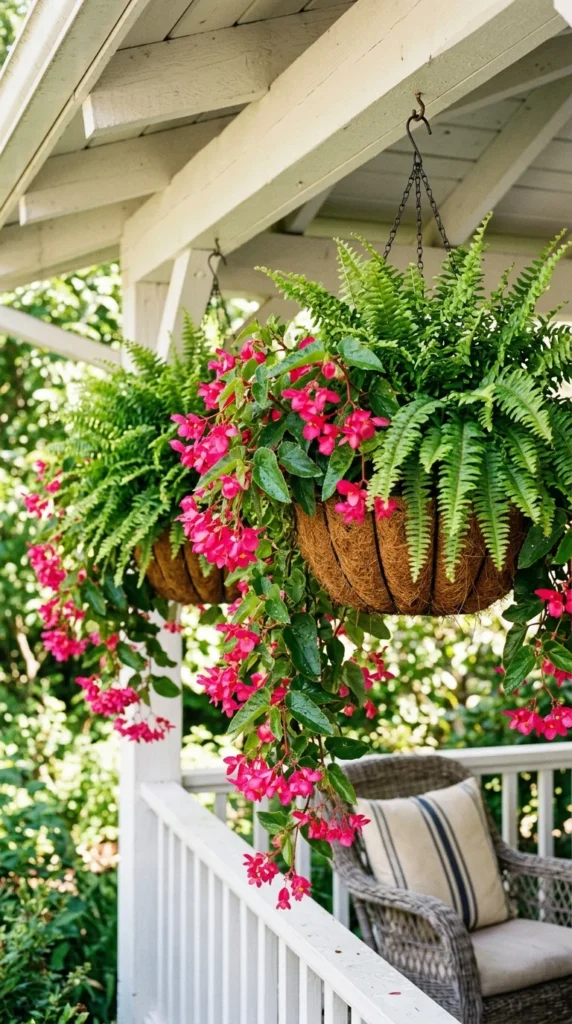
Don’t let your porch ceiling go to waste. Hanging baskets add a layer of vertical interest that grounds the space. Choose moisture-retaining liners like coco-coir to keep your plants hydrated. For high-impact color, look for trailing species that will eventually hide the basket itself, creating a floating orb of flowers.
6. Tiered Stands
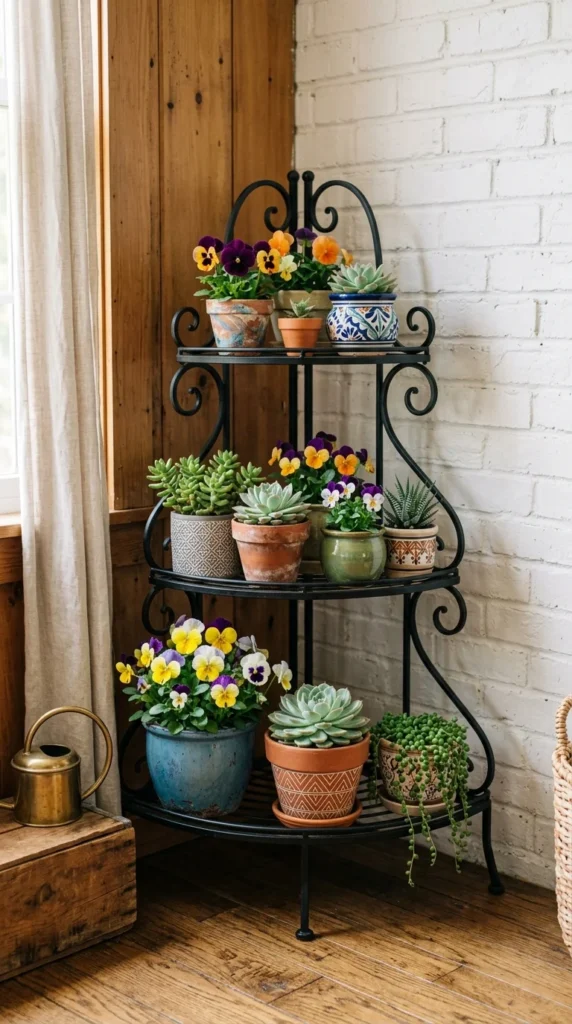
If you have a narrow porch, verticality is your best friend. A tiered plant stand allows you to display a dozen different plants in the footprint of one large pot. This is an ideal way to showcase smaller, more intricate flowers or a collection of different herbs that might get lost in a larger arrangement.
7. Galvanized Tubs
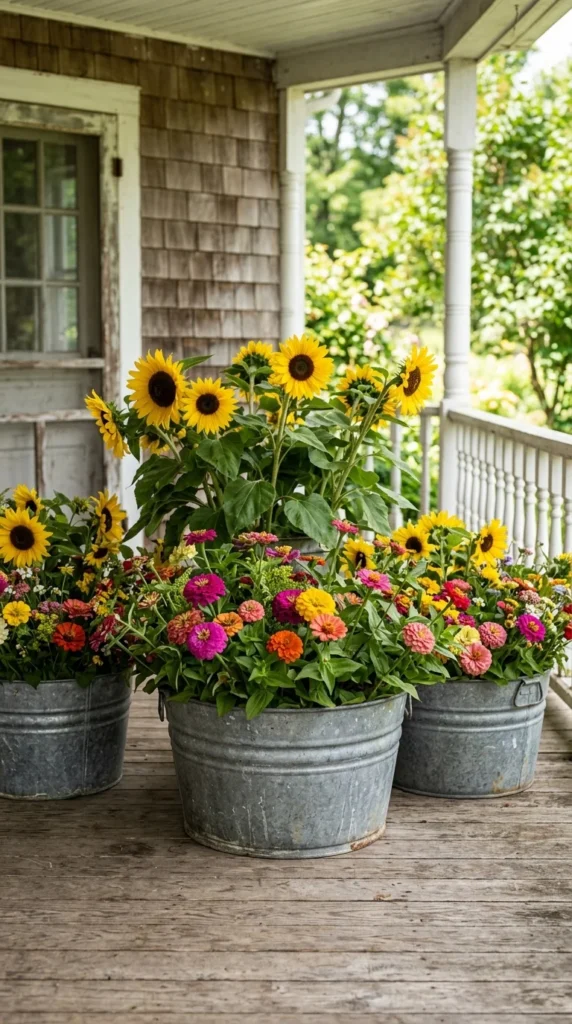
Galvanized metal offers a wonderful industrial-meets-country vibe. These containers are incredibly durable and weather-resistant. Because metal can heat up in direct sunlight, these are best suited for sun-loving plants or for porches that receive afternoon shade. Ensure you drill plenty of drainage holes in the bottom to keep roots healthy.
8. Window Boxes
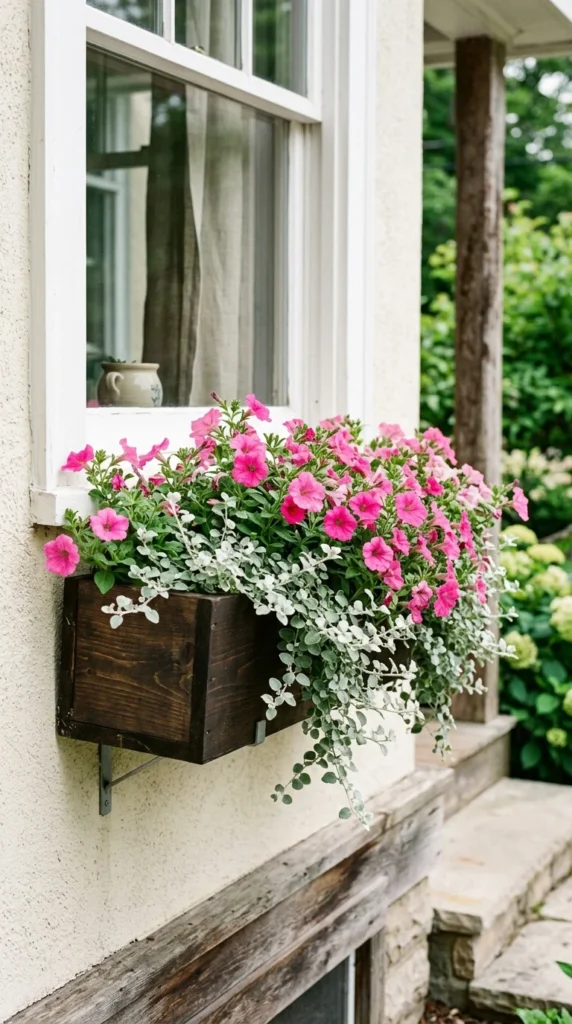
Window boxes aren’t just for the second story. Mounting them to the railings or under the windows of your front porch integrates the house’s architecture with the garden. They provide a continuous line of color that leads the eye toward the front door.
9. Symmetrical Urns
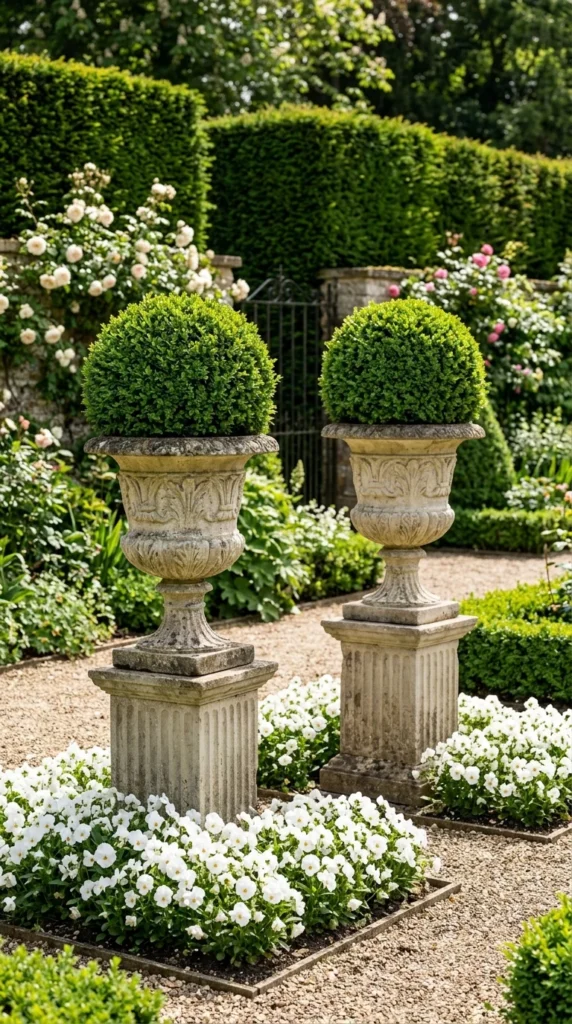
For a traditional or colonial-style home, symmetry is key. A pair of matching urns placed on either side of the entrance creates an instant sense of elegance and balance. Stone or cast-iron urns provide a heavy, permanent feel that anchors the entire porch design.
10. Seasonal Transitions
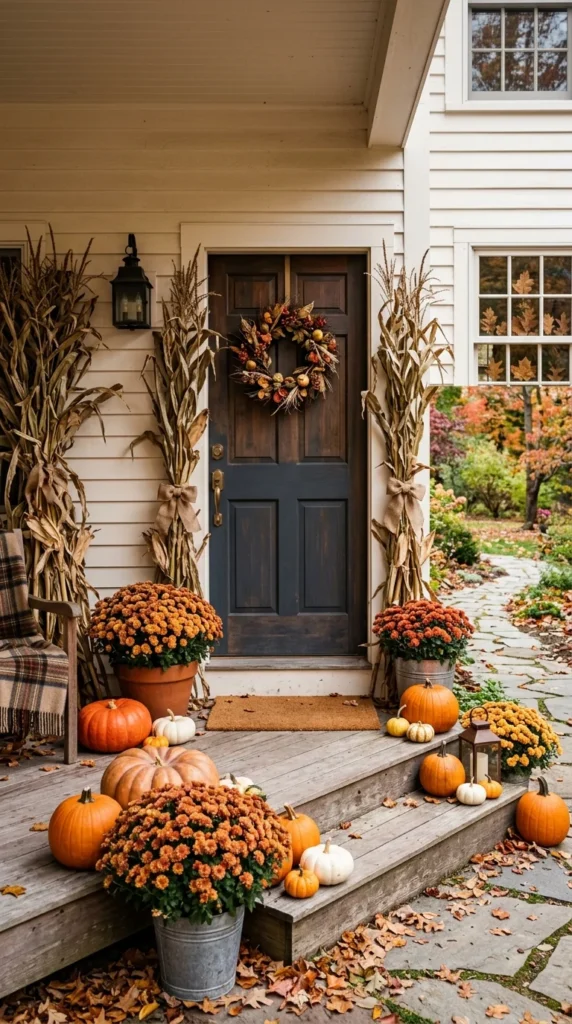
One of the joys of porch potting is the ability to swap plants as the weather changes. In the spring, think tulips and daffodils; in summer, tropical hibiscus; in autumn, mums and kale; and in winter, evergreen boughs and red dogwood twigs. This keeps your home’s exterior feeling fresh and relevant all year long.
11. Vibrant Petunias
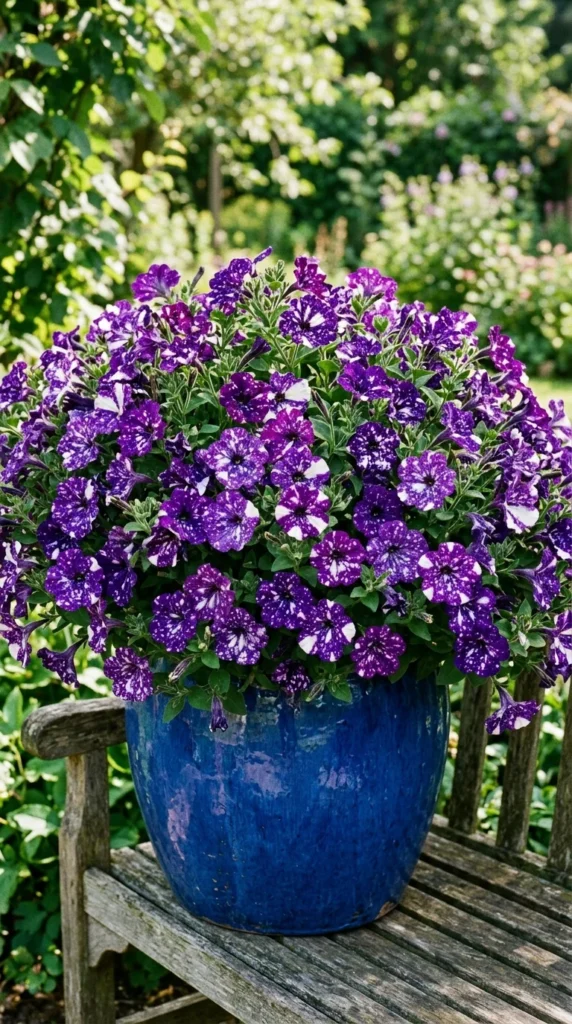
Petunias are the workhorses of the front porch. They are prolific bloomers and come in almost every color imaginable. To get that “flower ball” look, choose “Wave” or “Supertunia” varieties that trail and spread aggressively, covering the container in a blanket of petals.
12. Architectural Grasses
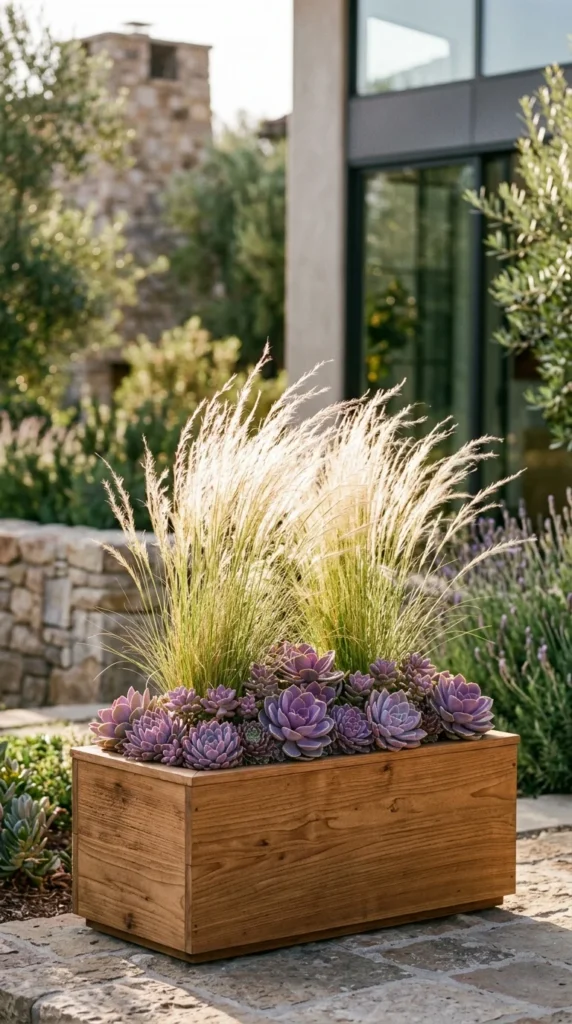
Not every pot needs flowers to be beautiful. Ornamental grasses add movement, texture, and a contemporary edge to your porch. They sway in the breeze, adding a sensory element of sound and motion that static flowers cannot provide.
13. Succulent Gardens
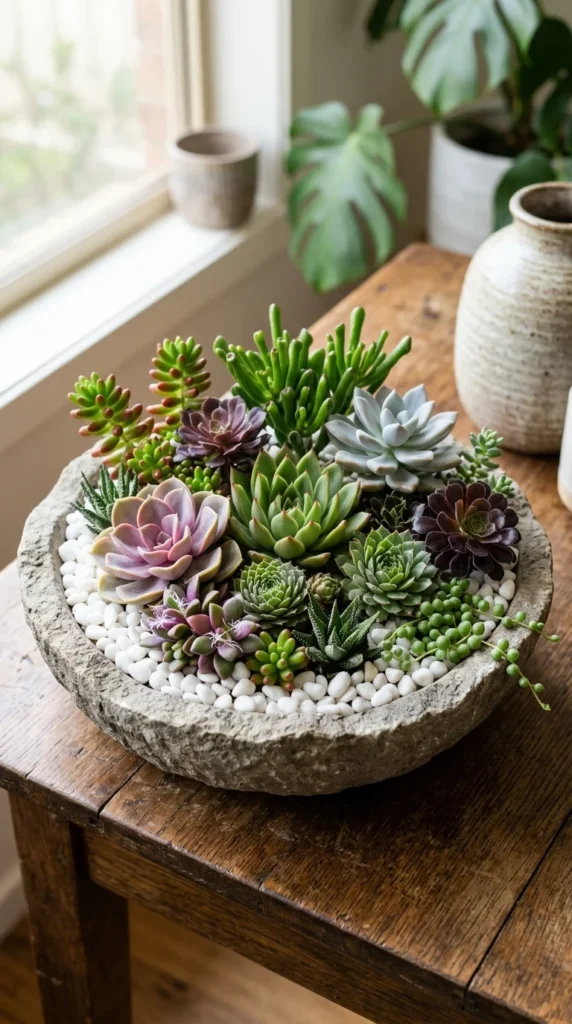
For the low-maintenance homeowner, succulent arrangements are a godsend. They require very little water and thrive in the hot sun. By mixing different varieties like Echeveria, Sedum, and Hens and Chicks, you can create a miniature landscape that looks like a piece of living art.
14. Woven Baskets
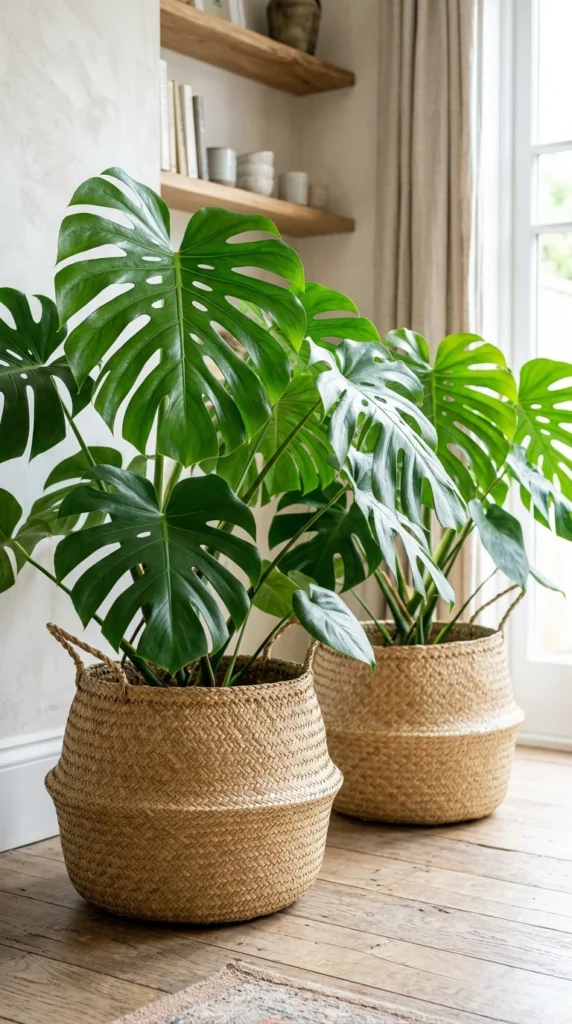
Woven baskets add an organic, bohemian texture to your porch. Since baskets can rot if they stay wet, use them as “cachepots”—keep the plant in a plastic nursery pot with a saucer inside the basket. This allows you to bring the warmth of natural fibers to your outdoor space safely.
15. Modern Concrete
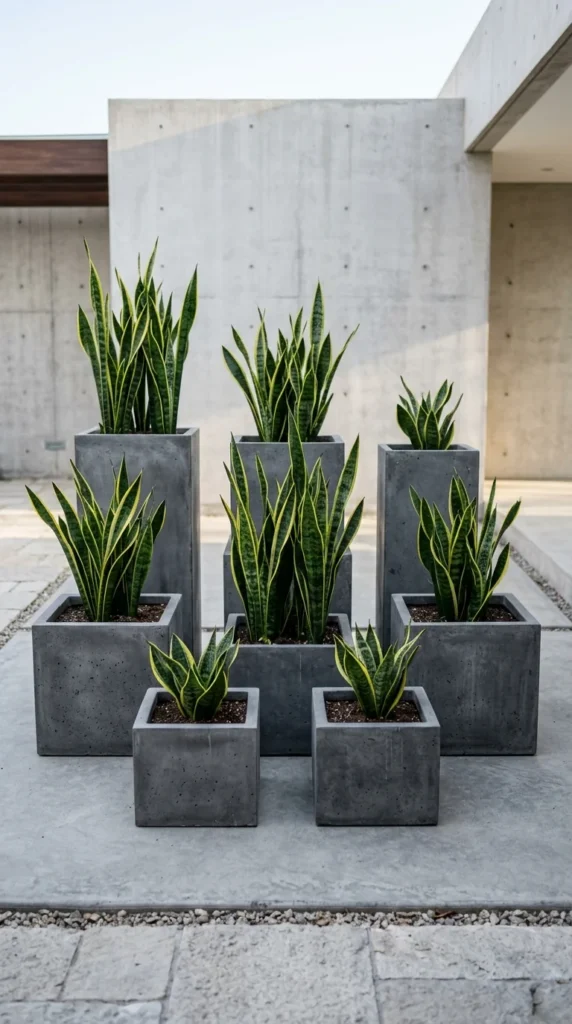
Concrete planters are perfect for modern and industrial-style homes. Their heavy weight means they won’t blow over in a storm, and their neutral grey tone makes the green of the plants pop. They look best with plants that have strong, structural shapes.
16. Vintage Wagons
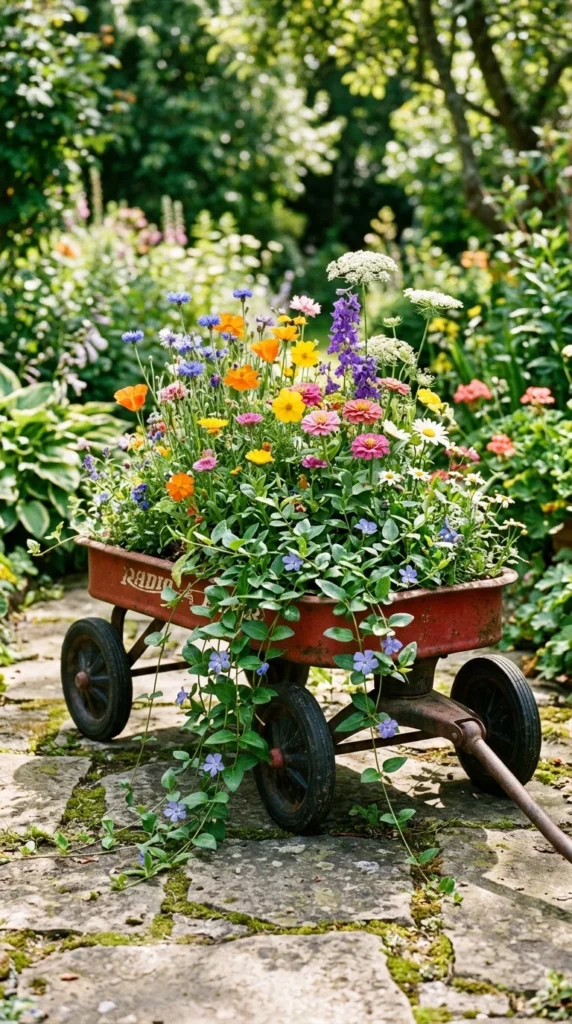
Upcycling vintage items adds a whimsical, storytelling element to your porch. An old wagon, a vintage bicycle with a front basket, or even an antique watering can serve as unique vessels for your floral displays. It’s a great way to show off your personality.
17. Cascading Vines
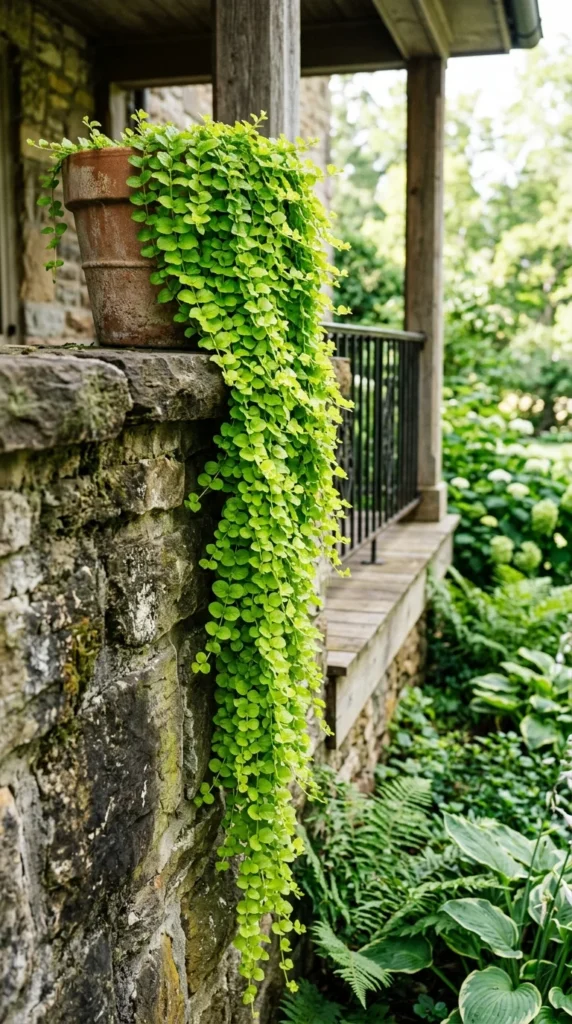
“Spillers” are essential for a professional-looking pot. Plants like Creeping Jenny, English Ivy, or Sweet Potato Vine soften the hard edges of the container and create a lush, abundant look. They make the arrangement feel like it’s bursting with life.
18. Tropical Palms
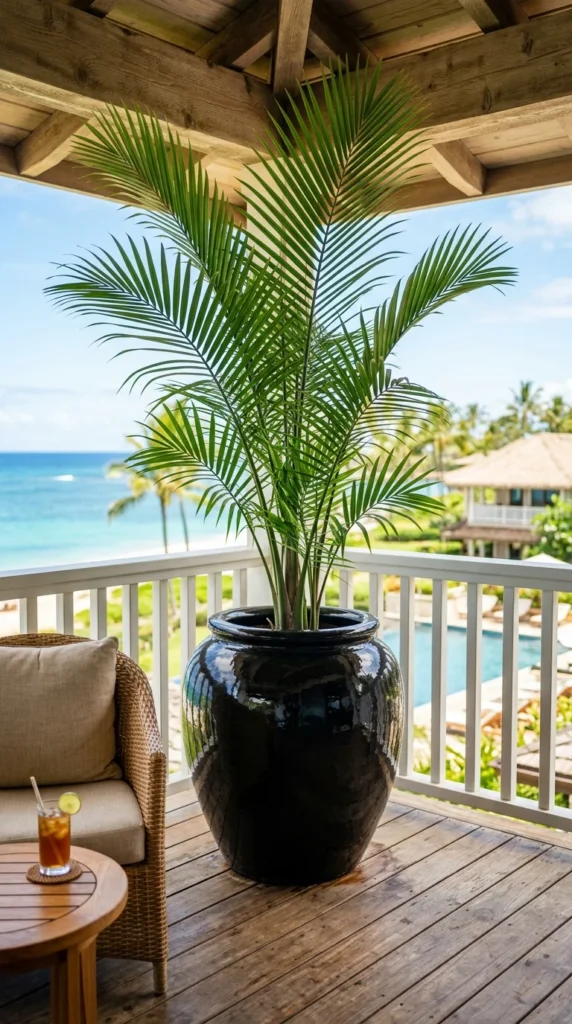
If you want to create a “vacation at home” feel, go big with tropicals. A large palm or a Bird of Paradise plant brings height and a sense of luxury to the porch. These are excellent for providing a bit of privacy if your porch is close to the street.
19. Painted Pots
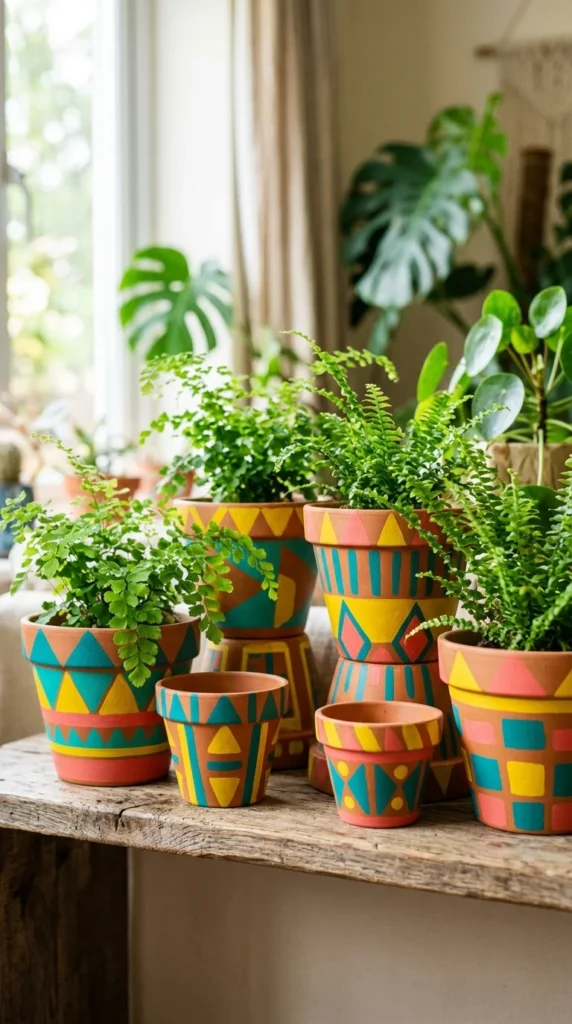
If you have a collection of mismatched pots, a coat of outdoor paint can tie them all together. Choose a color palette that complements your front door or shutters. Geometric patterns or simple dipped-paint effects can make cheap pots look like high-end boutique finds.
20. Herb Trio
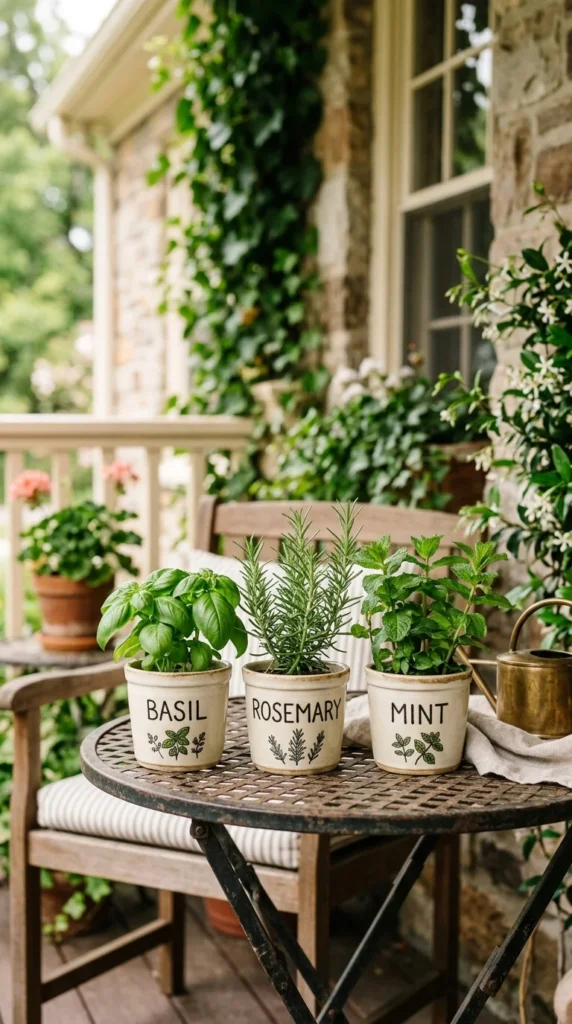
Who says porch plants have to be purely decorative? An edible herb garden on the porch is both beautiful and functional. The scent of rosemary or mint as you walk through the door is a wonderful natural aromatherapy, and you’ll have fresh garnishes just steps from your kitchen.
21. Boxwood Balls
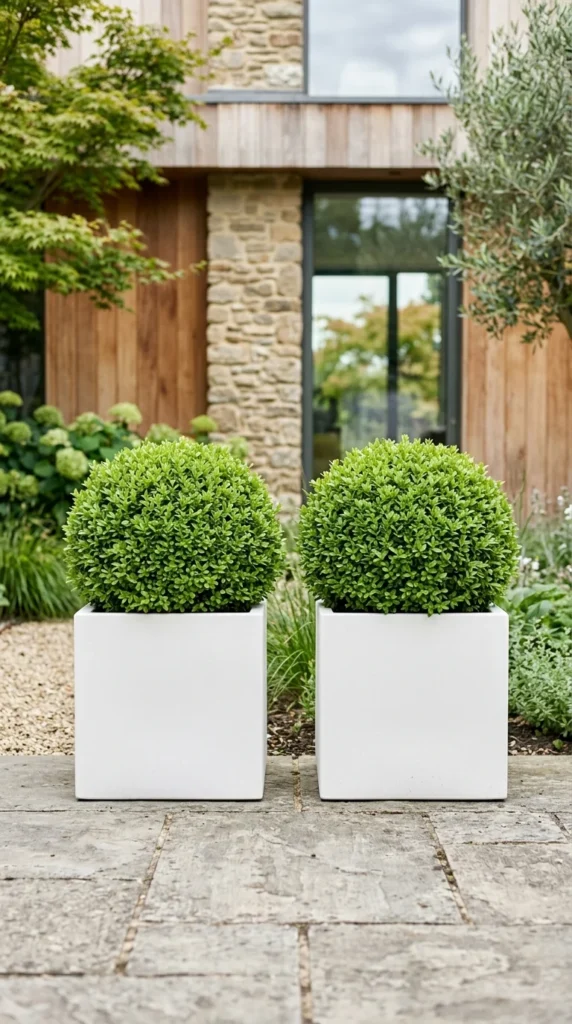
For a look that is polished and “always on,” choose evergreens. Boxwood globes provide a structured, formal appearance that looks good 365 days a year. You can even wrap them in fairy lights during the holiday season for an easy festive transition.
22. Ceramic Glaze
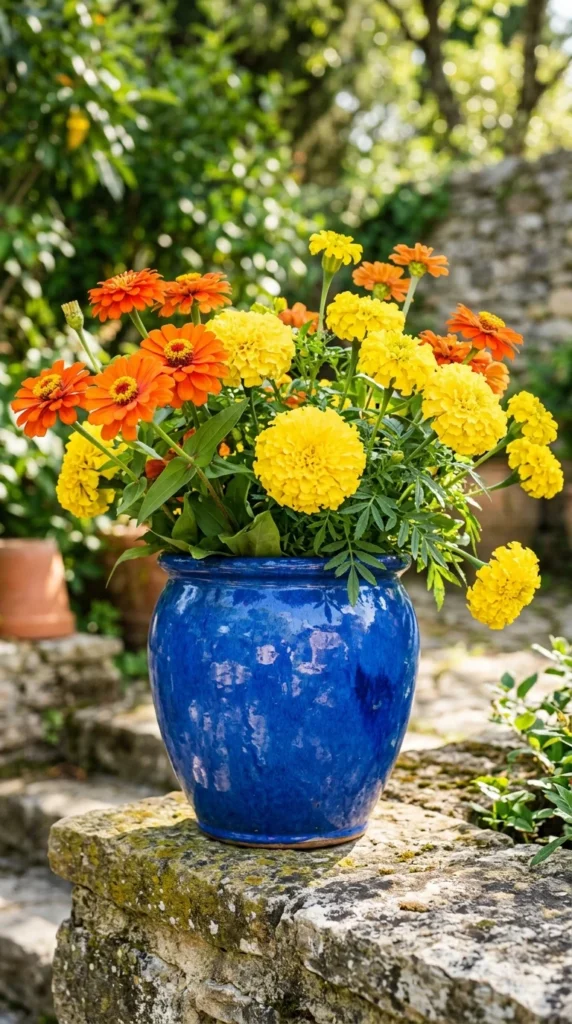
Glazed ceramic pots are the jewelry of the garden. Their shiny surfaces reflect light and add a pop of color even before the flowers bloom. They are generally heavy and frost-resistant, making them a great long-term investment for your porch decor.
23. Dwarf Conifers
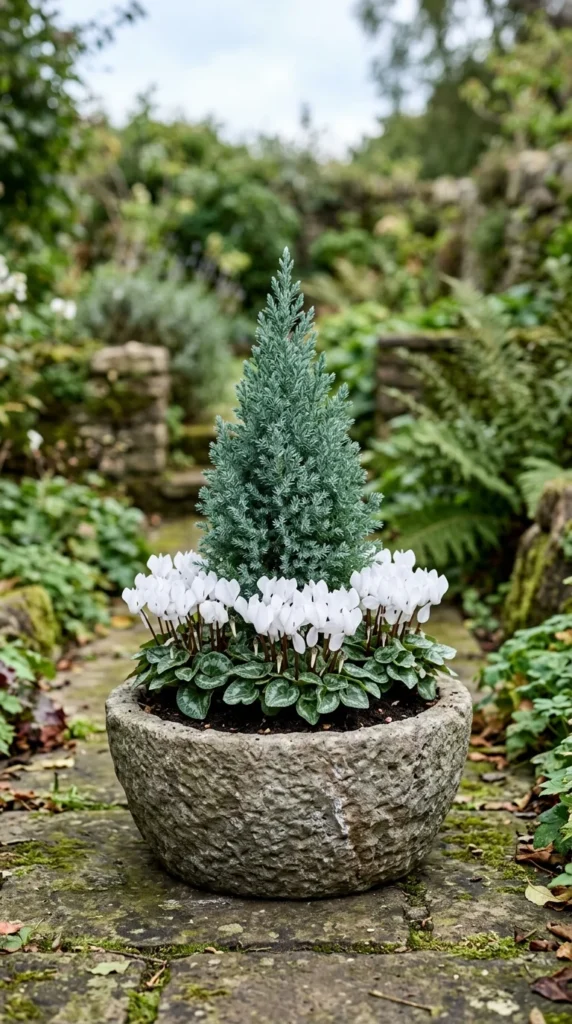
Dwarf conifers offer incredible texture and a range of colors from silvery-blue to golden-green. They grow slowly, meaning they won’t outgrow their pots quickly. They provide a sturdy, permanent backbone to which you can add seasonal annuals around the edges.
24. Wildflower Mix
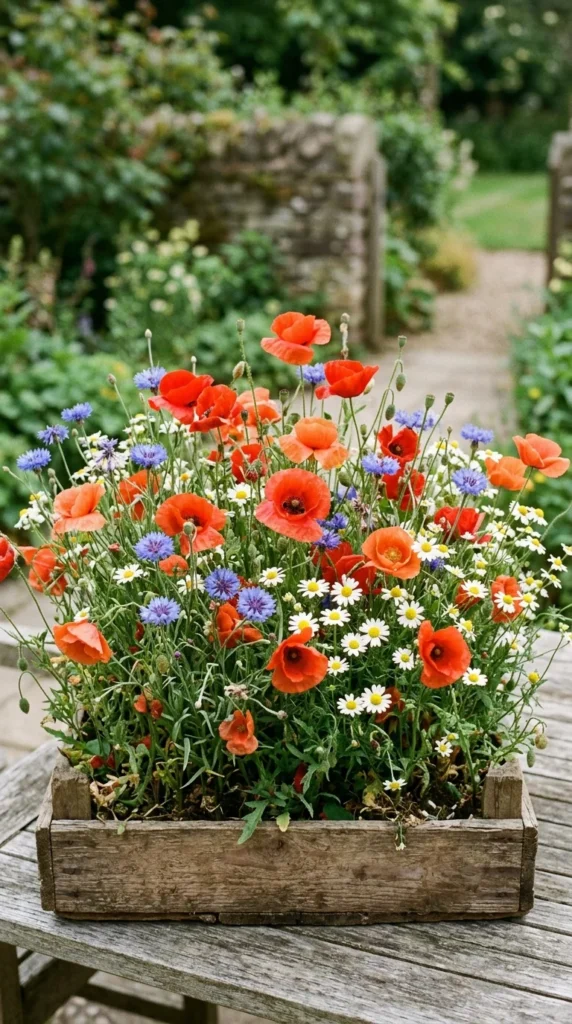
For a relaxed, “just picked” look, plant a dense mix of wildflowers. This style is less about structure and more about a riot of color and movement. It’s also a fantastic way to attract pollinators like bees and butterflies right to your doorstep.
25. Layered Heights

Avoid a flat look by layering your pots. Use the “rule of three” with varying heights to create a mini-landscape. This mimics the way plants grow in nature—with a canopy, an understory, and a groundcover—making your porch feel like a cohesive garden rather than just a collection of pots.
26. Fairy Gardens
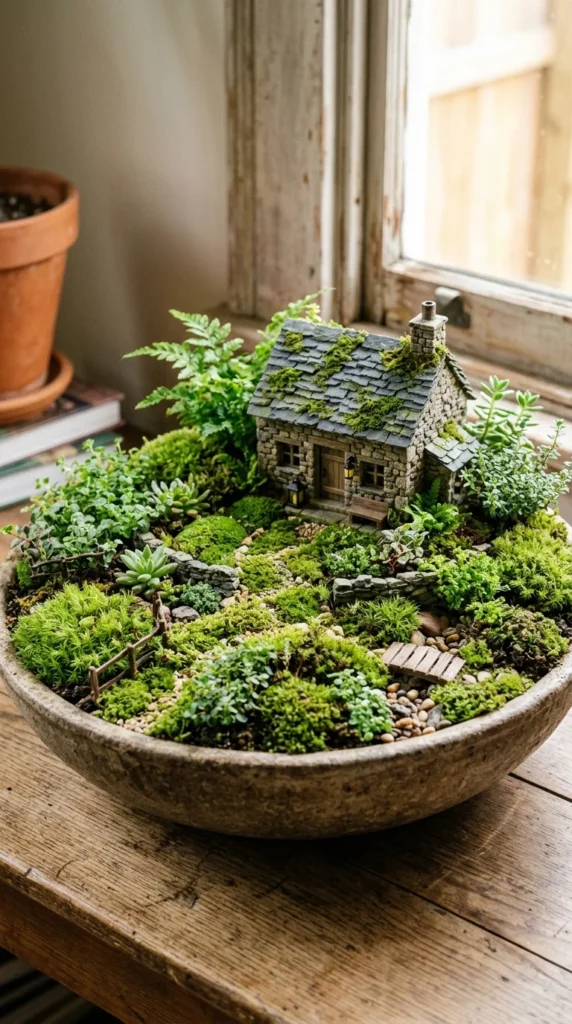
If you have children or simply a love for the whimsical, a large pot can be turned into a miniature fairy garden. Use slow-growing “micro” plants and tiny accessories to create a world within a pot. It’s a guaranteed conversation starter for anyone who visits your home.