
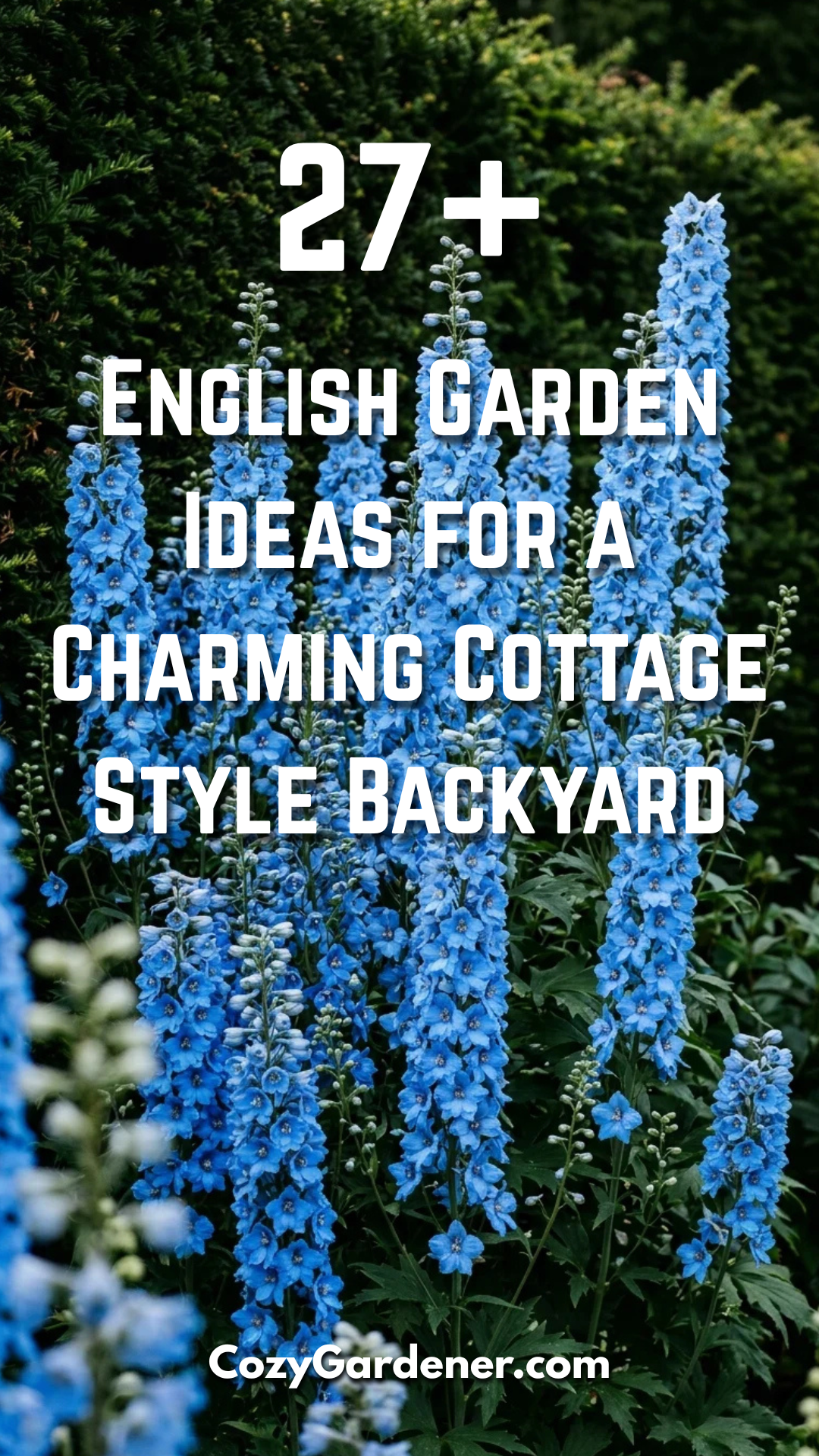
The quintessential English cottage garden is a masterclass in “controlled chaos.” Unlike the rigid symmetry of formal French gardens, the cottage style embraces abundance, romance, and a touch of whimsy. It is a space where edible herbs mingle with fragrant roses, and where the lines between the wild and the cultivated are beautifully blurred. Whether you have a sprawling estate or a small urban plot, you can recreate this nostalgic charm by focusing on layers, textures, and a diverse palette of flora.
1. Climbing Roses
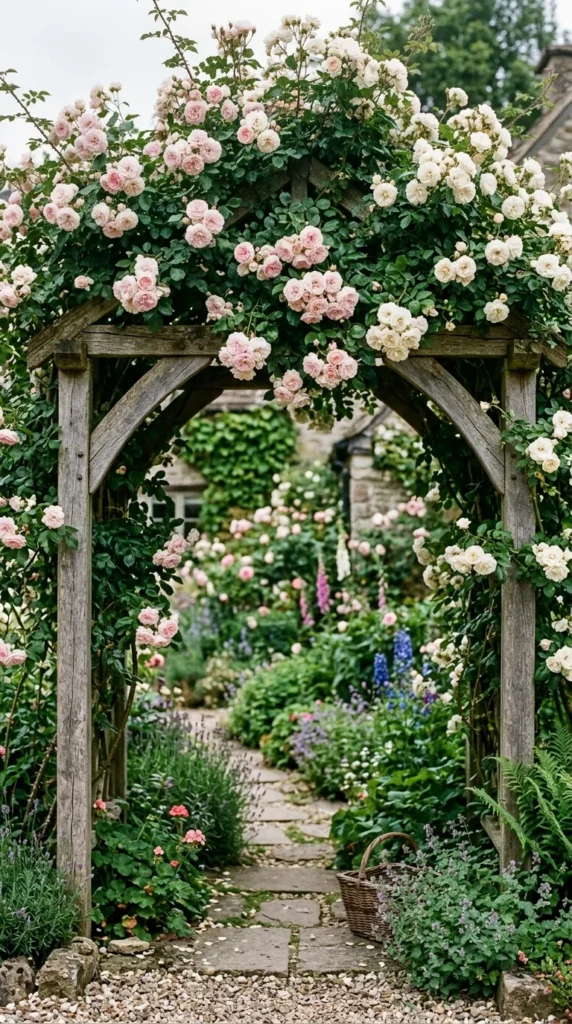
Nothing says “English countryside” quite like climbing roses. These versatile beauties can be trained to scale brick walls, wooden fences, or ornate pillars. To achieve the cottage look, opt for varieties known for their fragrance and “cabbage-style” multi-petaled blooms. As they grow, they soften the hard lines of your home’s architecture, creating a living tapestry that smells as good as it looks.
2. Winding Paths
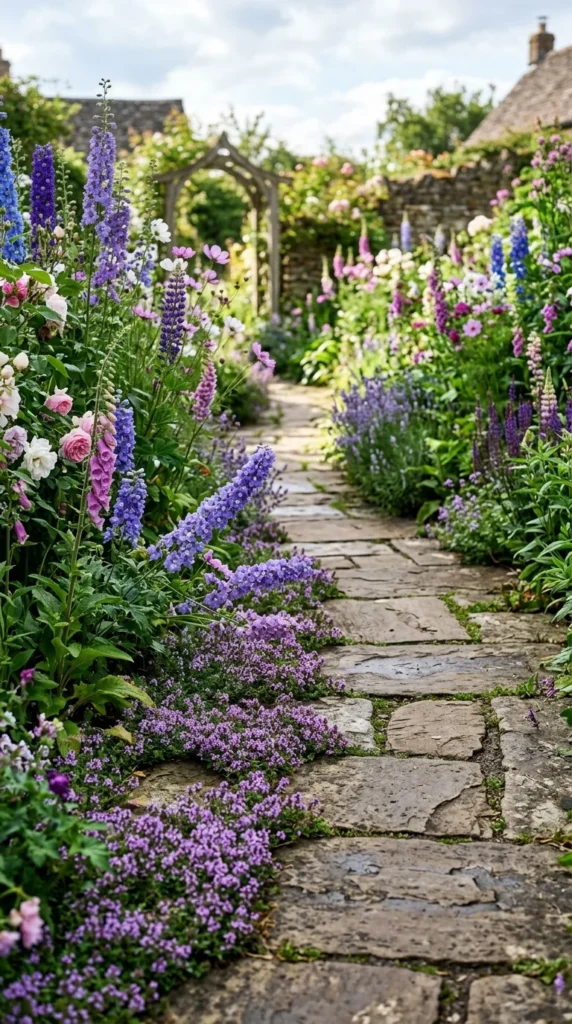
In a cottage garden, a straight line is a missed opportunity. Winding paths invite exploration and slow the pace of the observer. Use natural materials like aged brick, gravel, or stepping stones. Allow the surrounding plants to spill over the edges of the path, creating an immersive experience where you are literally brushing against the foliage as you walk.
3. Lavender Borders
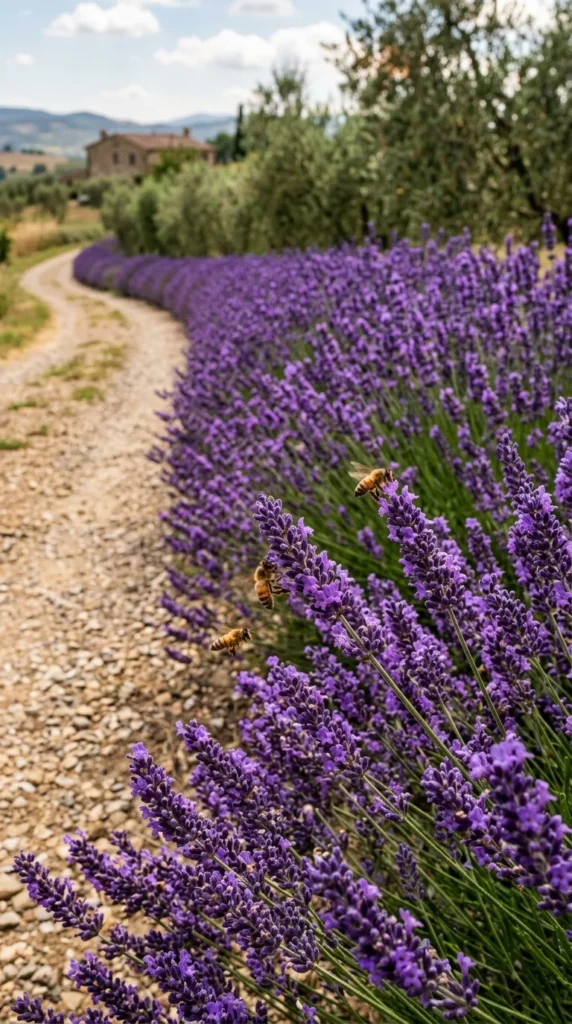
Lavender provides the perfect sensory border. Not only does it offer a striking silvery-purple hue, but its scent is legendary for its calming properties. Plant lavender along walkways where your clothes might brush against the stems, releasing that iconic aroma. It’s also a magnet for pollinators, ensuring your garden hums with life all summer long.
4. Rustic Gates
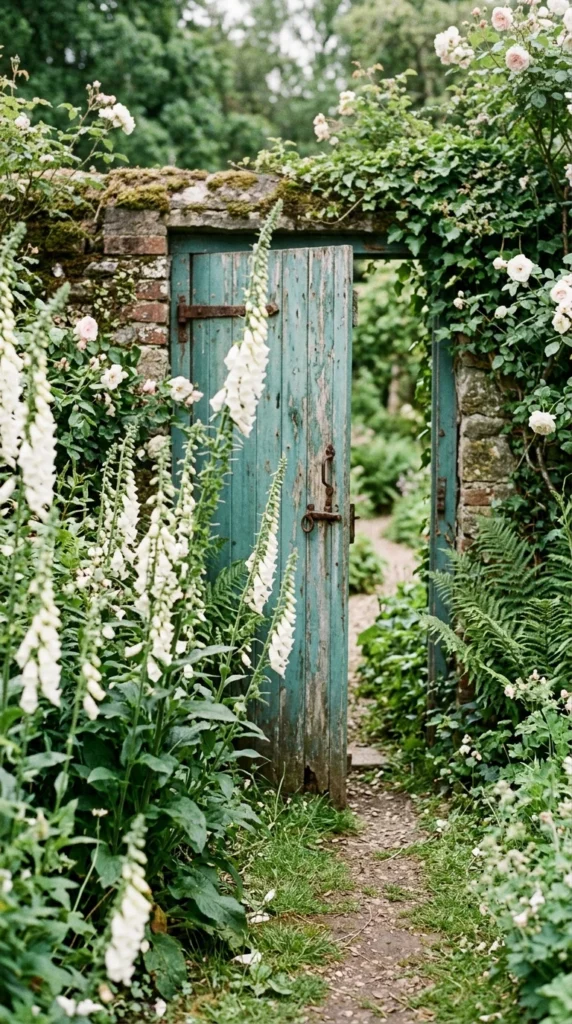
A gate in a cottage garden isn’t just a point of entry; it’s a portal to a secret world. Choose a gate with character—perhaps a reclaimed wooden door, a wrought iron frame with scrolled details, or a simple “picket” style gate. Leaving the wood to weather naturally or painting it in a soft pastel shade adds to the vintage charm.
5. Tall Foxgloves
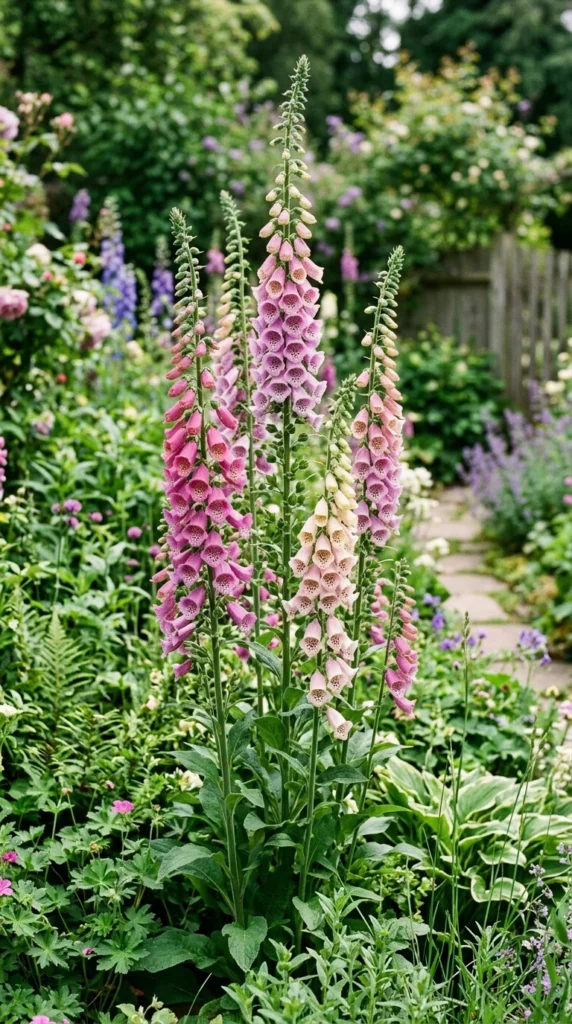
Foxgloves are the towering sentinels of the English garden. Their vertical spikes provide much-needed height and drama in the middle or back of a border. Because they are biennials or short-lived perennials, they often self-seed, popping up in unexpected places year after year—a hallmark of the spontaneous cottage style.
6. Birdbaths
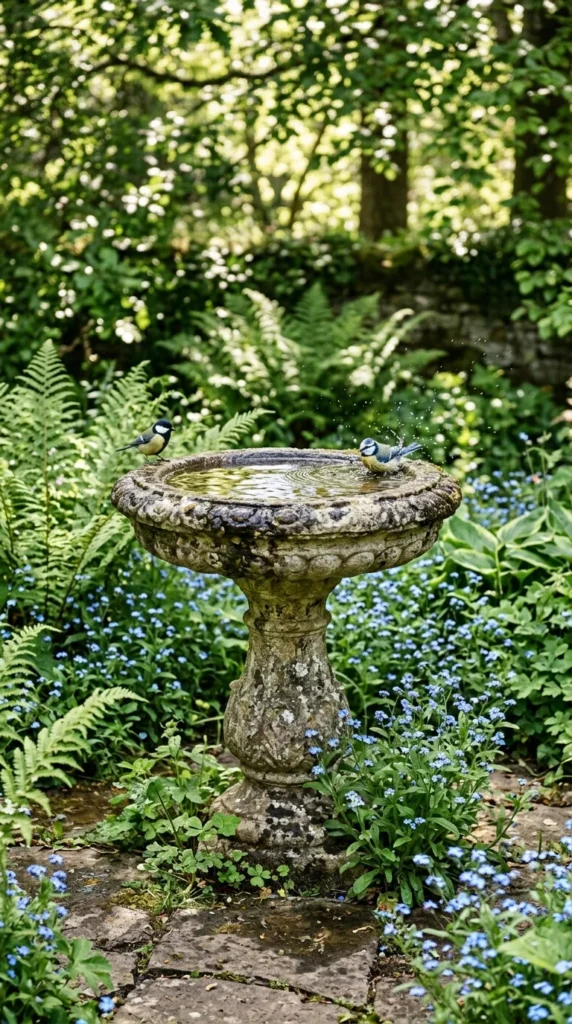
A garden should be a sanctuary for wildlife as much as for people. A stone birdbath serves as a beautiful focal point and a vital water source for local birds. Look for designs that feature a bit of “wear and tear”—moss or lichen growing on the pedestal only adds to the authentic, aged aesthetic of a cottage backyard.
7. Stone Walls
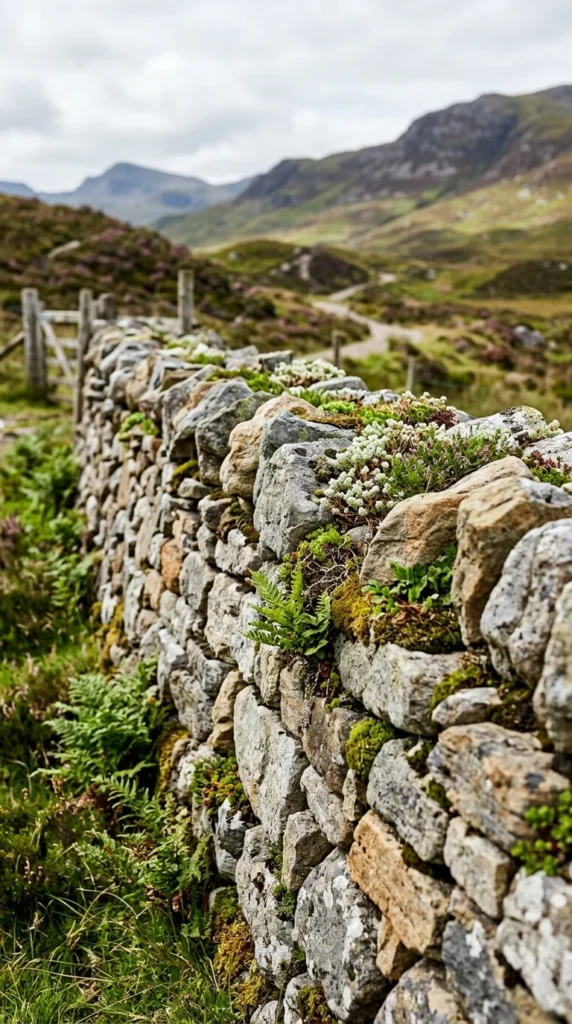
Low stone walls help define “rooms” within your garden without feeling restrictive. Dry-stack walls (built without mortar) are particularly prized in English designs because they allow tiny succulents, mosses, and ferns to take root in the gaps. This creates a “living wall” effect that feels deeply rooted in history.
8. Delphiniums
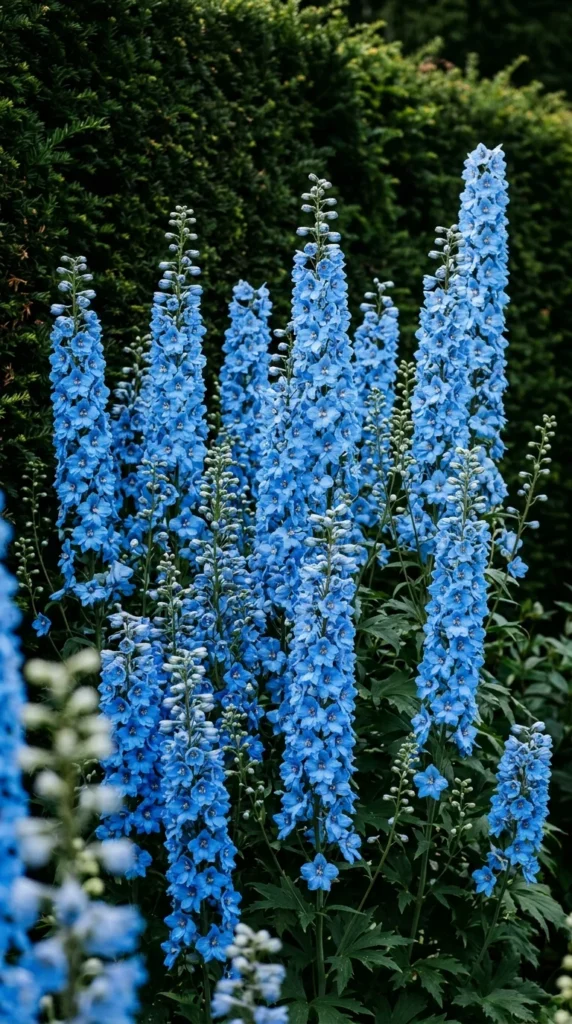
For a punch of true blue—a rarity in the plant world—delphiniums are essential. Their tall, stately spikes provide a formal structure that contrasts beautifully with the more rounded shapes of roses and hydrangeas. Stake them early in the season to protect their heavy blooms from summer winds.
9. Herb Spirals
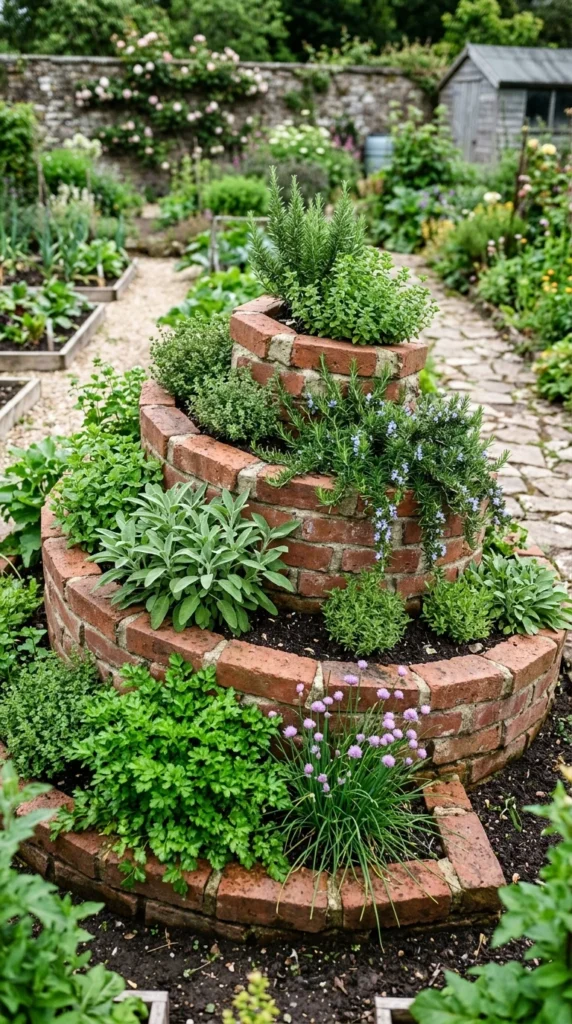
Cottage gardens were originally functional spaces meant to provide food and medicine. An herb spiral is a space-saving way to incorporate culinary essentials like rosemary, thyme, and sage. This design creates various microclimates (drier at the top, wetter at the bottom), allowing you to grow a diverse range of herbs in a small footprint.
10. Arches & Gazebos
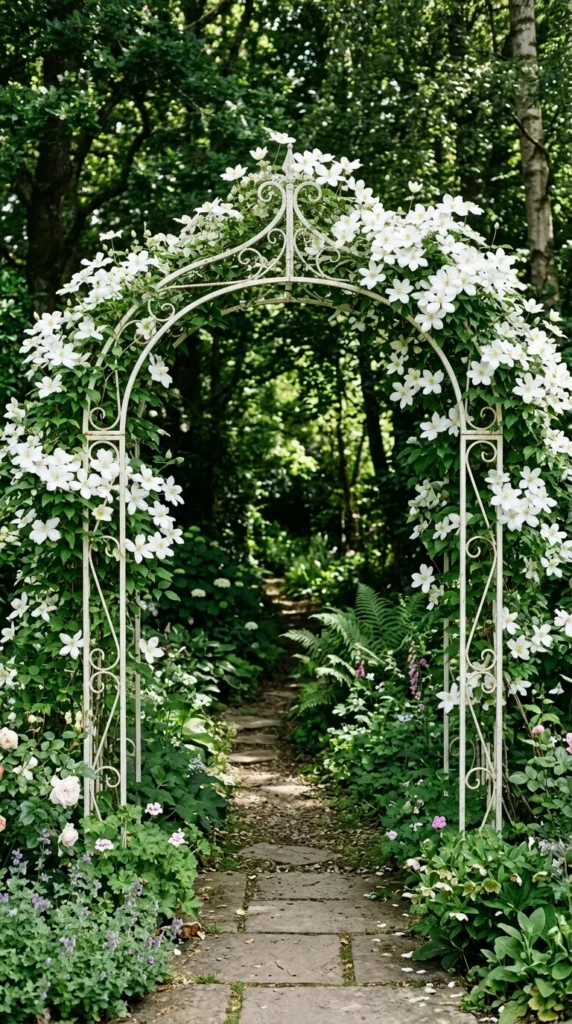
Verticality is key to making a small backyard feel larger. Garden arches and gazebos provide a framework for climbing plants and create a sense of mystery. Walking under an arch covered in jasmine or honeysuckle feels like entering a hidden sanctuary, adding to the romantic atmosphere.
11. Weathered Benches
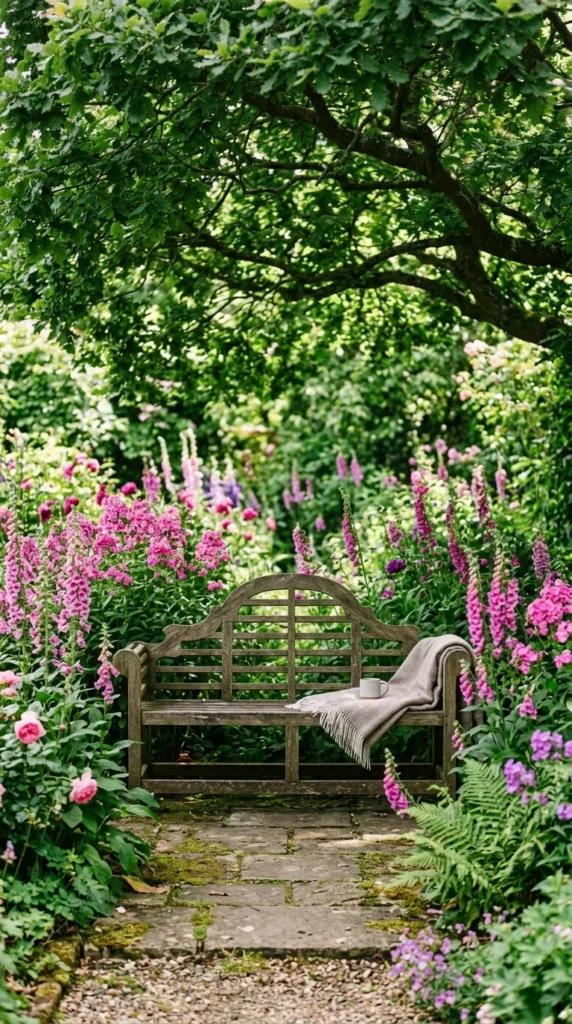
Every garden needs a place for contemplation. A weathered teak or cedar bench provides a destination at the end of a path. Avoid modern, sleek plastic furniture; instead, look for classic designs like the Lutyens bench. The goal is for the furniture to look like it has been part of the landscape for decades.
12. Hollyhocks
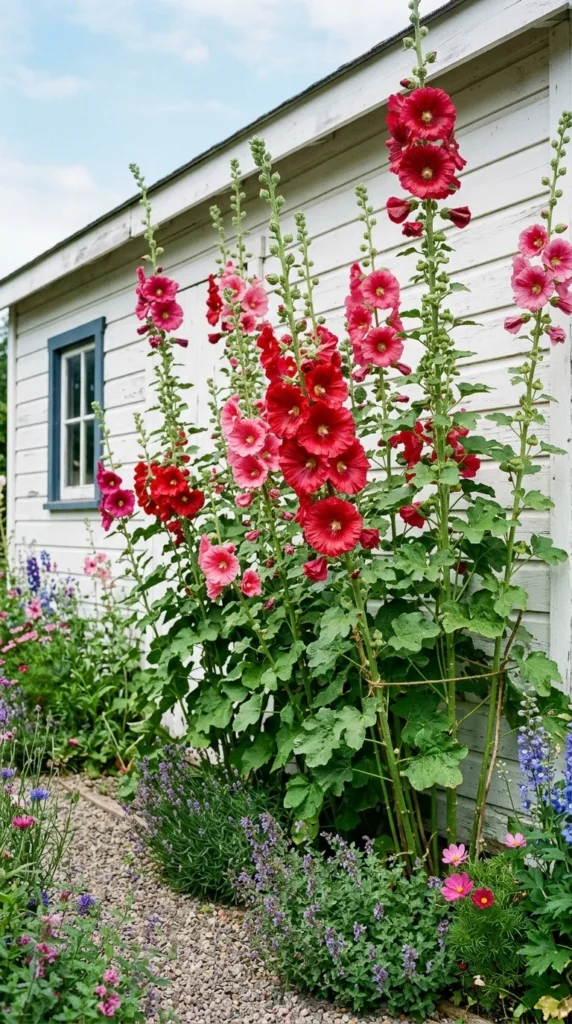
Hollyhocks are the ultimate “cottage” flower. They are famously tall and often lean slightly, giving them a relaxed, unpretentious vibe. They look best when planted against a structure—like a fence or the side of a barn—where they can reach for the sky. Their saucer-like blooms are a favorite for bees and butterflies.
13. Picket Fences
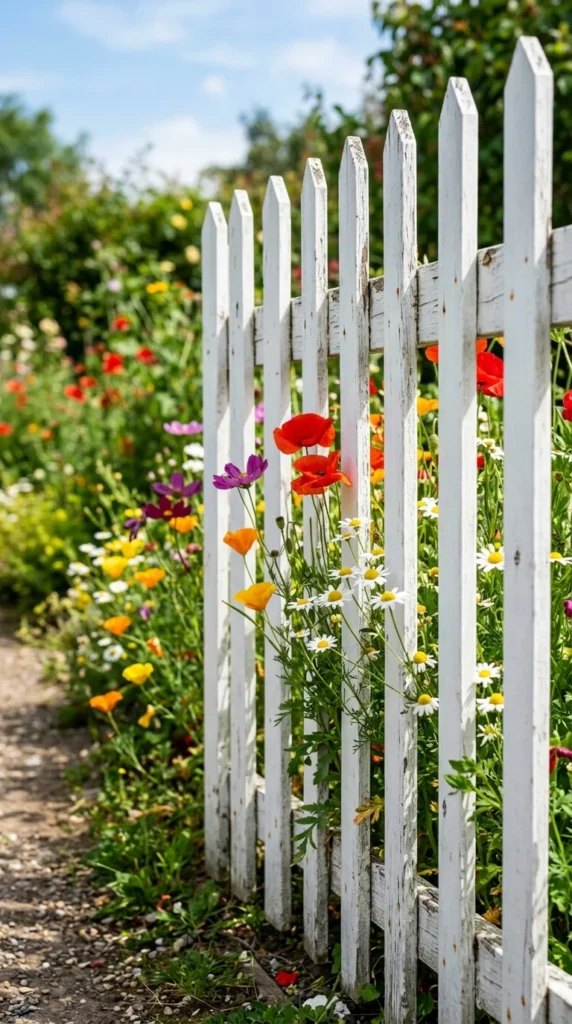
A white picket fence is the quintessential boundary for a cottage-style home. It provides a crisp, clean backdrop that makes the colors of your flowers pop. For a more “wild” look, allow your perennials to grow through and over the fence, softening the boundary between your private oasis and the outside world.
14. Peonies
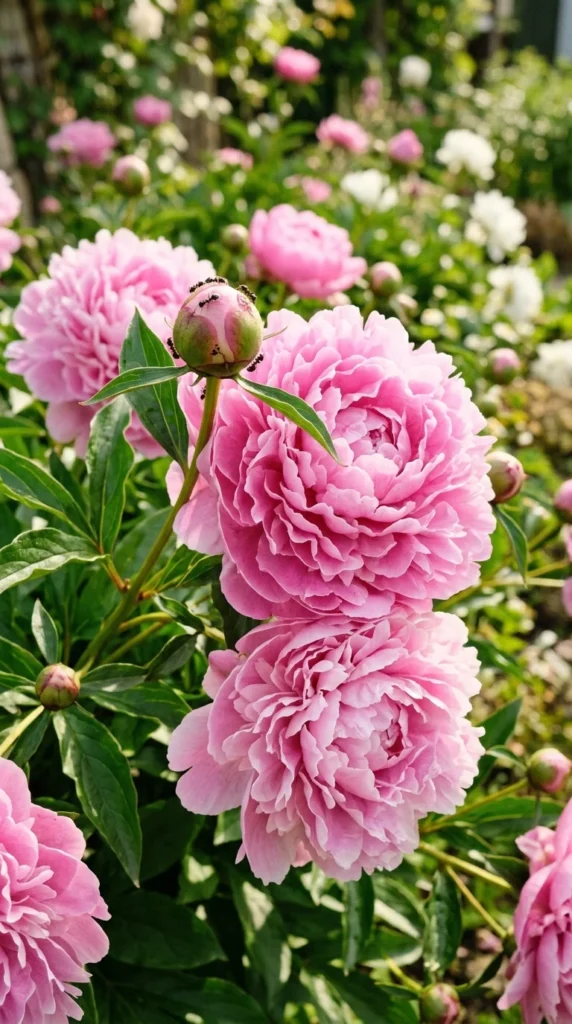
Peonies are the crown jewels of the late-spring garden. Their massive, fragrant blooms and glossy green foliage add a sense of luxury to the backyard. Though their blooming season is relatively short, the foliage remains attractive all summer, and the anticipation of their arrival is a highlight of the gardening year.
15. Terracotta Pots
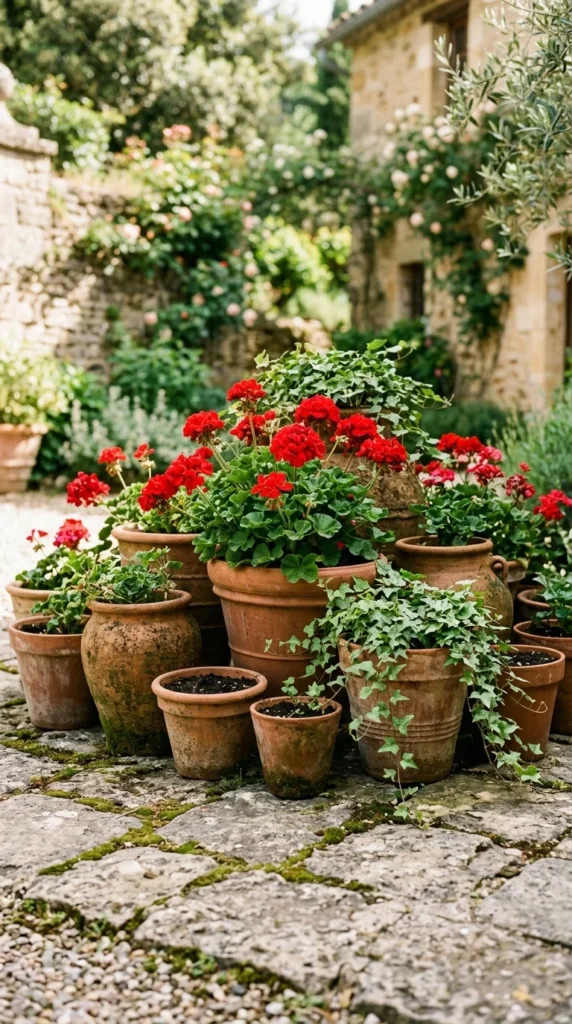
Cottage gardens often use “container layering” to add depth. Terracotta pots, with their warm earthy tones, develop a beautiful patina over time. Group them in odd numbers on steps, patios, or nestled into flower beds to add height and interest where the soil might be poor.
16. Wildflower Meadows
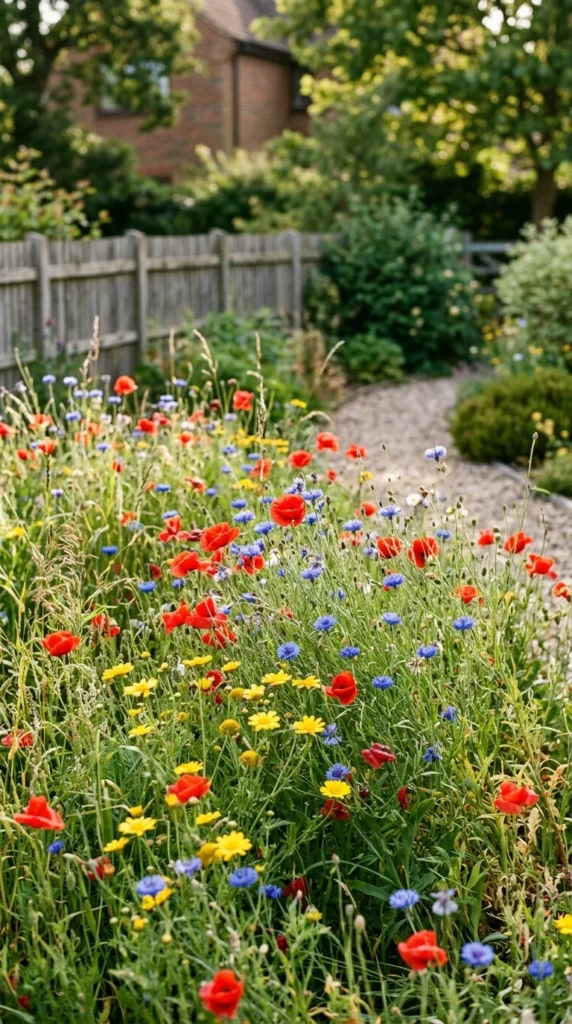
If you have a corner of the yard that is difficult to mow, turn it into a mini wildflower meadow. This “set it and forget it” approach is perfect for the cottage aesthetic. It provides a burst of color and acts as a massive buffet for local pollinators, including bees and butterflies.
17. Boxwood Hedges
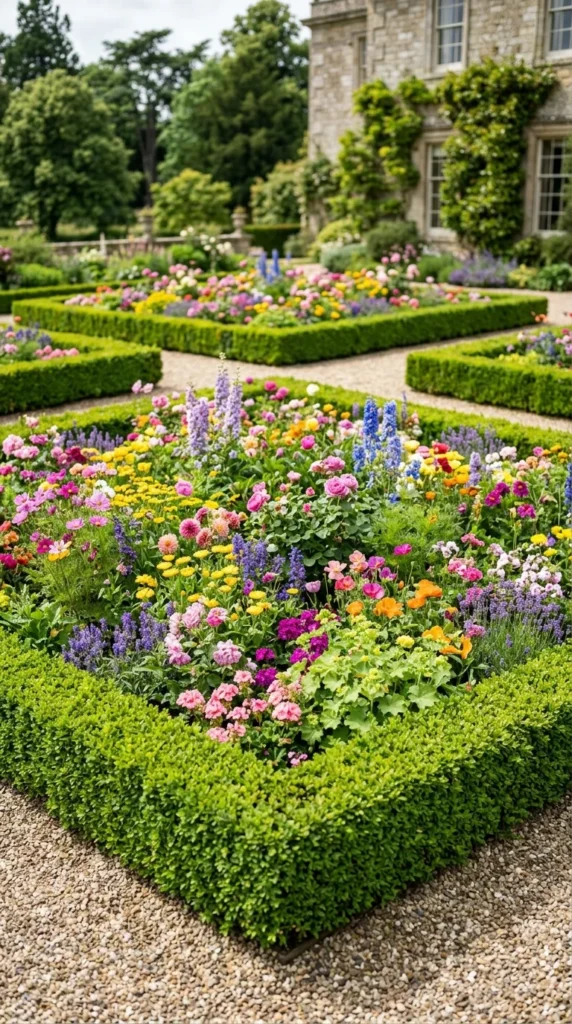
To prevent a cottage garden from looking too messy, use “anchors.” Low-growing boxwood hedges provide a sense of order and structure. These evergreen borders keep the garden looking neat even in the winter months when the perennial flowers have died back.
18. Hydrangeas
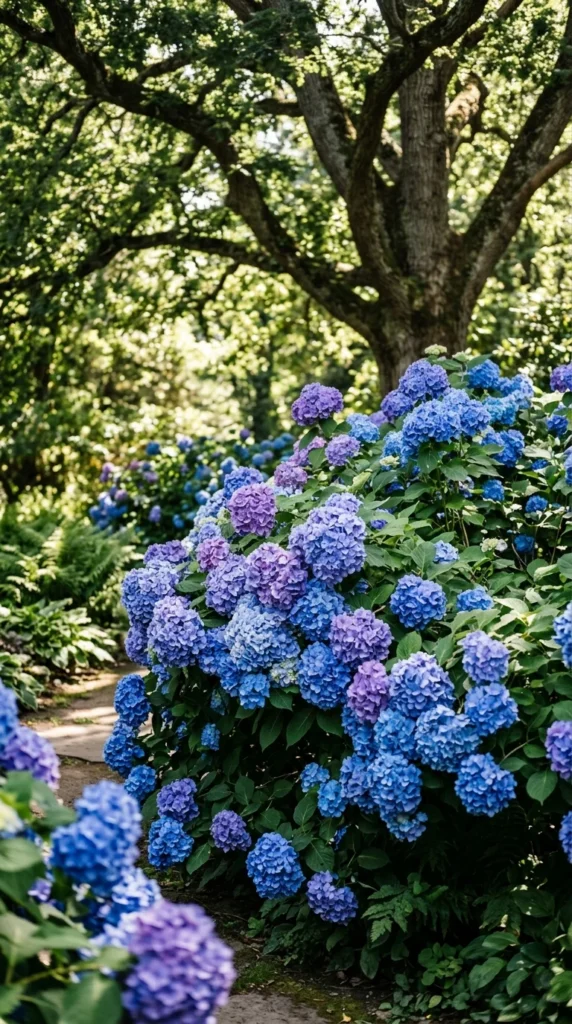
Hydrangeas offer large-scale texture and color that lasts from mid-summer into autumn. Their mophead or lacecap blooms fill large gaps in the garden and look stunning when dried. In an English garden, they are often used to bridge the gap between the tall trees and the lower flower beds.
19. Sunken Seating
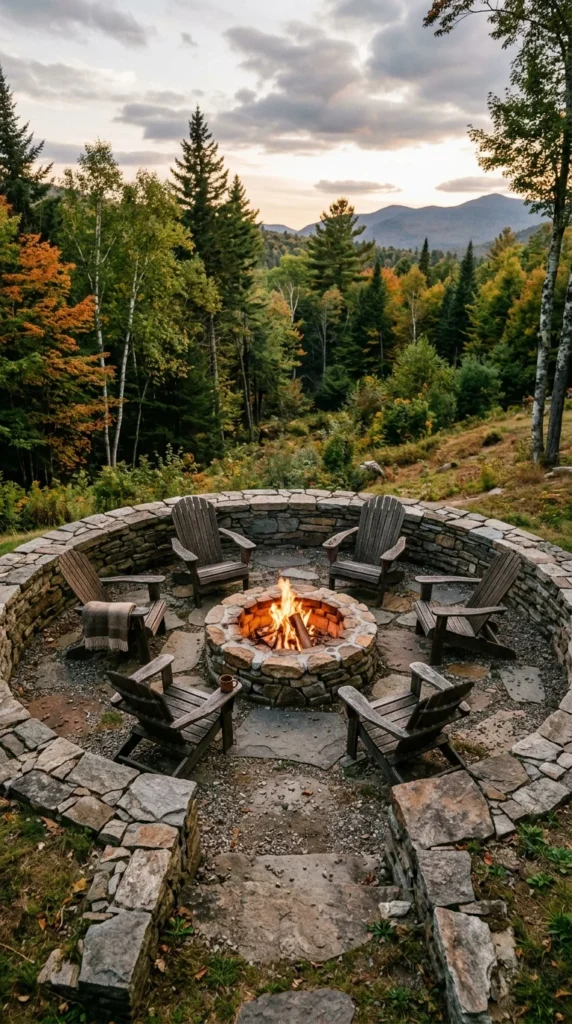
Creating a “sunken” area adds a level of intimacy to the backyard. Surrounded by raised flower beds, a sunken seating area feels like a secret nest. It’s the perfect place for an evening fire or a morning tea, tucked away from the wind and the prying eyes of neighbors.
20. Vegetable Patches (Potager)
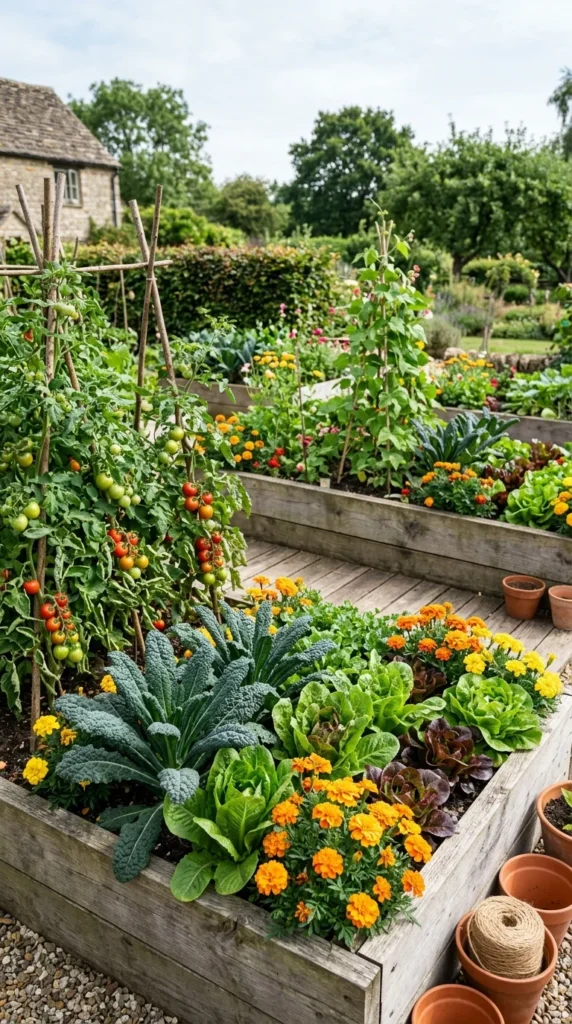
The traditional English “Potager” is a kitchen garden that is as beautiful as it is functional. Instead of hidden rows of vegetables, intermingle your lettuce, kale, and tomatoes with flowers like marigolds and nasturtiums. This not only looks lovely but also helps with pest control naturally.
21. Bee Hotels
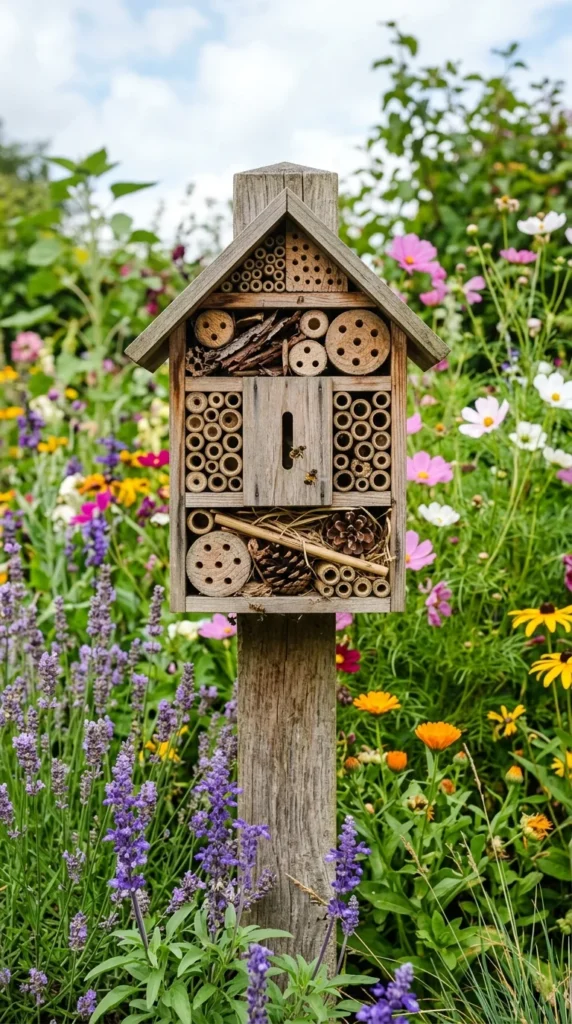
Sustainability is a key component of modern cottage gardening. A bee hotel provides a home for solitary bees, which are incredible pollinators. These small wooden structures add a rustic, handcrafted touch to the garden while supporting the local ecosystem.
22. Sundials
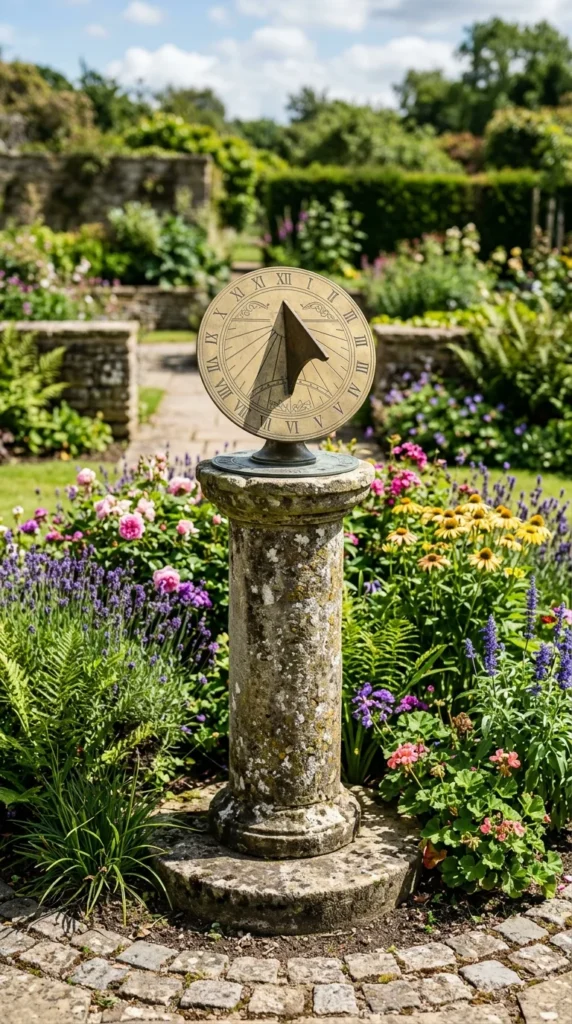
A sundial is a timeless garden ornament that adds a sense of history. Placed at the intersection of two paths or in the center of a circular bed, it acts as a silent, elegant focal point. It reminds us of the slow, rhythmic passage of time that characterizes life in a garden.
23. Clematis Vines
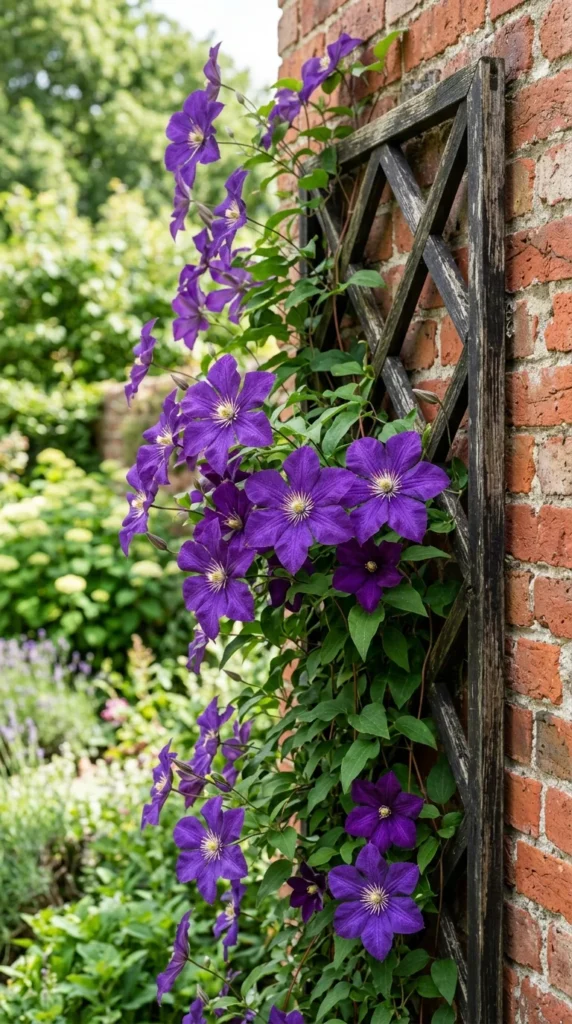
Clematis is often called the “Queen of Climbers.” With varieties that bloom in spring, summer, and autumn, you can have vertical color for most of the year. They are perfect for growing through other shrubs or up pillars, adding layers of color at eye level.
24. Gravel Patios
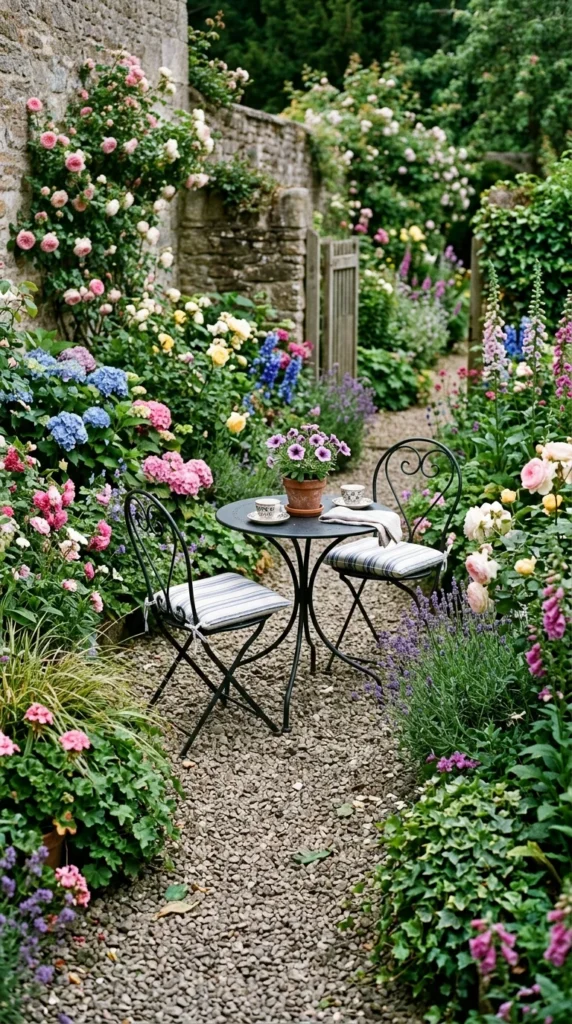
Unlike cold concrete or perfect pavers, gravel feels soft and organic. It provides a satisfying “crunch” underfoot and allows water to drain easily. A gravel patio is the perfect spot for a bistro set, creating a European-style alfresco dining area right in your backyard.
25. Sweet Peas
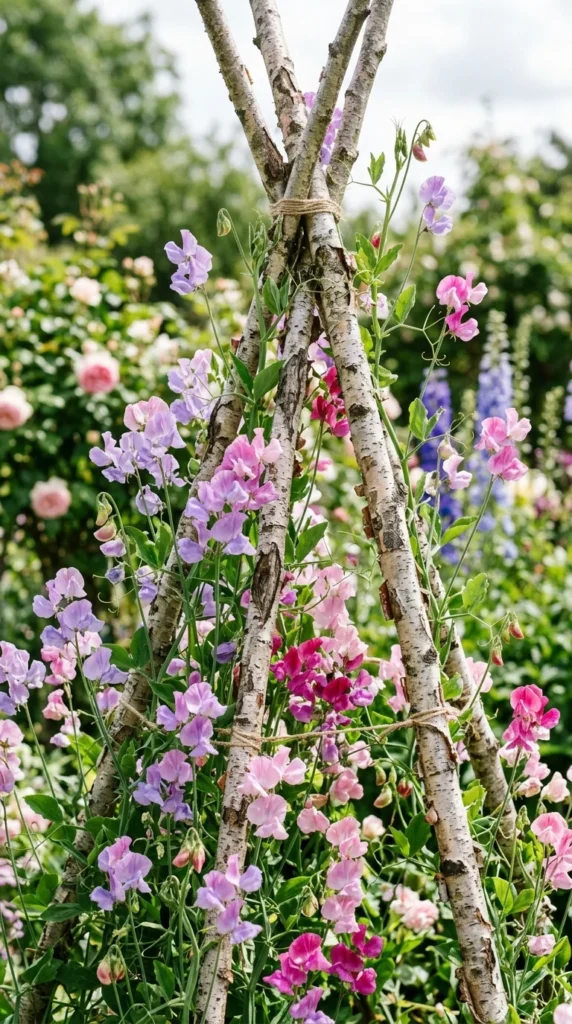
Sweet peas are prized for their exquisite fragrance and delicate, ruffled petals. Growing them up “wigwams” made of bamboo or birch branches adds a rustic, handmade element to the garden. They are also excellent cutting flowers, allowing you to bring the scent of the garden indoors.
26. Water Features
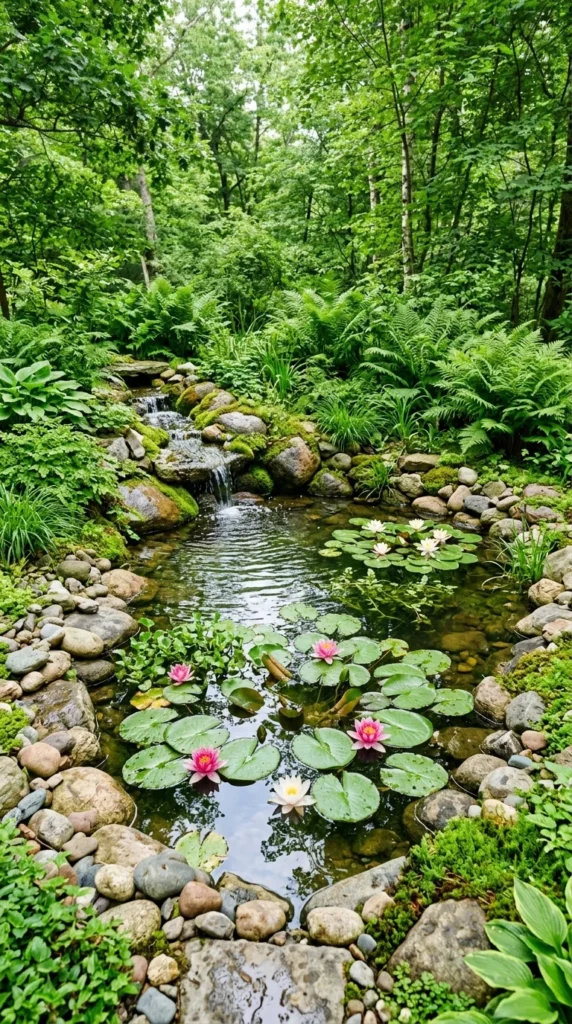
The sound of trickling water adds a layer of tranquility to any space. A small pond or a simple wall fountain can transform a backyard into a peaceful retreat. In a cottage garden, keep the water feature looking natural by using local stones and surrounding it with moisture-loving plants like hostas and ferns.
27. Mossy Accents
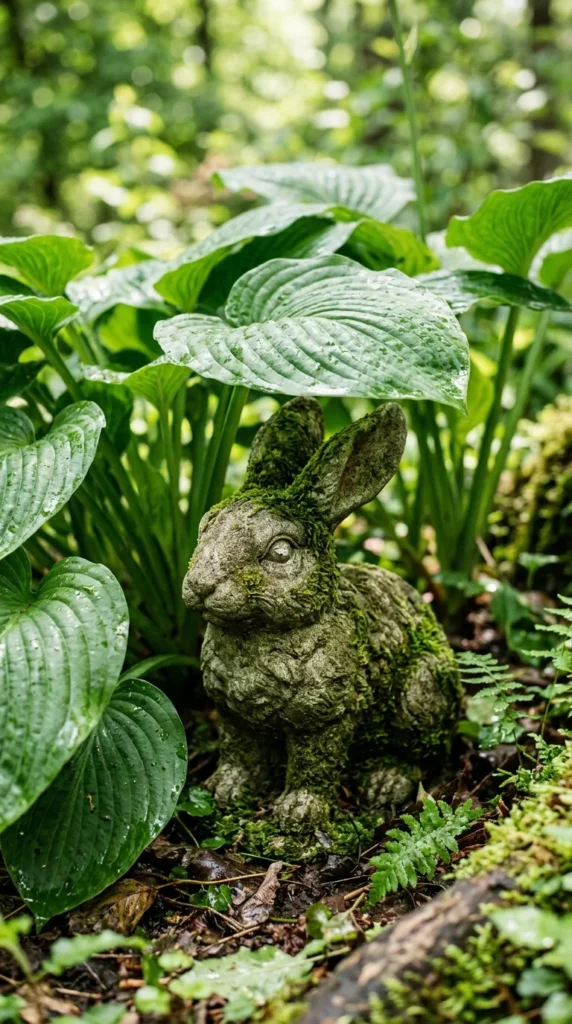
Finally, don’t be too quick to clean up. Moss growing on stones, statues, or paths gives a garden a sense of “age” and “belonging.” It suggests that the garden has been there for generations. Encourage moss in shady spots to add a velvety, emerald-green texture that feels soft and ancient.