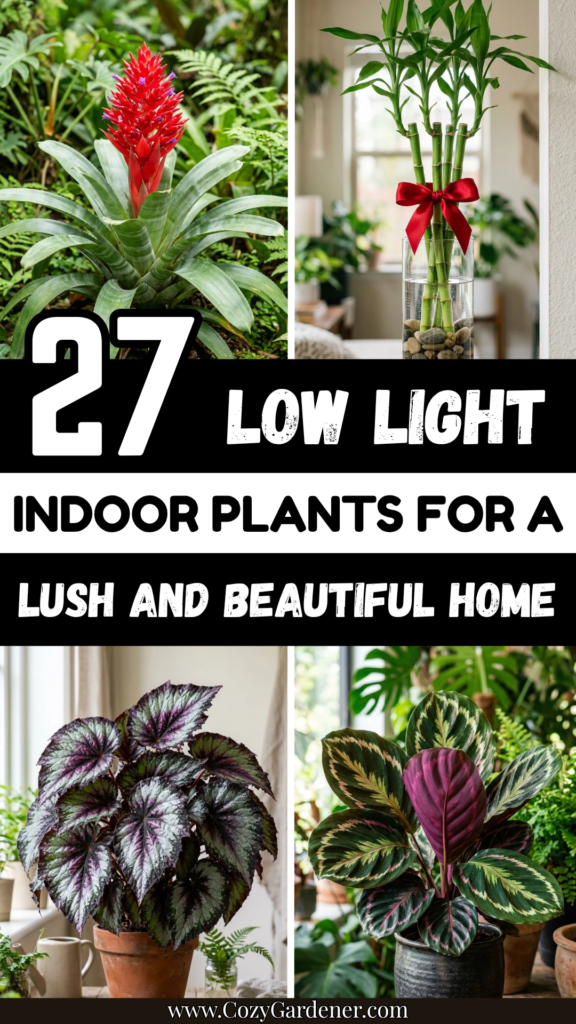
Bringing the outdoors in shouldn’t be a privilege reserved only for those with floor-to-ceiling, south-facing windows. Many of the world’s most stunning botanical specimens evolved beneath the dense canopies of tropical rainforests, where direct sunlight rarely touches the forest floor. These plants have adapted to thrive in dim, indirect light, making them the perfect companions for city apartments, basement offices, or that one moody corner of your living room that needs a touch of life.
Transforming a low-light space into a verdant sanctuary is entirely possible with the right selection of species. Here are 27 of the best low-light indoor plants to help you build your own indoor jungle.
1. Snake Plant
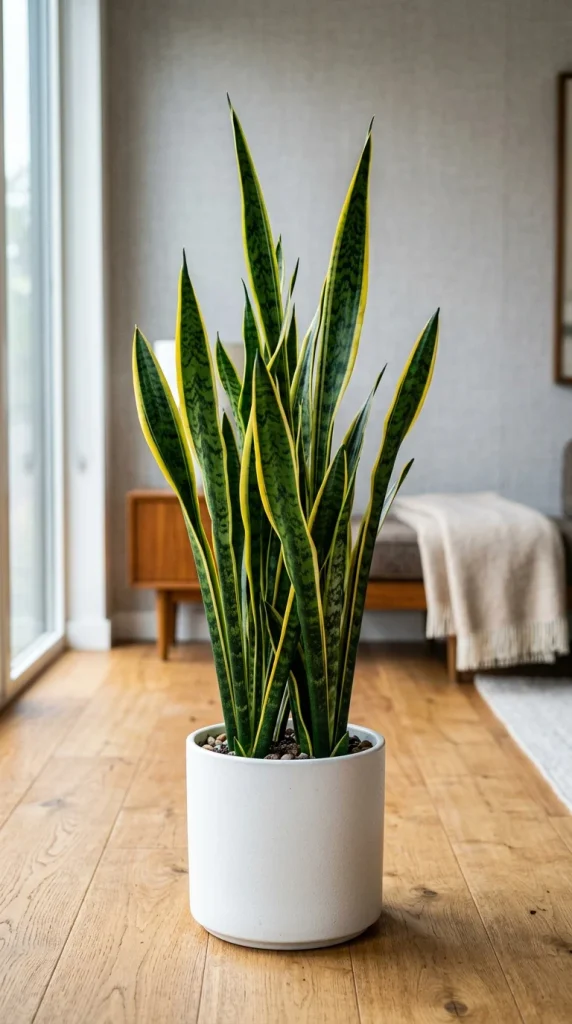
The Snake Plant, or Sansevieria, is the undisputed king of low-light resilience. Known for its stiff, sword-like leaves, this plant is nearly indestructible. It can survive weeks of neglect and thrives in almost any lighting condition, from dim corners to bright, indirect light. Beyond its toughness, it is celebrated for its ability to filter indoor air, even at night.
2. ZZ Plant
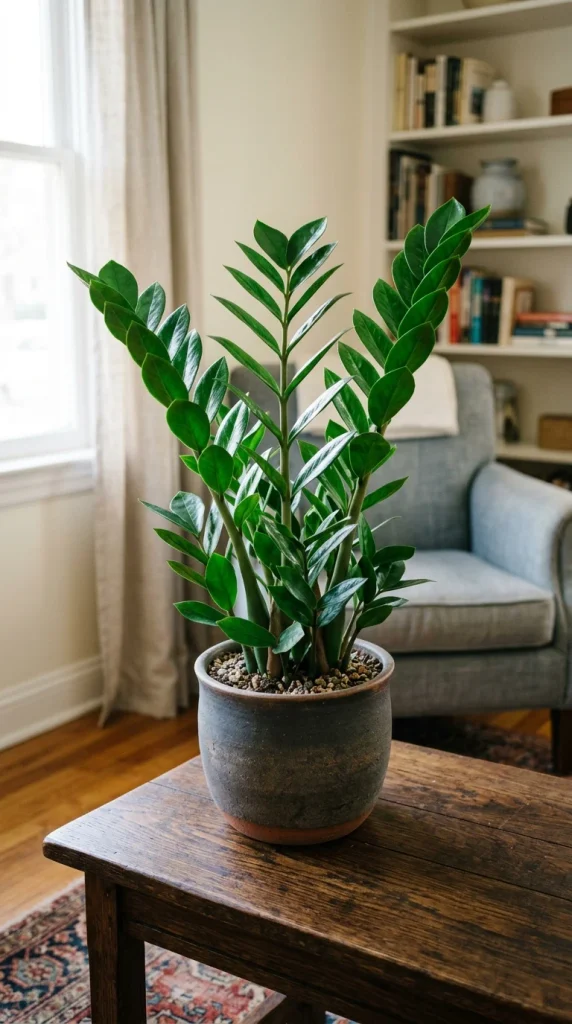
The ZZ Plant (Zamioculcas zamiifolia) looks so perfect that it is often mistaken for plastic. Its glossy, succulent-like leaves reflect what little light is available, brightening up dark hallways. It grows slowly and requires very little water, making it the ideal “set it and forget it” plant for busy homeowners.
3. Pothos
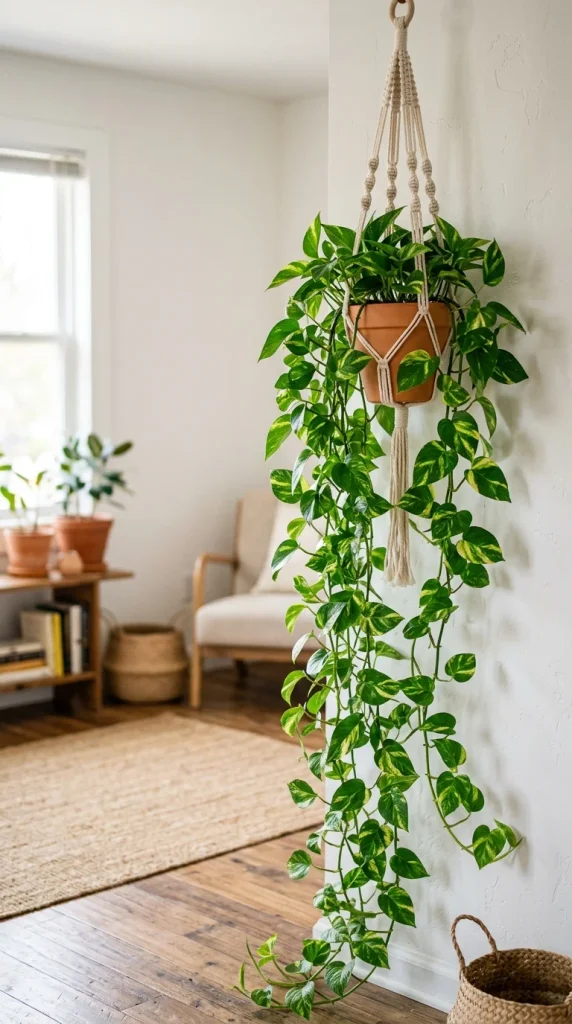
Often called “Devil’s Ivy” because it’s so hard to kill, the Pothos is a versatile trailer. Whether you let it climb a trellis or tumble from a bookshelf, its heart-shaped leaves add instant texture. While variegated varieties may lose some color in very low light, the plant will continue to grow vigorously.
4. Peace Lily
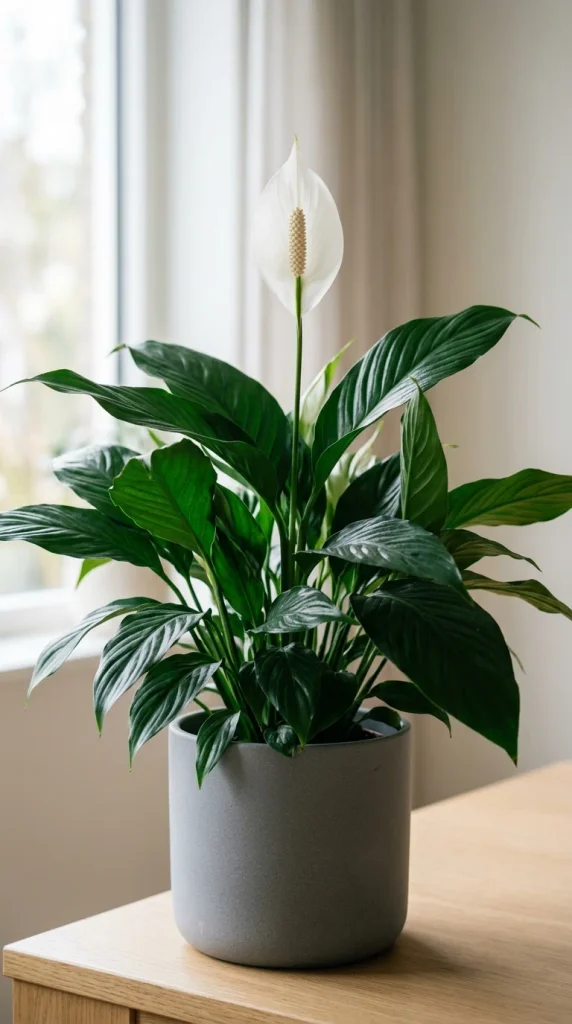
The Peace Lily is a classic choice for low-light environments. It features deep green, glossy foliage and iconic white blooms that resemble sails. One of the best features of the Peace Lily is its communication style; it will dramatically “faint” or wilt when it needs water, bouncing back quickly once quenched.
5. Spider Plant
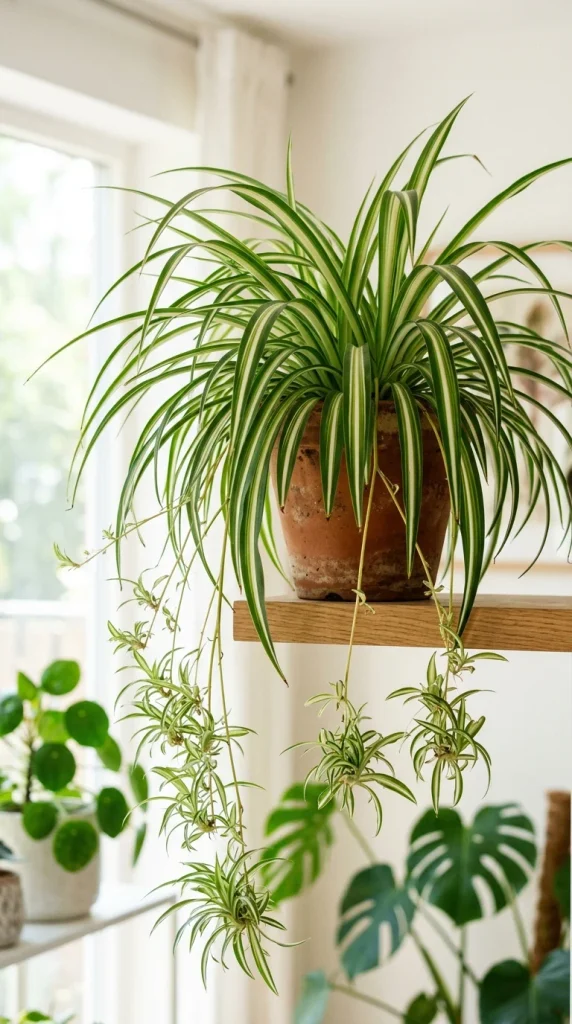
Spider Plants are famous for their “babies”—small offshoots that dangle from the mother plant like spiders on a web. They are incredibly adaptable and can tolerate lower light levels, though they prefer a spot near a window. They are also non-toxic to cats and dogs, making them a safe choice for pet owners.
6. Cast Iron Plant
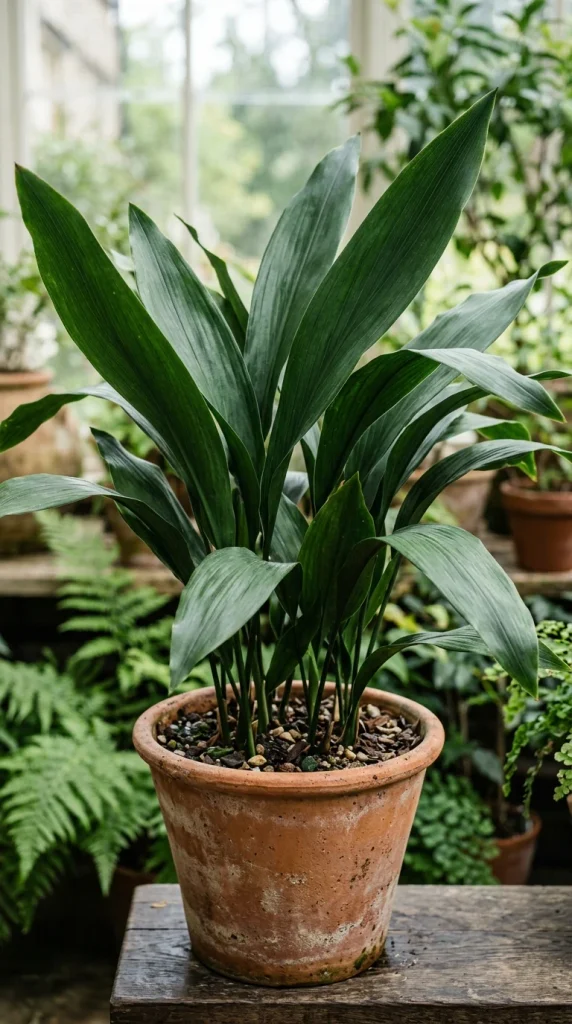
Living up to its name, the Cast Iron Plant (Aspidistra elatior) is one of the hardiest plants in existence. It was a favorite in Victorian-era homes because it could survive the dim, smoky air of coal-heated rooms. It grows slowly but provides a permanent, deep green presence in the darkest of corners.
7. Chinese Evergreen
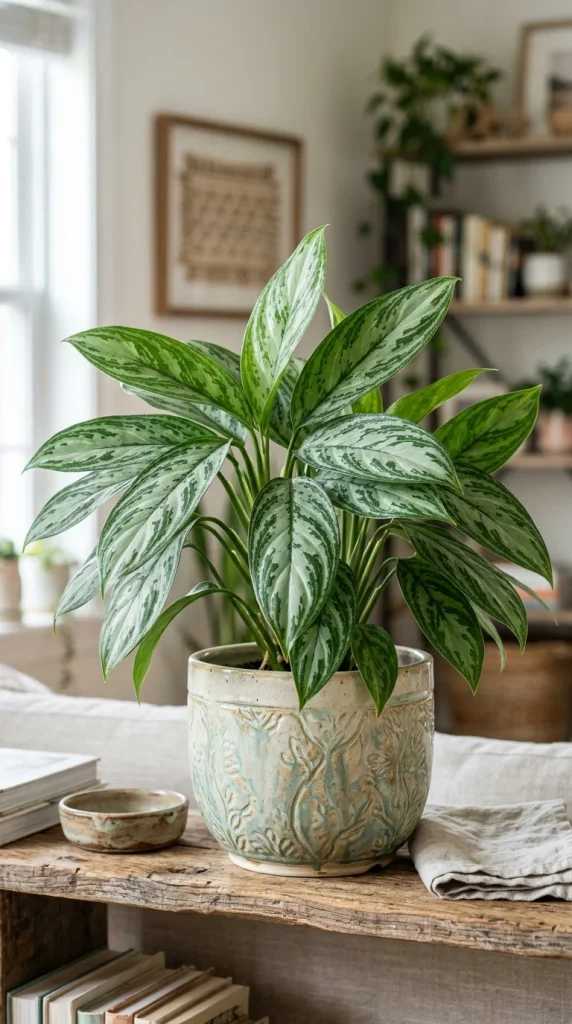
Aglaonema, or Chinese Evergreen, comes in a variety of stunning patterns and colors. While the pink and red varieties need a bit more light, the darker green and silver versions are perfectly happy in low-light conditions. They are compact, bushy, and excellent for adding visual interest to tabletops.
8. Parlor Palm
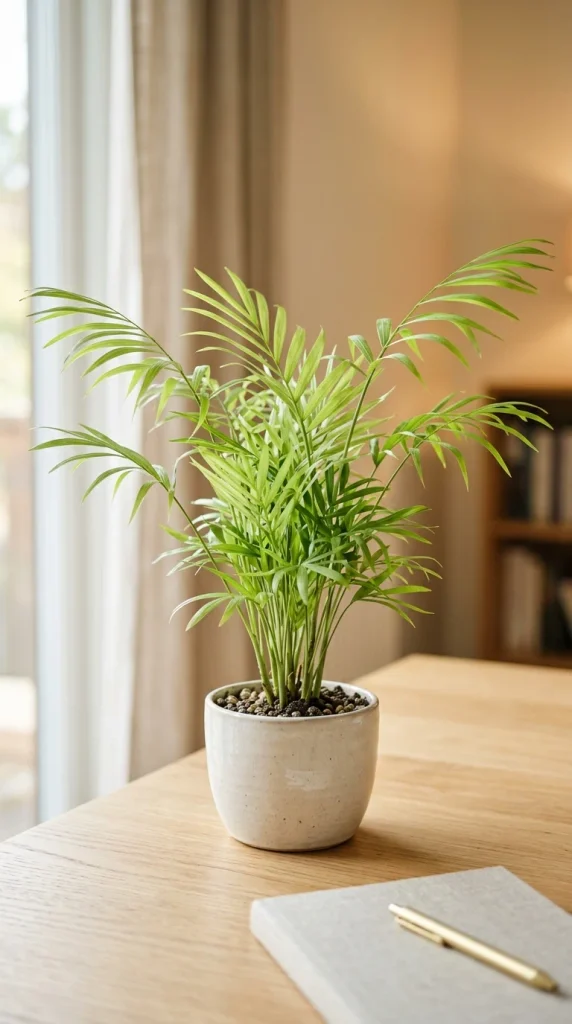
The Parlor Palm has been a popular indoor plant since the Victorian era. It stays relatively small and grows slowly, making it perfect for apartments. Its soft, feathery fronds add a tropical, airy feel to a room without requiring the intense humidity or light that other palms demand.
9. Calathea
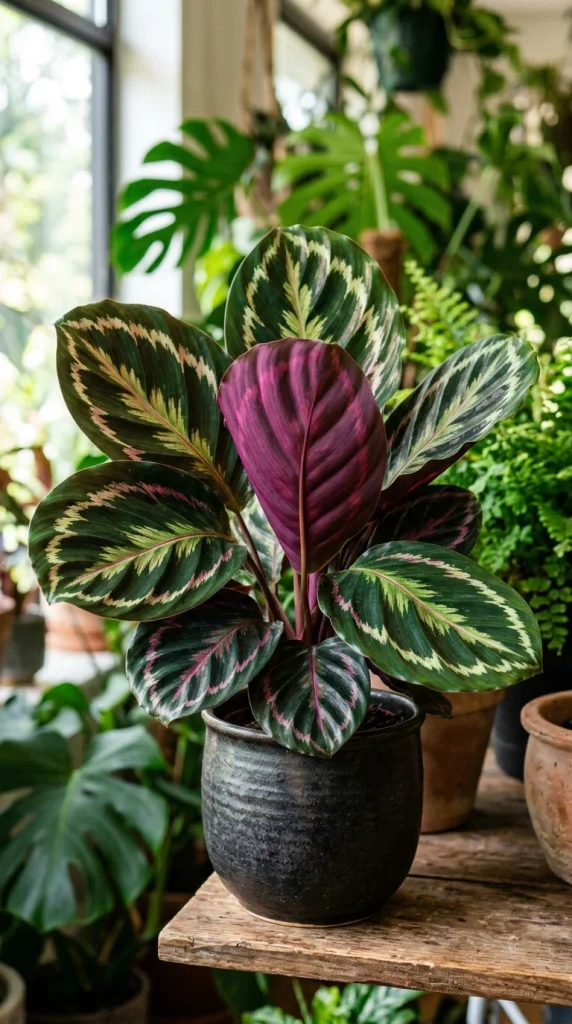
Known as “Prayer Plants” because their leaves fold up at night, Calatheas are famous for their incredible foliage patterns. While they can be a bit finicky about water quality (they prefer filtered water), they thrive in the medium-to-low light levels found in the middle of a room, away from direct sun which can bleach their colors.
10. Nerve Plant
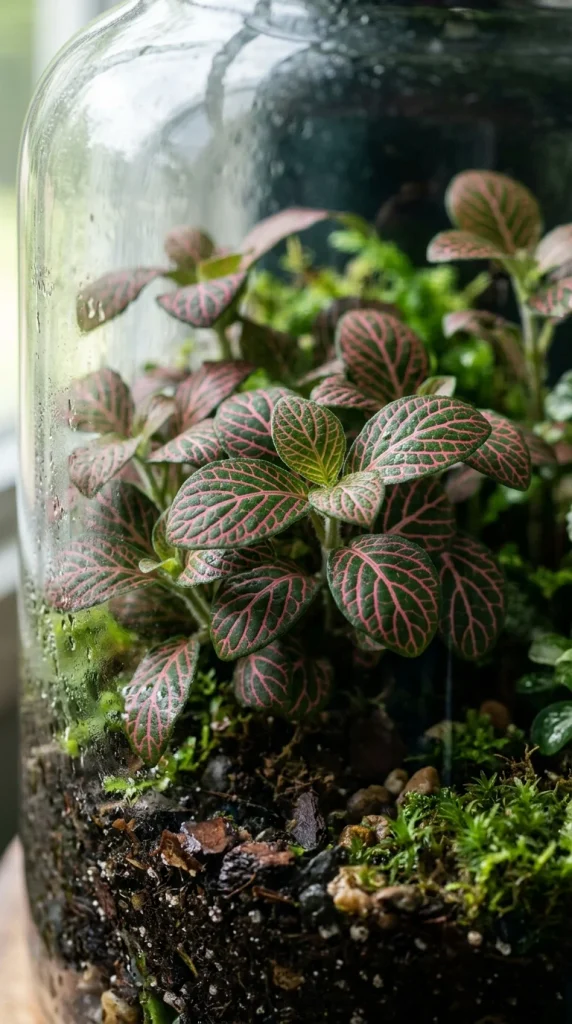
Fittonia, or the Nerve Plant, is a low-growing tropical plant that loves humidity and low light. Its striking leaf venation—available in white, pink, or red—makes it a standout. It is a popular choice for terrariums, where the moisture levels remain high and the light is filtered.
11. Maidenhair Fern
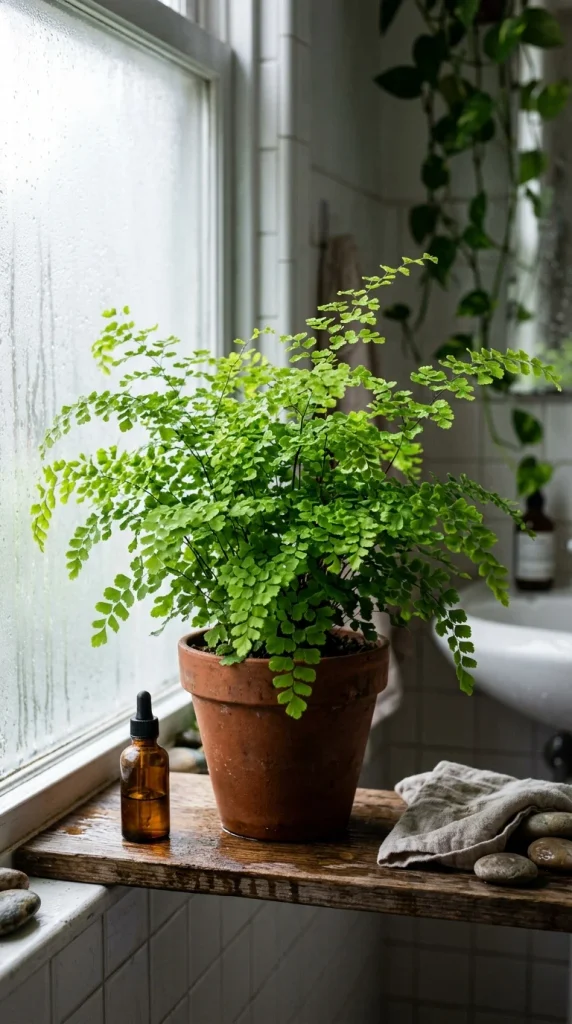
The Maidenhair Fern is perhaps the most ethereal of all indoor plants. It features paper-thin leaflets on wiry black stems. While it requires consistent moisture and humidity, it thrives in low-light spots like bathrooms, where it is protected from the drying rays of the sun.
12. Prayer Plant
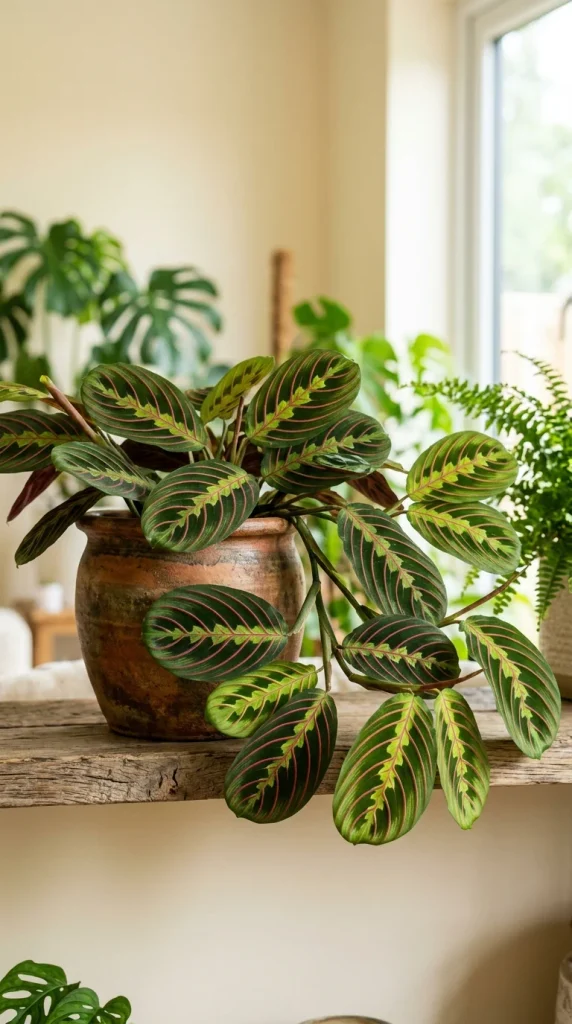
The Maranta leuconeura is a cousin to the Calathea and shares the habit of folding its leaves at night. Its striking red veins and velvety texture make it a favorite for plant enthusiasts. It prefers indirect light and makes an excellent ground-cover style plant for a large indoor planter.
13. Heartleaf Philodendron
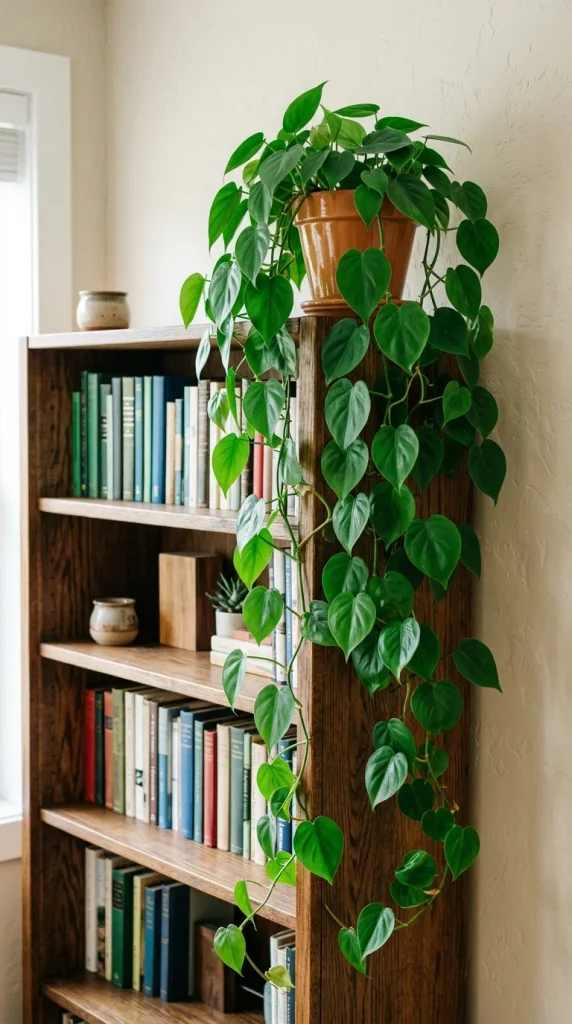
Very similar in appearance to the Pothos, the Heartleaf Philodendron is a staple of the low-light garden. It is incredibly tolerant of dim conditions and is known for its graceful, trailing vines. It’s a fast grower that can easily be propagated in water to create even more plants for your home.
14. Bromeliads
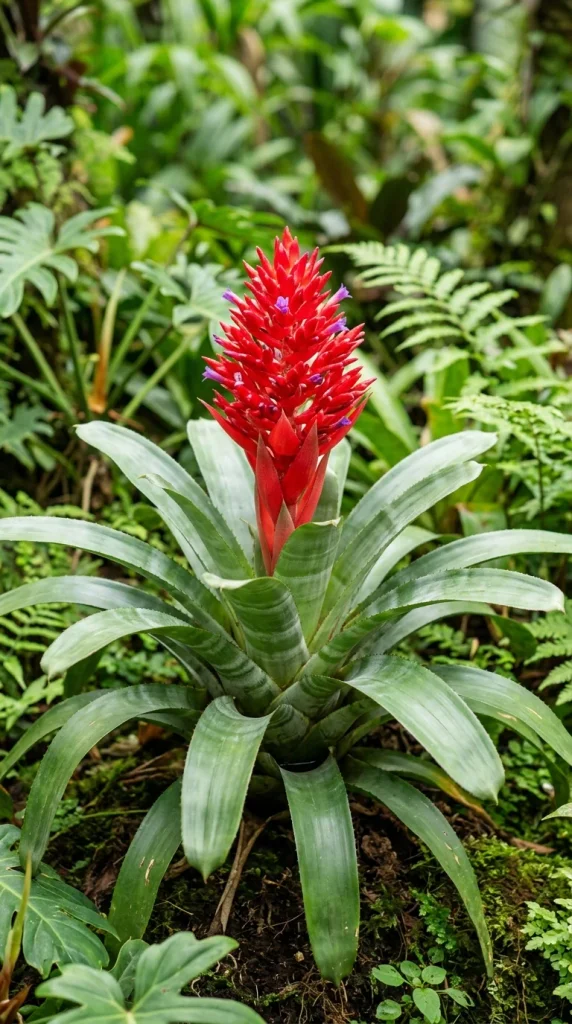
While many flowering plants need full sun, some Bromeliads are perfectly happy in lower light. Many species, particularly those in the Guzmania genus, provide a long-lasting pop of tropical color. They take in water through a central “cup” in their leaves, making them unique and interesting to care for.
15. Swiss Cheese Vine
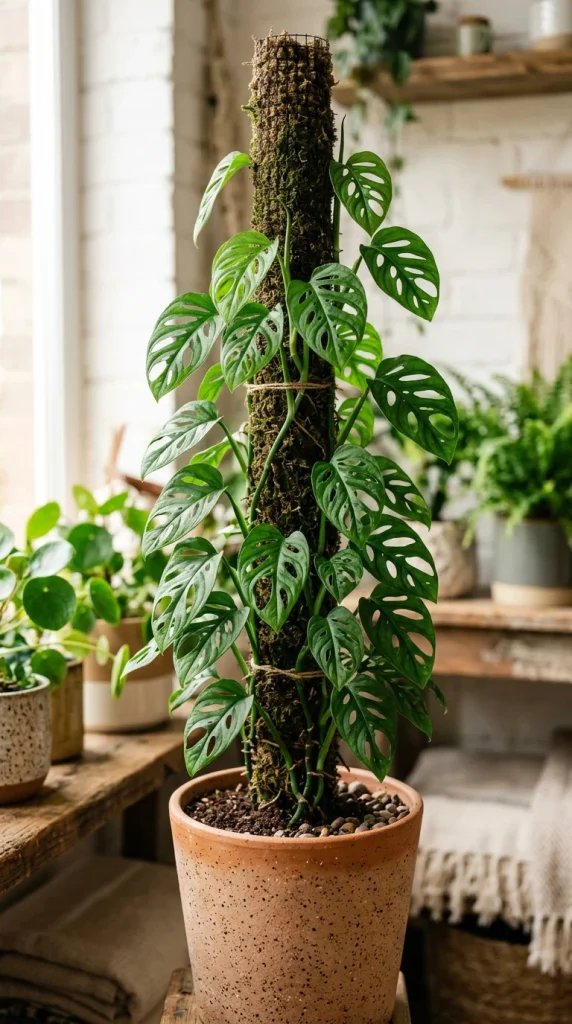
The Monstera adansonii is the smaller, more manageable cousin of the famous Monstera deliciosa. While the giant Monstera loves bright light, the Swiss Cheese Vine is quite comfortable in medium to low light. Its unique “holey” leaves provide a sophisticated, architectural look to any shelf.
16. Dragon Tree
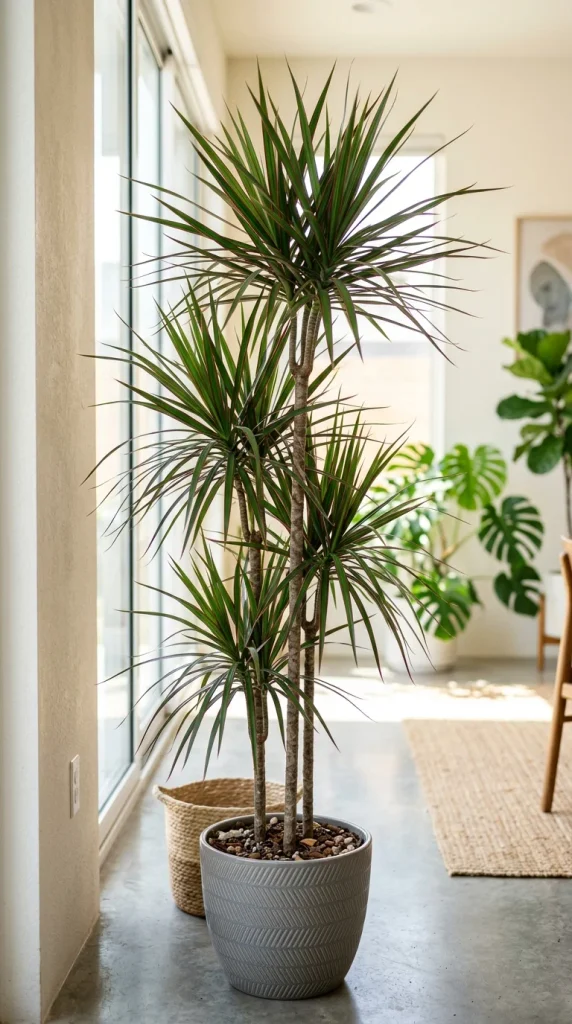
Dracaena marginata adds height and drama without taking up much floor space. Its thin, spiky leaves give it a contemporary look. It is a slow grower that can handle low light levels, although it will maintain its red-edged vibrancy better with a bit of indirect light.
17. English Ivy
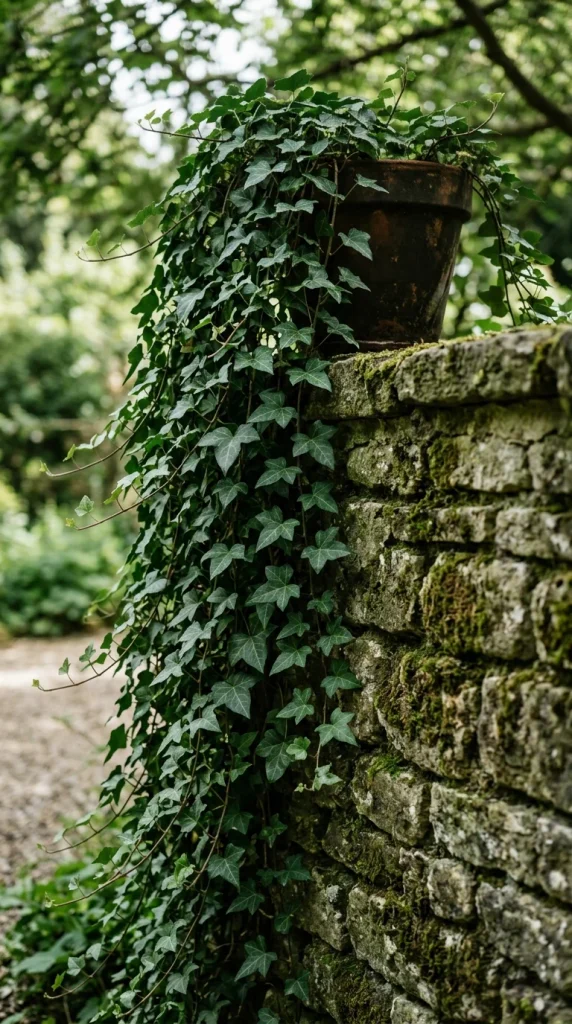
English Ivy is a classic climber that brings a touch of the English countryside indoors. It prefers cooler temperatures and indirect light. It’s particularly effective in hanging baskets where its vines can trail several feet, creating a living curtain of green.
18. Boston Fern
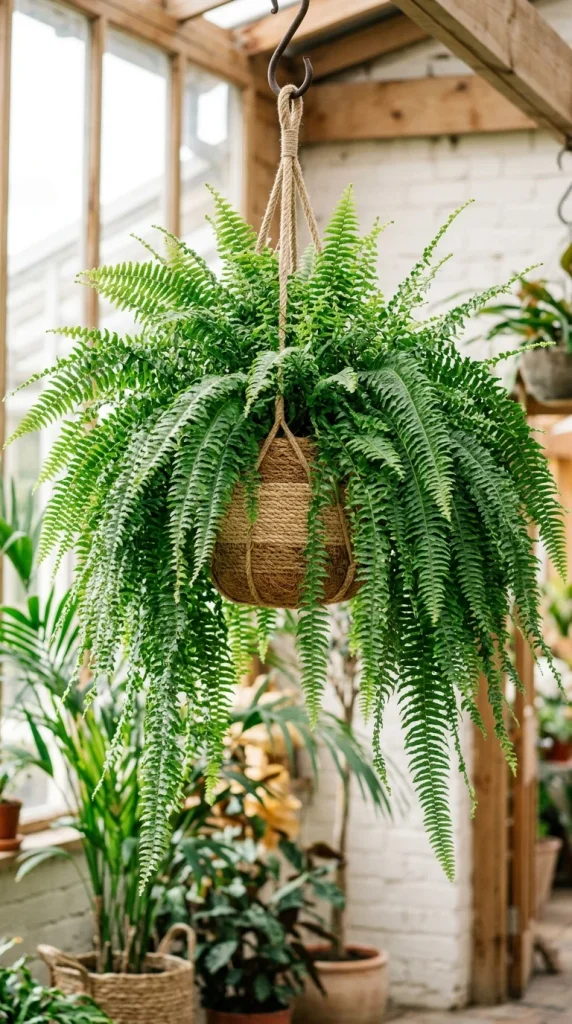
The Boston Fern is the quintessential porch plant, but it also makes a wonderful indoor specimen. It thrives in the low-light, high-humidity environment of a bathroom. Its lush, exploding silhouette is perfect for filling empty corners or hanging in a window that doesn’t get direct afternoon sun.
19. Rubber Plant
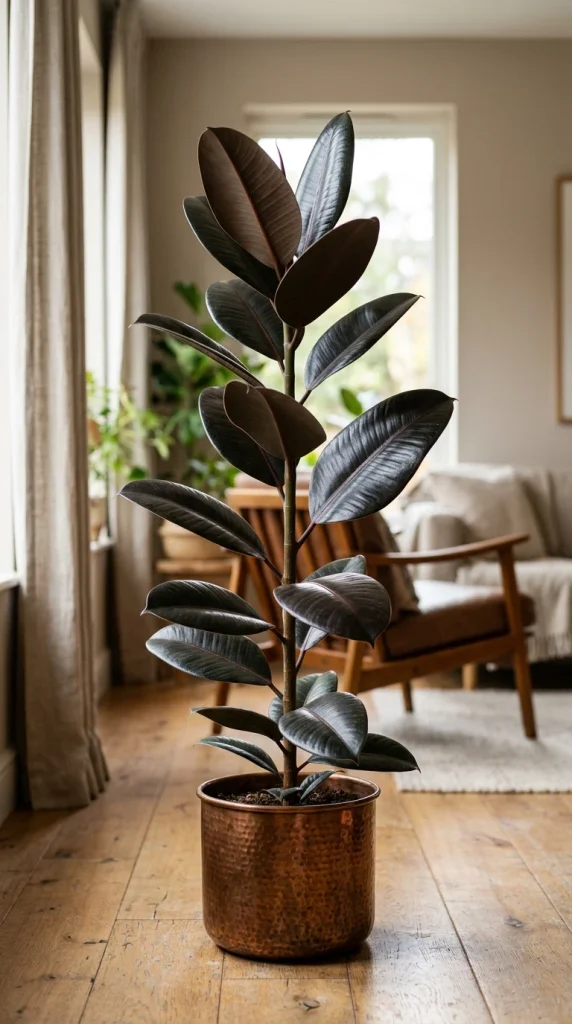
The Ficus elastica is a bold statement plant. While it grows faster in bright light, the dark-leaved varieties like ‘Burgundy’ can adapt quite well to lower light settings. Its large, rubbery leaves are excellent at absorbing light and adding a moody, sophisticated vibe to a room.
20. Staghorn Fern
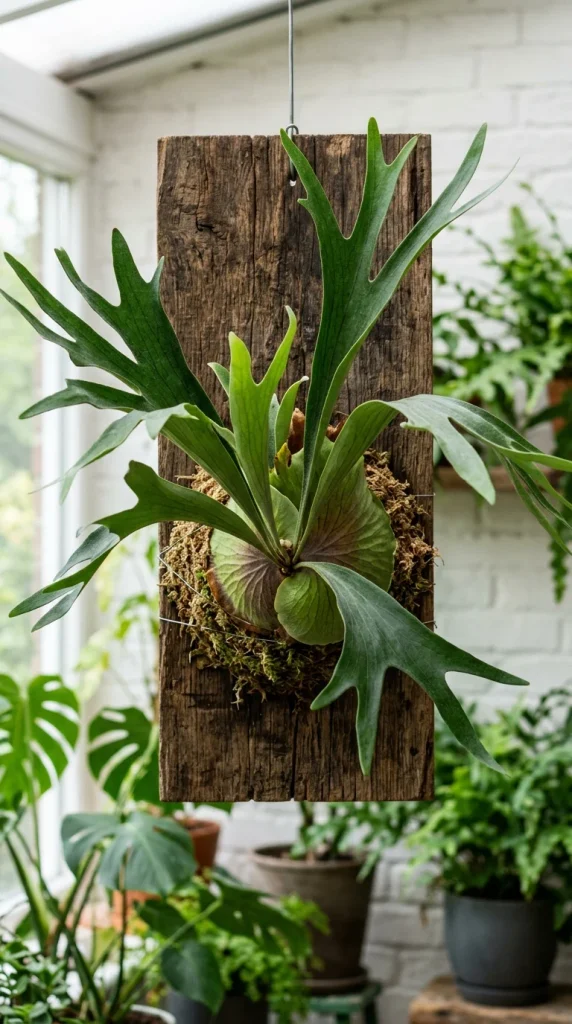
The Staghorn Fern is an epiphyte, meaning in nature it grows on trees rather than in soil. Indoors, they are often mounted on wooden boards like living pieces of art. They love the filtered light of a bathroom or a kitchen and benefit from occasional misting or soaking.
21. Arrowhead Vine
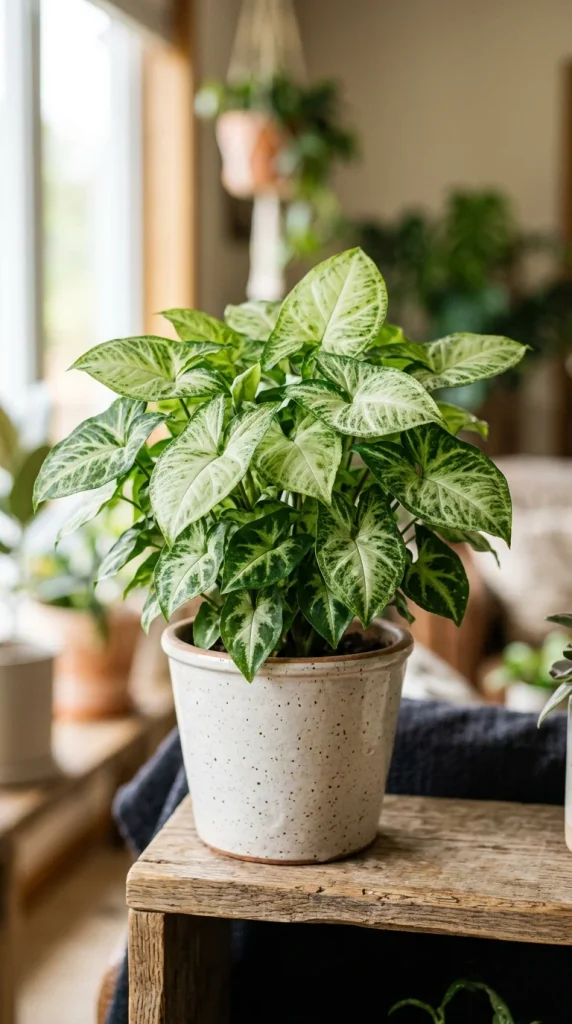
The Syngonium podophyllum is a charming plant that starts as a compact mound and eventually begins to vine. Its leaves change shape as the plant matures, transitioning from simple arrowheads to lobed structures. It is very tolerant of low light and comes in shades of green, white, and even soft pink.
22. Lucky Bamboo
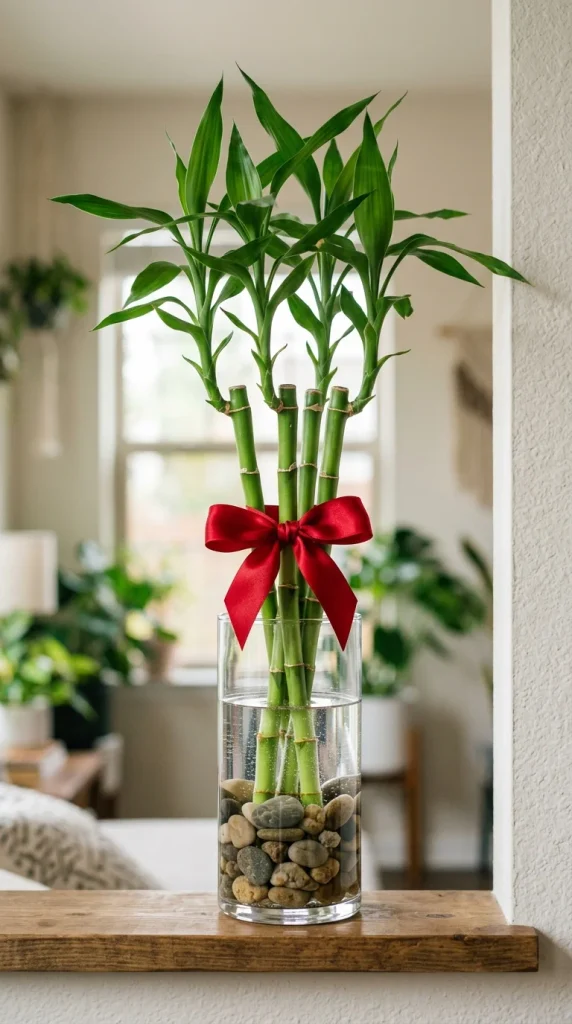
Not actually bamboo (it’s a type of Dracaena), Lucky Bamboo is a staple of feng shui. It can grow in just water and pebbles, making it a very clean plant for desks and nightstands. It thrives in low to medium light and is often trained into spirals or braided shapes.
23. Rex Begonia
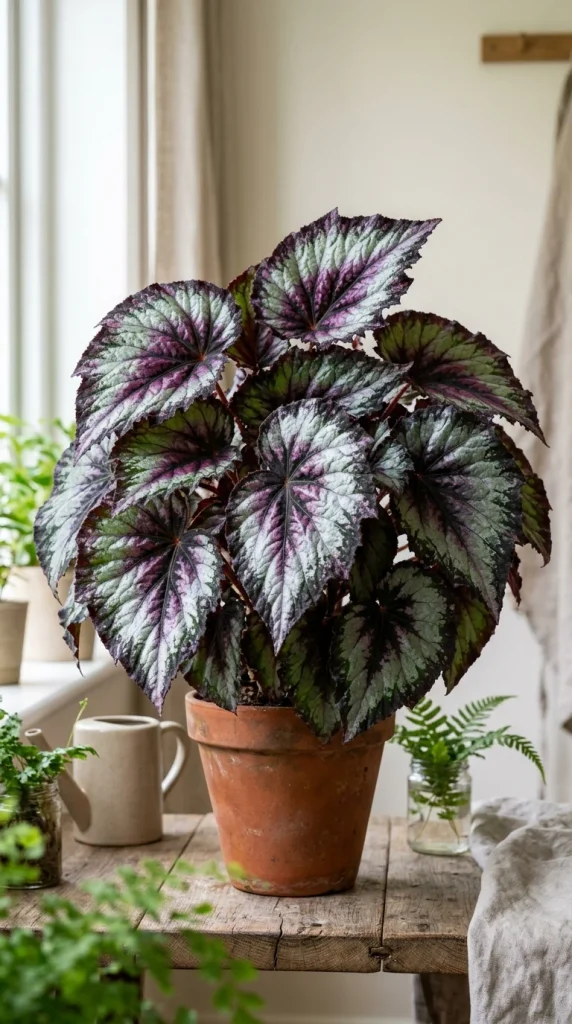
If you want color without needing direct sun, the Rex Begonia is the answer. These plants are grown for their foliage rather than their flowers. Their leaves are often metallic, iridescent, or vividly patterned. They prefer the shaded conditions of the forest floor, making them perfect for low-light interiors.
24. Bird’s Nest Fern
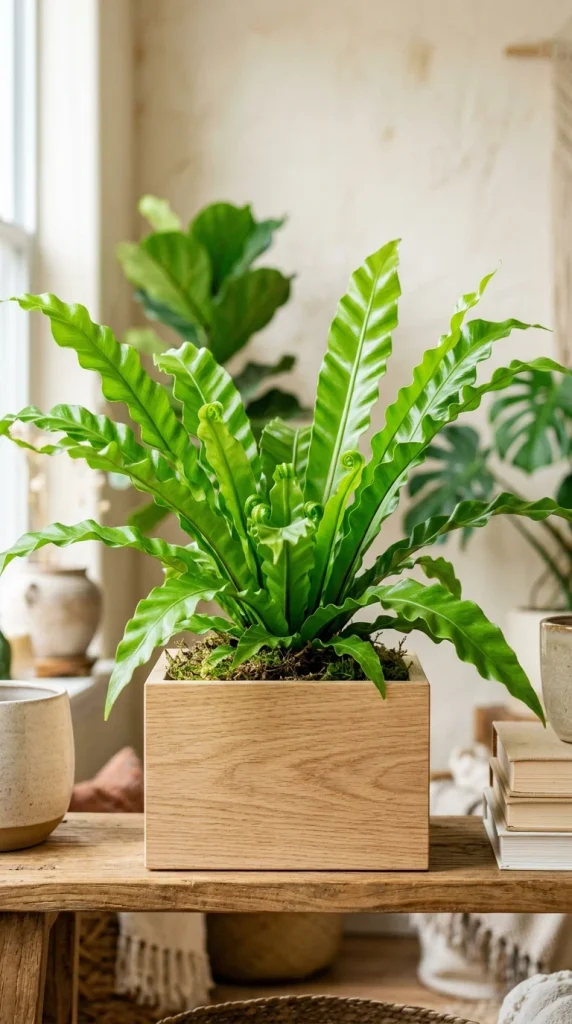
Unlike many ferns that have tiny, delicate leaflets, the Bird’s Nest Fern (Asplenium nidus) has large, solid, wavy fronds. It gets its name because the center of the plant resembles a bird’s nest. It thrives in medium to low light and adds a prehistoric, sculptural element to your decor.
25. Creeping Fig
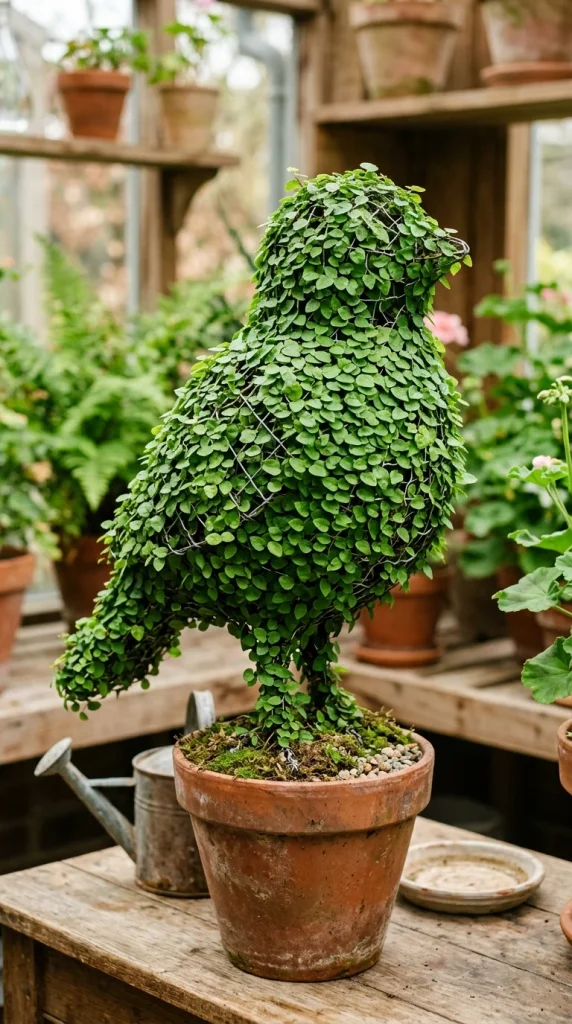
The Ficus pumila is a dainty, fast-growing creeper. It features tiny leaves and a vigorous climbing habit. It is often used to cover indoor topiary frames or allowed to trail over the edges of a pot. It enjoys consistent moisture and indirect light.
26. Peperomia
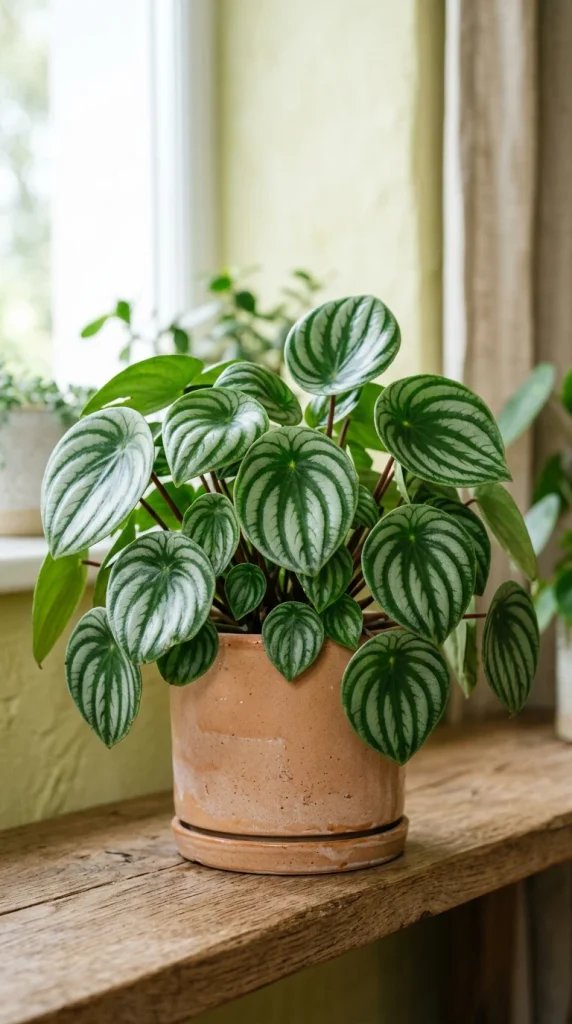
There are over 1,000 species of Peperomia, and almost all of them are excellent for low light. They are small, compact plants with thick, succulent-like leaves that hold moisture well. Because they stay small, they are perfect for bookshelves or cluttered desks.
27. Spiderwort
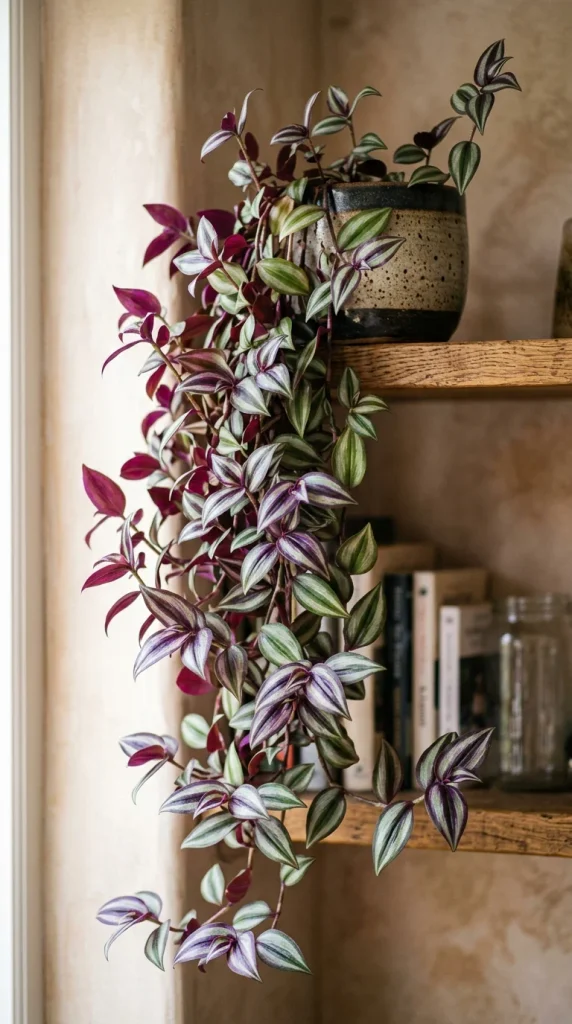
Tradescantia, often called Spiderwort or Inch Plant, is known for its stunning purple and silver variegated leaves. It is an incredibly fast grower and very easy to propagate. While it will be most colorful in brighter light, it is remarkably shade-tolerant and will continue to vine even in dimmer areas of the home.