
Your front yard is the handshake of your home. It is the first thing guests see and the last thing you notice before heading inside after a long day. While a green lawn is classic, nothing transforms a property quite like a well-designed flower bed. A thoughtful arrangement of colors, textures, and heights can elevate your home from ordinary to extraordinary, increasing curb appeal and providing a sanctuary for local pollinators. Whether you have a sprawling estate or a compact urban lot, these 25 flower bed ideas will inspire you to dig in and create a masterpiece.
1. Cottage Garden
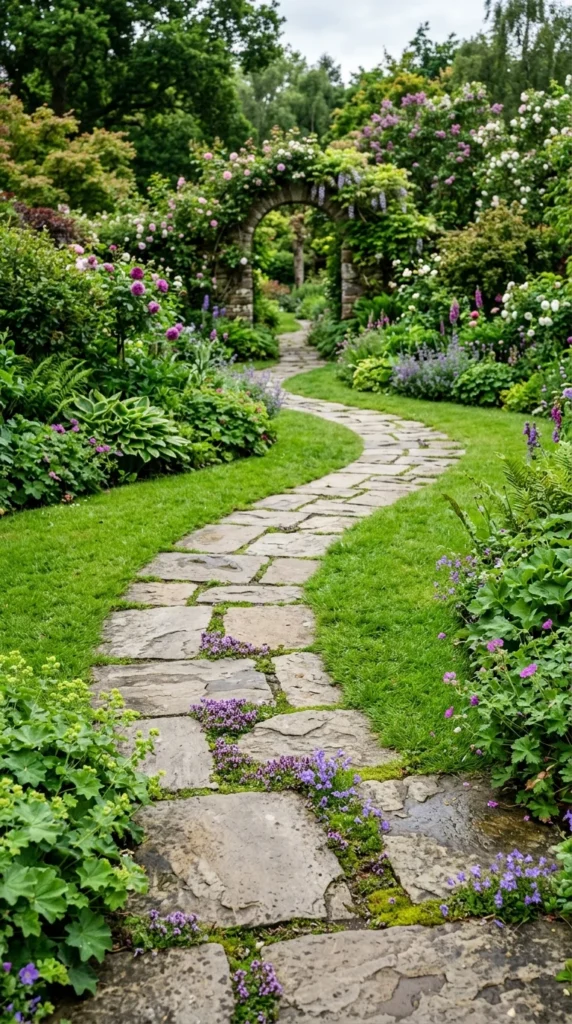
The cottage garden is the epitome of organized chaos. It prioritizes abundance over structure, utilizing every square inch of soil to showcase a riot of color. To achieve this look, mix perennials like peonies and roses with annuals like cosmos and zinnias. The key is to plant tightly so that no bare soil is visible, creating a lush, romantic tapestry that feels both nostalgic and timeless.
2. Modern Minimalist
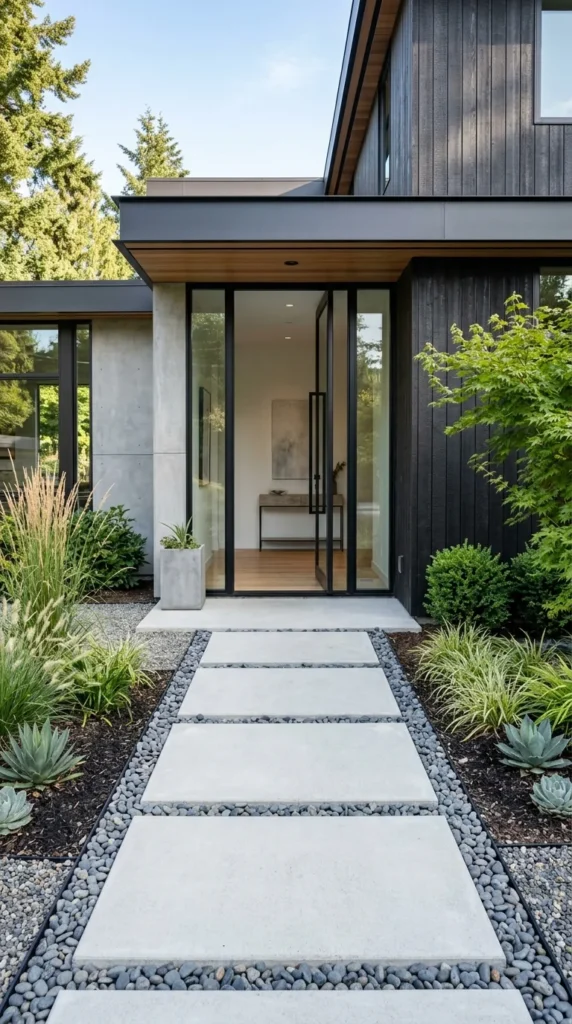
For homes with contemporary architecture, less is often more. A modern minimalist flower bed focuses on clean lines and a limited color palette. Use architectural plants with strong shapes, such as ornamental grasses or structural evergreens. Pairing these with monochromatic mulch or smooth river stones creates a sophisticated, high-end look that complements sharp building angles.
3. Raised Stone
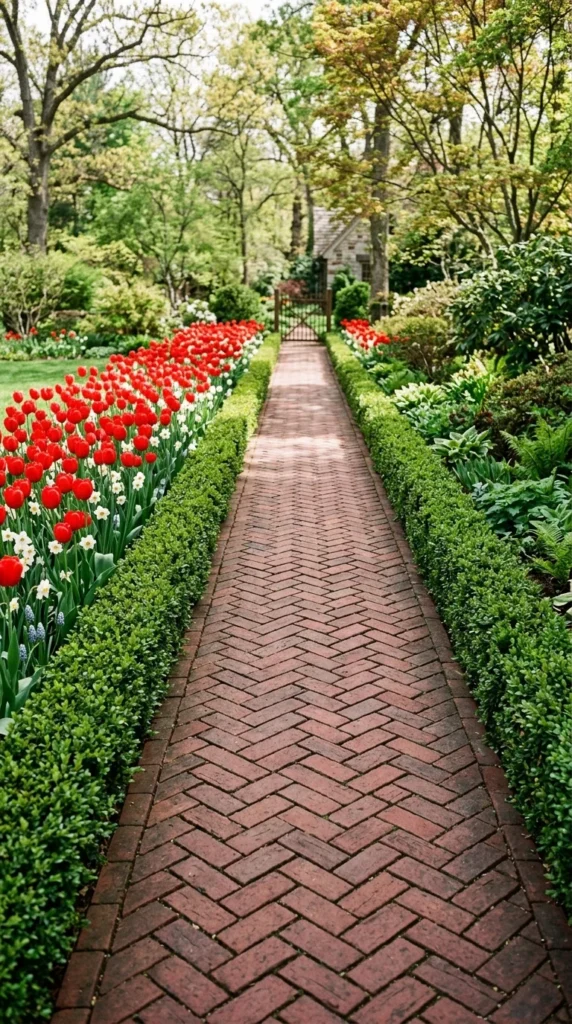
Raised beds are not just for vegetables; they are a fantastic way to add dimension to a flat front yard. Using natural stone or decorative pavers to build up your flower beds creates a permanent architectural element. This style is particularly effective for improving drainage and saving your back from excessive bending during maintenance.
4. Succulent Sanctuary
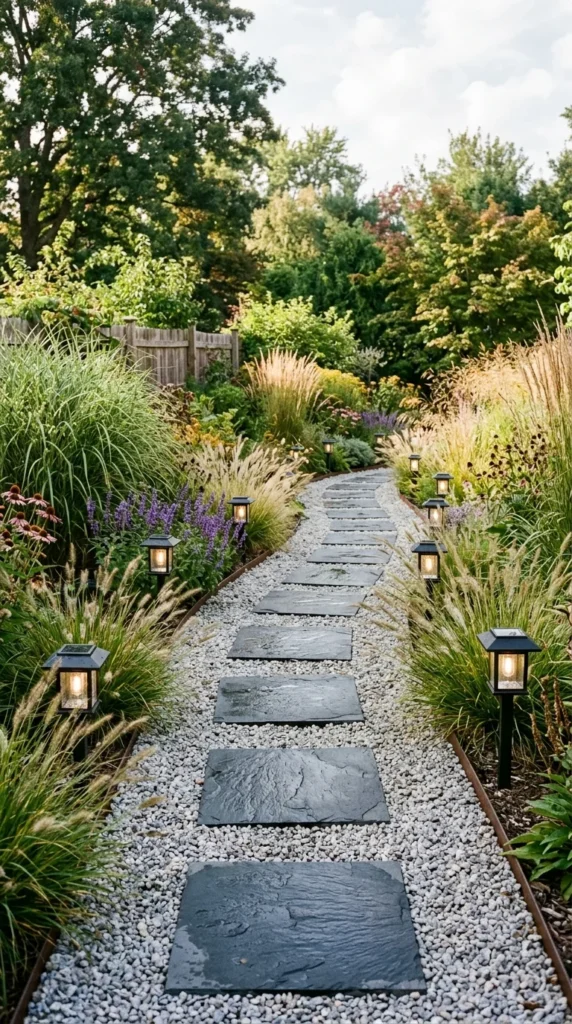
If you live in a dry climate or simply want a low-maintenance option, a succulent flower bed is a stunning choice. These “living jewels” offer incredible geometric shapes and a spectrum of colors from dusty blue to deep burgundy. Intersperse them with decorative rocks and gravel to create a water-wise garden that looks beautiful year-round with minimal effort.
5. Tropical Paradise
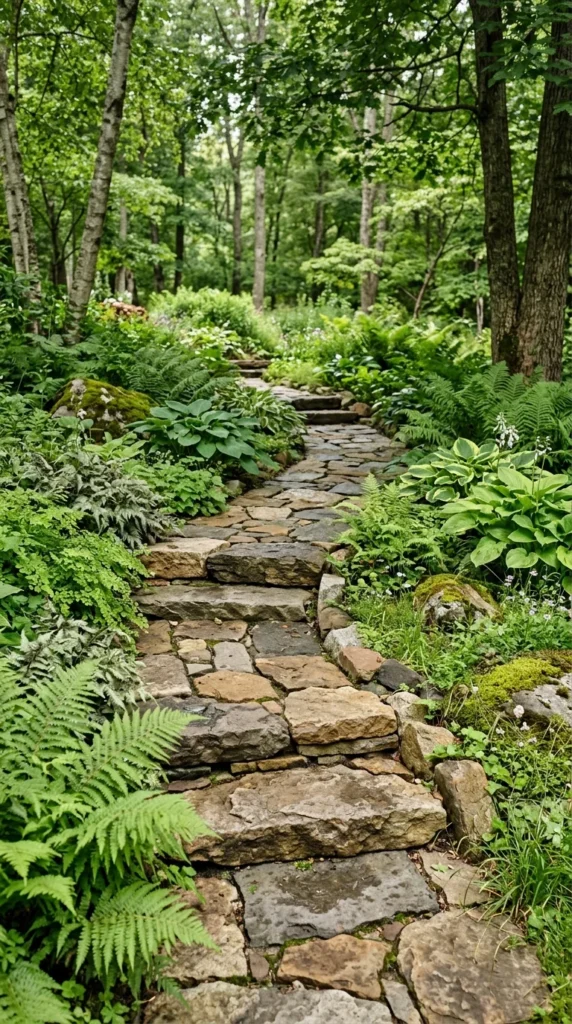
Bring the vacation vibes to your doorstep by incorporating tropical plants. Large-leafed varieties like elephant ears or canna lilies provide a dramatic backdrop for bright, exotic blooms. Even in cooler climates, many of these can be treated as annuals or moved indoors for the winter, providing a lush, jungle-like aesthetic that feels bold and energetic.
6. Native Wildflowers
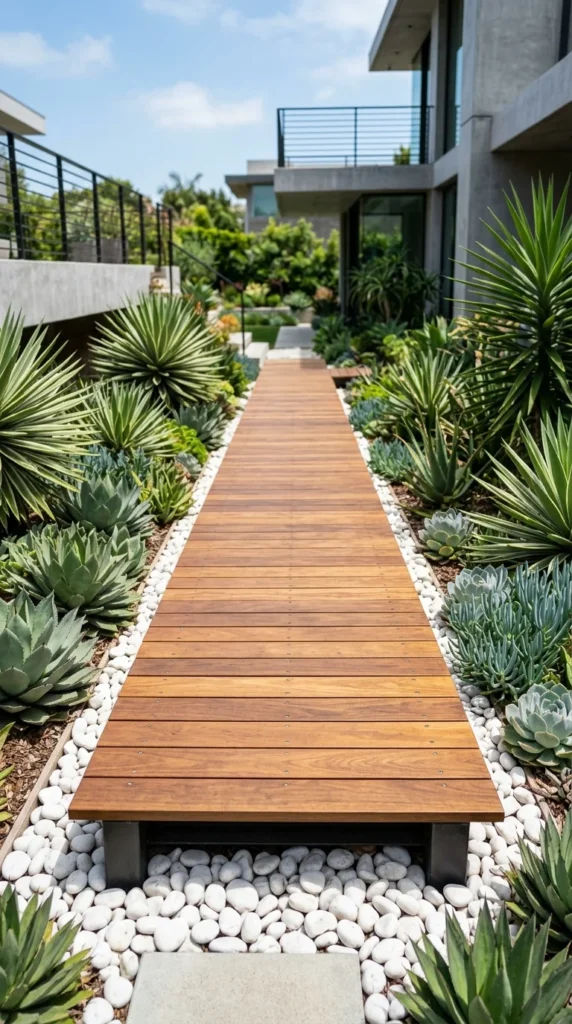
Sustainability meets beauty in a native wildflower bed. By choosing plants that are indigenous to your region, you ensure that your garden will thrive with less water and fewer pesticides. These beds often have a relaxed, meadow-like feel and are magnets for butterflies, bees, and birds, turning your front yard into a local ecological hub.
7. Monochromatic Bloom
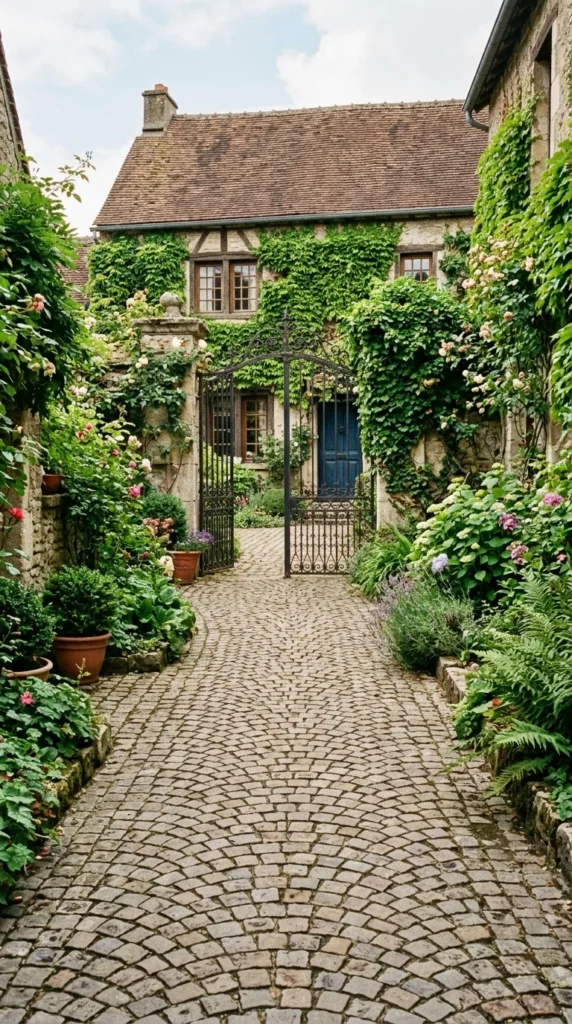
A monochromatic color scheme—planting flowers in varying shades of a single color—is a designer secret for creating instant elegance. An all-white “moon garden” is particularly popular as it glows in the twilight. Alternatively, a “red hot” garden featuring various crimson and scarlet blooms creates a high-energy focal point that is impossible to miss.
8. Tiered Terraces
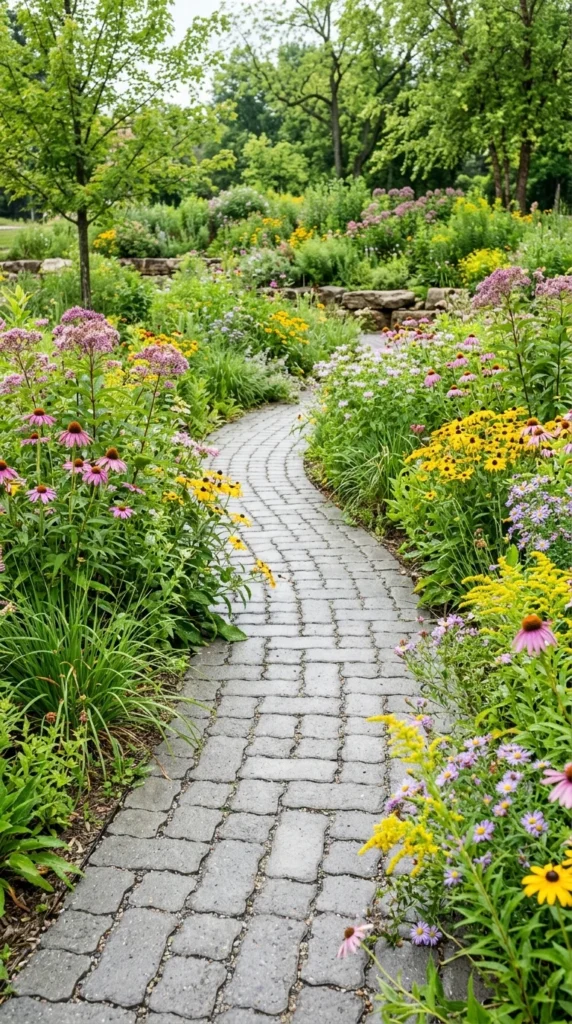
If your front yard has a slope, don’t fight it—terrace it. Tiered flower beds turn a landscaping challenge into a stunning feature. Each level can host a different variety of plants, creating a “staircase” of color that draws the eye upward toward your front door. It also prevents soil erosion and makes the space much easier to manage.
9. Window Box
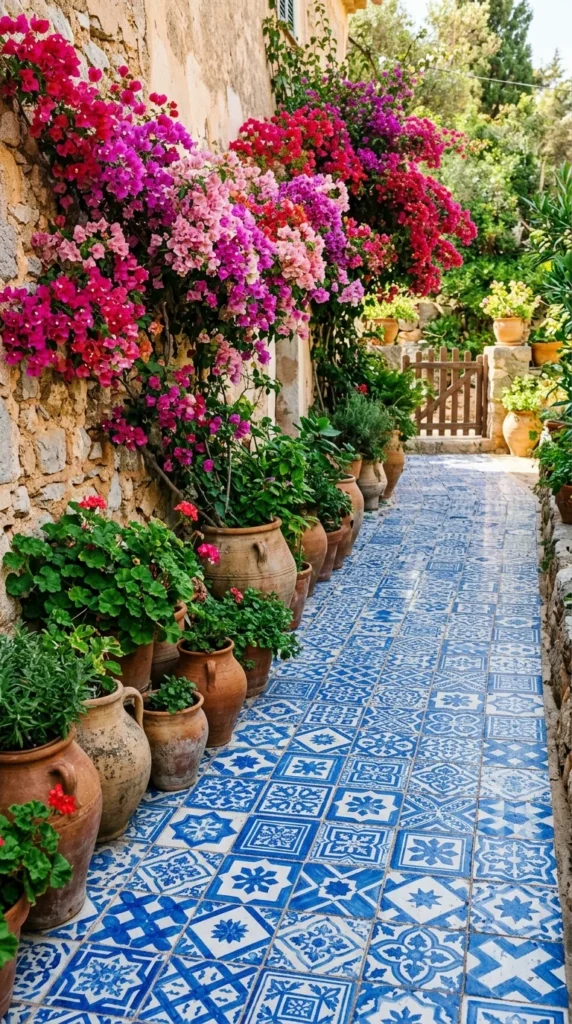
Sometimes the best place for a flower bed isn’t on the ground. Window boxes bring the garden up to eye level and add charm to the facade of your home. The trick to a professional-looking window box is the “thriller, filler, spiller” method: one tall central plant, several mounding plants to fill the space, and trailing vines to cascade over the edge.
10. Circular Island
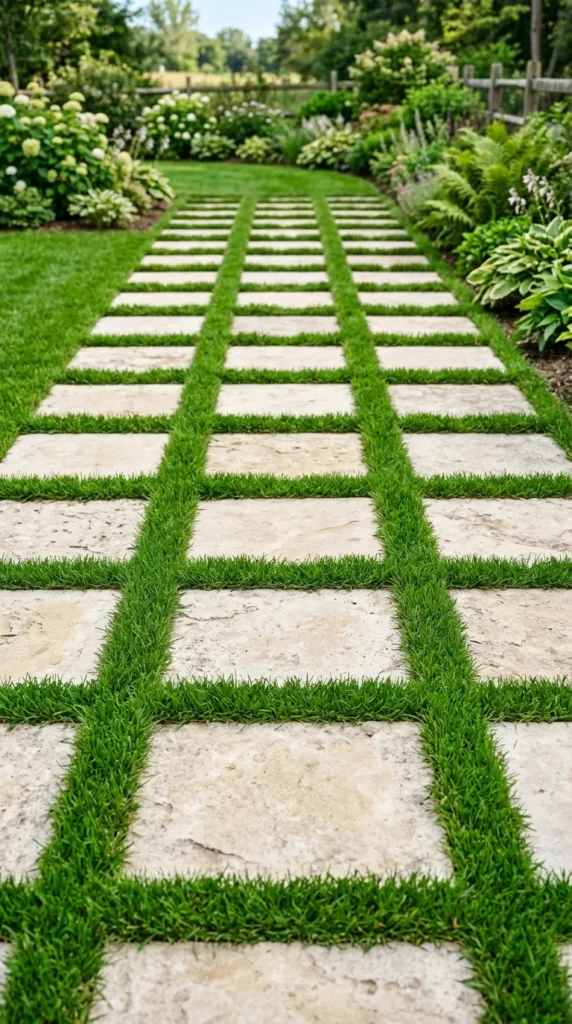
An island bed breaks up the monotony of a large lawn and provides a 360-degree view of your favorite plants. Placing an island bed in the center of your yard creates a clear focal point. To make it pop, use a taller element in the middle—like a small ornamental tree or a birdbath—and plant shorter varieties in concentric circles around it.
11. Pathway Borders
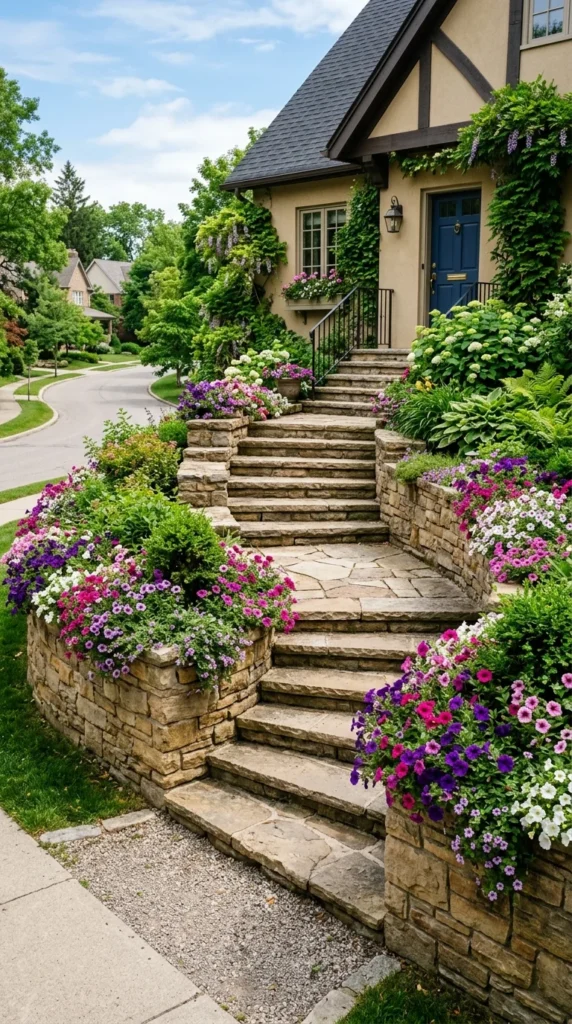
Line your walkway with flowers to create a welcoming “red carpet” experience for your guests. Low-growing plants work best here so they don’t spill over and become a tripping hazard. Herbs like creeping thyme or rosemary are excellent choices, as they release a pleasant fragrance when visitors’ clothes brush against them.
12. Lavender Walkway
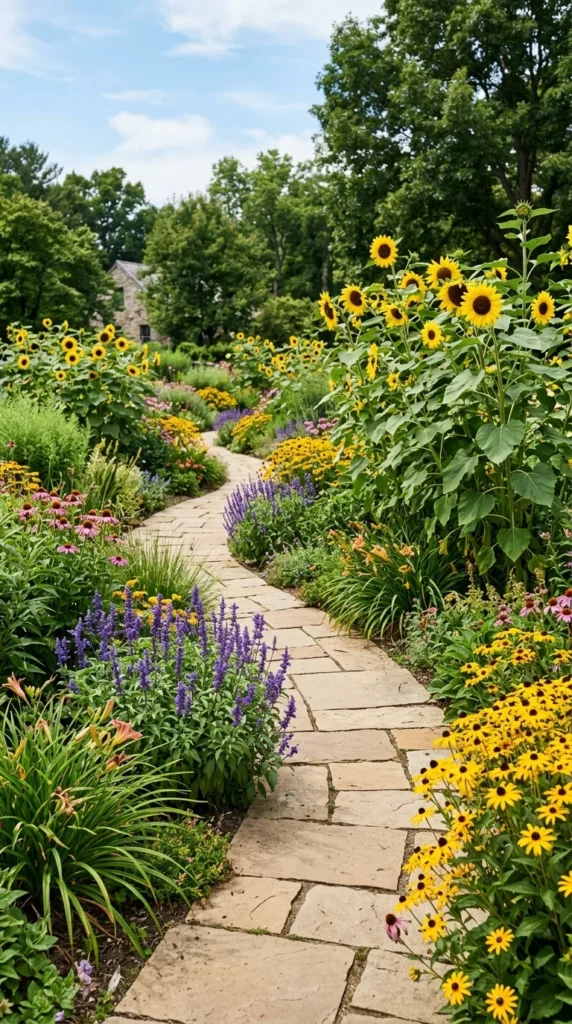
For a sensory experience unlike any other, plant a mass of lavender along your front entry. Not only is the silver-purple foliage stunning, but the scent is famously calming. Lavender is also remarkably hardy and deer-resistant, making it a practical and beautiful choice for sunny front yards.
13. Shady Retreat
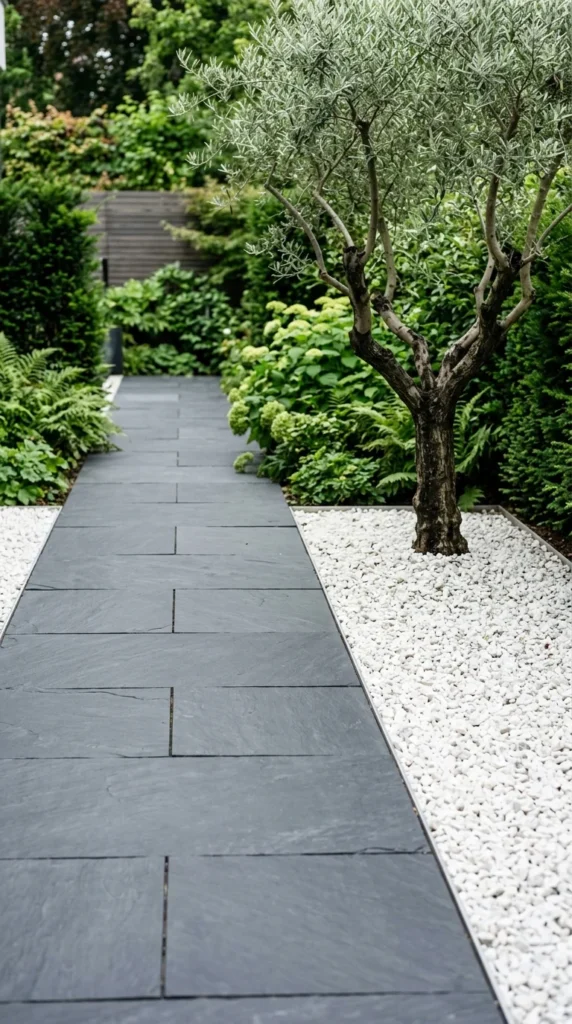
Don’t let a lack of sun discourage you. Shade gardens offer a different kind of beauty, focusing on foliage texture and subtle colors. Hostas, ferns, and coral bells (Heuchera) provide an incredible range of greens, purples, and chartreuse. These beds often feel like a cool, woodland retreat—perfect for north-facing homes.
14. Vertical Wall
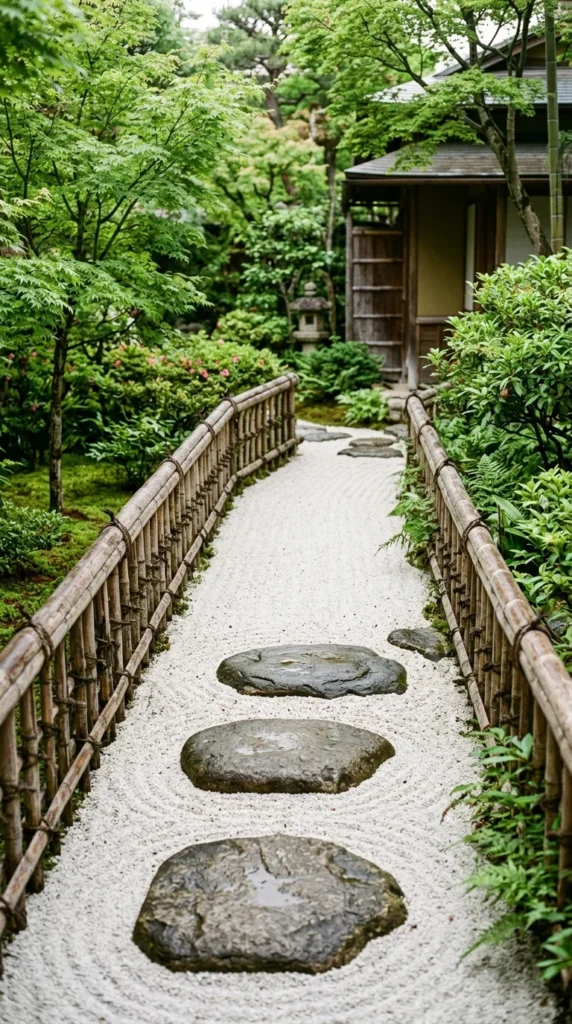
When ground space is at a premium, go vertical. A vertical flower bed or “living wall” can be mounted directly onto your home’s exterior or a front fence. This is a high-impact way to introduce greenery to urban environments or to hide an unattractive wall, turning a flat surface into a lush, breathing piece of art.
15. Symmetrical Entry
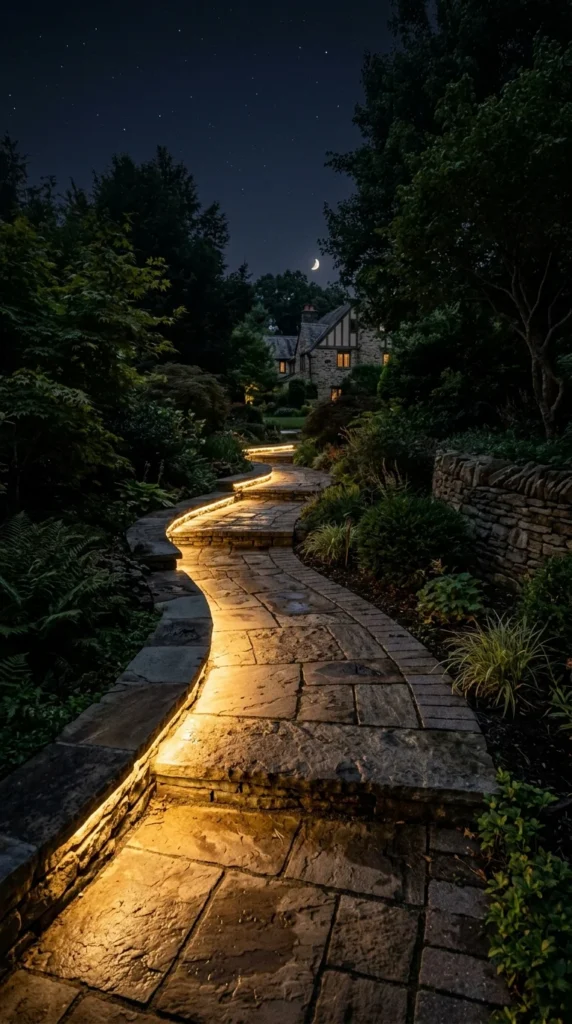
Symmetry creates a sense of order and formality that works beautifully with traditional or colonial architecture. By placing identical flower beds or large planters on either side of your front door or driveway, you create a balanced, professional look that frames your home perfectly.
16. Rock Garden
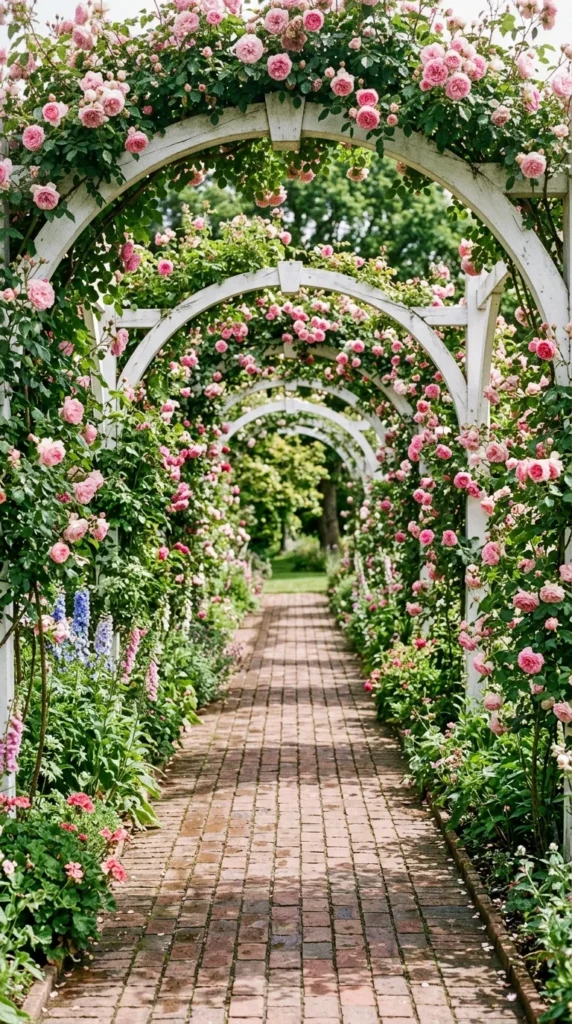
Rock gardens are ideal for adding texture and a sense of permanence to your landscape. By nesting flowers between large boulders and smaller stones, you mimic a natural alpine environment. This style is excellent for drainage and works well with low-growing, “cushion” plants like creeping phlox or sedum.
17. Overflowing Urns
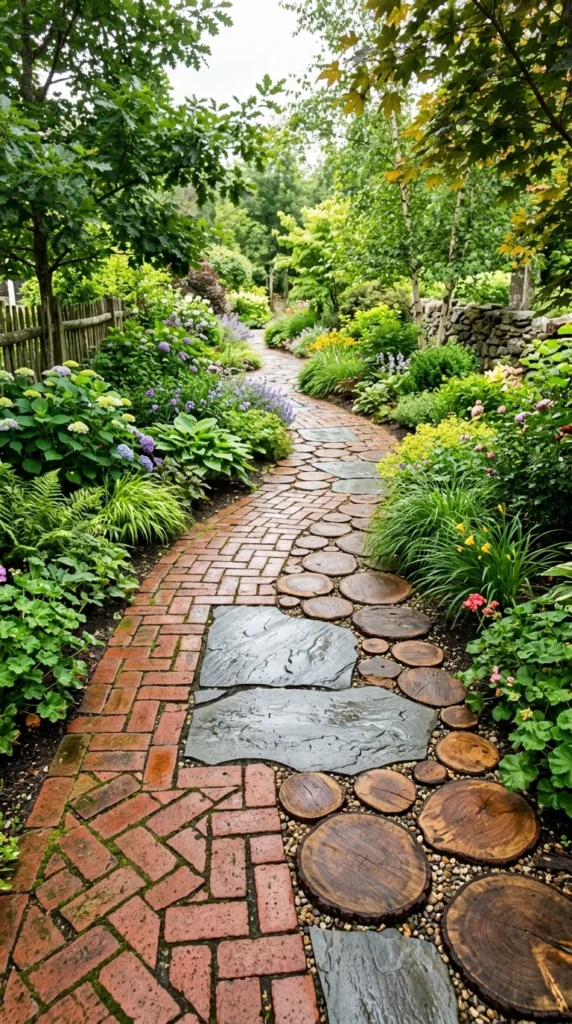
For a touch of whimsy, use large urns or pots as focal points within your flower beds. You can plant them upright for height, or partially bury them on their side to create a “spilled pot” effect. This adds a creative, artistic element to the garden that serves as an instant conversation starter.
18. Drought-Tolerant Xeriscape
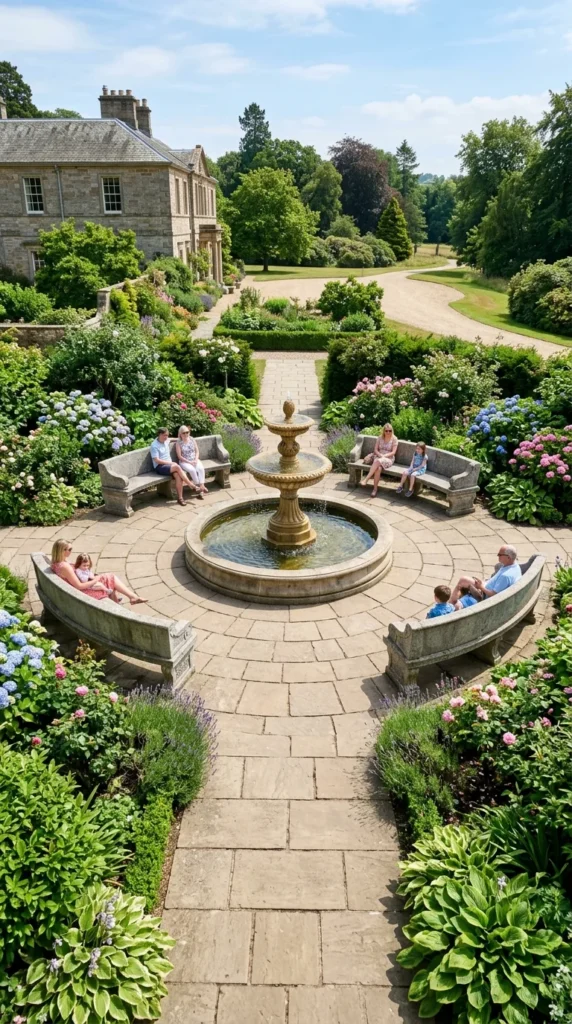
Xeriscaping doesn’t mean just rocks and cacti. A well-planned drought-tolerant bed uses Mediterranean plants, ornamental grasses, and hardy perennials that require very little supplemental water. This is an eco-friendly way to maintain a beautiful front yard in arid regions while significantly reducing your utility bills.
19. Ornamental Grasses
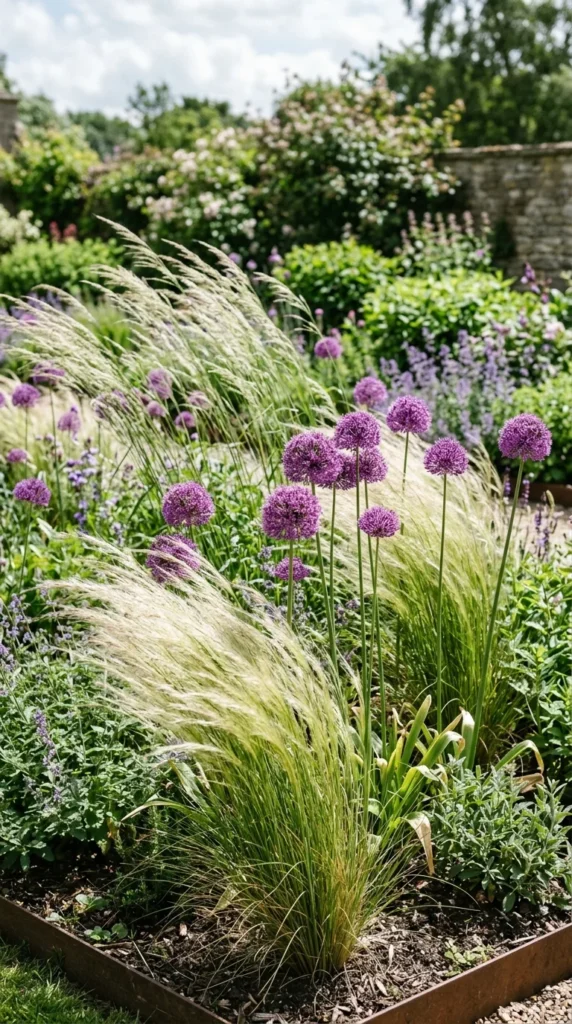
Movement is an often-overlooked element in garden design. Ornamental grasses add a sense of motion and sound as they rustle in the breeze. They also provide visual interest in the winter when their dried plumes catch the snow or frost. Mix them with late-summer bloomers for a garden that looks spectacular well into the autumn.
20. Seasonal Rotation
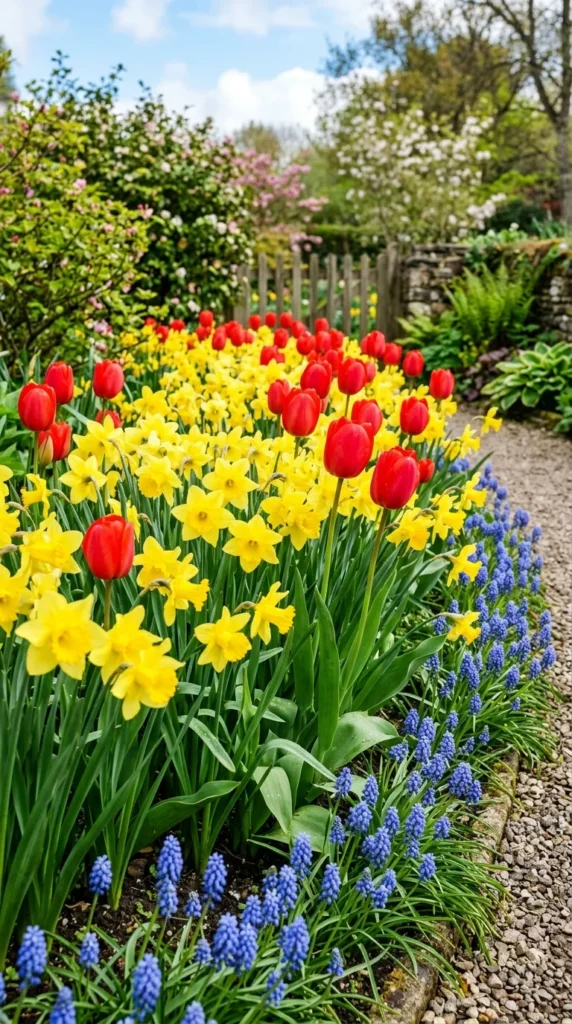
If you love variety, design a bed that changes with the seasons. Start with bulbs like tulips and daffodils in the spring, move to heat-loving annuals like petunias in the summer, and finish with chrysanthemums and ornamental kale in the fall. This approach ensures your home always looks fresh and celebrates the current time of year.
21. Boxwood Borders
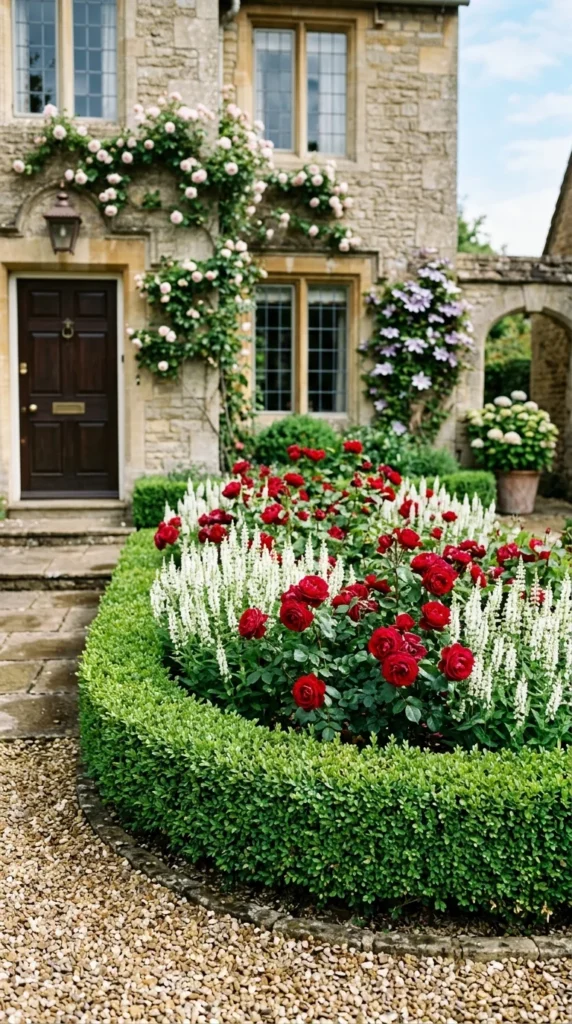
A low boxwood hedge acts like a picture frame for your flowers. It provides structure and a “clean” edge that makes even the wildest flower choices look intentional and tidy. Boxwoods are evergreen, meaning your flower bed will have a defined shape and green color even in the dead of winter.
22. Wild Meadow
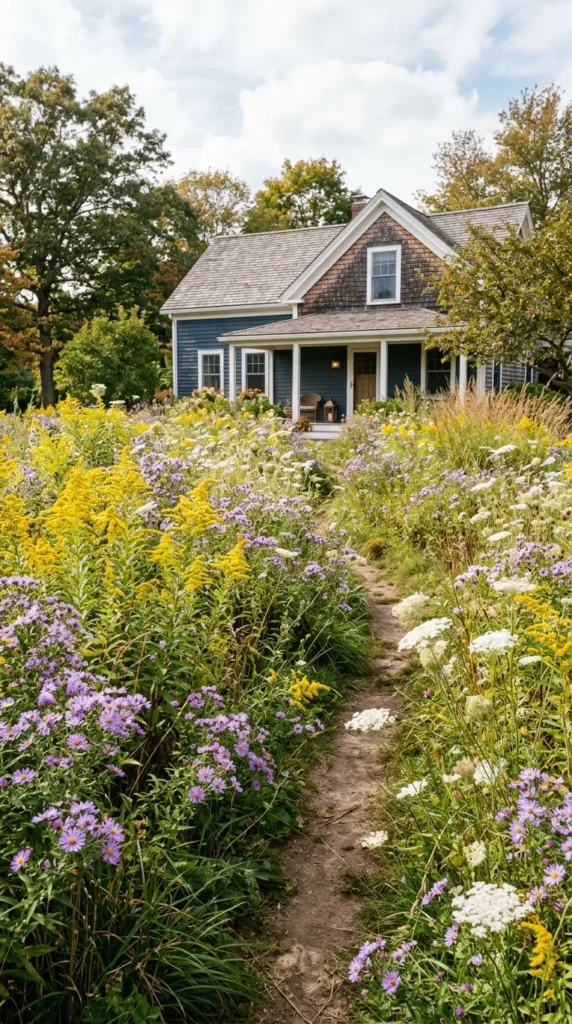
The “no-mow” movement is gaining popularity, and for good reason. Replacing part of your front lawn with a wildflower meadow creates a soft, romantic look that requires far less maintenance than turfgrass. It’s a bold choice that signals a love for nature and provides a massive boost to local biodiversity.
23. Japanese Zen
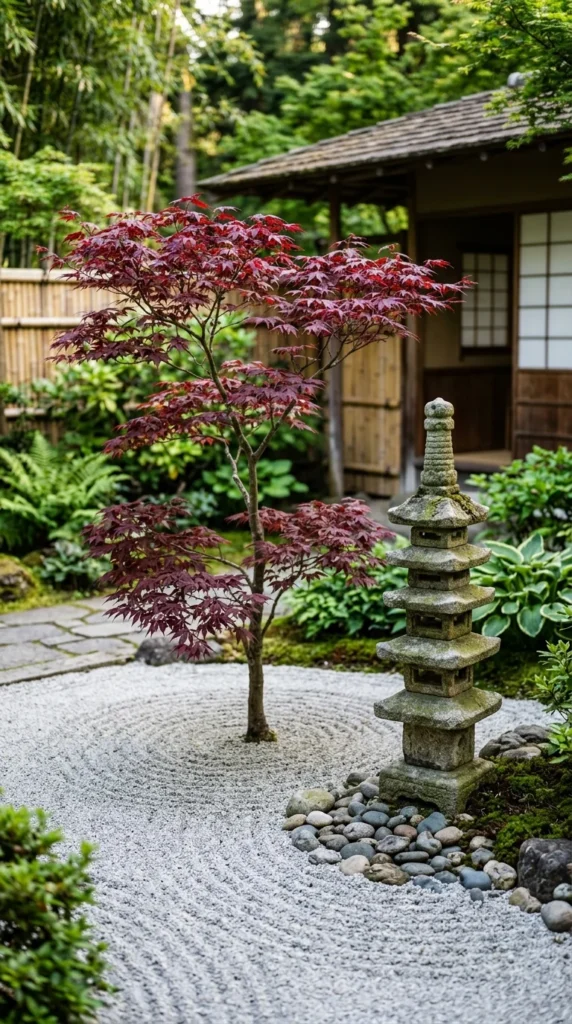
Create a sense of peace before you even reach the front door with a Zen-inspired flower bed. Focus on balance, space, and a few high-quality specimens. Use moss, azaleas, and a Japanese Maple to create a serene environment. The addition of a small water feature or a stone lantern can complete the meditative aesthetic.
24. Colorful Perennials
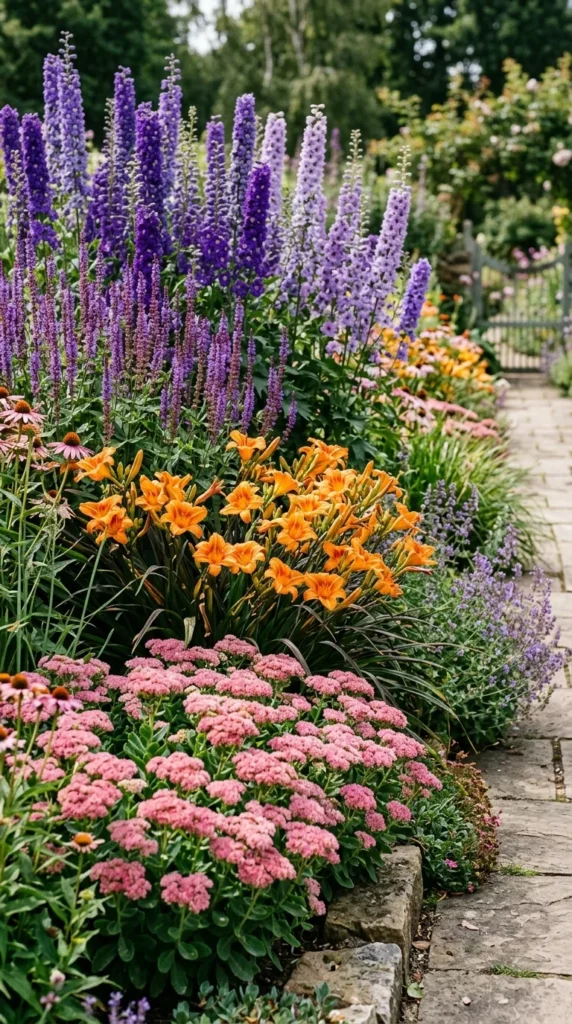
Perennials are the workhorses of the garden. While they may have a shorter blooming window than annuals, they return year after year, getting larger and more beautiful over time. By selecting a mix of early, mid, and late-season bloomers, you can ensure your front yard has something flowering from April through October.
25. Hydrangea Haven
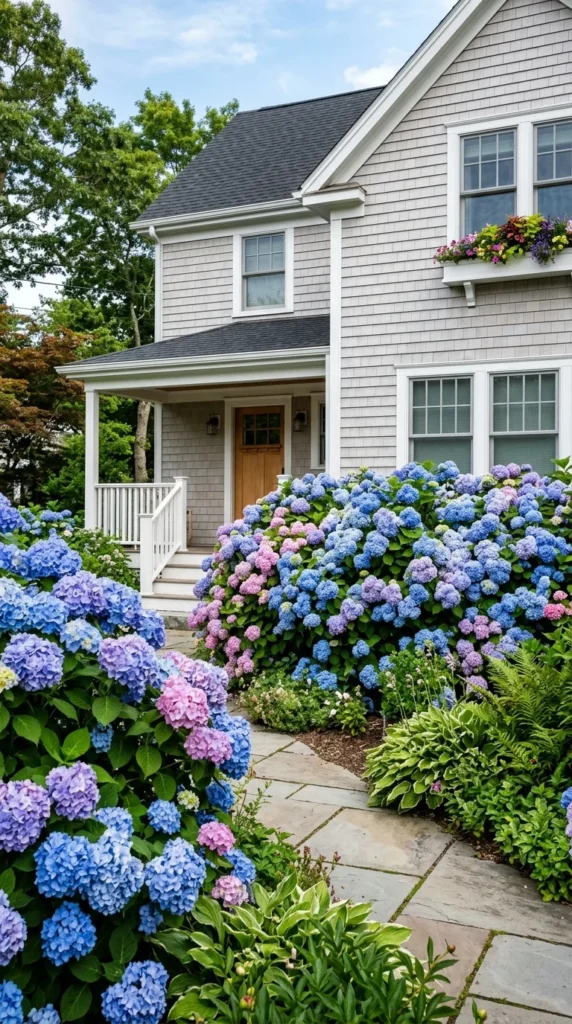
Hydrangeas are the undisputed kings of curb appeal. Their massive, cloud-like blooms provide high-impact color that lasts for weeks. Whether you choose the classic blue “mopheads” or the elegant white “limelight” varieties, a bed dedicated to hydrangeas creates a lush, high-end look that makes any home feel like a coastal estate.
Tips for a Stand-Out Flower Bed
- Consider the Backdrop: Make sure your flower colors complement your home’s exterior paint and trim.
- Layer Heights: Always place taller plants in the back (near the house) and shorter ones toward the front (near the lawn or sidewalk).
- Mulch is Key: A fresh layer of dark mulch not only suppresses weeds and retains moisture but also provides a professional, “finished” look to any bed.
- Think About Lighting: Consider how your flower bed looks at night. Adding a few solar-powered spotlights can highlight your best plants and improve home security.
- Group in Threes: Planting in odd numbers (3, 5, or 7 of the same variety) creates a more natural and pleasing visual flow than even numbers.