
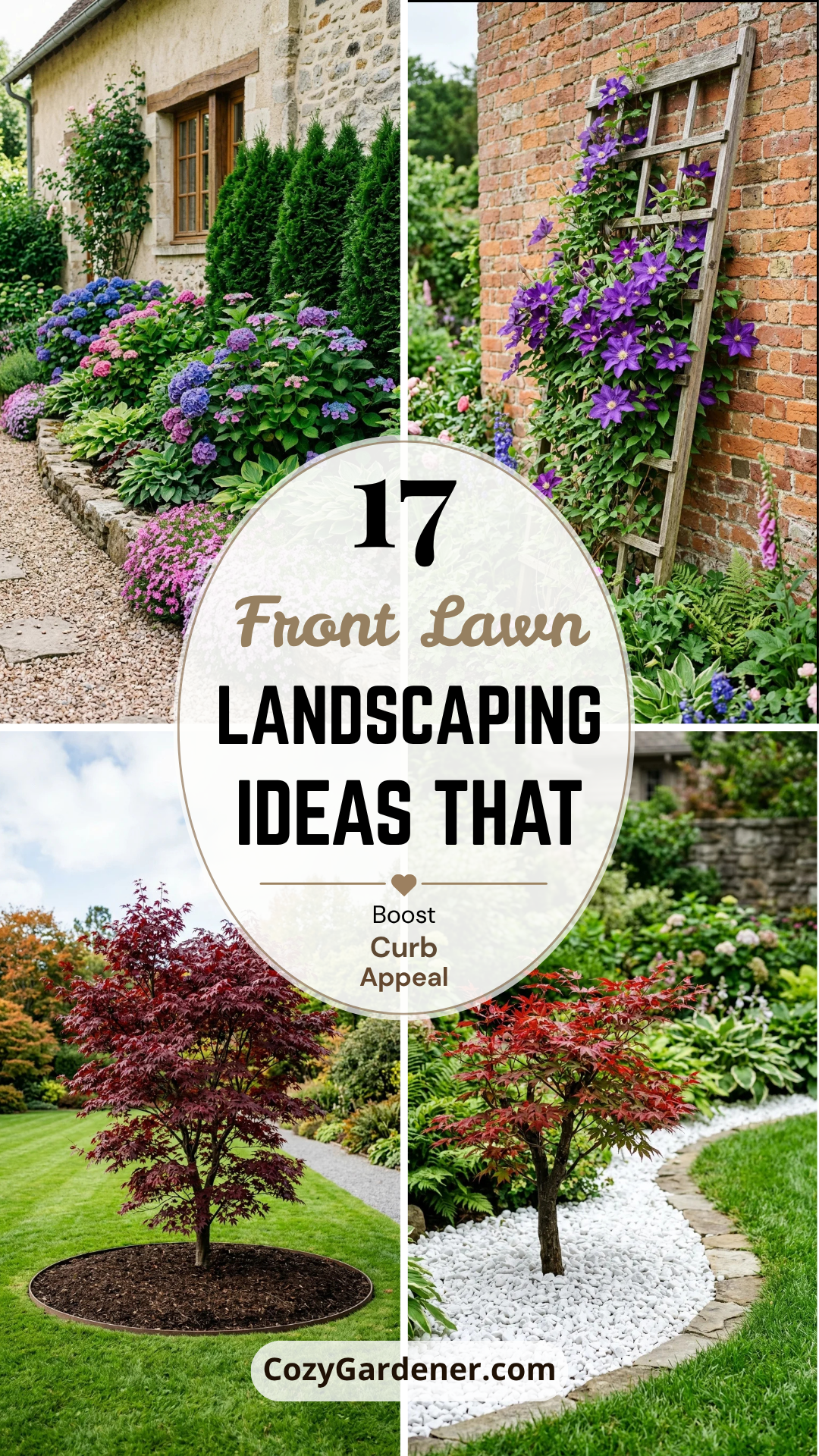
First impressions are everything, and when it comes to your home, that impression begins the moment someone pulls up to the curb. A well-designed front lawn does more than just look pretty; it increases property value, provides a warm welcome to guests, and reflects your personal style. Whether you are working with a sprawling estate or a compact urban lot, transforming your exterior space into a masterpiece is easier than you think. Here are 17 transformative landscaping ideas to elevate your home’s curb appeal.
1. Native Plants
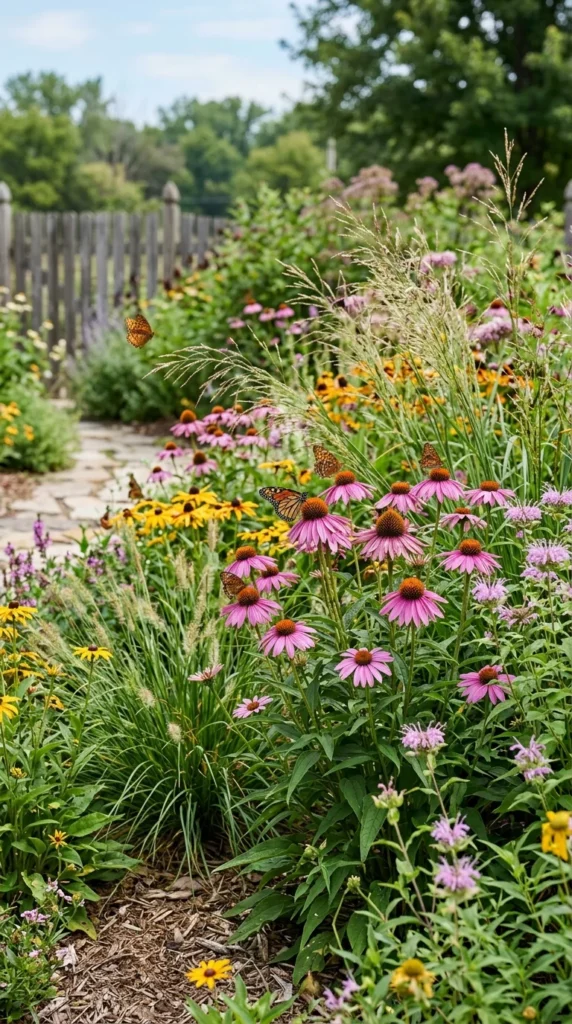
Choosing plants that are indigenous to your region is one of the smartest landscaping moves you can make. Native plants are adapted to your local climate and soil conditions, meaning they require less water, fewer fertilizers, and minimal maintenance compared to exotic species. They also provide essential habitats for local pollinators like bees and birds. By incorporating a variety of textures and heights, you create a sustainable ecosystem that looks effortless and thrives year-round.
2. Layered Beds
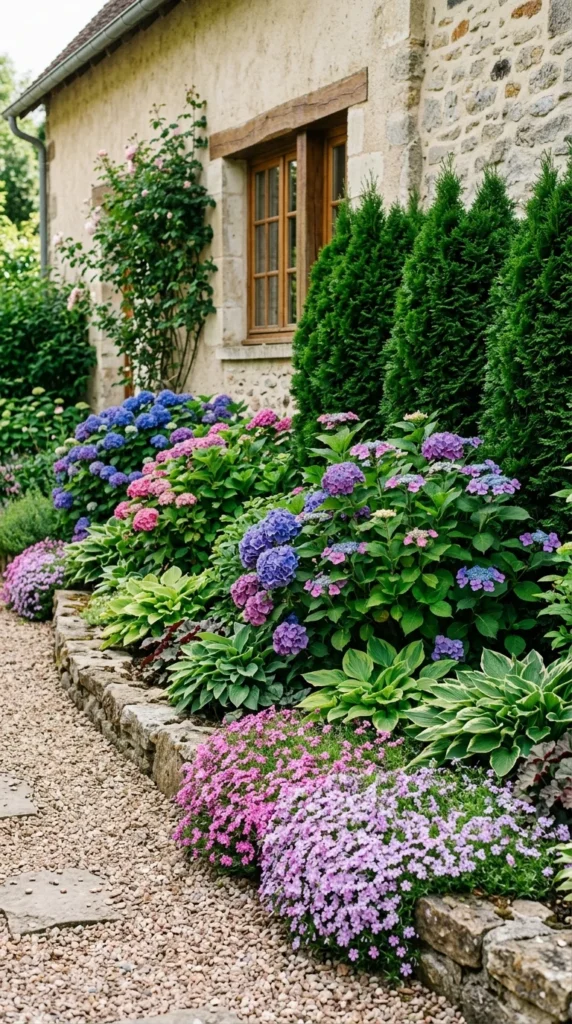
Depth is the secret to a professional-looking garden. Layered flower beds involve arranging plants by height: tall shrubs or small trees at the back (closest to the house), mid-sized perennials in the center, and low-growing groundcovers or annuals along the border. This “stadium seating” for plants ensures that every bloom is visible and creates a lush, full appearance that eliminates flat, boring patches in your yard.
3. Stone Walkways
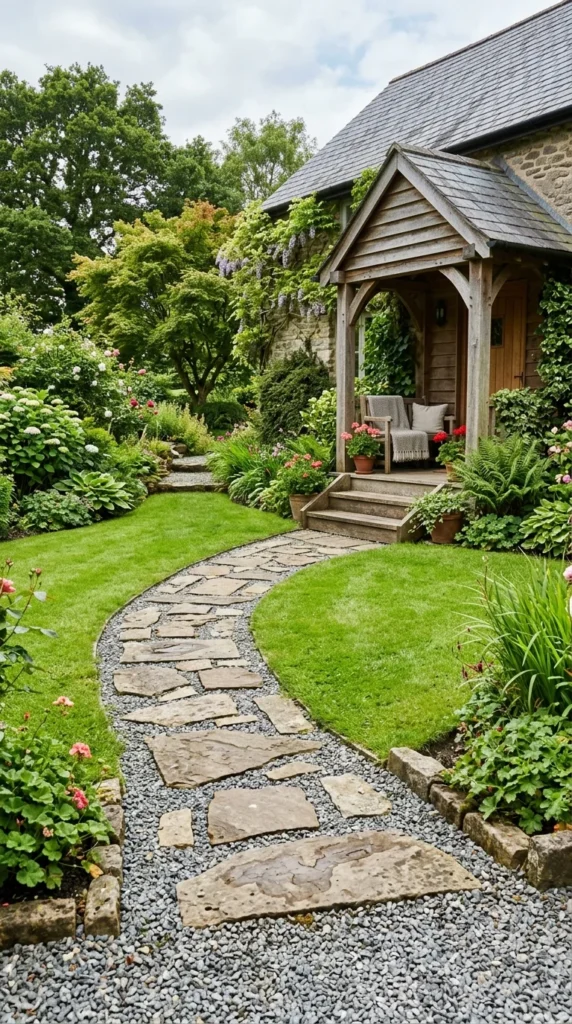
A clear, inviting path to your front door is a cornerstone of curb appeal. Moving away from standard poured concrete and opting for natural stone, brick pavers, or flagstones adds character and texture. A curved walkway feels more organic and relaxing than a straight line, guiding the eye through the landscape and making the journey to your entrance part of the experience.
4. Window Boxes
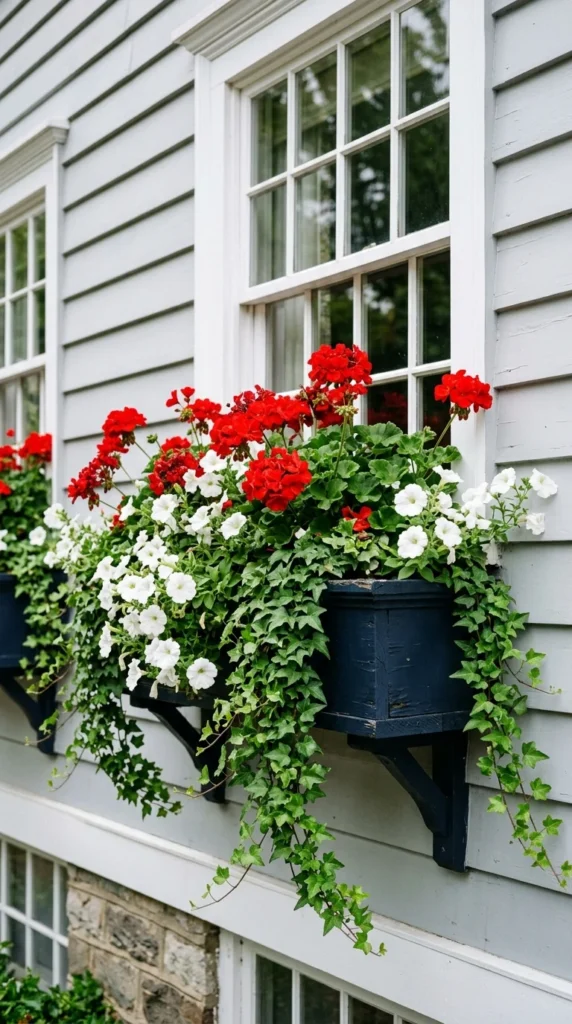
If you have limited ground space, look upward. Window boxes are a charming way to add a splash of color directly to your home’s facade. They soften the hard lines of the architecture and allow you to rotate seasonal flowers easily. For a cohesive look, match the flowers in your window boxes to the colors in your garden beds below.
5. Outdoor Lighting
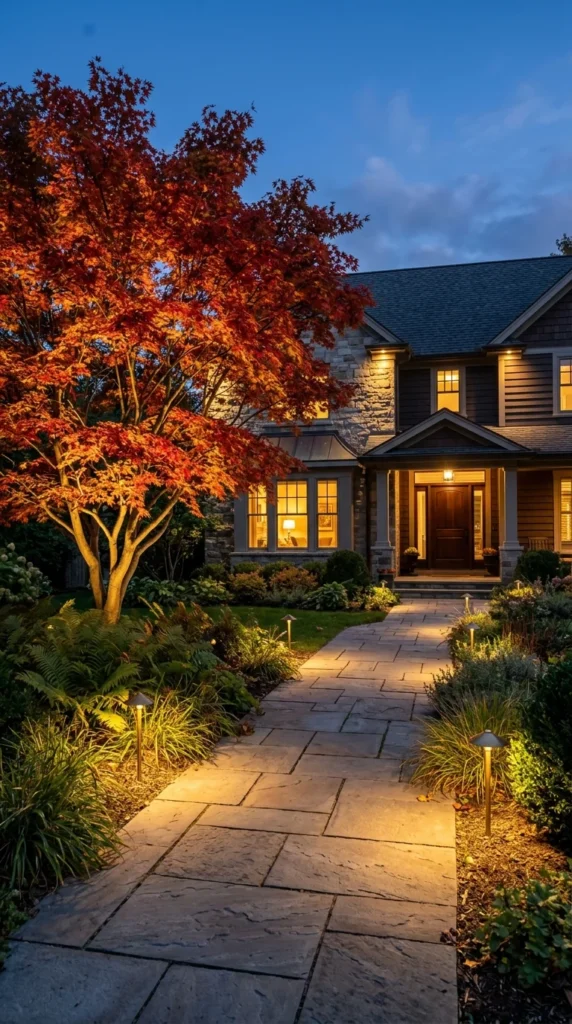
Your landscaping shouldn’t disappear when the sun goes down. Strategic outdoor lighting highlights architectural features, silhouettes beautiful trees, and ensures safety along paths. Low-voltage LED lights or solar-powered lanterns are energy-efficient ways to create a high-end, resort-like feel at night.
6. Rock Gardens
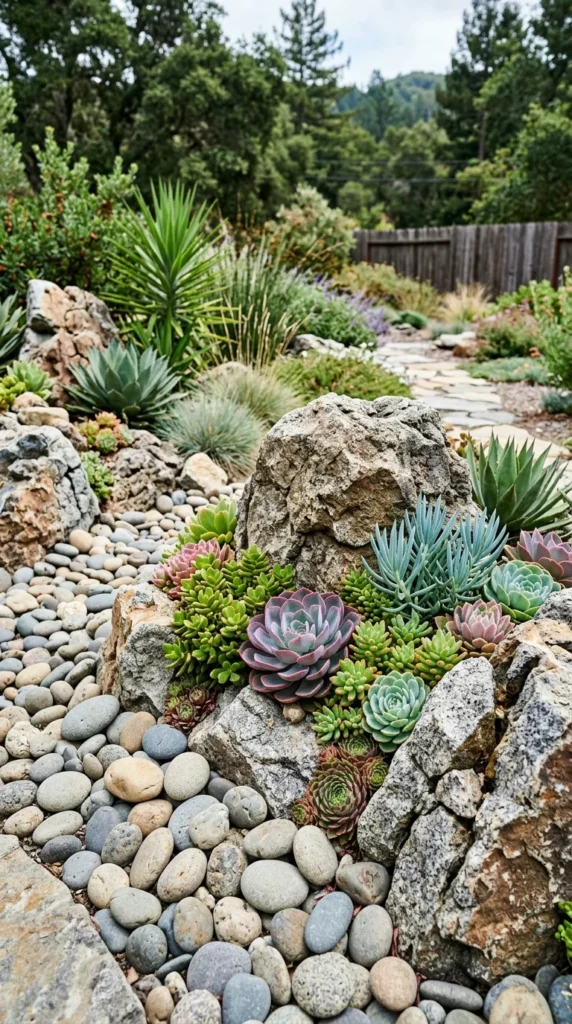
For those seeking a low-maintenance yet high-impact look, a rock garden is an excellent choice. By combining different sizes of stones, pebbles, and boulders with hardy plants like succulents, alpines, or ornamental grasses, you create a rugged, textural landscape. This is particularly effective for sloped yards where grass might be difficult to mow or maintain.
7. Modern Xeriscaping
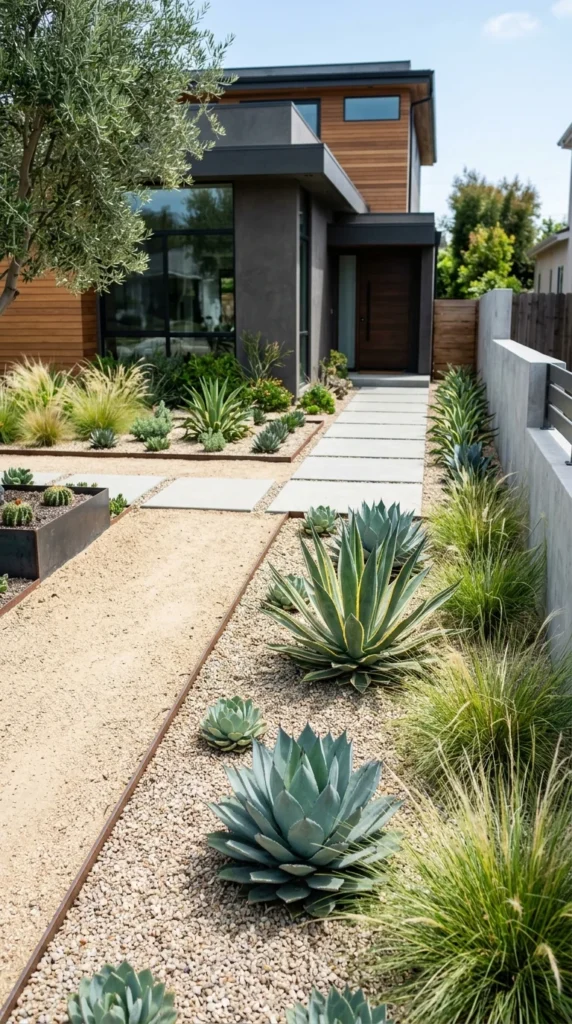
Xeriscaping is no longer just for desert climates. This water-wise approach focuses on reducing or eliminating the need for supplemental irrigation. By using gravel, mulch, and drought-tolerant plants, you can create a clean, modern aesthetic that is environmentally friendly. It’s a sophisticated look that replaces high-maintenance turf with artistic arrangements of stone and hardy greenery.
8. Vertical Gardens
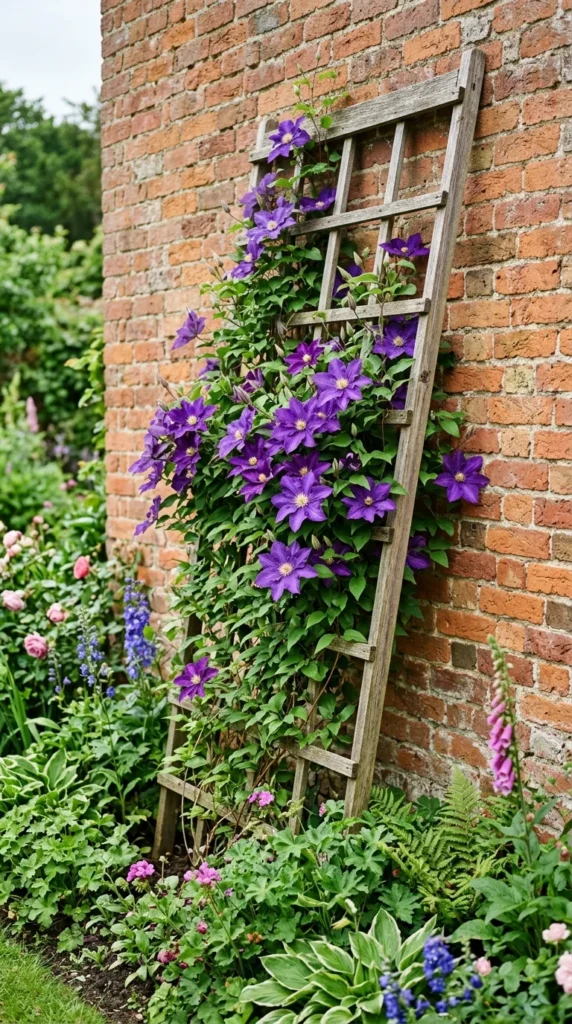
When horizontal space is at a premium, grow vertically. Using trellises, arbors, or wall-mounted planters allows you to introduce greenery without taking up lawn space. Climbing roses, ivy, or jasmine can transform a blank exterior wall into a living tapestry, adding fragrance and visual interest at eye level.
9. Specimen Trees
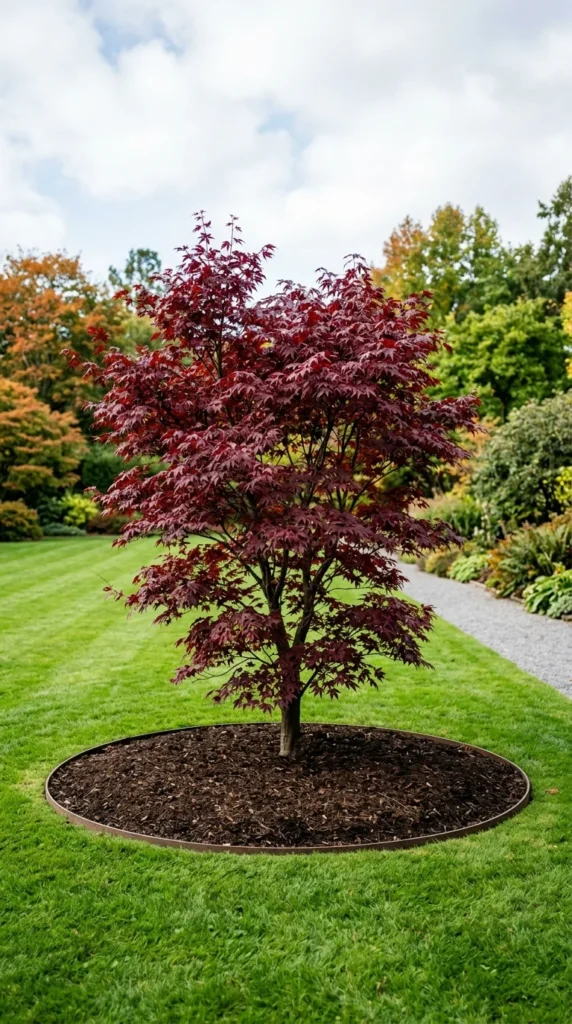
A single, well-placed “specimen” tree acts as a focal point for your entire front yard. Trees like the Japanese Maple, Dogwood, or Magnolia offer unique branch structures, stunning flowers, or dramatic seasonal foliage. Planting one in a prominent spot creates an anchor for the rest of your landscaping design.
10. Retaining Walls
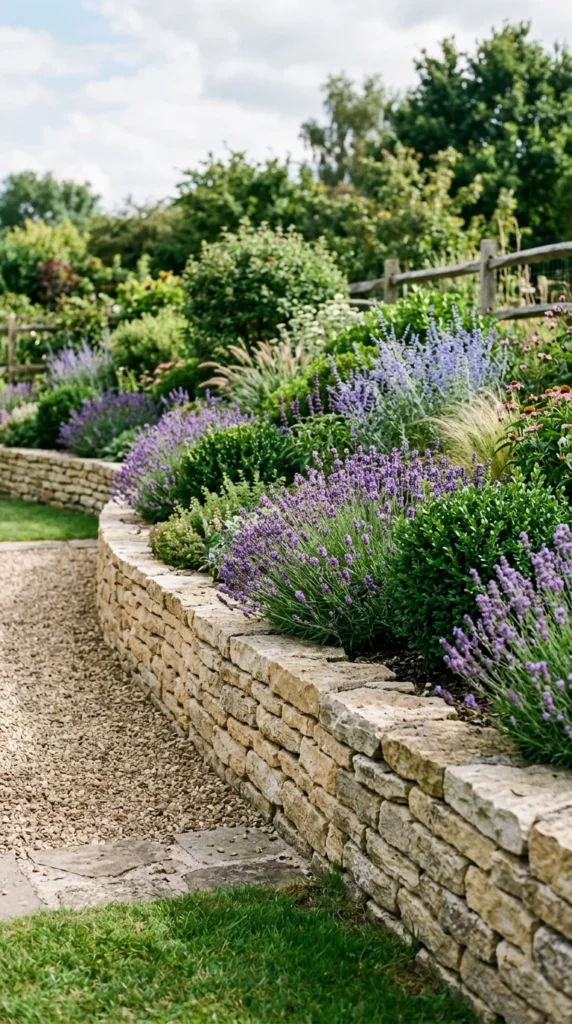
If your front yard has a slope, a retaining wall can turn a challenge into a design feature. These walls create level tiers for planting, prevent erosion, and add a sense of structure and permanence to the property. Using materials like stacked stone or decorative concrete blocks can complement the style of your home while providing functional beauty.
11. Edible Landscaping
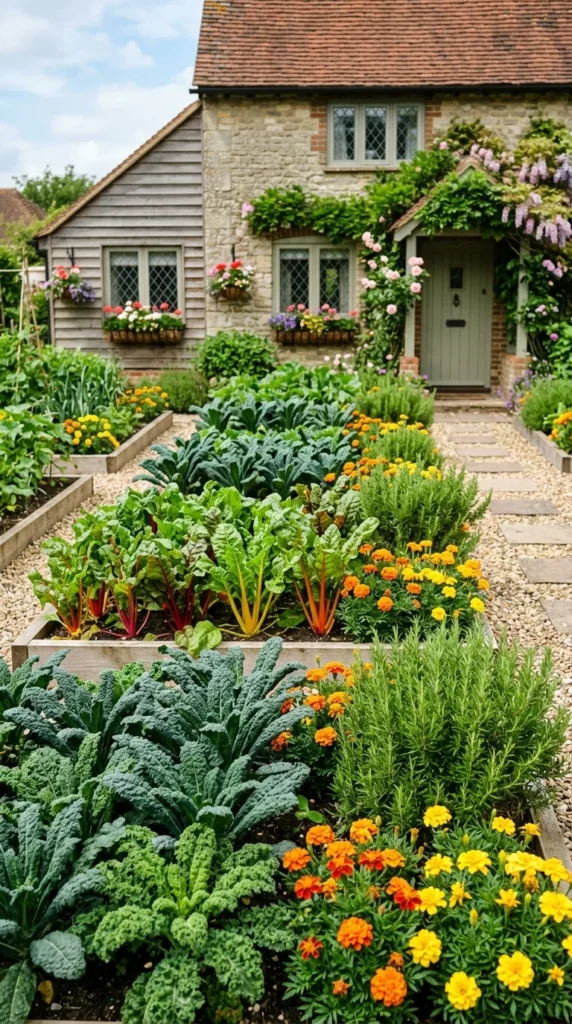
Who says your front yard can’t be functional? Edible landscaping integrates fruits, vegetables, and herbs into your ornamental beds. Blueberries offer beautiful fall foliage, rosemary makes a fragrant evergreen shrub, and kale provides incredible texture. It’s a sustainable way to use your land that looks just as good as it tastes.
12. Privacy Hedges
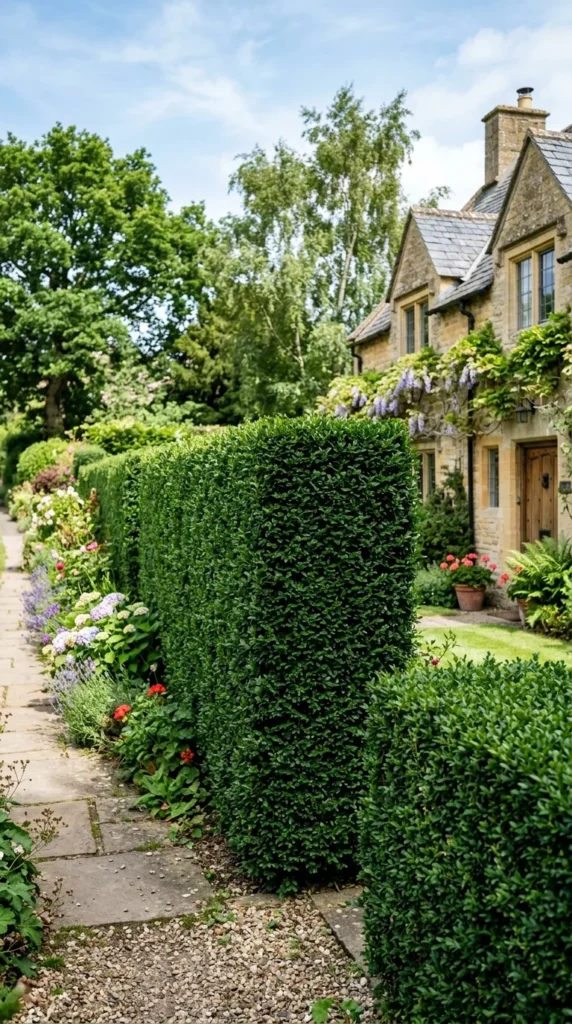
Create a sense of sanctuary by using living “fences.” Tall, dense evergreens like Privet or Arborvitae provide year-round privacy and noise reduction from the street. Unlike wooden fences, hedges soften the edges of your property and provide a lush, green backdrop for smaller plants in front of them.
13. Cottage Garden
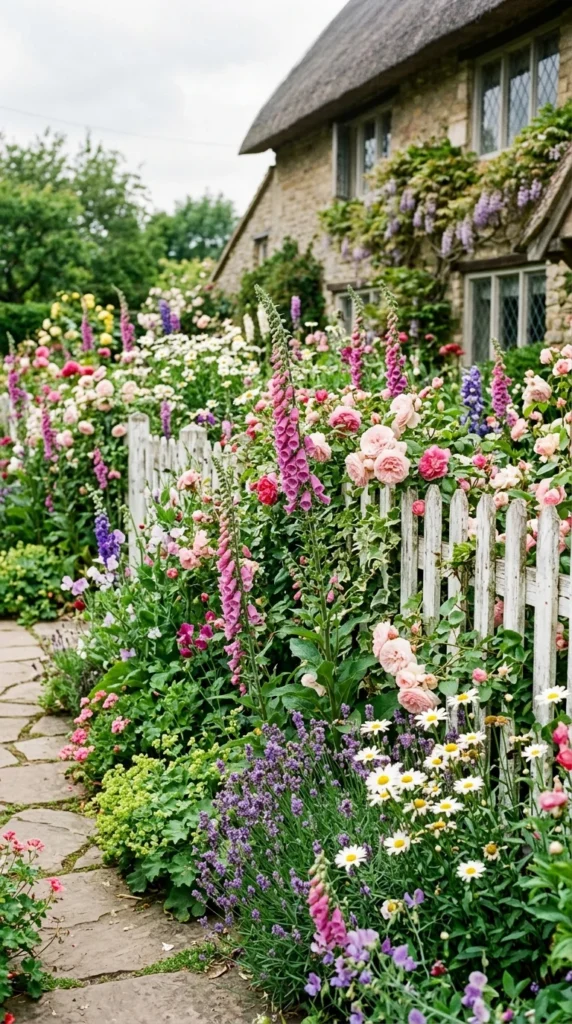
The cottage garden style is all about abundance and organized chaos. It’s characterized by densely planted flowers, variety in color, and a lack of rigid structure. This style works beautifully with traditional or historical homes, creating a whimsical and nostalgic atmosphere that feels lived-in and loved.
14. Water Features
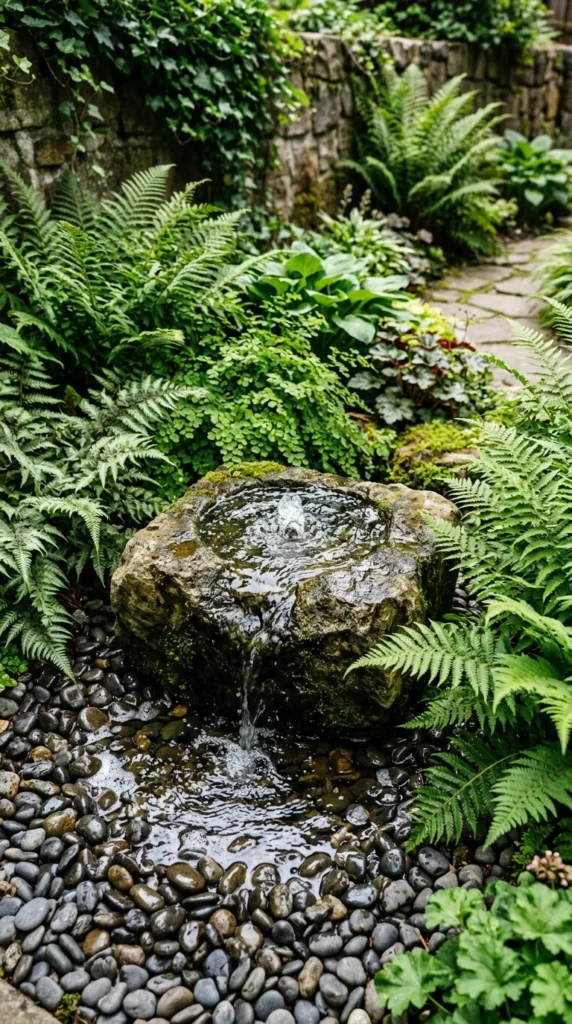
The sound of trickling water instantly elevates the mood of a home. A small pond, a disappearing waterfall, or a simple bubbling urn adds a sensory element to your landscaping. Beyond the visual appeal, water features mask street noise and attract local birds, turning your front porch into a peaceful retreat.
15. Multi-functional Porch
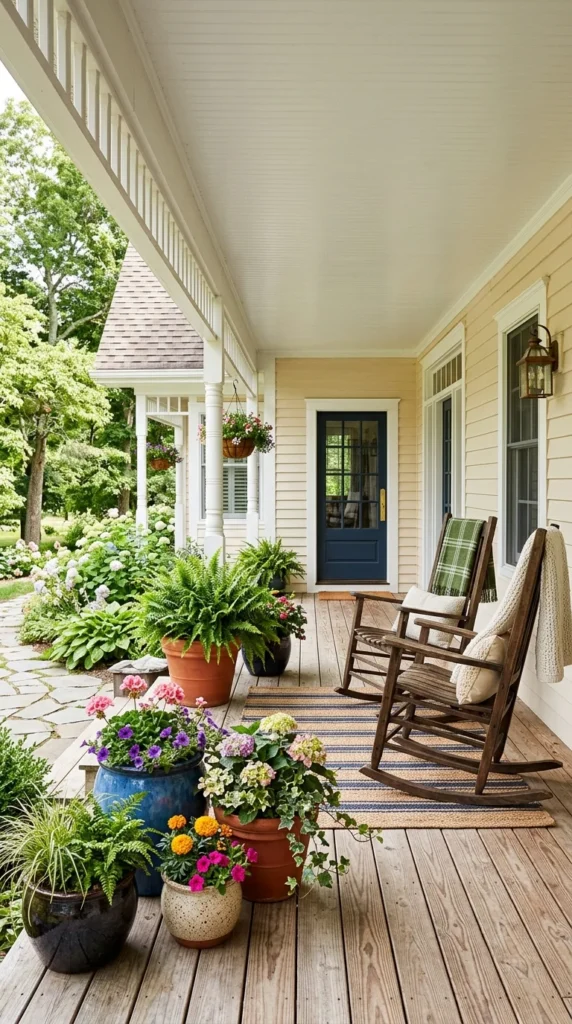
Landscaping should extend to the porch itself. By using large containers, hanging baskets, and comfortable seating, you bridge the gap between the house and the garden. A well-decorated porch makes the home feel more expansive and inviting, encouraging you to spend more time enjoying the view of your newly landscaped lawn.
16. Minimalist Lines
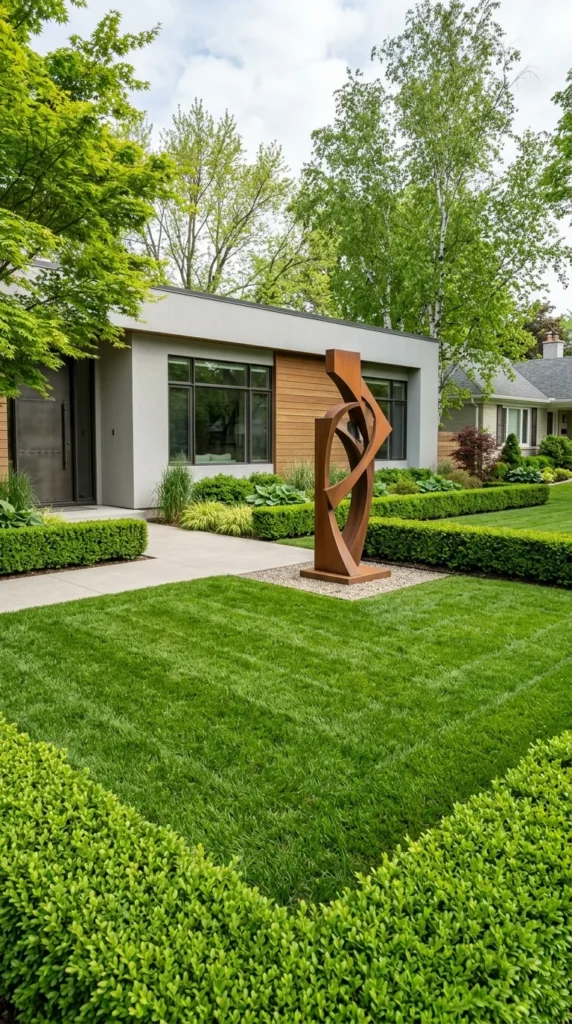
For modern and contemporary homes, a “less is more” approach often works best. This style uses geometric shapes, a limited color palette, and distinct borders. Clean lines and symmetrical plantings create a sense of order and sophistication that highlights the architecture of the house without overwhelming it.
17. Seasonal Accents
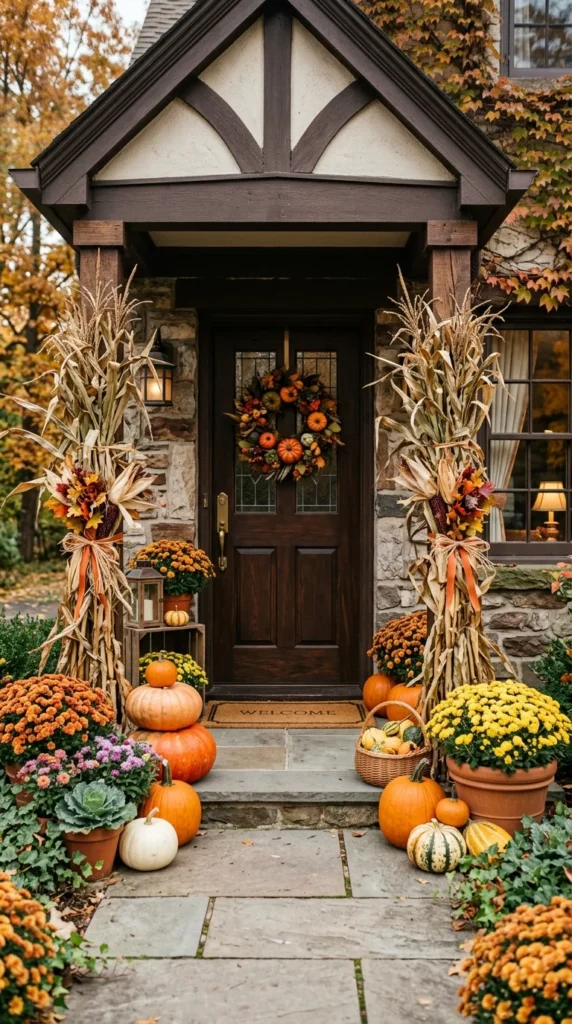
A great landscape is dynamic. Plan your garden so there is something interesting to see in every season. This might mean planting bulbs for spring, long-blooming perennials for summer, shrubs with vibrant fall colors, and evergreens or red-twig dogwood for winter structure. Adding temporary decor like festive planters or seasonal wreaths keeps your curb appeal fresh and relevant throughout the year.