
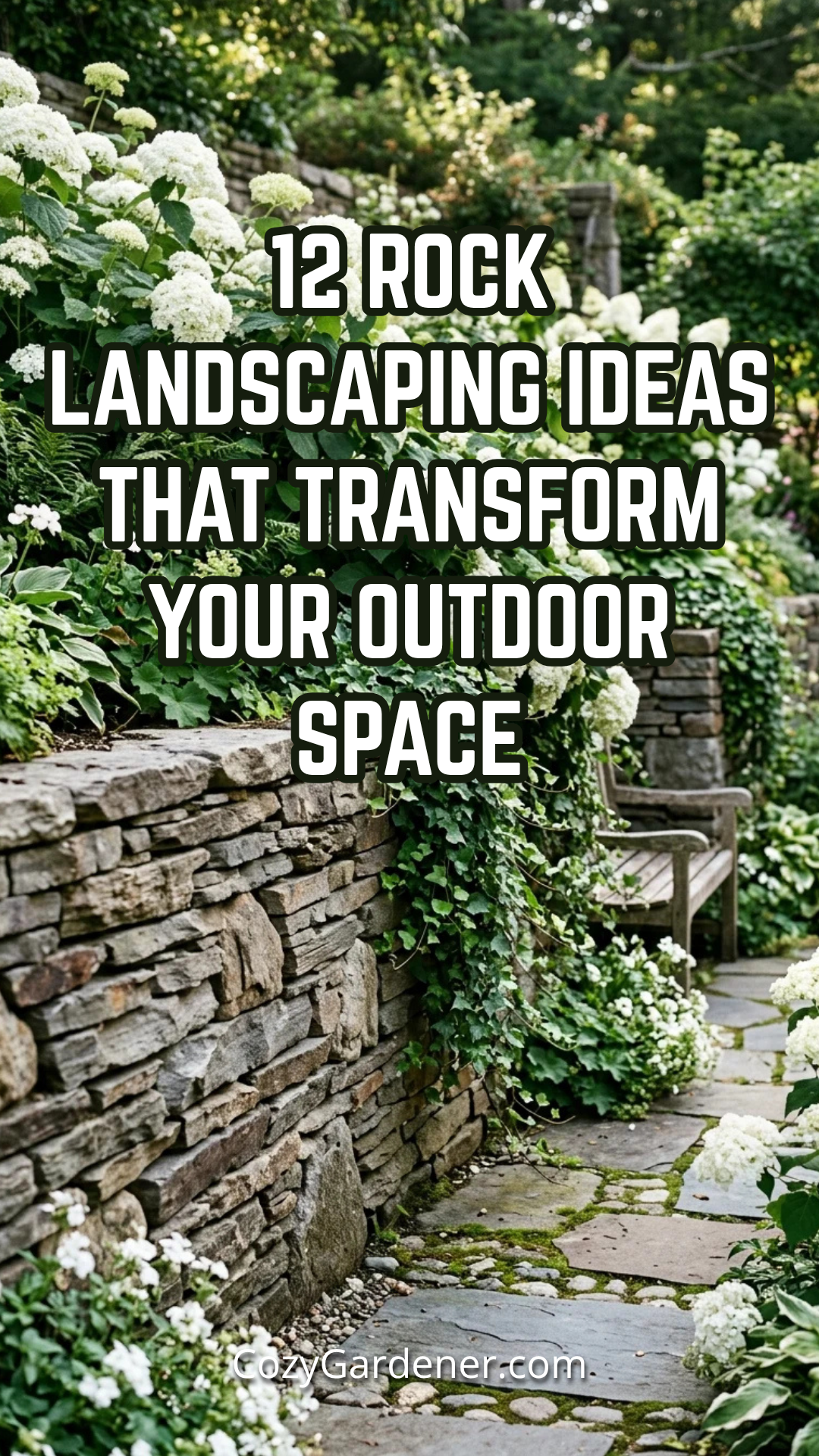
When it comes to creating a landscape that is as durable as it is beautiful, few materials offer the versatility of natural stone. Rock landscaping—often referred to as “hardscaping”—is a game-changer for homeowners looking to reduce maintenance, improve drainage, and add a timeless, organic aesthetic to their property. Unlike wood mulch that fades and decomposes, or delicate flowers that require constant pruning, rocks stand the test of time, weathering the seasons with grace.
Whether you are looking to solve a drainage problem, create a tranquil retreat, or simply add some “curb appeal” punch, rocks are the answer. From the Zen-like simplicity of a Japanese garden to the rugged charm of a mountain-inspired backyard, here are 12 rock landscaping ideas to completely transform your outdoor space.
1. Dry Creek
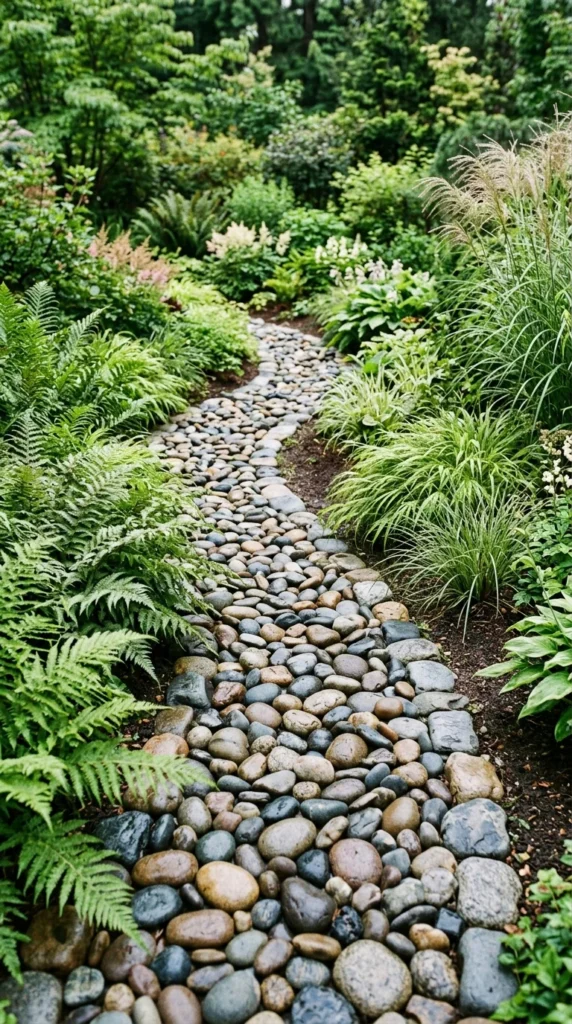
A dry creek bed is the perfect marriage of form and function. Originally designed to manage runoff and direct water away from a home’s foundation during heavy rain, these features have become a staple in high-end garden design. By using a variety of stone sizes—from tiny pebbles to medium-sized river rocks and the occasional large “anchor” stone—you can mimic the look of a natural stream that has temporarily dried up.
To make it look authentic, avoid straight lines. Curve the “creek” around existing trees or mounds. Add some moisture-loving plants along the edges, such as hostas or rushes, to complete the illusion of a riparian environment.
2. Rock Garden
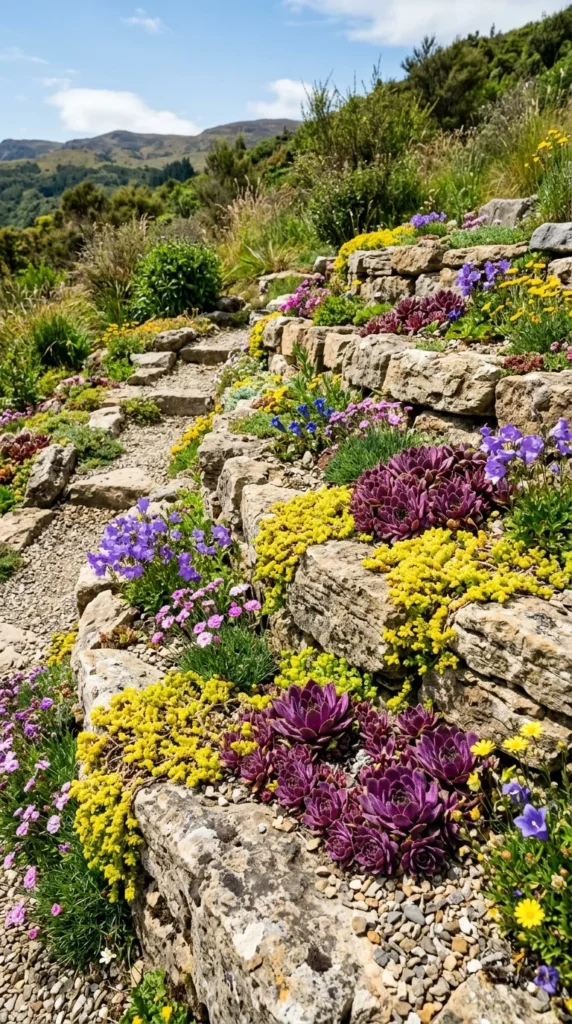
If you have a sunny slope where grass refuses to grow, a rock garden is your best friend. This style focuses on the interplay between rugged stones and hardy, low-profile plants. Rock gardens are particularly effective because the stones help regulate soil temperature and retain moisture for the roots underneath.
When building a rock garden, aim for a “buried” look. Instead of simply plopping rocks on top of the soil, bury them halfway. This makes it look like the stones are part of a natural outcropping that has been there for centuries. Choose drought-tolerant plants like sempervivum, creeping thyme, and low-growing phlox for a carpet of color.
3. Boulder Accents
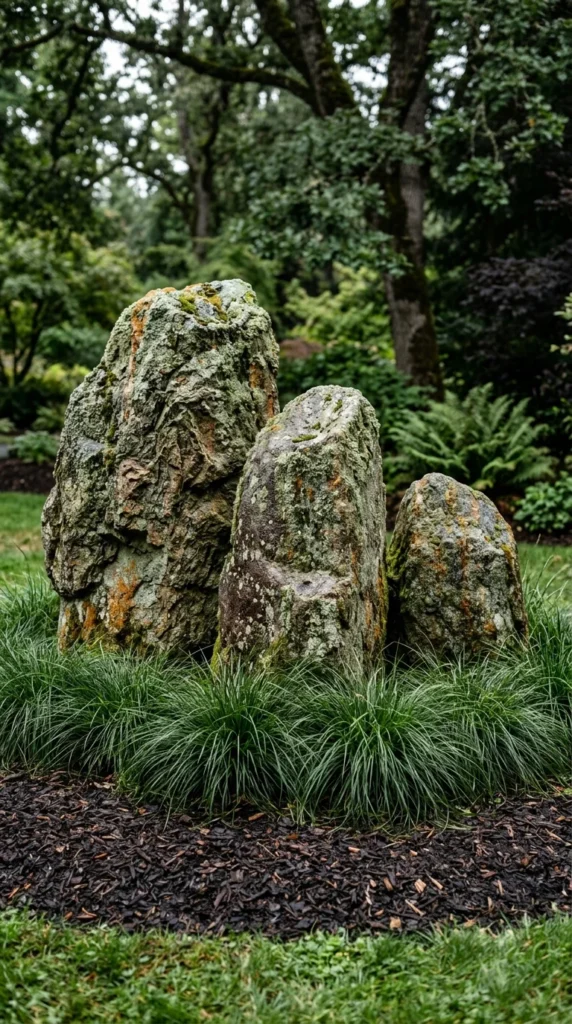
Sometimes, less is more. You don’t need a thousand small stones to make an impact; sometimes, three giant ones will do. Large boulders serve as “specimen” pieces, much like a statue or a centerpiece tree. They provide a sense of weight, permanence, and scale to a yard that might otherwise feel flat.
The key to using boulders effectively is the “rule of three.” Grouping rocks in odd numbers creates a more natural, asymmetrical balance. Make sure the boulders match the local geology so they don’t look out of place, and surround them with soft-textured plants to contrast the hard edges of the stone.
4. Gravel Paths
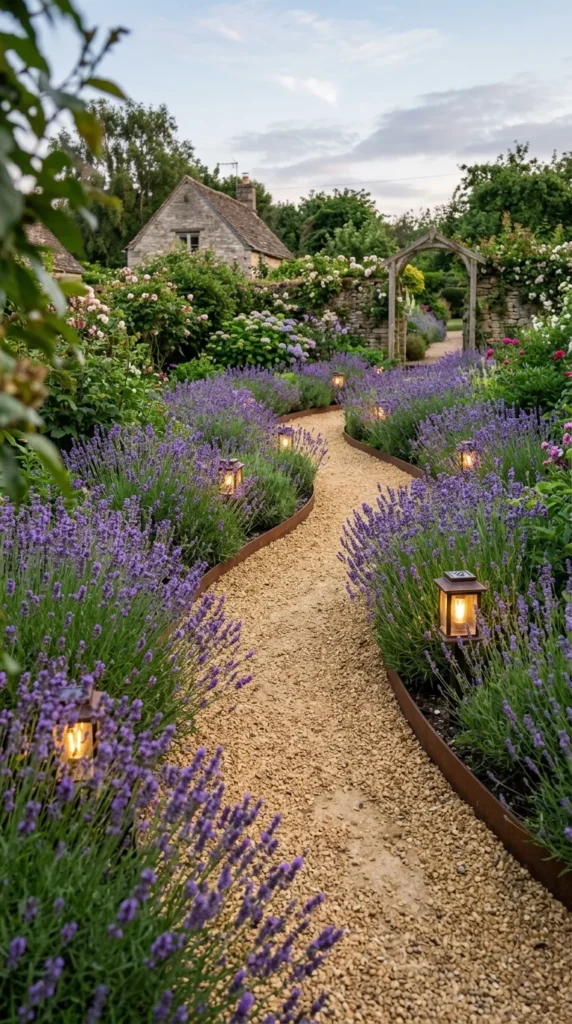
Gravel is one of the most cost-effective and DIY-friendly landscaping materials available. A gravel path provides a satisfying crunch underfoot and creates a clear sense of movement through your garden. Unlike concrete or pavers, gravel is permeable, meaning rainwater soaks directly into the ground rather than running off into the street.
To keep your gravel path looking sharp, always use a high-quality landscape fabric underneath to prevent weeds. Use a sturdy edging material—like steel, brick, or pressure-treated wood—to keep the stones from migrating into your lawn.
5. Retaining Walls
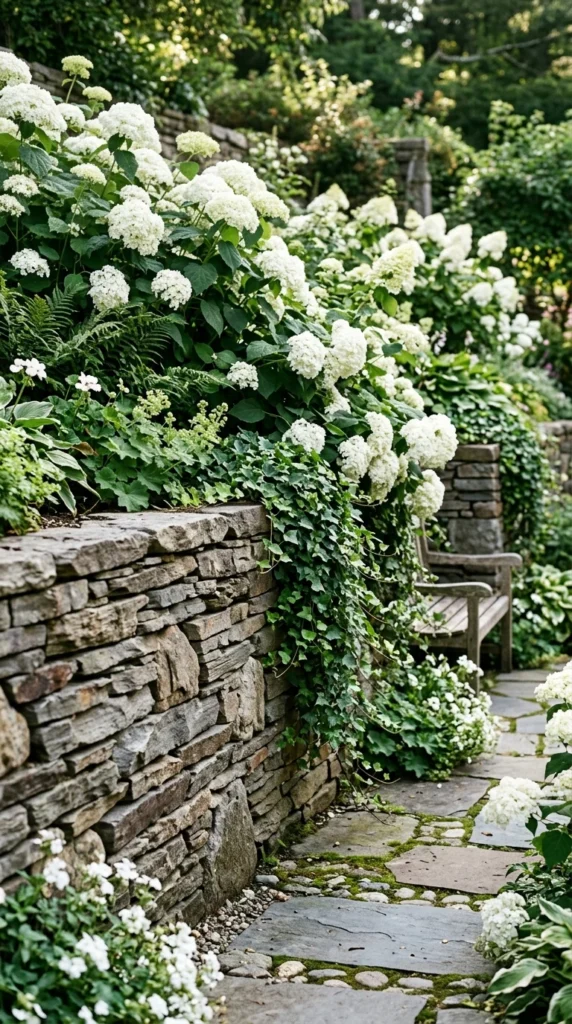
Retaining walls are essential for sloped yards, but they don’t have to be boring concrete blocks. Using natural stone like fieldstone, slate, or flagstone turns a structural necessity into a work of art. “Dry-stack” walls—those built without mortar—allow for natural drainage and can even support small “wall-dwelling” plants in the crevices.
A well-built stone wall adds vertical interest to a flat yard and can be used to create raised garden beds that are easier to reach for weeding and planting.
6. Water Features
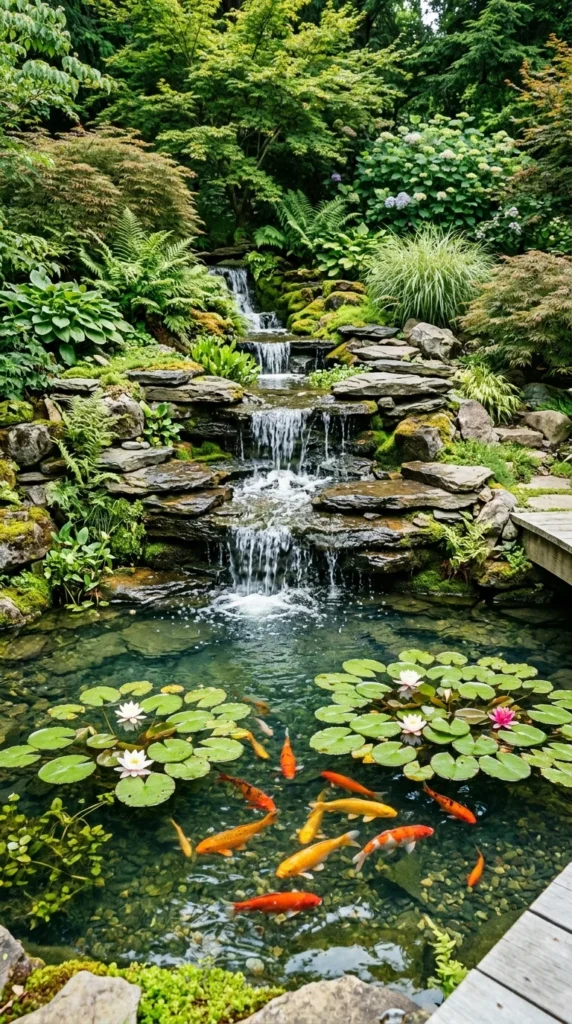
The sound of trickling water is the ultimate stress-reliever. By combining rocks with a water pump, you can create everything from a massive cascading waterfall to a small, bubbling urn. Rocks are what make a man-made water feature look natural.
Use large, flat “spillway” stones to create the waterfall’s drop, and hide the black plastic pond liner with smaller river rocks and pebbles. The wet stones will take on a deeper, more vibrant color, adding another layer of beauty to your landscape.
7. Rock Mulch
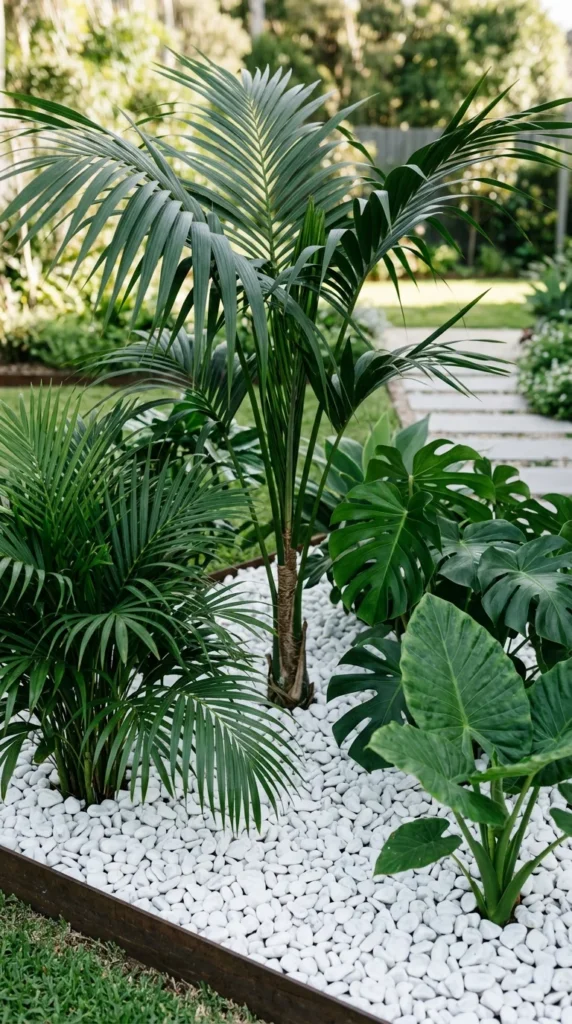
Are you tired of replacing wood mulch every single spring? Rock mulch is the permanent solution. Using small stones like lava rock, marble chips, or crushed granite as a ground cover is an excellent way to suppress weeds and keep the soil cool.
Rock mulch works particularly well around modern or Mediterranean-style homes. It provides a clean, architectural look that stays tidy year-round. Just be sure to use it around plants that don’t mind a little extra heat, as stones can reflect sun during the peak of summer.
8. Zen Garden
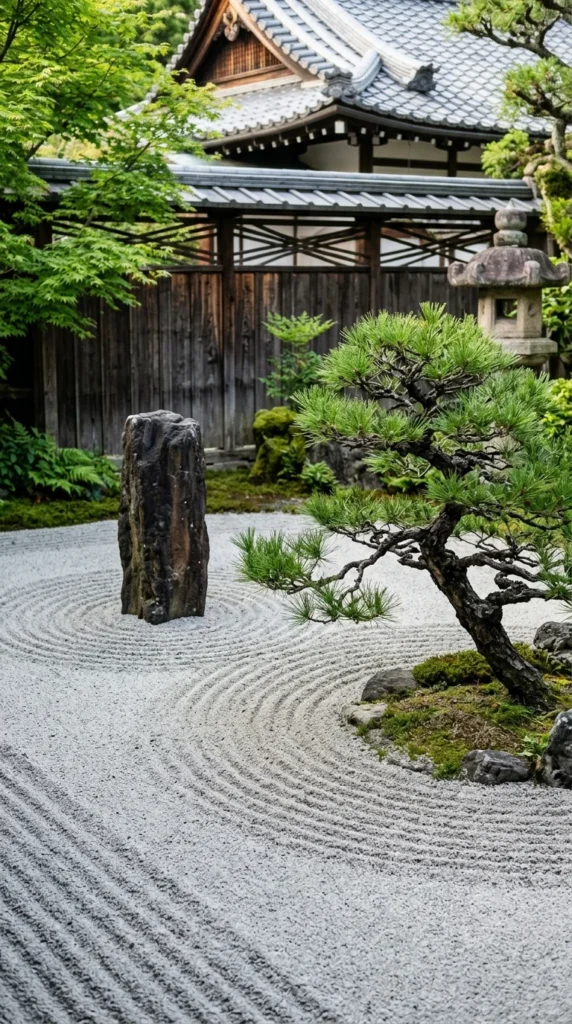
A Zen garden, or karesansui, uses rocks and sand to represent mountains and water. It is a space designed for meditation and quiet reflection. The “water” is often represented by fine gravel or sand that is raked into ripples and waves.
This is a fantastic option for small side yards or enclosed patios where you want a high-impact, low-water design. The focus here is on precision and minimalism—every rock is placed with intention.
9. Stepping Stones
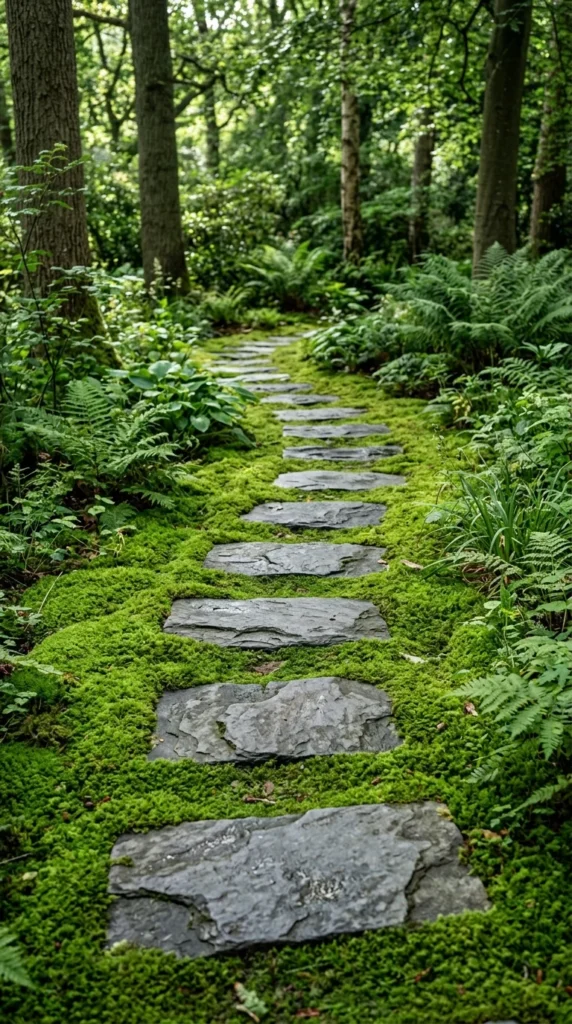
Stepping stones offer a whimsical and charming way to navigate your garden. They are less formal than a solid walkway and allow ground-cover plants (like moss or “steppable” thyme) to grow in between the gaps.
For a natural look, use irregular flagstones with jagged edges. For a more modern vibe, choose uniform, circular concrete or stone discs. Not only do they protect your grass from foot traffic, but they also guide guests through the best parts of your yard.
10. Fire Pits
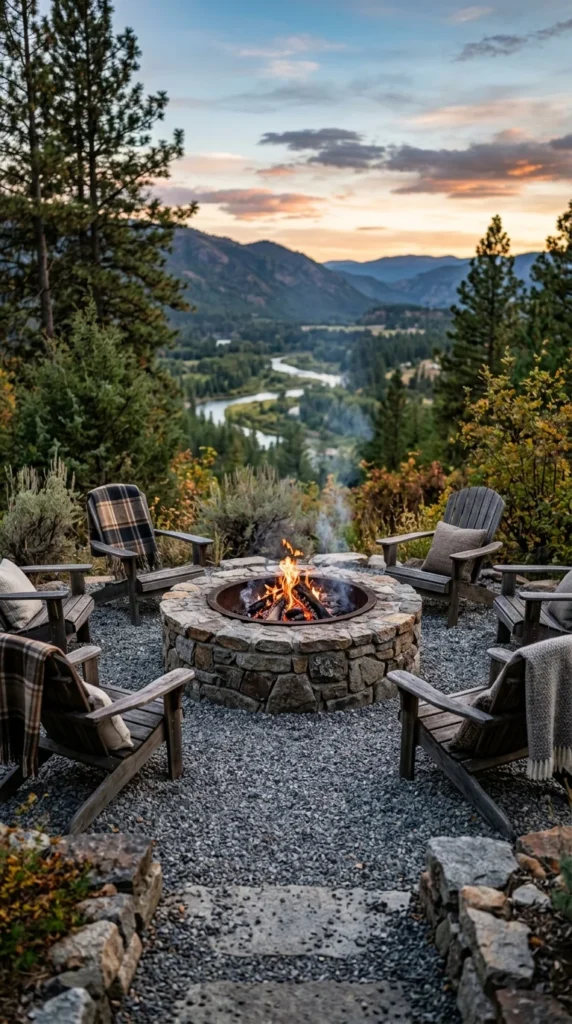
A fire pit is the social heart of the backyard. Building one out of natural stone ensures it blends seamlessly with the environment. You can use stacked stones for the pit itself and surround the area with a “floor” of crushed stone or pea gravel to create a fire-safe zone.
A stone fire pit feels much more permanent and “built-in” than a portable metal one. It’s an investment that adds significant value to your home and provides a cozy spot for roasting marshmallows or sipping wine on chilly evenings.
11. Terraced Slopes
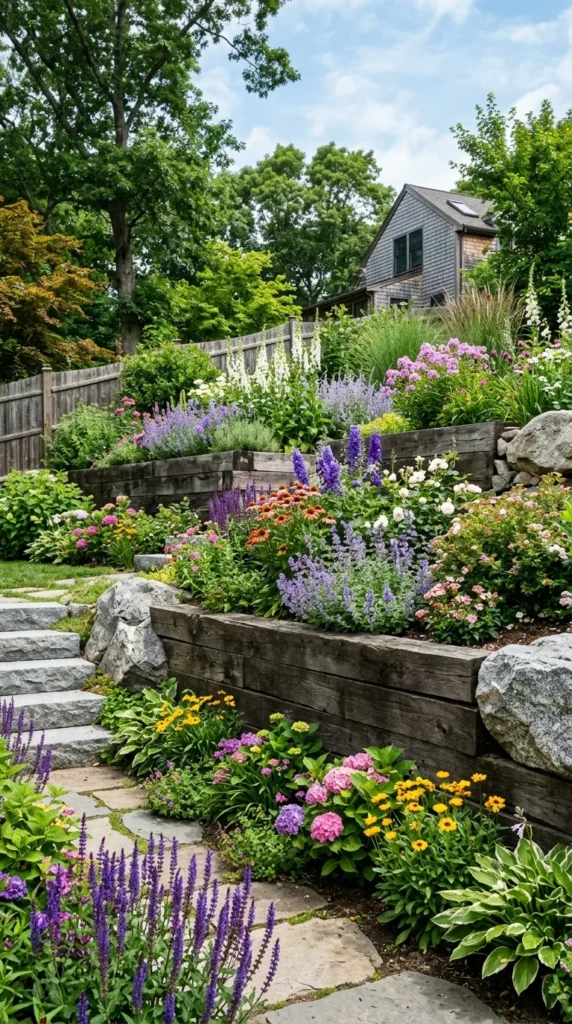
If you have a hill that is too steep to mow, terracing is the answer. By using large rocks to create a series of “steps” or levels, you turn an unusable slope into a series of planting pockets. This prevents erosion and allows you to grow a wider variety of plants.
Terracing with rock creates a dramatic, “hanging garden” effect that can make a small backyard feel much larger by utilizing vertical space.
12. Stone Edging
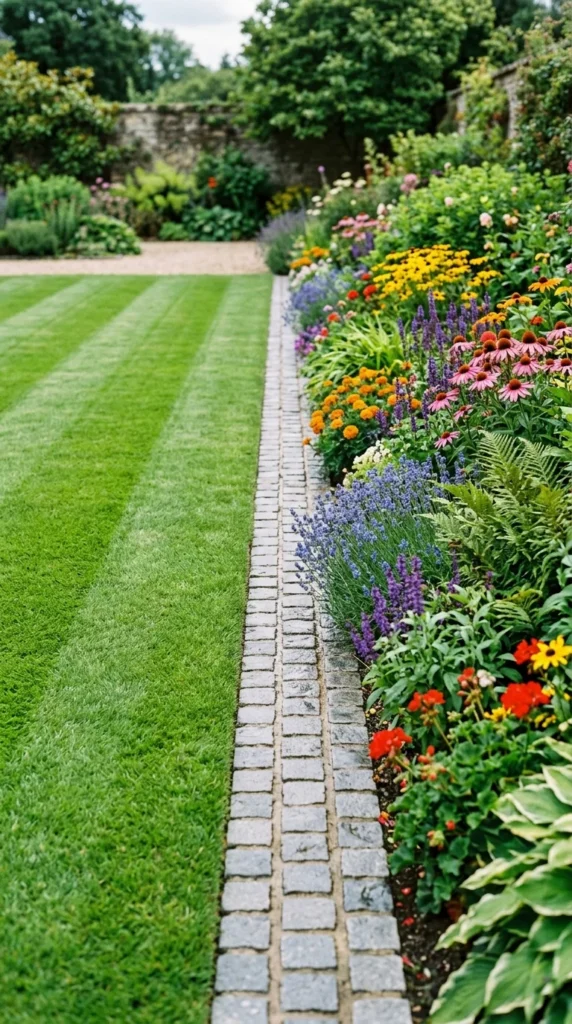
The secret to a professional-looking landscape is a clean edge. While plastic or metal edging works, stone edging adds a premium feel. You can use Belgian blocks, bricks, or even small river stones to create a defined border between your lawn and your garden beds.
Stone edging doesn’t just look good; it’s functional. It keeps grass from creeping into your flowers and keeps your mulch (or rock mulch!) from washing onto the grass. It provides a crisp, finished look that lasts for decades.
Choosing the Right Rocks for Your Project
Before you head to the stone yard, consider these three factors:
- Color Palette: Do you want warm tones (tans, browns, reds) or cool tones (greys, blues, whites)? Match the stone to your home’s siding or trim for a cohesive look.
- Texture: Smooth river rocks feel soft and tranquil, while jagged limestone or granite feels rugged and wild.
- Local Availability: Buying stone that is native to your region is not only more environmentally friendly (shorter shipping distances) but it also ensures the “vibe” of the rock matches the surrounding natural landscape.
By incorporating these rock landscaping ideas, you aren’t just decorating your yard—you’re building a foundation that will remain beautiful, functional, and low-maintenance for years to come.