
The quest for the perfect yard has evolved. While the pristine, emerald-green carpet of Kentucky Bluegrass remains a classic symbol of suburban bliss, homeowners are increasingly looking for ways to reduce water consumption, minimize chemical use, and create biodiversity. Whether you want to perfect your existing turf or ditch the grass entirely for a low-maintenance alternative, there are countless ways to transform your outdoor space into a functional masterpiece.
1. Soil Testing
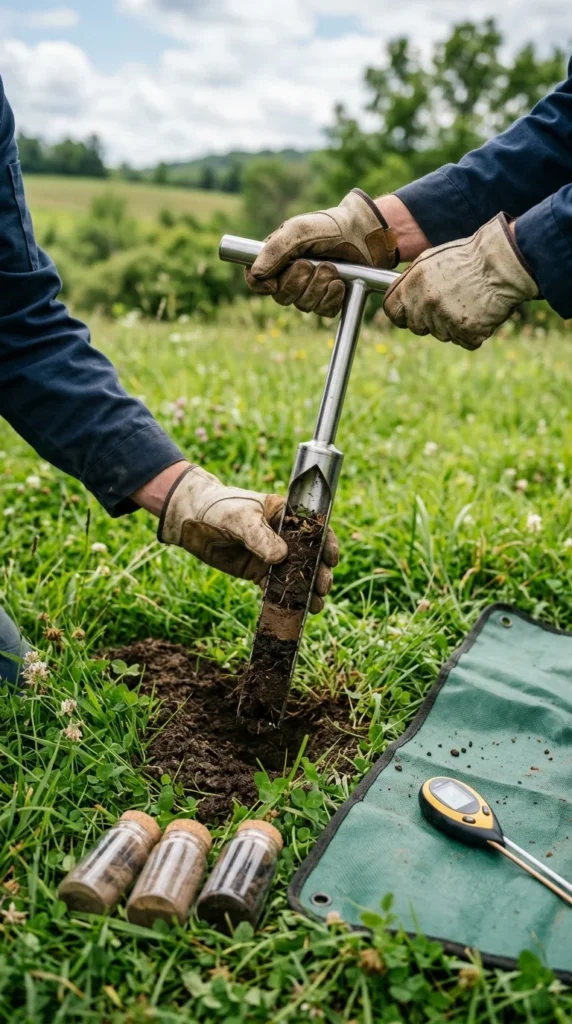
Before you spread a single bag of fertilizer or seed, you must understand the foundation of your yard. Soil testing is the most underrated step in lawn care. A comprehensive test reveals the pH levels and nutrient deficiencies (like nitrogen, phosphorus, and potassium) that could be sabotaging your growth. Most grass types thrive in a slightly acidic environment with a pH between 6.0 and 7.0. By knowing exactly what your soil lacks, you avoid the “guess and stress” method of gardening, saving money on unnecessary chemicals and ensuring your plants get exactly what they need to flourish.
2. Core Aeration
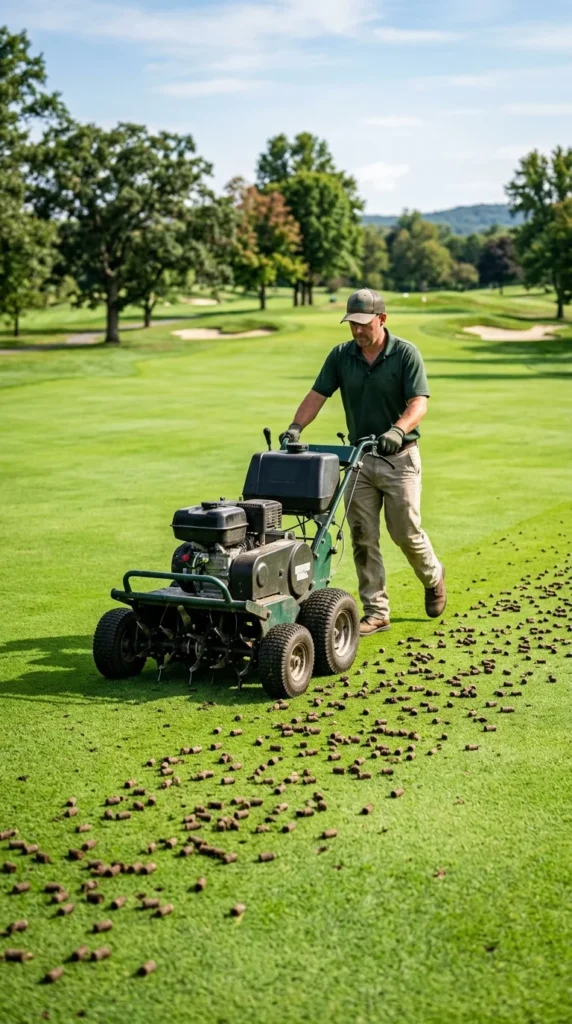
Compacted soil is the silent killer of a healthy lawn. When the ground becomes too hard—often due to heavy foot traffic or clay-heavy soil—oxygen, water, and nutrients cannot reach the roots. Core aeration involves using a machine to pull small plugs of soil out of the ground. This “opens up” the earth, allowing the root system to breathe and expand. Fall is typically the best time for aeration, as it prepares the grass for the winter dormant season and allows for better water absorption during spring thaws.
3. Mulch Mowing
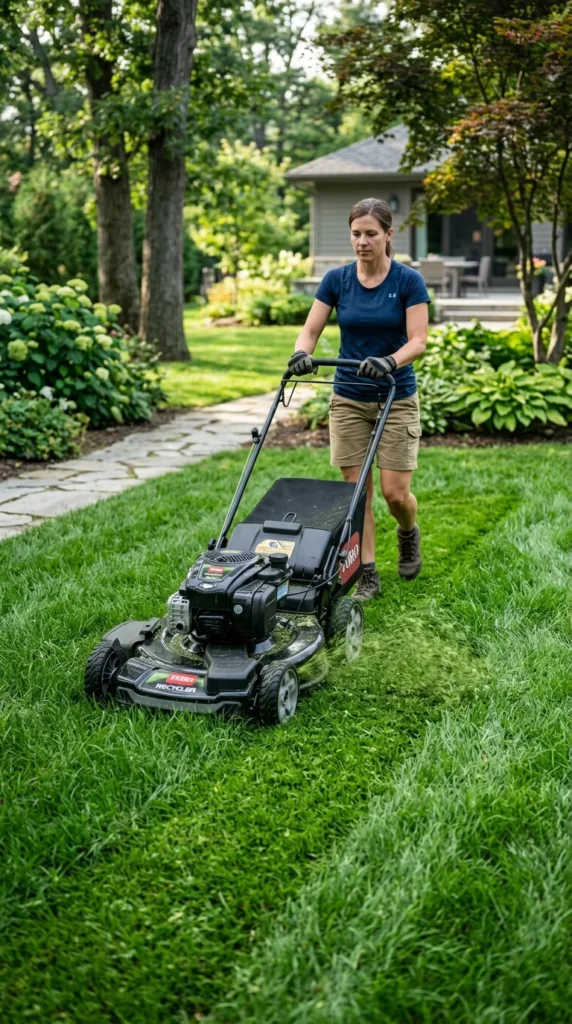
Stop bagging your grass clippings! Mulch mowing is a simple yet revolutionary habit for a better yard. By using a mulching blade, your mower shreds grass clippings into tiny pieces that fall back into the turf. These clippings decompose rapidly, acting as a natural, slow-release fertilizer that provides up to 25% of your lawn’s total nitrogen needs for the season. Not only does this save you the labor of hauling heavy bags to the curb, but it also helps the soil retain moisture during the hot summer months.
4. Deep Watering
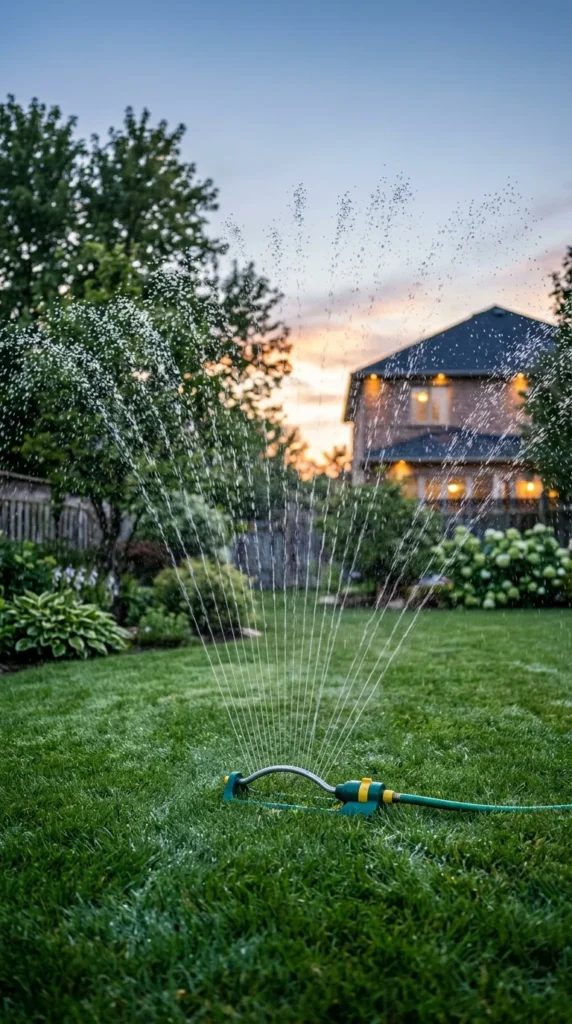
Most homeowners water their lawns too frequently but not deeply enough. Frequent, shallow watering encourages grass to grow short, weak roots that can’t survive a drought. To build a resilient lawn, aim for one inch of water per week, delivered in one or two deep soaking sessions. This forces the roots to grow deep into the soil to find moisture, creating a lawn that is naturally more resistant to heat and pests. The best time to water is between 4:00 AM and 10:00 AM to minimize evaporation and prevent fungal diseases.
5. Microclover
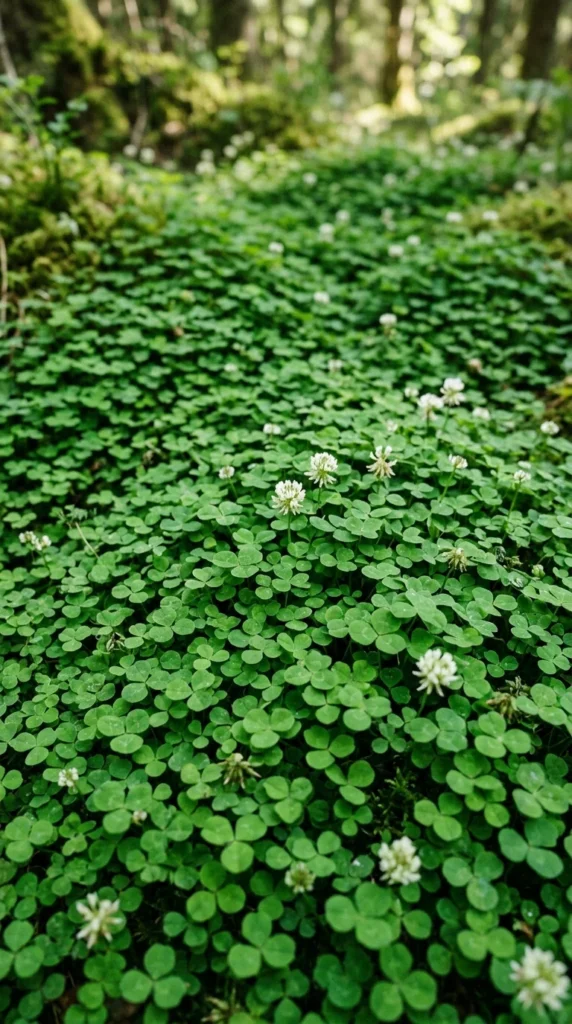
If you want a green lawn that stays green with almost zero effort, microclover is the answer. Unlike traditional Dutch White Clover, microclover is bred to stay small and blend seamlessly with grass. It is a “nitrogen-fixer,” meaning it pulls nitrogen from the air and pumps it into the soil, essentially fertilizing your lawn for free. It is highly drought-tolerant, stays green even in the heat of summer, and is naturally resistant to pet urine, making it the ultimate “lazy gardener’s” dream.
6. Creeping Thyme
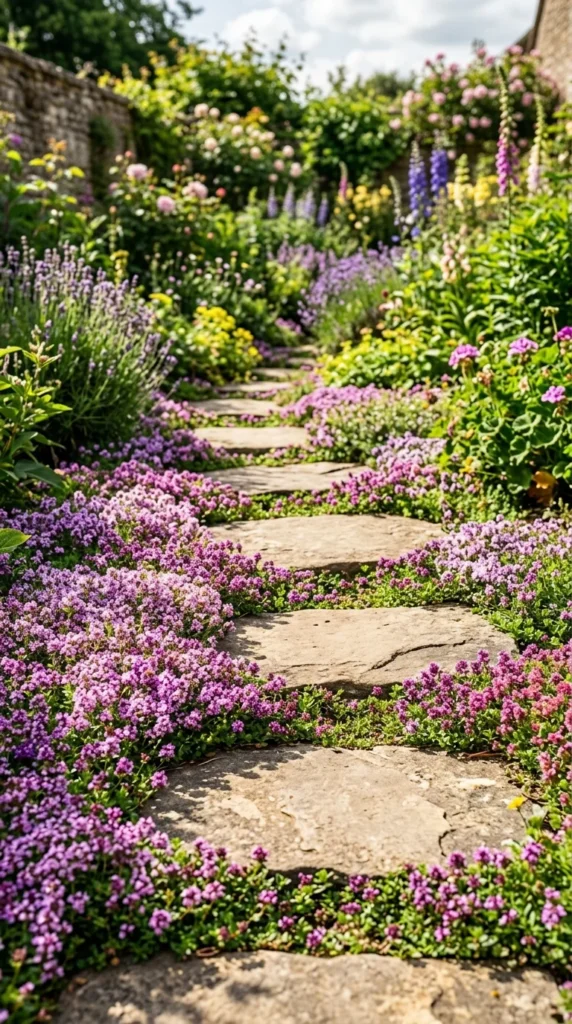
For a fragrant and visual alternative to grass, Creeping Thyme is unmatched. This low-growing woody perennial forms a dense mat that can withstand moderate foot traffic. When you walk on it, it releases a pleasant, herbal aroma. It requires significantly less water than grass and produces stunning blooms in early summer that attract pollinators like bees and butterflies. It’s an ideal choice for rocky slopes or areas where traditional mowing is a hassle.
7. Wildflower Meadow
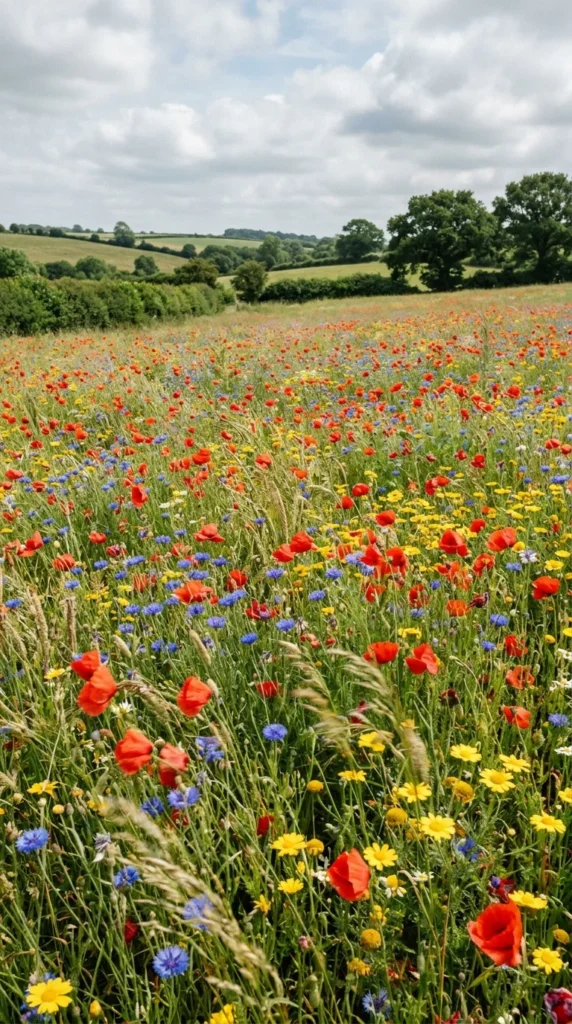
Transforming part of your yard into a wildflower meadow is a bold move toward sustainability. Meadows provide essential habitats for local wildlife and require no mowing once established. By choosing a seed mix native to your region, you ensure that the plants are perfectly adapted to your local climate and soil conditions. This “controlled wildness” adds a romantic, cottage-core aesthetic to your property while drastically reducing your carbon footprint.
8. Moss Garden
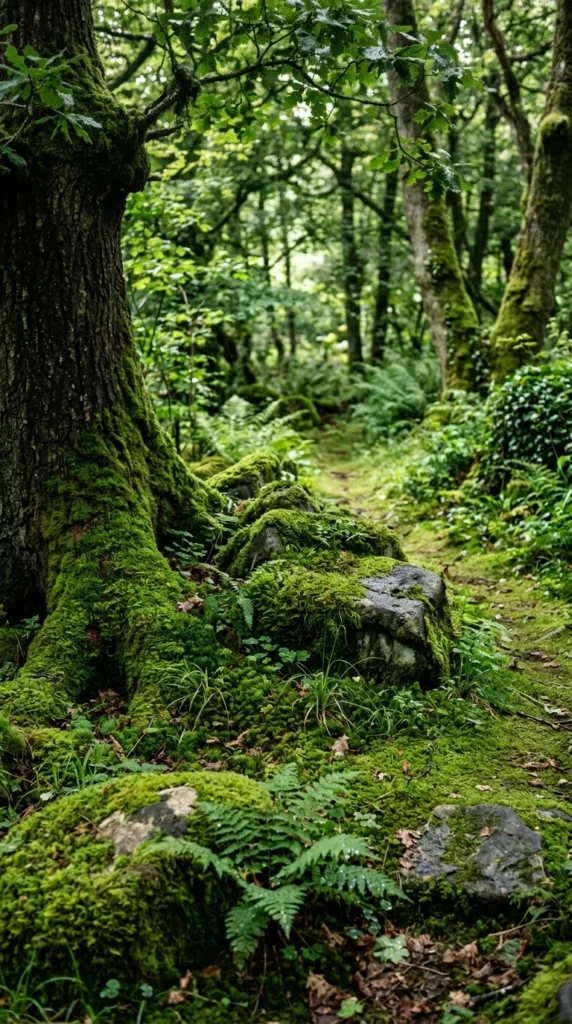
Don’t fight the shade—embrace it with a moss garden. In areas where grass refuses to grow due to lack of sunlight, moss thrives. It requires no fertilizer, no mowing, and very little maintenance once the colonies are established. Moss creates a soft, tranquil atmosphere reminiscent of a Japanese Zen garden. It feels wonderful underfoot and stays vibrant even in the depths of winter in many climates.
9. Native Grasses
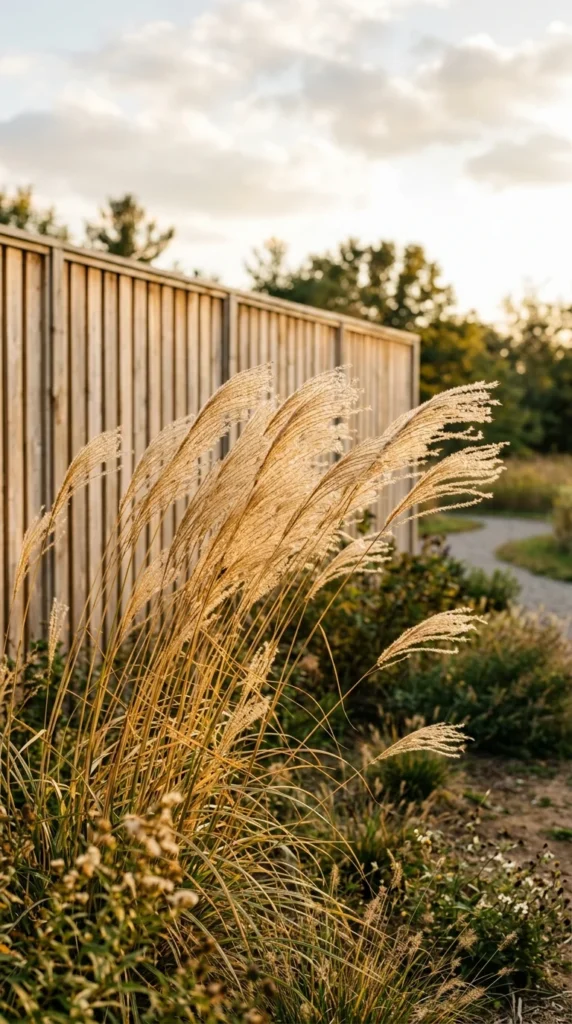
Switching to native grasses like Buffalo Grass or Blue Grama can cut your lawn maintenance by half. These species evolved to survive in your specific environment without human intervention. They are naturally pest-resistant and require a fraction of the water that non-native turfgrasses demand. You can let them grow tall for a “prairie” look or mow them occasionally for a more traditional appearance.
10. Gravel Gardens
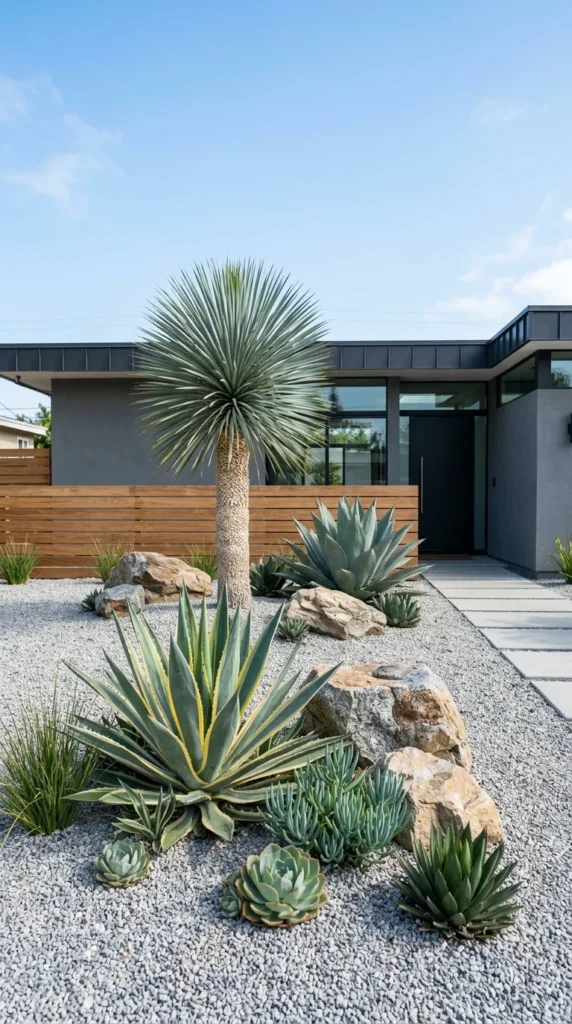
In arid climates, the “gravel garden” or xeriscape is a sophisticated alternative to the thirsty lawn. Using various sizes of crushed stone, river rock, or pea gravel creates a clean, textured look. When paired with drought-tolerant plants and desert flora, a gravel garden offers a high-end, architectural feel that requires zero irrigation and zero mowing. It’s an excellent way to define different “rooms” in your outdoor space.
11. Sedum Mats
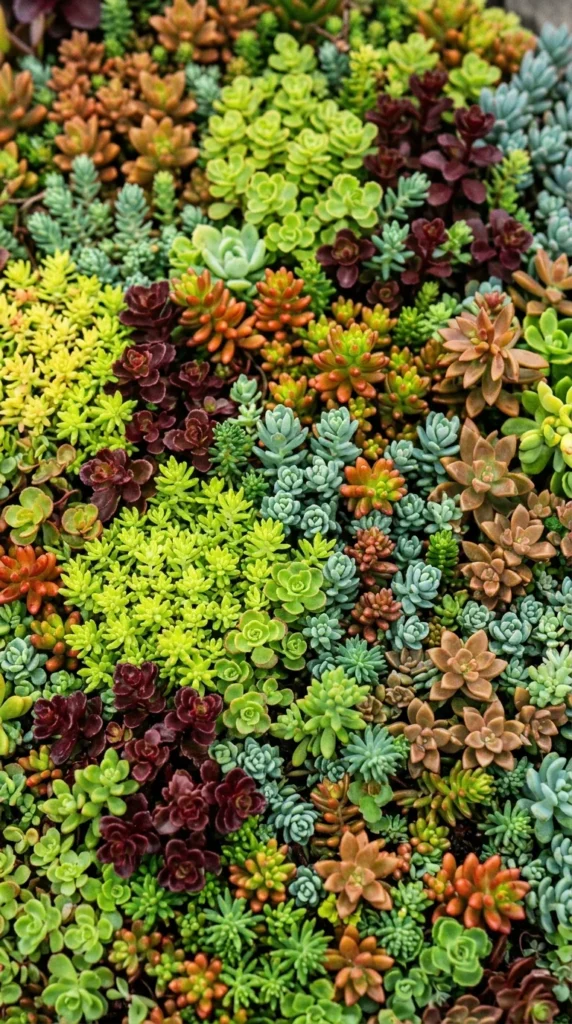
Sedums are the superheroes of the plant world. These succulents are incredibly hardy, storing water in their fleshy leaves to survive extreme heat and poor soil. Using sedum mats—which are essentially “rolls” of succulents—you can create a living carpet that changes color with the seasons. They are particularly effective for steep embankments where soil erosion is a concern, as their root systems are excellent at holding the earth together.
12. Corsican Mint
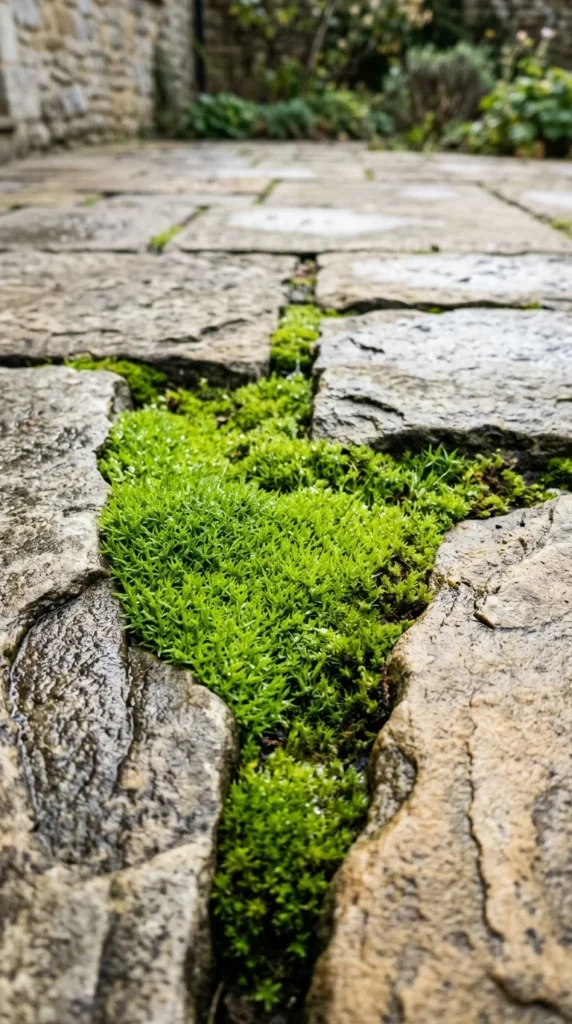
If you have a damp, partially shaded area, Corsican Mint is a delightful alternative. It is one of the smallest members of the mint family, growing only about an inch tall. It spreads to form a tight, bright green carpet that emits a powerful crème de menthe scent when stepped upon. While it isn’t as tough as thyme, it is perfect for filler between stepping stones in a high-moisture garden area.
13. Wood Chips
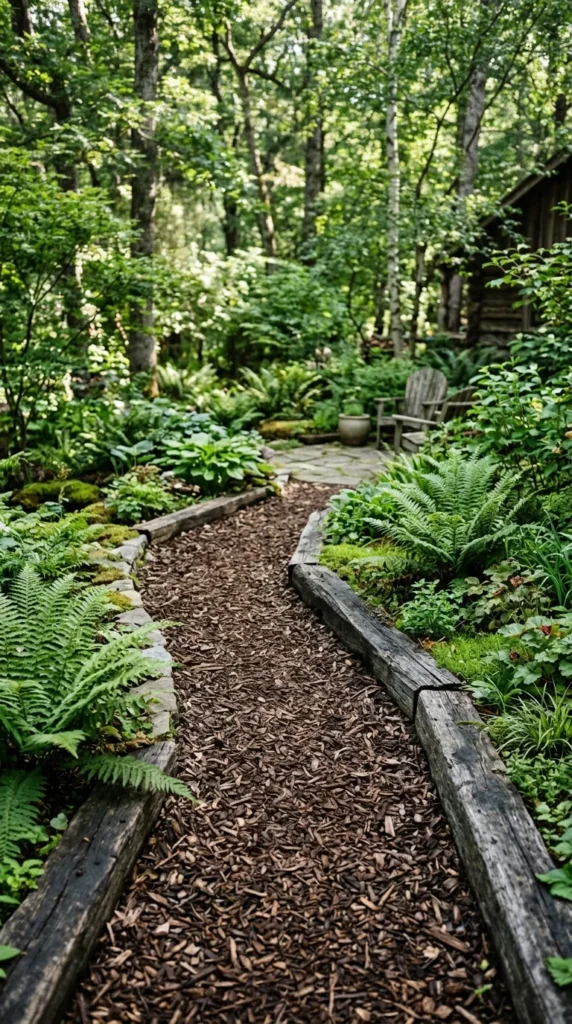
For a natural, forest-floor aesthetic, wood chips are an affordable and effective ground cover. They suppress weeds, retain soil moisture, and eventually decompose into rich organic matter. Wood chips are particularly useful under children’s play sets or in high-traffic pet areas where grass is easily trampled into mud. Choosing high-quality mulch like cedar or cypress adds a pleasant aroma and can even help repel certain insects.
14. Meadow Rue
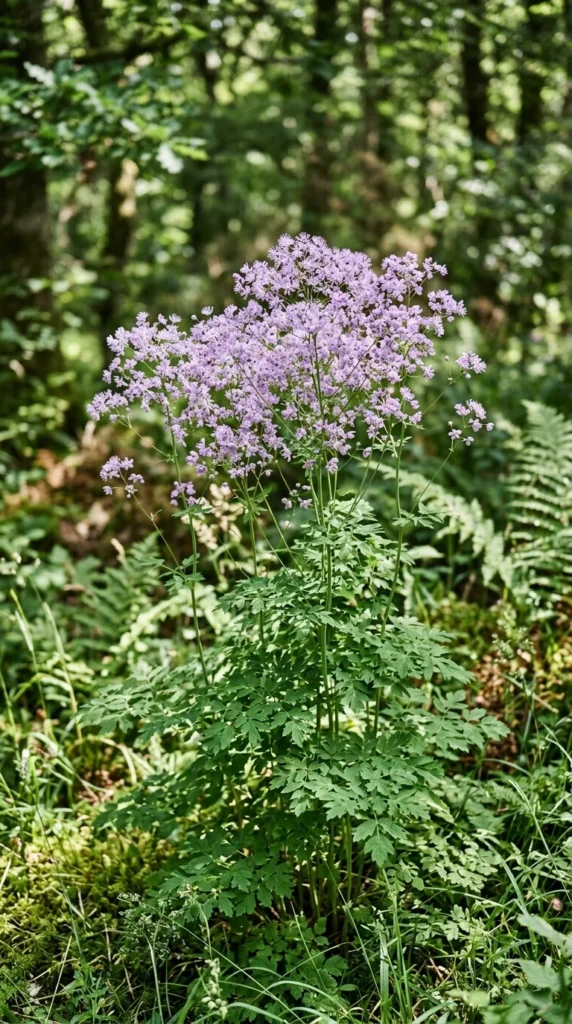
Looking for something with height and texture? Meadow Rue (Thalictrum) offers a soft, airy look that contrasts beautifully with the sharp lines of a house or fence. While not a traditional “walk-on” lawn, it serves as a spectacular border or mass planting that requires very little upkeep. Its blue-green foliage is reminiscent of columbine or maidenhair ferns, providing a sophisticated texture that grass simply cannot match.
15. Artificial Turf
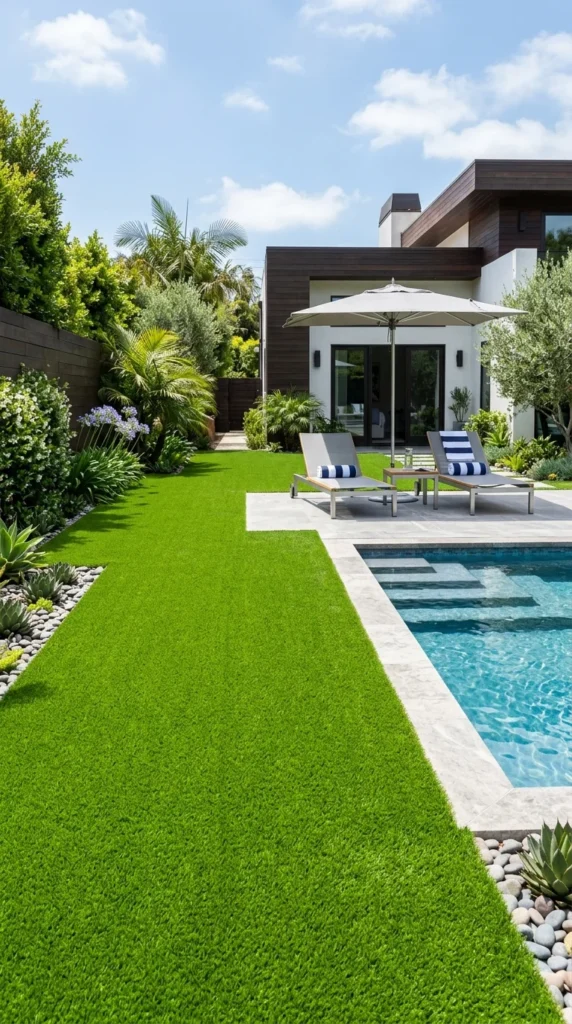
Modern artificial turf has come a long way from the “plastic grass” of the past. High-end synthetic lawns now feature multi-colored blades and tan “thatch” layers that make them look remarkably realistic. This is the ultimate zero-maintenance solution. There is no watering, no mowing, no fertilizing, and no mud. It is particularly popular for dog runs, rooftop gardens, and areas where natural light is non-existent.
16. Flower Borders
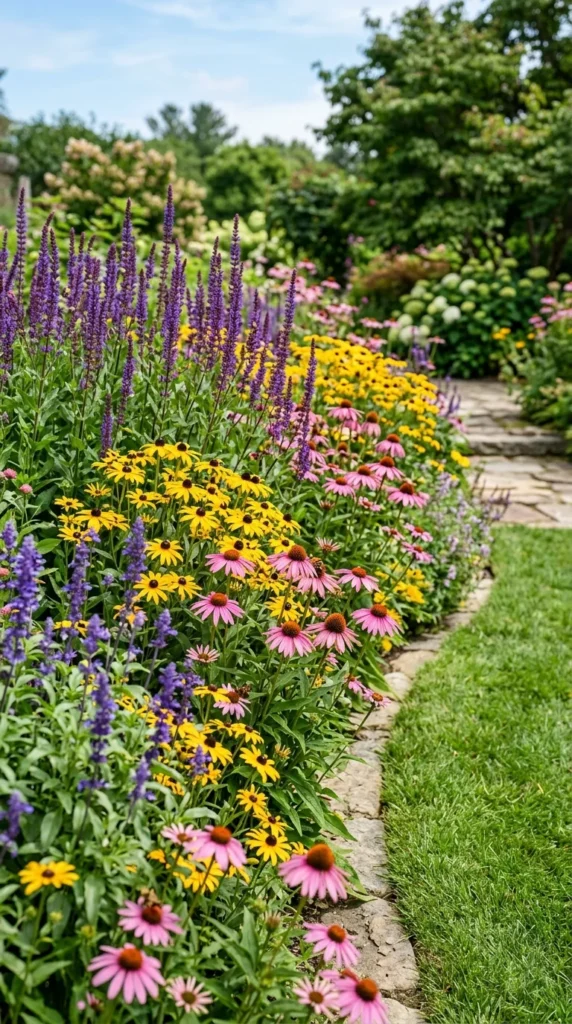
Sometimes the best way to improve a lawn is to have less of it. By expanding your flower borders and shrinking the “island” of grass in the center, you create a more dynamic and visually interesting yard. Layering perennials, shrubs, and ornamental trees provides year-round interest and reduces the total square footage you need to mow. This approach allows you to focus your lawn care efforts on a smaller, manageable area, ensuring that the grass you do have is of the highest quality.