
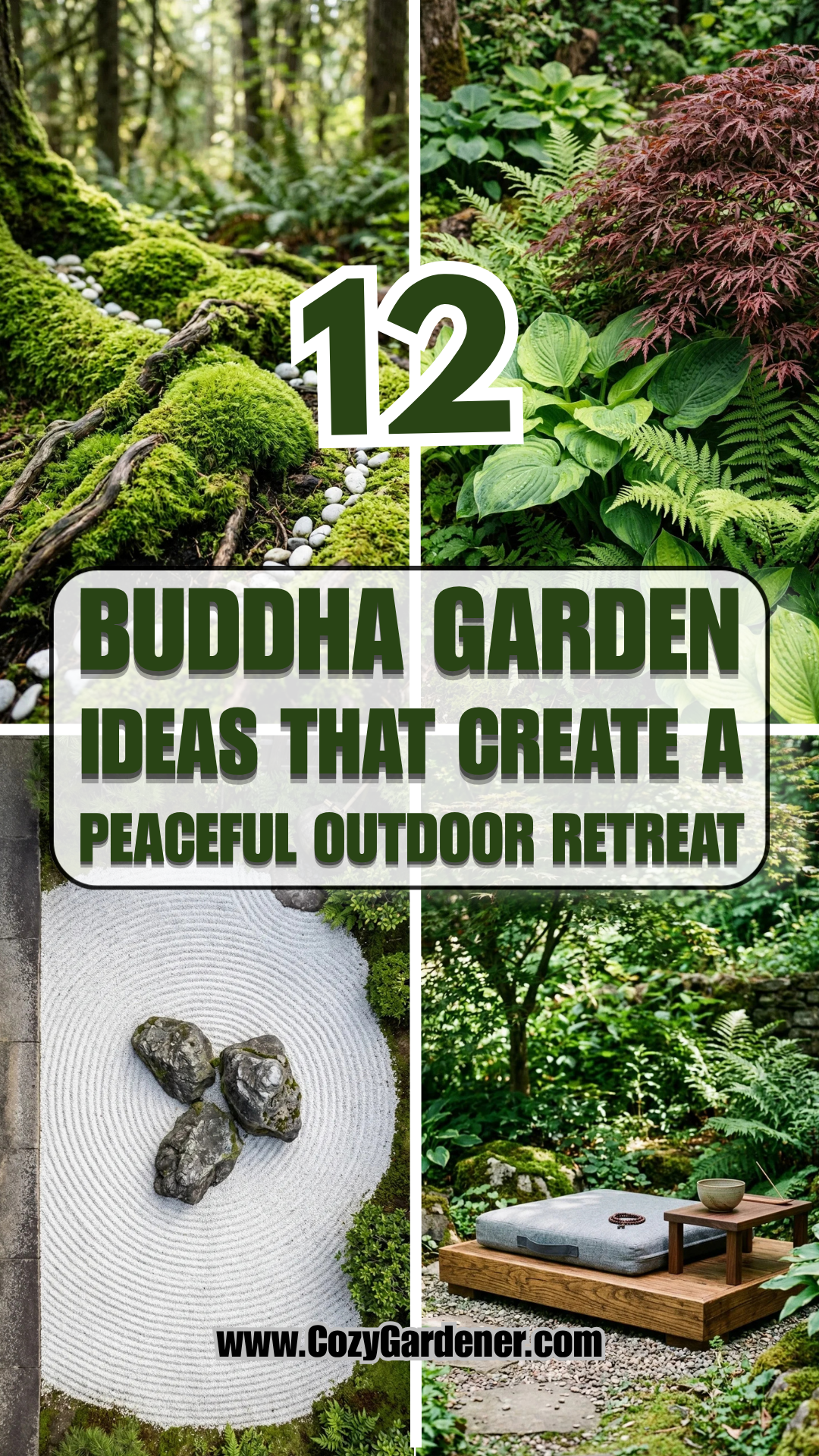
Creating a Buddha garden is about more than just placing a statue in your backyard; it is about crafting a sanctuary that promotes mindfulness, tranquility, and a deep connection with nature. Whether you have a sprawling estate or a tiny balcony, the principles of Zen design can transform any outdoor space into a peaceful retreat. By balancing the elements of earth, water, fire, and air, you can create a landscape that invites you to slow down, breathe deeply, and find inner peace.
1. Central Statue
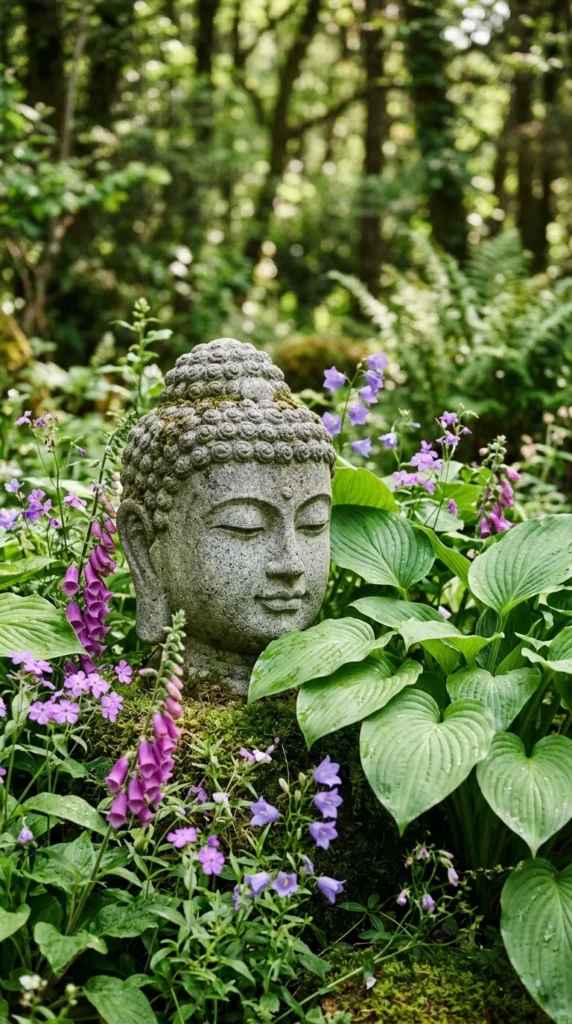
The cornerstone of any Buddha garden is, naturally, the statue itself. To create a cohesive look, choose a statue that resonates with your personal sense of peace. You might opt for a “Teaching Buddha” to inspire wisdom, or a “Reclining Buddha” to represent ultimate serenity and detachment. The placement is crucial; it should serve as the focal point of your garden, often placed at the end of a path or in the center of a clearing. Ensure the statue is elevated slightly on a stone plinth or a wooden platform to show respect and to keep it from being overshadowed by ground-level foliage.
2. Water Features
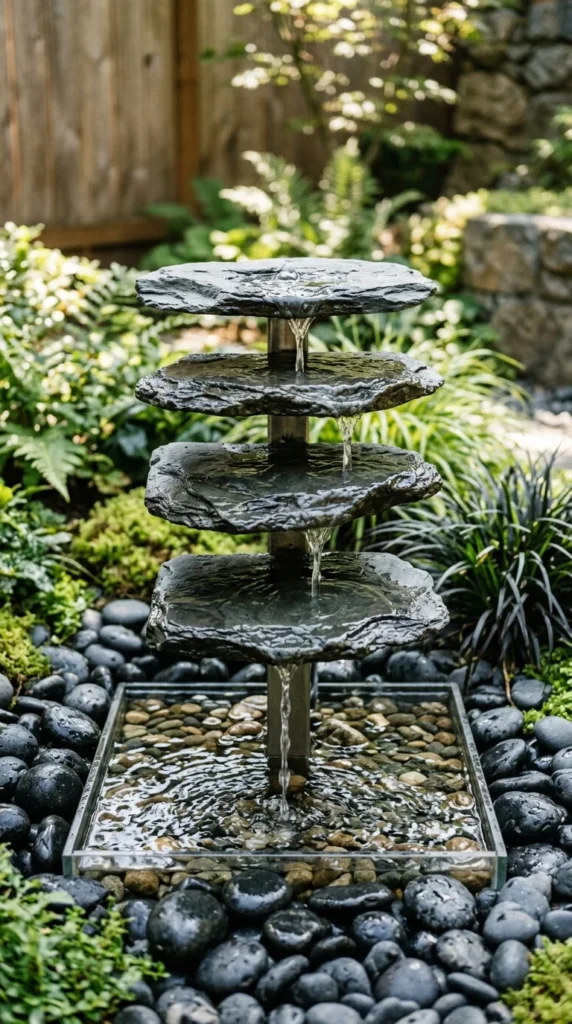
Sound plays a vital role in sensory relaxation. The gentle babble of a water feature masks neighborhood noise and provides a rhythmic, calming soundtrack to your meditation. Consider a simple bamboo “shishi-odoshi” (deer scarer) or a low-profile stone basin. The water should be clear and moving slowly; stagnant water can disrupt the “chi” or energy of the space. Surround the base with smooth river stones to blend the man-made structure seamlessly into the natural environment.
3. Bamboo Privacy
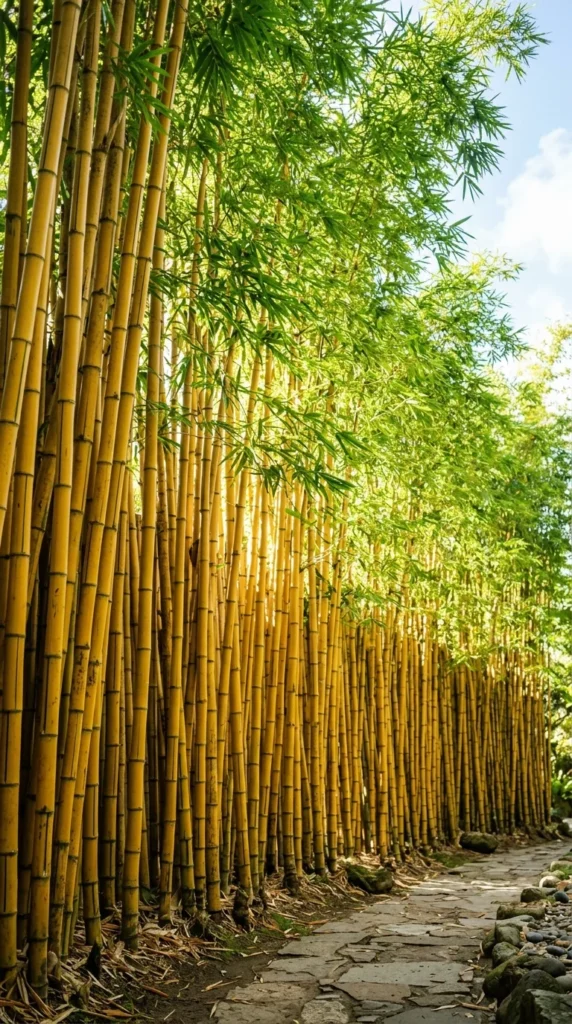
To truly escape the world, you need a sense of enclosure. Bamboo is the quintessential plant for a Buddha garden. It grows quickly, provides excellent sound dampening, and sways gracefully in the wind. Using bamboo as a living fence or “green wall” creates a secluded “room” within your garden. If you are worried about bamboo spreading, opt for clumping varieties or plant them in large, stylish wooden troughs. The rustling sound of bamboo leaves is often compared to a soft whisper, adding another layer of auditory peace.
4. Raked Gravel
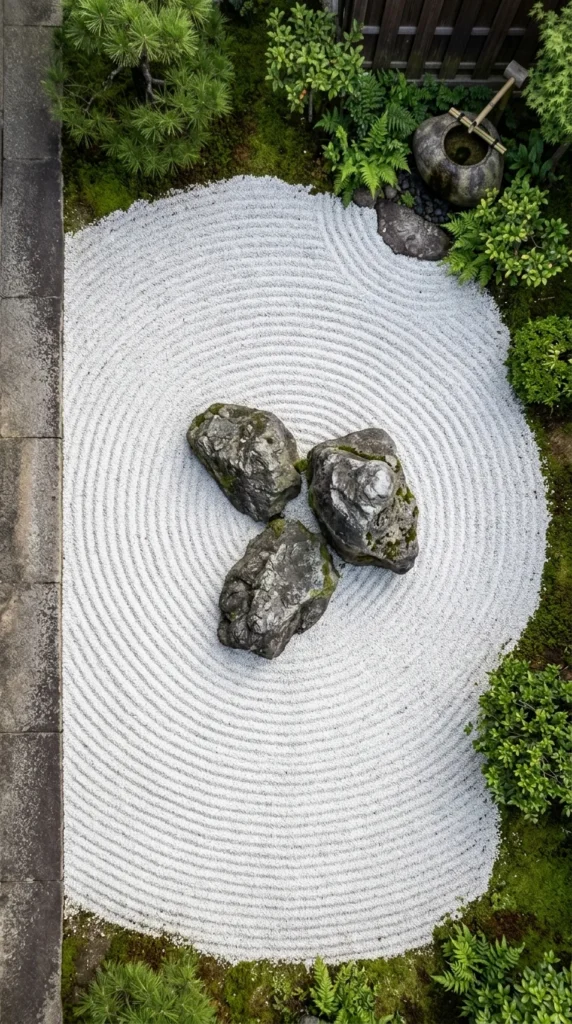
Inspired by Japanese Zen gardens (Karesansui), a section of raked gravel or sand represents the element of water and the concept of “emptiness.” The act of raking the gravel itself can be a meditative practice. Use a wooden rake to create swirling patterns or straight lines that flow around rocks or islands of moss. This minimalist approach provides visual “breathing room” in your garden, preventing the space from feeling cluttered or overwhelming.
5. Moss Groundcover
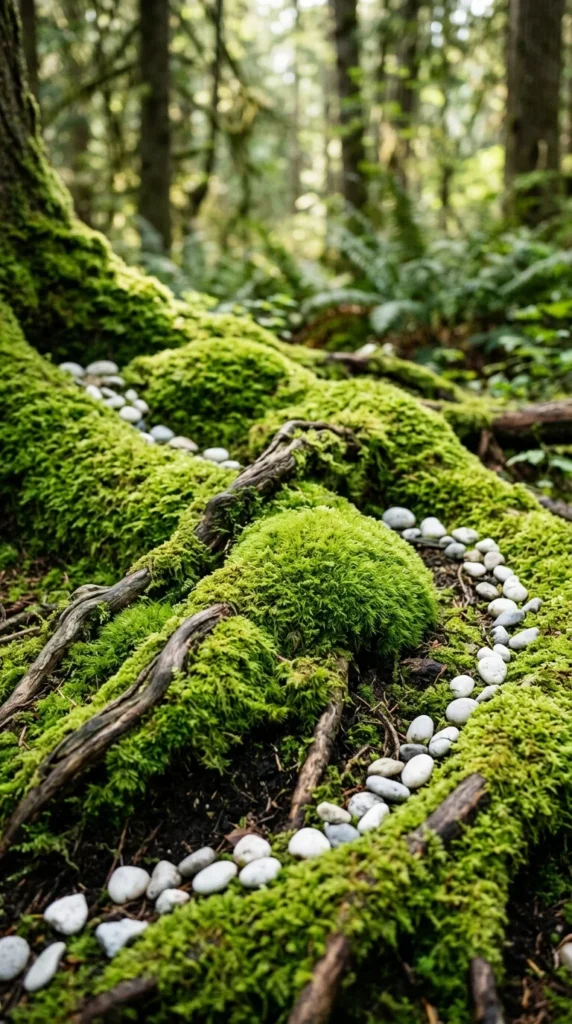
In a Buddha garden, soft textures are preferred over sharp, manicured lawns. Moss evokes a sense of ancient, untouched nature. It thrives in shaded areas and creates a soft, green carpet that feels wonderful underfoot if you choose to walk barefoot. If your climate is too dry for true moss, consider “Irish Moss” or “Scotch Moss,” which are actually small flowering perennials that mimic the look. These low-growing plants soften the edges of stone paths and statues, making the garden look like it has existed for centuries.
6. Meditation Nook
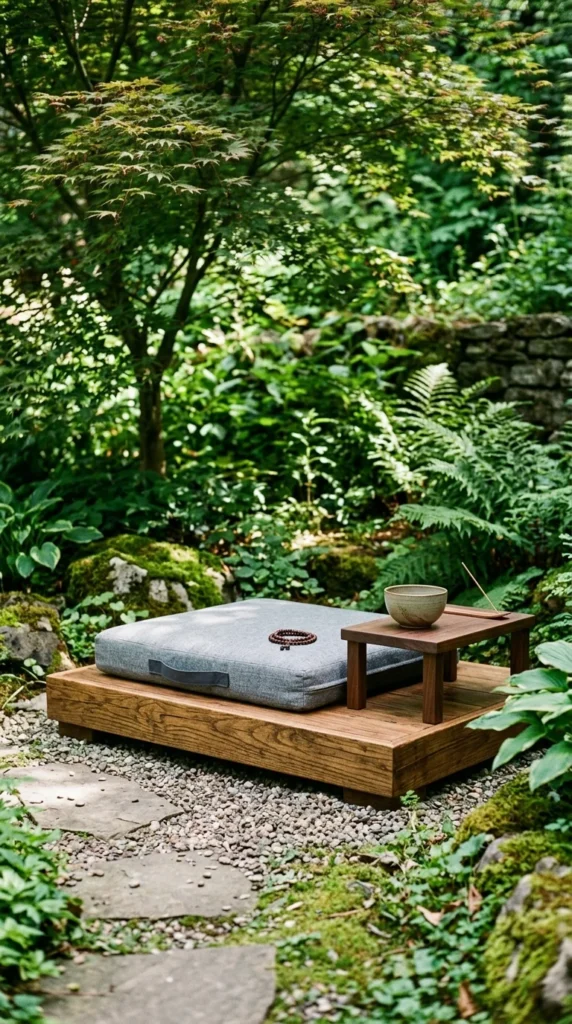
Every peaceful retreat needs a designated spot for sitting. A meditation nook doesn’t need to be elaborate; a simple wooden bench, a flat boulder, or a weather-proof floor cushion will suffice. Position your seating area so it has a clear view of your Buddha statue or a particularly beautiful plant. Ideally, this spot should be partially shaded by a tree canopy or a simple pergola to protect you from the heat of the sun, allowing for long, uninterrupted sessions of reflection or reading.
7. Stone Lanterns
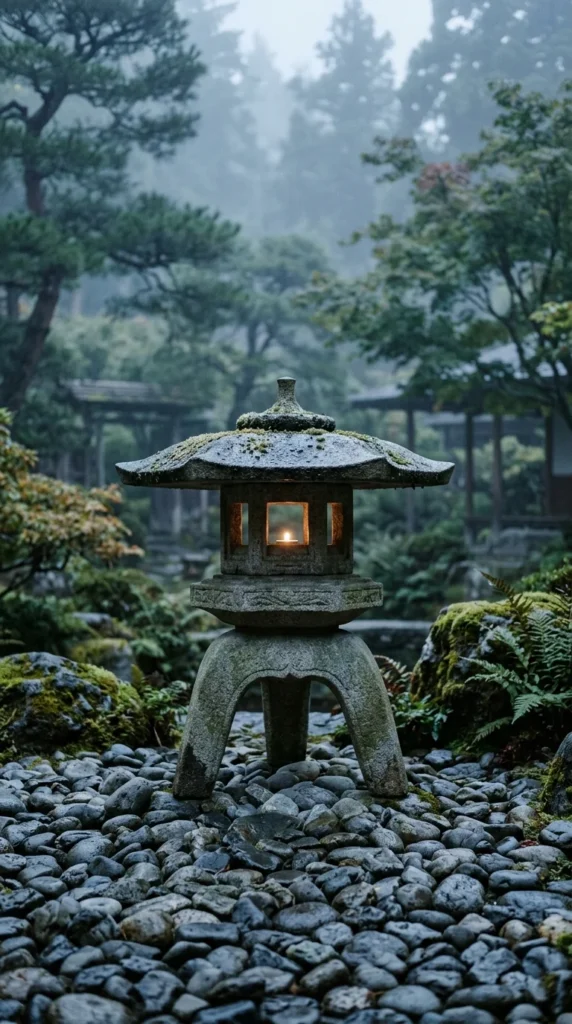
Lighting in a Buddha garden should be subtle and indirect. Traditional stone lanterns, or “toro,” are perfect for this. Originally used to line the paths of Buddhist temples, they now serve as beautiful architectural elements. During the day, they provide a sense of history and structure. At night, placing a small LED candle inside creates a flickering, warm glow that highlights the textures of your plants and stones without the harshness of modern floodlights.
8. Native Greenery
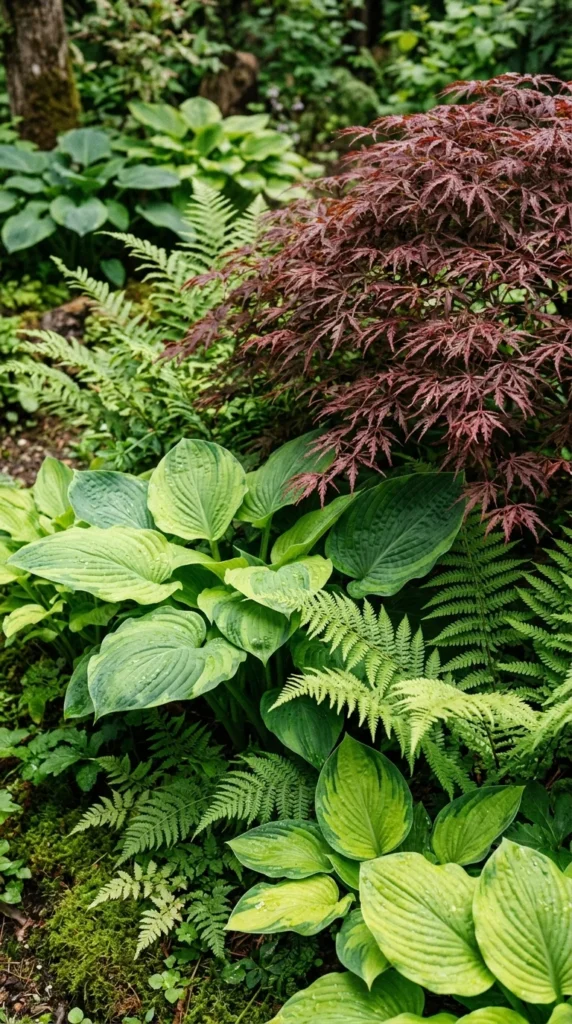
While exotic plants are beautiful, using native greenery ensures your garden feels grounded in its environment. Focus on a palette of various green shades rather than a riot of bright, clashing colors. Ferns, hostas, and ornamental grasses provide various textures that catch the light differently. A Japanese Maple is a classic choice for a Buddha garden, offering delicate leaf structures and stunning seasonal color changes that remind us of the impermanence of life.
9. Winding Paths
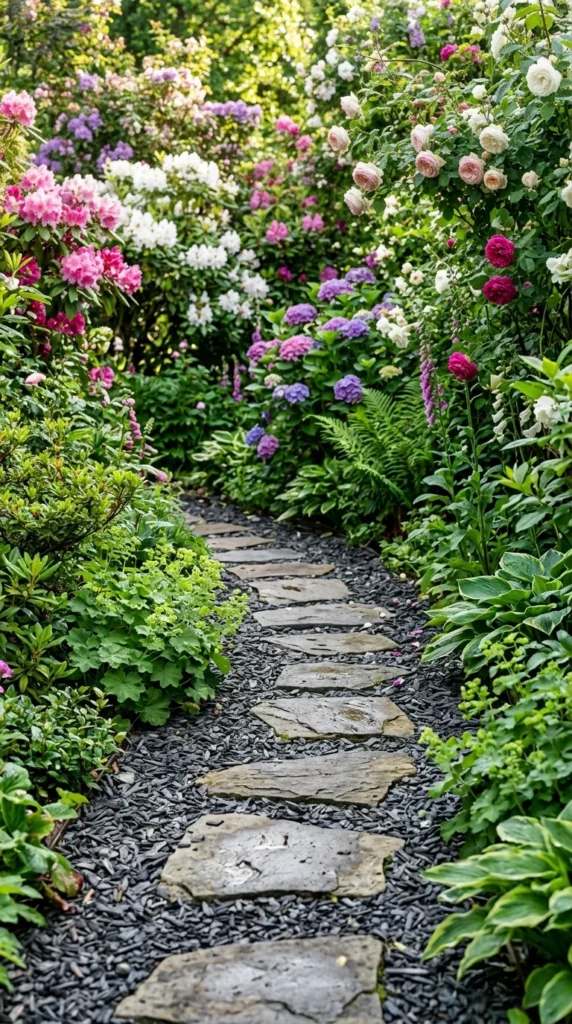
In Zen philosophy, the journey is just as important as the destination. Instead of straight, functional walkways, design winding paths that force you to slow down and observe your surroundings. Use natural materials like flagstone, slate, or stepping stones. Allow plants to slightly overhang the edges of the path to create a sense of discovery as you round each bend. This encourages a “walking meditation” where every step is intentional and mindful.
10. Incense Burners

Engage your sense of smell to deepen your relaxation. Placing a weather-resistant incense burner near your seating area can help signal to your brain that it is time to relax. Scents like sandalwood, cedar, and lotus are traditional choices that have been used in temples for millennia. If you prefer not to use smoke, planting fragrant flowers like Jasmine or Gardenia can provide a natural, sweet aroma that wafts through the garden on a breeze.
11. Lotus Ponds
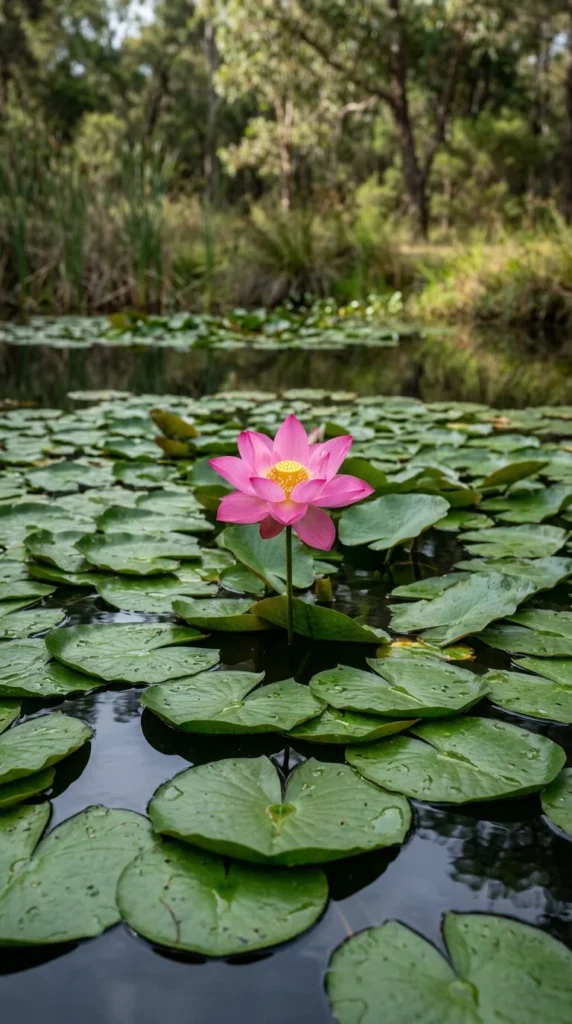
The lotus is one of the most powerful symbols in Buddhism, representing purity and enlightenment rising from the mud. If you have the space, a small pond with lotus flowers or water lilies is a profound addition. Watching the flowers open with the morning sun and close at night provides a rhythmic connection to the natural world. Even a large ceramic pot filled with water and a single aquatic plant can serve as a “mini-pond” for smaller spaces.
12. Natural Boundaries
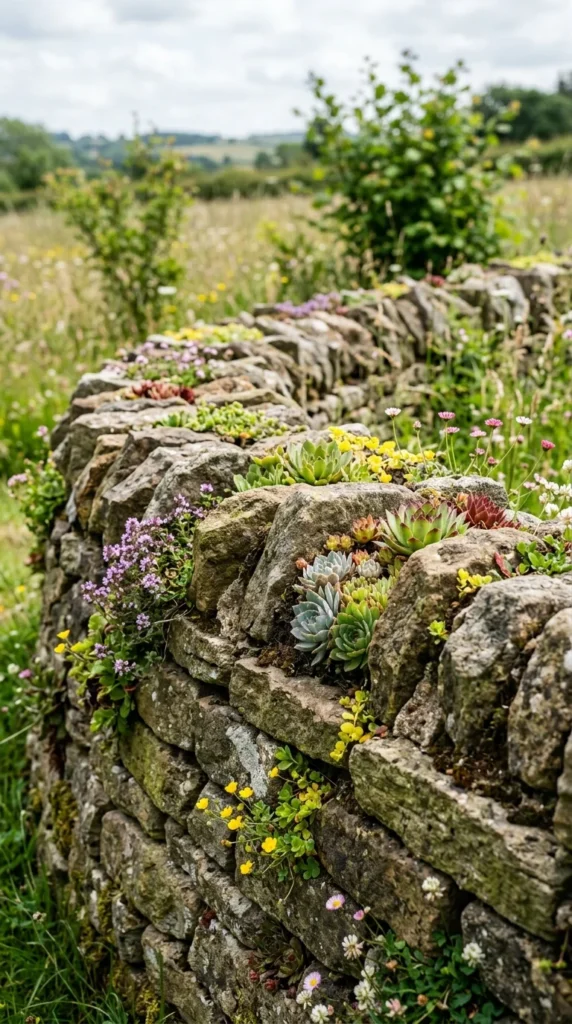
Avoid harsh plastic or metal fencing whenever possible. Instead, use natural materials to define the edges of your sanctuary. Low stone walls, wooden picket fences with a dark stain, or even a simple hedge of boxwood can provide the necessary boundary. These natural borders help contain the “peace” of the garden, creating a literal and metaphorical line between the chaotic outside world and your personal outdoor retreat.