Creating a hippie garden is about more than just planting flowers; it is about cultivating an ethos of freedom, sustainability, and artistic expression. A true bohemian outdoor space rejects the rigid lines of traditional landscaping in favor of organic shapes, “controlled” chaos, and a deep connection to the earth. Whether you have a sprawling backyard or a tiny urban balcony, you can transform your patch of green into a soulful retreat that celebrates the unconventional.
In this guide, we explore thirteen transformative ideas to help you manifest a garden that feels like a living, breathing work of art.
1. Upcycled Planters
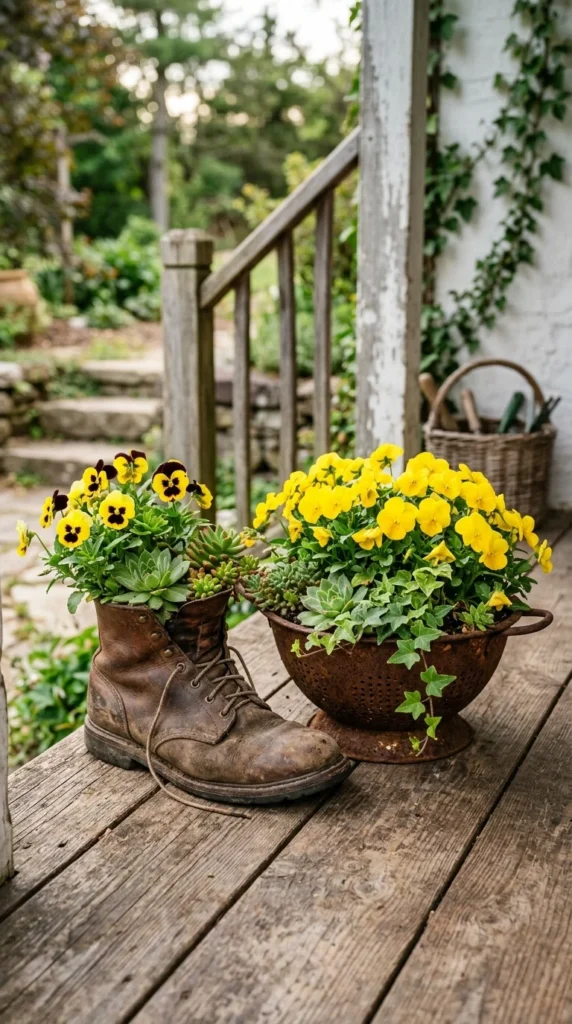
The cornerstone of any hippie garden is the philosophy of “reduce, reuse, and recycle.” Instead of purchasing mass-produced plastic pots, look to your attic or local thrift stores for objects with character. Old clawfoot bathtubs, chipped ceramic teapots, rusted wheelbarrows, and even hollowed-out logs can become home to vibrant flora.
Upcycling adds an immediate sense of history and whimsy to your space. It tells a story of transformation, where discarded items find a second life as vessels for growth. When using unconventional containers, just remember to drill drainage holes to ensure your plants stay healthy and avoid root rot.
2. Wildflower Meadows
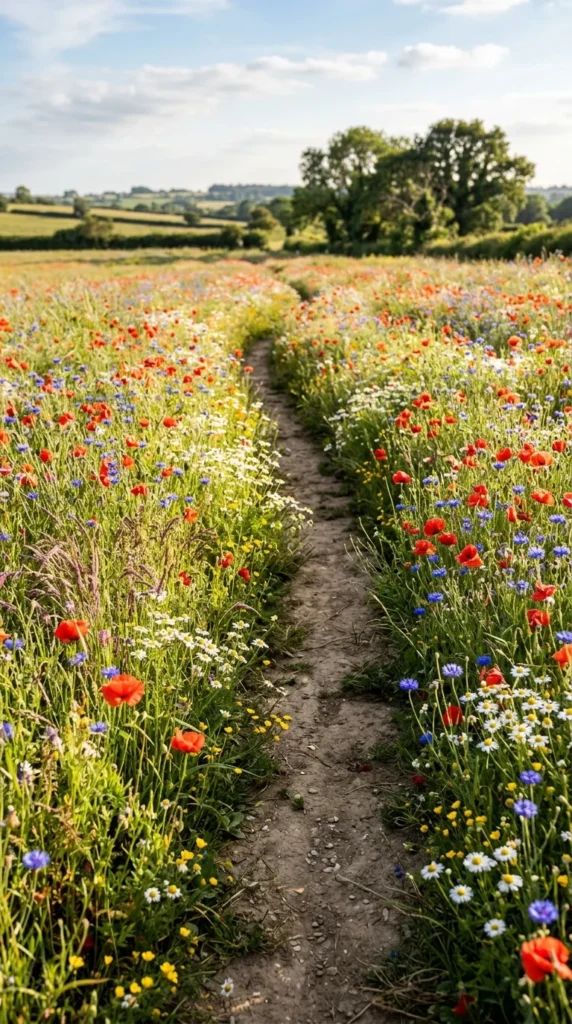
Ditch the perfectly manicured, chemical-laden lawn for a wildflower meadow. This is the ultimate “free-spirited” gardening move, as it allows nature to take the lead. Wildflowers require less water and maintenance than traditional grass and provide a vital sanctuary for pollinators like bees, butterflies, and hummingbirds.
To start your meadow, choose a native seed mix appropriate for your climate. The result is a seasonal explosion of color and texture that sways beautifully in the breeze. A meadow garden encourages a “live and let live” attitude, where the occasional weed is seen as part of the natural tapestry rather than an intruder.
3. Bohemian Seating
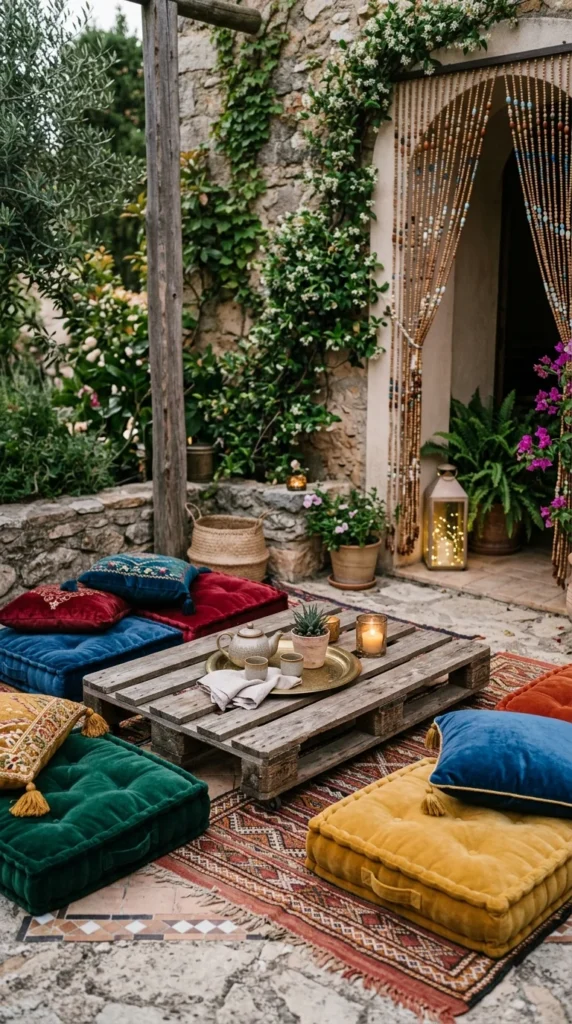
A hippie garden is designed for lingering, dreaming, and deep conversation. Standard patio furniture often feels too stiff and formal. Instead, opt for low-profile seating that brings you closer to the earth. Layering weather-resistant outdoor rugs and piling up oversized floor cushions creates an inviting, “lounge-style” atmosphere.
Consider using reclaimed wooden pallets to build low benches or tables. Drape these with colorful textiles, kantha quilts, or sheepskin throws to add layers of texture. This type of seating arrangement breaks down social barriers and encourages a more relaxed, communal vibe during garden gatherings.
4. Crystal Altars
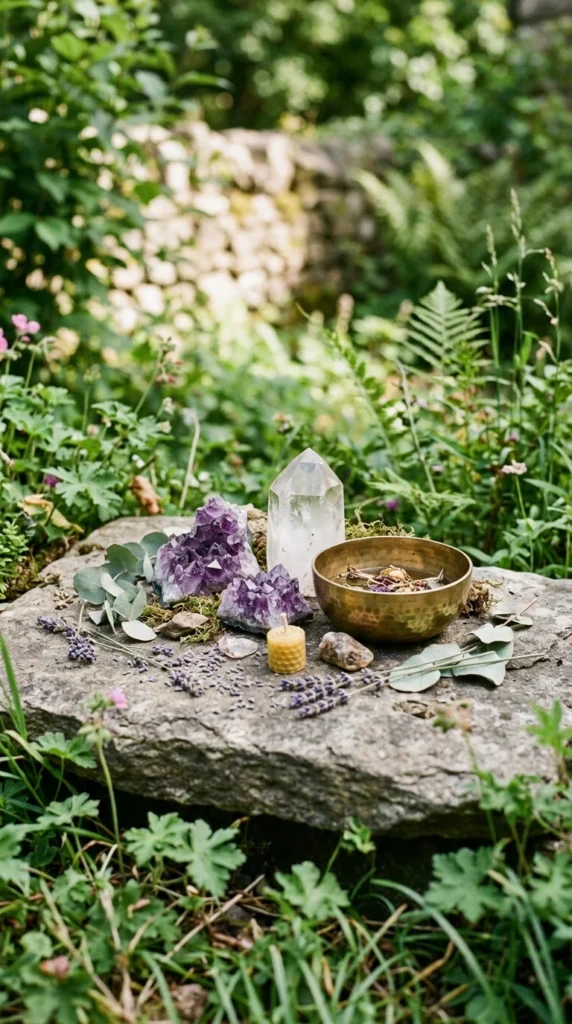
For many, the hippie lifestyle is deeply intertwined with spirituality and energy. Incorporating crystals into your garden design is a way to set intentions and harmonize the space. Large geodes or raw crystal points can be placed at the base of favorite trees, tucked into rockeries, or arranged on a dedicated garden altar.
Rose quartz is often used to promote a feeling of love and peace, while citrine is believed to bring abundance. Beyond the metaphysical properties, crystals add a stunning visual element, catching the sunlight and creating a sense of hidden magic among the foliage.
5. Macramé Hangers
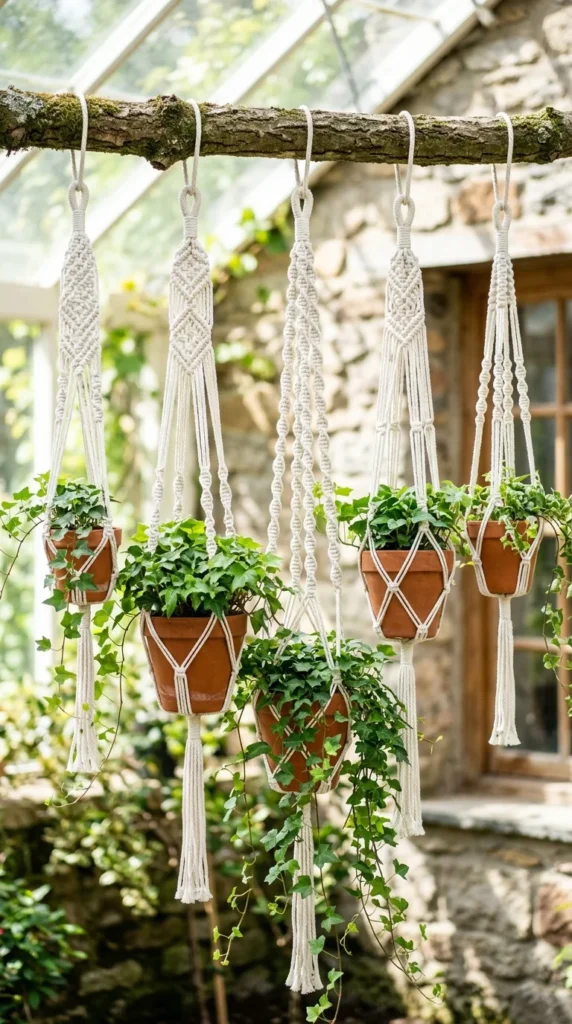
Nothing says “bohemian” quite like macramé. Utilizing vertical space is essential in a garden, and macramé plant hangers allow you to display your greenery like hanging sculptures. These handmade textile pieces add a soft, organic texture that contrasts beautifully with the sharp lines of a fence or the rough bark of a tree.
Hang them from porch eaves, pergolas, or even sturdy low-hanging branches. Choosing trailing plants like Pothos, Spider Plants, or String of Pearls creates a “jungle” effect, where greenery cascades from above, enveloping you in a verdant cocoon.
6. Fairy Lights
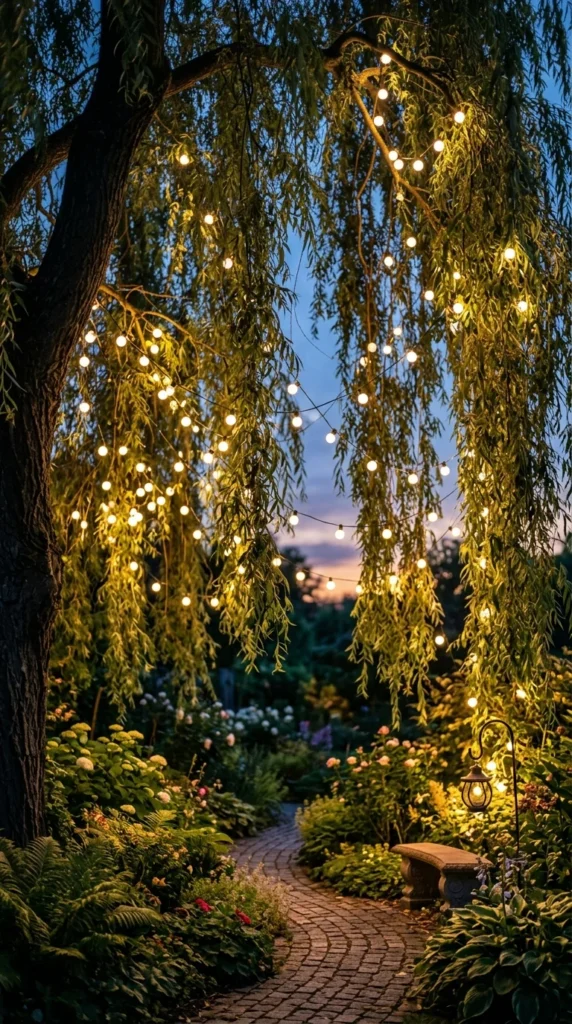
The magic of a hippie garden shouldn’t end when the sun goes down. Lighting is crucial for creating that ethereal, dreamlike quality. Steer clear of harsh floodlights and instead opt for layers of soft, warm illumination. String lights—often called fairy lights—can be woven through trellises, wrapped around trunks, or crisscrossed over a seating area.
Solar-powered lanterns and Moroccan-style perforated metal lamps also add a world-traveler aesthetic. The goal is to create a soft “glow” rather than “light,” mimicking the feeling of a firefly-lit forest.
7. Herb Spirals
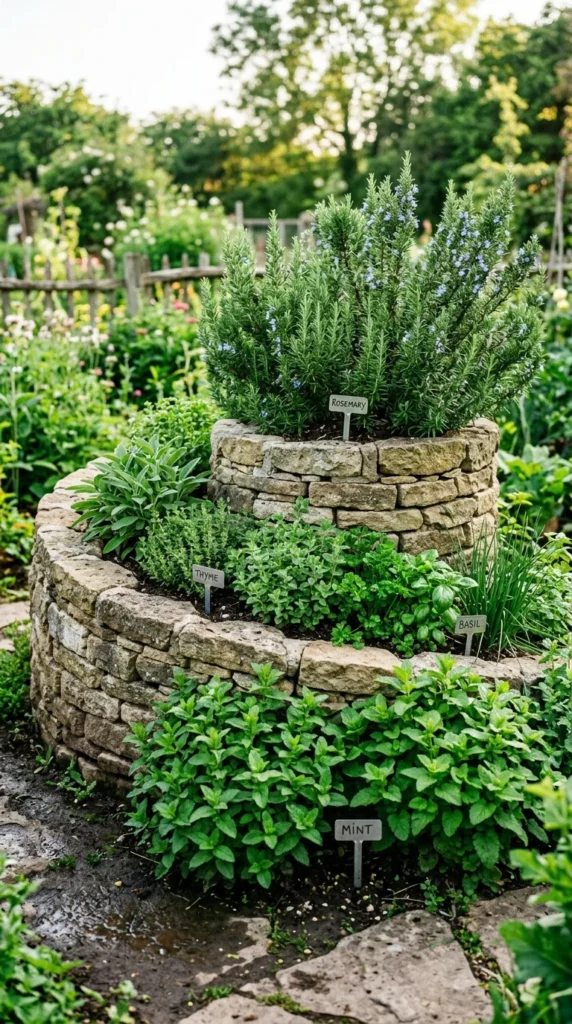
A herb spiral is a staple of permaculture and a perfect addition to a hippie garden. This design uses a spiral shape to create different microclimates within a single small footprint. The top of the spiral is sunnier and drier (perfect for rosemary and thyme), while the bottom remains cooler and more moist (ideal for mint and parsley).
Not only is an herb spiral highly functional and productive, but it also serves as a stunning geometric focal point. It embodies the hippie ideal of working with nature’s patterns rather than trying to force it into square boxes.
8. Mandala Patios
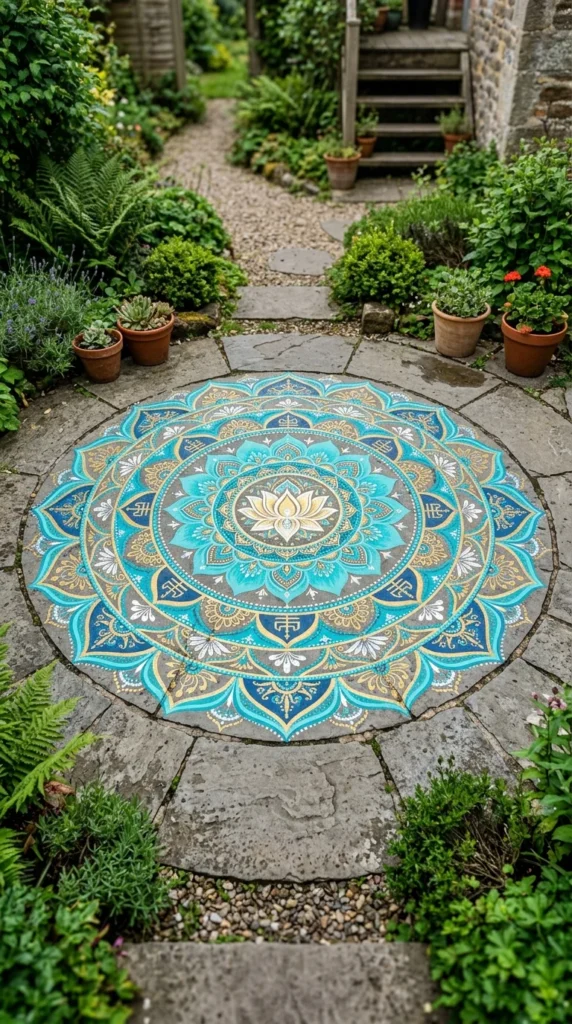
The mandala is a symbol of the universe, unity, and wholeness. Incorporating this sacred geometry into your garden can provide a focal point for meditation and reflection. You can create a mandala patio using stencils and masonry paint on existing pavers, or by meticulously laying out different colored pebbles and stones in a circular pattern.
A mandala patio acts as a spiritual anchor for the garden. It provides a flat, stable surface for yoga practice or simply a beautiful space to sit and contemplate the interconnectedness of all things.
9. Painted Stones
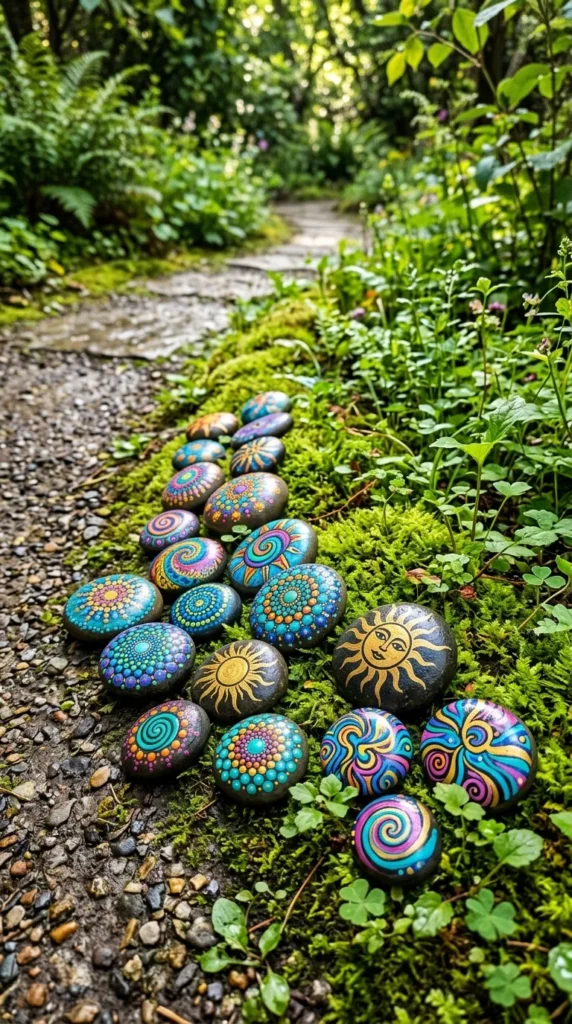
Art in a hippie garden is often interactive and homemade. Painting stones is a meditative practice that allows you to leave a personal mark on your outdoor space. You can use vibrant acrylic paints to turn simple river rocks into “kindness stones” featuring symbols of peace, om signs, or abstract psychedelic patterns.
Scatter these stones throughout your garden beds, use them as mulch for potted plants, or line your pathways with them. They serve as little “surprises” for the eyes, rewarding those who take the time to look closely at the details of your landscape.
10. Bamboo Privacy
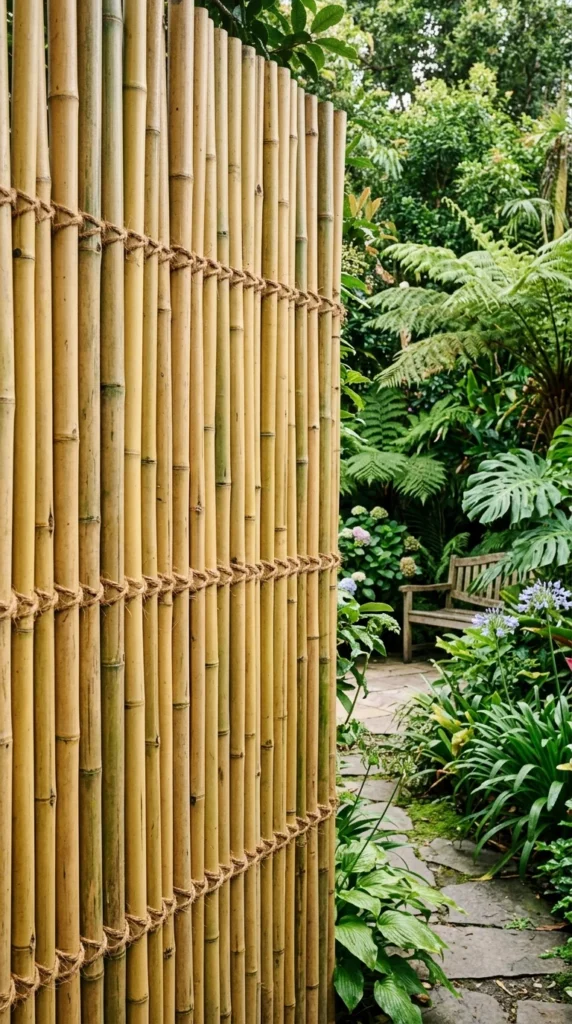
Privacy is essential for creating a space where you feel free to express yourself, whether that’s through dance, meditation, or simply napping. Instead of cold, industrial fencing, use natural bamboo screens. Bamboo is a rapidly renewable resource, making it an eco-friendly choice that fits the hippie ethos perfectly.
The vertical lines of bamboo add a tropical, serene feel to the garden. Moreover, the sound of the wind rustling through bamboo leaves creates a gentle “shushing” noise that helps mask the sounds of the neighborhood, further enhancing the feeling of a private sanctuary.
11. Wind Chimes
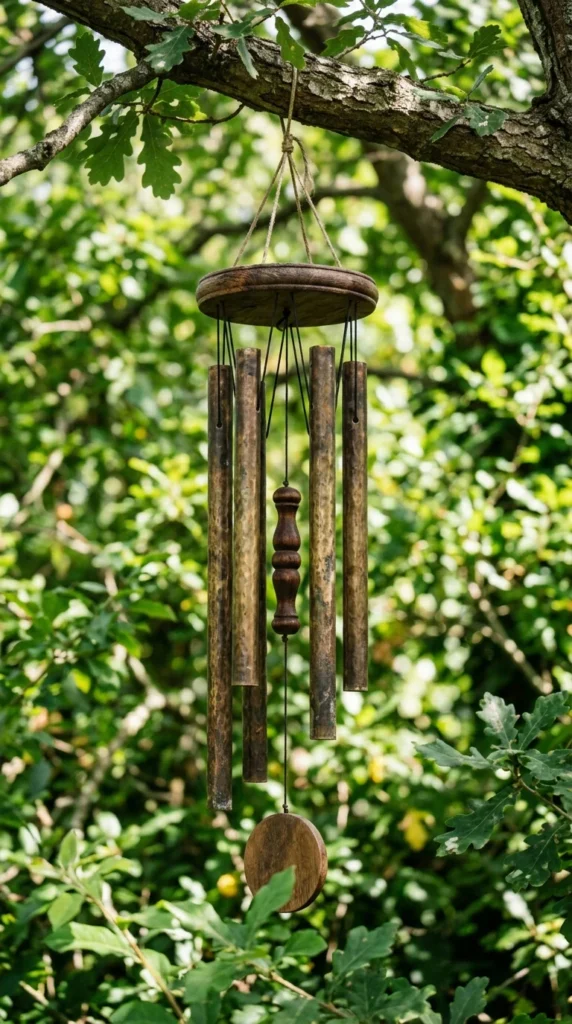
A hippie garden is a multi-sensory experience. While the eyes are treated to colors and the nose to floral scents, the ears should be treated to the soothing sounds of the wind. Wind chimes made from natural materials like bamboo, capiz shells, or recycled metal add an auditory layer of tranquility.
Deep-toned metal chimes provide a meditative, cathedral-like sound, while bamboo chimes offer a soft, percussive clacking that feels very grounded. Hanging them near windows or seating areas ensures that every breeze brings a reminder of the garden’s peaceful energy.
12. Hammock Nooks
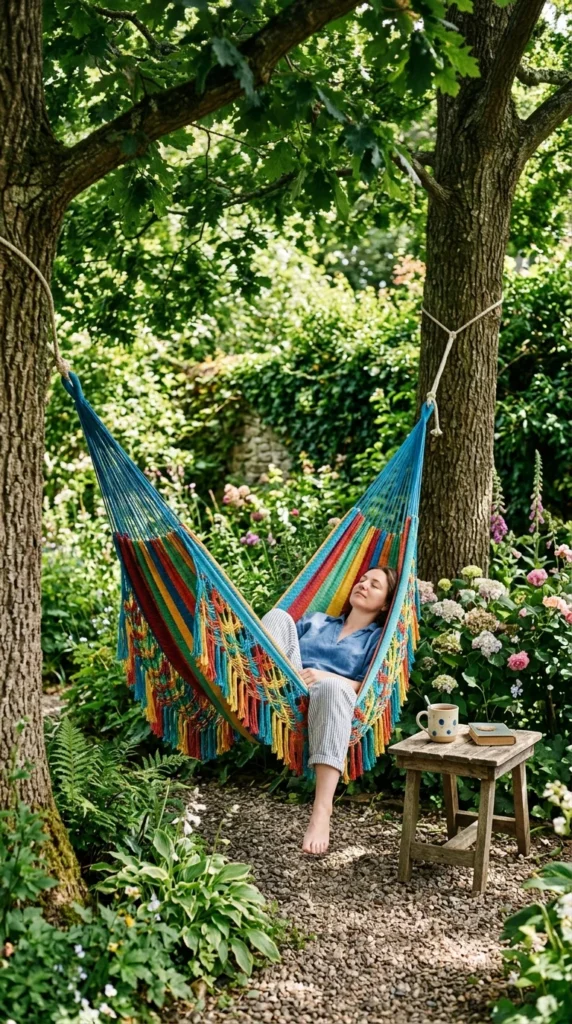
If a hippie garden had a mascot, it would be the hammock. The ultimate symbol of leisure and “slow living,” a hammock invites you to disconnect from the digital world and reconnect with the rhythm of the swaying trees.
Look for hammocks made of natural cotton with fringe or macramé details for that classic bohemian look. Tuck your hammock nook into the most secluded corner of your garden, perhaps under a canopy of leaves or near a fragrant jasmine vine, to create the perfect spot for afternoon naps or star-gazing.
13. Vertical Pallets
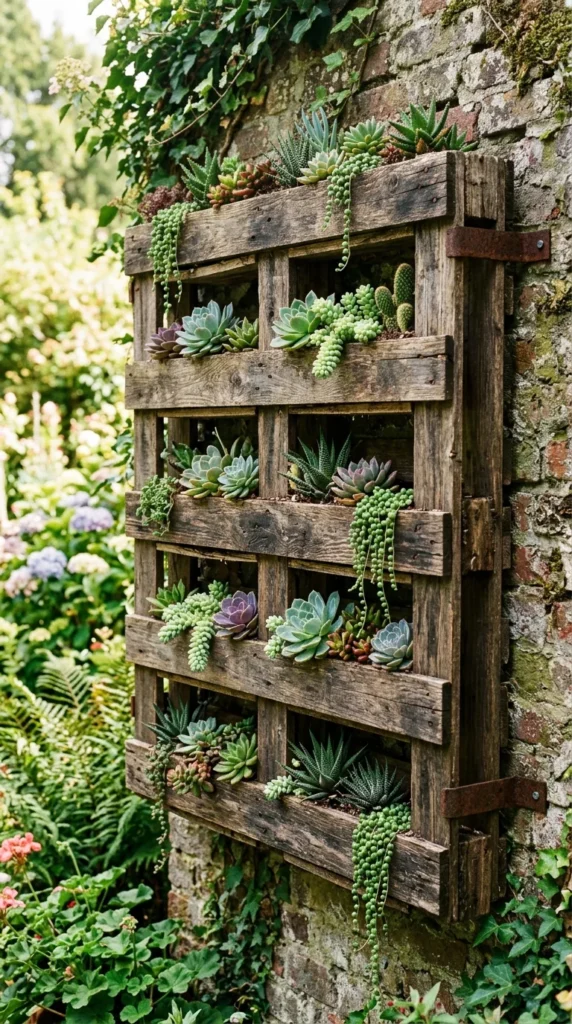
For those with limited ground space, the vertical pallet garden is a game-changer. It’s an easy DIY project that aligns with the spirit of resourcefulness. By attaching backing fabric to a pallet, you can fill the gaps with soil and plant a vertical wall of succulents, ferns, or strawberries.
Vertical gardening turns a flat, boring wall or fence into a lush, living tapestry. It maximizes your growing area and adds a rugged, handmade aesthetic to the space. It’s a testament to the idea that you don’t need a massive estate to create a thriving, free-spirited oasis.