The split rail fence is a quintessential symbol of the American landscape. Originally designed by early settlers who needed a functional way to contain livestock using nothing but an axe and the timber cleared from their land, this fencing style has evolved into a beloved architectural feature. Its open, airy design provides a clear boundary without obstructing the view, making it a favorite for homeowners who want to preserve the natural beauty of their surroundings while adding a touch of nostalgic elegance.
Whether you are looking to define your property line, keep a playful pup contained, or simply boost your curb appeal, the split rail fence offers a versatile canvas. From the rugged texture of natural cedar to the refined look of a painted finish, these twelve ideas will help you transform your yard into a rustic sanctuary.
1. Traditional Cedar
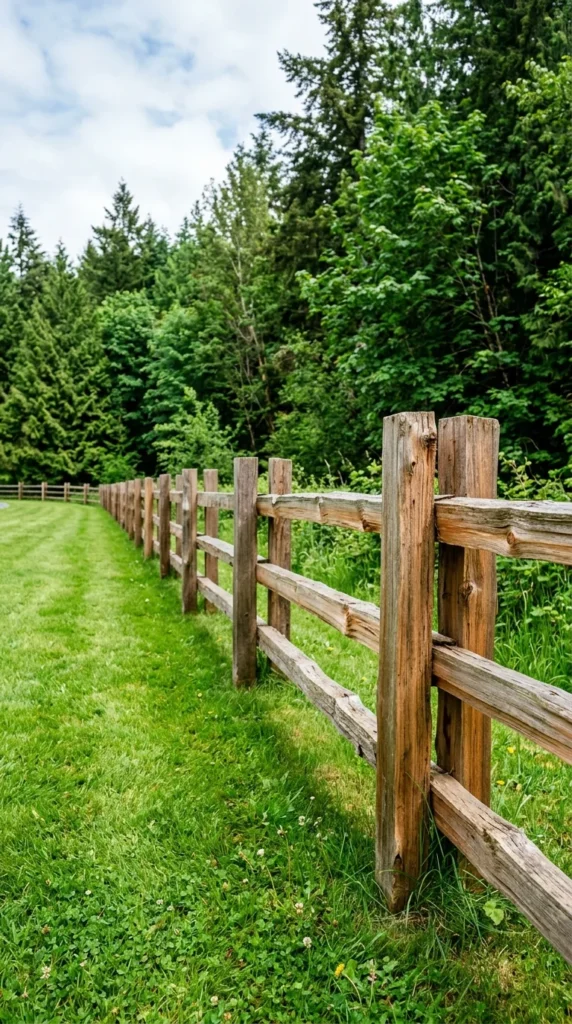
There is nothing quite like the authenticity of a traditional cedar split rail fence. Cedar is naturally resistant to rot, decay, and insect infestation, making it the premier choice for outdoor structures. Over time, cedar transitions from its warm reddish-brown hue to a sophisticated silvery-gray patina that blends seamlessly with the natural environment.
A traditional cedar fence usually consists of two or three horizontal rails tucked into mortised holes in the posts. This “mortar and tenon” style assembly requires no nails or hardware, allowing the wood to expand and contract with the seasons without compromising the structural integrity. It is the perfect choice for large properties where a heavy, solid fence would feel too imposing.
2. Wire Mesh
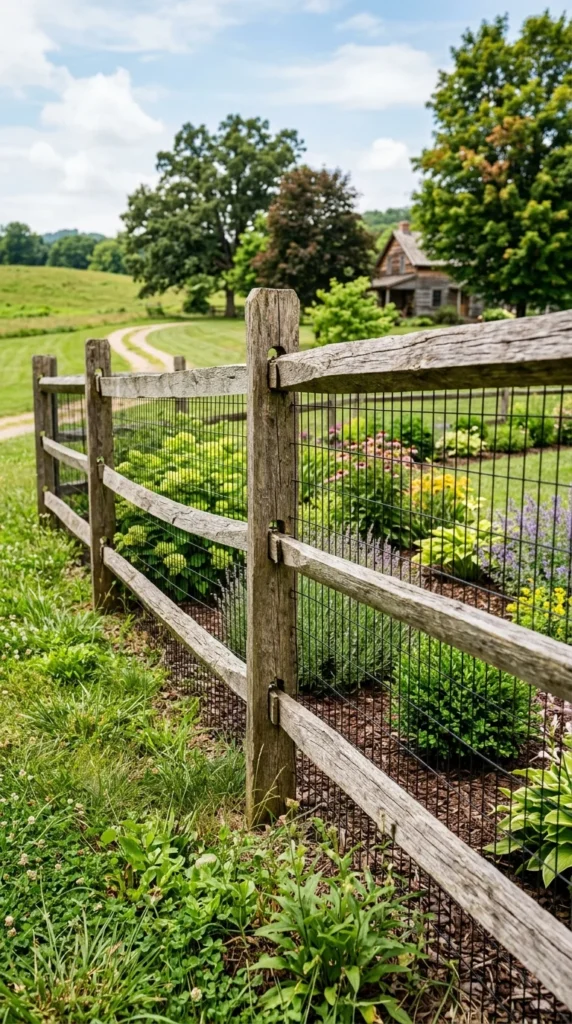
While the open design of a split rail fence is aesthetically pleasing, it isn’t always practical for those with small pets or children. Adding wire mesh—often referred to as “critter wire”—is a brilliant way to increase functionality without sacrificing the rustic look.
By using a black or green vinyl-coated mesh, the wire becomes almost invisible from a distance, allowing the wood rails to remain the focal point. This modification keeps dogs safely in the yard and keeps hungry deer or rabbits out of your prized vegetable garden. It is a subtle upgrade that provides peace of mind while maintaining that classic farmhouse aesthetic.
3. Floral Accents
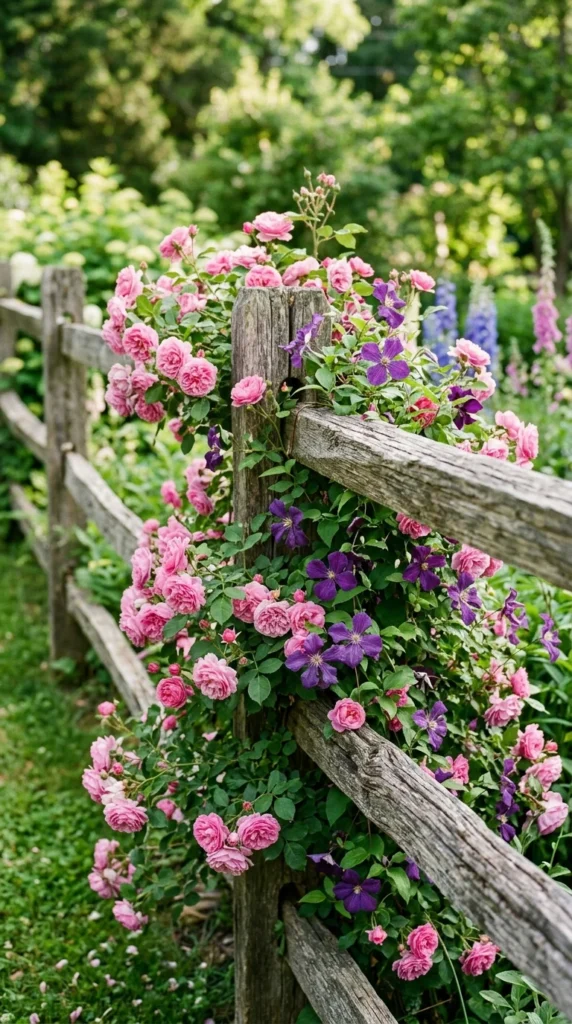
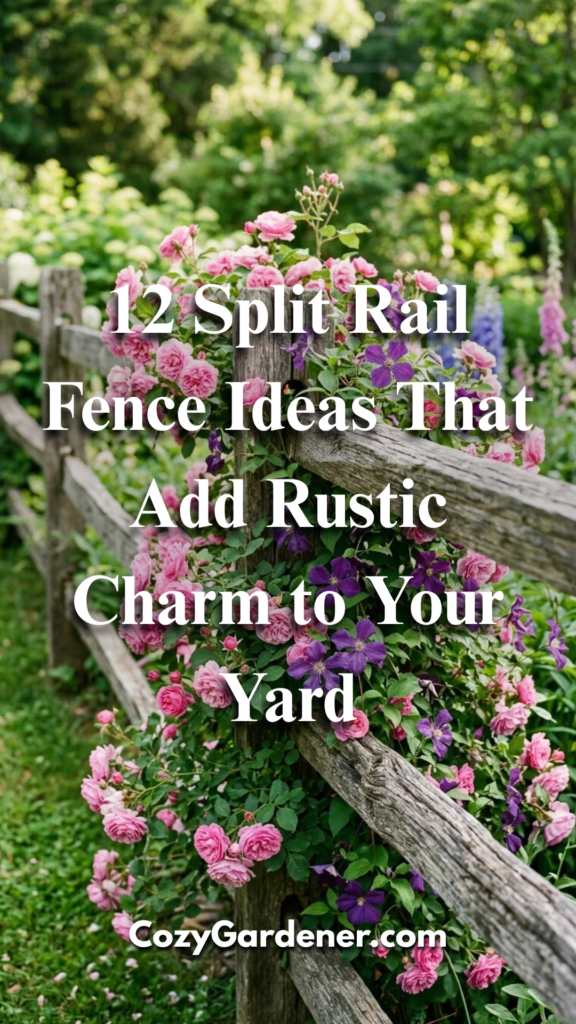
One of the greatest advantages of a split rail fence is its ability to act as a natural trellis. Because the rails are thick and sturdy, they can support the weight of heavy climbing plants and vines. This turns a simple boundary into a living, breathing vertical garden.
Consider planting climbing roses, honeysuckle, or wisteria at the base of the posts. As the plants mature, they will weave through the rails, creating a romantic, cottage-core vibe. Even if you prefer not to have climbing plants, lining the fence with a border of hydrangeas or lavender can soften the hard lines of the wood and add a burst of color to your landscape.
4. Corner Accents
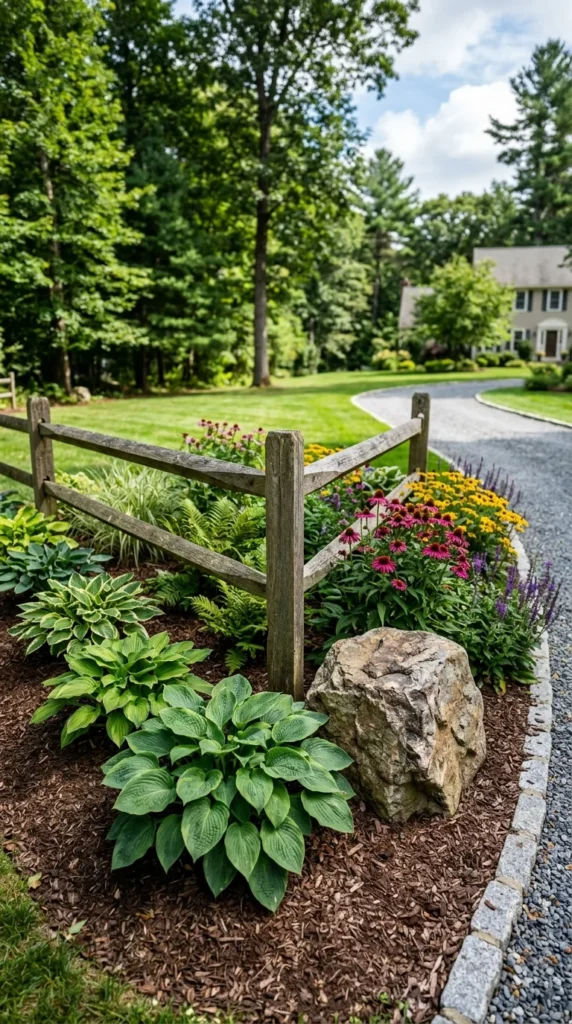
You don’t need to fence in your entire property to enjoy the charm of split rails. Corner accents are a popular landscaping technique used to define specific areas or add visual interest to an otherwise empty space.
A simple two-section “L” shape at the entrance of a driveway or the corner of a flower bed creates an instant focal point. You can enhance this look by adding a post-mounted lantern, a decorative mailbox, or a cluster of large river rocks. It’s a cost-effective way to introduce rustic elements to your yard without the expense of a full perimeter installation.
5. Stone Pillars
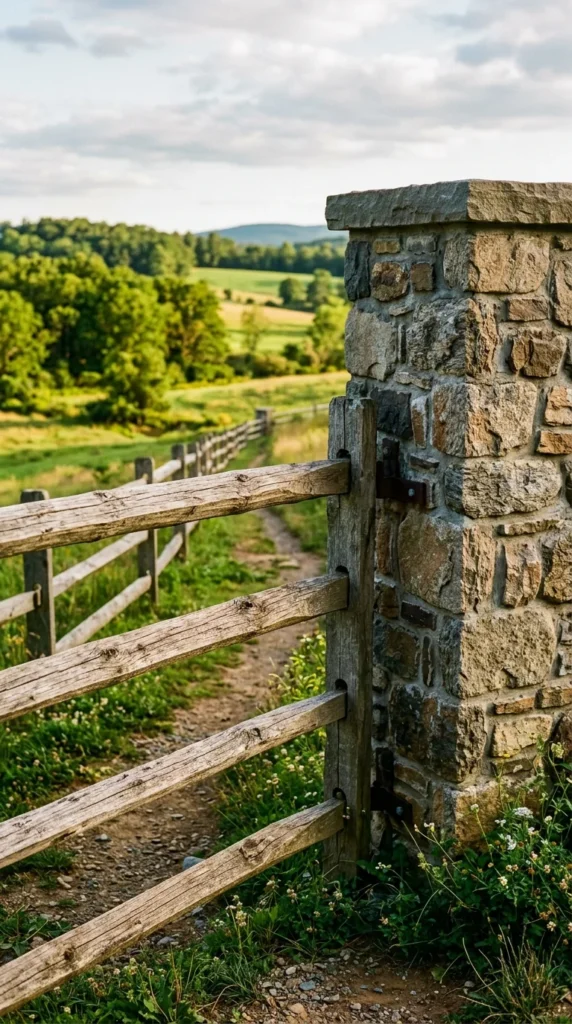
For a look that exudes strength and permanence, try pairing your wooden rails with stone pillars. This “mixed media” approach combines the organic warmth of wood with the grounded, earthy feel of masonry.
Stone pillars can be placed at the main entrance points or used as “anchor posts” at the corners of the property. You can use stacked fieldstone for a more rugged, wild look, or cut flagstone for a cleaner, more contemporary feel. This style is particularly effective for mountain homes or estates with large, sprawling lawns, as it adds a sense of grandeur to the property.
6. Painted White
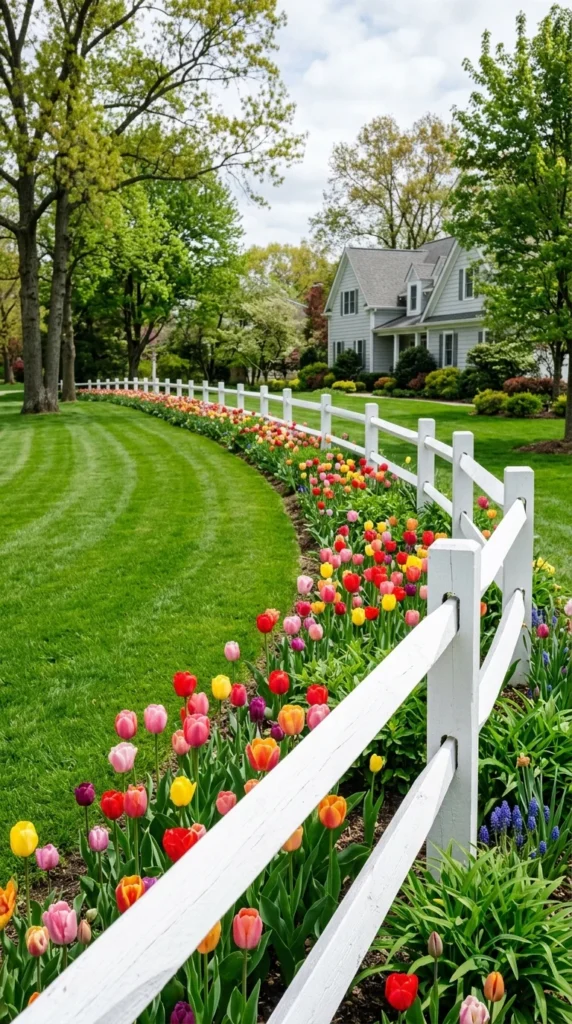
While most people associate split rail fences with raw, natural wood, a coat of white paint can completely transform the vibe. A white split rail fence bridges the gap between “rustic farm” and “stately colonial,” offering a cleaner, more tailored appearance.
This style is excellent for suburban neighborhoods where you want the openness of a rail fence but with a bit more “pop.” The white contrast against a bright green lawn is incredibly striking. Keep in mind that painted fences require more maintenance than natural wood, as they will need occasional touching up to keep them looking fresh.
7. Low Profile
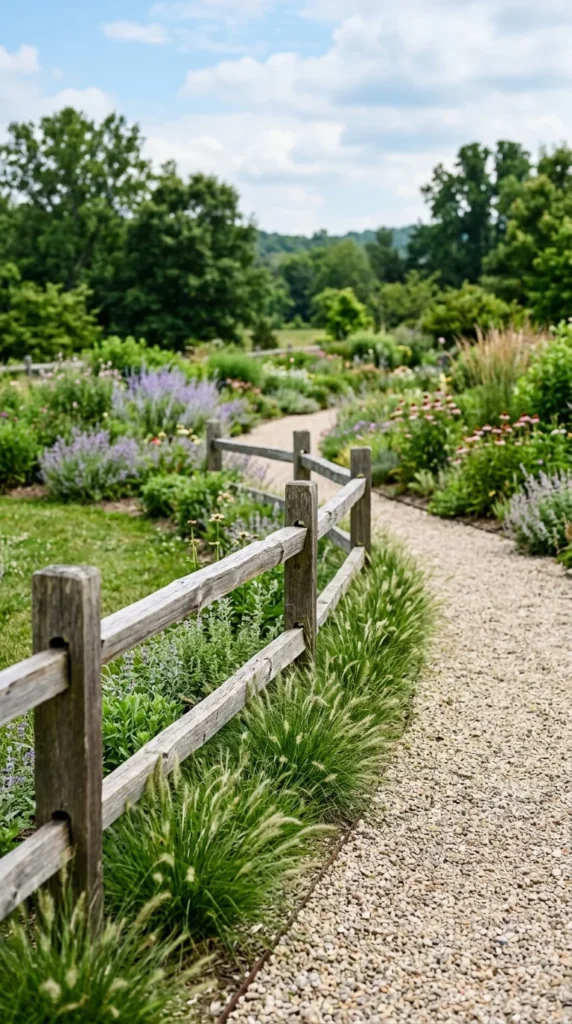
Sometimes, less is more. A low-profile split rail fence, usually standing only two feet high with just two rails, is an excellent way to define pathways or separate different zones within a yard—such as separating a play area from a patio.
Because it sits low to the ground, it doesn’t block the view of your landscaping, but it still provides a clear psychological barrier. It’s an understated choice that works beautifully in smaller yards or as a border for a long, winding driveway.
8. Mixed Materials
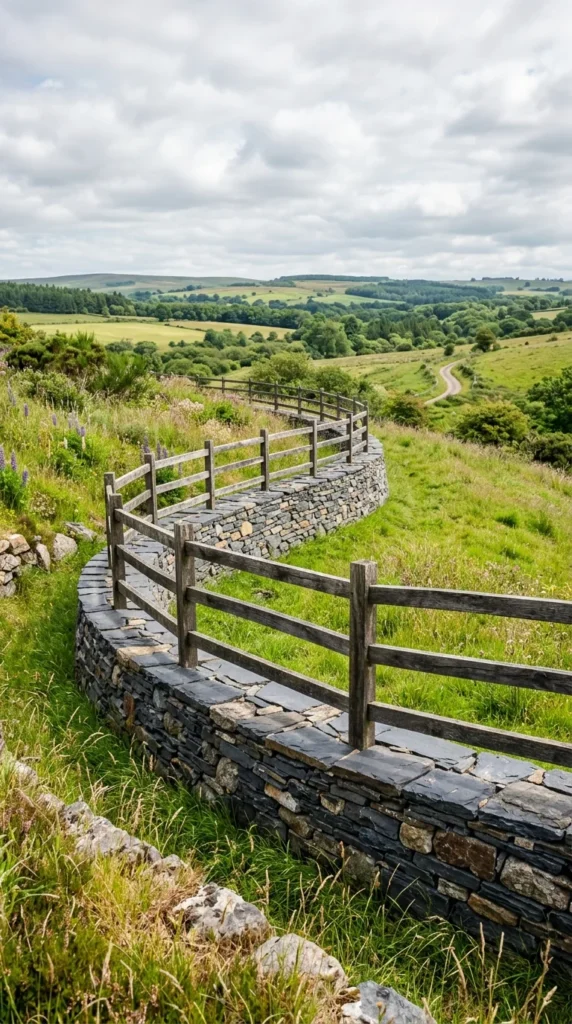
In modern landscaping, mixing textures is key to creating depth. You can integrate a split rail fence with other materials like brick, steel, or even corrugated metal. For example, building a split rail fence on top of a low stone retaining wall adds height and architectural interest.
Another trending idea is to use “heavy-duty” rails—extra thick logs—paired with industrial steel posts. This “Industrial Rustic” style is perfect for modern farmhouse designs, providing a unique twist on a traditional concept.
9. Gate Designs
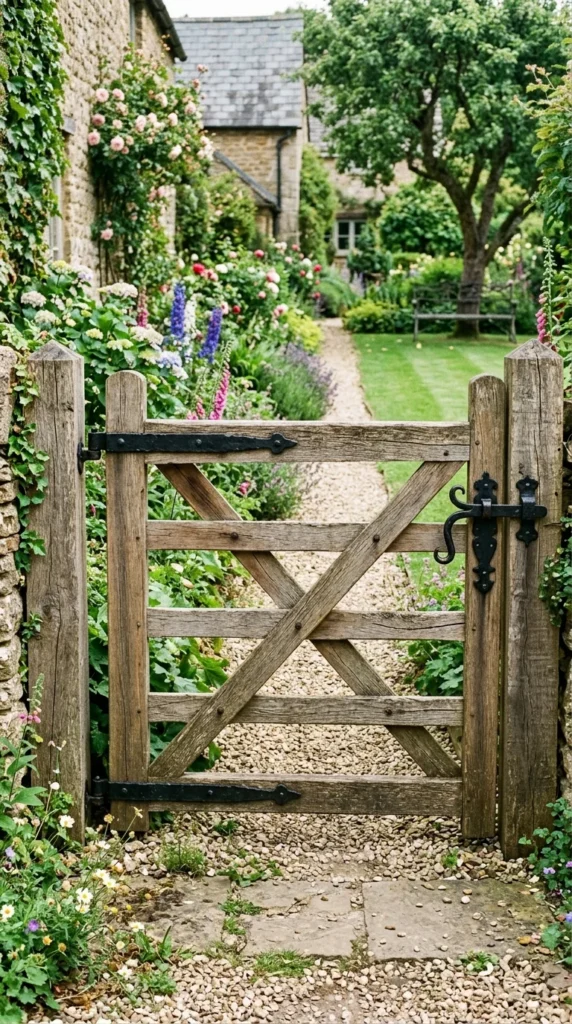
The gate is the “handshake” of your home, and with a split rail fence, you have several creative options. A simple matching split rail gate is the most common choice, but you can also opt for a heavy timber “Z-frame” gate to add a bit of weight and character.
To make the gate stand out, use oversized wrought iron hardware. Large strap hinges and a classic gravity latch not only function well but also provide a beautiful aesthetic contrast to the rough wood. For an extra touch of charm, hang a seasonal wreath or a personalized wooden sign on the gate.
10. Weathered Patina
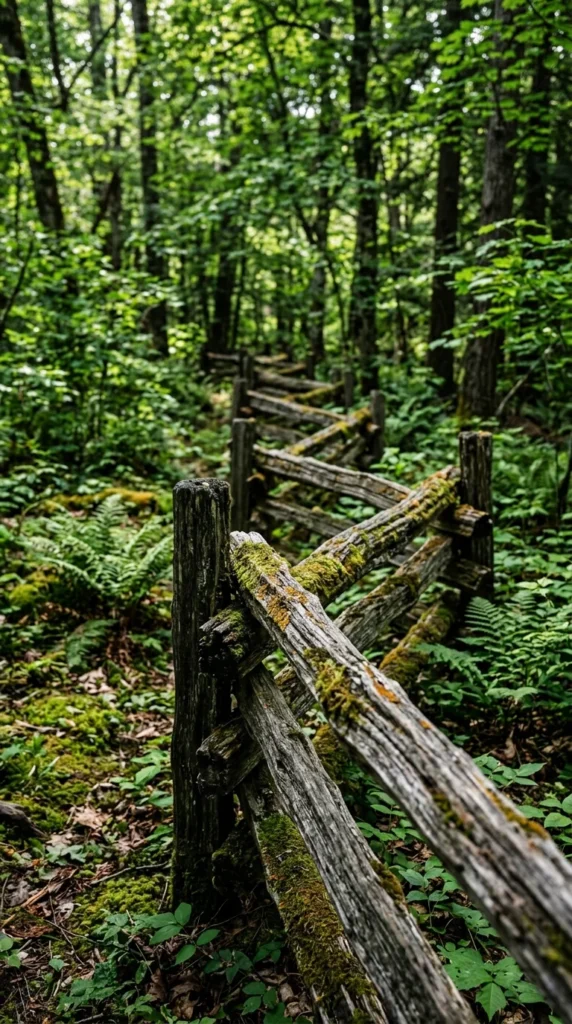
There is a specific beauty found in the aging process of wood. A weathered patina tells a story of years spent in the sun and rain. If you love the “shabby chic” or “ancient woodland” look, you can choose to leave your fence entirely untreated.
In damp or shaded areas, the wood may even develop a soft coating of moss or lichen, which only adds to the rustic allure. This look is best achieved with black locust or cedar, as these woods can withstand the elements for decades without needing chemical preservatives, allowing them to age gracefully into the landscape.
11. Herb Gardens
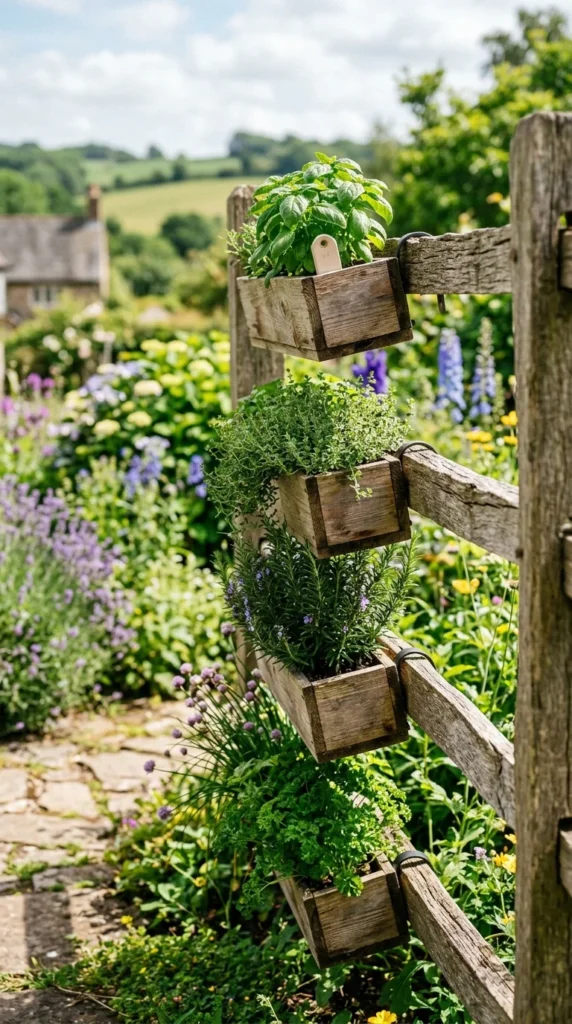
If you are short on space but love gardening, your split rail fence can serve as a functional structure for growing food. Because the rails are horizontal and level, they are perfect for hanging planter boxes.
Attaching cedar boxes filled with herbs like basil, oregano, and rosemary creates a “living fence” that smells as good as it looks. It also keeps your herbs off the ground and away from some ground-dwelling pests. This setup is particularly convenient if the fence is located near a kitchen door or a backyard grilling station.
12. Lighting Features
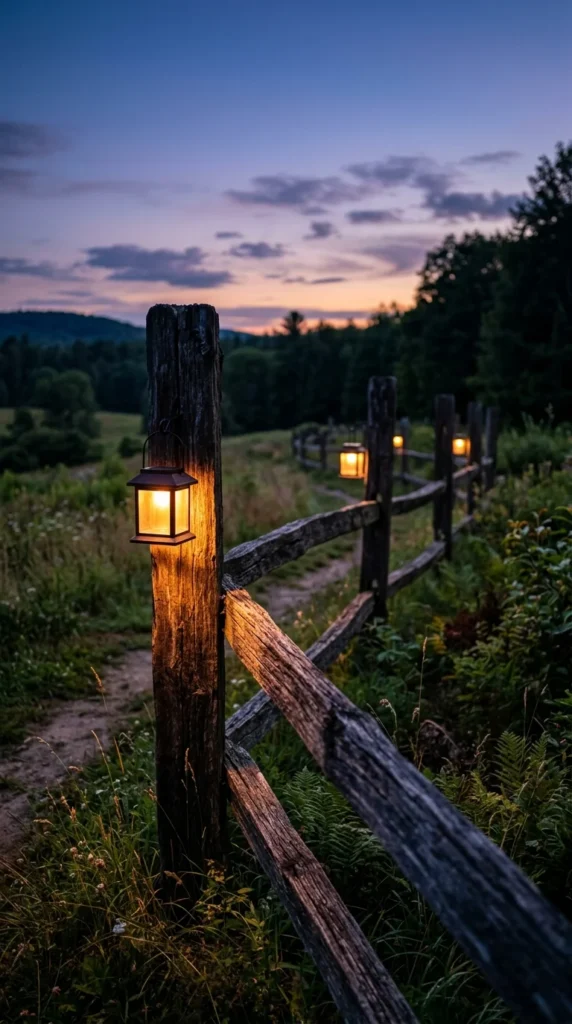
Don’t let your fence disappear when the sun goes down. Integrating lighting into your split rail fence can turn it into a magical boundary at night. Solar-powered post cap lights are a popular and easy-to-install option that provides a soft glow along the perimeter.
For a more whimsical look, consider stringing Edison bulbs or fairy lights along the top rail. Alternatively, hanging small copper lanterns from the posts can give the property a historic, lantern-lit feel. Lighting not only enhances the beauty of the fence but also adds an element of safety and security to your outdoor space.