The Mediterranean lifestyle is synonymous with slow living, sun-soaked afternoons, and a deep connection to the outdoors. A Mediterranean courtyard isn’t just a garden; it’s an extension of the home—a private sanctuary where the air is scented with herbs, the sound of trickling water provides a backdrop for conversation, and the architecture embraces the natural environment. Whether you live in a coastal climate or a bustling city, you can transform your outdoor space into a tranquil oasis by adopting the principles of Southern European design.
From the rustic charm of Tuscany to the crisp, white-and-blue palettes of the Greek Isles, these sixteen ideas will help you cultivate a Mediterranean haven that feels both timeless and deeply relaxing.
1. Terracotta Pots
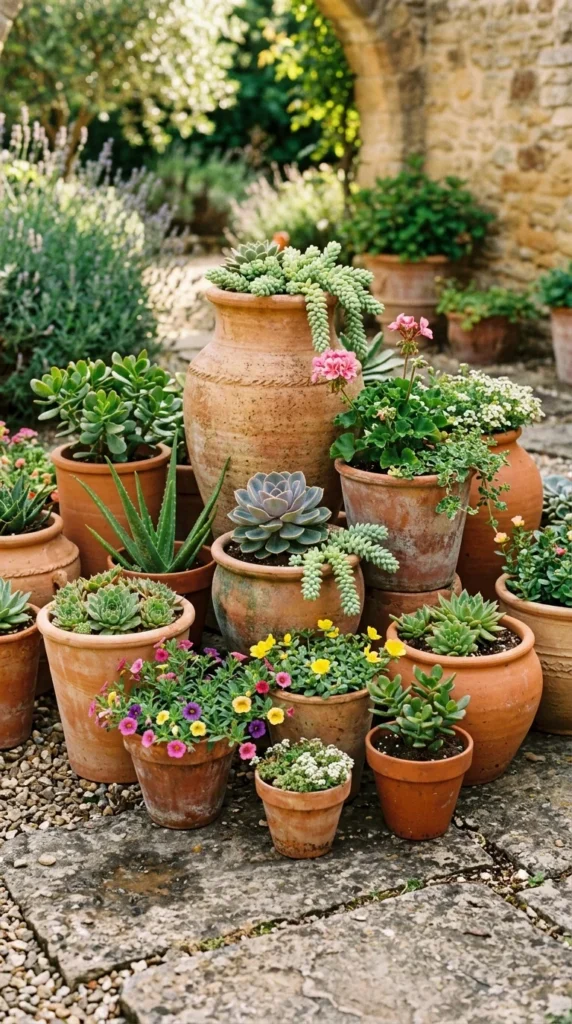
Nothing says “Mediterranean” quite like the warm, earthy glow of terracotta. These clay vessels are a staple of Spanish and Italian gardens, offering a breathable environment for plants while adding a rustic, handmade aesthetic. To create a visual impact, avoid using just one or two pots. Instead, group them in clusters of varying heights and diameters. This creates a sense of abundance and layered texture. Look for aged pots with a natural patina or moss growth to give your courtyard an established, “lived-in” feel.
2. Olive Trees
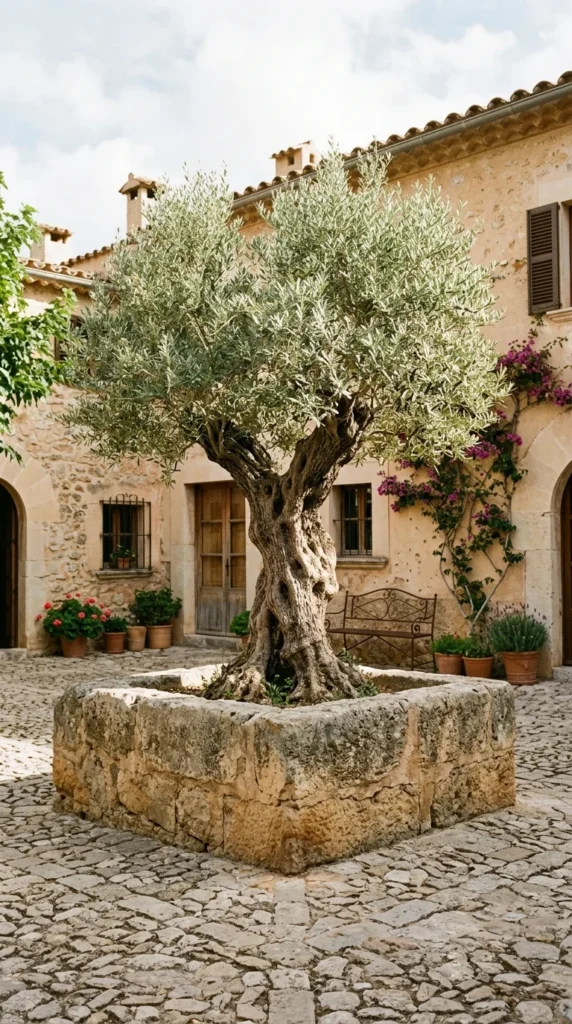
The olive tree is the quintessential symbol of the Mediterranean. With its silvery-green foliage and sculptural, twisted trunk, it provides a sophisticated focal point for any courtyard. Olive trees are incredibly hardy and drought-tolerant, making them perfect for low-maintenance spaces. If you have a smaller courtyard, look for dwarf varieties or “lollipop” pruned trees that can thrive in large containers. The way the light catches the underside of the leaves creates a shimmering, ethereal quality that instantly elevates the mood of the space.
3. Tiled Fountains
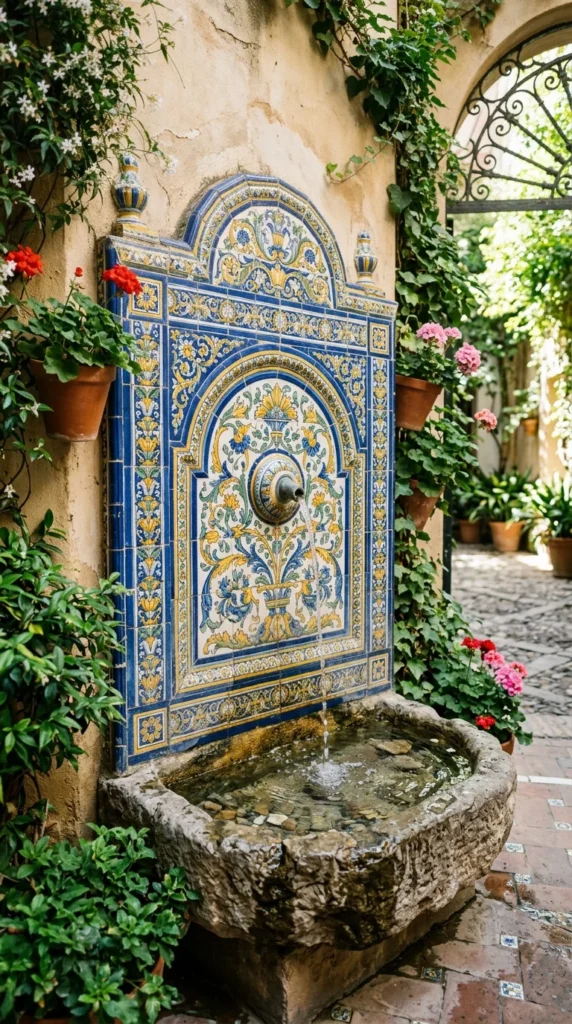
In the heat of a Mediterranean summer, the sound and sight of water are essential for psychological cooling. A tiled fountain serves as both a piece of art and a functional cooling element. Traditional Moorish or Spanish designs often feature intricate geometric patterns in cobalt blue, ochre, and emerald green. Whether it’s a central floor fountain or a wall-mounted spout, the gentle splashing sound masks city noise and creates a rhythmic, meditative atmosphere perfect for afternoon siestas.
4. Climbing Bougainvillea
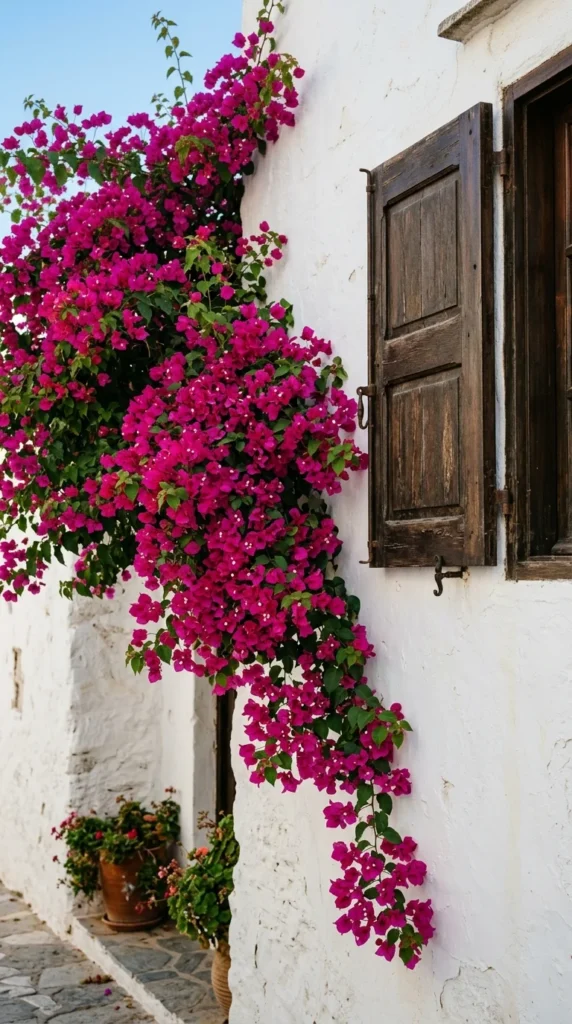
For a dramatic explosion of color, bougainvillea is unrivaled. This vigorous climber thrives in the sun and can quickly cover walls, fences, or pergolas with its papery, intensely colored bracts. To capture the Greek island aesthetic, pair bright pink or purple bougainvillea against a stark whitewashed wall. The contrast is visually stunning and provides a lush, tropical feel that softens the hard edges of stone and masonry.
5. Gravel Flooring
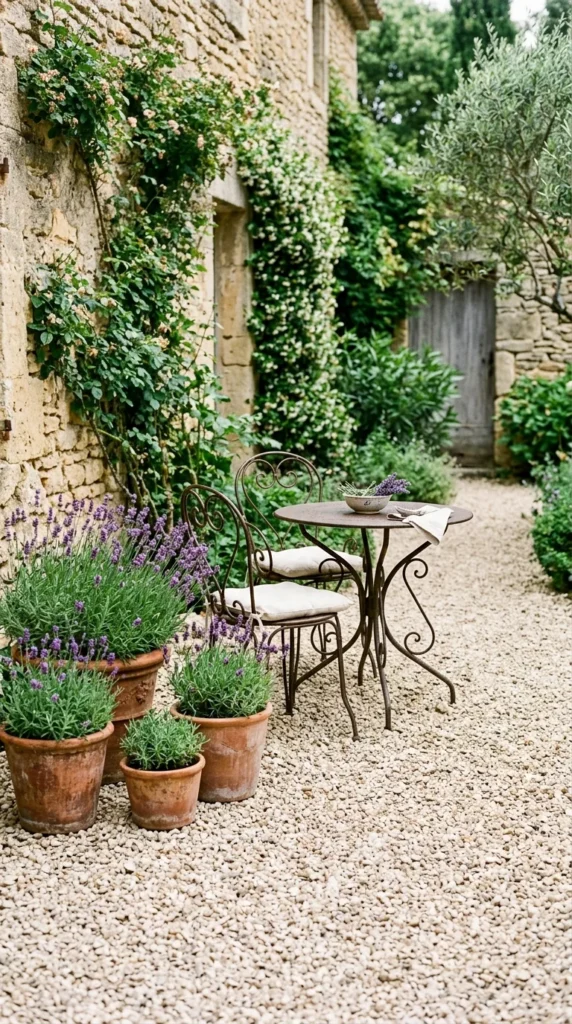
In Mediterranean climates, traditional lawns are often replaced with gravel or stone to conserve water. Gravel flooring is not only practical but also adds a wonderful sensory element to the garden—the distinct “crunch” underfoot is a hallmark of European estate gardens. Use light-colored aggregates like crushed limestone or pea gravel to reflect heat and keep the space bright. Gravel is also excellent for drainage and allows you to plant “volunteers” like creeping thyme or chamomile directly into the paths for a more natural look.
6. Wrought Iron
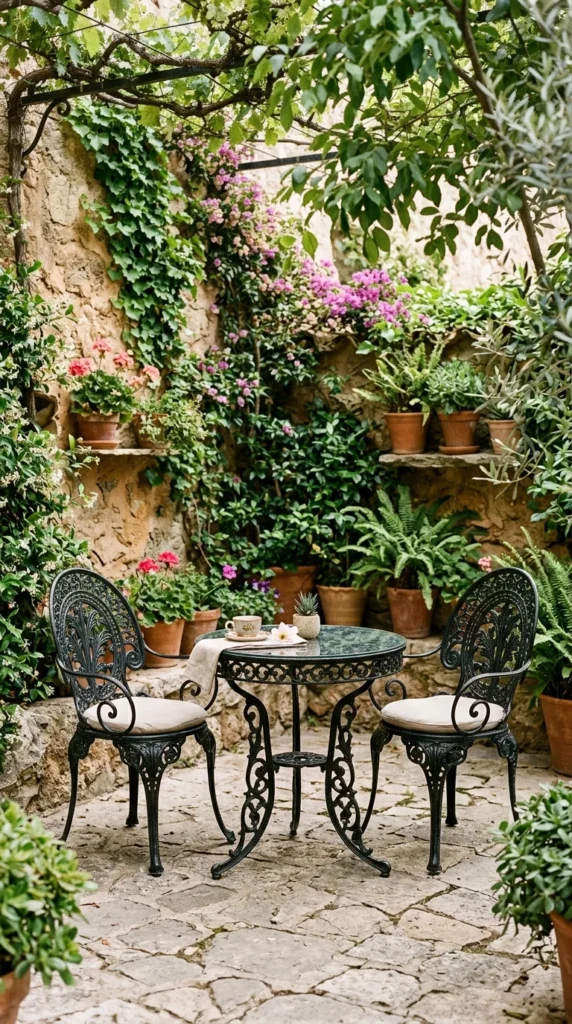
Wrought iron furniture and accents provide a delicate, airy feel that doesn’t overwhelm a small courtyard. Its dark, slender lines contrast beautifully against light-colored stone walls. Look for vintage-inspired chairs, gates, or even decorative wall grilles. To ensure comfort, add plush cushions in neutral linens or classic stripes. Wrought iron is durable and ages beautifully, developing a character that complements the timeless nature of a Mediterranean garden.
7. Lavender Borders
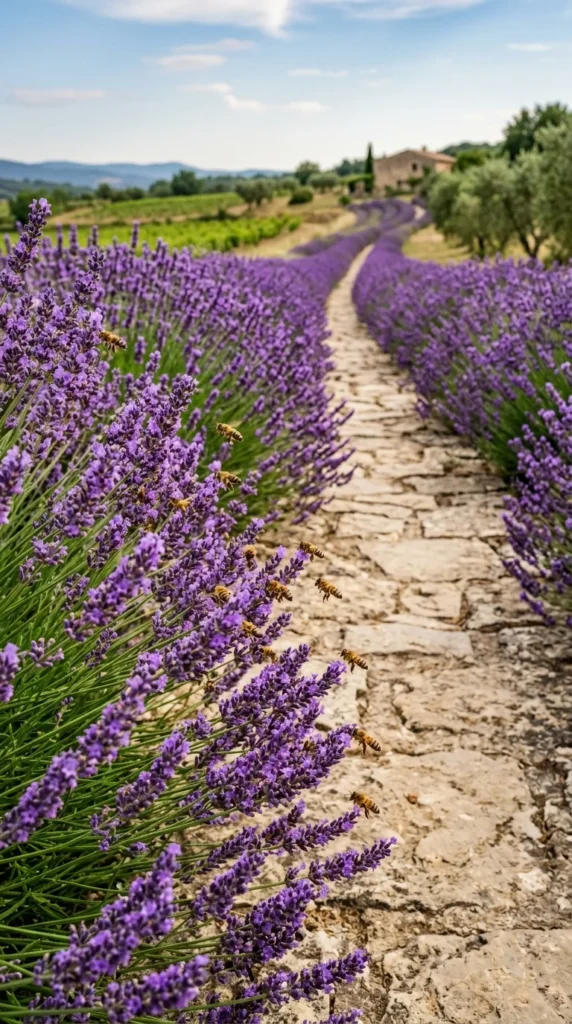
A Mediterranean garden is a multi-sensory experience, and scent plays a massive role. Planting lavender along walkways or seating areas ensures that every time you brush past, a calming aroma is released. Lavender thrives in sunny, well-drained spots and provides a soft, hazy blue-purple hue that complements the warm tones of terracotta and stone. Beyond its beauty, lavender is a magnet for pollinators, bringing life and movement into your courtyard.
8. Shaded Pergolas
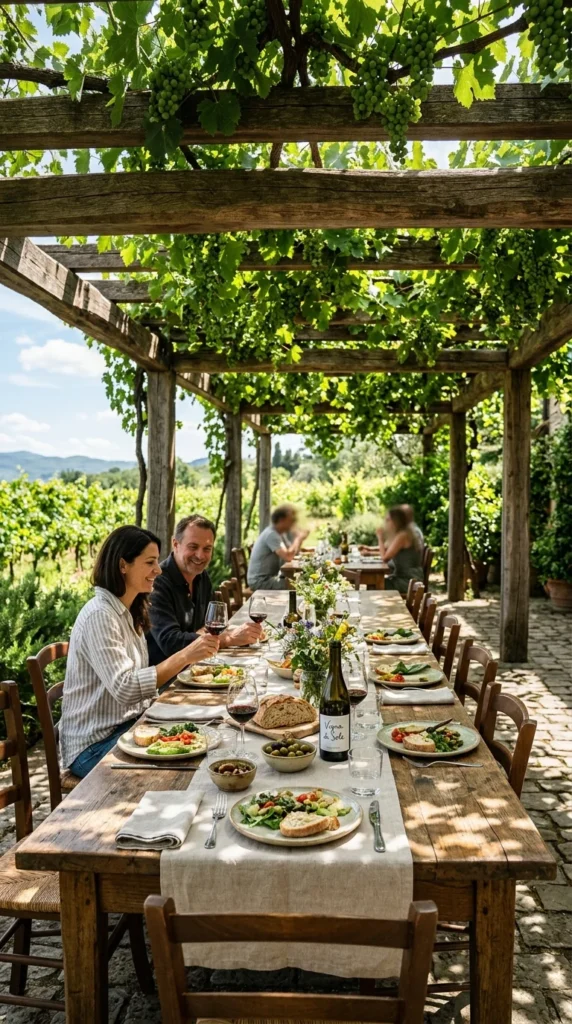
Protection from the midday sun is a necessity in Mediterranean design. A wooden or stone pergola covered in climbing plants—such as grapevines, wisteria, or jasmine—creates a “living ceiling.” This dappled shade is significantly cooler than total shade from a solid roof and creates a beautiful play of light and shadow on the ground below. It’s the perfect spot for an alfresco dining area or a comfortable outdoor lounge.
9. Azure Accents
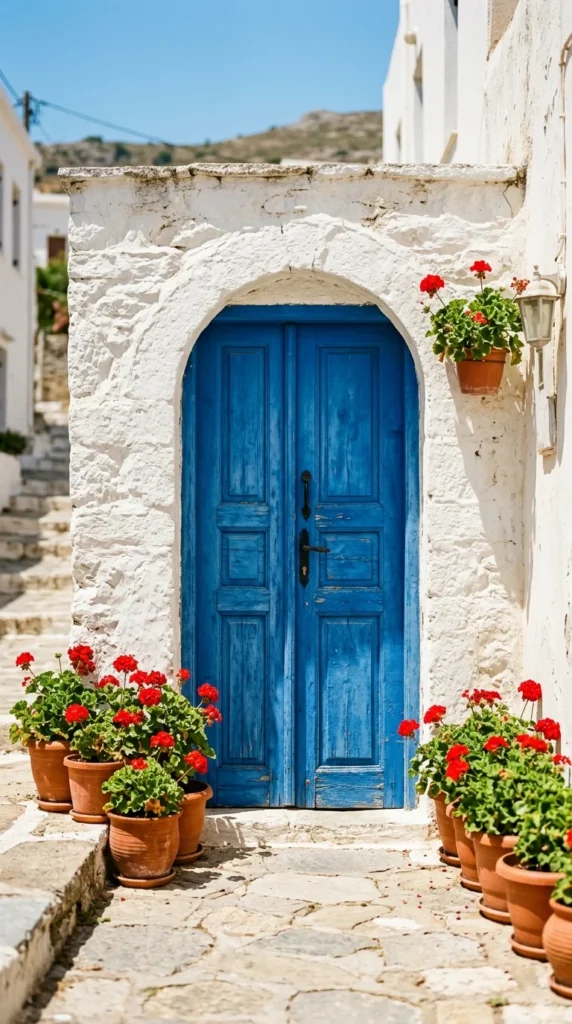
The “Mediterranean Blue” is a specific, vibrant shade of azure that reflects the sea and the sky. Incorporating this color through shutters, doors, gates, or even decorative ceramic plates adds a pop of energy to the garden. This color palette is particularly effective in coastal-style courtyards, where the blue creates a cooling psychological effect against the hot sun and bright white architecture.
10. Citrus Groves
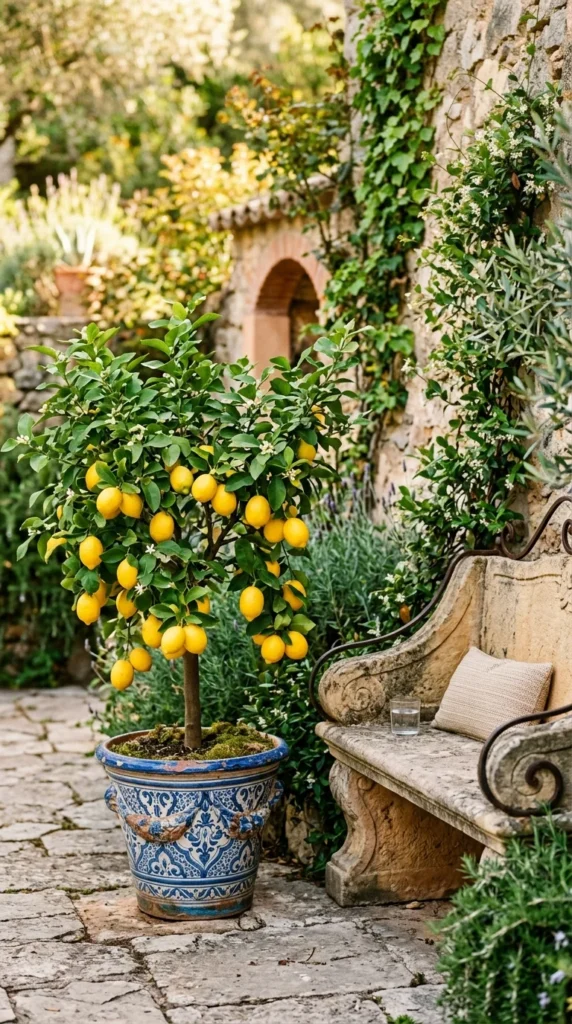
Citrus trees—lemons, oranges, and limes—are essential for a Mediterranean courtyard. They offer glossy evergreen leaves, incredibly fragrant white blossoms (neroli), and colorful fruit that looks like living jewelry. In cooler climates, citrus can be grown in large pots on wheels, allowing you to move them indoors or to a sheltered spot during the winter. There is nothing more rewarding than picking a fresh lemon from your own courtyard for a cool glass of lemonade or a late-night cocktail.
11. Mosaic Art
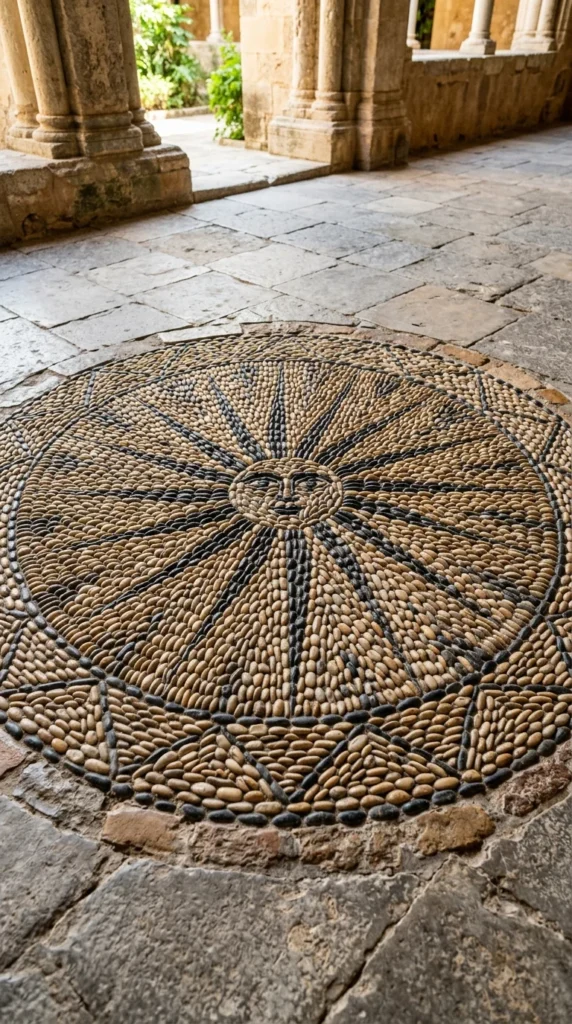
Mosaic work is an ancient tradition that adds a layer of artistry and craftsmanship to the ground or walls of a courtyard. You can use traditional ceramic tiles to create colorful patterns or opt for a “pebble mosaic” (common in Greece and Italy) using small, smooth river stones set on their edges. Mosaics are a great way to define a specific area, such as a “rug” under a dining table or a decorative path leading to a hidden corner.
12. Herb Gardens
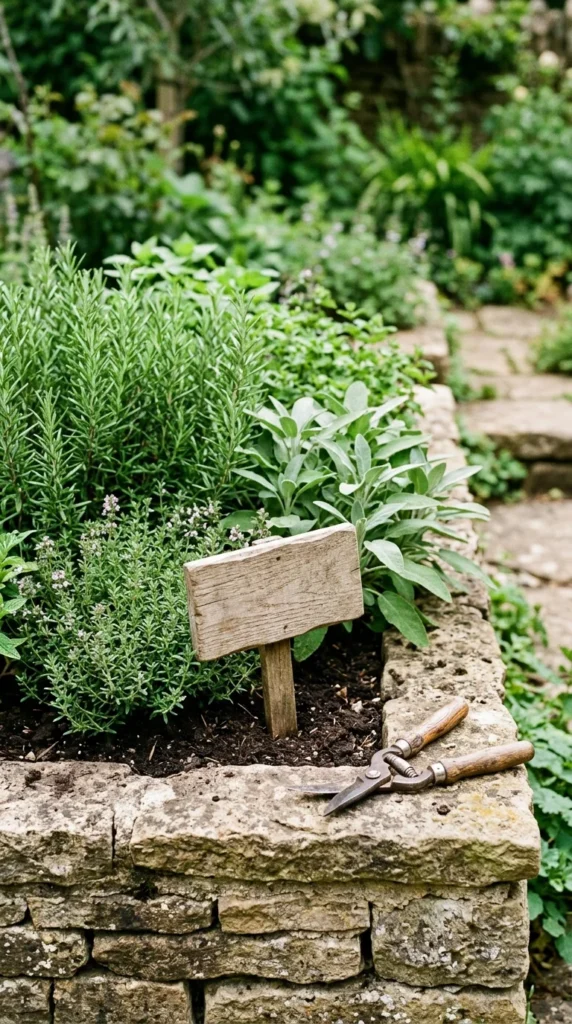
A Mediterranean courtyard is often a working garden. A dedicated herb garden ensures that the kitchen is never far from fresh ingredients. Focus on woody, sun-loving herbs like rosemary, thyme, oregano, and sage. These plants are exceptionally drought-tolerant and release their essential oils in the heat, filling the courtyard with a savory, herbaceous scent that is quintessentially Southern European.
13. Arched Doorways
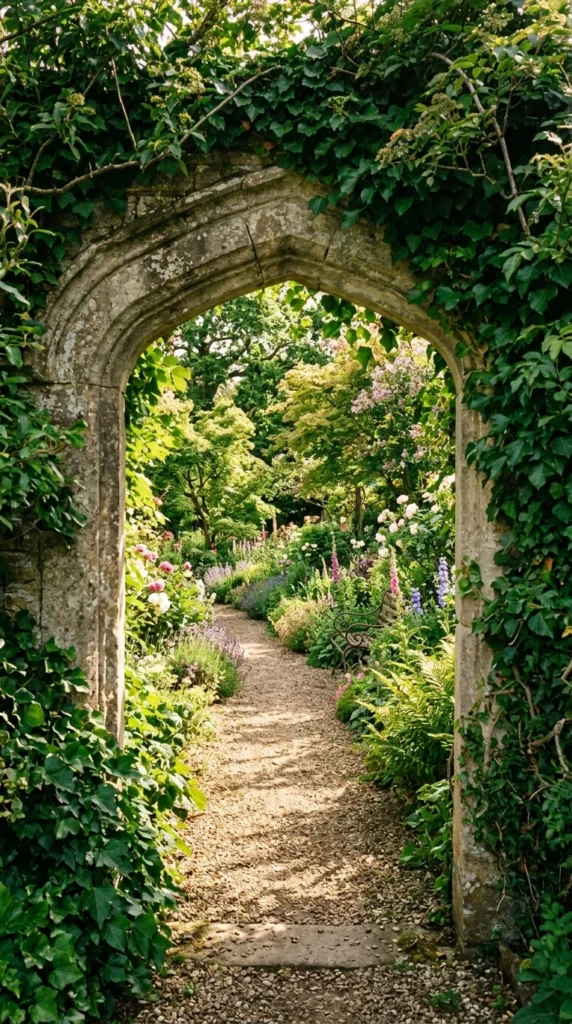
Architecture is a key component of the Mediterranean courtyard. The arch is a recurring motif that softens the transition between the indoors and outdoors. If you are building or renovating, consider adding an arched doorway or window. If you are working with an existing space, you can mimic this look with an arched garden mirror or a trellis, which helps to create an illusion of depth and adds a sense of mystery and elegance to the garden layout.
14. Limestone Walls
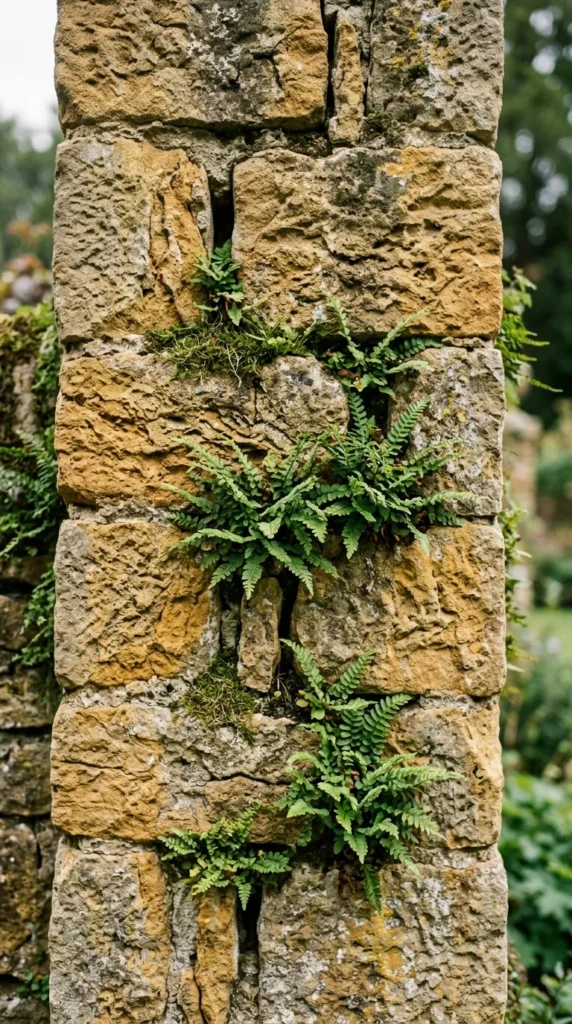
Natural stone is the backbone of Mediterranean landscaping. Limestone, with its pale, sandy tones, provides a warm and luminous backdrop for plants. Use it for retaining walls, raised beds, or as a boundary wall for the courtyard itself. The texture of the stone absorbs and radiates heat slowly, creating a microclimate that plants love. Over time, the stone will weather, gaining a character that feels rooted in the landscape.
15. Outdoor Kitchens
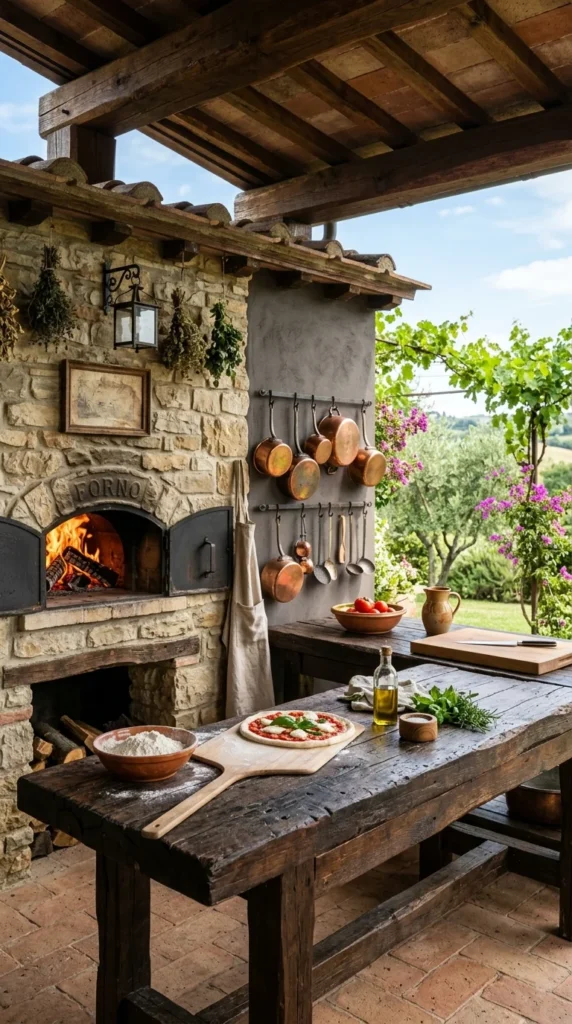
Dining is a communal, hours-long event in Mediterranean culture. An outdoor kitchen—complete with a wood-fired oven, a grill, and a prep area—turns the courtyard into the heart of the home. By moving the cooking process outdoors, you embrace the alfresco lifestyle fully. Pair the kitchen with a long, sturdy wooden table to encourage family-style meals under the stars.
16. Cypress Trees
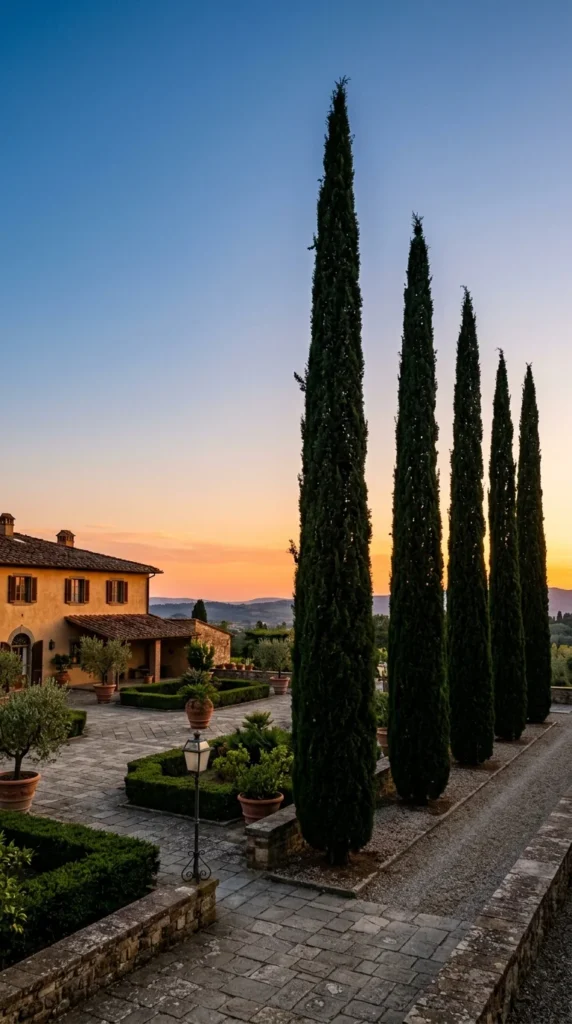
To add height and a sense of “grandeur” to your courtyard, look to the Italian Cypress. These tall, narrow evergreens act as living architectural columns. They are perfect for framing a view, lining a path, or providing vertical interest in a small space without taking up much ground room. Their dark green, dense foliage provides a stately contrast to the more sprawling, “wild” shapes of herbs and climbing vines, bringing a sense of formal balance to the relaxed Mediterranean environment.