
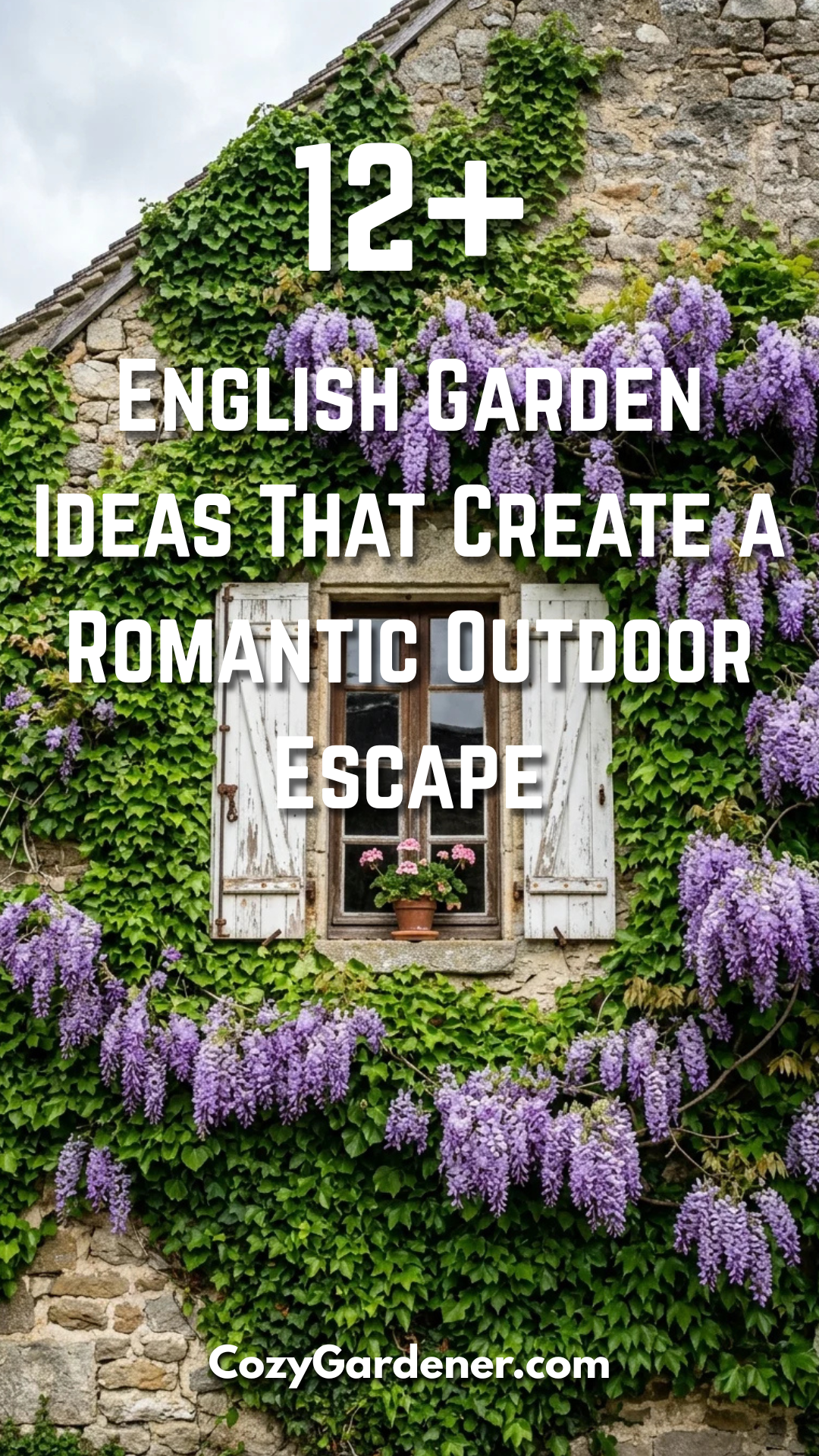
The English garden is more than just a collection of plants; it is a philosophy of landscape design that marries the wild beauty of nature with the structured elegance of human artistry. Characterized by “organized chaos,” these gardens evoke a sense of timeless romance, nostalgia, and tranquility. Whether you have a sprawling estate or a small backyard, incorporating elements of the English garden style can transform your outdoor space into a poetic sanctuary. From the fragrance of climbing roses to the tactile crunch of gravel underfoot, every detail serves to create an immersive, sensory experience.
1. Rose Arches
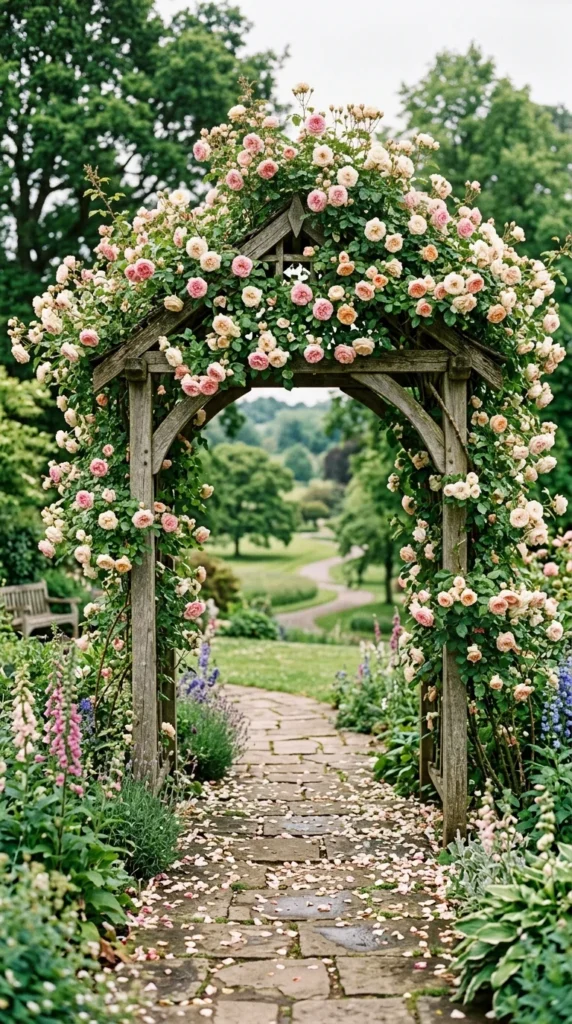
Nothing says “English romance” quite like a rose-covered archway. These structures serve as transition points, signaling the passage from one “room” of the garden to another. The key is to choose climbing varieties known for their fragrance and repeat-blooming nature, such as ‘David Austin’ roses. As the vines wrap around the wood or metal frame, they create a canopy of scent and color that feels like something out of a fairytale. For the best effect, place an arch at the entrance of a walkway or over a gate to welcome guests into your floral paradise.
2. Gravel Paths
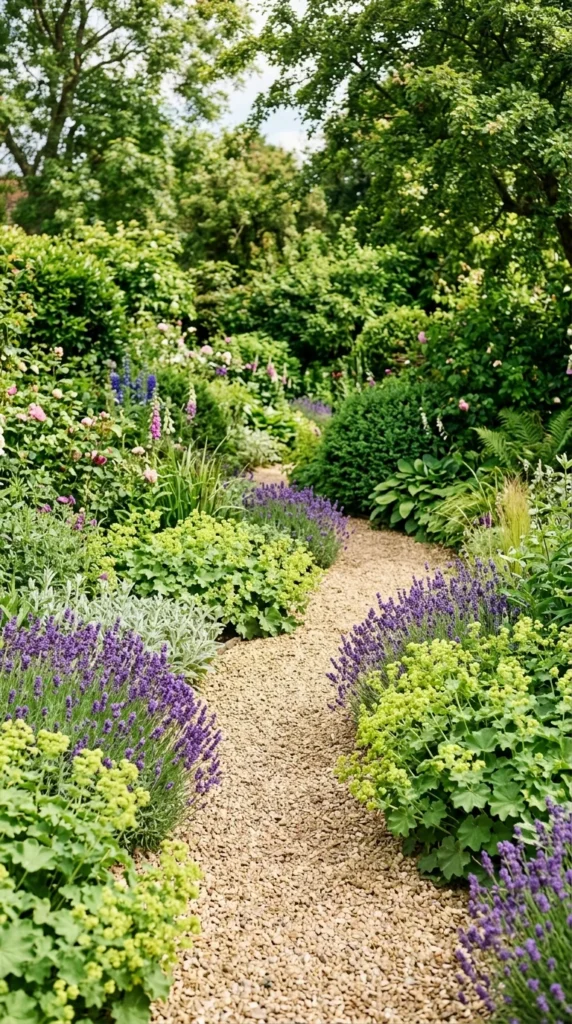
In an English garden, the journey is just as important as the destination. Gravel paths are a staple because they provide a soft, organic texture that contrasts beautifully with the lush greenery. Unlike solid concrete or brick, gravel crunches softly underfoot, adding an auditory element to your garden stroll. It also allows for excellent drainage and provides a space where “self-seeding” plants like Mexican daisies or thyme can pop up between the stones, softening the edges and making the path look like it has been there for centuries.
3. Wrought Iron
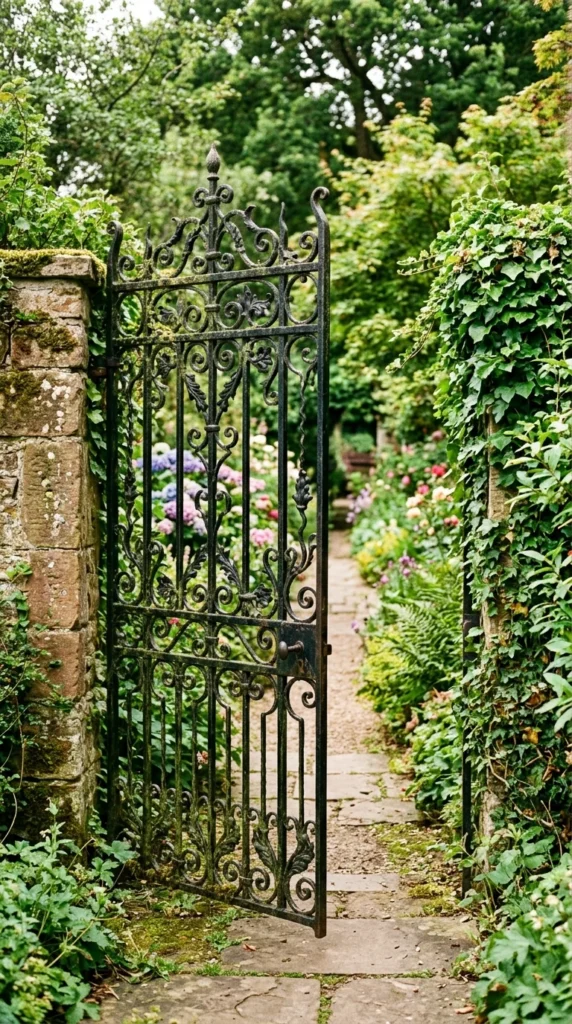
Metalwork adds a touch of Victorian elegance and structural permanence to the garden. Wrought iron gates, fences, and even small trellises provide a dark, sophisticated contrast to the bright greens and pastels of the foliage. These elements act as the “bones” of the garden, offering visual interest even during the winter months when the flowers have faded. A weathered iron bistro set tucked into a corner provides the perfect spot for morning tea, grounding the ethereal beauty of the plants with a sense of solid history.
4. Herbaceous Borders
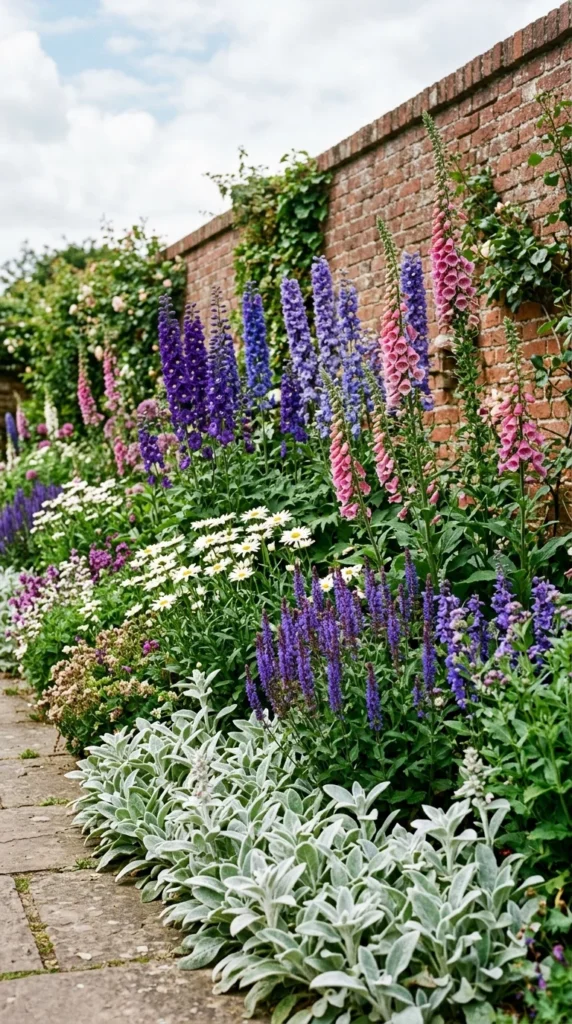
The hallmark of the English garden is the herbaceous border. This is a densely planted bed featuring a mix of perennial plants arranged by height. The goal is to create a “wave” of color and texture. By planting in drifts—grouping several of the same plant together—you create a more natural, impactful look than if you were to dot single plants randomly. The classic English border includes a mix of textures, from the spiky towers of lupines to the soft, billowy mounds of hardy geraniums, ensuring that there is always something in bloom throughout the seasons.
5. Secret Nooks
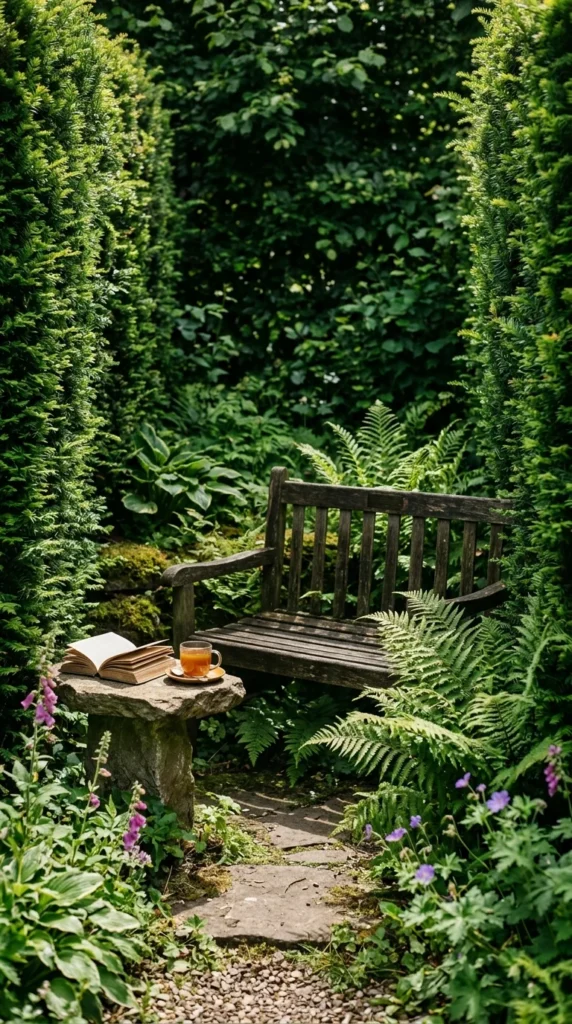
A romantic garden should always hold a mystery. Creating “garden rooms” or hidden alcoves encourages exploration and provides a sense of intimacy. You can create these nooks using tall hedges like yew or hornbeam, or even by strategically placing large shrubs. A hidden bench at the end of a winding path offers a quiet place for reflection, away from the eyes of the world. Decorating these spaces with soft textiles or a small side table makes them feel like an extension of the home, perfect for long afternoons spent reading outdoors.
6. Water Features
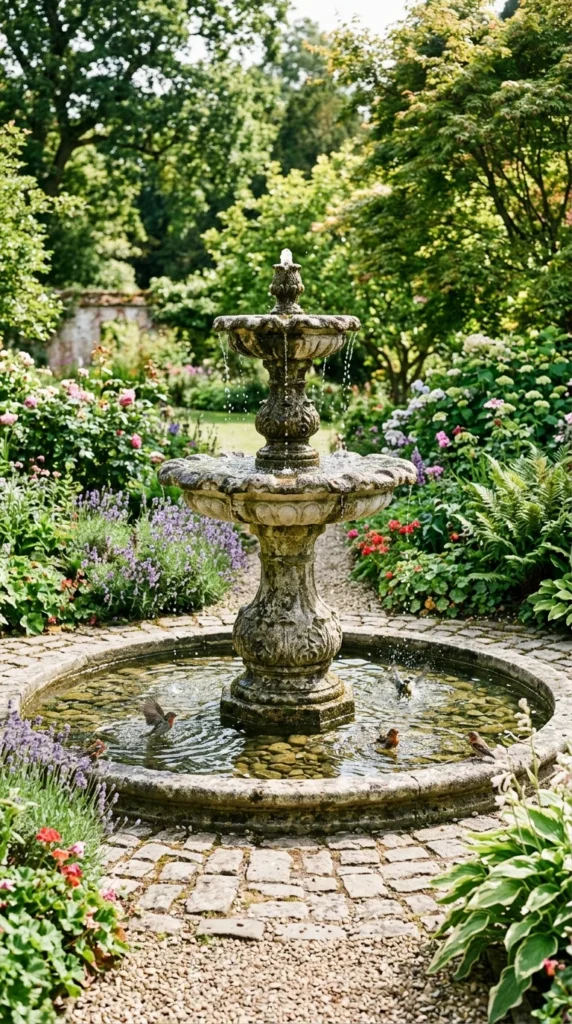
The sound of trickling water adds a layer of serenity that is essential for a romantic escape. In English gardens, water features are rarely flashy or modern; instead, they are understated and integrated into the landscape. Think moss-covered birdbaths, small stone fountains, or even a lily-filled pond. These features attract local wildlife, such as birds and dragonflies, adding movement and life to the garden. The presence of water also helps to cool the air on warm summer days, making the garden a more comfortable place to linger.
7. Boxwood Hedges
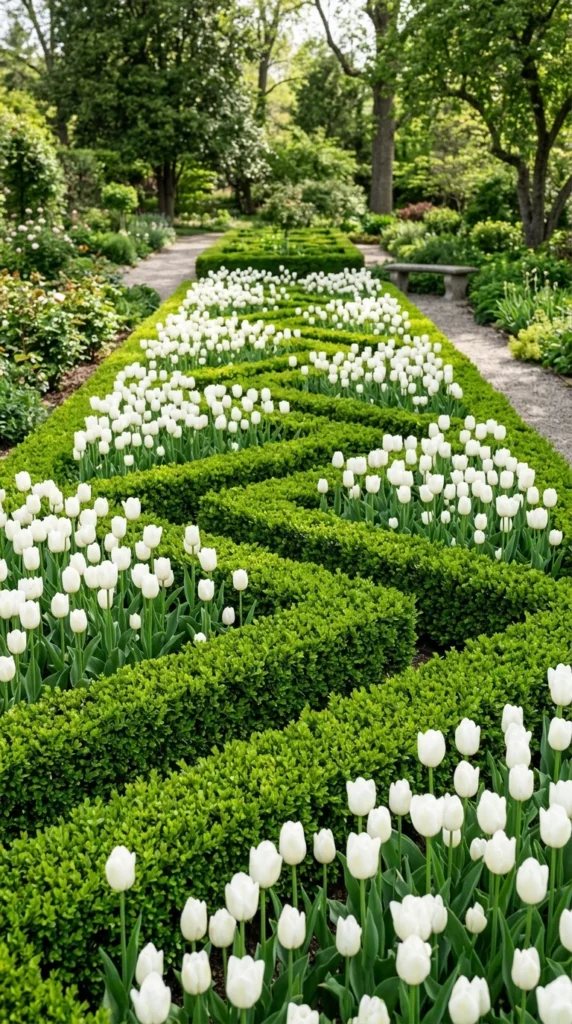
To prevent a cottage garden from looking messy, “topiary” or clipped hedging is used to provide structure. Low-growing boxwood (Buxus) hedges are often used to frame flower beds or line pathways. This creates a formal “frame” for the informal, wild planting within. This juxtaposition between the rigid, man-made lines of the hedge and the billowing, untamed nature of the flowers is what gives the English garden its unique and sophisticated character. It provides visual “rests” for the eye amidst the riot of color.
8. Wildflower Meadows
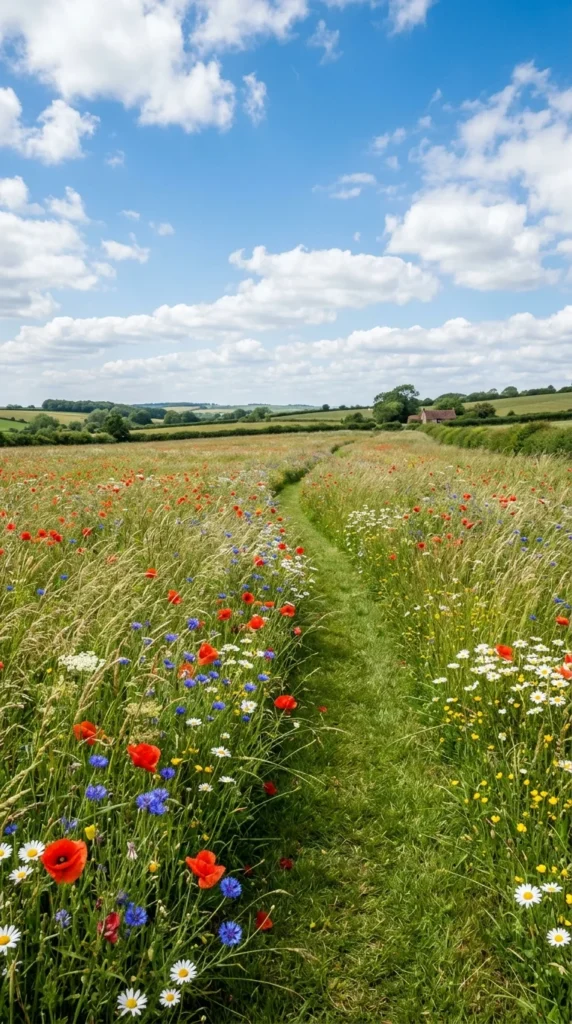
Influenced by the “Naturalistic” movement, many modern English gardens incorporate a wildflower meadow or a “no-mow” zone. This approach celebrates the local flora and provides a vital habitat for pollinators like bees and butterflies. A meadow adds a sense of whimsy and movement to the landscape as the tall grasses sway in the breeze. By mowing a clean path through the middle of the wildflowers, you signal that the area is intentional, creating a romantic “field of dreams” effect right in your own backyard.
9. Climbing Vines
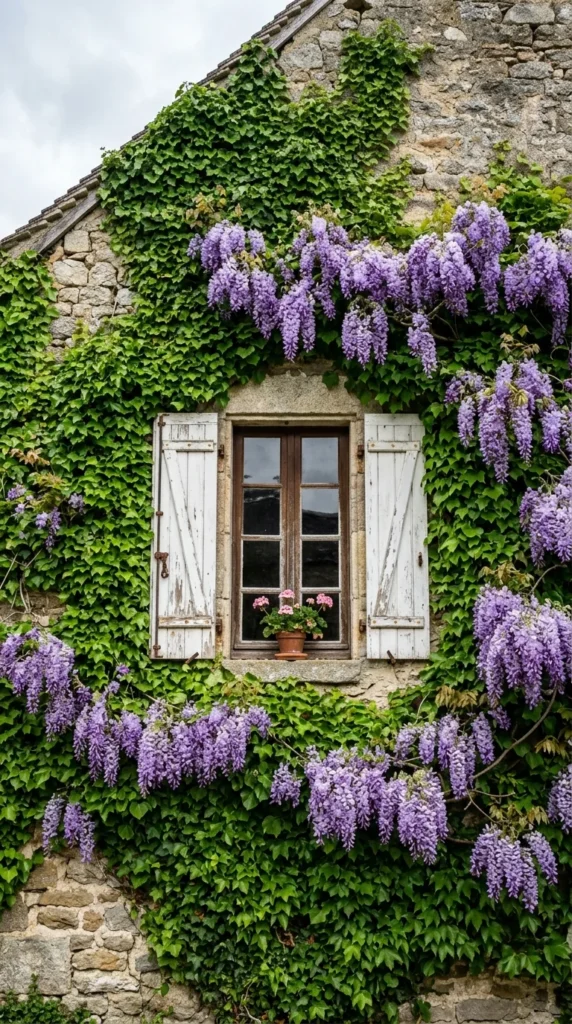
Vertical interest is crucial in an English garden, especially if space is limited. Climbing plants like wisteria, clematis, and honeysuckle can be trained to grow up walls, over pergolas, or through trees. Wisteria, with its dramatic drooping racemes of purple or white flowers, is particularly iconic. These vines soften the hard lines of architecture and make the garden feel like it is slowly reclaiming the built environment. The scent of honeysuckle or jasmine wafting through an open window on a summer evening is the height of garden romance.
10. Garden Benches
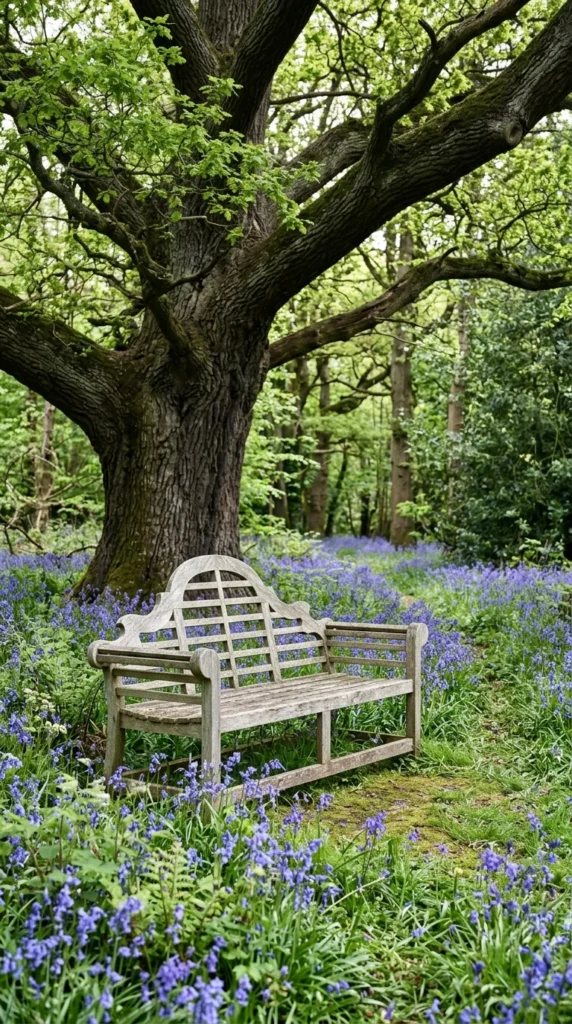
A garden is meant to be enjoyed, not just looked at. Traditional English garden benches—often made of teak or oak—are designed to weather naturally to a silvery-grey patina that blends seamlessly with the surroundings. Placing a bench under a large shade tree or at a high point in the garden provides a vantage point to appreciate the layout of the landscape. The iconic Lutyens bench, with its distinctive scrolled back, is a popular choice that adds an architectural focal point to any garden setting.
11. Stone Statues

Adding statuary or “follies” gives the English garden a sense of history and classicism. These don’t need to be expensive antiques; even a simple weathered stone plinth, an urn, or a small animal sculpture can add character. The key is to tuck them into the greenery so they appear as though they were discovered rather than placed. Moss and lichen should be encouraged to grow on these pieces, as the “aged” look contributes to the romantic, timeless atmosphere of the escape.
12. Cottage Flowers
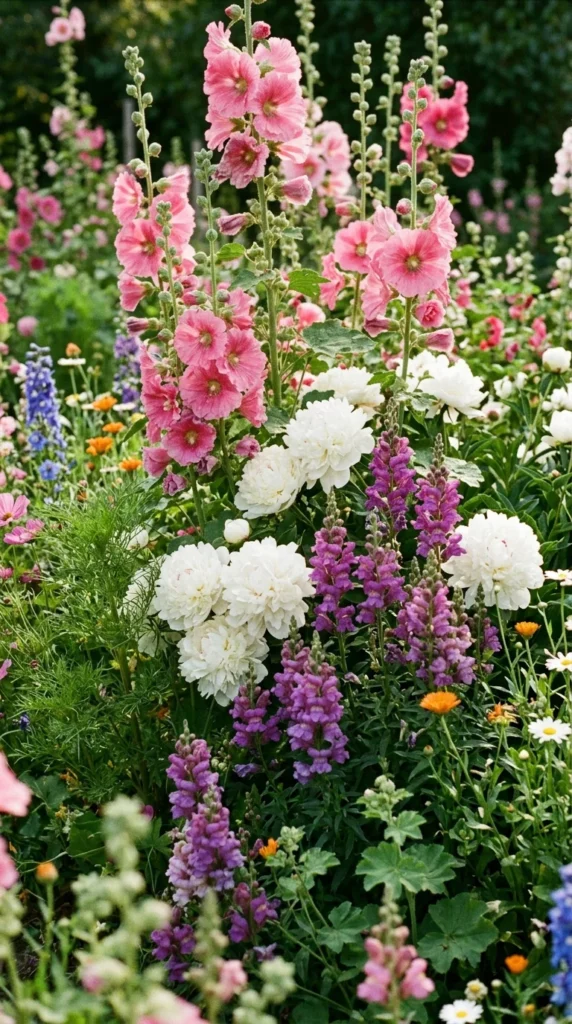
Finally, the heart of the English garden lies in its selection of “old-fashioned” flowers. Cottage garden favorites like hollyhocks, delphiniums, foxgloves, peonies, and sweet peas are essential. These plants often have a vertical habit, drawing the eye upward, and many are prized for their intense fragrance. The beauty of these flowers lies in their abundance; they should be planted closely so that they lean on one another, creating a lush, overflowing tapestry of color that feels generous, welcoming, and profoundly romantic.