
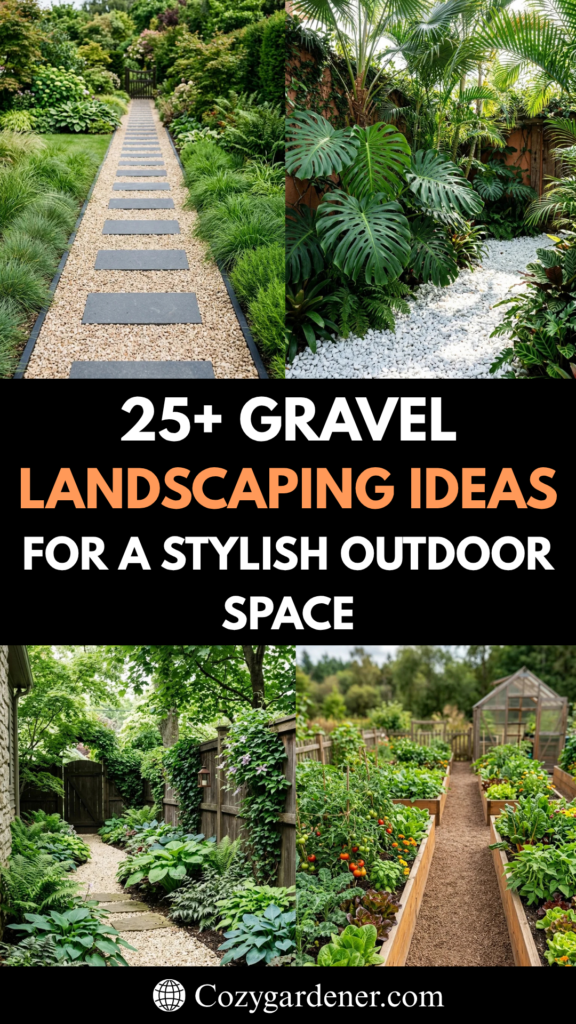
Gravel is often the unsung hero of the landscaping world. Versatile, affordable, and remarkably easy to maintain, it offers a textural depth that traditional paving or grass simply cannot match. Whether you are aiming for the sleek lines of a modern minimalist retreat, the rustic charm of a French countryside courtyard, or a drought-resistant Mediterranean oasis, gravel provides the perfect foundation. Beyond its aesthetic appeal, gravel is a champion of drainage, allowing rainwater to permeate the ground naturally, which protects your home’s foundation and keeps your garden healthy.
If you are ready to transform your backyard, front yard, or side path, here are 25 inspired gravel landscaping ideas to elevate your outdoor living space.
1. Modern Pathways
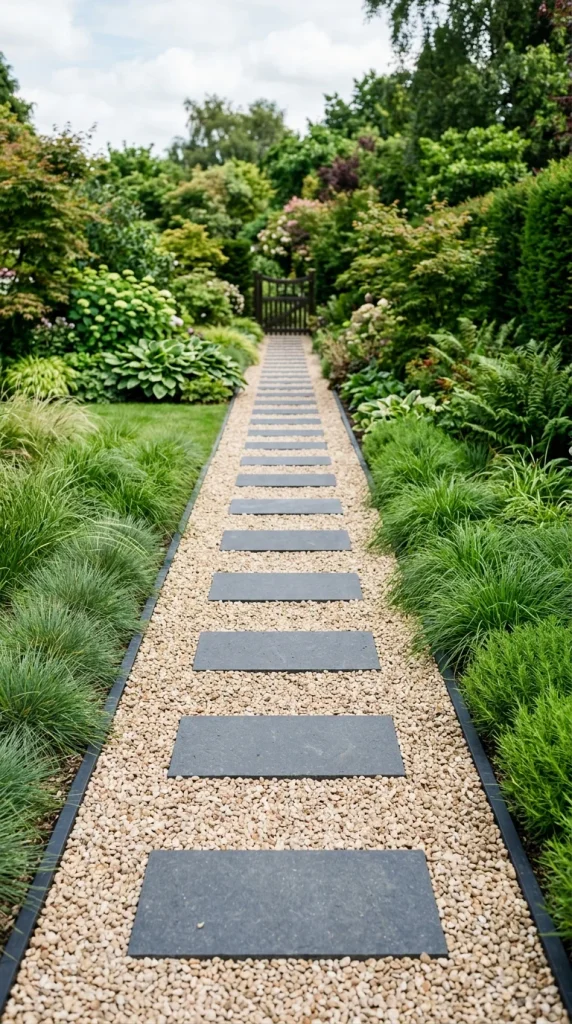
Modern landscapes thrive on contrast and clean lines. By combining fine pea gravel with oversized concrete or stone pavers, you create a rhythmic, architectural look. The “floating” paver effect is particularly popular, where the stone slabs appear to hover over a sea of uniform gravel. This setup is not only visually striking but also provides a stable walking surface while maintaining excellent permeability.
2. Zen Gardens
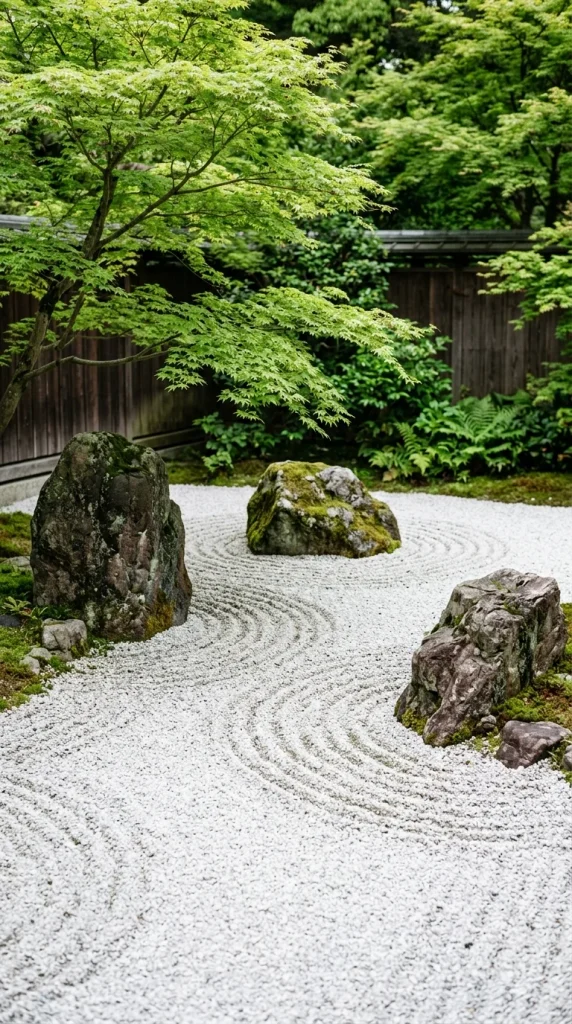
The Japanese Zen garden, or karesansui, uses gravel to represent the element of water. By using a fine-grained gravel or crushed granite, you can use a wooden rake to create ripples and waves around “islands” of rock or moss. This creates a meditative space that requires very little water and offers a peaceful focal point for a small courtyard or a quiet corner of the yard.
3. Fire Pit Zones
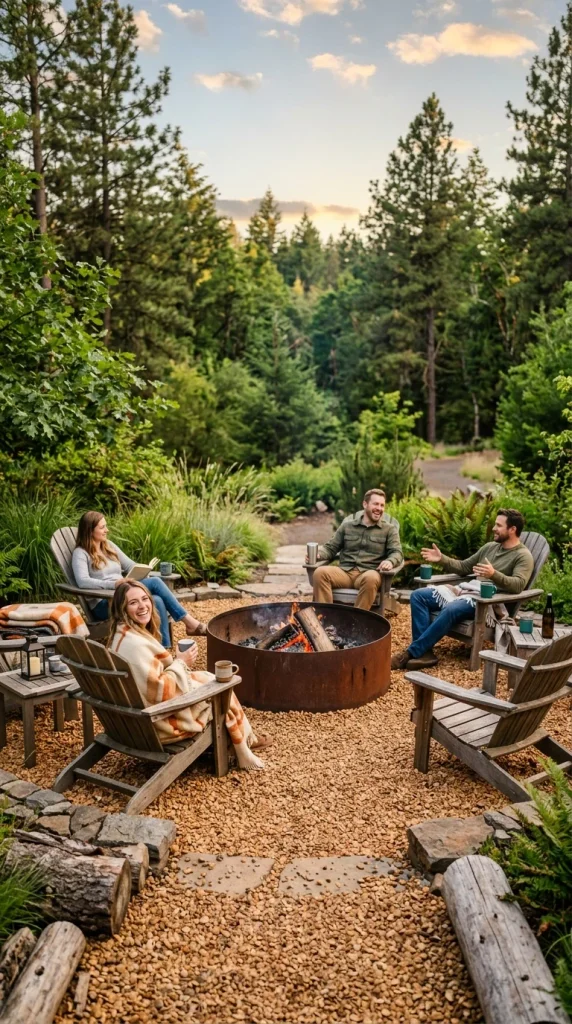
Gravel is the ideal flooring for a fire pit area because it is naturally fire-resistant and provides a level, stable base for seating. Unlike grass, which can scorch, or wood decks, which pose a fire hazard, a gravel “island” allows sparks to land safely. Choose a color that complements your home’s exterior—warm tans for a rustic feel or dark charcoal for a moody, modern vibe.
4. Drought-Tolerant Beds
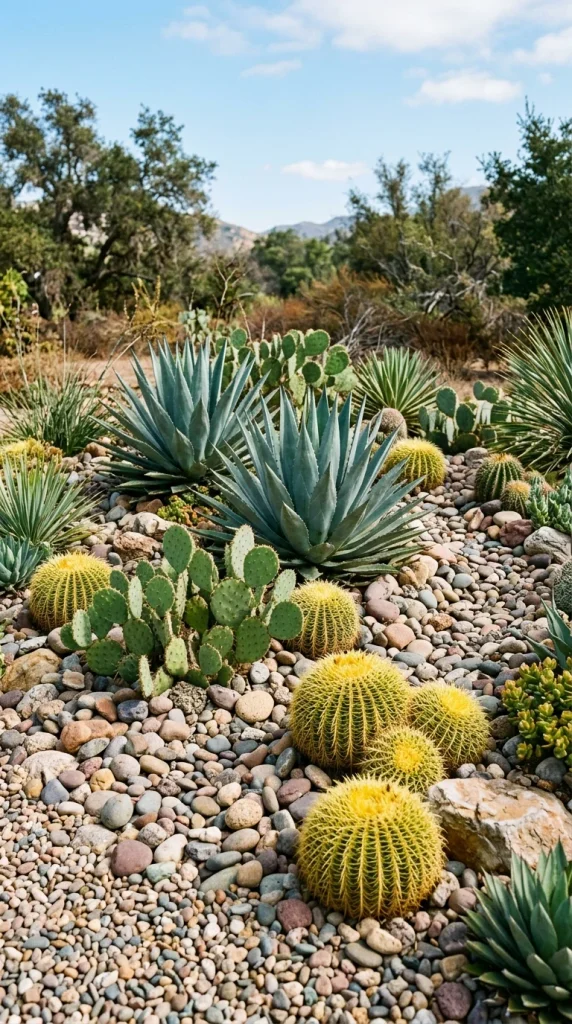
In arid climates or for homeowners looking to reduce their water bill, gravel is the perfect mulch alternative. It doesn’t break down like wood chips, meaning it doesn’t need to be replaced every year. When paired with xeric plants like succulents, yuccas, and ornamental grasses, gravel helps regulate soil temperature and prevents moisture from evaporating too quickly from the roots.
5. Edged Borders
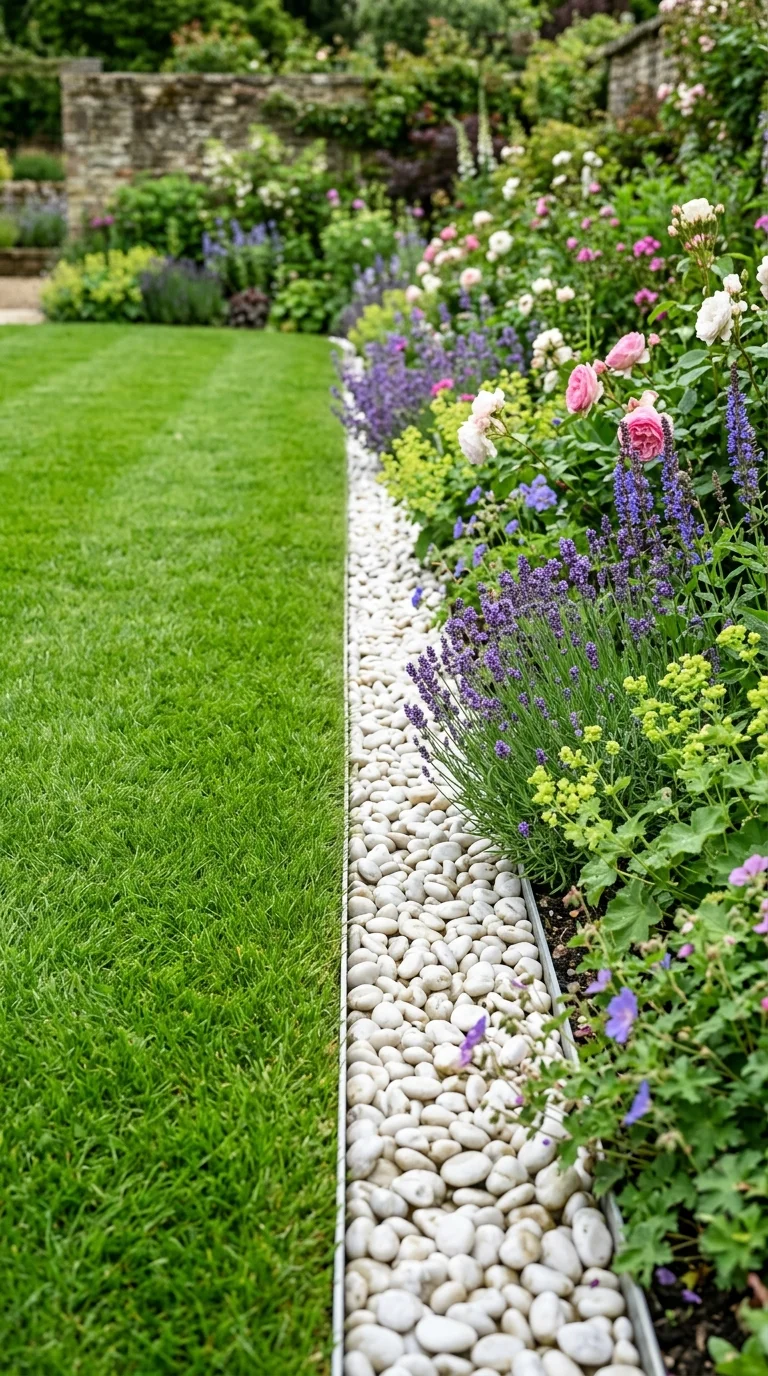
Using gravel as a decorative border adds a professional, finished look to any garden bed. It creates a “buffer zone” between the lawn and the plantings, making it easier to mow without damaging your flowers. Metal or brick edging keeps the stones contained and prevents them from migrating into the grass, maintaining those sharp, clean lines that characterize high-end landscaping.
6. Mediterranean Courtyards
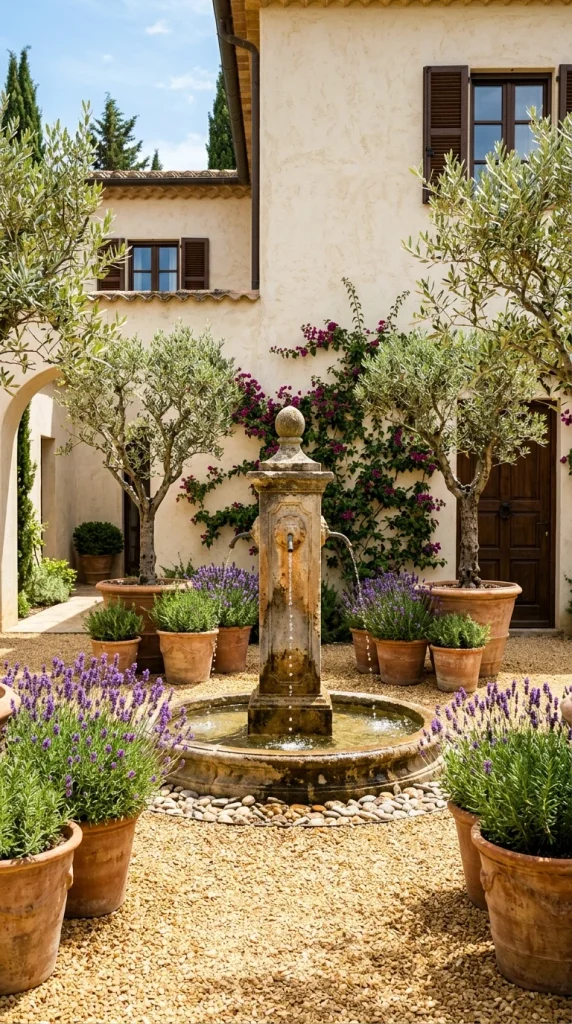
Recreate the feeling of a villa in Provence or Tuscany by using warm, buff-colored gravel. This style of landscaping prioritizes a relaxed, lived-in feel. Combine the gravel with fragrant herbs like rosemary and lavender, and add a few wrought-iron chairs to create a space that feels like a permanent vacation spot.
7. French Bistro Patios
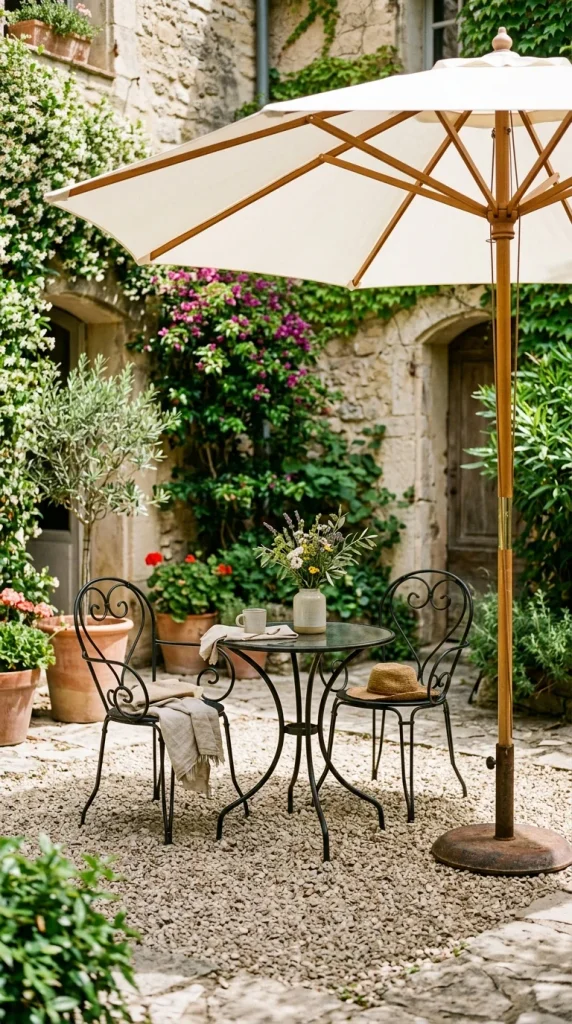
For a romantic and cost-effective patio, look no further than crushed limestone or decomposed granite. This material packs down firmly, creating a surface that is easy to walk on and stable enough for furniture. It evokes the charming outdoor cafes of Paris and provides an excellent venue for morning coffee or evening wine.
8. Driveway Upgrades
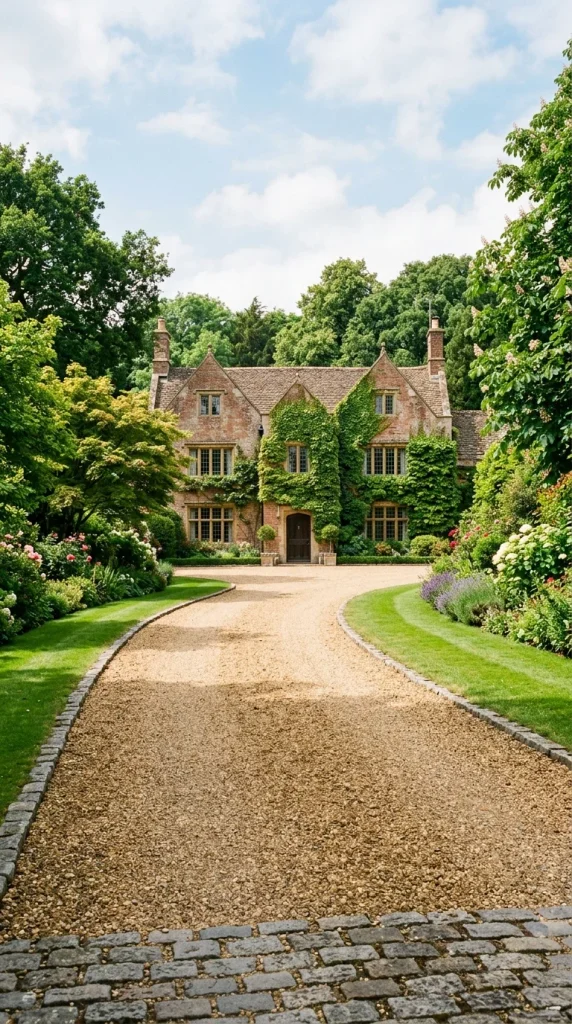
Gravel driveways offer a timeless, “estate” feel that asphalt or concrete simply can’t replicate. When properly installed with a honeycomb grid system underneath, a gravel driveway is incredibly durable and prevents ruts from forming. The crunch of gravel under tires also provides an added layer of home security, as you’ll always hear someone approaching.
9. Terraced Slopes
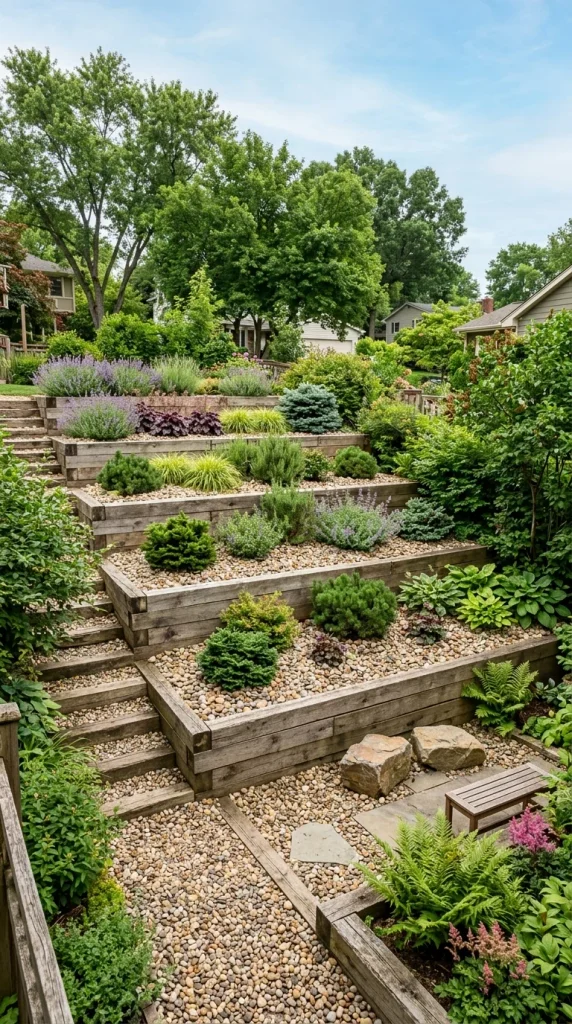
If your yard has a steep incline, gravel can help solve erosion issues. By creating terraced levels with timber or stone walls and filling the “steps” with gravel, you create functional planting and walking areas. The gravel allows water to flow through the terraces rather than washing away the soil, protecting the integrity of the slope.
10. Contemporary Stairs
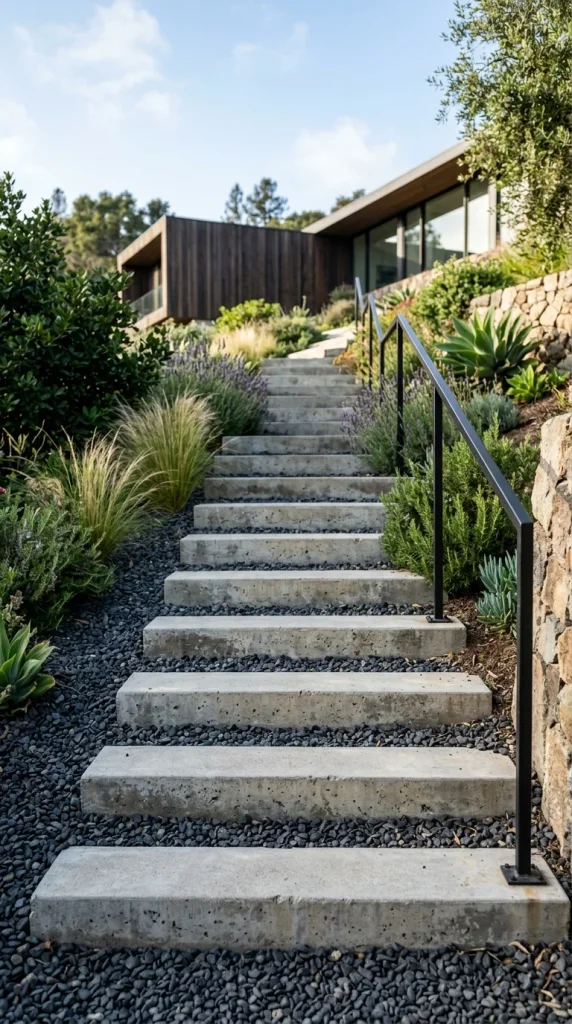
Integrate gravel into your outdoor staircases for a high-contrast, architectural look. Using gravel as an “infill” between concrete or wooden steps softens the hard edges of the structure. It also provides a drainage solution for rainwater that might otherwise pool on the steps, making the transition between different levels of your yard safer and more attractive.
11. Tropical Accents
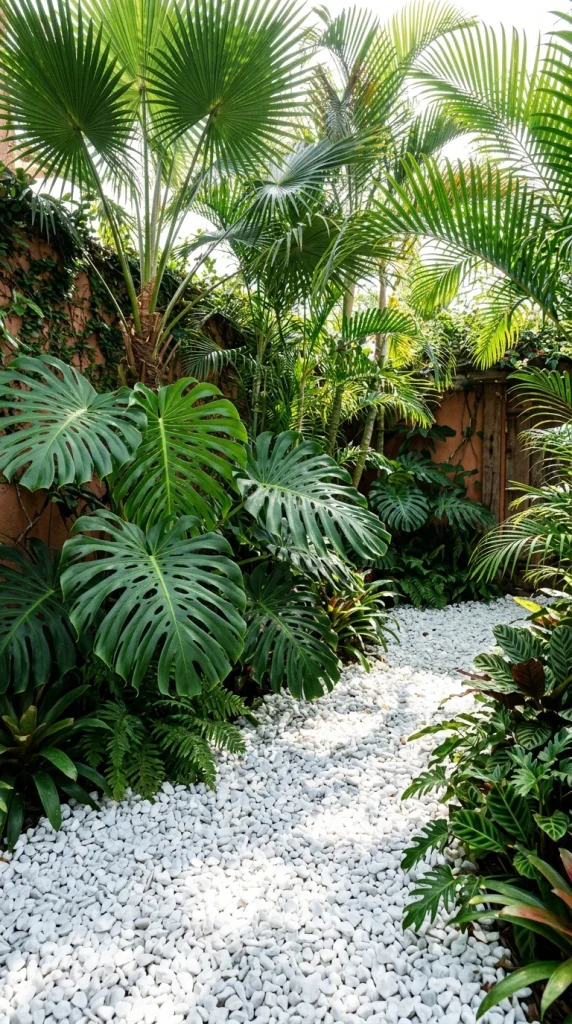
Bright white gravel or marble chips can make a tropical garden pop. The stark white background emphasizes the deep greens and vibrant florals of tropical species like hibiscus or birds of paradise. Because white stone reflects light, it can also help brighten up shadier spots under a dense canopy of trees.
12. Rock Gardens
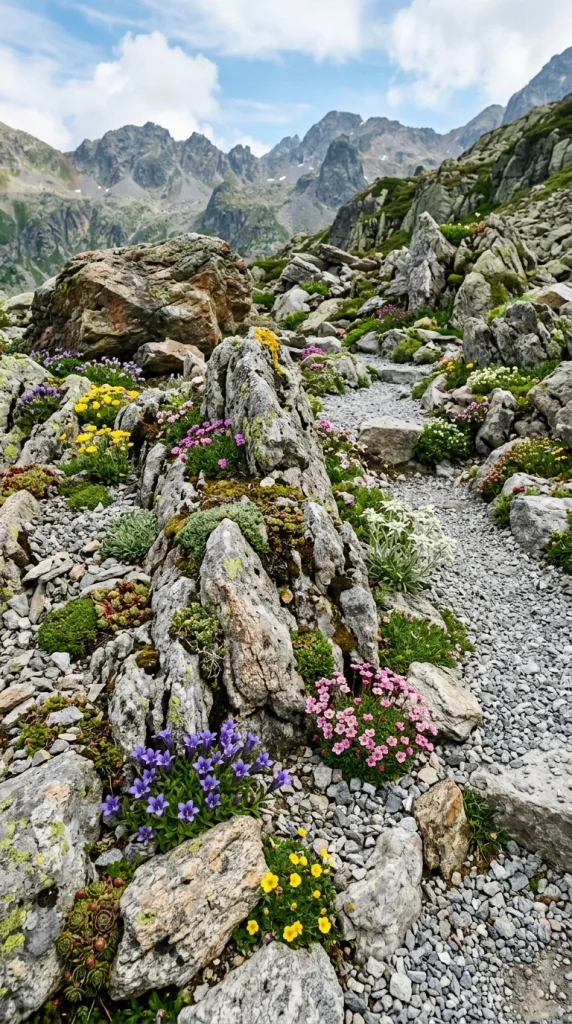
A rock garden is a great way to use different scales of stone to create visual interest. Start with large “anchor” boulders, add medium-sized cobbles, and fill the remaining gaps with fine gravel. This creates a rugged, natural look that mimics a mountain landscape. It’s a low-maintenance solution for areas where grass refuses to grow.
13. Water Feature Bases
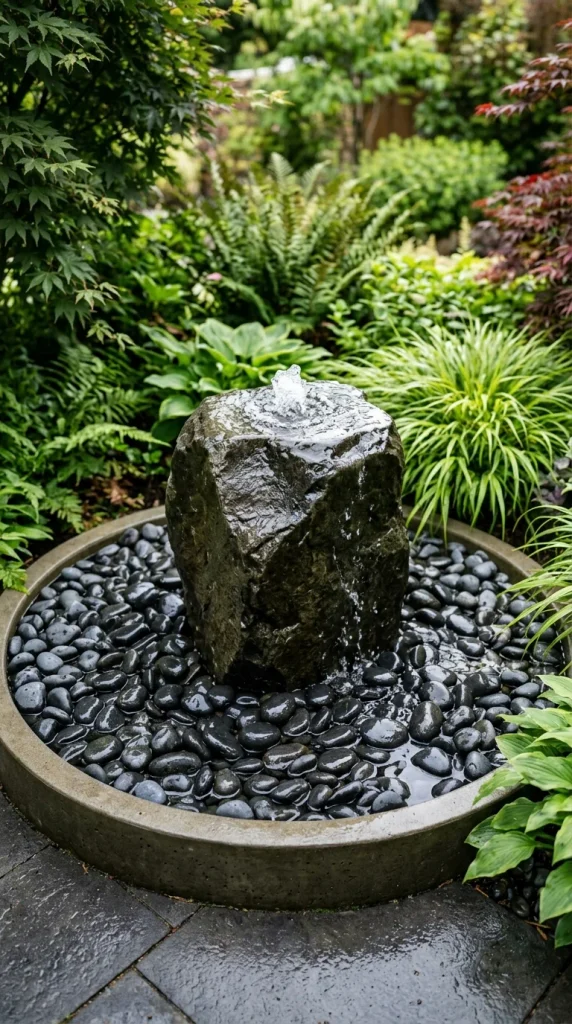
Gravel and water are a natural pair. Using smooth river stones or polished pebbles around the base of a fountain or pond hides the pump and plumbing while creating a beautiful transition between the water and the rest of the garden. When the stones get wet, their colors deepen, adding a dynamic element to the landscape.
14. Geometric Patterns
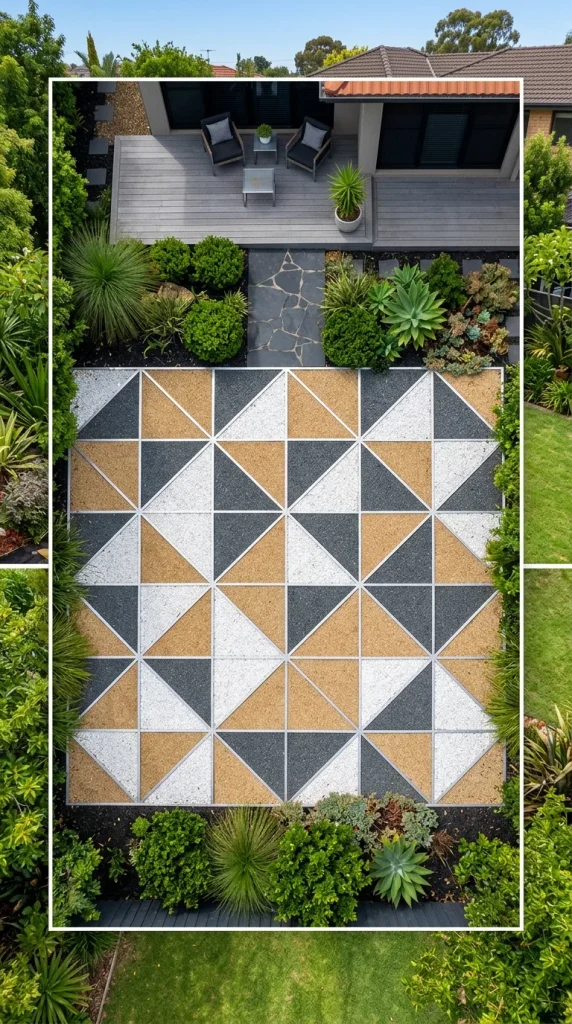
For those who love bold design, gravel can be used to create “ground art.” By using metal dividers, you can “paint” your landscape with different colored stones. This works particularly well in small urban gardens where there might not be room for a lot of plants, but you still want a high-impact visual design.
15. Shade Gardens
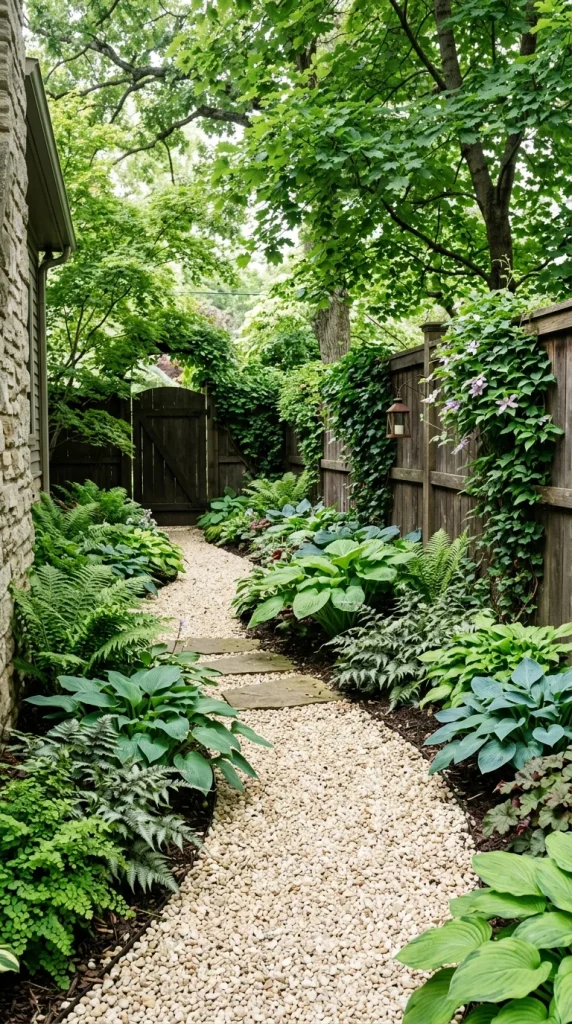
Dark, damp corners of the yard often struggle with moss or mud. Gravel is the perfect solution for these areas. A light-colored gravel, such as cream or light gray, will reflect what little light reaches the area, making the space feel larger and brighter. It also keeps your feet dry and mud-free when navigating these often-neglected zones.
16. Play Areas
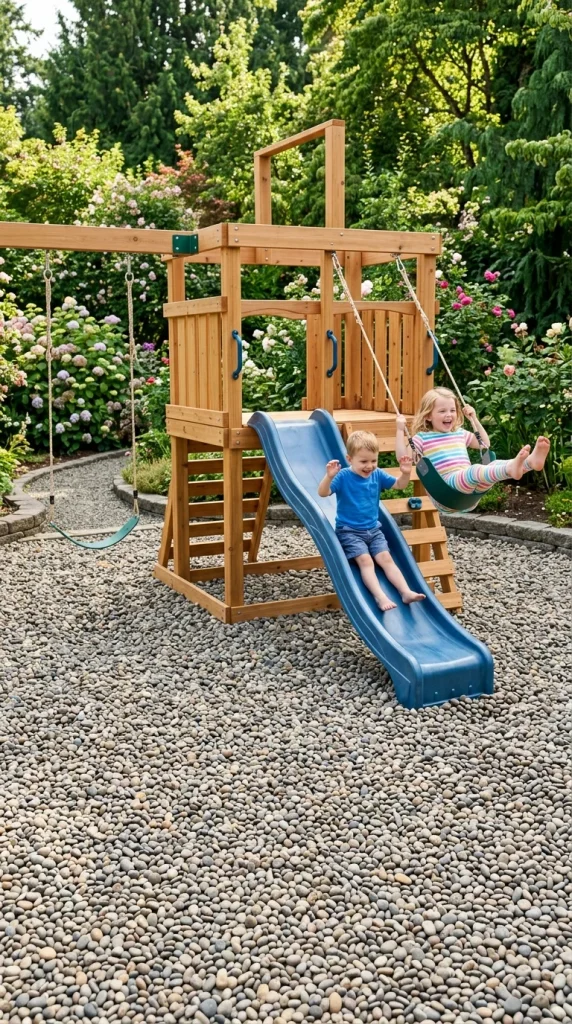
Pea gravel is a popular choice for playgrounds because it is soft, rounded, and relatively inexpensive. Unlike wood mulch, it doesn’t rot, attract insects, or cause splinters. It provides a clean, well-draining surface that stays in place even with heavy foot traffic, making it a practical choice for families with active children.
17. Vegetable Patch Paths
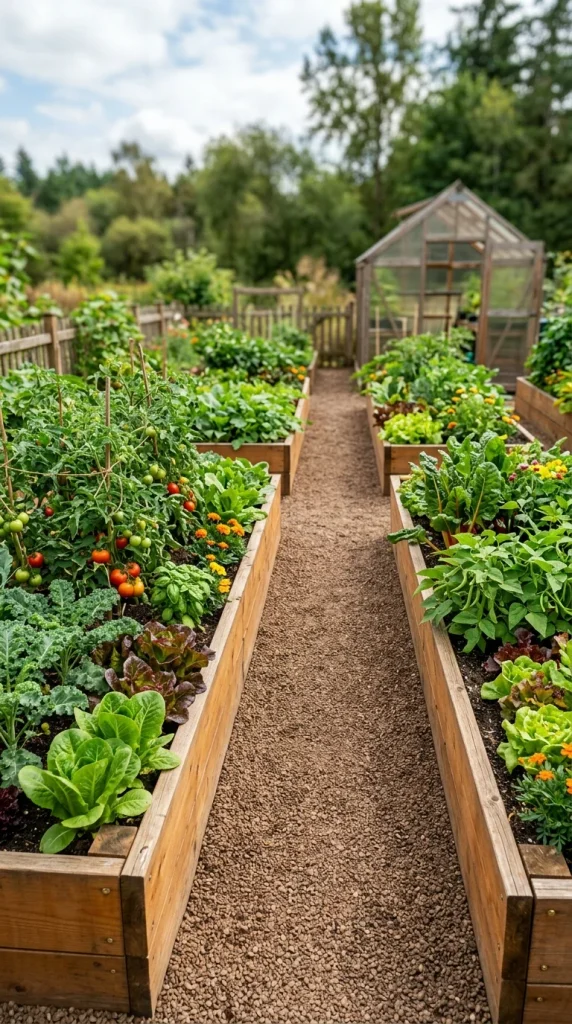
Keep your vegetable garden tidy and accessible with gravel paths. Gravel provides a stable surface for wheelbarrows and prevents your shoes from getting caked in mud while you’re harvesting. It also creates a barrier that can help deter some crawling pests from reaching your precious crops.
18. Coastal Retreats
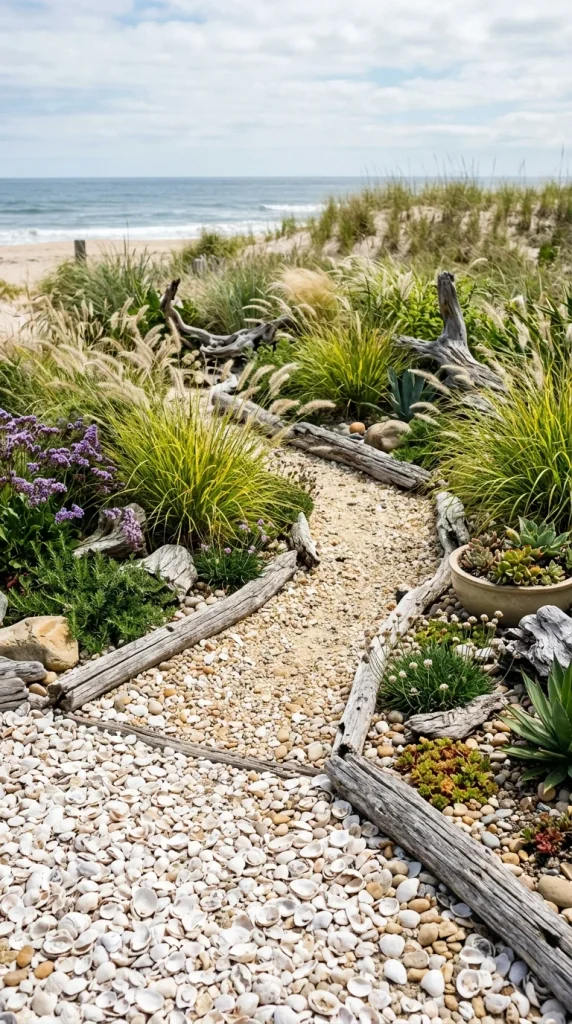
If you live near the coast—or just wish you did—use crushed shells or “shell hash” mixed with fine gravel. This creates a bright, airy aesthetic that perfectly complements coastal plants like sea oats and lavender. The texture is unique and evokes the feeling of a seaside boardwalk.
19. Under-Deck Solutions
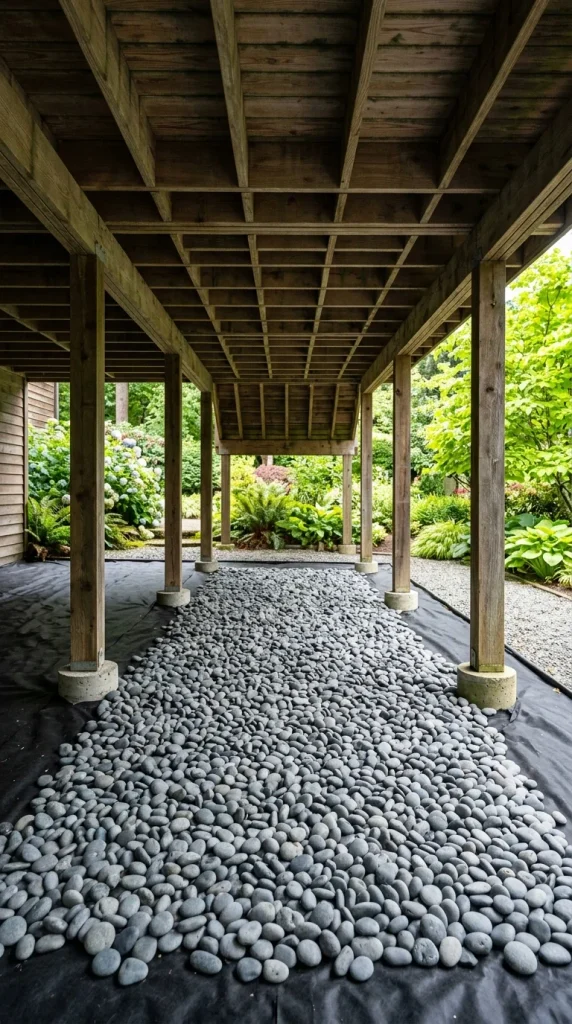
The space under a deck is often a “dead zone” where grass won’t grow. Instead of leaving it as bare dirt, cover it with gravel. This prevents erosion, keeps the area looking neat, and stops weeds from taking over. It’s a simple “set it and forget it” solution that improves the overall look of your home’s exterior.
20. Sculpture Settings
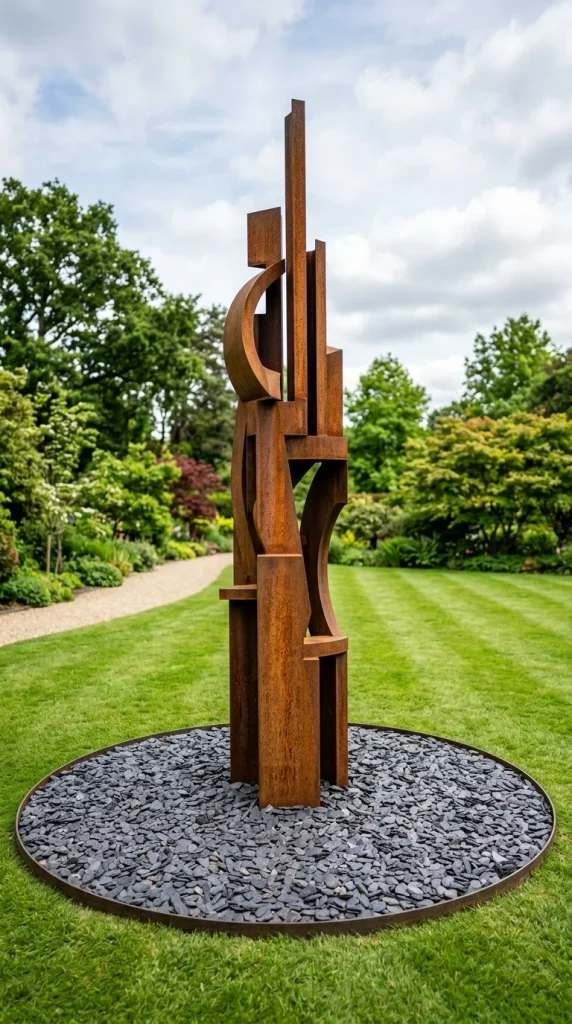
A sculpture needs a proper “gallery” setting to be truly appreciated. A bed of monochromatic gravel creates a clean, neutral background that allows the artwork to take center stage. Whether it’s a modern metal piece or a classic stone statue, the texture of the gravel provides a sophisticated foundation.
21. Native Grass Integration
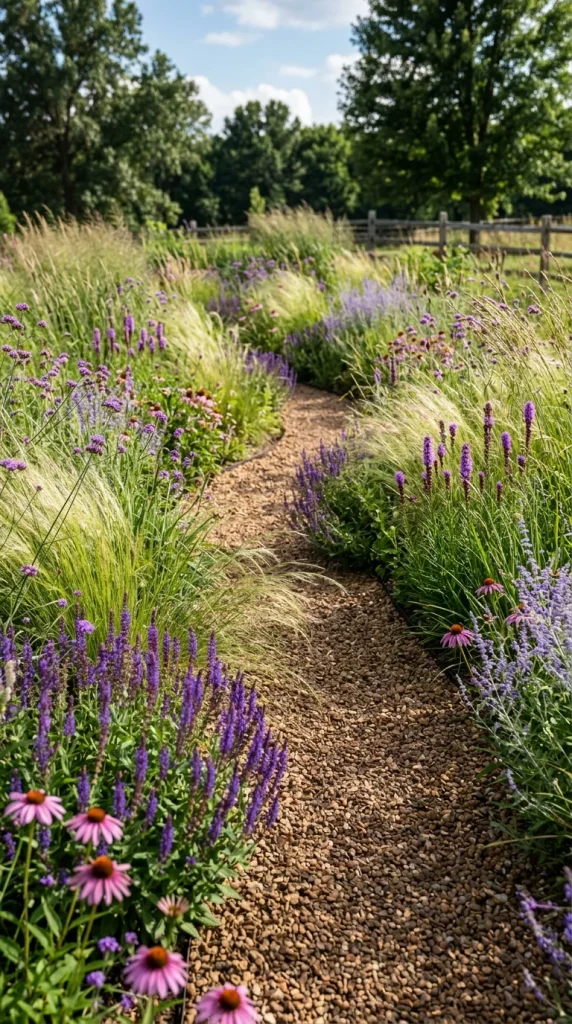
Gravel doesn’t always have to look “manicured.” In a wilder, native-plant-focused garden, a simple gravel path can provide just enough structure to make the space feel intentional. The loose, informal nature of gravel blends beautifully with the soft textures of ornamental grasses and wildflowers.
22. Cottage Garden Paths
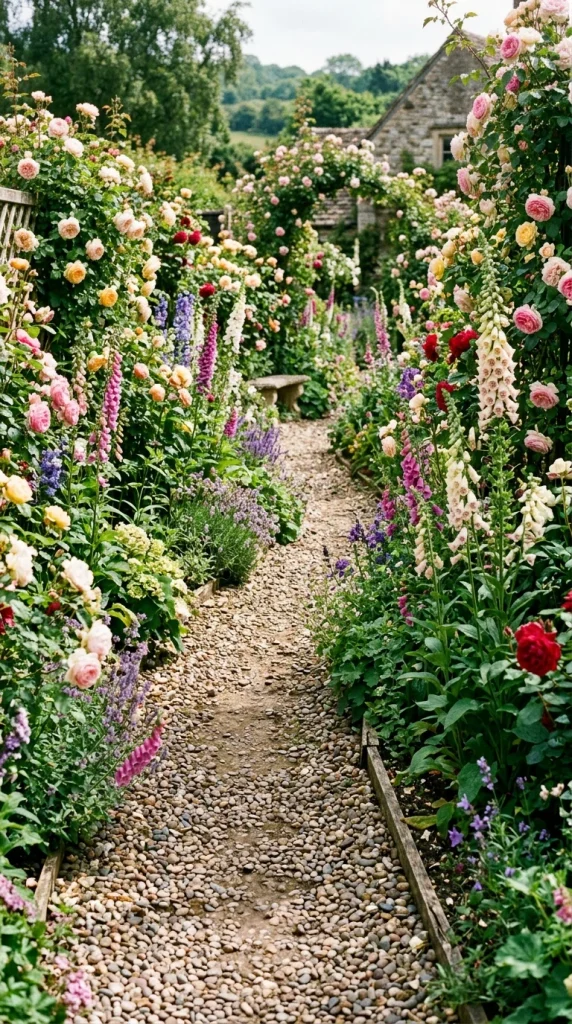
In a traditional cottage garden, straight lines are often avoided in favor of meandering curves. Gravel is the easiest material to use for creating these organic shapes. It spills naturally into the flower beds, softening the edges and adding to the romantic, slightly overgrown aesthetic that defines the cottage style.
23. Drainage Grids
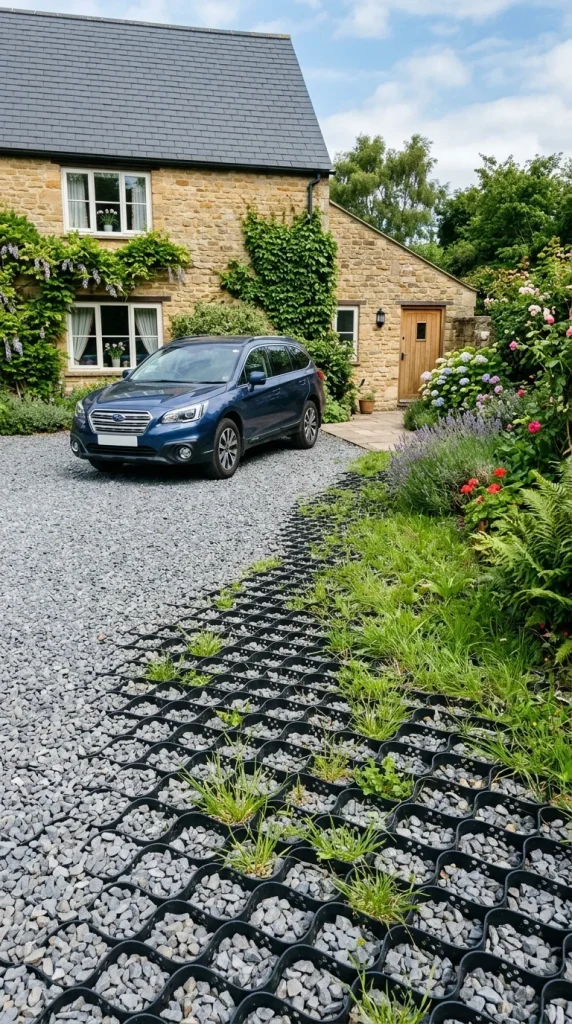
For environmentally conscious homeowners, a gravel drainage grid (or permeable paver) is a must. The grid holds the gravel in place, allowing it to support the weight of a vehicle without shifting, while the spaces between the stones allow water to soak directly into the ground. It’s a functional and stylish way to manage runoff.
24. Side Yard Makeovers
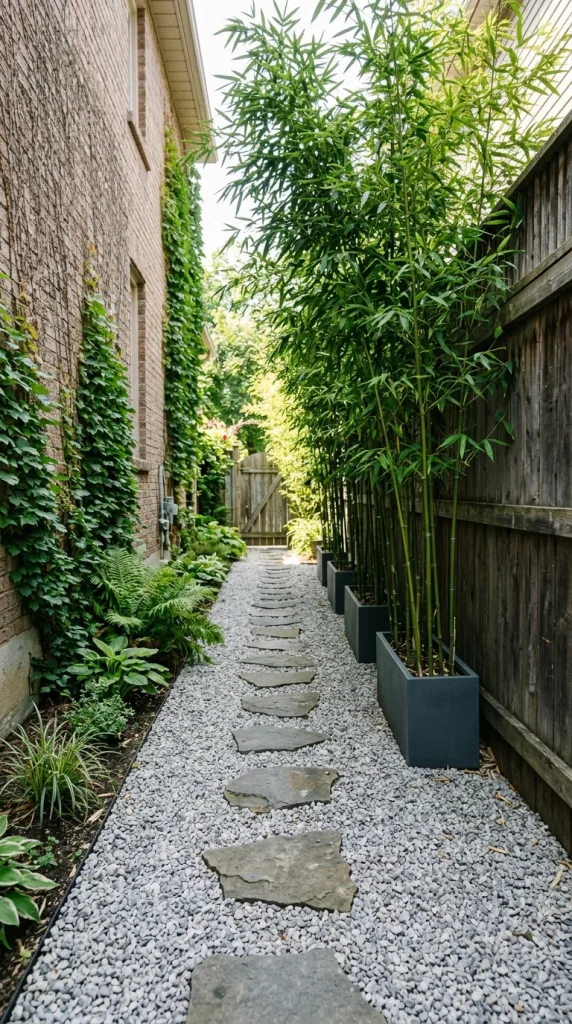
Side yards are often narrow and difficult to landscape. Gravel is the perfect “fill” for these awkward dimensions. It makes the space look clean and intentional rather than neglected. Add a few stepping stones and some vertical plantings, and you’ve turned a “utility” area into a stylish passage.
25. Night Lighting Accents
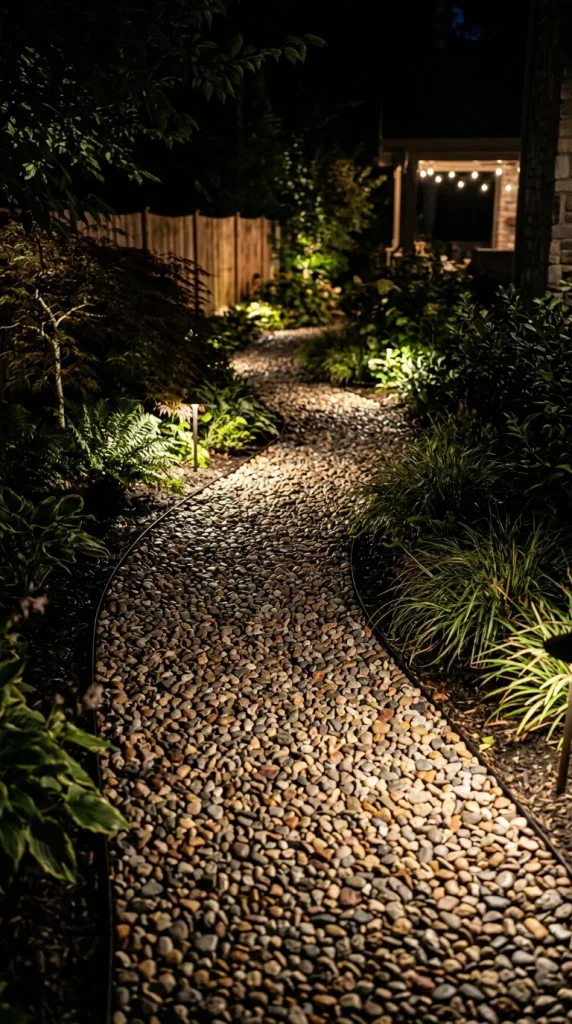
Don’t forget how gravel looks after the sun goes down. Because of its many facets and textures, gravel catches light beautifully. Use low-voltage LED path lights or uplights against stone walls to create a dramatic, high-end look. The shadows cast by the individual stones add a layer of depth and mystery to your garden at night.